-
Address: Street Name, NY 38954
-
Mobile: +86 198 6369 1950
-
Email: info@ecofoodware.com
-
Address: Street Name, NY 38954
-
Mobile: +86 198 6369 1950
-
Email: info@ecofoodware.com
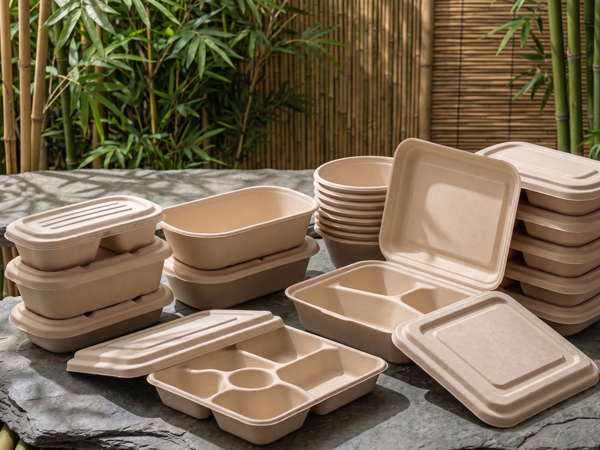
Bagasse Food Containers for Eco Friendly Compostable Food Packaging
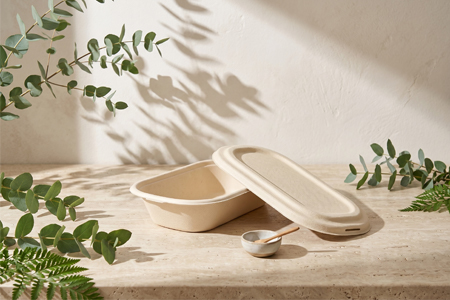
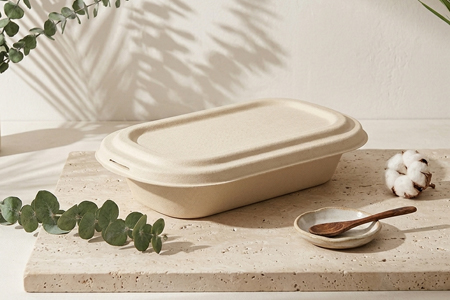
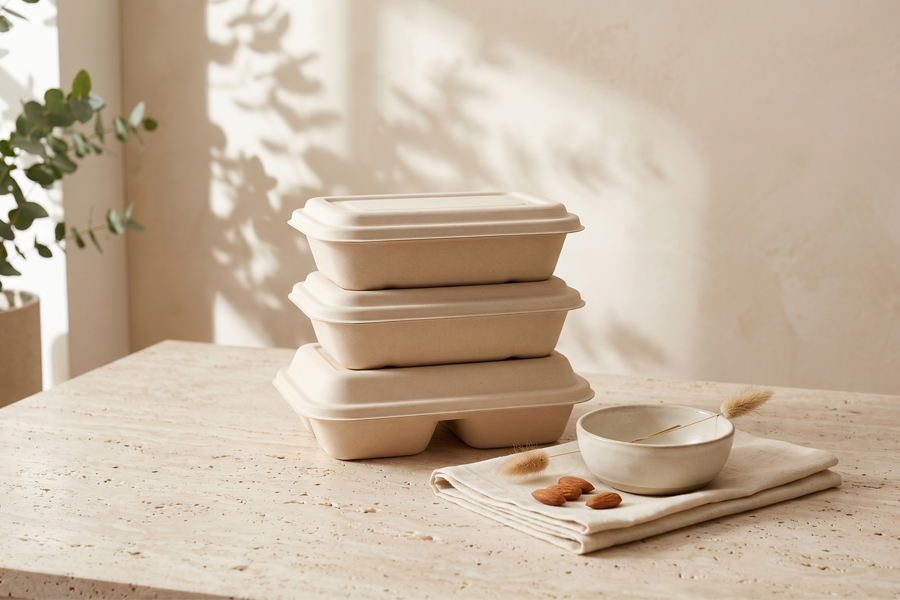
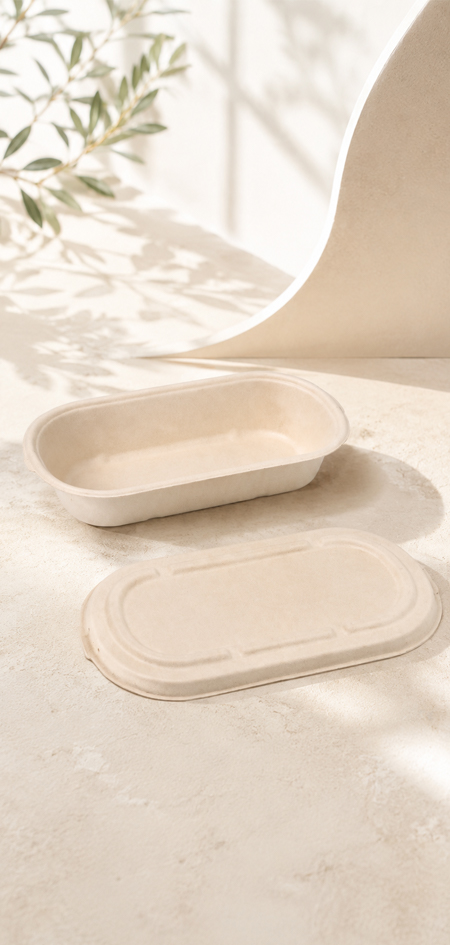
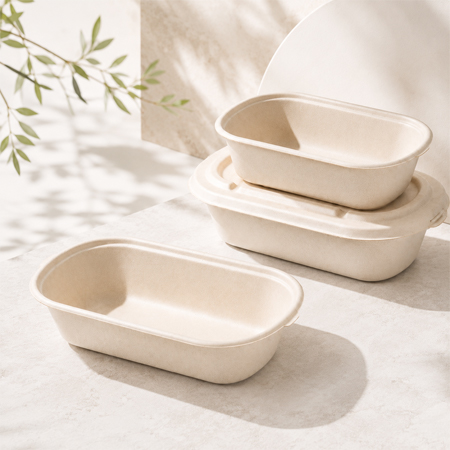
Bagasse food containers are compostable food containers made from sugarcane bagasse, designed for takeaway, delivery, catering, meal prep, supermarkets, and foodservice distribution. Buyers choose them as a practical eco-friendly solution and alternative to plastic when they need disposable food containers with reliable packing performance, bulk supply options, and customization support.
Bagasse Clamshell Container Wholesale Supply for Foodservice Buyers
For restaurant groups, distributors, caterers, and private label packaging buyers, sourcing molded fiber packaging is not only about replacing one material with another. The right product must fit real service conditions: hot meals, cold foods, sauced dishes, stacking, delivery movement, food storage, carton packing, and fast daily operations.
As a packaging manufacturer and wholesale supplier, we support buyers looking for bagasse food packaging that can work across multiple food service channels. The range can include a bagasse bowl, rectangular container formats, hinged containers, clamshell containers, biodegradable take out container formats, and lidded options for to-go and delivery programs.
Bagasse is widely used because it is made from sugarcane pulp, the fibrous by-product of sugarcane processing. For buyers building an eco-conscious food packaging program, sugarcane bagasse offers a practical molded fiber option for disposable food packaging, especially when product specifications, compliance documents, and disposal claims are confirmed before bulk ordering.
Biodegradable Bagasse Food Container Product Range
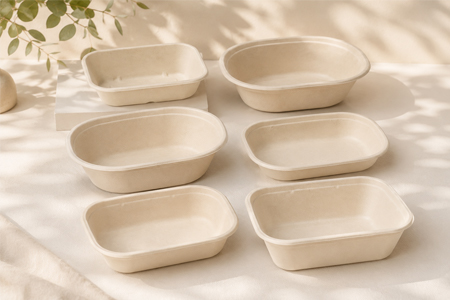
Our bagasse food container category is designed for worldwide buyers who need a flexible range of bagasse containers for takeaway, catering, restaurant chains, supermarkets, cafeterias, and private label packaging programs. Options may include round, square, rectangular, compartment, clamshell, and lidded formats depending on the final application. Buyers can select products based on capacity, lid fit, meal type, stacking requirements, and packing method.
-

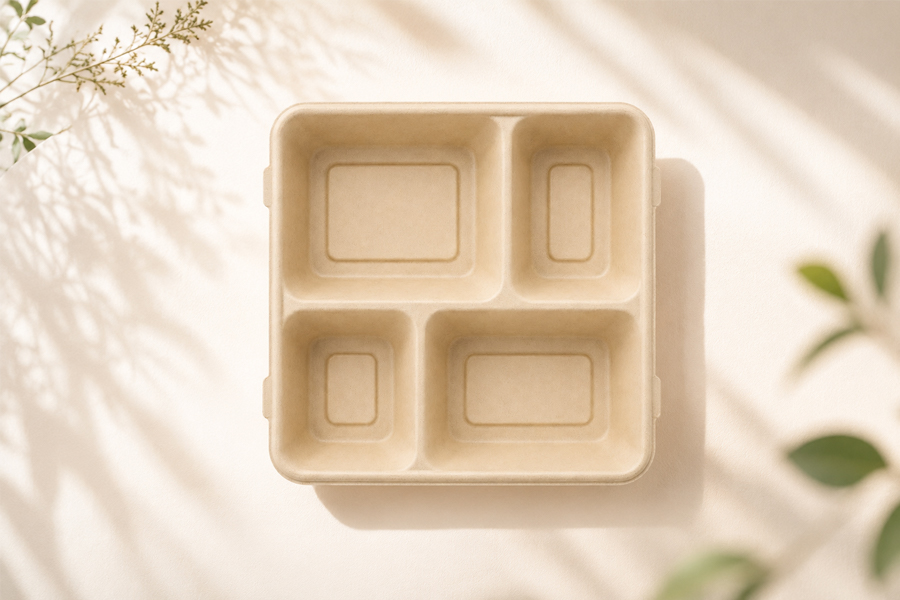
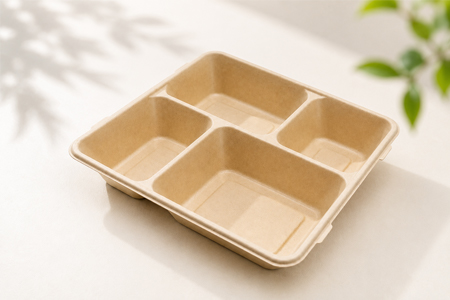
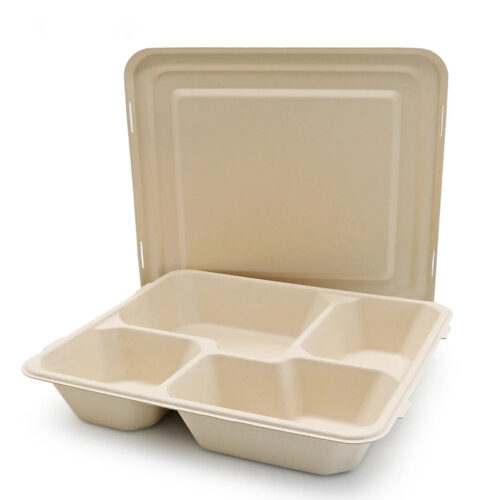
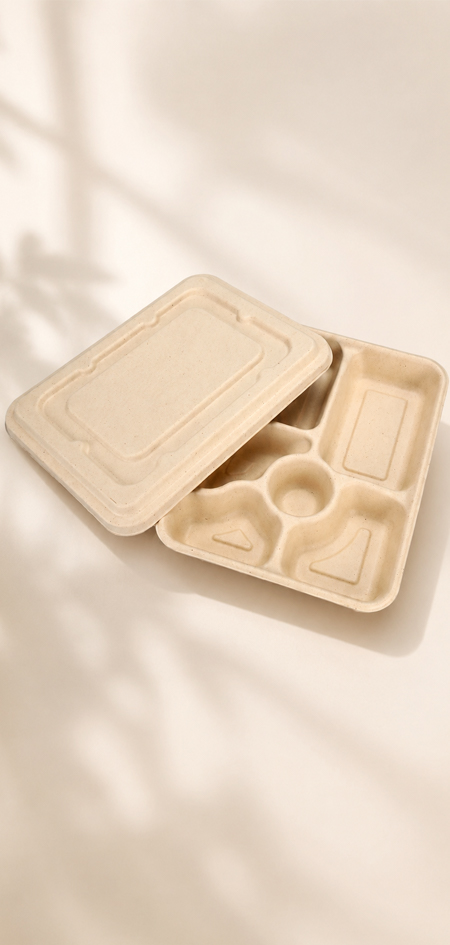
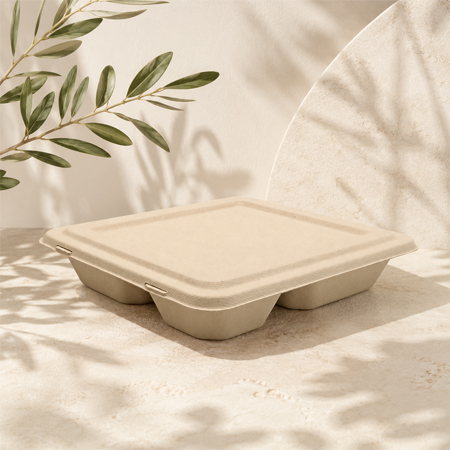
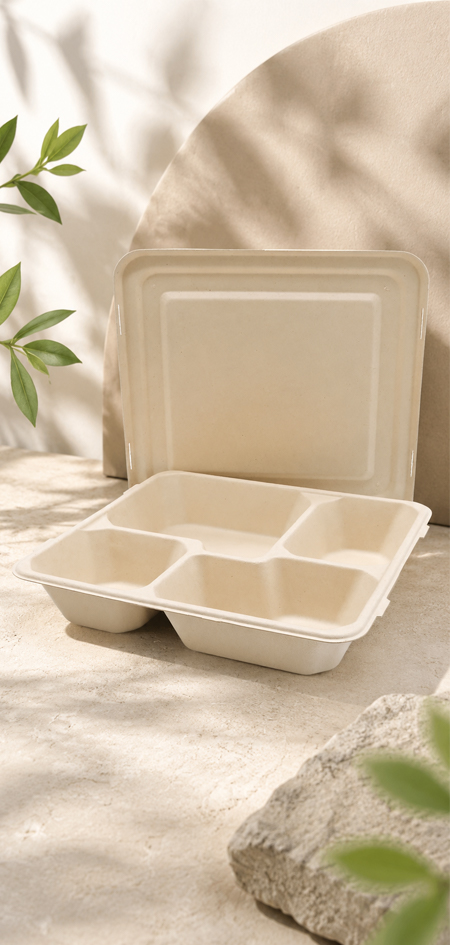
4-Compartment Bagasse Food Container with Lid
Rectangular bagasse-style molded fiber food container with four compartments, separate fitted lid, beige surface, and visible 240 × 220 × H42 mm size reference for meal packing.
-

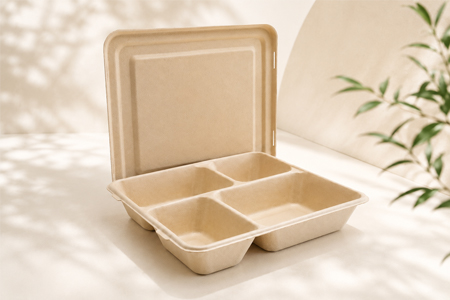
Bagasse-Style Compartment Food Container with Lid
Medium-depth bagasse-style compartment food container with a separate matching lid, natural beige molded fiber appearance, rounded corners, and divided meal sections.
-

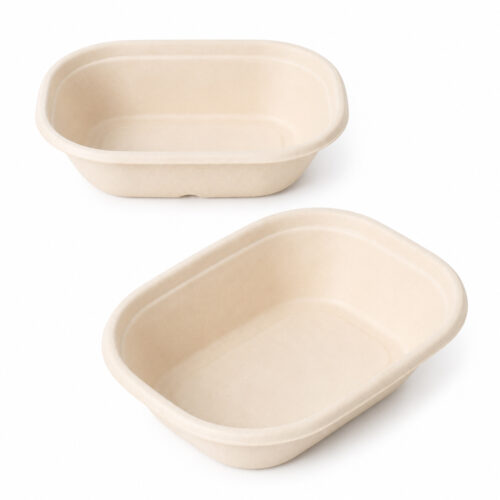
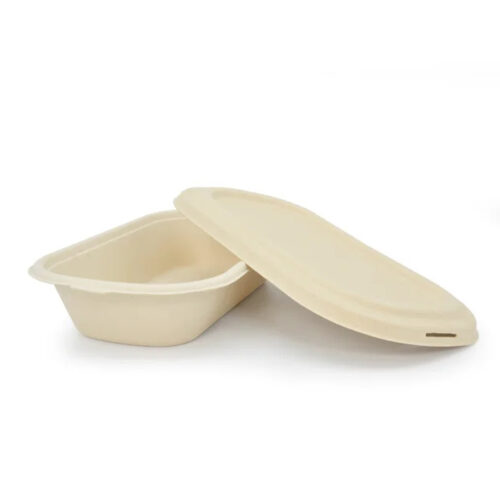
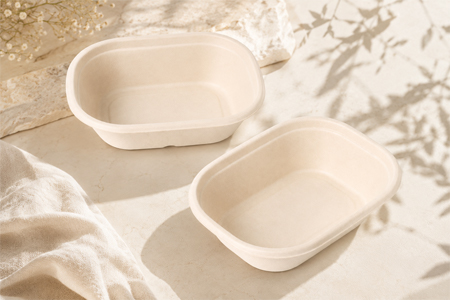
Bagasse-Style Food Container with Separate Lid
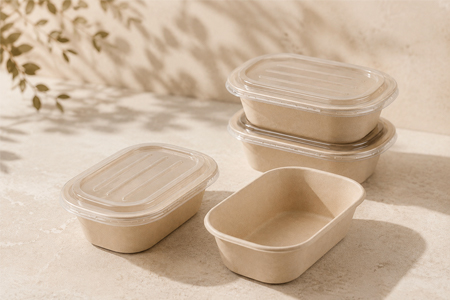
Rounded rectangular bagasse-style molded fiber food container with medium-depth body, separate molded fiber lid, and clear fitted lid option shown for takeaway meals and deli service.
-

Rectangular Bagasse-Style Food Container with Lid
Rectangular molded fiber appearance food container with separate clear lid option, rounded corners, medium-depth profile, and visible single or two-compartment base formats.
-

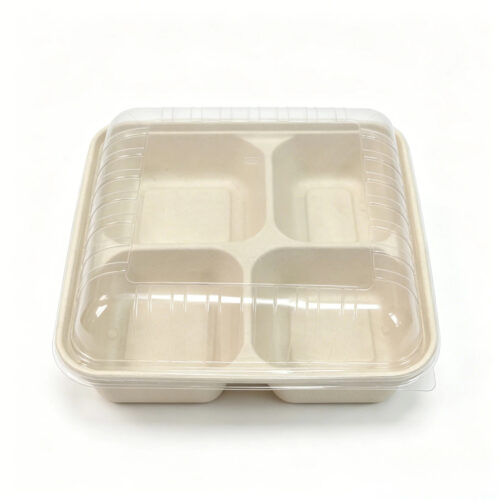
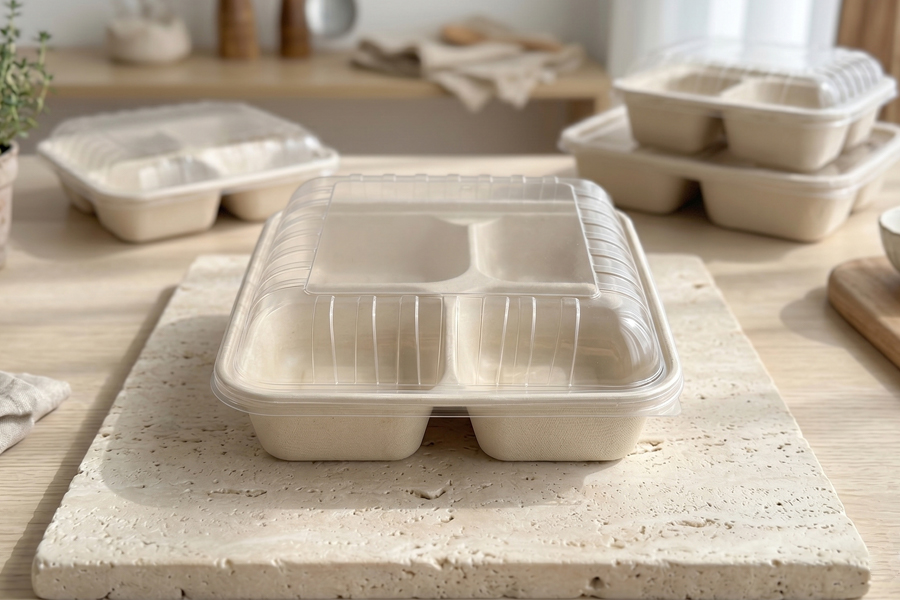
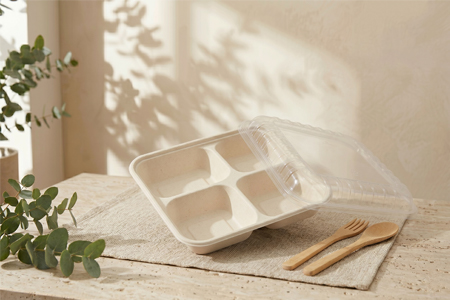
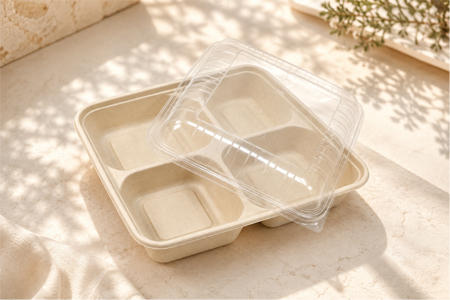
Bagasse-Style Food Container with Clear Lid
Compartmented molded fiber appearance meal container with a natural beige body, rounded rectangular shape, raised rim, and separate clear fitted lid for takeaway and deli meal packing.
-

Bagasse Rectangular Meal Pan with Lid Options
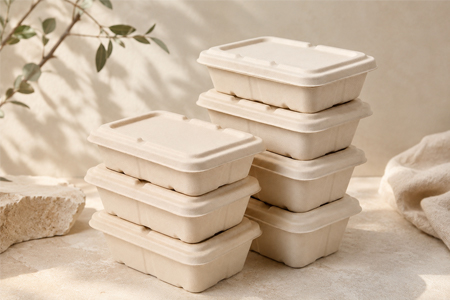
Rectangular bagasse-style meal pan with rounded corners, raised rim, stackable body, and separate lid options shown for prepared meals and takeaway service.
-

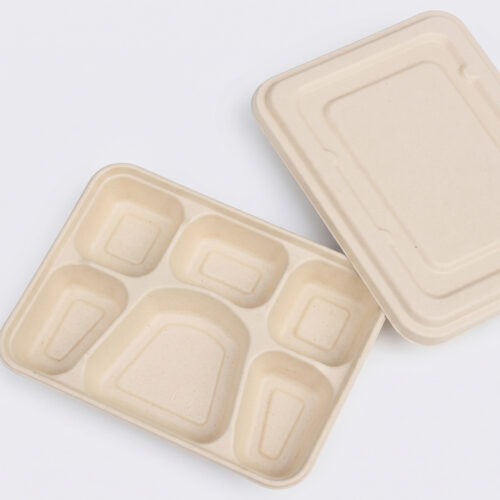
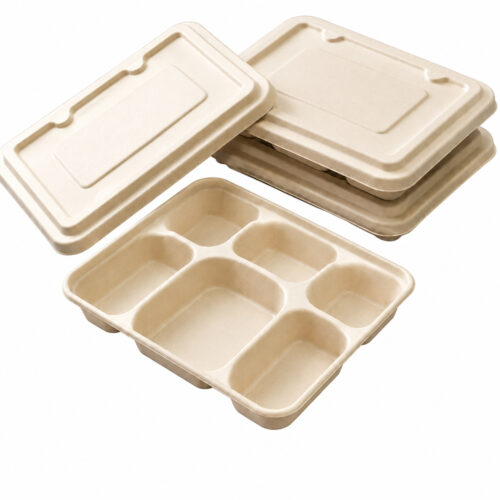
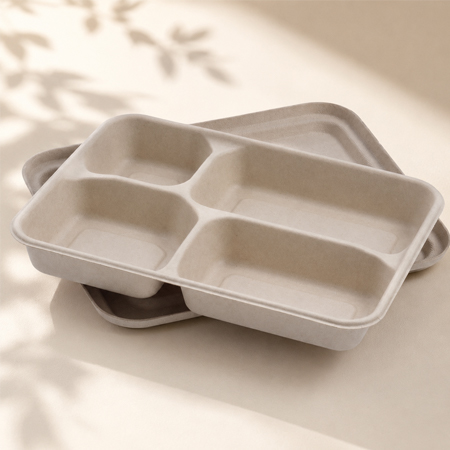
Bagasse Compartment Food Container with Lid Options
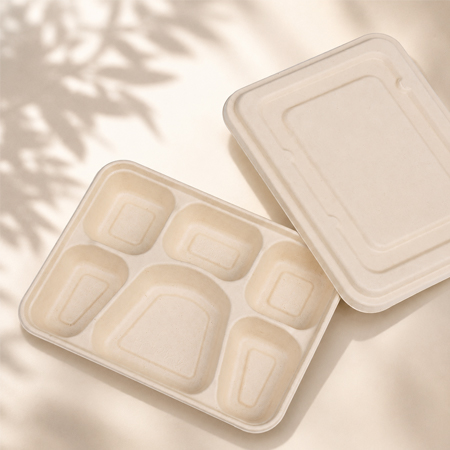
Rectangular molded fiber-style compartment food container shown in 3-, 4-, 5- and 6-compartment layouts, with separate lid options and stackable presentation for takeaway meal service.
-

Bagasse-Style Molded Fiber U Box Food Container
Rounded-rectangular U box food container with natural molded fiber appearance, open-top body, raised rim, and separate lid options shown for takeaway meals, deli foods, and meal-prep packaging.
-

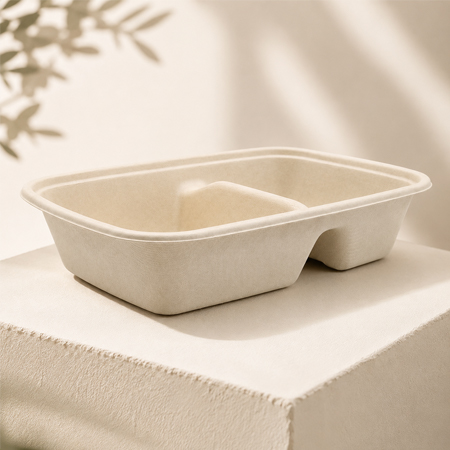
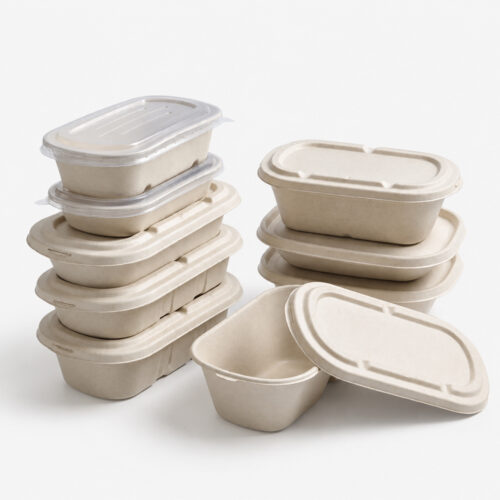
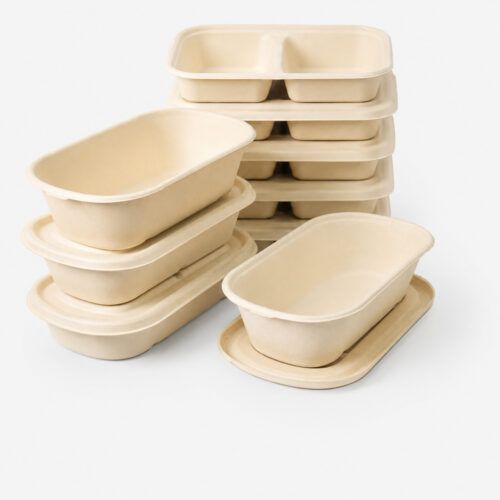
Bagasse Food Container with Separate Lids for Meals
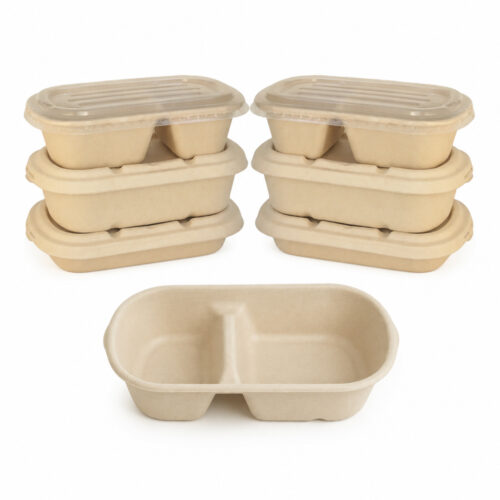
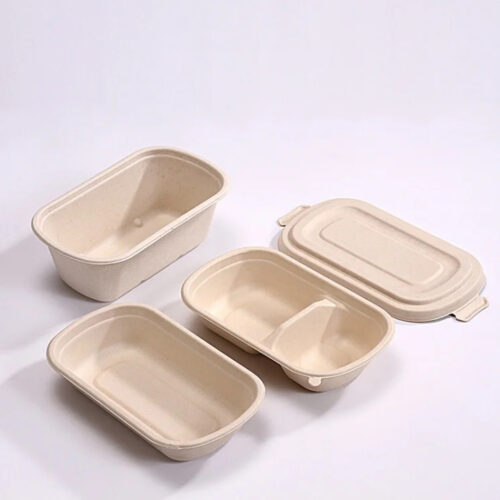
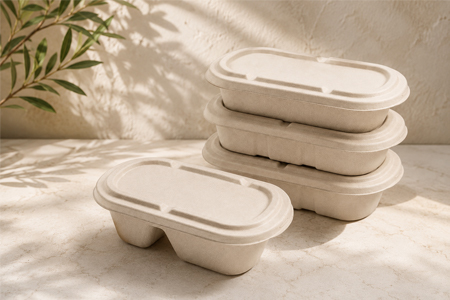
Rectangular bagasse-style molded fiber food containers with open-top bodies, raised rims, 1- and 2-compartment layouts, and separate molded fiber or clear lid options shown.
-

Rectangular Bagasse Food Container with Separate Lid
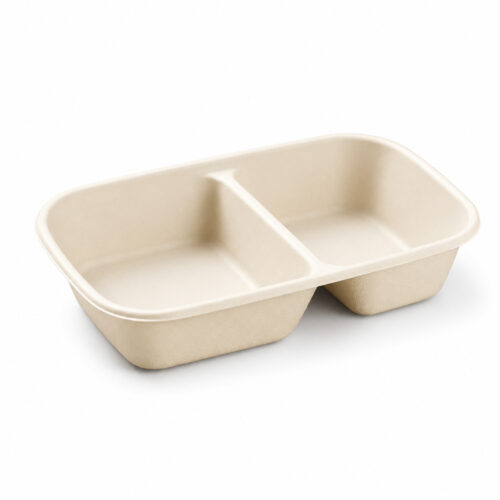
Rectangular bagasse-style molded fiber food container with single and two-compartment options, separate clear lid shown, and visible 750 ml to 1400 ml size range for takeaway meal service.
-

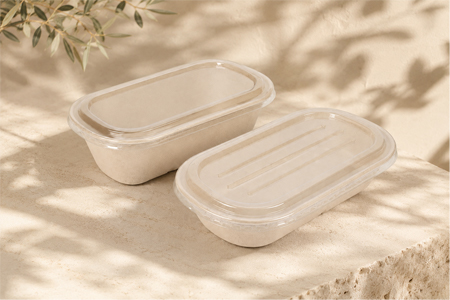
Bagasse-Style Food Containers with Separate Lids
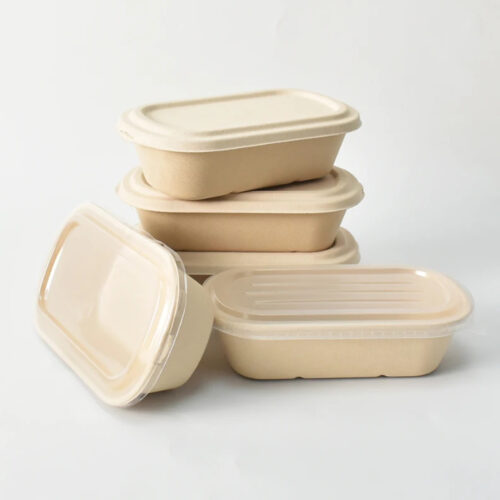
Bagasse-style molded fiber food containers with separate fitted lids, natural beige color, rounded edges, and medium-to-deep bodies for takeaway meals and foodservice supply.
-

Bagasse Food Container with Separate Lid for Meals
Natural beige bagasse-style molded fiber food container with separate lid option, rounded rectangular shape, and single or divided base formats for takeaway meals and prepared foods.
-

Bagasse Food Container with Separate Lid Option
Rectangular bagasse-style molded fiber food container range with open-top bodies, rounded rims, single or two-compartment designs, and separate lid options shown.
-

Bagasse Food Container with Separate Lid
Rounded rectangular bagasse-style food container with a separate fitted lid and medium-depth body, suitable for takeaway meals, deli foods, and prepared food packing.
-

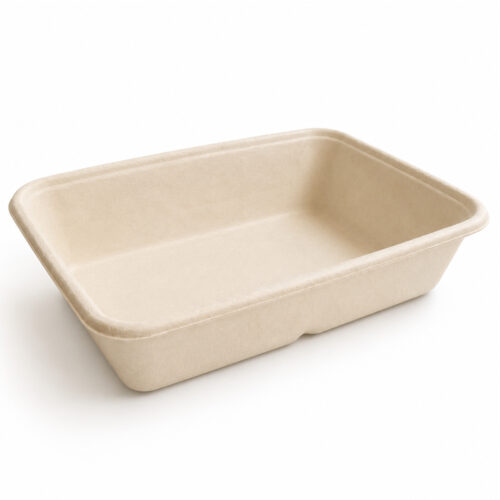
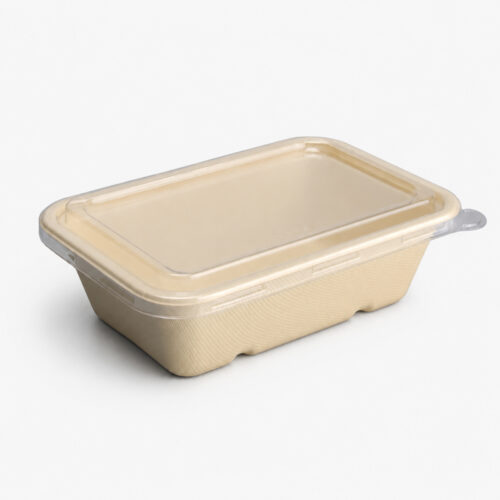
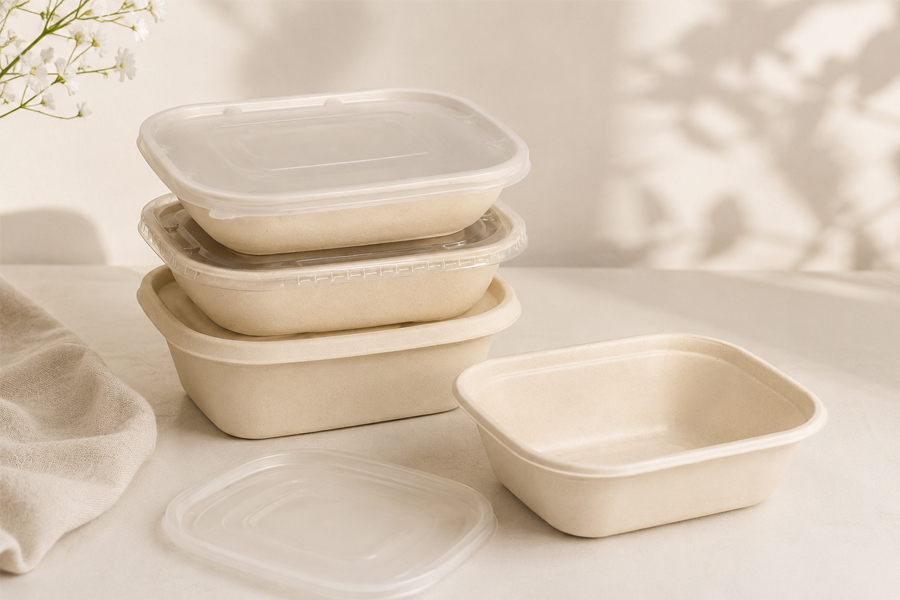
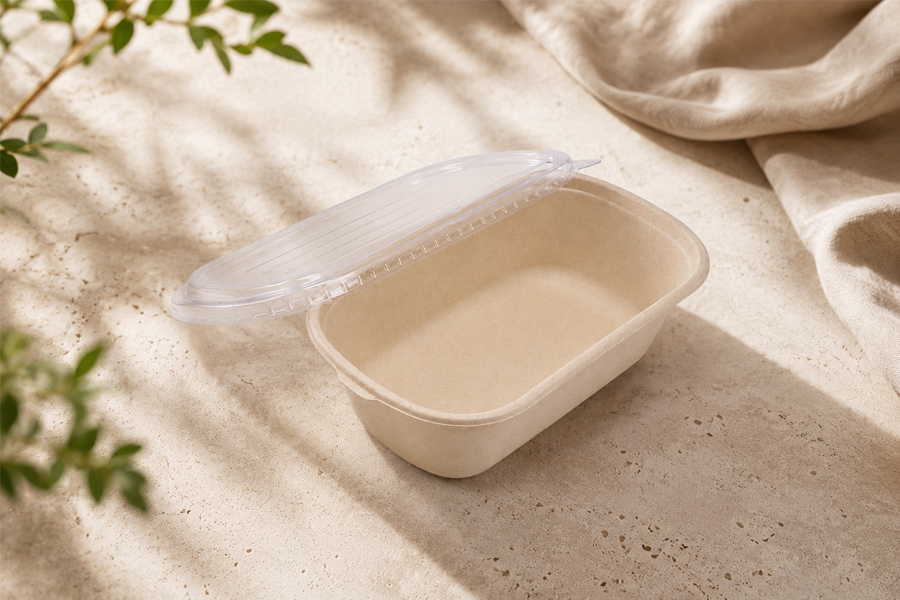
Rectangular Bagasse Food Container with Clear PET Lid
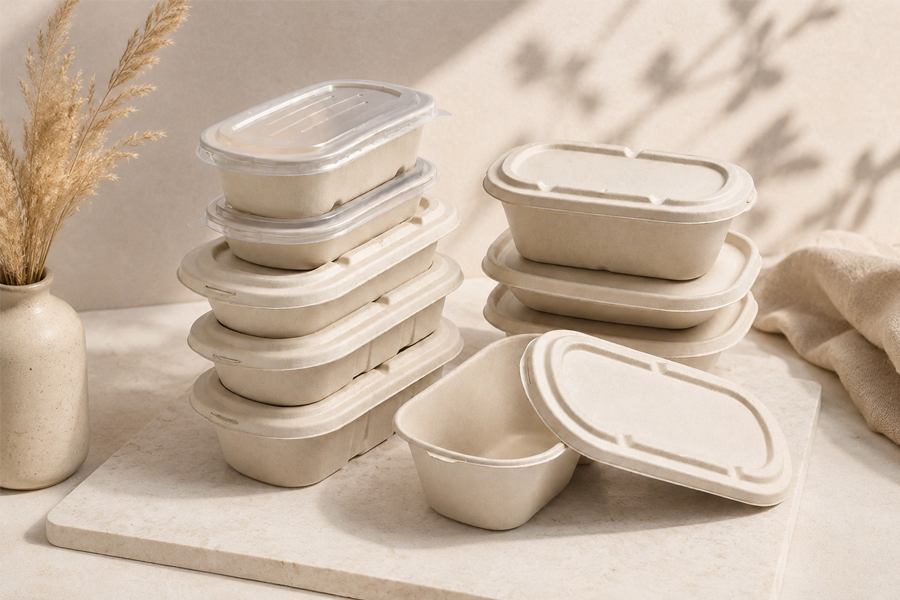
Rectangular molded fiber food container in natural beige color, shown with a separate translucent PET lid option and three visible capacity formats: 550 ml, 650 ml and 750 ml.
-

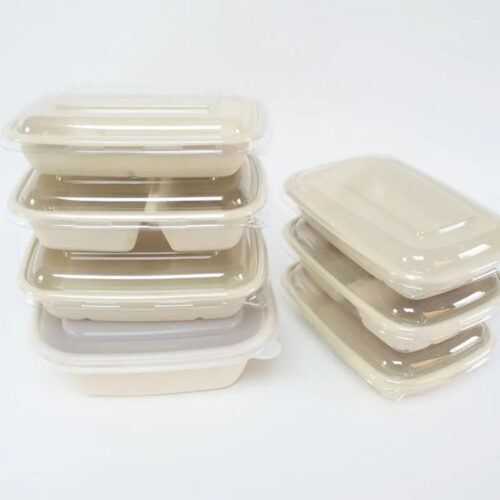
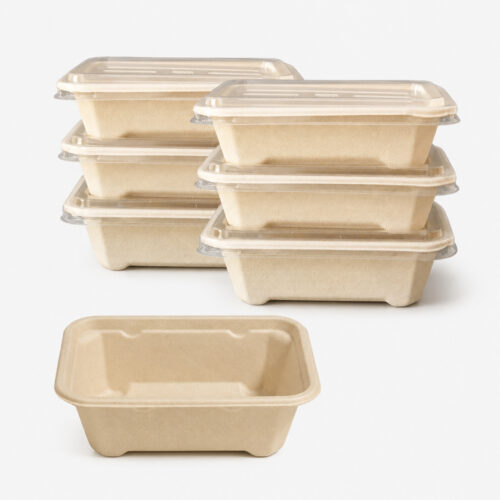
Bagasse Food Containers with Clear Lid Options
Open-top bagasse-style molded fiber food containers with rectangular, rounded, and compartment formats. A clear fitted lid option is shown for takeaway meals, salads, deli counters, and meal-prep projects.
Compostable Food Containers, Eco Friendly Food Containers, and Disposable Food Containers
Many buyers search for disposable food containers because single-use packaging is still required for takeout, delivery, catering, events, cafeterias, and grab-and-go food retail. Sugarcane molded fiber products help meet this need while giving procurement teams a plant-based option instead of foam or conventional plastic.
For buyers comparing compostable food containers, bagasse provides a natural molded fiber structure with a sturdy hand feel and broad foodservice use. It can be used for many prepared foods, provided the selected container size, lid type, temperature range, and food contact requirements match the application.
For brands building an eco friendly sugarcane food containers program, bagasse is often selected because it combines practical serving performance with a more responsible material story. It works well as part of wider eco-friendly food packaging and sustainable packaging strategies that may also include paper bags, kraft cartons, paper plates, and other disposable tableware.
Eco-Friendly Biodegradable Sugarcane Bagasse Material Benefits
Sugarcane bagasse is the fibrous material left after juice extraction from sugar cane. When processed into molded fiber, it can be formed into strong, lightweight food containers that support many hot and cold food applications. This makes bagasse a useful material for disposable tableware and food packaging made from renewable agricultural fiber.
A typical bagasse container has a natural fiber look and a sturdy hand feel. It is often used as an eco-friendly biodegradable food container for meals that require a more rigid base than thin paper or foam. Molded bases are commonly made from sugarcane fiber, while the lid material may vary by product line, such as bagasse, PET, PP, or paper-based options.
This also makes sugarcane fiber a practical choice for food packaging made from renewable sugarcane fiber, especially for buyers who want a molded fiber item with a natural appearance, commercial usability, and a clear material story for foodservice packaging programs.
For buyers comparing compostable food containers, sugarcane bagasse containers can help reduce reliance on petroleum-based plastic packaging. However, compostable and biodegradable claims should always be matched with the correct certification, disposal route, and market requirements.
Compostable Sugarcane Bagasse Food Containers for Takeout, Delivery, and Catering
Eco-friendly bagasse food containers are widely used for takeout, takeaway, catering, cafeterias, supermarkets, meal prep, events, and quick-service restaurants. They are suitable for rice meals, salads, noodles, pasta, grilled dishes, deli foods, bakery items, and portioned ready meals when the size and lid are selected correctly.
For restaurants and distributors looking for a biodegradable take out container, sugarcane fiber packaging can be a practical solution for takeaway meals, delivery orders, catering packs, and ready-to-eat food retail. It gives buyers a disposable format while supporting a more eco-conscious purchasing direction.
For foodservice distributors, a range of bagasse products can serve different account types without overcomplicating sourcing. A 12 oz bowl may work for sides or small portions, while a 16 oz bagasse bowl can support soups, grain bowls, or meal prep portions when paired with the correct lid. Larger rectangular formats are often used for entrée meals, mixed menus, and delivery packaging.
Buyers who already purchase paper plates, paper bags, kraft cartons, or other disposable food packaging can add bagasse containers as part of broader sustainable packaging programs.
Bagasse Containers as an Alternative to Plastic Food Packaging
Many buyers choose bagasse because they need an alternative to plastic for food packaging programs, especially where foam or rigid plastic is being reduced. Bagasse is not a universal replacement for every plastic container, but it can be a strong choice for many prepared food, catering, and takeaway applications.
For many foodservice buyers, bagasse is not just a material change; it is an eco-friendly solution that supports disposable serving needs while reducing dependence on conventional plastic packaging.
Compared with clear plastic packaging, bagasse containers usually provide a more natural, fiber-based presentation. They are often selected by eco-conscious food brands, restaurant groups, and distributors that want packaging options aligned with eco-friendly and sustainable purchasing goals.
For accurate environmental communication, buyers should avoid broad claims without documentation. If a product is marketed as compostable bagasse, biodegradable bagasse, or biodegradable and compostable packaging, the claim should be supported by the relevant certification and local disposal guidance in the buyer’s market.
Biodegradable Food Packaging Performance for Hot and Cold Food
Performance depends on the food type, serving time, lid match, packing method, and storage conditions. A well-selected bagasse food container can support hot and cold food, including rice dishes, fried items, salads, noodles, bakery products, and cold foods for grab-and-go retail.
For hot meals, buyers should check heat tolerance, moisture resistance, grease resistance, and whether the lid design helps keep food fresh during delivery. For cold applications, stacking strength, condensation behavior, and shelf display needs may be more important.
For procurement teams, food storage conditions should also be reviewed before bulk ordering. Buyers should check how the item performs during stacking, transport, chilled storage, reheating, and short-term holding before choosing the final specification.
Some product lines may be suitable for microwave and freezer use, but this should be confirmed by item, test report, and supplier documentation. The right answer depends on the exact container, lid material, food temperature, and intended use.
Lid Options, Hinged Containers, and Clamshell Formats
Lid fit is one of the most important details in bagasse food packaging. Buyers should confirm whether the product uses a separate lid, a hinged design, or a clamshell box structure. A bagasse clamshell or compostable clamshell can be convenient for burgers, rice meals, snacks, and takeaway dishes where fast packing matters.
Separate containers with lids are often preferred for meal prep, supermarket deli counters, and applications where visibility or sealing performance is important. A clear lid may help display food, while a fiber lid can support a more consistent eco-friendly sugarcane bagasse packaging appearance.
For delivery operations, the hinge strength, lid closure, stacking stability, and carton packing should be reviewed before bulk ordering. A small fit issue can create waste, complaints, and repacking costs at scale.
Customization and Wholesale Bagasse Food Packaging Supply
Wholesale buyers often need more than standard stock items. Custom packaging support may include a size range, mixed SKU orders, bulk packing, printed cartons, private label support, export-ready packaging, and coordinated packaging solutions across bowls, trays, clamshells, and take out container formats.
For OEM and private label projects, buyers may request custom carton marks, barcode labels, packaging artwork, product naming, and market-specific disposal instructions. If the project includes a custom mold, branded sleeve, or special packing method, details should be confirmed before quotation.
We can support procurement teams that need a range of bagasse packaging for distributors, restaurant groups, supermarkets, and eco-conscious food brands. Exact MOQ, lead time, and documentation should be confirmed according to the product, order mix, destination market, and customization level.
Compliance Support for Eco-Friendly Food Packaging Buyers
Food packaging buyers usually need more than a price list. They may need material declarations, food contact support, compostability documents, PFAS-related information, carton labels, and import documents depending on the destination market.
For North America and Europe, claims such as compostable food packaging, biodegradable food packaging, biodegradable sugarcane, biodegradable sugarcane bagasse, and compostable sugarcane should be reviewed carefully. Certification requirements, labeling rules, and accepted disposal routes can vary by country, state, buyer program, and waste infrastructure.
As a manufacturer of eco-friendly food packaging, we recommend confirming the target market first. This helps align the product, artwork, compliance documents, and buyer-facing claims before production or bulk shipment.
How to Choose Bagasse Containers for Procurement
To choose bagasse containers correctly, start with the menu. Consider food type, oil level, moisture level, portion size, serving temperature, storage time, and whether the food will be eaten immediately or delivered. A bowl, tray, clamshell, or rectangular container may each perform differently.
Next, check operational details. Procurement teams should review capacity, shape, lid fit, stacking, packing method, carton quantity, storage space, and whether the item must work with existing dispensers, sealing machines, shelves, or delivery bags.
Finally, evaluate supplier reliability. Ask for samples, confirm specifications, review documentation, test with actual food, and check whether the supplier can support mixed SKU orders, repeat supply, export packing, and private label requirements. This is especially important when sourcing eco-friendly biodegradable packaging for multi-location operations.
Bagasse Food Containers FAQ for Takeaway, Lids, and Compostable Claims
Are compostable bagasse food containers accepted in all markets?
Many bagasse food containers are designed to be compostable under appropriate conditions, especially when supported by recognized certification. Buyers should confirm the applicable certificate, disposal label, and whether local commercial composting facilities accept the product in their target market.
What is eco-friendly sugarcane pulp and how is it made into bagasse food packaging?
Bagasse is made from sugarcane residue after juice extraction. In food packaging, the material is processed into sugarcane pulp and molded into bowls, plates, trays, clamshells, and containers. Some items may be described as made from sugarcane or made from 100% renewable sugarcane fiber, but the exact material declaration should be confirmed by product.
Can compostable bagasse containers be used for hot food?
Yes, many bagasse containers are used for hot meals, takeaway dishes, and catering applications. Buyers should test the container with the actual food, serving temperature, oil level, sauce content, and delivery time before confirming a bulk order.
Are bagasse containers suitable for cold foods and meal prep?
Yes, bagasse food containers can be used for salads, fruit, deli foods, bakery items, and meal prep when the shape, lid, and packing style are suitable. For chilled retail display, confirm stacking, condensation behavior, and shelf-life requirements.
Do containers with lids, hinged containers, and clamshell containers use the same lid material?
Not always. Containers with lids may use molded fiber, PET, PP, or paper-based lids depending on the product line. Hinged containers and clamshell containers usually have an integrated closure, while separate-lid formats may be preferred for meal prep, supermarket deli counters, or display applications.
How should buyers choose eco-friendly sugarcane bagasse containers for takeaway and to-go food?
Buyers should choose bagasse containers based on food type, portion size, oil and moisture level, serving temperature, delivery time, stacking needs, and packing method. For takeaway and to-go food, lid fit, closure strength, carton packing, and real food testing are especially important.
Is a bagasse clamshell or compostable clamshell suitable for delivery?
A bagasse clamshell, compostable clamshell, or clamshell box can be suitable for burgers, rice meals, snacks, and takeaway dishes where fast packing matters. Buyers should check hinge strength, closure stability, stacking performance, and whether the food stays secure during delivery.
Are biodegradable food containers better than plastic containers?
Bagasse can be a greener and environmentally friendly alternative to plastic for many disposable food packaging applications, especially where buyers want plant-based molded fiber packaging. It is not the best choice for every food type, so buyers should compare performance, lid needs, disposal route, and compliance requirements before choosing.
Are bagasse containers an environmentally friendly choice for disposable food packaging?
Bagasse can be an environmentally friendly alternative for many disposable food packaging applications, especially where buyers want plant-based molded fiber packaging. It is not the best choice for every food type, so buyers should compare performance, lid needs, disposal route, certification, and compliance requirements before choosing.
Request a Quotation for Sustainable Sugarcane Bagasse Food Containers
If you are sourcing sustainable bagasse food containers for wholesale, restaurant supply, catering distribution, supermarket packaging, or private label foodservice programs, we can help you confirm the right product range before ordering.
Whether you need a standard range or a custom solution for takeaway, delivery, catering, supermarket deli, or private label foodservice packaging, we can help review your specifications and recommend suitable options.
Send your required size, capacity, lid preference, packing method, target market, and estimated order mix. Our team can review the application, suggest suitable bagasse container options, prepare samples where available, and discuss OEM or private label requirements for your next bulk order.