Paper Food Packaging Manufacturer for Scalable Wholesale Programs

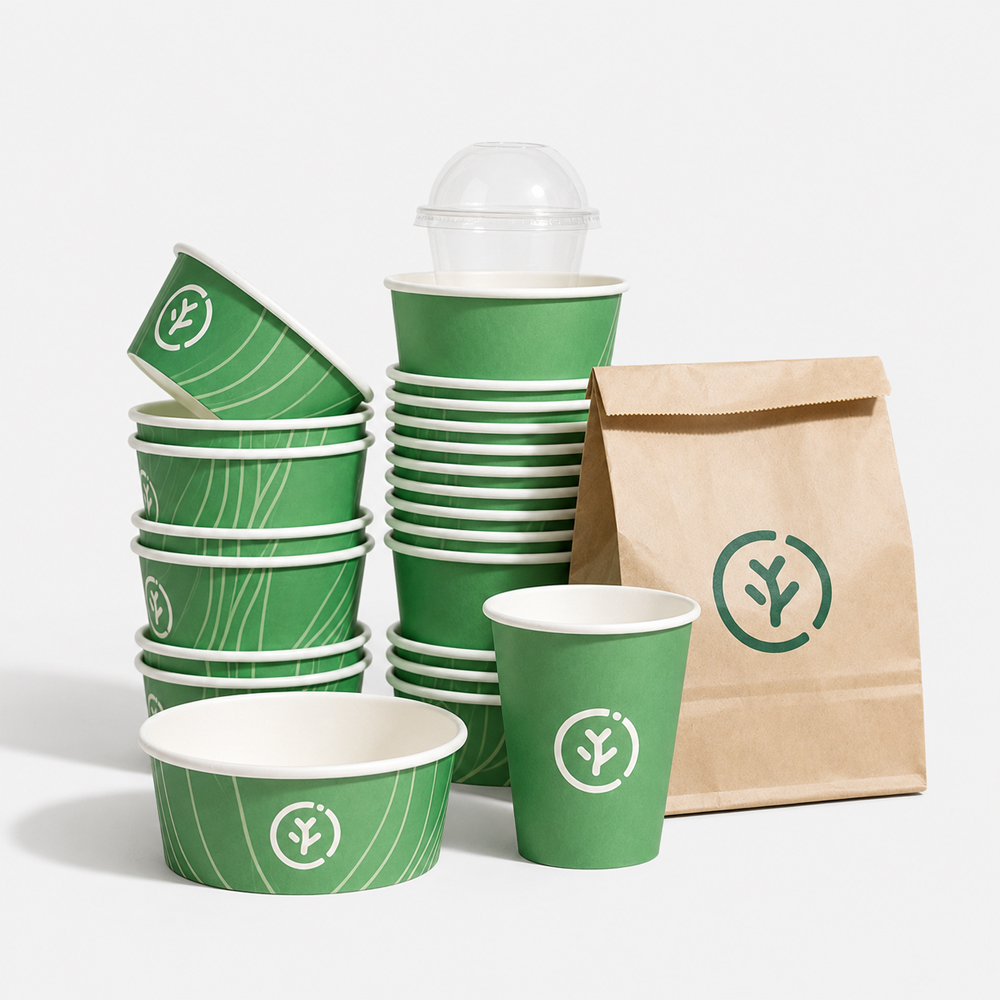
Paper food packaging is a family of food-contact boxes, bowls, buckets, bags, trays and pizza packaging engineered for takeaway, delivery, catering and retail. XcelLink Ecopack supports wholesale buyers with material selection, barrier planning, custom printing, samples, packing configuration, product-specific compliance documents and export coordination.

Source paper pizza boxes, bowls, food boxes, buckets, bags and trays with application-specific paperboard, functional barriers, Pantone-controlled branding, export packing and product-level compliance support.

Procurement-ready range

Six Core Paper Packaging Categories

Pizza · catering · delivery

Soup · noodles · salad

Burgers · meals · takeaway

Fried chicken · popcorn · hot food

Takeaway · bakery · retail

Snacks · fries · catering

Recommended RFQ inputs

Product type and dimensions, projected annual demand, target market, intended food use, preferred packing configuration, required compliance documents, and desired delivery date.

DIN
BRCS
BPI
Compostable
FDA
ISO
Sedex
38k - 50k

Typical MOQ / SKU

50+

Countries supplied

BRCGS

Certified manufacturer

OEM/ODM

Custom development

Procurement risk comes first

Generic “Food-Grade Paper” Is Not a Complete Specification

The package must be matched to food chemistry, temperature, contact time, filling method, closure, transport and destination-market requirements. Otherwise, the lowest unit price can create the highest operational cost.

Barrier mismatch

A dry bakery carton, oily fried-food box and hot soup bowl require different grease, moisture and heat-seal performance. Overlooking this causes staining, softening, leakage or lid failure.

Structural inconsistency

Uncontrolled board caliper, die-cutting, crease depth or closure fit can slow packing lines, create warped cartons and reduce stacking stability during delivery.

Claim and compliance risk

“Paper,” “recyclable,” “compostable,” “PFAS-free” and “FSC” are not interchangeable claims. Each requires the correct material structure, evidence and market-specific labeling rules.

Product range

Six Paper Packaging Categories, One Coordinated Sourcing Program

Standardize paper grade, barrier logic, artwork rules, carton markings and reorder references across multiple SKUs. This reduces supplier fragmentation and helps procurement teams compare like-for-like specifications.

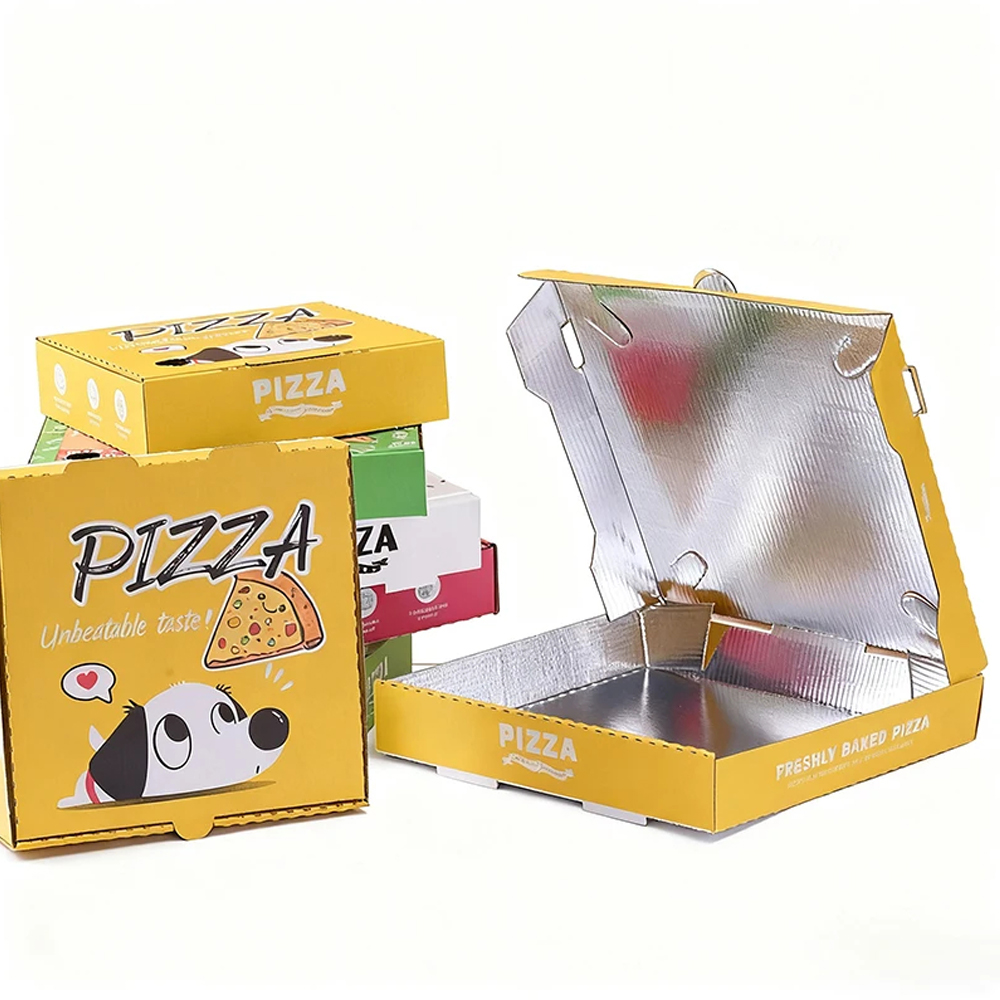
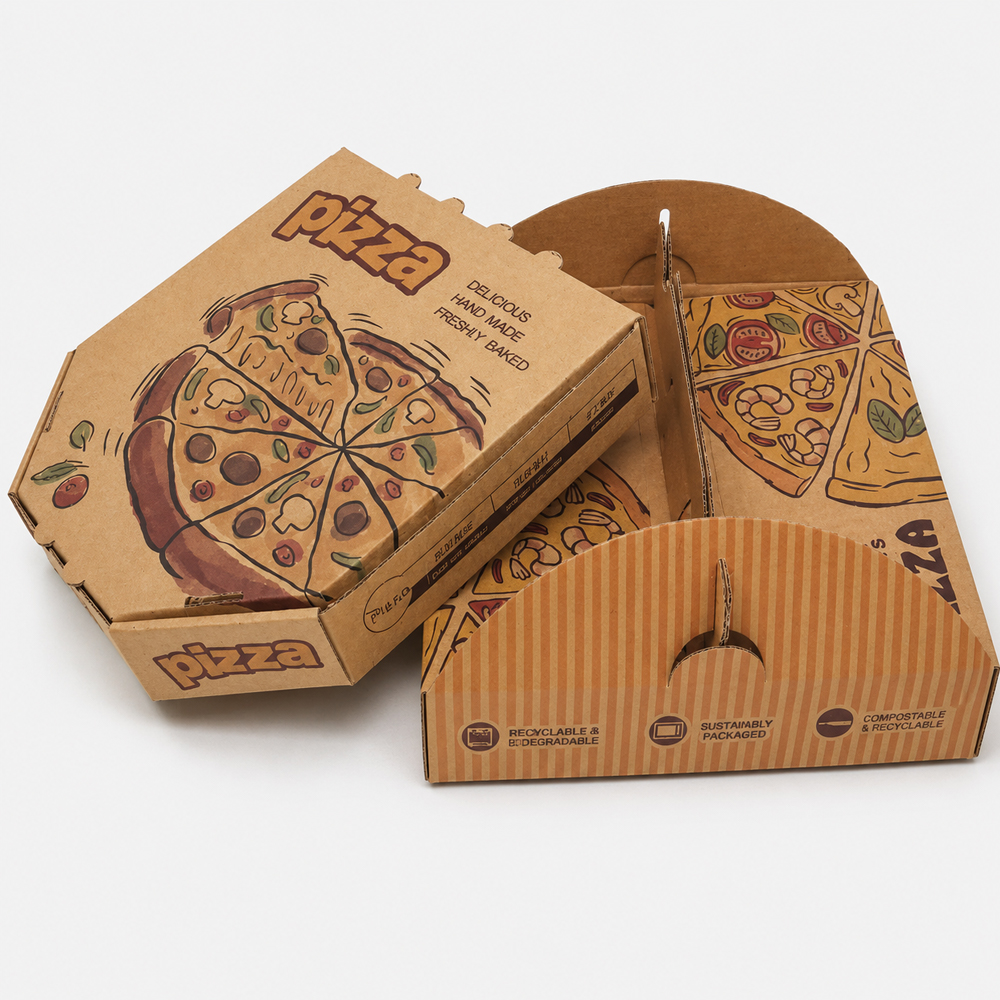
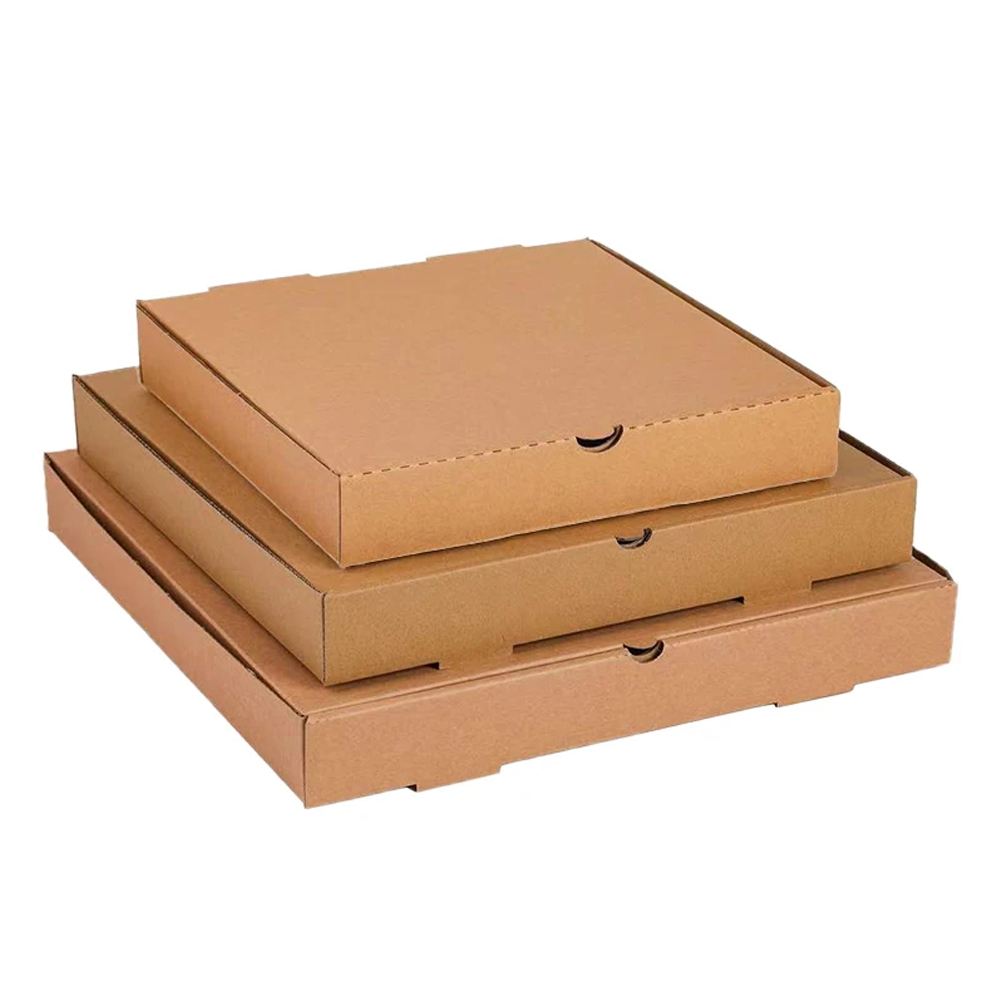
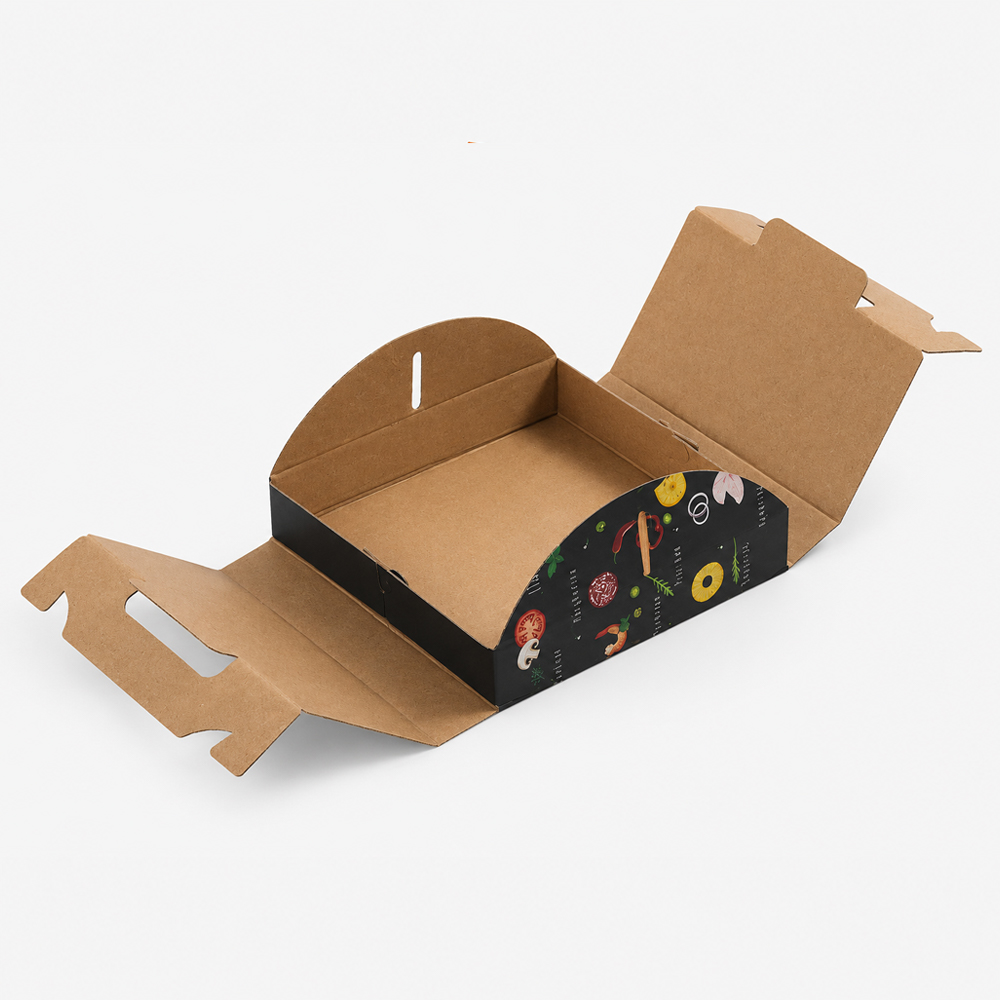
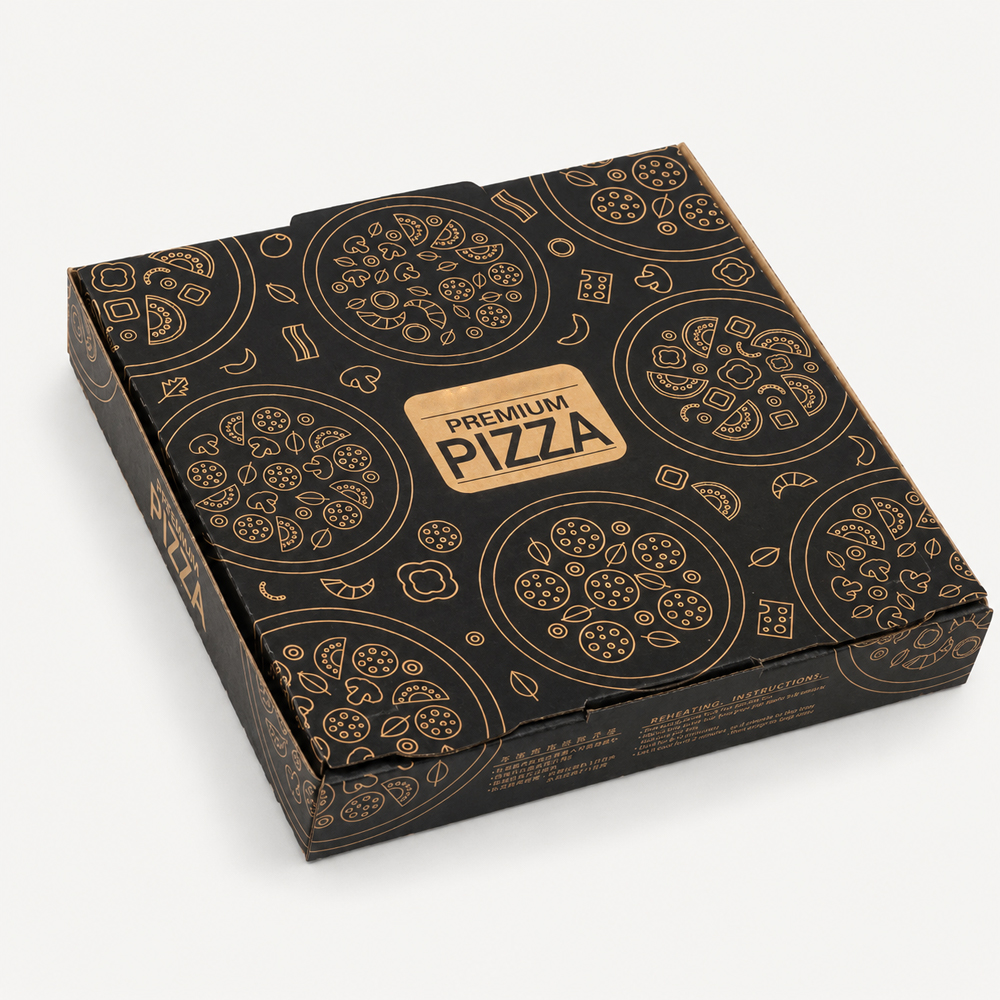
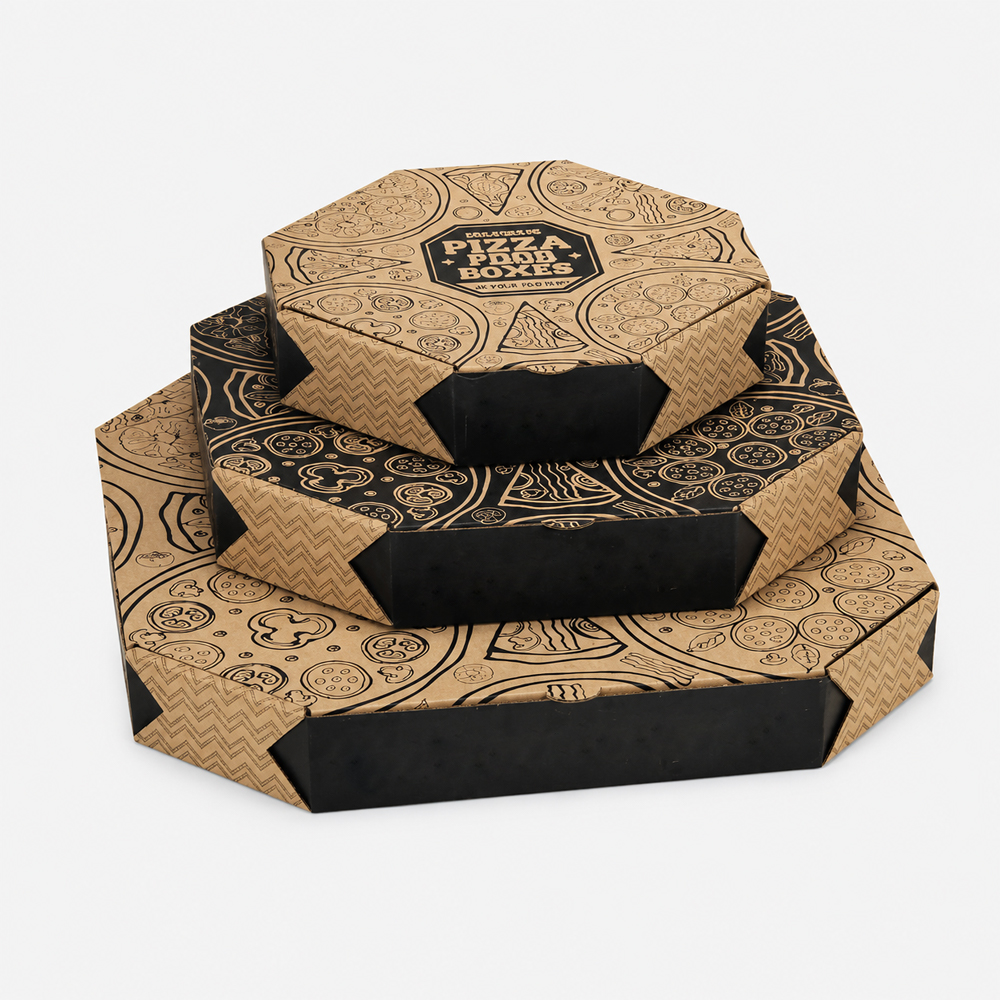
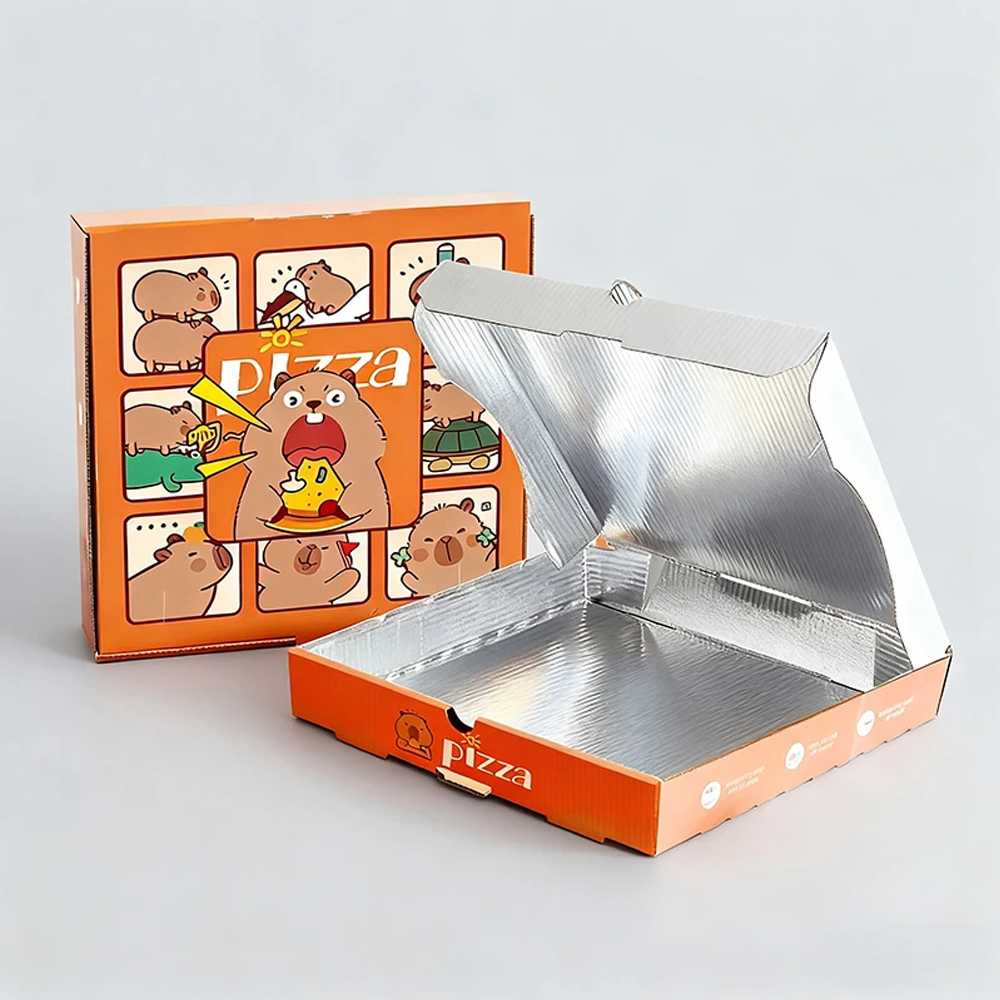
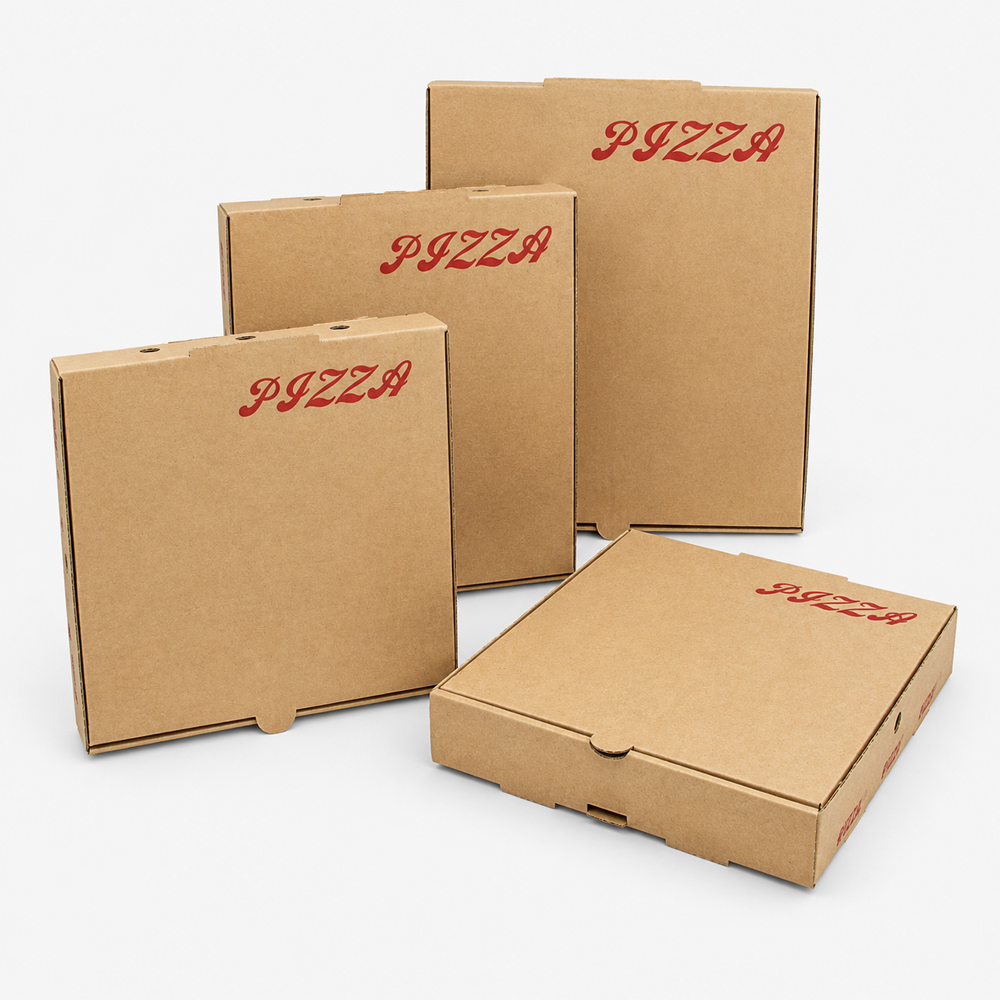
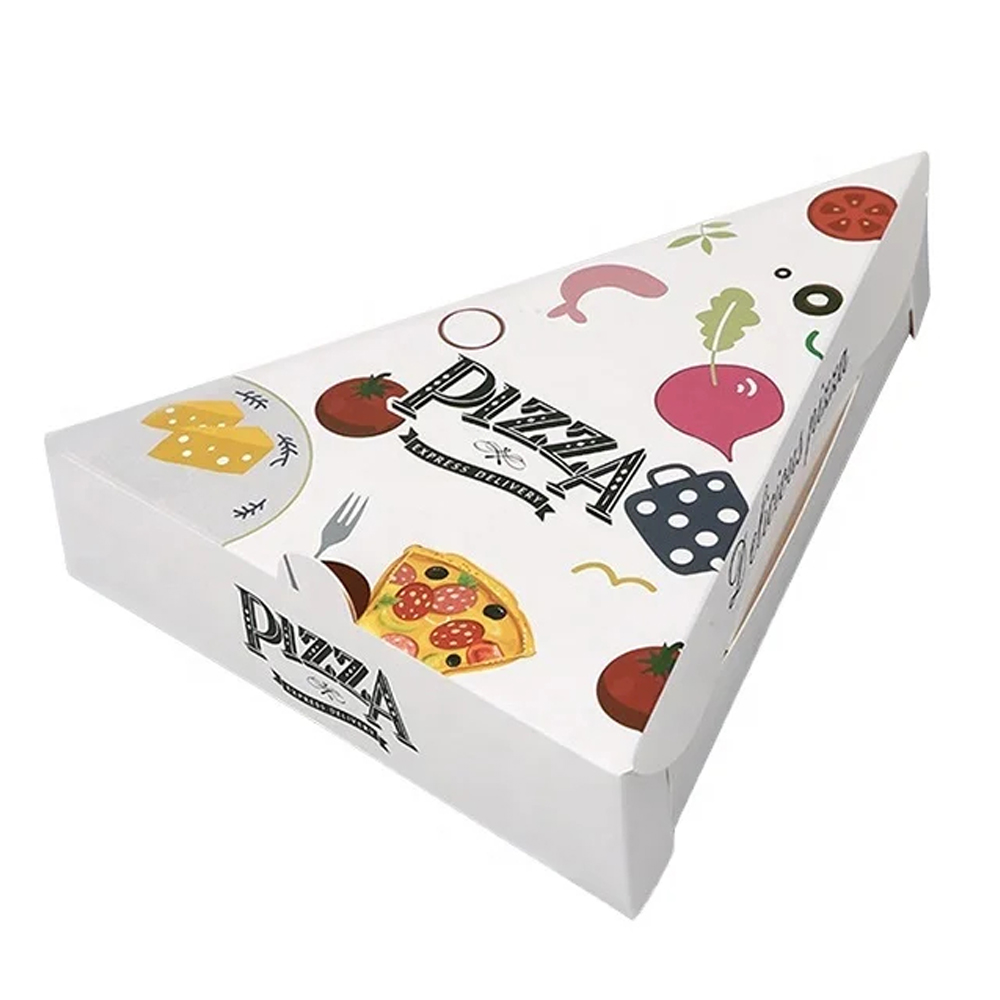
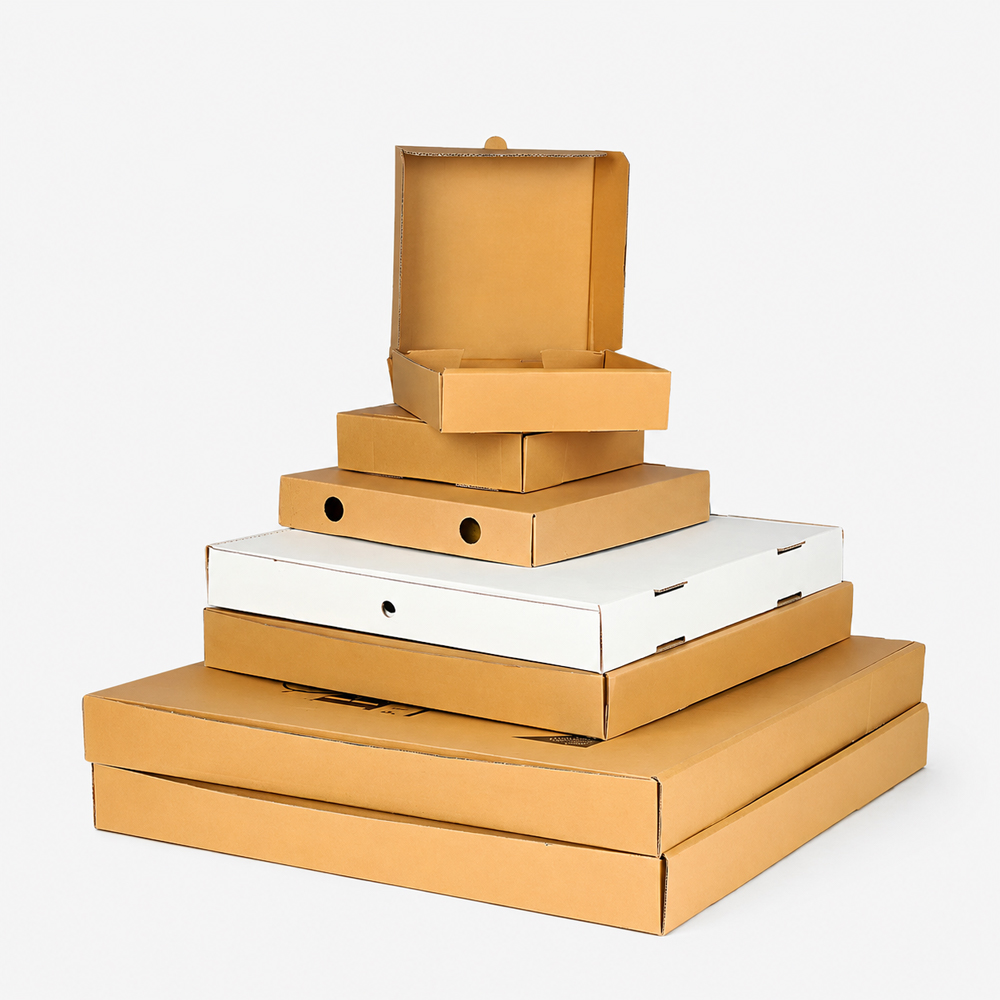
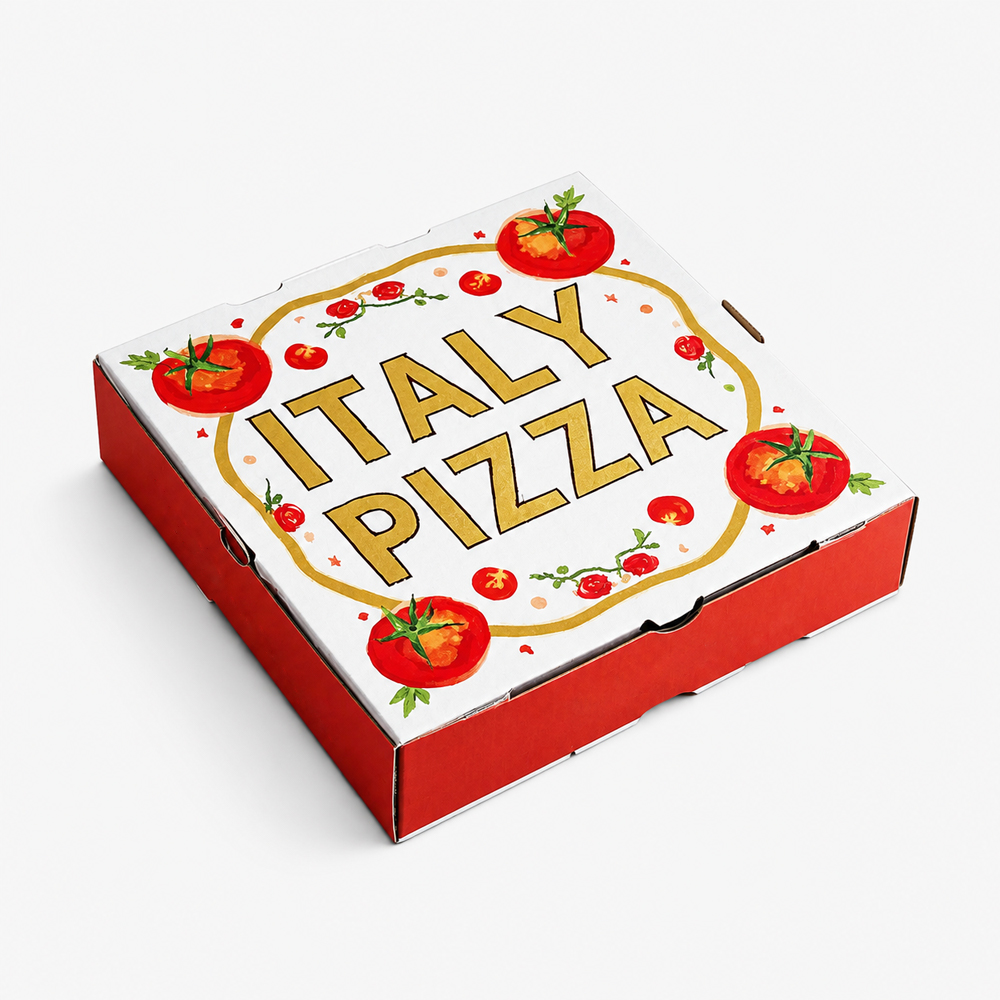
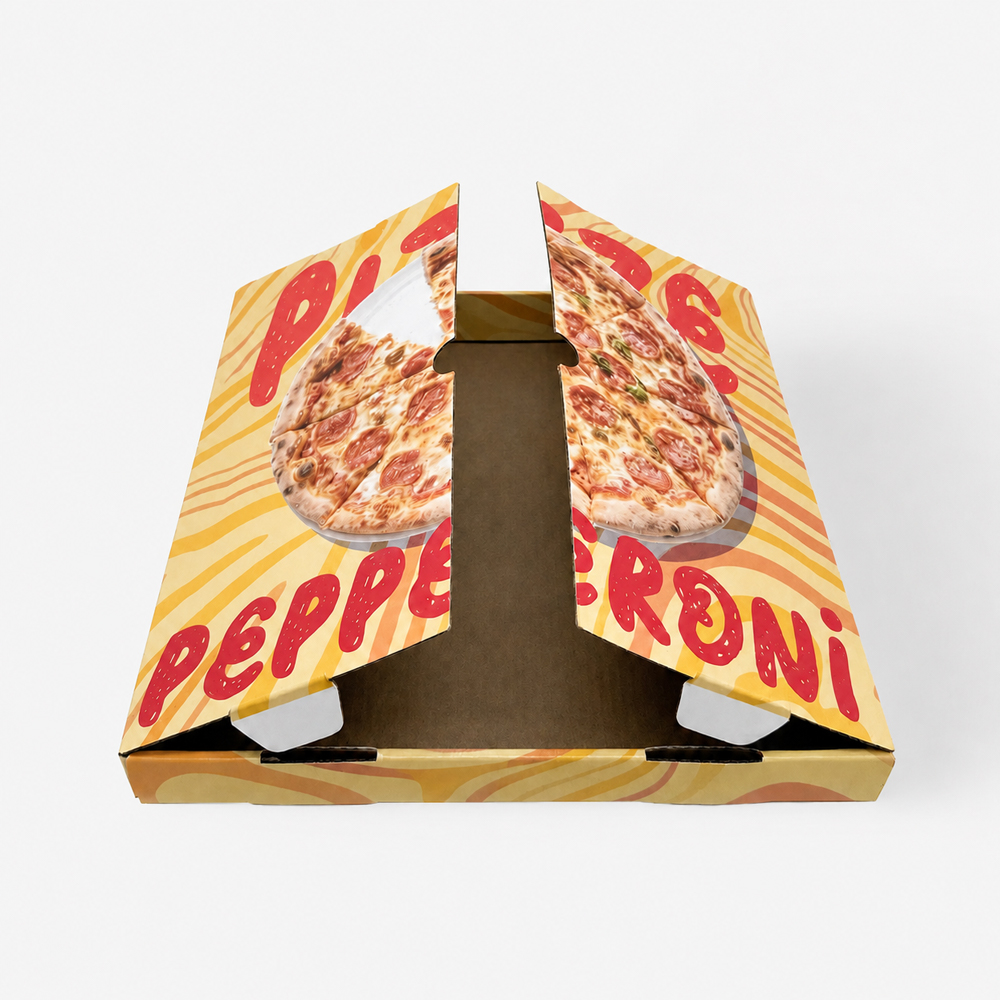
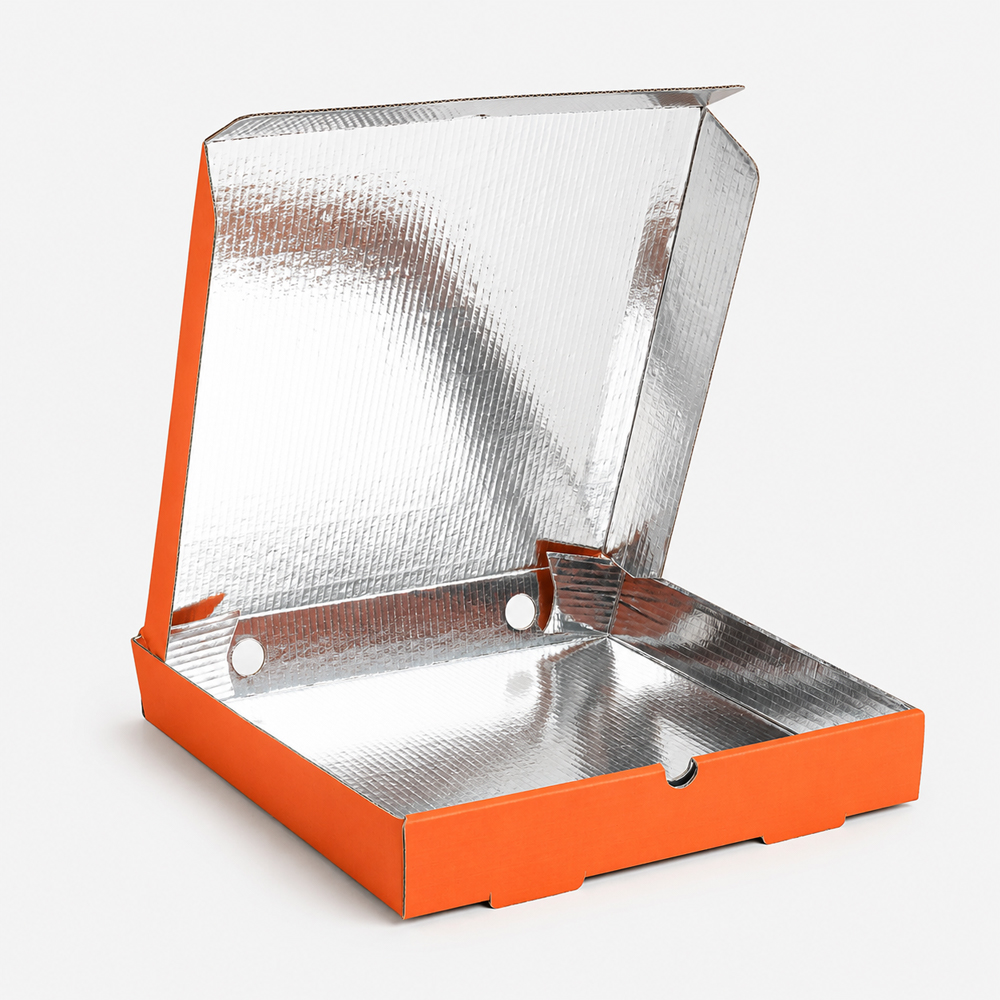
Corrugated structures for heat release, stacking and delivery, with custom dimensions, ventilation and branded printing.

Material
Corrugated kraft or white board

Barrier / Closure
Uncoated or grease barrier; vents as required

QC Checkpoints

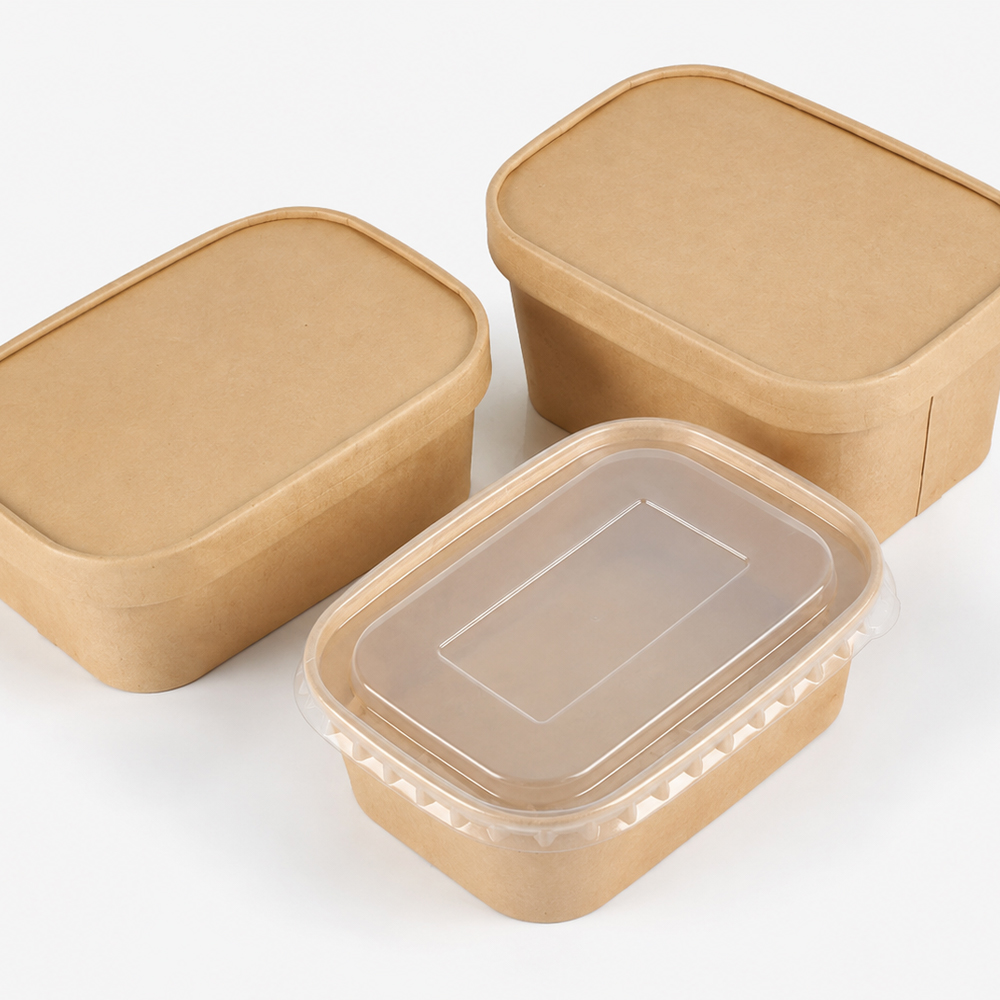
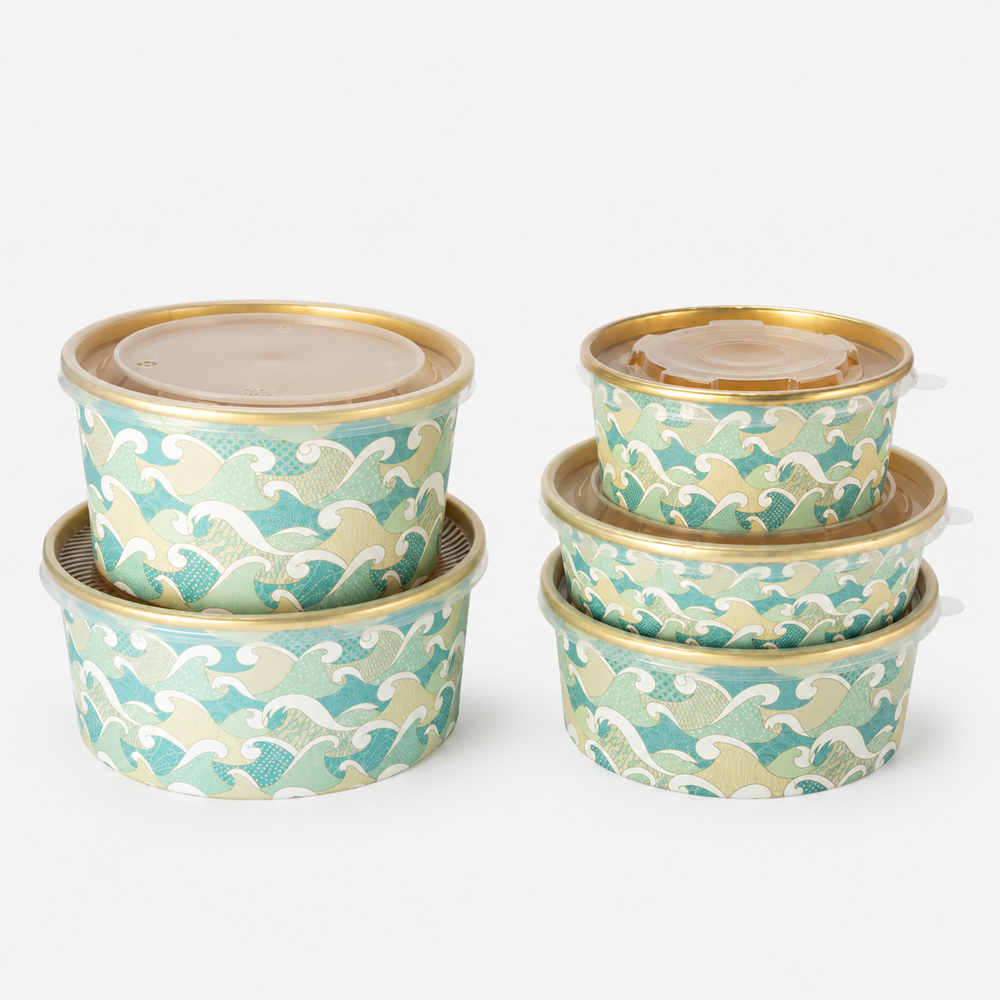
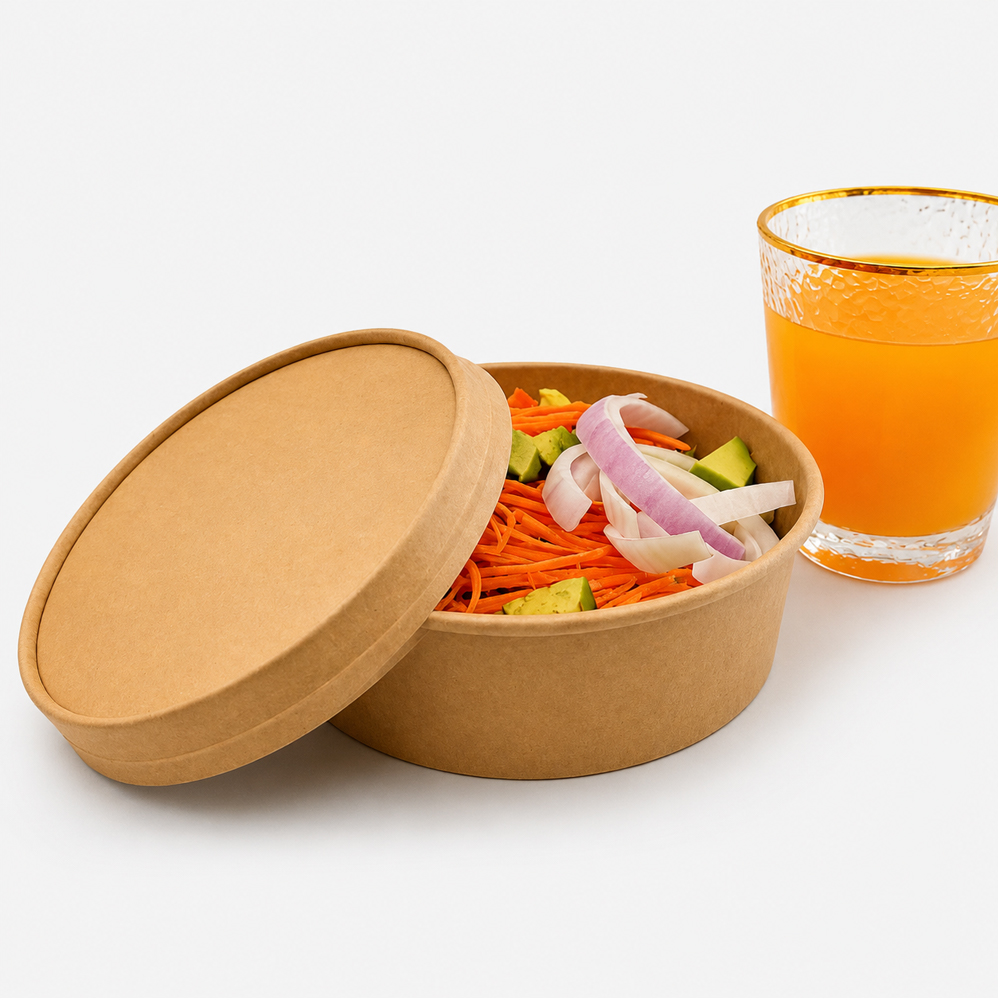
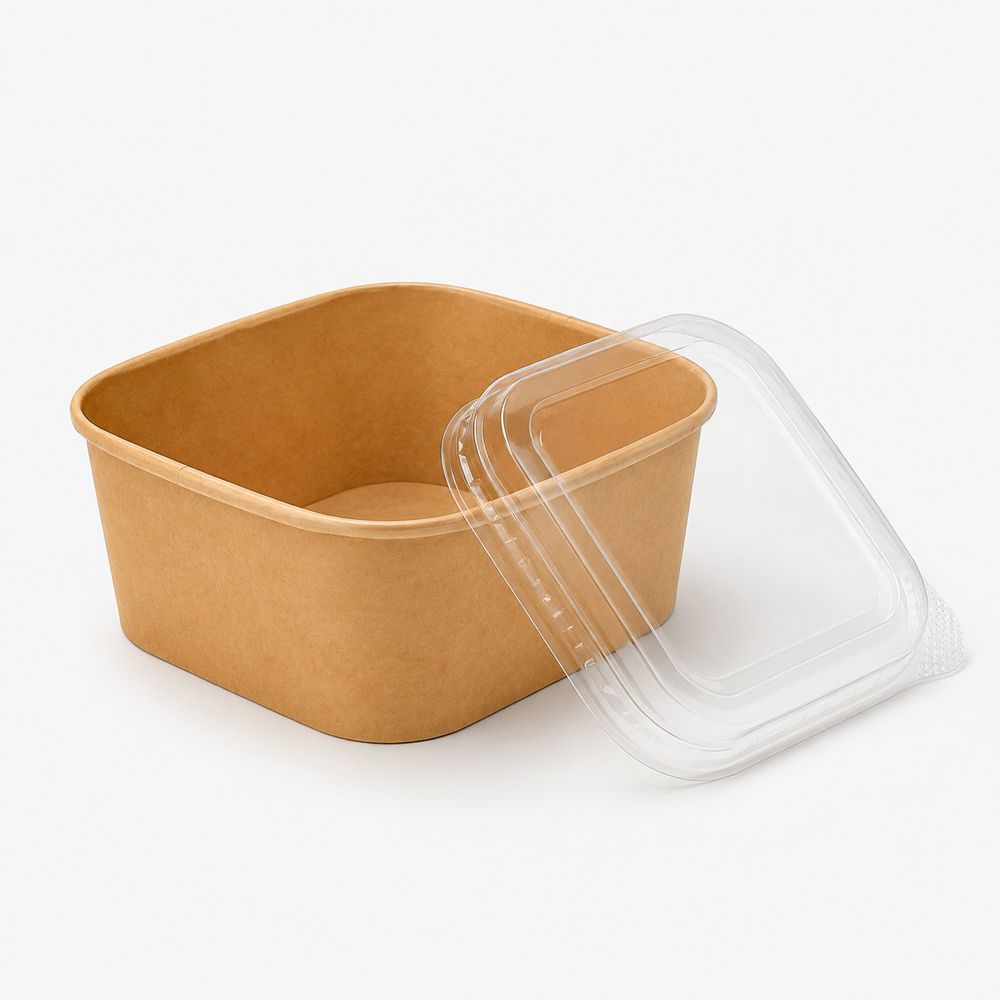
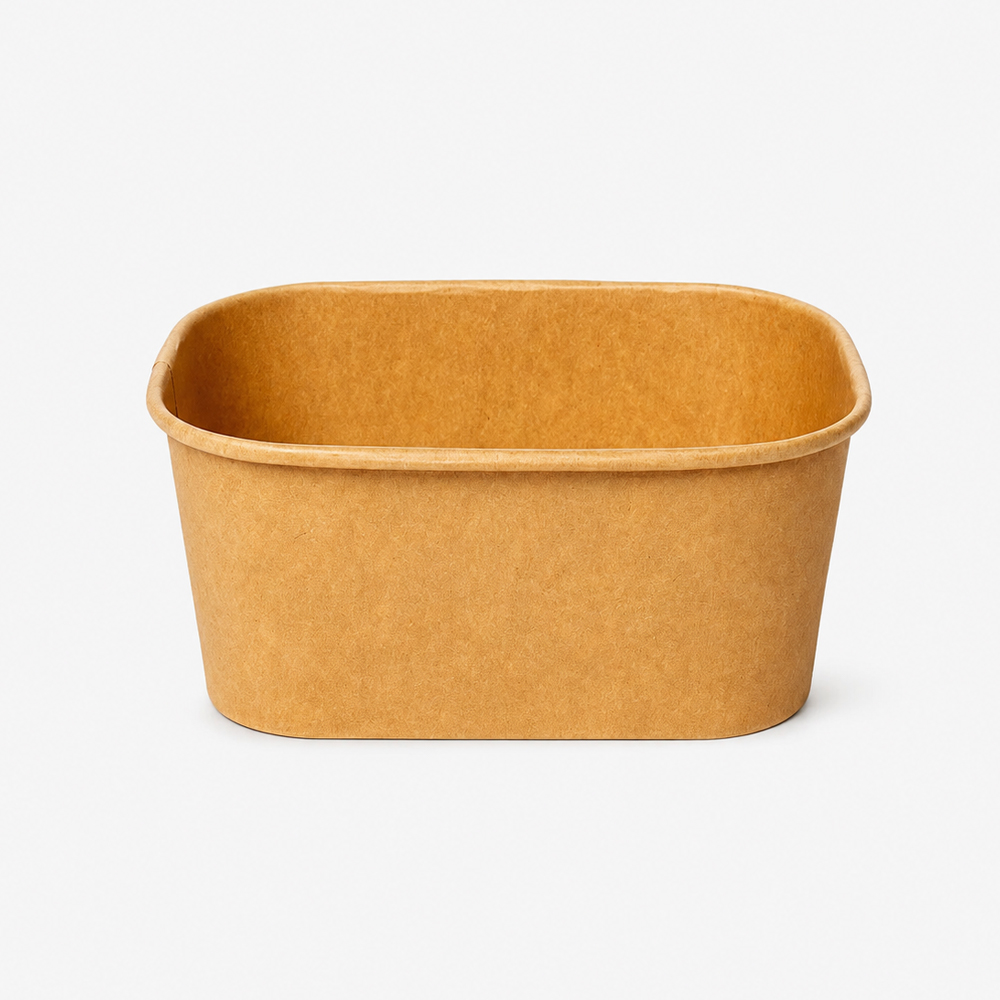
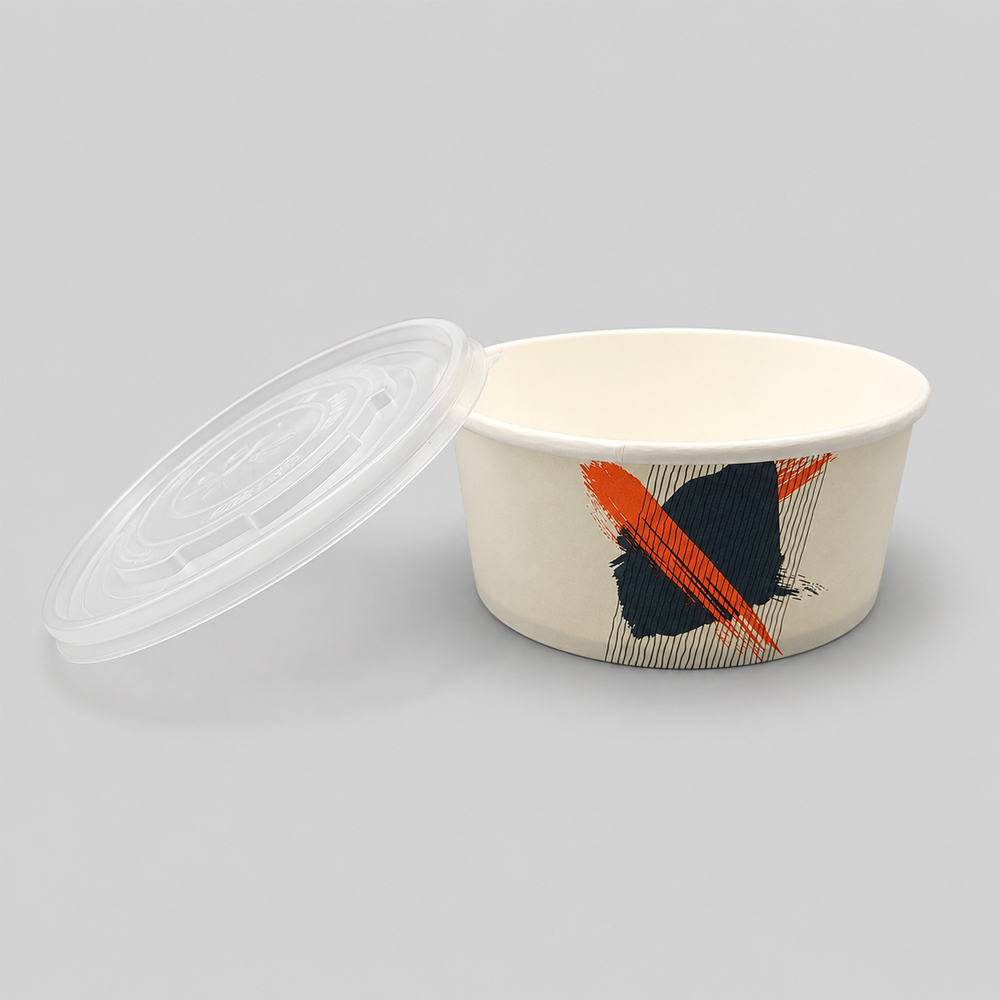
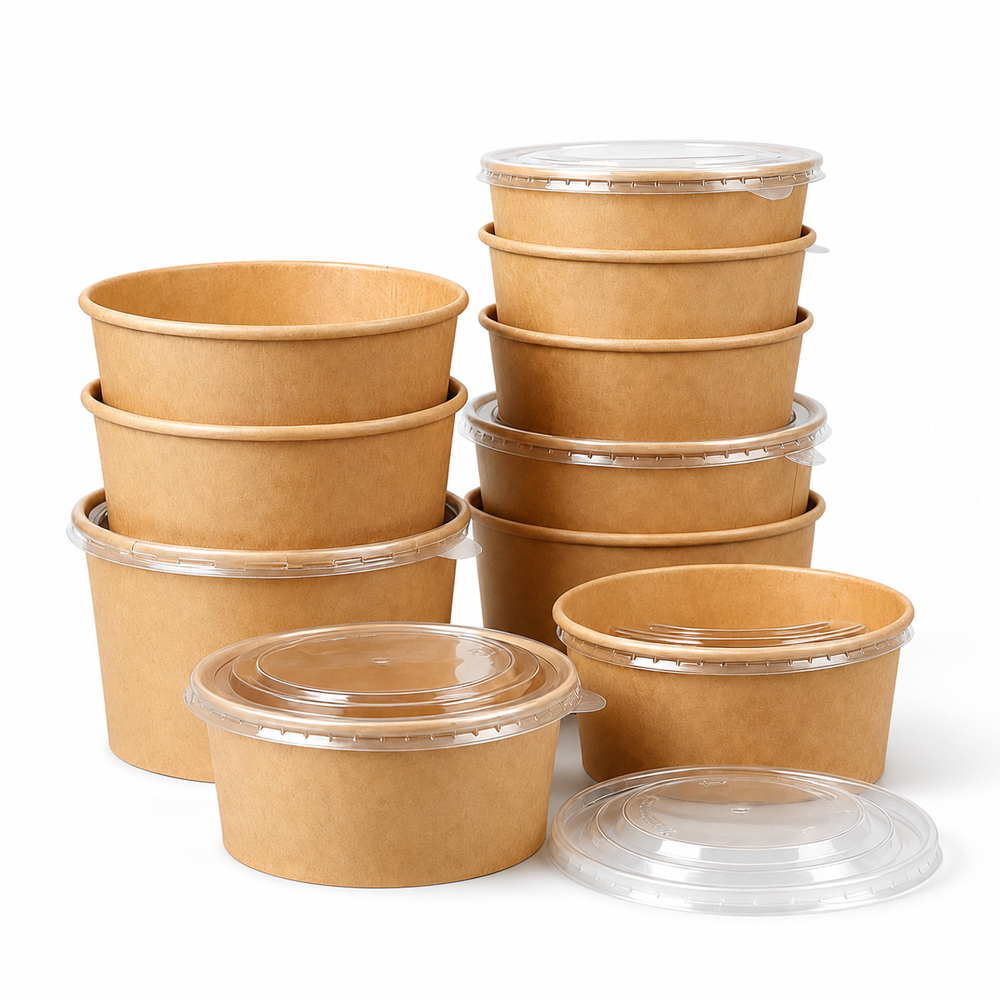
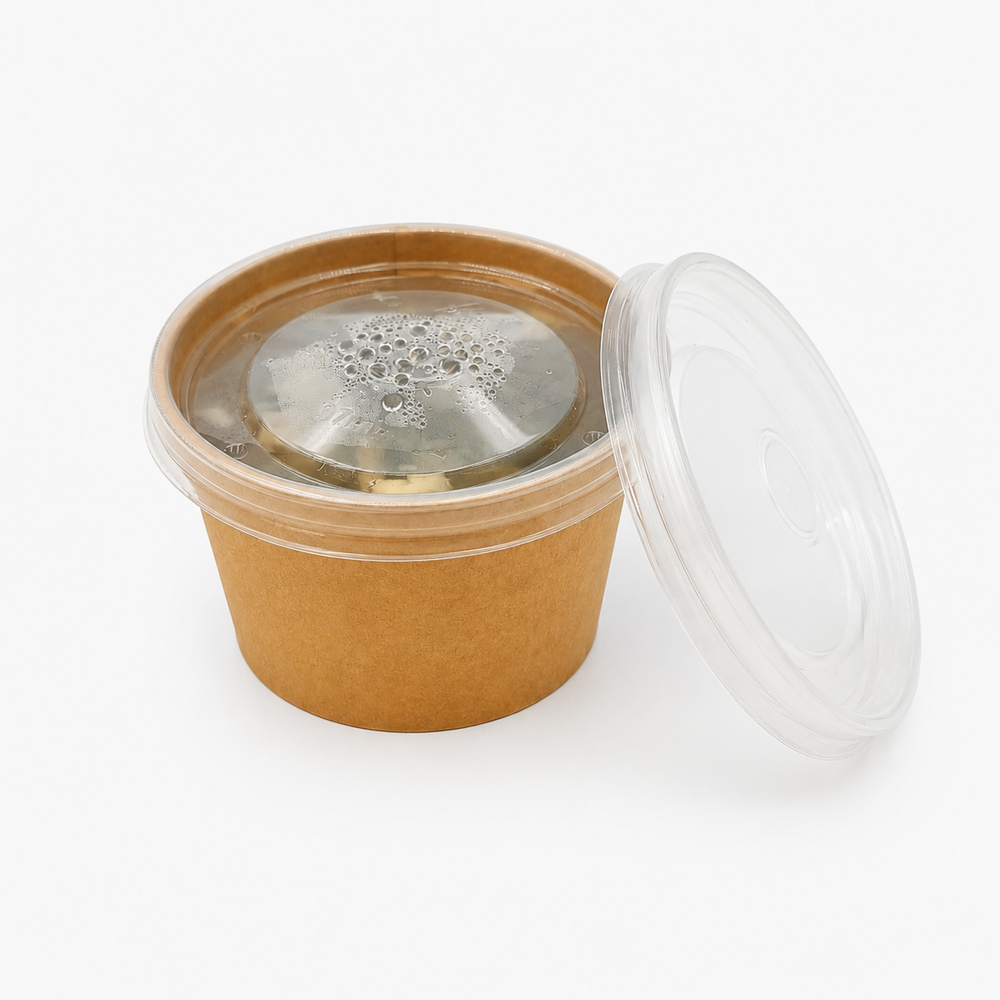
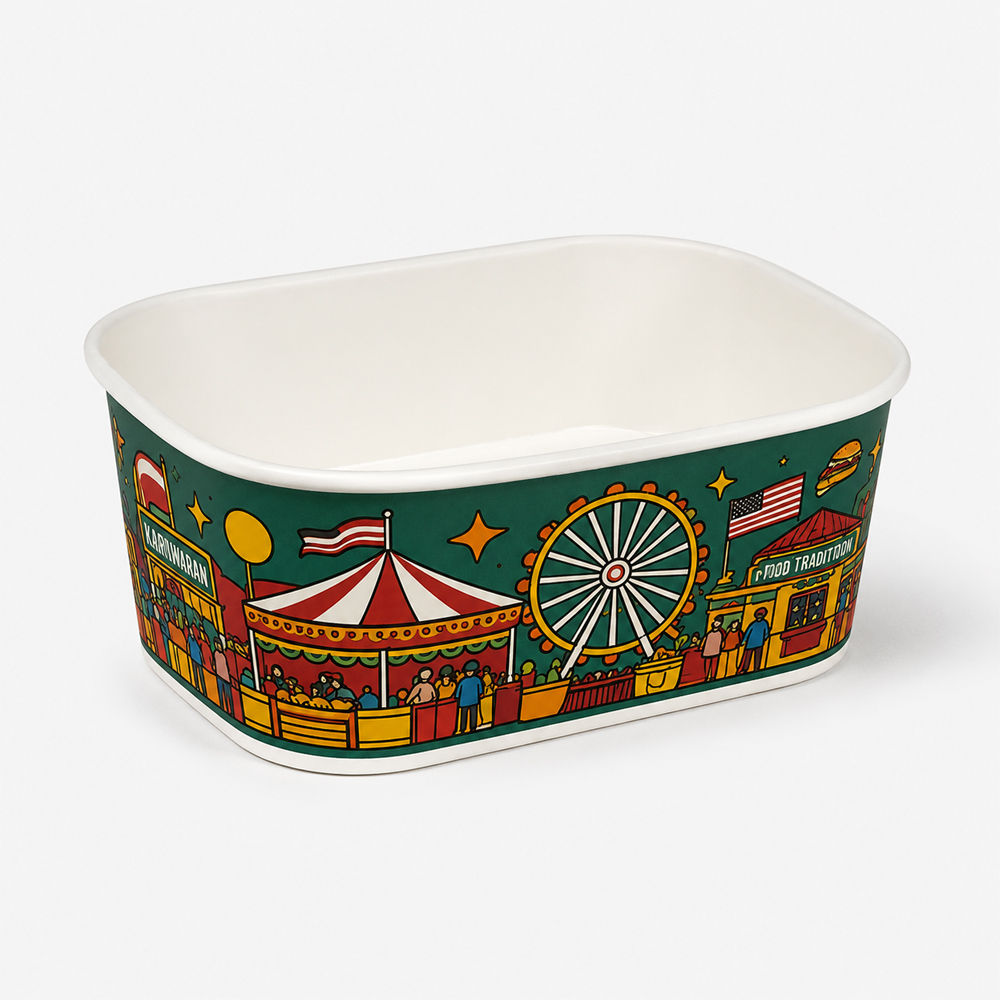
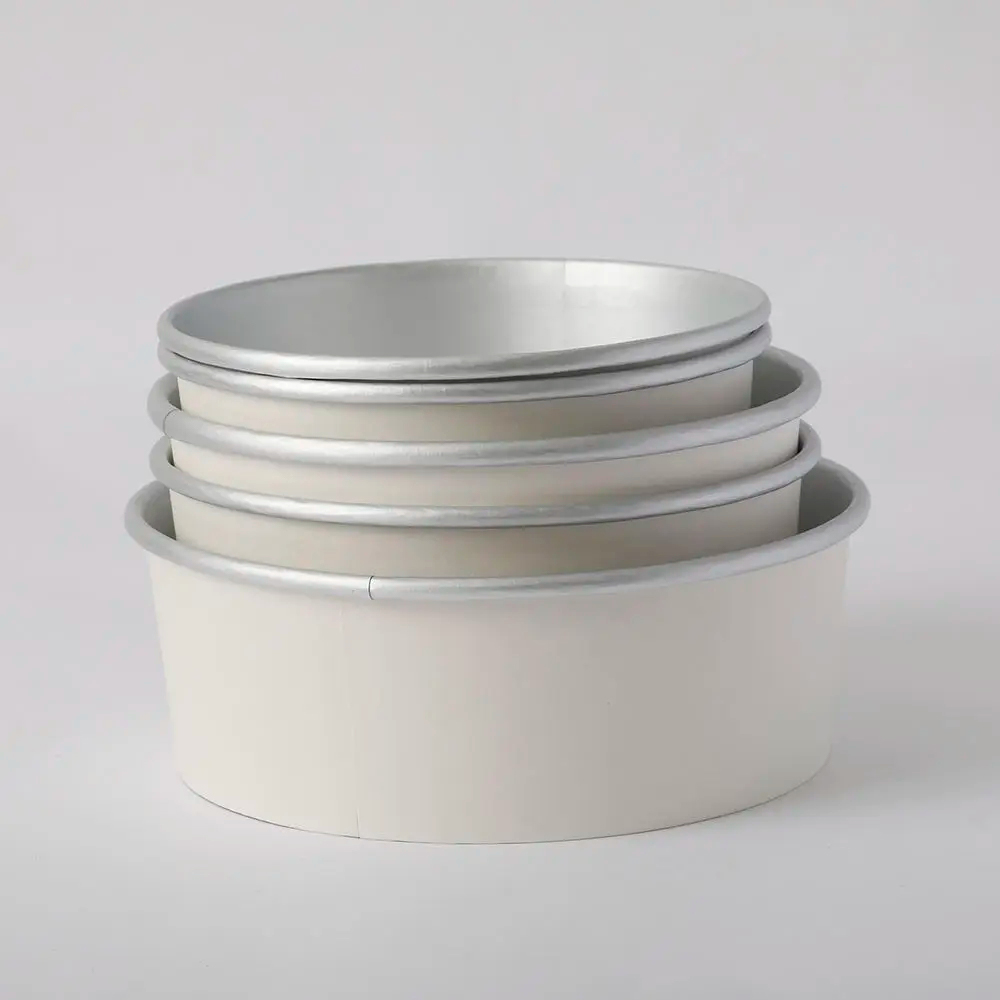
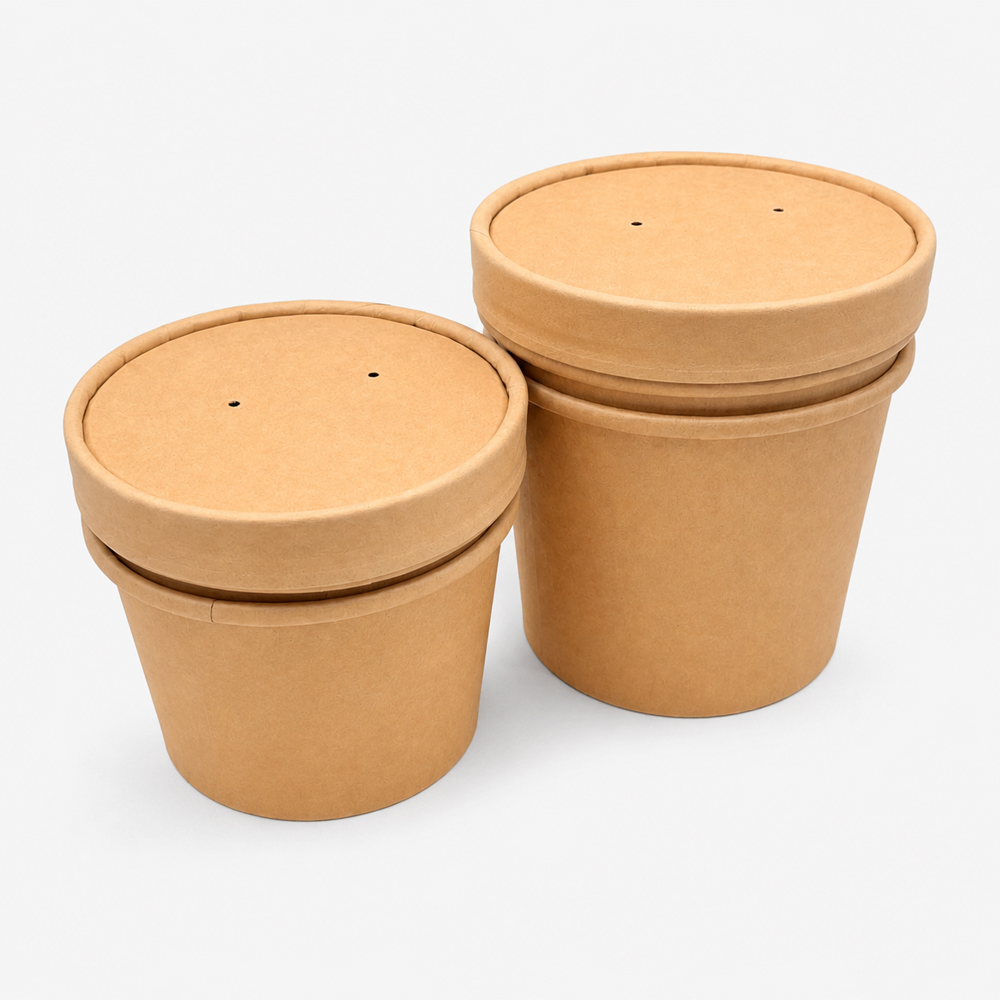
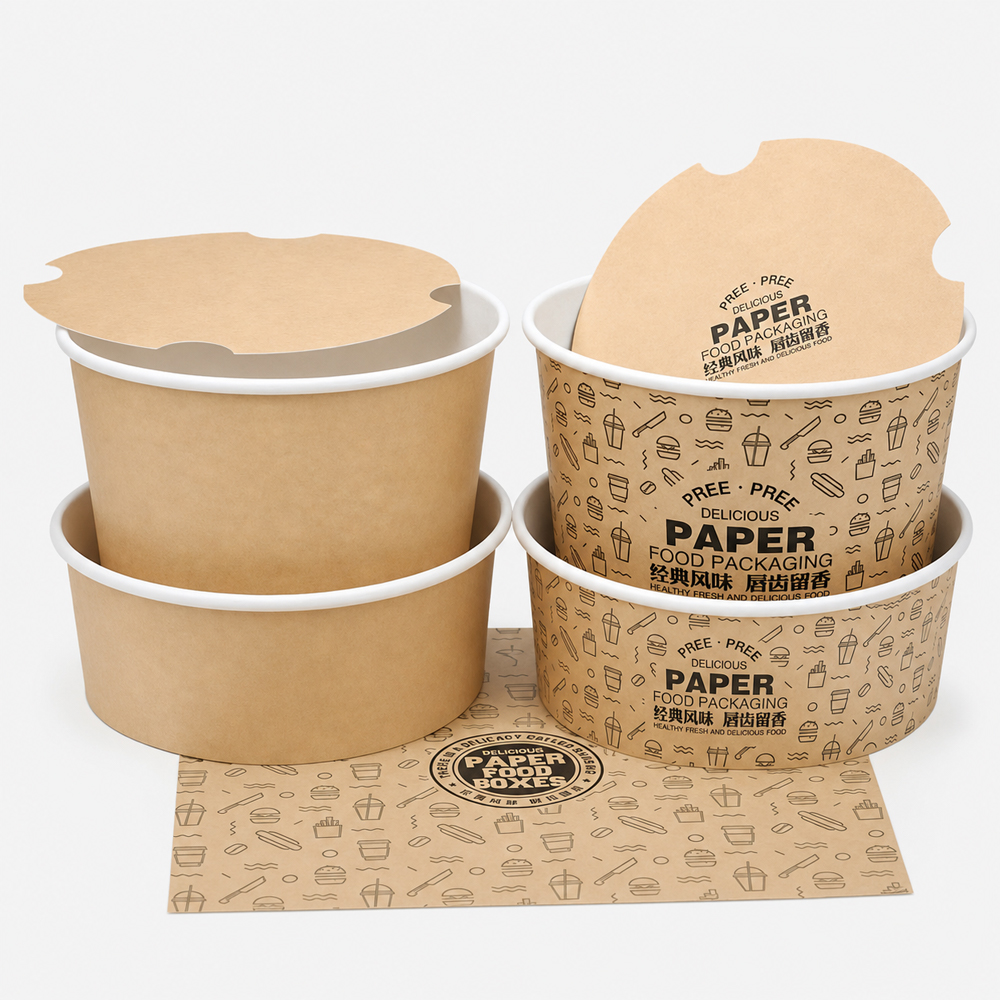
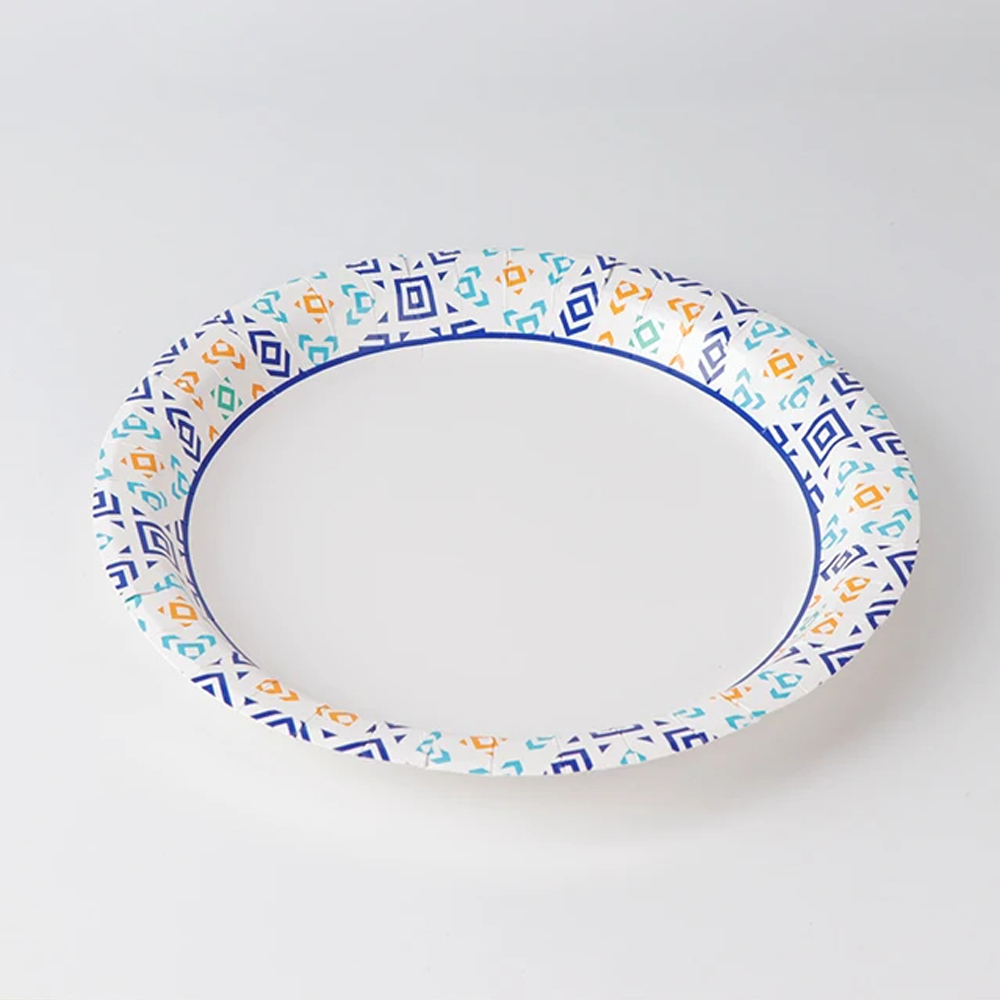
Round formats for soup, noodles, salads, rice and desserts, with lid-fit, rim-forming and barrier options matched to use.

Material
Cupstock or bowl-grade paperboard

Barrier / Closure
PE, PLA or aqueous coating; paper, PP or PET lid

QC Checkpoints

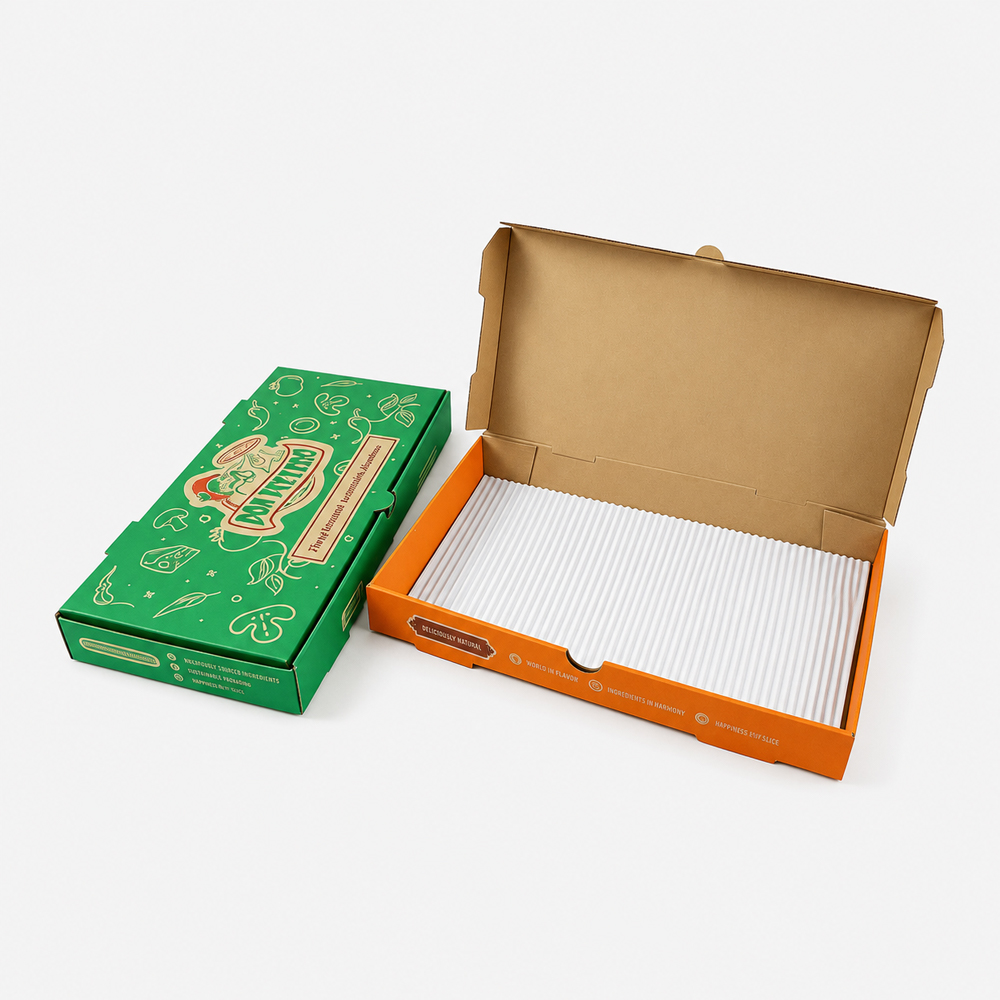
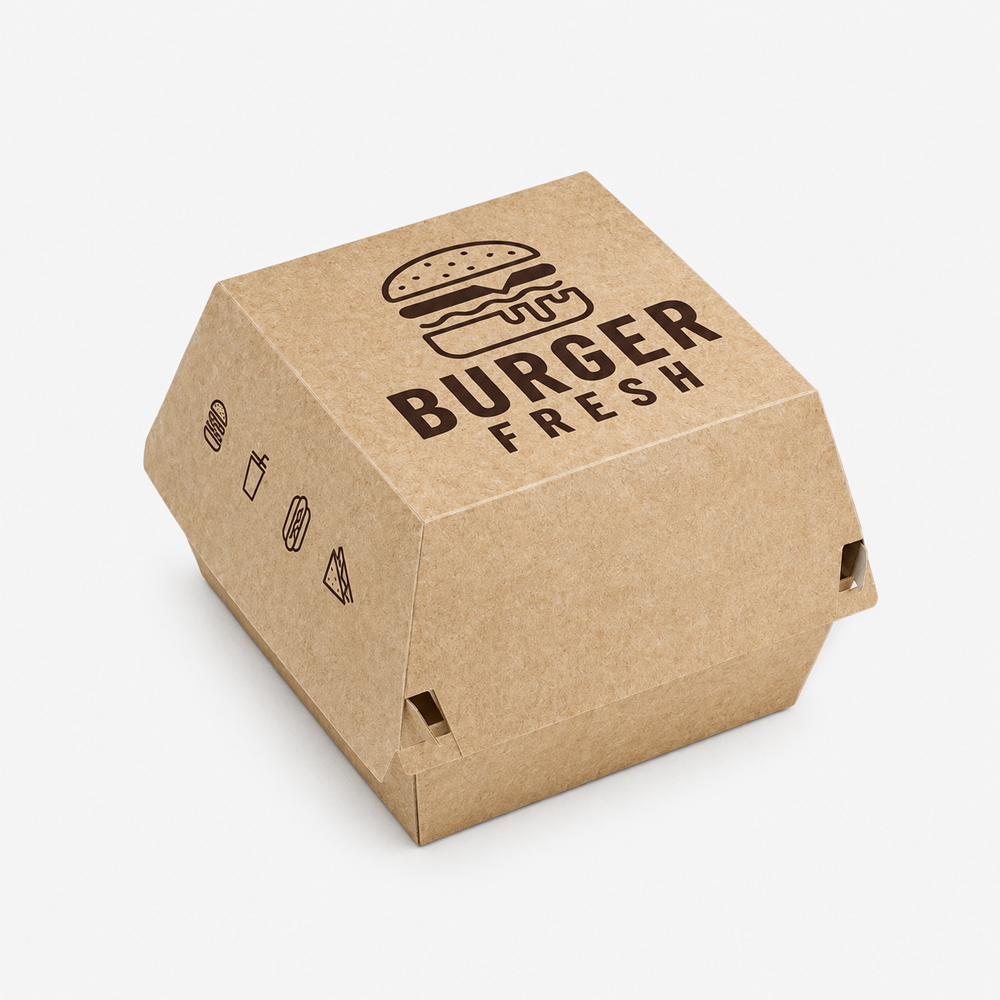
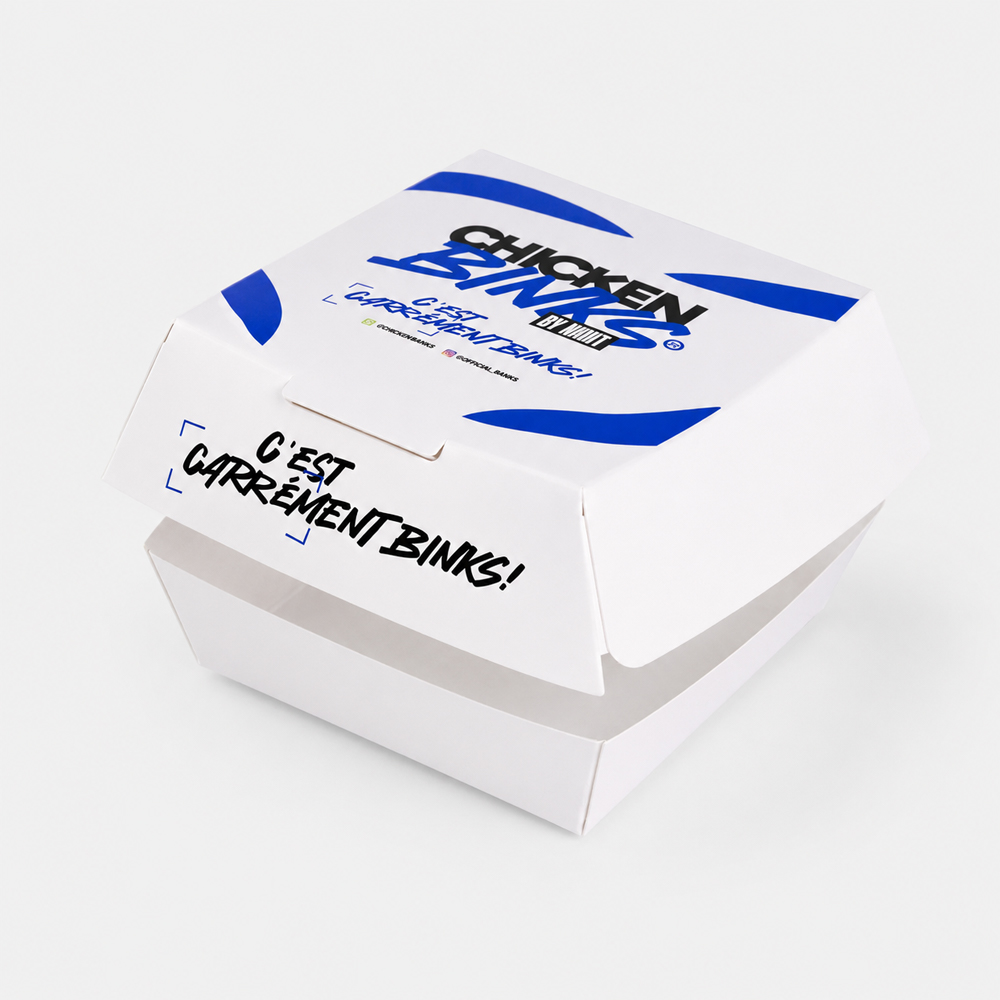
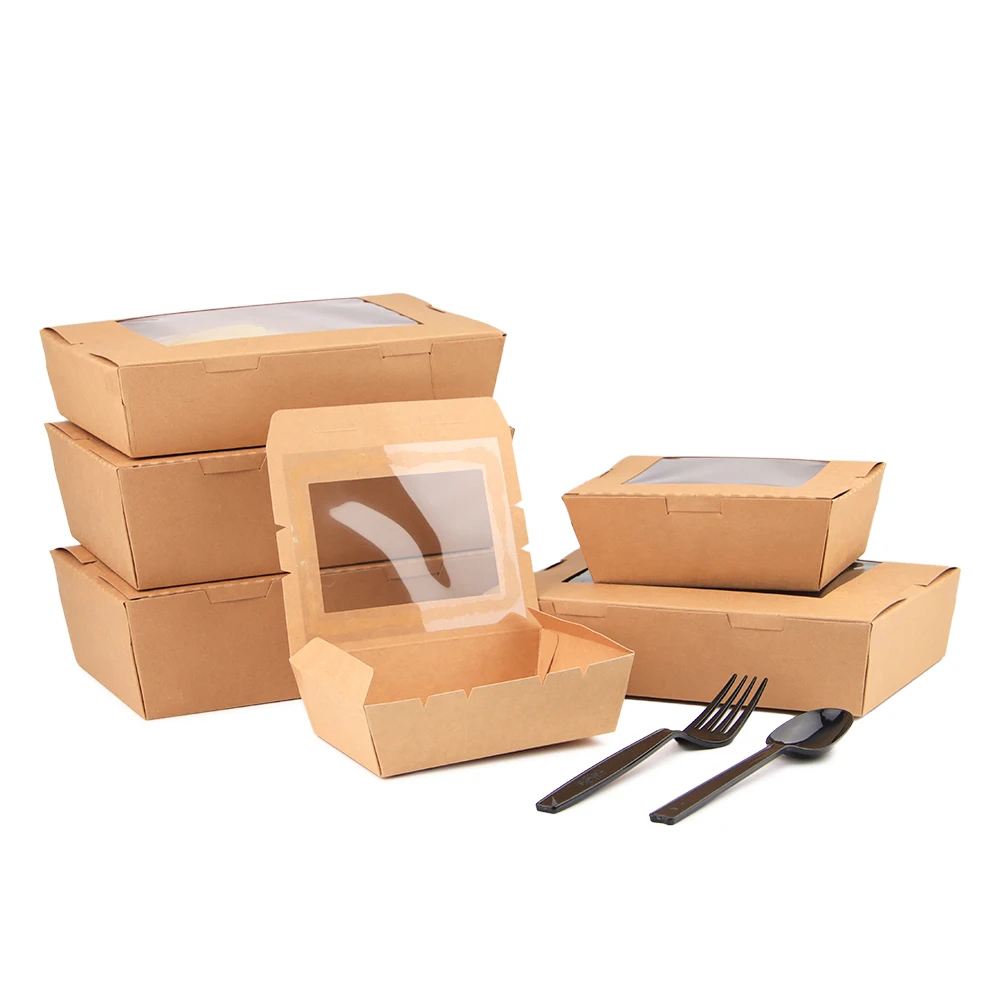
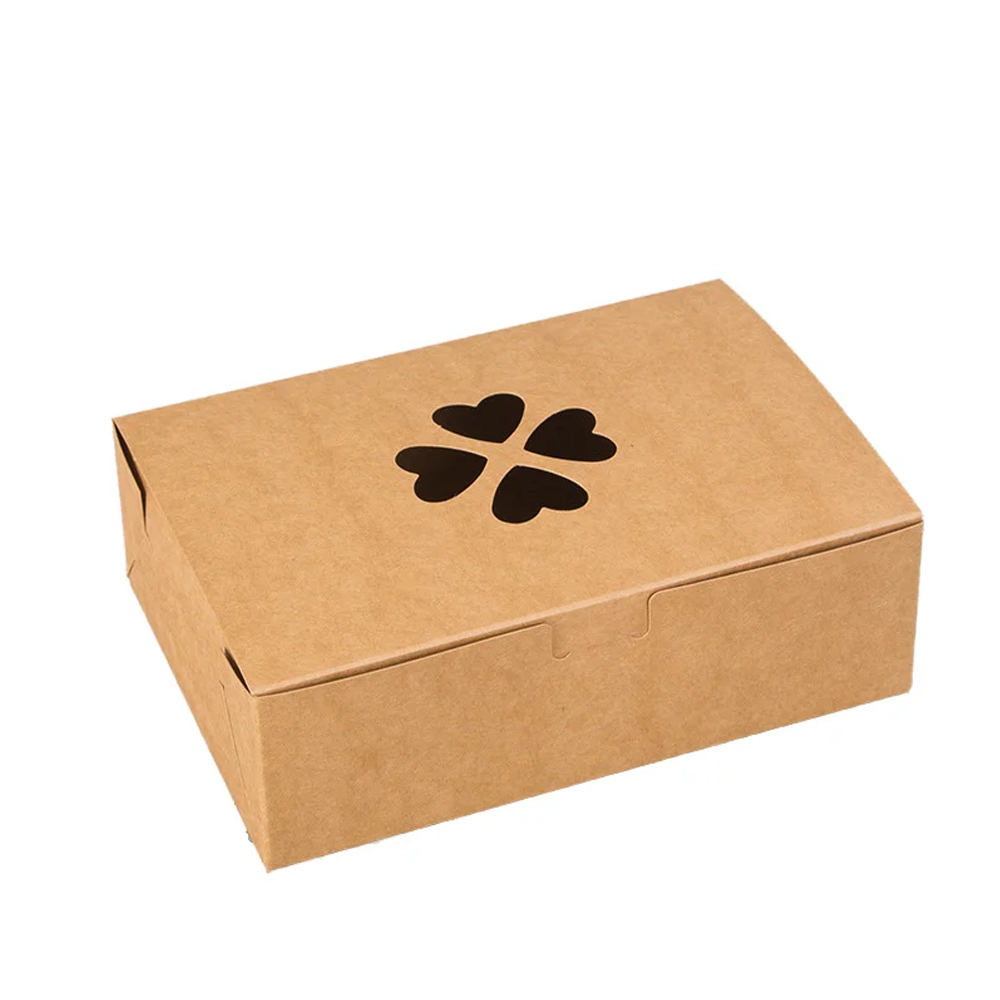
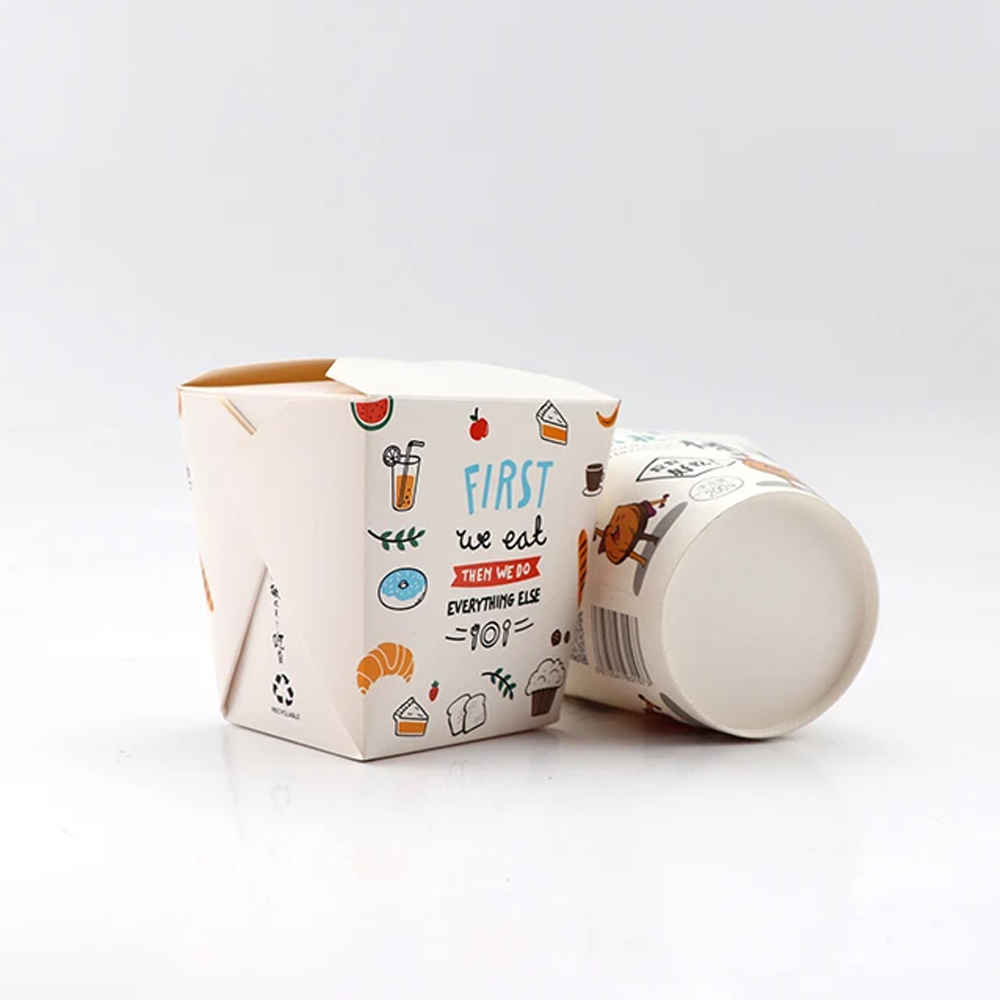
Folded cartons for burgers, meals, bakery, fried food and delivery, including tuck, lock, window and vented structures.

Material
Kraft, SBS/FBB or coated folding paperboard

Barrier / Closure
Tuck, lock or glued closure

QC Checkpoints

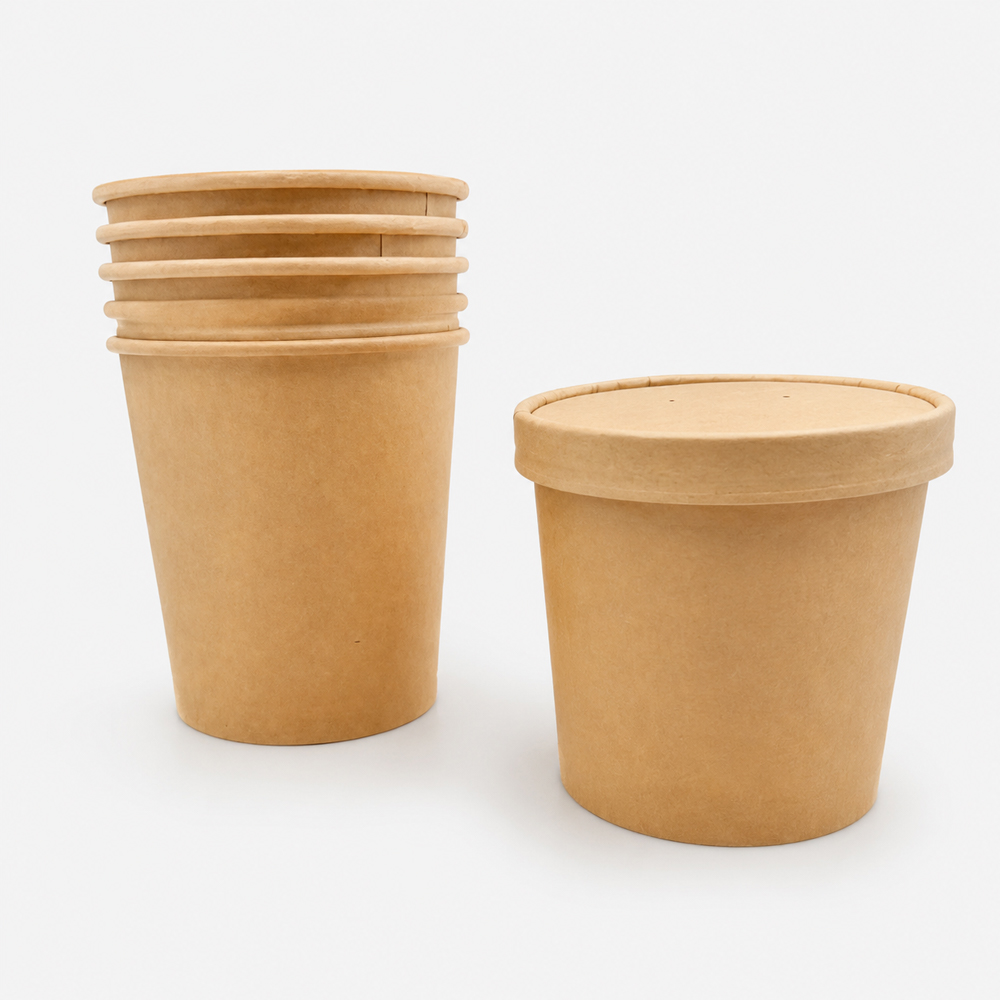
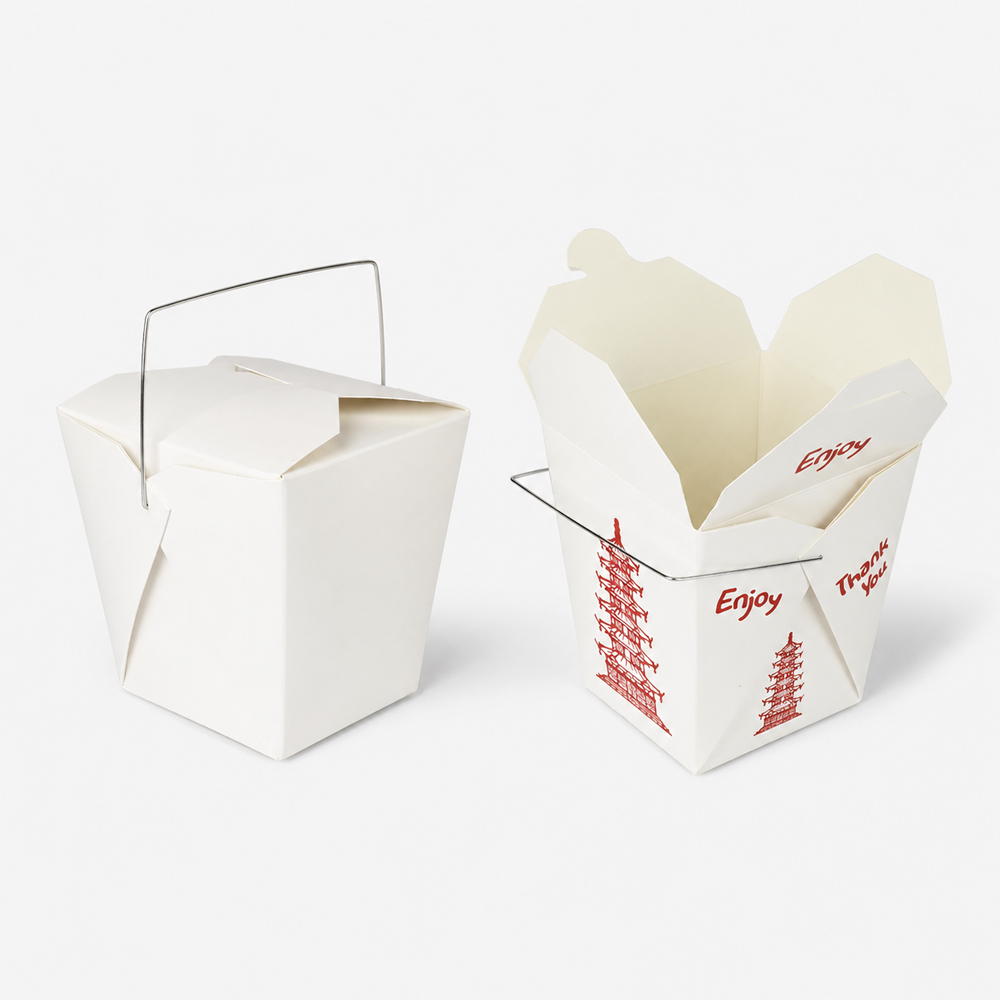
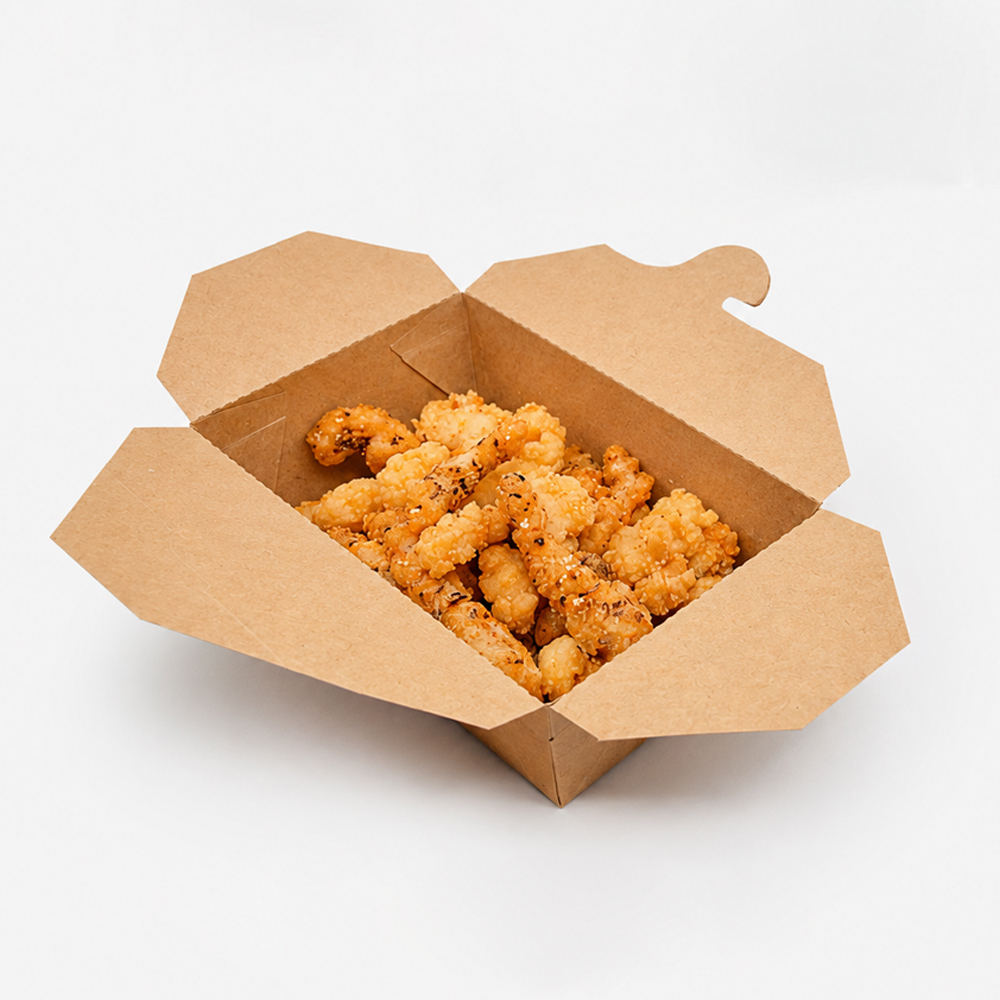
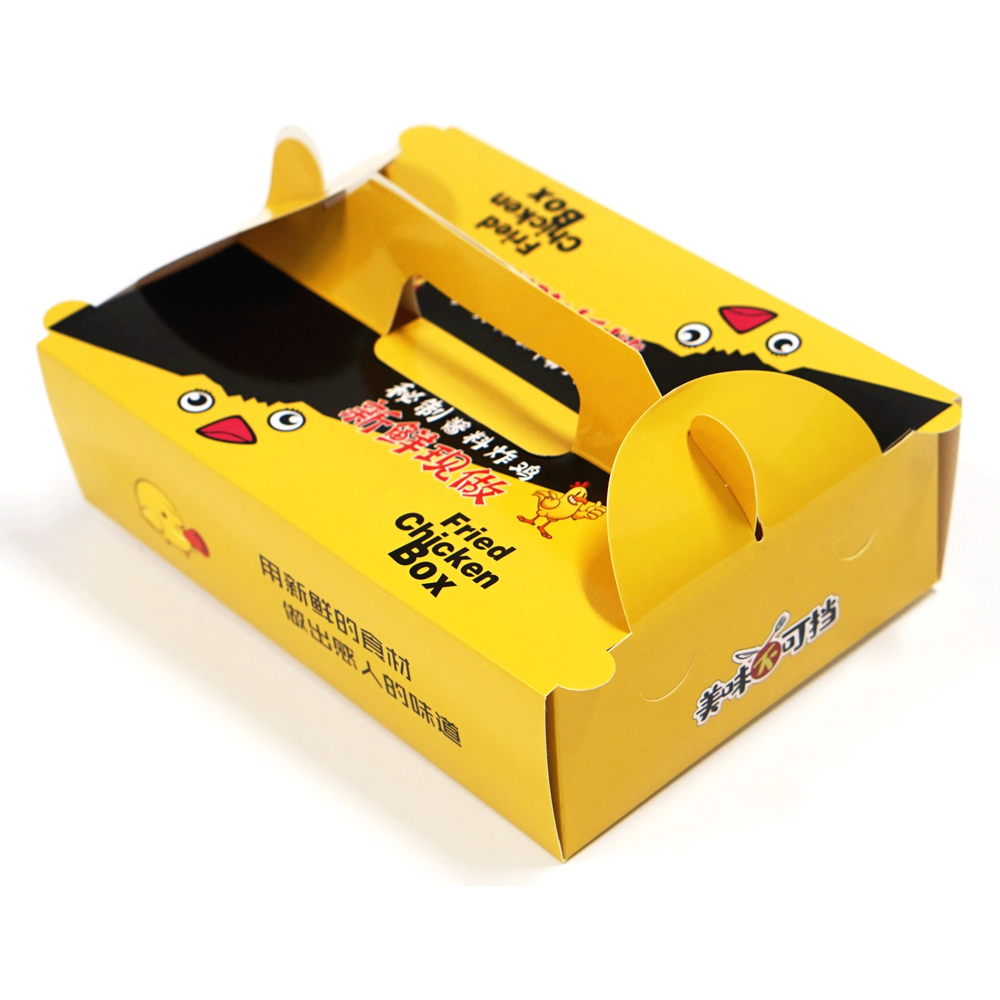
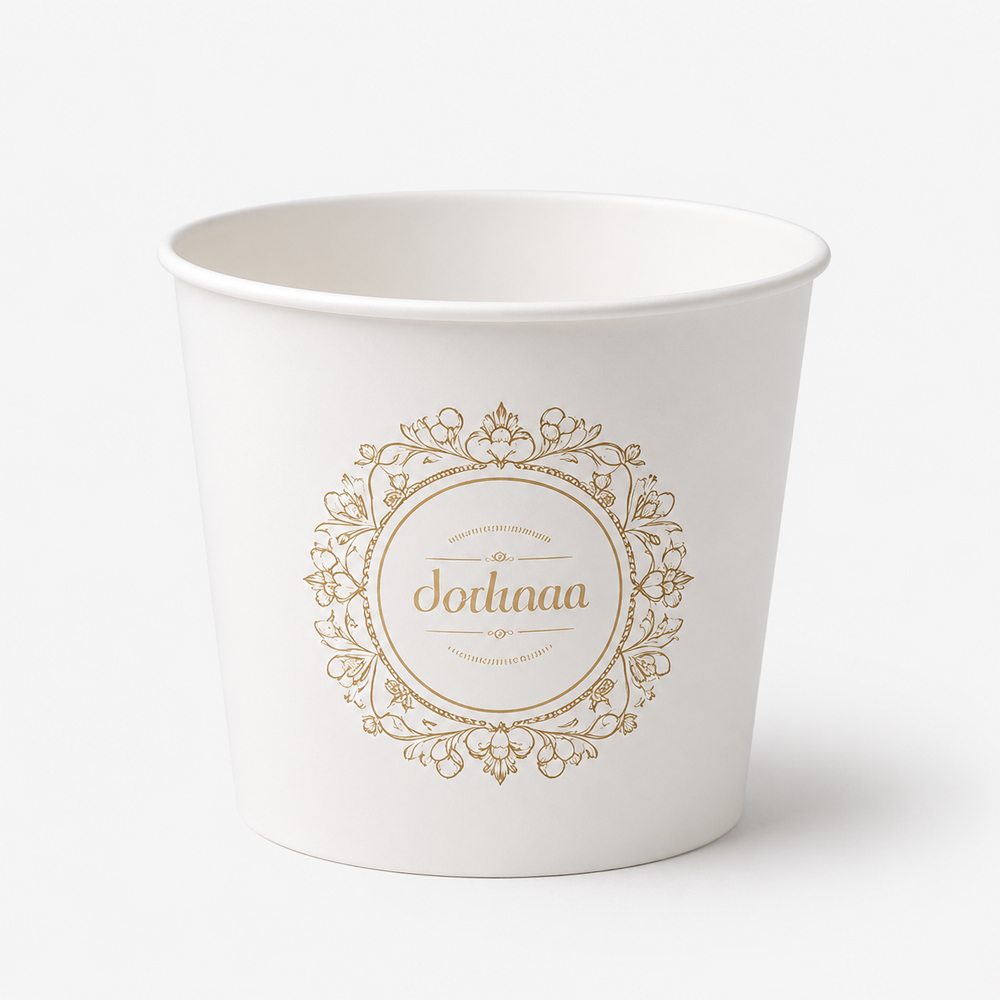
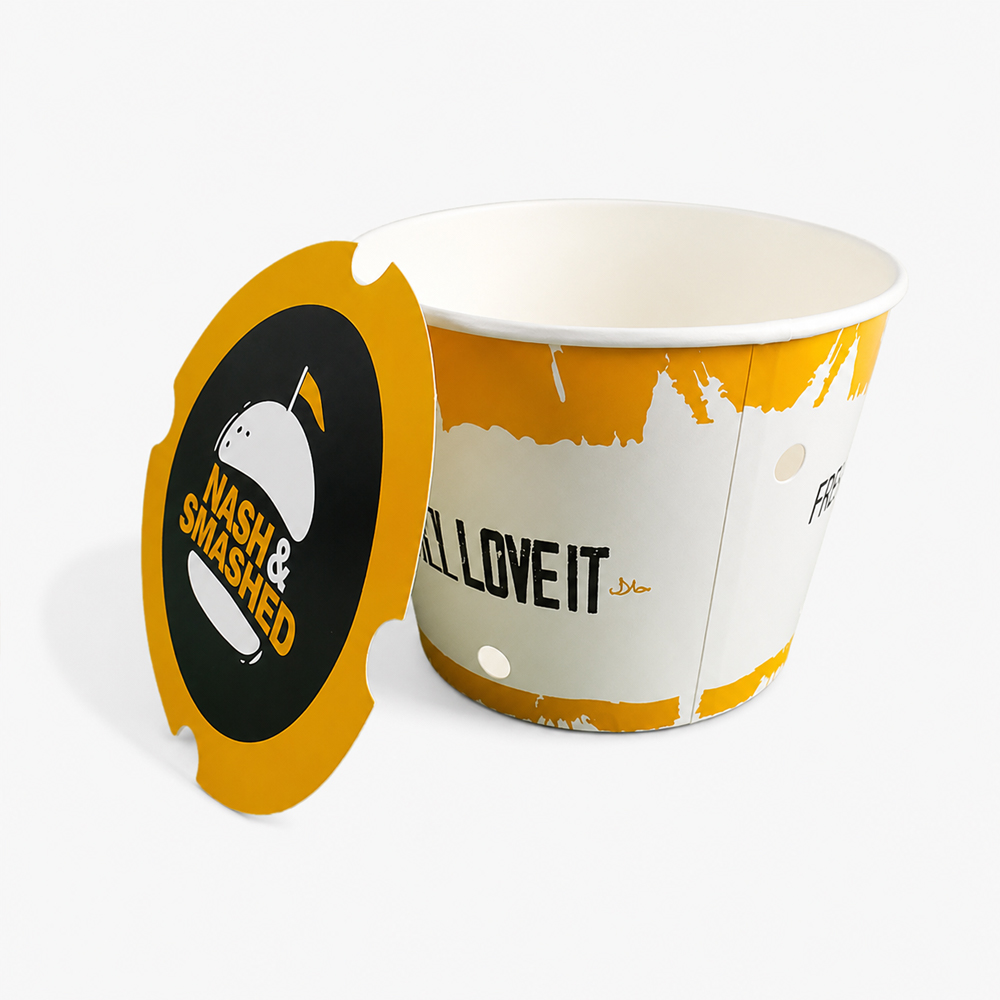
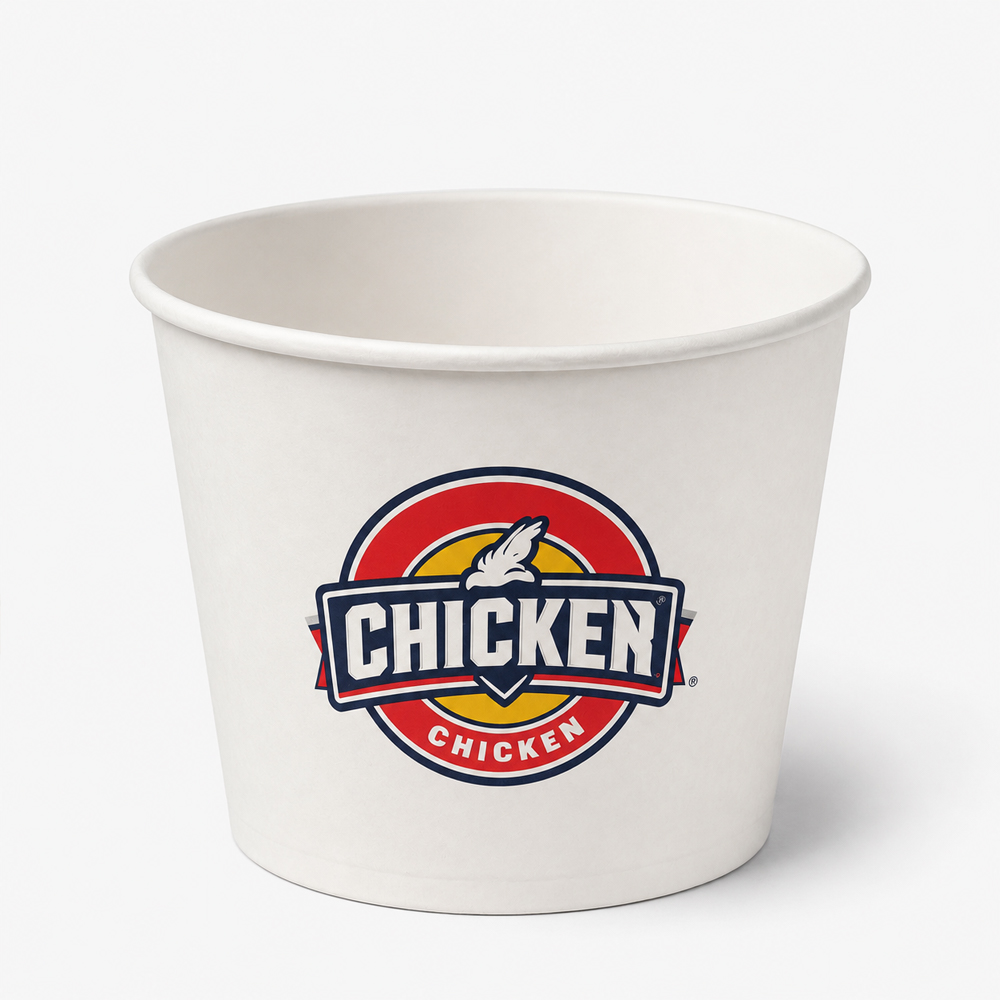
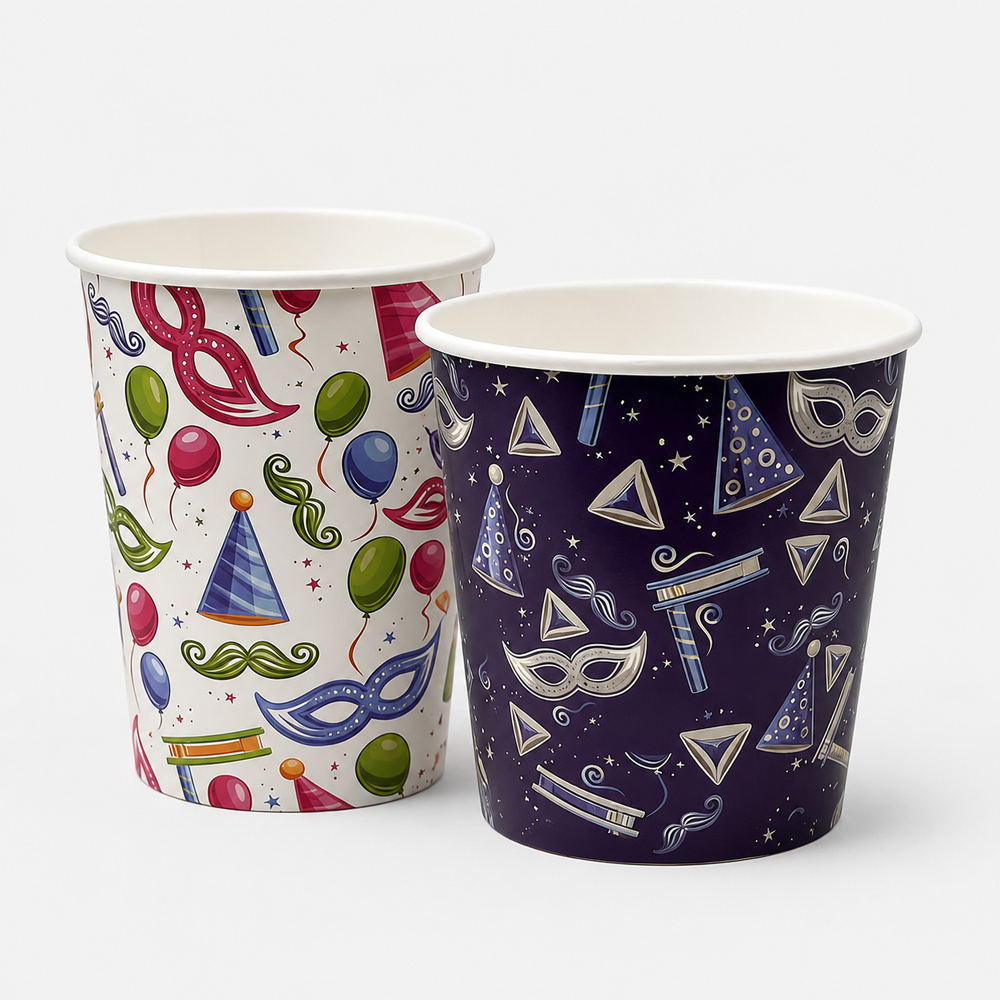
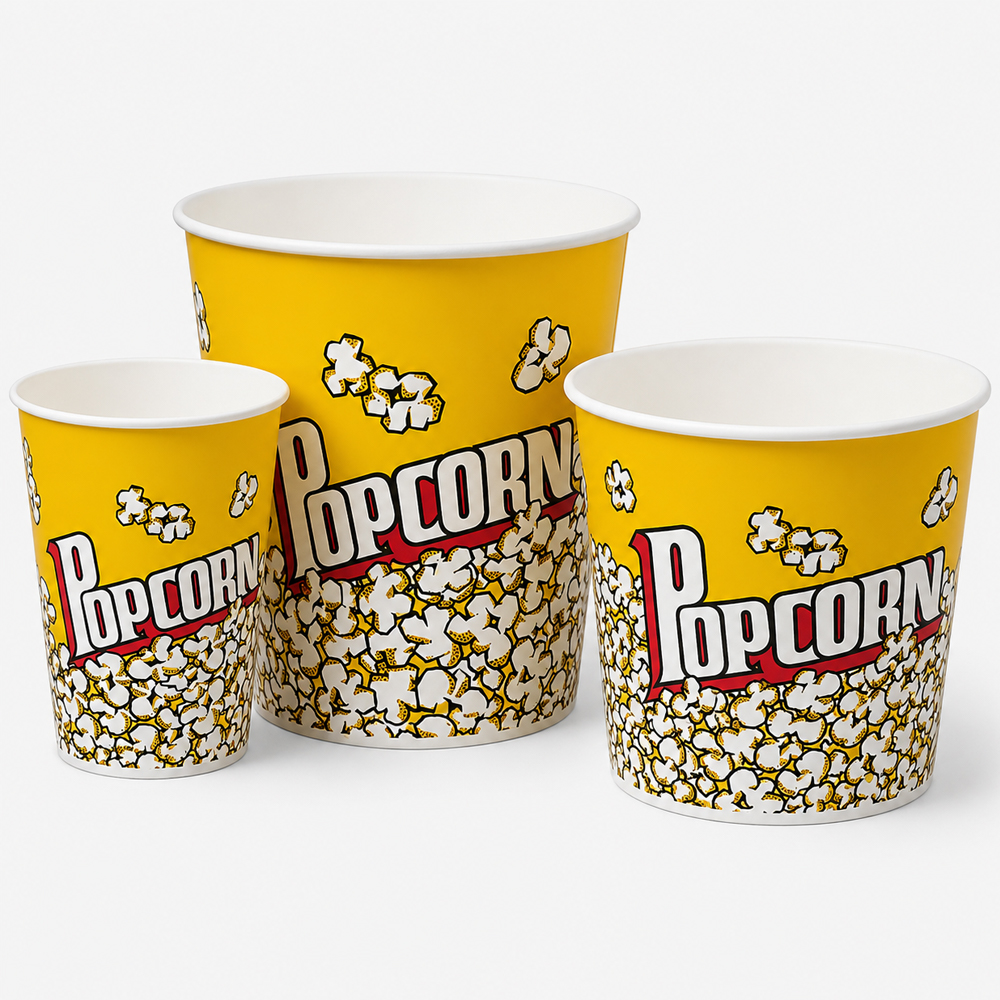
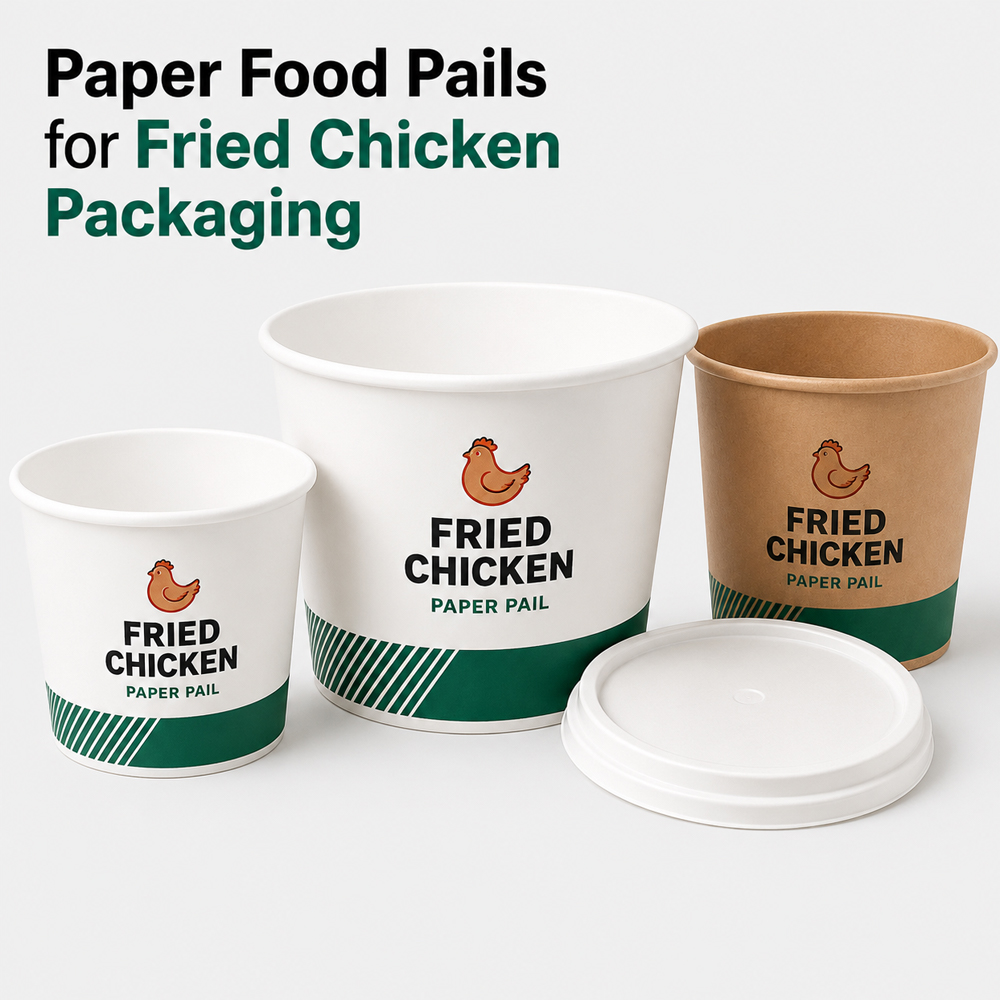
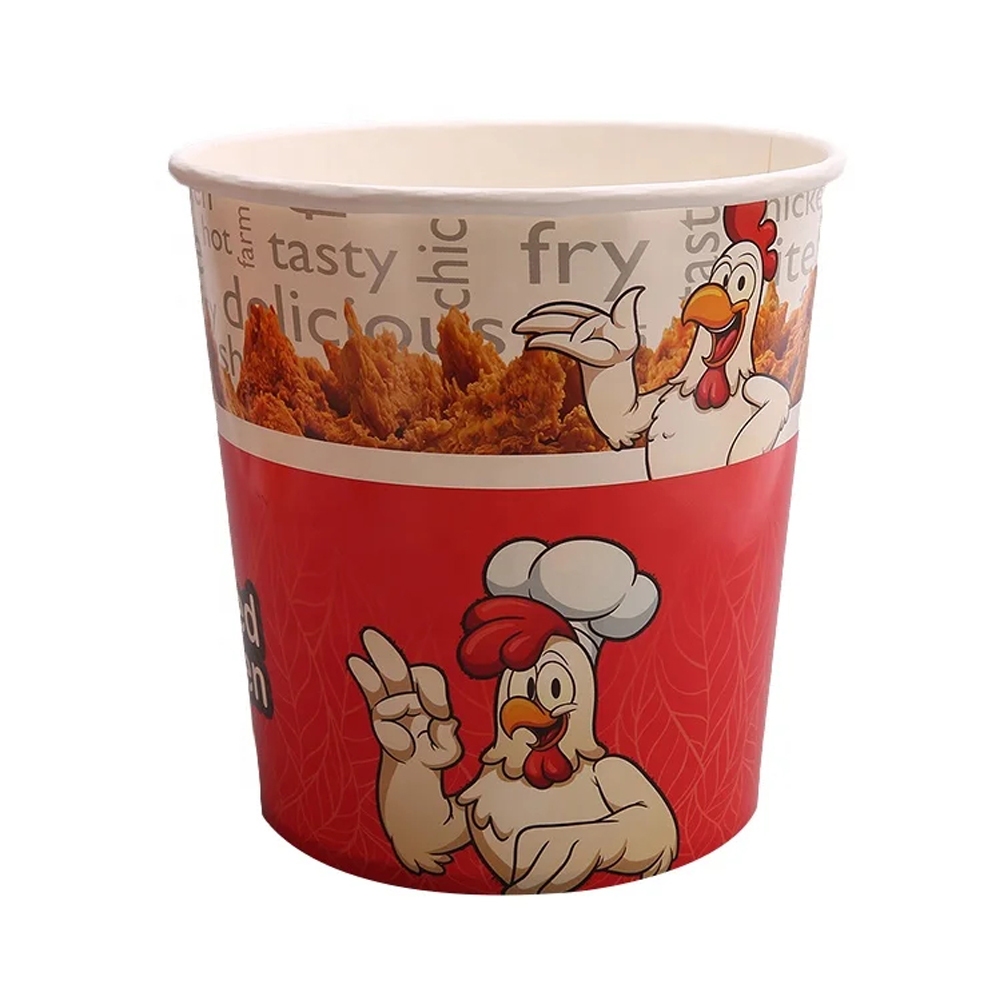
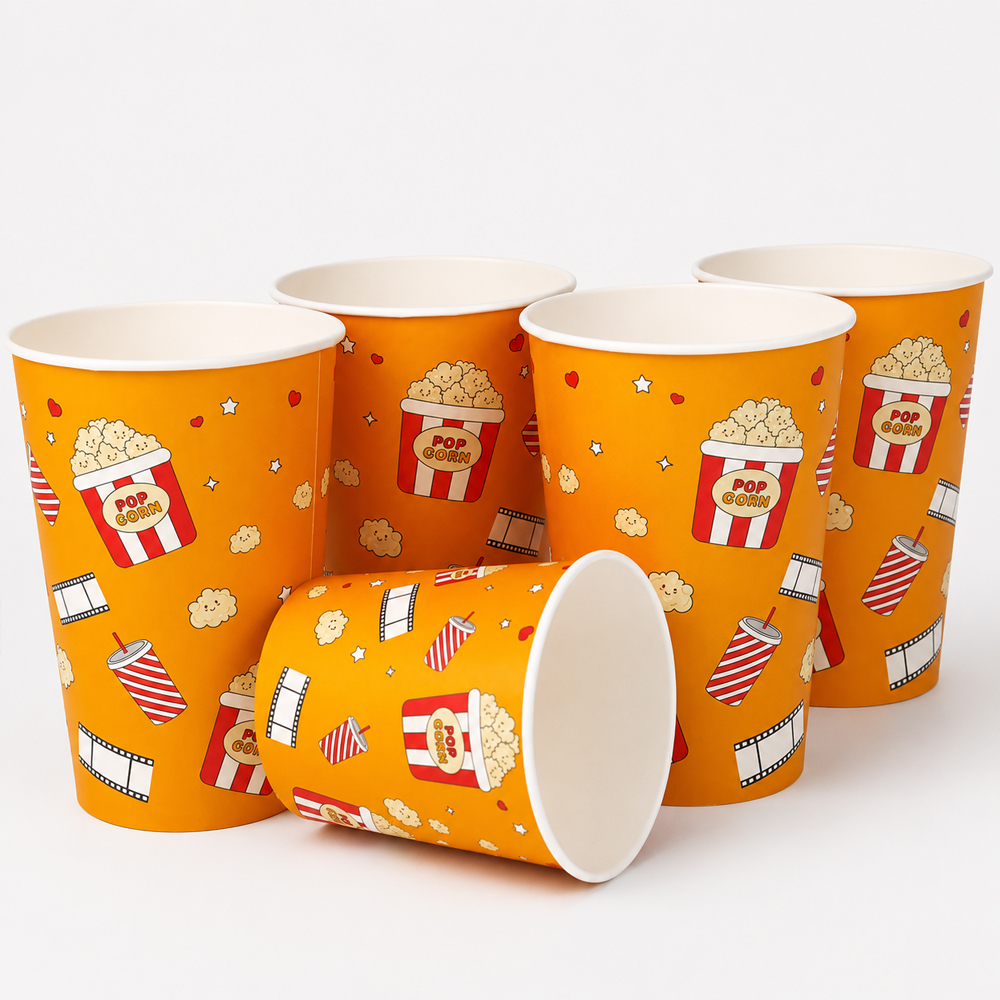
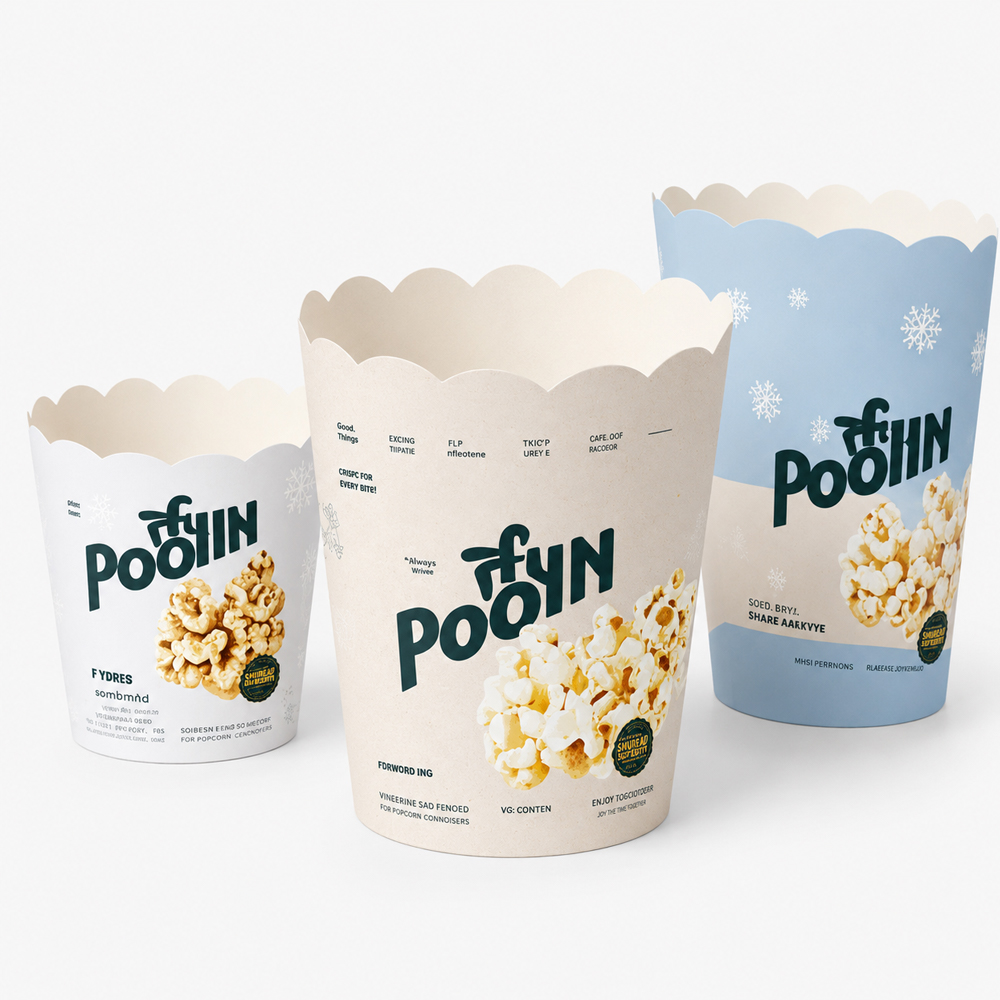
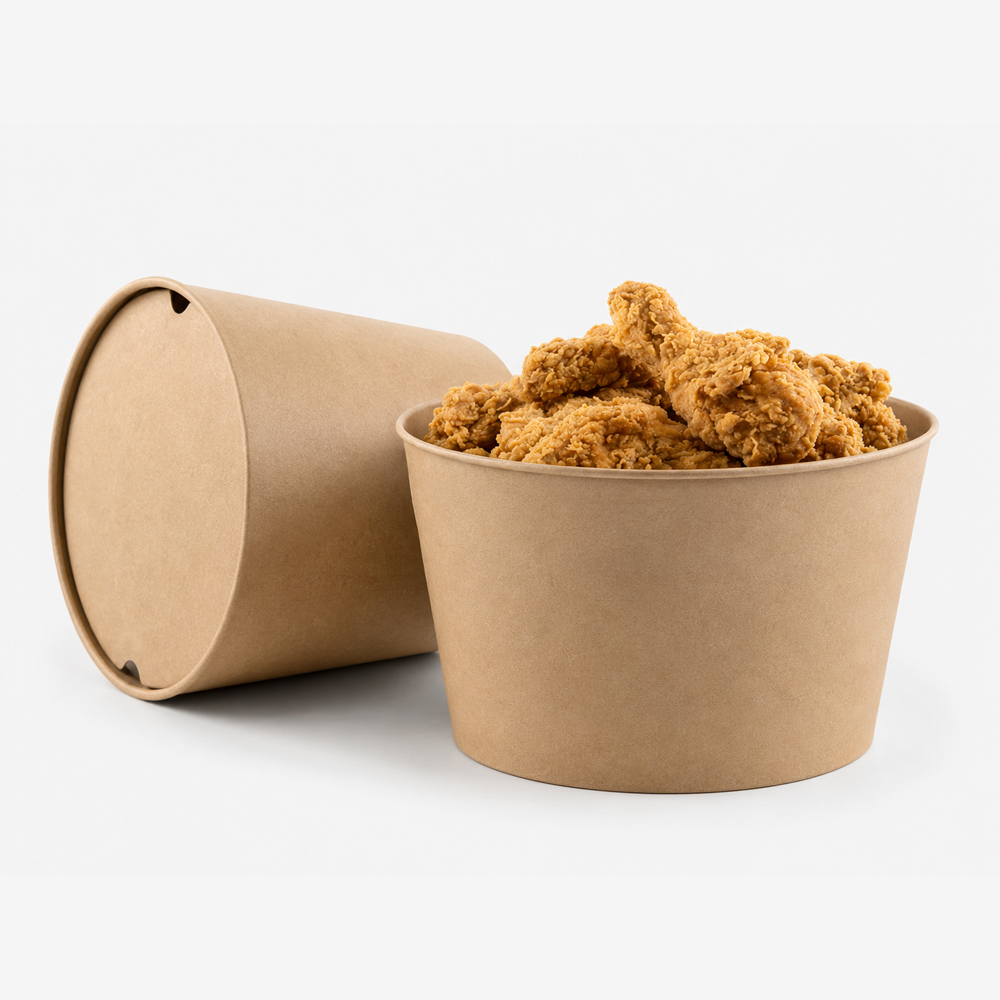
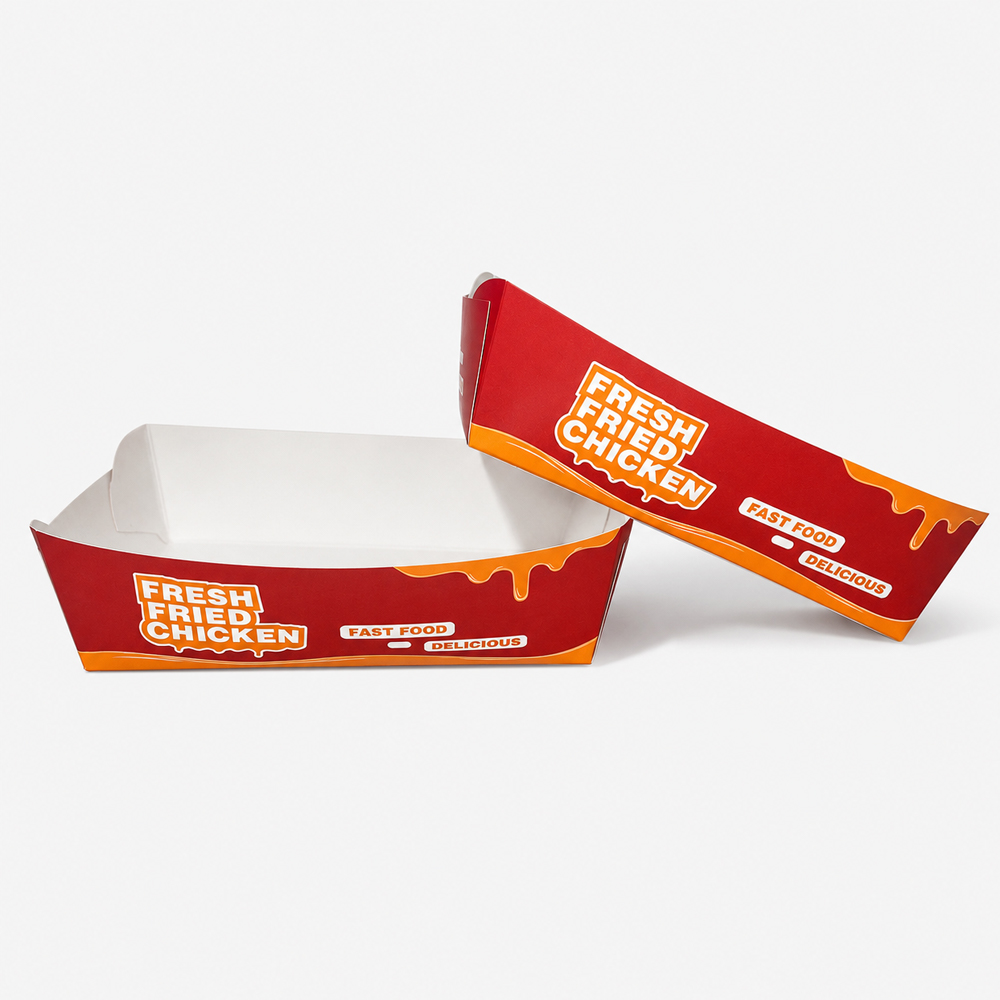
High-capacity containers for fried chicken, popcorn, snacks and shared meals, with reinforced rims and custom graphics.

Material
High-stiffness bucket-grade board

Barrier / Closure
Grease-resistant lining; optional lid

QC Checkpoints

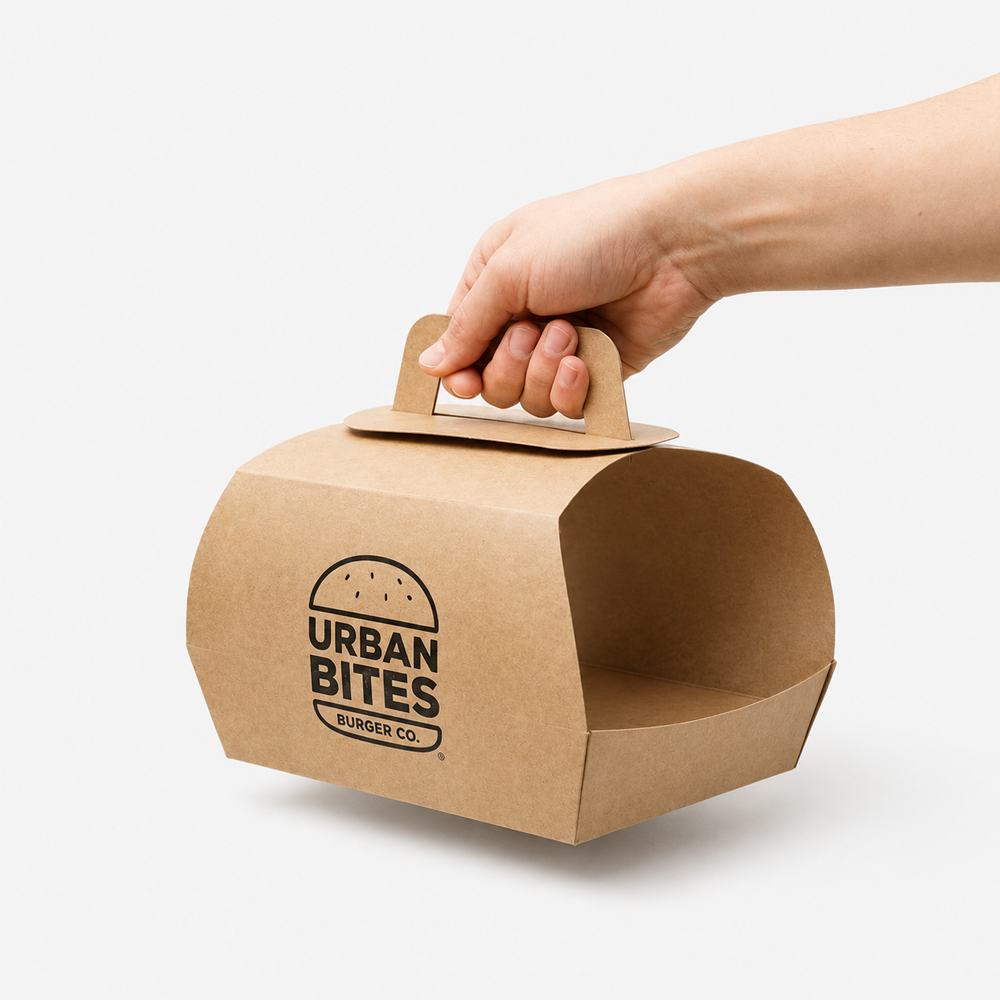
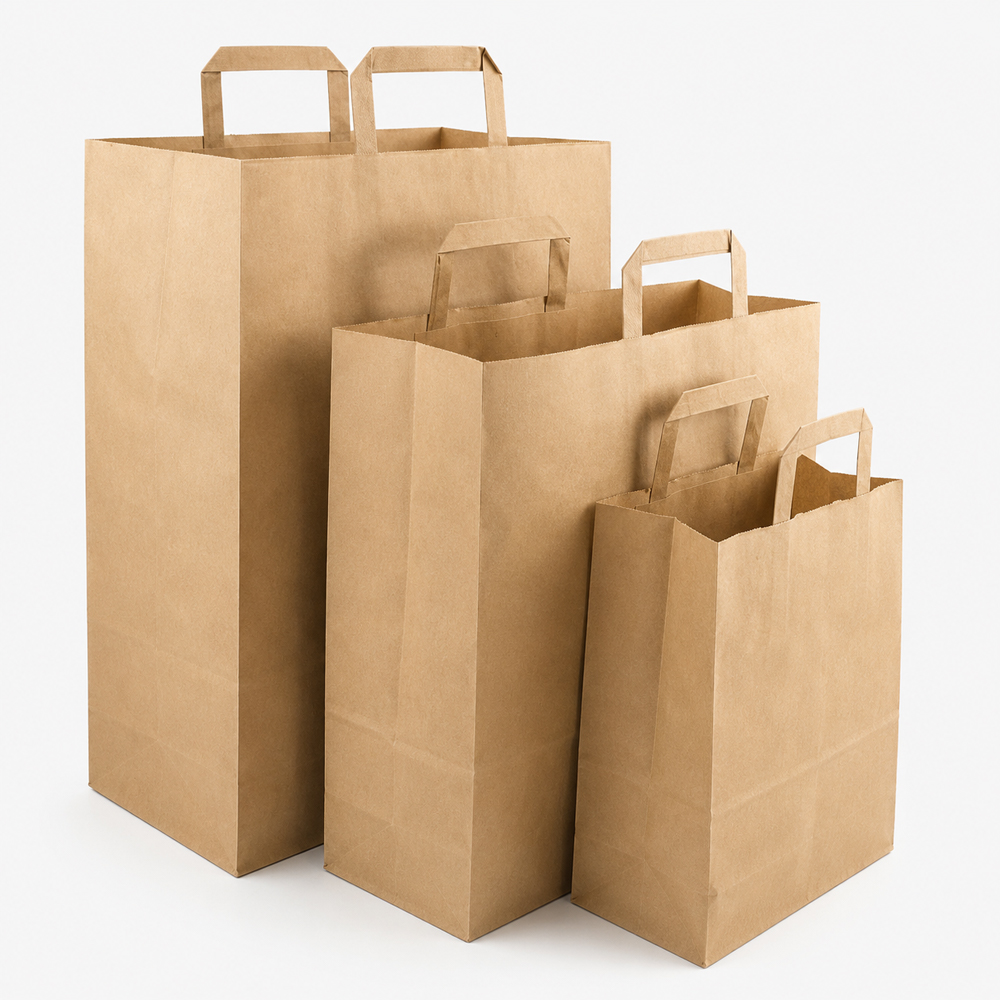
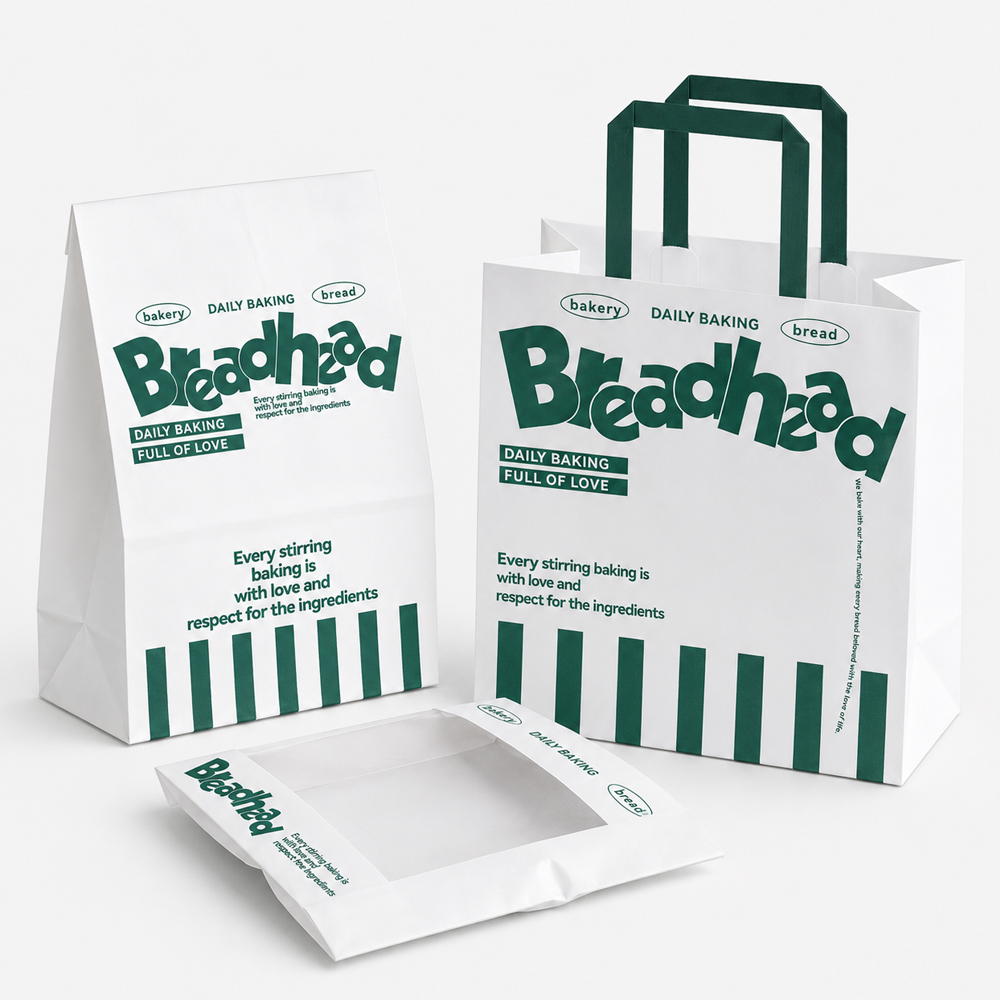
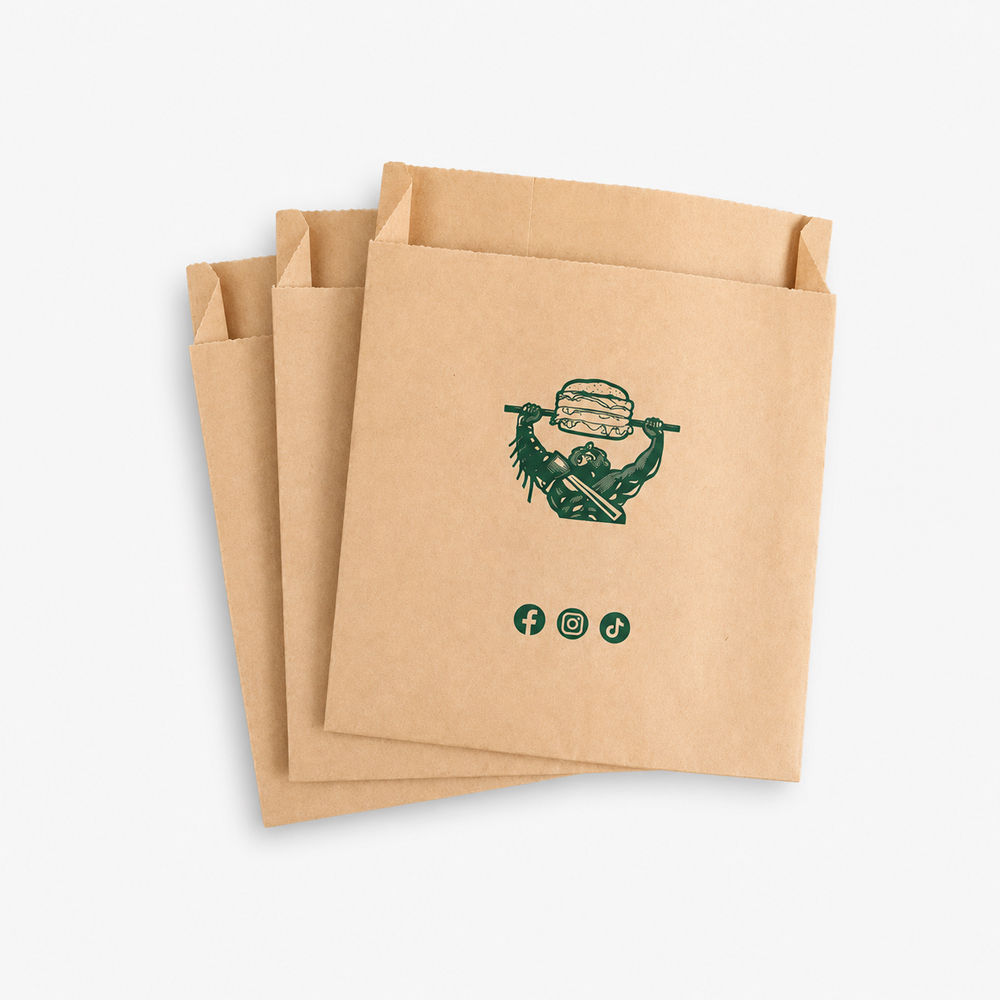
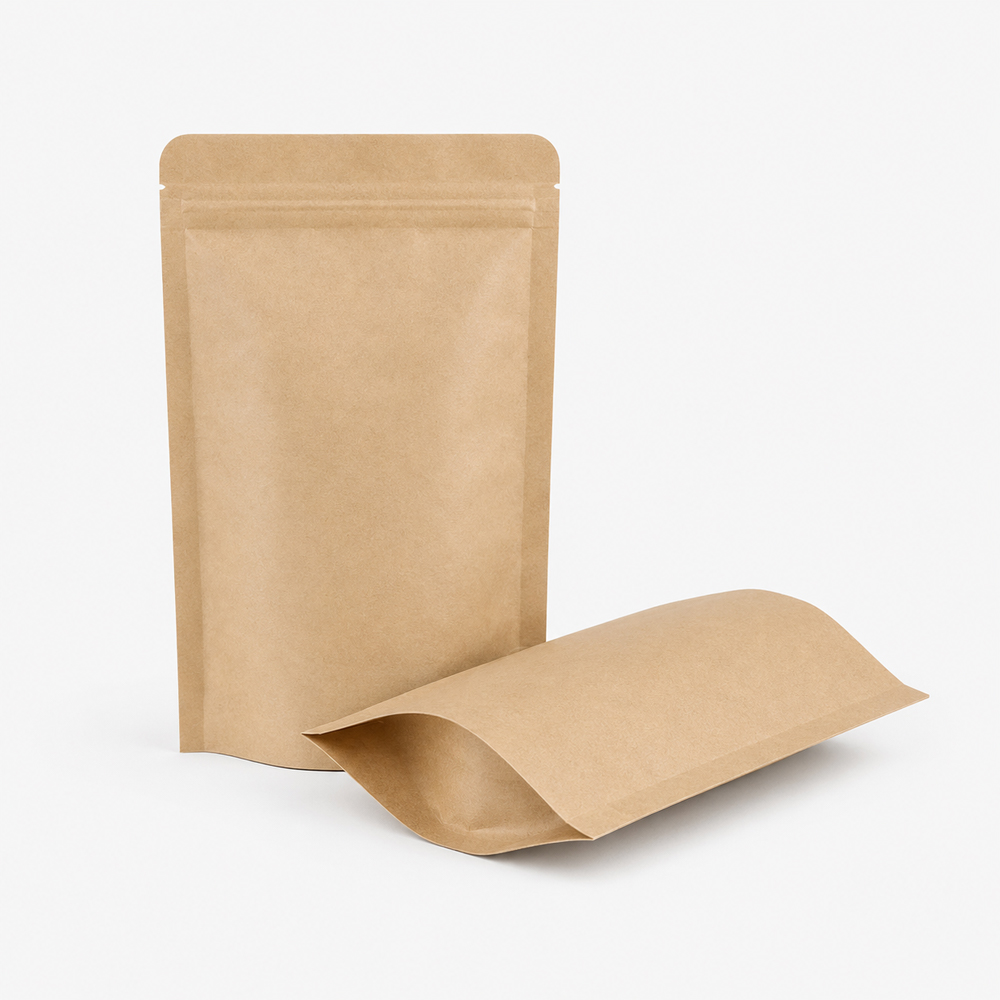
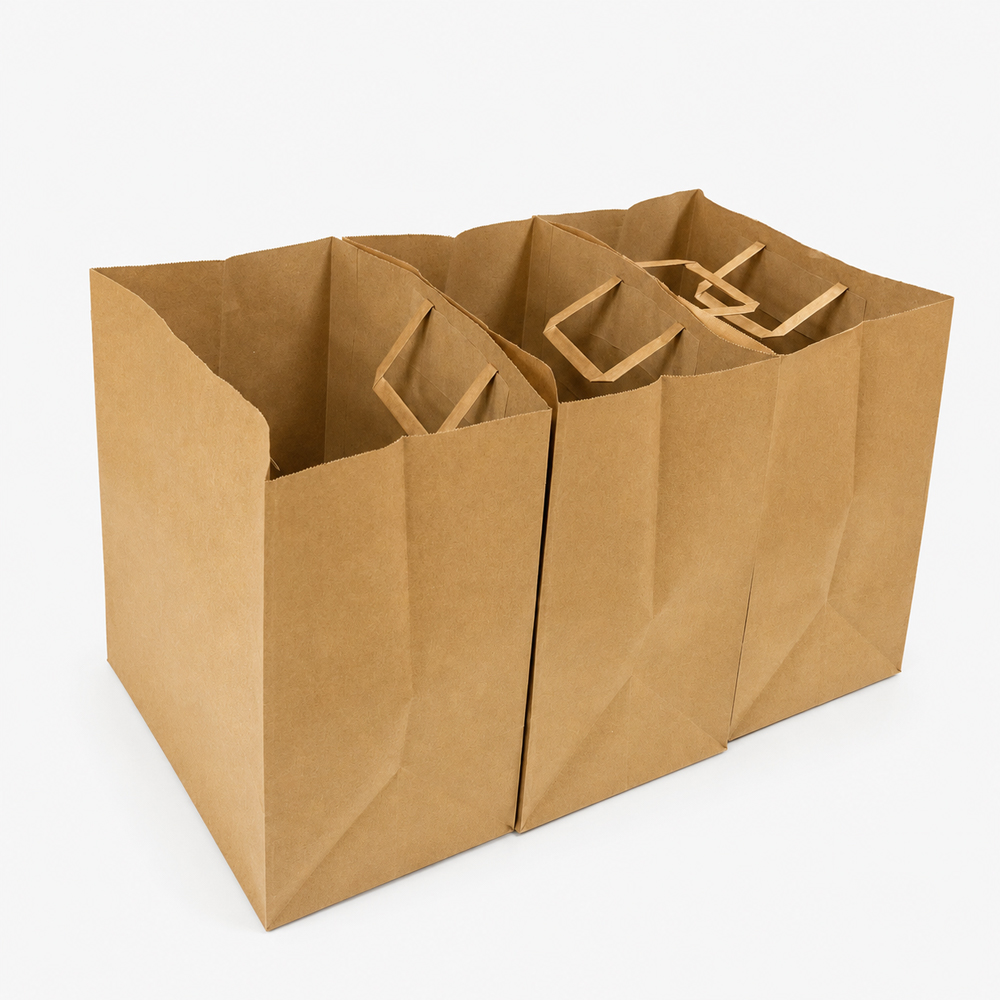
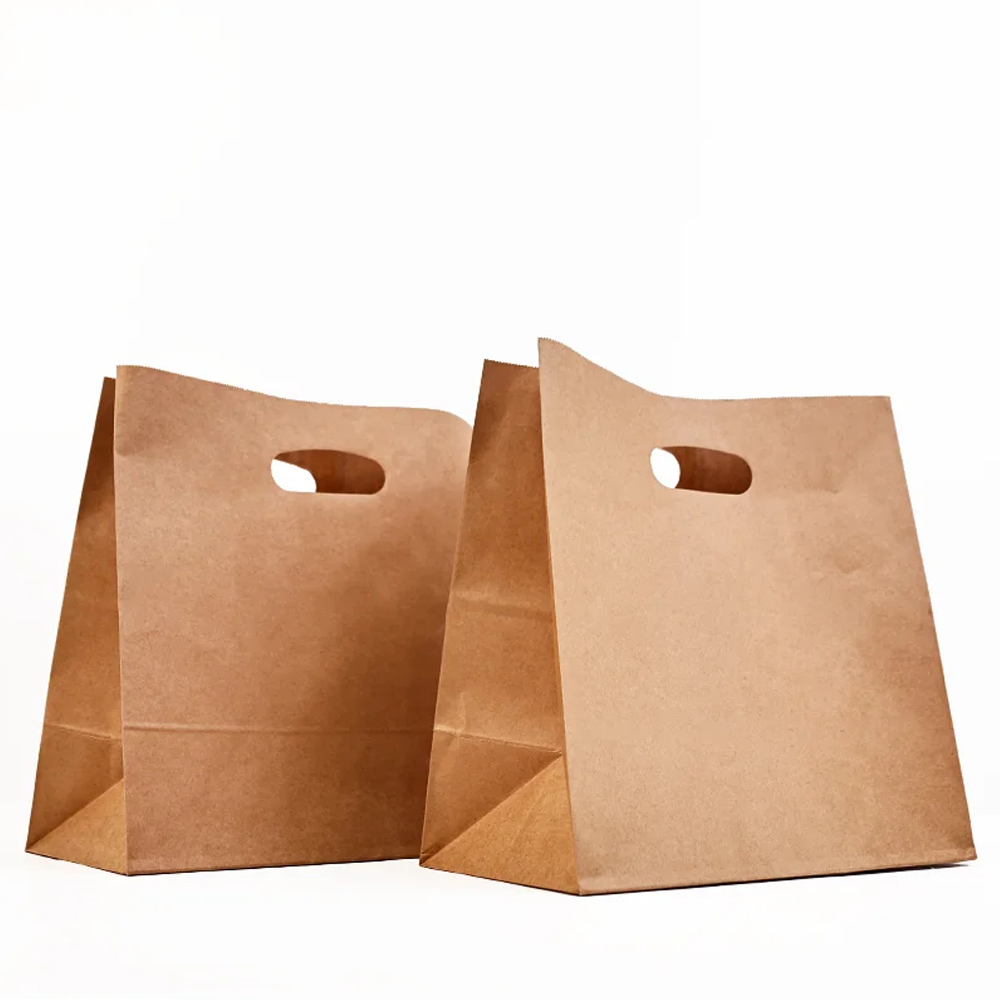
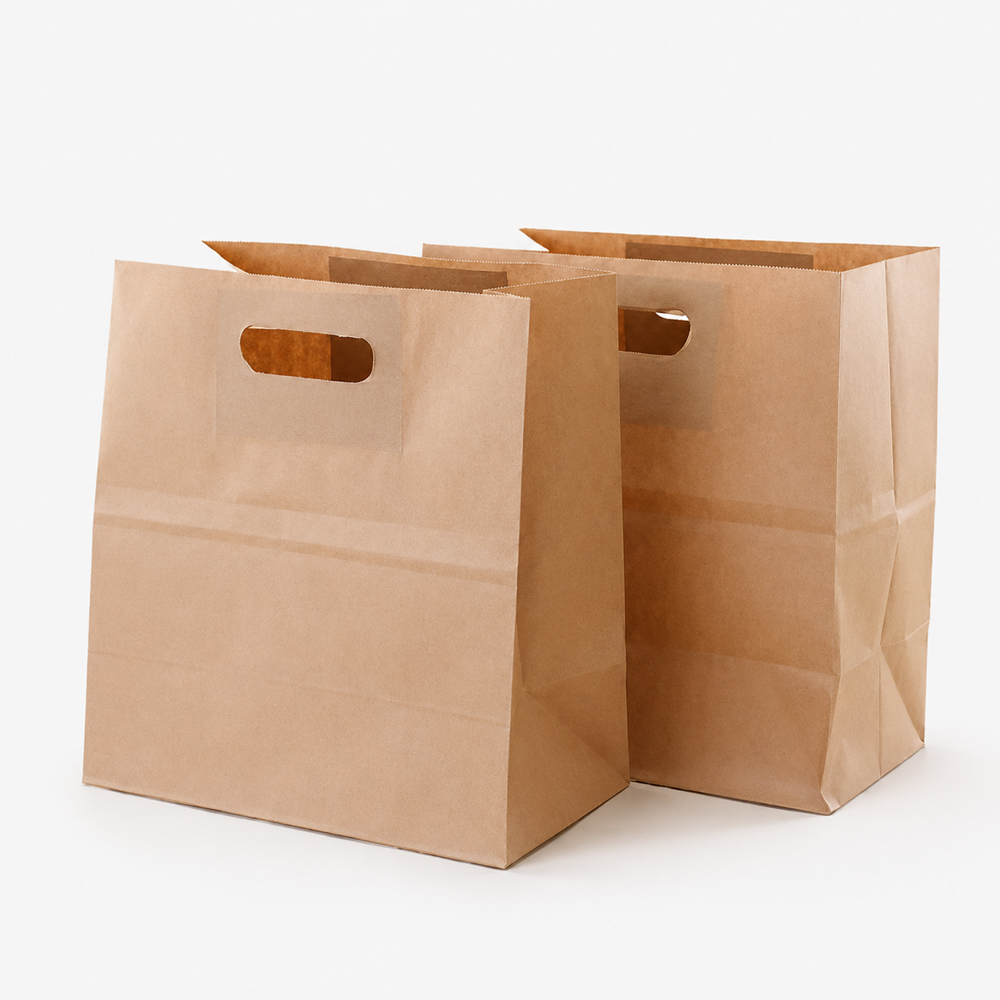
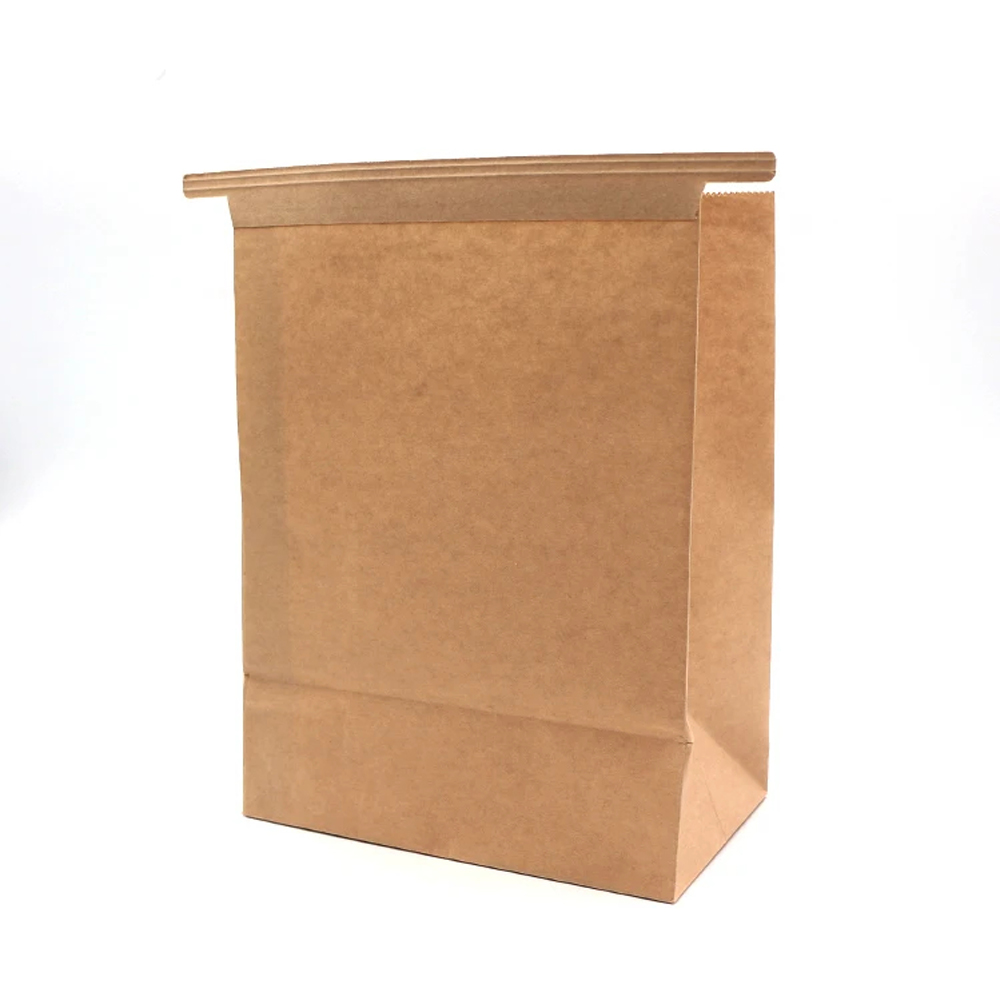
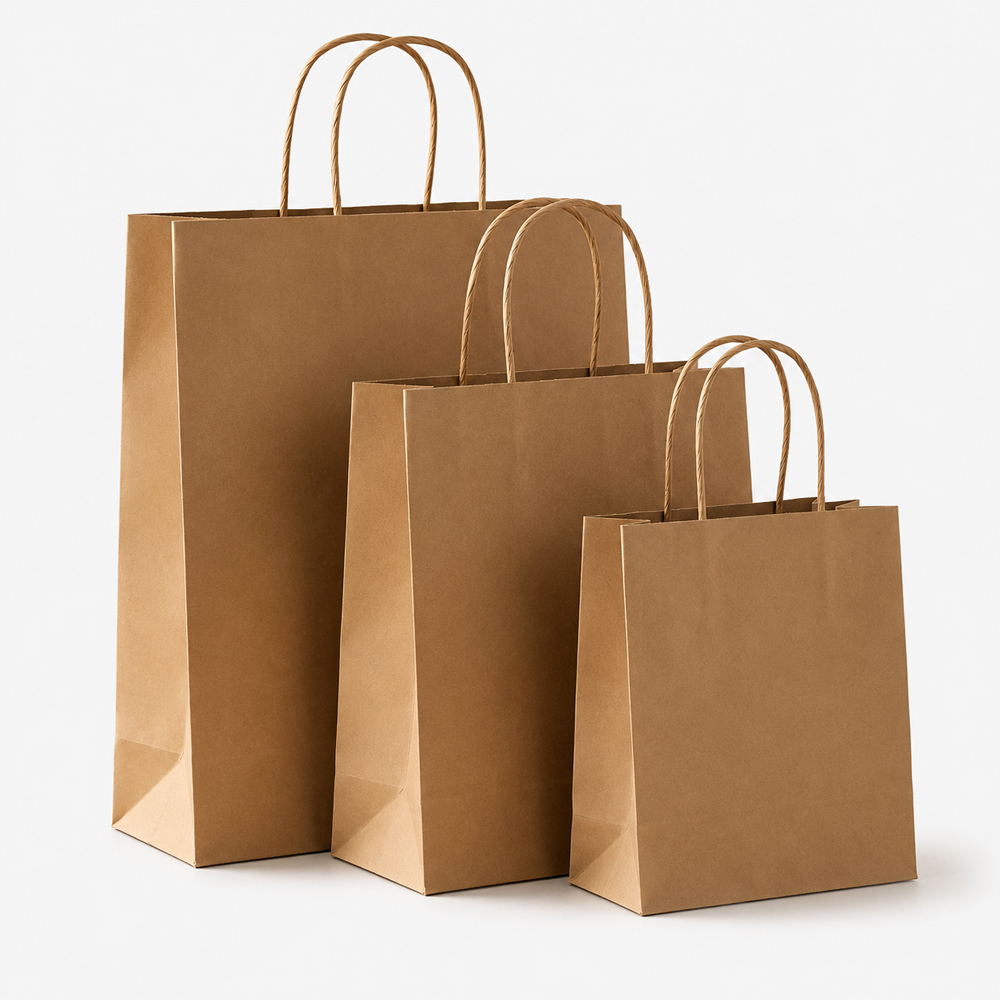
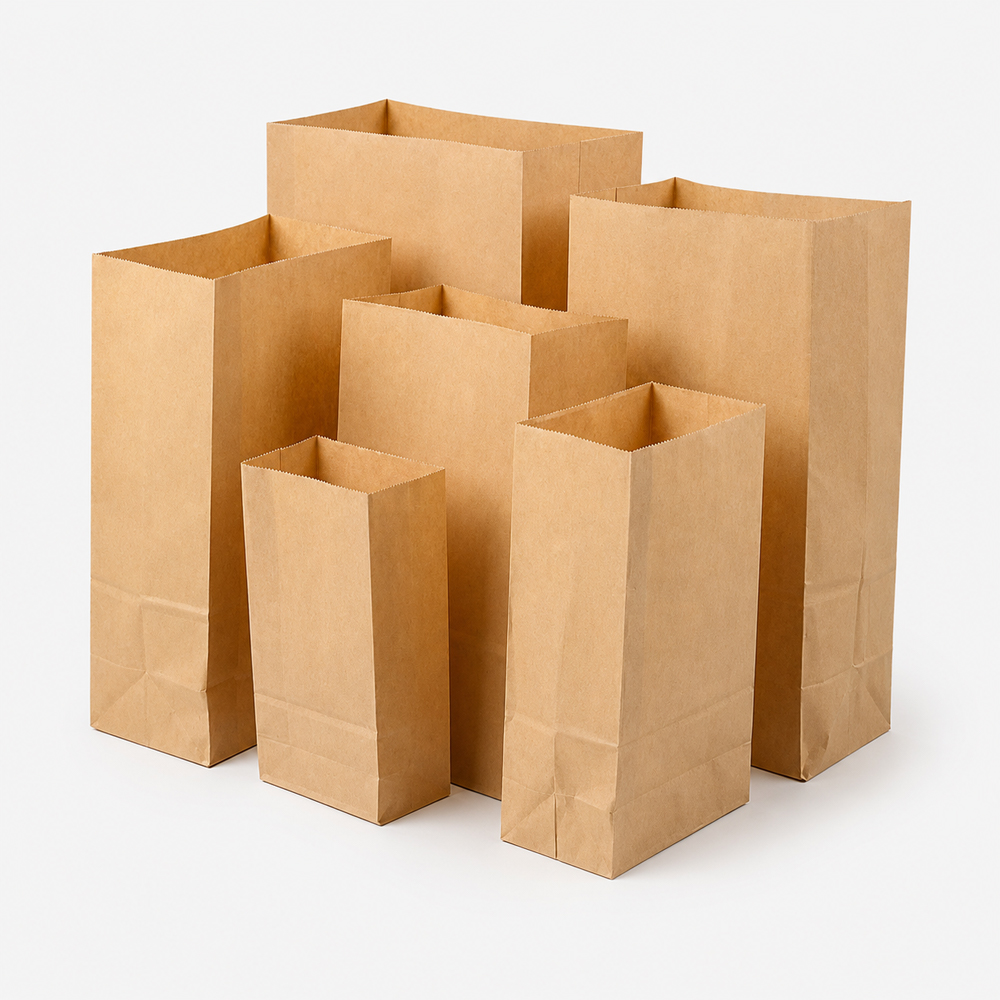
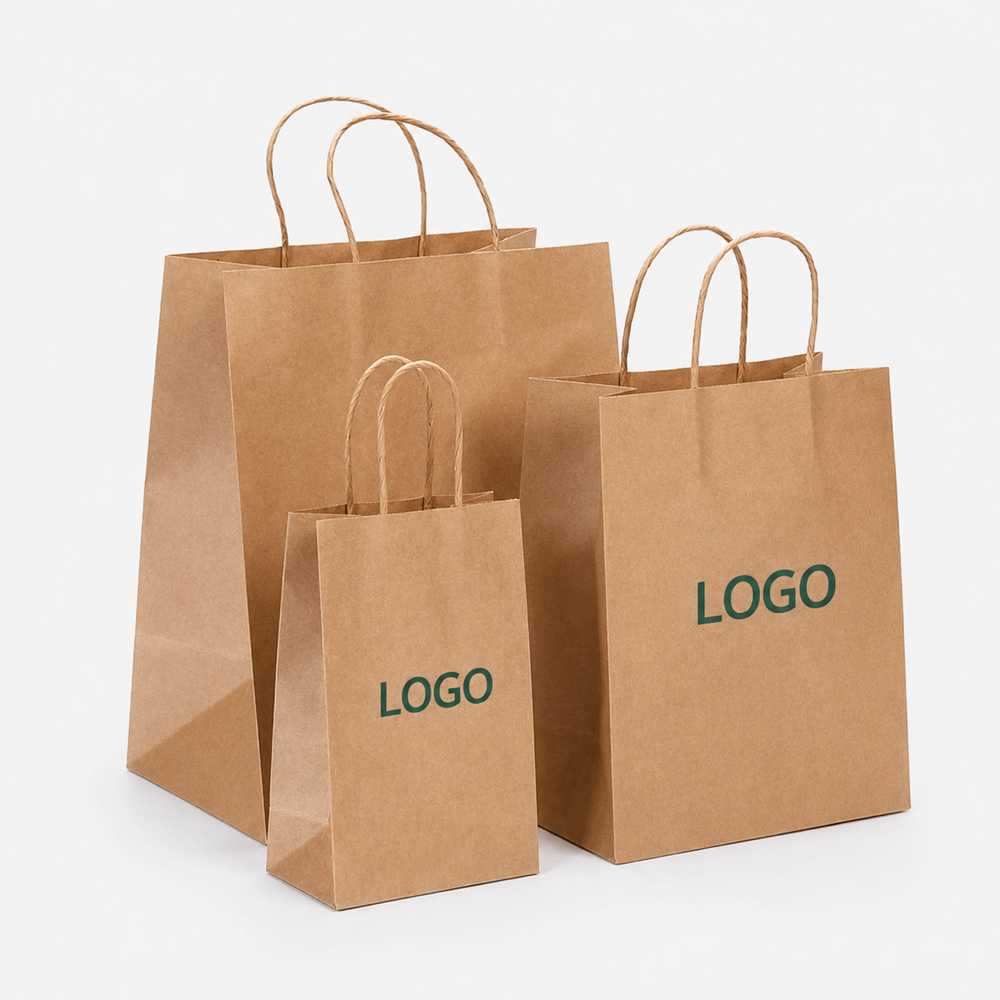
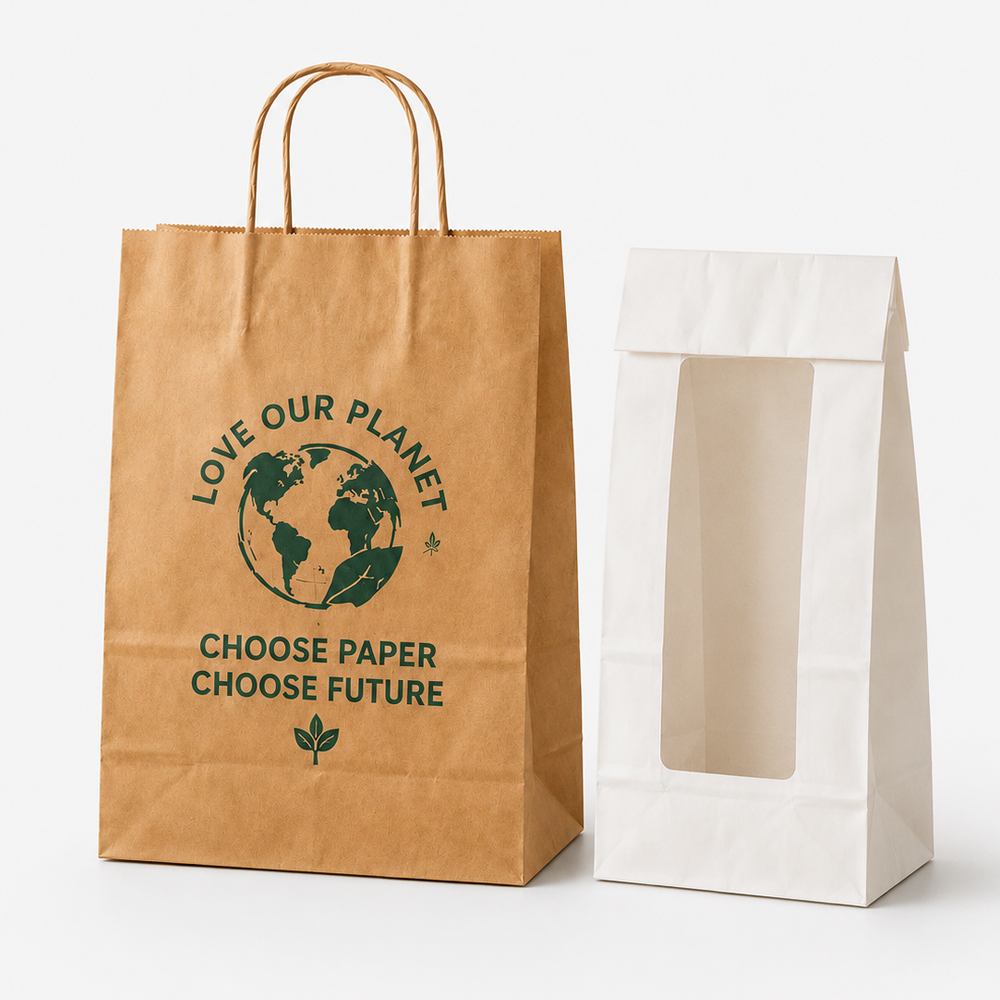
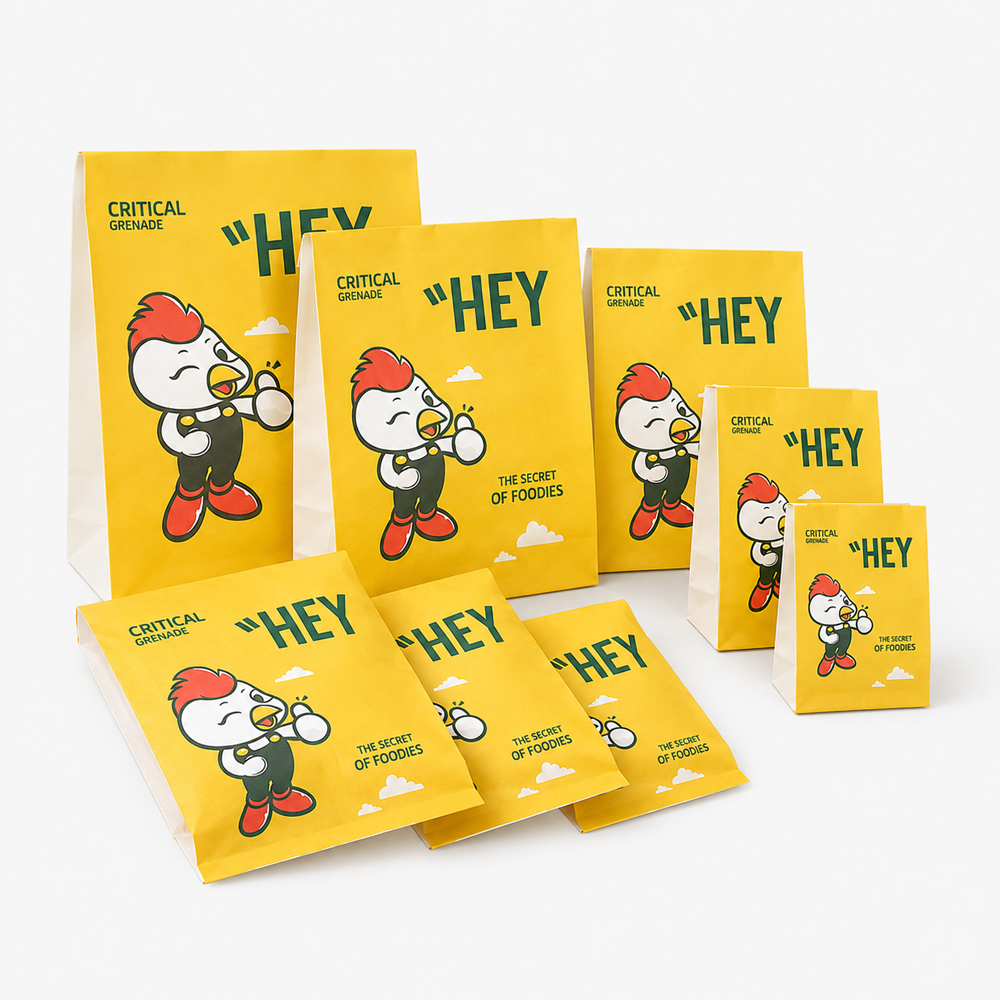
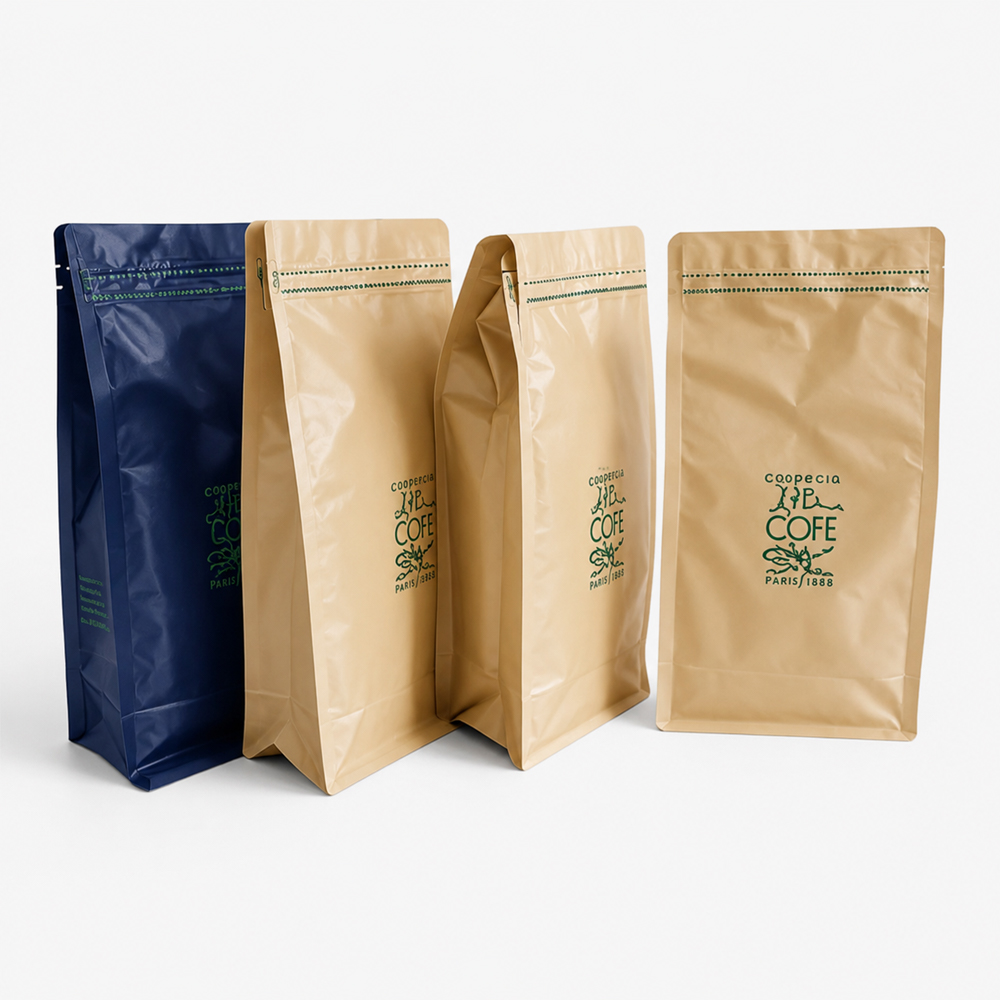
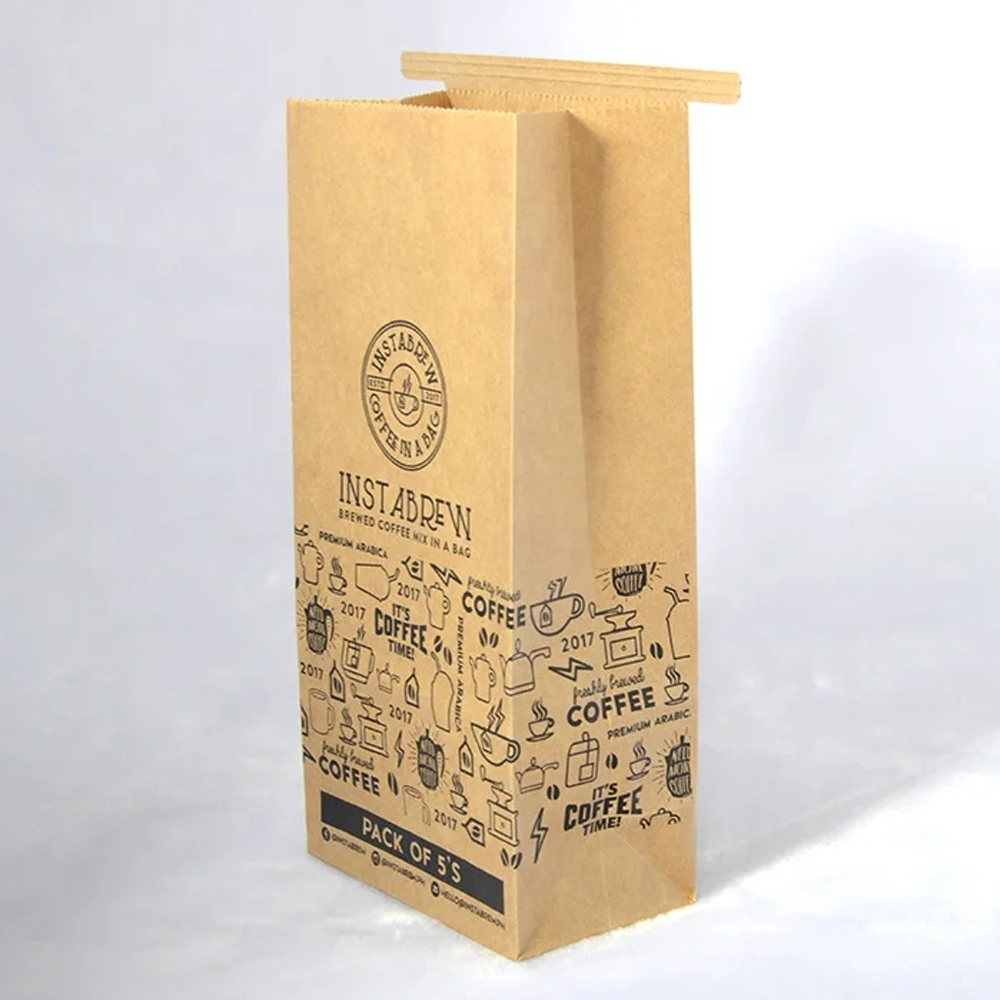
Flat, satchel and handled formats for takeaway, bakery and retail, with paper weight, handle and bottom reinforcement options.

Material
Natural or white kraft paper

Barrier / Closure
Uncoated, grease-resistant or windowed

QC Checkpoints

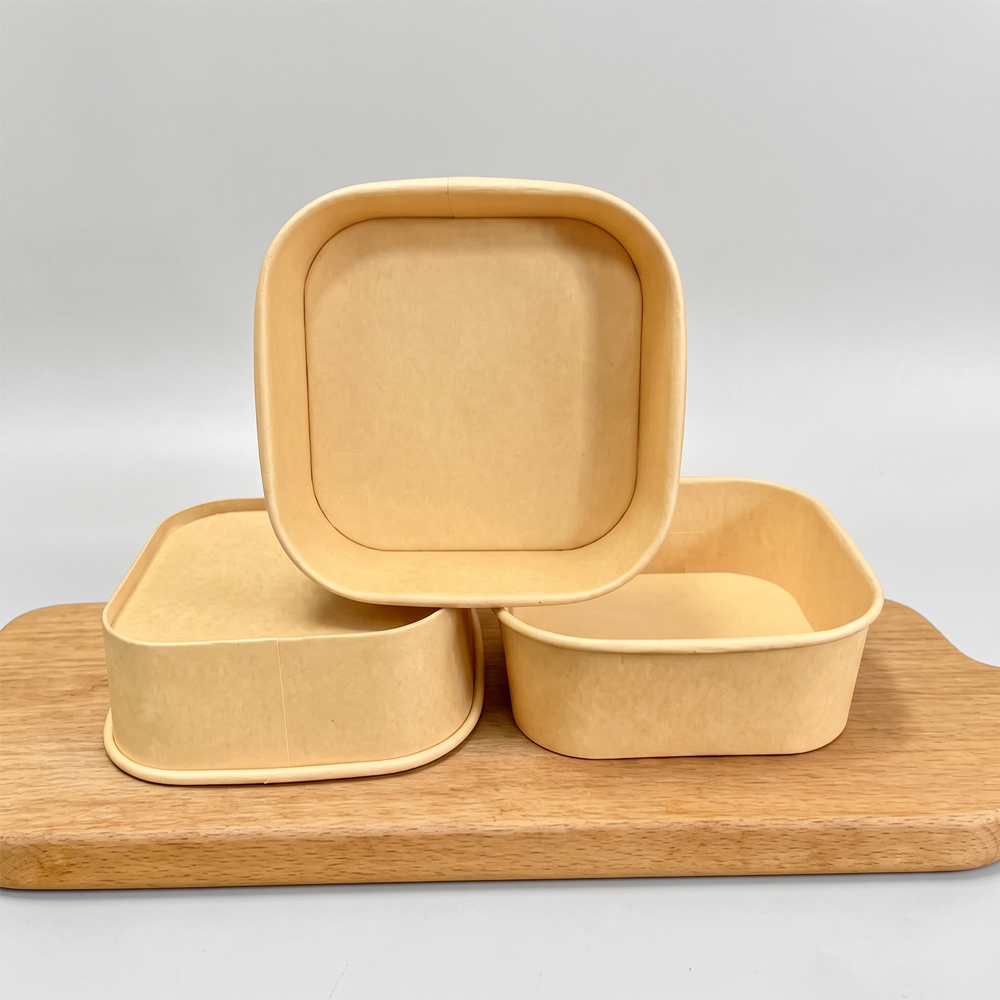
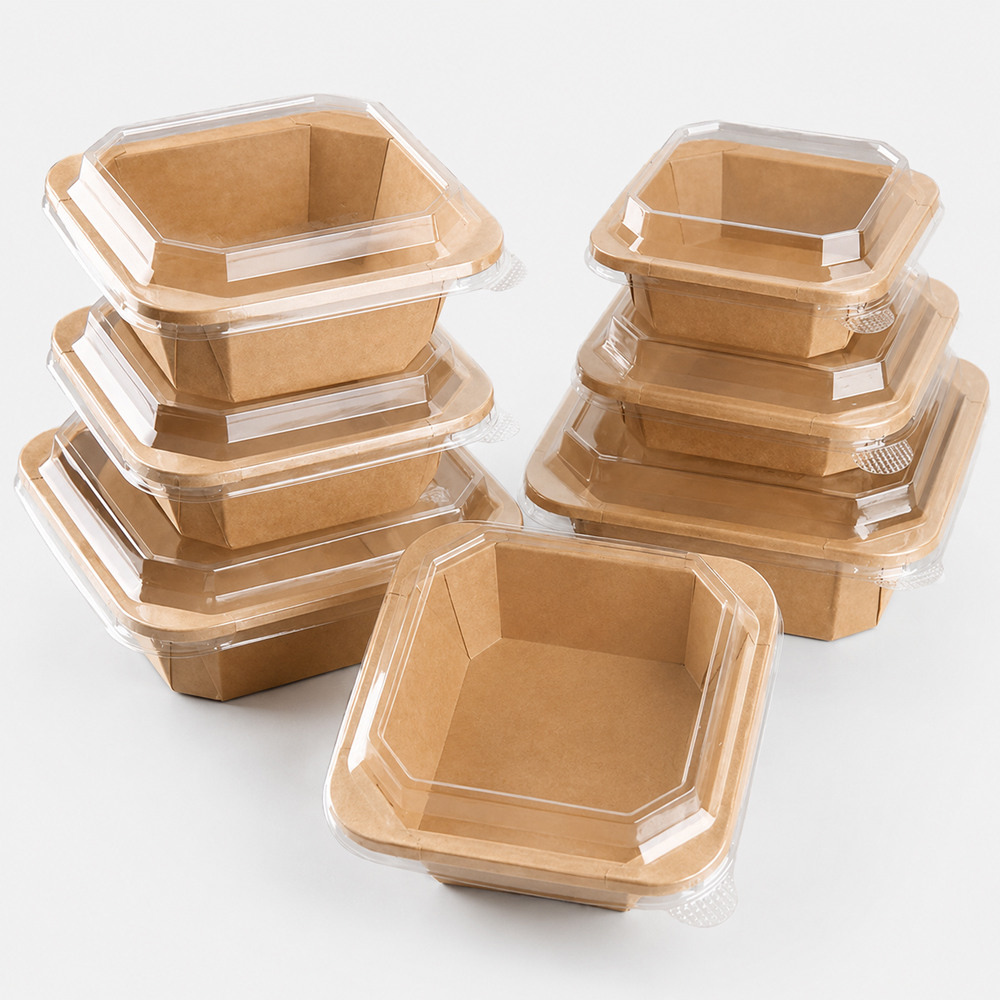
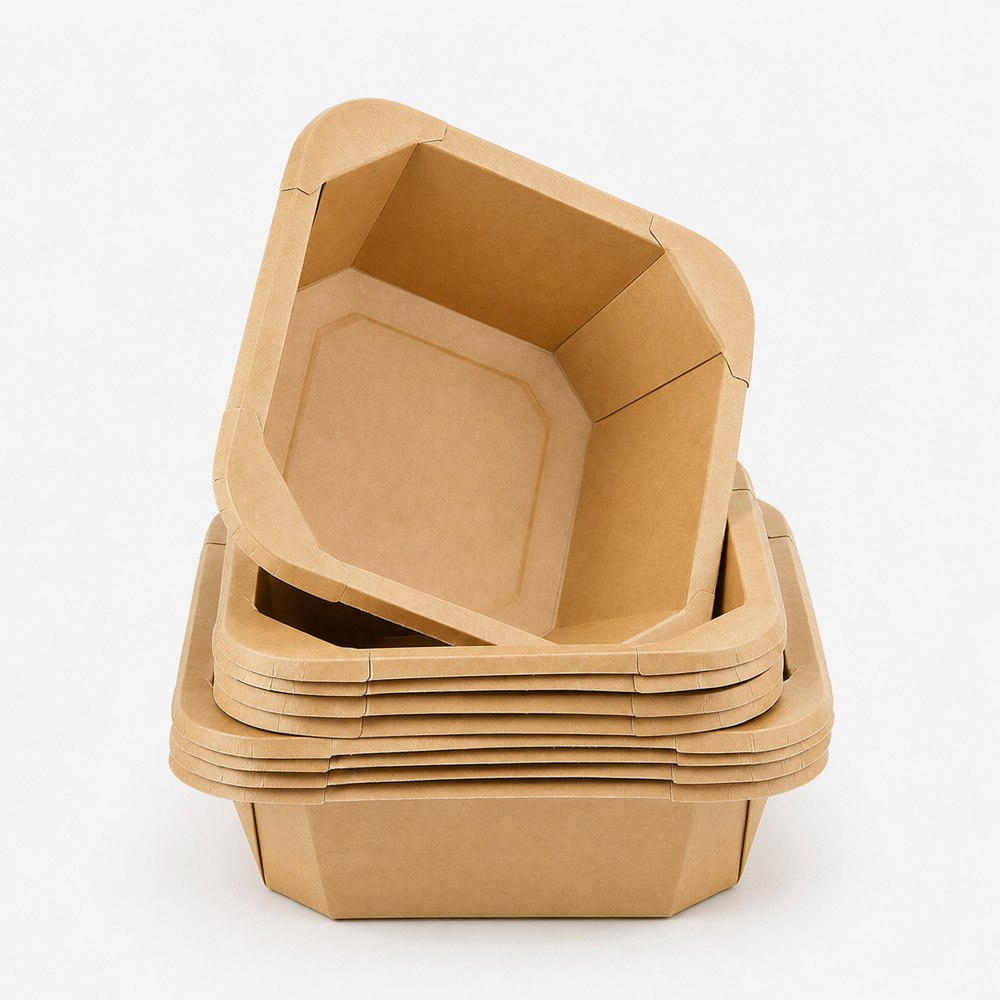
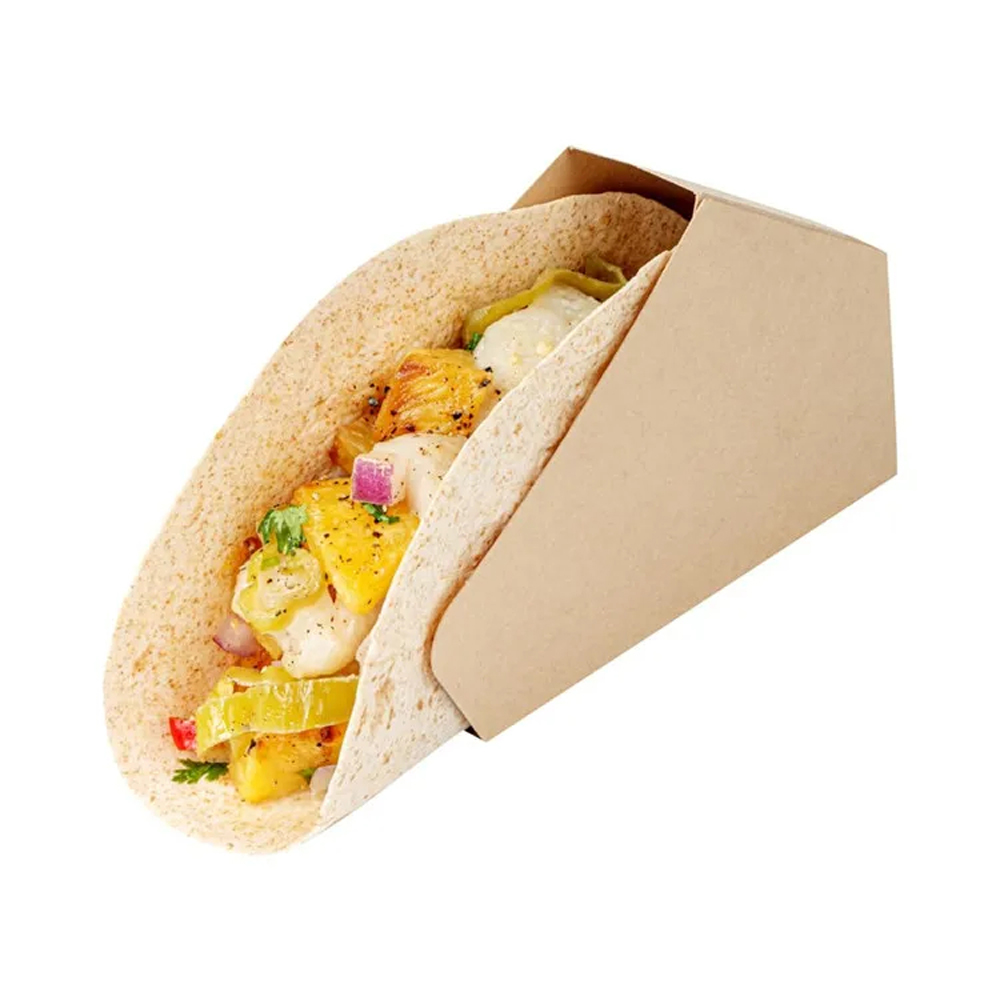
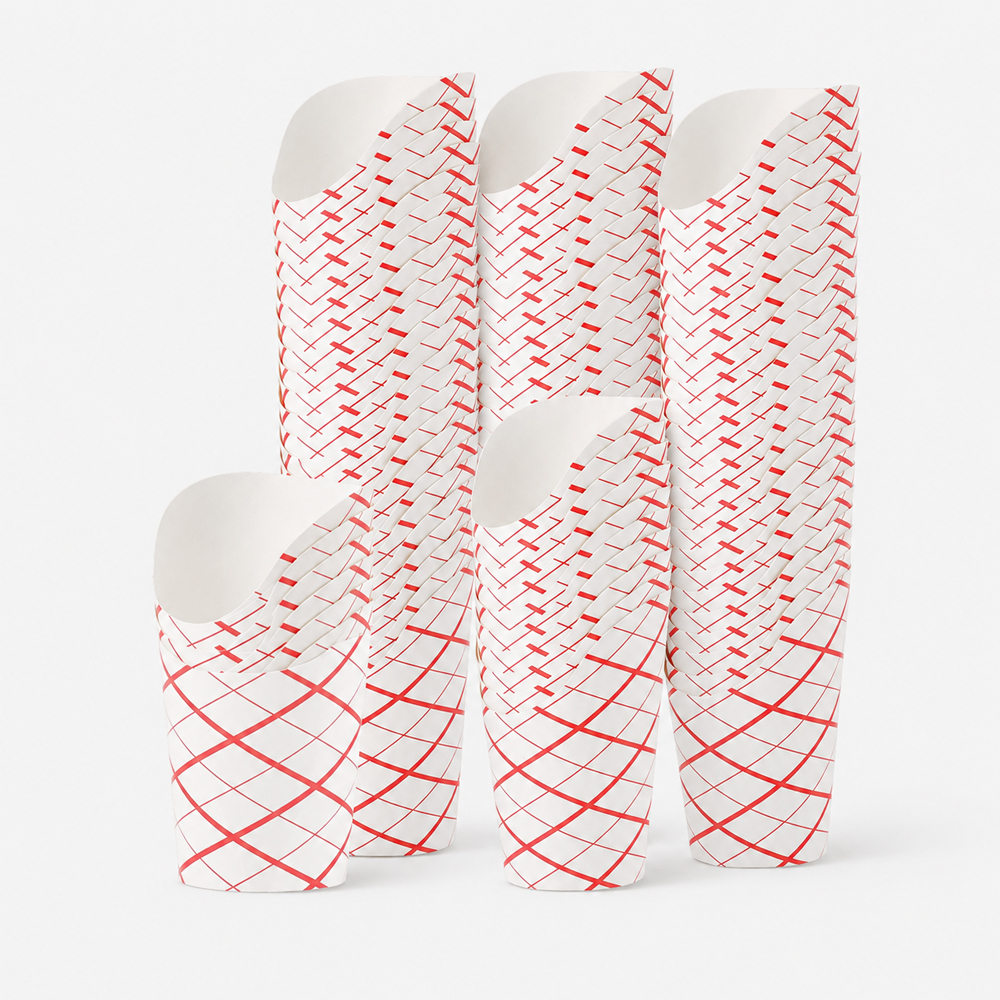
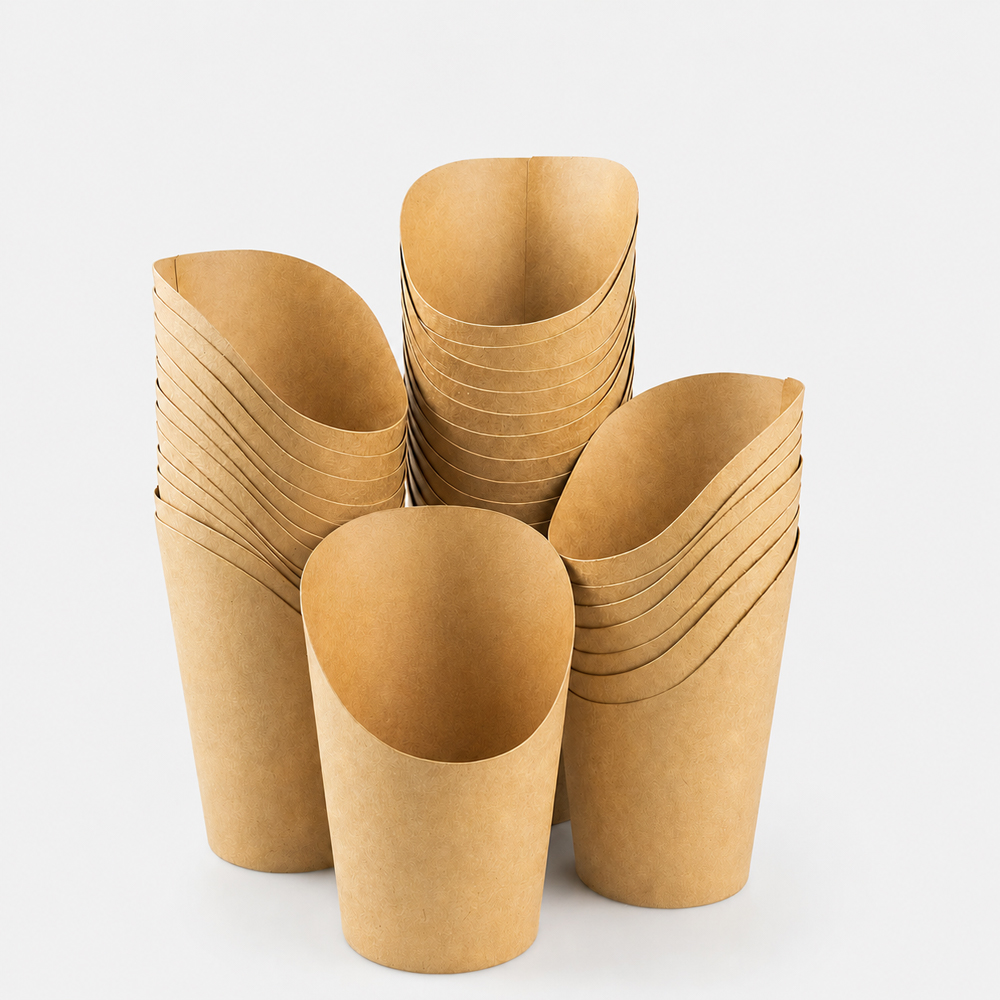
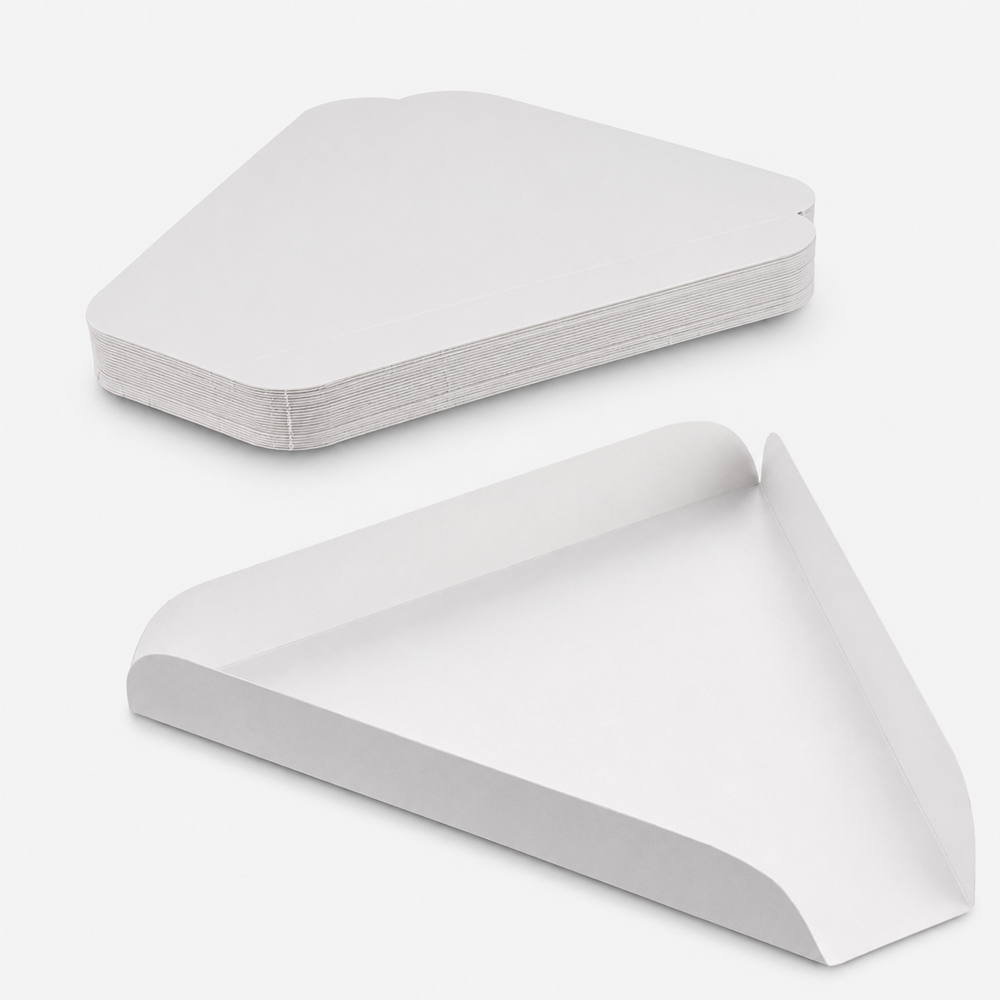
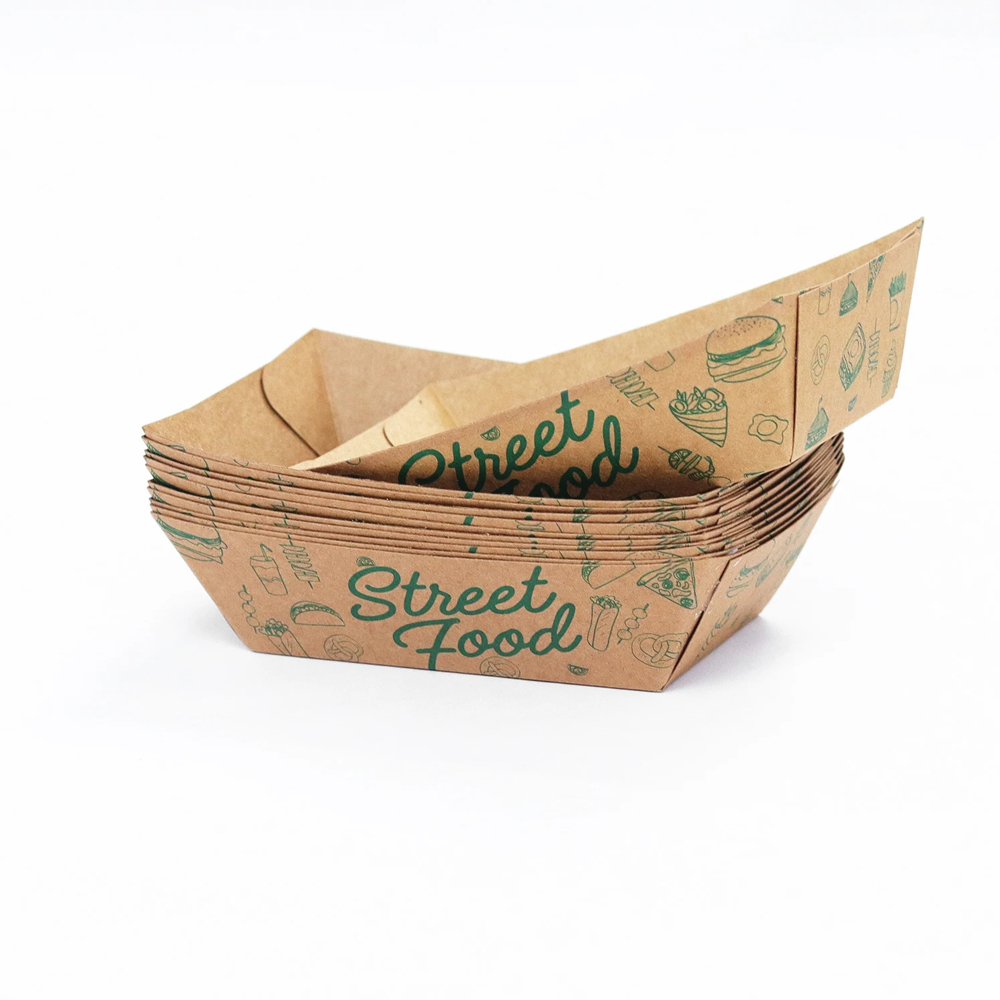
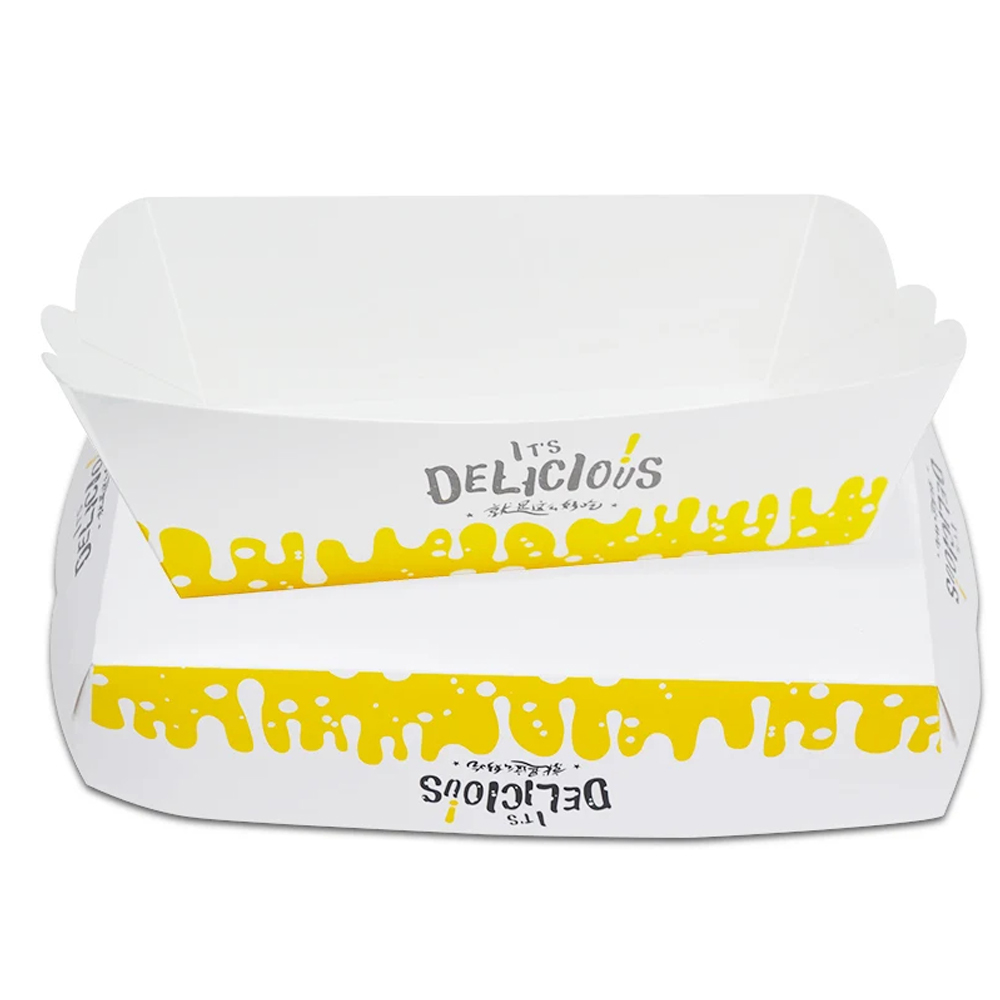
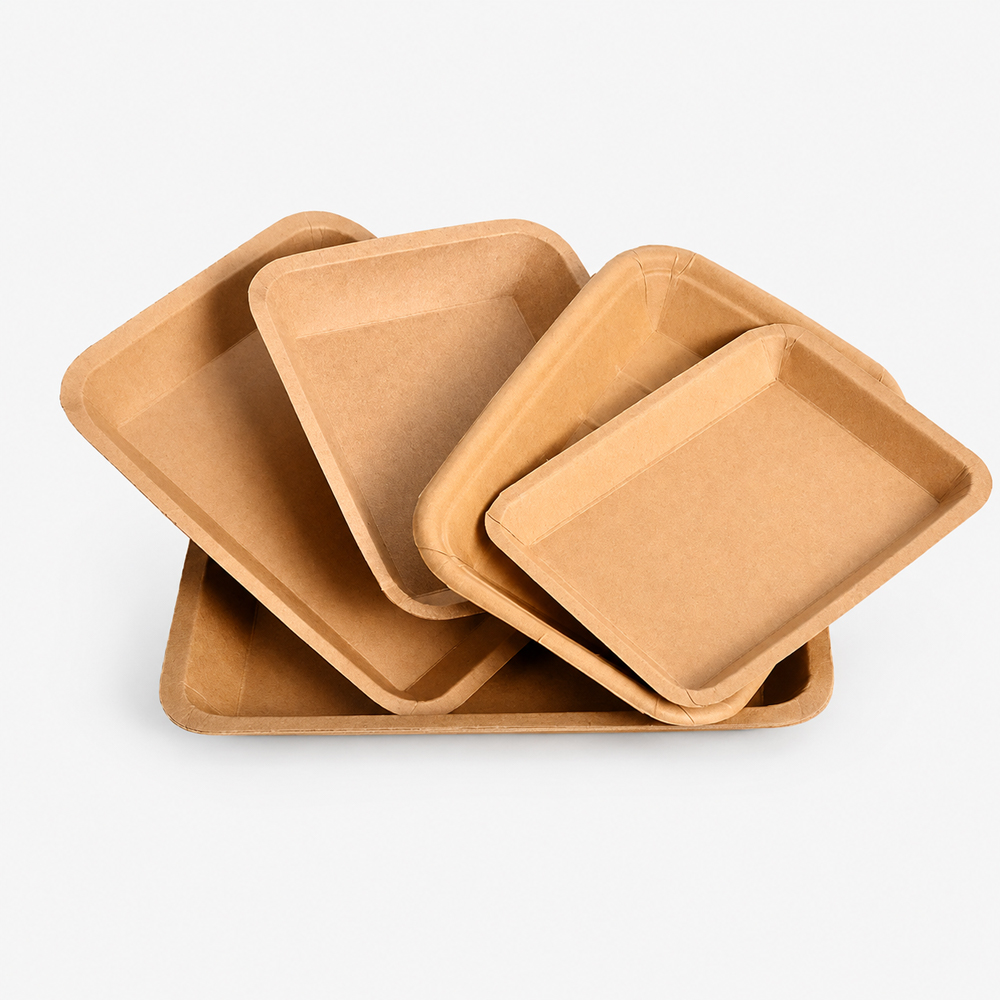
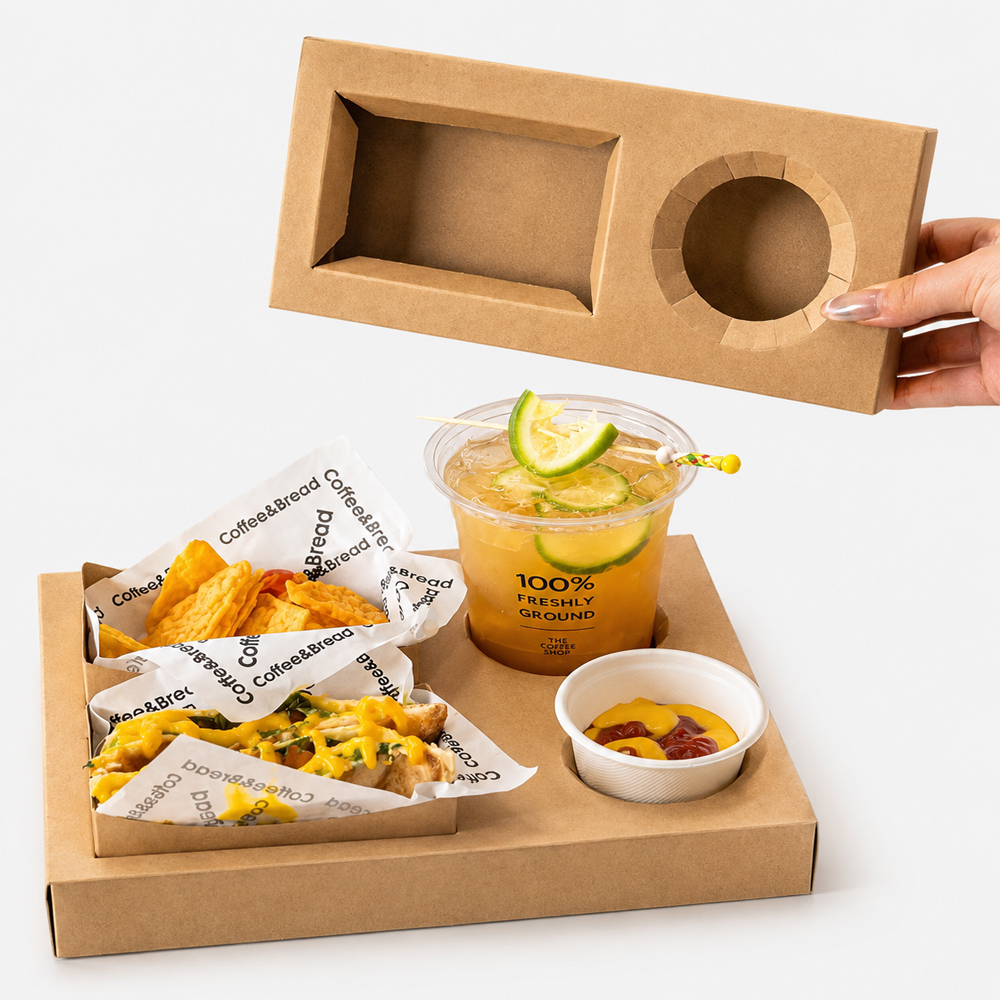
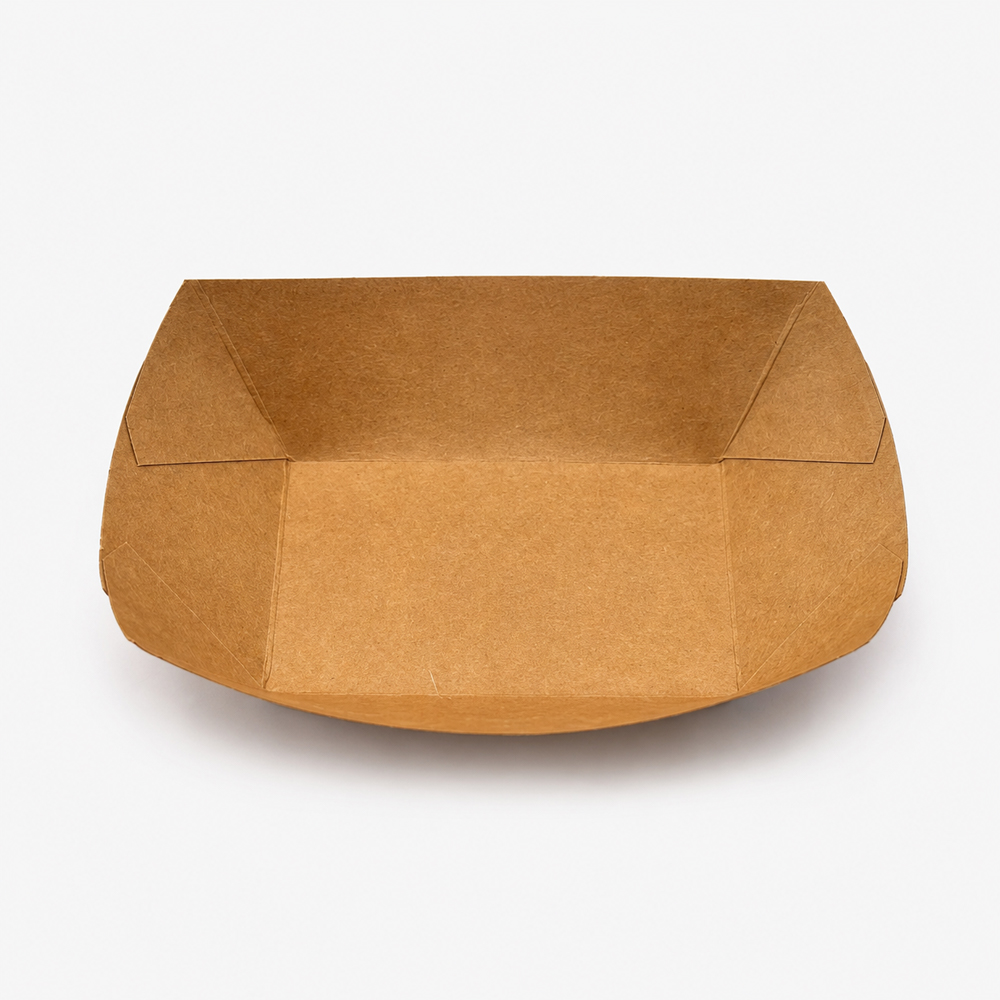
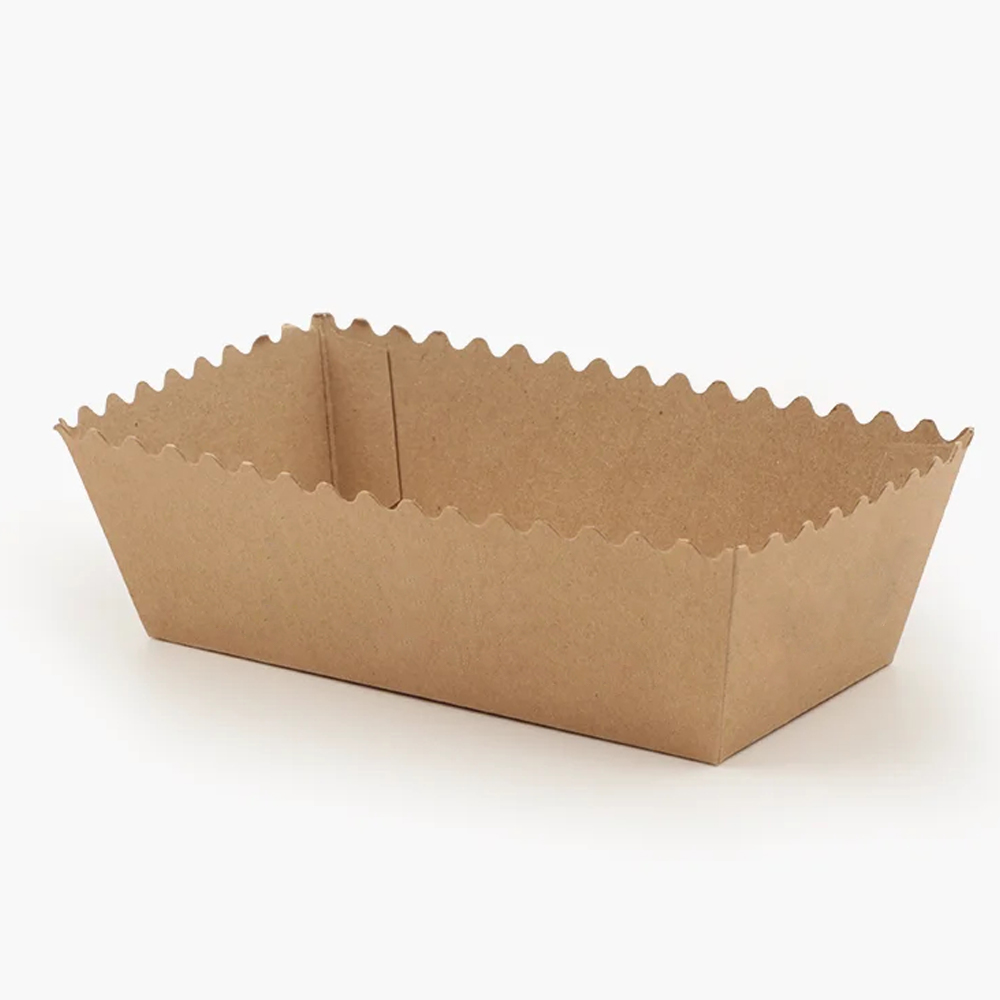
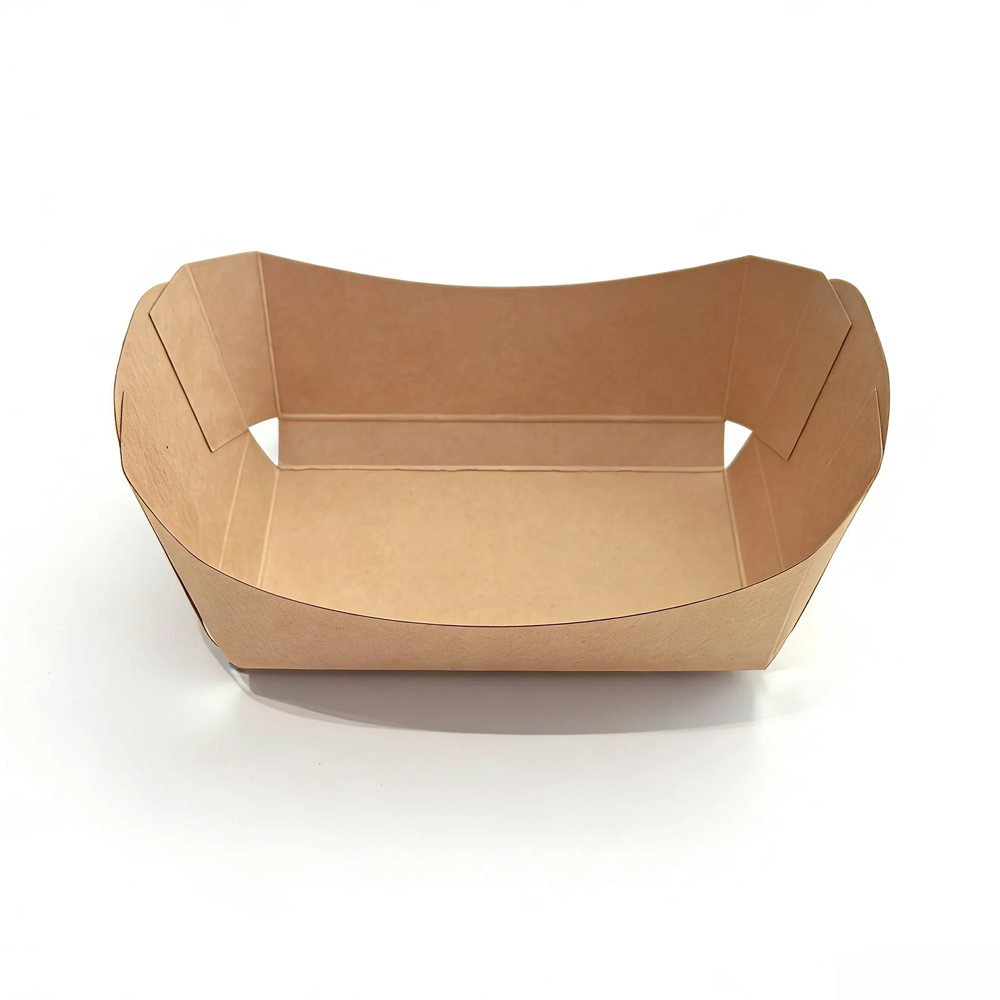
Open-top trays and food boats for snacks, fries, bakery, sampling and catering, with nesting and grease-barrier options.

Material
Kraft, white or corrugated board

Barrier / Closure
Uncoated or grease/moisture barrier

QC Checkpoints

BROWSE AVAILABLE PRODUCTS

Use the category tabs to compare paper pizza boxes, paper bowls, paper food boxes, paper buckets, paper bags, and paper food trays. Review available formats, dimensions, materials, barrier options, lid or closure configurations, and foodservice applications, then open a product page to request specifications, samples, custom printing, or a tailored wholesale quotation.

Material engineering

Match the Substrate and Barrier to the Actual Food Profile

Paper selection should start with the menu and service conditions—not a generic sustainability label. We review food state, temperature, dwell time, filling method, sealing, stacking and end-of-life goals before recommending the structure.

01 · Dry and crisp foods

Kraft or folding paperboard

Suitable for bakery, sandwiches, fries and low-moisture foods where stiffness, printability and ventilation matter more than a heavy liquid barrier.

Evaluate: board stiffness · grease holdout · venting · score resistance

02 · Oily or sauced meals

Functional grease barrier

A product-specific PE, PLA or aqueous barrier may be used to reduce oil and moisture penetration while preserving forming and sealing performance.

Evaluate: stain resistance · seam integrity · dwell time · PFAS documentation

03 · Hot liquids

Cupstock or bowl-grade paper

Soup, noodles and hot meals require controlled sidewall forming, rim geometry, seam bonding and lid-fit compatibility under heat and moisture exposure.

Evaluate: leak test · rim curl · lid retention · heat handling

04 · Refrigerated display

Moisture-tolerant base and clear lid

Salads, sushi and desserts need condensation management, chilled dimensional stability, stackability and visibility through compatible PET or paper lids.

Evaluate: anti-fog needs · cold storage · lid seal · presentation

A practical RFQ should include:

Technical specifications matrix

Compare Formats by Structure, Barrier and Procurement Variables

The values below define common project ranges and sourcing decisions. Final specifications are fixed by the approved technical drawing, artwork, sample and purchase order.

Technical comparison matrix for paper food packaging categories
Category Typical Substrate Common Range Barrier / Closure Key QC Checkpoints Customization
Pizza Boxes Corrugated kraft or white board; E-flute and project-specific structures Single-serving to family-size formats; depth and flute selected by load Uncoated or food-contact grease barrier; vent holes as required Compression, fold accuracy, lid alignment, grease holdout, ventilation Size, print, window, venting, inserts, carton marks
Paper Bowls Cupstock or bowl-grade food-contact paperboard Commonly 6–32 oz; round and selected rectangular formats PE, PLA or aqueous barrier; paper, PP or PET lid options Seam bond, rim curl, lid fit, capacity, leak resistance, stacking Capacity, diameter, height, print, lid system, packing
Food Boxes Kraft, SBS/FBB or coated folding paperboard Snack, burger, meal and multi-compartment structures Uncoated or functional barrier; tuck, lock or glued closure Die-cut accuracy, crease quality, lock engagement, print registration Dieline, compartments, window, vents, artwork, finish
Paper Buckets High-stiffness cupstock or bucket-grade paperboard Single portion to family/shared serving capacity Grease-resistant lining; optional paper or plastic lid Side seam, bottom seal, top rim, handle/lid fit, load resistance Capacity, graphics, lid, handle, carton configuration
Paper Bags Natural or white kraft paper; food-contact grades where needed Flat, satchel, block-bottom and handled formats Uncoated, grease-resistant or selected window structure Paper weight, seam bond, handle pull, bottom strength, print rub Dimensions, handle, window, paper color, print, carton count
Food Trays Kraft or white paperboard; corrugated board for heavier loads Snack boats, bakery trays, catering and display trays Uncoated or grease/moisture barrier; optional lidding Nesting, corner locks, wall rigidity, load, barrier and dimensions Footprint, wall height, locks, print, dividers, lidding
Paper weight, board caliper, coating weight and dimensional tolerances are confirmed by SKU. No universal specification should be applied across all food-contact formats.

Custom food boxes and packaging

Control the Brand System — Not Only the Logo

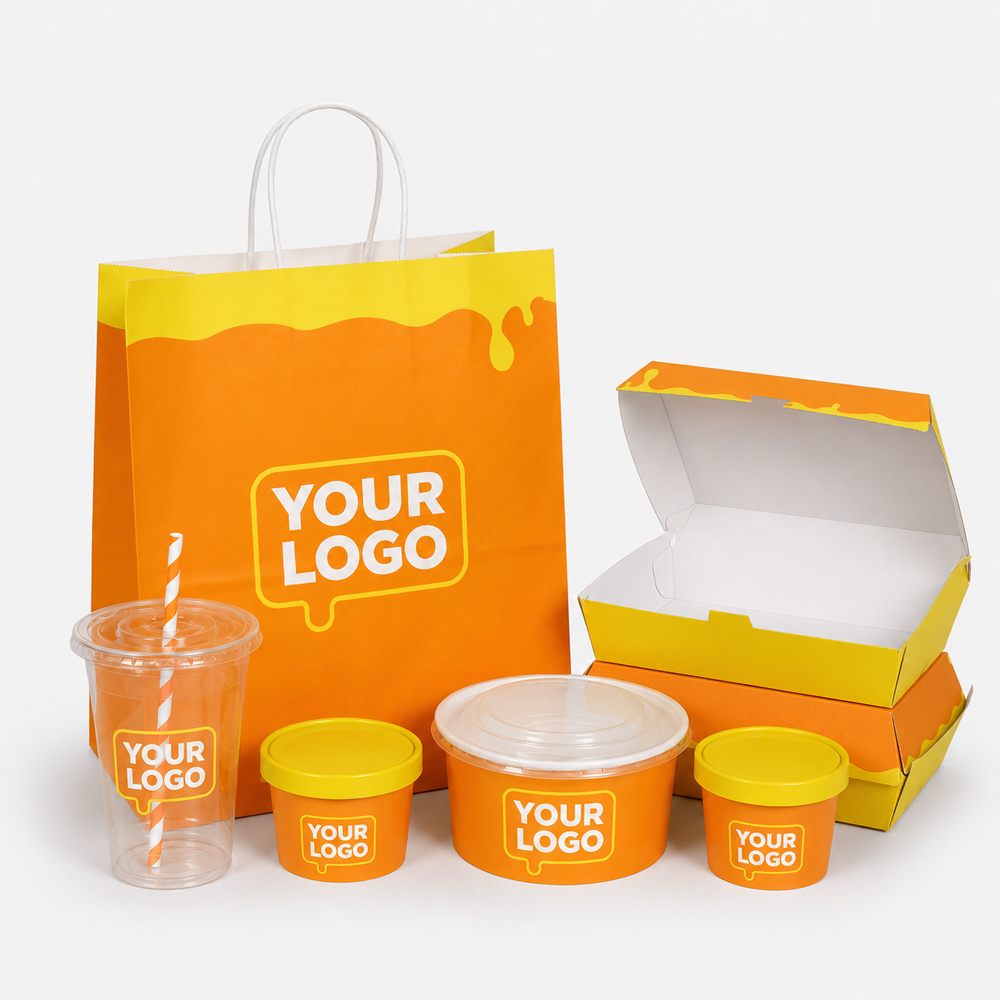
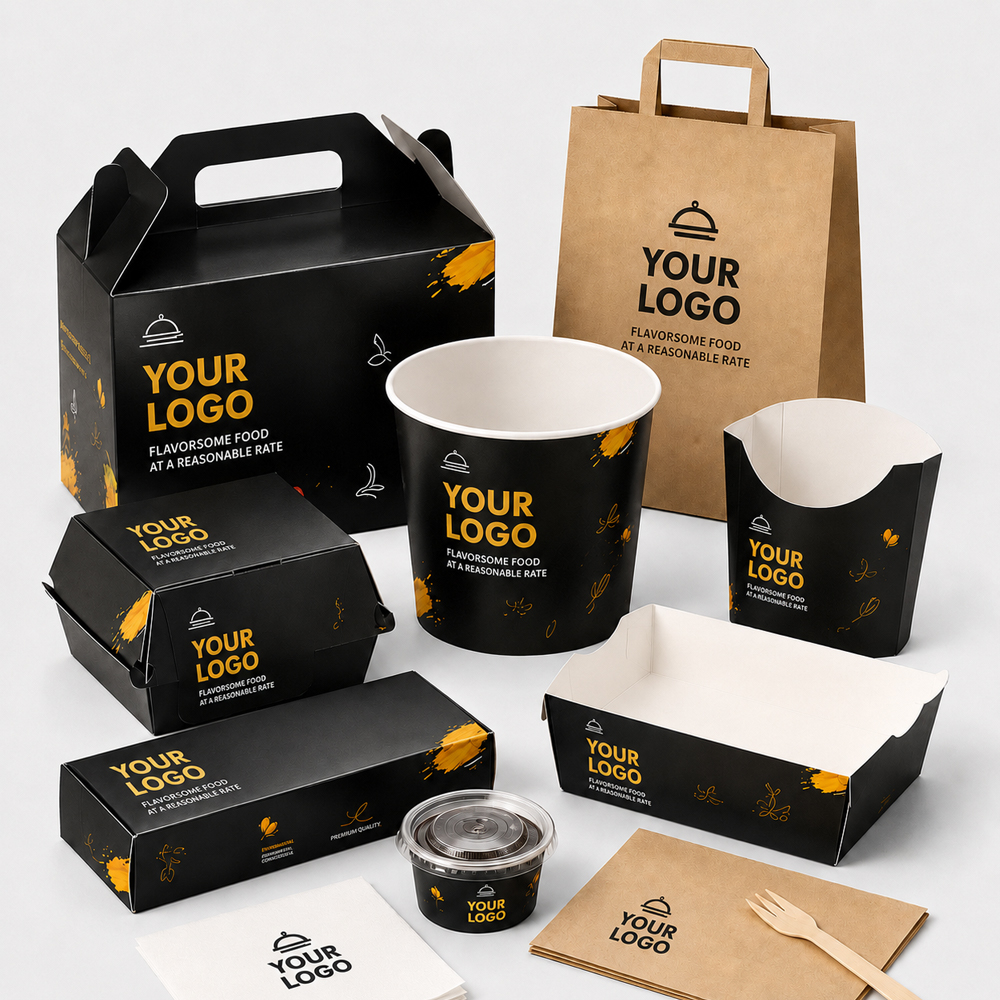
A scalable custom program aligns material, structure, graphic rules and packing references so every reorder can be checked against the same approved standard.

01

Dieline & structure

Size, capacity, score lines, glue areas, locks, windows, vents, lid systems and pack-out are reviewed before sampling.

02

Pantone & artwork

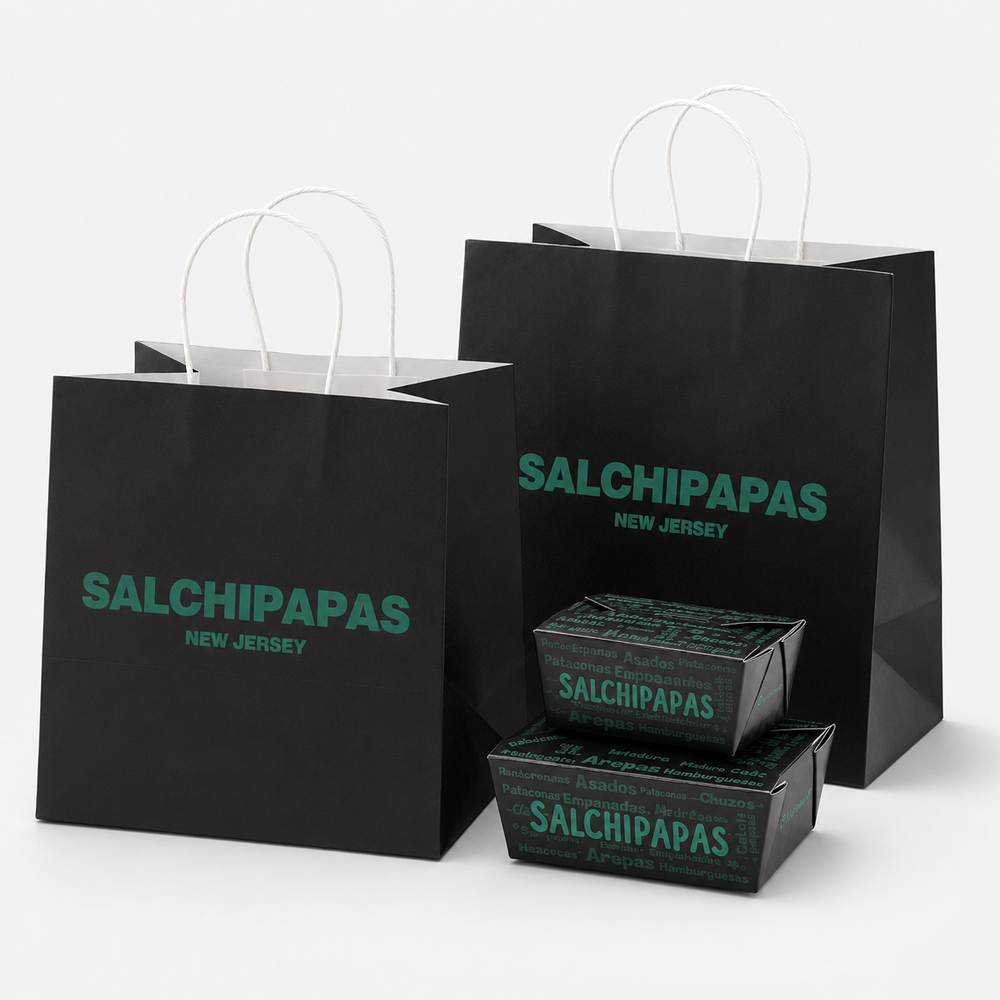
Logo placement, spot colors, CMYK artwork, legal copy, barcodes and print references are confirmed through an approved proof.

03

Surface & barrier

Kraft or white appearance, matte or gloss treatment, food-contact barrier and rub resistance are selected by application.

04

Packing references

Inner quantity, master carton, shipping marks, pallet pattern and reorder master data are documented for repeat supply.

What buyers approve before mass production

Factory capabilities

A Manufacturing Platform Built for Repeat Supply

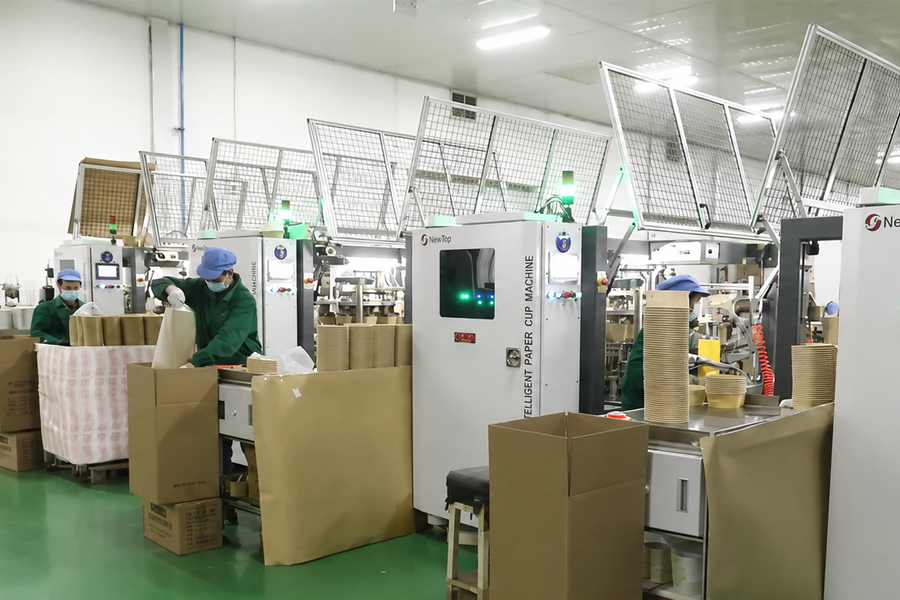
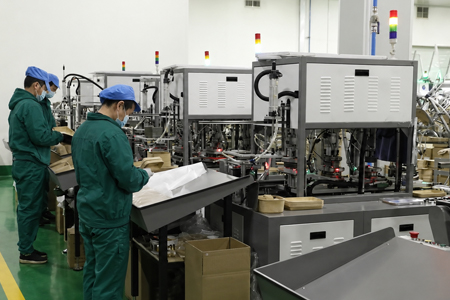
Xcellink Ecopack applies scientific management across R&D, production, sales, logistics and after-sales service. The wider disposable packaging platform supports paper, molded fiber, bamboo-based materials and selected food-grade plastics.

Automatic lines

0

Automatic machines

0 +

Automatic machines

tons company-wide
0 +

40HQ equivalent

reported annual output
0

Capacity allocation, machine type and production route depend on the selected SKU, material, printing process and confirmed order schedule.

Quality control plan

Evidence at Each Control Point

1

Incoming material verification

Paper grade, board surface, barrier structure, thickness and supplier documents checked against the approved specification.

2

Prepress and first-article approval

Dieline, artwork, barcode, print position, color proof and first formed sample compared with the signed master.

3

In-process control

Die cutting, creasing, forming, gluing, rim geometry, seam bonding and print consistency monitored during production.

4

Finished-product verification

Dimensions, capacity, closure or lid fit, stacking, leak/oil performance and visual defects checked as applicable.

5

Packing and traceability

Inner count, carton quantity, shipping marks, batch reference, palletization and loading details confirmed before shipment.

Compliance architecture

Documents Matched to Product and Market

We avoid blanket claims. The required evidence is selected according to the complete material structure, intended food contact, destination market and environmental claim.

BRCGS Packaging Materials

Factory-level product safety, legal compliance, quality and authenticity controls within the current certificate scope.

Food-contact documentation

Applicable U.S. FDA, EU or destination-market testing, declarations and component evidence by SKU.

FSC-certified paper options

Available only when the material, transaction and chain-of-custody coverage support the requested FSC claim.

Compostability and PFAS evidence

BPI, OK compost, EN 13432, ASTM D6400/D6868 or PFAS-related documents for products covered by valid testing or certification.

Additional company documentation may include ISO 9001, ISO 14001, BSCI, Sedex, SGS and QS records, subject to current scope and validity. Certification logos should not be printed until labeling rules and product coverage are confirmed.

The trust stack

From Requirement Mapping to Global Delivery

Each stage produces a buyer-visible approval point, reducing ambiguity before the next commercial commitment.

01

Consultation

Map menu, portion, temperature, food chemistry, sales channel, target quantity, destination and branding requirements.

Output: Requirement brief

02

Prototyping

Confirm material, barrier, dieline, artwork and use performance through stock samples, proofs or custom samples.

Output: Approved Master

03

Mass Production

Run incoming, first-article, in-process and finished-goods checks against the confirmed specification and sample.

Output: Inspected Order

04

Logistics

Coordinate export cartons, pallet or floor loading, shipping marks, documents and FOB, CIF or DDP planning.

Output: Export-Ready Shipment

Commercial planning

Build the Quote around Landed Procurement Reality

Unit cost is only one variable. Carton utilization, mixed-SKU planning, print setup, tooling, freight timing and repeat-order references all affect the total sourcing result.

Paper food packaging factory overiew - Ecopack
Typical minimum order quantity, samples, trade terms, export port and repeat-order conditions
Typical MOQ 30,000–50,000 pieces per SKU, adjusted by structure, printing, material and packing.
Samples Free stock samples; custom proofs, prototypes, courier and any tooling assessed by project.
Trade Terms FOB is standard. CIF or DDP can be quoted with the forwarder after destination and shipment data are confirmed.
Export Port Shenzhen Port or another agreed port based on order and logistics requirements.
Repeat Orders Artwork, material, approved sample, carton and batch references are retained to improve reorder consistency.

Application Engineering

Paper Foodservice Packaging by Operating Environment

The same package can behave differently in a restaurant pass, refrigerated display, delivery bag or export warehouse. We configure formats around the actual workflow.

Restaurant chains

Standardized meal boxes, bowls, buckets, bags and pizza packaging across multiple locations and repeat orders.

Delivery & cloud kitchens

Leak control, venting, stacking and closure design matched to transport time and menu composition.

Cafés & bakeries

Print-focused bags, trays and boxes for pastries, snacks, desserts and branded takeaway service.

Supermarkets

Chilled-display bowls, sushi boxes, deli trays and prepared-food formats with compatible lids.

Catering & hospitality

Catering trays, takeaway bags and standardized disposables for events, hotels and institutional dining.

Distributors & private labels

Mixed product ranges, neutral or branded cartons, consolidated sourcing and market-specific documents.

AIO-ready buyer answers

Frequently Asked Questions

Each answer starts with the procurement conclusion, then adds the conditions needed to use it correctly.

Provide the product type, dimensions or capacity, food application, filling temperature, barrier preference, lid or closure, print artwork, estimated quantity, destination country, packing requirements and required compliance documents. A reference sample or drawing helps accelerate evaluation.

The typical MOQ is 30,000–50,000 pieces per SKU. The final quantity depends on paper grade, structure, print method, number of colors, barrier, carton packing and whether the order uses an existing format or custom development.

Yes. Free stock samples can be arranged so buyers can review size, paper feel, closure, lid compatibility, forming and basic use performance. Courier charges, custom printing proofs, structural prototypes and any tooling are confirmed by project.

No. End-of-life performance depends on fiber, barrier coatings, adhesives, inks, windows, food contamination and local infrastructure. Compostable or FSC claims should only be used when the complete product and supply chain are covered by valid evidence and labeling rules.

Selection depends on oil level, water activity, temperature, holding time, sealing method, forming process and disposal target. PE, PLA and aqueous barriers offer different combinations of grease resistance, moisture control, heat sealing and environmental positioning; the final choice should be tested on the intended food.

Artwork, dieline, Pantone or CMYK references, approved proof and physical master sample are retained as production references. First-article and in-process checks compare print position, registration, color appearance and surface defects against the approved standard.

FOB is the standard quotation basis. CIF and DDP can be quoted case by case after the destination, order volume, carton data and shipment timing are confirmed with the forwarder. Shenzhen Port or another agreed port can be used according to the order plan.

Depending on the SKU and market, documentation may include food-contact test reports or declarations, material specifications, PFAS-related evidence, BRCGS and management-system records, and product-specific BPI, OK compost, EN 13432, ASTM D6400 or ASTM D6868 evidence where valid and applicable.

Request for quotation

Turn Your Packaging Requirement into a Production-Ready Specification

Share the details that affect material, performance, packing and landed cost. Our team can then recommend a suitable structure and prepare a more accurate product-specific quotation.

Call To Action