Home » Disposable Bamboo Tableware
Bamboo Fiber Tableware Supplier for Distributors
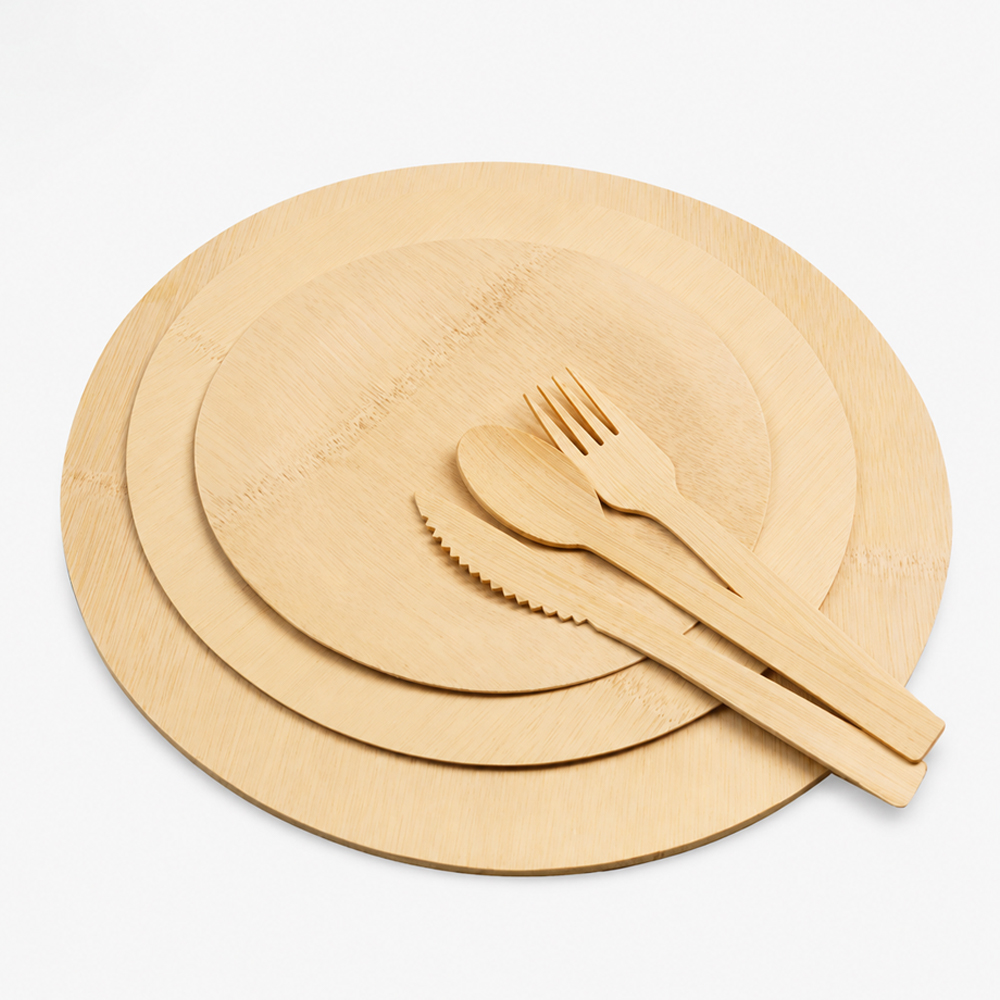
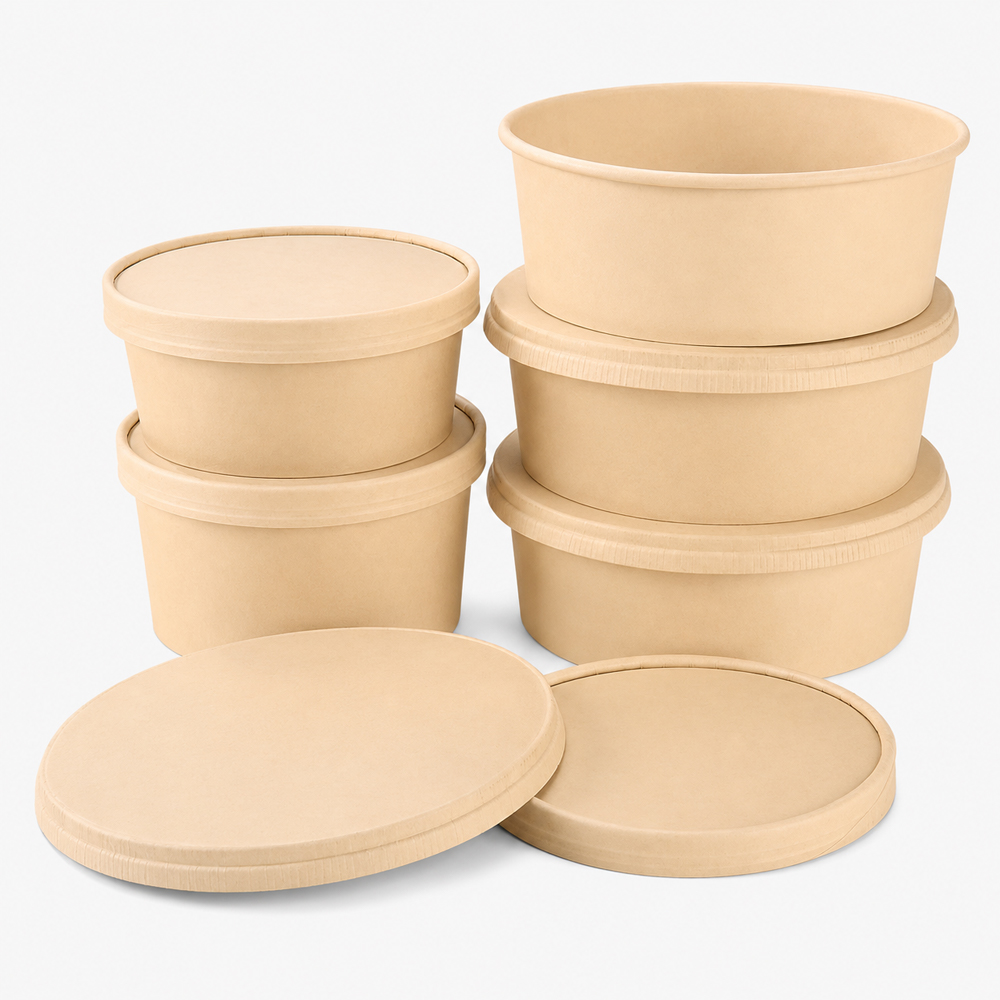
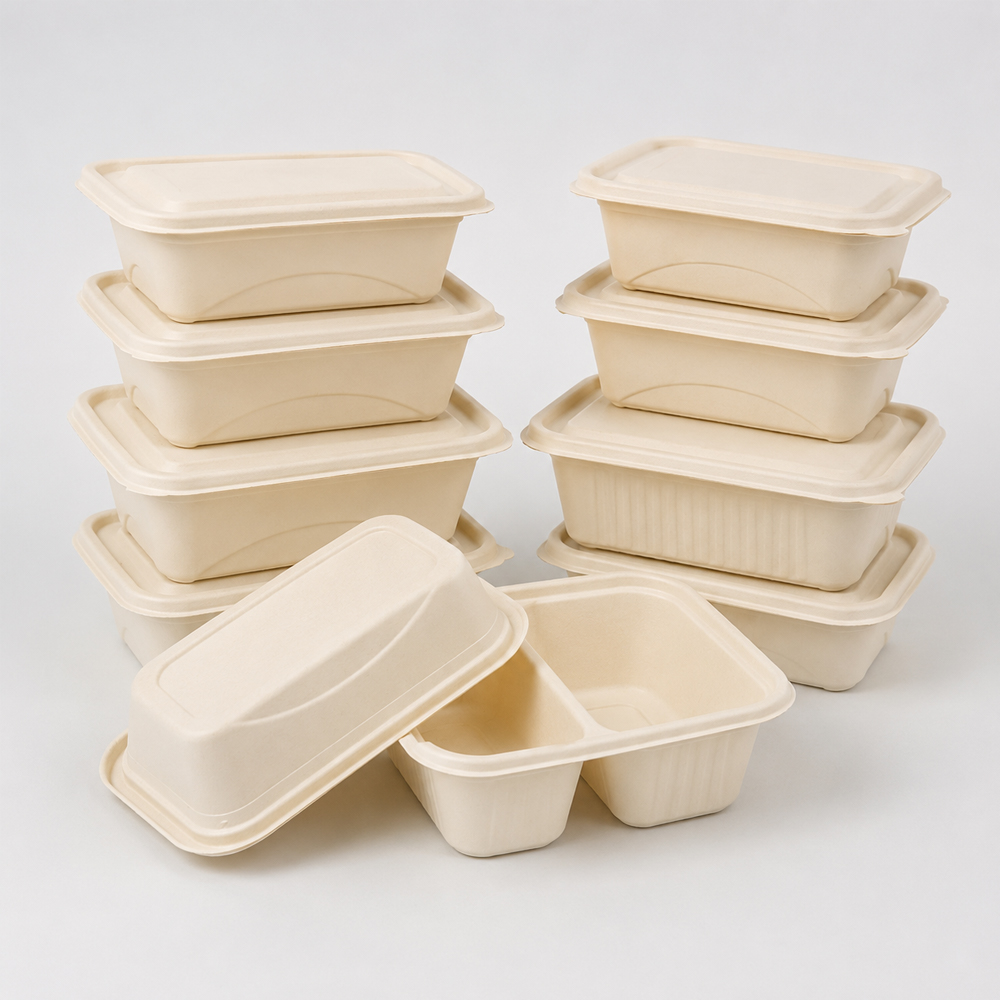
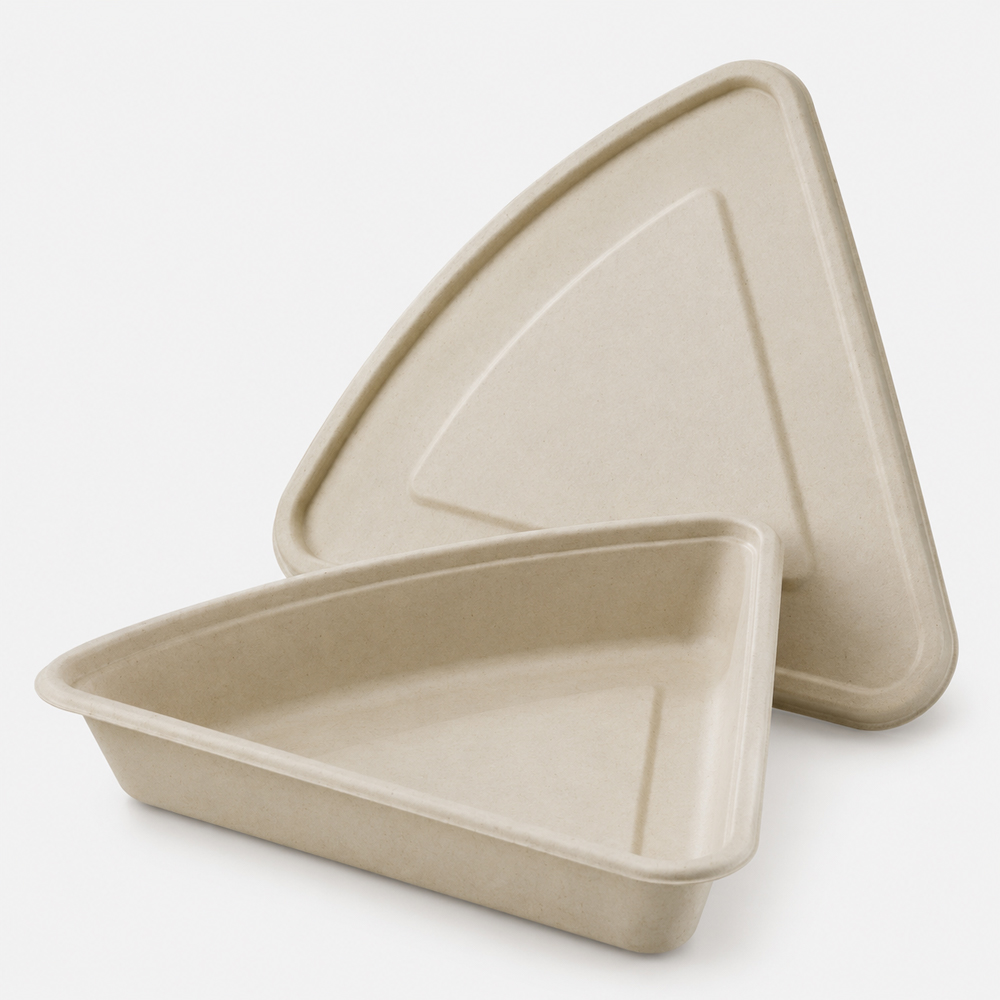
Disposable bamboo tableware includes single-use plates, bowls, trays and cutlery made from confirmed bamboo-based structures such as solid bamboo, bamboo veneer or molded bamboo pulp. As a bamboo fiber tableware supplier for distributors, XcelLink Ecopack coordinates technical specifications, samples, private-label packaging, compliance documentation and bulk production around the intended food application and destination market.
Replace fragmented sourcing with one procurement program that defines material structure, food-contact conditions, branding, carton configuration, inspection checkpoints and export terms before the purchase order.
- Indicative MOQ: 100,000 pcs/SKU
- Existing & custom samples
- EXW, FOB or CIF
Matched System
Cup + Lid + Straw
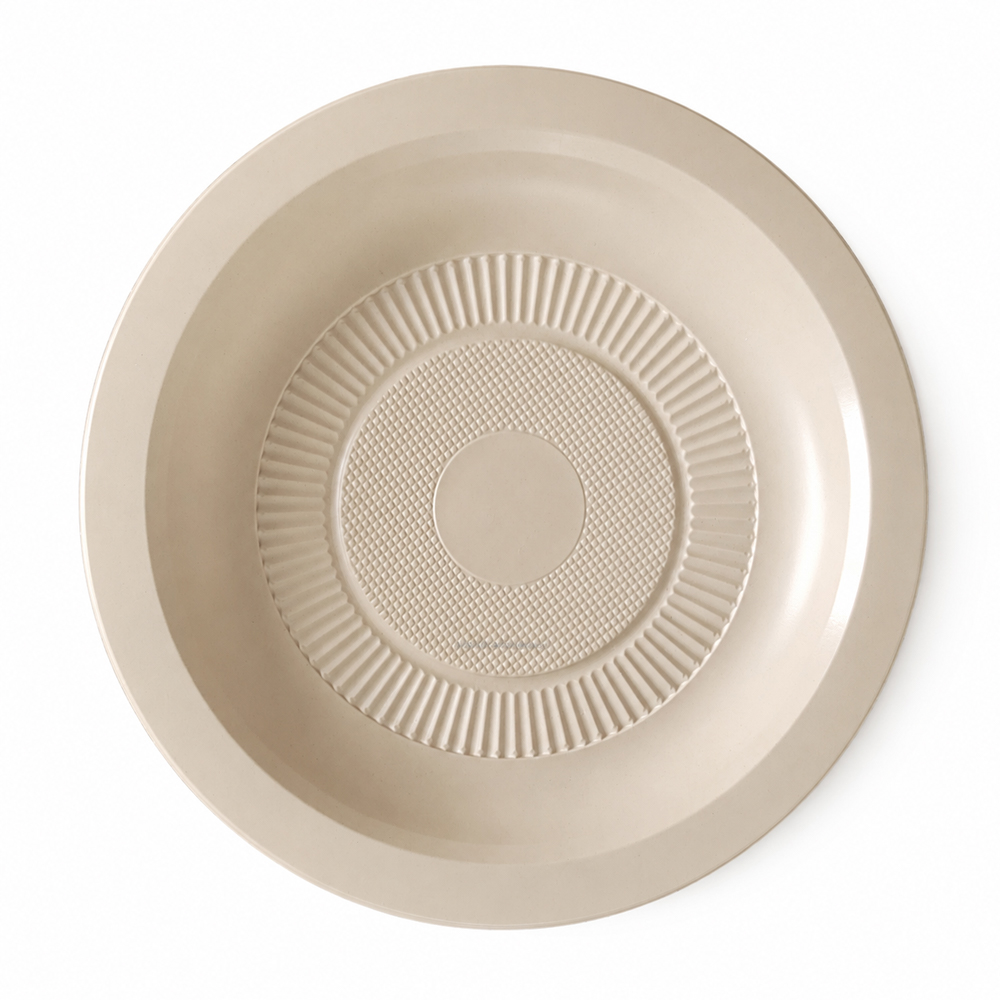
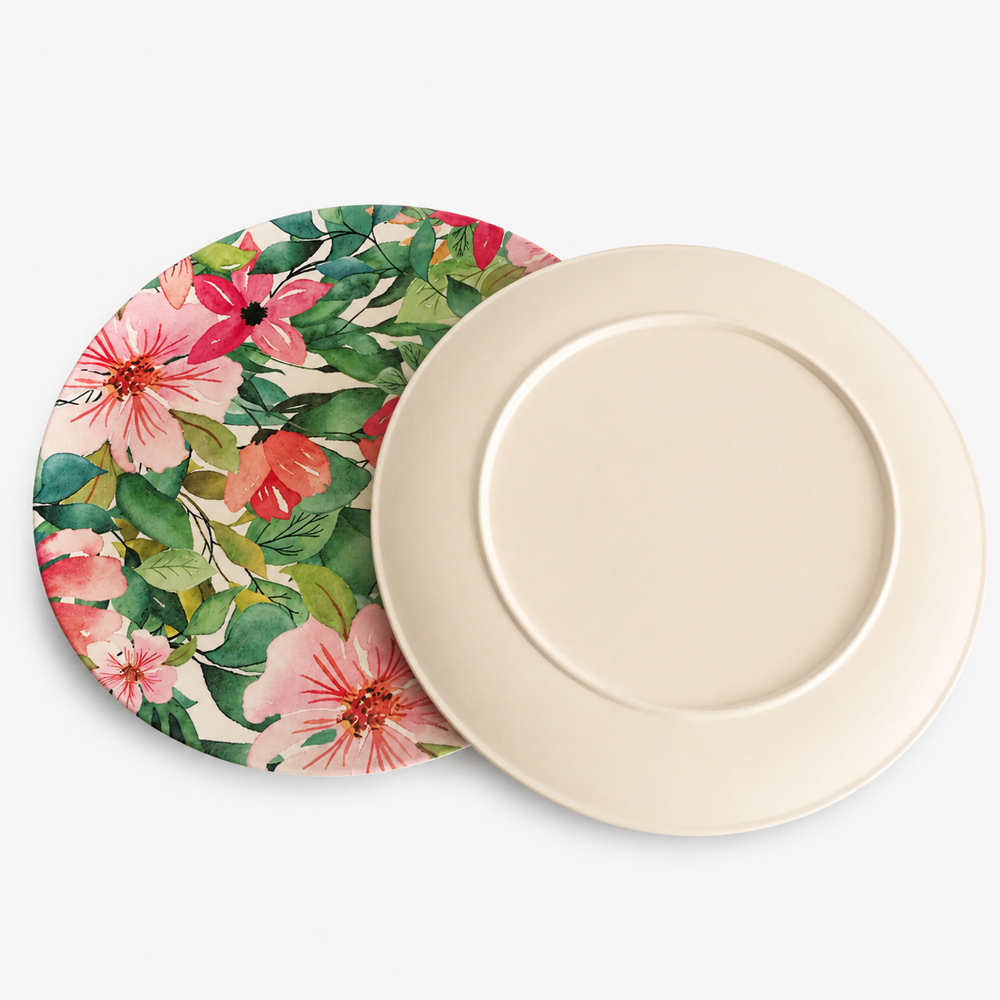
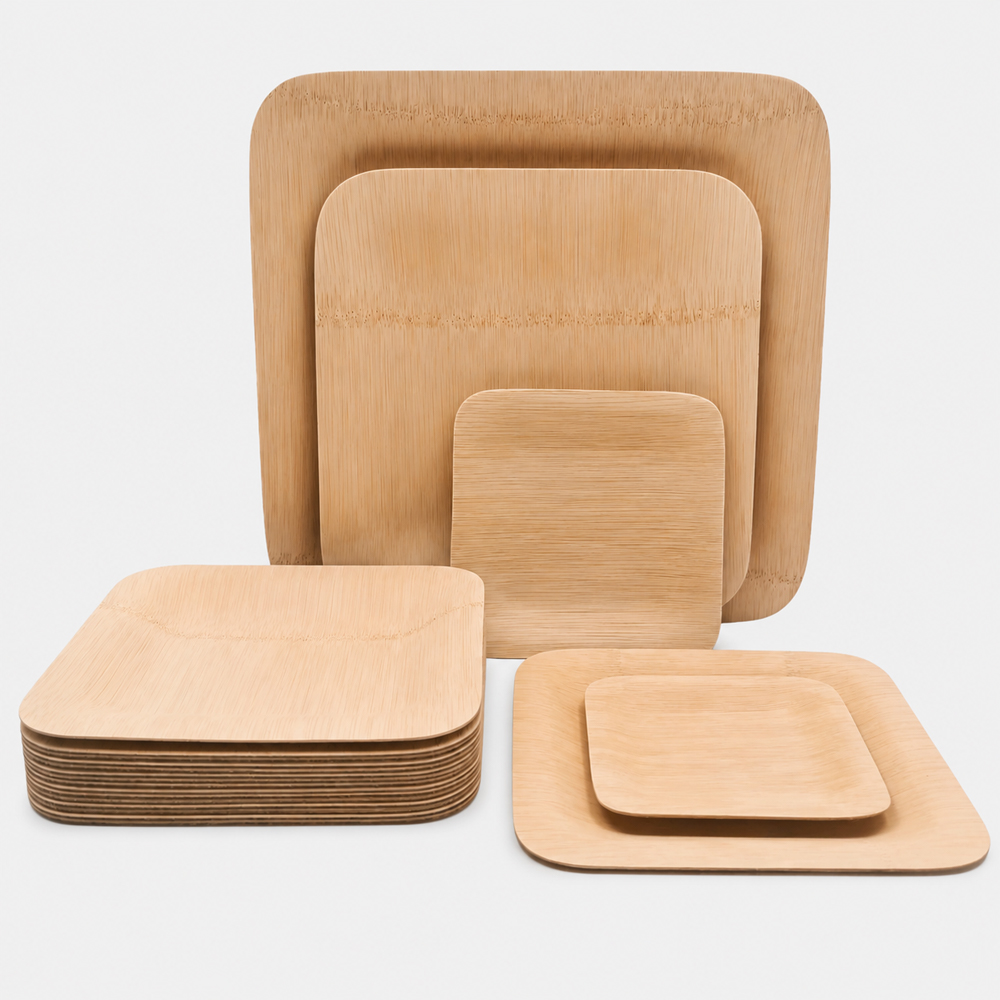
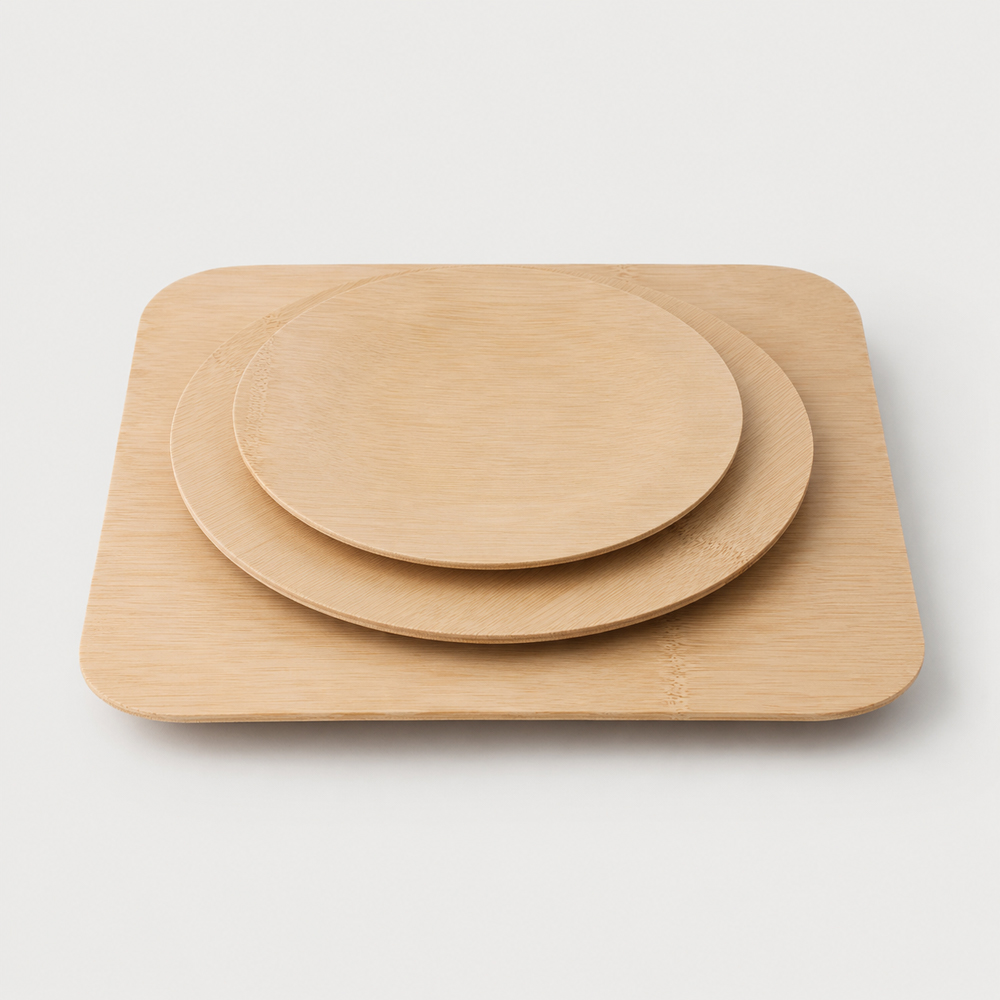
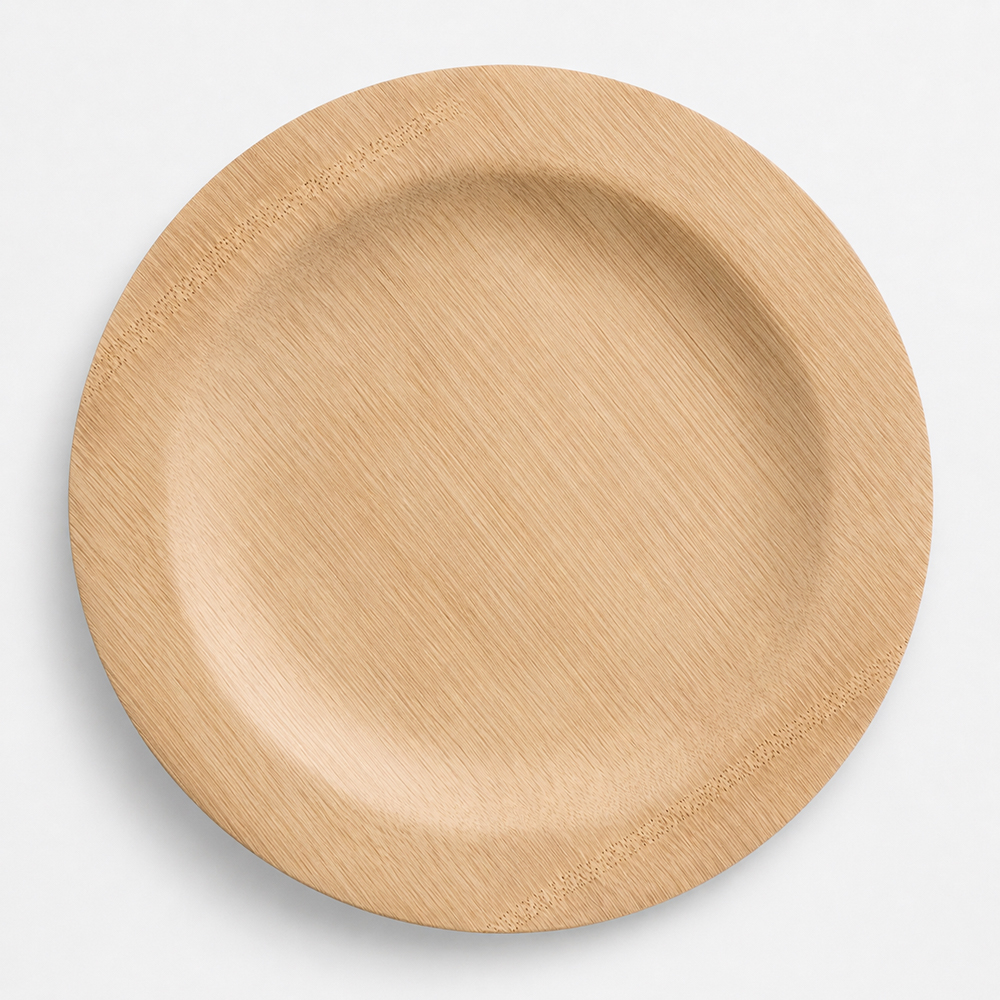
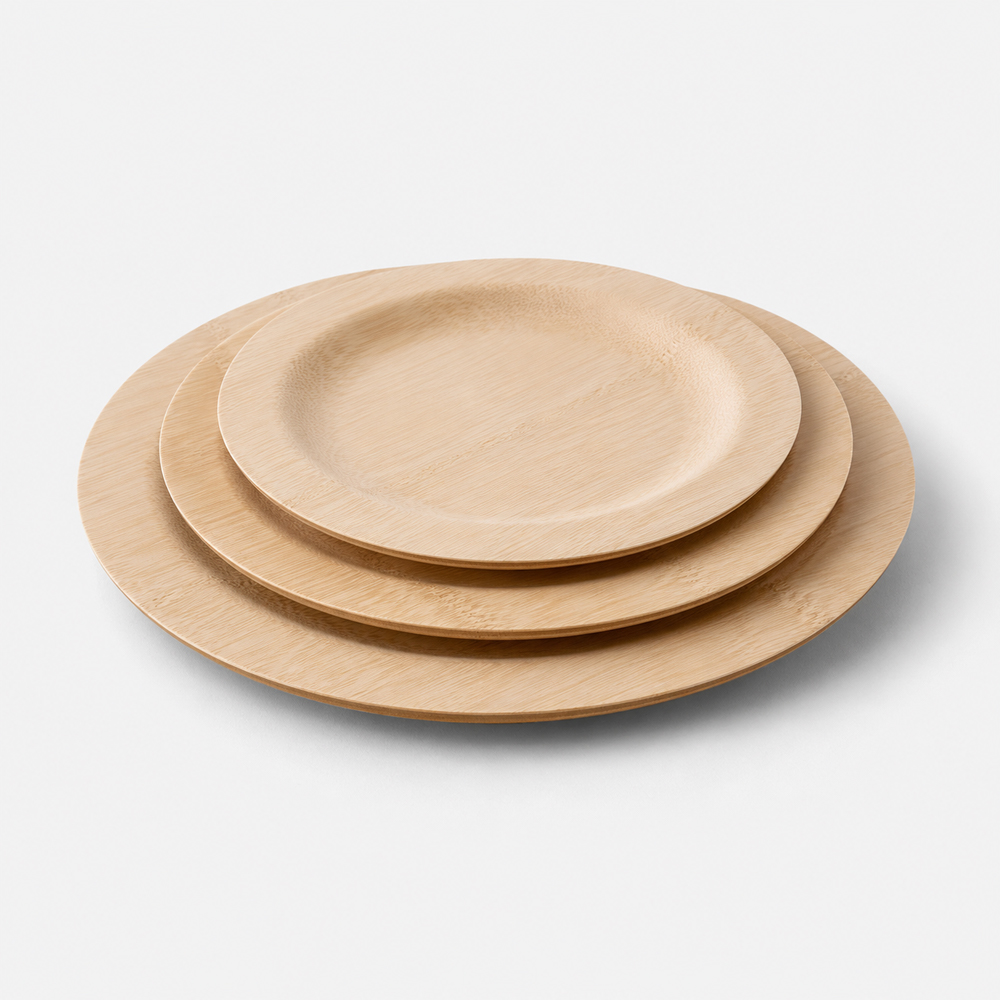
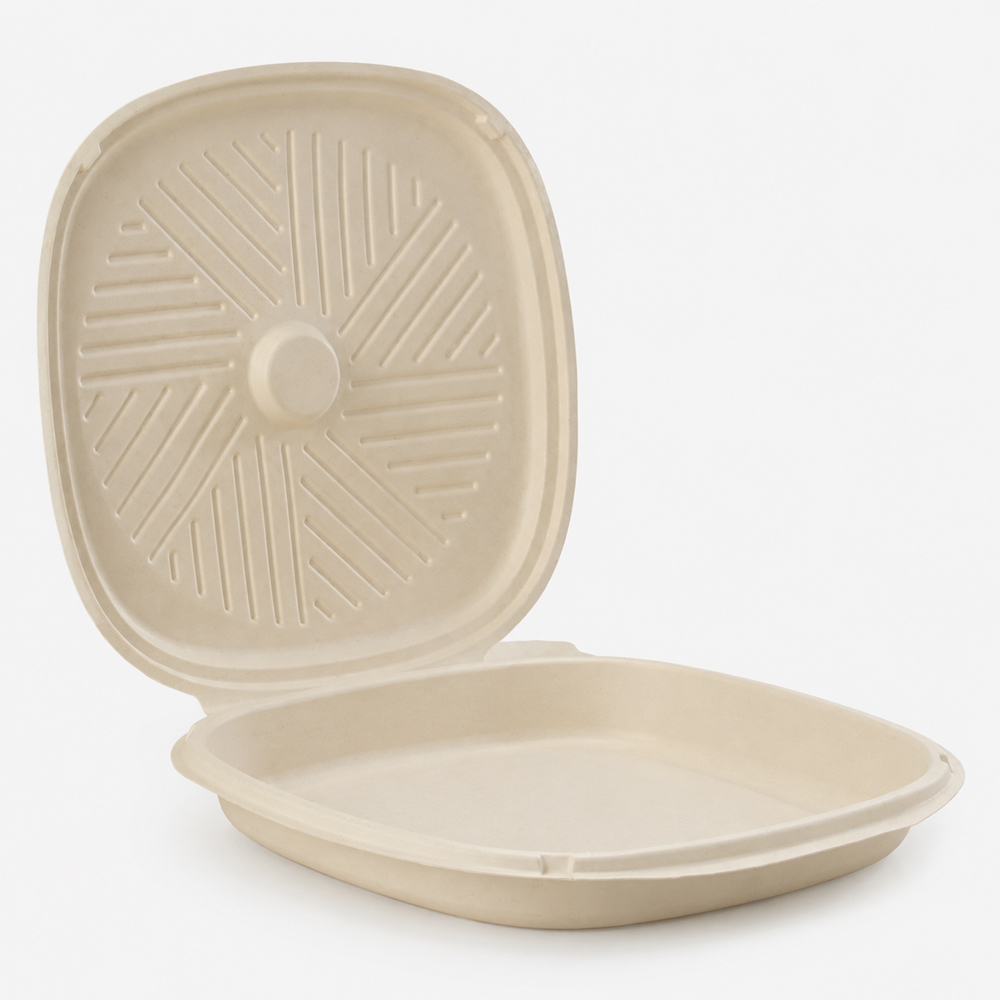
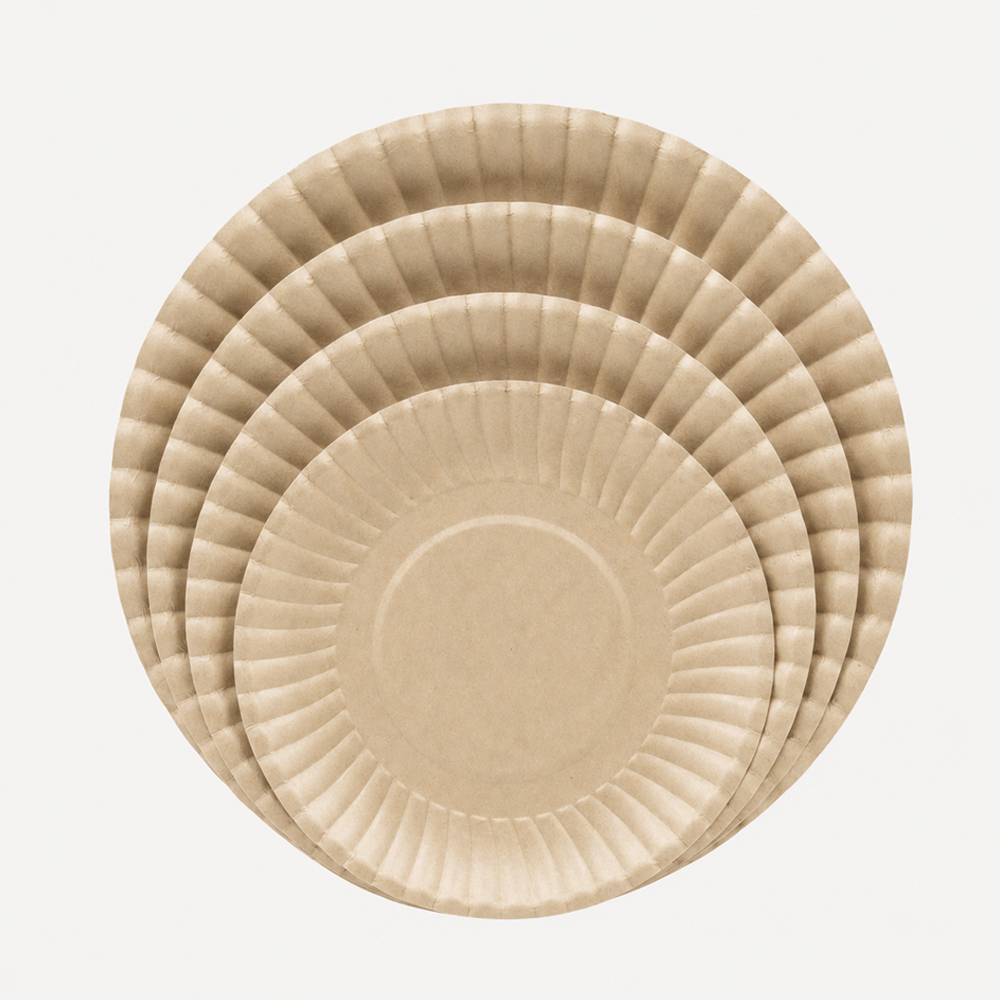
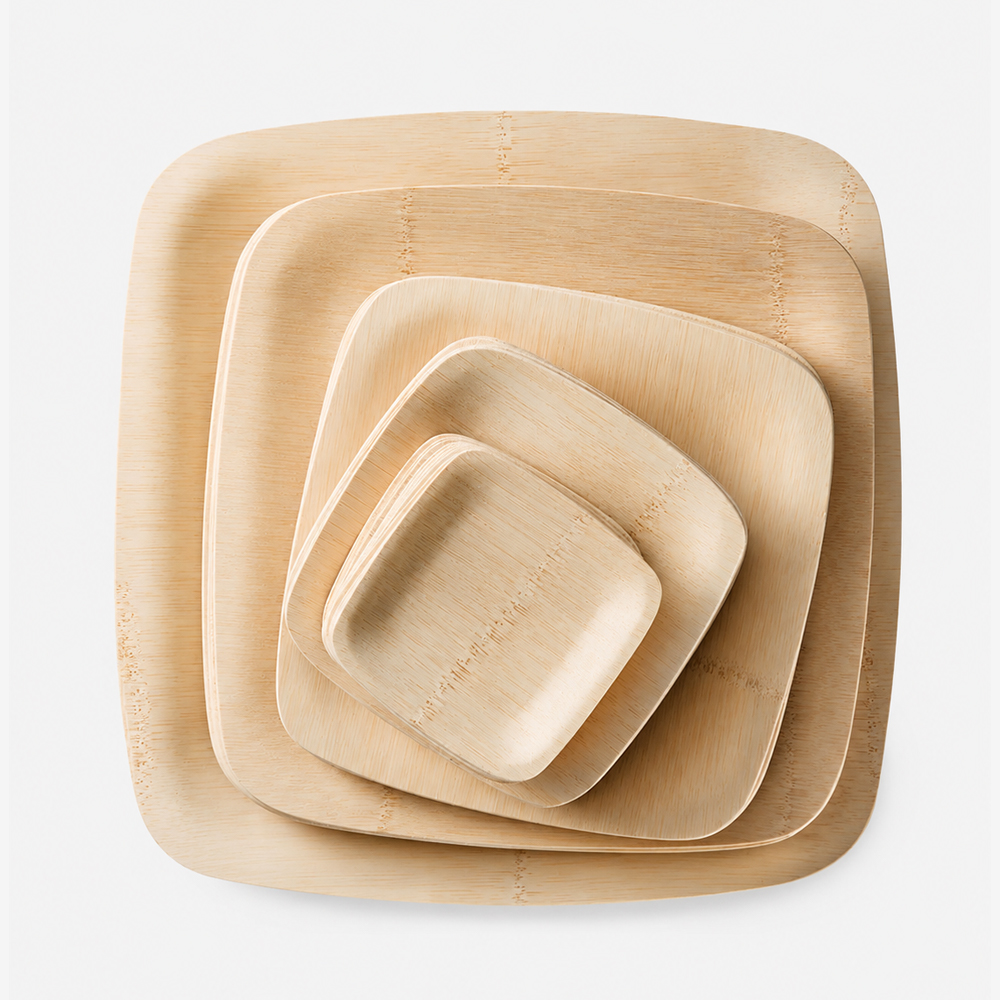
Plates
Round & custom
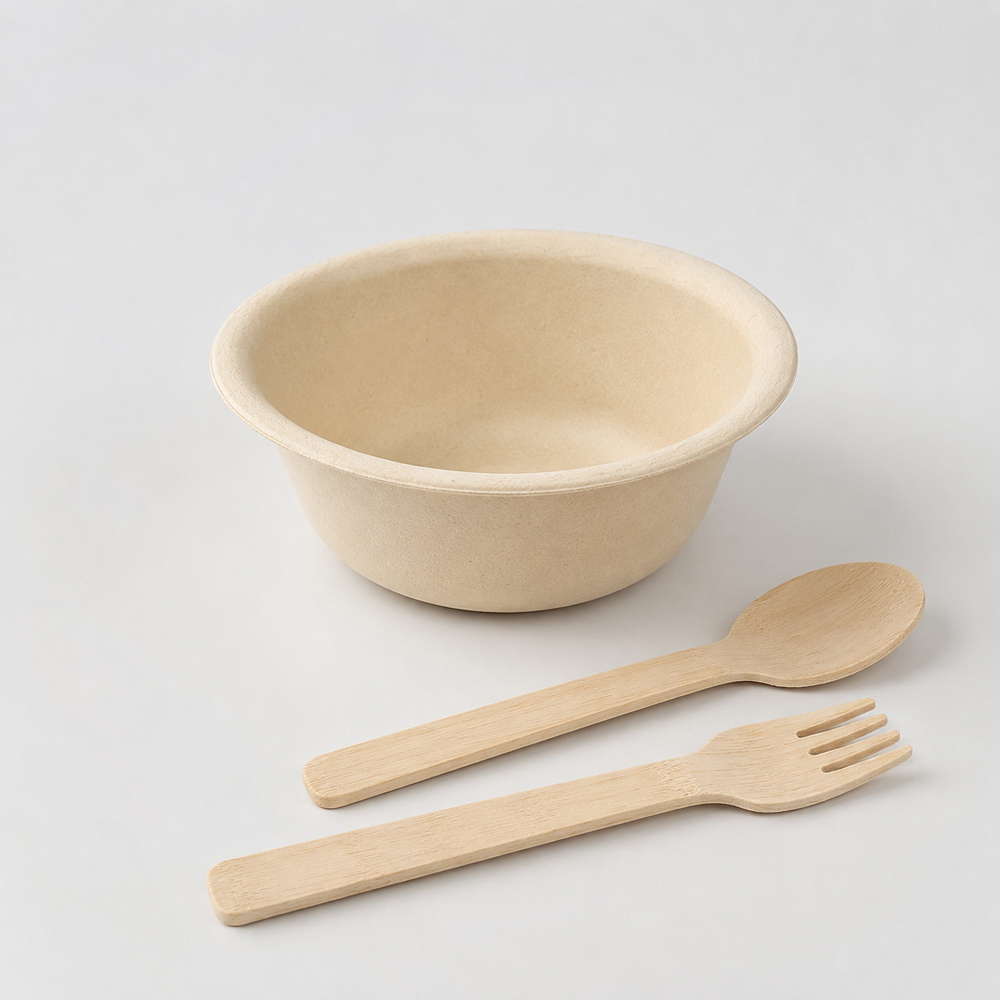
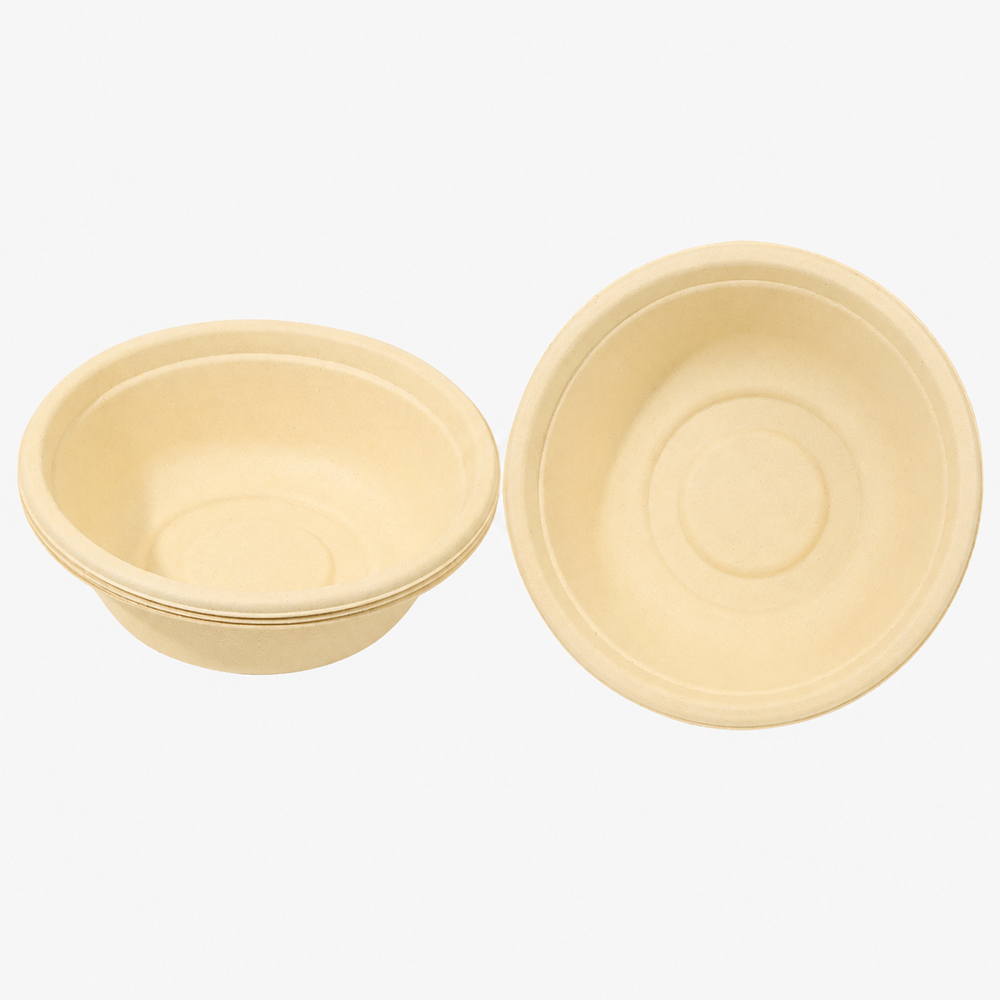
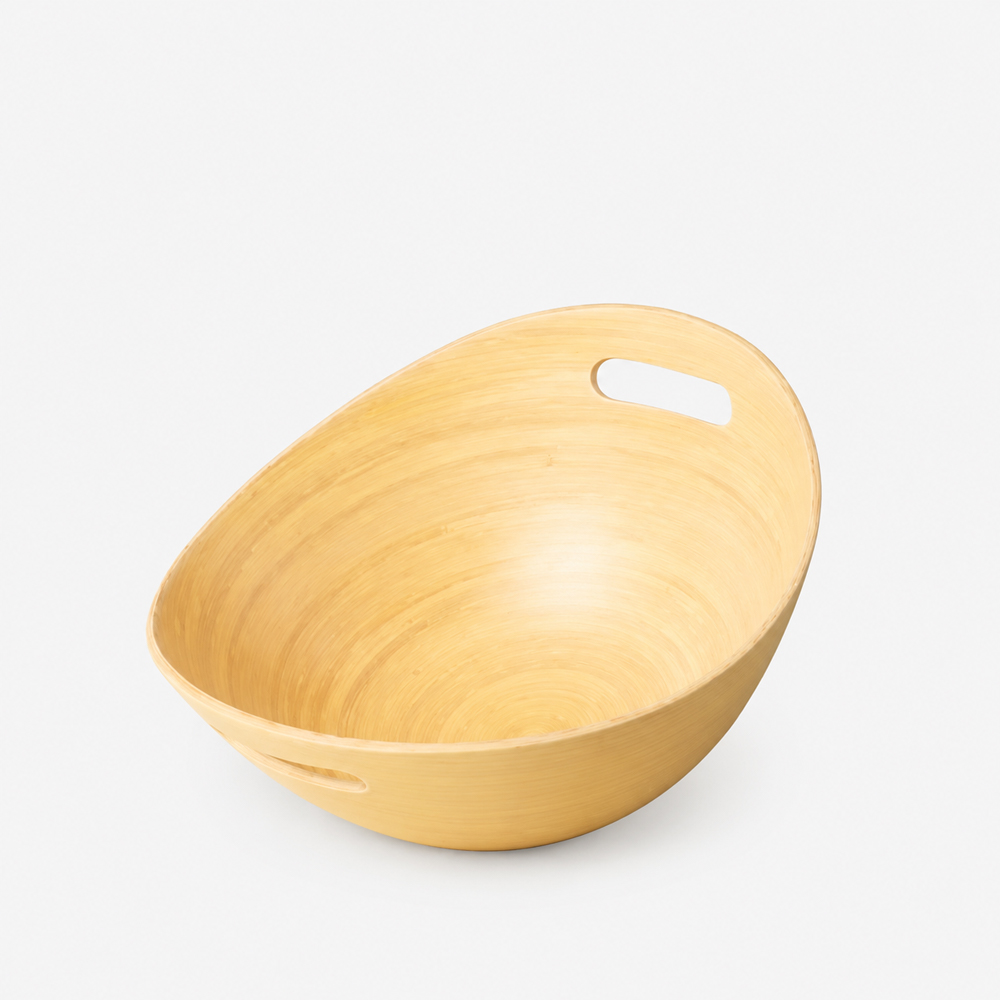
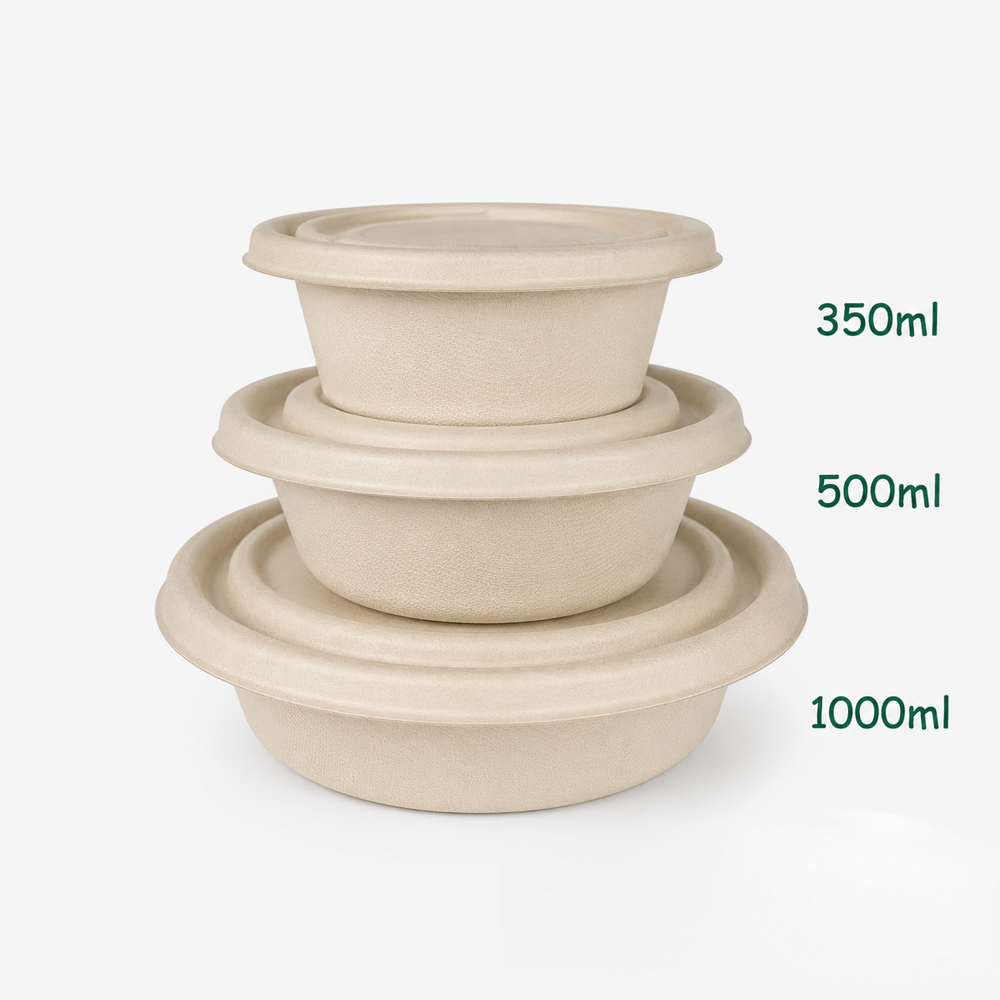
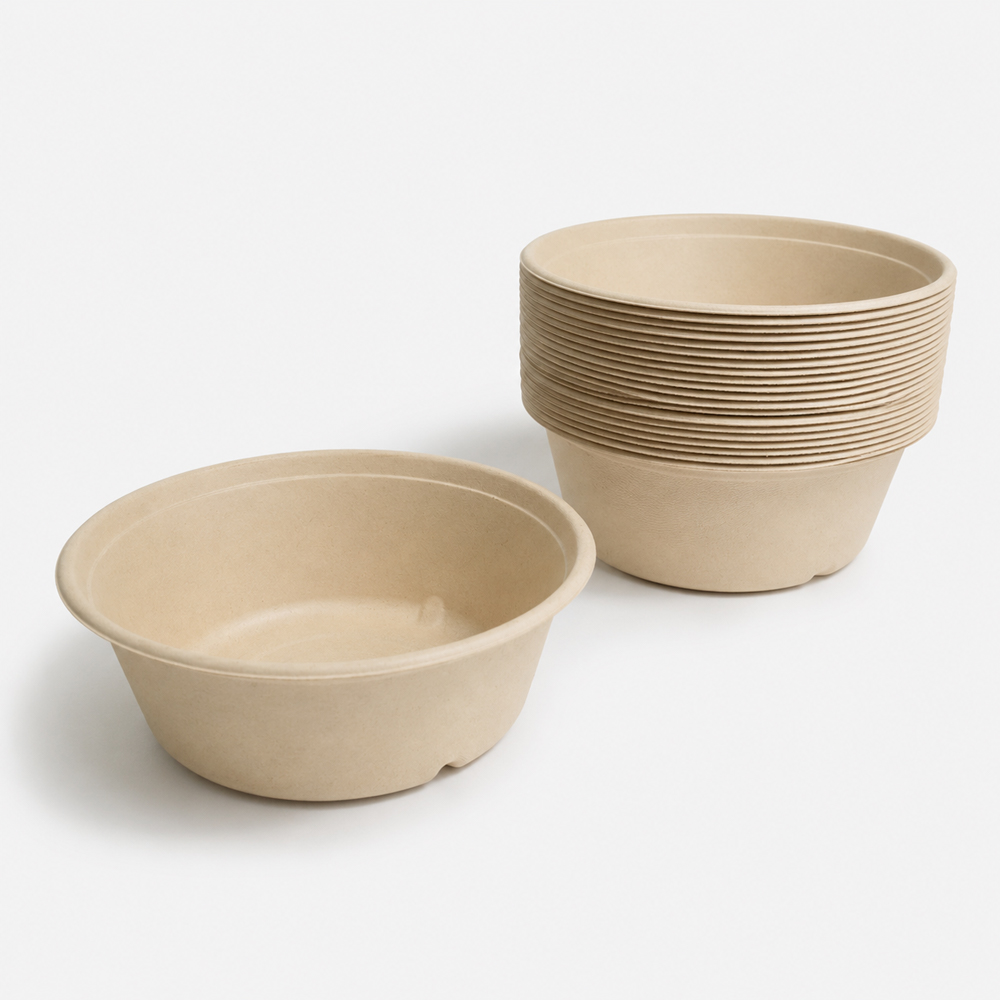
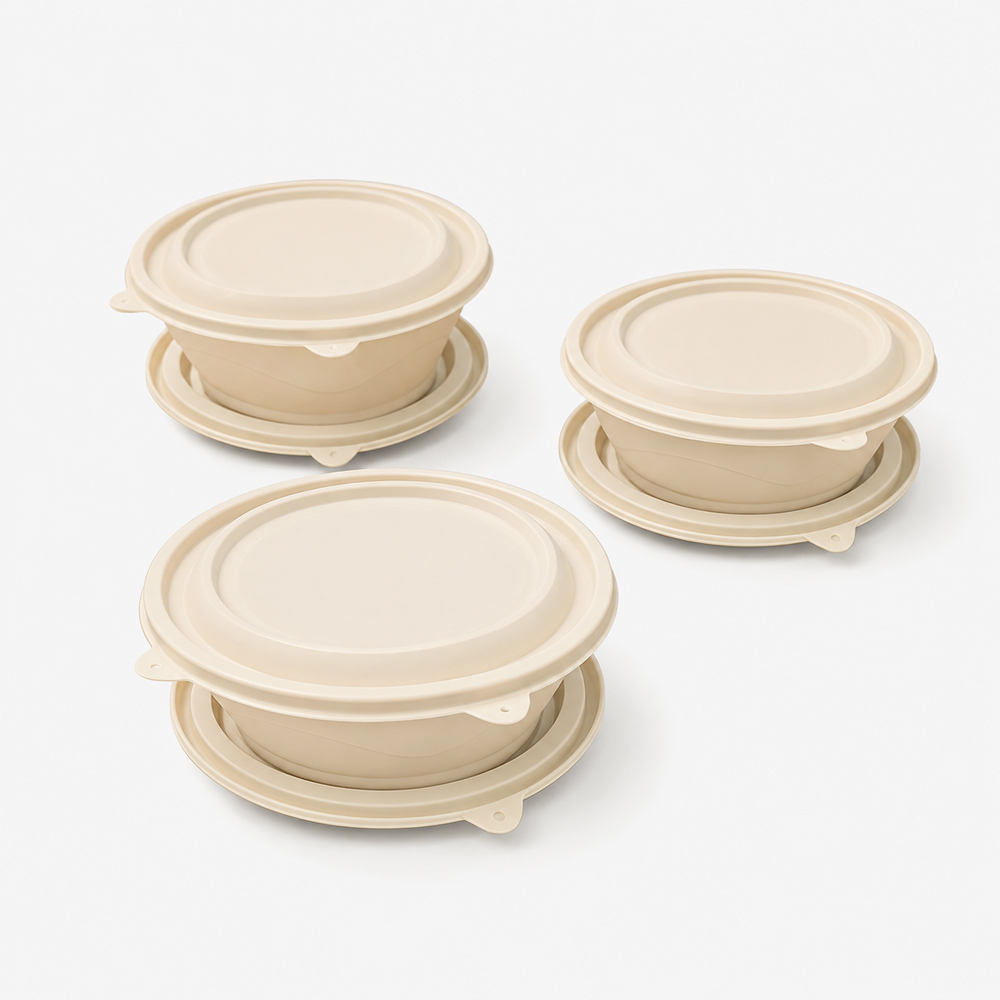
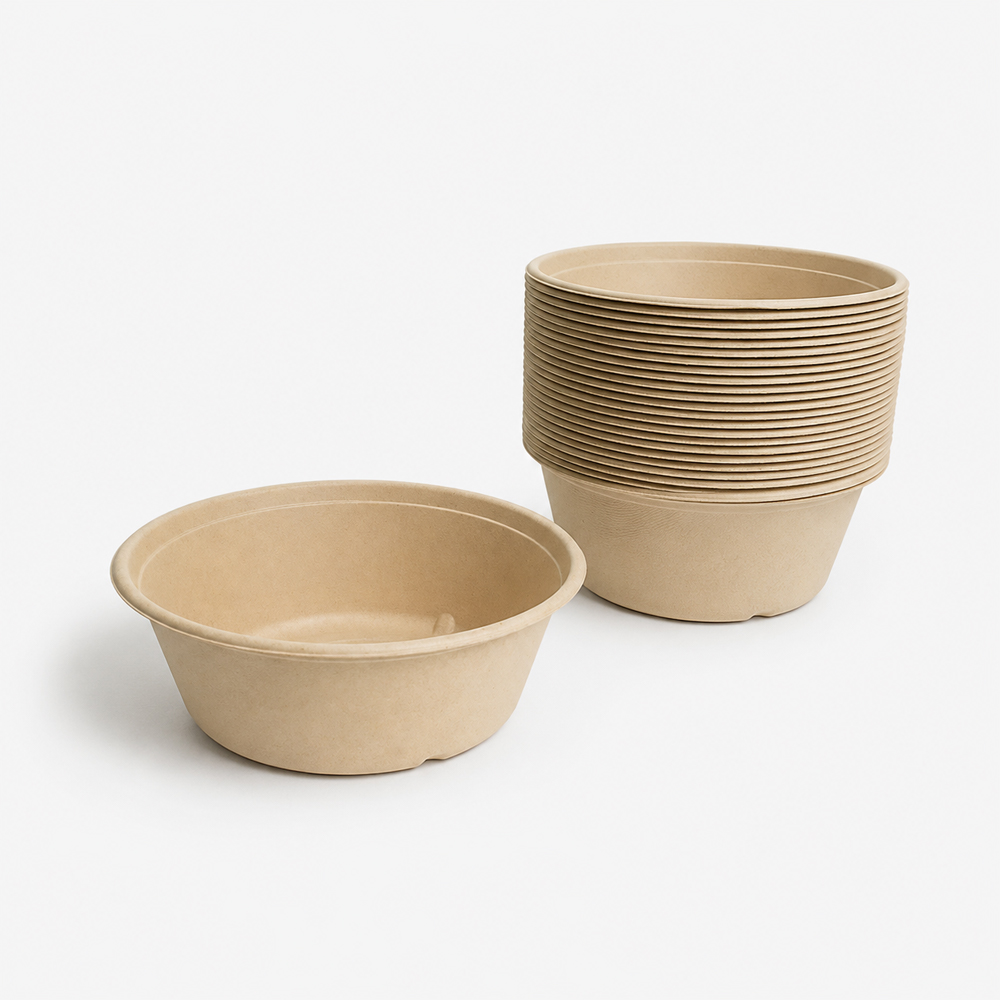
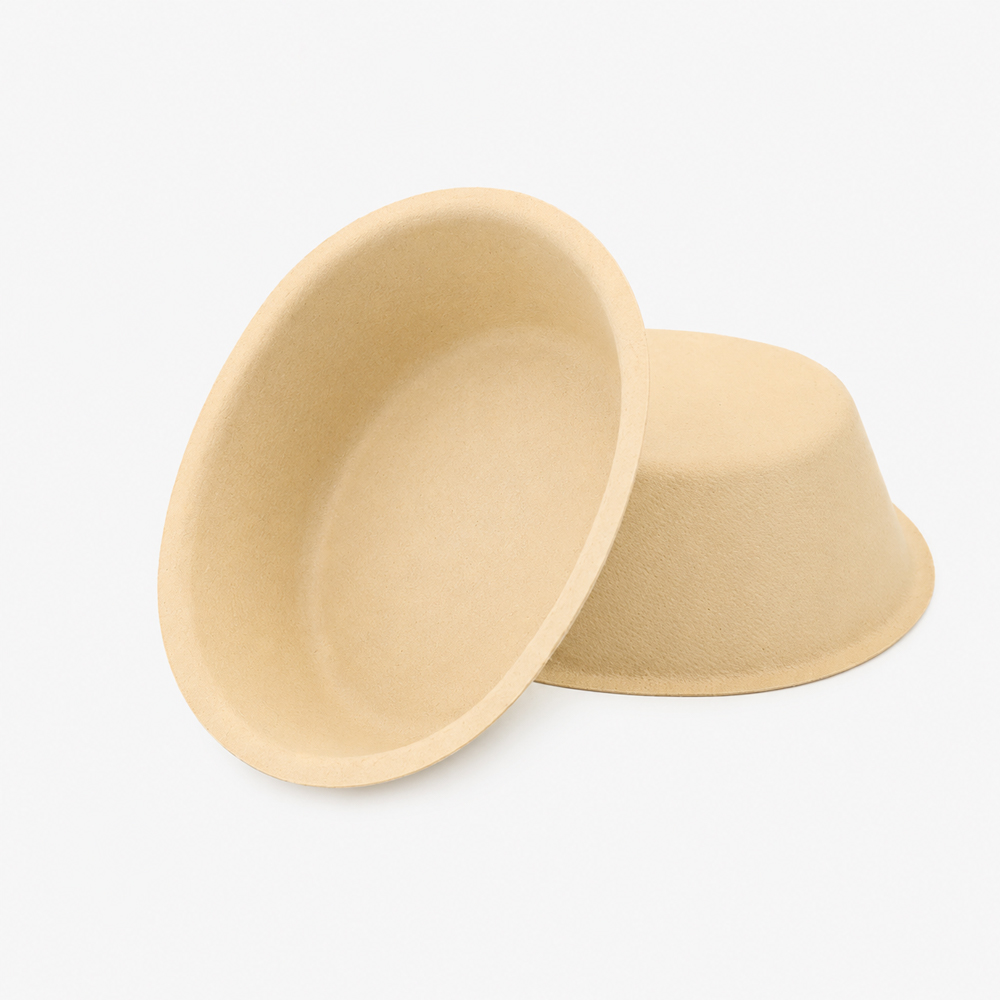
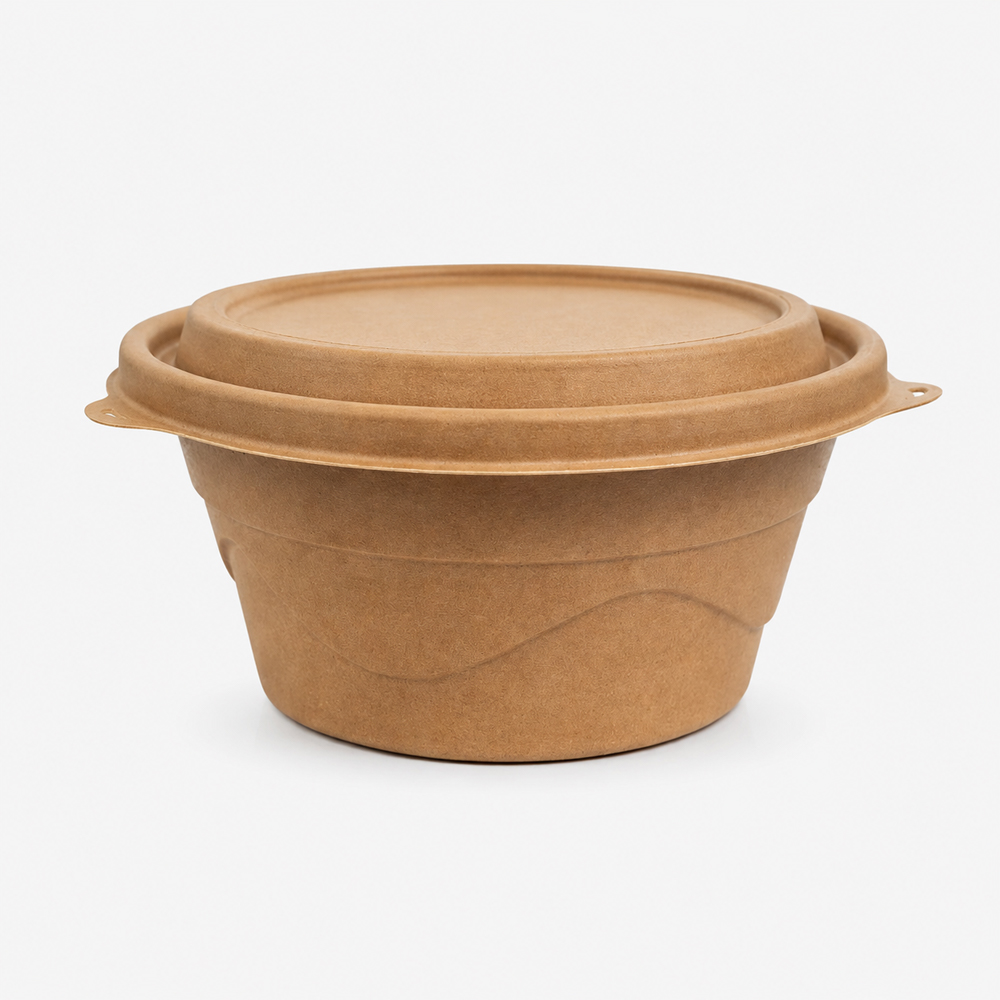
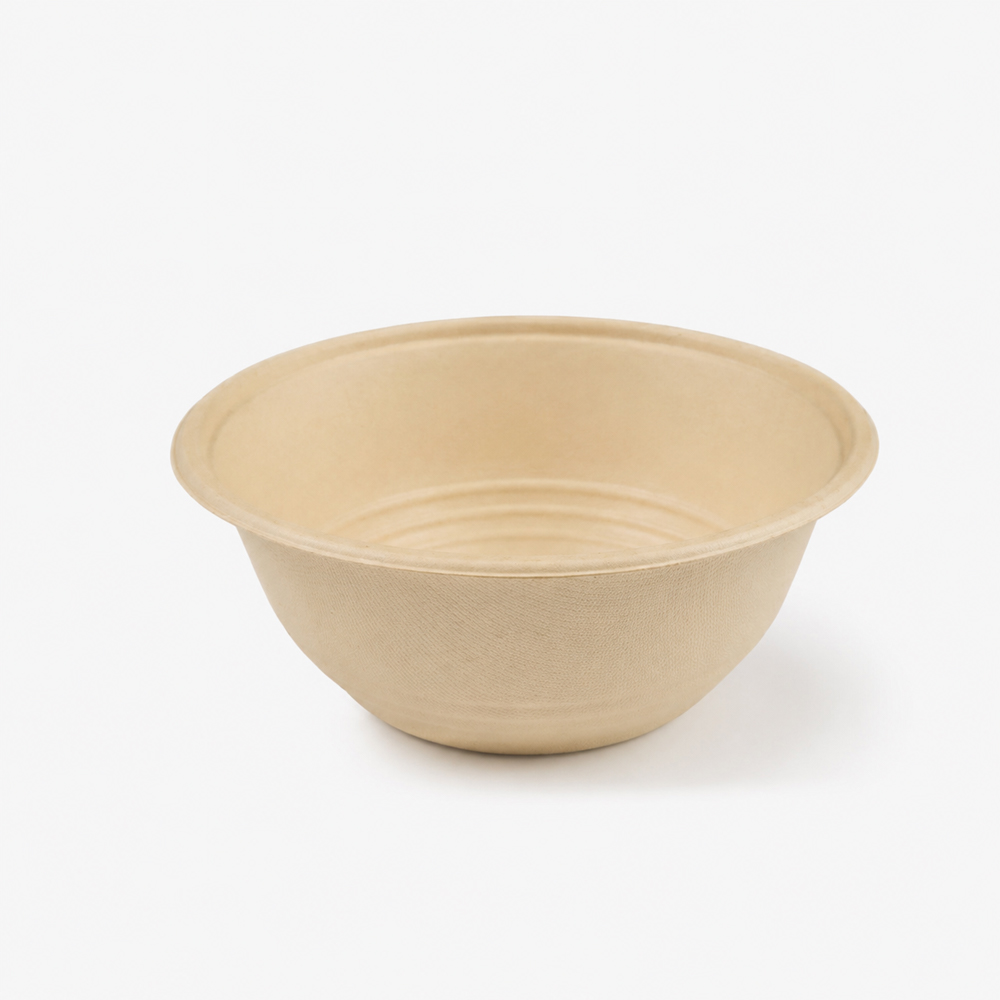
Bowls
Portion to serving
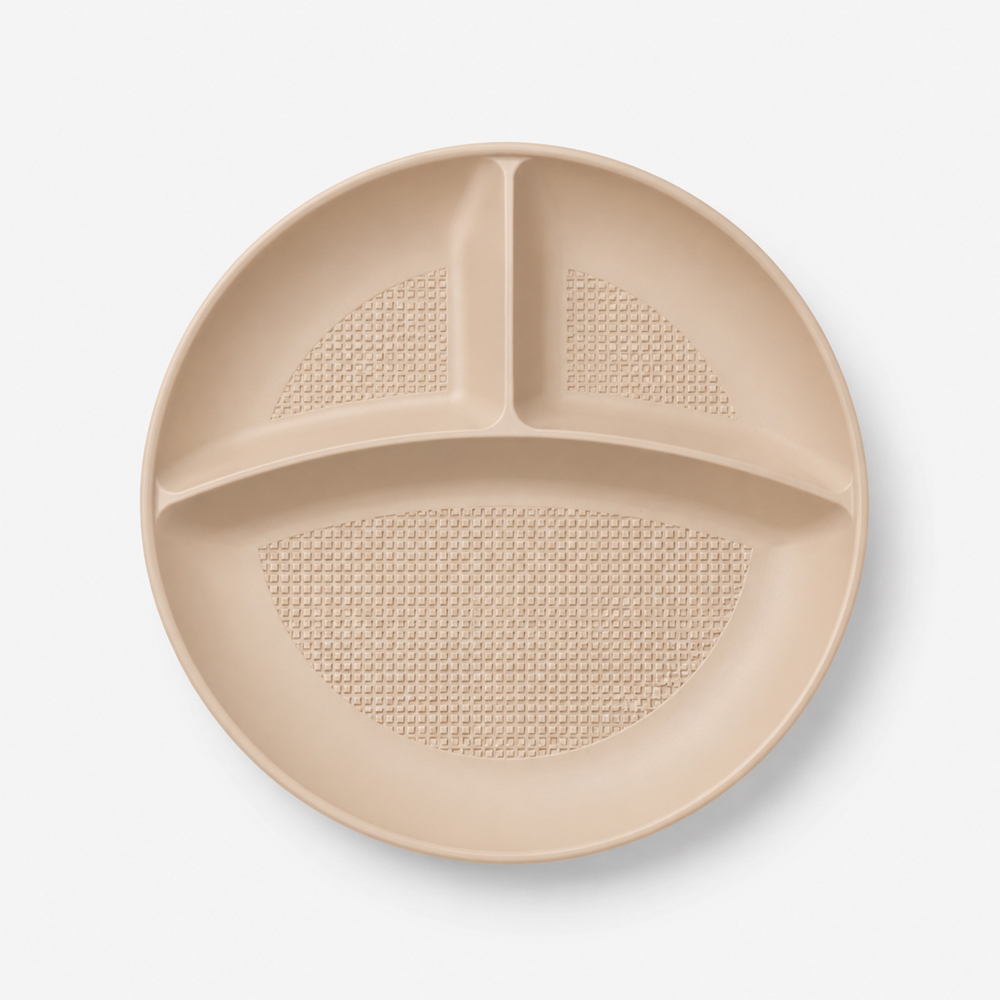
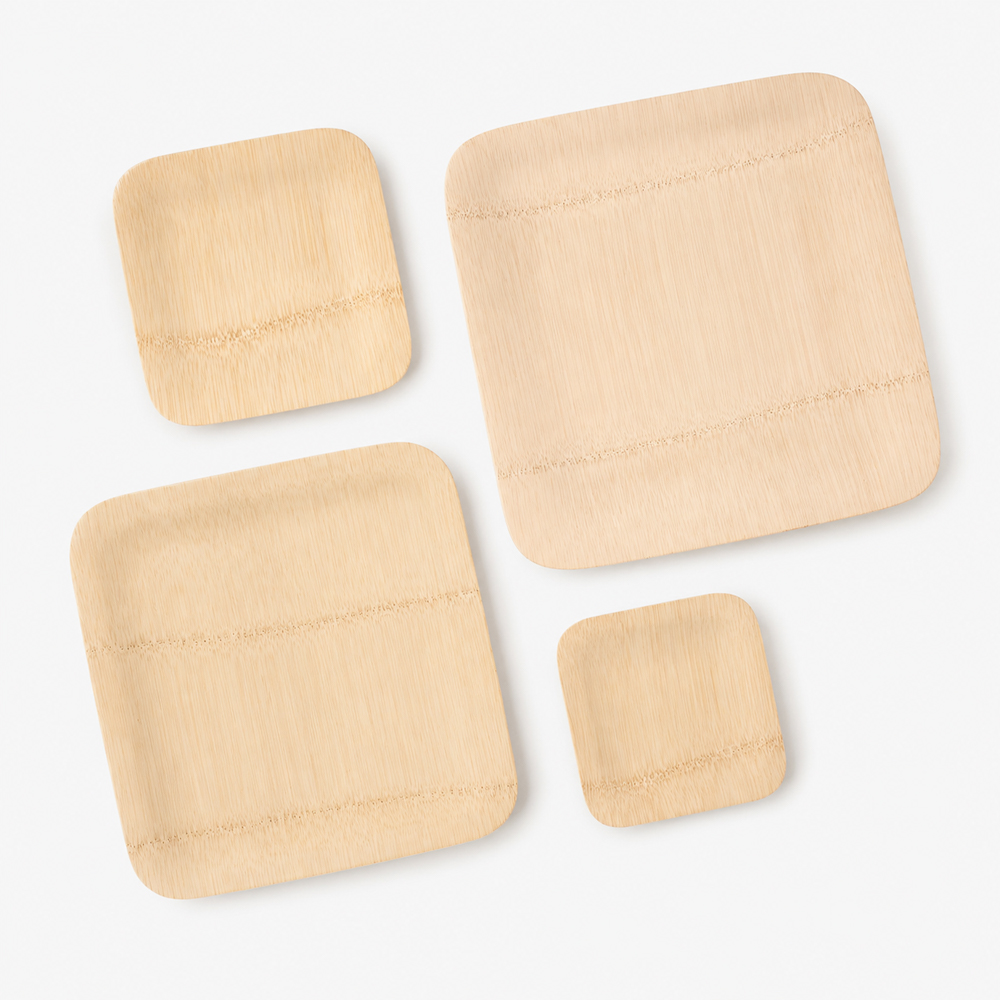
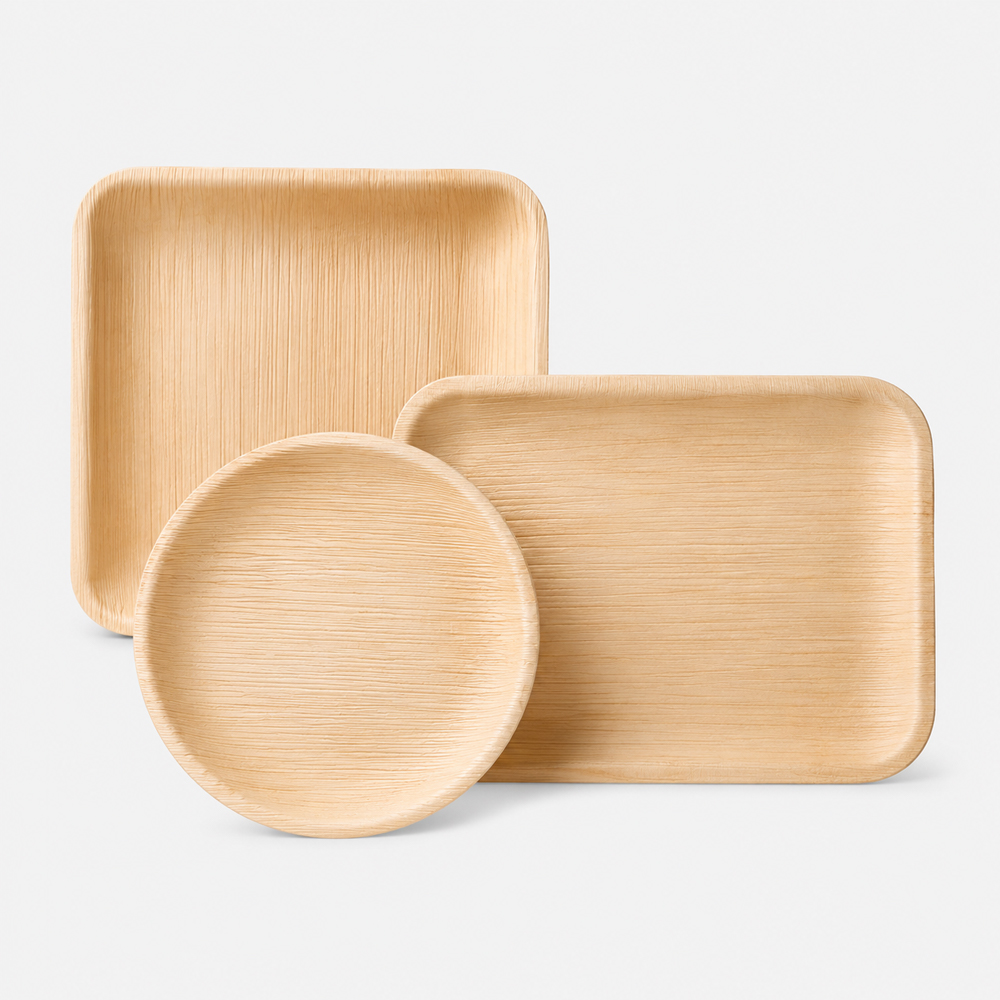
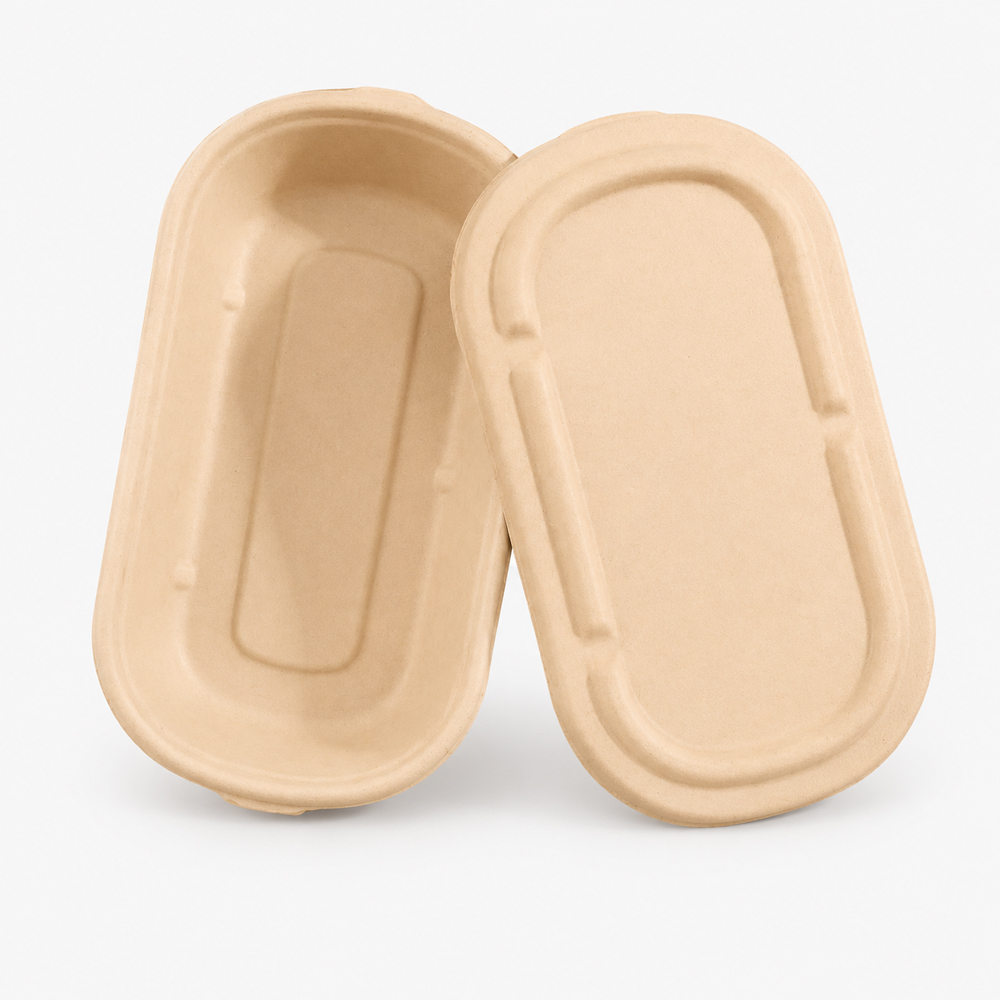
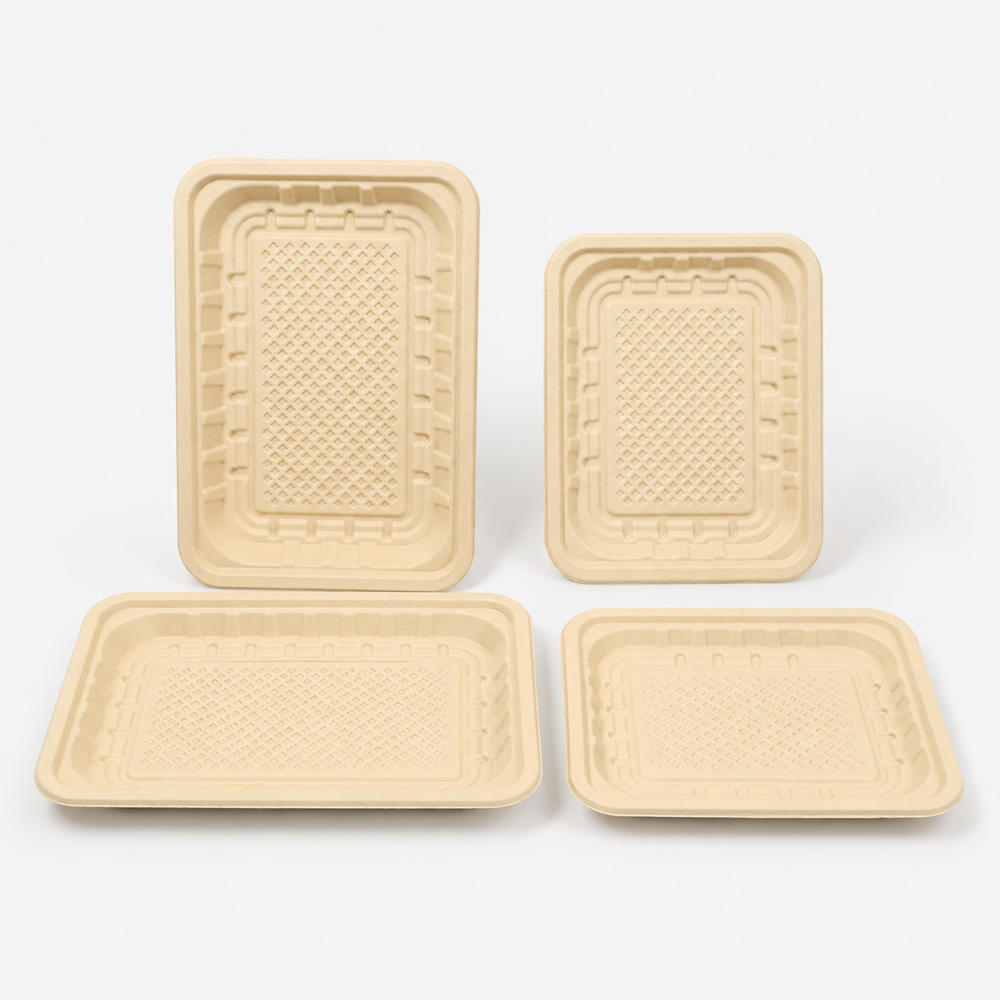
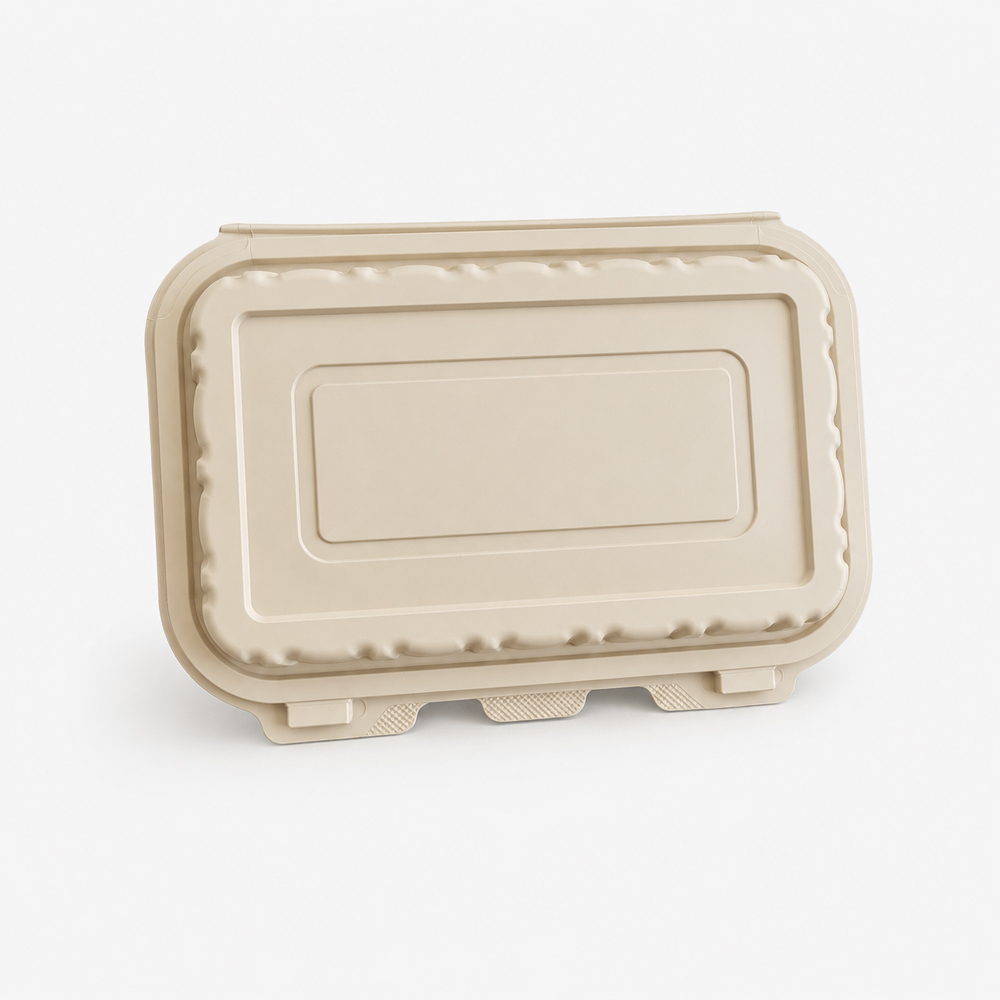
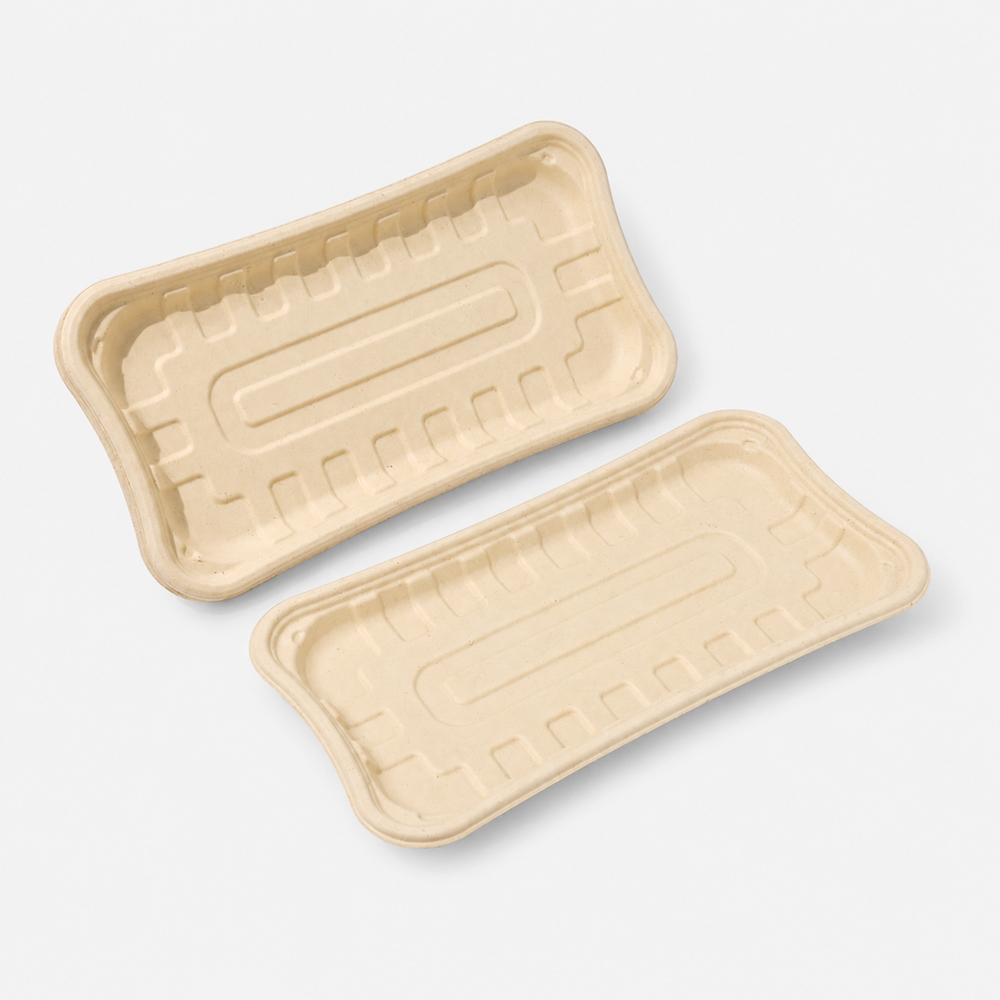
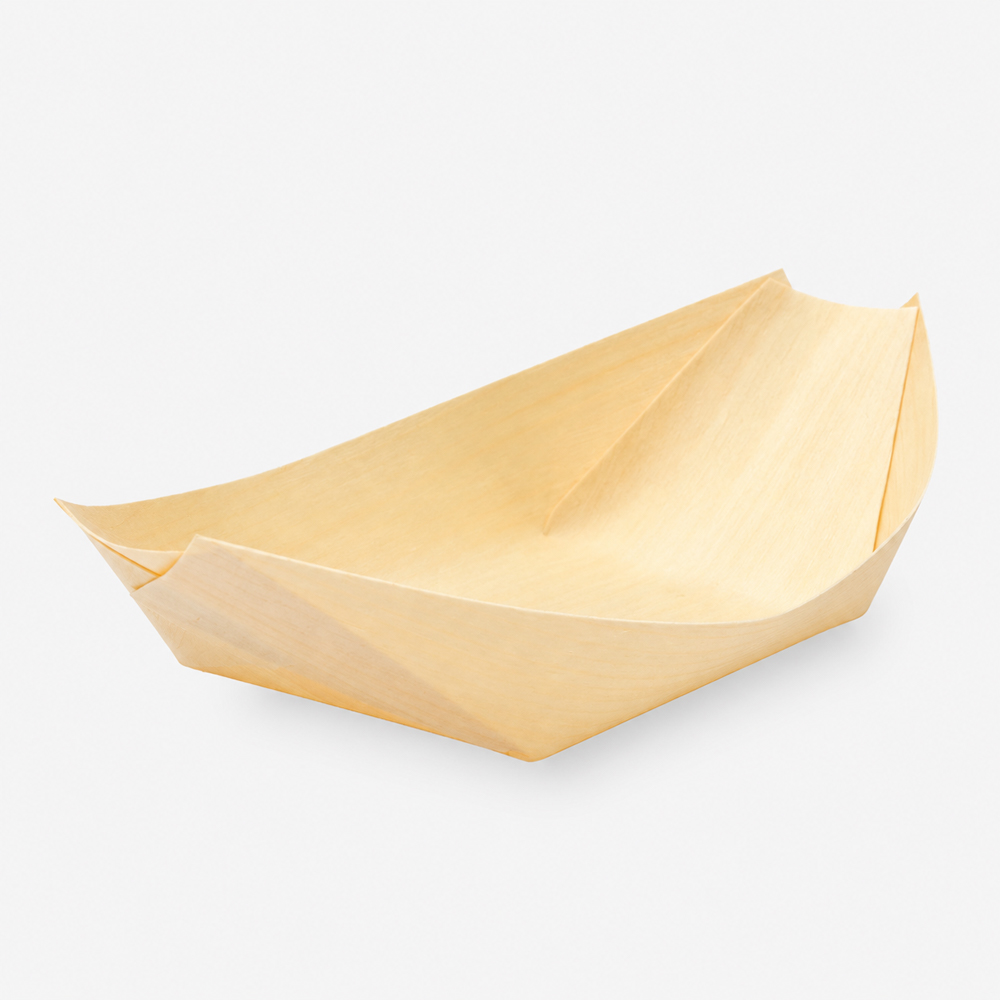
Trays
Flat & compartment
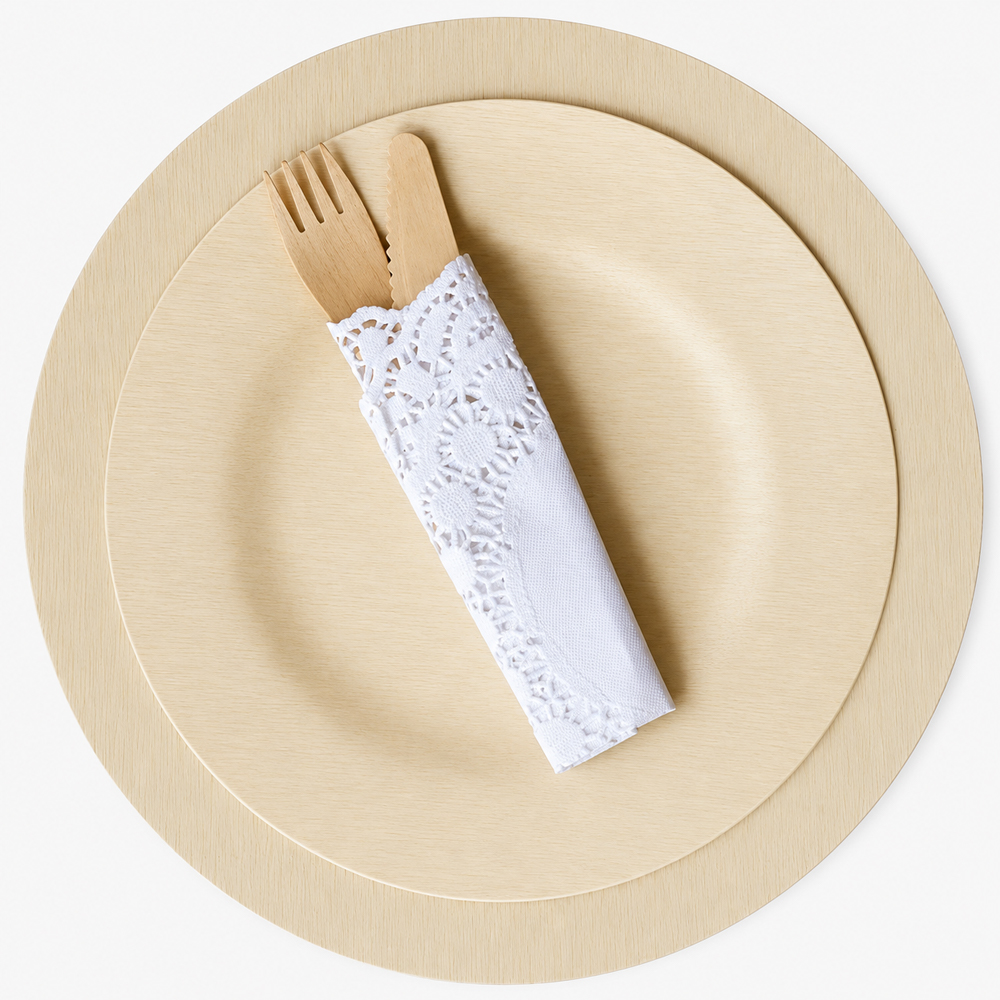
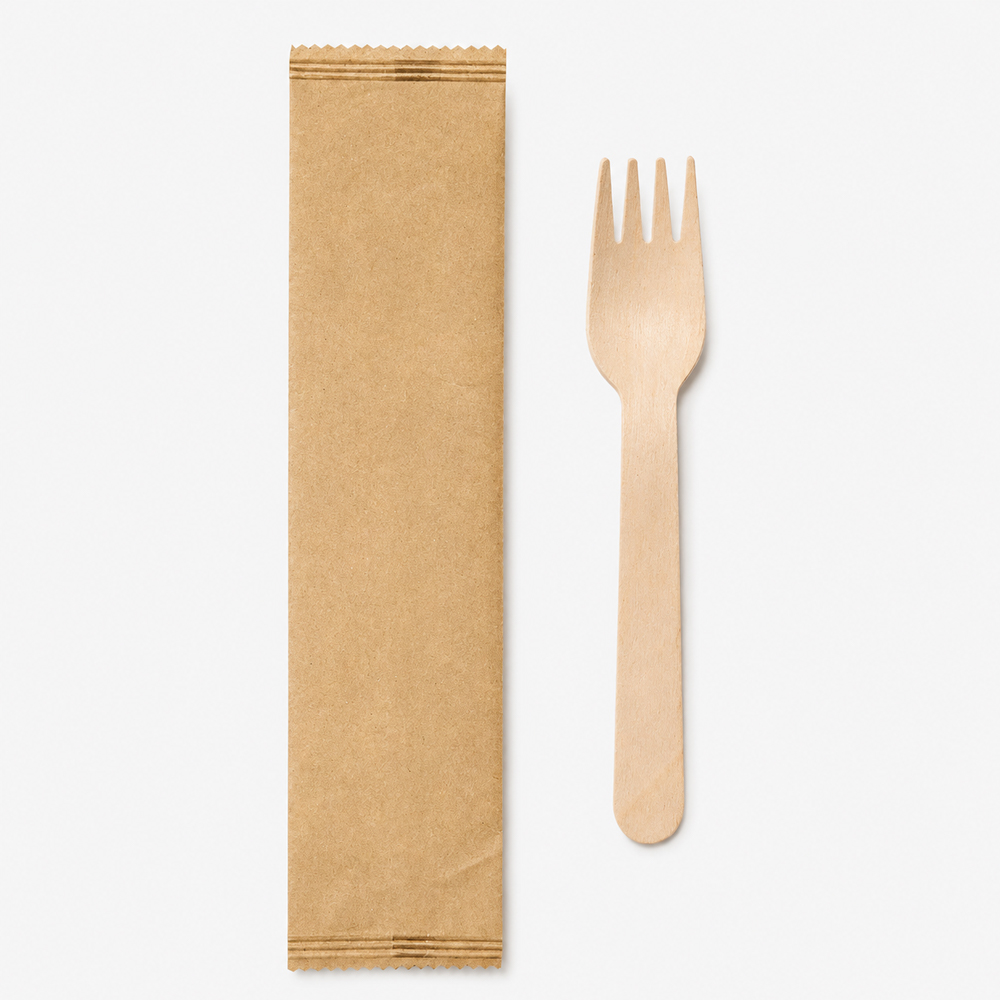
Cutlery
Bulk & wrapped
Information to Include in Your RFQ
Share the product type and specifications, projected purchase volume, destination market, intended food use, preferred packing method, documentation needs, and expected delivery schedule so we can prepare a quotation aligned with your sourcing plan.


Company-wide Production
Automation Base
Annual Output
Export Equivalent
Procurement Risk Map
A Bamboo Program Fails When the Material Name Replaces the Specification
“Bamboo tableware” can refer to solid bamboo, bamboo veneer, molded bamboo pulp, natural-fiber formulations or plastic composites containing bamboo powder. Treating them as interchangeable creates performance, labeling and import risk.
Vague Material Declarations
A buyer approves “bamboo” without recording pulp, veneer, solid bamboo, coatings, adhesives or binders. The received product can perform differently from the sample or carry unsupported claims.
Claims Outrun Documentation
Terms such as plastic-free, biodegradable, home compostable and FSC certified are printed before the certificate scope, finished formulation or chain of custody has been confirmed.
Packaging and Product Drift Apart
Dimensions, unit weight, barcodes, inner packs, carton marks and pallet patterns are finalized in separate conversations, creating avoidable rework before shipment.
One Approved Procurement Package
XcelLink aligns the product drawing, exact material structure, approved sample, test-document scope, branding, packing configuration, MOQ, inspection plan and Incoterm before the purchase order.
Four Core Categories
Disposable Bamboo Tableware Product Range
Build a coordinated distributor assortment around the food application—not around unrelated factory SKUs. Available dimensions, capacities, weights and packing quantities are confirmed against the current catalog, approved sample or buyer drawing.

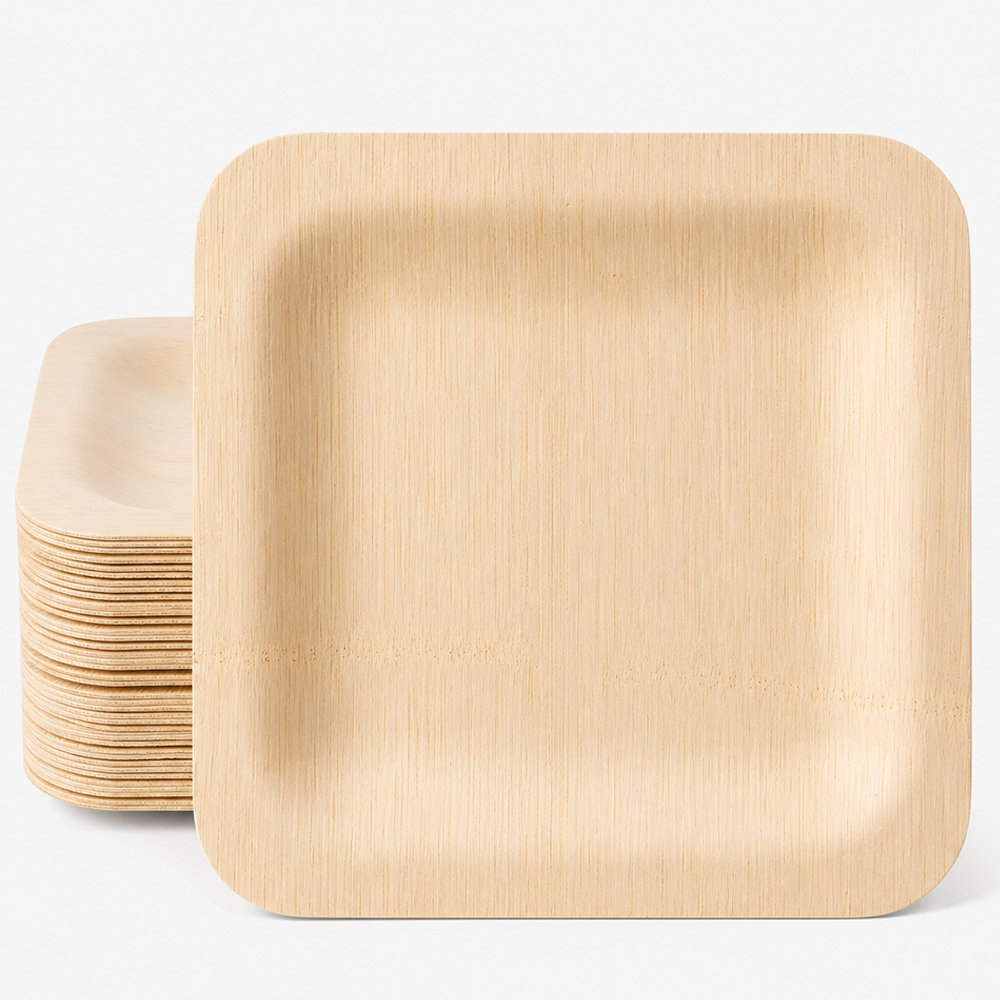
Round, square, compartment and custom-shaped formats for appetizers, desserts, main meals, catering and events.
- Custom thickness or unit weight
- Branded sleeves and retail boxes
- Single- or multi-compartment designs

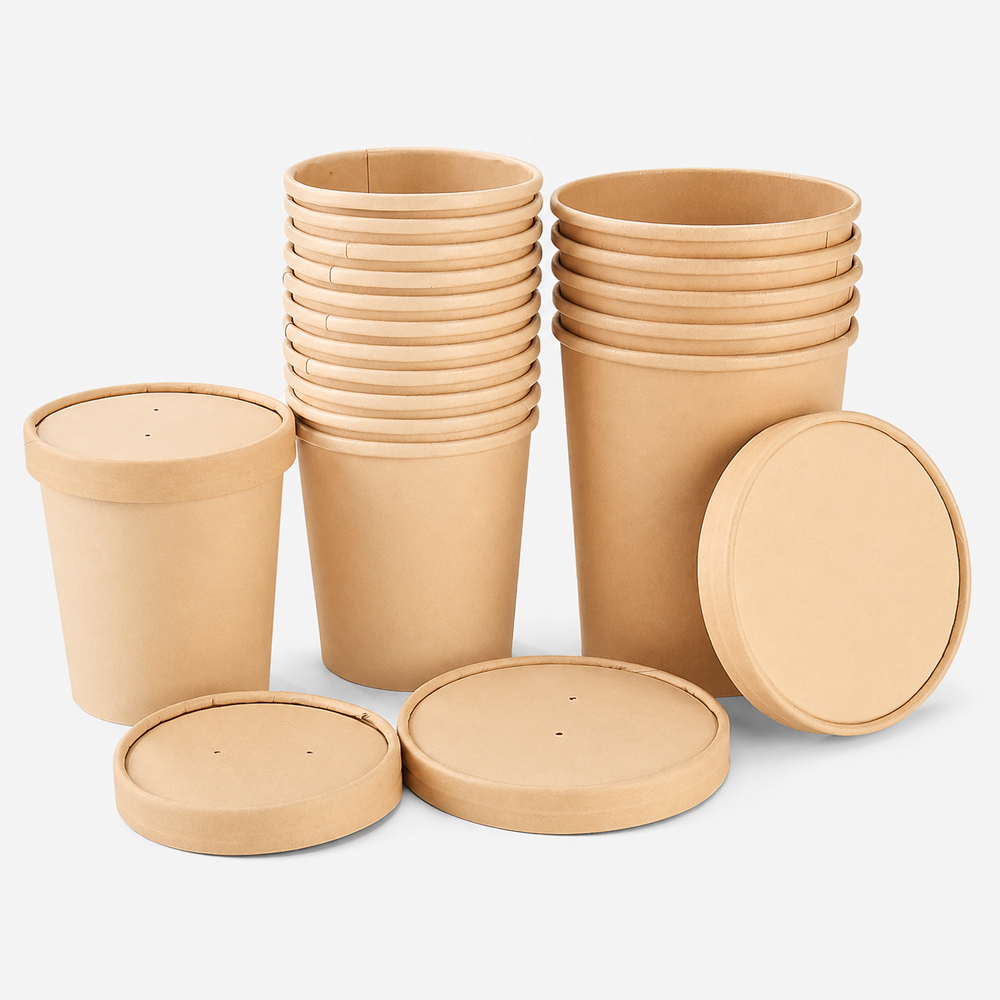
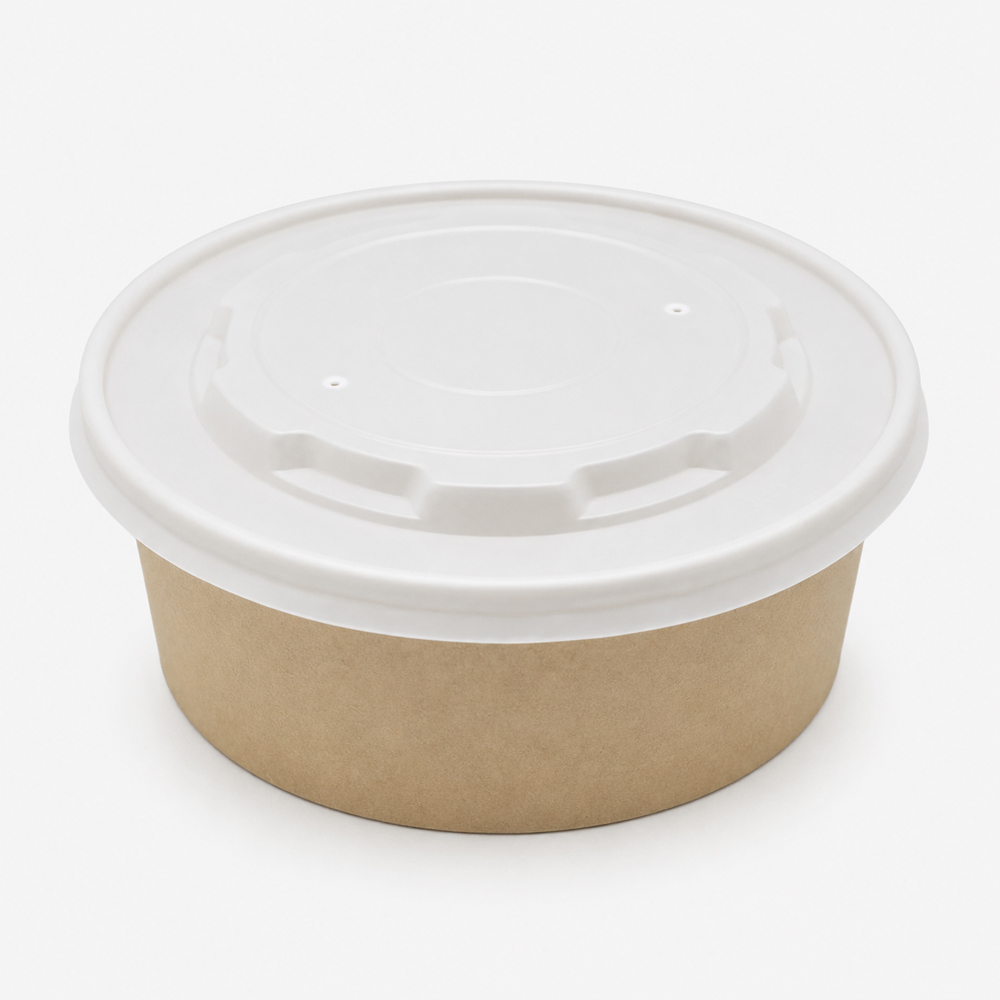
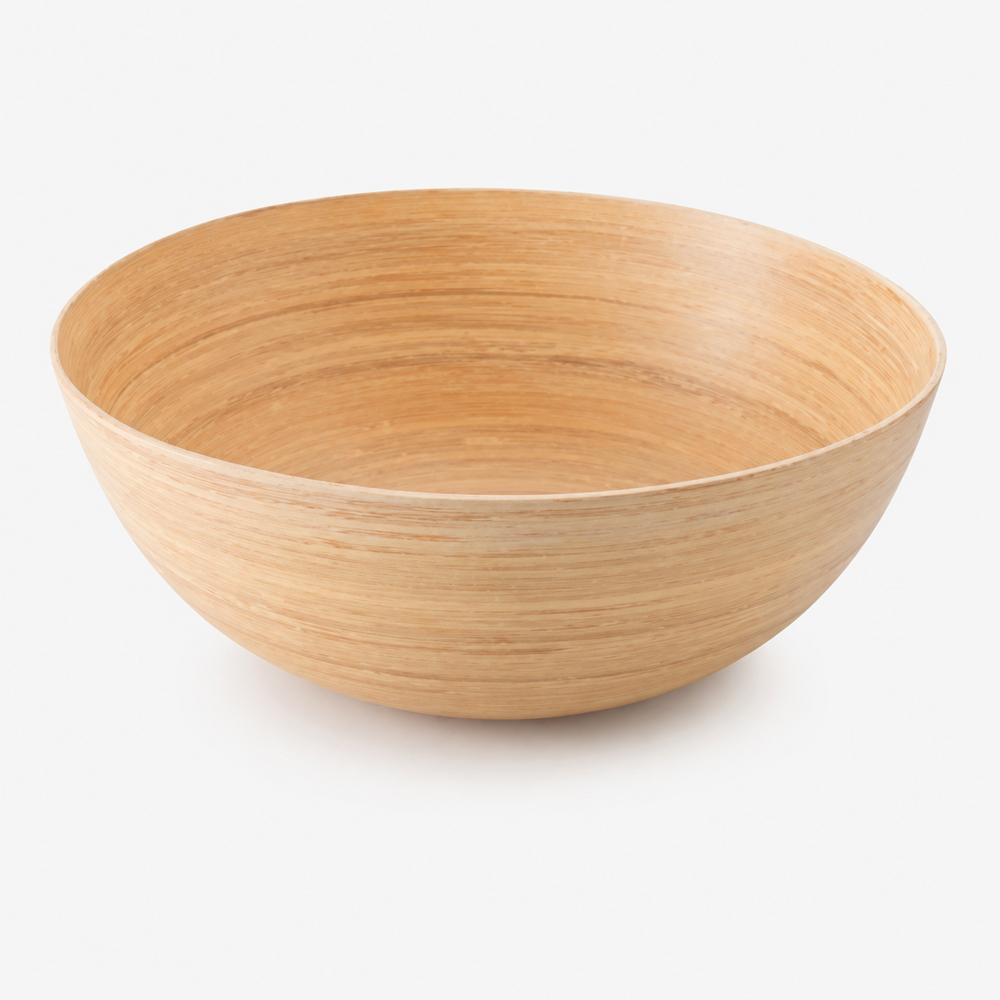
Portion bowls, salad bowls, meal bowls and larger serving formats for takeaway, buffet and foodservice.
- Capacity and rim-profile review
- Liquid-holding sample tests
- Nested foodservice or retail packs

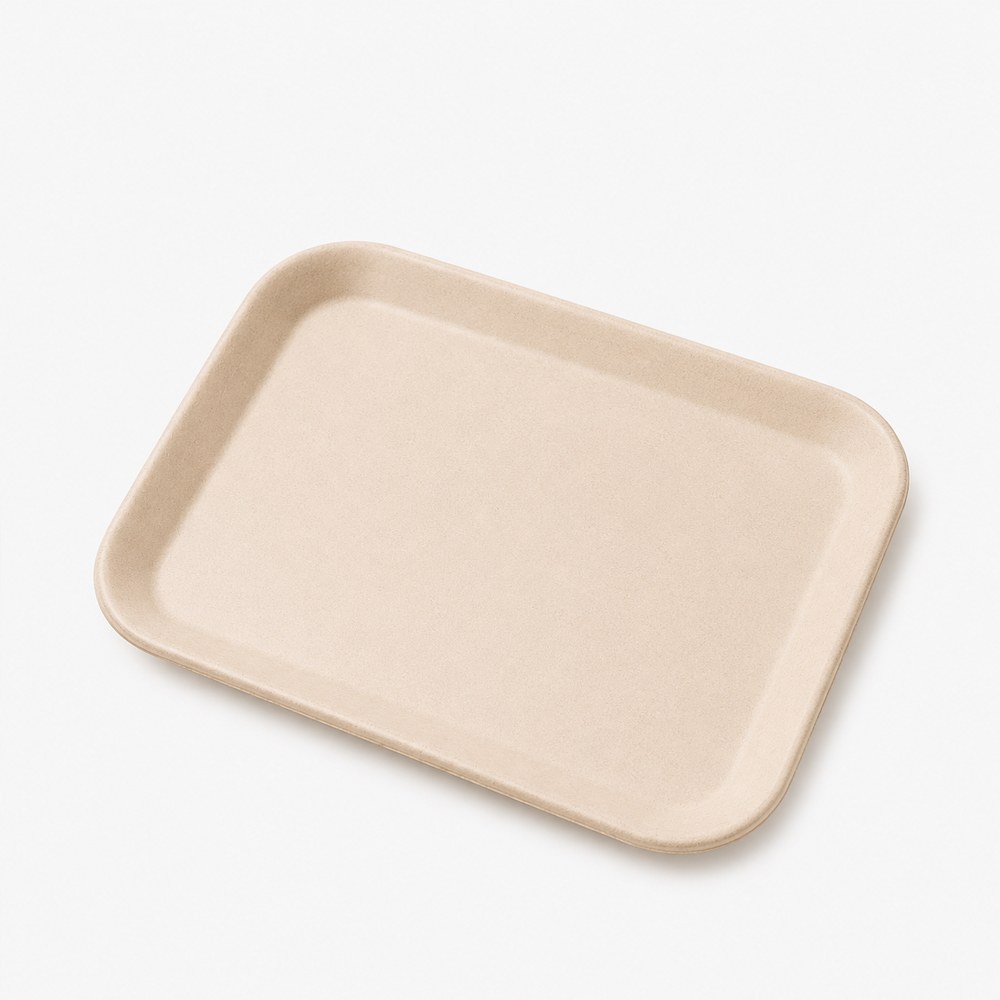
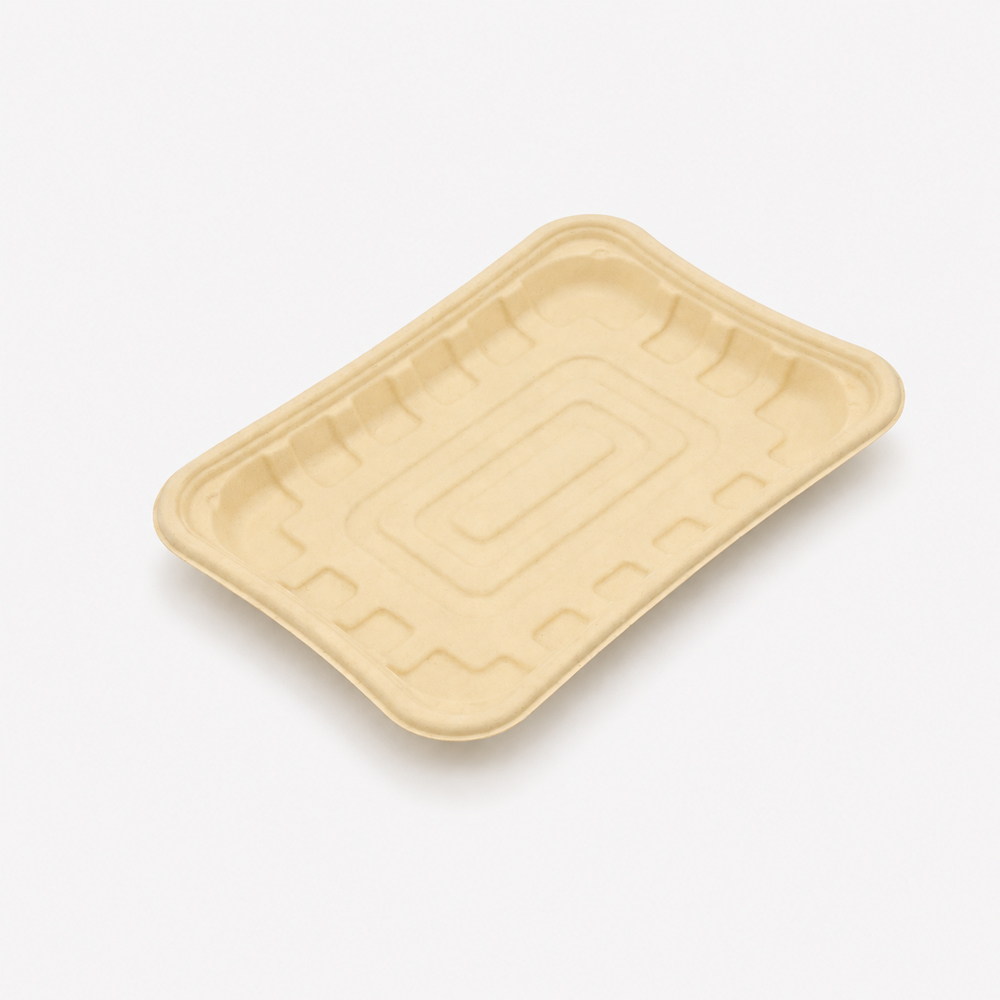
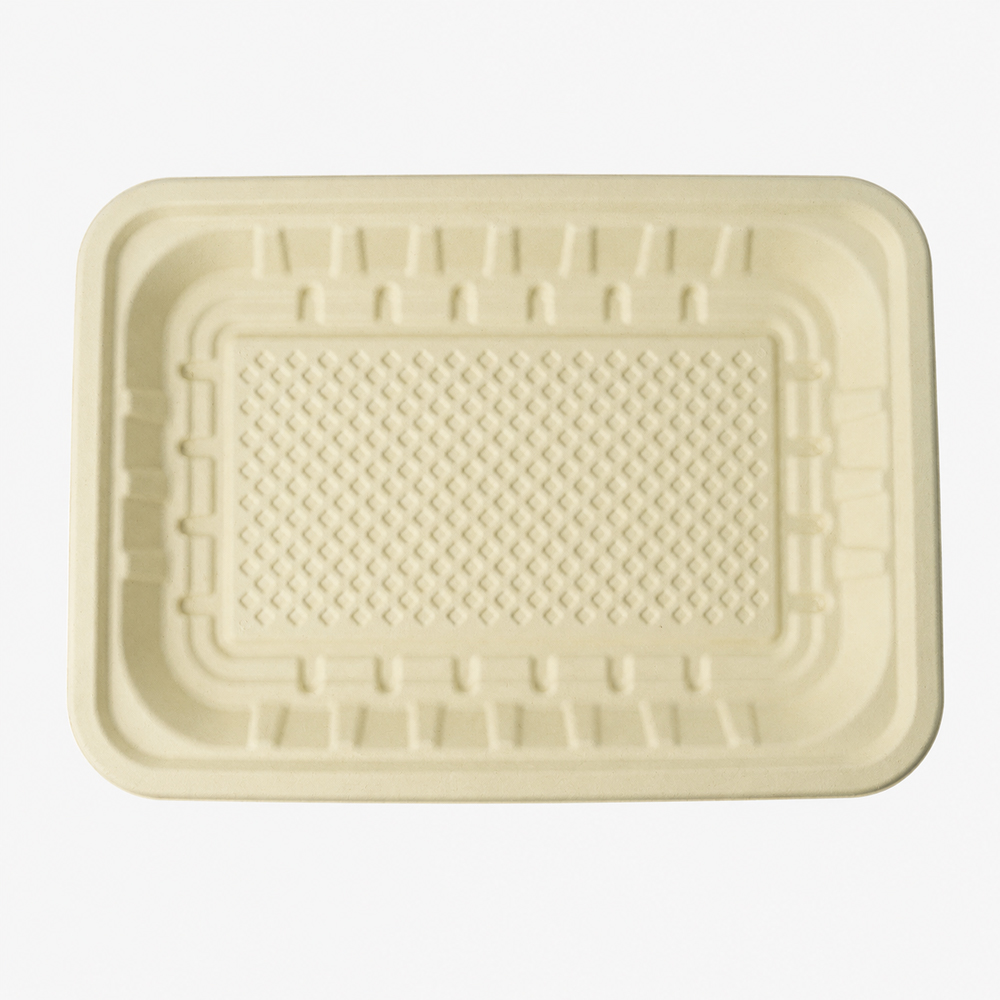
Flat, rectangular, oval, boat-shaped, compartment and presentation trays for sushi, snacks and catering.
- Load-bearing requirement review
- Flat or compartment formats
- Display and assortment packaging

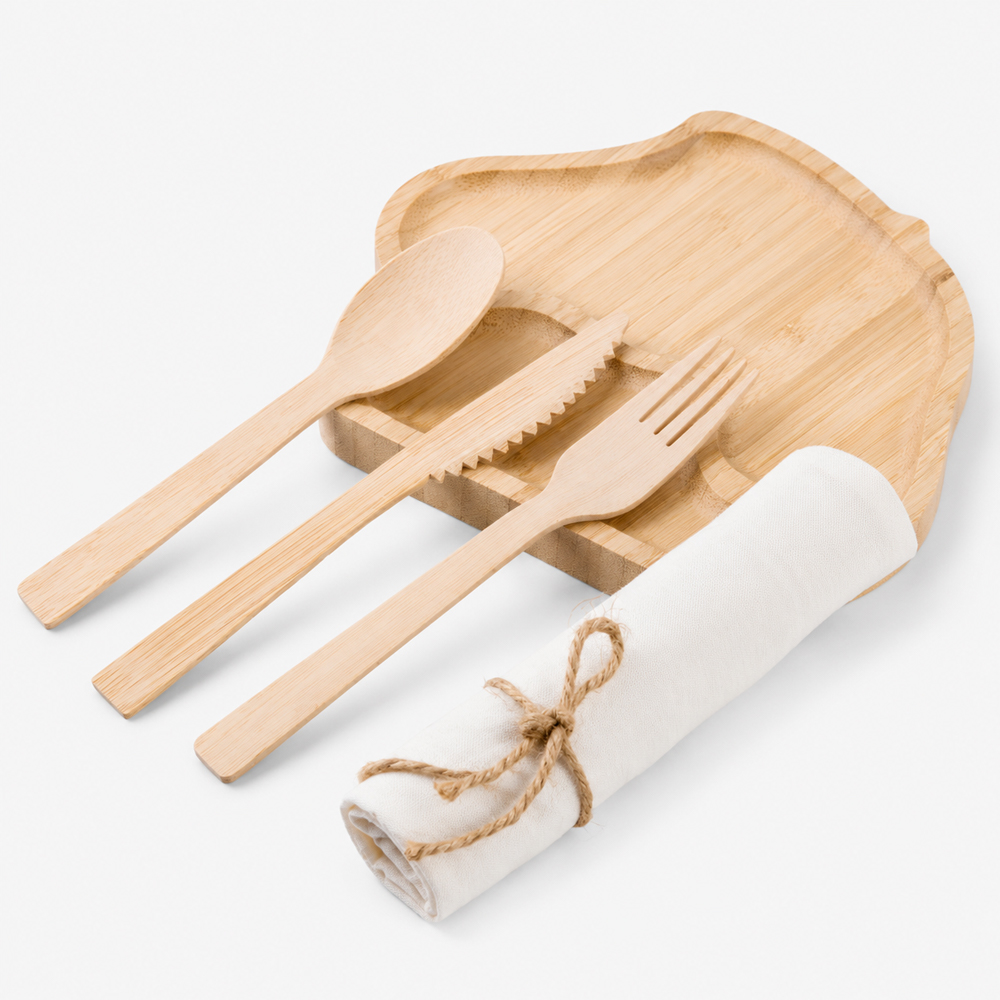
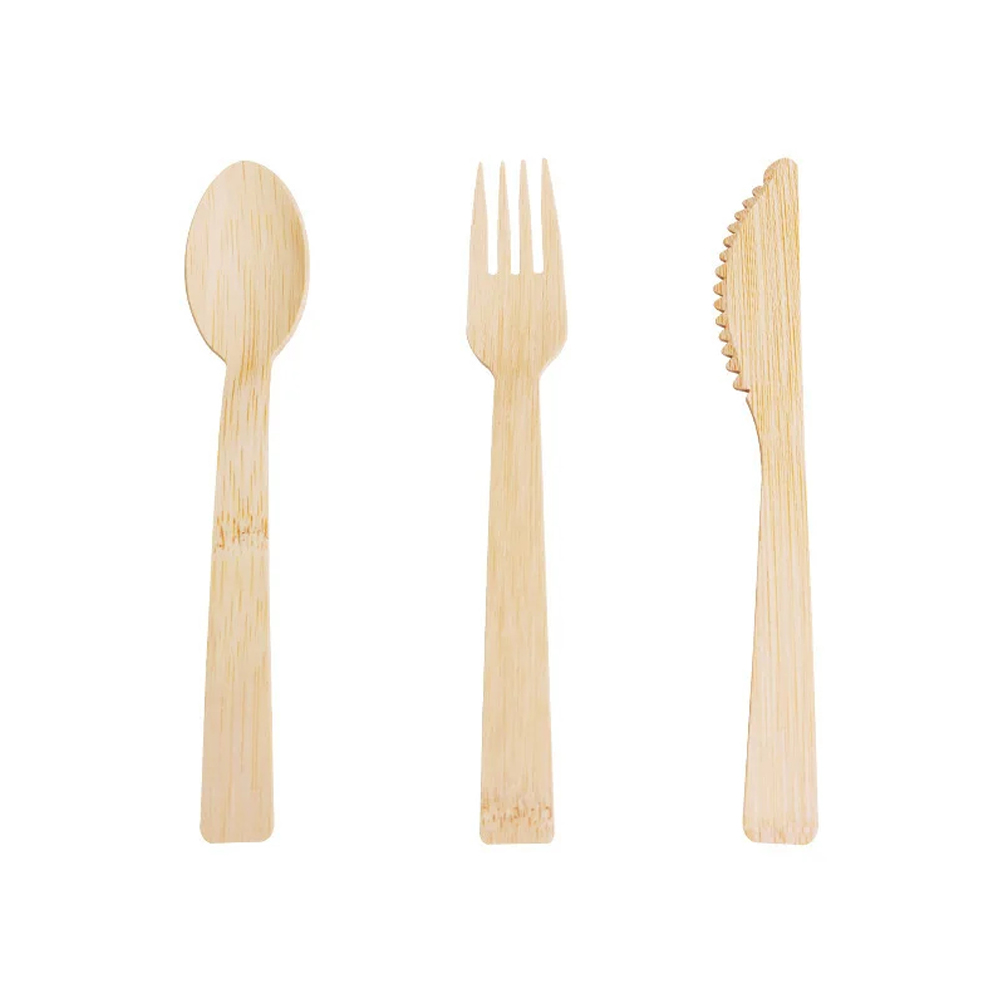
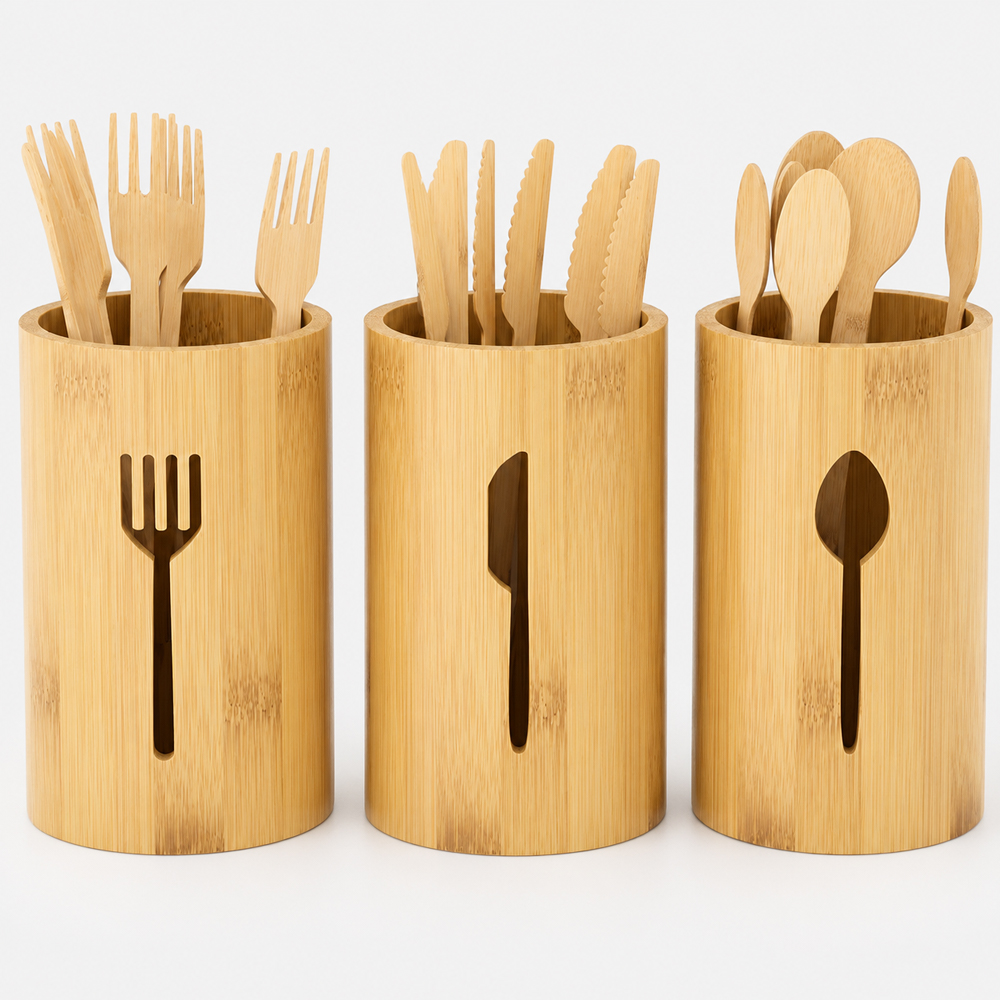
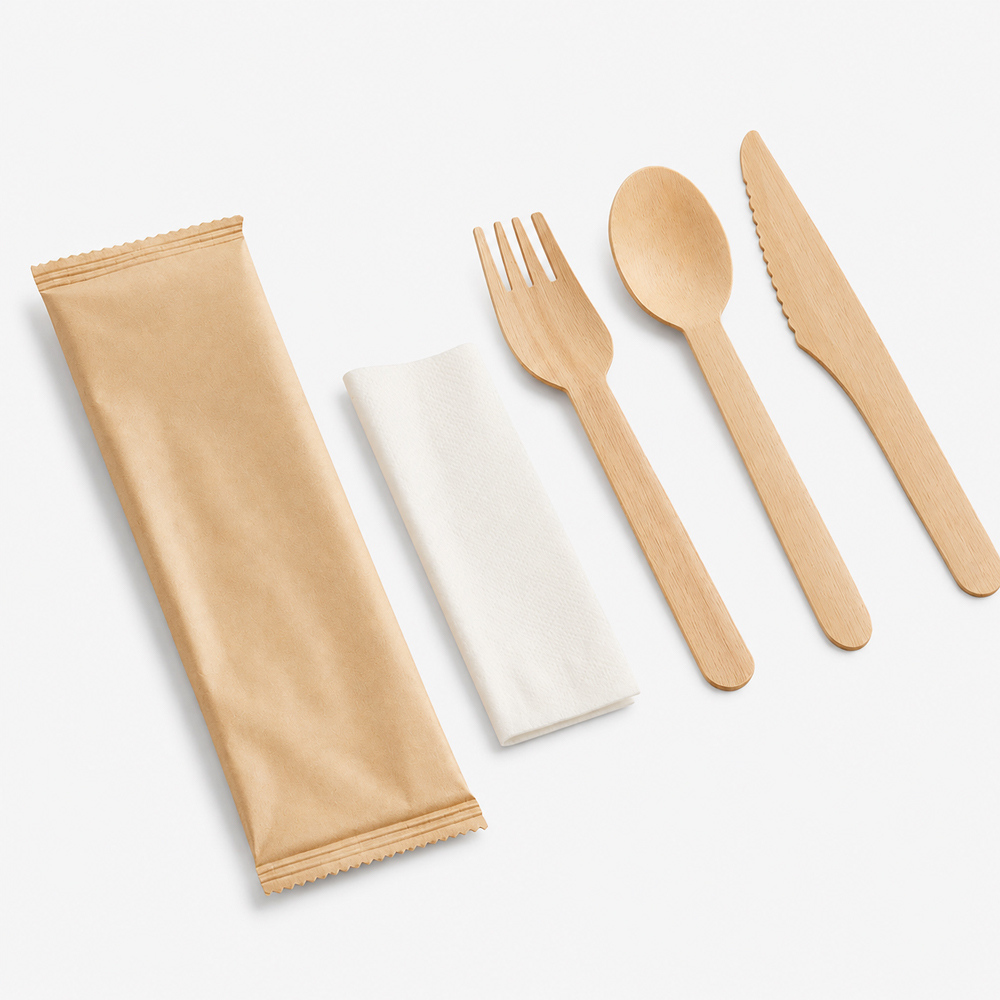
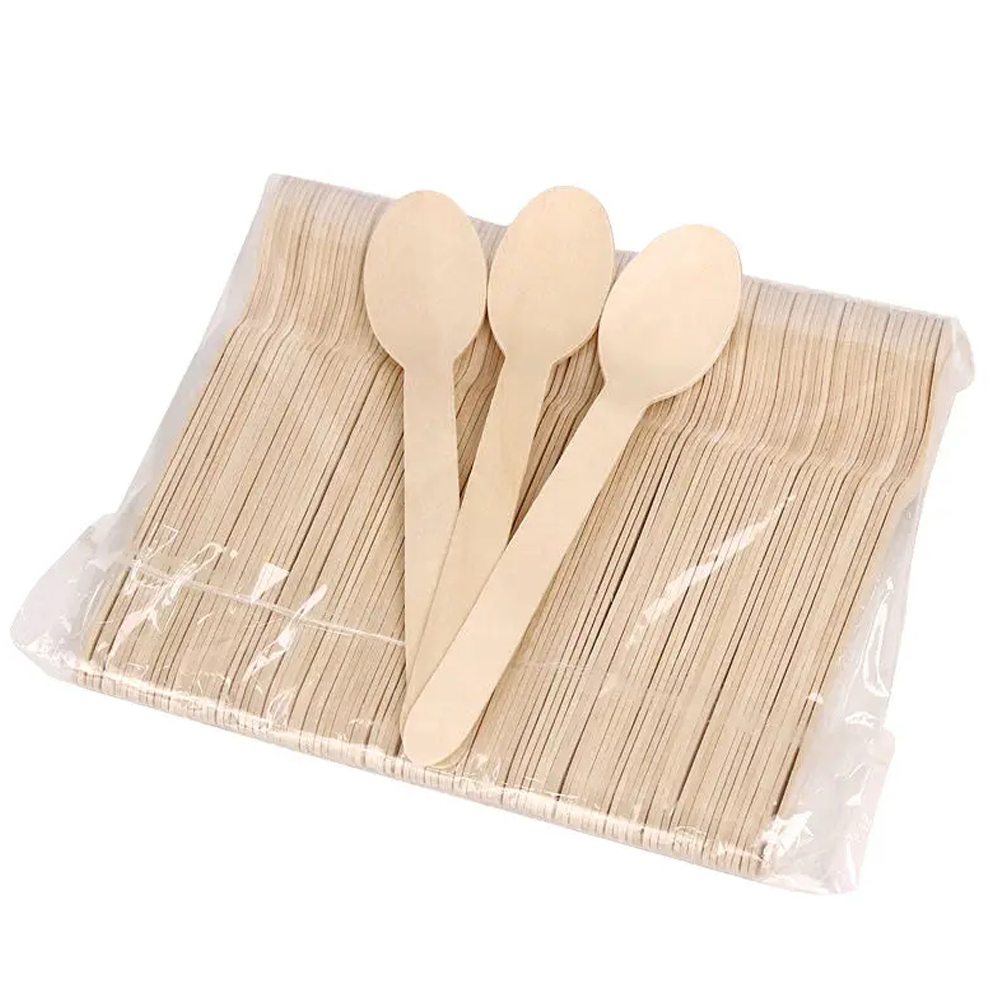
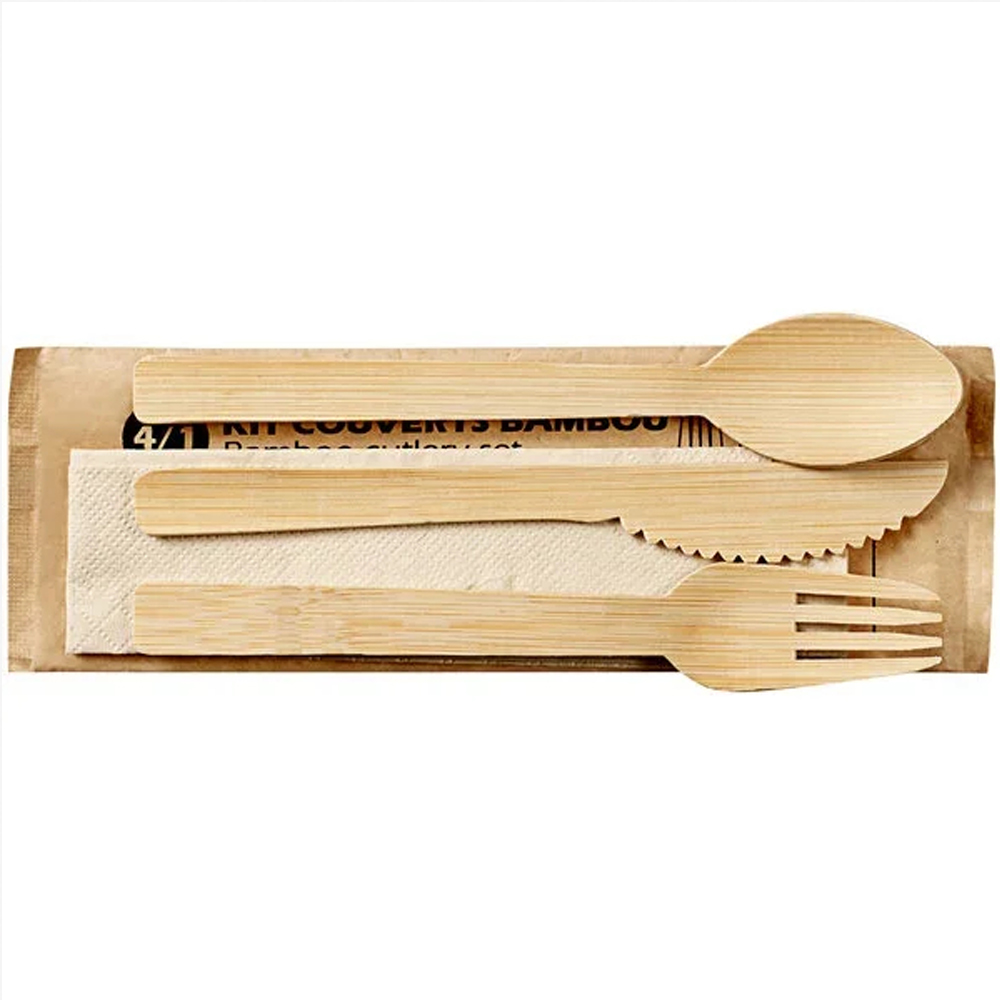
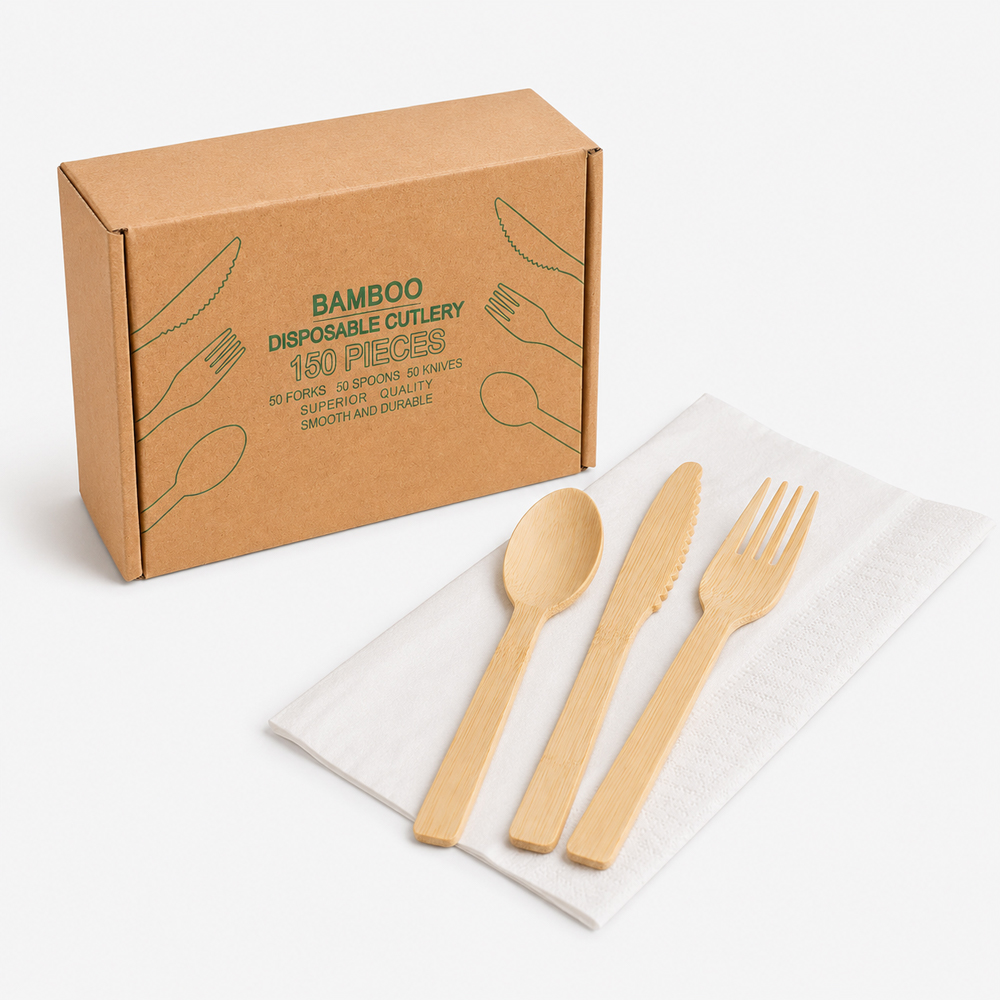
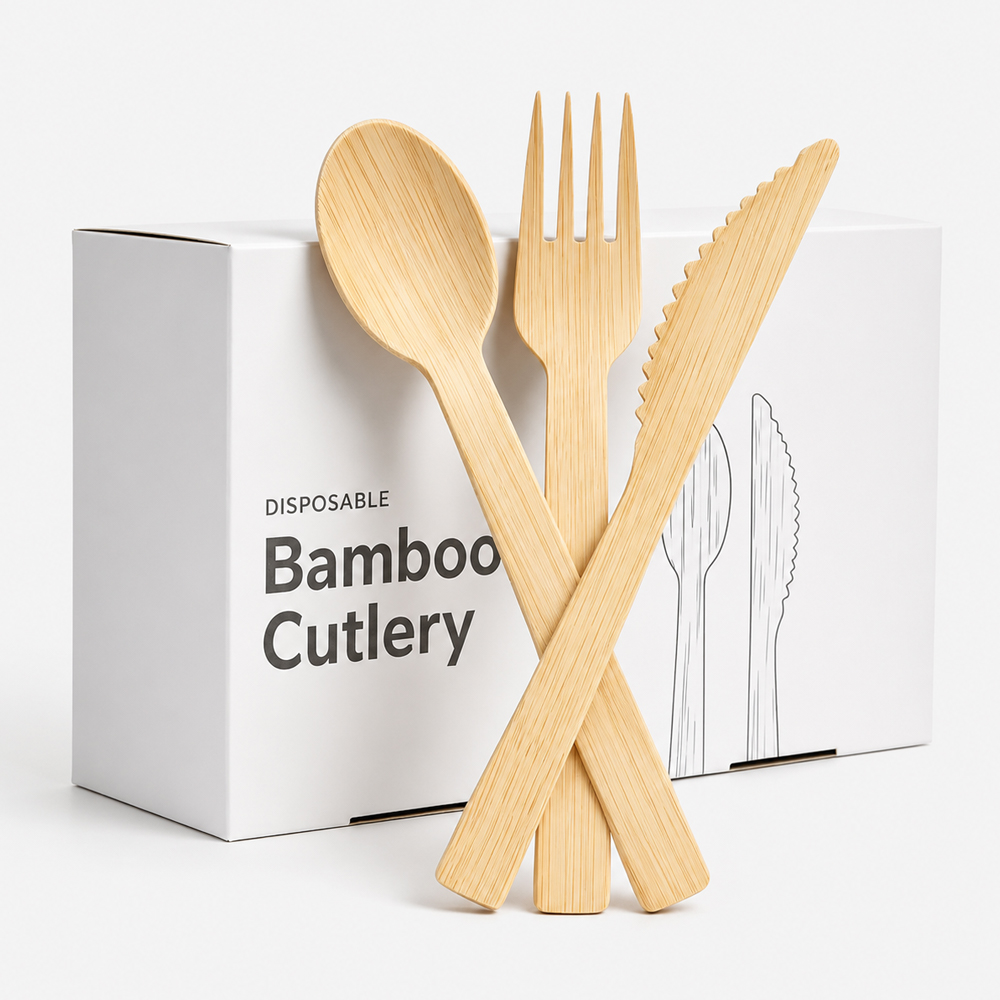
Forks, spoons, knives, sporks, tasting utensils and wrapped sets for foodservice, airlines and retail.
- Edge and splinter inspection
- Laser engraving or hot stamping
- Wrapped sets and multi-item kits
BROWSE AVAILABLE PRODUCTS
Use the category tabs to compare disposable bamboo plates, bowls, trays and cutlery. Review available material structures, sizes, shapes, unit weights, compartment formats, application performance, branding, packing options and product-specific documentation, then open a product page to request specifications, matched samples or a tailored wholesale quotation.
Technical specifications matrix
Compare Product Structure Before You Compare Unit Price
The commercial specification is finalized by SKU. The matrix below defines the fields that distributors should compare across plates, bowls, trays and cutlery before sample approval.
| Buyer Checklist Procurement Variable | 01 · Flatware Bamboo Plates | 02 · Bowl Format Bamboo Bowls | 03 · Open Format Bamboo Trays | 04 · Utensils Bamboo Cutlery |
|---|---|---|---|---|
| 01 Typical Formats | Round, square, oval, compartmented and custom plate shapes. | Portion, salad, meal and serving bowls. | Flat, rectangular, oval, boat-style and compartmented trays. | Forks, spoons, knives, sporks, tasting utensils and coordinated sets. |
| 02 Material Structure | Solid bamboo, bamboo veneer, molded bamboo pulp or another verified natural-fiber formulation. | Molded bamboo pulp or another verified fiber structure selected for bowl forming and food contact. | Bamboo veneer, molded bamboo fiber or another approved structure selected by tray design and food load. | Solid bamboo or another documented bamboo-based structure with controlled surface finishing. |
| 03 Critical Dimensions | Diameter or length, rim profile, depth, thickness and unit weight. | Capacity, diameter, height, rim profile, wall structure and unit weight. | Length, width, depth, compartment layout, flange and usable load area. | Overall length, handle width and thickness, tine geometry, spoon bowl and knife edge. |
| 04 Application Tests | Load bearing, warping, oil or moisture exposure, rim stability and edge finish. | Stability, liquid holding, seepage and hot- or cold-food exposure. | Load distribution, stacking, deformation and compartment separation. | Bending, break resistance, splinter control, edge quality and functional strength. |
| 05 Branding Options | Laser engraving, hot stamping, printed sleeve, label or retail box. | Branded sleeve, label, retail packaging and master-carton artwork. | Logo application, paper sleeve, display packaging and assortment labeling. | Laser engraving, hot stamping, printed wrap and branded kit sleeve. |
| 06 Packing Options | Bulk stacks, inner bags, paper sleeves, retail boxes or private-label cartons. | Nested inner packs, foodservice cartons, retail packs or mixed-size assortments. | Bulk stacks, inner packs, display packs, dividers or mixed kits. | Bulk packing, paper sleeves, individual wrapping or napkin-and-utensil sets. |
| 07 Documentation Basis | Confirm the exact SKU, complete material composition, coating or binder declaration, destination market, intended food type, contact temperature and contact duration before approval. | |||
| 08 Indicative MOQ | 100,000 pieces per SKU for standard configurations; custom MOQ is confirmed by product structure, logo, packaging, tooling and production schedule. | |||
Material Identity
Material Structures Defined Before Sampling
The material composition, surface treatment, coating system, adhesive or binder content and intended temperature range should be recorded in the approved product specification.
Compliance Guardrail
Bamboo-filled plastic or melamine products should not be described as plastic-free, 100% bamboo or compostable unless the complete formulation and supporting documentation justify the claim.
01
Solid Bamboo
Common for cutlery and selected rigid tableware. Inspection focuses on grain consistency, edge smoothness, splinter control and dimensional stability.
02
Bamboo Veneer
Layered or formed bamboo sheet structures can provide a natural presentation. Construction, adhesives and surface treatment must be declared by SKU.
03
Bamboo-Pulp Molded Fiber
Suitable for formed plates, bowls and trays. Evaluate thickness distribution, rim formation, moisture resistance and food-contact performance.
04
Verified Natural-Fiber Formulation
Any blended fiber, coating, adhesive or binder system should be identified before testing, quotation and environmental labeling.
Material Selection Guide
Bamboo Fiber Tableware vs Paper Tableware vs Biodegradable Plastics
No material wins every foodservice program. The correct comparison combines structural performance, coatings, verified certification, packaging requirements and the actual waste infrastructure in the destination market.
| Selection Criteria Decision Factor | 01 · Bamboo System Bamboo-Based Fiber / Bamboo | 02 · Paper System Paper Tableware | 03 · Bioplastic Biodegradable Plastics |
|---|---|---|---|
| 01 Structure | May be solid bamboo, bamboo veneer, molded pulp or another verified bamboo-fiber formulation. | Paperboard or molded wood- or bamboo-pulp structure, frequently combined with a functional barrier. | Polymer formulation; bio-based content and biodegradability are separate product claims. |
| 02 Performance | Performance varies by structure, thickness, surface treatment, coating and intended food exposure. | Often cost-effective; grease, moisture and heat performance depend on the board and barrier system. | Can provide strong moisture resistance, while heat behavior depends on the selected polymer and geometry. |
| 03 Sourcing Claim | FSC sourcing may apply to qualifying bamboo products when the required chain-of-custody scope is available. | FSC or recycled-content claims may apply to qualifying paper and molded-fiber inputs. | Bio-based content should be evaluated separately from biodegradability or compostability claims. |
| 04 End-of-Life | The finished product must be assessed, including coatings, binders, adhesives and local disposal options. | Recycling or compostability depends on the complete construction and local collection or processing routes. | Often requires defined industrial-composting conditions, suitable collection and local facility acceptance. |
| 05 Buyer Decision | Approve the exact finished SKU using the intended food type, serving temperature, contact time, performance tests, complete material formulation, certificate scope and destination-market disposal route. | ||
E-E-A-T & Factory Proof
Manufacturing & Quality Control from Material Review to Shipment
The control plan follows the exact product and application. Generic “high quality” claims are replaced by measurable inspection items, approved samples and shipment checks.
10-Step QC Workflow
What Is Checked
Raw-material and supplier-document review
Pre-production sample and specification approval
Dimensions, weight, thickness and appearance checks
Edge, surface and splinter inspection
Functional and food-application testing
Logo, artwork and packaging verification
In-process production inspection
Final random inspection before shipment
Carton, pallet and shipping-mark confirmation
Batch records and supporting-document review
Performance by Application
Sample Evaluation Checklist
Shape, stacking consistency, odor, surface cleanliness and color consistency
Resistance to dry, moist, oily, hot or cold foods under the intended contact time
Plate/tray load bearing, bowl stability and liquid-holding performance
Fork tine, spoon bowl, knife-edge strength, bending and break resistance
Packaging integrity, carton compression and compatibility with retail or foodservice packs
Microwave, oven, dishwasher, freezer and high-temperature claims are confirmed by the exact product structure and test result—not applied to the entire category.
Food Contact
Market-Specific Testing
Applicable U.S. documentation, LFGB or European testing, EU Regulation (EC) No 1935/2004 support and migration/safety reports where applicable.
Fiber Sourcing
FSC Scope Review
FSC chain-of-custody documentation can be requested for qualifying bamboo products and must match the applicable product and supplier scope.
Environmental Claims
PFAS & Compostability
PFAS reports or declarations and compostability documentation are coordinated where applicable to the finished SKU and formulation.
Factory Systems
BRCGS & Audit Files
BRCGS, ISO and available BSCI or SMETA documents can be reviewed according to certificate, factory and audit scope.
OEM / ODM / Private Label
Custom Bamboo Tableware Built Around the Sales Channel
Customization is not limited to placing a logo on a standard SKU. The product, pack, label, master carton and pallet must work as one distributor-ready unit.
New molds and proprietary structures
Evaluated separately according to tooling, material, artwork, sample development and production requirements.
Product Geometry
Custom size, shape, thickness, weight and single- or multi-compartment layouts.
Brand Application
Laser engraving, hot stamping, branded kraft sleeves and controlled artwork position.
Unit Packing
Bulk packs, individual wrapping, napkin-cutlery sets and foodservice inner packs.
Retail Packaging
Custom retail boxes, display packaging, inserts and buyer-specific assortments.
Label Data
Barcode, SKU label, country information, carton marks and multilingual artwork inputs.
Logistics Configuration
Master-carton dimensions, case quantity, pallet plan and shipping-mark confirmation.
The Trust Stack
Consultation → Prototyping → Mass Production → Logistics
Each stage closes a specific procurement risk before the project moves forward. The process is designed for both existing SKUs and custom private-label development.
01
Consultation
Confirm product type, material preference, food application, quantity, target market, logo method, pack format and required documentation.
Output: Sourcing brief
02
Prototyping
Prepare existing samples, custom mold samples, logo trials, packaging mockups and the draft technical specification for review.
Output: Approved sample
03
Mass Production
Control material inputs, dimensions, appearance, function, artwork, packing and in-process inspection against approved references.
Output: Inspected bulk order
04
Logistics
Confirm cartons, pallets, marks, supporting documents, shipment terms and loading details for Shenzhen or another agreed Chinese port.
Output: Shipment package
Applications / Solutions
Product Programs Matched to Buyer Type and Service Environment
The same product cannot be assumed to work equally well for a dry appetizer, oily entrée, liquid meal, airline kit or retail shelf. The sourcing brief starts with the use case.
Foodservice Distributors
Coordinated plates, bowls, trays and cutlery with aligned carton data, SKU labels and compliance-document requests.
Restaurant & Takeaway Chains
Application-tested tableware for takeaway meals, cafés, QSR programs and multi-location operations.
Catering & Events
Presentation plates, tasting utensils, serving trays and coordinated sets for weddings, conferences and corporate events.
Hospitality & Airlines
Compact cutlery, wrapped kits, trays and guest-service products with controlled hygiene and pack formats.
Retail & Private Label
Barcoded retail boxes, shelf-ready assortments and claim language supported by the correct certificate scope.
Prepared Food & Meal Kits
Compartment trays, bowls and cutlery sets matched to portion size, handling and off-site dining requirements.
Commercial Planning
MOQ, Samples & Production Planning
Indicative MOQ
100,000 pieces per SKU for standard configurations
Custom MOQ
Confirmed by structure, logo method, packaging and tooling
Existing Samples
Available subject to model and stock status
Custom Samples
Quoted according to tooling, artwork and development
Lead Time
Confirmed after sample, artwork, packaging and commercial approval
Shipping
Shenzhen or agreed Chinese port; EXW, FOB, CIF or agreed Incoterm
Before the Purchase Order
What Buyers Can Verify
Product drawing/specification
Exact material structure
Dimensions, capacity and weight
Coating, adhesive or binder data
Approved physical sample
Food-contact documents
Compostability scope if applicable
Logo and artwork approval
Inner and master-carton packs
Barcode and carton marks
MOQ and unit-price basis
Production/inspection schedule
Interactive FAQ for GEO
Frequently Asked Questions
Concise answers to distributor questions about material structure, food safety, certifications, MOQ and private-label development.
What is the difference between bamboo fiber tableware and paper tableware?
Bamboo fiber tableware can use molded bamboo pulp or another verified bamboo-based fiber construction, while paper tableware is generally converted from paperboard or molded wood pulp. Buyers should compare the complete material structure, coatings, food performance, certificate scope and disposal route rather than relying on the raw-material name alone.
Are disposable bamboo plates and utensils food-safe?
Food-contact suitability depends on the complete formulation, surface treatment, adhesives or binders, manufacturing controls and intended conditions. Request documentation for the exact SKU, food type, temperature and contact duration. Bamboo-filled plastic or melamine products should be reviewed separately and must not be treated as equivalent to molded fiber or solid bamboo.
Which eco certifications do major retailers require for foodservice packaging?
Requirements vary by retailer, country, product structure and environmental claim. Depending on scope, buyers may request food-contact reports, FSC chain-of-custody documentation, PFAS reports or declarations, product-specific compostability evidence, BRCGS or ISO files and available BSCI or SMETA audit reports. Every document should be checked against the exact product, factory and validity period.
How do biodegradable plastics compare with fiber-based packaging in foodservice?
They are different material systems. A fiber-based product is not automatically plastic-free or compostable, and a biodegradable plastic is not automatically home compostable. Compare food performance, complete formulation, certified conditions and the collection or processing infrastructure available in the destination market.
What is the MOQ for disposable bamboo tableware?
The indicative MOQ is 100,000 pieces per SKU for standard configurations. Custom MOQ is confirmed according to product structure, logo method, retail or foodservice packaging and tooling requirements. Plates, bowls, trays and cutlery may require different production quantities.
Can you produce custom bamboo cutlery and private-label retail packs?
Yes. Options can include custom dimensions, laser engraving, hot stamping, printed kraft sleeves, individual wrapping, napkin-cutlery kits, retail boxes, barcodes, SKU labels, carton marks and pallet configurations. New molds and proprietary structures are evaluated separately.
What should a distributor send to receive an accurate quotation?
Send the product type, target dimensions or capacity, order quantity, preferred material structure, food application, logo file, packaging format, destination market and required documentation. A reference sample, drawing or current SKU list can accelerate feasibility review.
Wholesale Project Review
Get a Custom Quote Built Around Your Actual Sourcing Brief
Send the details that determine feasibility and unit price. The goal is an itemized quotation—not a generic “starting from” price that ignores material, packing and compliance requirements.
- Product recommendation and material-structure review
- Sample, tooling and customization assessment
- MOQ, packing, inspection and Incoterm basis
- Product-specific document availability review