-
Address: Street Name, NY 38954
-
Mobile: +86 198 6369 1950
-
Email: info@ecofoodware.com
-
Address: Street Name, NY 38954
-
Mobile: +86 198 6369 1950
-
Email: info@ecofoodware.com
Home » Bagasse Tableware
Sugarcane Bagasse Tableware Manufacturer for Lower-Risk Global Sourcing
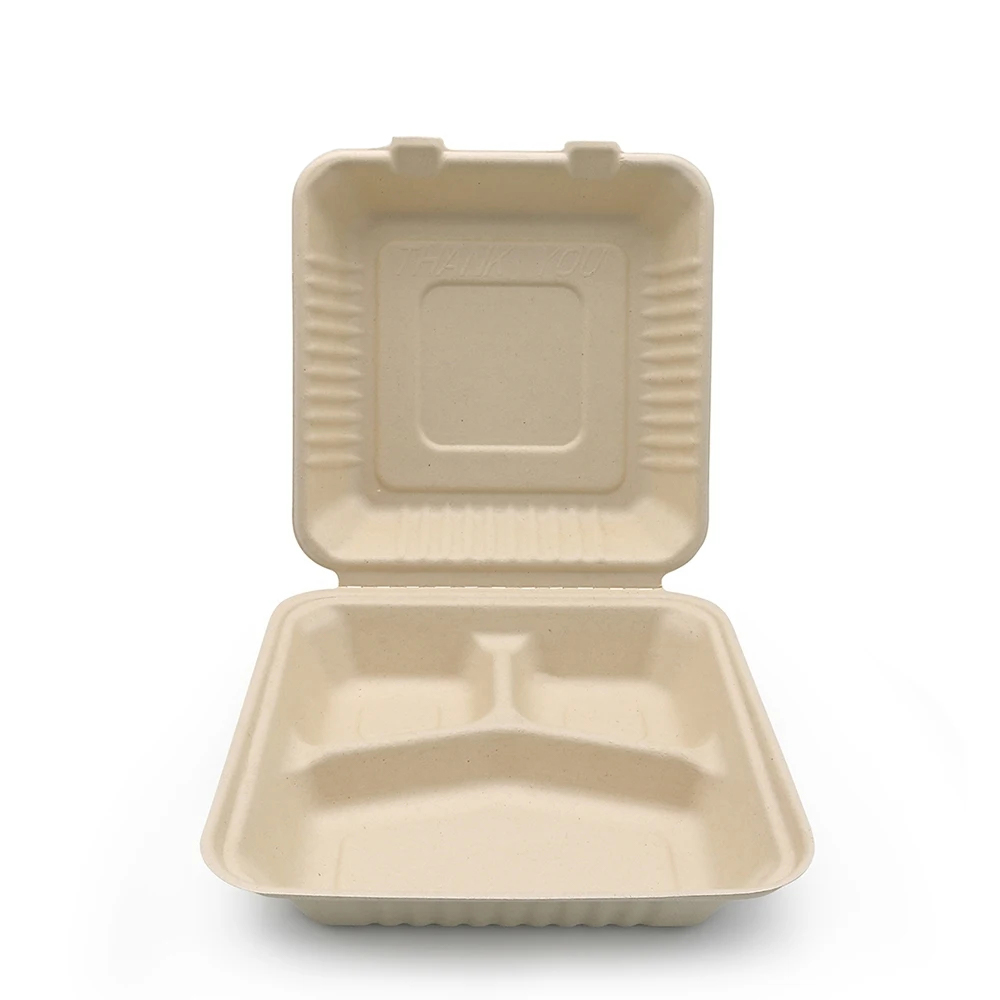
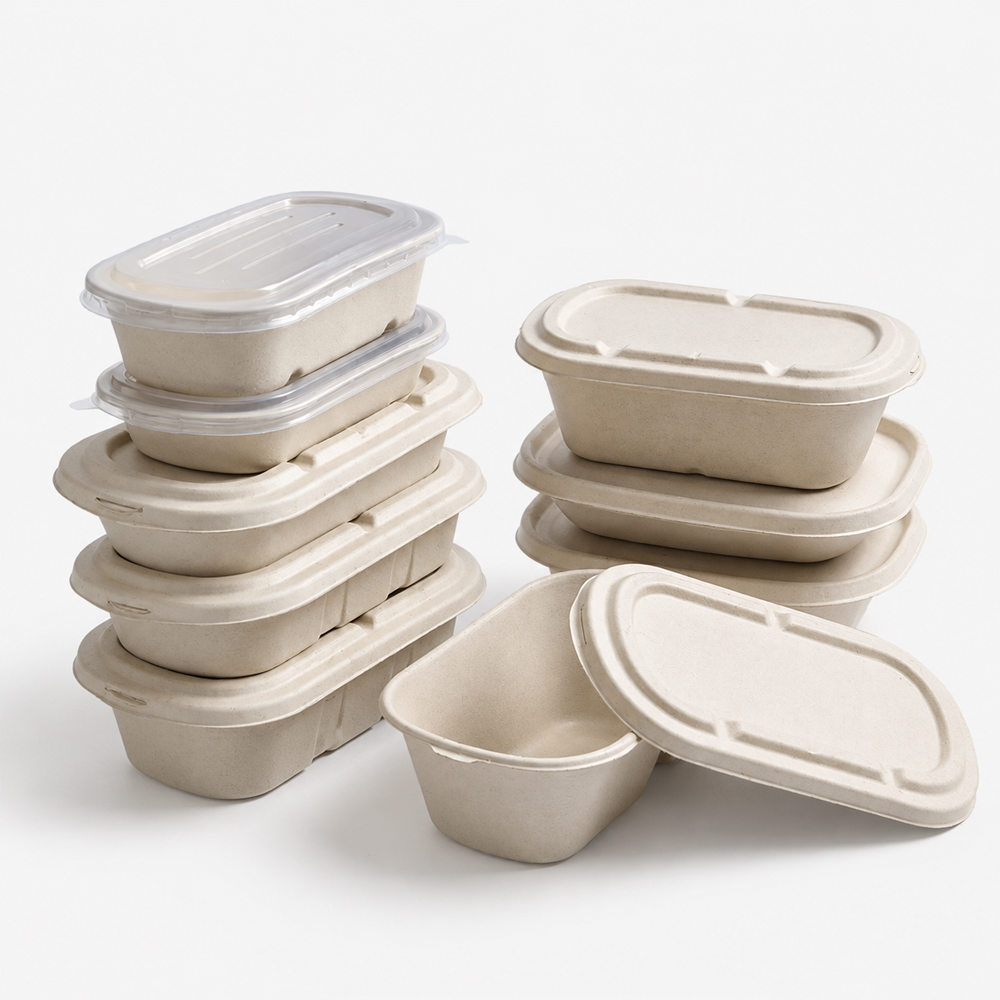
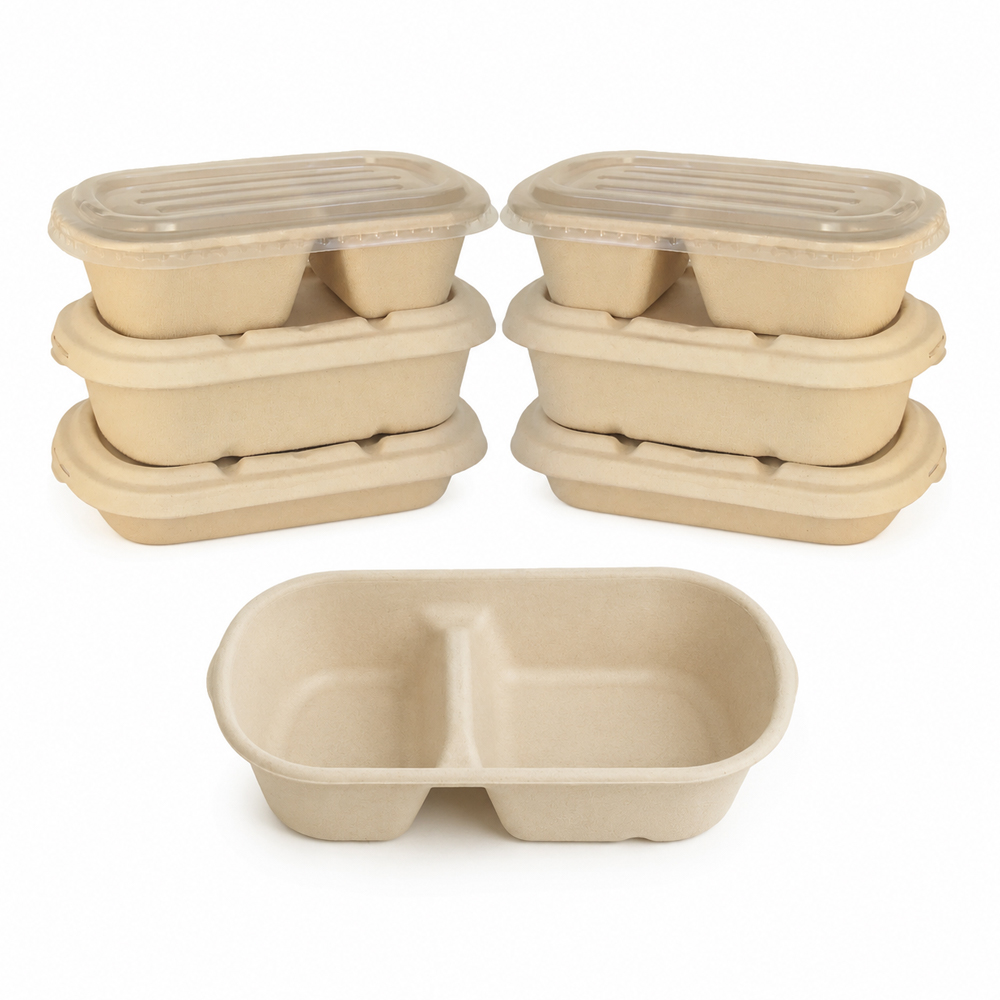
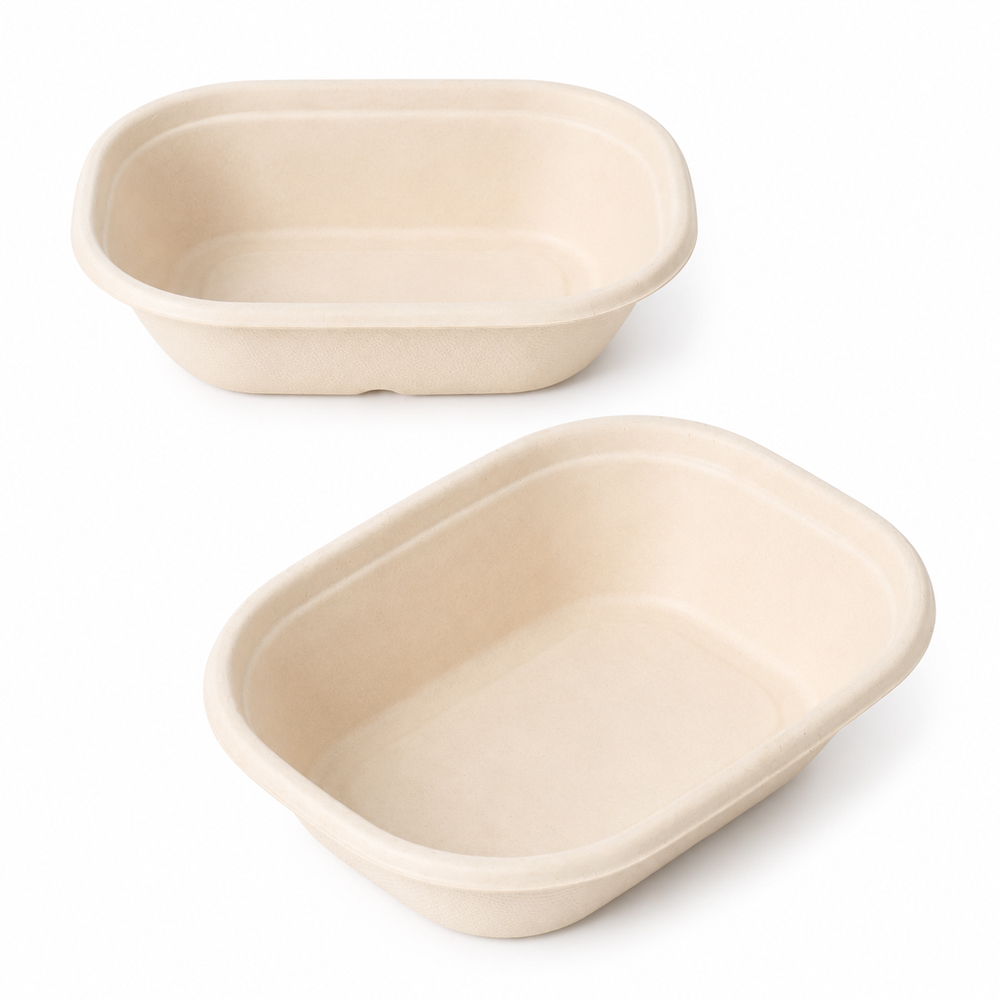
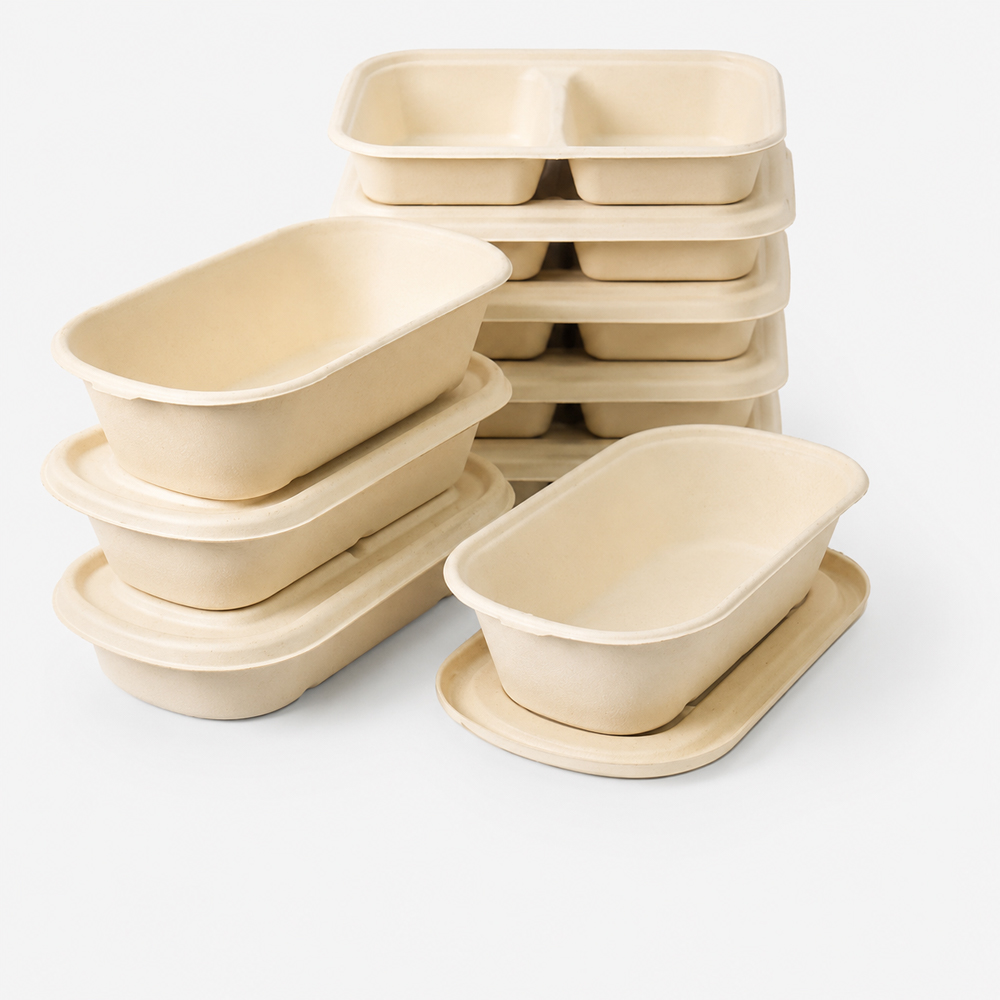
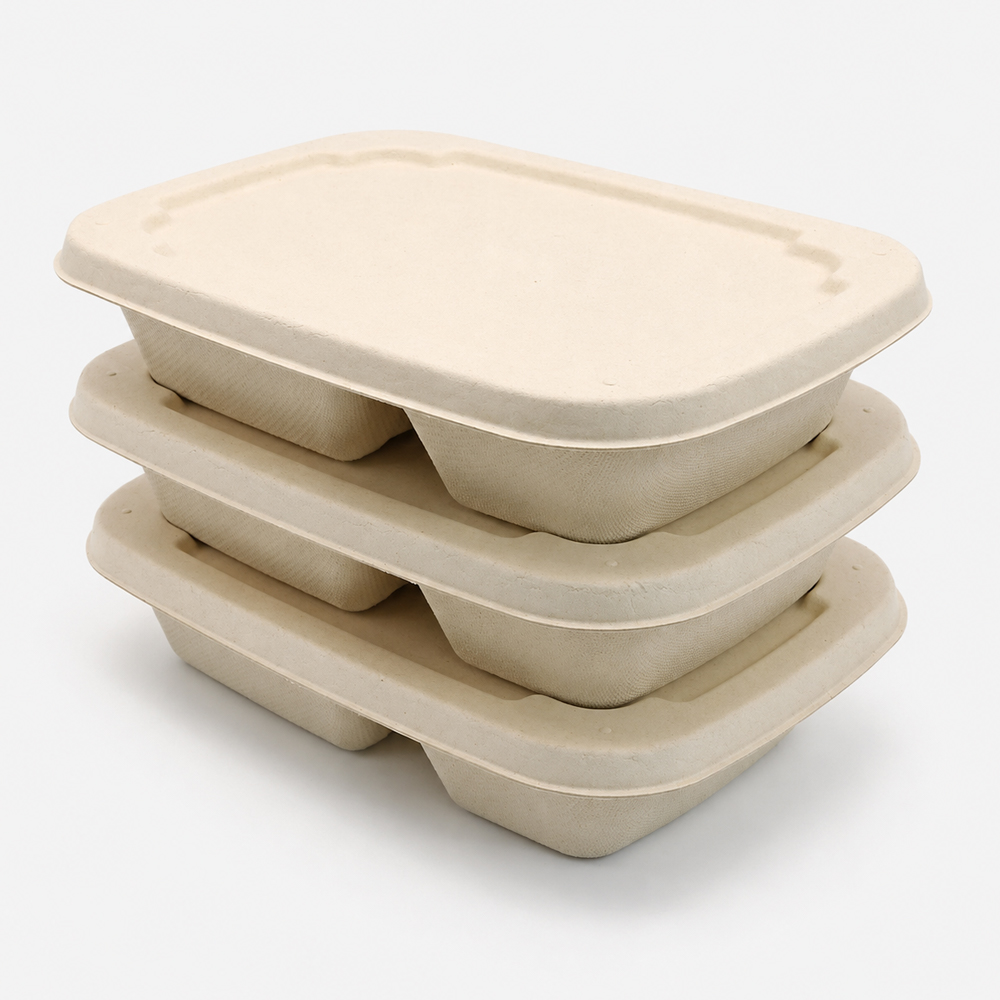
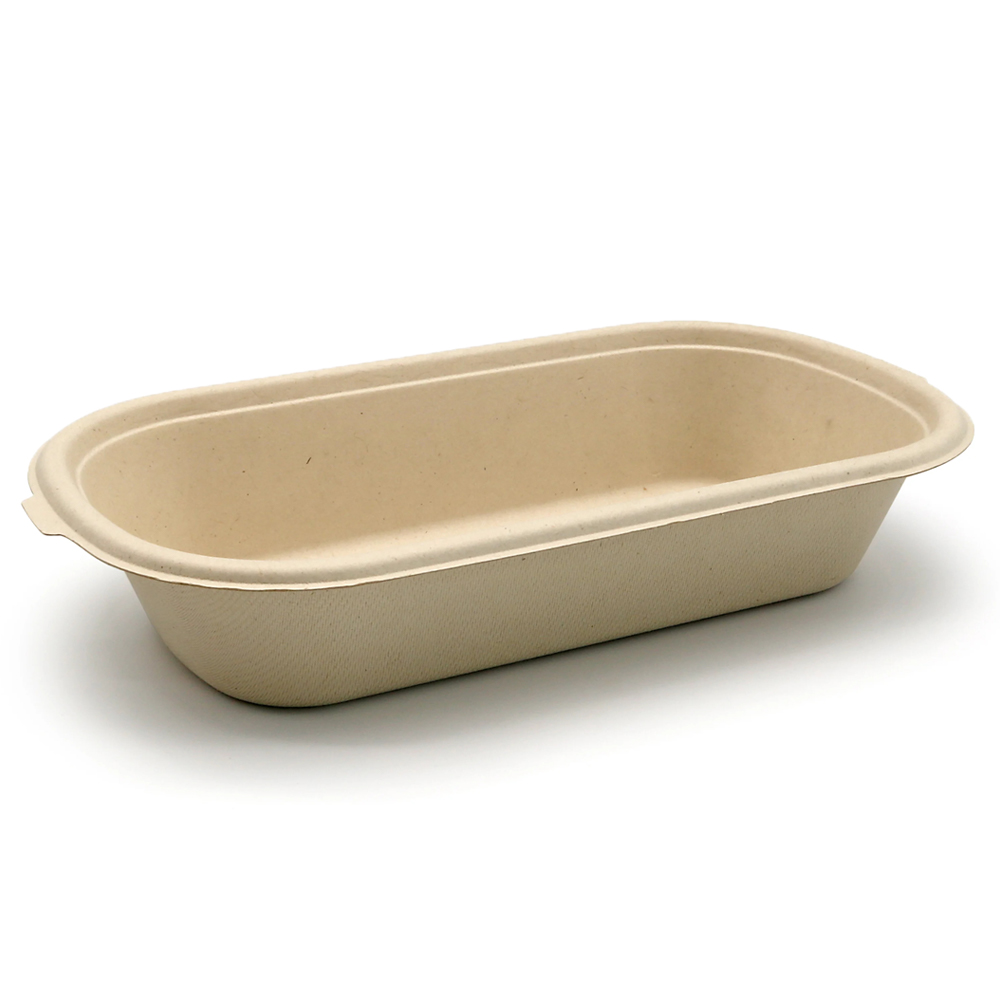
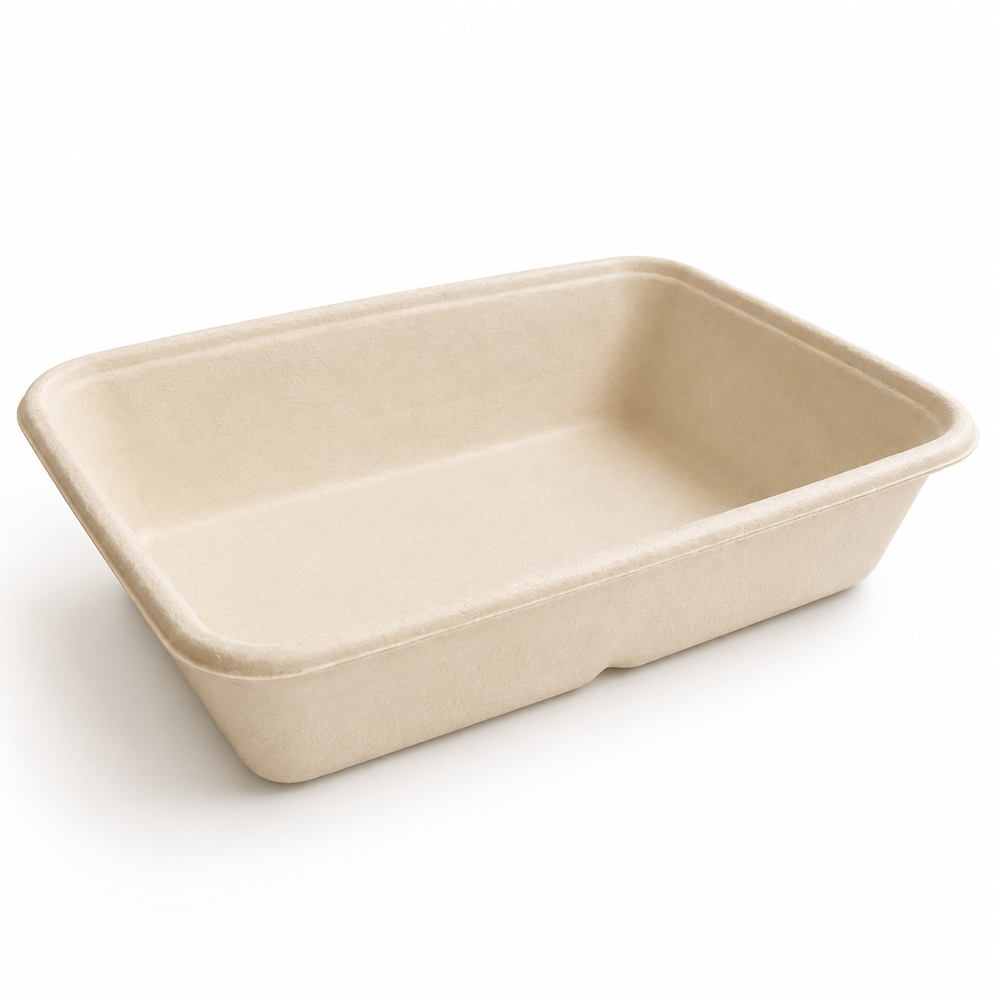
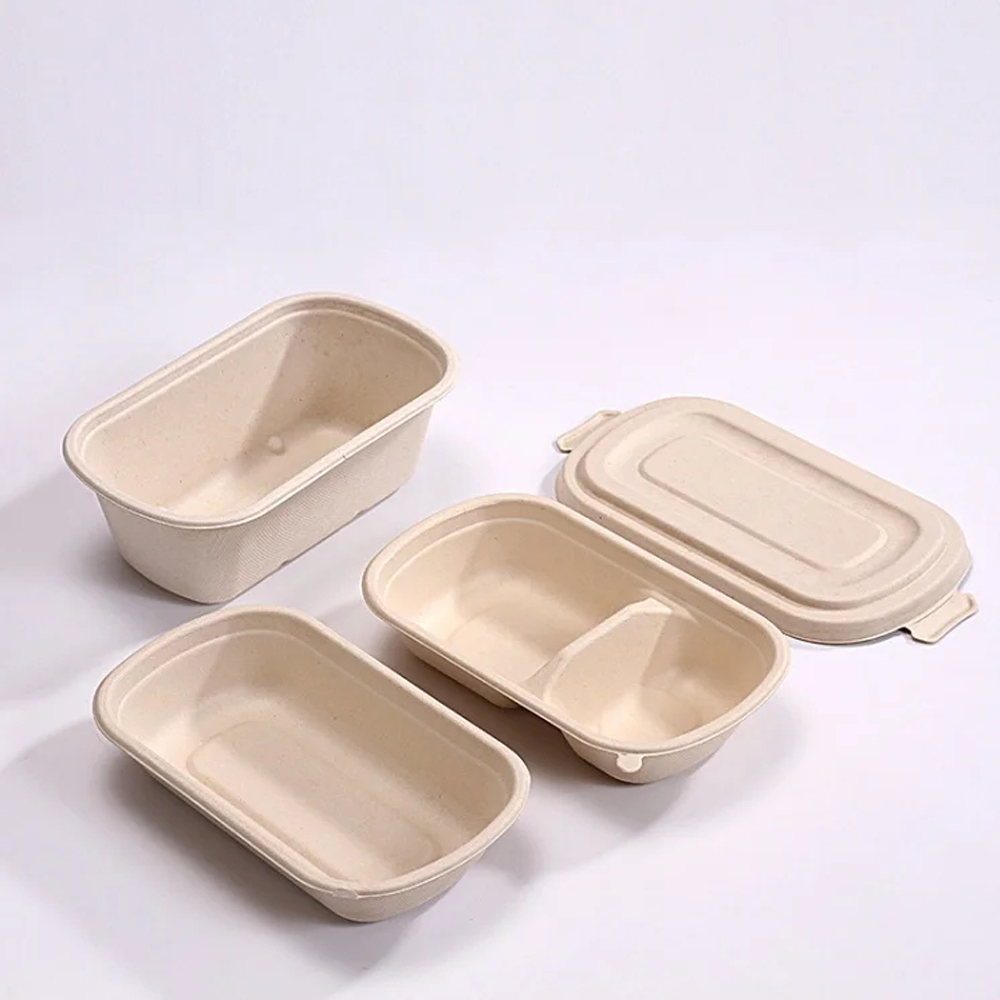
Bagasse tableware is molded fiber food packaging made from sugarcane residue. XcelLink Ecopack supplies 200+ PFAS-free clamshells boxes, containers, plates, bowls, trays and sauce cups, backed by 50 automatic lines, OEM/ODM mold development, market-specific documentation and annual output above 60,000 tons.
Compare product structure, barrier performance, tooling cost, MOQ, compliance evidence and shipping terms before committing to a bulk foodservice packaging program.
- Free standard samples for product evaluation
- Typical MOQ: 30,000–50,000 pieces per SKU
- FOB standard; CIF and DDP quoted individually
- Certificate and test-report review by selected SKU
Procurement Snapshot
What Buyers Can Verify Before Placing a Bulk Order
Product Breadth
Annual Output
Automation
Global Reach
Recommended RFQ inputs
Product format, dimensions, estimated annual volume, destination market, food application, packing preference, required documents and delivery target.
Automatic Production Lines
Packaging-Site Quality System
Custom Sample-Mold Cycle
Primary Export Port
The Procurement Problem
“Compostable” Is Not a Complete Buying Specification
A low unit price can become expensive when the selected SKU fails the food application, the certificate does not cover the mold, custom tooling is budgeted late, or carton and loading data are unclear.
The solution:
Approve the product, evidence pack, packaging configuration and logistics basis as one controlled sourcing program.
Unclear compliance scope
Logos alone do not show whether a certificate covers the exact SKU, mold, factory site, material formulation or destination-market requirement.
Control: certificate number + scope + validity + product match.
Barrier failure in real food
Oil resistance, water resistance, microwave use and holding performance vary by SKU, formulation, food chemistry, temperature and contact time.
Control: sample tests with the buyer’s actual menu and route.
Tooling economics hidden too late
Embossed logos and new structures require dedicated molds. Low-volume custom projects can become uneconomical when tooling is not assessed before artwork and launch planning.
Control: choose standard mold, logo mold or full new mold early.
Freight cost without cube planning
Carton count, nesting height, pack quantity and mixed-SKU loading influence landed cost. A cheap piece price can still produce an inefficient container.
Control: compare FOB unit price and container-level landed economics.
One Category, Six Buying Programs
Sugarcane Bagasse Tableware Product Range
Select by structural format and food application—not by “eco-friendly” language alone. Each category requires different checks for closure, rigidity, portion control, nesting and packing.
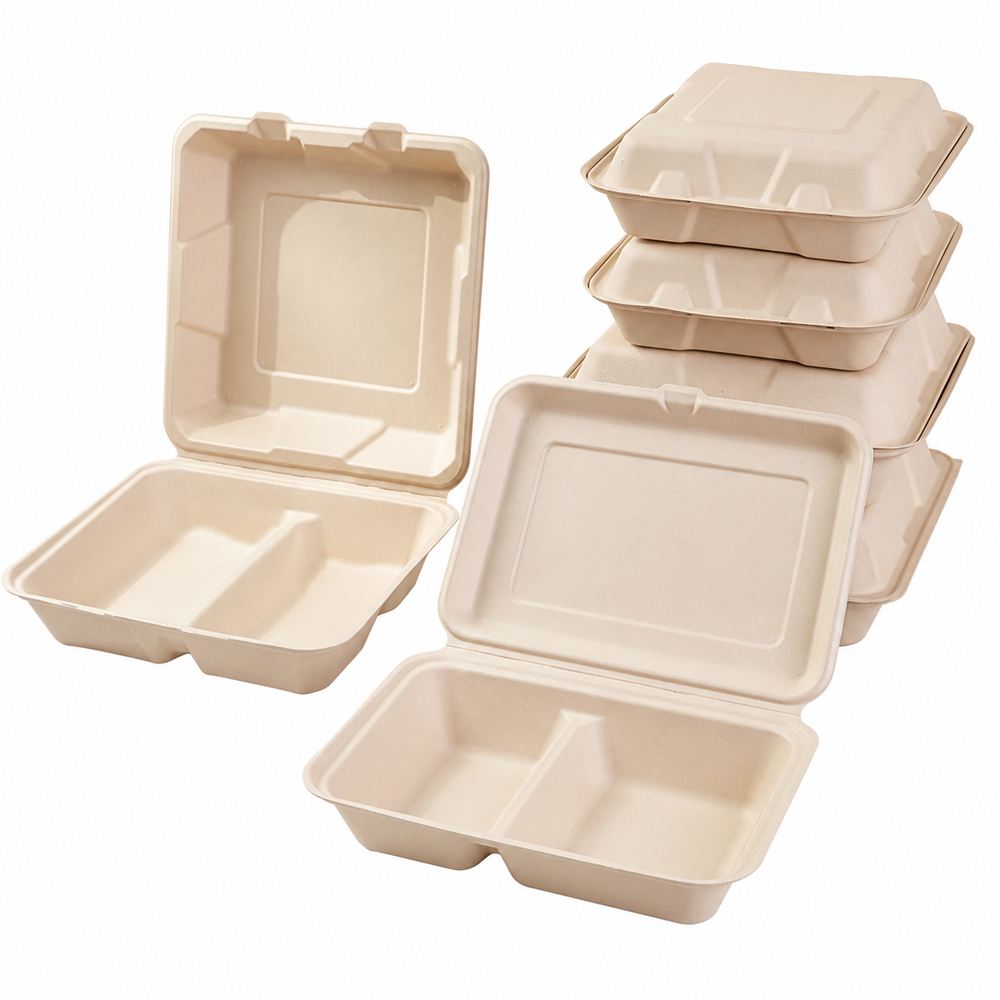
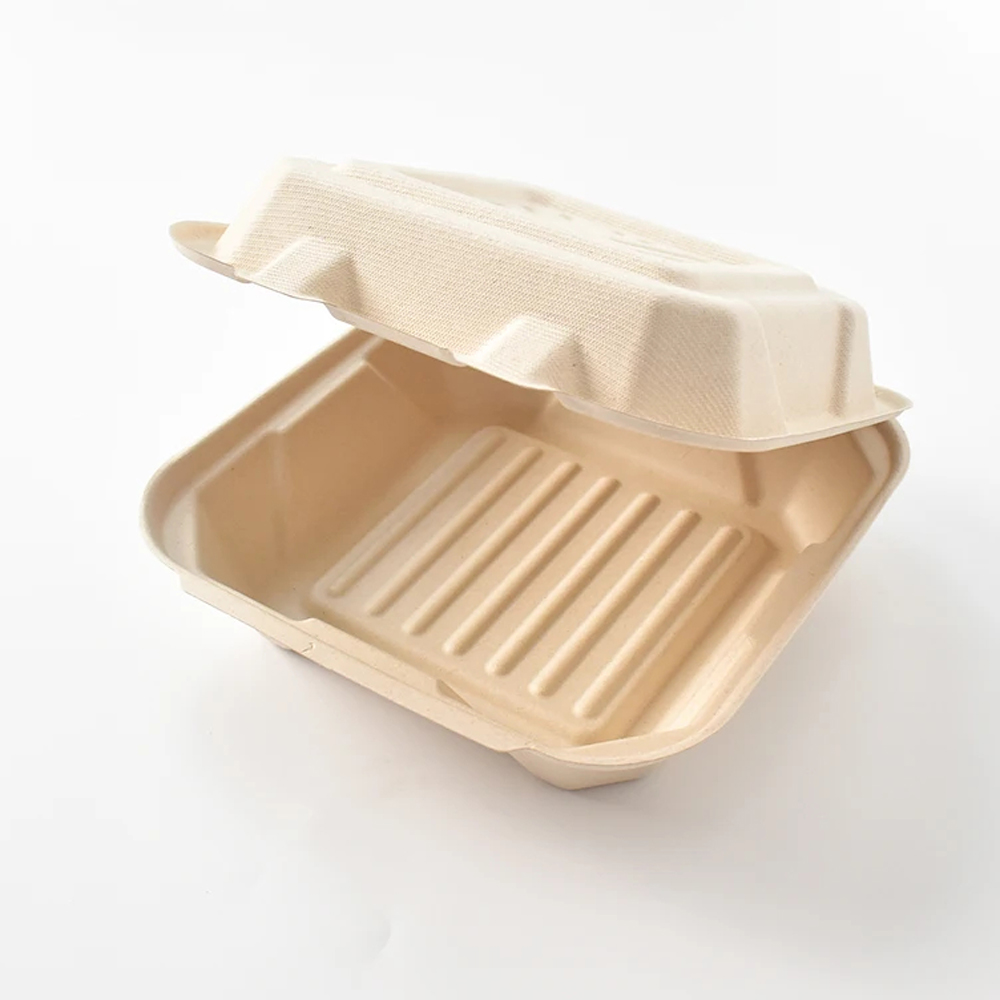
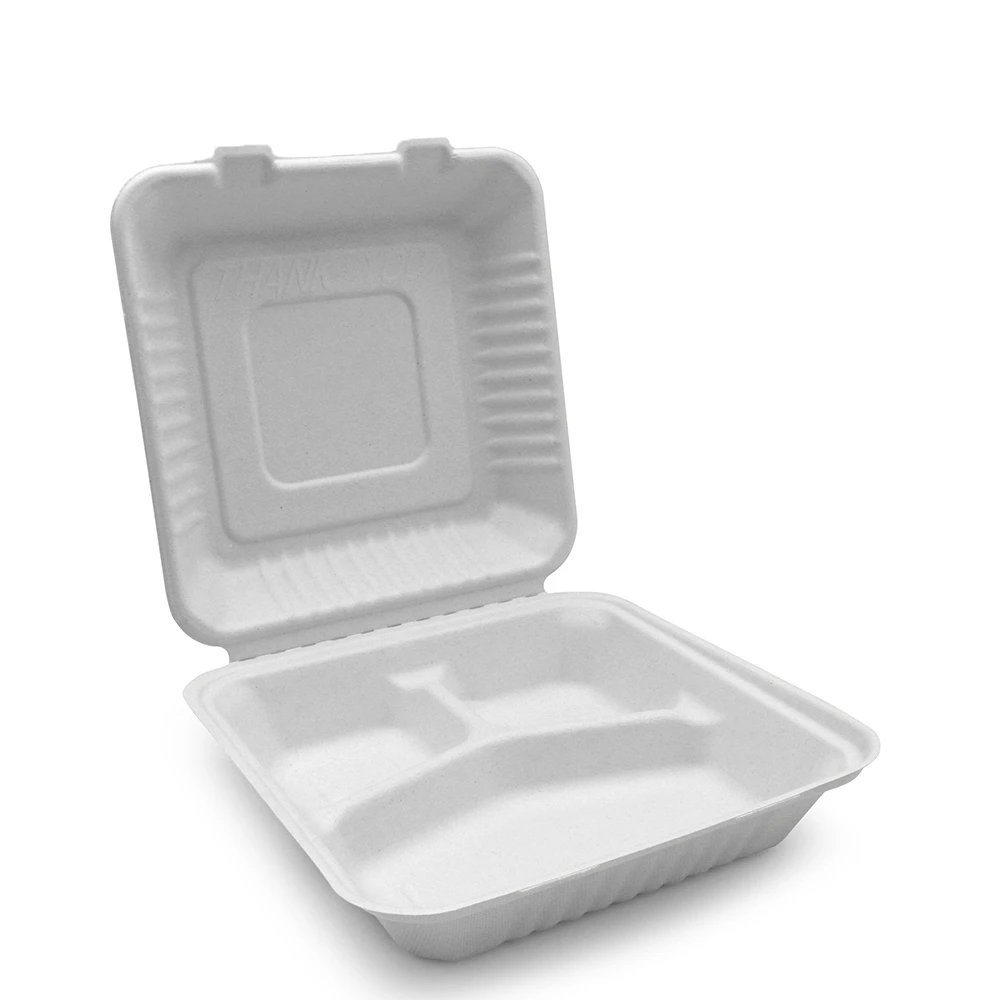
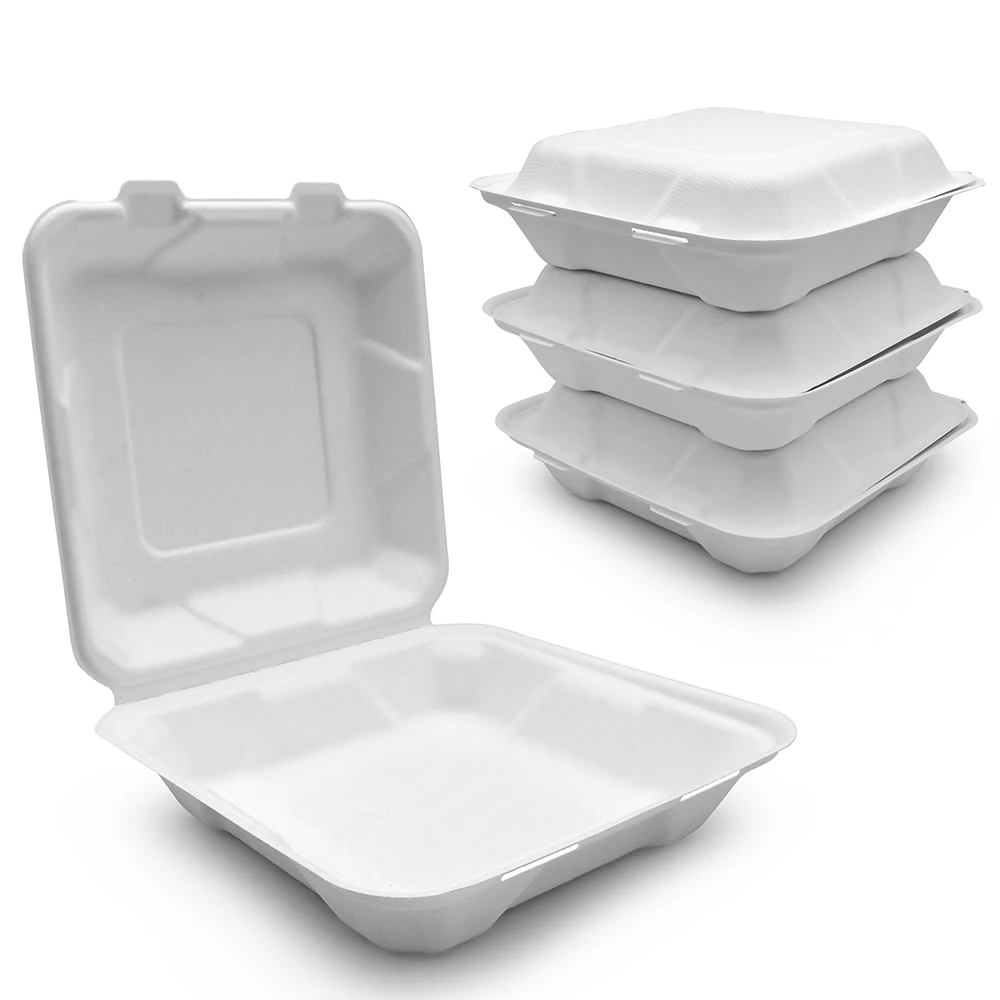
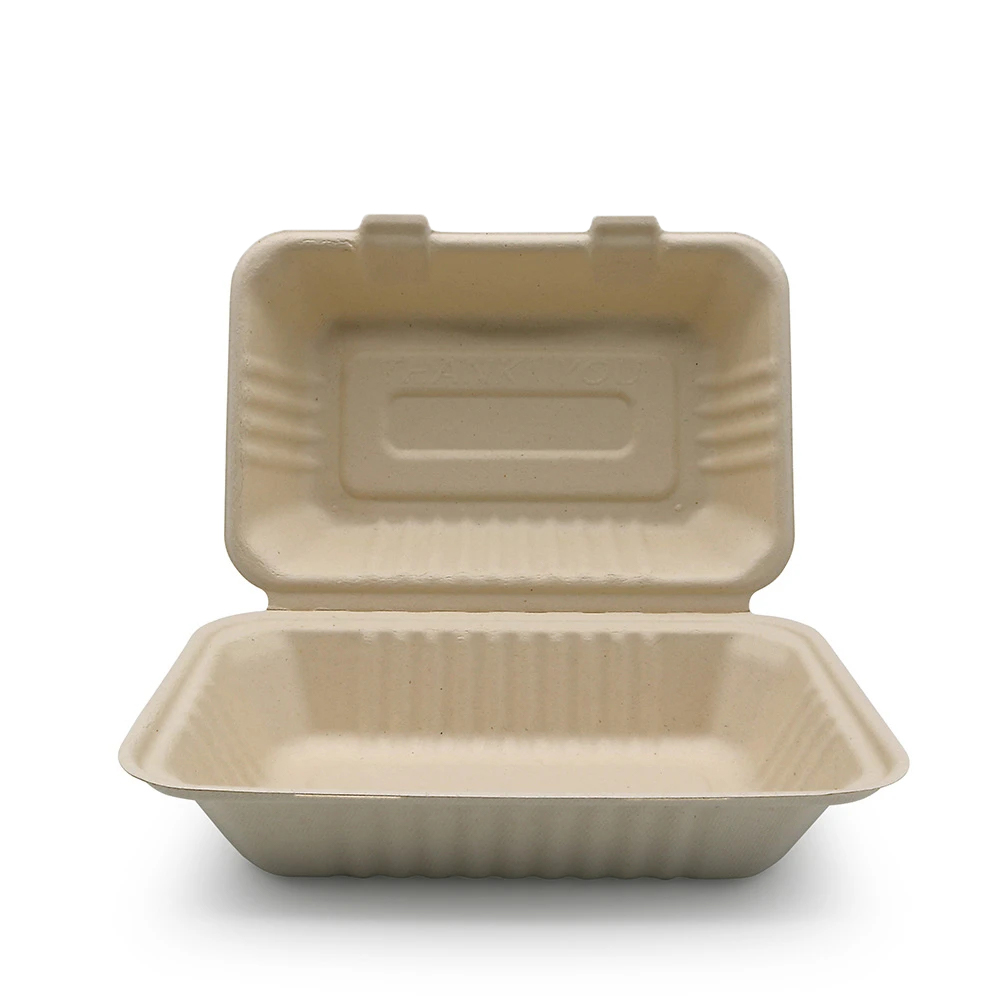
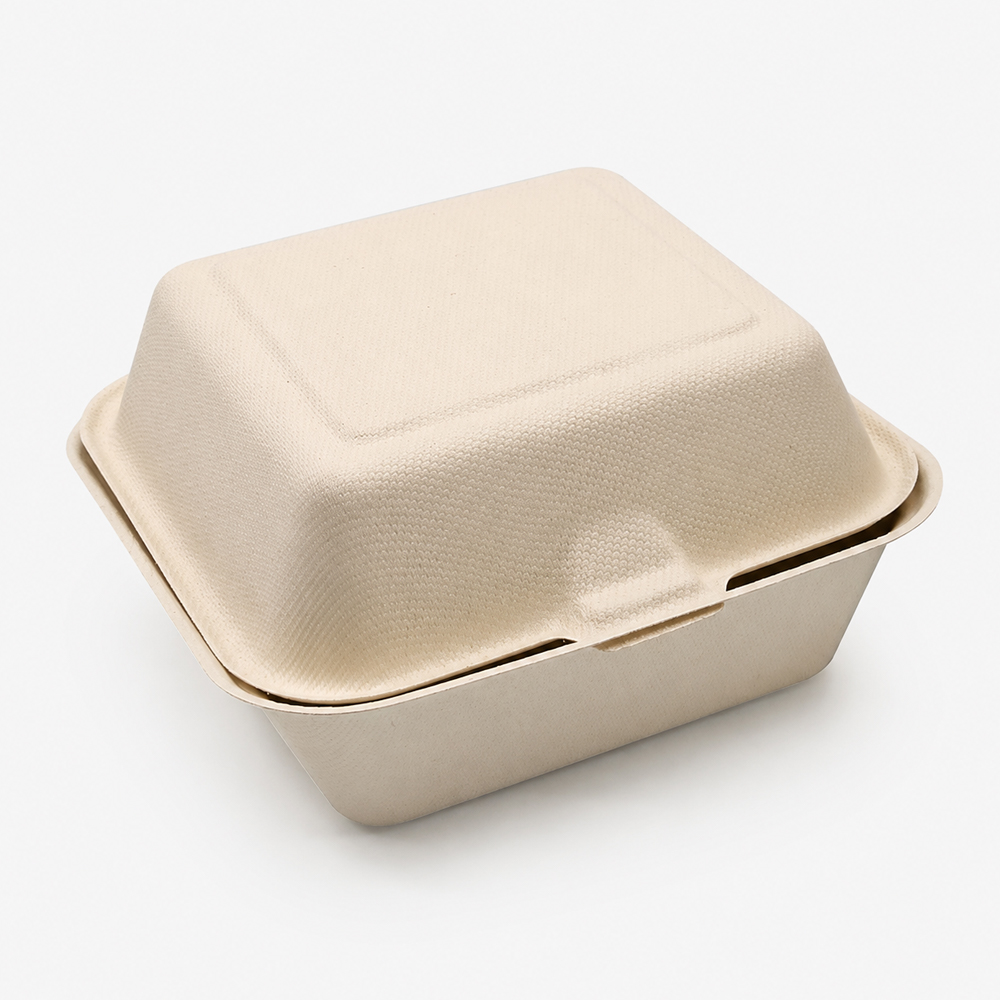
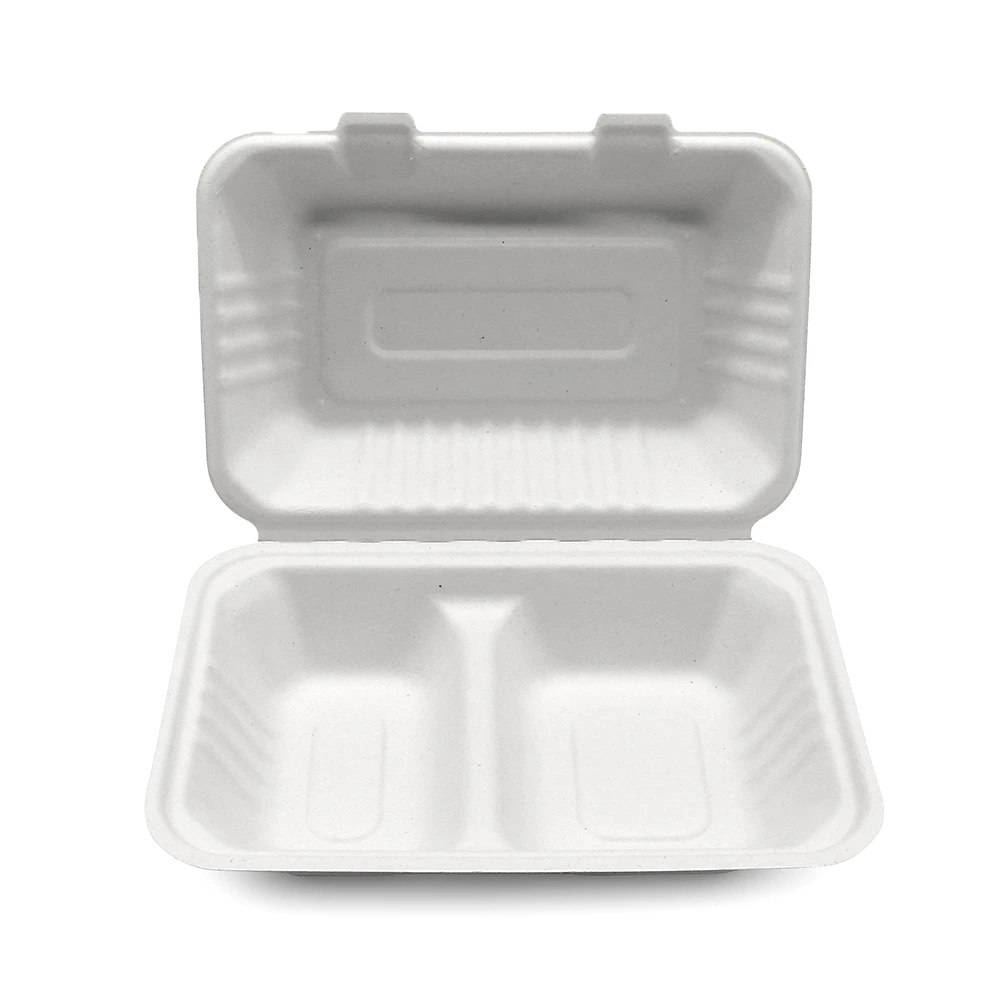
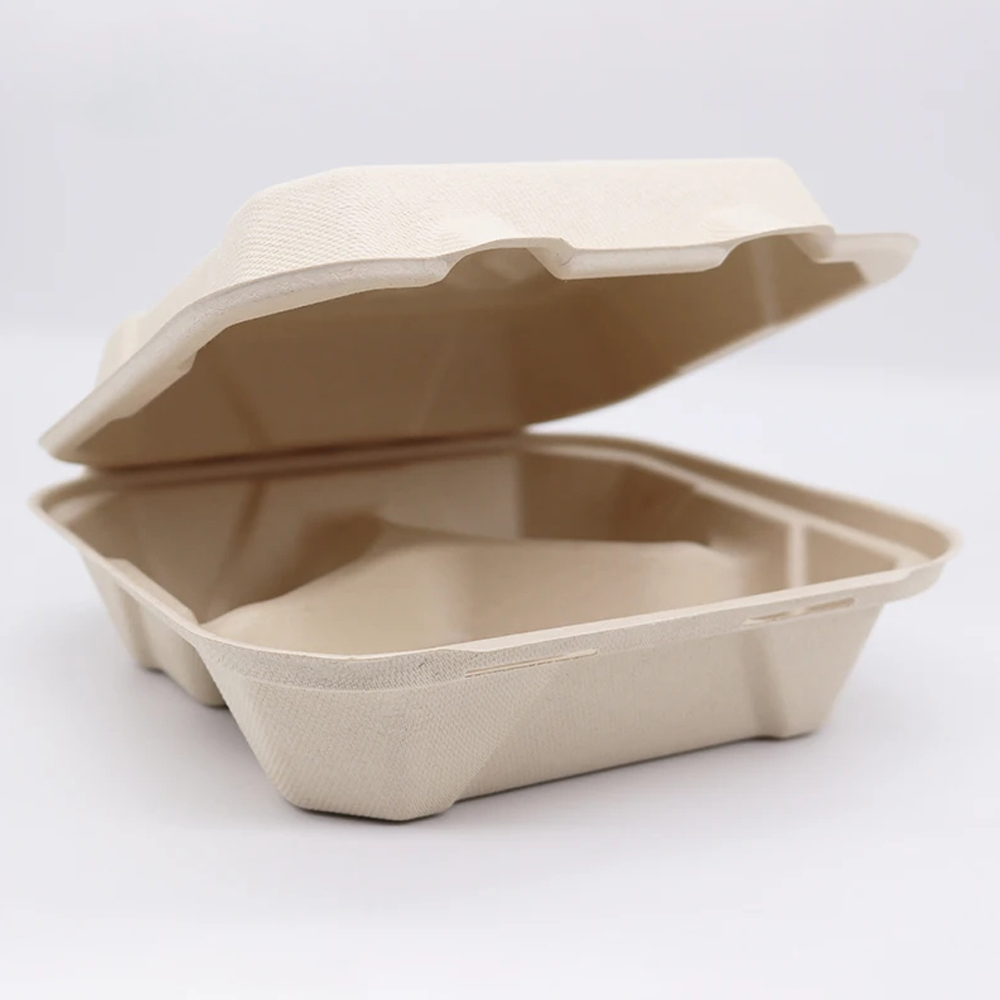
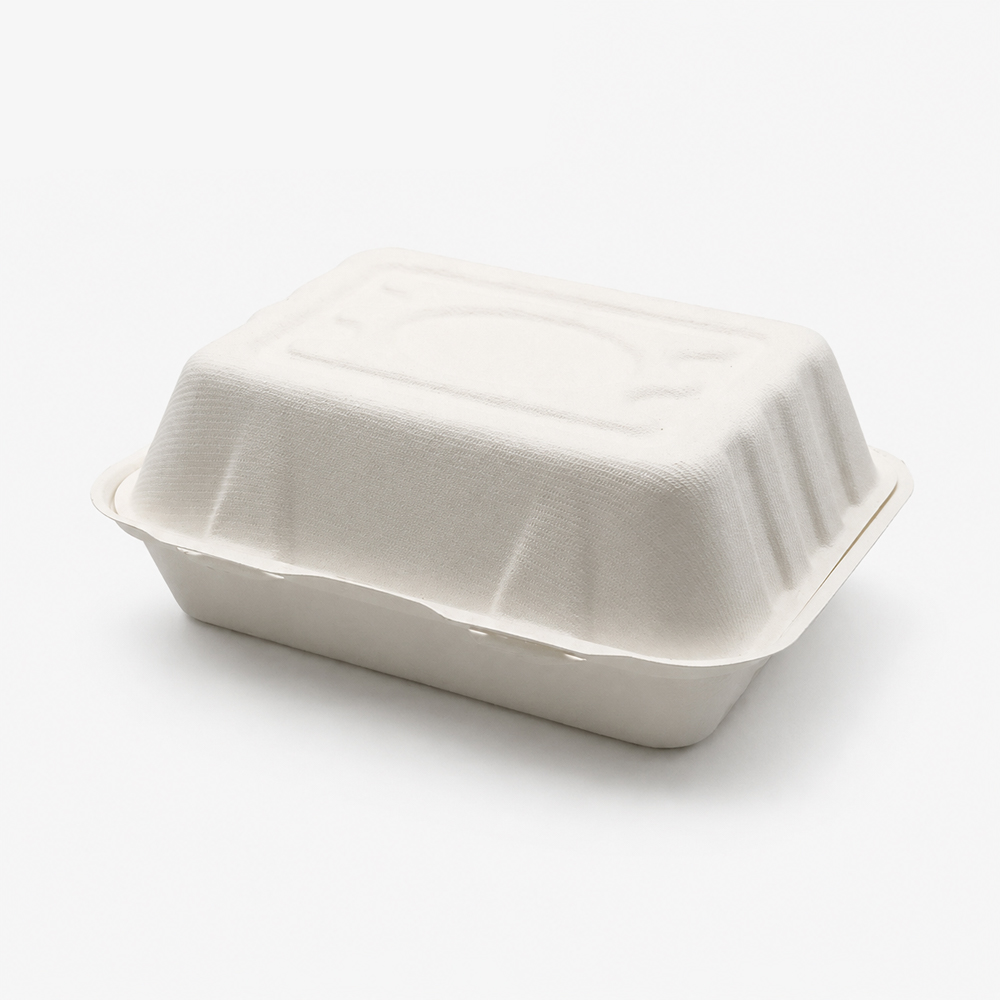
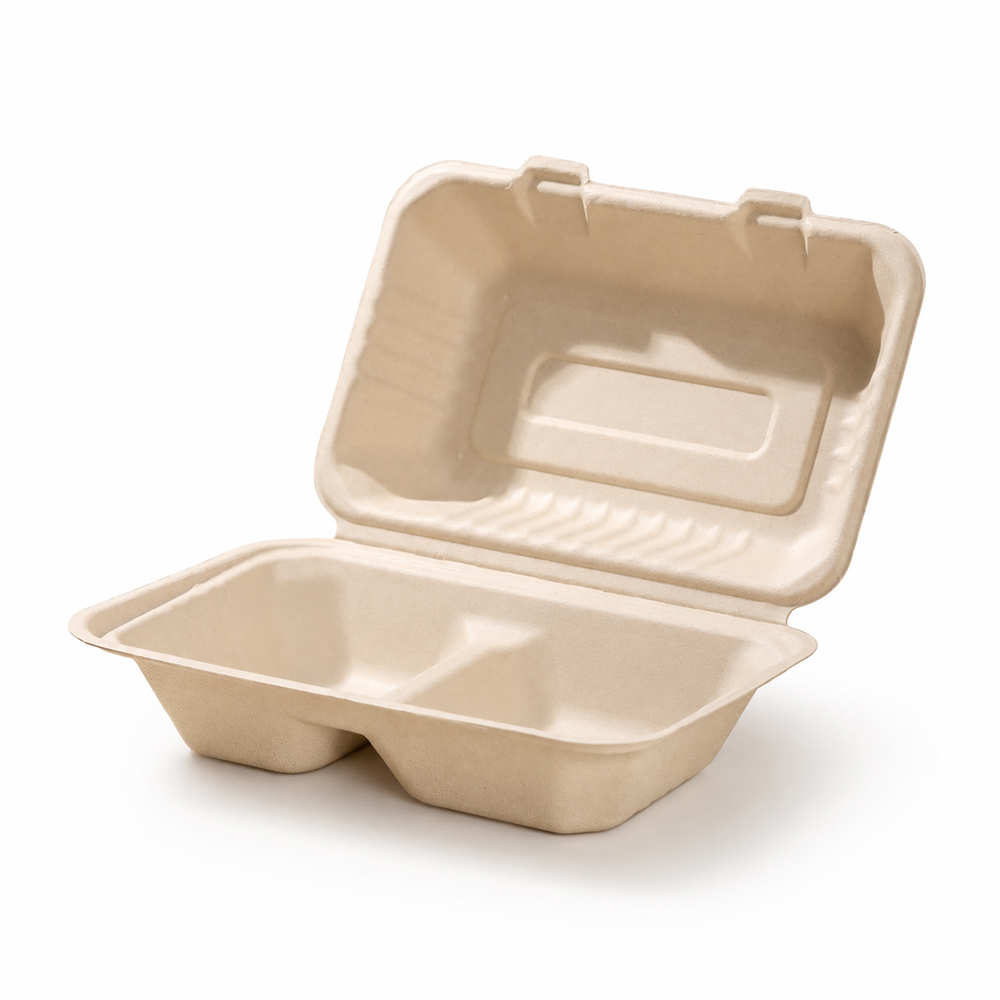
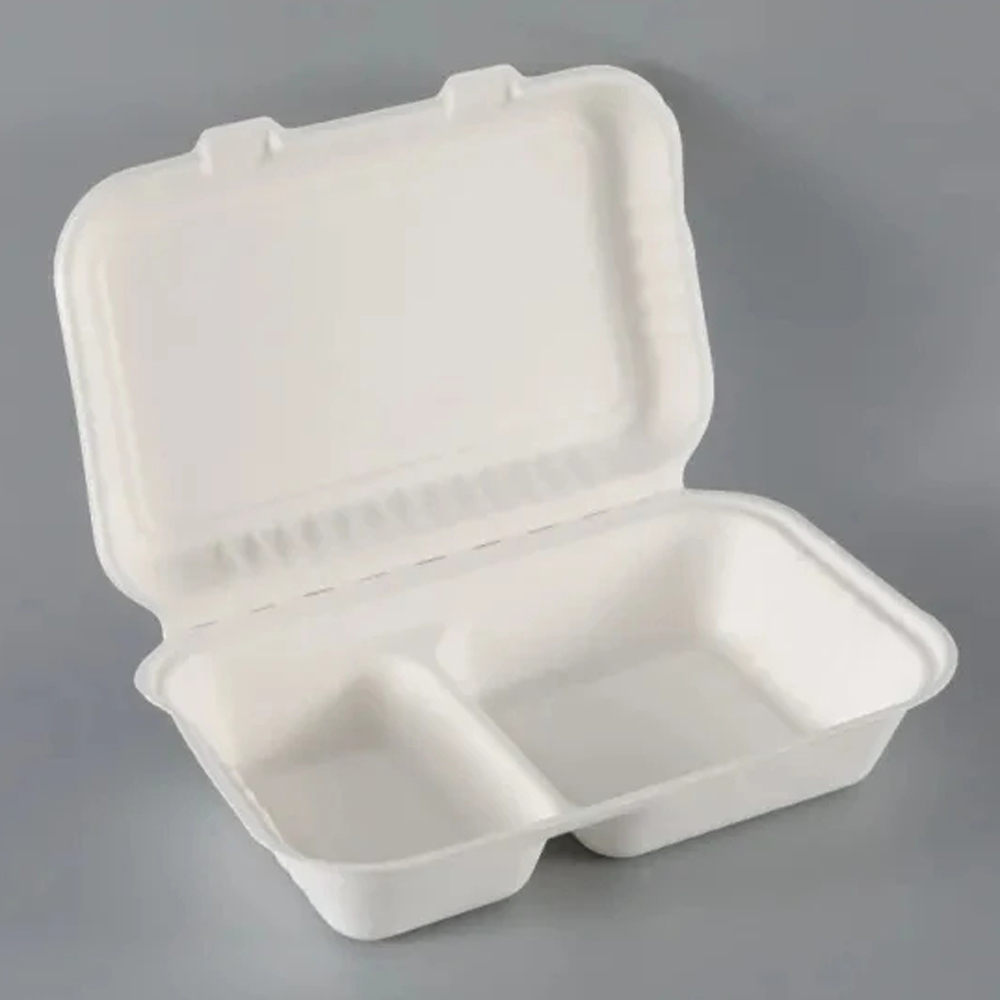
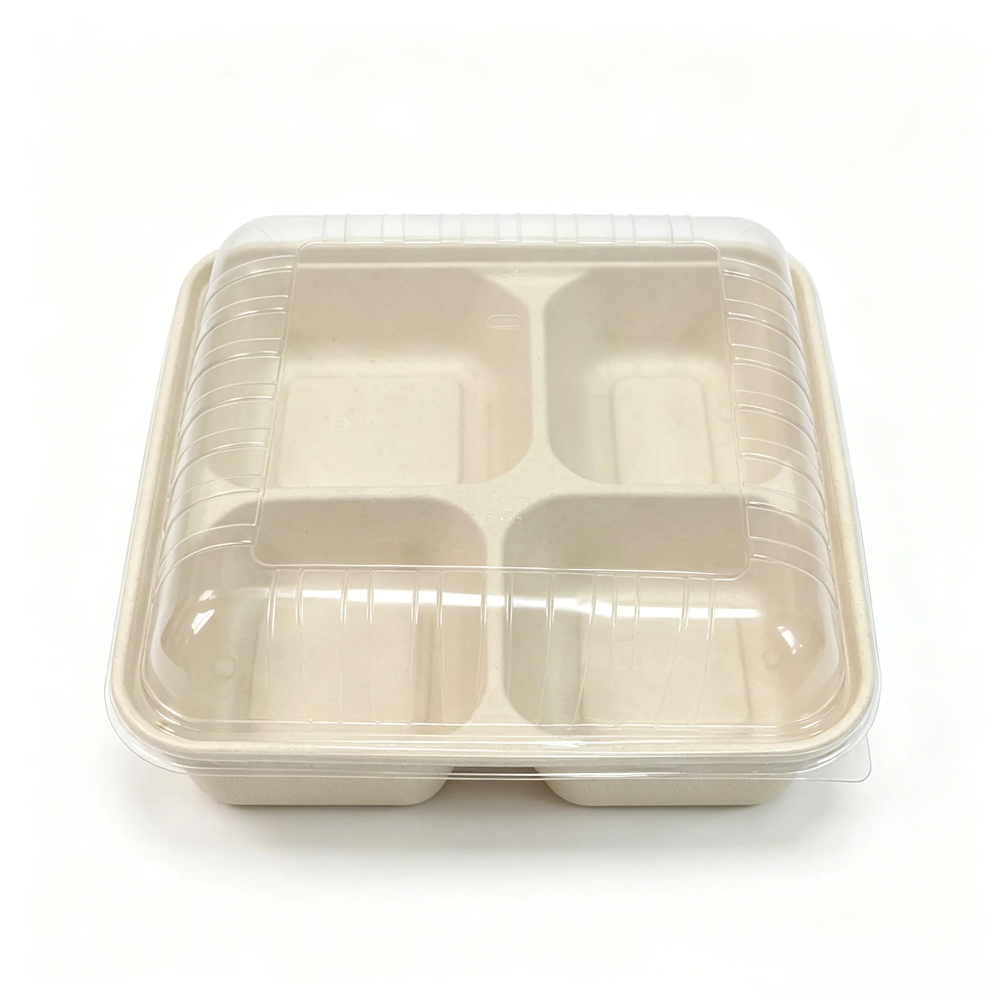
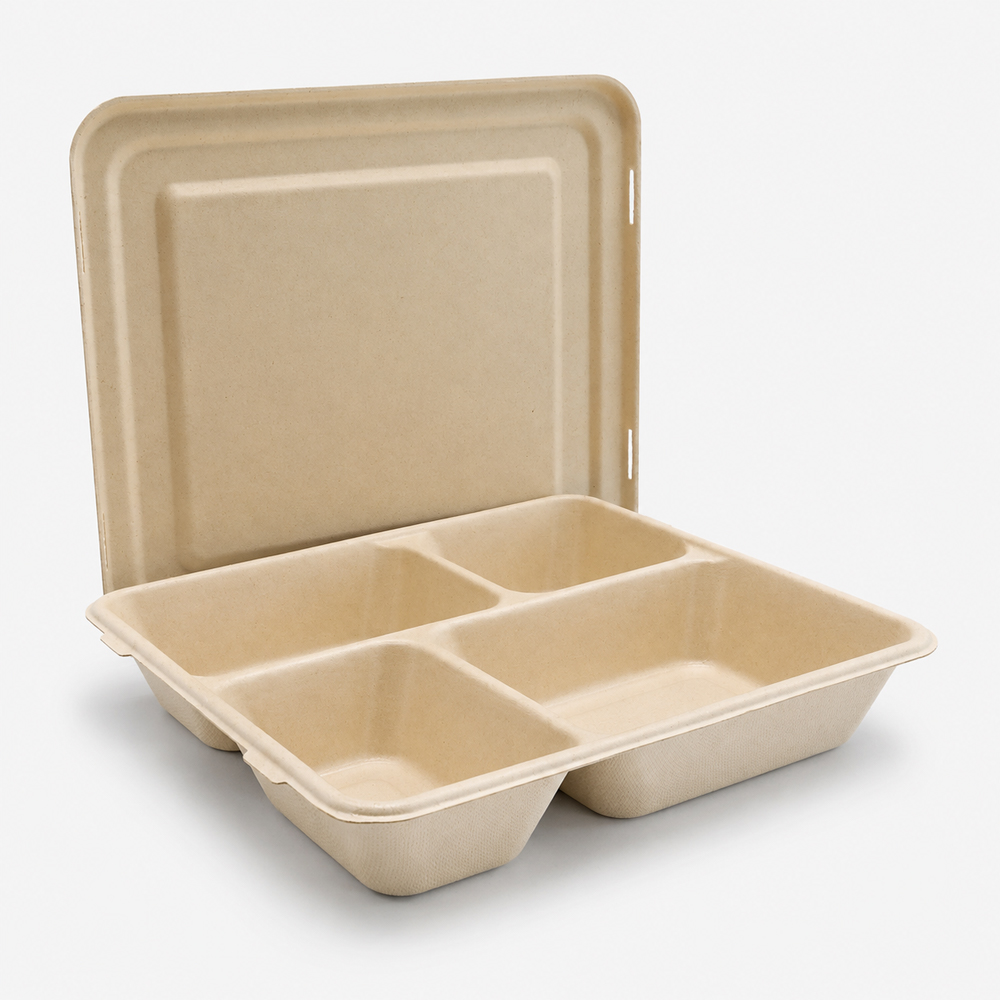
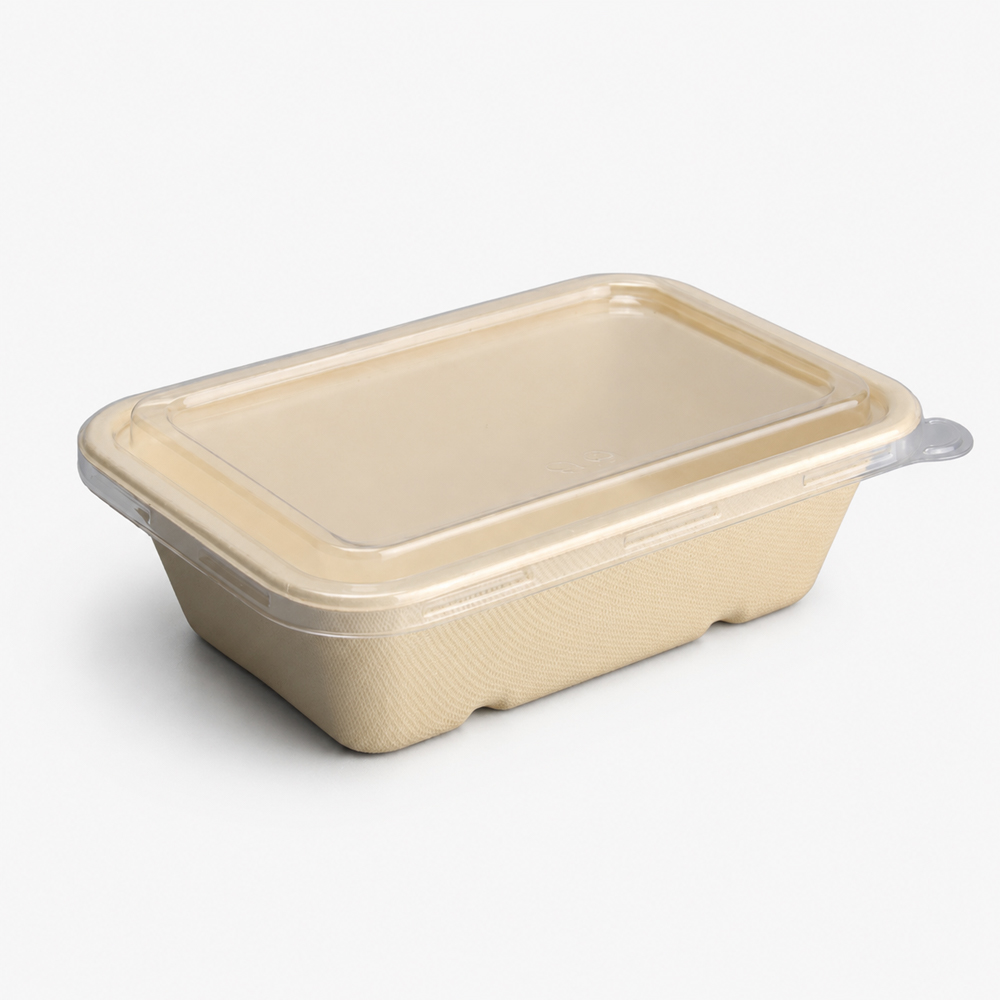
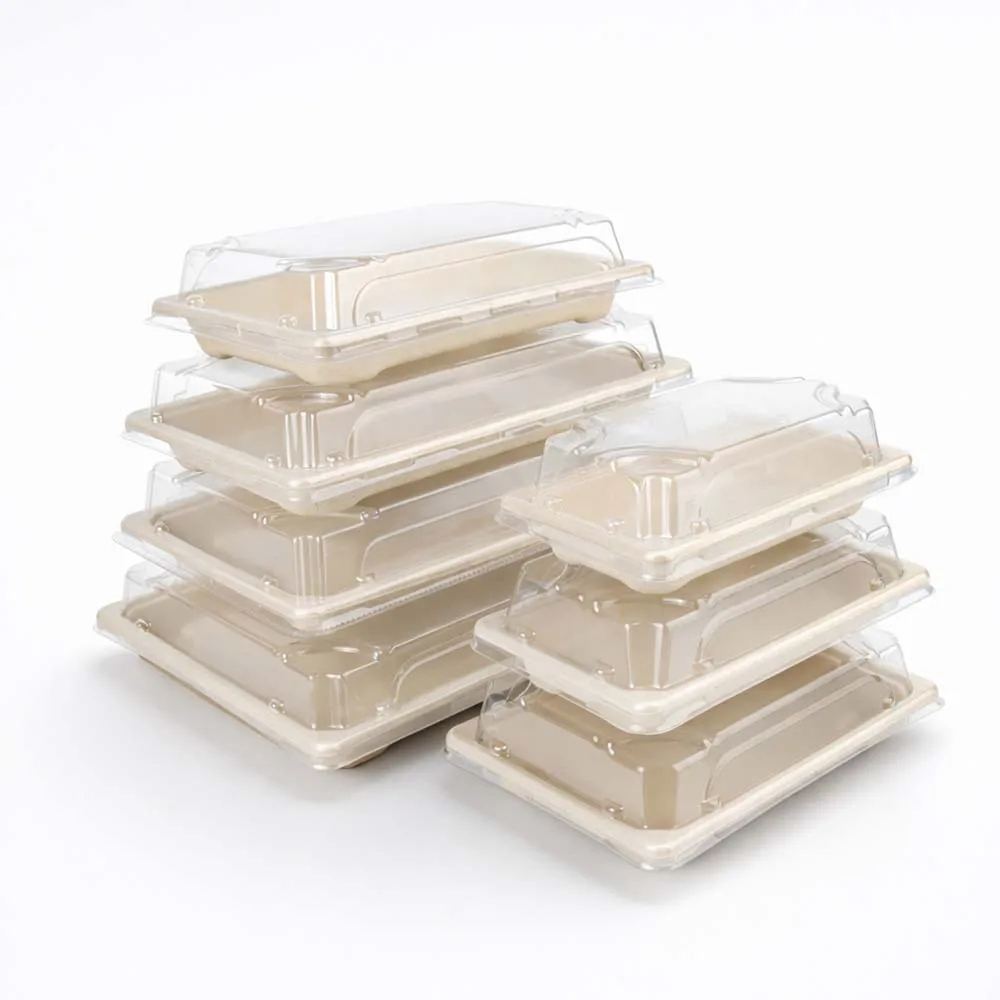
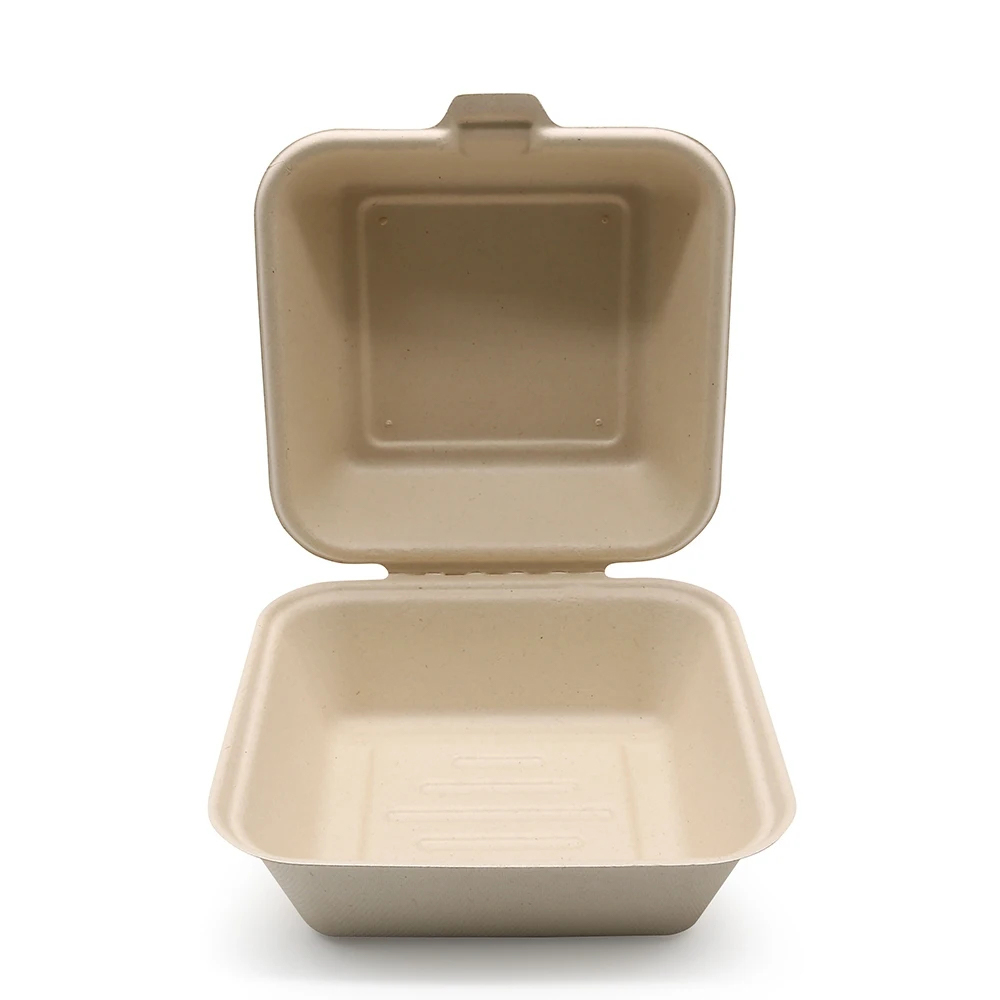
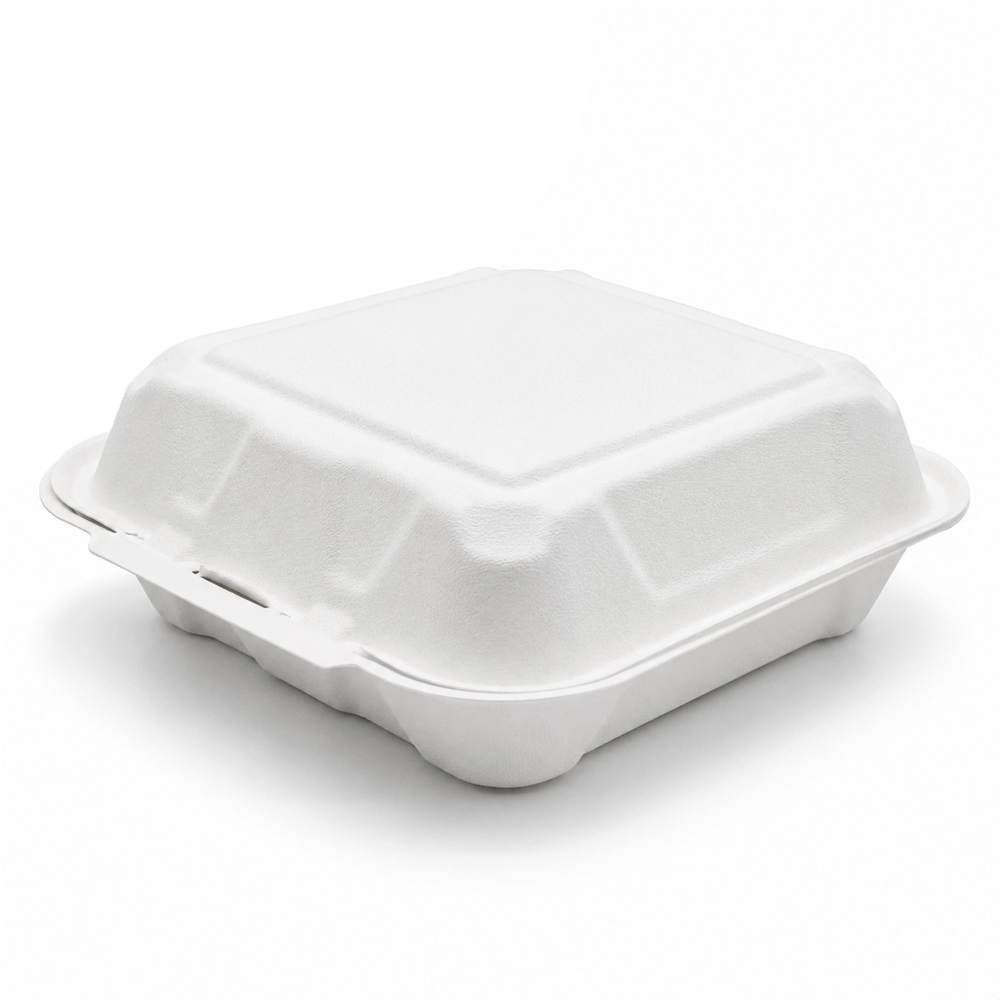
Single- and multi-compartment hinged formats for burgers, combo meals, rice dishes and takeaway service.
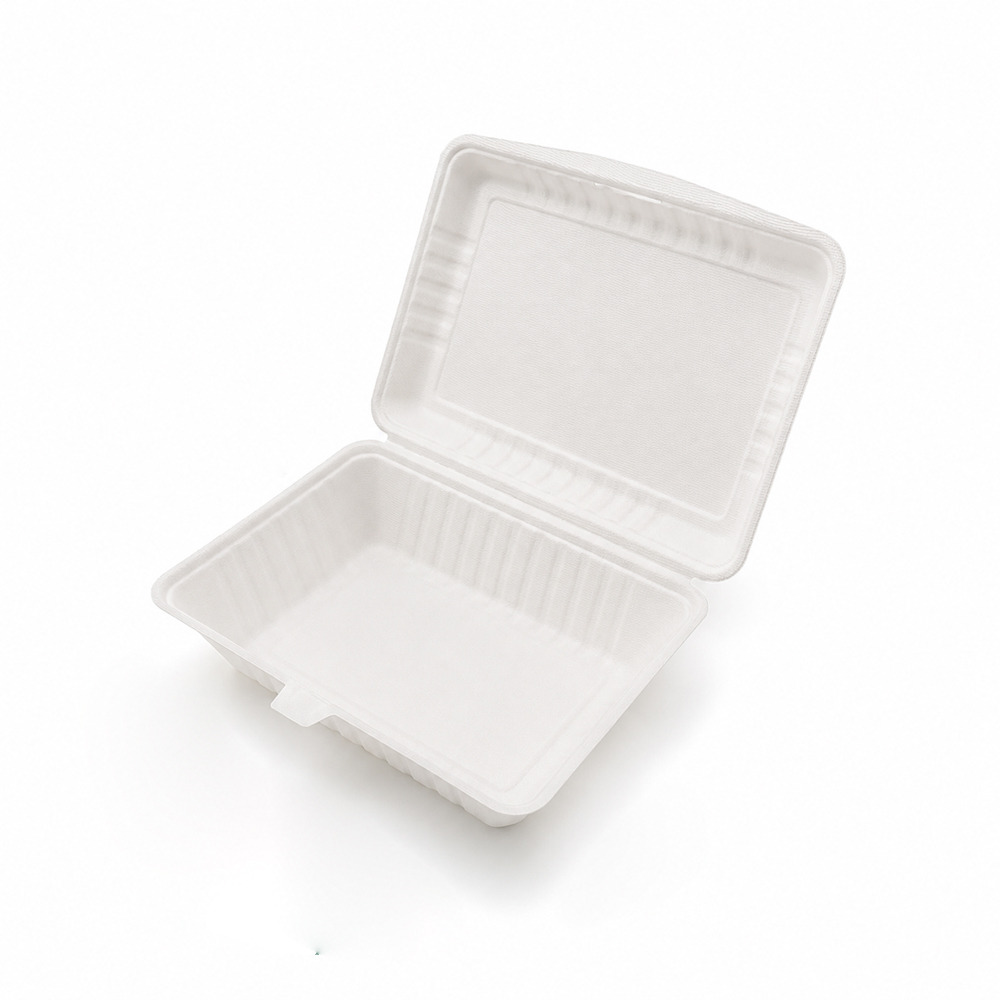
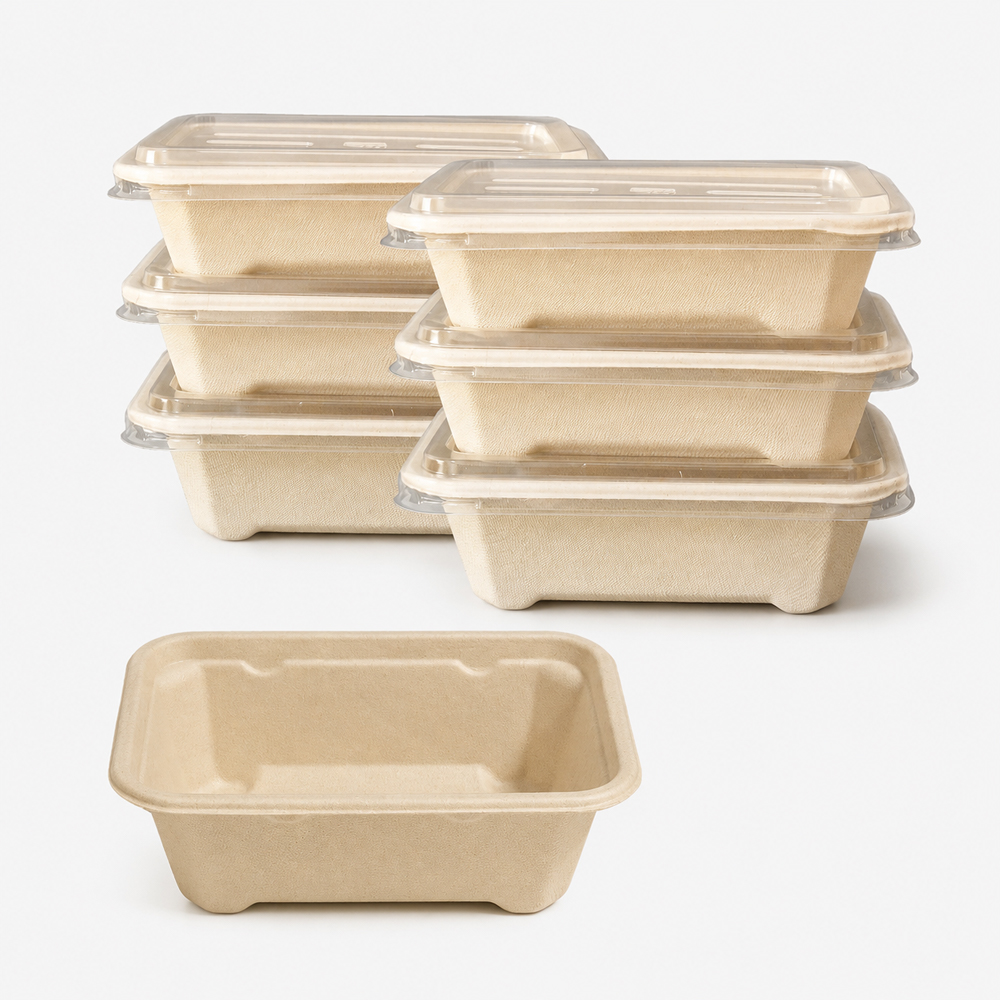
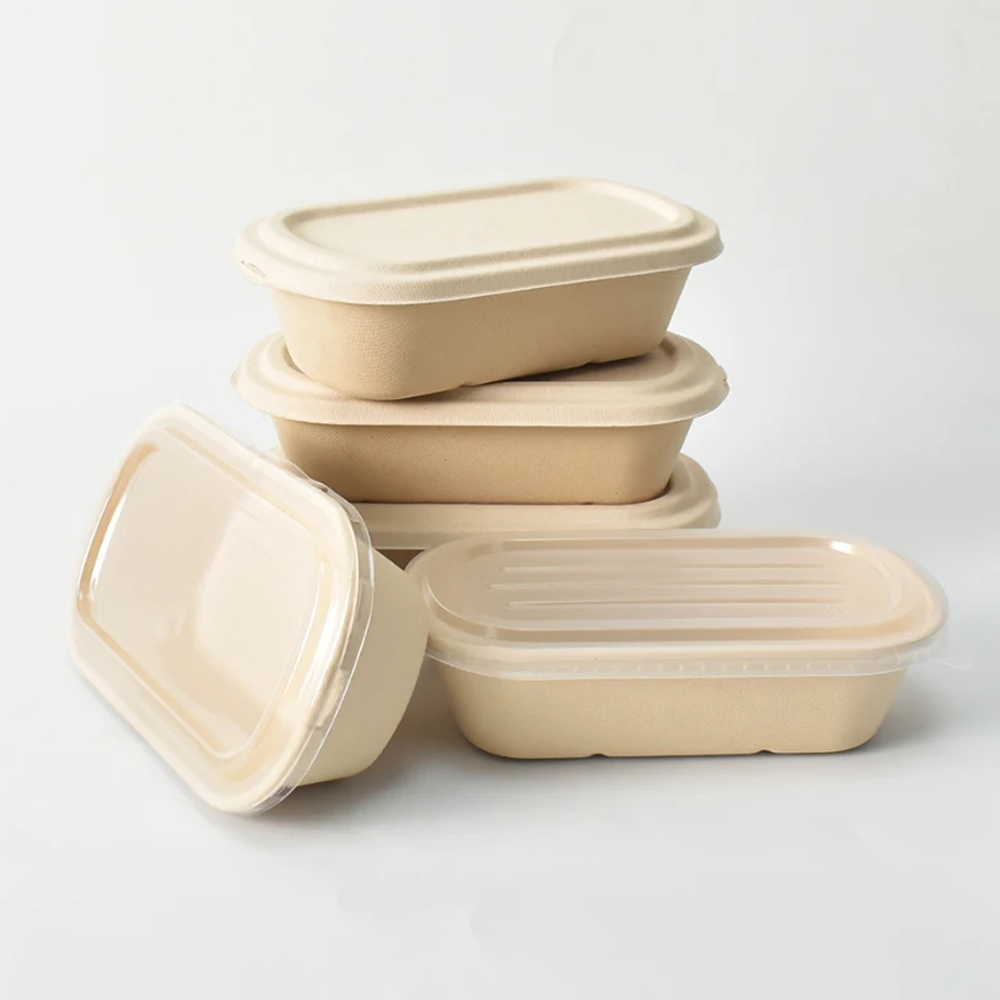
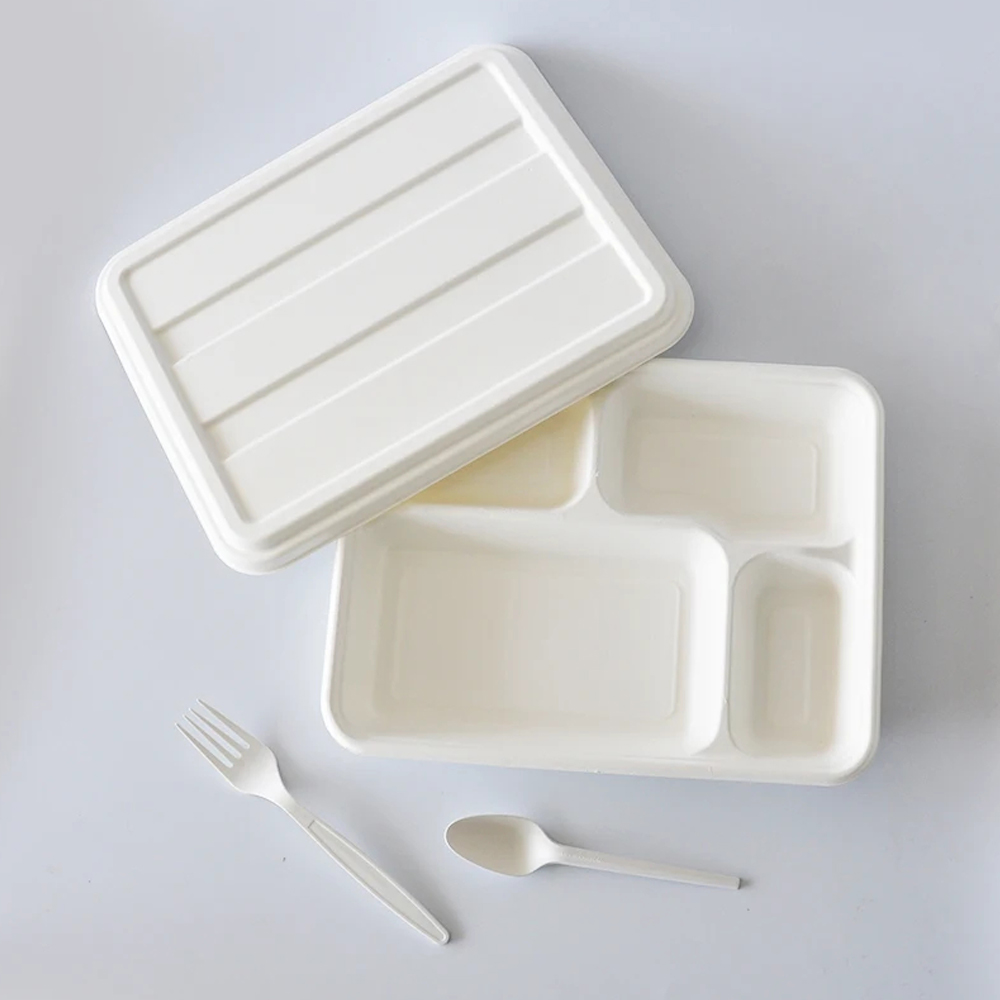
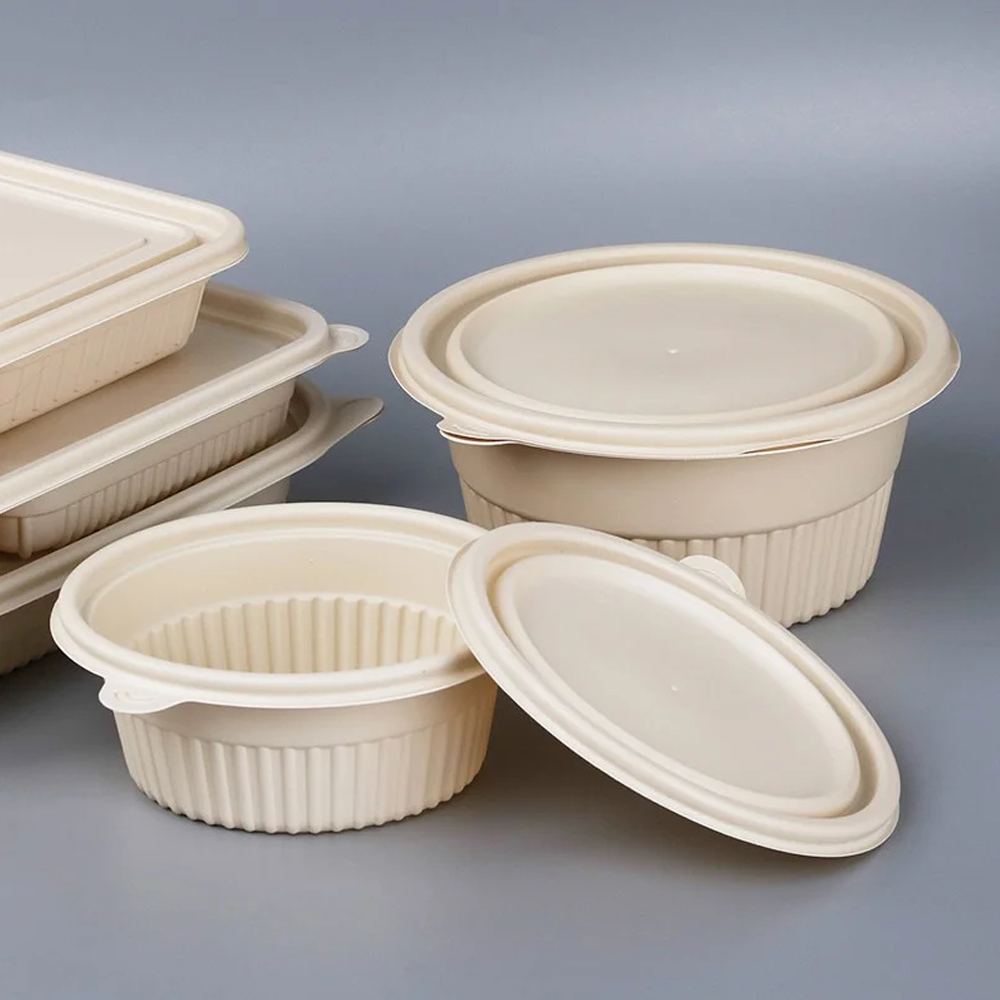
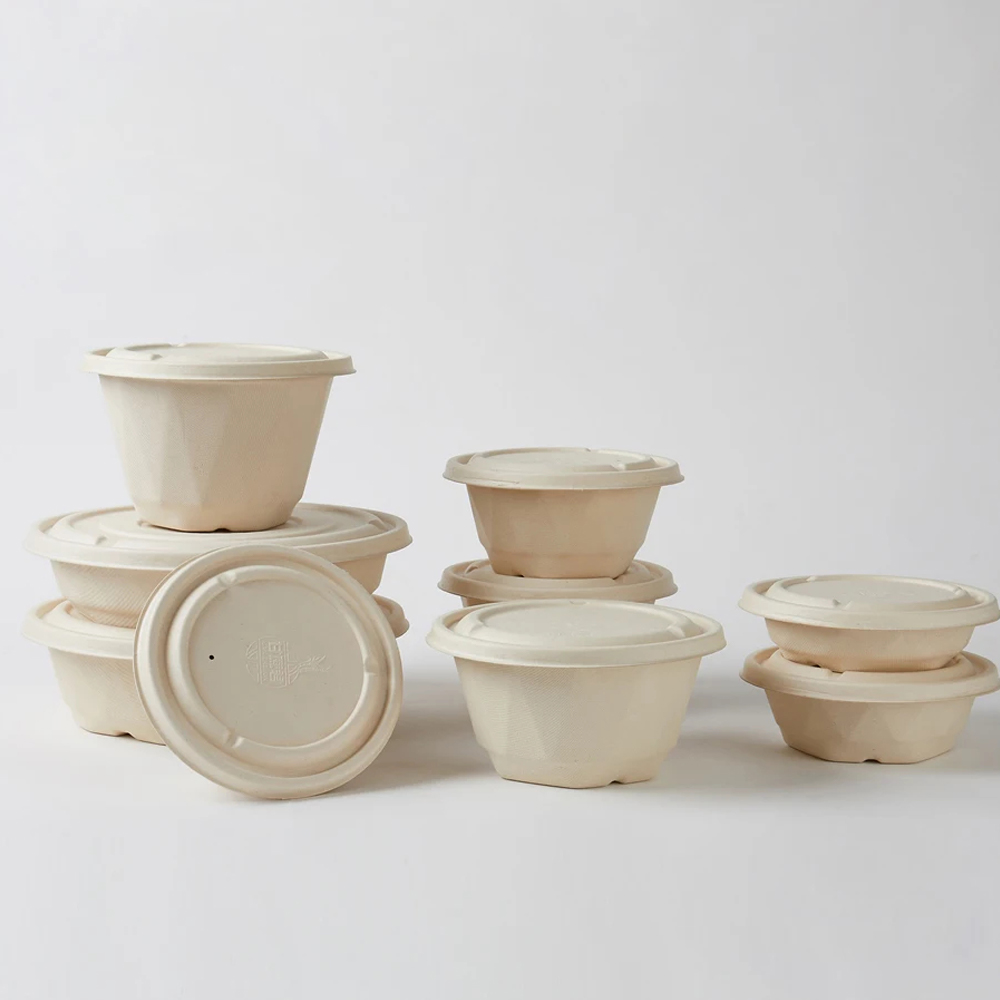
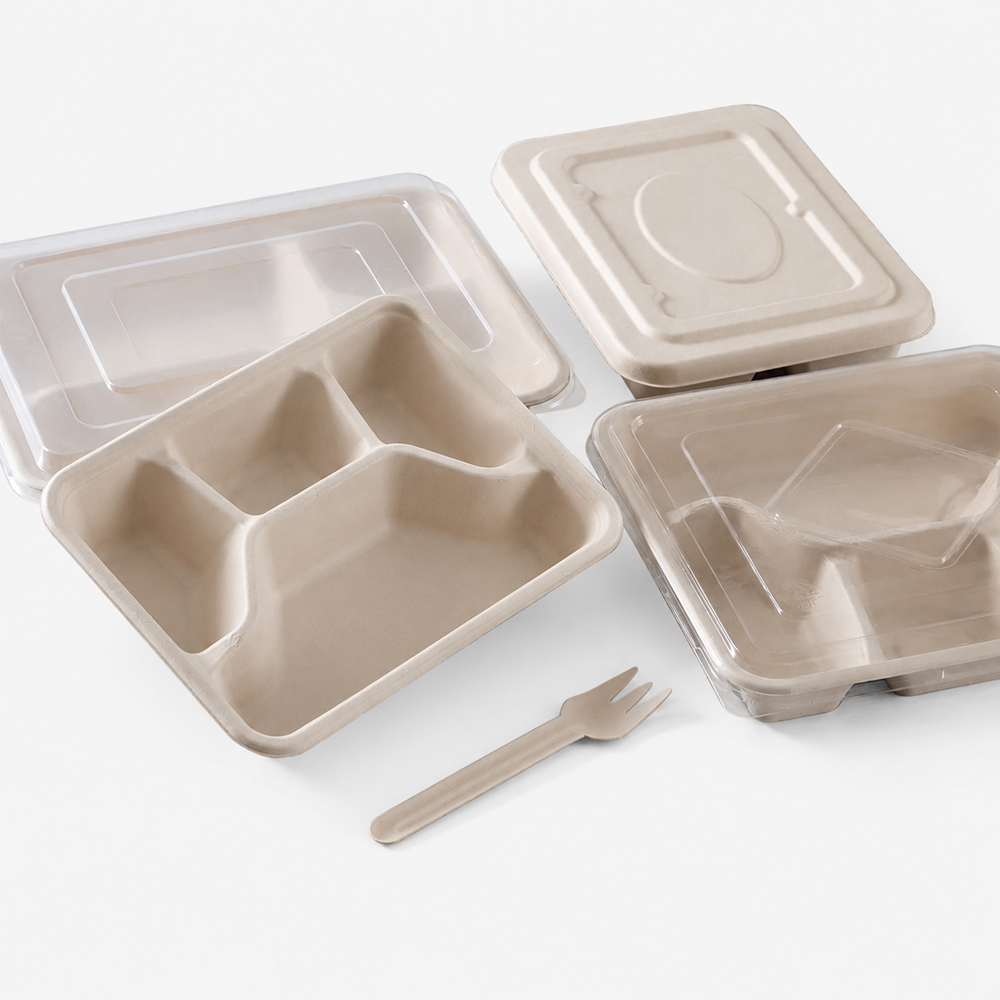
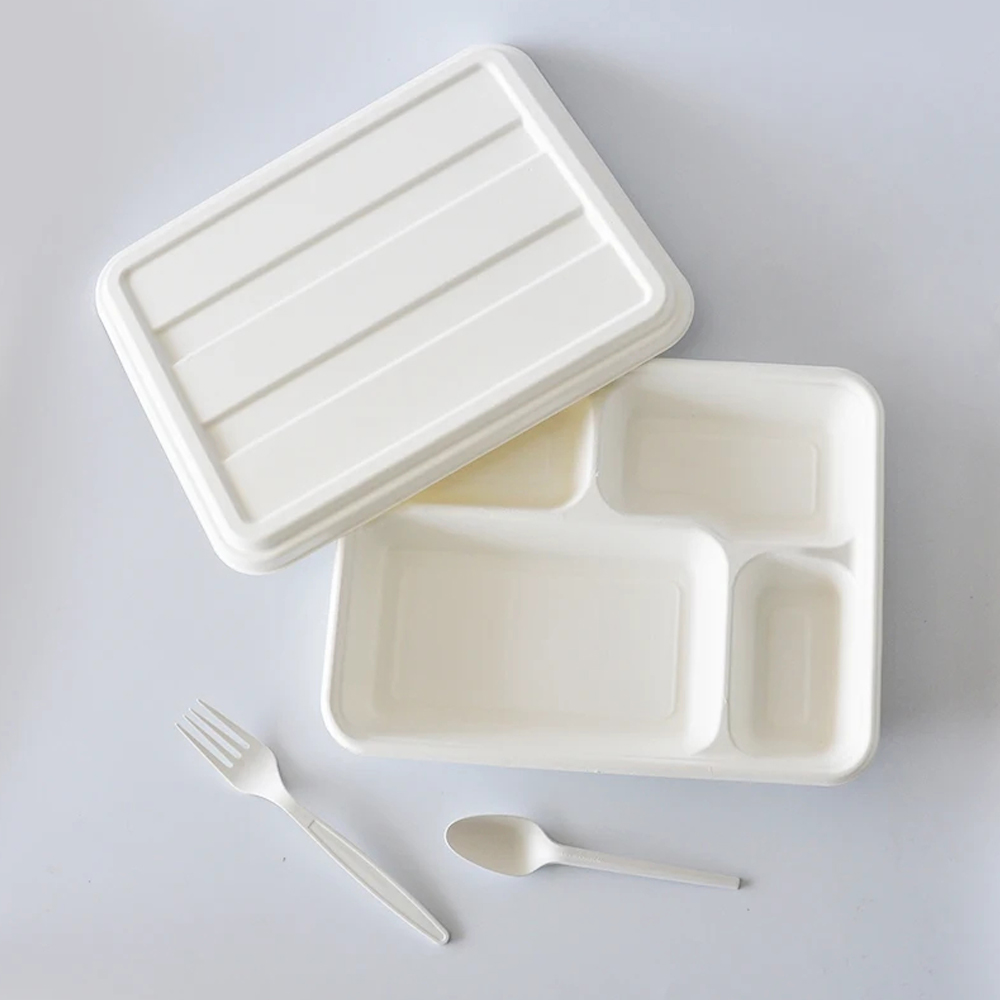
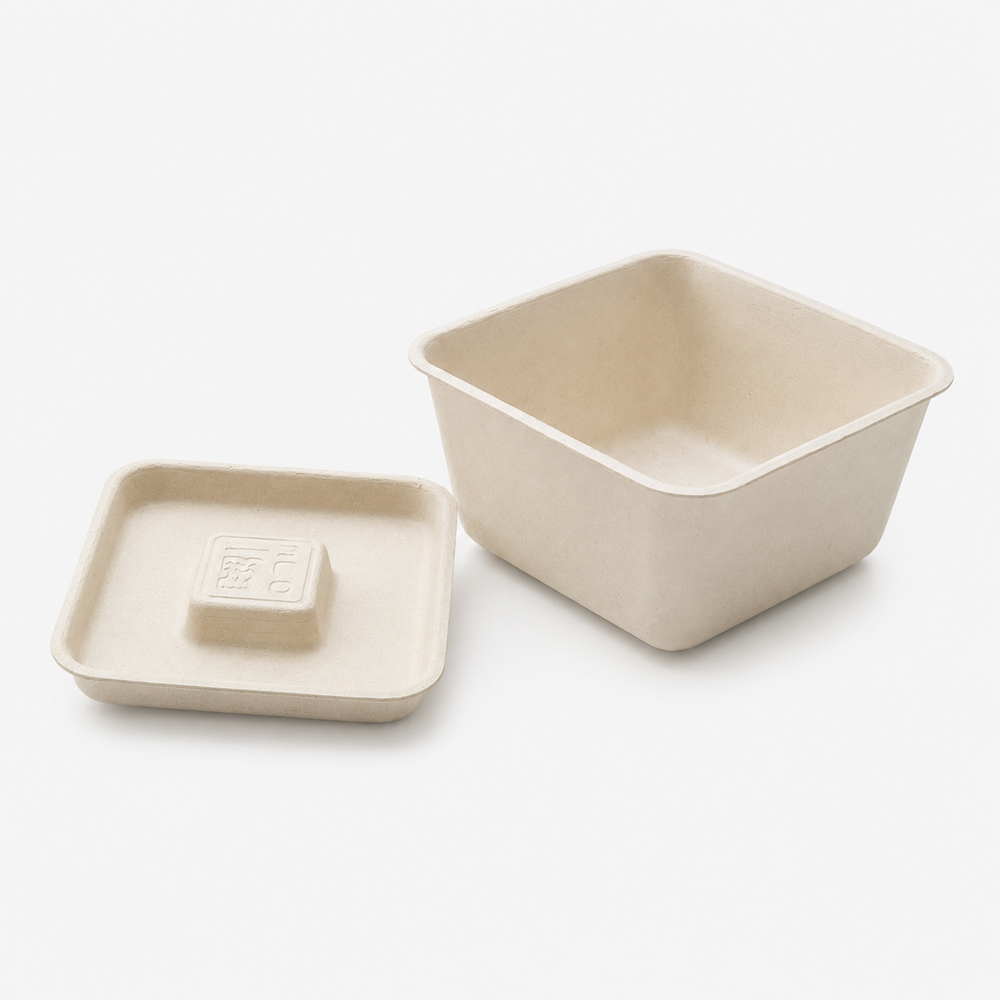
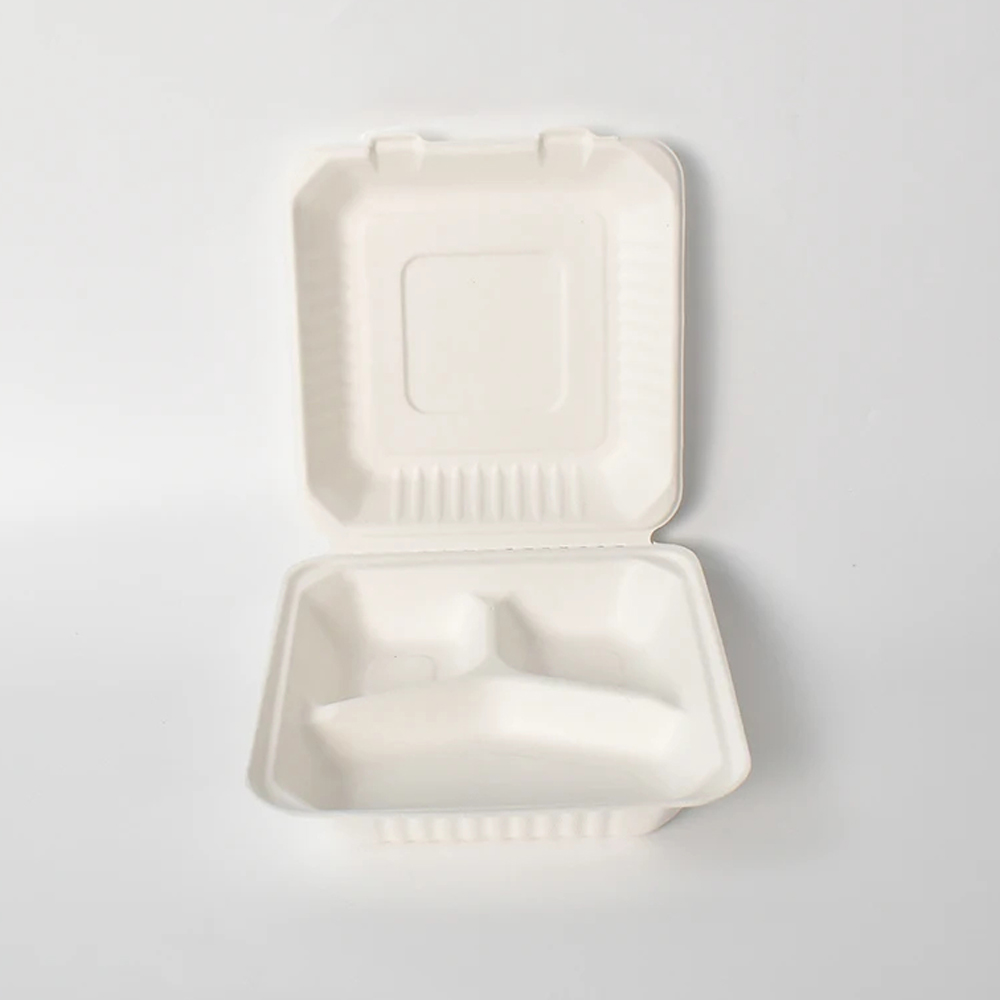
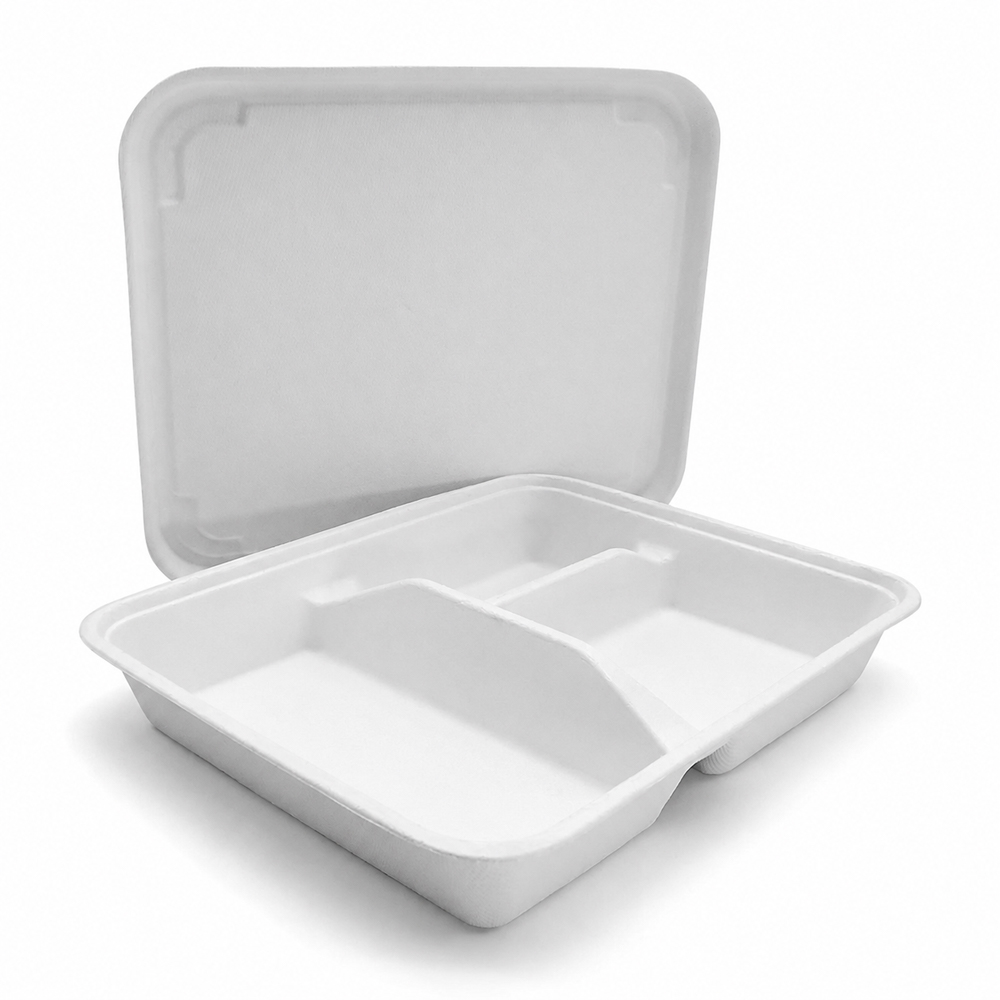
Separate-lid and meal-prep formats for prepared foods, delivery, central kitchens and distributor ranges.
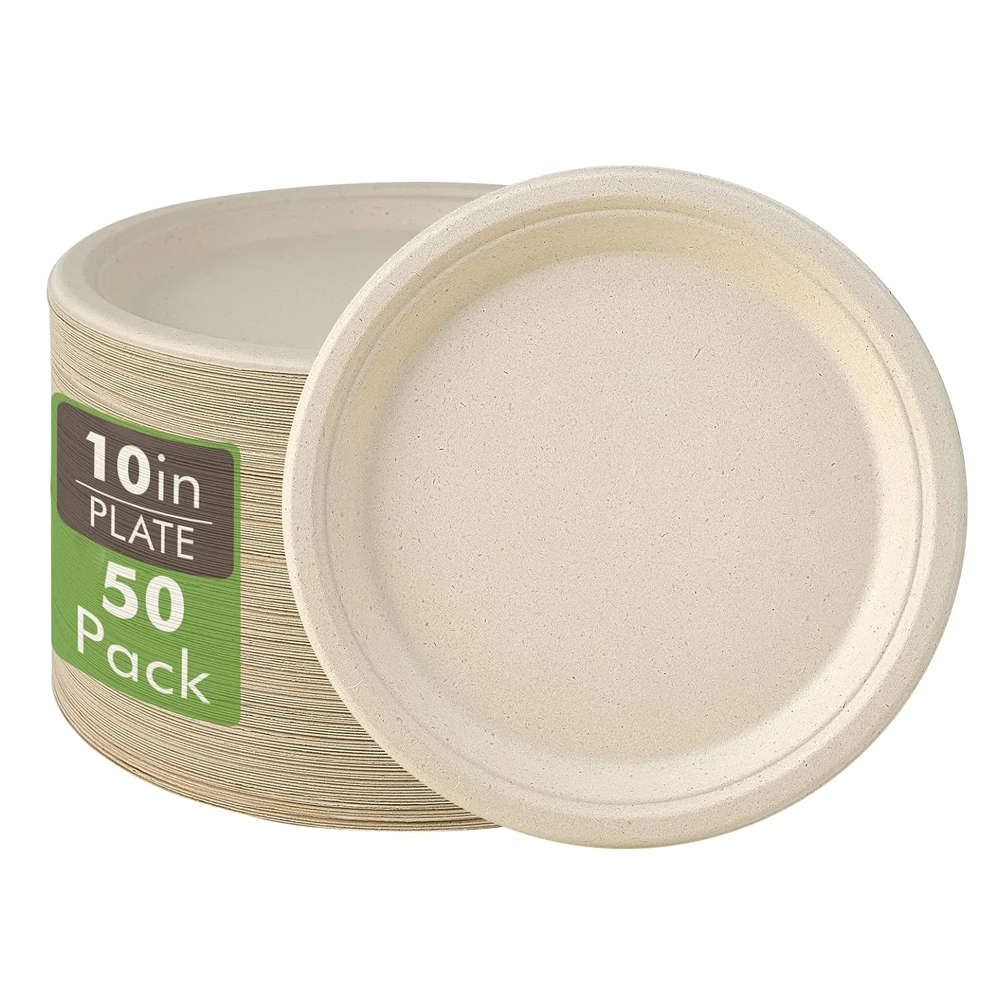
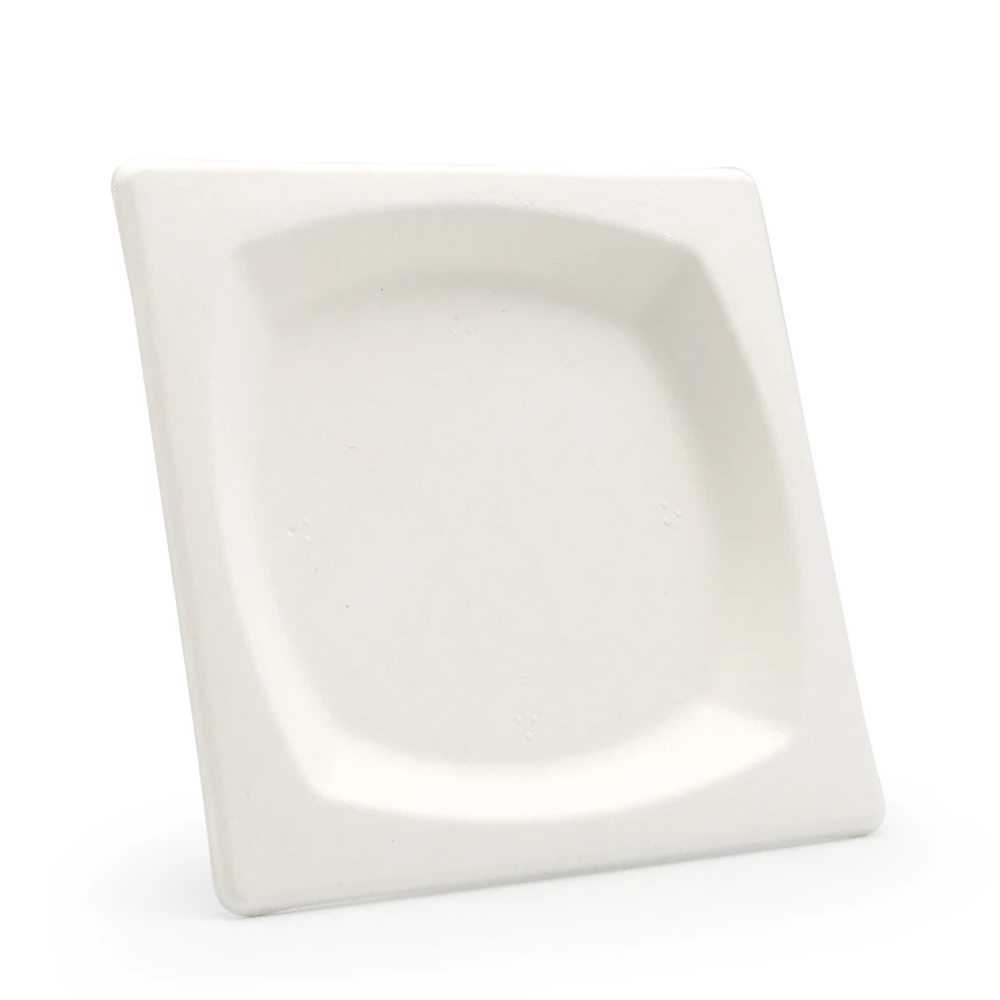
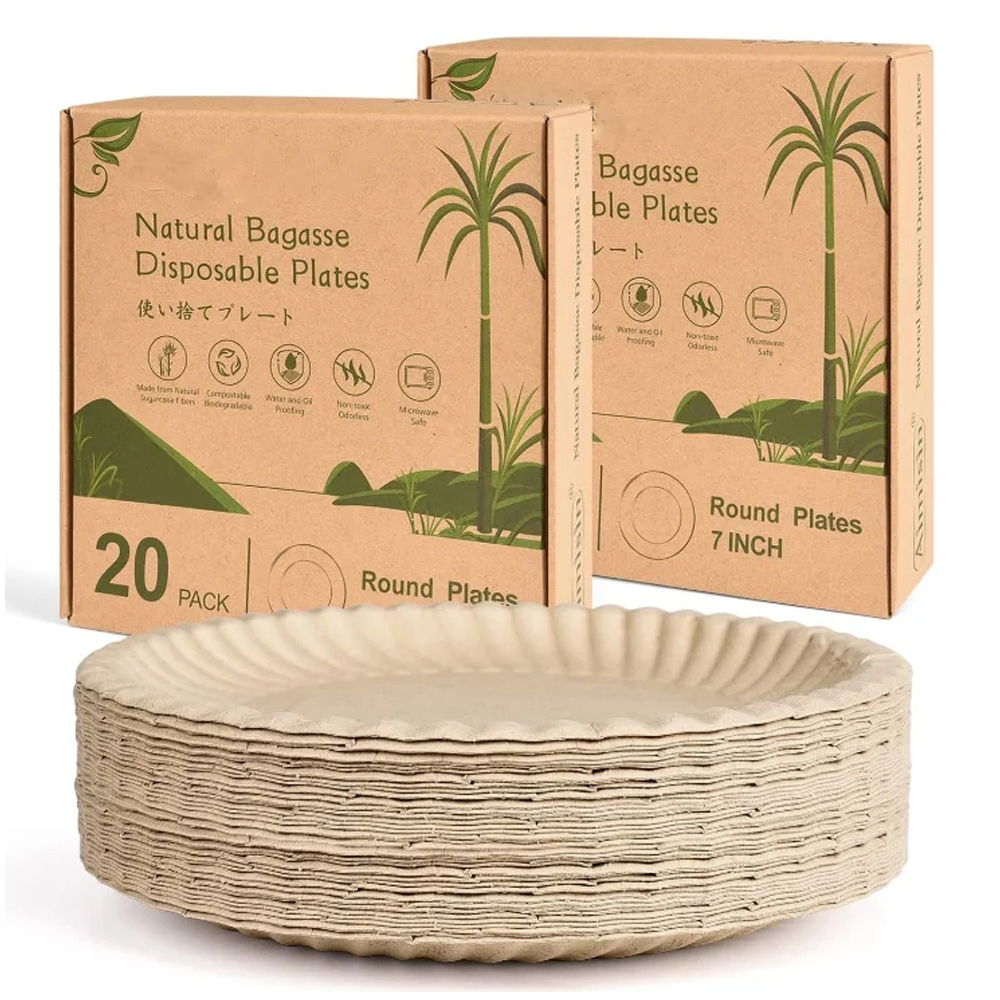
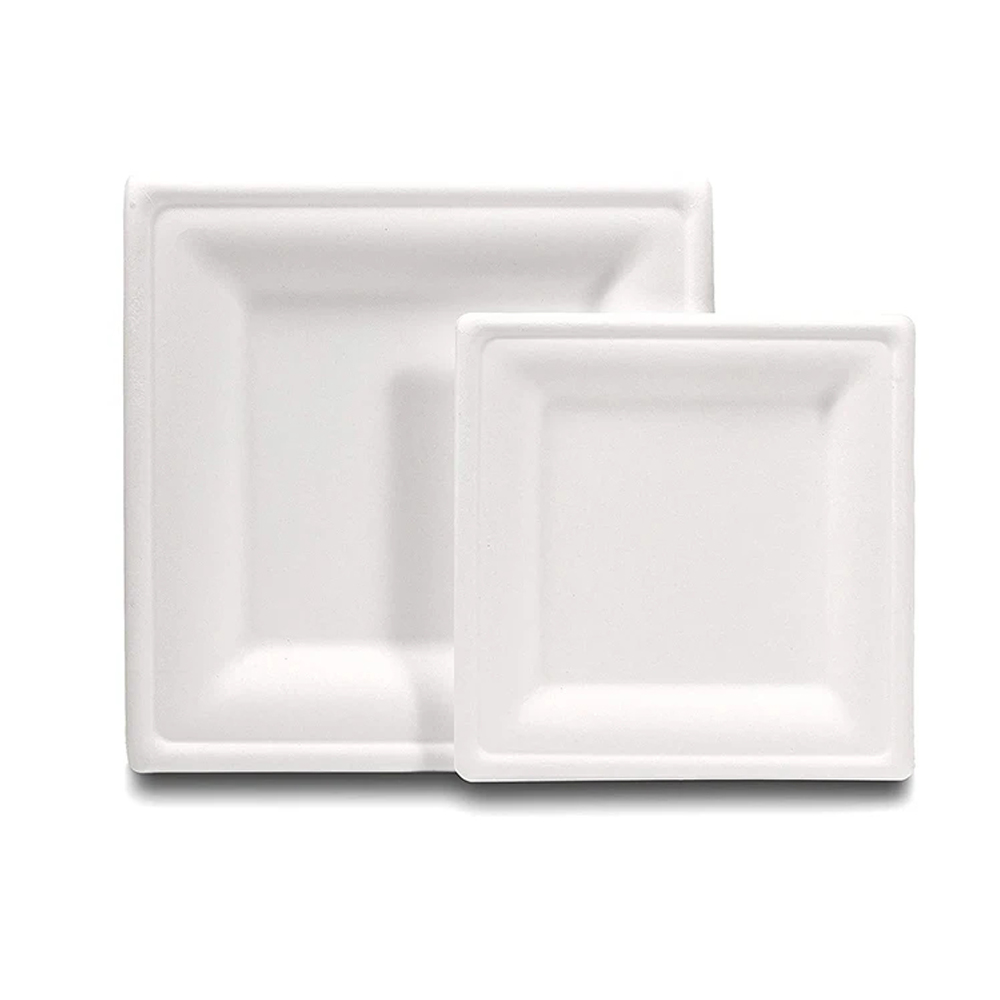
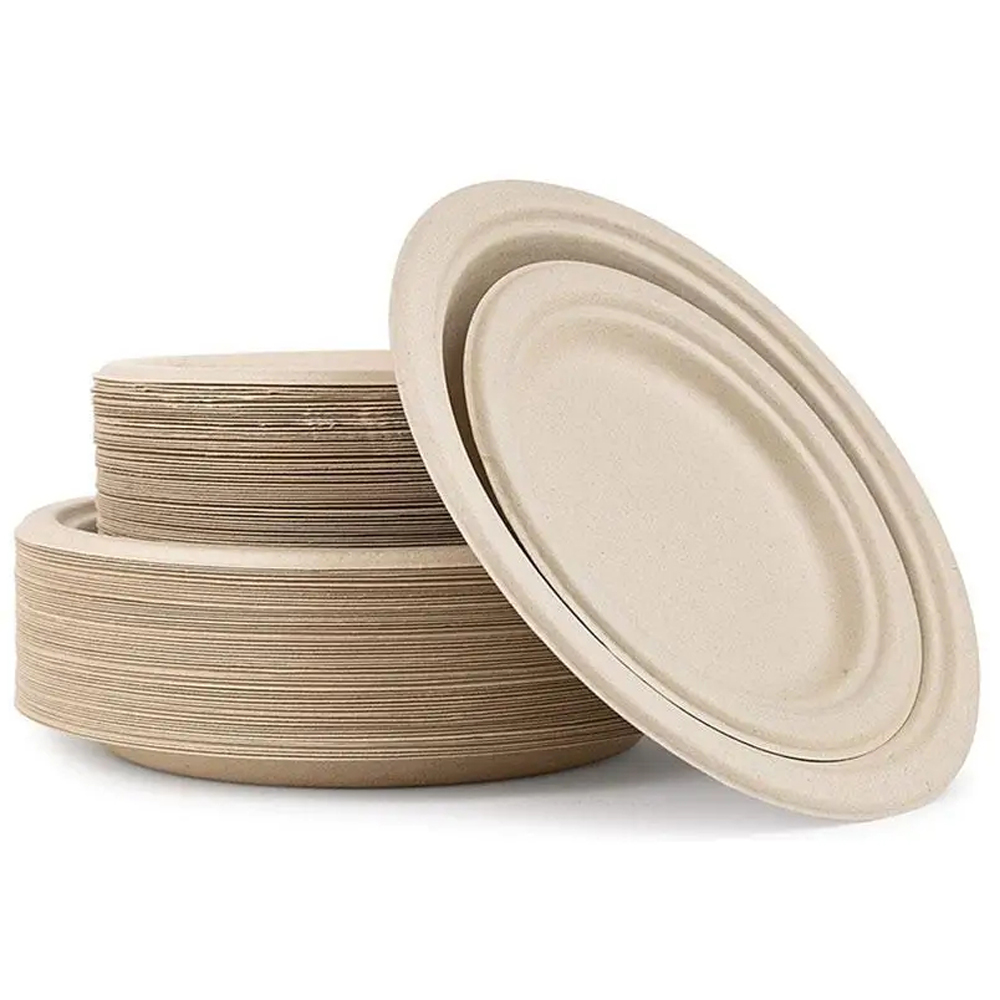
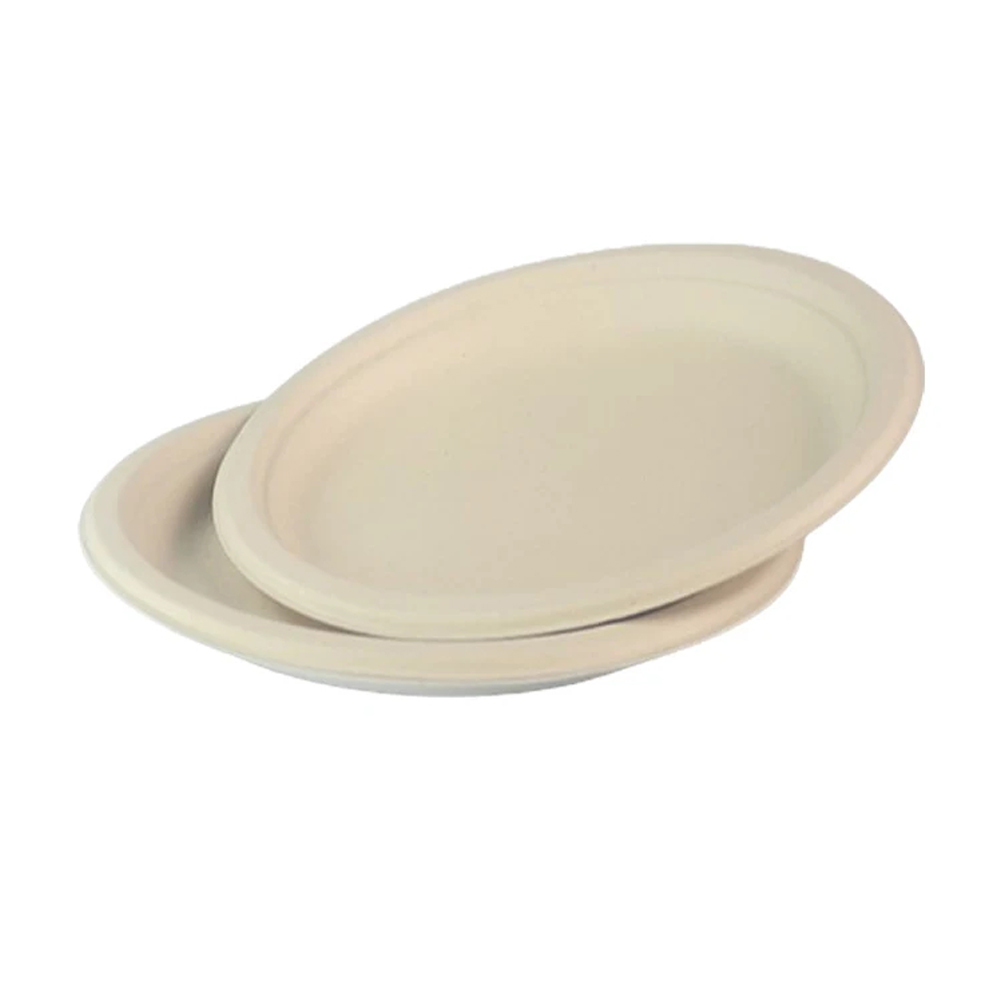
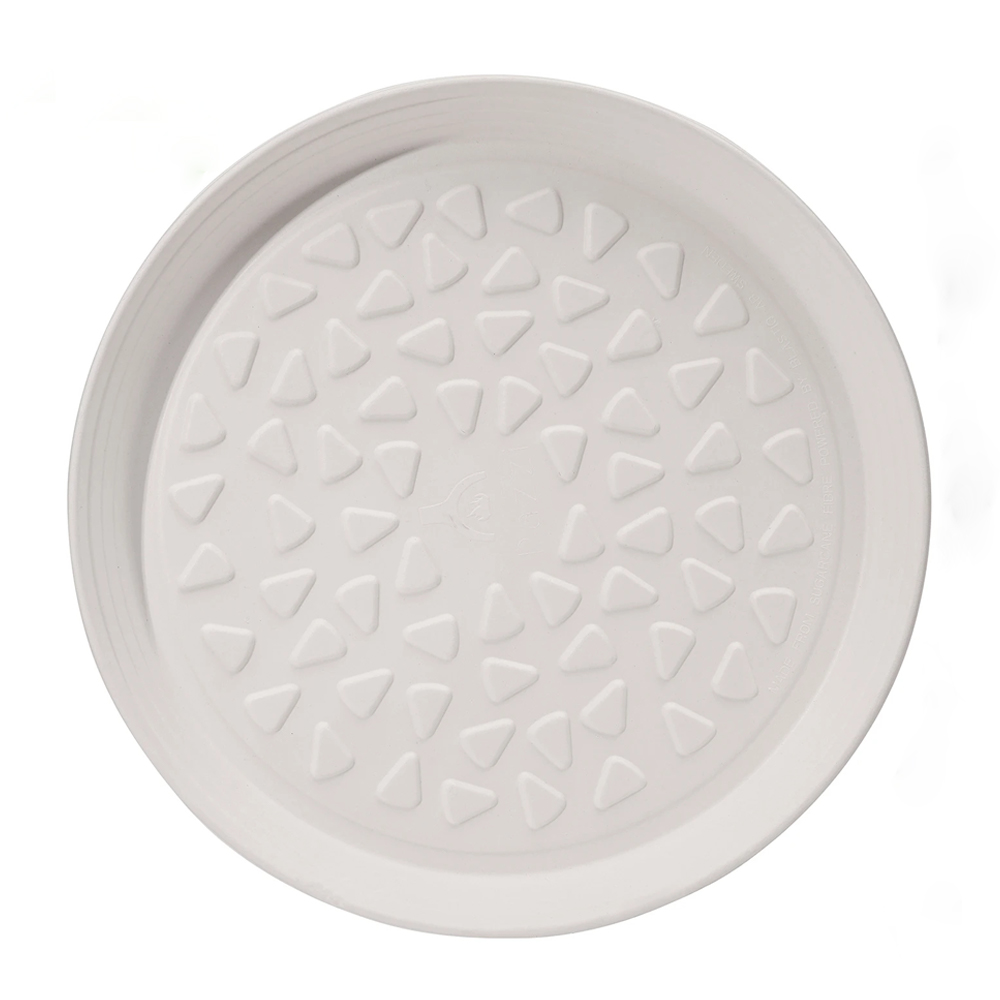
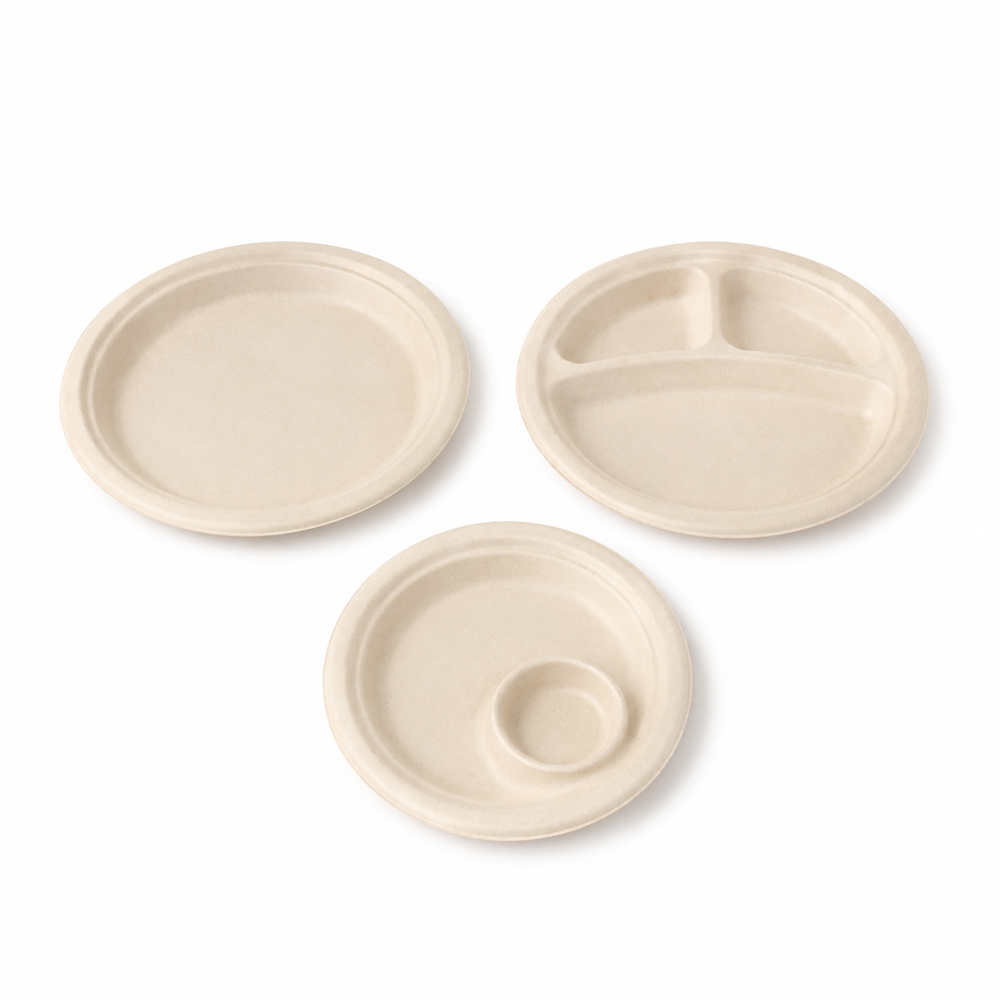
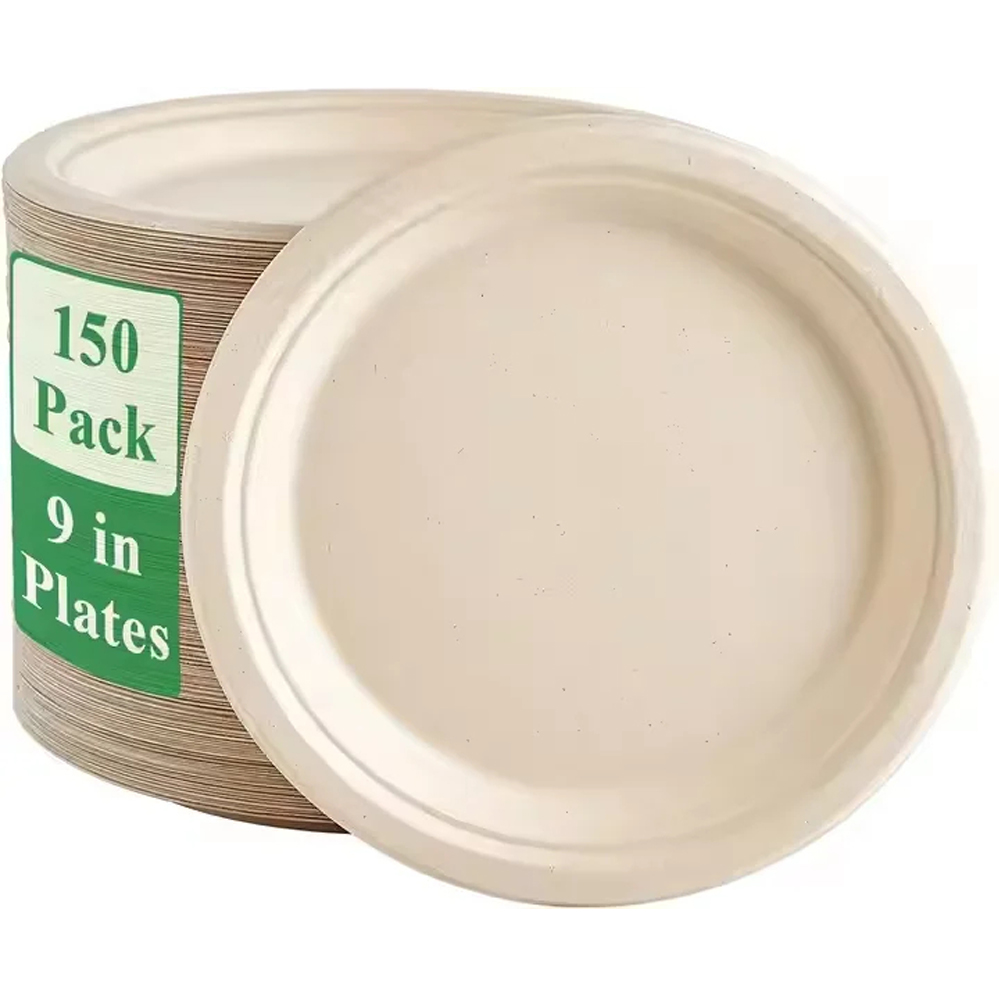
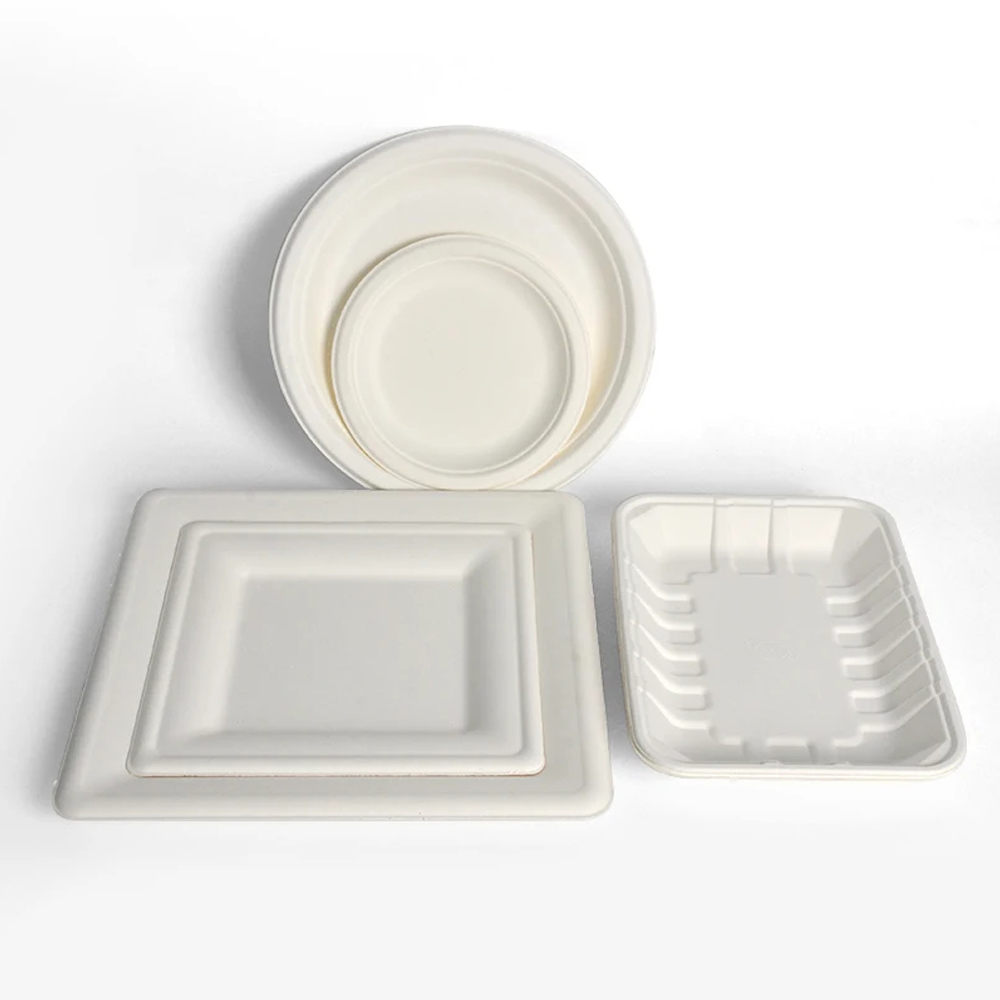
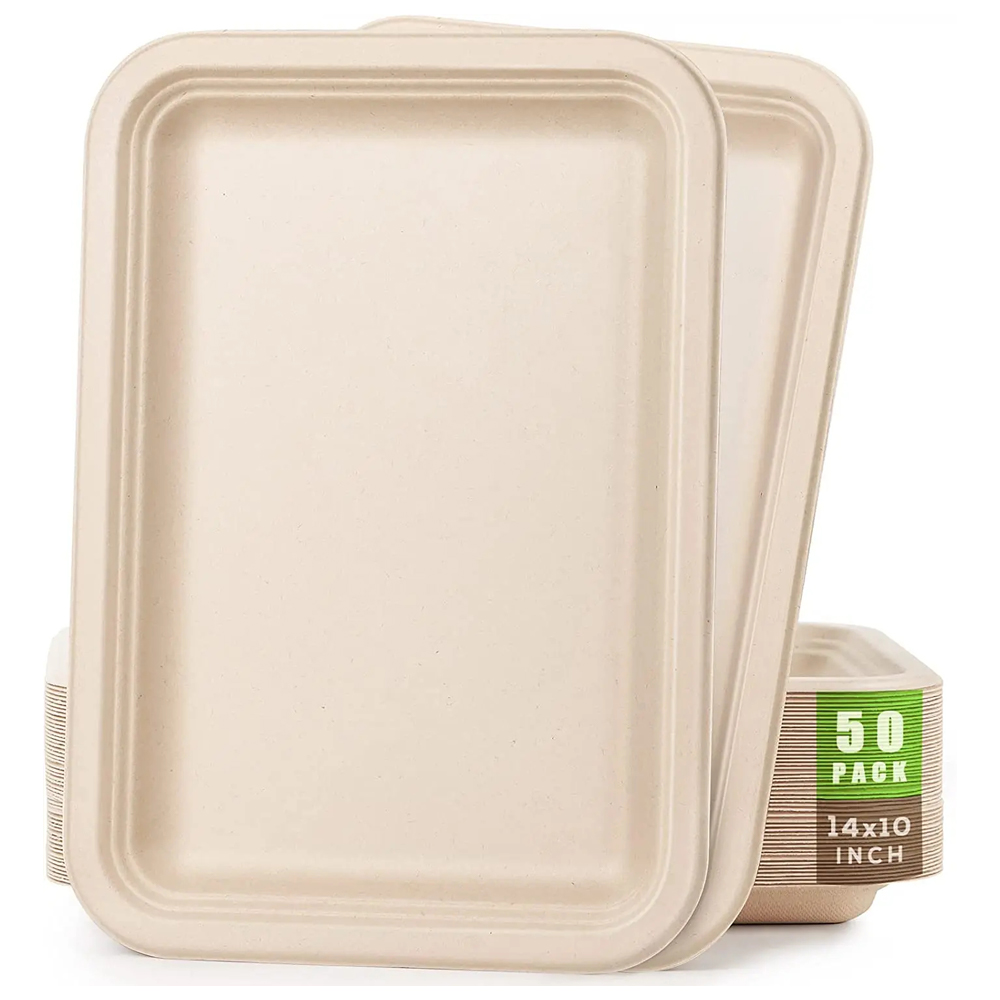
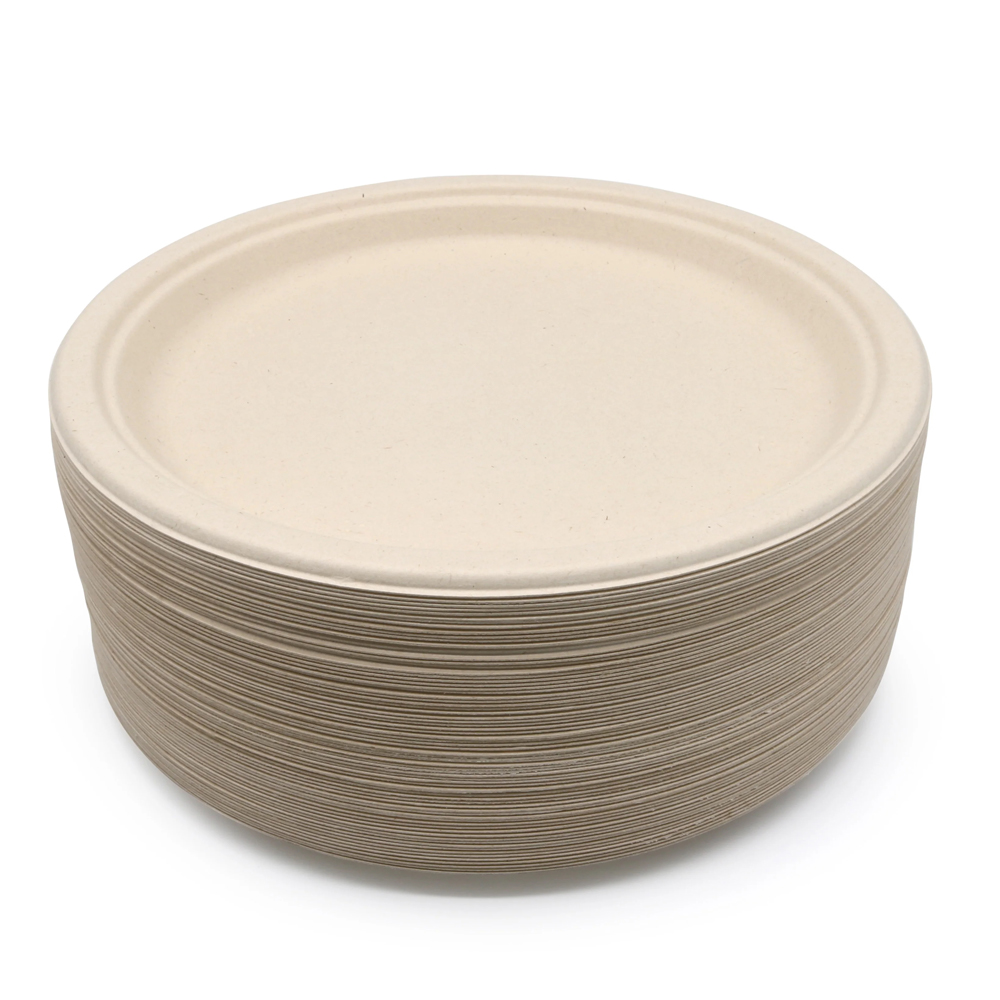
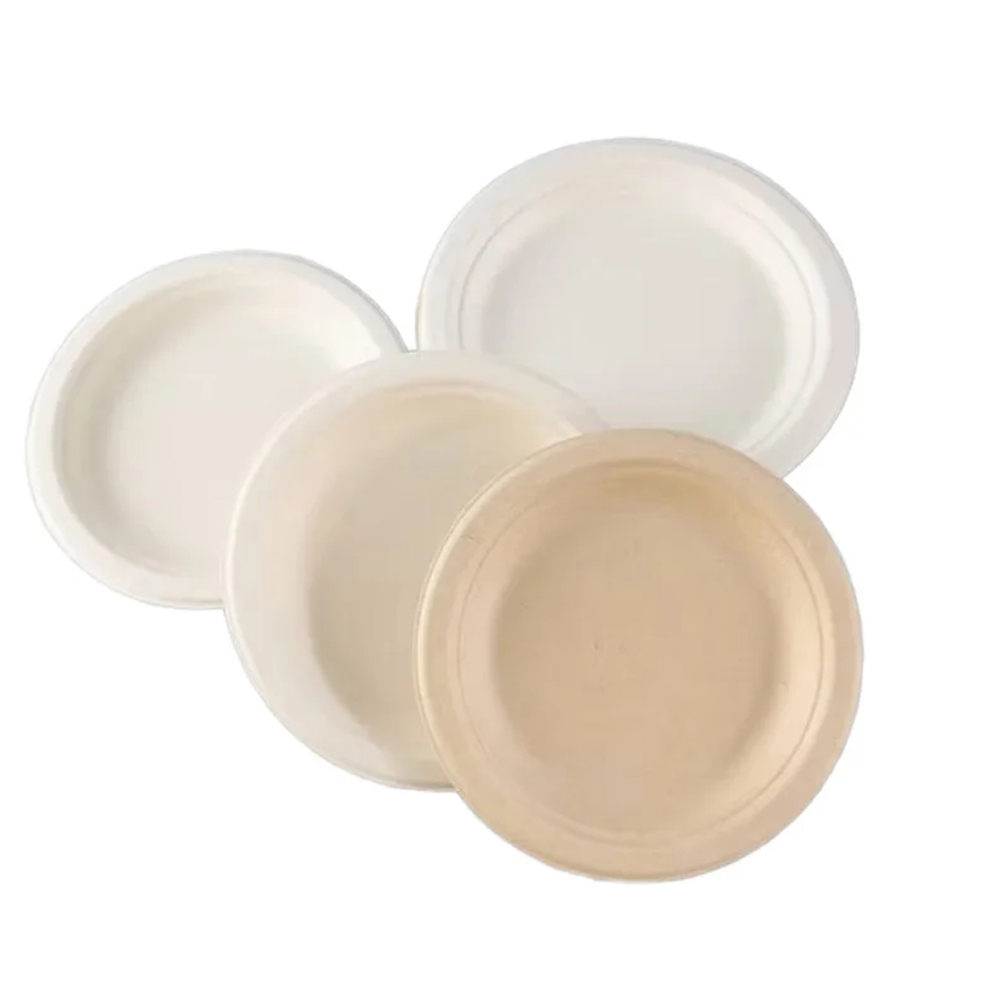
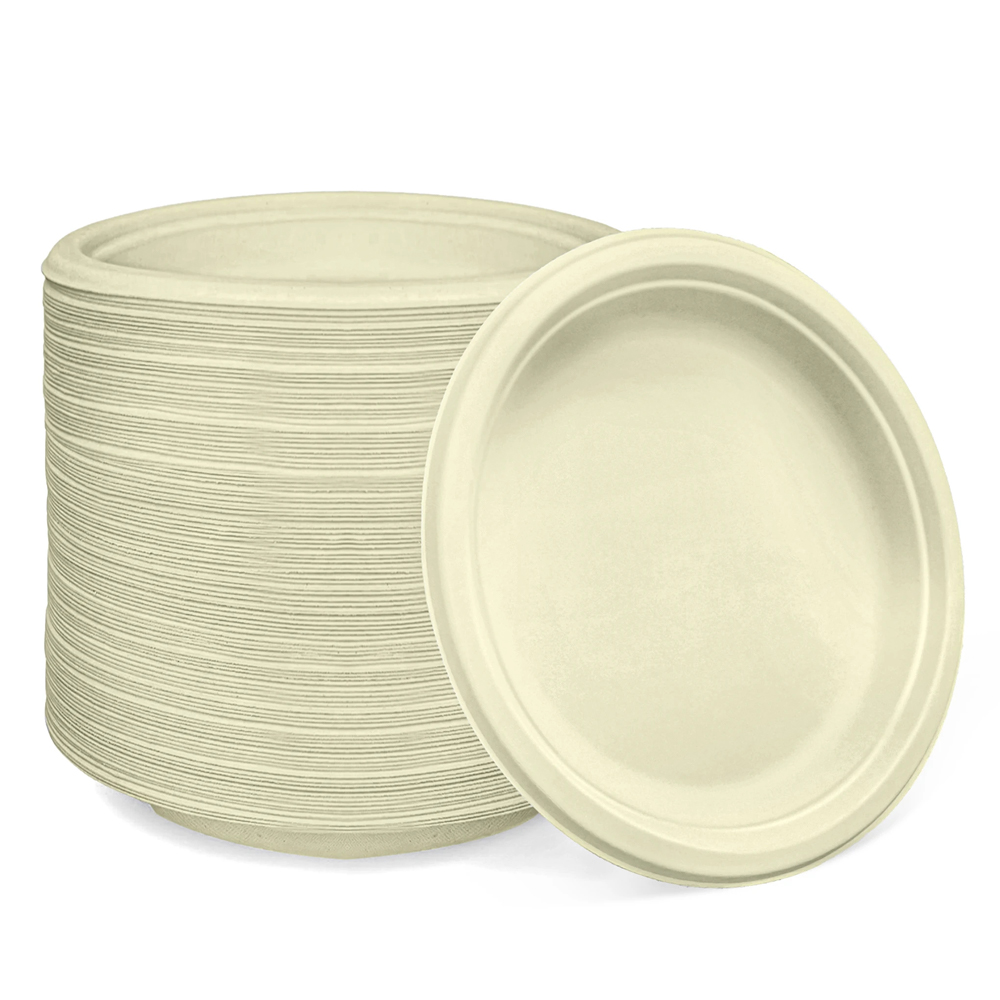
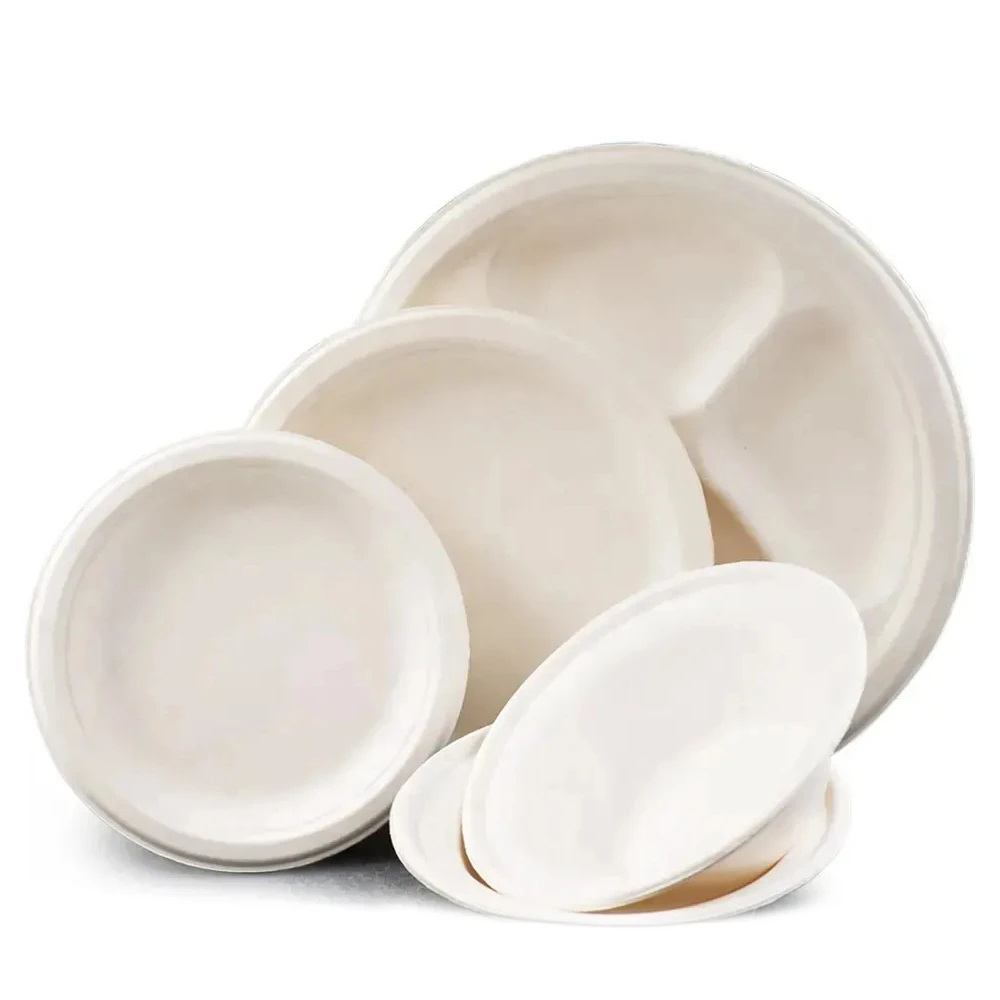
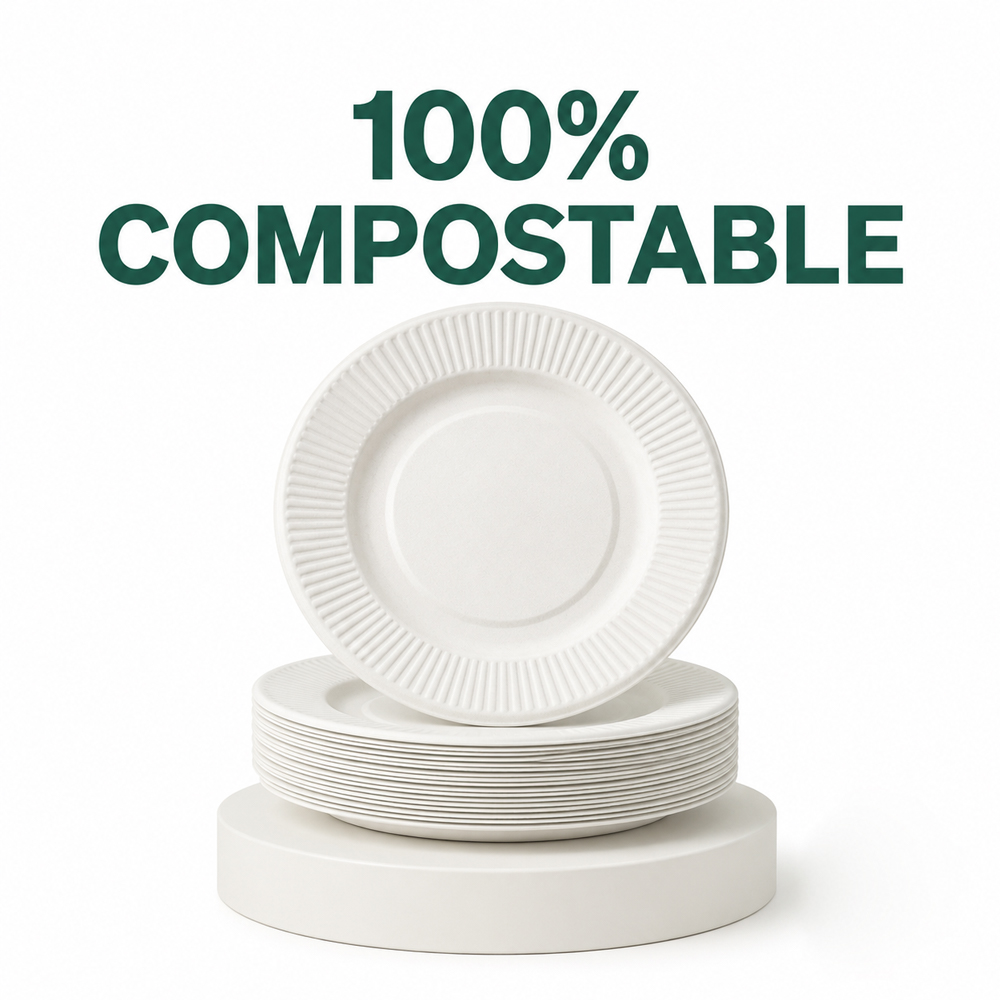
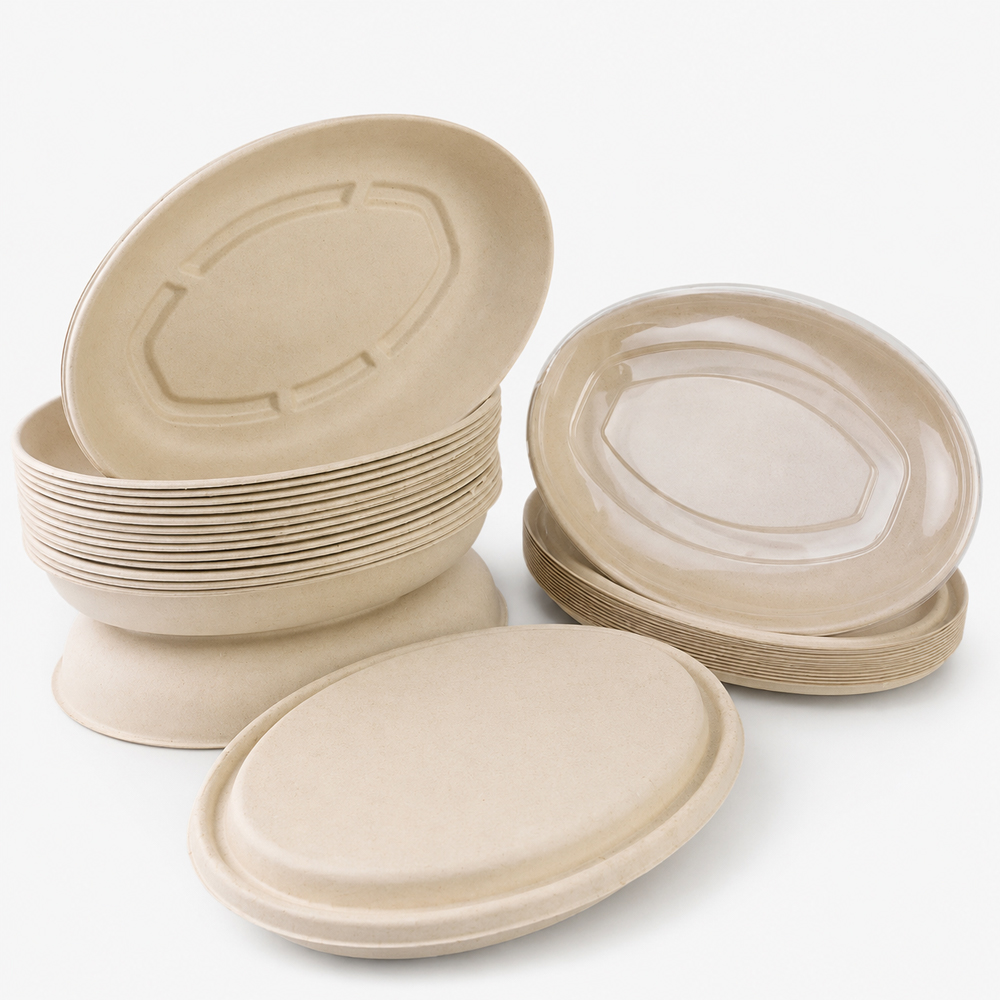
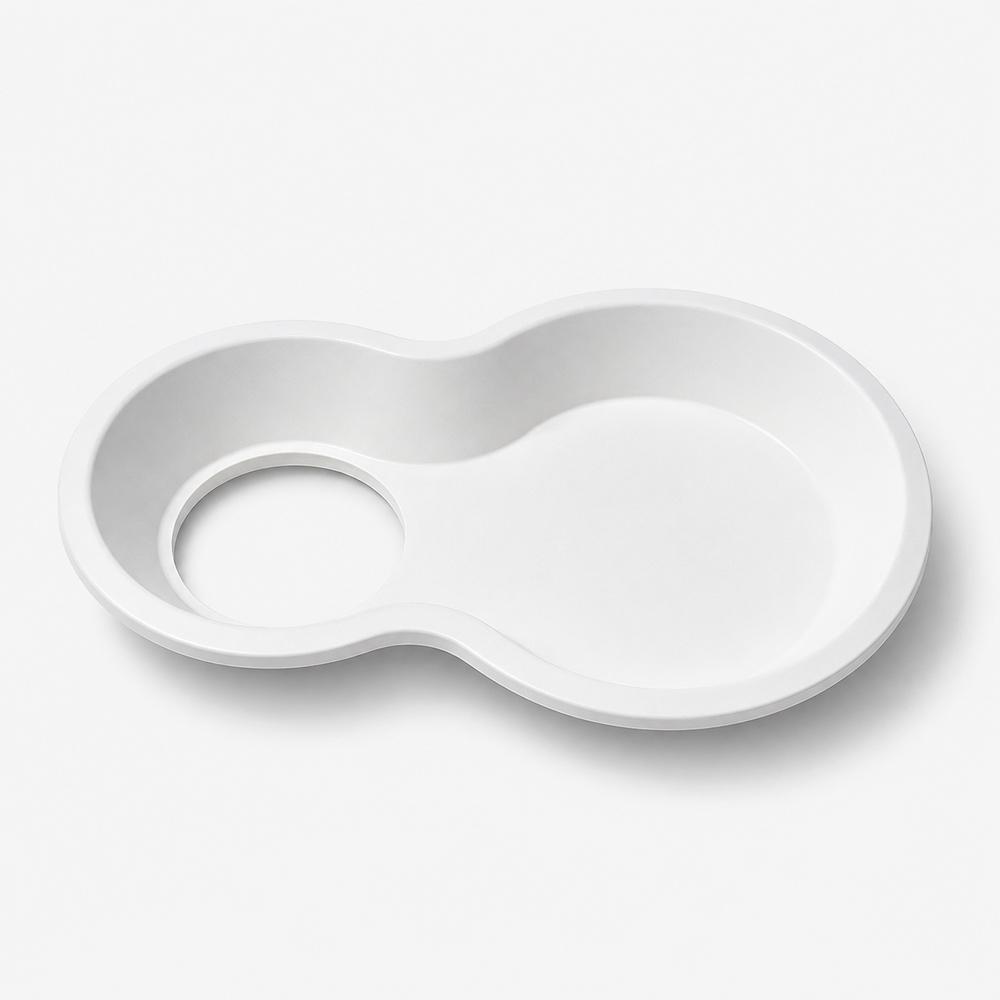
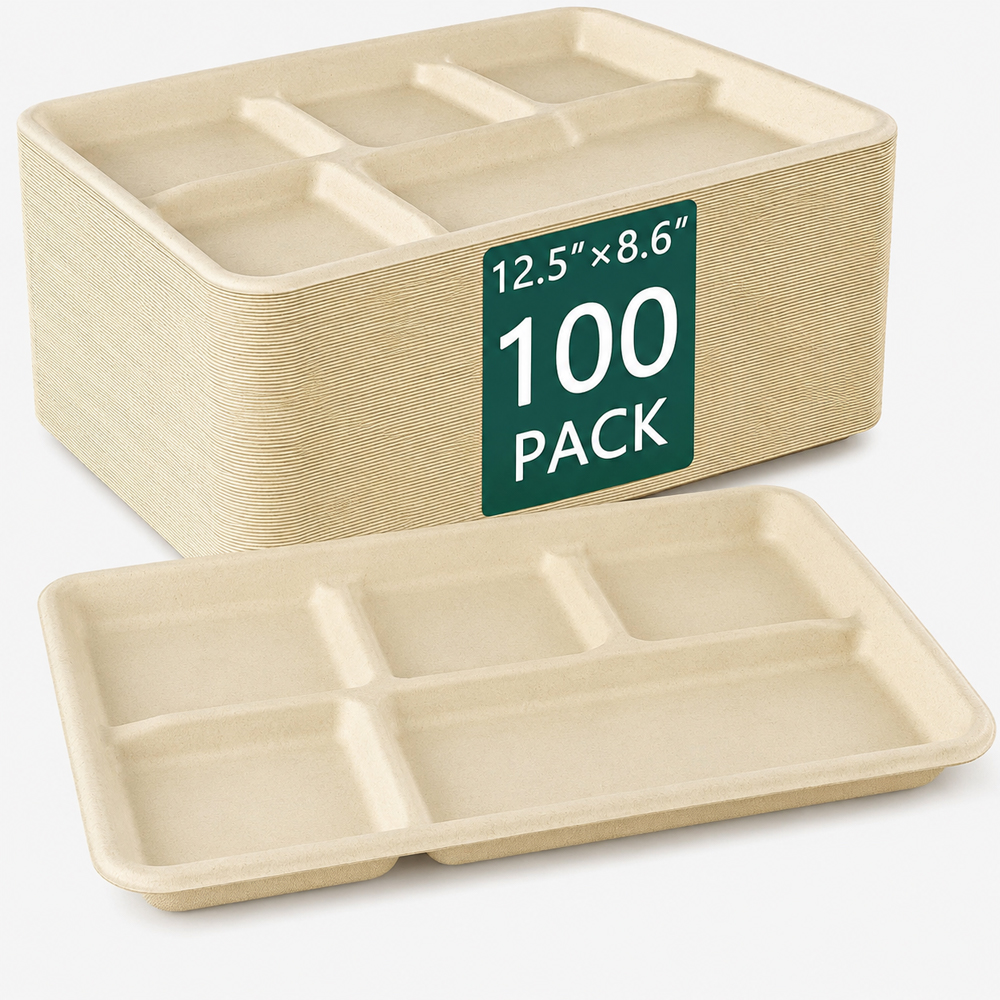
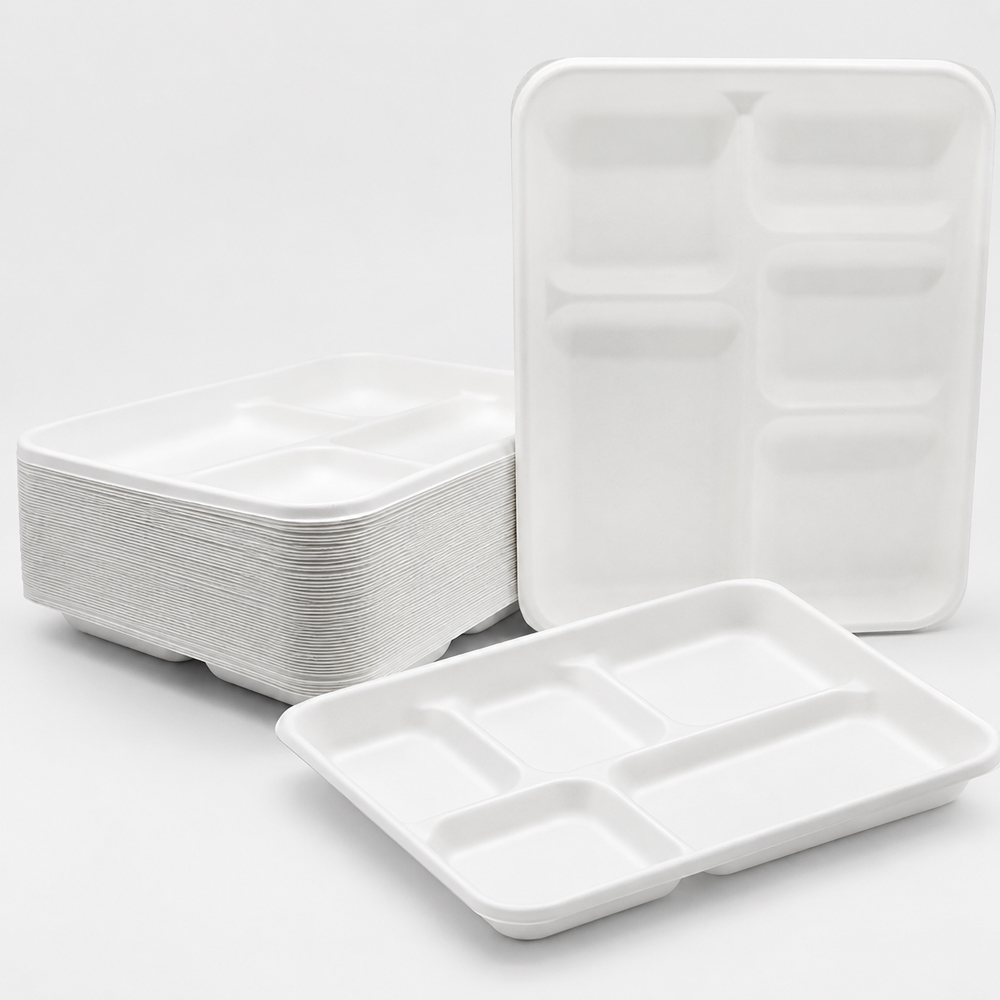
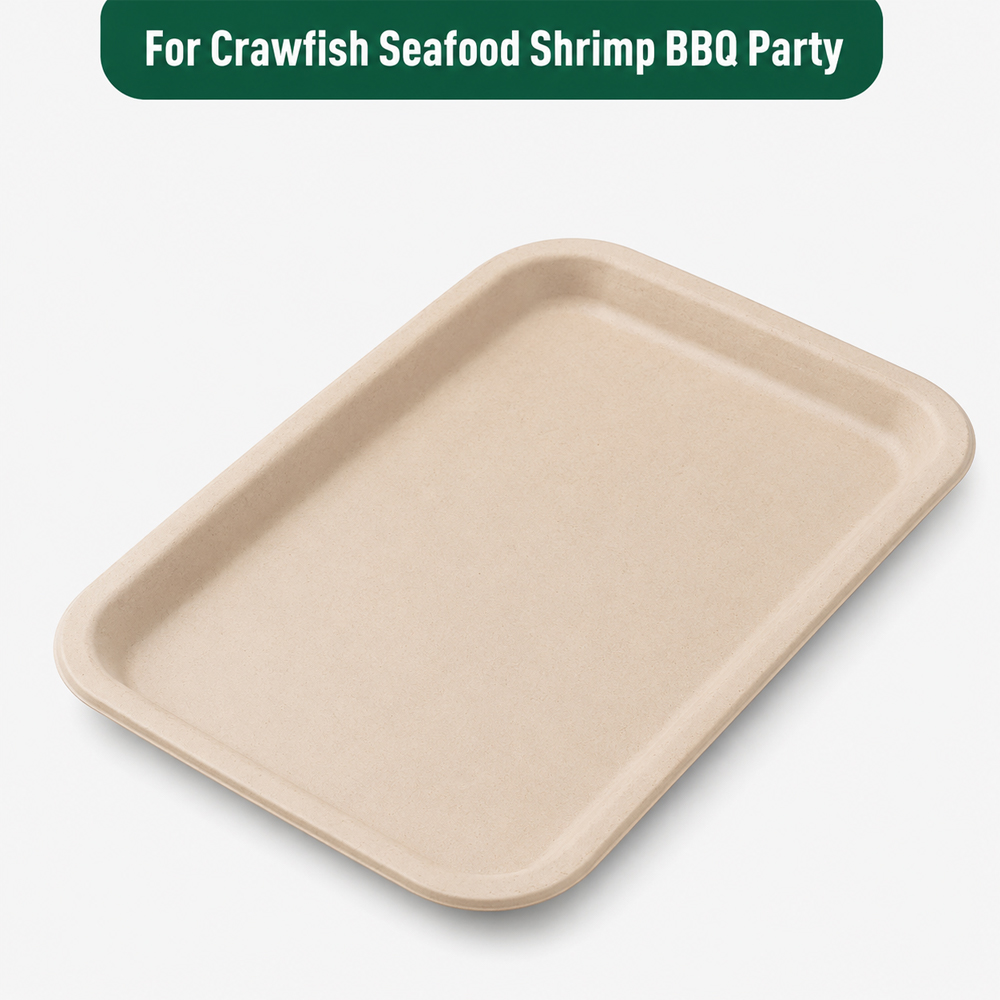
Flat and compartment plates for catering, parties, institutional meals, buffets and foodservice distribution.
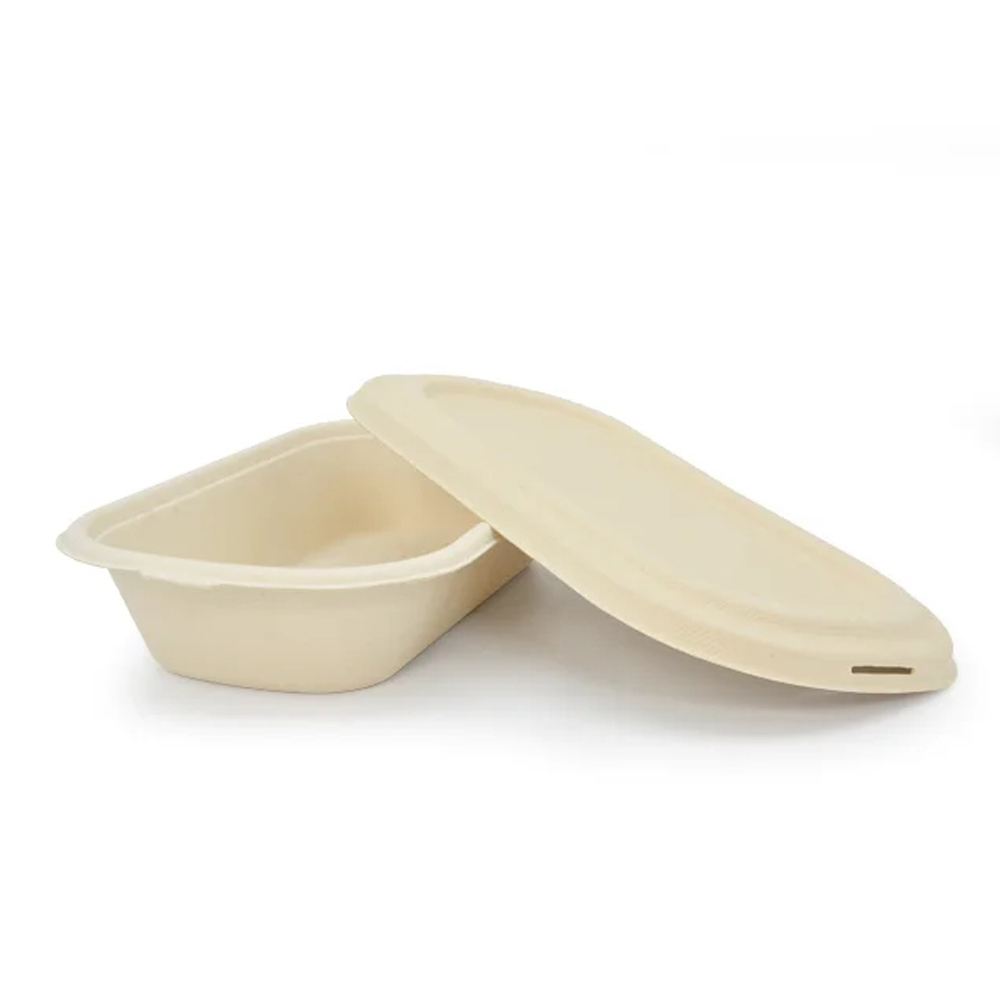
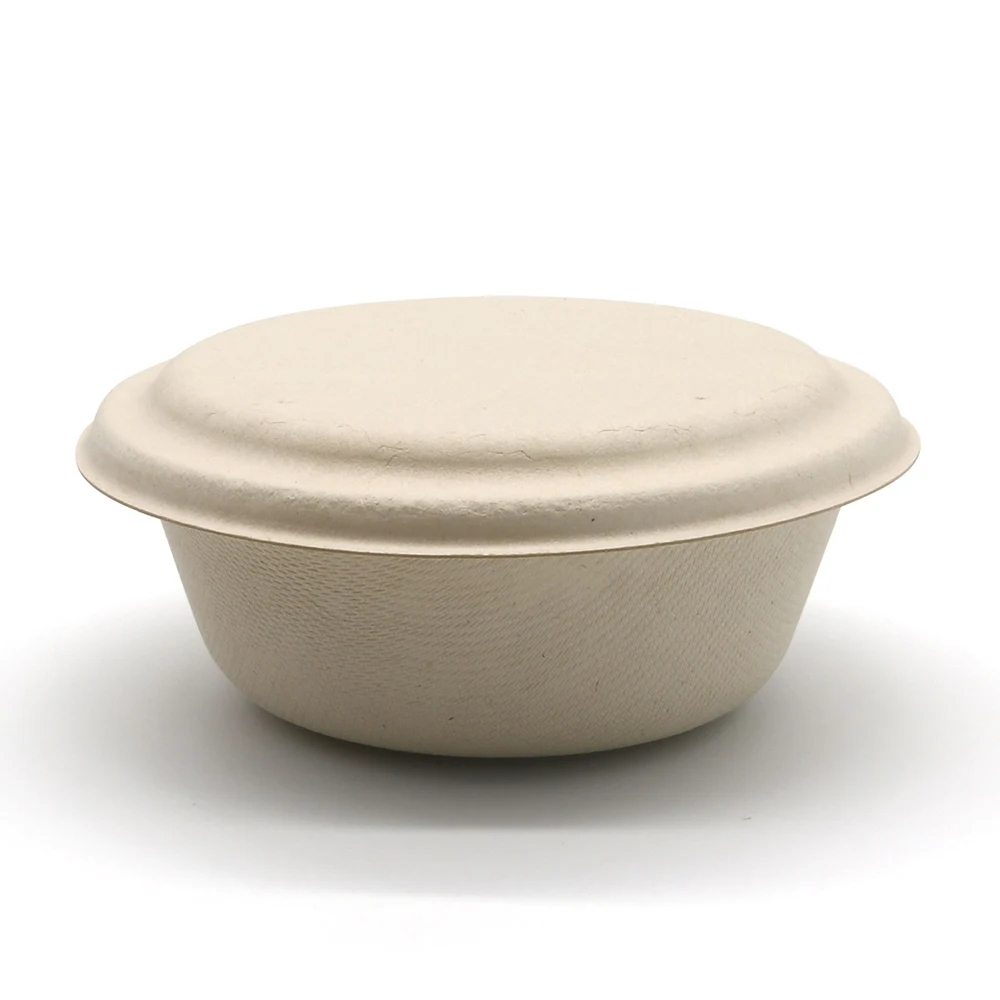
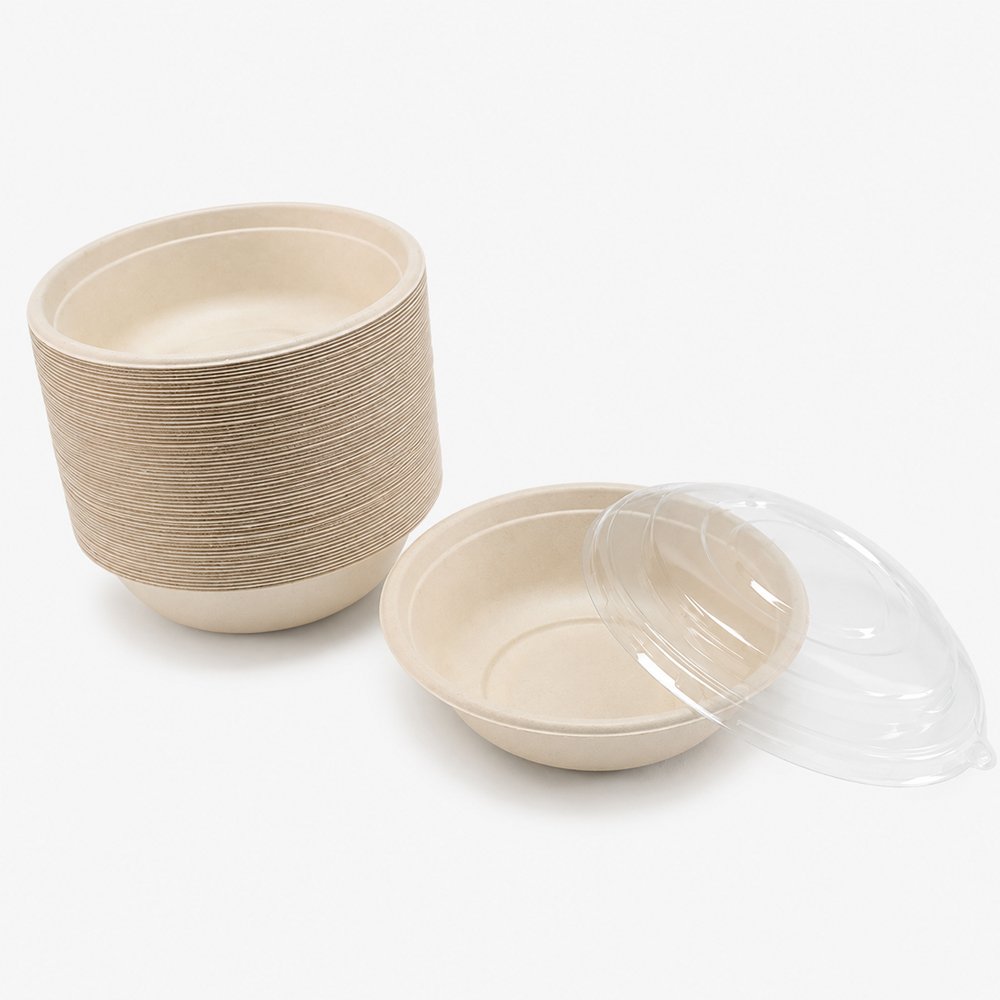
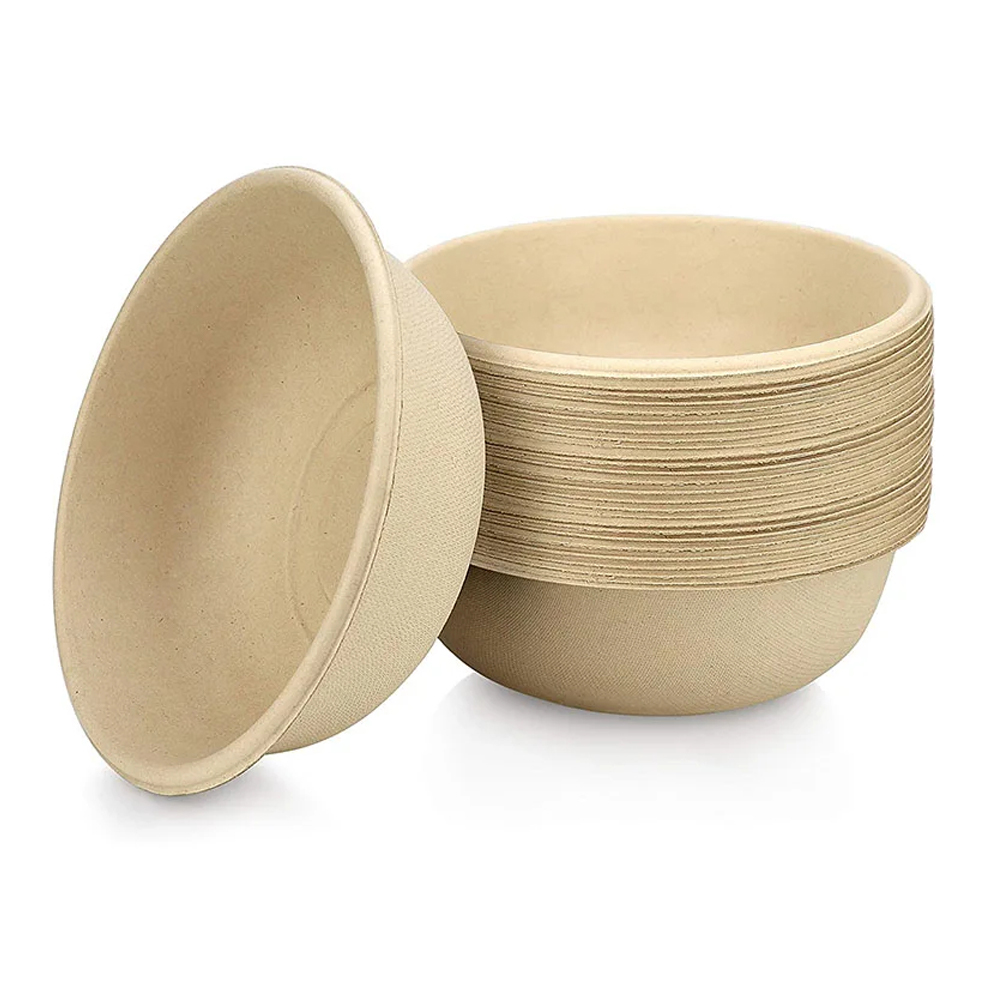
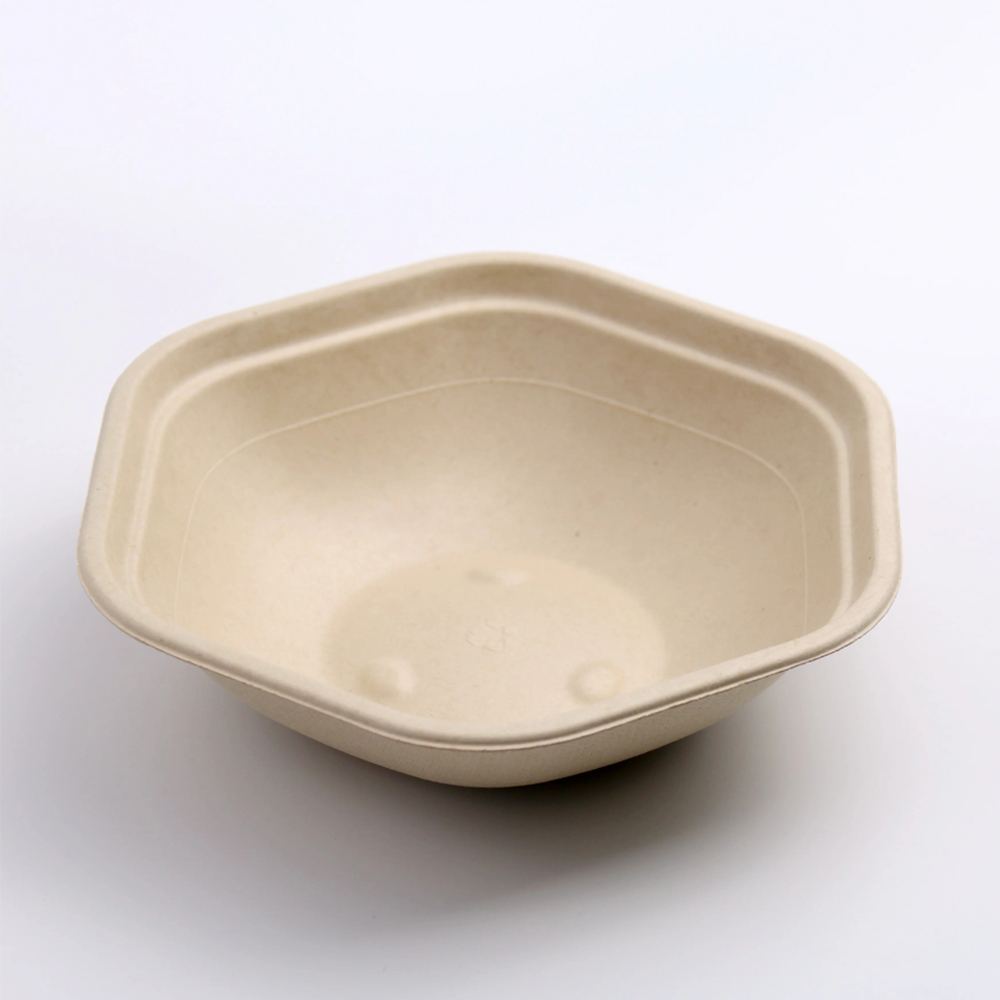
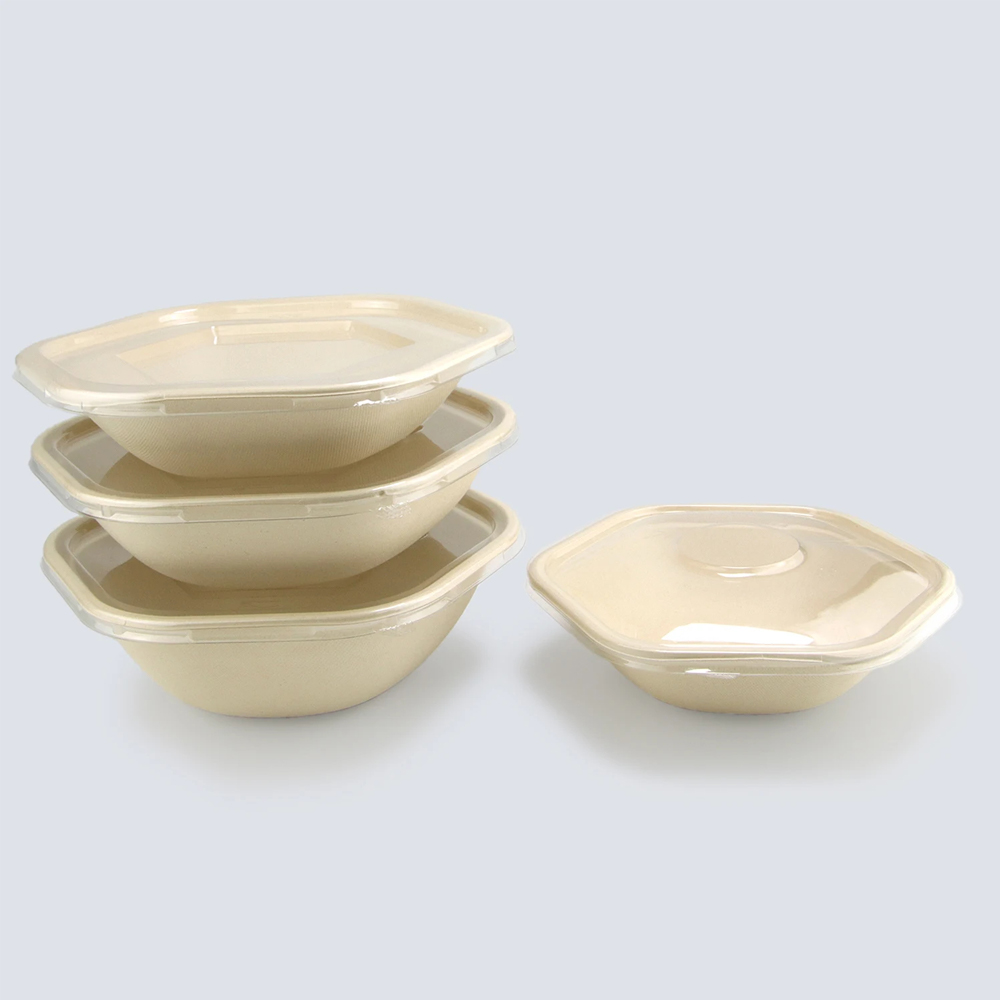
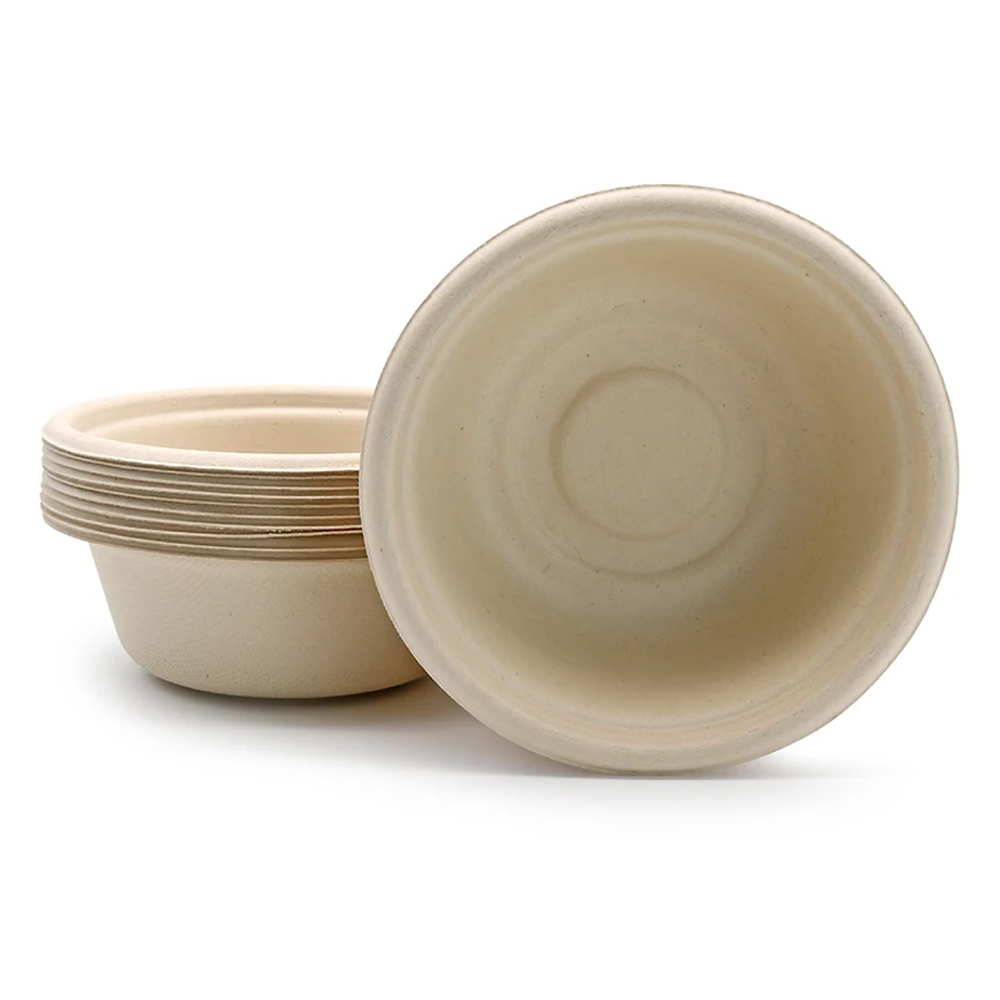
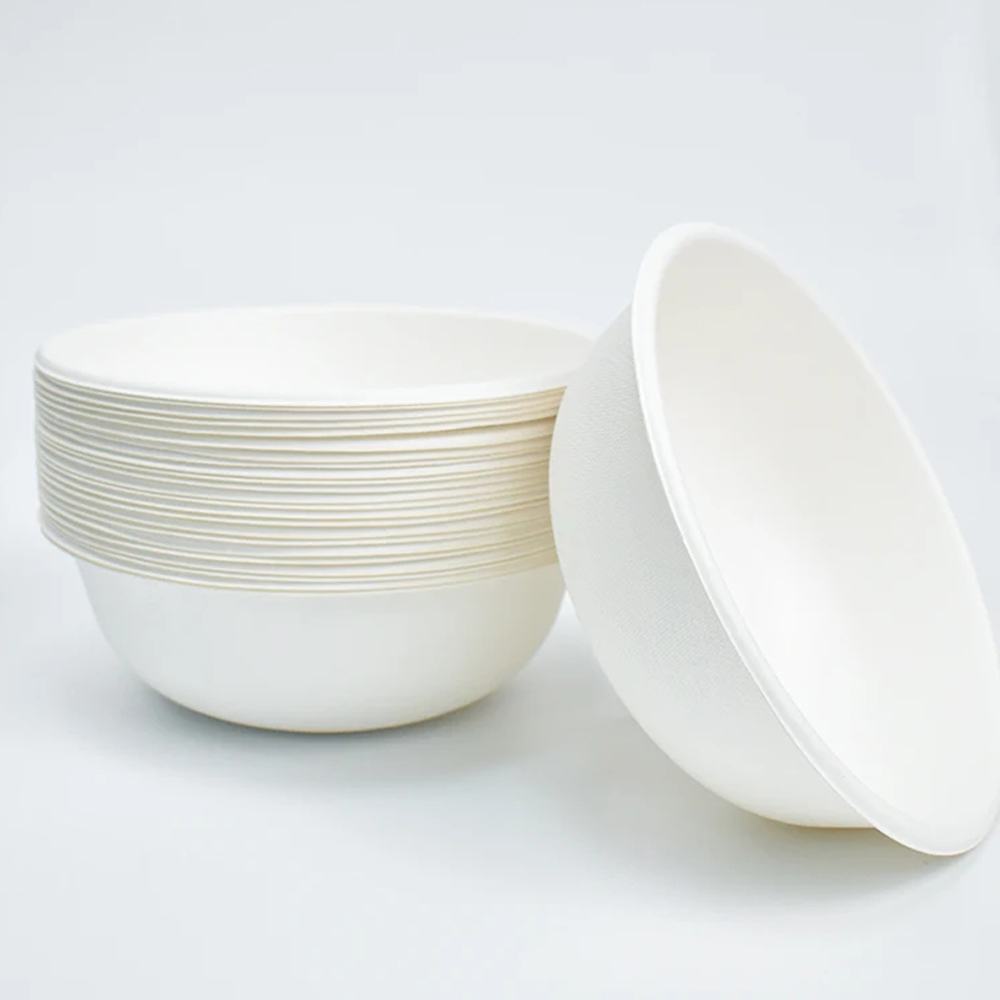
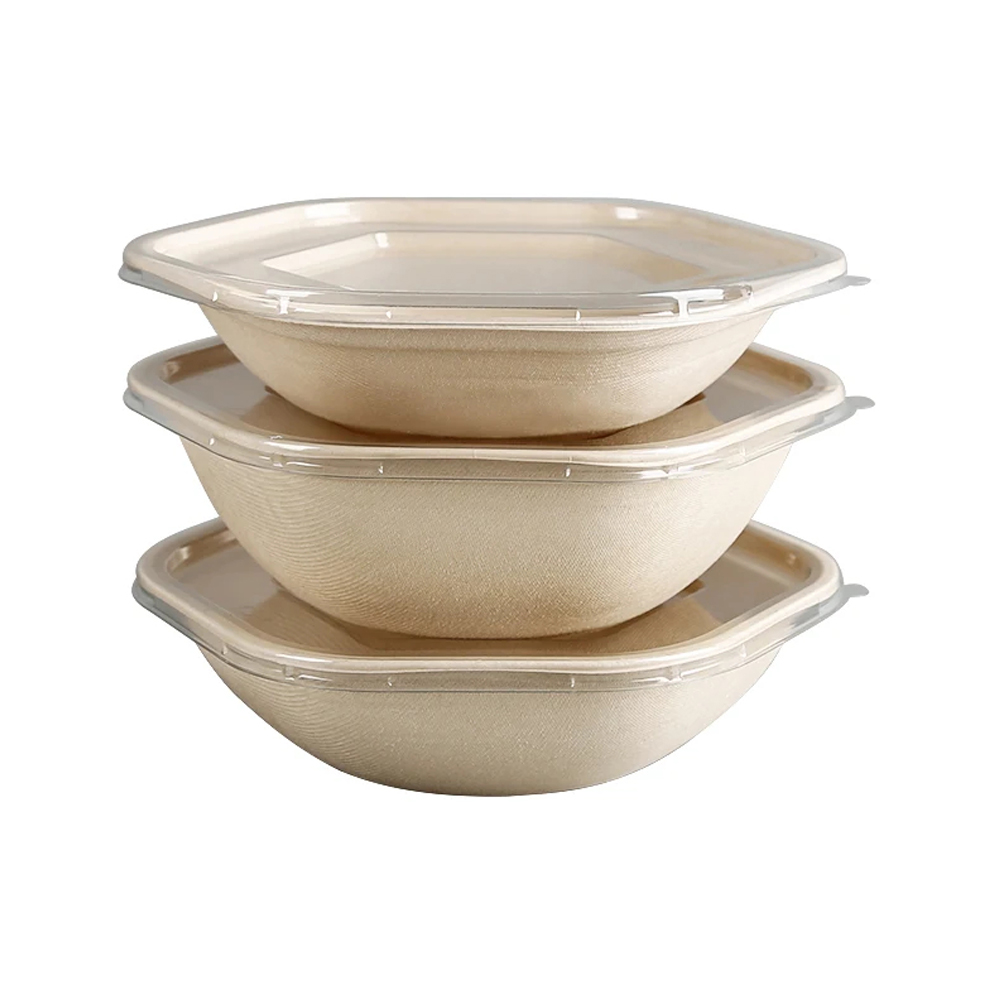
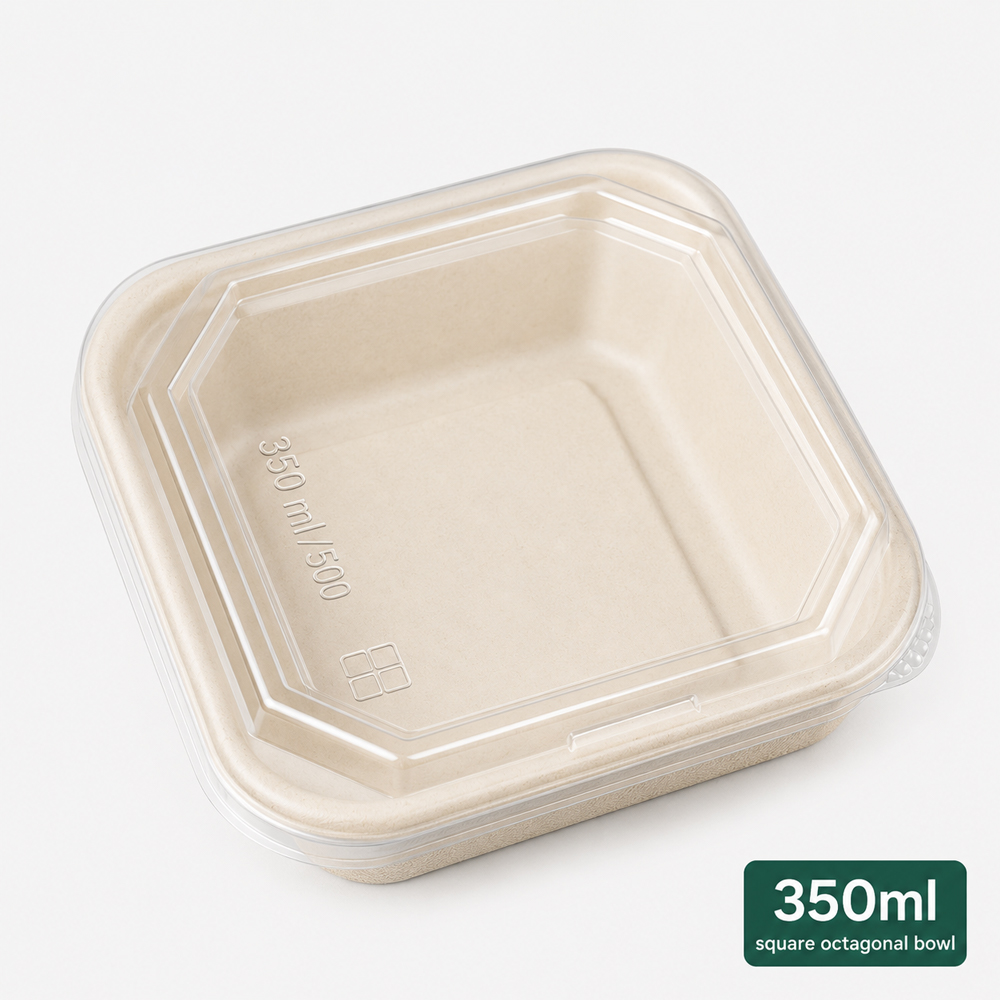
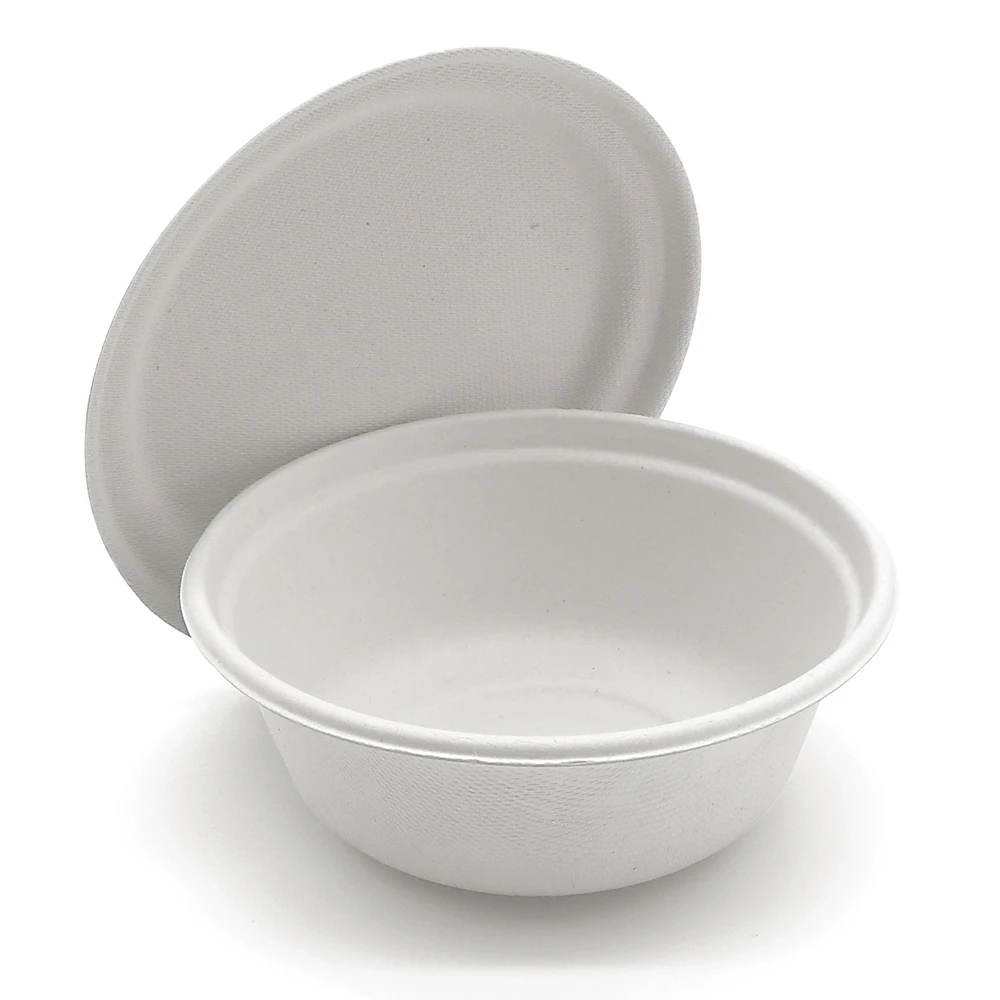
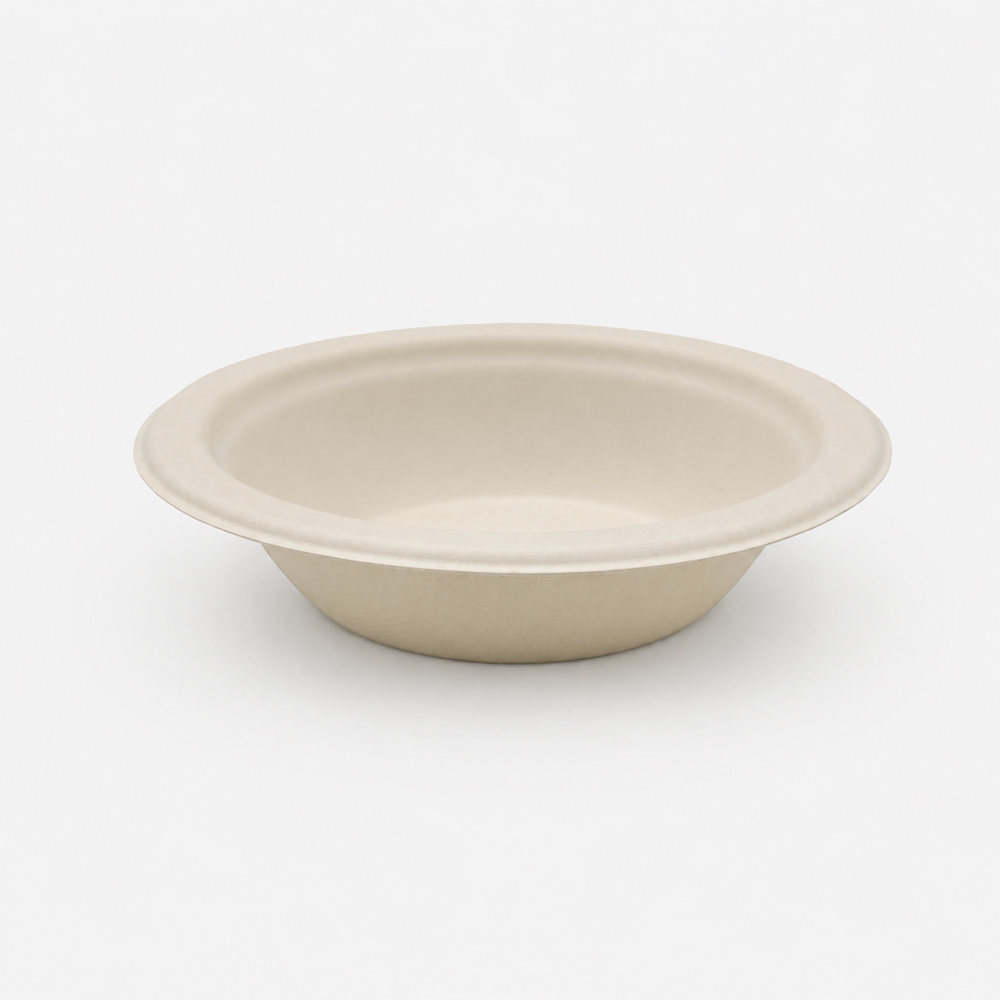
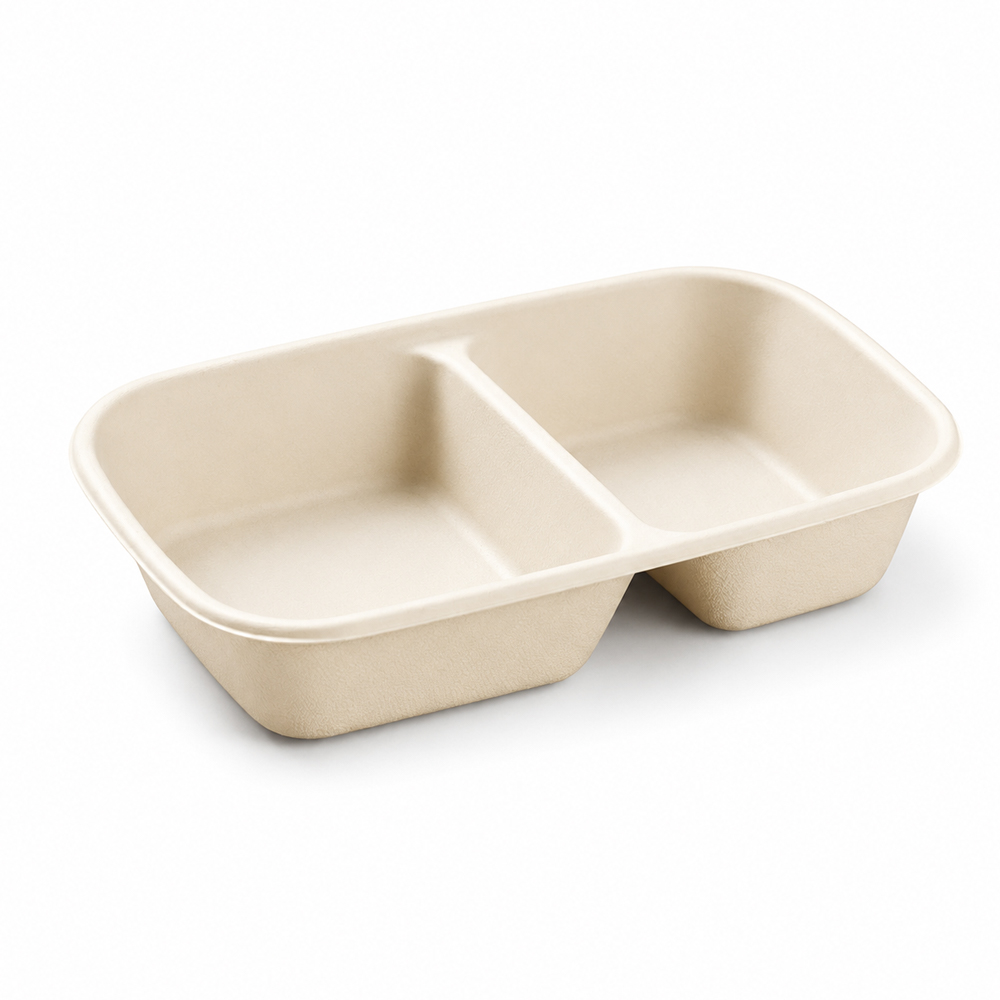
Bowls for rice, noodles, salads, desserts, side dishes and selected soup applications.
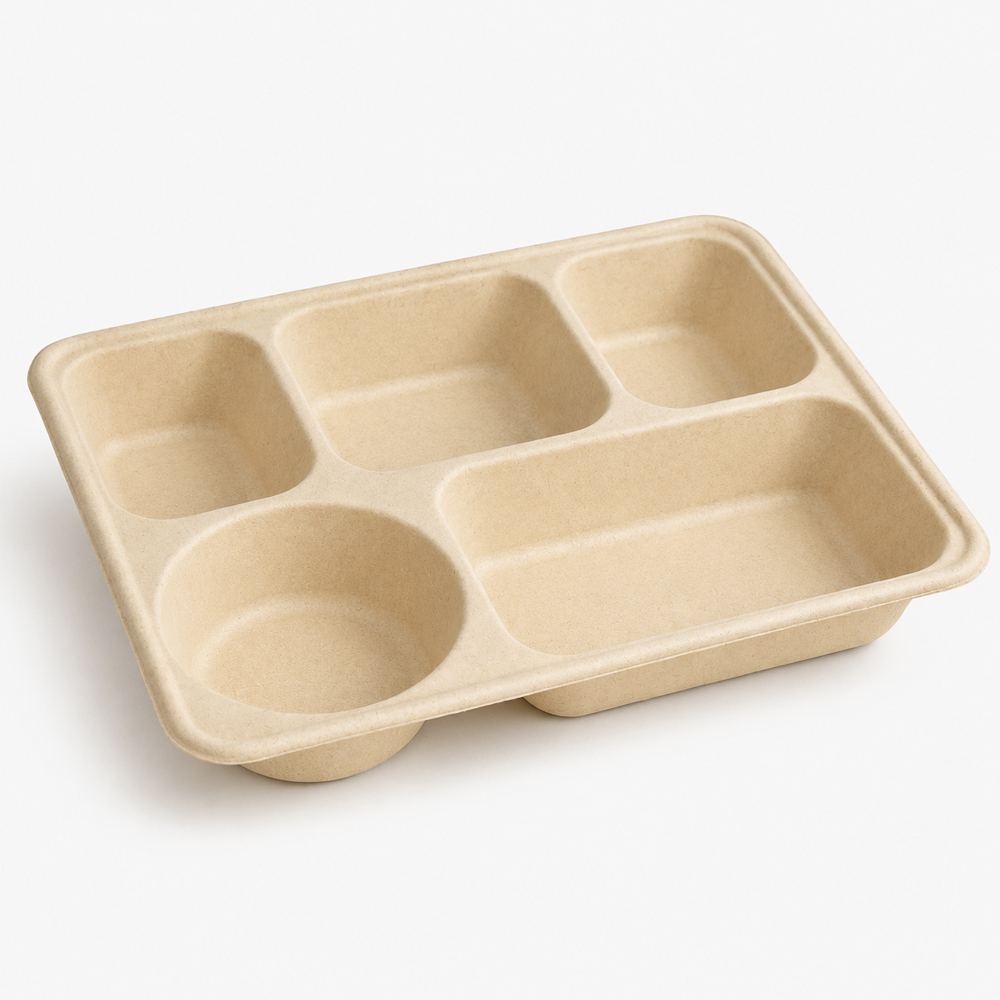
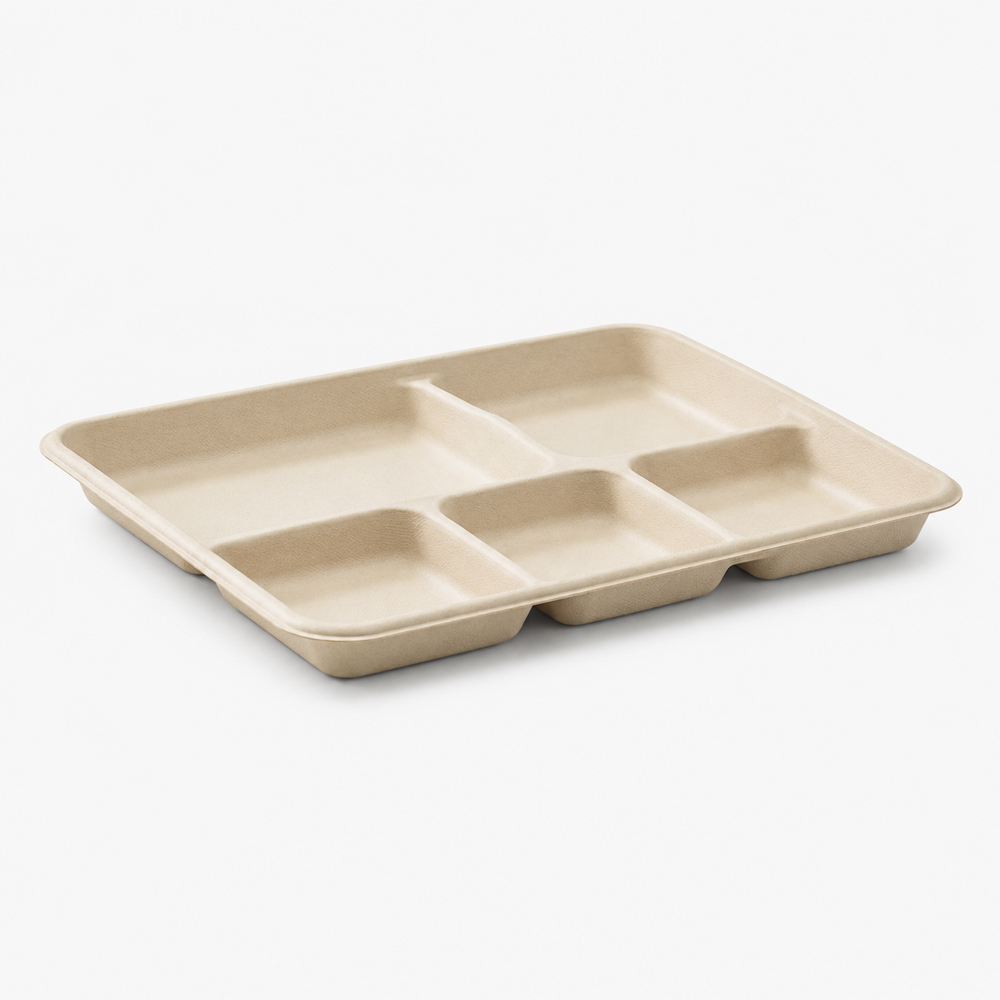
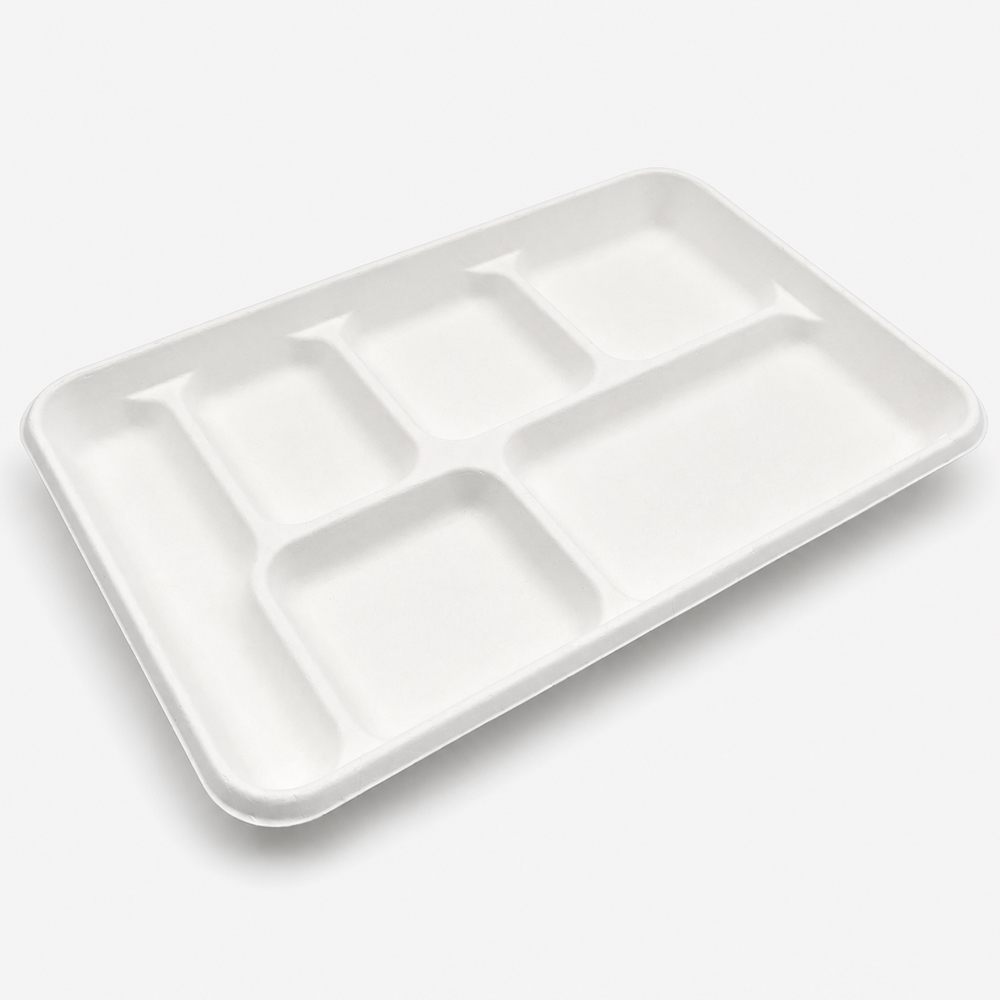
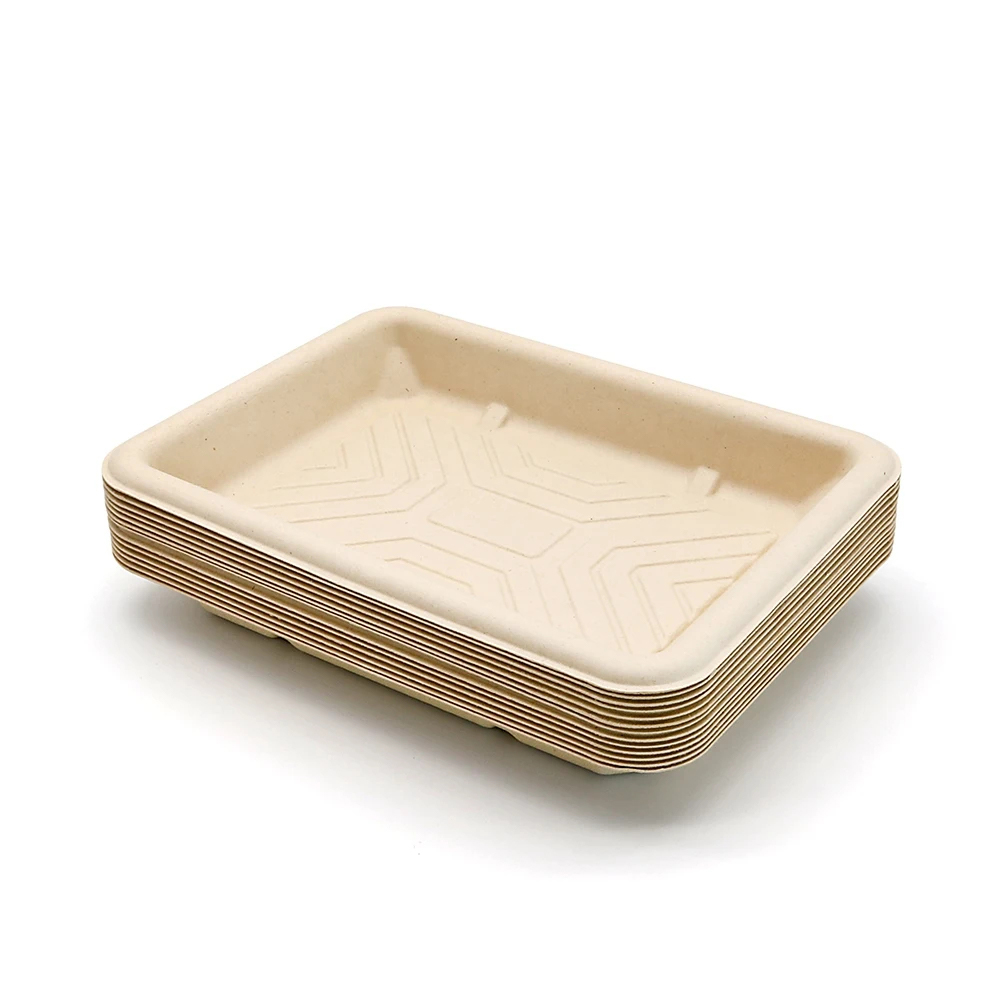
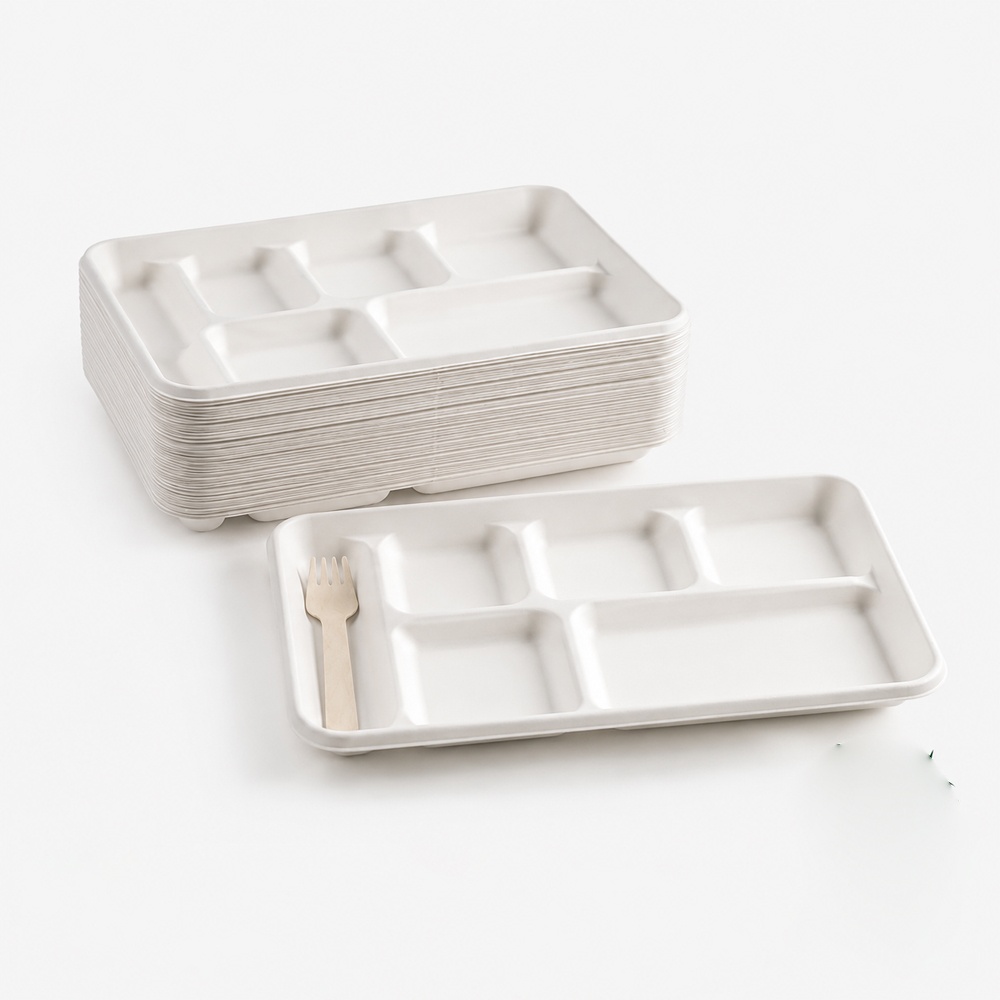
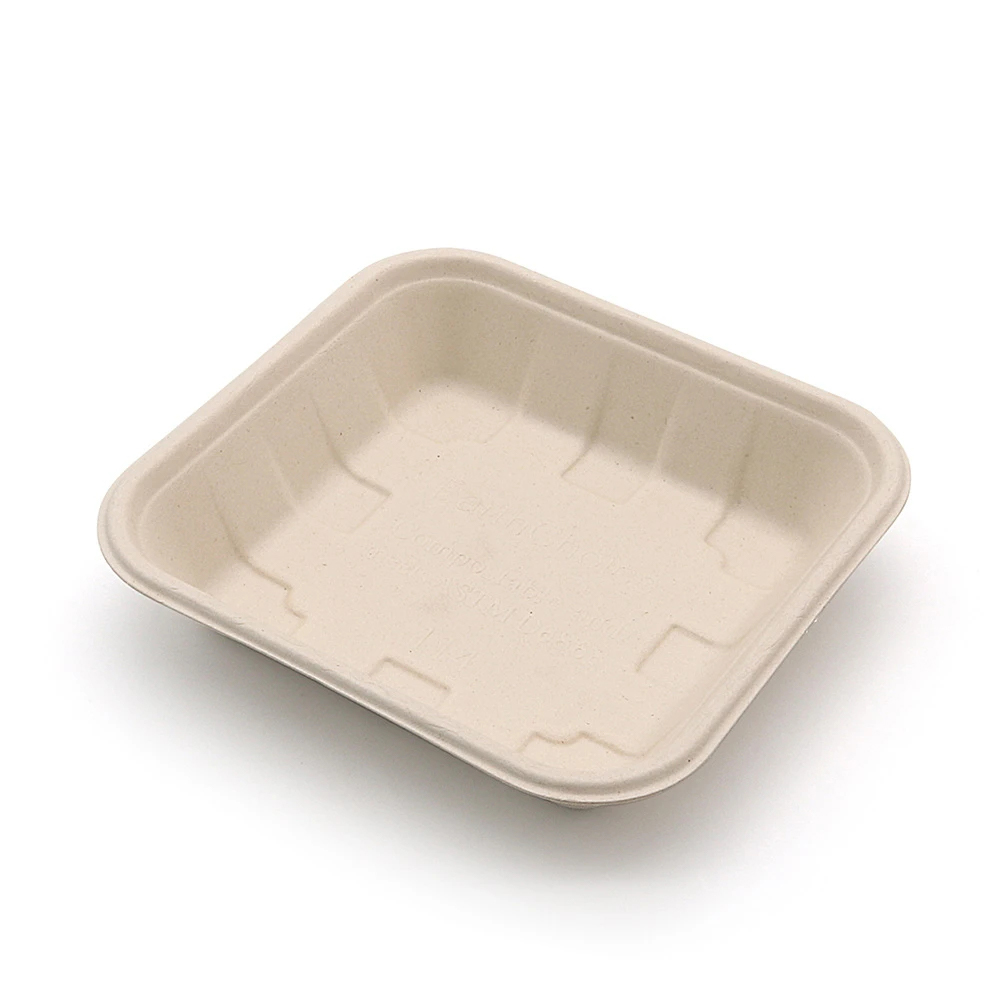
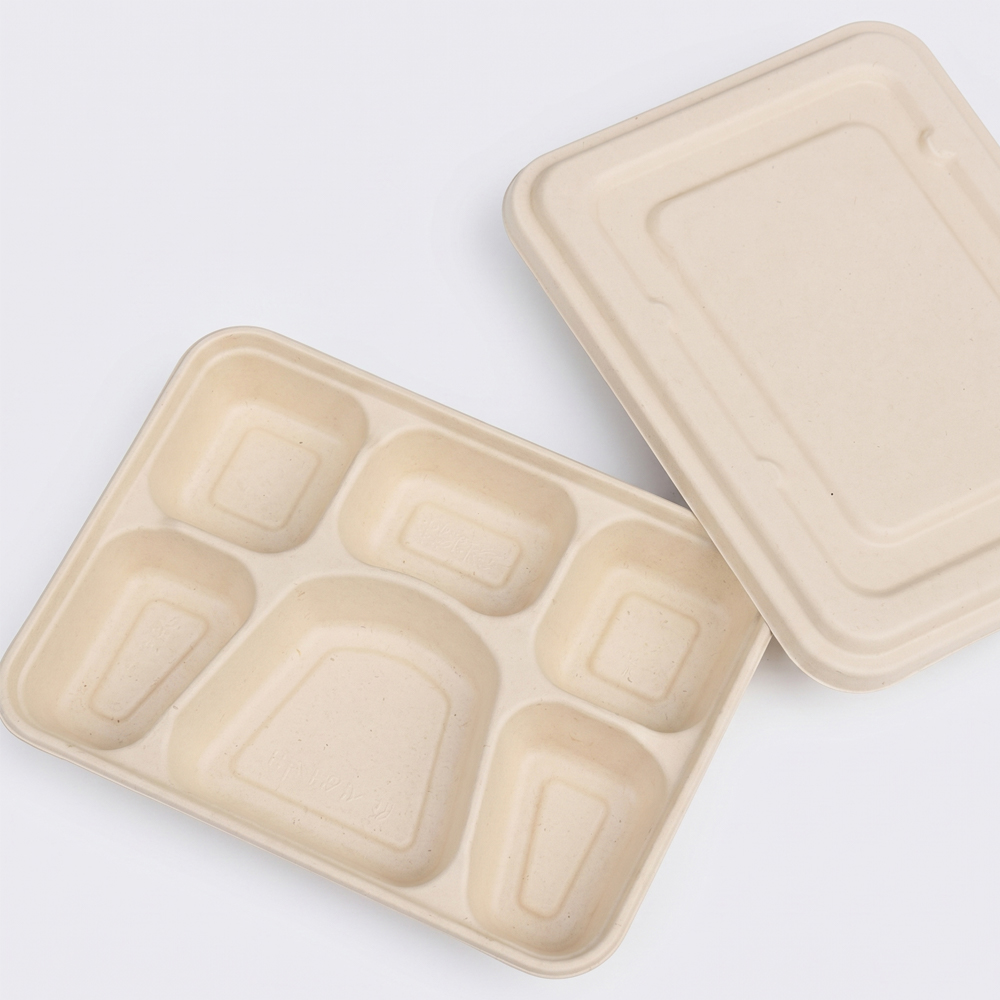
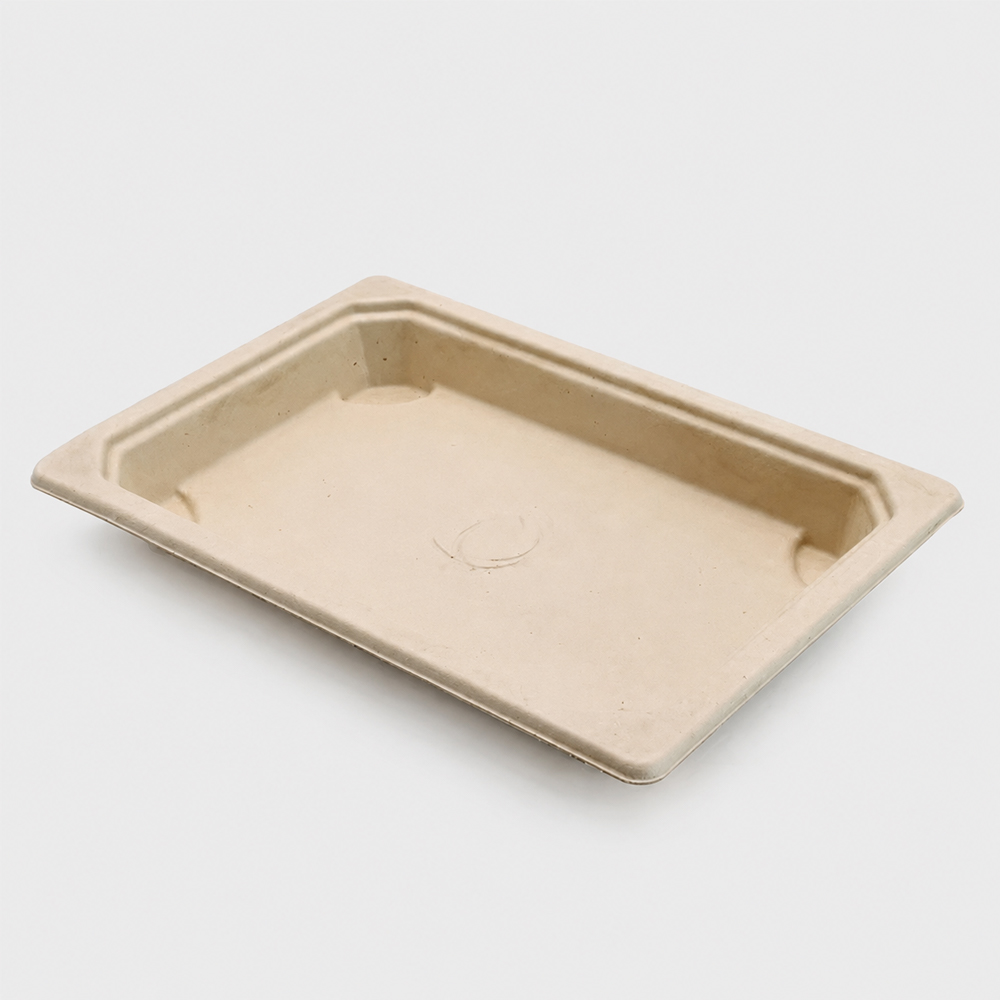
Open and compartment trays for meal service, cafeterias, supermarkets, airlines and catering operations.
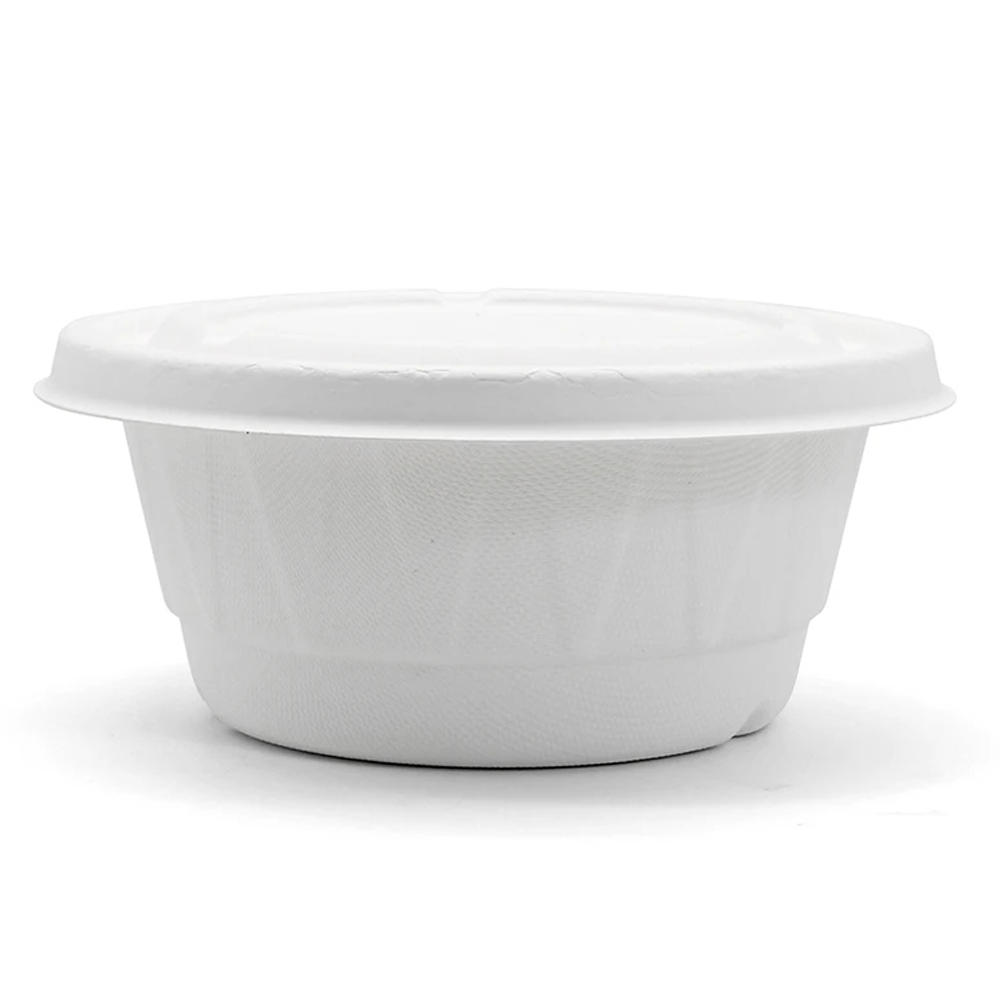
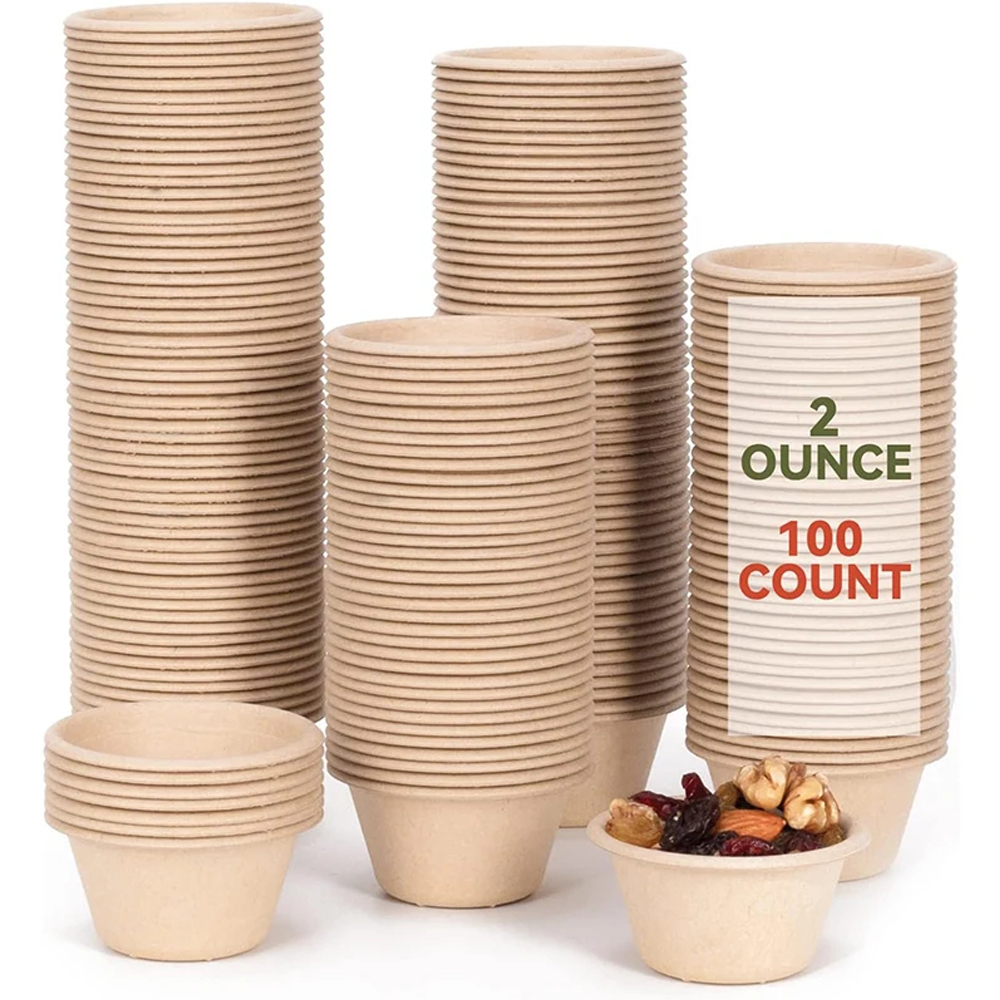
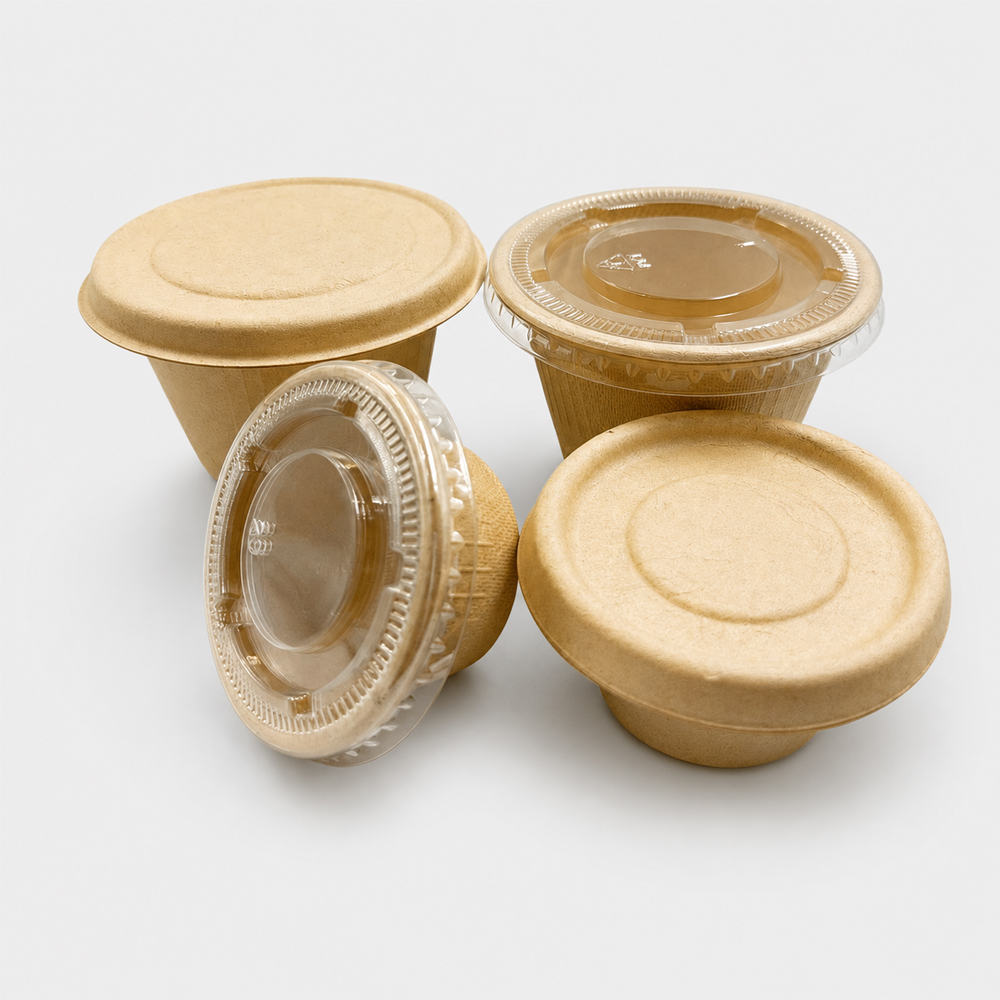
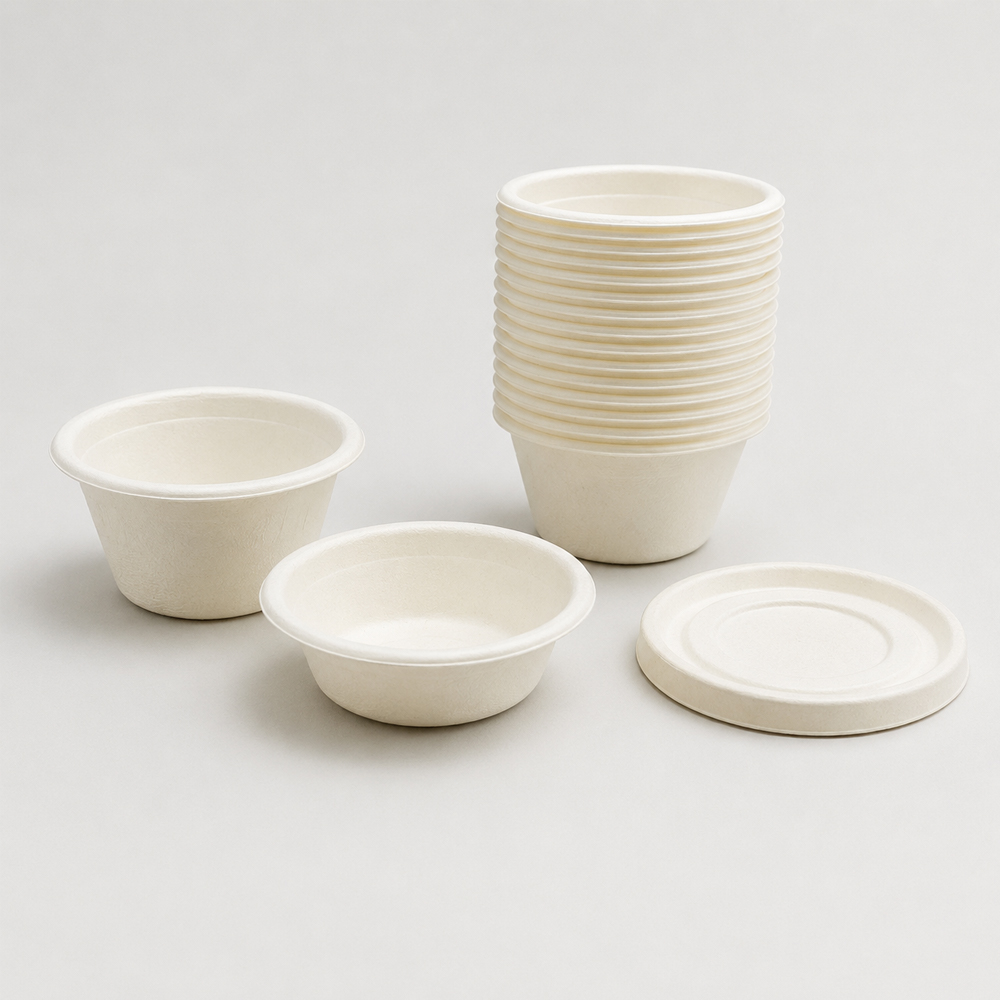
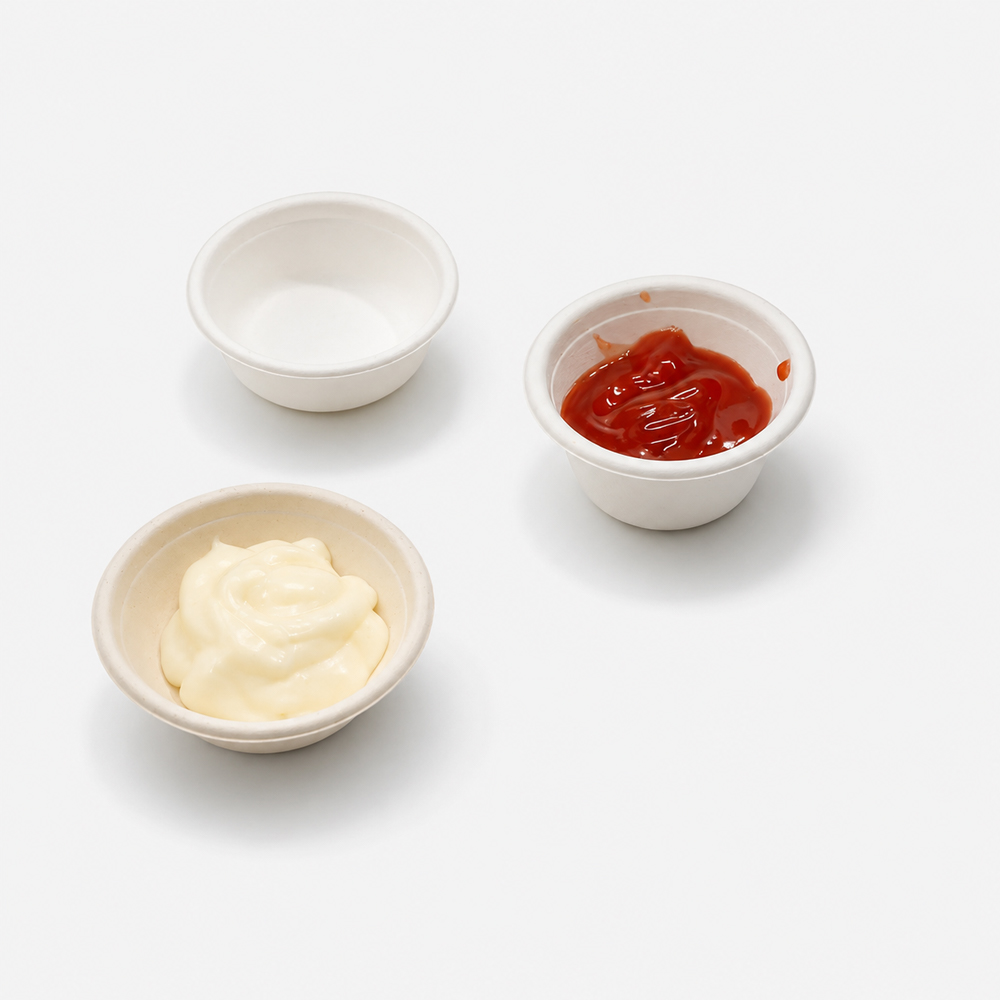
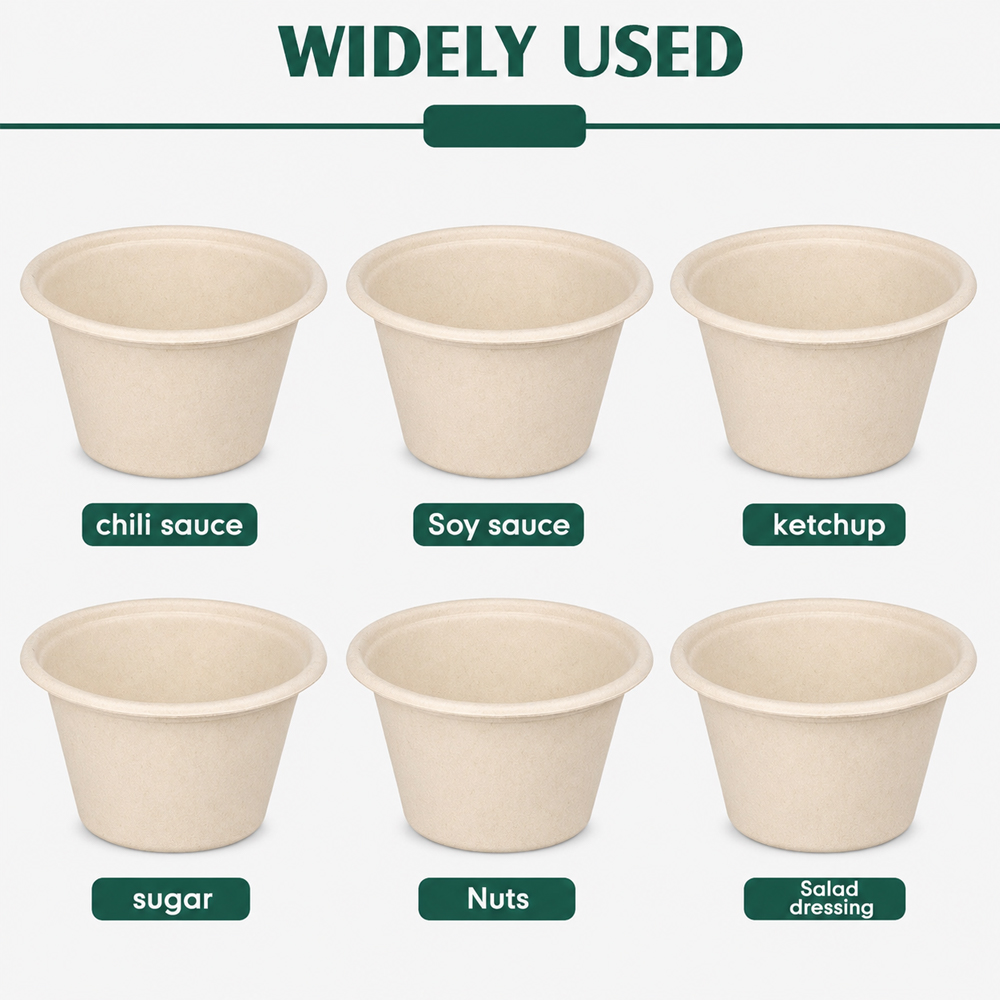
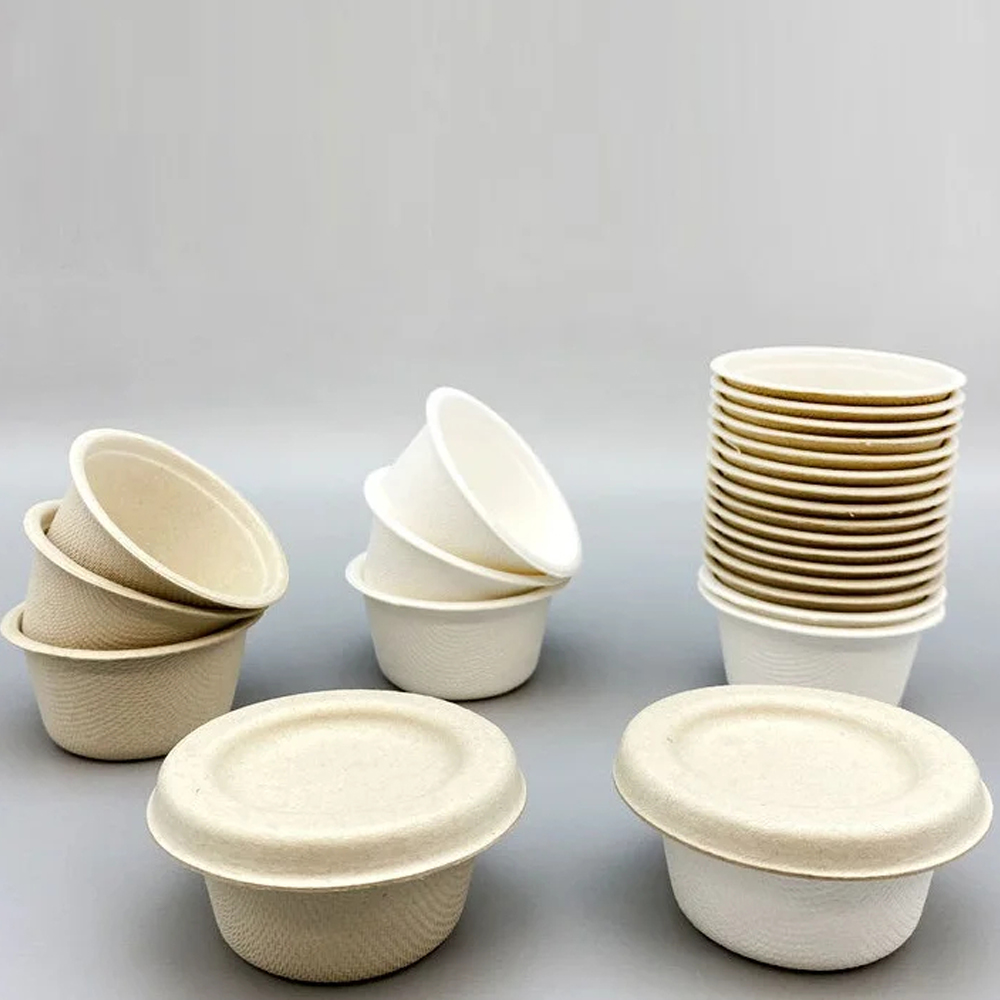
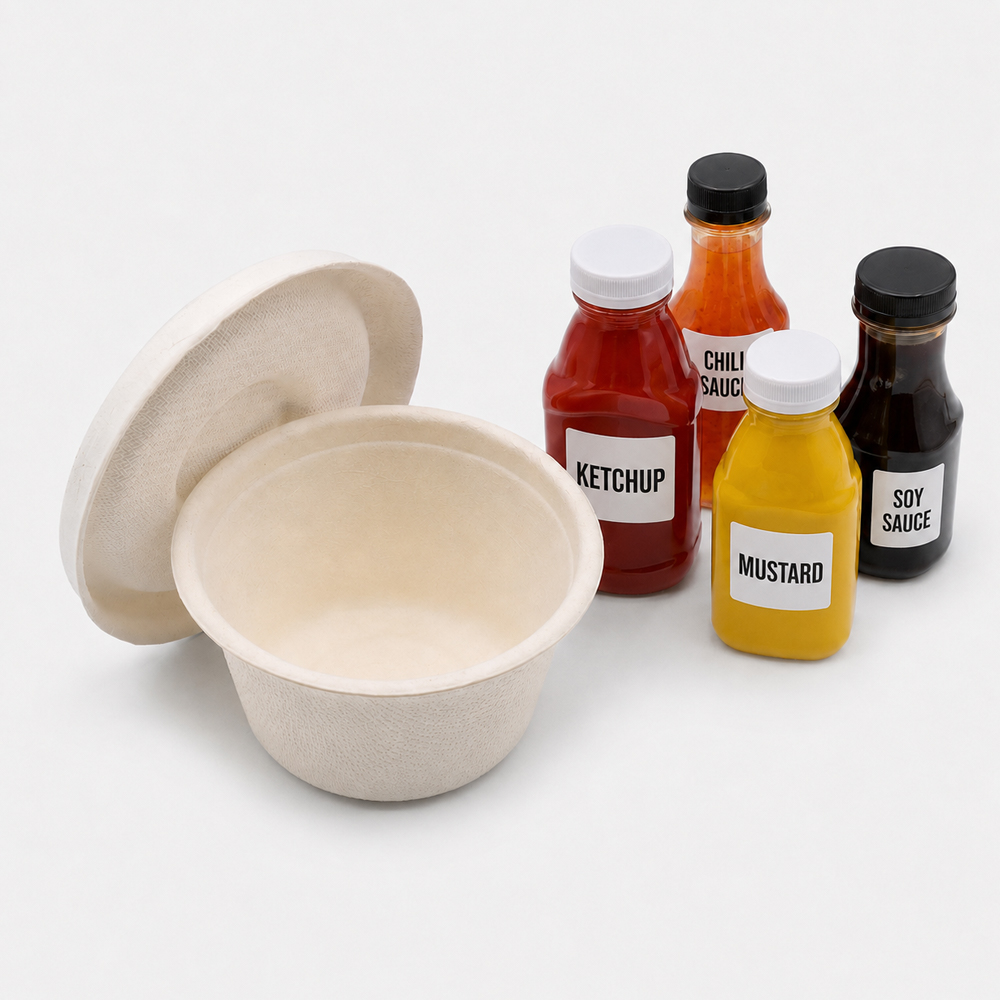
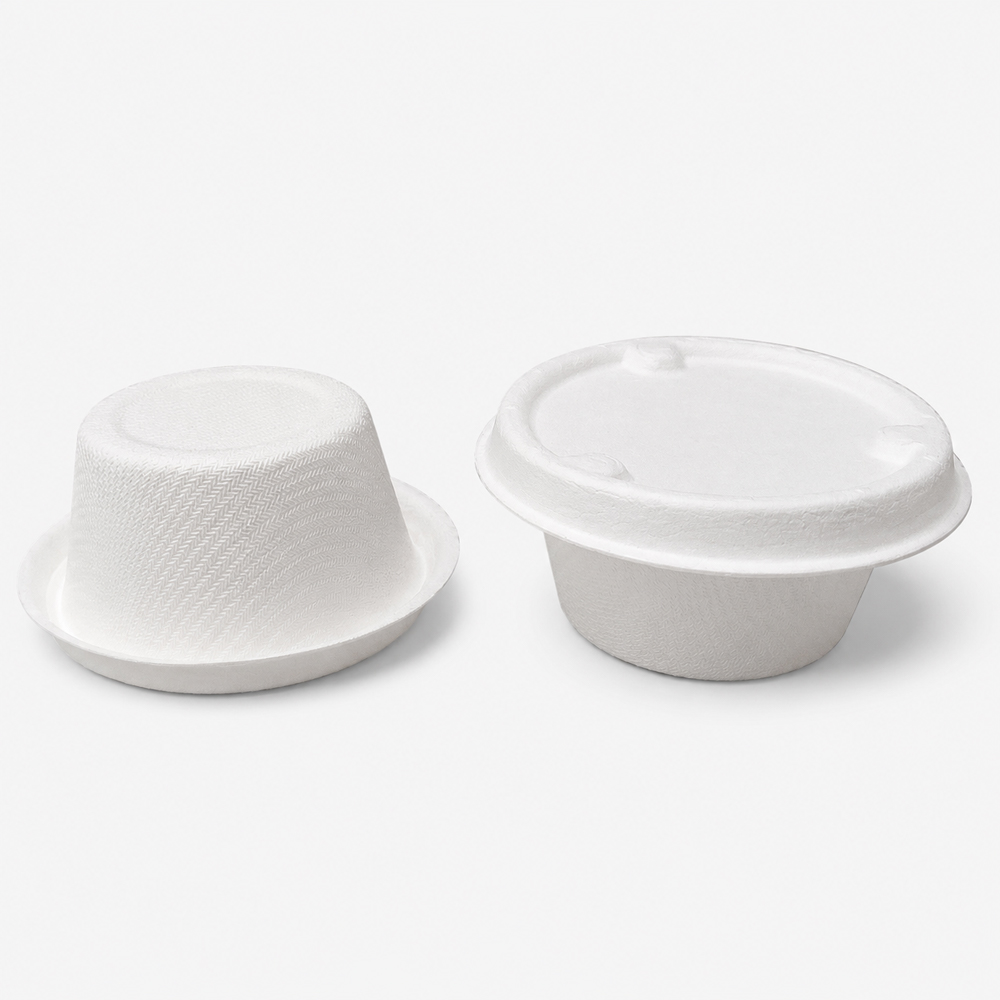
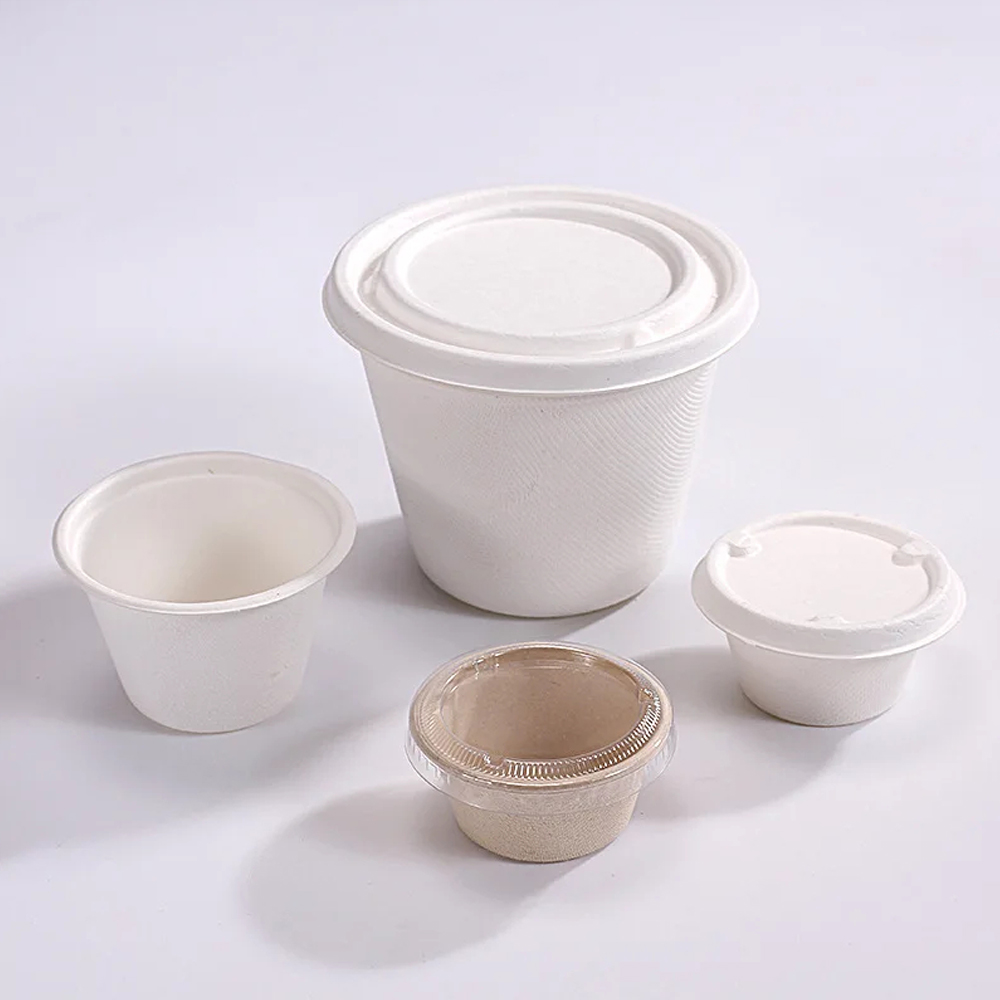
Small molded-fiber cups for dips, condiments, samples, desserts and portion-controlled sides.
BROWSE AVAILABLE PRODUCTS
Use the category tabs to compare available bagasse clamshell boxes, food containers, plates, bowls, food trays, and sauce cups. Review product formats, compartment layouts, sizes, and applications, then open a product page to request specifications, samples, or a tailored wholesale quotation.
Technical Specifications Matrix
Compare Product Families by the Checks That Affect Performance
The matrix below is built for procurement screening. Final values remain SKU-specific and should be locked in the approved specification, sample and inspection plan.
| Buyer Checklist Procurement Variable | 01 · Hinged Clamshells | 02 · Separate Lid Containers | 03 · Flatware Plates | 04 · Deep Form Bowls | 05 · Open Format Trays | 06 · Portioning Sauce Cups |
|---|---|---|---|---|---|---|
| 01 Primary Structure | Hinged base and lid | Base with separate lid | Flat, rimmed or compartmented | Deep formed cavity with rim | Open, compartmented or lidded | Small portion cup with lid option |
| 02 Typical Foodservice Role | Burgers, combo meals and rice dishes | Meal preparation, delivery and ready meals | Catering, buffet and institutional meals | Rice, noodles, salad and dessert | Cafeteria, supermarket and airline meals | Sauce, dip, condiment and sampling |
| 03 Critical Fit Control | Tab closure and hinge alignment | Rim geometry and lid retention | Rim profile and stack release | Rim roundness and lid compatibility | Flange flatness and lid or film fit | Rim consistency and lid seal |
| 04 Performance Validation | Closure cycles, leakage and stacking | Leak path, lid lift and de-nesting | Deflection, grease exposure and cut resistance | Heat exposure, wall rigidity and wet strength | Load strength and compartment isolation | Wet-strength duration and seal hold |
Shared Procurement Conditions
Confirm these conditions against the selected SKU, packing method, destination market and intended foodservice application.
01
Barrier Requirement
Confirm PFAS-free, water-resistant and oil-resistant performance by SKU, food chemistry, temperature and holding time.
02
Microwave and Freezer Use
Available on selected products and subject to actual food load, time, temperature and handling conditions.
03
Branding Options
Options may include embossed logos, printed inner packs, branded cartons, barcodes and shipping marks.
04
Typical MOQ
Normally 30,000–50,000 pieces per SKU. Final quantity depends on product mix, mold, packing and production schedule.
05
Approval Package
Confirm specifications, samples, carton data, compliance evidence, artwork, inspection criteria and commercial terms.
Bagasse Tableware Mold and Customization Options
Compare an existing standard mold, a dedicated embossed-logo mold, and fully customized mold development. The right route depends on target dimensions, branding requirements, recurring order volume, tooling budget, and launch schedule.
Standard Mold
Fastest route to market
Use an existing style, verify food performance and customize outer packaging. Best for distributors, foodservice launches and cost-controlled programs.
Embossed Logo Mold
Permanent product branding
A dedicated mold is required. It is most economical when recurring volume can absorb the tooling cost; otherwise printed cartons are usually more efficient.
New Custom Mold
Own size and structure
Sample mold: about USD 1,000 and 7–10 days. Production mold: about USD 5,000–10,000 and 25–30 days after sample approval.
Reduce Comparison Time
Send One RFQ and Receive a Matched Product, Evidence and Loading Discussion
Include your current item, target size, annual usage, food application, destination, required certificates and launch date
Evidence, Not Logo Walls
A Compliance Stack Organized by What Each Document Proves
Factory systems, product certifications, food-contact test reports and social audits answer different procurement questions. They should be reviewed separately and matched to the exact product
01 · Factory System
Site-level controls
BRCGS, ISO 9001 and ISO 14001 documentation may support review of quality, packaging safety and environmental management systems.
- Verify certified site name
- Check scope and expiry
- Match the producing factory
02 · Product Certification
Composting environment
Selected products may carry BPI, OK compost HOME or OK compost INDUSTRIAL documentation and testing to EN 13432, ASTM D6400 or ASTM D6868.
- Verify SKU listing
- Confirm home vs industrial scope
- Use claims only within certificate scope
03 · Test Report
Food contact and chemistry
Depending on the SKU and market, the document pack may include applicable U.S. FDA food-contact testing, migration testing, SGS reports and PFAS-free evidence.
- Match sample description
- Check test method and date
- Confirm material and color
04 · Social / Supply Chain
Buyer governance
BSCI, Sedex and related audit records may support supplier-responsibility reviews, while packing and traceability records support shipment control.
- Confirm audit site
- Review corrective actions if applicable
- Align with buyer code of conduct
“FDA,” “SGS,” and “PFAS-free” should not be grouped as equivalent certifications. Request the applicable test report, declaration, certificate or audit record and verify its scope before using the claim in packaging or marketing.
Manufacturing Proof
Scale Is Useful Only When the Process Remains Controlled
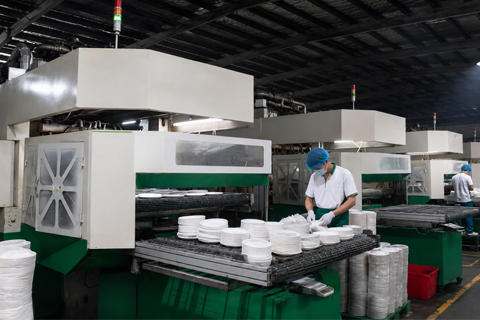
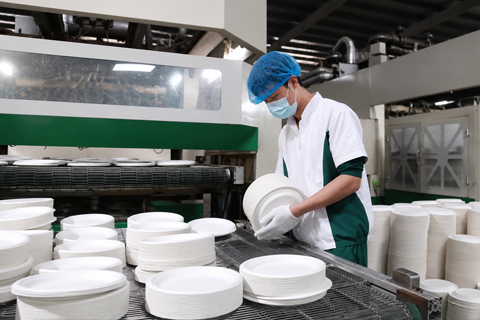
Xcellink Ecopack reports 50 automatic production lines, more than 600 self-developed automatic machines and annual output above 60,000 tons. Quality control spans R&D, production, sales, logistics and after-sales service.
Supports stable repeat production and multi-SKU programs.
Self-developed equipment across the production base.
Approximately 3,000 forty-foot high-cube containers.
Supporting more than five million consumers worldwide.
Control Plan
Typical Production Checkpoints
1
Incoming material verification
Fiber, additives, packaging materials and approved supplier records.
2
Pulp preparation and forming
Pulp consistency, forming conditions and mold identification.
3
Hot pressing and trimming
Shape stabilization, edge quality, surface condition and nesting.
4
Dimensional and functional checks
Weight, dimensions, closure, lid fit, leakage and application-specific performance.
5
Packing and traceability
Pack count, carton, markings, batch identification and loading plan.
The Trust Stack
Consultation → Prototyping → Mass Production → Logistics
Each stage closes a different sourcing risk before the next financial commitment is made.
01
Consultation
Map the food application, dimensions, annual demand, destination, documentation, packing, budget and launch date.
Output: shortlist, RFQ basis and sample plan.
02
Prototyping
Evaluate a standard sample or develop a custom sample mold from the buyer’s sample, drawing or approved concept.
Custom timing: about 7–10 days after sample-mold approval.
03
Mass Production
Freeze the approved sample, specification, artwork, packing, inspection criteria and applicable compliance evidence.
New mold timing: about 25–30 days after sample approval.
04
Logistics
Confirm carton data, mixed-SKU loading, shipping marks, port, Incoterm and freight basis before dispatch.
Terms: FOB standard; CIF or DDP by individual quote.
OEM / ODM Engineering
Customize Only Where It Creates Commercial Value
The lowest-risk route is often an existing mold with customized outer packaging. Dedicated embossing and new structural development are available when recurring order volume justifies tooling.
Outer packaging and carton branding
Supports stable repeat production and multi-SKU programs.
Embossed product logo
Requires a separate product mold paid by the buyer. It is normally most cost-effective for large, recurring monthly volume.
New dimensions and structures
Provide samples, pictures or drawings. The engineering team develops a drawing, sample mold, physical samples and production mold after approval.
Commercial Planning
Custom Development Costs and Lead Times
- Sample mold
- Approx. USD 1,000 / set
- Sample preparation
- Approx. 7–10 days
- Mass-production mold
- Approx. USD 5,000–10,000
- Production mold cycle
- Approx. 25–30 days
- Custom-product MOQ
- At least 1 × 20-ft container; often 40HQ
Costs and lead times depend on product geometry, size, cavity design, tooling complexity, revision cycles, and the final production plan.
Application Engineering
Match the Pack to the Meal, Service Model and Disposal Pathway
The same bagasse item can perform differently across a five-minute counter service, a forty-minute delivery route and a chilled retail display. Approval should reproduce the intended use.
Restaurants & QSR
Clamshells, containers and portion cups for burgers, combo meals, sides, rice dishes and takeaway service.
Focus: closure, heat, oil and delivery hold.
Foodservice Distribution
Coordinated category programs with product samples, carton data, documentation and repeat supply planning.
Focus: assortment, MOQ, stock and container mix.
Catering & Events
Plates, bowls and trays for parties, corporate dining, weddings, festivals, BBQs and temporary venues.
Focus: rigidity, stacking and rapid service.
Retail & Private Label
Consumer packs with branded cartons, barcode placement, pack counts and shelf-ready configurations.
Focus: artwork, pack integrity and compliance claims.
Institutional Meals
Trays and compartment products for schools, hospitals, offices, central kitchens and cafeterias.
Focus: portion control, load strength and throughput.
Meal Prep & Delivery
Separate-lid containers and divided formats for organized meals, food delivery and prepared-food programs.
Focus: lid fit, condensation, stacking and route time.
AI-Overview Ready Answers
Frequently Asked Questions
Each answer starts with the procurement conclusion, then adds the conditions needed to use it correctly.
What is bagasse tableware?
Bagasse tableware is molded fiber food packaging made from sugarcane residue. It includes clamshell boxes, separate-lid containers, plates, bowls, food trays and sauce cups used for takeaway, catering, delivery, retail and institutional foodservice.
Is XcelLink Ecopack bagasse tableware PFAS-free?
XcelLink Ecopack offers PFAS-free bagasse tableware. Buyers should request the current declaration or test report for the exact SKU, mold, material formulation, color and destination market included in the order.
Is bagasse tableware home compostable or industrially compostable?
The correct claim depends on the exact product certification. Selected products may have OK compost HOME, OK compost INDUSTRIAL, BPI or testing to EN 13432, ASTM D6400 and ASTM D6868. Do not apply a category-wide home-compostable claim without SKU-specific evidence.
Can bagasse containers hold hot, wet or oily food?
Selected bagasse products are designed for hot, cold, wet and oily foods. Actual performance depends on the SKU, food chemistry, temperature, contact time, microwave conditions and delivery route. Approve samples with the real menu before mass production.
What is the minimum order quantity?
Yes, but an embossed logo requires a dedicated mold paid by the buyer. It is most economical for recurring high-volume orders. For lower volumes, printed outer cartons or inner packaging usually provide a better branding-to-cost ratio.
Can you emboss our logo on the product?
Yes, but an embossed logo requires a dedicated mold paid by the buyer. It is most economical for recurring high-volume orders. For lower volumes, printed outer cartons or inner packaging usually provide a better branding-to-cost ratio.
How does custom mold development work?
Start with a sample, picture or drawing and a defined performance brief. The sample mold is approximately USD 1,000 per set and takes about 7–10 days. After sample approval, the mass-production mold is approximately USD 5,000–10,000 and takes about 25–30 days.
Can you quote FOB, CIF or DDP?
FOB is the standard quotation basis. CIF or DDP can be quoted individually after the destination, order volume, carton and loading plan, shipping date and current freight charges are confirmed. Shenzhen is the primary port; other ports can be discussed.
B2B Conversion Block
Get a Quote That Can Survive Procurement Review
A useful quotation should identify the product, MOQ, packing basis, customization, applicable evidence, port and Incoterm—not just a unit price.
- Matched standard molds from 200+ existing styles
- Free sample discussion and application test plan
- Certificate and report availability by selected SKU
- FOB, CIF or DDP discussion based on real shipment details