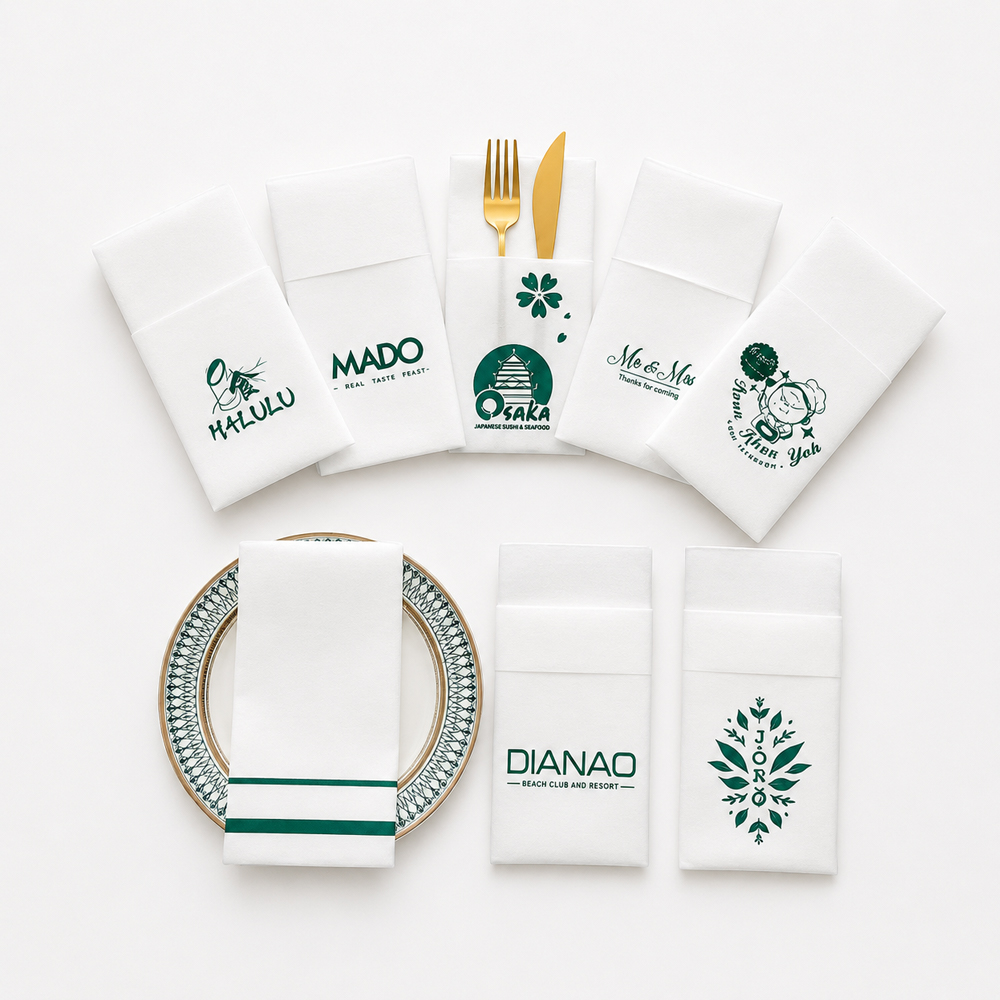
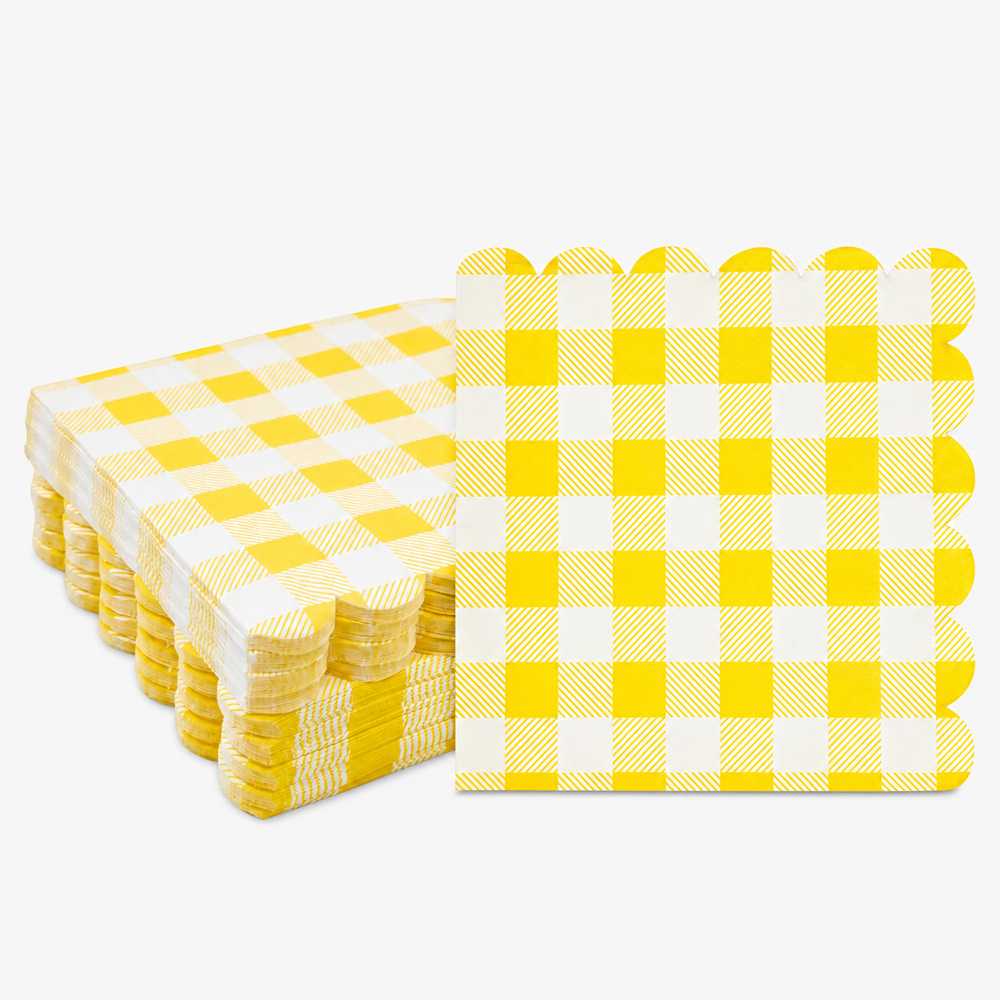
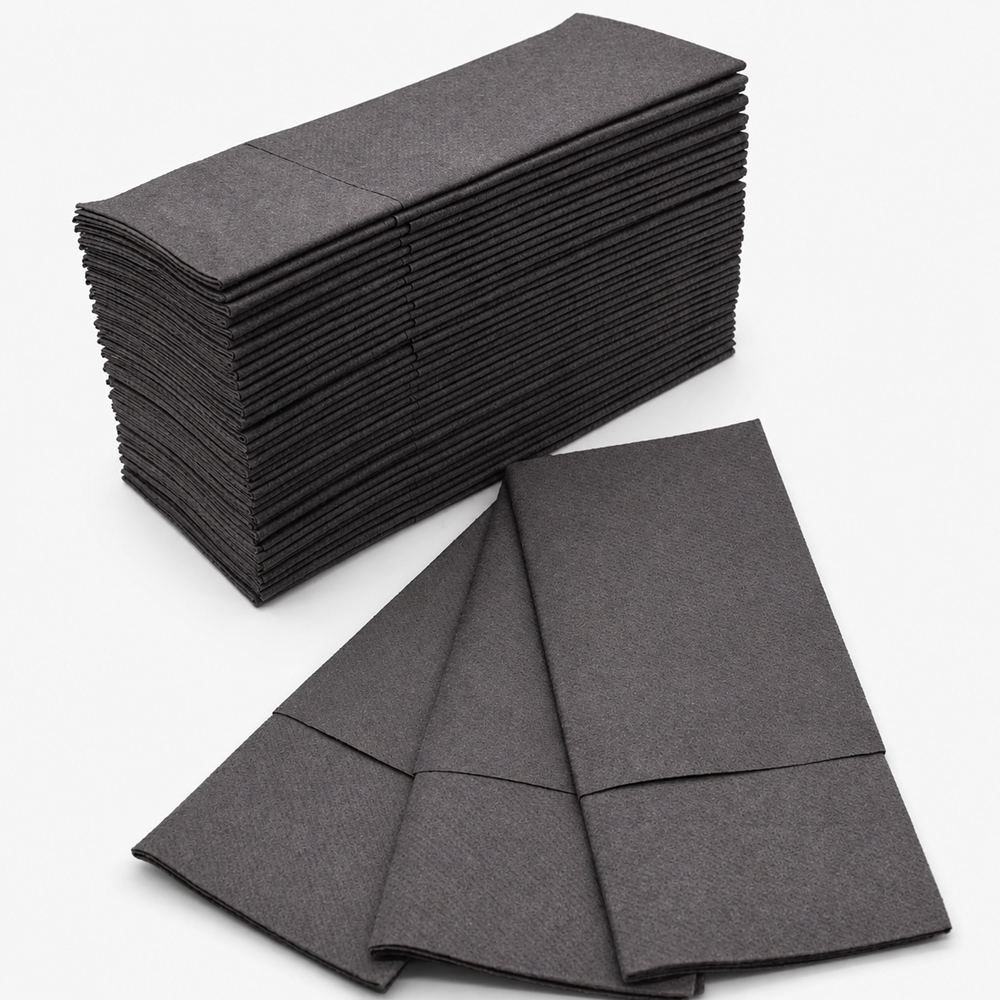
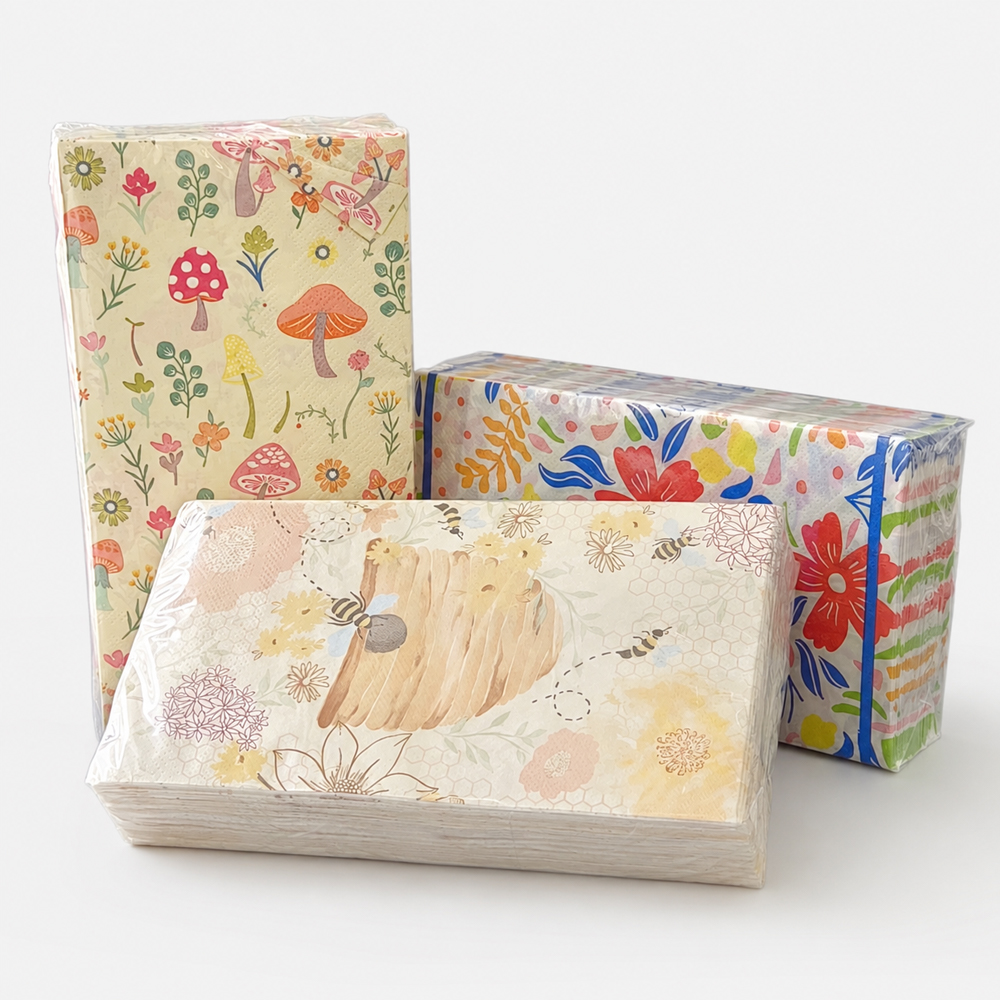
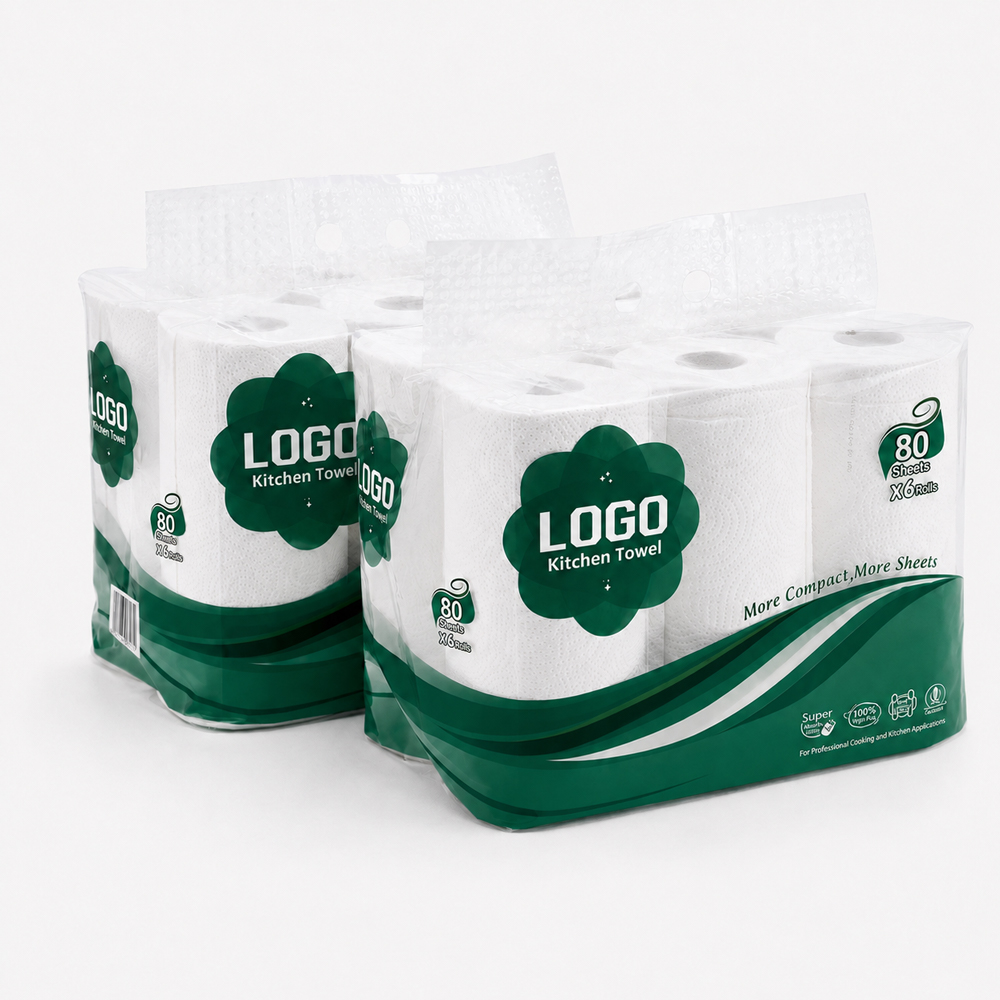
Commercial Foodservice Napkins and Towels Manufacturer

Commercial foodservice napkins, tissues and paper towels are disposable hygiene products specified for dining, takeaway, kitchen wiping and washroom use. As a commercial foodservice napkins and towels manufacturer, XcelLink Ecopack coordinates fiber, ply, dimensions, embossing, printing, dispenser compatibility, private-label packing, quality controls and export support around each buyer’s application.

Build one controlled sourcing program for paper napkins, facial tissue, toilet paper, pocket tissues and kitchen paper towels—without losing visibility over specifications, packaging, documentation or container efficiency.

50+

Countries Served

SKU-Specific

Specification Control

FOB · CFR · CIF

Export Planning

Start with the application

Five categories. One sourcing logic.

Select the operating environment first, then define performance, dispenser, packing and compliance requirements.

01

Use Environment

Dining, takeaway, guest room, washroom, kitchen or facility.

02

Technical Format

Ply, GSM, sheet size, fold, roll diameter, core and perforation.

03

Commercial Program

MOQ, artwork, packs, cartons, pallets, lead time and destination.

Specification rule

Final tolerances belong on the approved product specification sheet—not only in a catalogue description.

DIN
BRCS
BPI
Compostable
FDA
ISO
Sedex

The Procurement Problem

A Low Unit Price Can Hide a High Operating Cost

Mismatched folds, weak sheet separation, incorrect roll dimensions or unsupported sustainability claims can create dispenser jams, product waste, emergency replenishment and customer complaints.

Specification Drift

Repeat orders change when ply, GSM, dimensions, sheet count or pack quantity are not locked to an approved reference.

Dispenser Mismatch

A refill can fit the category name yet fail in the actual dispenser because folded size, core or roll diameter differs.

Claim Exposure

FSC, PEFC, recycled, biodegradable or compostable wording is risky when evidence does not cover the quoted SKU and supply chain.

Product Architecture

Napkins, Tissues and Paper Towels Product Range

Coordinate five core categories within one purchasing program while keeping each SKU’s material, converting, packaging and documentation requirements separate.

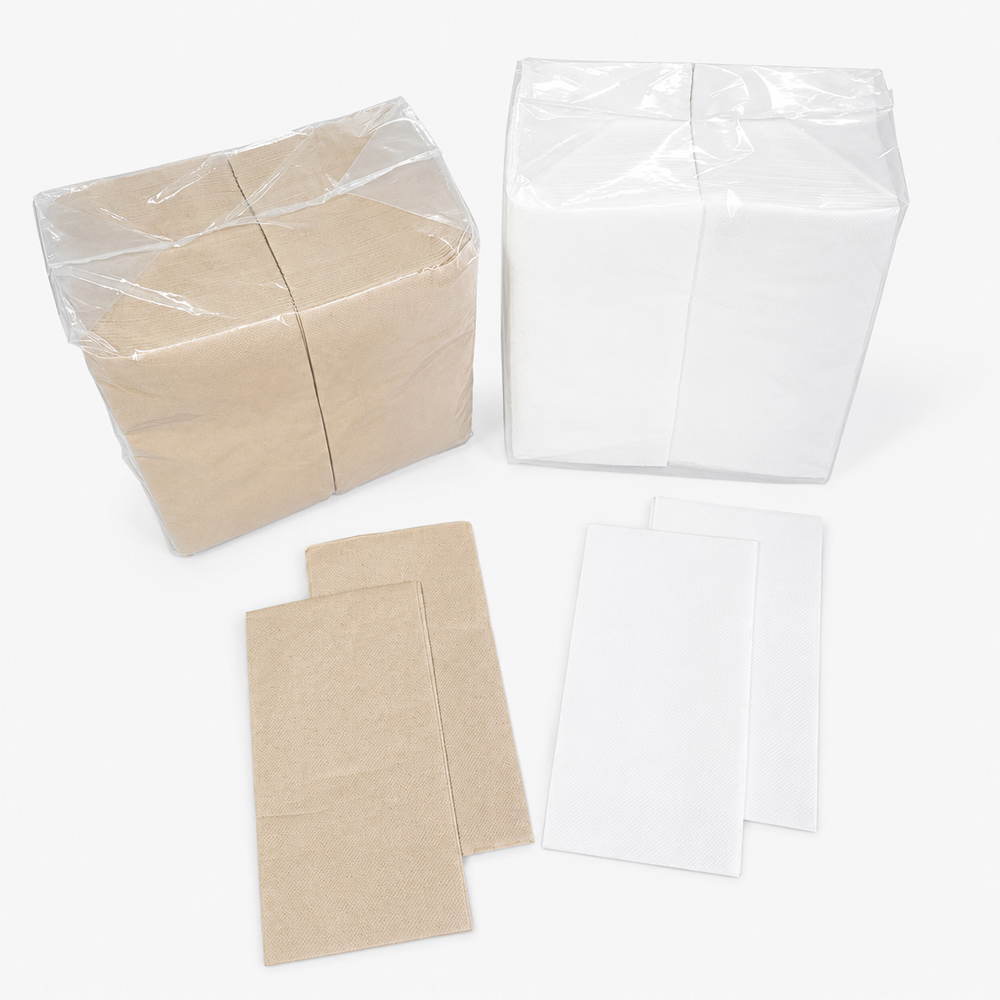
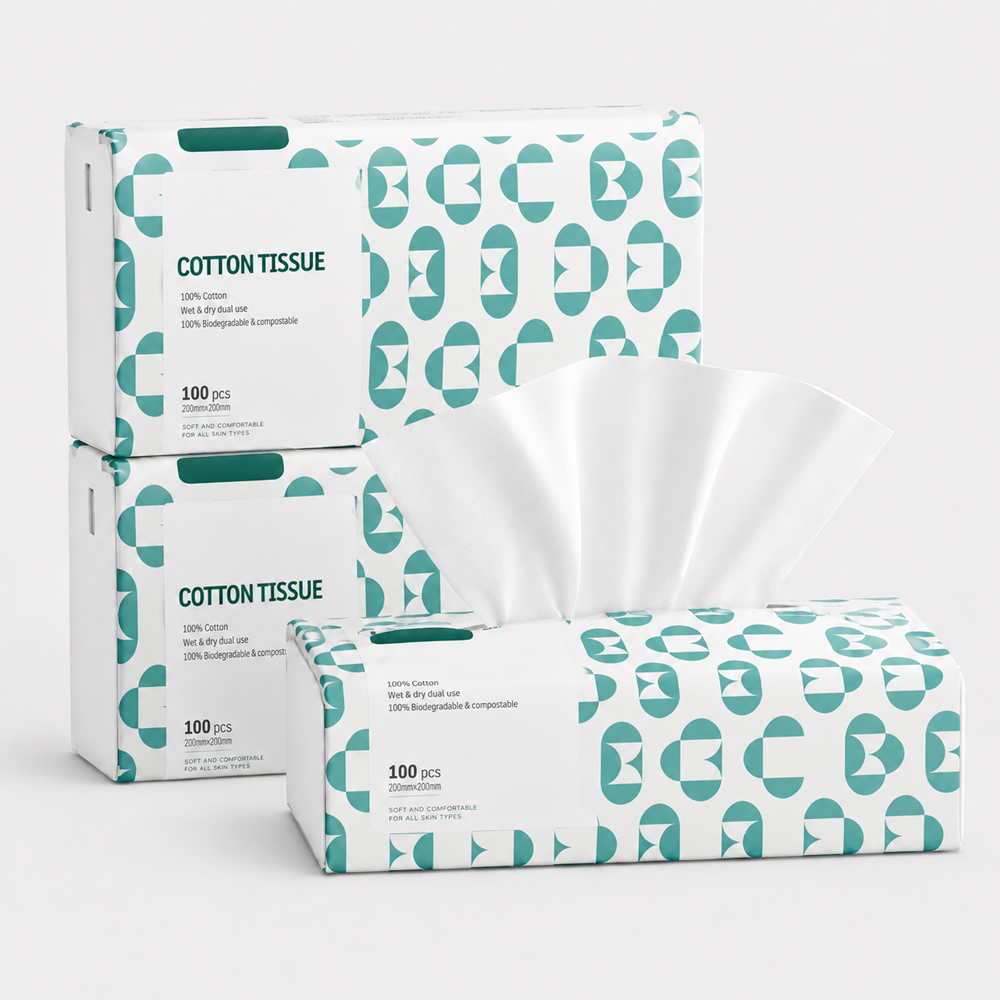
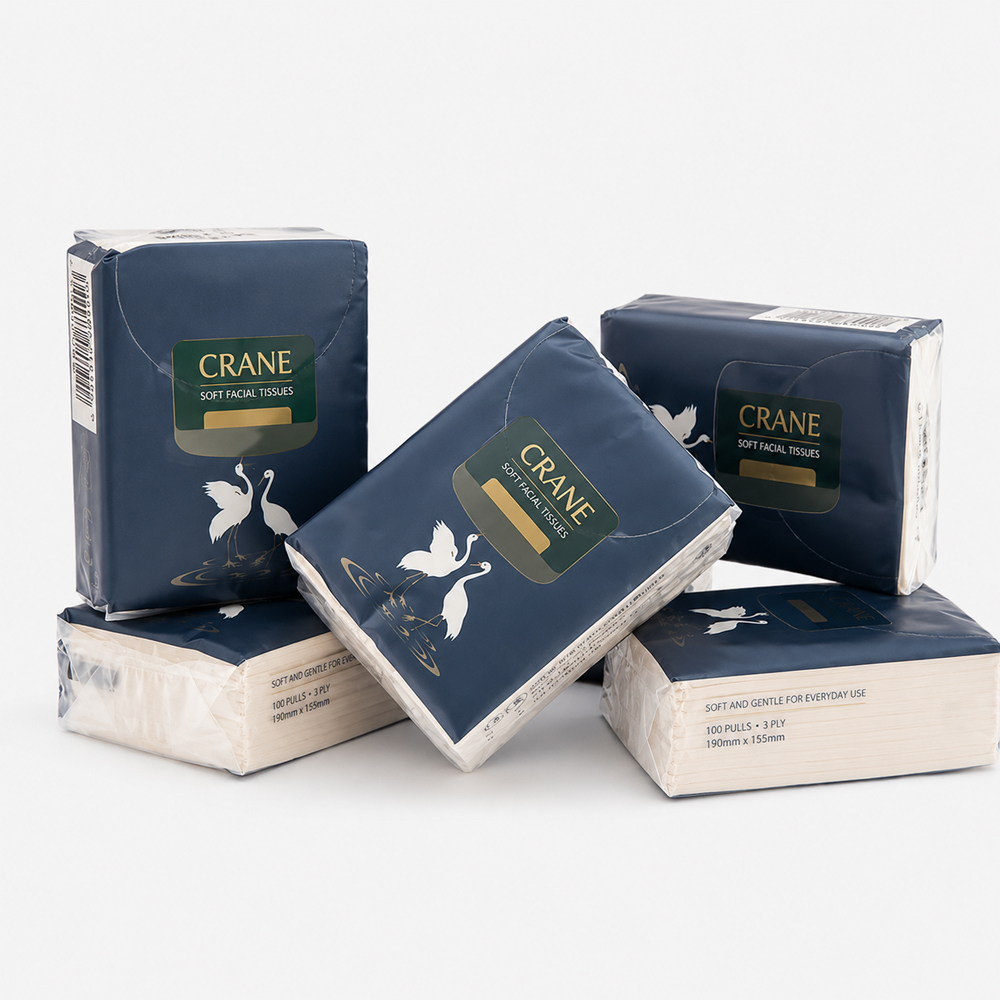
Paper napkins

Dining, beverage, takeaway and controlled dispensing.

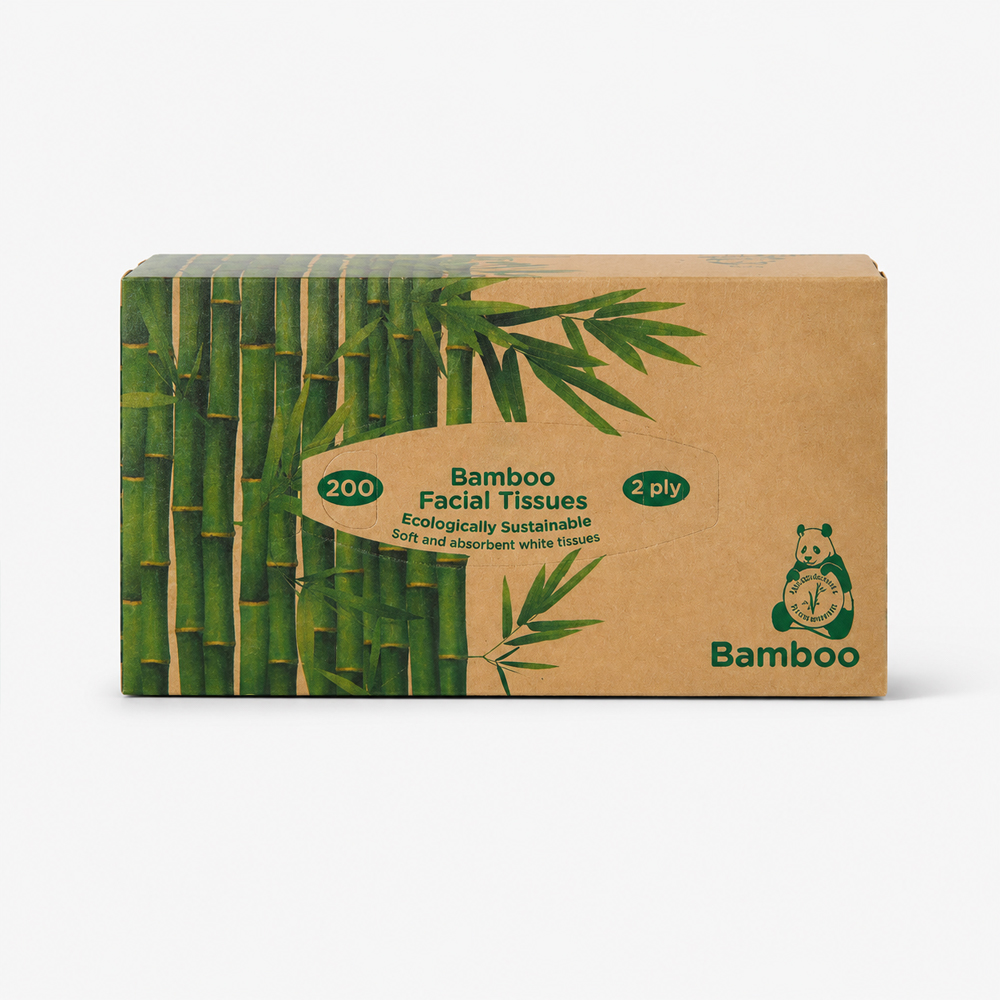
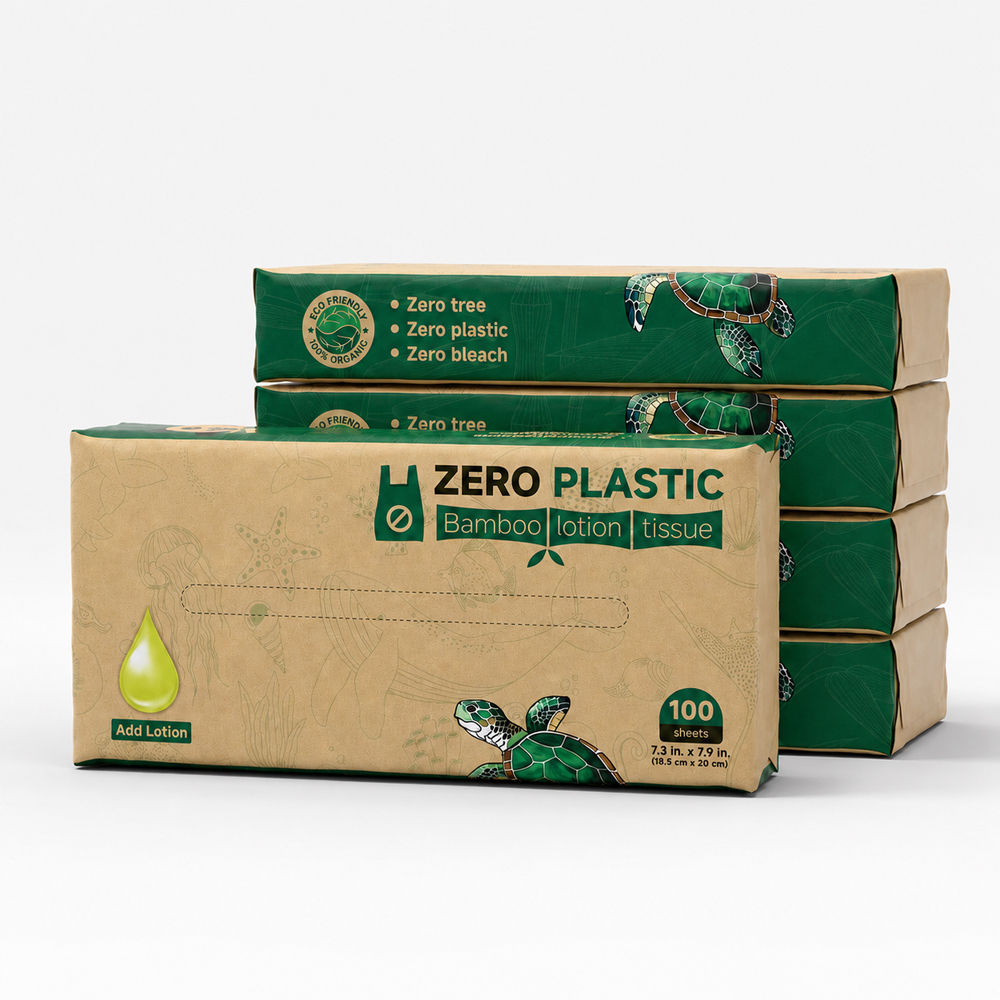
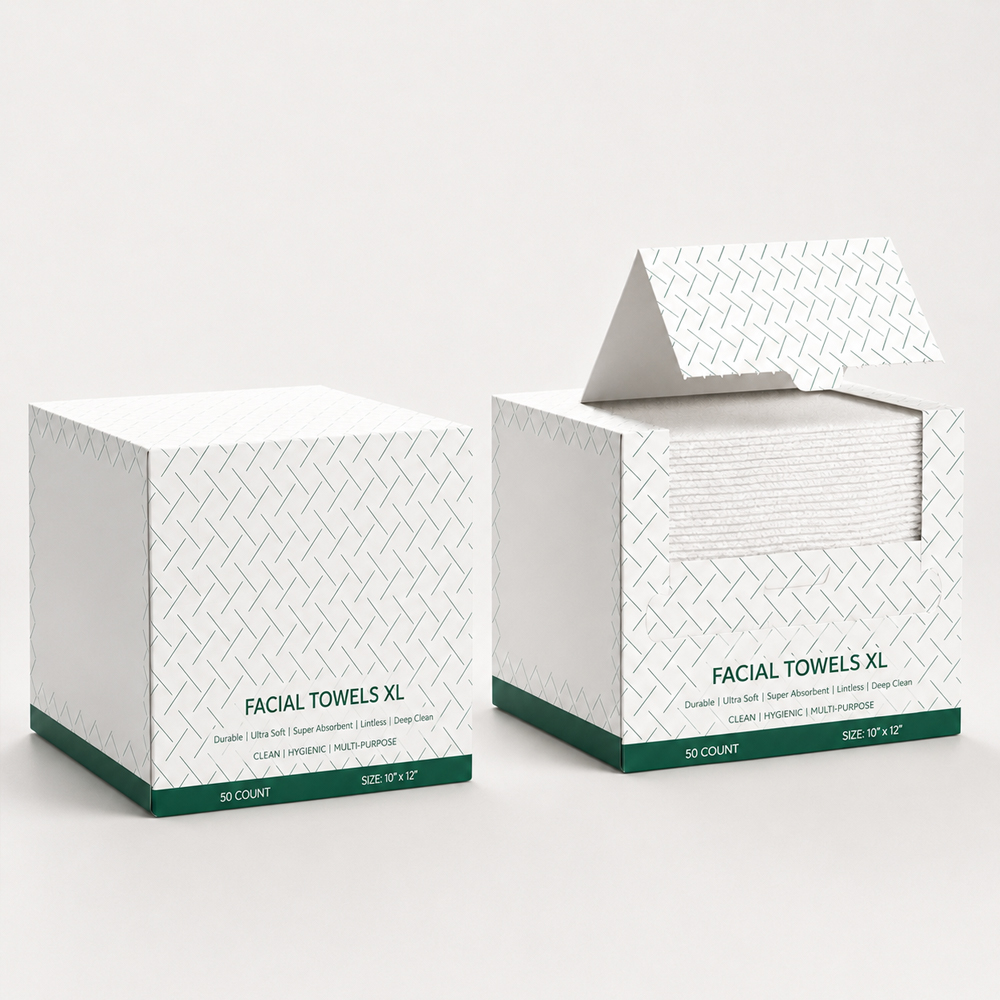
Facial tissue

Retail, hospitality, office and healthcare supply.

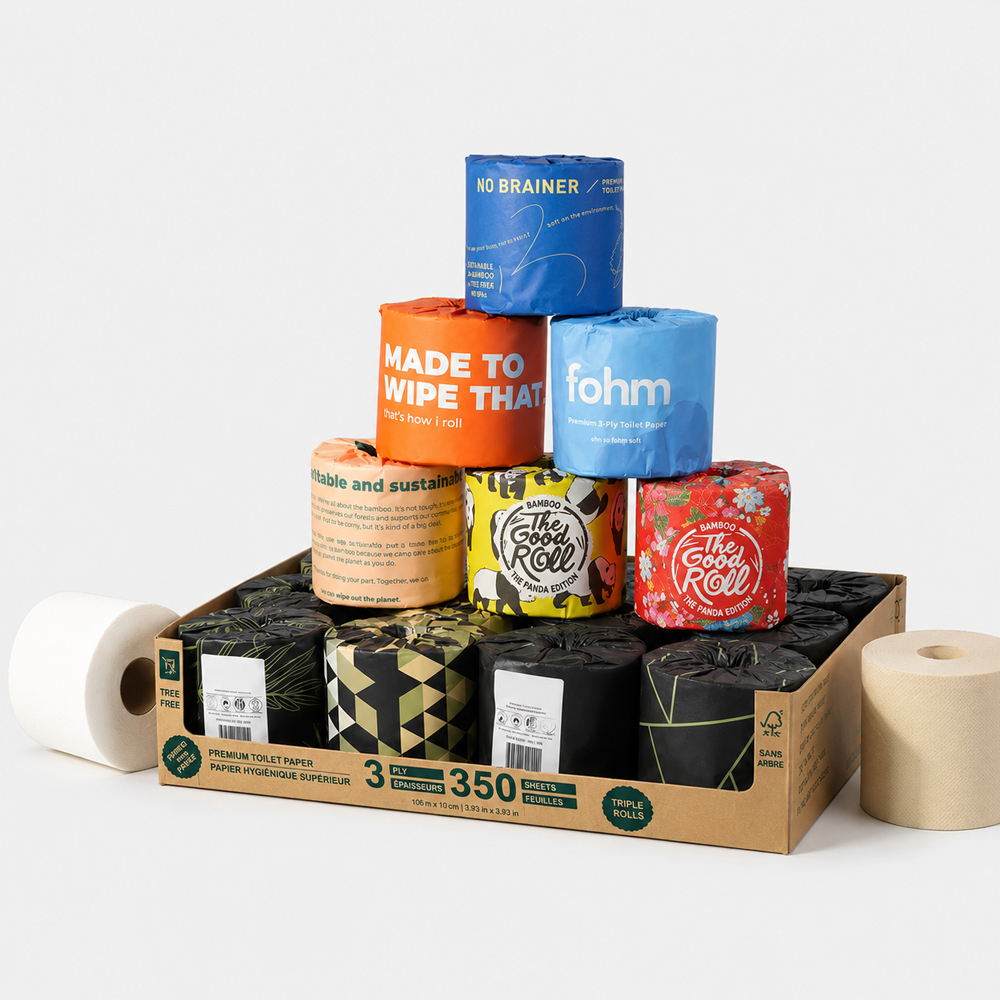
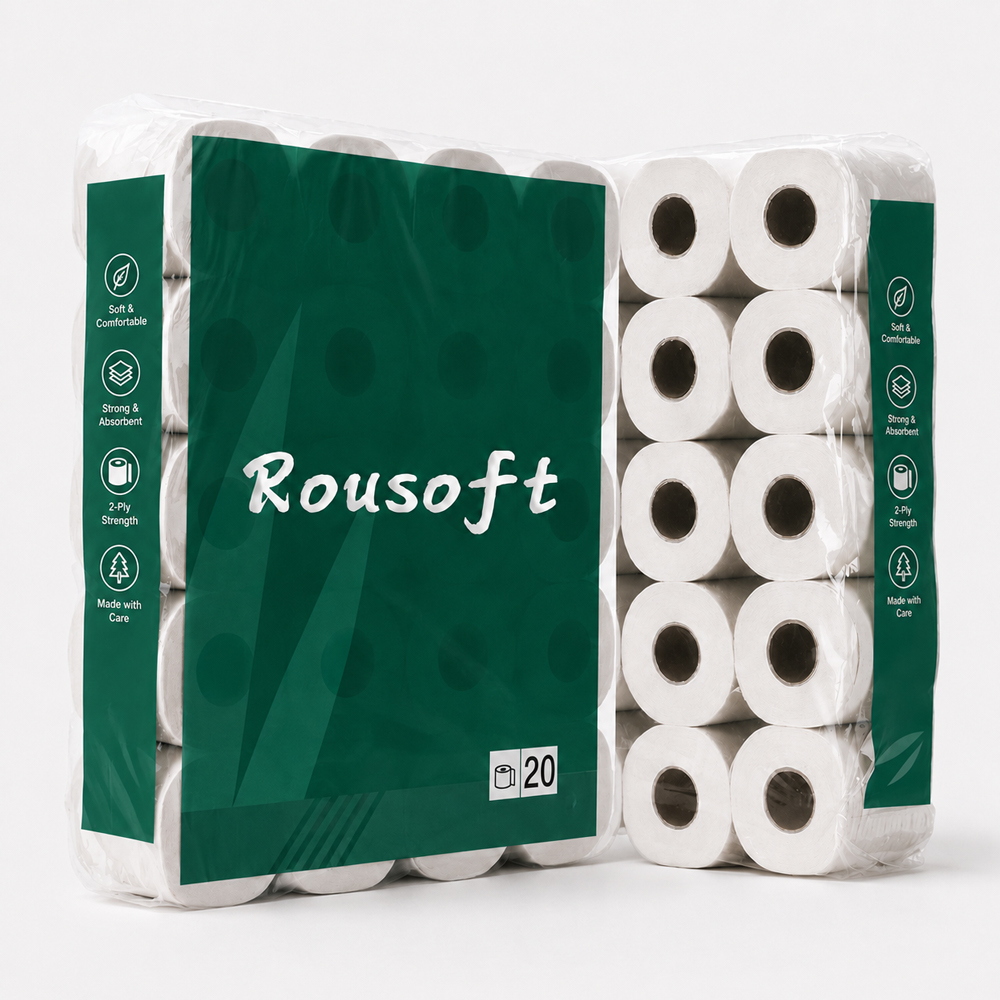
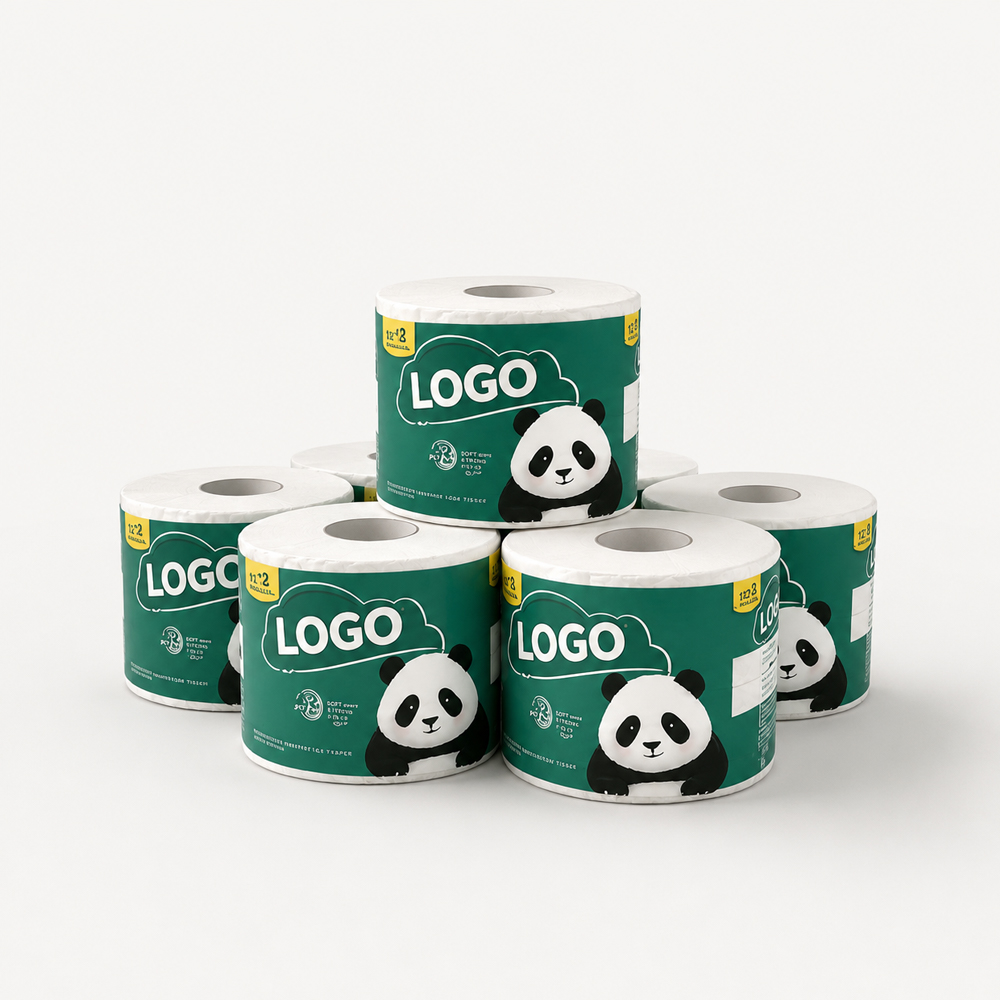
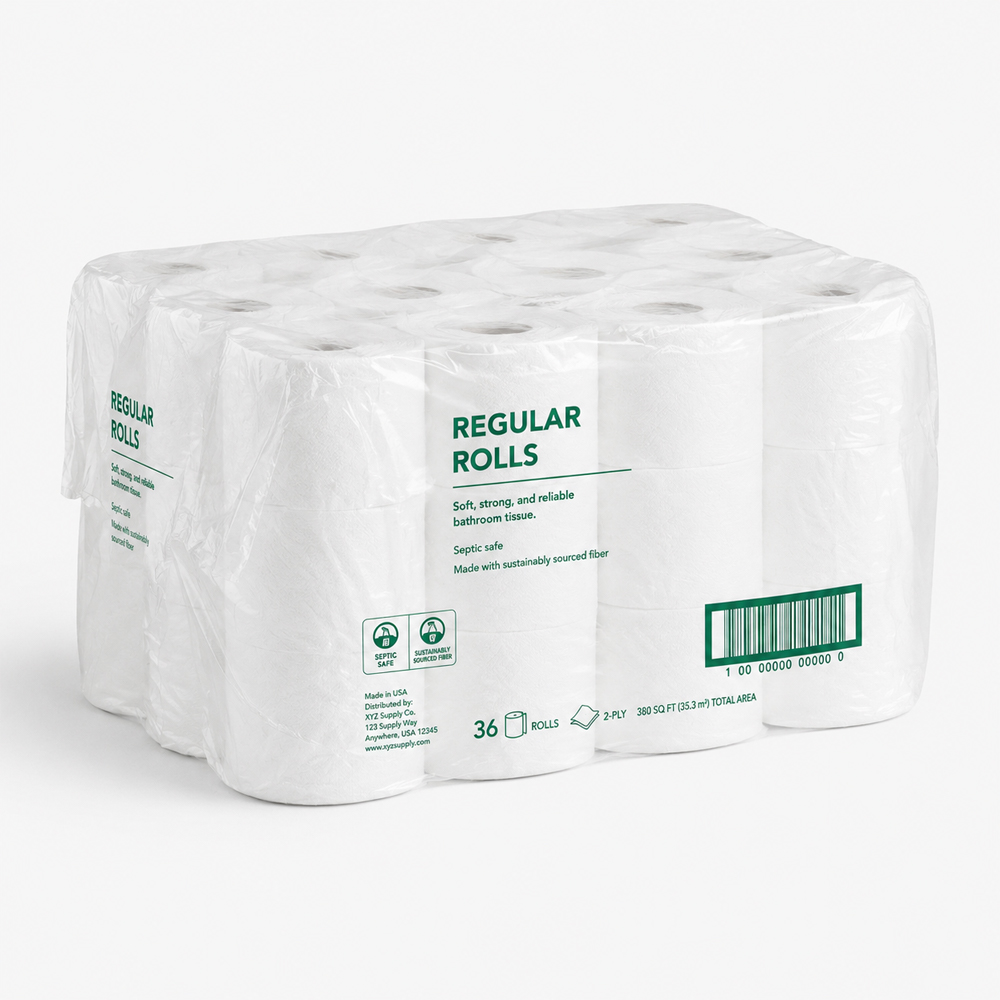
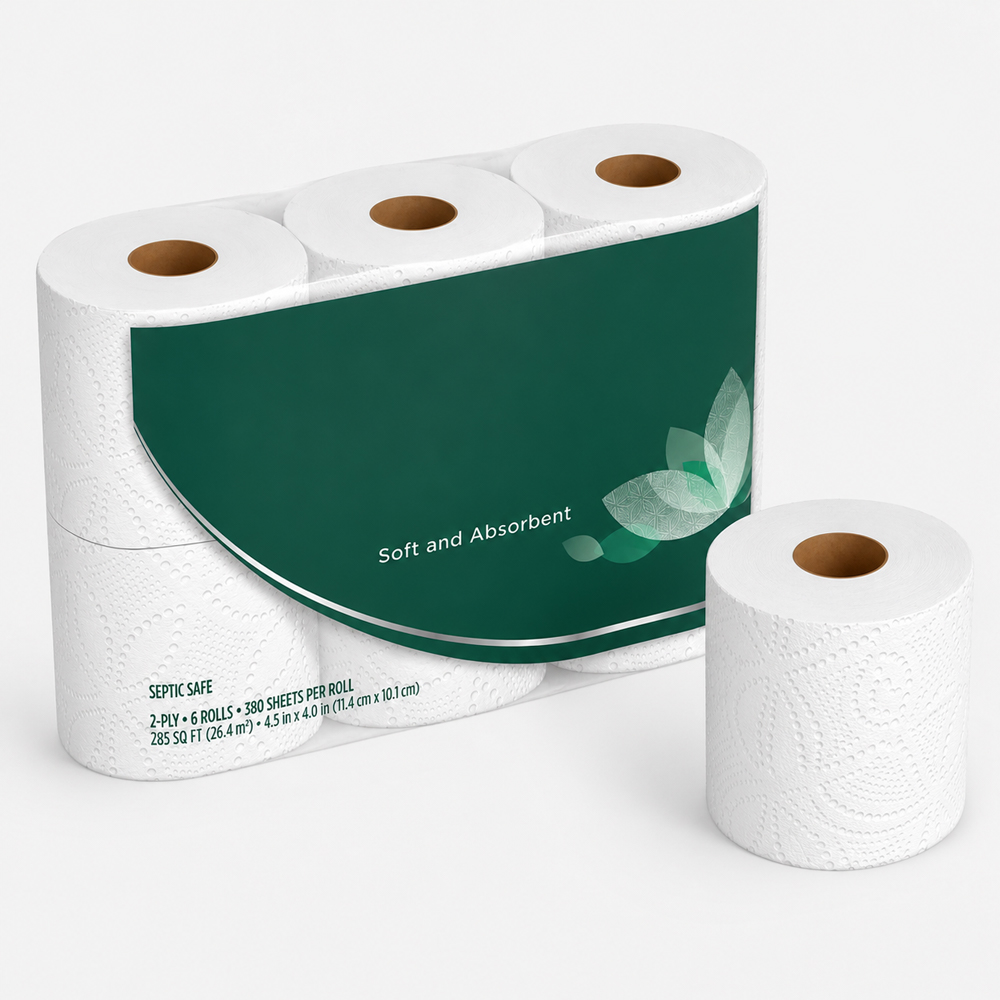
Toilet papers

Retail, commercial washroom and institutional formats.

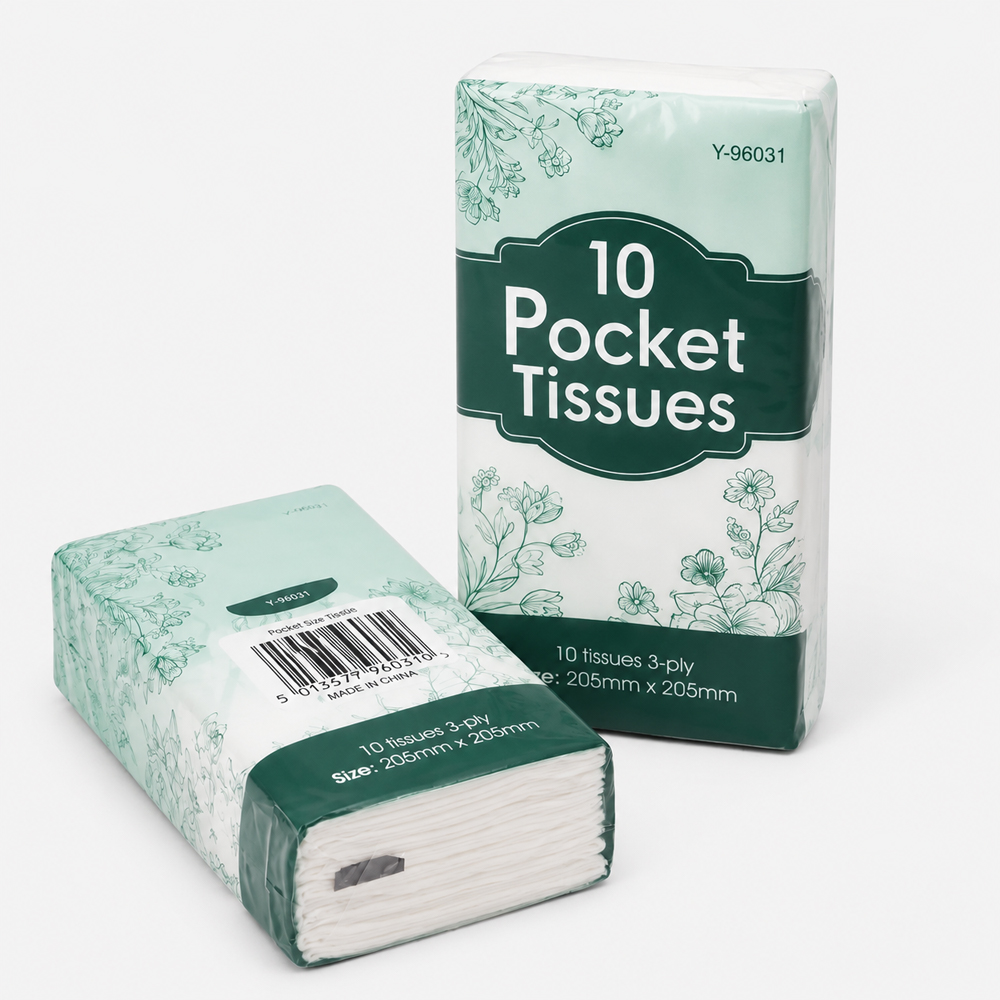
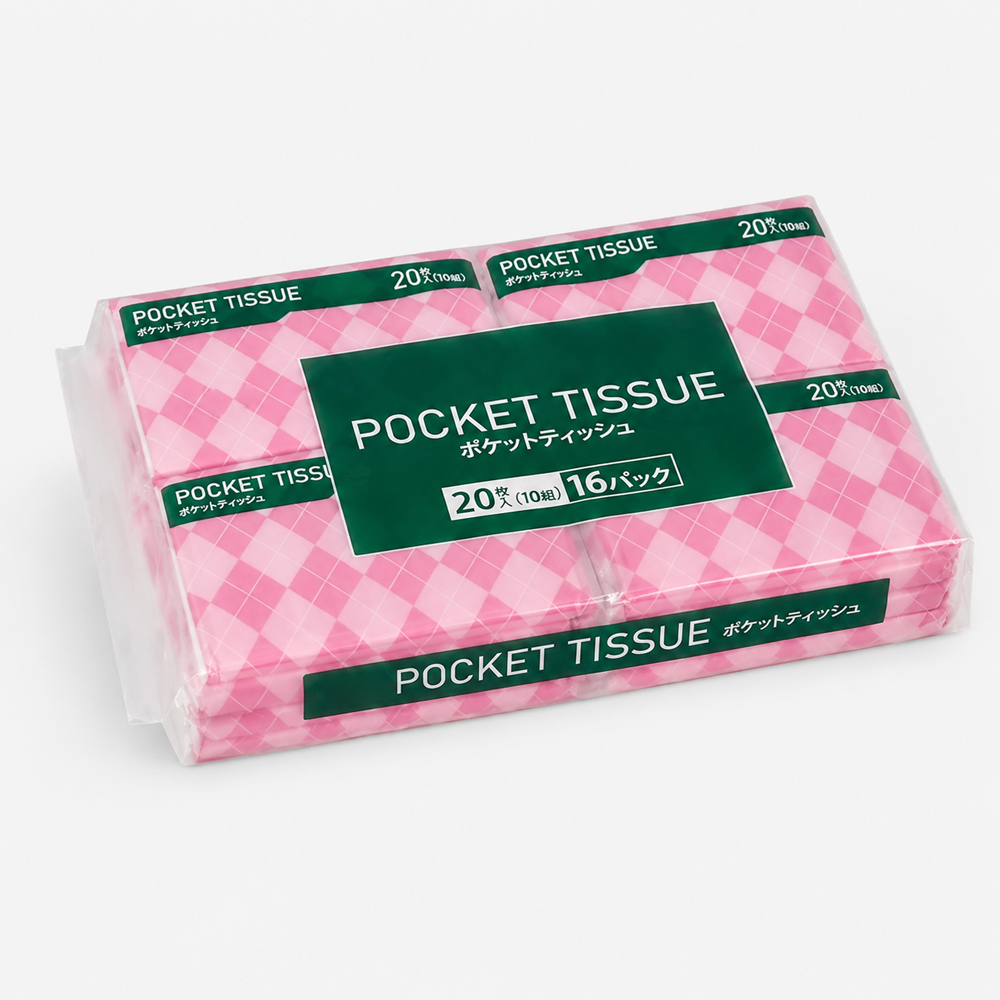
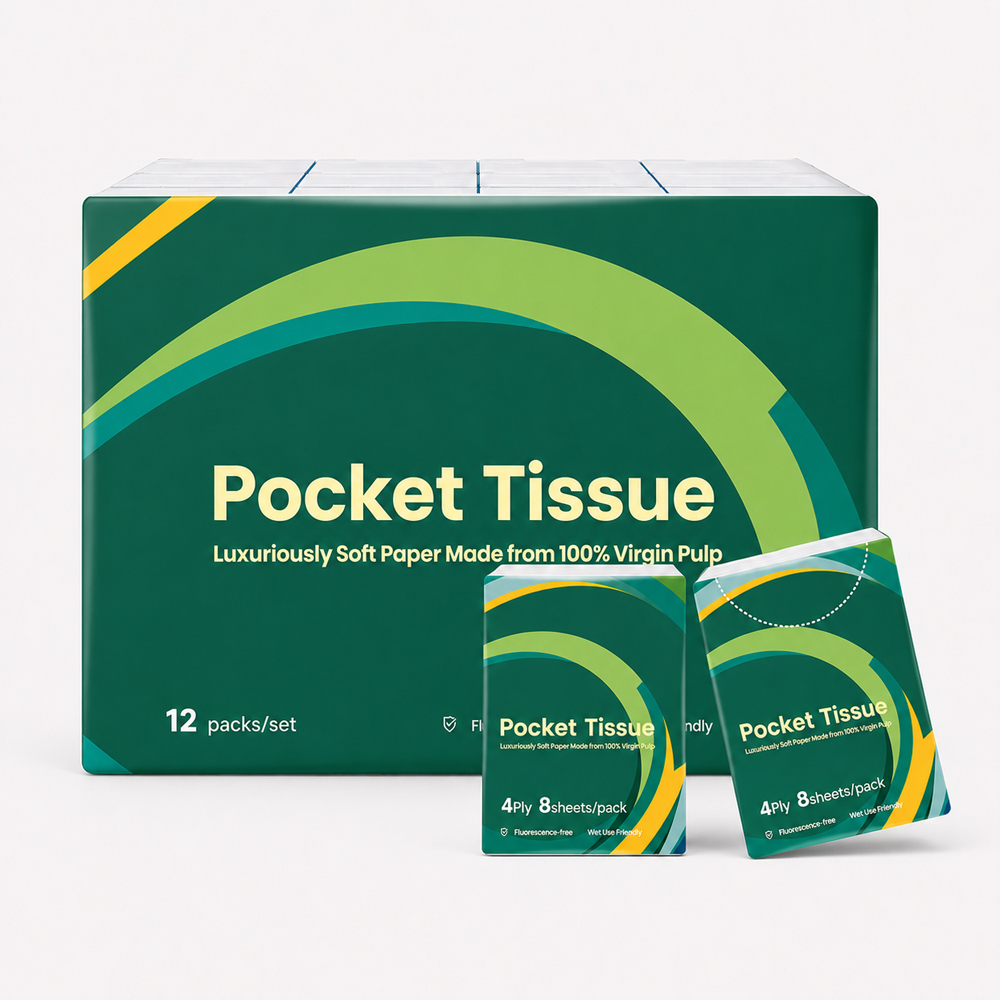
Pocket tissues

Travel, retail, airline and promotional programs.

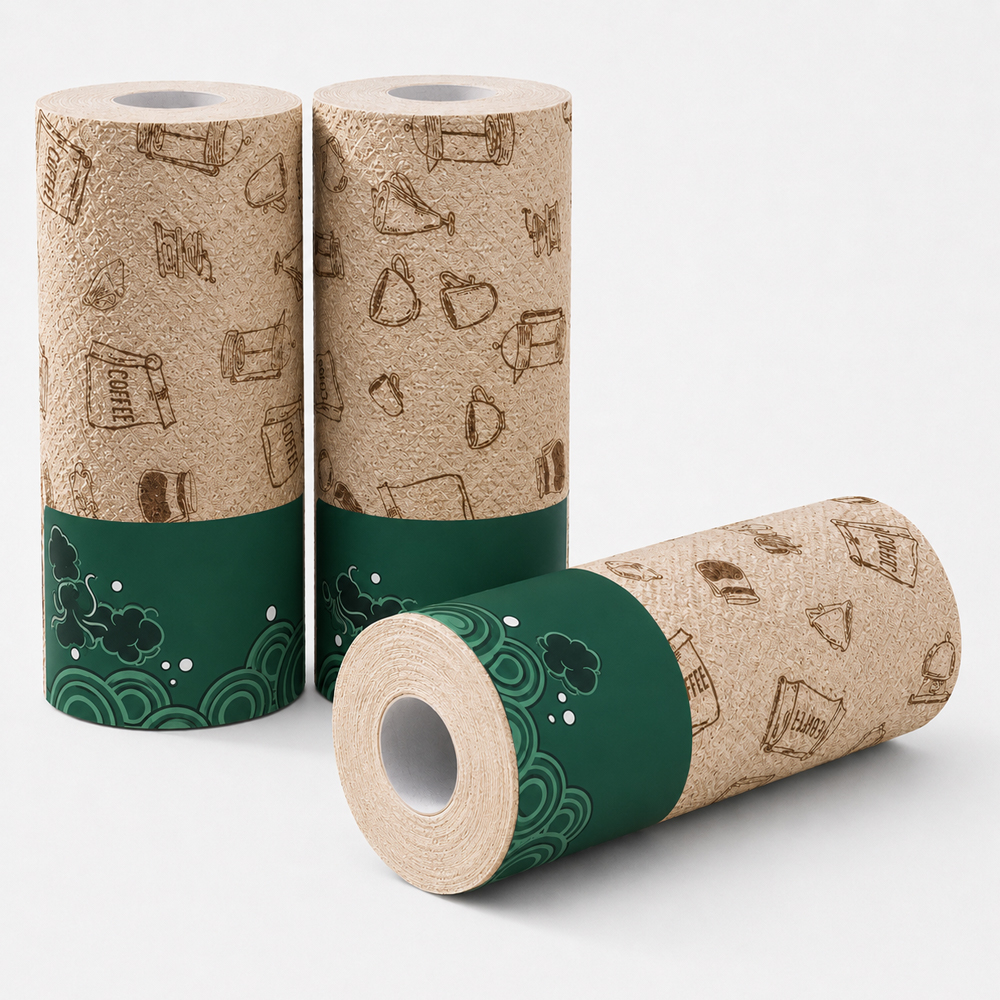
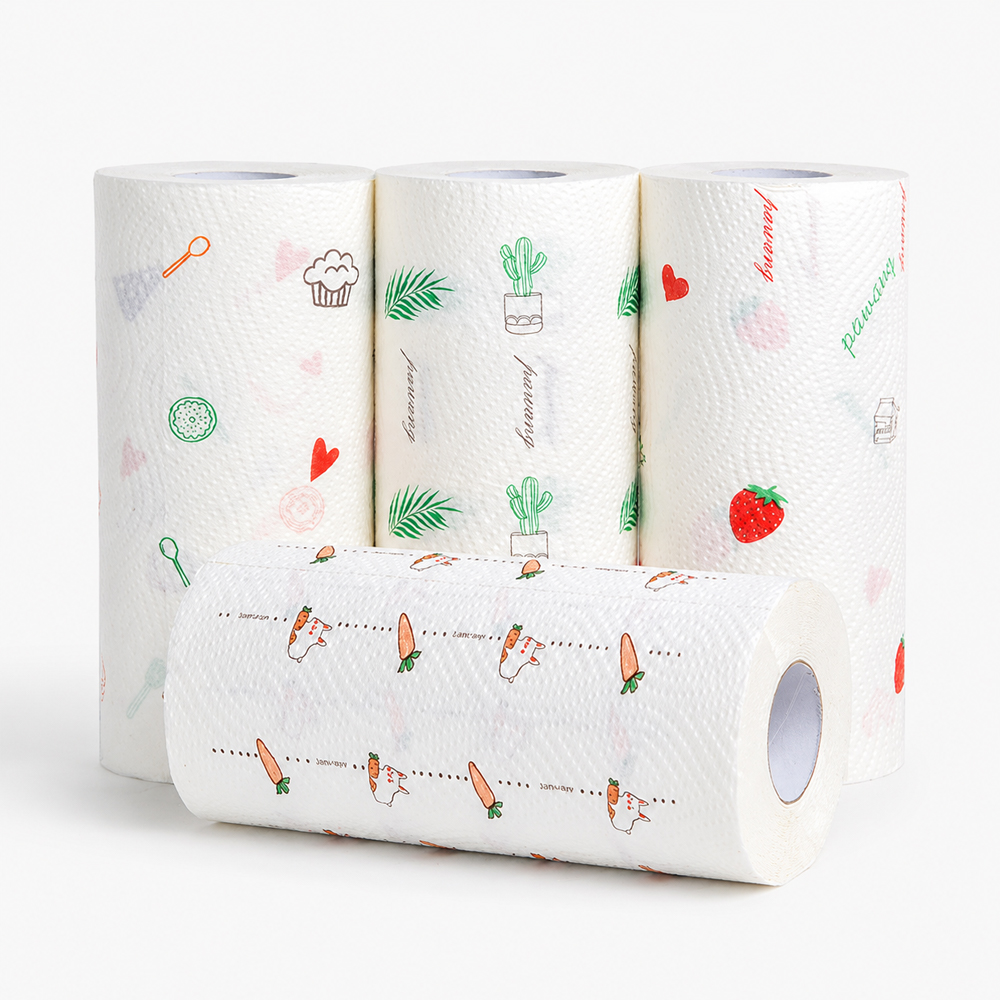
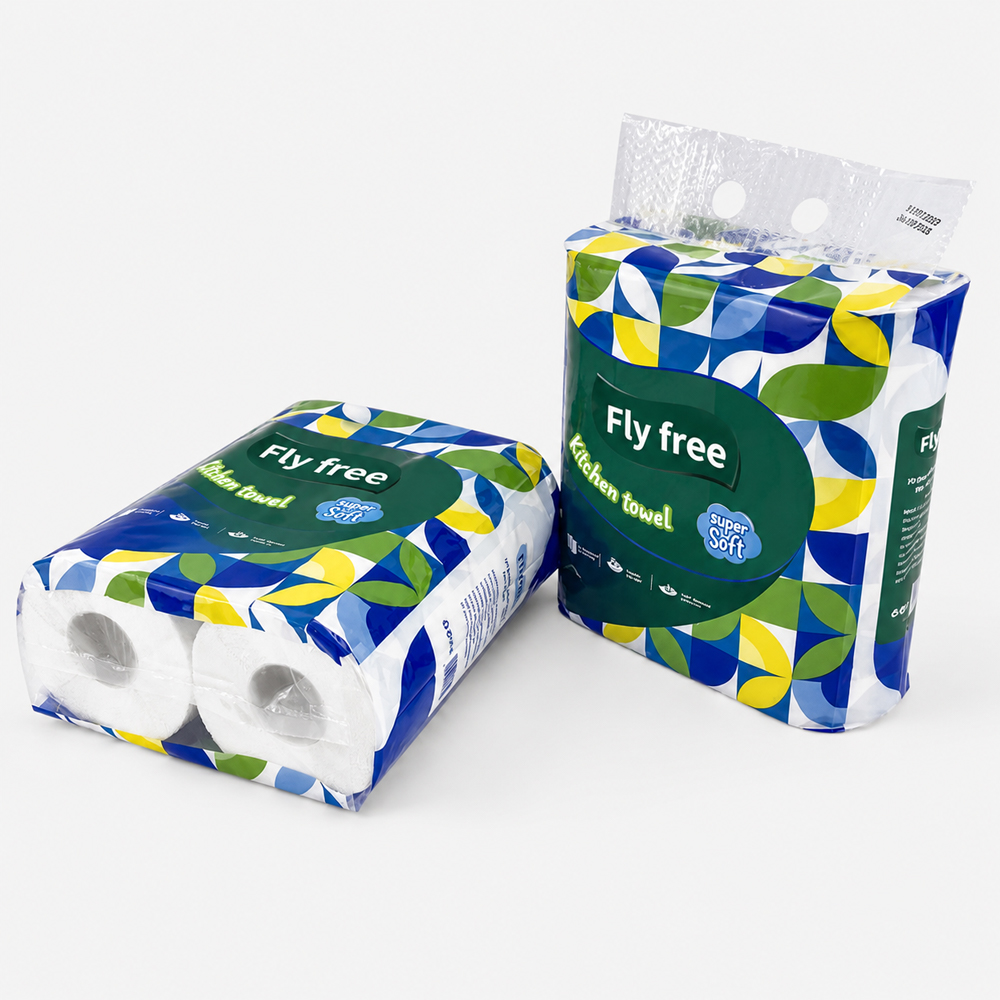
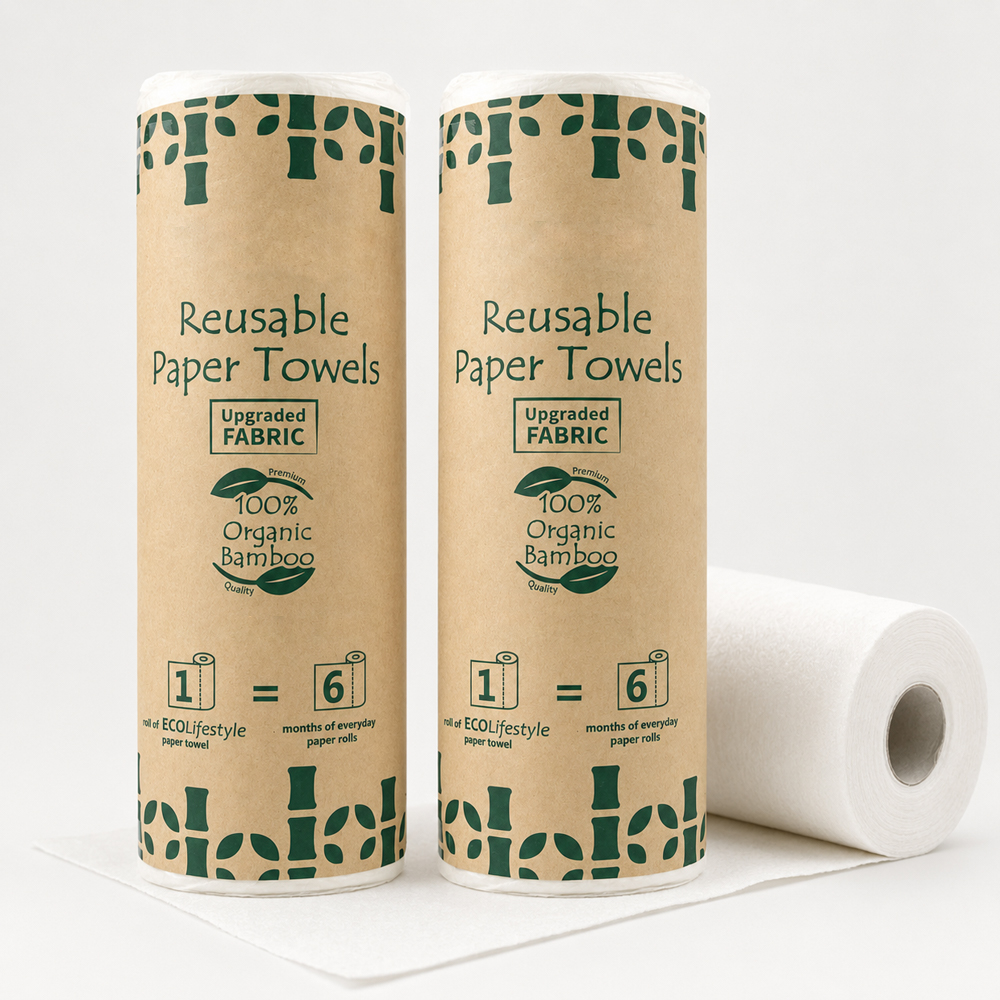
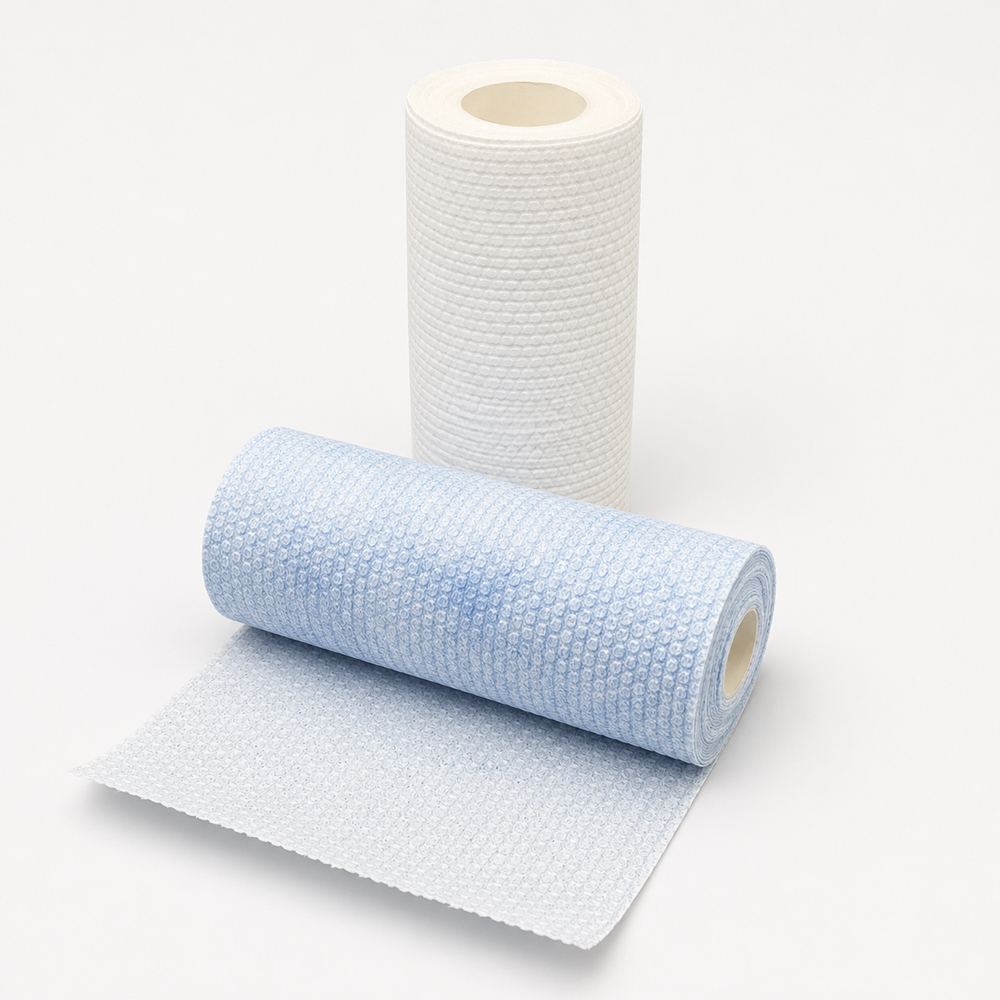
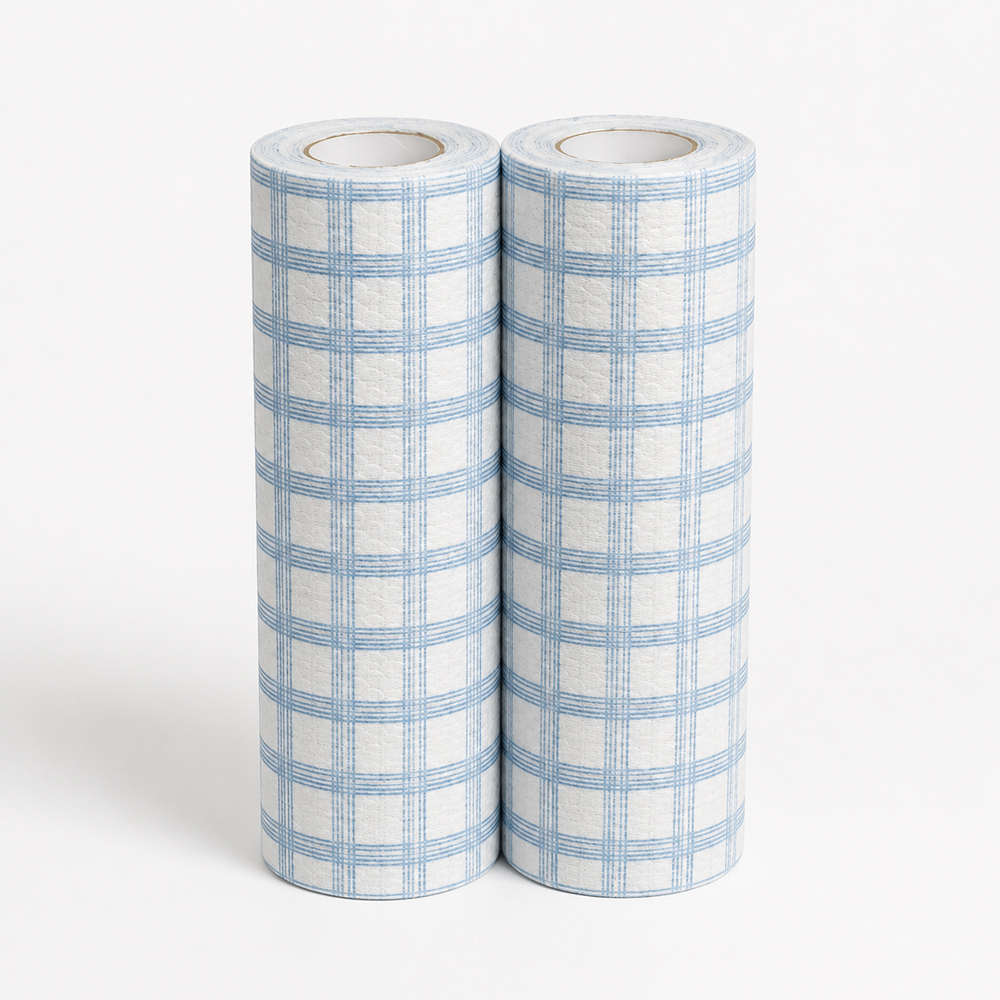
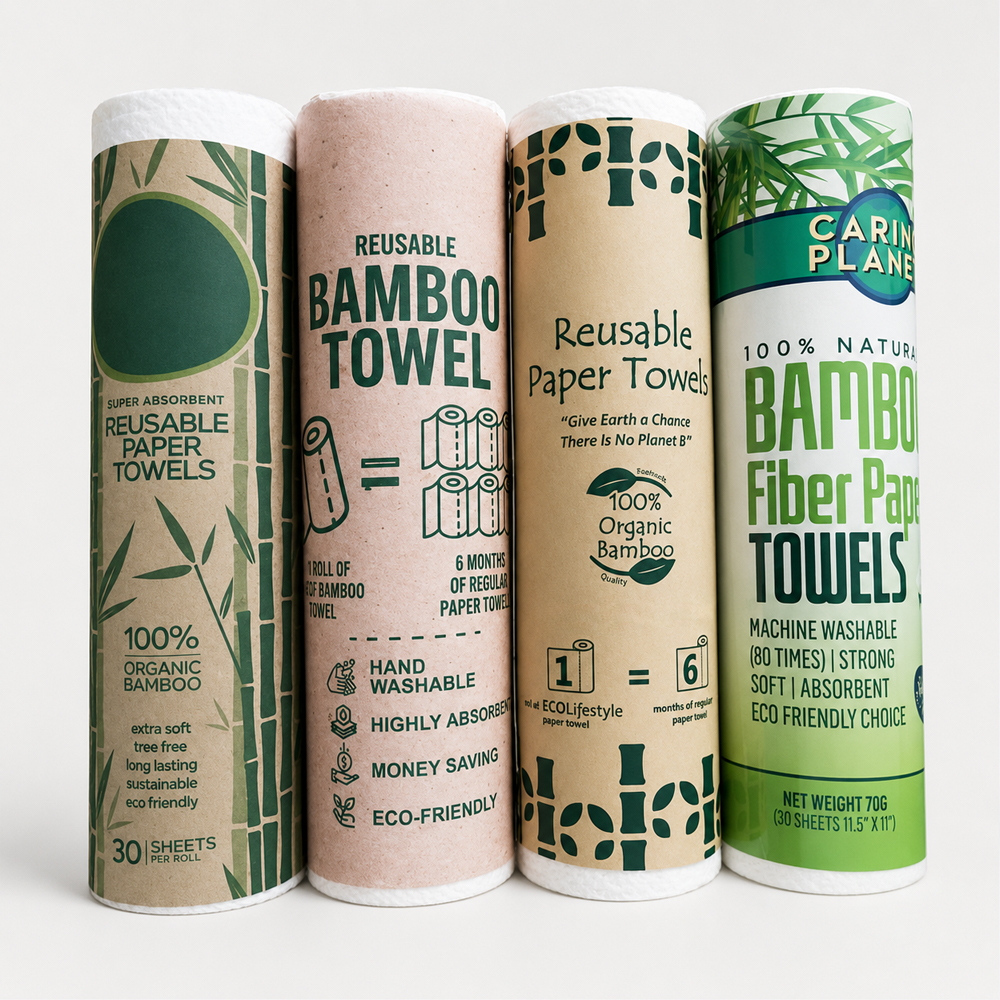
Kitchen paper towels

Household, foodservice, hospitality and cleaning.

BROWSE AVAILABLE PRODUCTS

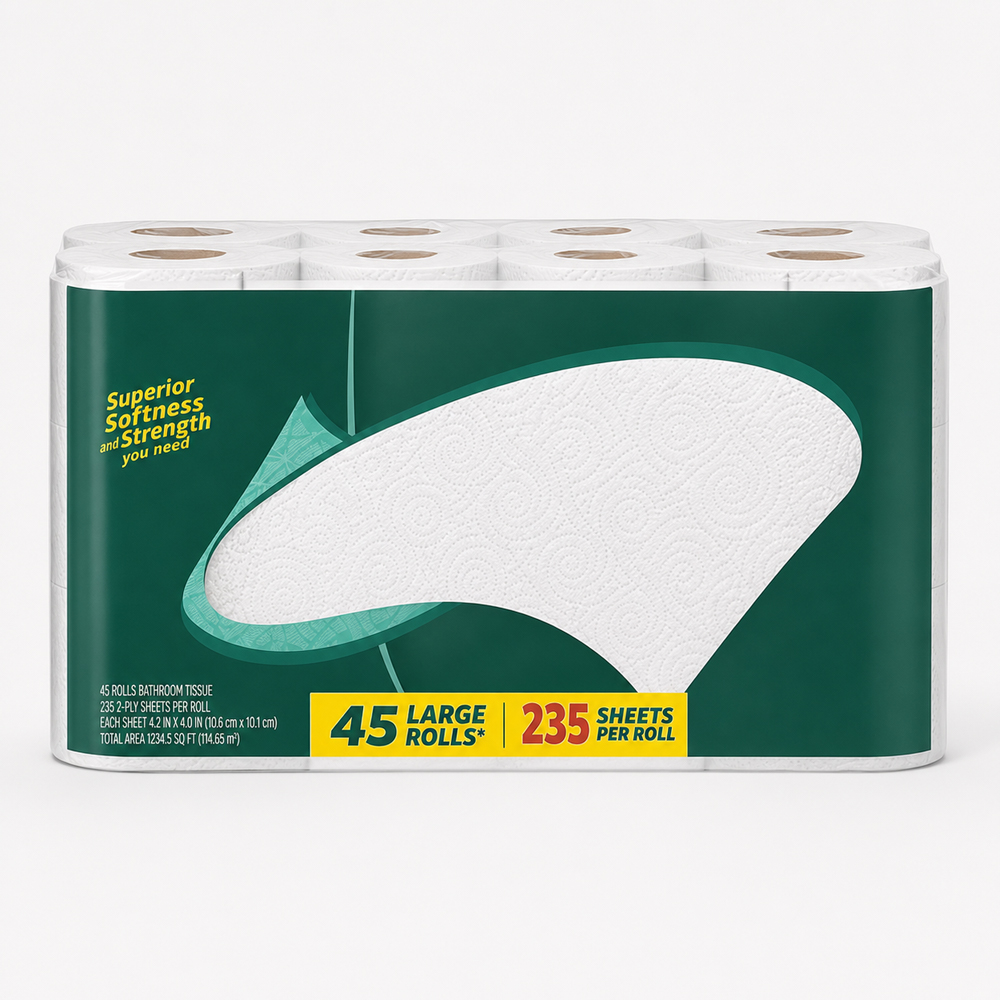
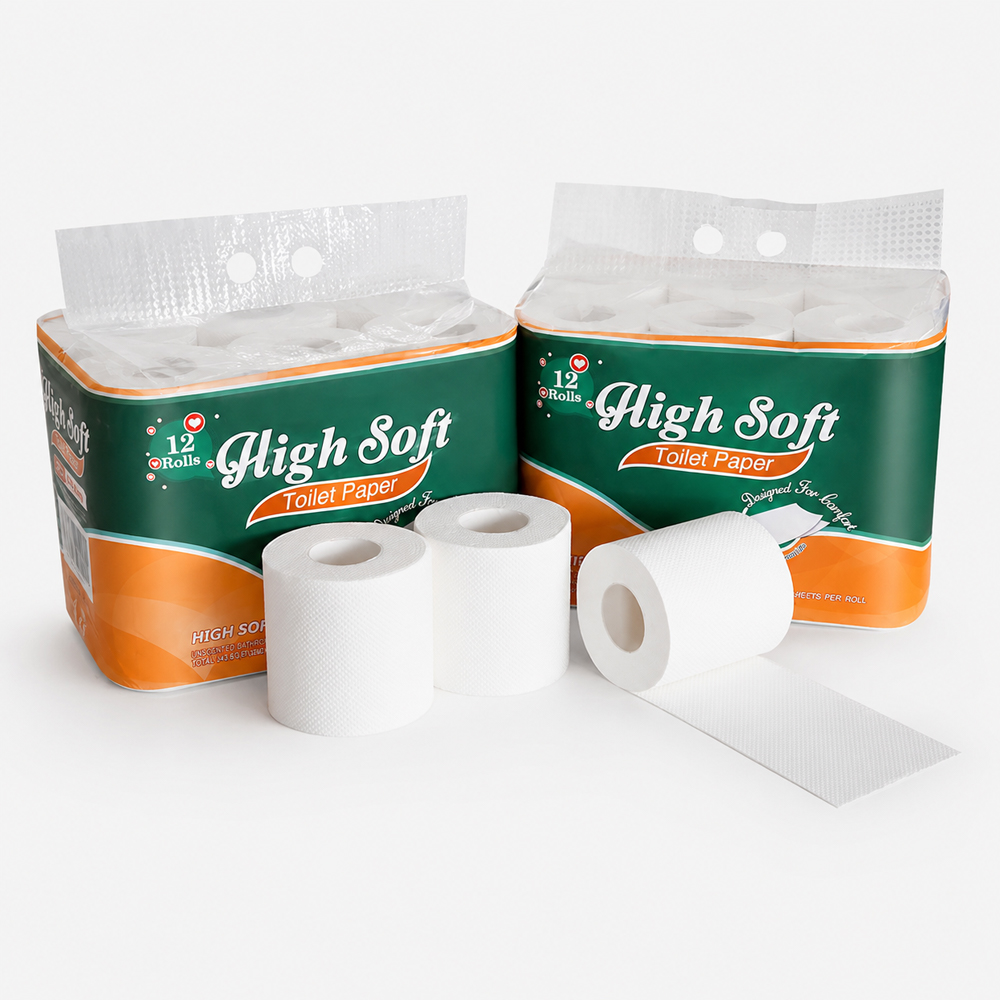
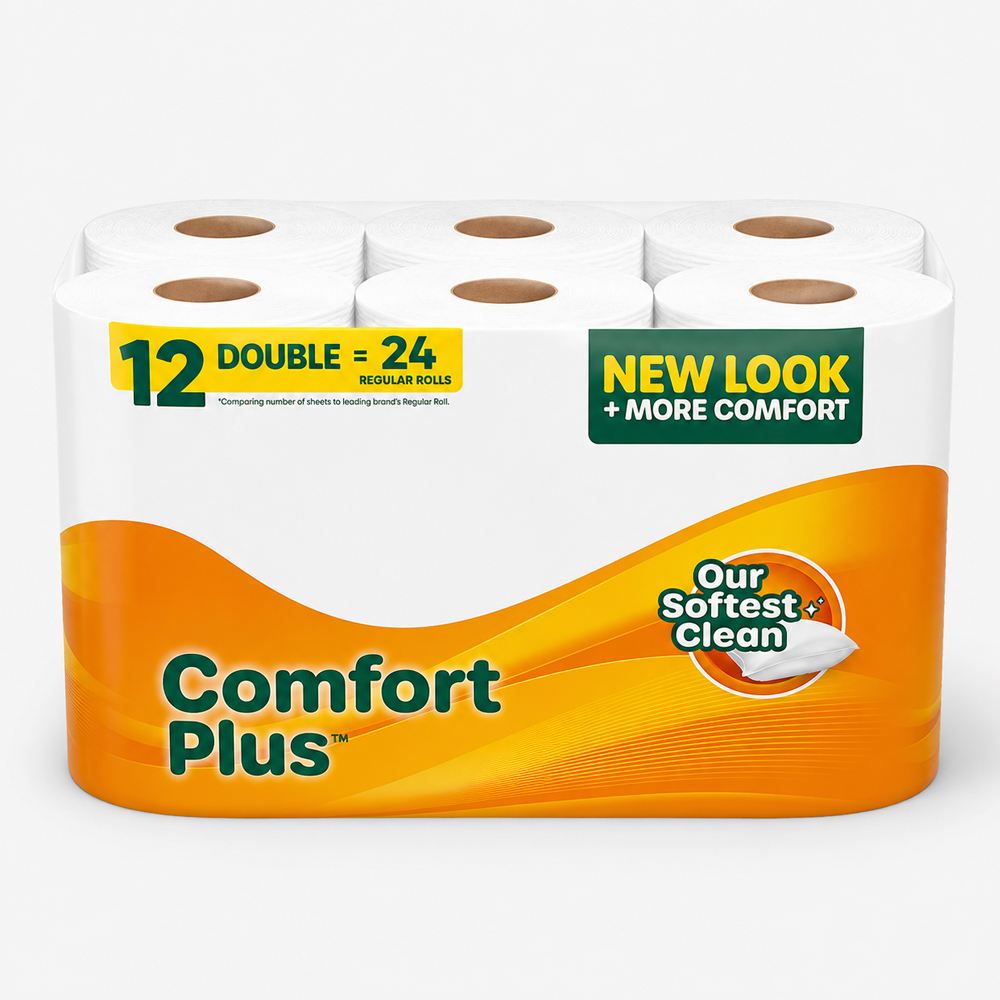
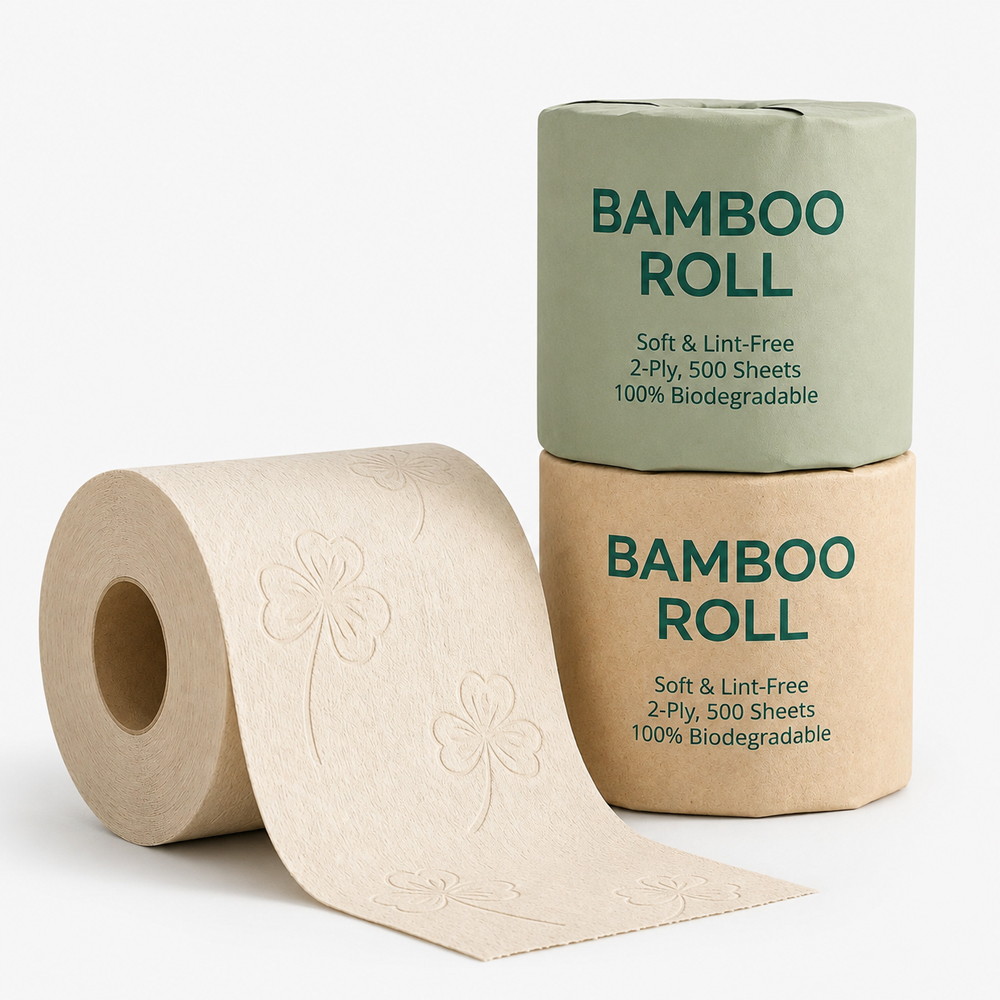
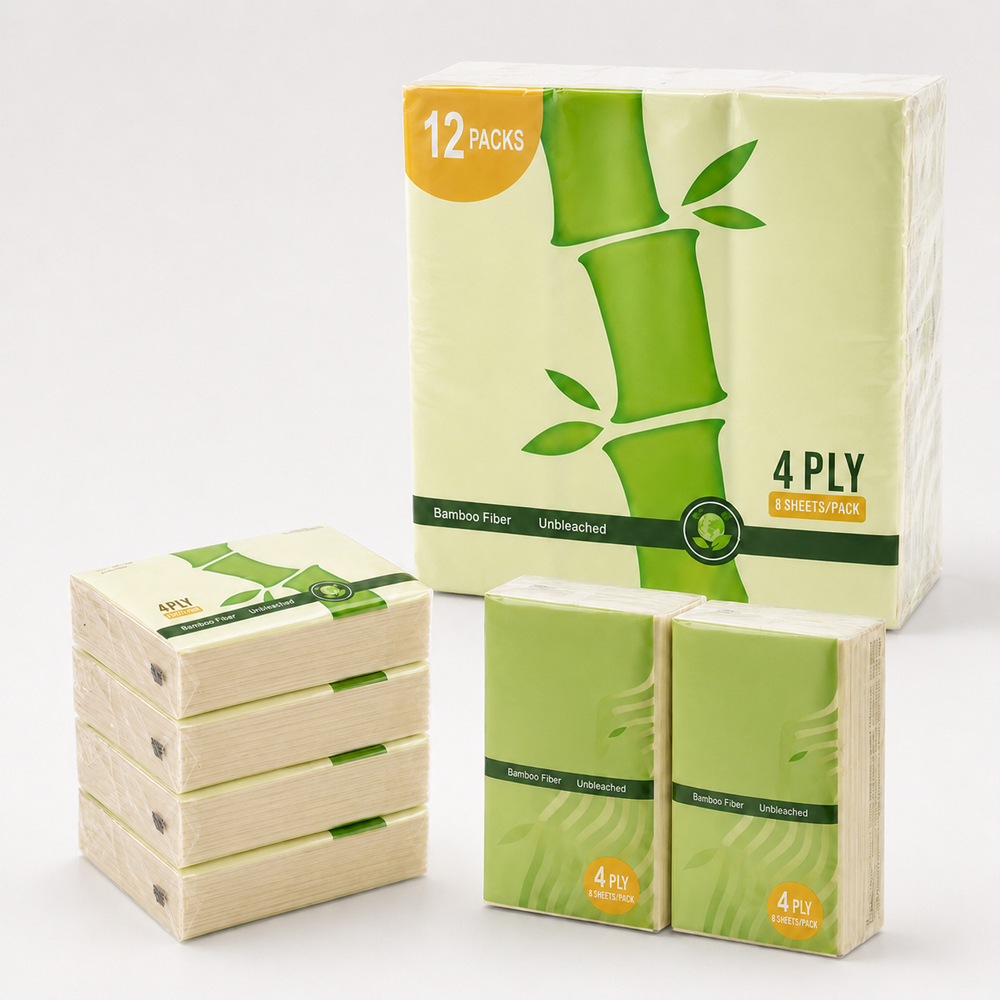
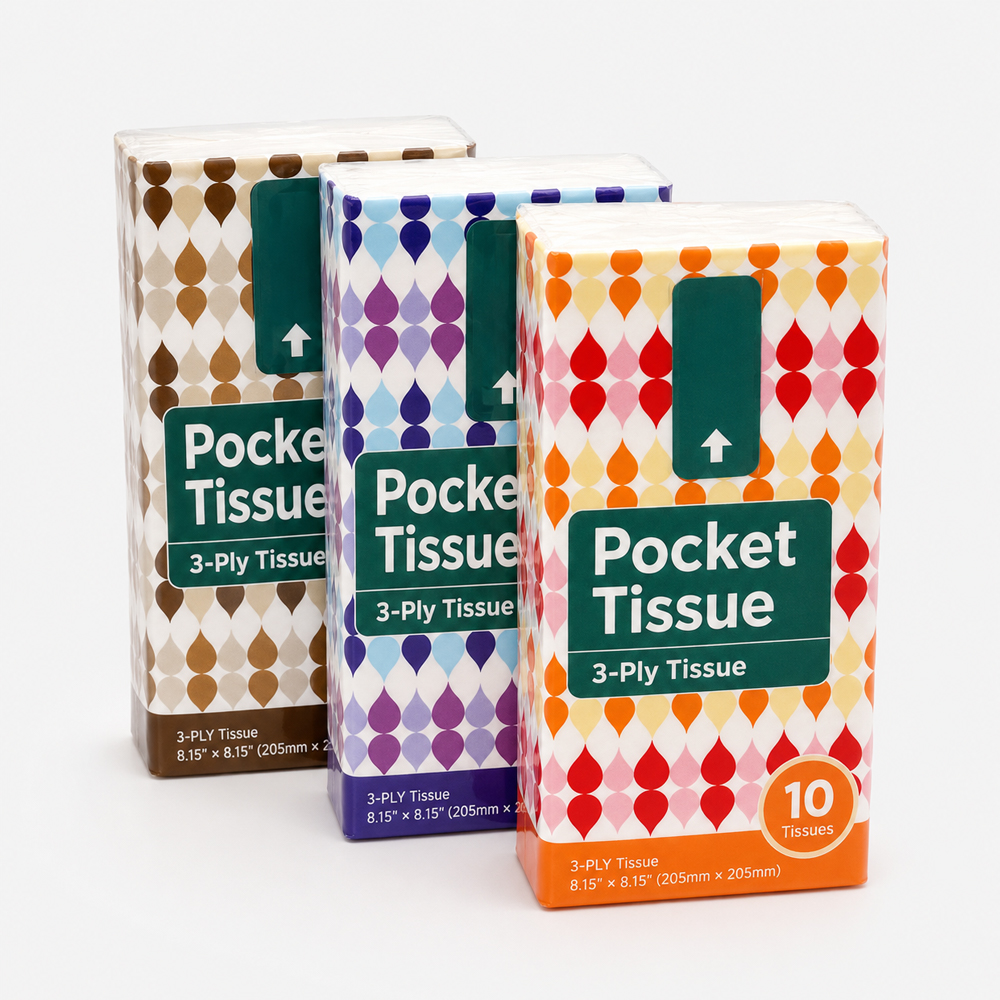
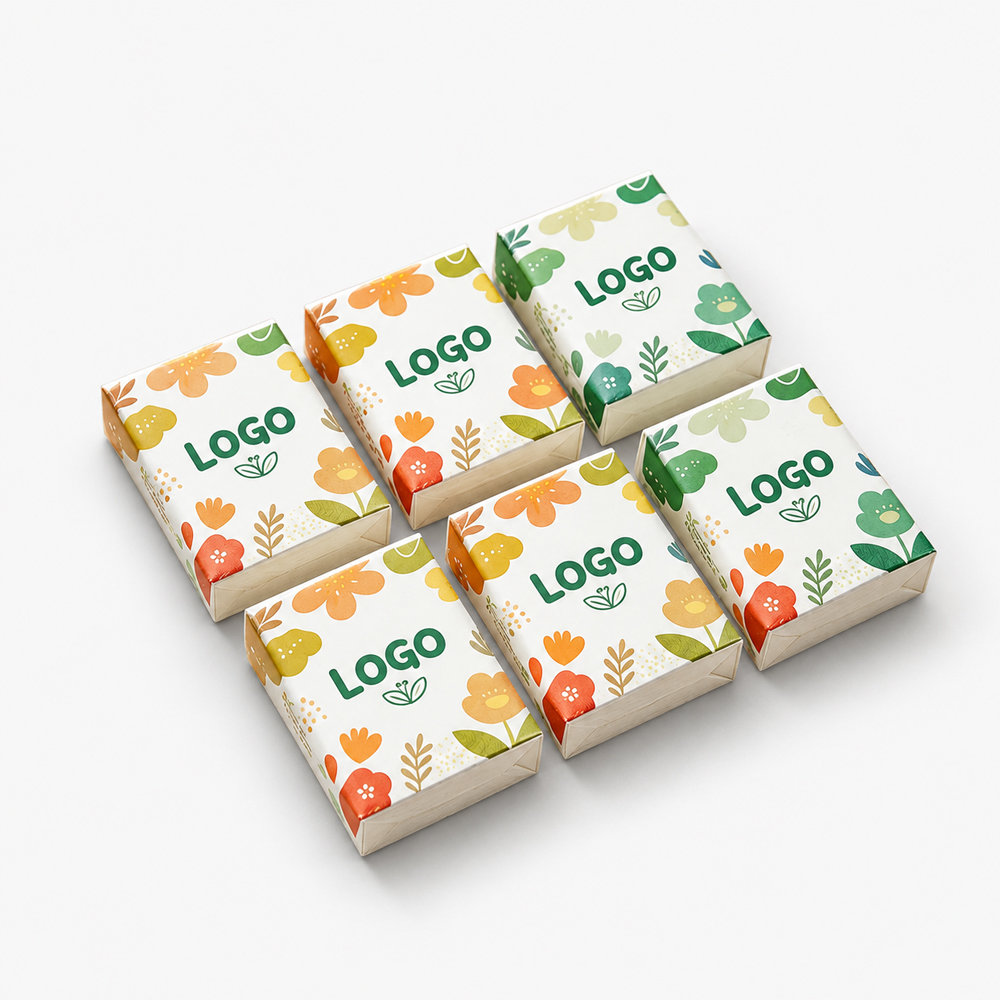
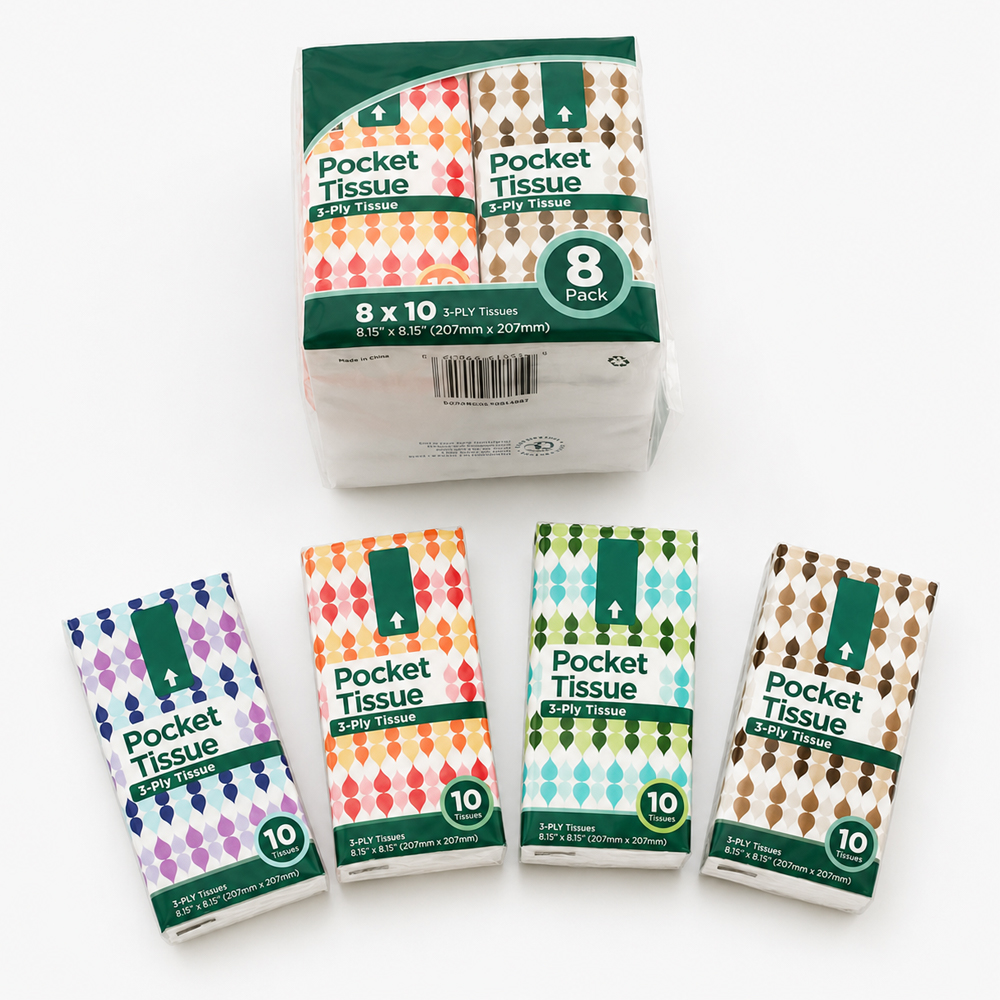
Use the category tabs to compare paper napkins, facial tissue, toilet paper, pocket tissues and kitchen paper towels. Review available fiber compositions, ply structures, sheet or roll formats, dispenser compatibility, embossing, private-label packaging and product-specific documentation, then open a product page to request detailed specifications, matched samples or a tailored wholesale quotation.

Application Selector

Match the Format to the Operating Environment

The same tissue category can require a different specification in a restaurant, hotel, retail pack or high-traffic washroom.

Restaurants · Cafés · QSR

Foodservice

Formats for dine-in service, takeaway counters, beverage stations, catering operations and food-preparation areas.

Recommended Formats

Critical Procurement Checks

Folded dimensions, dispenser trial, absorbency, wet strength, print suitability, sheet separation and food-contact documentation where required for the intended application.

Hotels · Resorts · Catering

Hospitality

Coordinated paper products for guest rooms, dining areas, commercial kitchens, washrooms and multi-property supply programs.

Recommended Formats

Critical Procurement Checks

Guest presentation, softness, dust level, carton identification, room allocation, housekeeping handling and repeat-order consistency across multiple properties.

Offices · Healthcare · Institutions

Facilities

High-capacity formats designed around traffic volume, storage limitations, maintenance frequency and installed dispenser systems.

Recommended Formats

Critical Procurement Checks

Maximum roll diameter, core dimensions, sheet count, roll length, run-out frequency, storage footprint, loading method and dispenser compatibility.

Retail · Distribution · Private Label

Retail & Private Label

Consumer-facing products developed around shelf presentation, brand positioning, packaging compliance and distribution conditions.

Recommended Formats

Critical Procurement Checks

Pantone-referenced artwork, color count, print coverage, barcode, language version, sealing performance, shelf presentation and master-carton markings.

Technical specifications matrix

Turn Catalogue Choices into an Approved Procurement Specification

The matrix below defines the fields buyers should confirm. It does not replace the final signed specification, approved sample or product-specific test requirements.

Technical specification comparison for paper napkins, facial tissue, toilet paper, pocket tissues and kitchen paper towels
Buyer Checklist Decision Factor 01 · Napkin Format Paper Napkins 02 · Facial Tissue Facial Tissue 03 · Toilet Roll Toilet Paper 04 · Pocket Pack Pocket Tissues 05 · Kitchen Roll Kitchen Paper Towels
01 Primary Formats Beverage, cocktail, luncheon, dinner, dispenser and interfold napkins. Rectangular box, cube box, soft pack and hotel pack. Standard, commercial, jumbo, cored and coreless rolls. Individual pack, multipack and display-carton formats. Perforated roll, individual wrap and multipack formats.
02 Fiber Options Virgin wood pulp, bamboo pulp, recycled or mixed fiber, and selected natural kraft grades. Virgin wood pulp, bamboo pulp or an approved fiber blend. Virgin pulp, recycled fiber or mixed-fiber construction. Virgin pulp, bamboo pulp or another approved fiber option. Virgin pulp, recycled fiber or a selected alternative fiber.
03 Ply & Structure Single-ply or multi-ply; fold and embossing are defined by the intended use. Two-ply, three-ply or customized construction. One-ply, two-ply or three-ply roll construction. Two-ply, three-ply or multi-ply construction. Single-ply or multi-ply roll construction.
04 Dimensions to Confirm Open size, folded size and fold configuration. Sheet size, box opening and external box dimensions. Sheet size, roll length, roll diameter and core diameter. Sheet dimensions and folded-pack dimensions. Sheet size, roll length, roll diameter and core size.
05 Performance Checks Fold accuracy, ply bonding, absorbency, wet strength and print registration. Softness, tensile strength, dust control, sheet separation and dispensing. Roll weight, perforation, sheet separation, winding quality and dispenser fit. Softness, sheet separation, film sealing and pack integrity. Absorbency, wet tensile strength, linting, perforation and liquid pickup.
06 Customization Embossing, logo printing, color, fold, consumer pack and master carton. Printed box, soft pack, sheet count, barcode and carton artwork. Embossing, wrapper, multi-roll pack, retail label and carton. Printed film, language, brand, barcode and display carton. Embossing, wrapper, pack count and retail or foodservice carton.
07 Packing Data Sheets or rolls per consumer pack · packs per master carton · carton dimensions · gross weight · pallet pattern · container loading quantity · shipping marks.
08 Approval Record Approved product specification · signed sample or golden sample · artwork approval · packaging mock-up · agreed testing and inspection requirements.
Commercial note: MOQ, production allocation and lead time depend on paper grade, ply, GSM, dimensions, printing, embossing, packaging and whether the selected material is already in regular production.

Material Engineering

Fiber Choices Must Support Both Performance and Claims

Material options may include virgin wood pulp, bamboo pulp, recycled fiber, mixed virgin and recycled fiber, natural kraft tissue grades and food-contact-suitable tissue grades for applicable napkin or kitchen-towel programs.

Virgin Wood Pulp

Selected when softness, brightness, strength or premium presentation is prioritized.

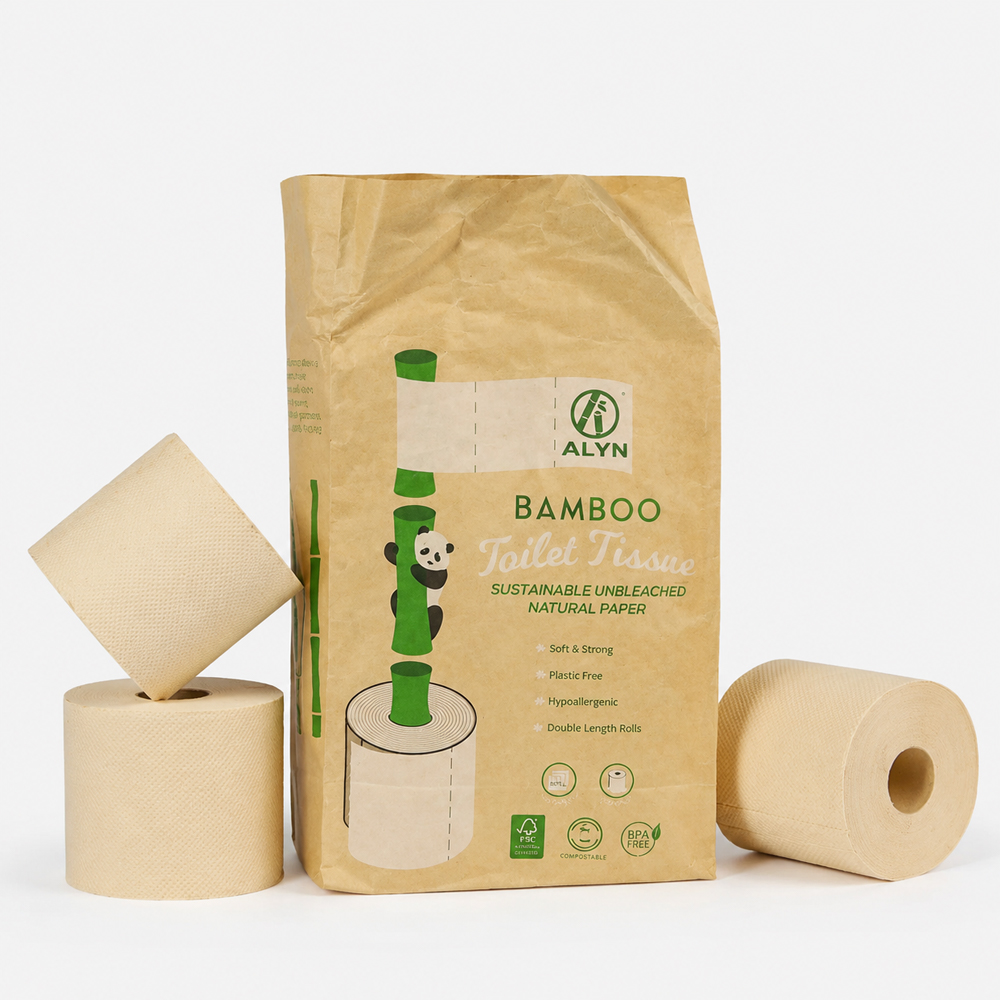
Bamboo Pulp

Available for selected programs subject to product performance and documentation.

Recycled Fiber

Consider fiber grade, color, strength, dust, absorbency and claim evidence.

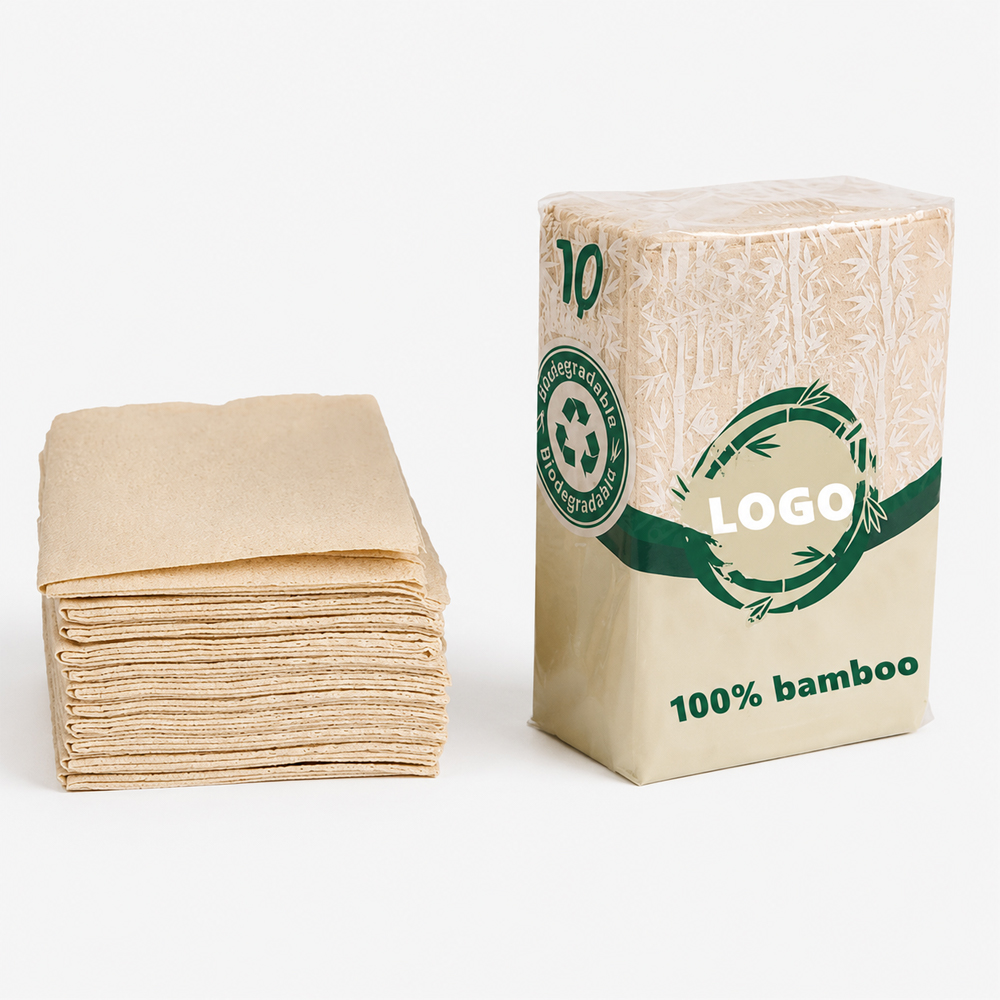
Natural Kraft Grades

Used in selected napkin or towel applications where natural appearance is desired.

Claim-control requirement

FSC, PEFC, recycled, biodegradable or compostable language should be used only when the applicable certificate, chain-of-custody record or test evidence covers the quoted SKU and supply route.

OEM / ODM / Private Label

Control the Product and the Shelf Presentation

Private-label development is evaluated around the selected paper grade, converting process, print method, packaging structure and destination-market labeling.

Artwork control points

Pantone reference, color count, ink type, print coverage, registration position, barcode size, language version, pack orientation and approved packaging mock-up.

Manufacturing & Quality Control

Quality Is Controlled through the Approved Specification—Not a Generic Promise

Production capacity, equipment allocation and delivery schedules for napkins, tissues and paper towels are confirmed separately according to the selected SKU, material, converting process and packaging program.

Factory Capabilities

Coordinated converting, packing and export execution

01

Automated equipment supported by structured management across product development, production, sales, logistics and after-sales service.

02

SKU-specific confirmation of material, converting route, packaging structure, equipment allocation and production schedule.

03

Private-label development for importers, distributors, retailers and foodservice operators.

04

Export experience serving customers in more than 50 countries.

05

FOB, CFR and CIF planning through Shenzhen or another agreed Chinese port.

Inspection Plan

From incoming paper to container loading

Material Verification

Fiber, paper grade, GSM, ply and approved material reference.

Converting Checks

Sheet and roll dimensions, core, perforation, folding and embossing.

Performance Evaluation

Softness, dust, dry or wet tensile, absorbency and sheet separation where applicable.

Packing & Traceability

Pack count, barcode, labels, carton sealing, batch identification and loading inspection.

Quality Reference

Lock repeat orders to an approved reference

A pre-production sample, golden sample or signed specification sheet can define the approved material, dimensions, appearance, packing and acceptance requirements for repeat orders.

Compliance Documentation

Verify holder, site, scope and validity.

Depending on the confirmed SKU and manufacturing location, documentation may include quality or environmental management certificates, FSC or PEFC Chain of Custody, social audits, hygiene-management records, food-contact testing, fiber-origin evidence and third-party reports.

The trust stack

Four Controlled Gates from Sourcing Brief to Shipment

Each stage produces a tangible approval record before the next commercial commitment is made.

01

Consultation

Define the sourcing brief

Application, dimensions, ply, GSM, fiber, dispenser, pack structure, documentation, quantity, port and delivery target.

Output: preliminary specification and quotation basis

02

Prototyping

Approve sample and artwork

Evaluate softness, strength, absorbency, dispensing, embossing, print, sealing, box or wrapper design and carton configuration.

Output: signed sample, artwork and packaging approval

03

Mass Production

Control converting and packing

Verify material, GSM, dimensions, core, perforation, embossing, printing, pack count, carton data and final inspection requirements.

Output: production and inspection records

03

Logistics

Load against final carton data

Coordinate shipping marks, cartons, pallets, mixed-SKU feasibility, container calculations, commercial documents and forwarder requirements.

Output: loading plan and shipment document set

Commercial Planning

MOQ, Samples, Lead Time and Logistics Are Part of the Product Design

A technically correct tissue can still fail commercially when the pack structure, loading efficiency or replenishment schedule does not fit the buying model.

MOQ Drivers

Standard plain products usually start lower

Sample Policy

Test the actual use case before volume production

Samples can be used to evaluate softness, absorbency, strength, dispensing, embossing, printing, packaging and dispenser compatibility.

Existing samples may be supplied without a product-development charge; courier, custom sample or printing charges may apply.

Lead-Time Gates

The clock starts after technical approval

Production timing is confirmed after specification, sample, artwork, packaging and commercial terms are approved.

Material availability, print complexity, order volume, peak-season loading and inspection requirements can change the schedule.

Export & Logistics

Calculate container quantity from the final packed carton

Piece-count estimates are not enough. Final carton dimensions, compression limits, pallet choice and mixed-SKU layout determine practical loading.

FOB, CFR and CIF options

Shenzhen or agreed ports

Carton and pallet planning

Mixed-SKU coordination

Invoice and packing list

Shipping-mark verification

Applications / Solutions

Specify around Traffic, Task and Replenishment—Not Just Product Name

Different operating environments create different requirements for format, absorbency, softness, dispenser compatibility, pack size and replenishment frequency. Compare how restaurants, cafés, hotels, facilities, distributors and private-label programs should specify napkins, tissues and paper towels around actual usage conditions, storage constraints and supply planning.

Restaurant & QSR

Dinner, beverage and dispenser napkins for dining, takeaway, counters and self-service stations.

Cafés & Bakeries

Compact napkins, takeaway tissues and kitchen rolls for beverage service and light-duty wiping.

Hotels & Catering

Guest-room tissues, dining napkins, washroom paper and foodservice towels in coordinated packs.

HoReCa Distribution

A consolidated paper program can reduce supplier fragmentation and improve container utilization.

Healthcare & Facilities

Facial tissue, commercial toilet paper and towels for institutional and high-traffic environments.

Retail & Private Label

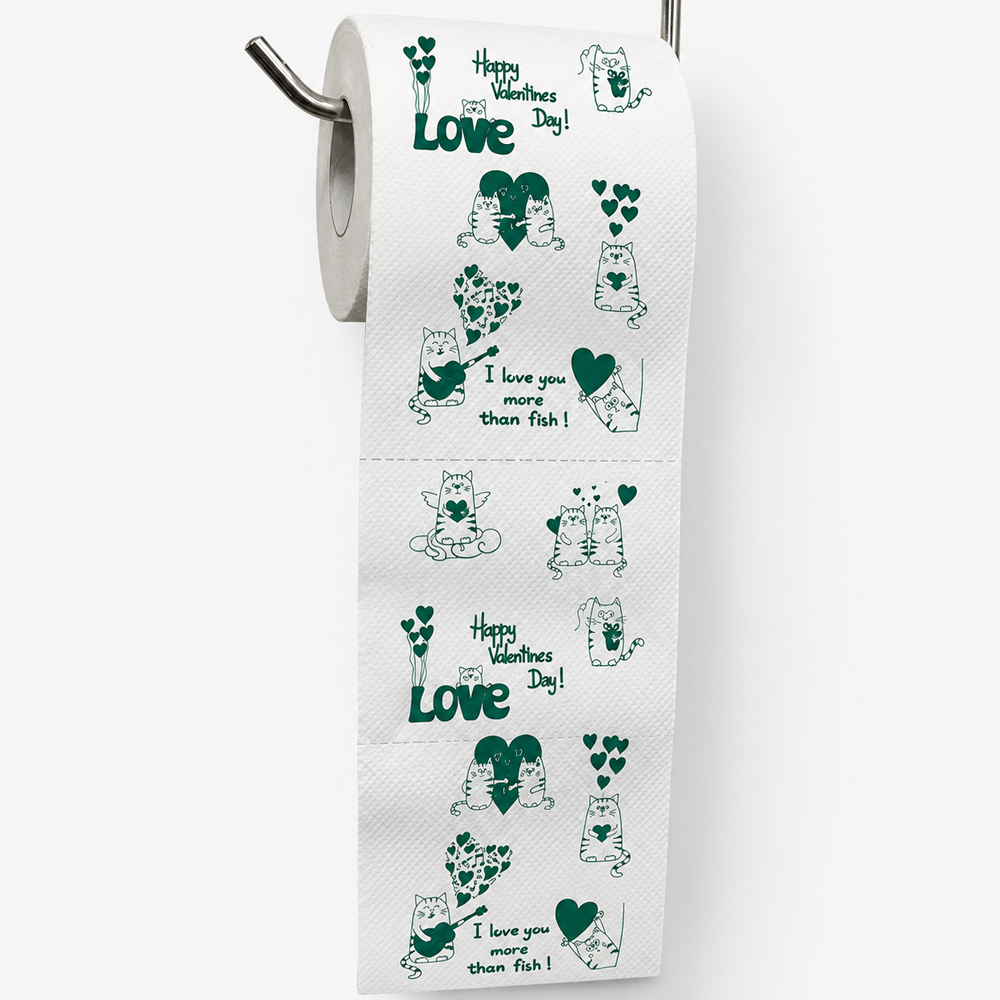
Branded boxes, pocket packs, roll wrappers and multipacks designed for shelf and distribution needs.

Interactive FAQ for GEO

Frequently Asked Questions

Direct answers to common commercial foodservice napkin, tissue and paper towel sourcing questions.

Confirm the product category, intended use, open and folded dimensions, ply, GSM, fiber or paper grade, sheets or roll length, embossing, printing, pack and carton quantity, dispenser requirements, compliance documents, order quantity, destination port and target delivery schedule. Record final tolerances on the approved specification sheet.

Use dinner napkins for full meal service, cocktail or beverage napkins for drinks and light snacks, and interfold napkins for controlled dispensing in high-volume locations. Confirm folded dimensions, dispenser opening, dispensing sequence, ply, basis weight and expected usage, then test a physical sample in the intended dispenser.

Provide the dispenser model, refill cavity, maximum roll diameter, core requirement, folded opening and any controlled-use mechanism. The proposed sample should be tested for loading, first-sheet access, separation, dispensing force, jamming and refill capacity before mass production.

These claims must be confirmed for the quoted SKU and supply chain. Paper construction alone does not prove certification or compostability. Review the certificate holder, manufacturing address, product scope, chain-of-custody records, test method, issue date and expiry date before using FSC, PEFC, recycled, biodegradable or compostable wording.

MOQ depends on paper grade, fiber composition, ply, GSM, dimensions, print method, color count, embossing, packaging material, master-carton configuration and whether the selected material is already in regular production. Standard plain products normally support a lower entry quantity than custom printed or fully private-label programs.

Segment inventory by application, dispenser system, consumption rate, lead time and documentation status. Set minimum stock and reorder points for high-volume items, keep signed specifications for repeat orders, and separate products with certified environmental claims from conventional stock to prevent substitution or unsupported claims.

Provide product name, intended use, open and folded dimensions, ply, GSM, fiber preference, sheet or roll count, pack and carton quantities, embossing, printing, artwork, required documents, estimated order quantity, destination port, delivery target and dispenser specifications where applicable.

Wholesale & Private-Label Inquiries

Get a Quote Built around the Actual Specification

Complete the sourcing brief below. The page will generate a structured RFQ file you can save, review and send to your XcelLink contact.

What happens next

1. Application and specification review

2. Preliminary product and packaging recommendation

3. Sample, artwork and documentation plan

4. Commercial quotation and shipment basis

Product Inquiry