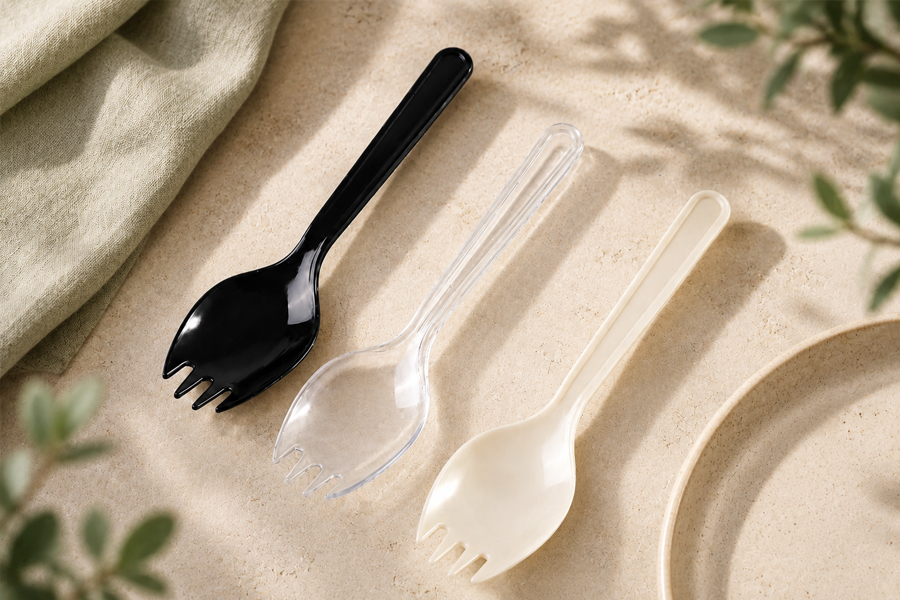
Disposable Sporks Supplier for Plastic Spork and Compostable Utensil Packs

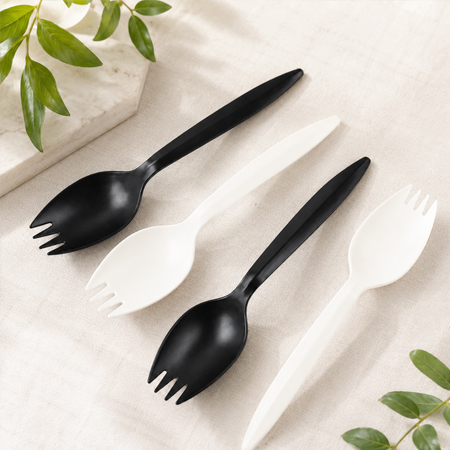
Disposable sporks give foodservice operators a single utensil for takeout, delivery, catering, restaurant service, supermarkets, canteen programs, and picnic kits. Buyers can compare PP, CPLA, and document-backed options by weight, color, wrapping, carton quantity, and real menu use before requesting samples or planning a volume order.

Disposable Sporks for Takeout, Delivery, Catering, Picnic, and Convenient Dining

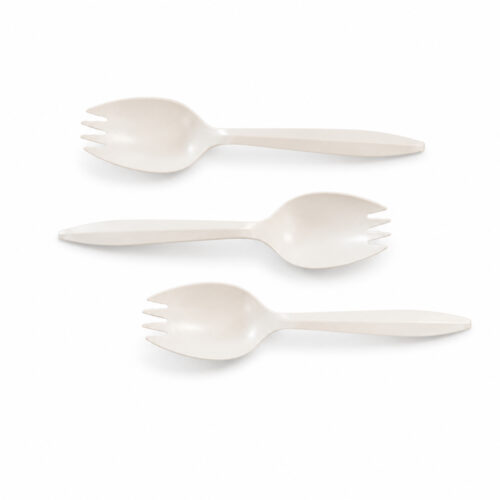
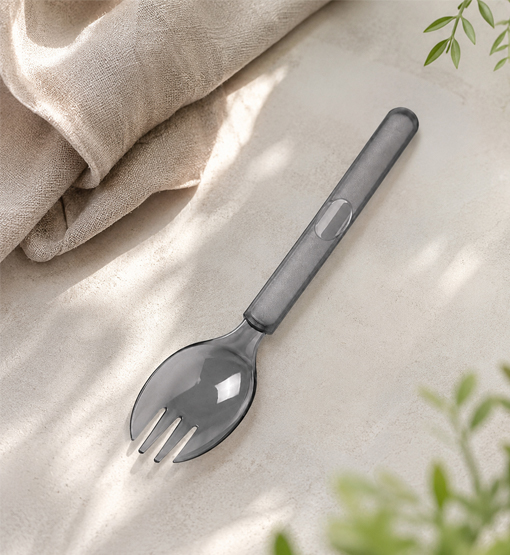
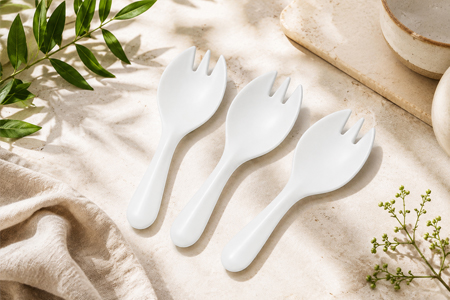
This 2-in-1 fork spoon format is widely used when one item needs to handle several menu types without adding two separate utensils. It can work for rice bowls, salads, yogurt, ice cream, oatmeal, soup, snack cups, and a prepared meal served with a plate, tray, or container.

For buyers, the value is convenience, not only unit price. A combined item can reduce handling steps in a takeaway bag, simplify outdoor service, and help a cater team control inventory when the same piece is used across several menus.

Plastic Sporks and Compostable Spork Cutlery Product Range

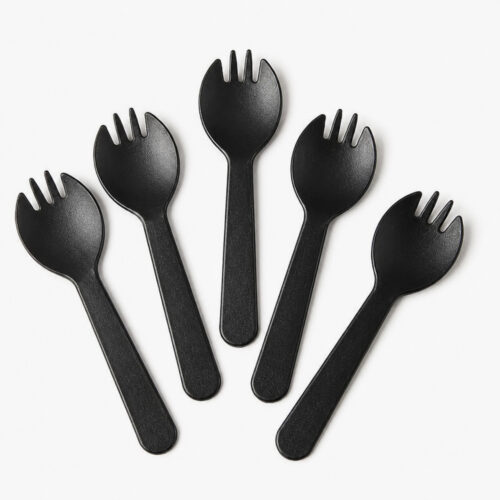
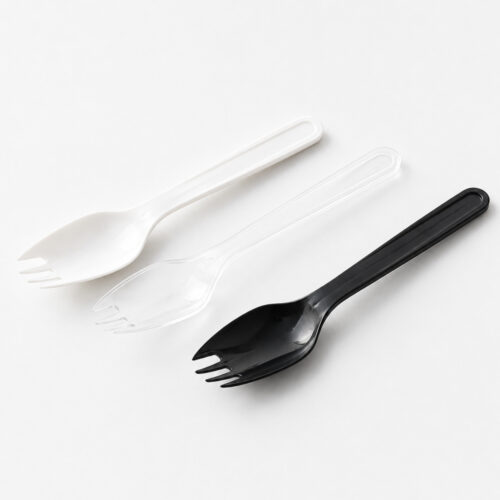
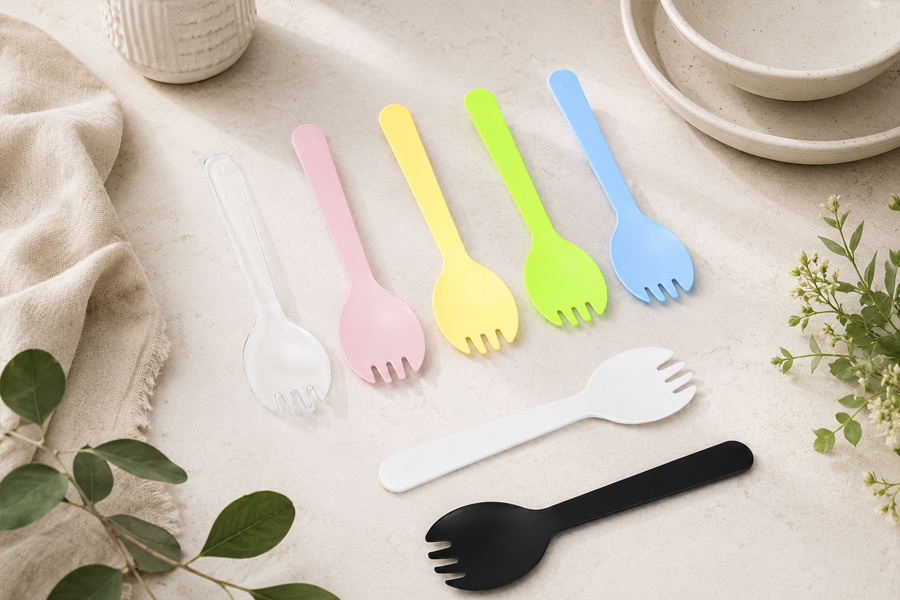
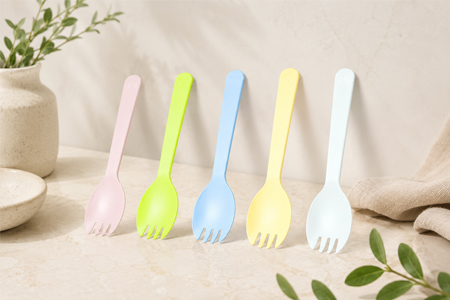
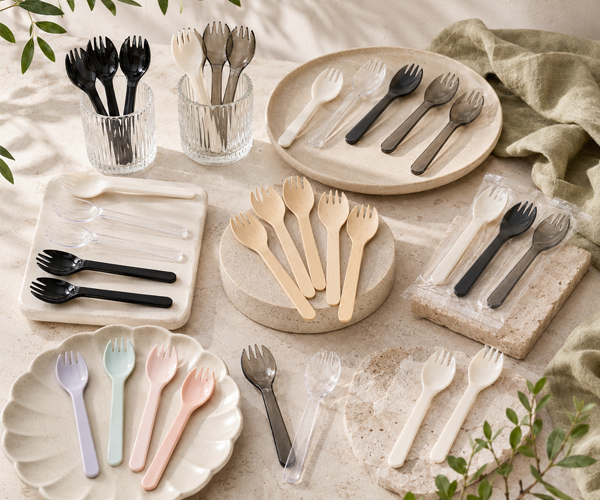
Use this section to display available plastic sporks, CPLA options, standard, heavy weight, loose pack, 100 pack, and individually wrapped formats. Buyers can compare each item by material, dimensions, color, wrapping format, carton style, and use case before selecting products for retail, operator, or distributor programs.

Rectangular bagasse cups for sauce, dip, sampling, and side servings

Plastic Spork, CPLA, and Compostable Material Options

PP choices are often selected for cost-effective service, smooth mouthfeel, and stable supply in high-volume channels. A standard PP format may suit cold dishes, salads, fruit, and takeaway food, while heavier menus should be tested for bending, edge feel, and real handling conditions.

CPLA and other compostable materials may support a responsible sourcing program when the claim is supported by documents. Buyers should confirm whether an item is certified compostable, biodegradable, recyclable, or renewable for the target market before calling it a sustainable alternative to plastic or an alternative to traditional plastic cutlery.

Medium Weight and Heavy Weight Sporks by Size, Durability, and Mouthfeel

Regular-weight items work well for lightweight sampling, dessert cups, fruit, and simple side dishes. Buyers should check length, bowl depth, tine shape, grip comfort, and whether the utensil can scoop cleanly without feeling rough for the guest.

Heavy weight items are better when the menu includes thicker sauces, noodles, rice dishes, or foods that need stronger handling. A sturdy and durable construction can improve the dining experience, but buyers should still compare samples instead of judging only from high-quality product photos.

Stackable bagasse sauce cups with lids for transport and storage

Individually Wrapped Sporks and Cutlery Set Options

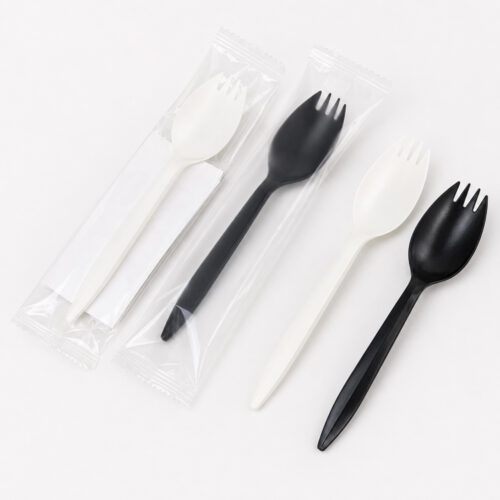
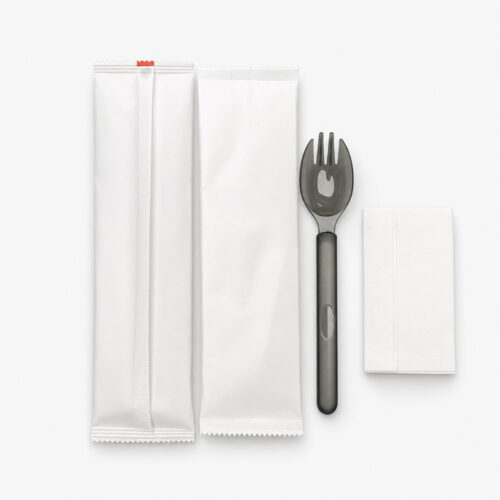
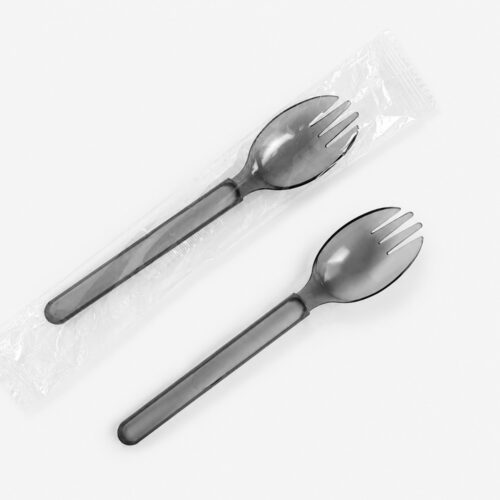
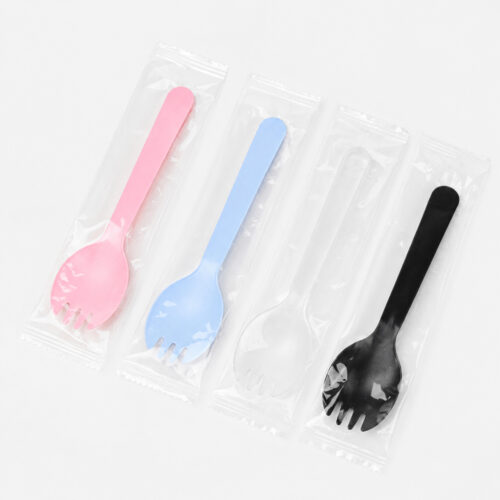
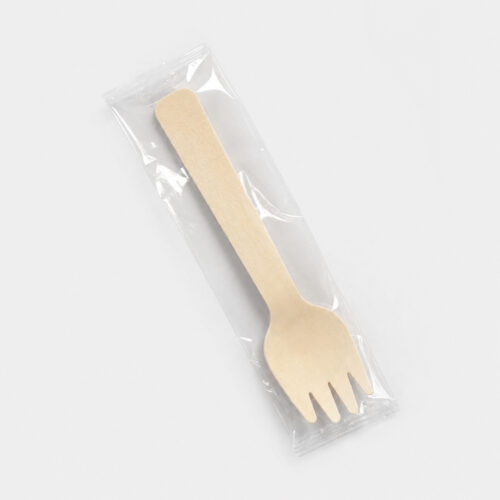
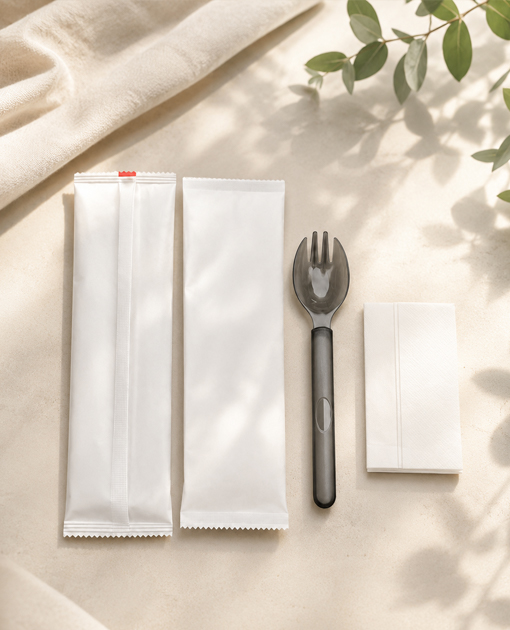
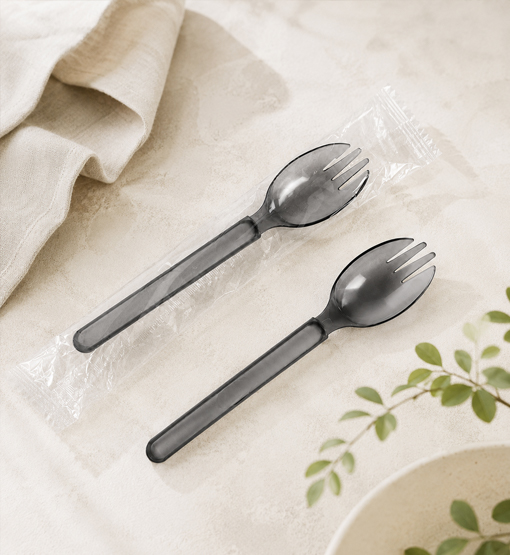
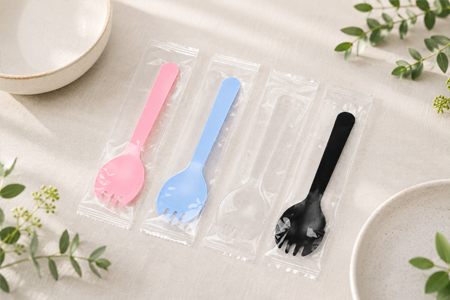
Individually wrapped formats help restaurants, schools, offices, and takeaway operators provide cleaner handout service. Buyers can choose clear film, paper wrap, printed wrap, or napkin-included formats according to the service channel, storage method, and local labeling needs.

A cutlery set may include this item alone, or combine fork, spoon, knife, napkin, straw, or condiment items in one ready-to-use set. Some buyers choose a fork and spoon in one because it can combine functionality where separate plastic utensils are not needed.

Sugarcane bagasse cups with lids for small portion food service use

Packaging, Carton Planning, and Shipping for Bulk Orders

Packaging affects warehouse space, loading, and landed cost. Buyers should confirm inner pack quantity, master carton count, carton dimensions, gross weight, pallet pattern, barcode needs, and whether the goods are loose, wrapped, banded, or retail-ready.

For freight planning, compare the full cost instead of only the item price. A free shipping message may not reflect container loading, destination port, final-mile cost, import documents, or storage efficiency, so B2B buyers should request carton data before confirming any order.

Compost Claims, Commercial Conditions, and Sustainability Documents

Compostable wording should be used carefully because disposal conditions matter. Some materials may require managed compost facilities, while home composting should only be mentioned when the exact SKU has documents that support the claim.

Buyers should ask for test reports, certification details, material declarations, and disposal guidance before making green marketing or environmental statements. Clear compostability information also helps reduce confusion around compost, landfill, recycling, and plastic waste in customer-facing channels.
Sugarcane bagasse cups with lids for small portion food service use

Wholesale Disposable Cutlery for Restaurant, Cafeteria, and In-Store Service

Distributor buyers often compare price, MOQ, lead time, material, color, and repeat supply stability. This range can be used for restaurant takeaway counters, supermarket deli sections, sampling, airline-style trays, outdoor programs, and prepared food service.

The right choice depends on the food served and the service occasion. A small dessert cup may only need a lighter item, while hot rice, noodles, soups, or heavier bowls may need a heat-resistant and more durable format that can perform during transport.

Eco-Friendly Private Label Logo Support for Tableware Programs

Private label buyers may need custom brand printing, wrapper artwork, carton marks, retail sleeves, mixed cutlery ranges, or matching tableware items. The supplier should confirm artwork files, brand mark requirements, MOQ, sample timing, print method, color control, and whether the same branding can be applied across fork, spoon, knife, and related cutlery items.

For eco-conscious programs, eco-friendly claims should be specific and document-backed. If the material is CPLA or another certified material option, the buyer should confirm the exact SKU, certification scope, and destination rules before adding claims to the wrapper, carton, or online product page.

Stackable bagasse sauce cups with lids for transport and storage
Bagasse portion cups with matching lids for foodservice packaging

FAQs About Biodegradable Claims, Environmental Use, and Commercial Composting

A 2-in-1 format is useful when one piece needs to handle rice bowls, salads, desserts, snack cups, and simple takeaway meals. It can reduce packing steps for takeaway bags, school service, office catering, and outdoor kits, but buyers should still test the actual menu before replacing separate fork, spoon, or knife items.

Buyers should compare length, handle width, bowl depth, tine shape, weight, flexibility, and mouthfeel. A smaller item may work for sampling or dessert cups, while stronger options may be needed for rice, noodles, salads, thicker sauces, or transported meals.

End-of-life wording should be used carefully. Buyers should request material documents, certification details, test reports, and market-specific labeling guidance before using claims on wrappers, cartons, online listings, or retail packaging.
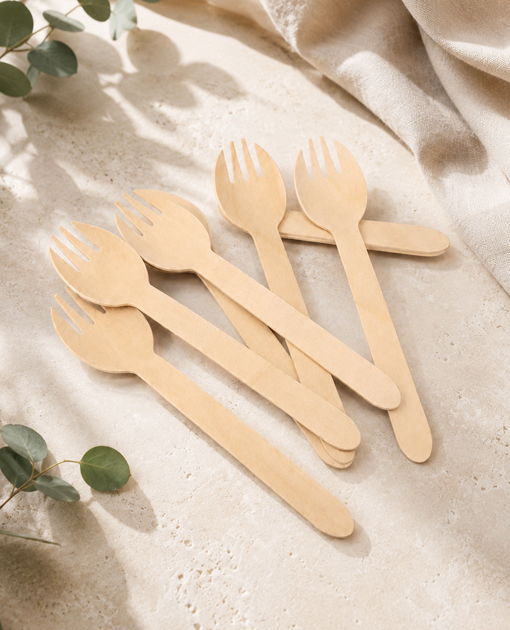
Buyers should confirm dimensions, color, material, inner quantity, carton quantity, wrapping style, barcode needs, pallet loading, and destination market requirements. Retail formats may suit online channels, while individually wrapped formats are usually better for takeaway, school, office, or catering use.

An RFQ should include material preference, quantity, color, packing method, service set requirements, certification requirements, destination market, carton requirements, brand mark needs, and sample request details. This helps the supplier prepare accurate pricing, packing information, logistics data, and volume order support.


Buyer Summary and RFQ for Volume Utensil Orders

Match the utensil to the menu, service channel, and target price before confirming a volume purchase. Compare PP, CPLA, and compostable cutlery by dimensions, weight, mouthfeel, wrapping, carton quantity, logistics data, and whether the item is suitable for the intended use.

When sending an RFQ, include material preference, quantity, color, loose or individually wrapped format, service set needs, destination market, certification requirements, packaging style, carton requirements, private label needs, and sample request details. This helps the supplier prepare accurate pricing, production options, and quotation support for disposable utensil orders.

Call To Action