Paper Bowls for Foodservice, Take-Out, and Compostable Packaging

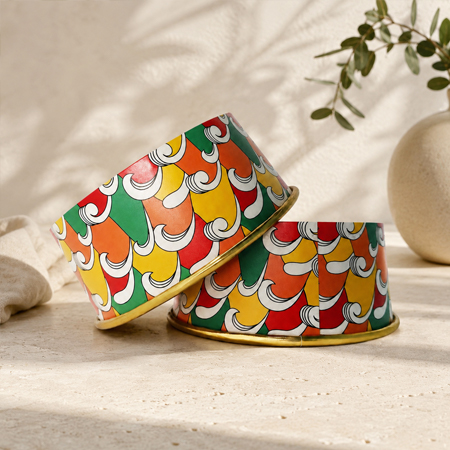
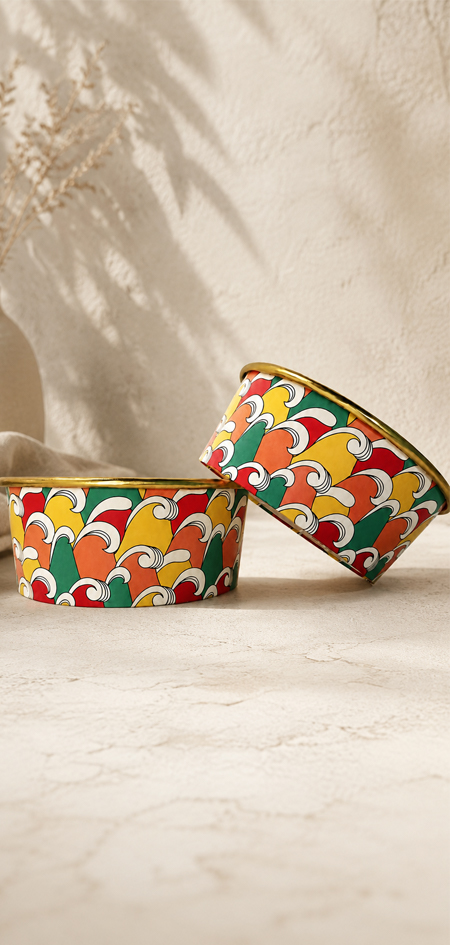
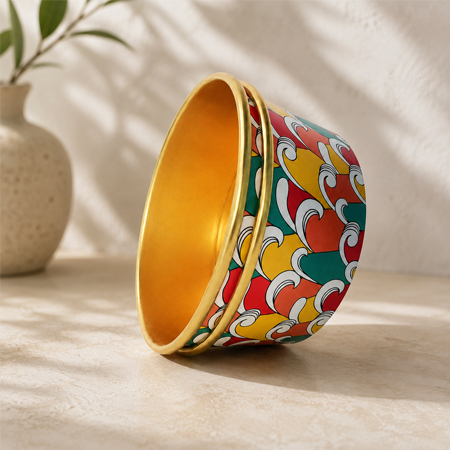
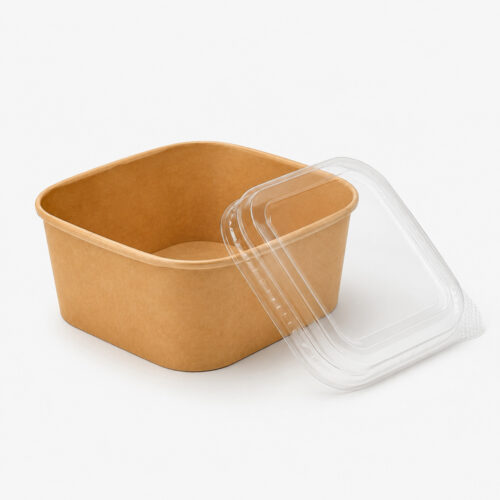
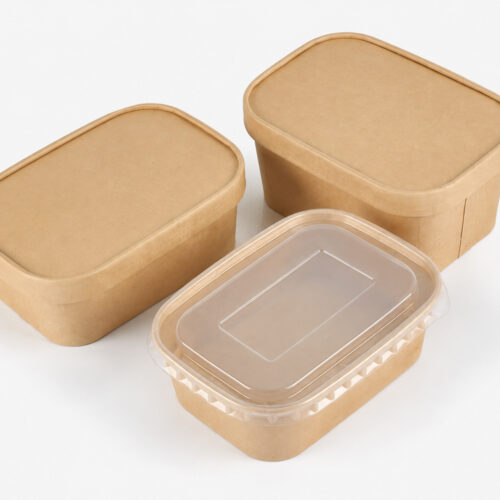
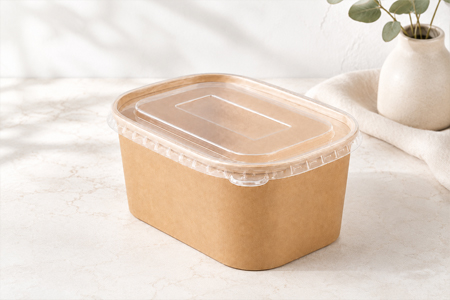
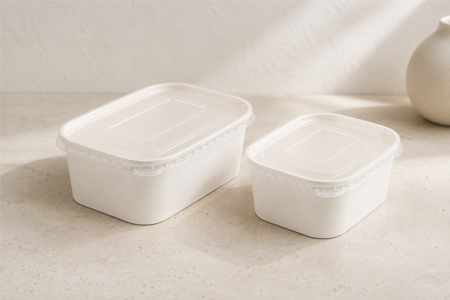
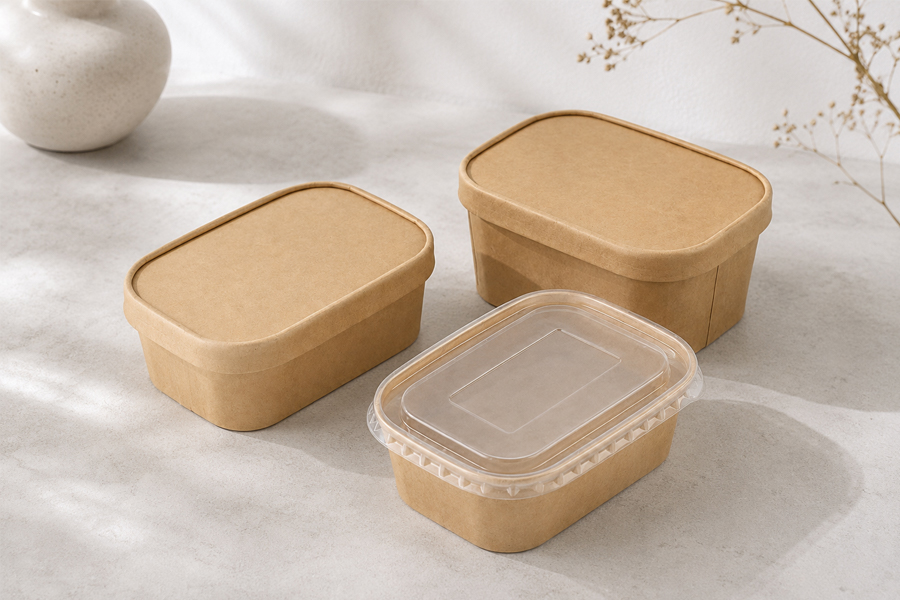
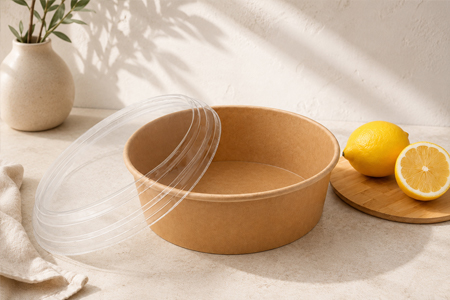
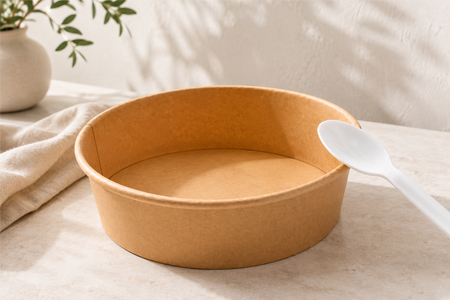
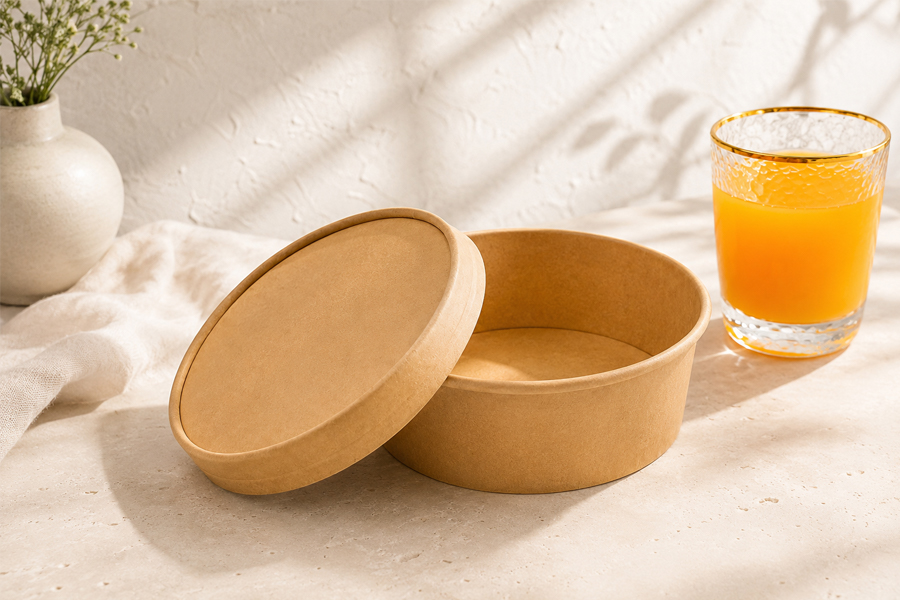
Paper bowls give restaurants, distributors, caterers, supermarkets, meal prep brands, office programs, and event planners a practical way to serve soups, ice cream, hot meals, cold dishes, and prepared portions. Buyers source from a supplier to compare size, lid fit, material, packing, custom print options, and repeat supply before building a stable packaging program.

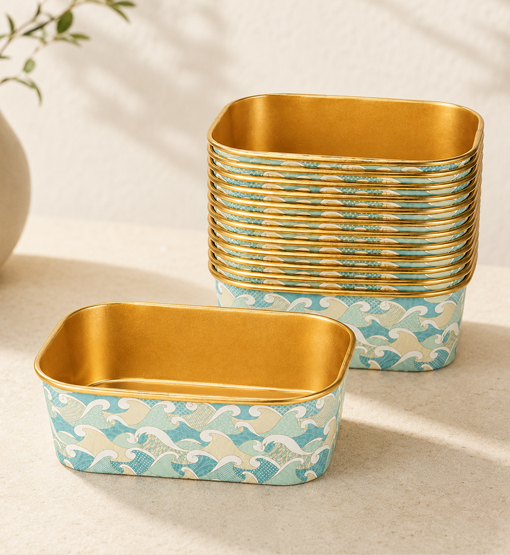
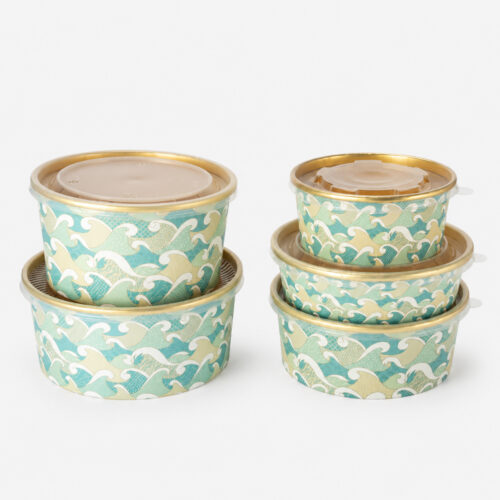
Bagasse condiment cups for supermarkets, meal prep, and foodservice distributors

Paper Bowls for Restaurants, Catering, and Foodservice Buyers

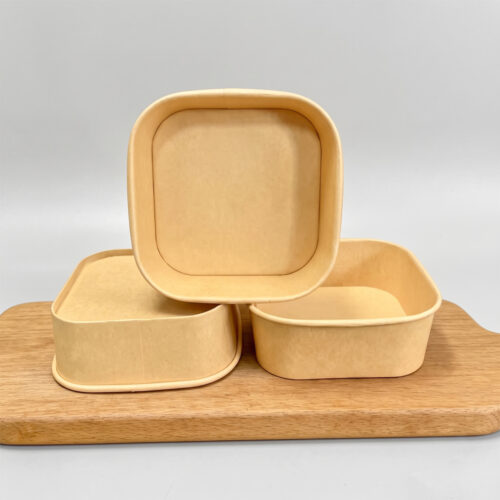
A paper bowl is used when foodservice teams need simple portion control, easy handling, and a clean presentation for prepared meals. It can support counter service, take-out menus, catered meals, workplace dining, supermarket deli counters, and event service where speed and cleanup matter.

For procurement teams, the main decision is not only the bowl shape. Buyers also need to review capacity, lid compatibility, carton quantity, material structure, storage conditions, and whether the selected item can be supplied consistently for repeat orders.

Paper Bowl Product Range and Compostable Bowl Options

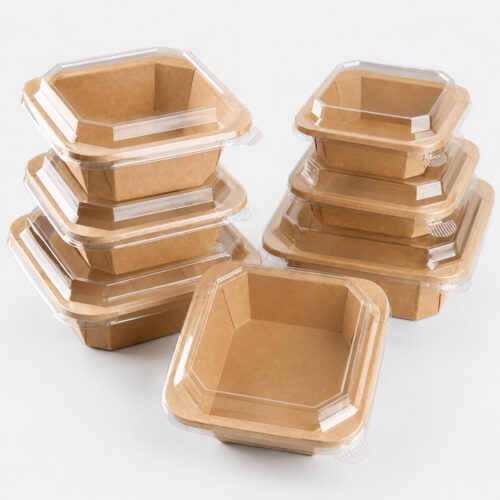
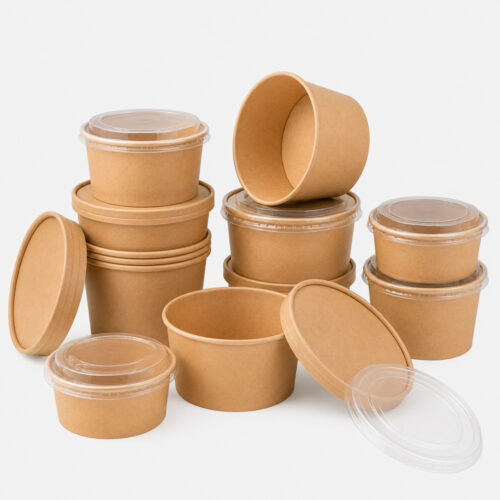
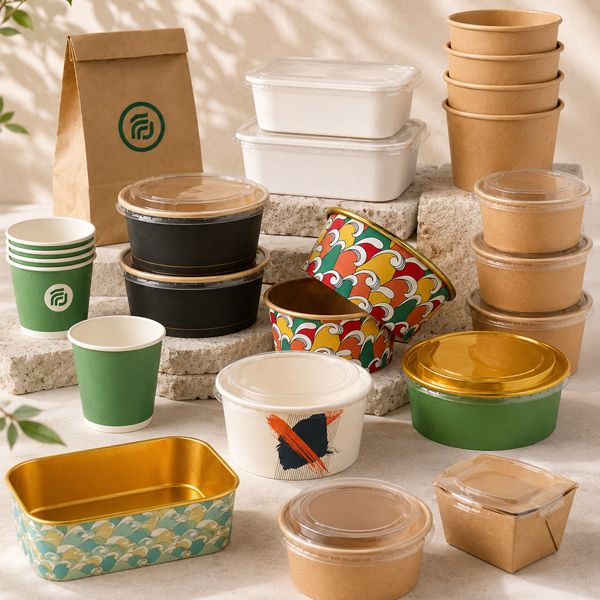
Choose from kraft bowls, white bowls, fiber formats, bamboo blend items, sugarcane styles, and PLA lining options depending on menu type, temperature, and disposal route. This section can hold product cards, capacity charts, lid images, carton details, or comparison tables so buyers can compare the available range before preparing an RFQ.

Paper Bowls for Hot Food, Cold Dishes, and Soups

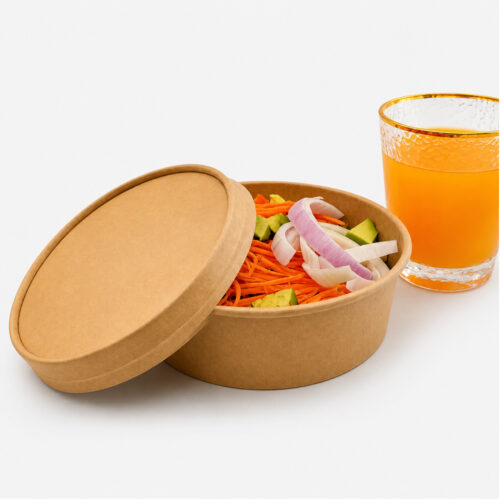
A paper bowl is a convenient format when a restaurant or distributor needs portion control, easy handling, and neat presentation. Common uses include rice meals, noodles, salads, oatmeal, desserts, deli counters, staff meal programs, and catered service where quick cleanup matters.

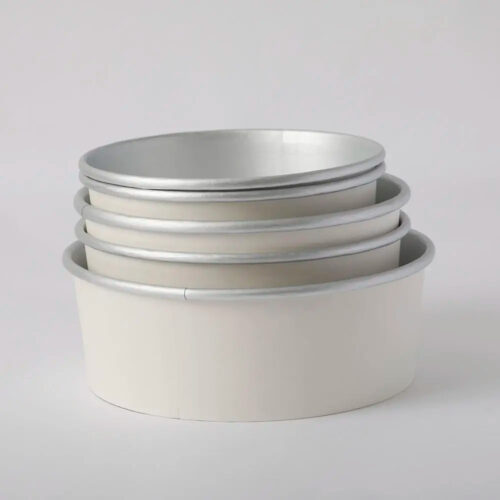
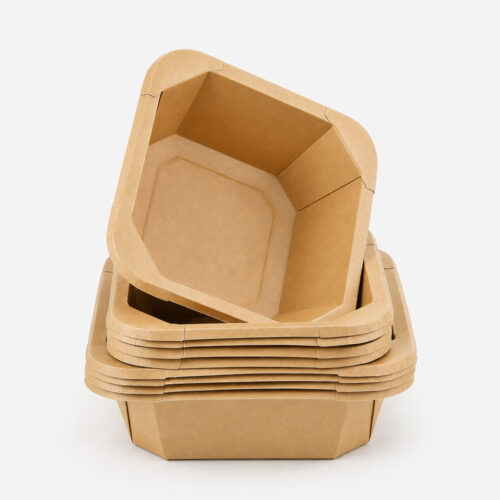
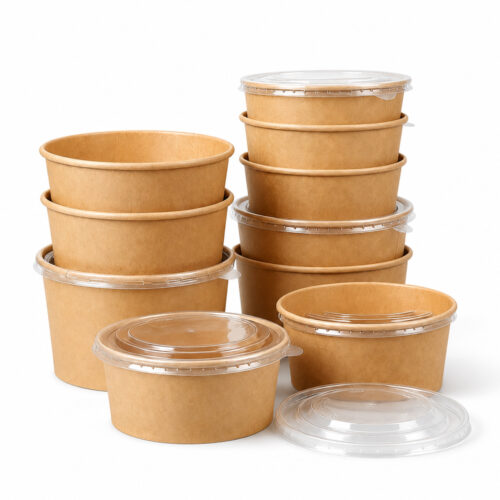
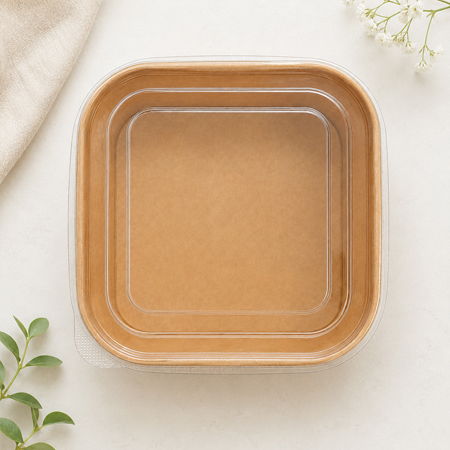
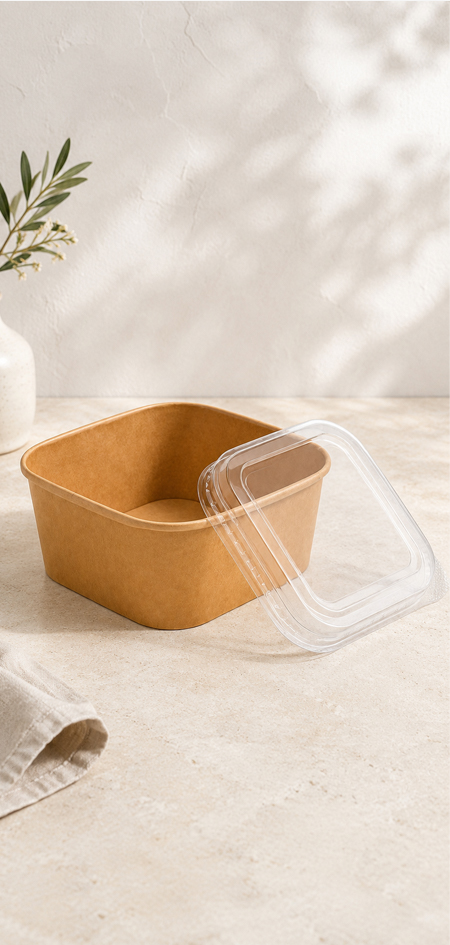
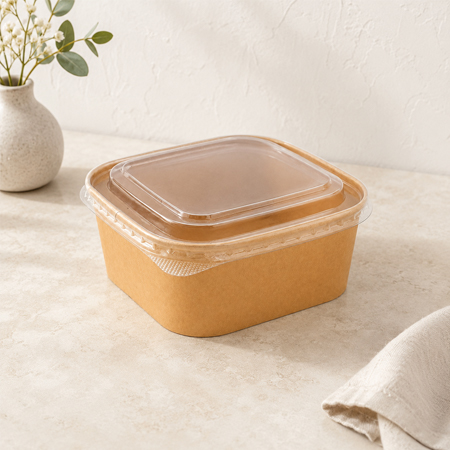
The right bowl depends on capacity, rim strength, lid matching, and how the item will be handled after filling. Small bowl and cup formats may work for sides or samples, while a large format is better for full meals. Buyers should also compare stacking height, carton quantity, and how the product fits existing warehouse space.

Review Bowl Materials Before Order: Paper, Fiber, Bamboo, Sugarcane, and PLA

Different material choices give buyers different benefits. Paperboard formats are often selected for print appearance, cost control, and regular supply. Fiber bowls usually offer a more natural molded texture, while bamboo, wheat straw, and sugarcane options may support a plant material story for selected packaging programs.

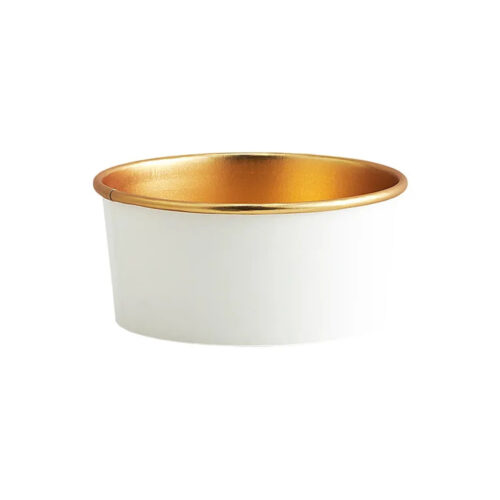
PLA-lined paper bowls may be suitable for certain uses, but the final choice should depend on market requirements, temperature needs, disposal route, and documentation. If the buyer also needs paper plates, a matching cup, or a plate format, the supplier can help review the full dinnerware range together.

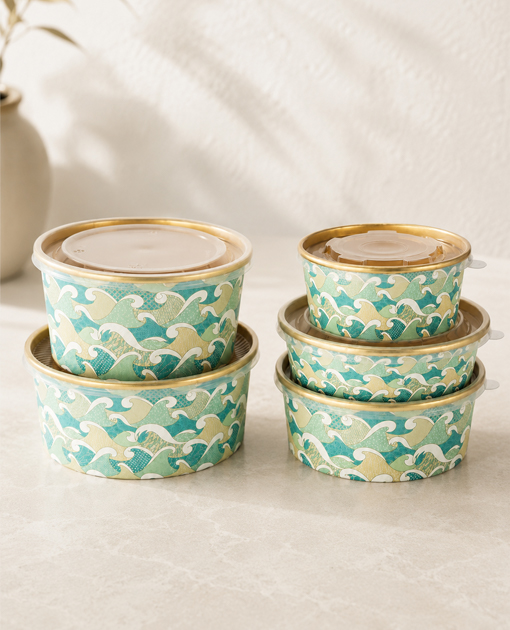
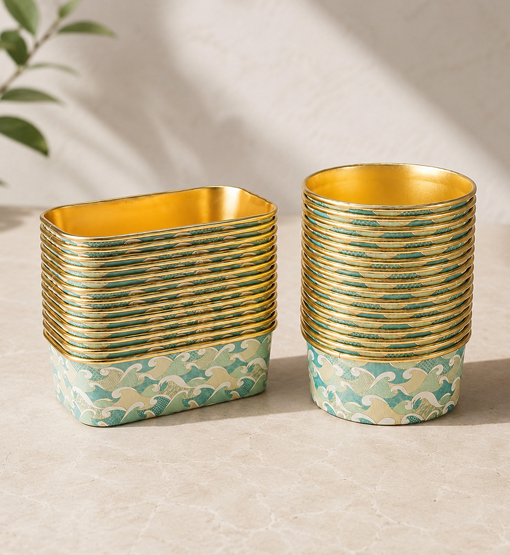
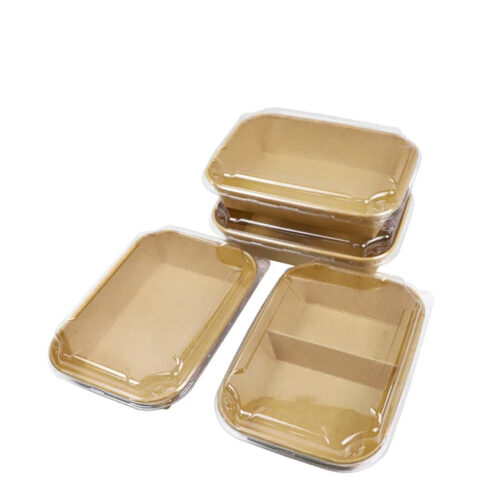
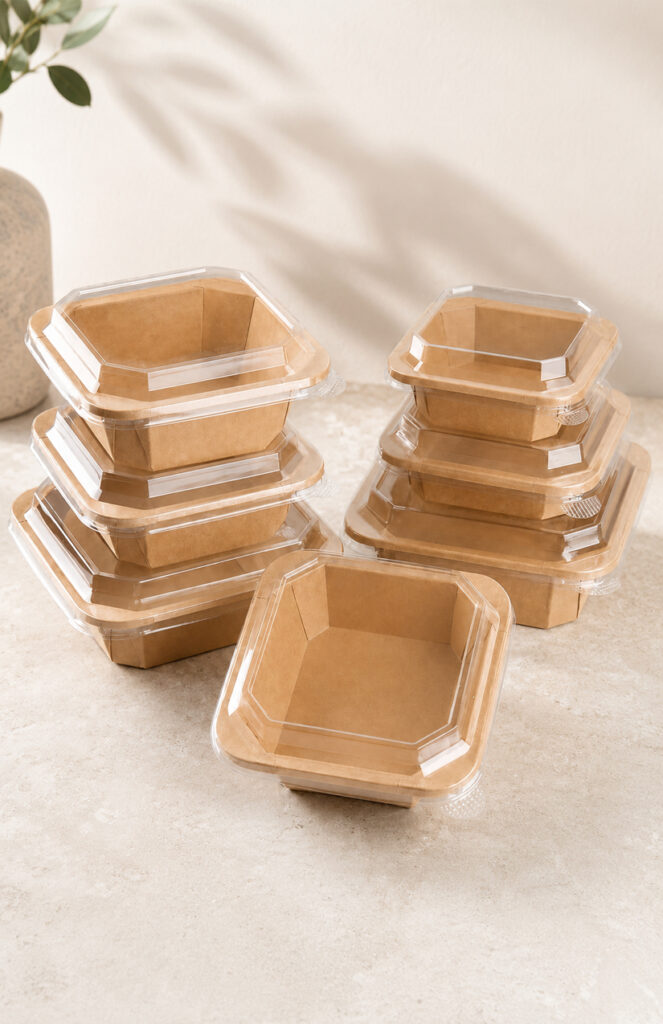
Stackable bagasse sauce cups with lids for transport and storage

Disposable Bowls That Serve Restaurants, Catering, and Events

Disposable bowls are widely used because they reduce washing labor and support fast service. Many buyers now compare disposable plastic with paper, fiber, and plant-based alternatives to support customer expectations, local policy, or brand positioning without making unsupported environmental claims.

Compostable materials can be useful when the buyer has access to the correct collection route. The claim should be checked by specification, because performance may depend on coating, thickness, testing, and commercial composting facility access. Related documents are available upon request depending on the exact item.
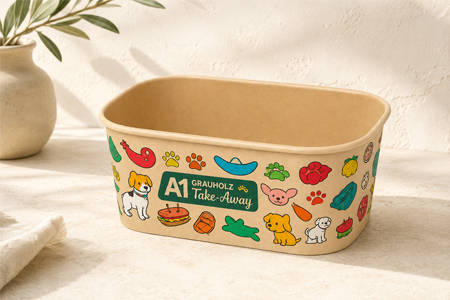
Sugarcane bagasse cups with lids for small portion food service use

How to Choose a Bowl for Temperature and Handling Needs

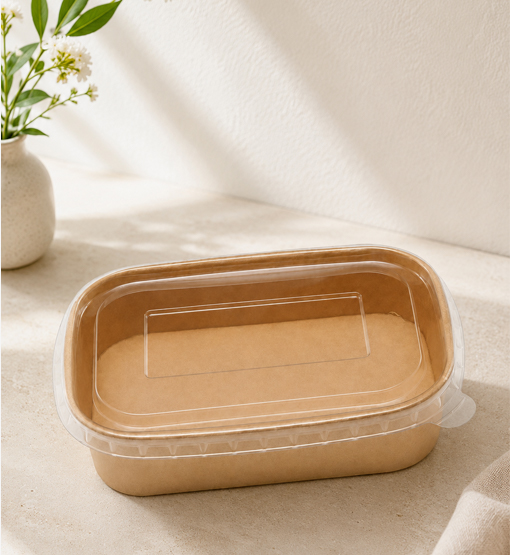
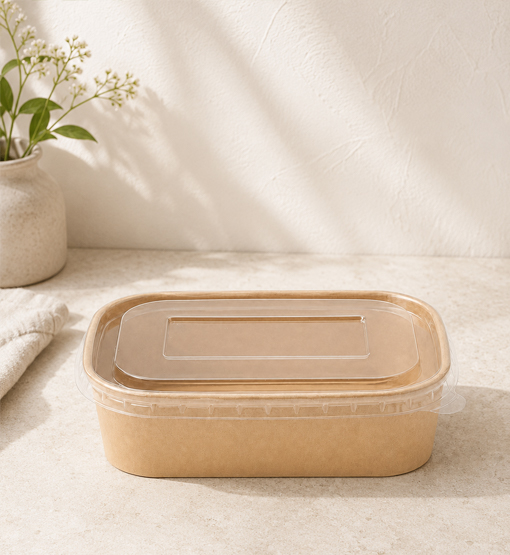
For heated meals, buyers should check wall thickness, rim stiffness, lid stability, and hold time during delivery. For chilled desserts, fruit, and prepared salads, the main questions are moisture resistance, lid clarity, appearance after filling, and whether the item may pass through a freezer before use.
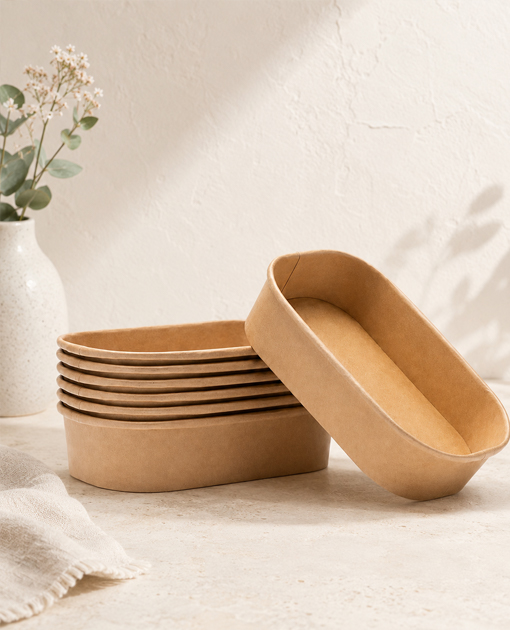
Durability is not only about paper weight. It also depends on shape, coating, lid type, storage environment, and transport distance. If one dish needs extra moisture resistance and another only needs short counter service, the supplier should recommend separate structures instead of forcing one format into every menu.
Custom Printing and Supplier Support

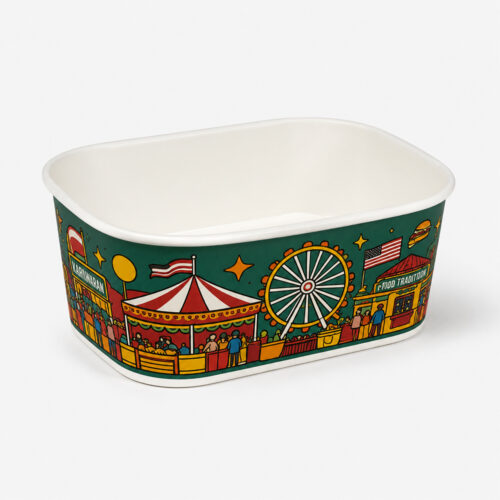
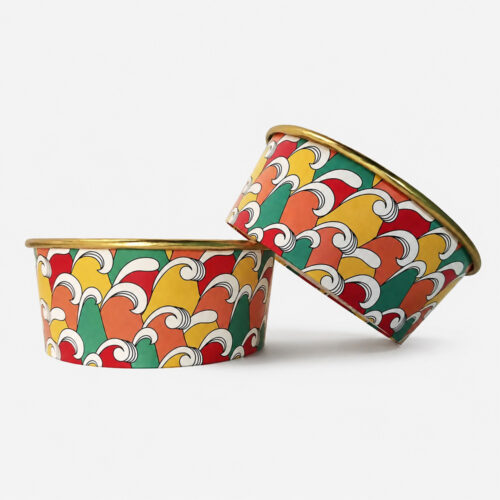
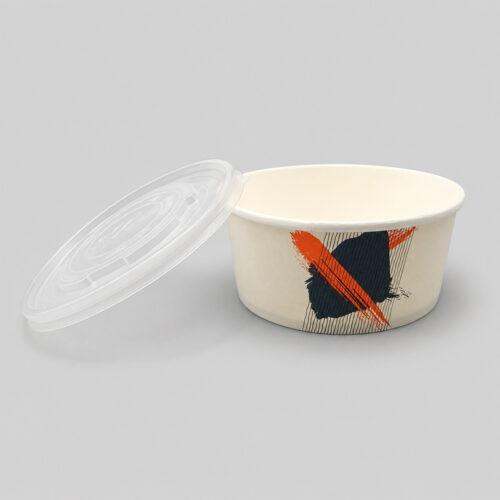
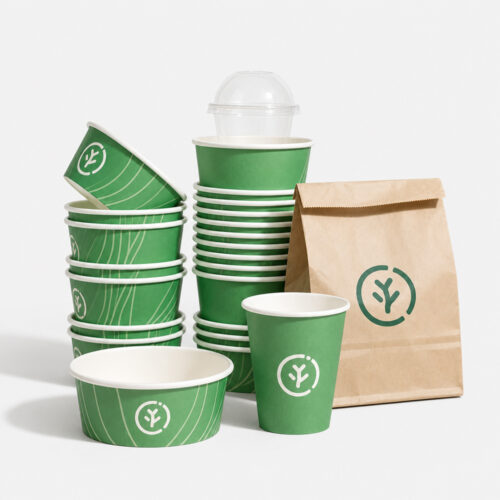
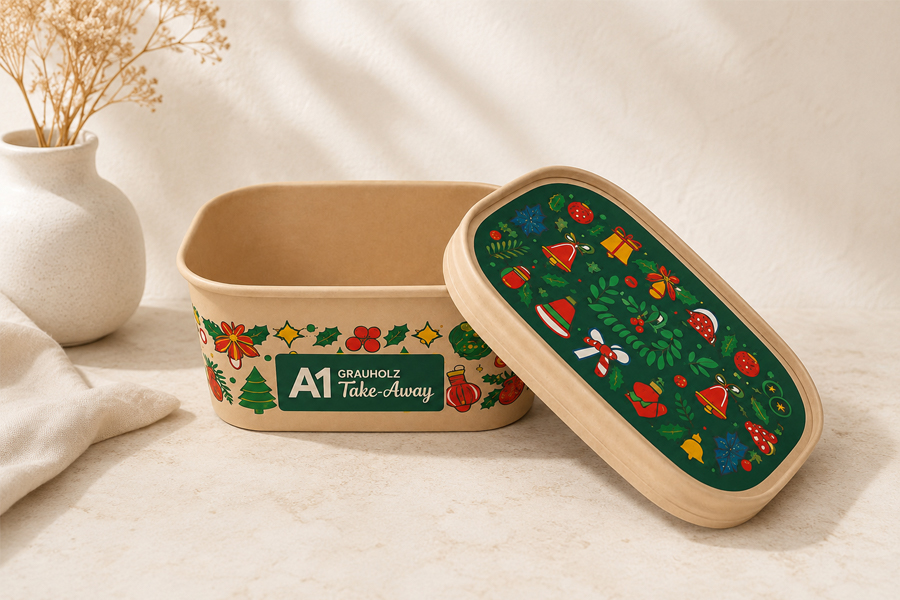
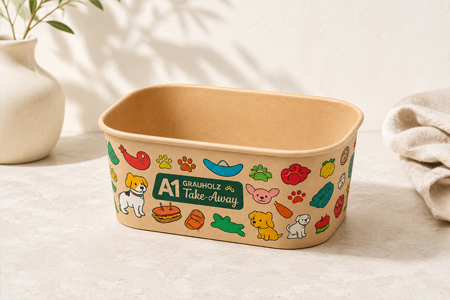
Custom printing helps restaurant groups, meal brands, and private-label buyers create clearer shelf or counter presentation. A simple logo may be enough for quick service programs, while retail projects may require barcode placement, carton marks, artwork control, and packaging that works for an online channel.

Before production, artwork should be checked against the printable area, ink limits, and sample appearance. Buyers can ask for a physical sample review when color, rim position, lid visibility, or brand consistency is important. A high quality design should support recognition without reducing function.

Bagasse condiment cups for supermarkets, meal prep, and foodservice distributors

Quantity, Cost, Wholesale Pricing, and Delivery Planning

Ordering should start with size mix, expected volume, destination, and whether the buyer needs stock packaging or custom printing. Buyers often compare carton count, pallet loading, MOQ, lead time, and shipping method before looking only at unit cost.

A low price may not be the best choice if cartons are inefficient or lids must be sourced separately. For a bulk program, ask whether free shipping is included, limited by destination, or replaced by a delivered-cost quotation so the landed cost is clear.

Certification, Compliance, and Sustainable Claim Language

Compliance language should match the exact product being ordered. Available documents may include material statements, food-contact declarations, compostability reports, or third-party certificates depending on specification and destination. A supplier should not present a certification claim unless the matching report is available for that item.

For compostable claims, buyers can ask whether ASTM D6400 standard relevance, BPI-style documentation, EN-related reports, or local market requirements apply. Documents can be confirmed before production, especially when the item will be sold through supermarkets, public procurement, or a regulated business account.

Stackable bagasse sauce cups with lids for transport and storage
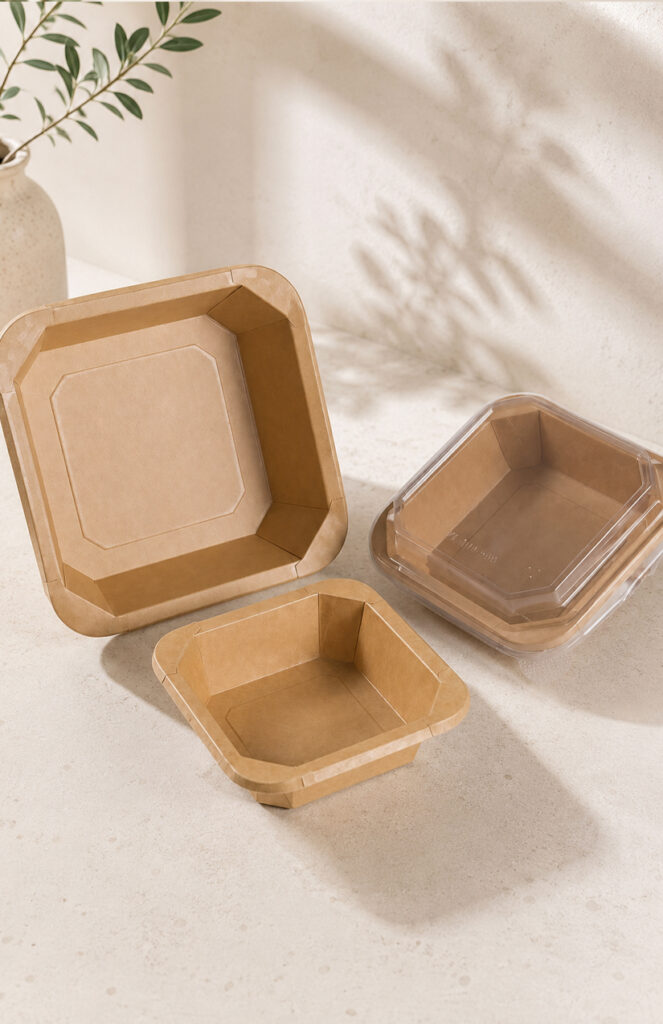
Bagasse portion cups with matching lids for foodservice packaging

FAQ About Bowl Materials and Supplier Orders

Not always. They should be matched with the required material, lining, claim language, and disposal route in the buyer’s market.

Yes. Buyers should confirm capacity, coating, lid fit, hold time, and whether the menu includes oily or watery recipes.

They are usually made from paperboard with a selected lining. Fiber options are molded from plant material and often have a different texture, weight, and look.

Yes. Custom printing is usually available when MOQ, artwork, color requirements, and production schedule are confirmed.

They can be suitable, but the exact material and lining should be confirmed against the intended temperature and serving time.

Yes. Buyers can request mixed sizes, lid matching, carton details, and packing photos so the program is easier to manage.

Keep cartons dry, clean, and away from direct moisture or heat to protect strength and appearance.

Yes. Sample checking is recommended for fit, appearance, capacity, and menu testing before a full run.

Request a Quote for Paper Bowls and Disposable Bowl Programs

Send your RFQ with the bowl size, capacity, material, lining, lid requirement, printing needs, carton packing, destination, and expected order volume. These details help the supplier quote accurately and recommend the most suitable structure for your menu or resale channel.

Restaurants, distributors, caterers, supermarkets, workplace meal providers, and event buyers can contact us to compare lid options and packing plans. We can review your current item, suggest eco-friendly alternatives where appropriate, and prepare a practical quotation for paper bowls and related bowl programs.

Call To Action