-
Address: Street Name, NY 38954
-
Mobile: +86 198 6369 1950
-
Email: info@ecofoodware.com
-
Address: Street Name, NY 38954
-
Mobile: +86 198 6369 1950
-
Email: info@ecofoodware.com
Home » Disposable Cutlery
Disposable Cutlery from a PLA Compostable Cutlery Manufacturer
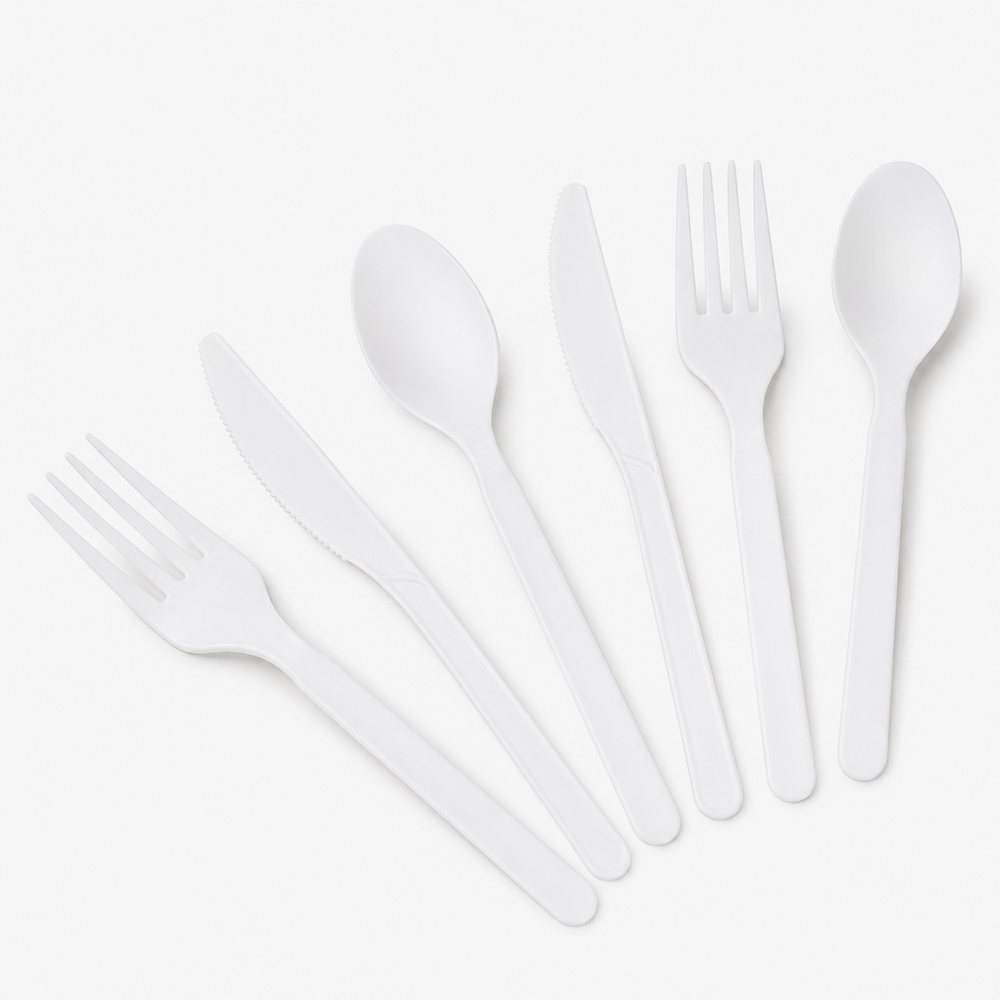
PLA compostable cutlery is plant-based, injection-molded single-use serviceware developed for foodservice programs with suitable organic-waste collection. Xcellink Ecopack supplies forks, spoons, knives, sporks, tasting spoons and wrapped sets with application-matched materials, custom dimensions, branding, packaging, quality control and destination-market documentation for wholesale buyers.
Reduce specification risk before the purchase order. Compare utensil geometry, service temperature, rigidity, finished-product certification, wrapper structure, carton efficiency and export requirements—not only the material name or unit price.
Engineering Brief
Material + Geometry + Packing
Geometry
Tines · Bowl · Edge
Packing
Bulk · Wrap · Kits
Branding
Color · Logo · Box
Recommended RFQ inputs
Product format, dimensions, estimated annual volume, destination market, food application, packing preference, required documents and delivery target.
Automatic Lines
Automatic Machines
Annual Output
Export Markets
Consumers Supported
The Procurement Problem
“Compostable” Alone Is Not a Complete Cutlery Specification
A material label does not tell a buyer whether a fork will pierce dense food, a spoon will retain shape in hot soup, a knife will cut without excessive flex, or a local composter will accept the finished item.
Procurement consequence
Weak specifications create breakage complaints, mismatched disposal claims, repacking labor, inefficient cartons, delayed artwork approval and inconsistent reorder performance.
01
Barrier failure in real food
Standard PLA and high-heat crystallized PLA are not interchangeable. Specify real food temperature, contact time and finished-utensil test conditions before choosing the compound.
02
Flex, Snap and Poor Mouthfeel
Unit weight alone does not define performance. Handle ribs, transition zones, tine geometry, spoon-bowl depth and knife-edge design determine structural integrity.
03
Unsupported Environmental Claims
“Plant-based,” “biodegradable” and “commercially compostable” are different claims. Certification must match the finished SKU, formulation, facility and intended end-of-life route.
04
Packing and Loading Inefficiency
Wrapper dimensions, pieces per bag, carton count, master-carton strength, pallet pattern and container utilization affect landed cost as much as the utensil price.
Material Decision Architecture
Choose Disposable Cutlery by Application, Claim and Waste Route
Use this matrix as an RFQ starting point. Final food-contact suitability, temperature performance, compostability, recyclability and market access must be confirmed for the exact formulation and finished product.
| Selection Criteria Decision Factor | 01 · Bioplastic PLA / CPLA | 02 · Starch Blend PSM / Starch Blend | 03 · Natural Fiber Bamboo / Wood | 04 · Fiber-Based Paper Cutlery | 05 · Conventional PP / PS |
|---|---|---|---|---|---|
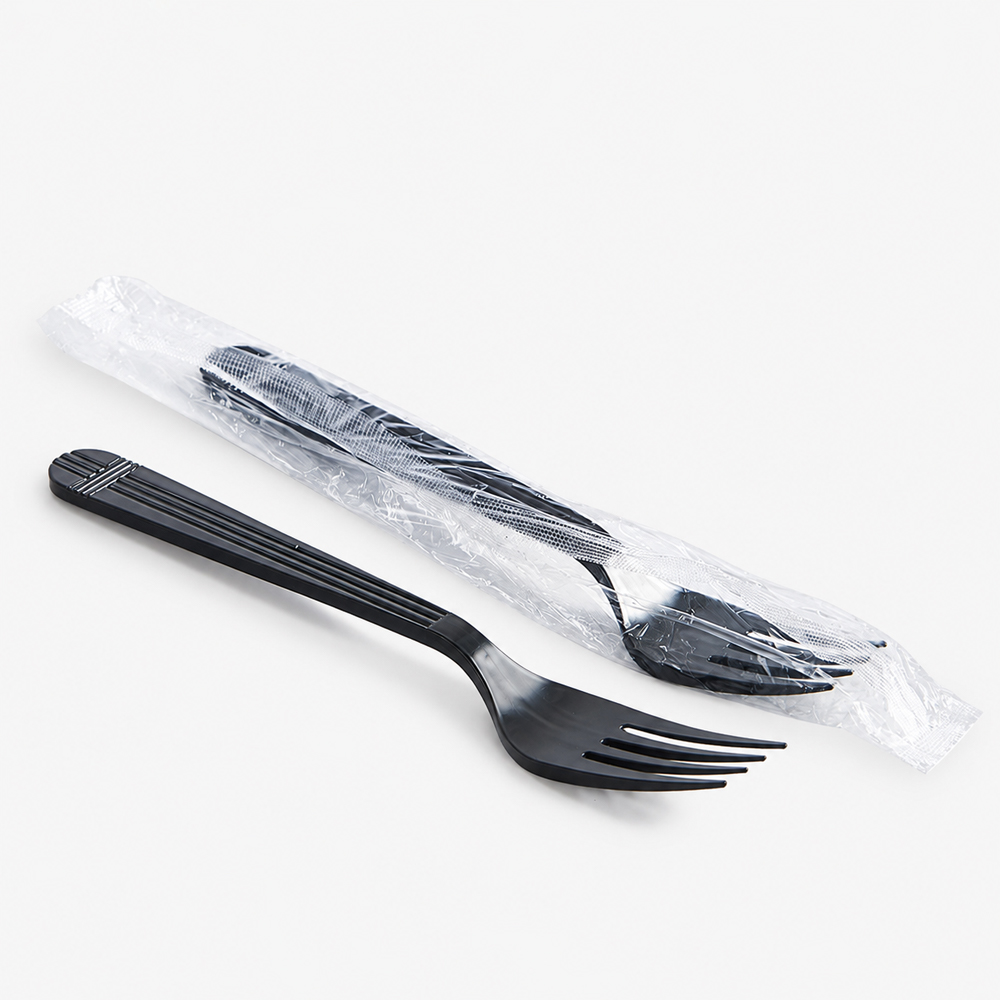
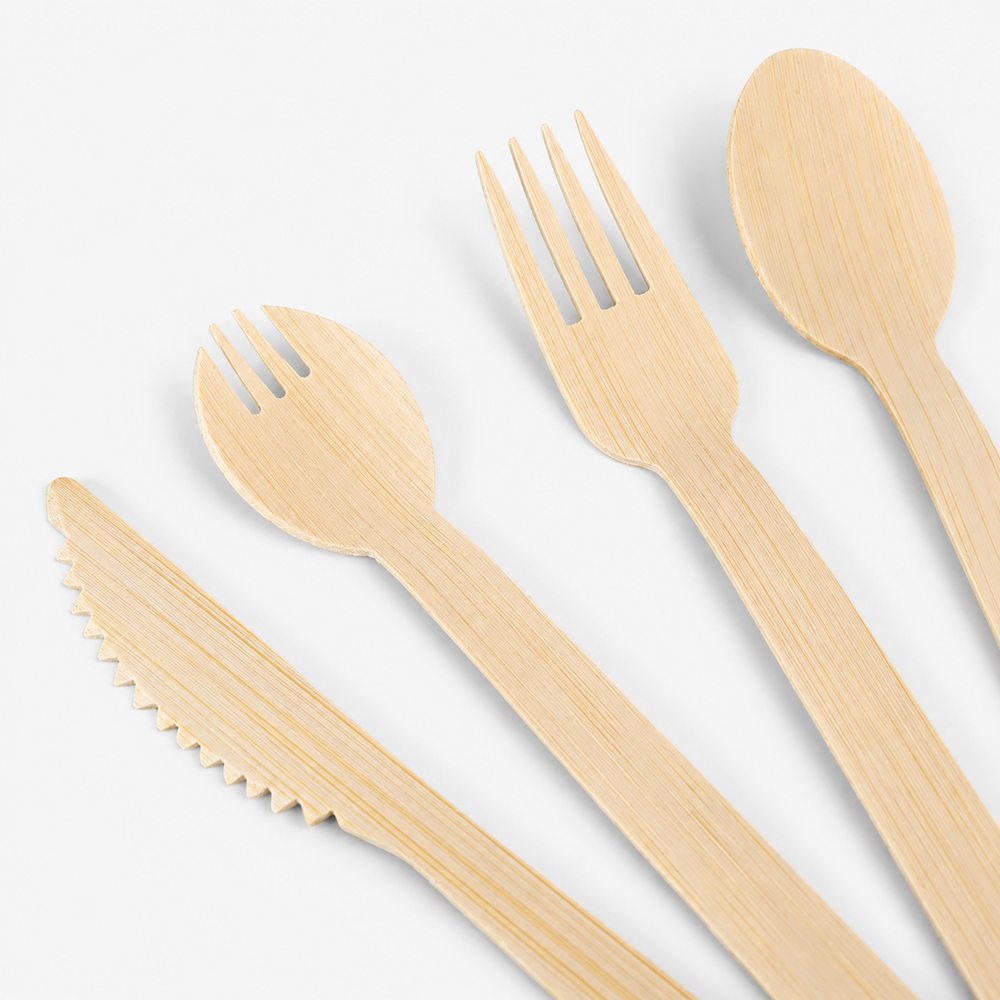
| 01 Material Structure | PLA-based injection compound; crystallized or modified grades may be used for higher-temperature service. | Starch-filled polymer blend; formulation and conventional-plastic content vary by supplier. | Solid natural fiber with surface finishing; species and sourcing documentation should be specified. | Compressed or laminated paper structure; adhesives, binders or functional coatings require review. | Conventional polypropylene or polystyrene injection-molded cutlery. |
| 02 Best-Fit Application | Sustainability-led foodservice, catering, takeaway and certified organics programs. | Cost-sensitive foodservice requiring a plant-content story and conventional-plastic-like rigidity. | Premium natural presentation, events, desserts, light meals and hospitality kits. | Plastic-reduction programs, desserts, bakery sets, light meals and visible brand presentation. | Mainstream high-volume service where local regulation allows conventional plastic cutlery. |
| 03 Temperature Planning | Confirm standard versus high-heat grade and test the finished utensil at actual use conditions. | Depends on blend and geometry; do not infer heat resistance from starch content. | Suitable for hot or cold food when finished surfaces and dimensions are approved. | Confirm wet strength, coating integrity and softening resistance for the served food. | PP generally suits warmer use than PS; confirm grade and finished-product limits. |
| 04 End-of-Life Claim | Commercial compostability only when the finished SKU is within valid certification scope. | Not automatically compostable; request exact composition and finished-product evidence. | Biodegradation or composting depends on finishing, local acceptance and disposal conditions. | Compostability depends on the complete structure, including coatings, inks, binders and adhesives. | Not compostable; recyclability depends on resin, color, contamination and local collection. |
| 05 Buyer Proof to Request | Finished-SKU certificate, food-contact documents, heat test and formulation declaration. | Composition statement, food-contact test, plastic-content disclosure and claim evidence. | Species, moisture and finish controls, food-contact evidence and FSC/PEFC requirement if specified. | Paper grade, binder or coating declaration, migration evidence and compostability scope. | Resin grade, food-contact status, recycled-content evidence where claimed and local compliance. |
| 06 Customization | Mold geometry, unit weight, masterbatch color, embossing, wrapper and retail carton. | Geometry, blend, color, logo and packing subject to formulation and production constraints. | Length, profile, engraving or printing, paper sleeve and kit configuration. | Shape, lamination, color, printed brand elements and matched plate or packaging sets. | Weight class, color, mold, embossing, wrap and foodservice kit configuration. |
Coordinated Product Program
Six Disposable Cutlery Categories, One Sourcing Brief
Build a consistent range across individual utensils, mini formats and multi-piece kits. Align dimensions, handle language, color, wrapper artwork, inner packs and master cartons to reduce approval cycles and fragmented purchasing.
Reference sample · food type · service temperature · target weight · annual volume · packing style · destination market
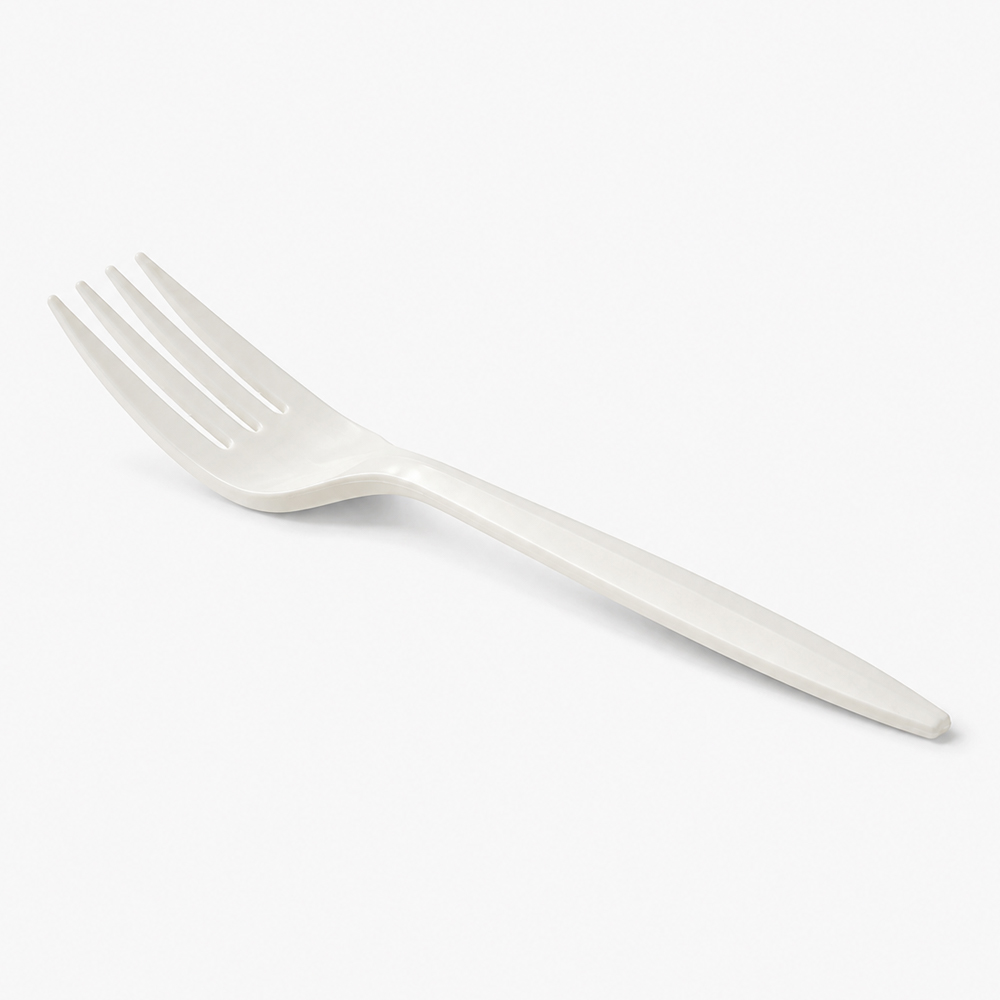
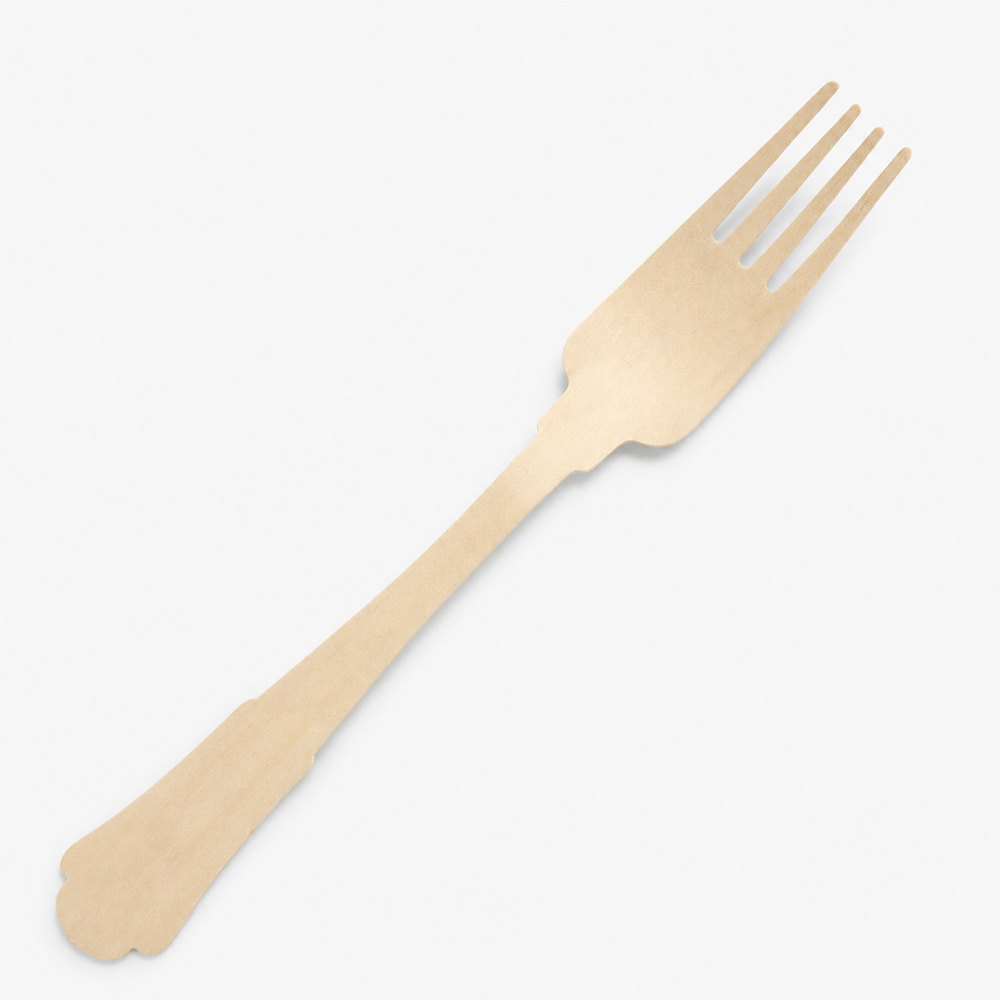
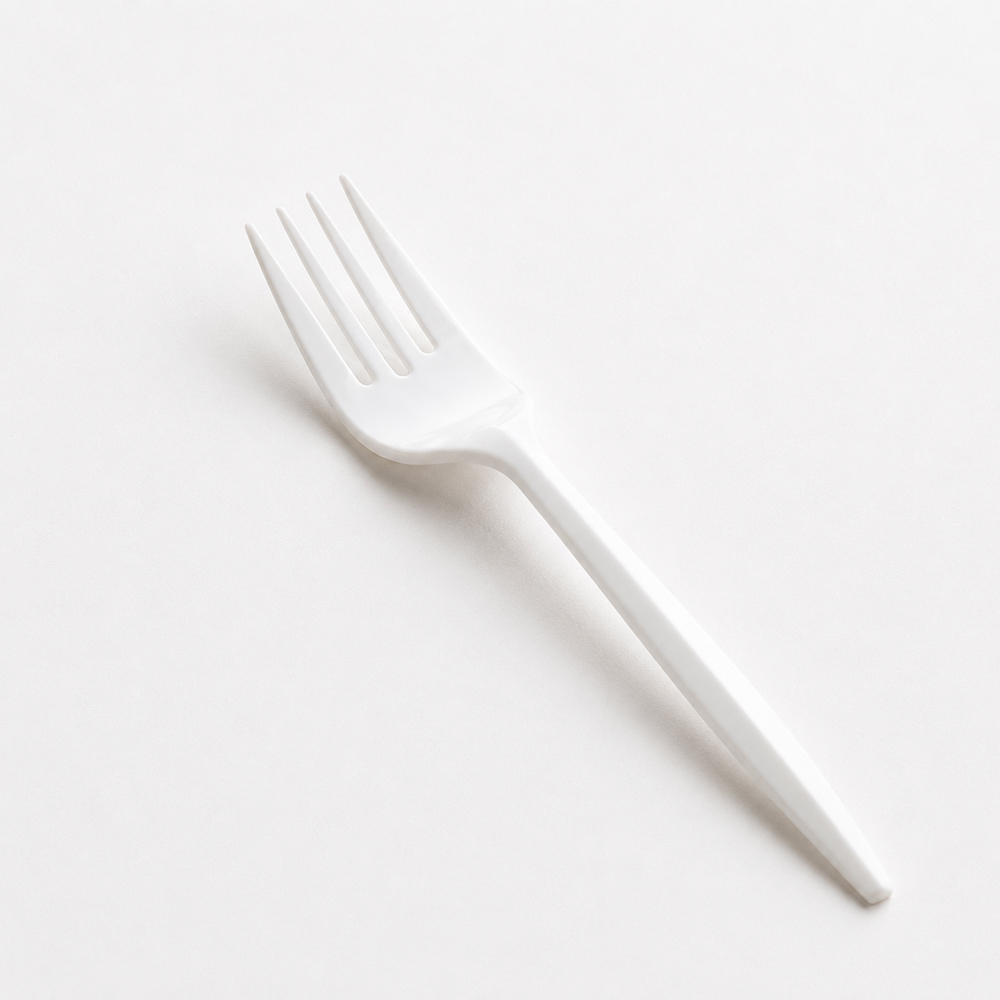
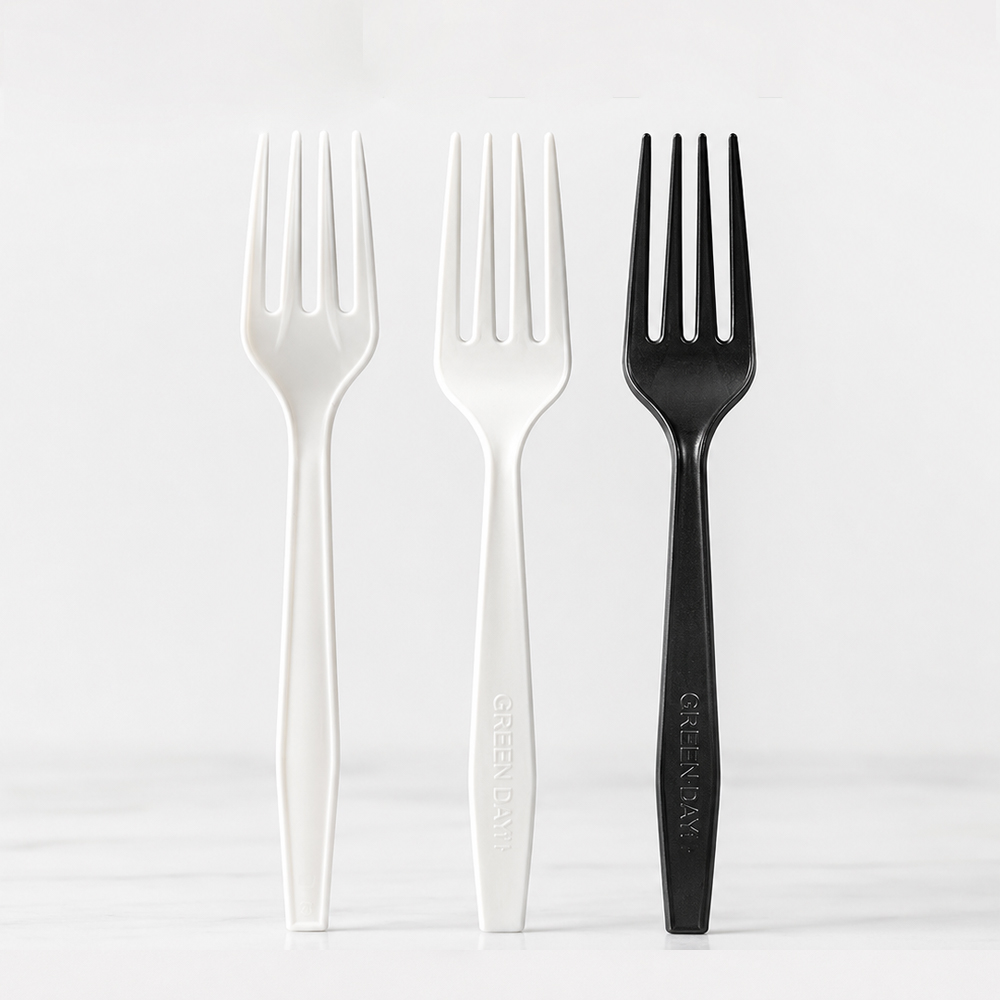
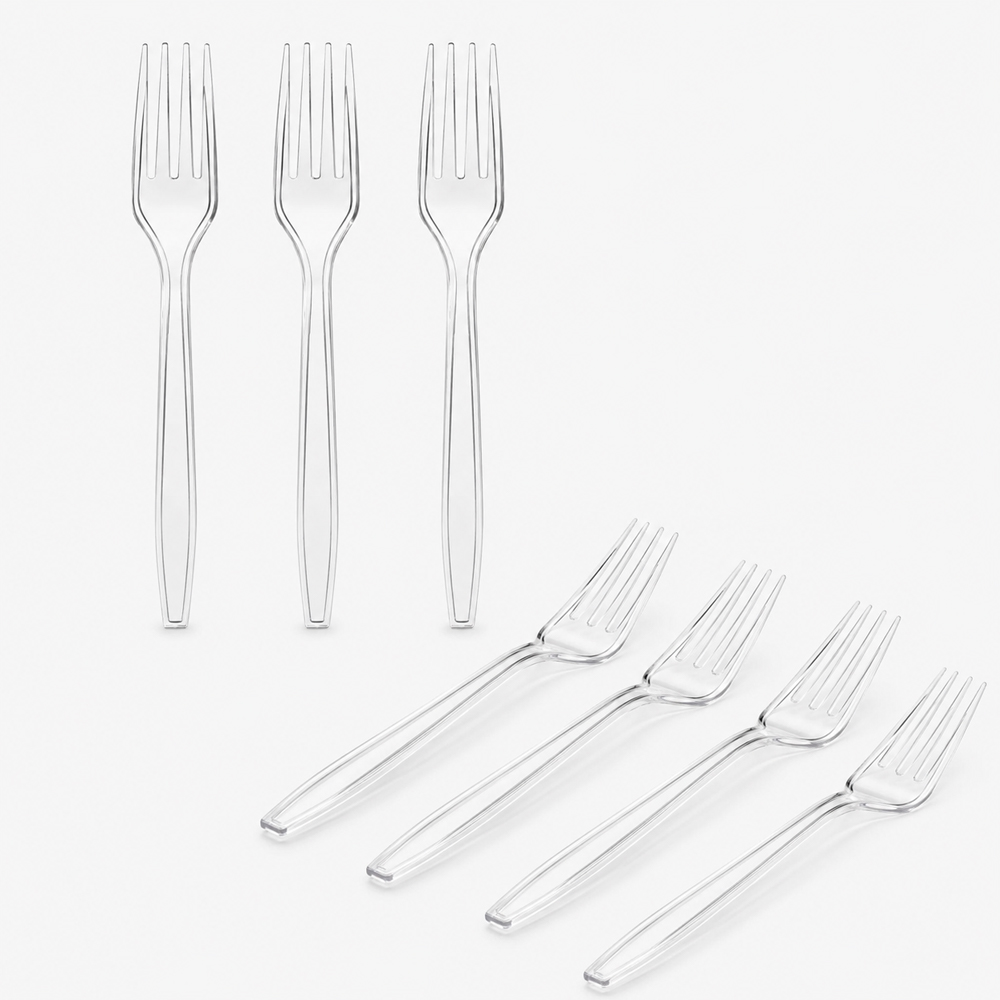
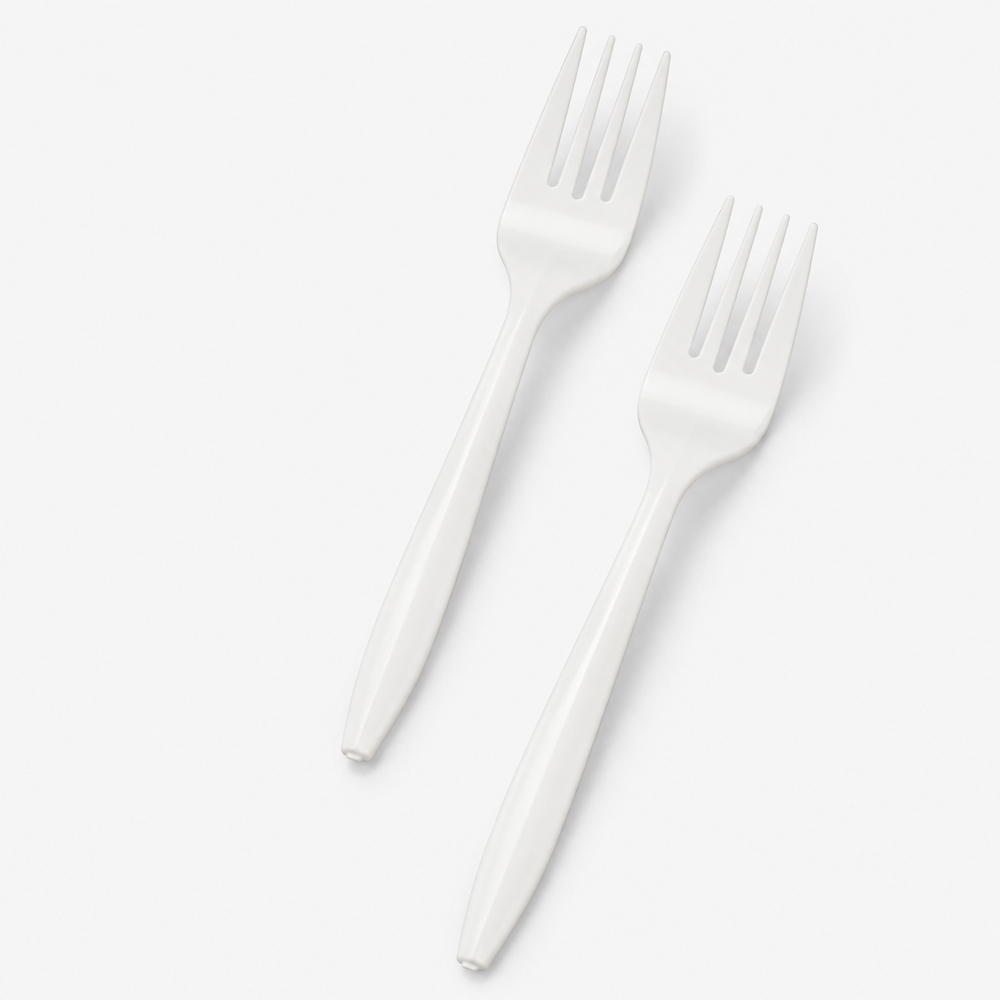
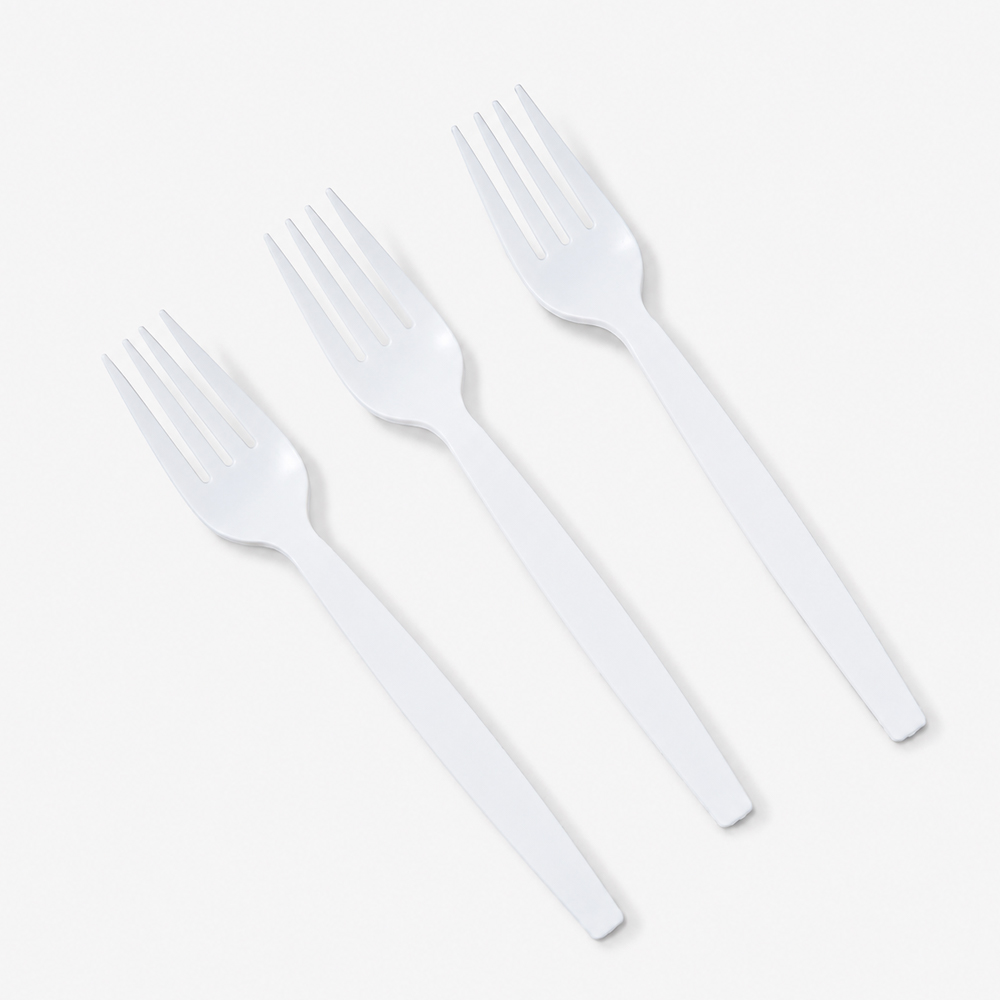
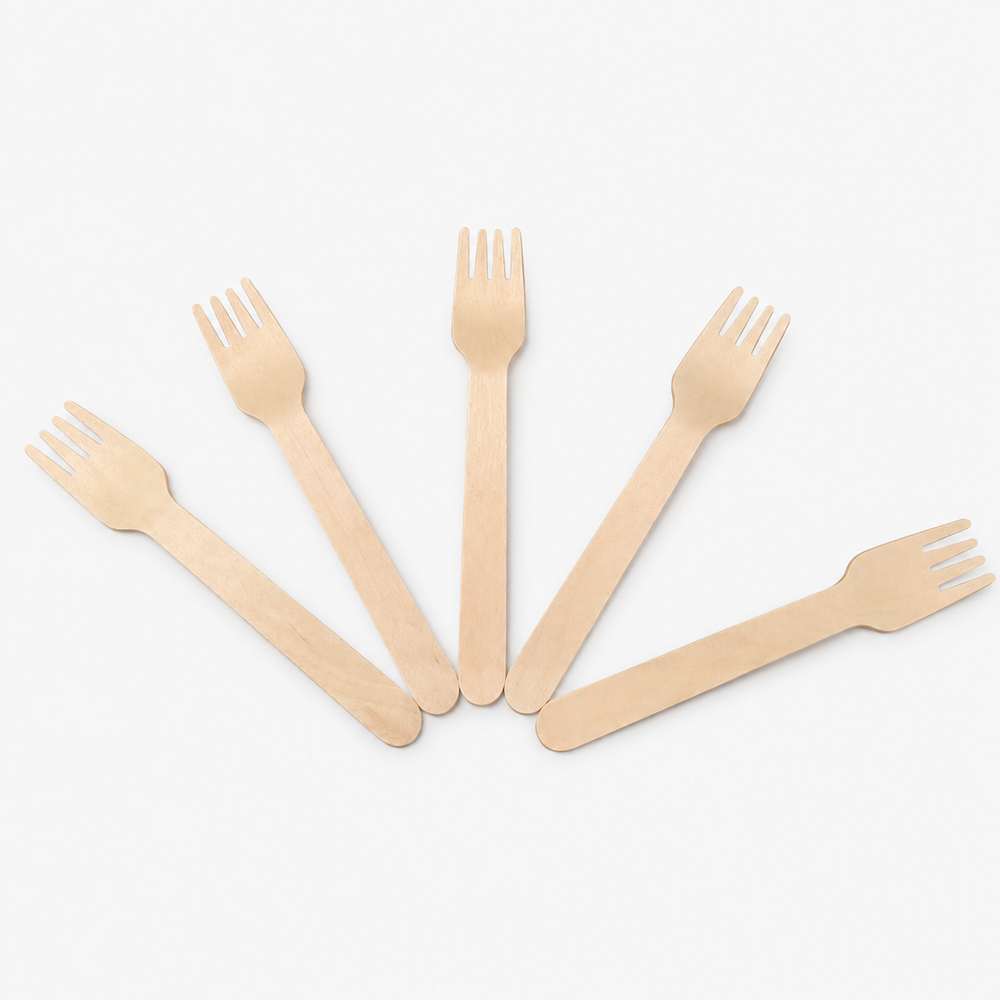
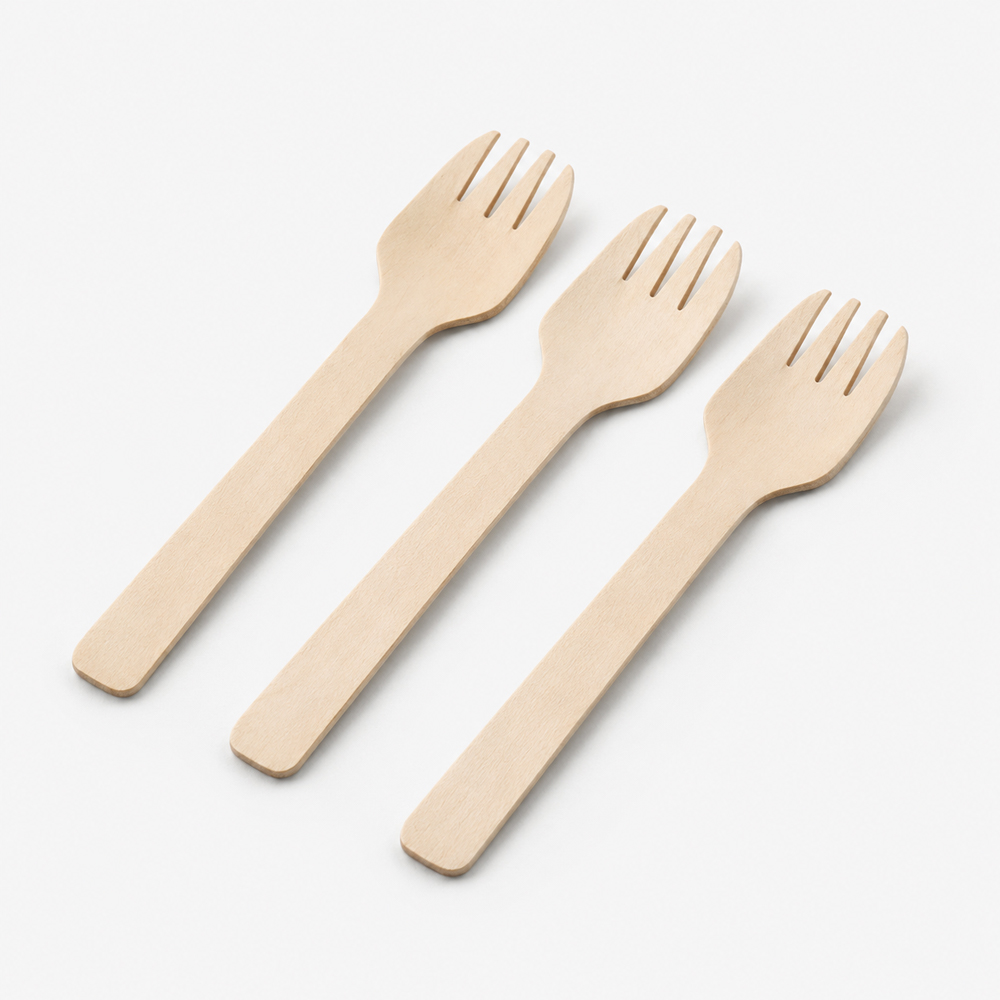
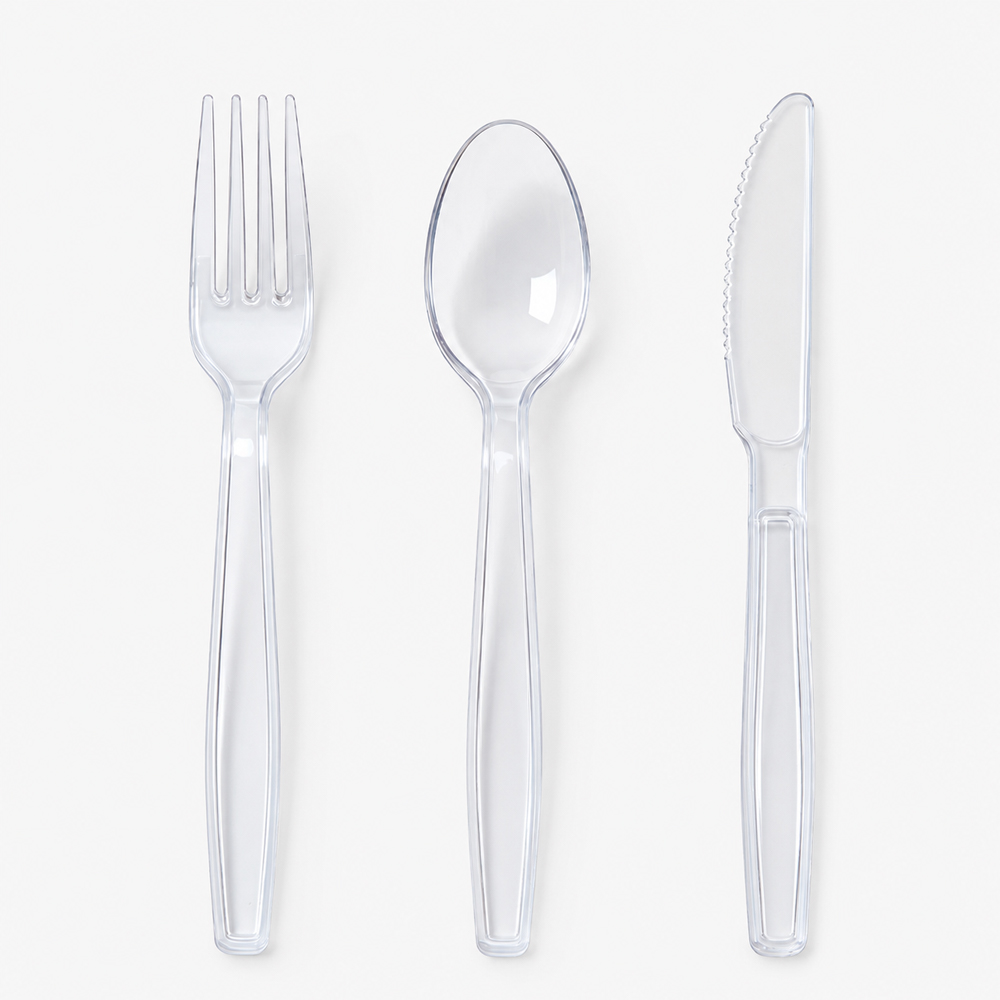
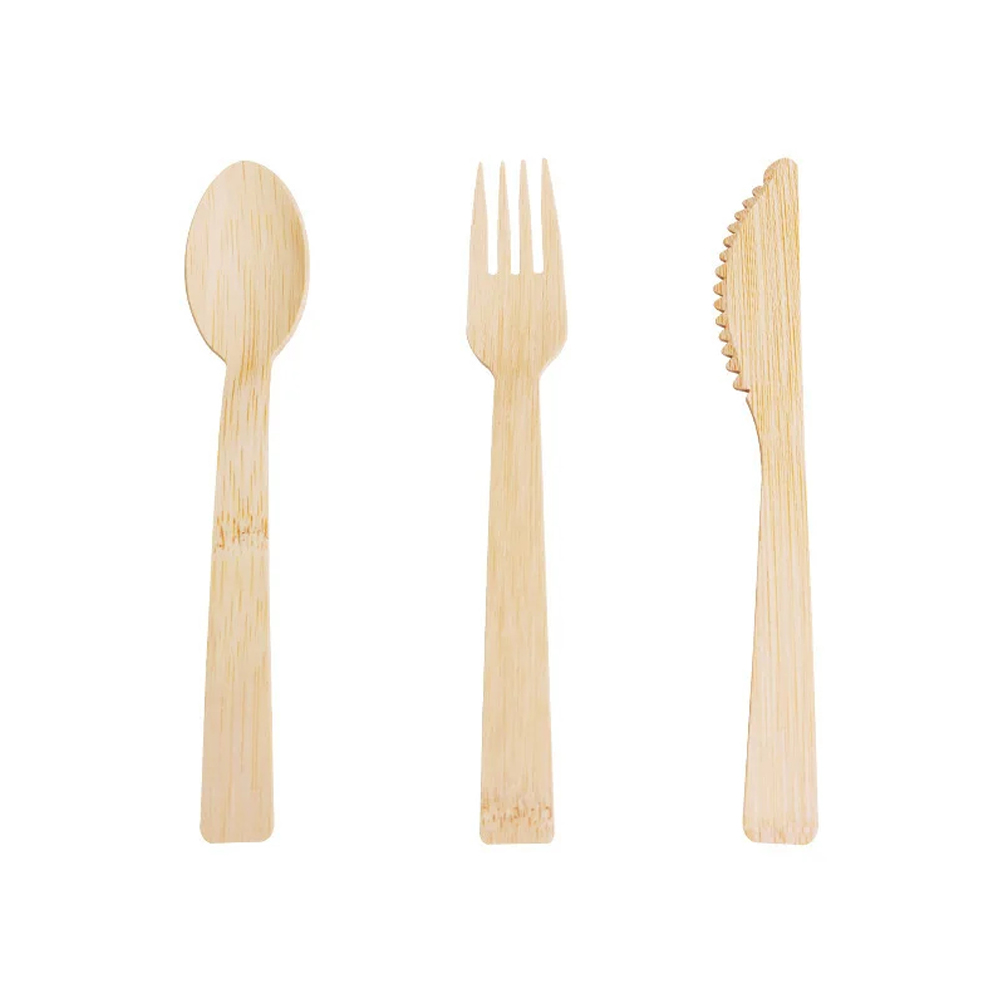
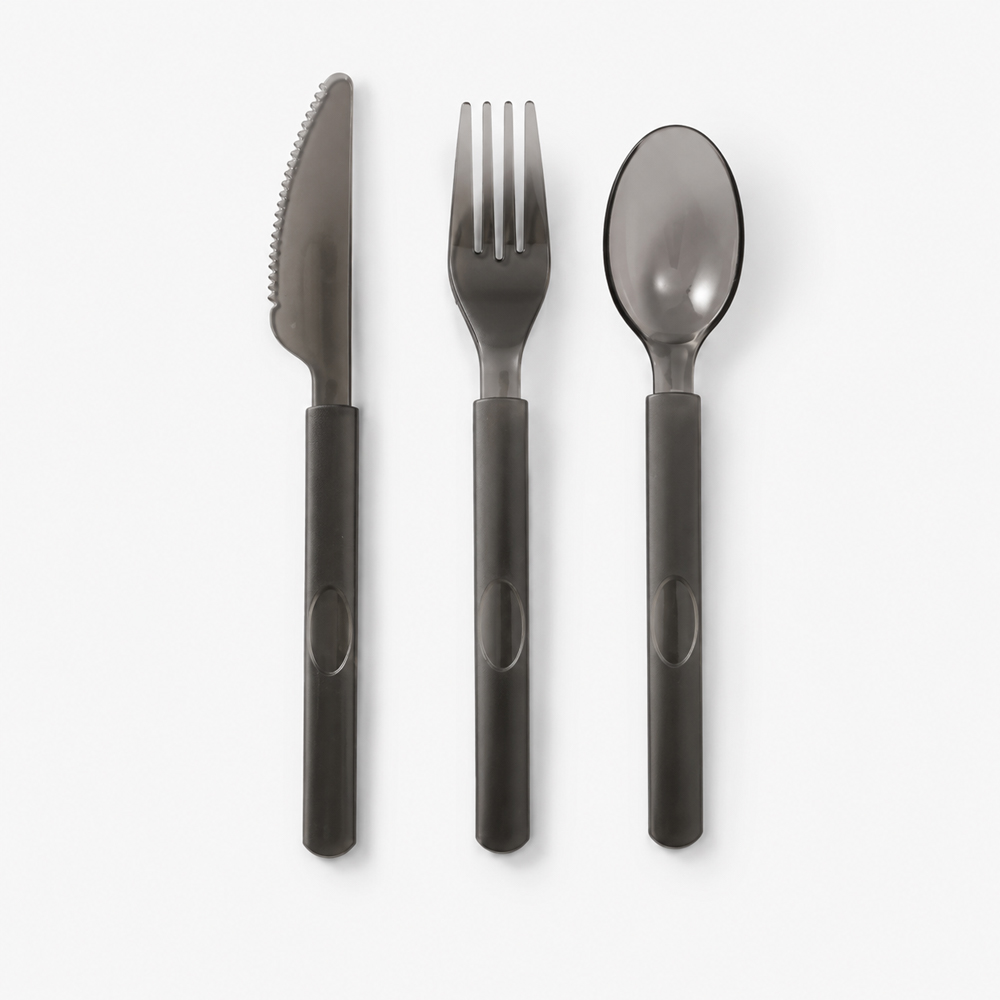
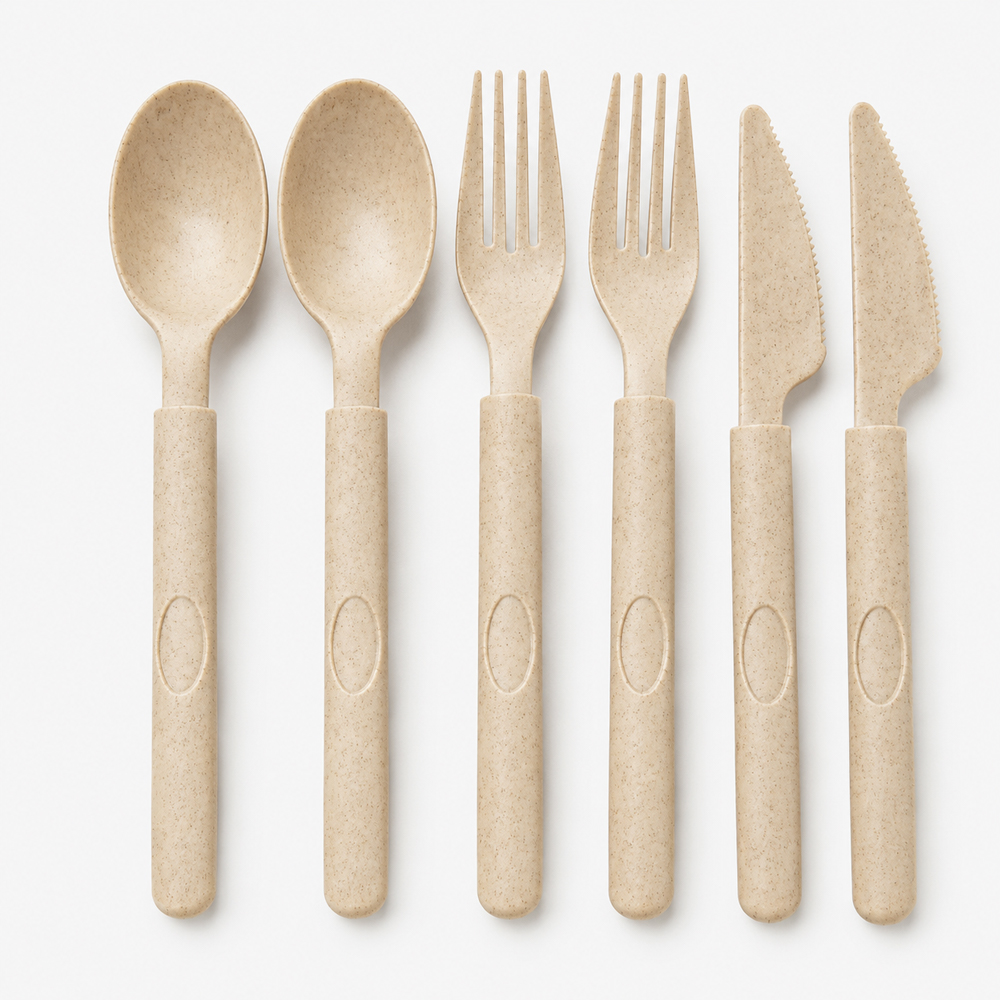
Fork formats for salads, pasta, rice, fruit, takeaway meals and main-course service, developed around the required duty class and food penetration.
Buyer confirms: material, length, unit weight, color and duty class.
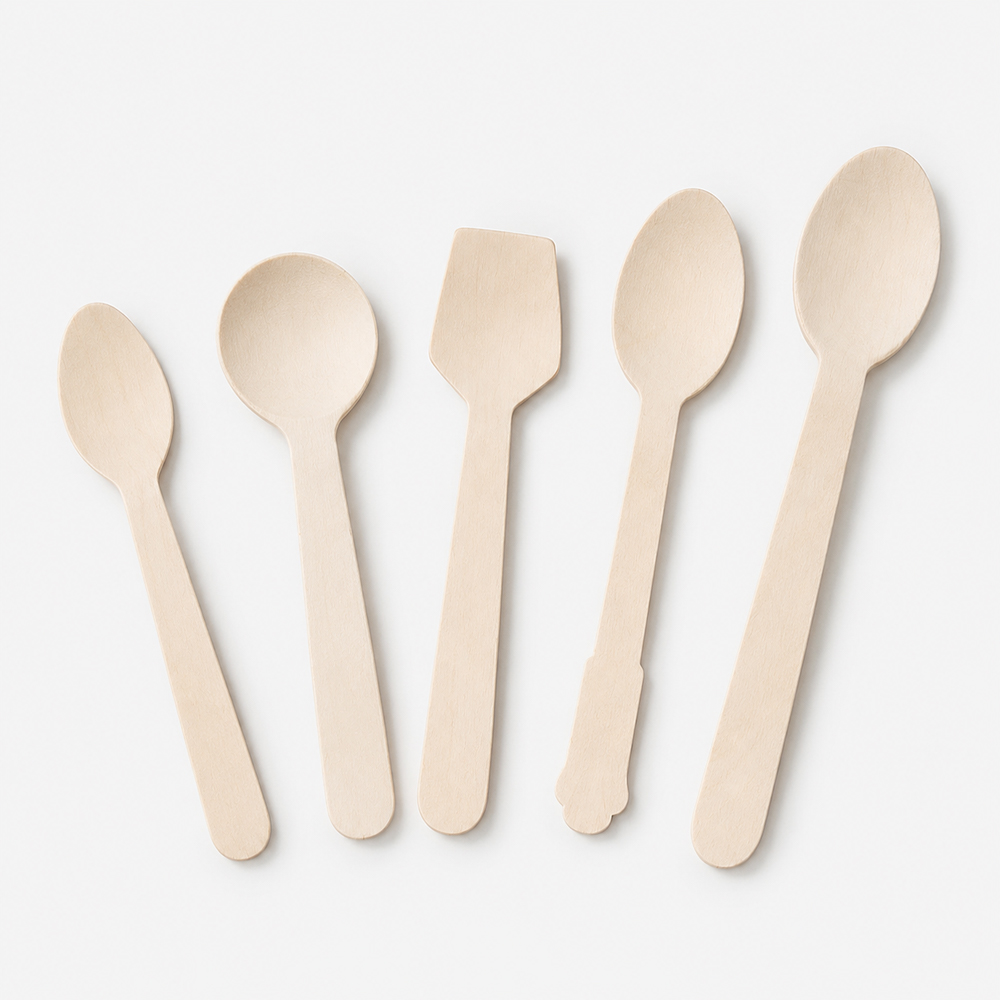
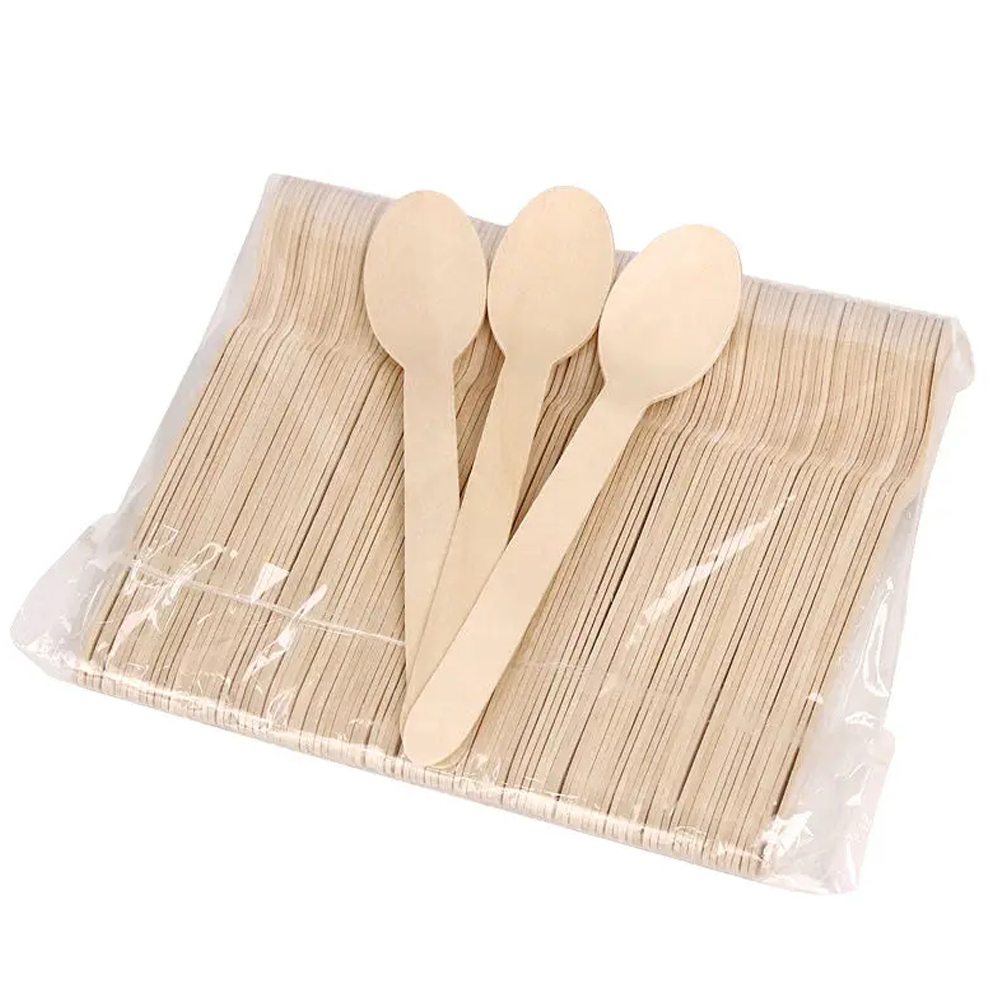
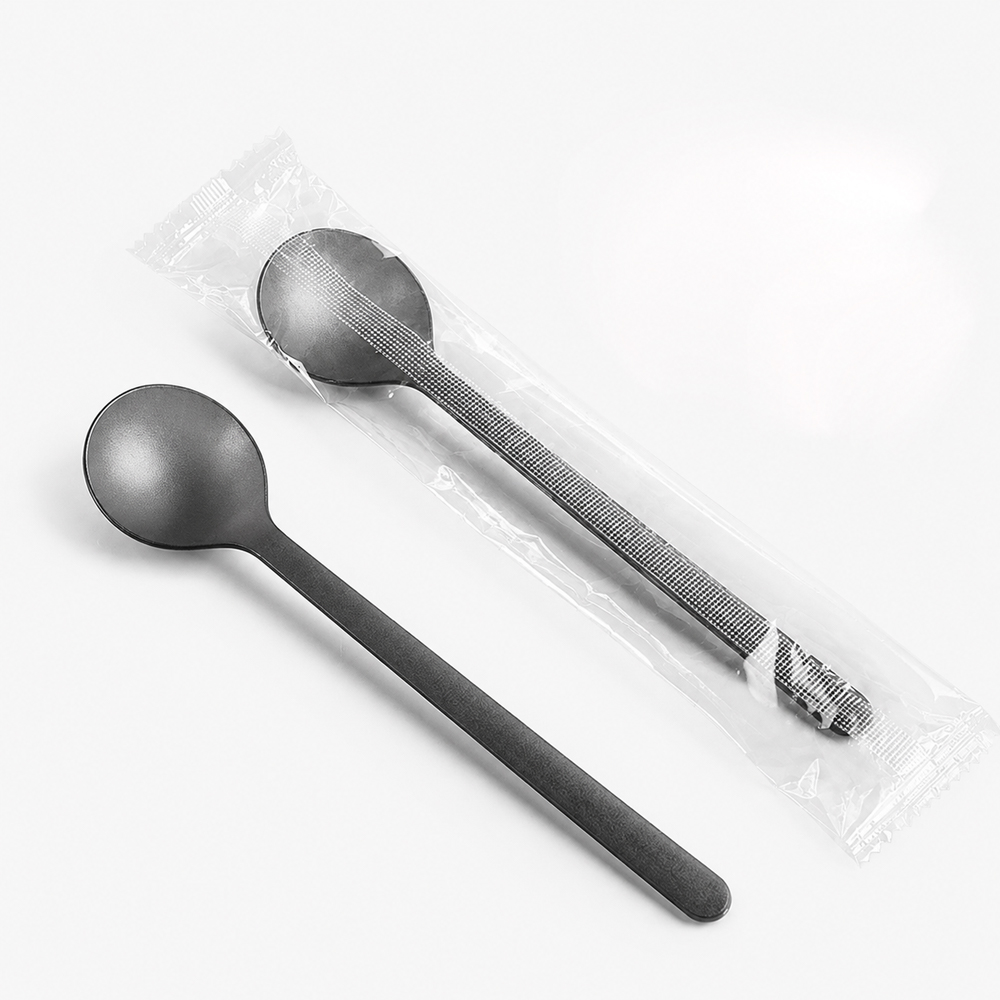
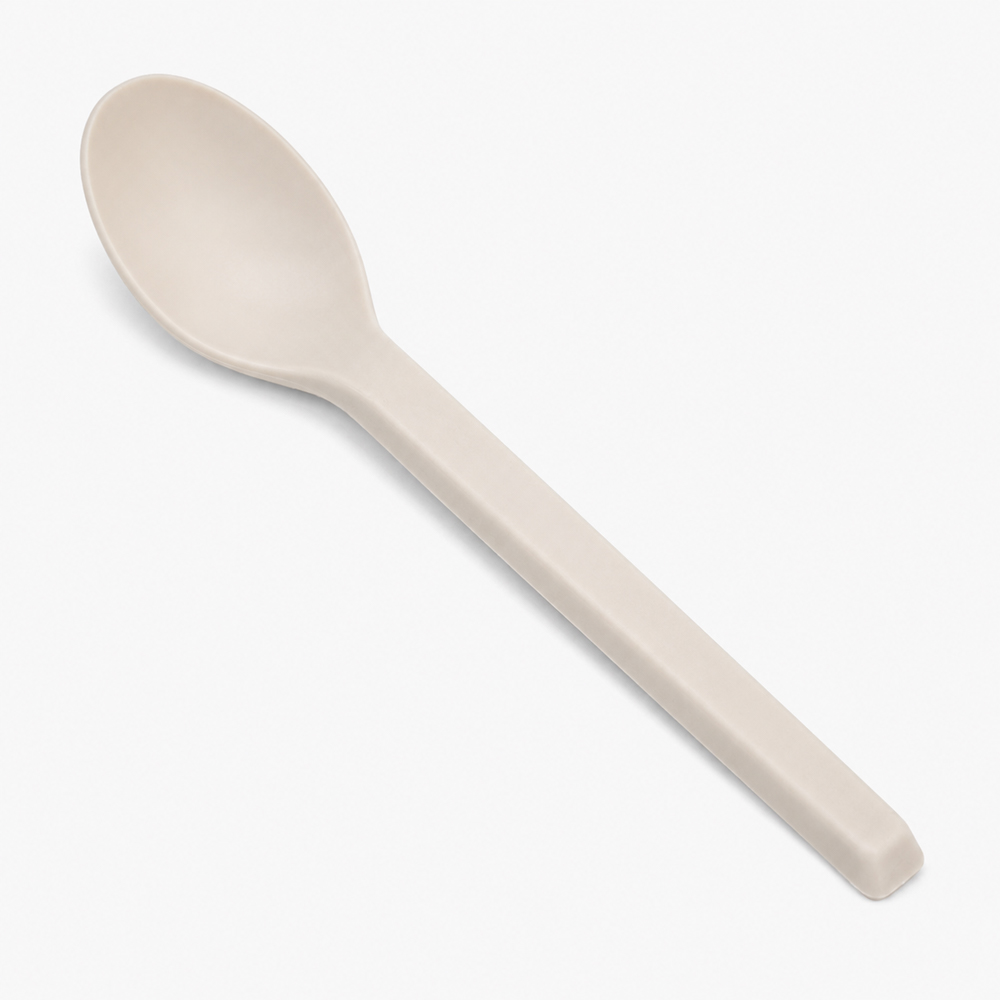
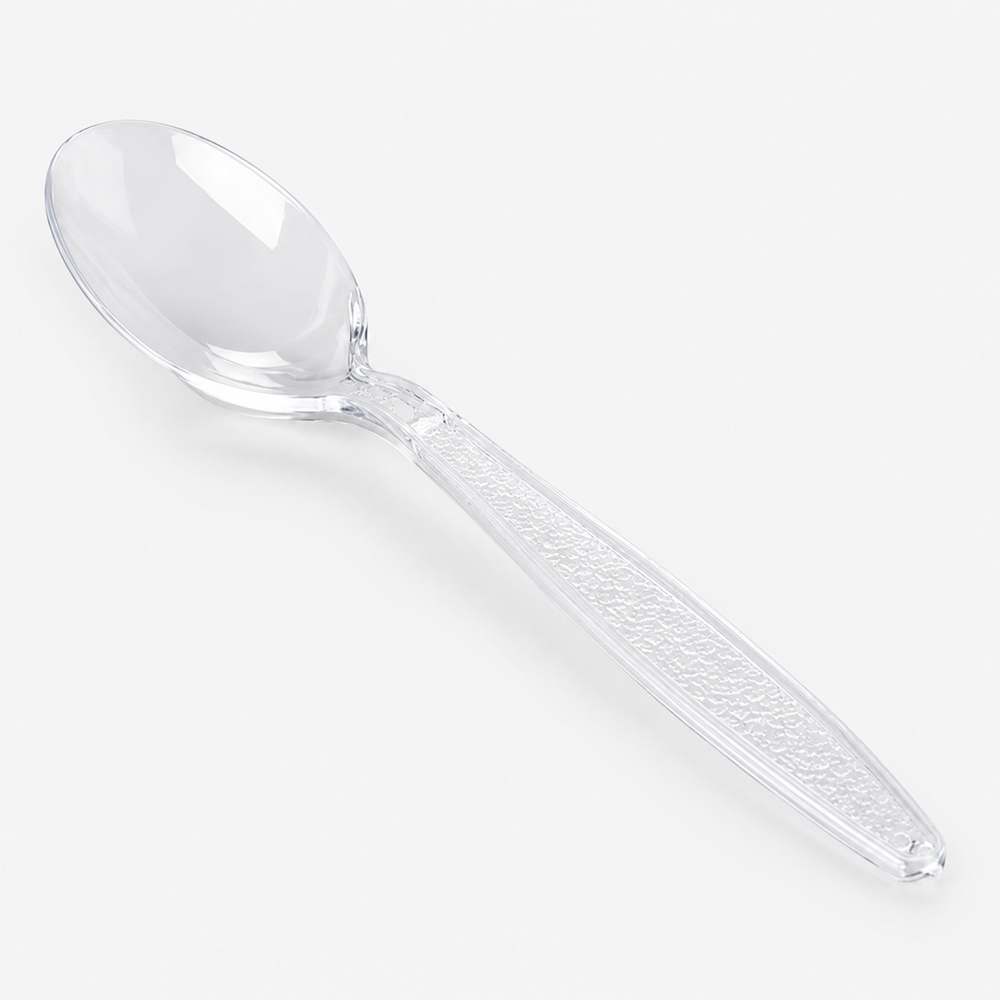
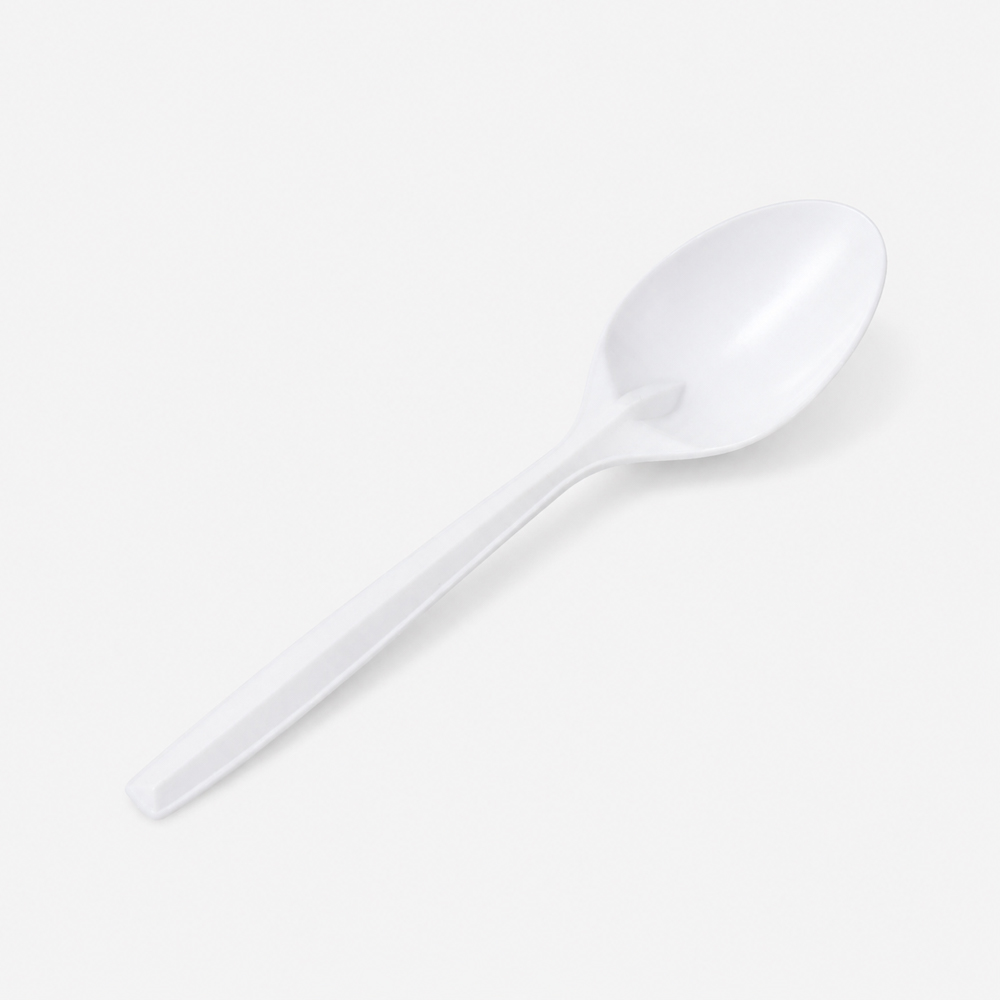
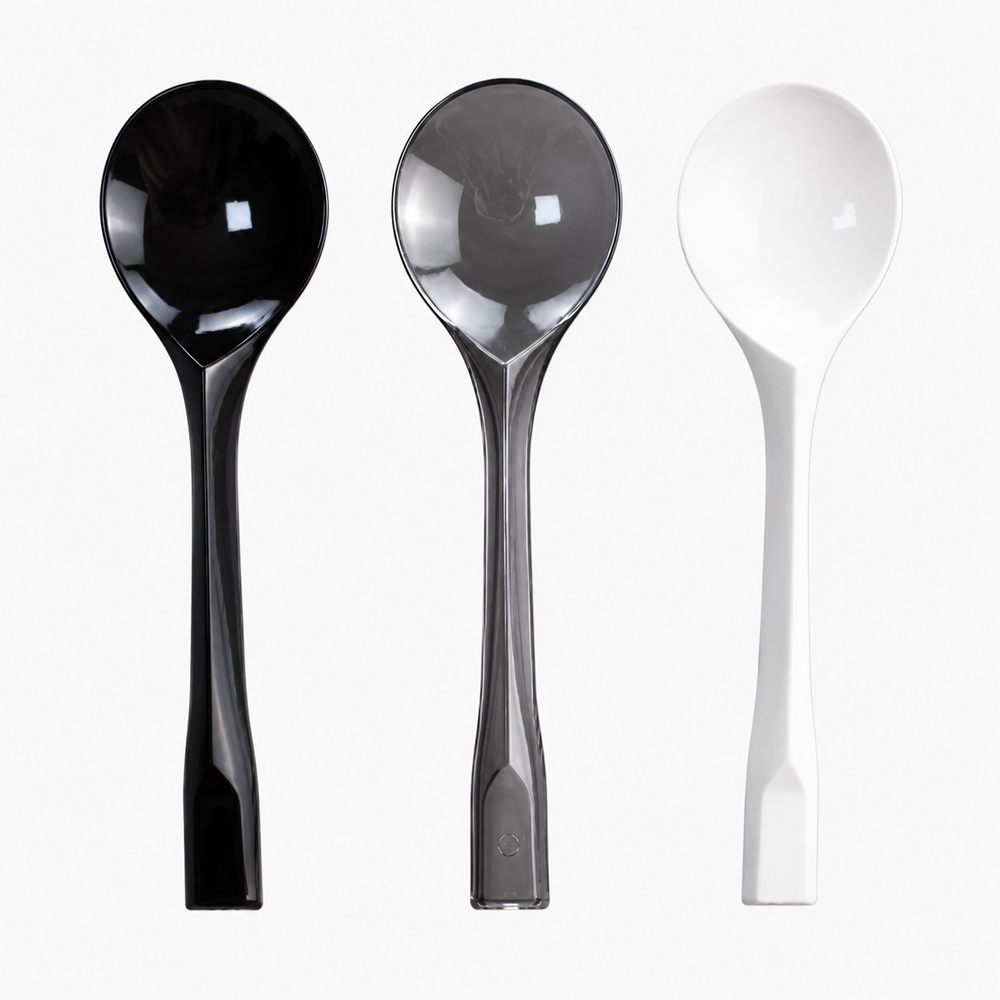
Teaspoon, soup-spoon and dessert-spoon formats for soups, rice dishes, desserts, yogurt and takeaway meals.
Buyer confirms: material, service temperature, unit weight, color and length.
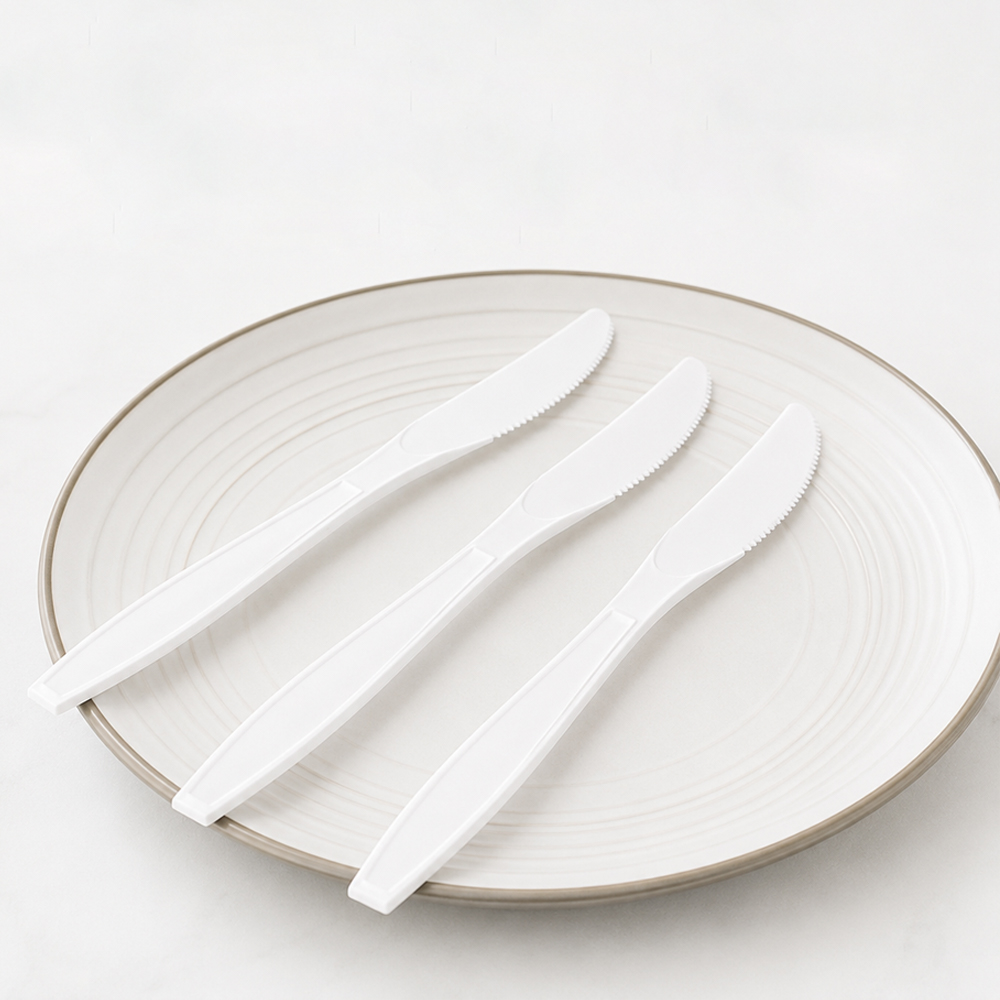
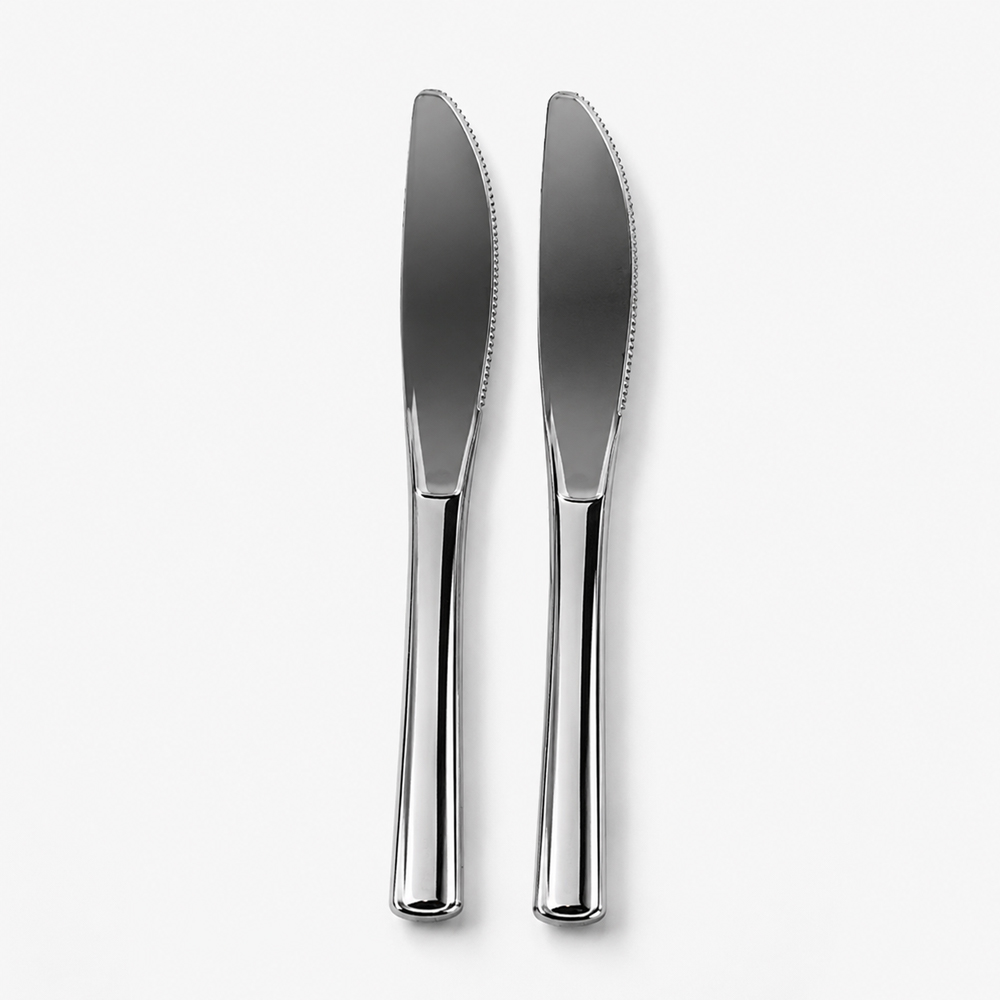
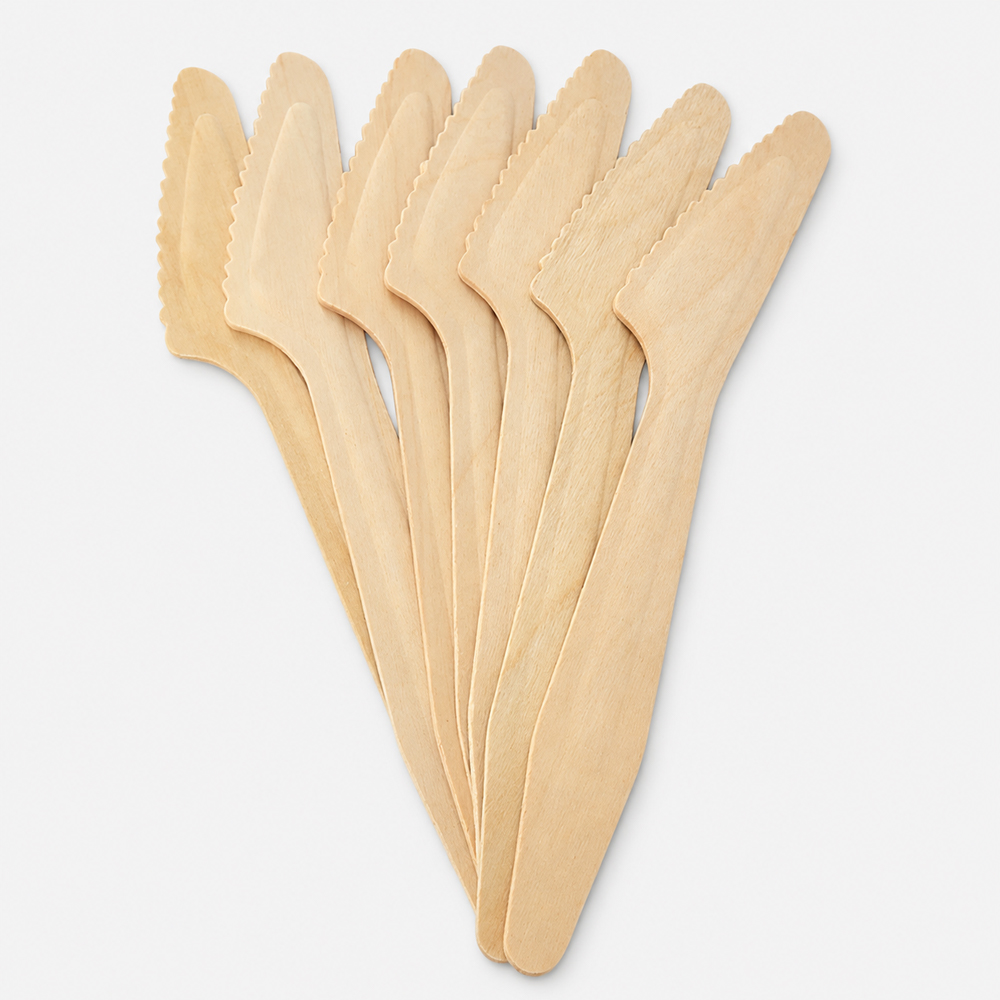
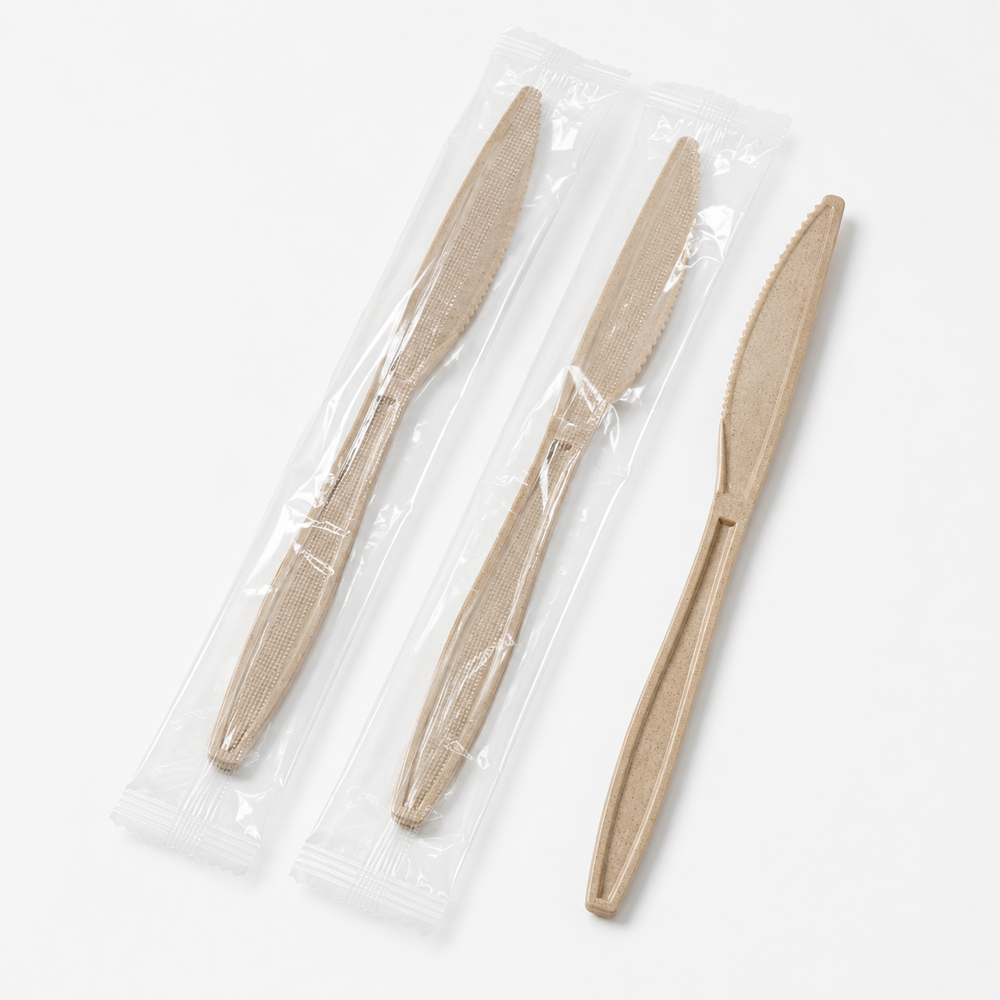
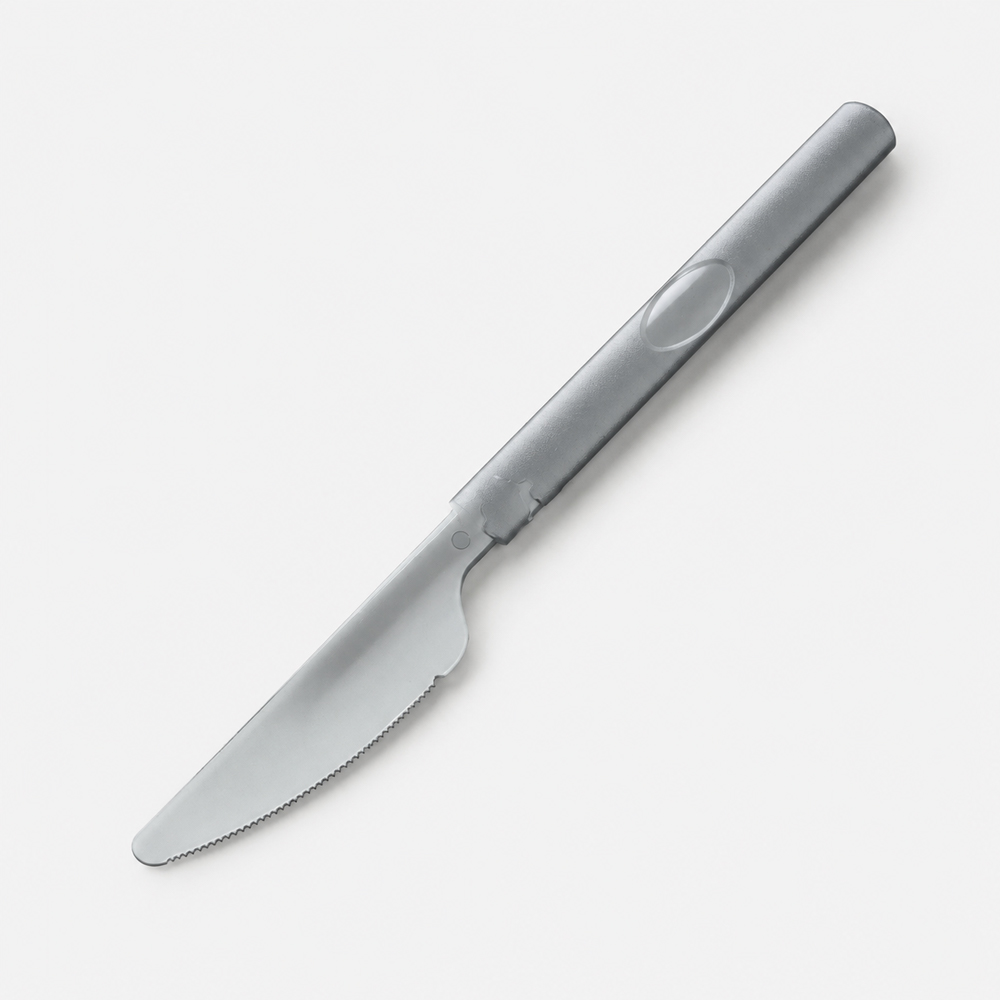
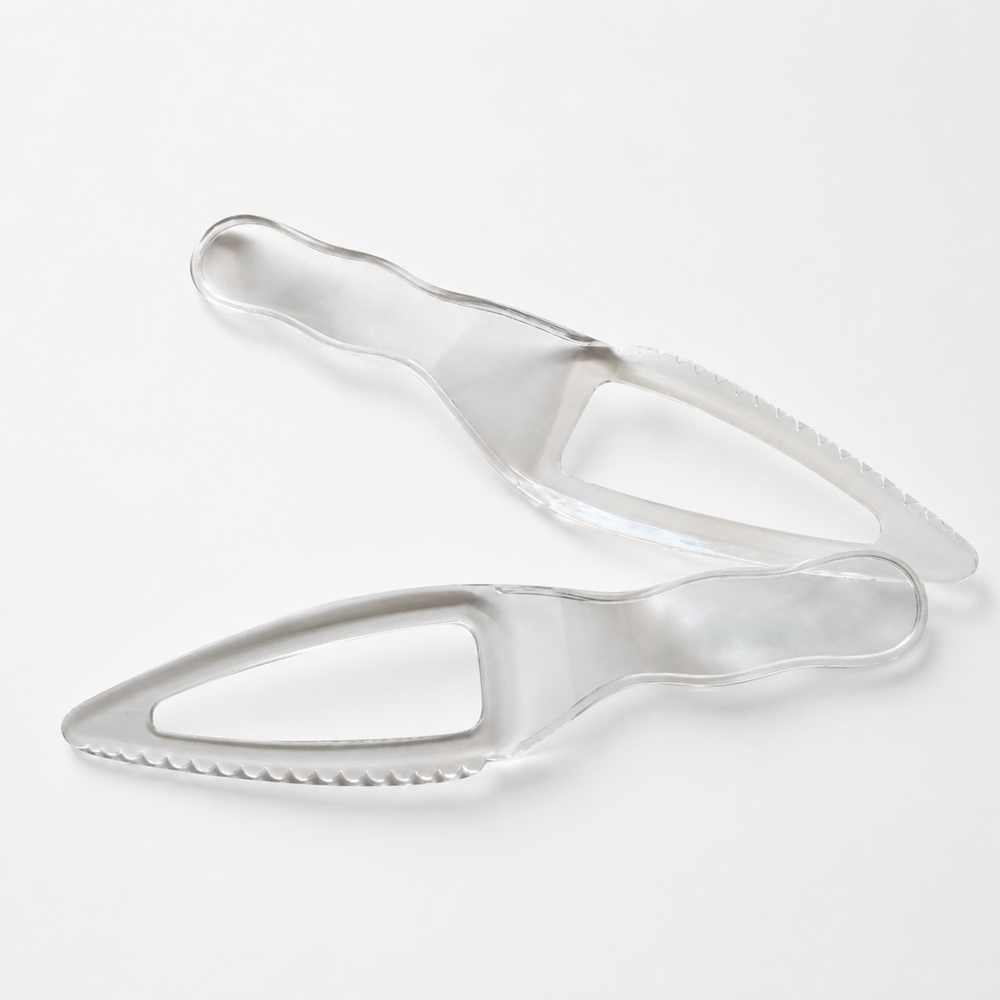
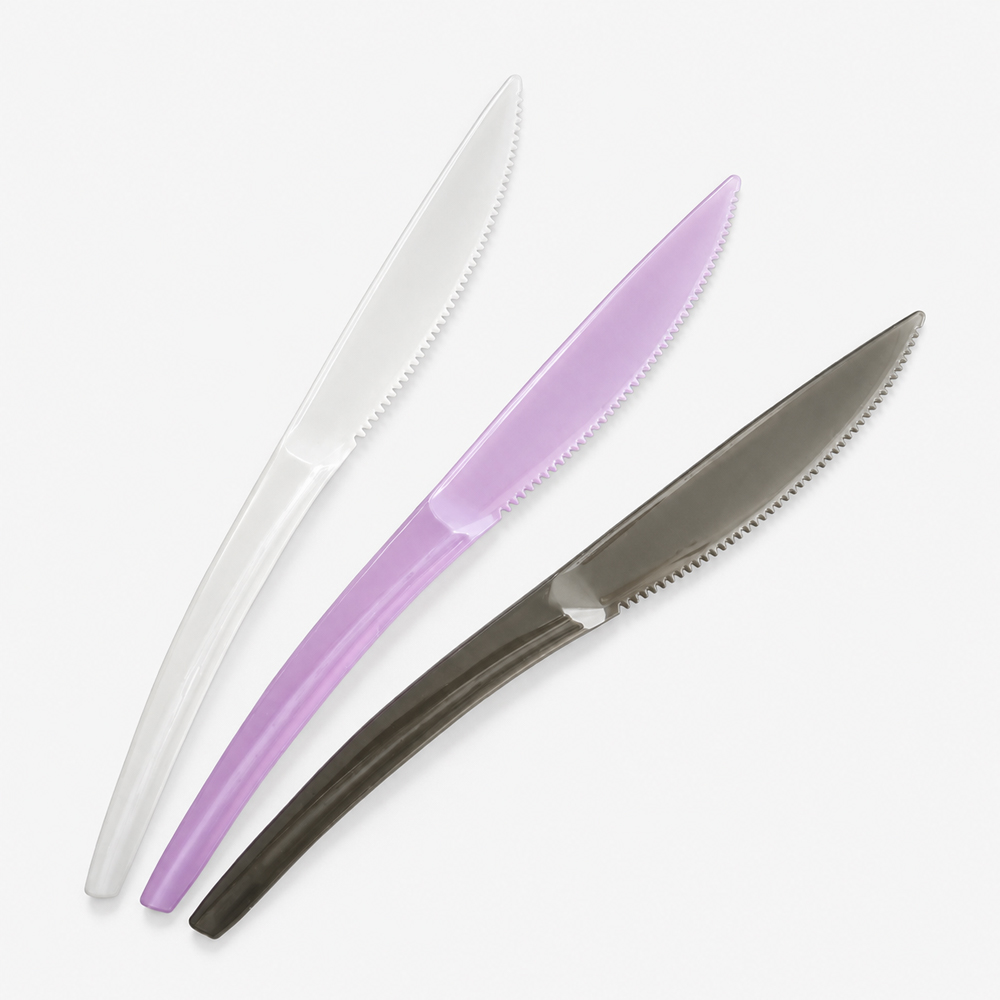
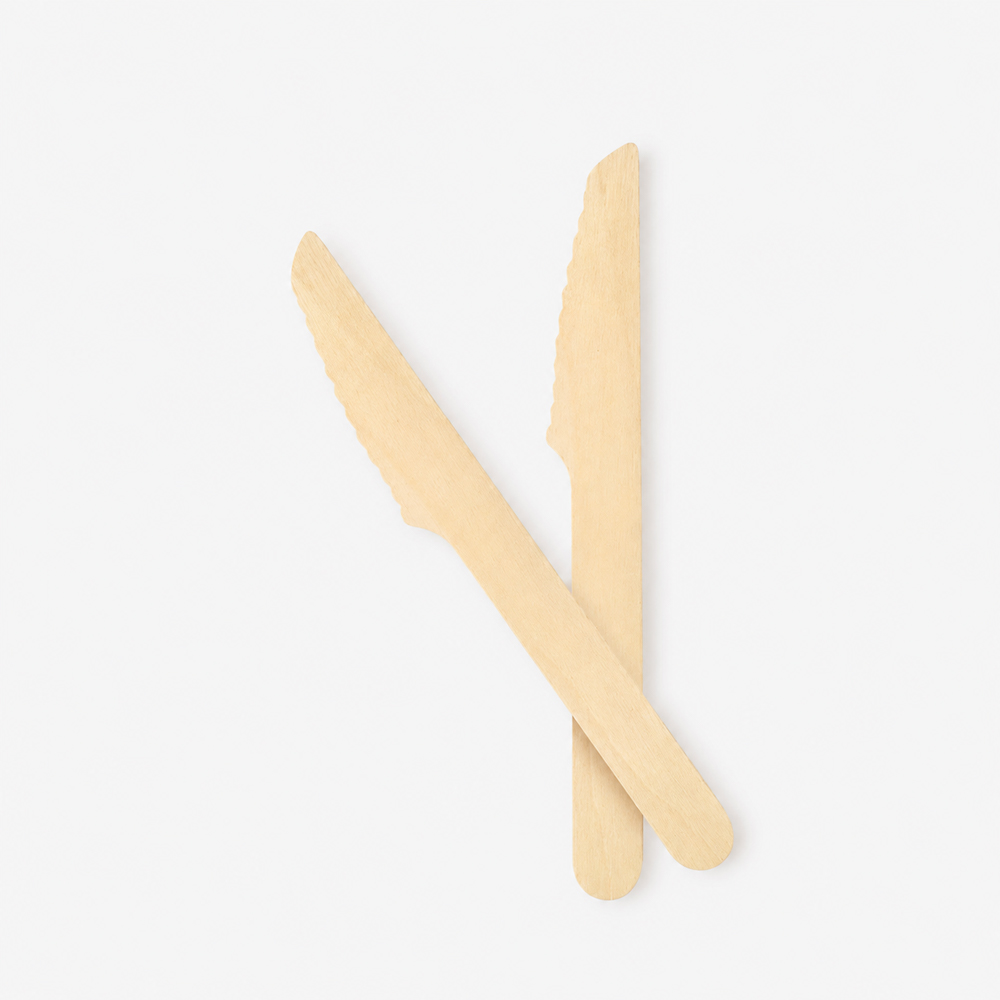
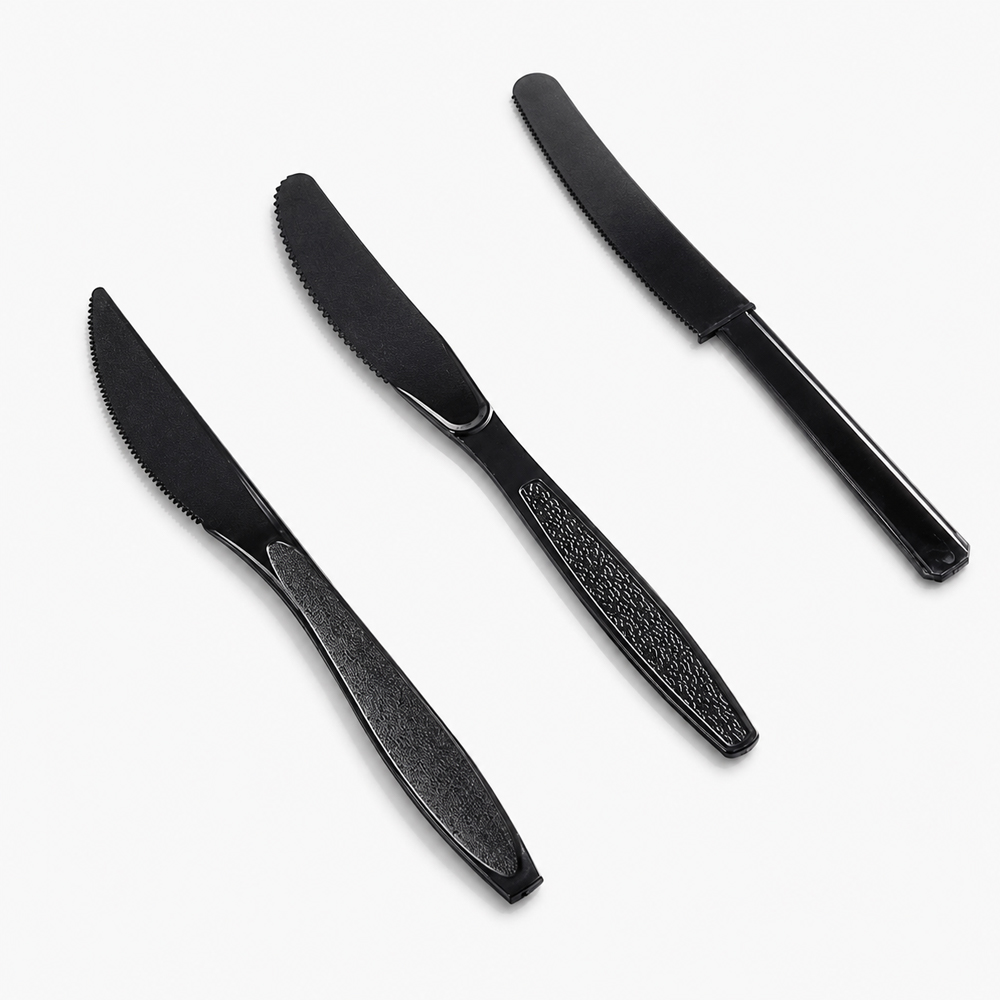
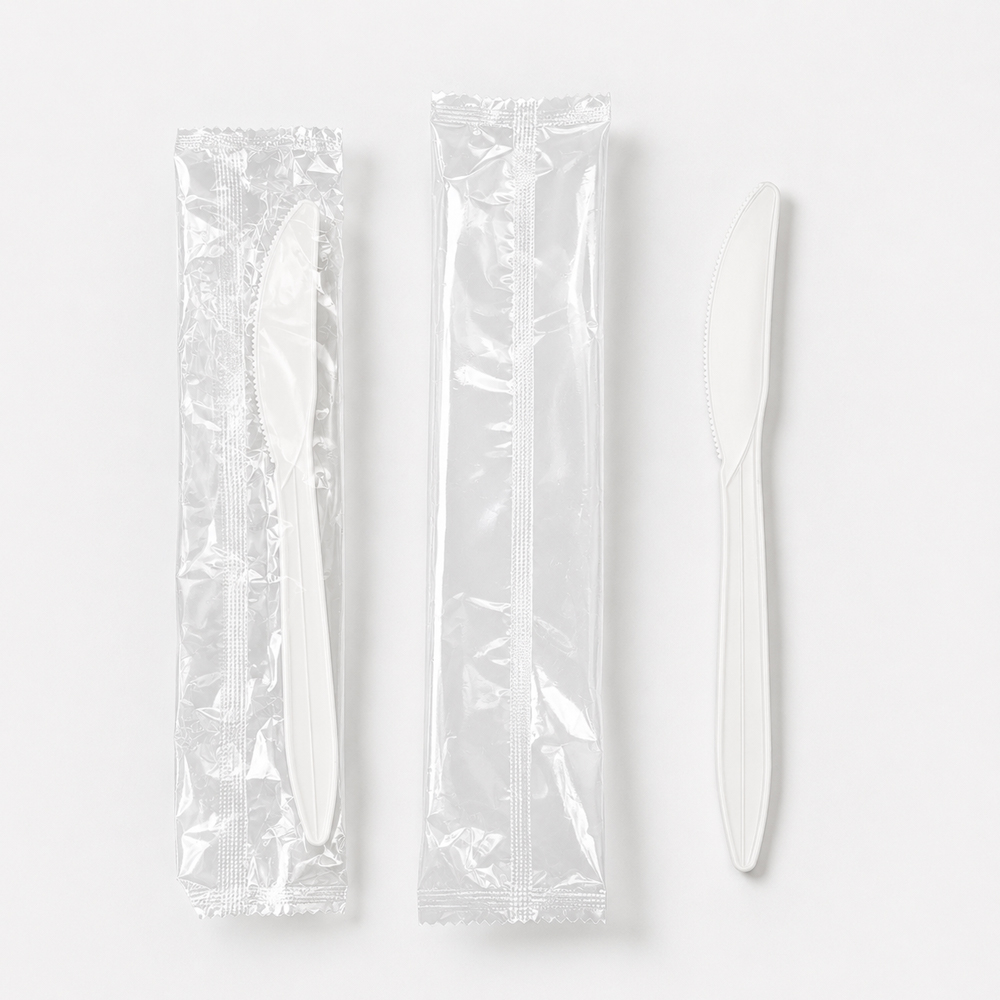
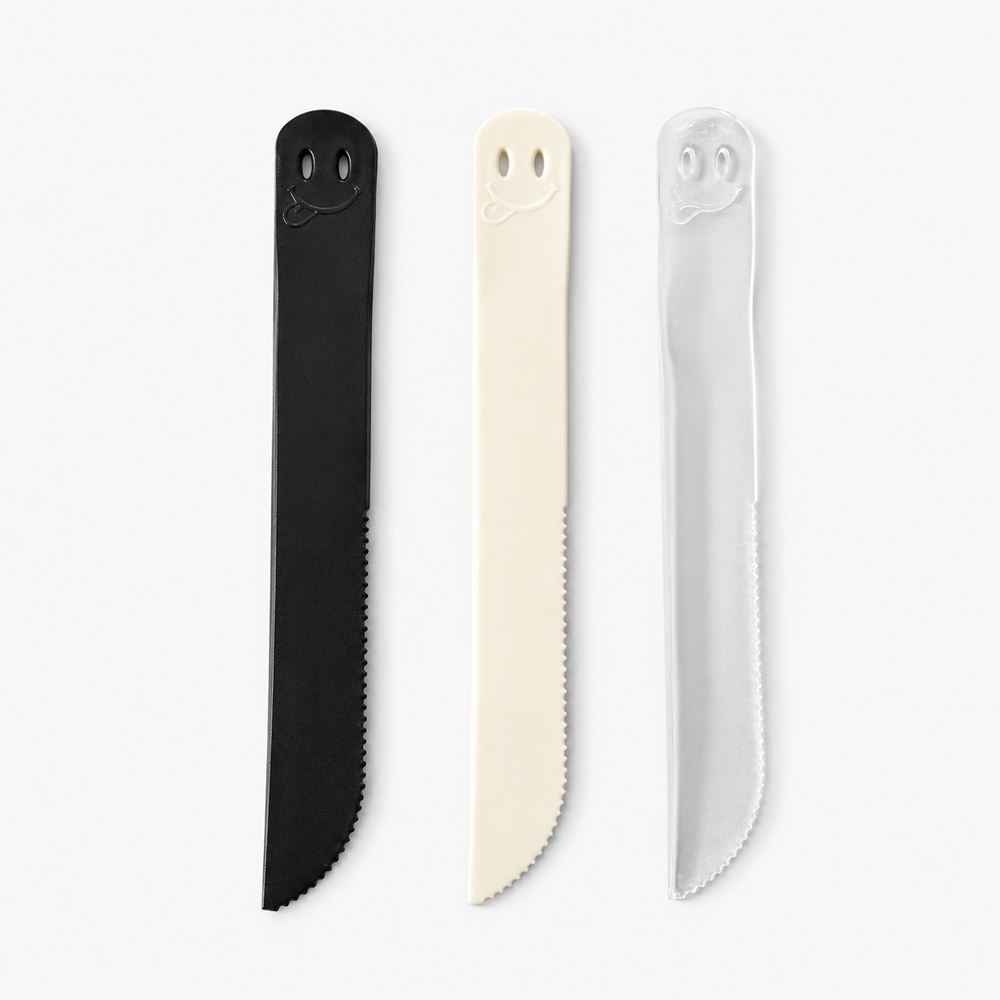
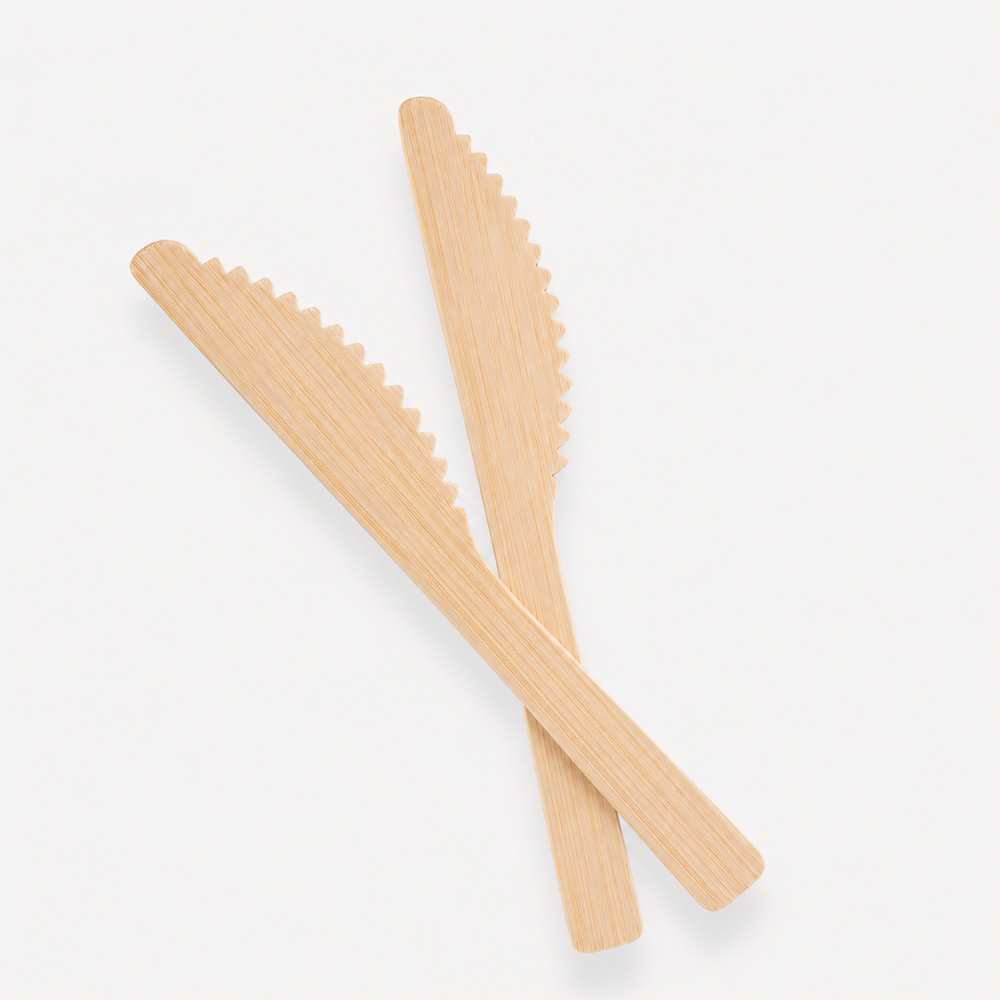
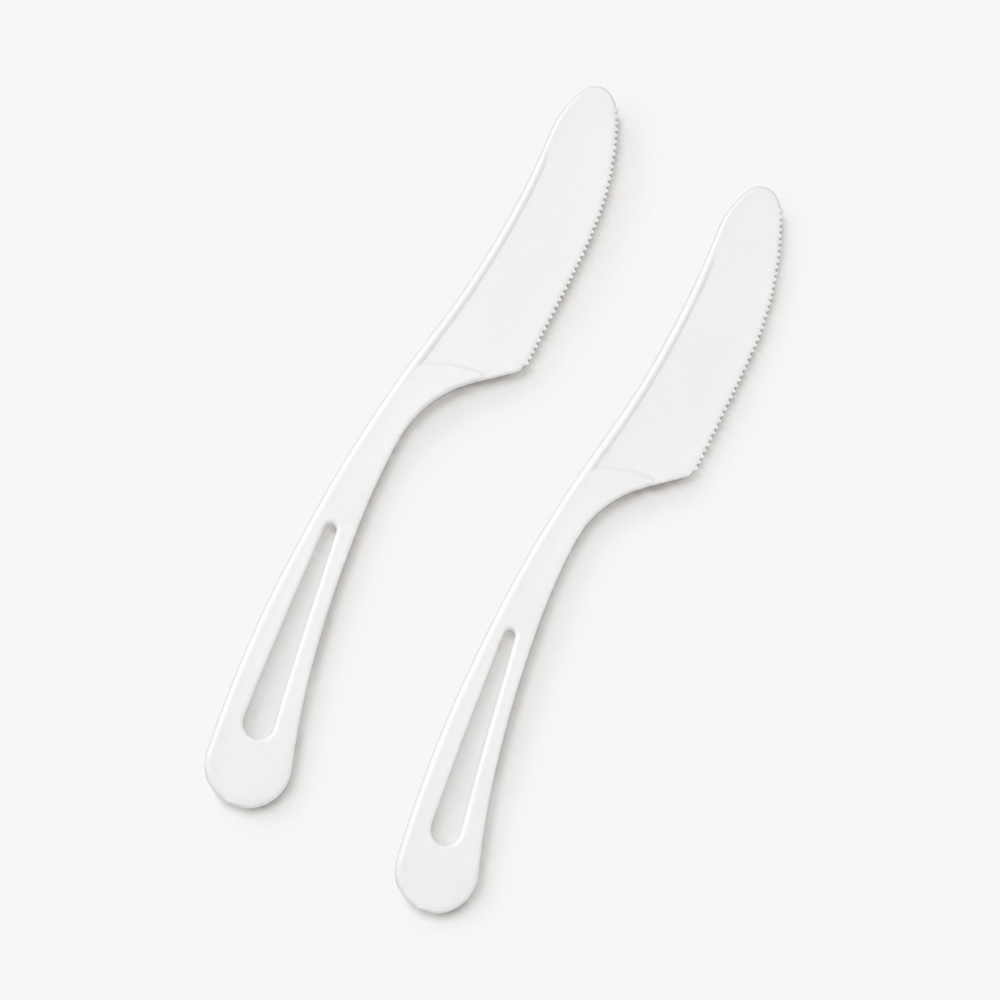
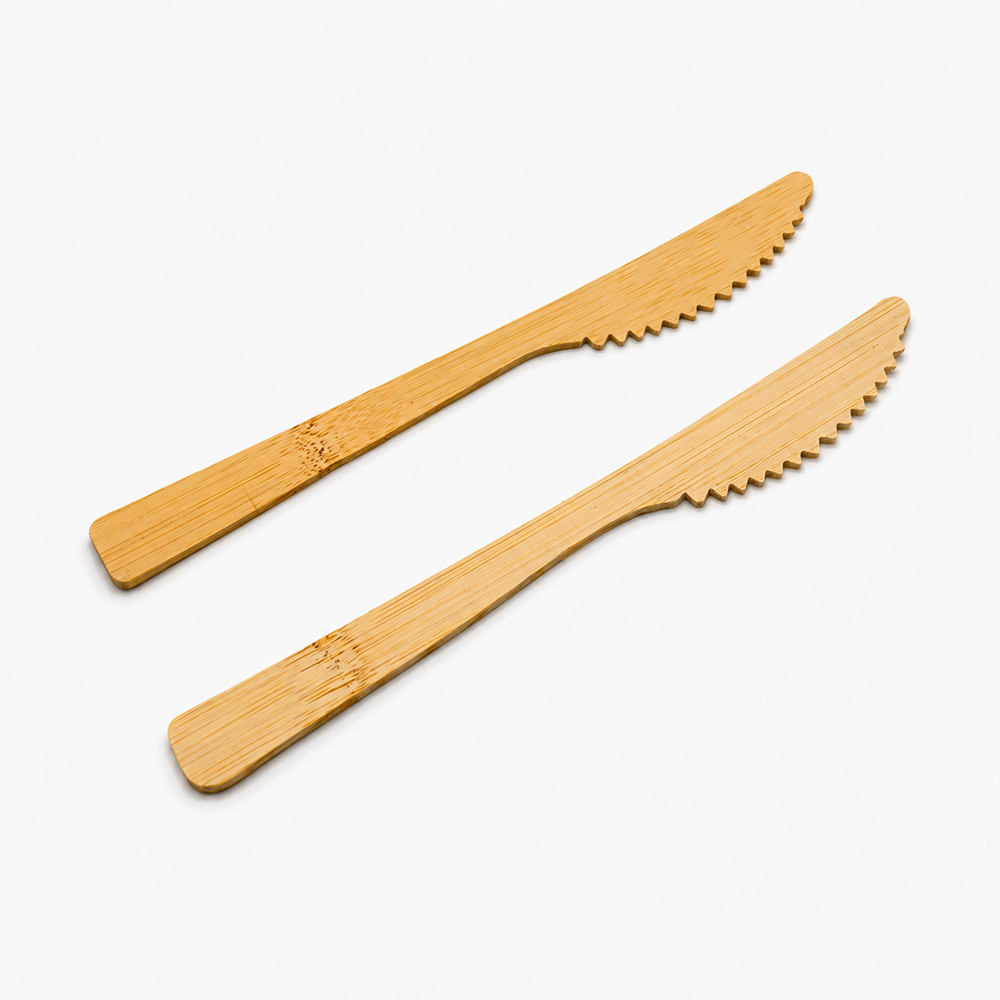
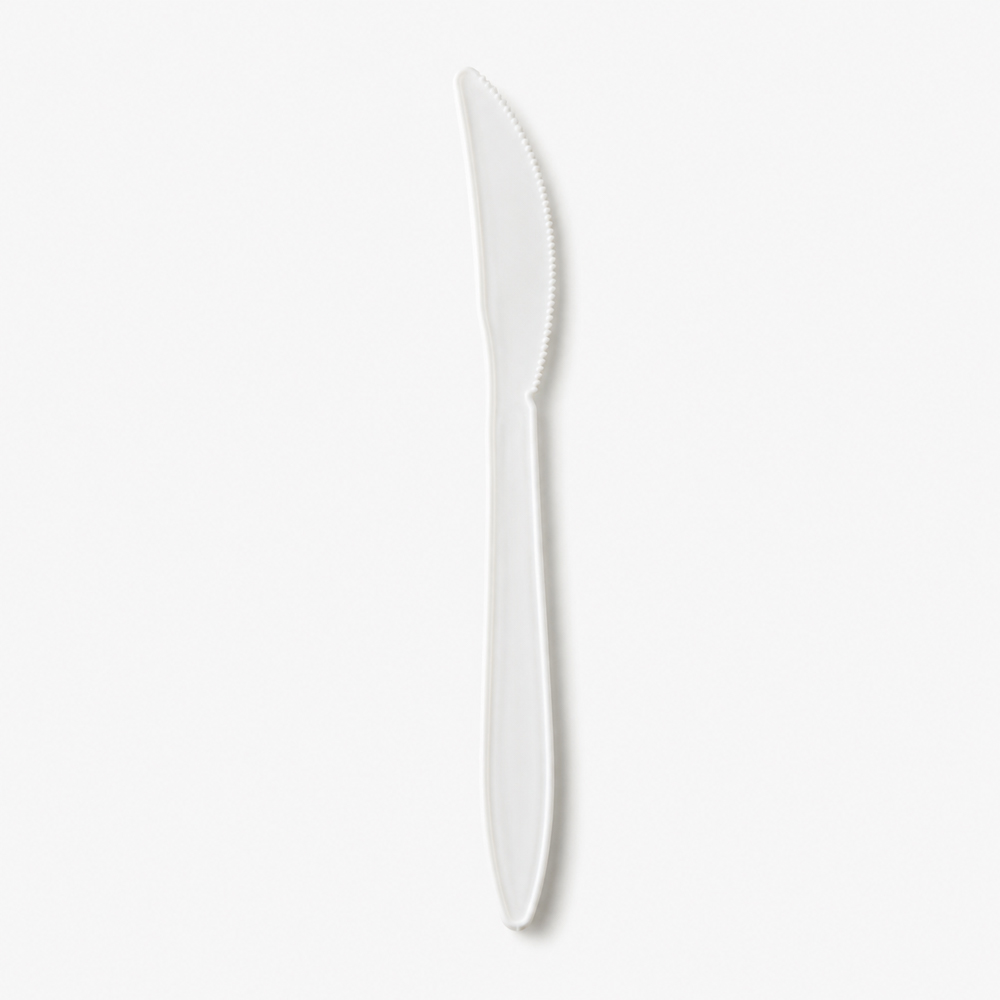
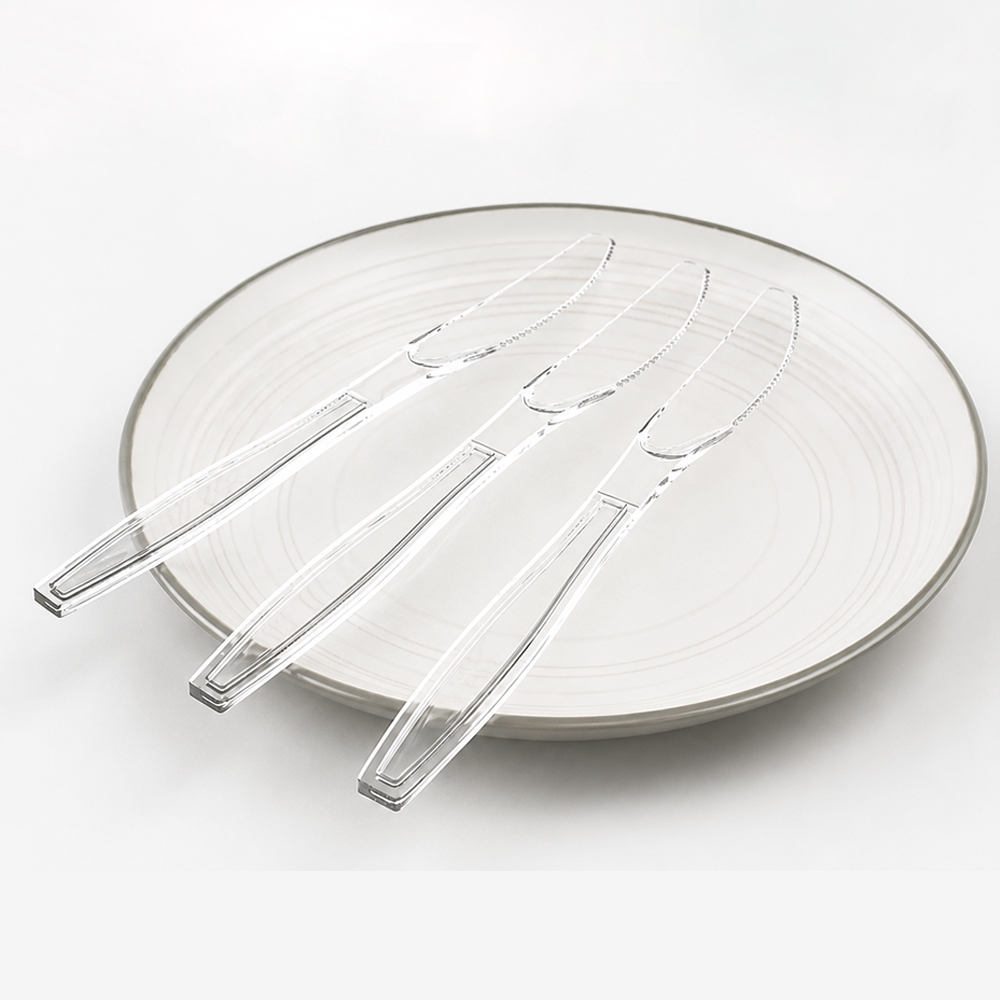
Knife profiles for pastries, cooked vegetables, light proteins and takeaway meals, selected according to the target food and required cutting force.
Buyer confirms: material, length, duty class, target food and color.
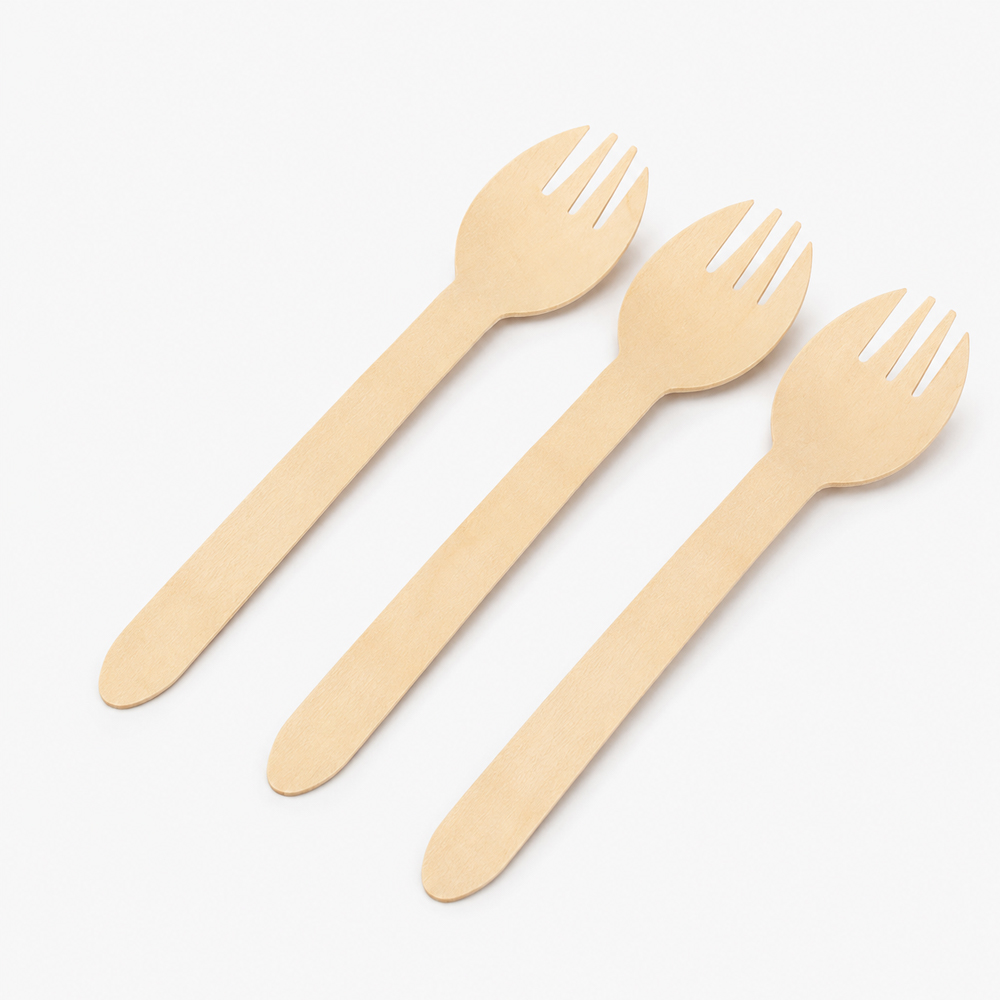
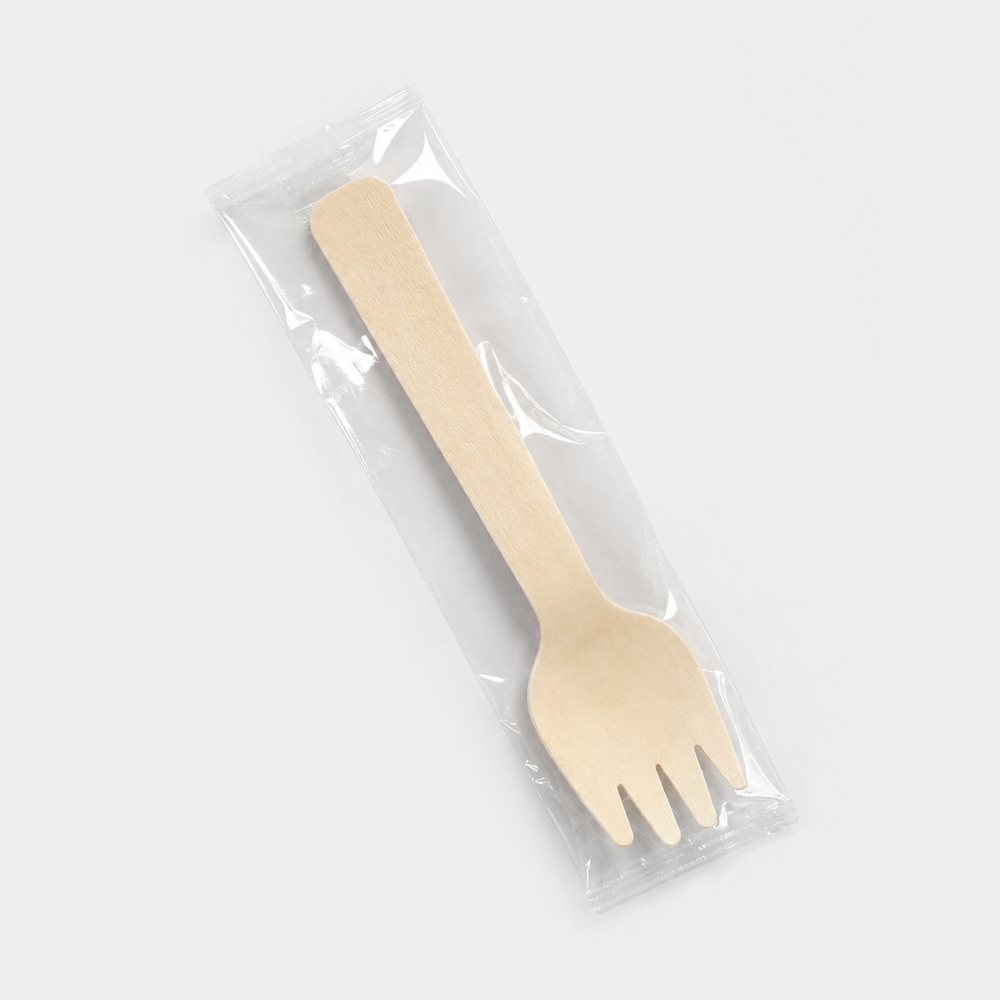
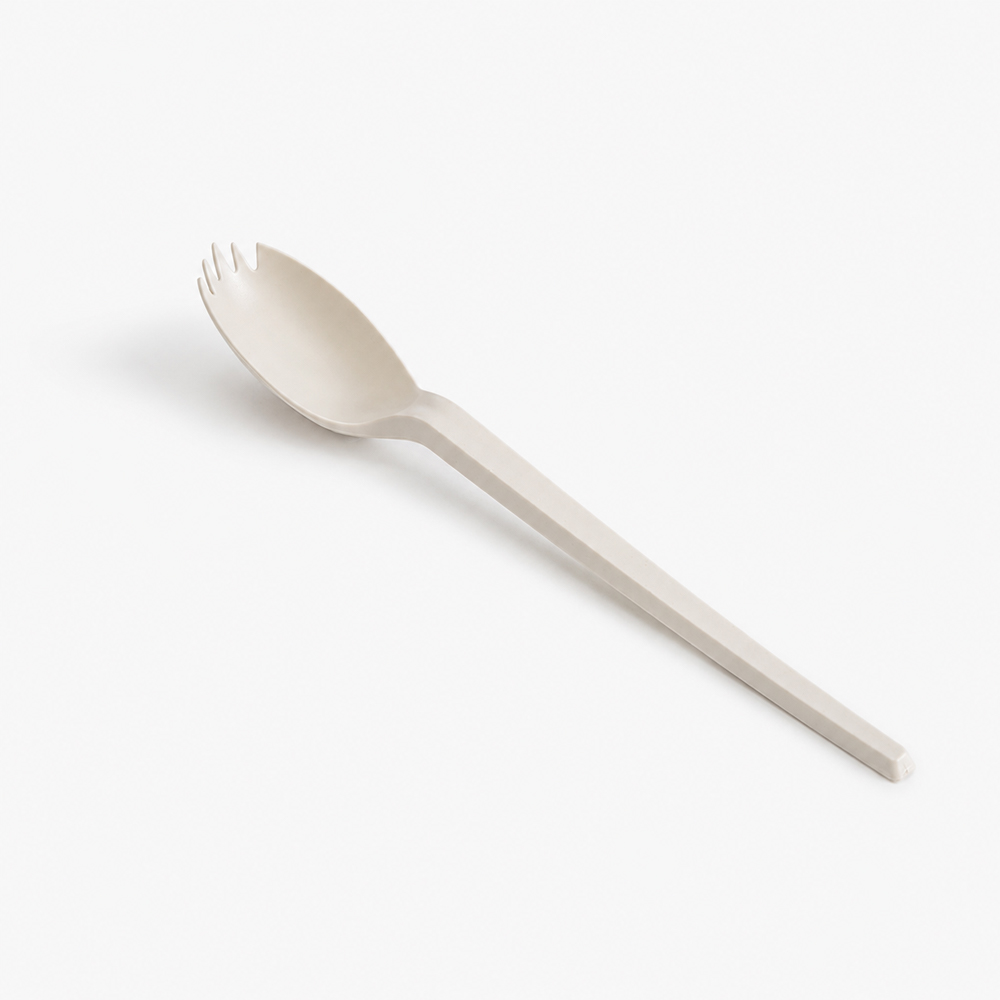
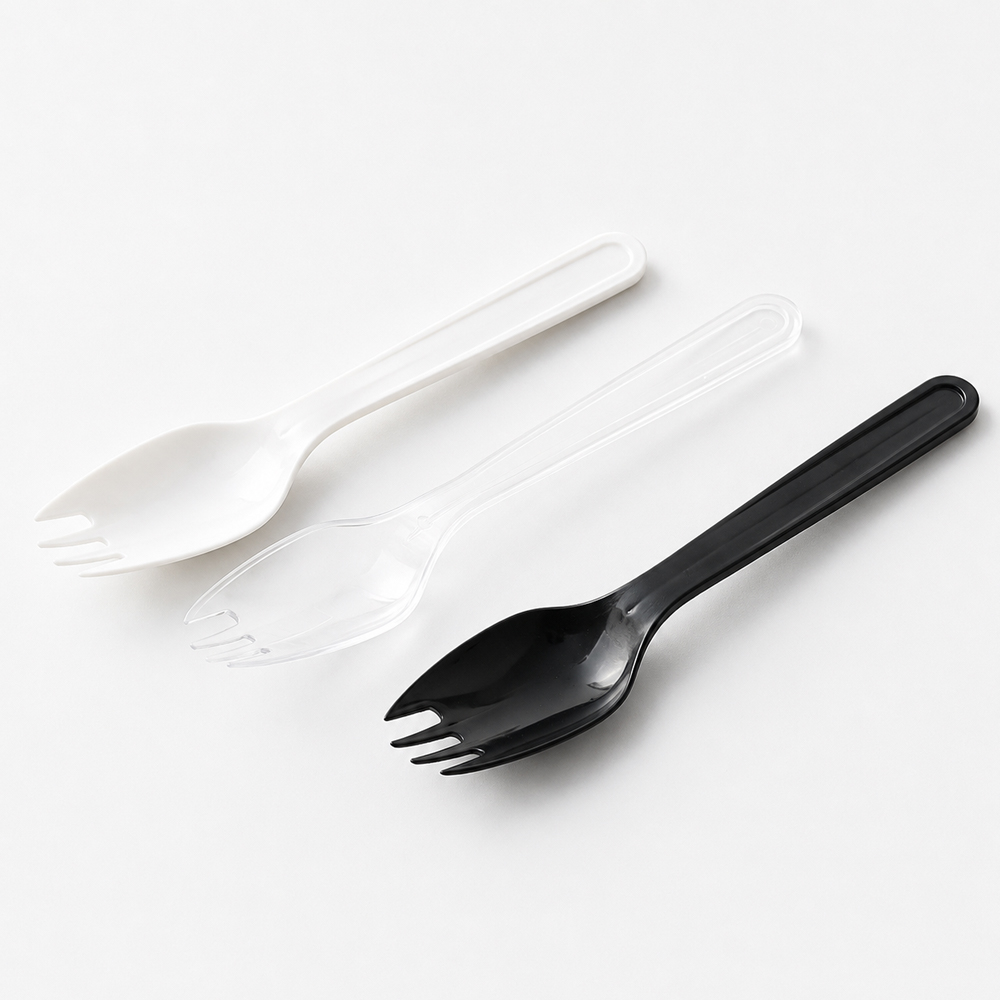
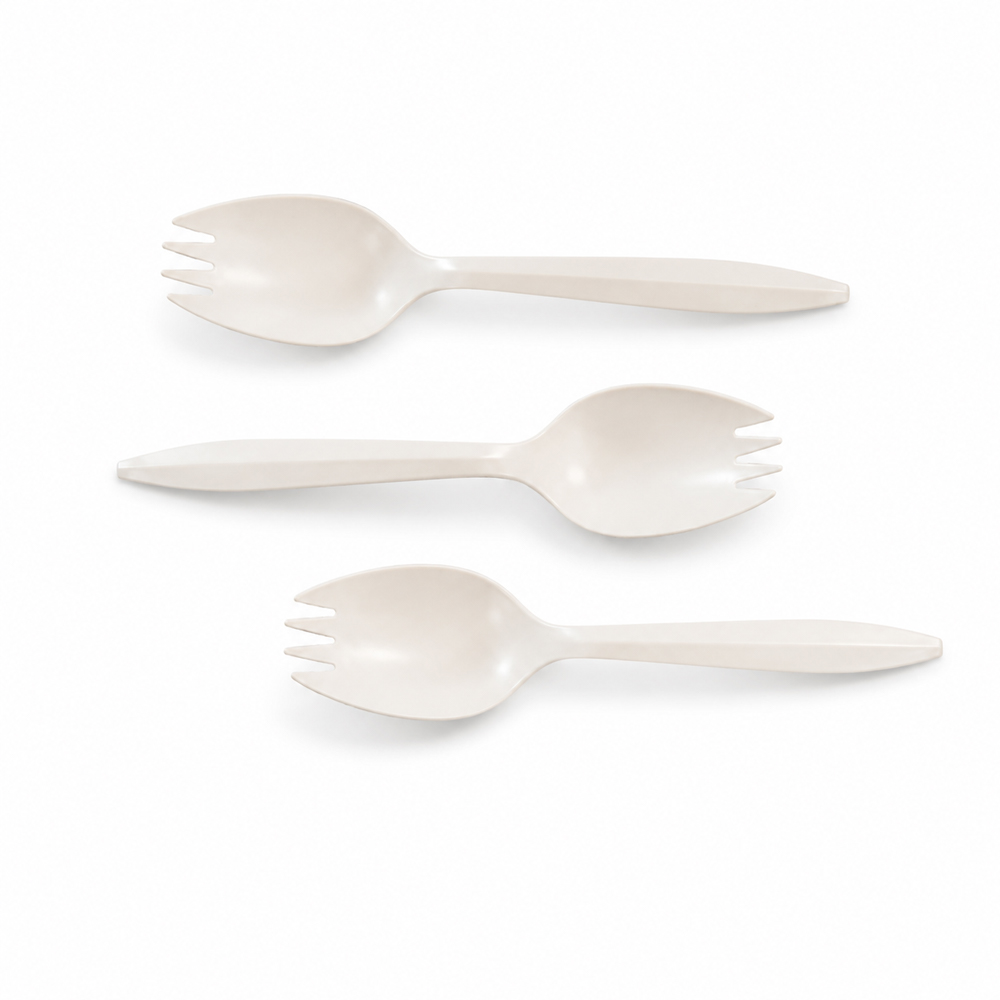
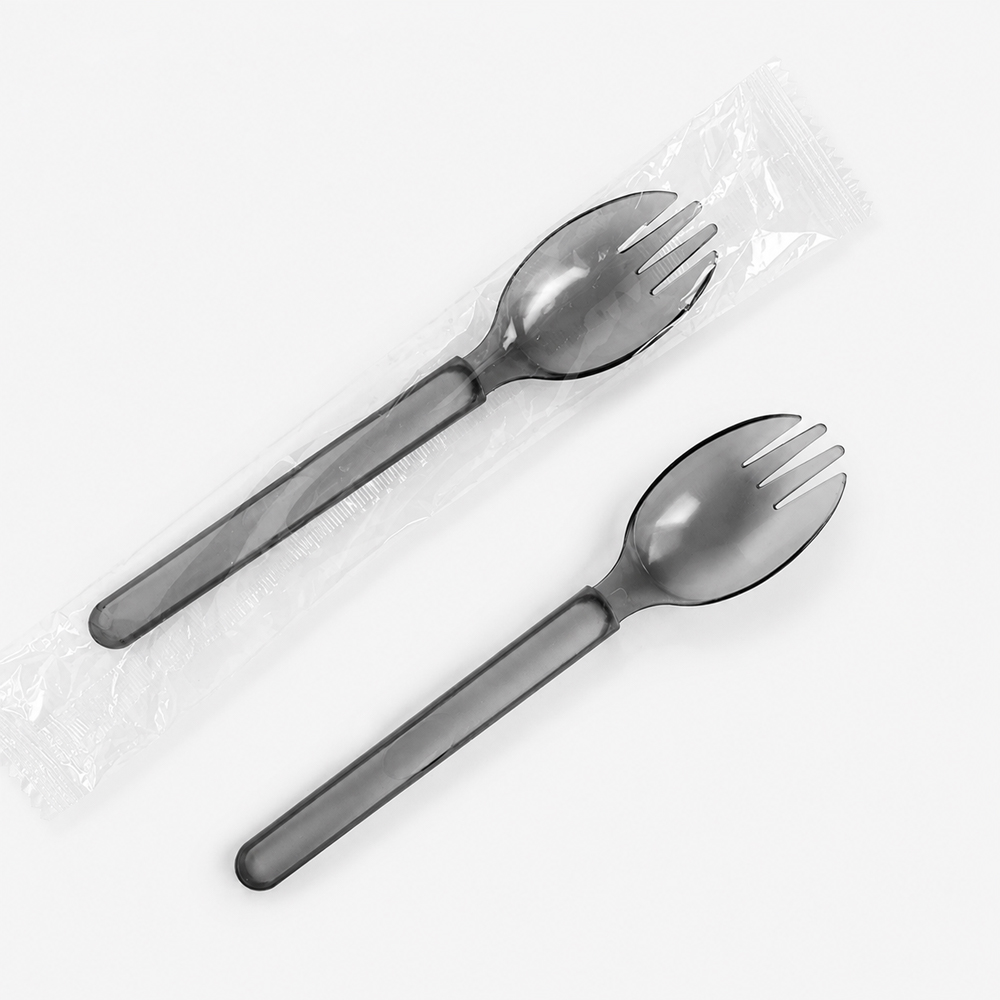
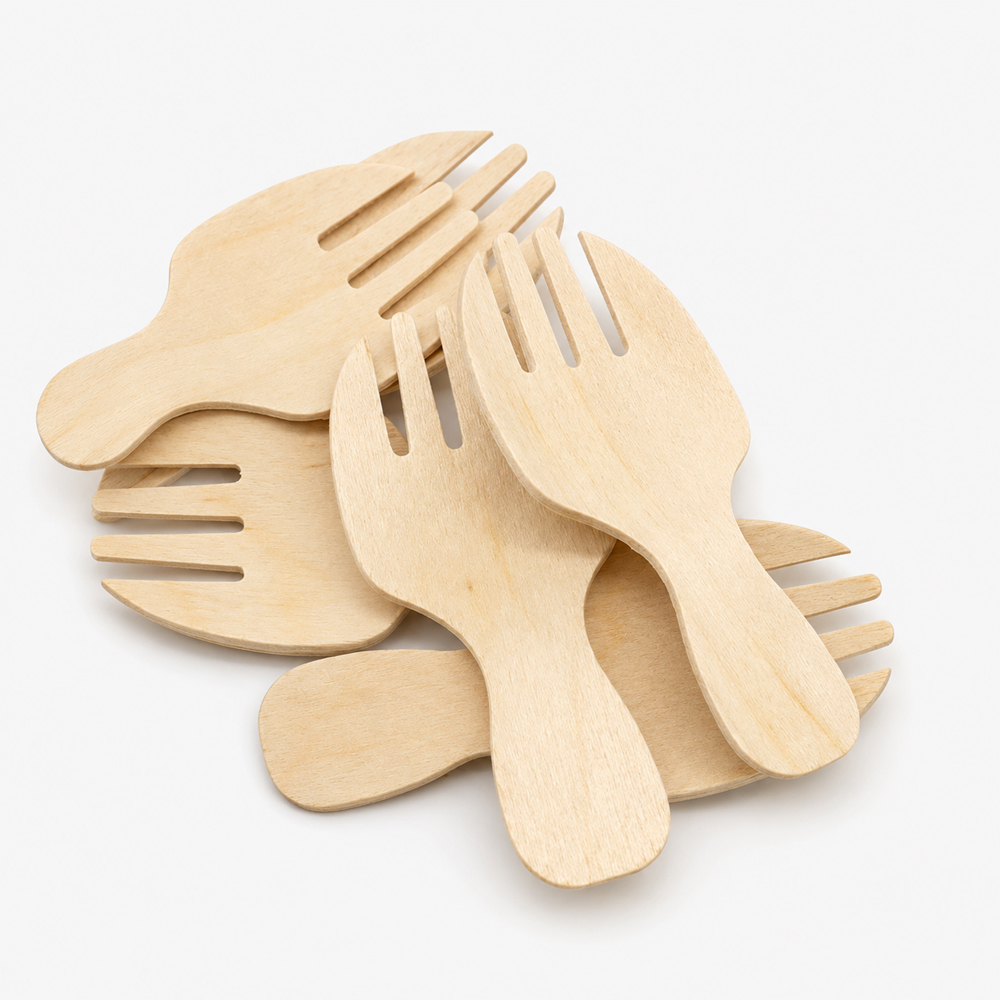
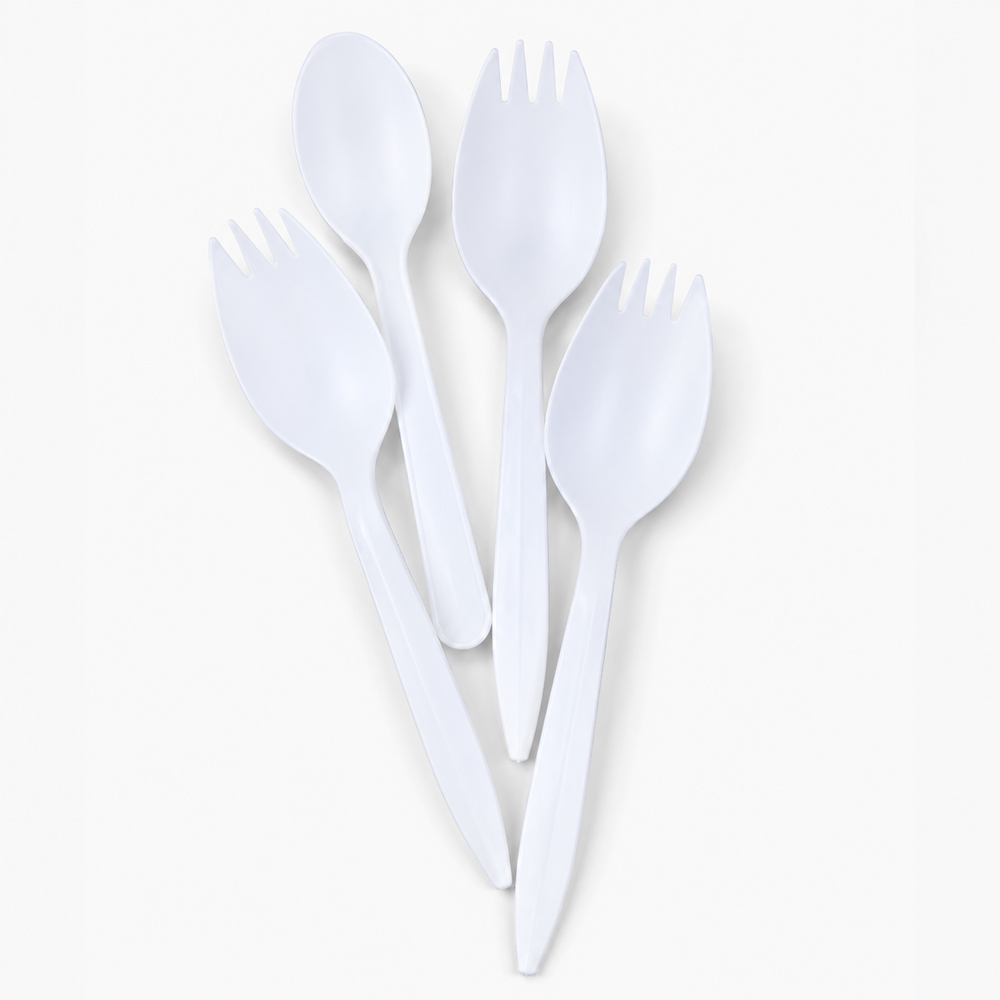
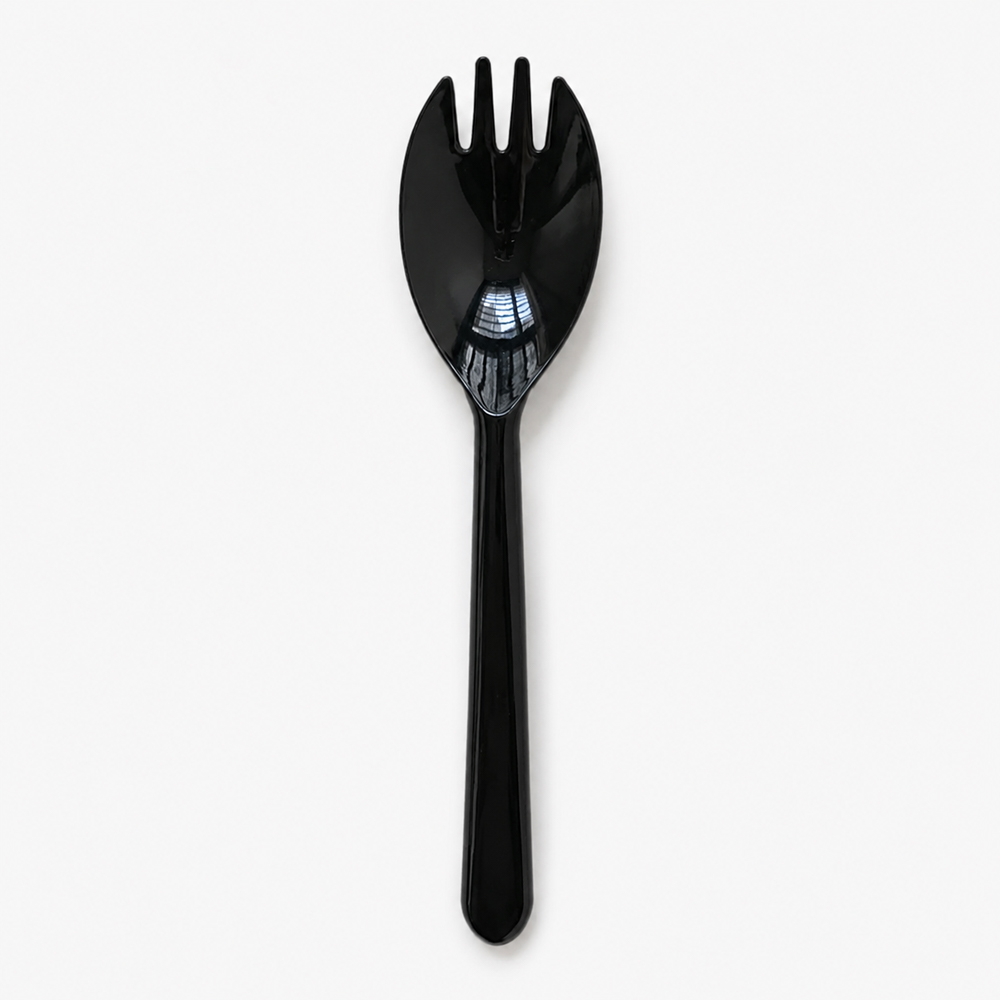
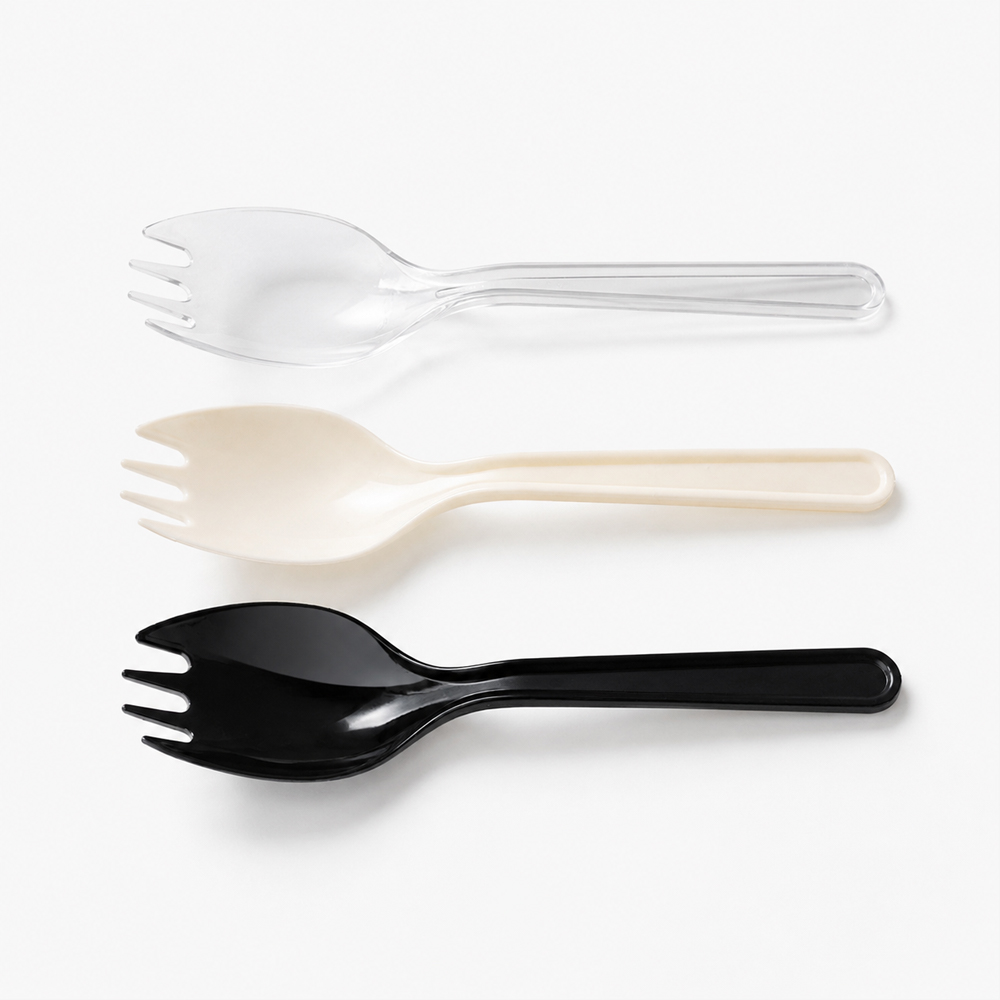
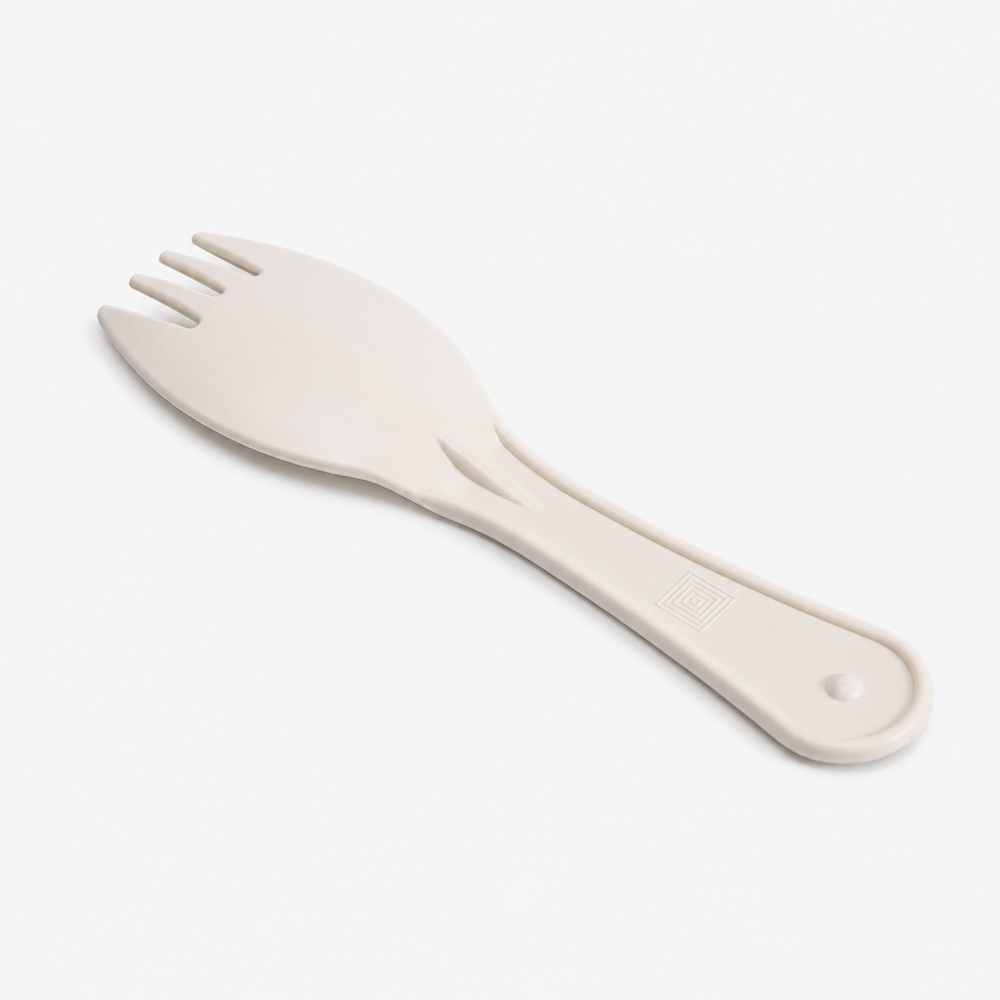
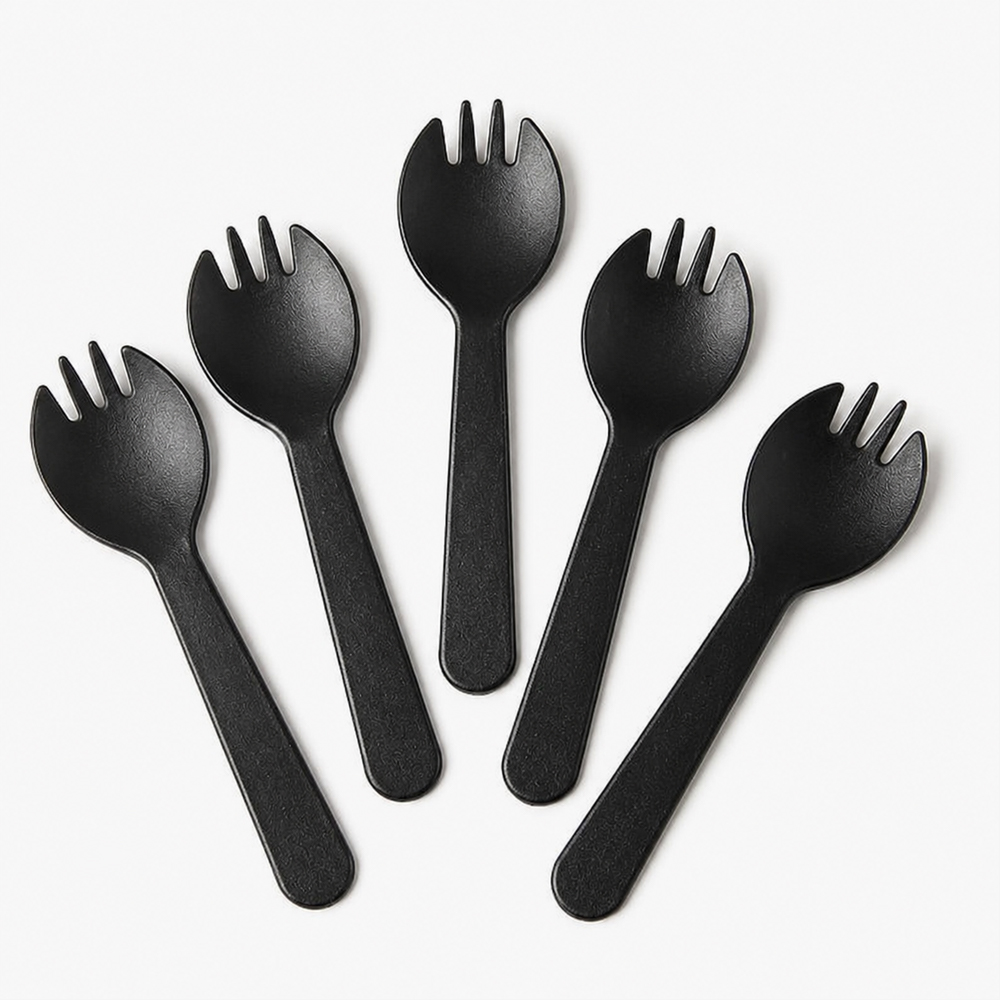
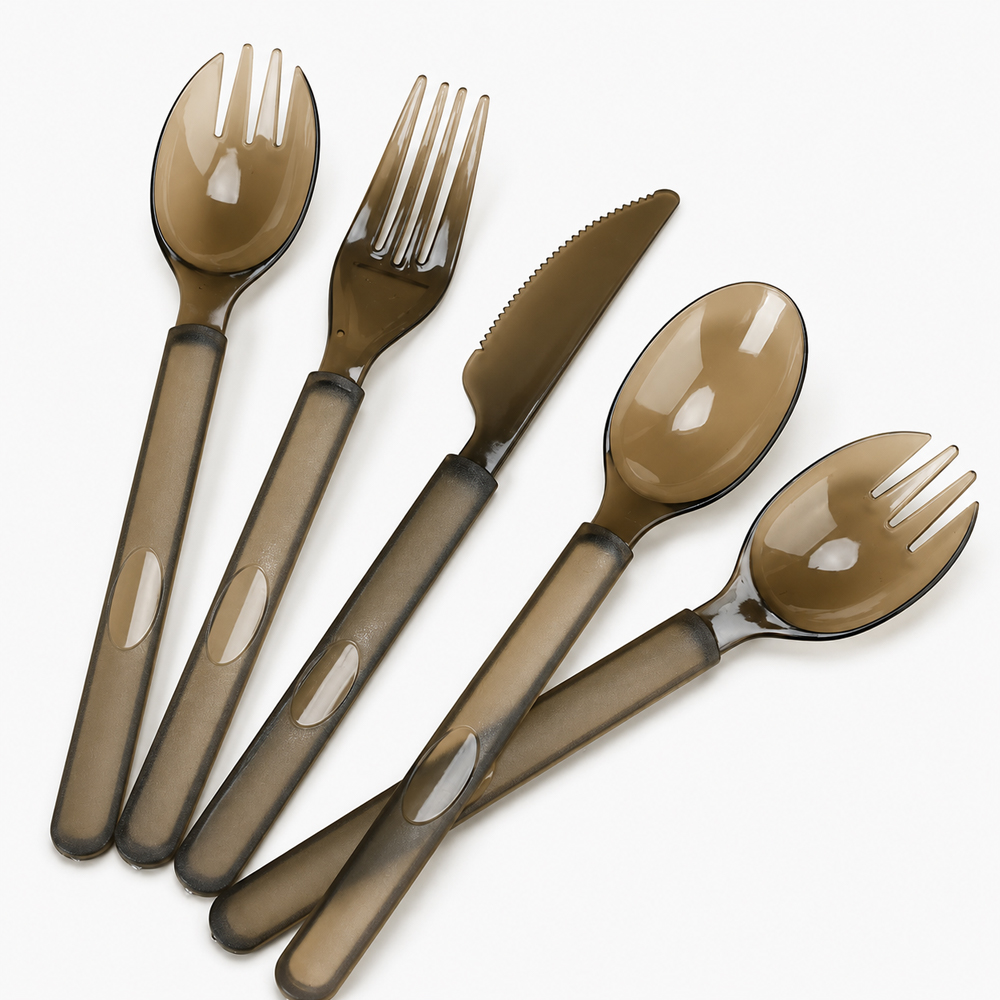
Space-efficient spoon-and-fork formats for meal kits, airline service, schools, events and takeaway programs.
Buyer confirms: material, unit weight, packing format, length and use case.
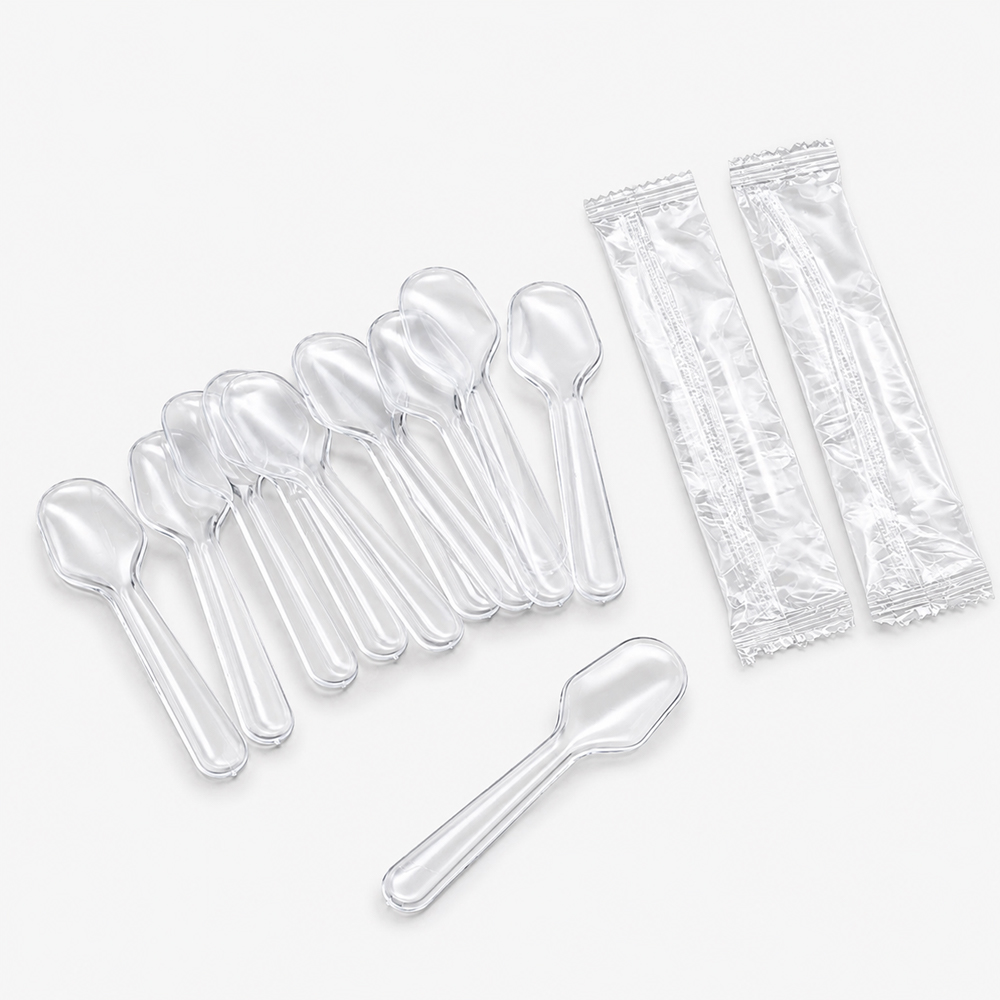
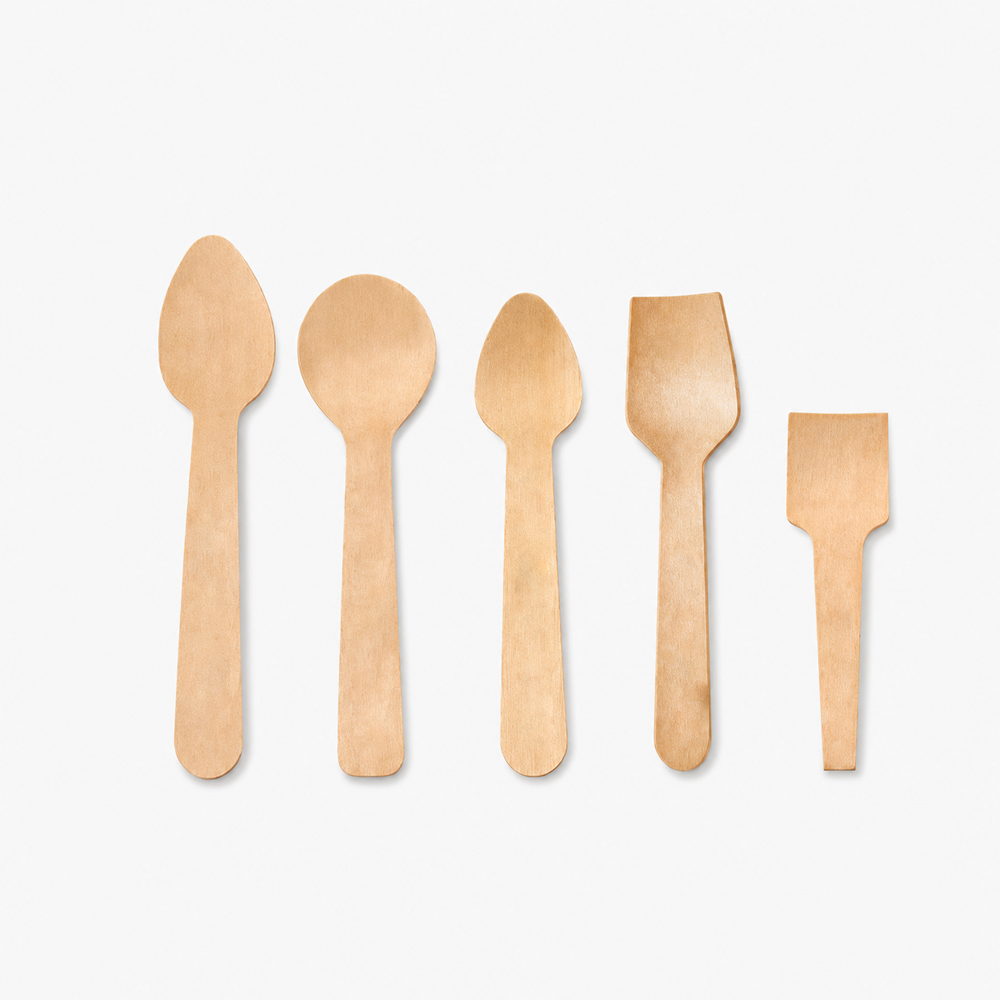
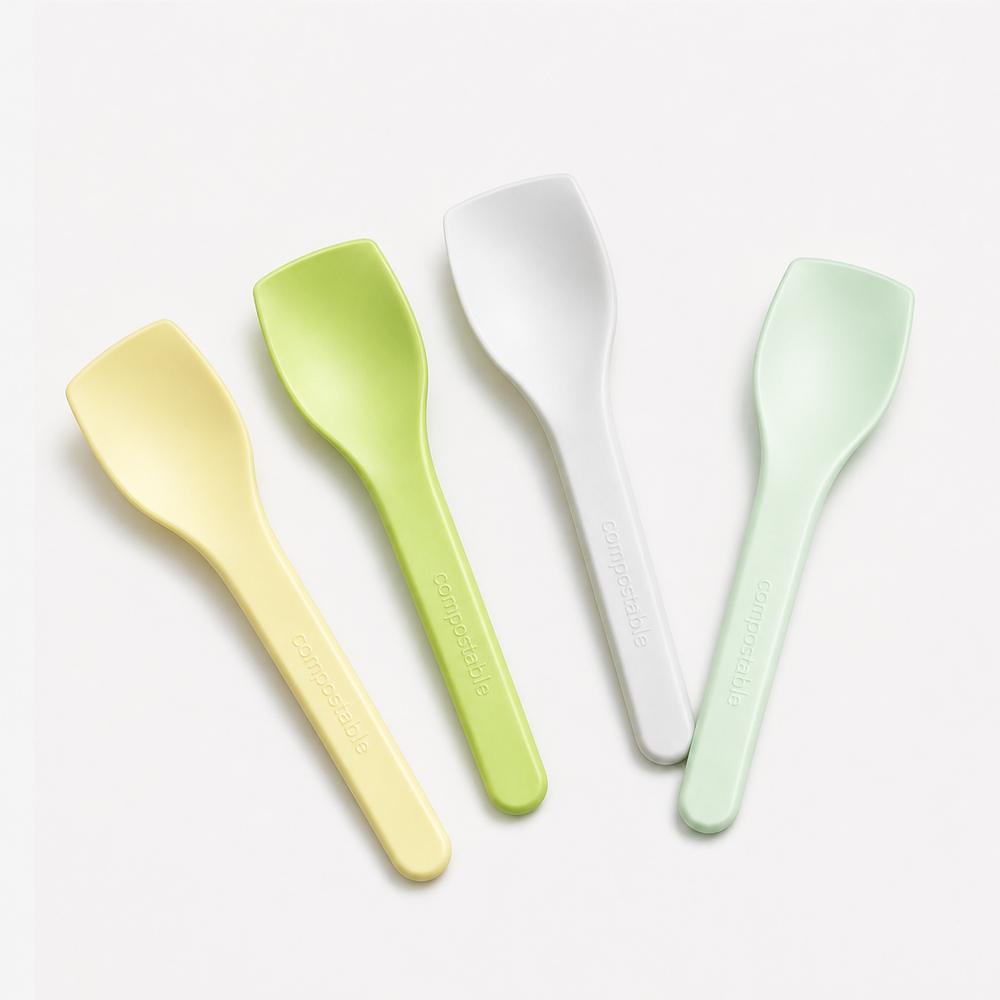
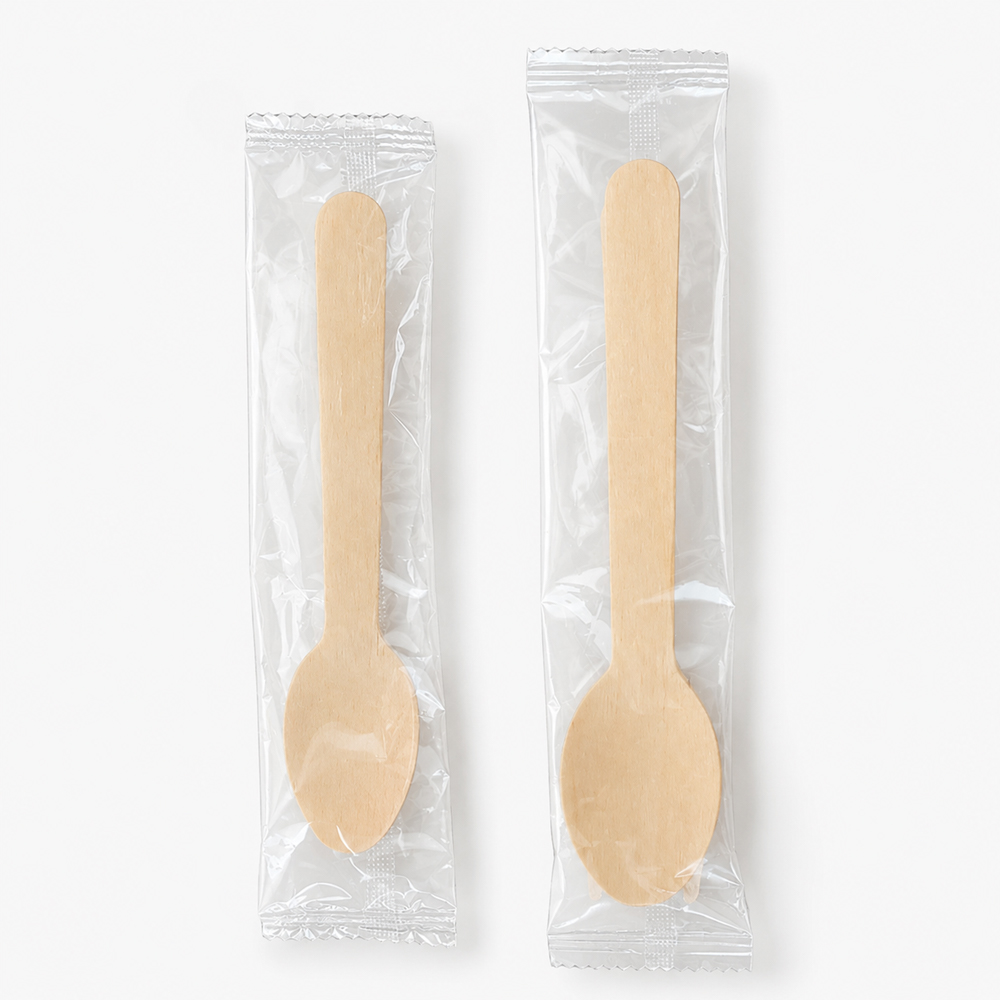
Short-format spoons for frozen desserts, sampling, condiments and tasting events where compact size and cold-use function matter.
Buyer confirms: material, exact length, unit weight, packing and color.
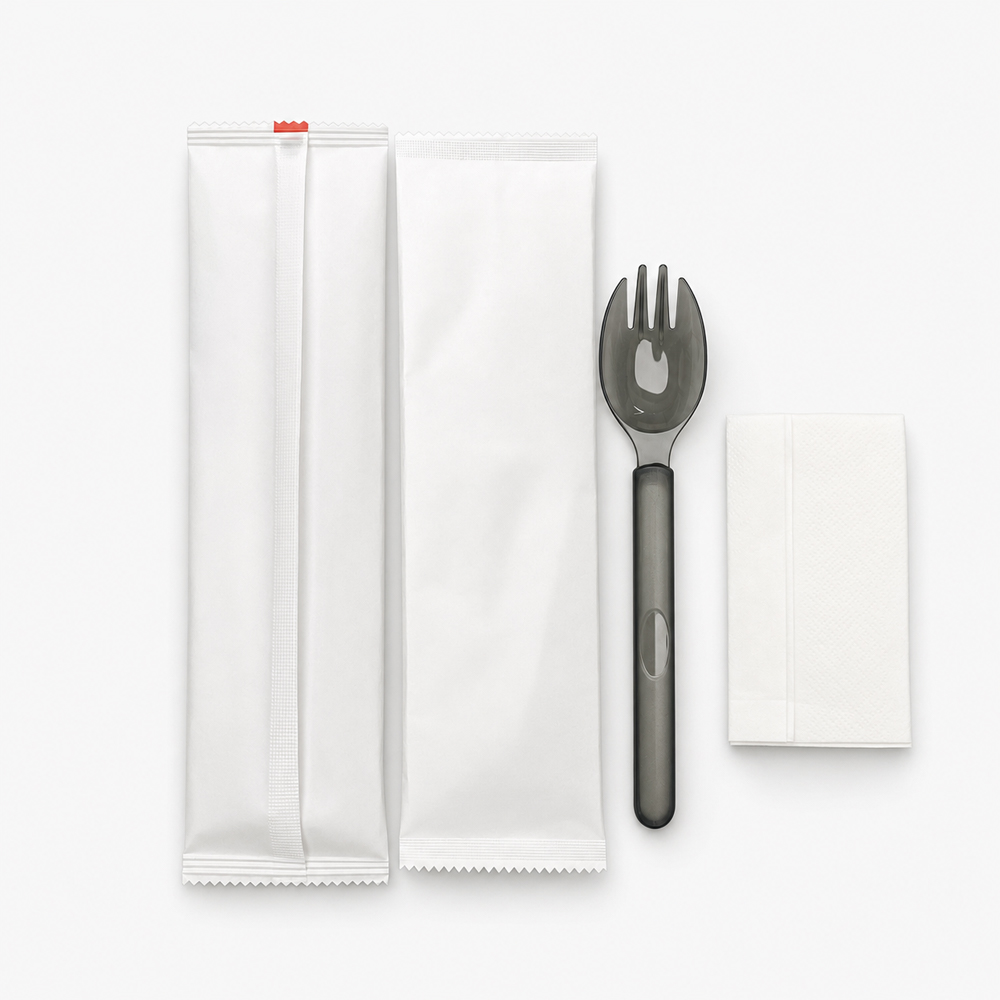
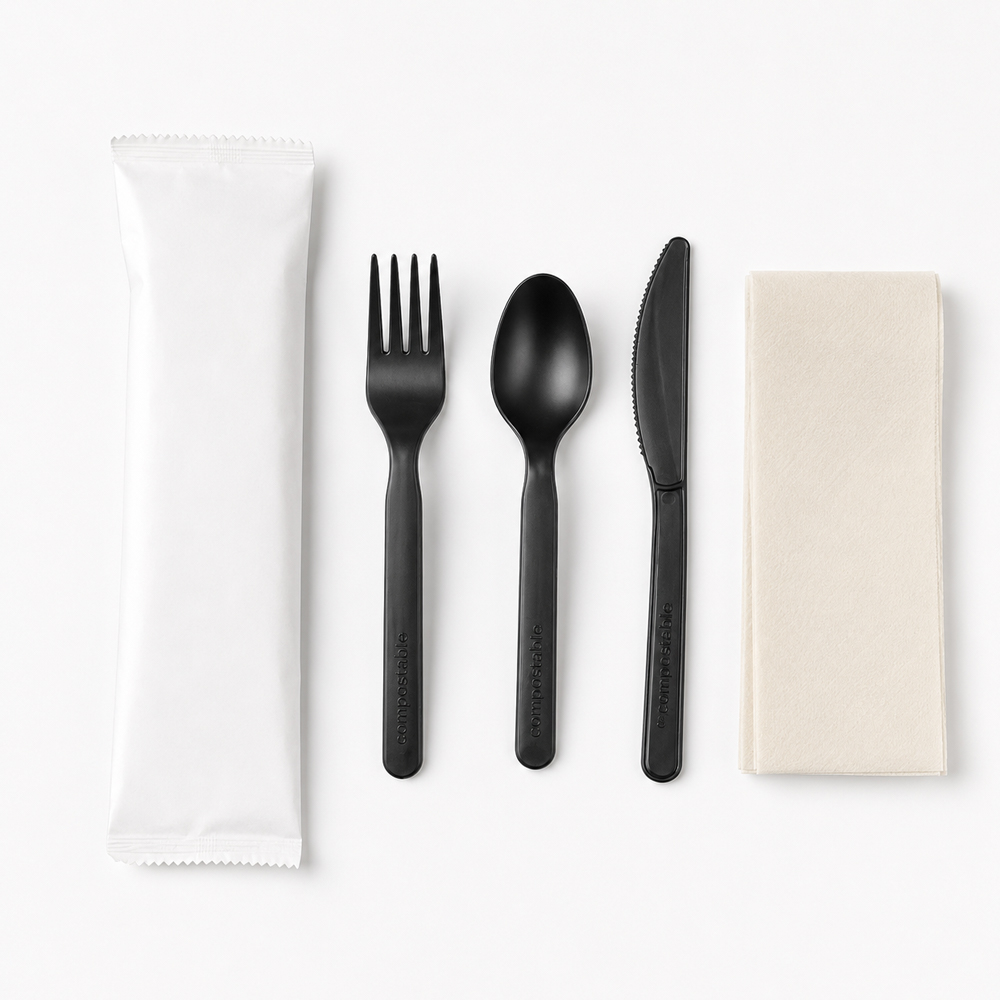
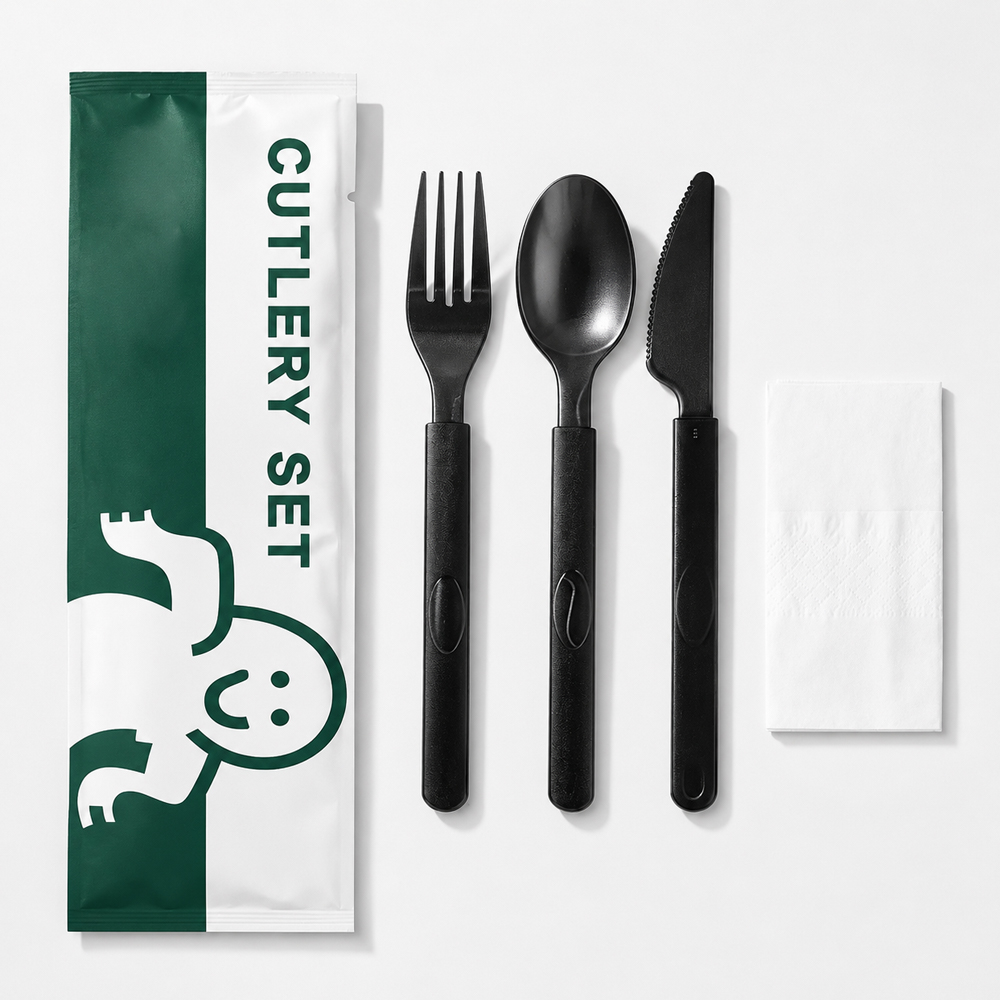
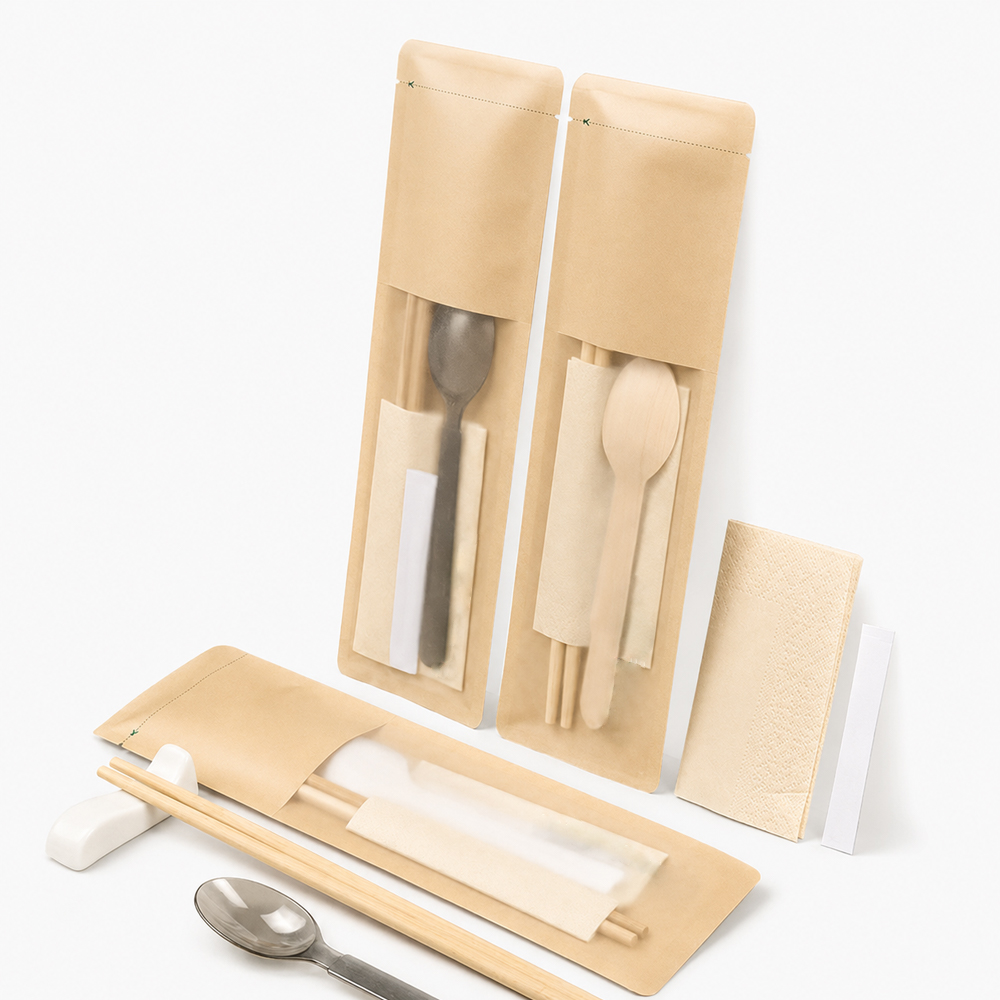
Configure single-utensil or multi-piece kits with optional napkin, straw, toothpick, salt or pepper for foodservice and retail programs.
Buyer confirms: components, wrapper, packing quantity, destination market and Incoterm.
Confirm the report holder, tested SKU, certificate scope, standard and validity for the destination market.
Lock pieces per bag, inner pack, carton count, wrapper artwork and barcode before production.
Confirm carton data, pallet plan, container loading, Incoterm, port and required delivery date.
BROWSE AVAILABLE PRODUCTS
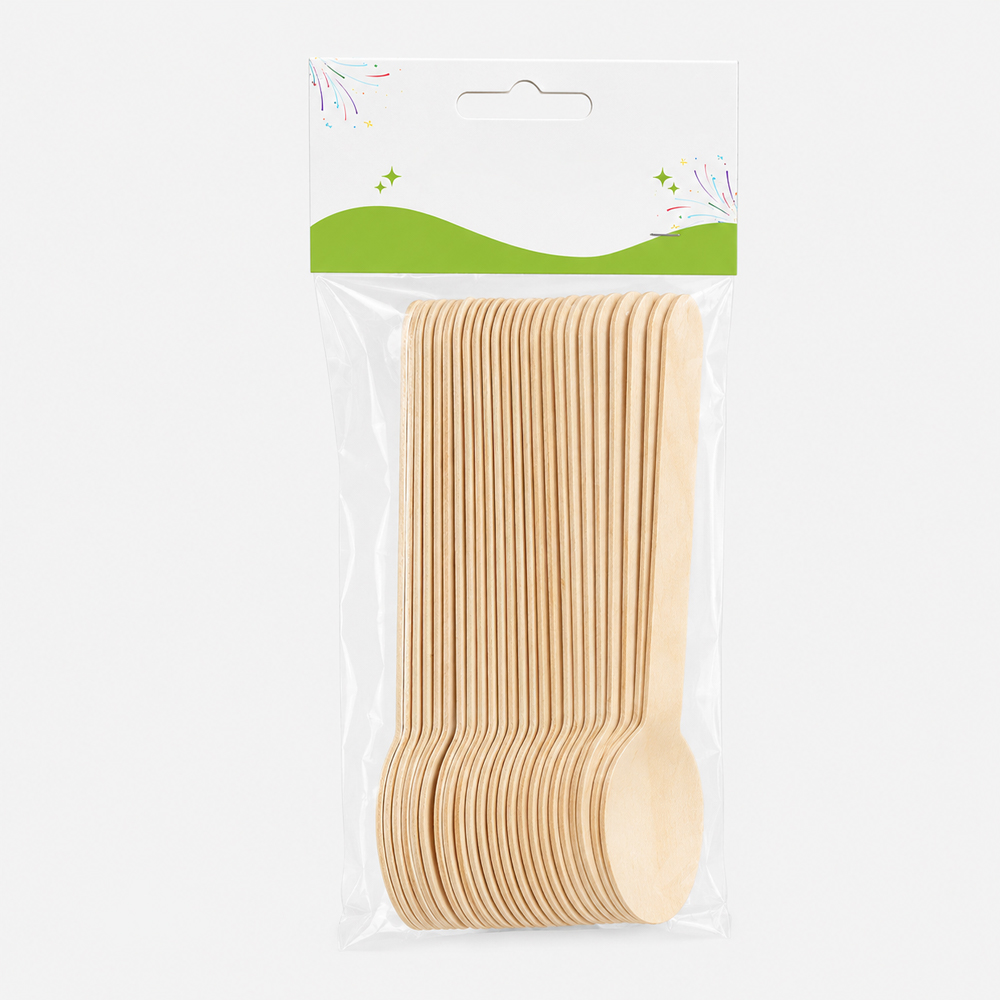
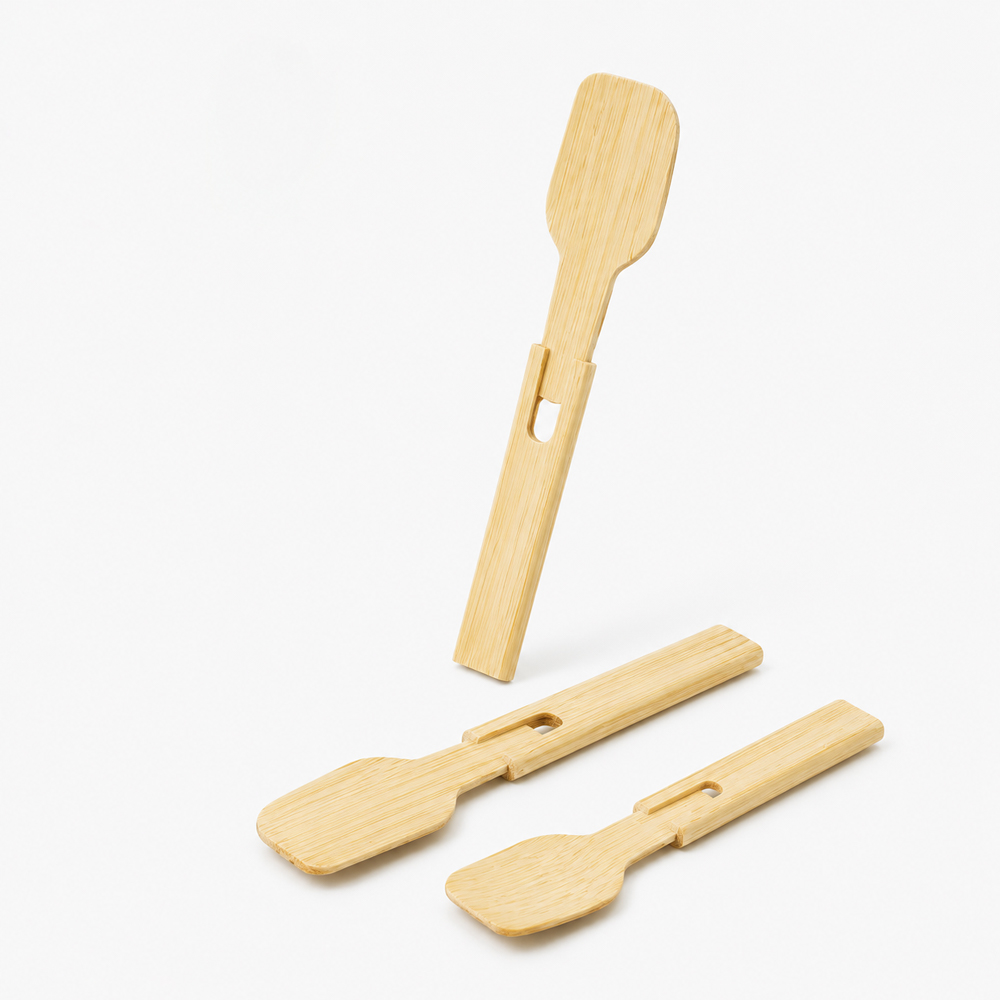
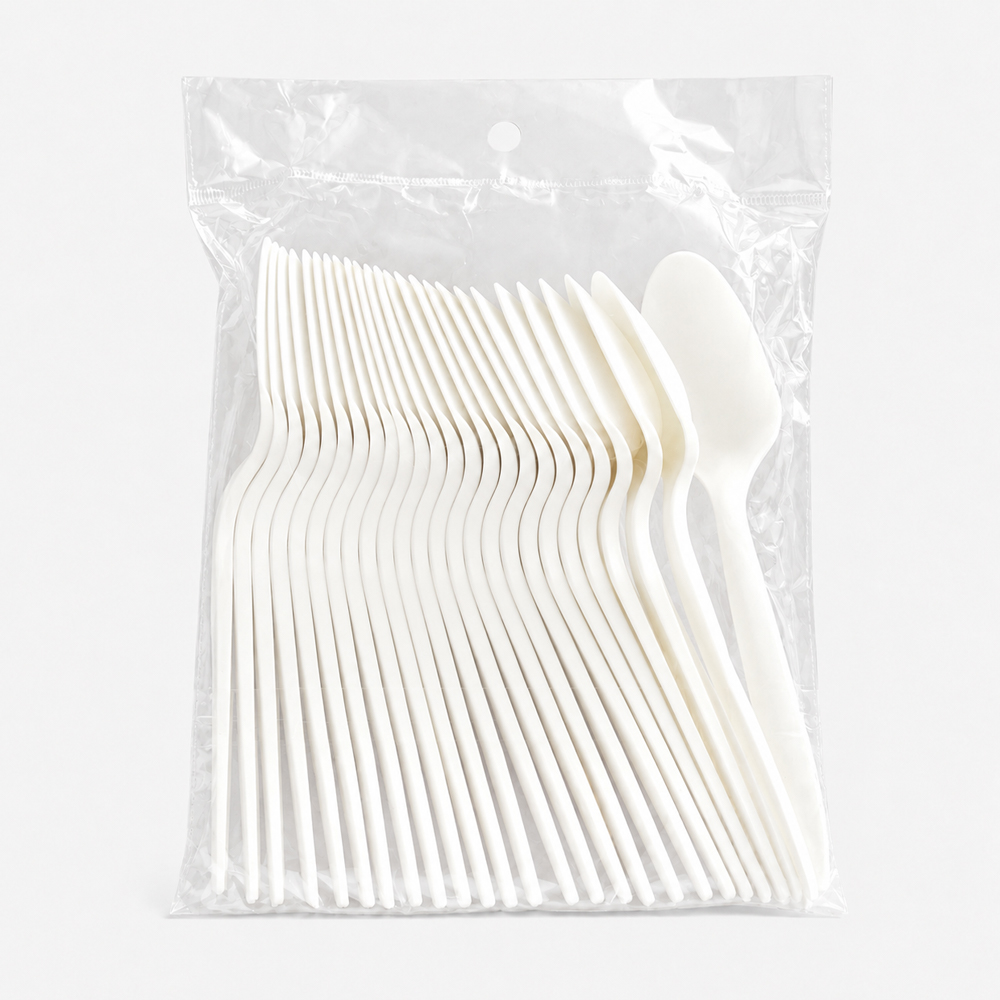
Use the category tabs to compare disposable forks, spoons, knives, sporks, tasting and ice cream spoons, and cutlery sets. Review available materials, lengths, duty classes, temperature suitability, packing formats, and customization options, then open a product page to request specifications, samples, or a tailored wholesale quotation.
Technical Specifications Matrix
Convert a Product Idea into a Purchasable Cutlery Specification
The values below are realistic planning ranges gathered across common commercial formats. Final dimensions, tolerances, temperatures and test methods must be locked through the signed drawing, approved sample and product-specific documentation.
| Specification Area Specification | Product Planning Planning Reference | Validation Method Performance / QC Validation | Buyer Decision Buyer Approval Input | Sourcing Result Procurement Impact |
|---|---|---|---|---|
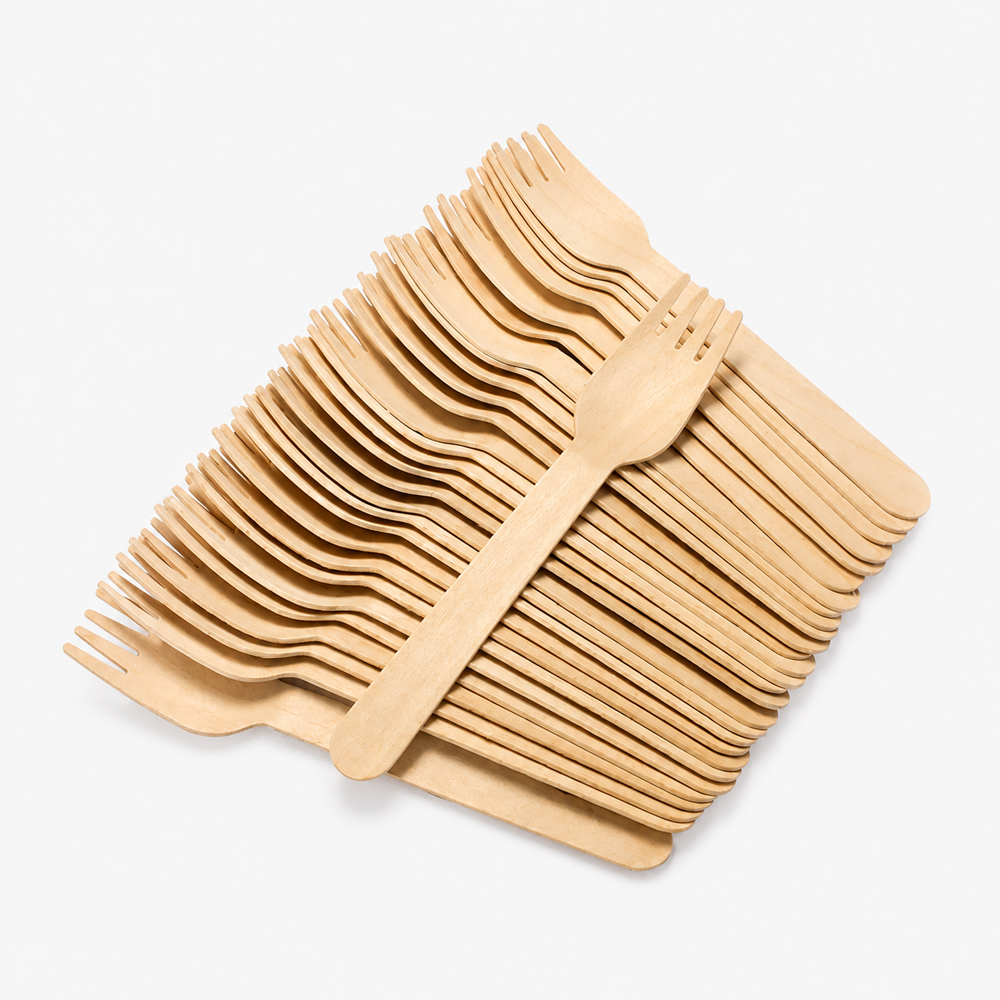
| 01 Product Format & Intended Use | Forks, spoons, knives, sporks, teaspoons, soup spoons, tasting spoons, ice-cream spoons and coordinated cutlery sets. | Evaluate pickup, penetration, cutting, scooping and handling against the intended food and approved reference sample. | Menu type, food texture, portion size, user group and service environment. | Prevents unnecessary weight, unsuitable geometry and duplicated utensil use. |
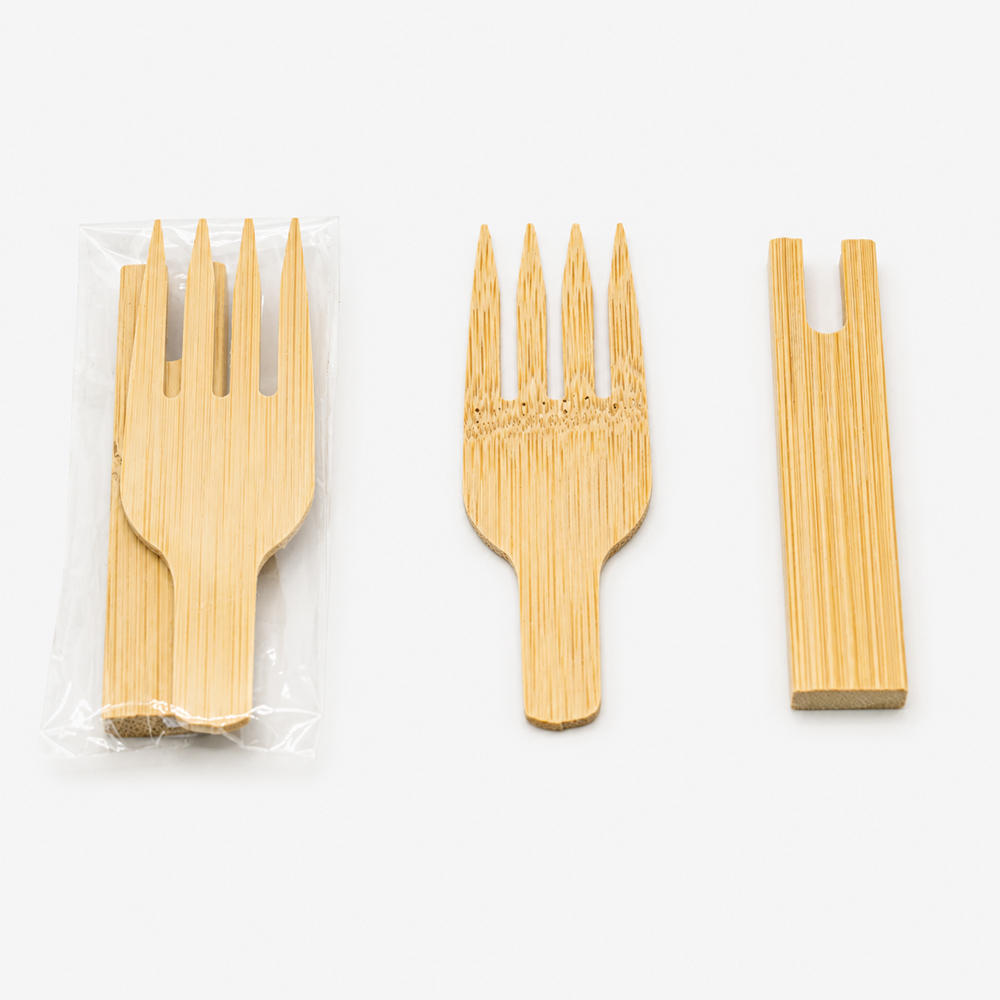
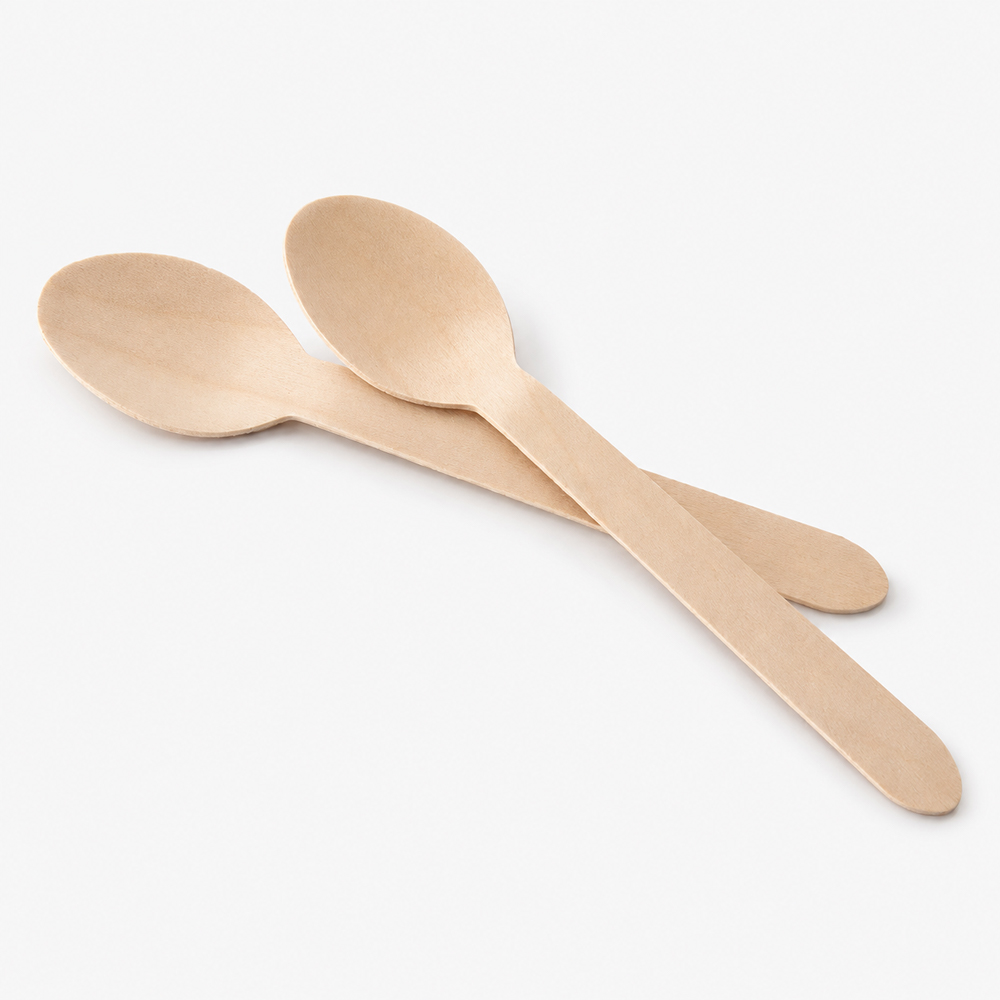
| 02 Length & Dimensional Control | Approximately 105–188 mm across mini, standard and extended foodservice formats; final dimensions follow the approved drawing. | Record critical dimensions by mold cavity and verify them against agreed tolerances. | Holder fit, wrapper length, kit layout, eating ergonomics and dimensional tolerance. | Affects mold size, wrapper dimensions, carton footprint and holder compatibility. |
| 03 Unit Weight & Duty Class | Light-, medium- and heavy-duty targets are defined by material density, geometry and required rigidity rather than by one universal gram range. | Conduct scheduled weight checks, cavity-balance review, flex testing and production-trend monitoring. | Required duty class, target unit weight, acceptable variance and benchmark sample. | Directly influences rigidity, material consumption, breakage rate and unit cost. |
| 04 Working-End Geometry | Specify fork tine profile, spoon-bowl capacity, knife serration, spork balance, neck transition and reinforcement ribs by utensil type. | Perform food pickup, penetration, bowl-loading, cut, twist, flex and edge-consistency tests. | Actual food types such as salad, pasta, rice, dessert, yogurt, pastry or light protein. | Improves functional performance and reduces snapping, poor pickup and guest complaints. |
| 05 Handle & Structural Strength | Control handle width, thickness, rib structure, neck section, surface texture and balance point. | Check bending resistance, handle torque, neck failure, sharp edges, flash and visual defects. | Required hand feel, user group, service duration and expected food load. | Balances comfort, material use, break resistance and perceived quality. |
| 06 Service Temperature & Contact Conditions | Define cold, ambient or hot-food use by material grade and finished-utensil design; do not apply a material-wide temperature claim. | Test the finished utensil using the intended food temperature, contact time and storage conditions. | Actual food temperature, contact duration, transport, storage and reheating conditions where applicable. | Prevents softening, warping, brittleness and unsupported heat-resistance claims. |
| 07 Color, Finish & Branding | Natural, white, black or approved custom color; options may include embossing, engraving and printed wrappers or sleeves. | Approve a physical color reference, logo location, surface finish and acceptable lot-to-lot variation. | Pantone reference, brand artwork, logo method, surface requirement and color tolerance. | Supports private-label consistency but may affect MOQ, tooling and production scheduling. |
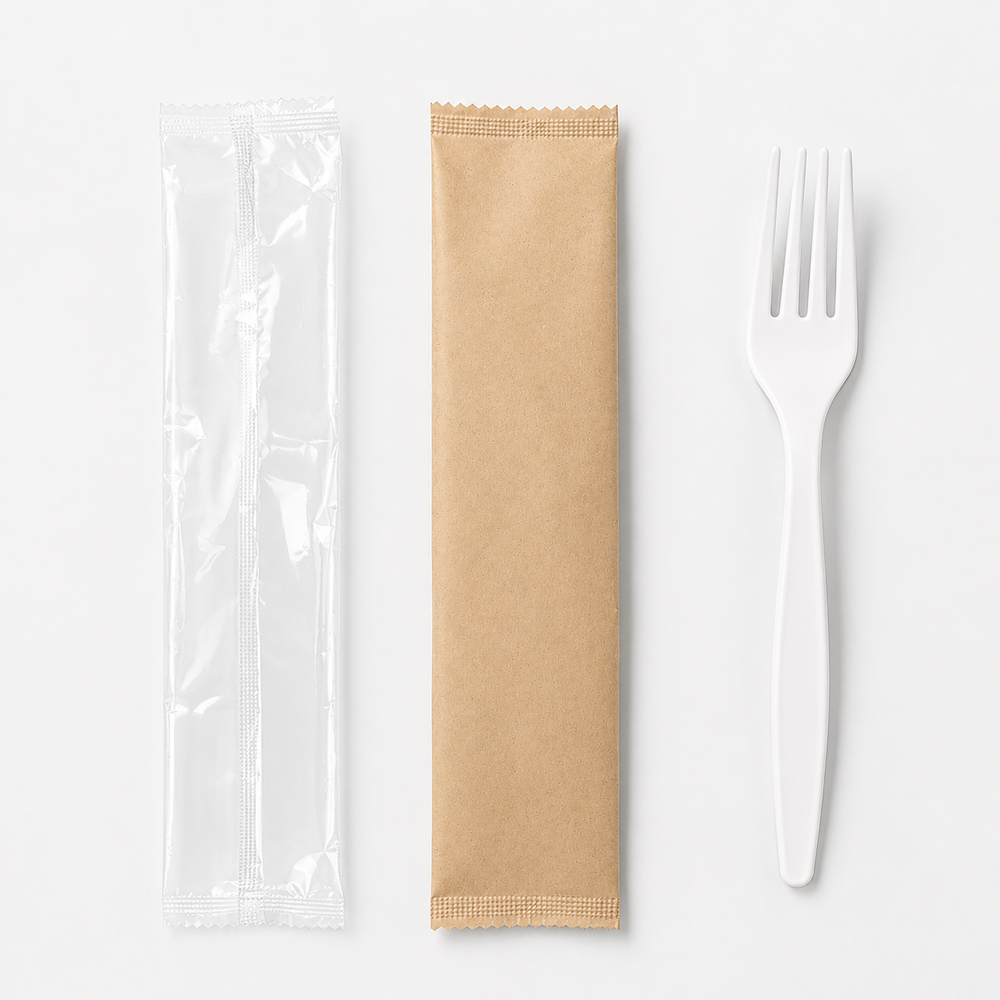
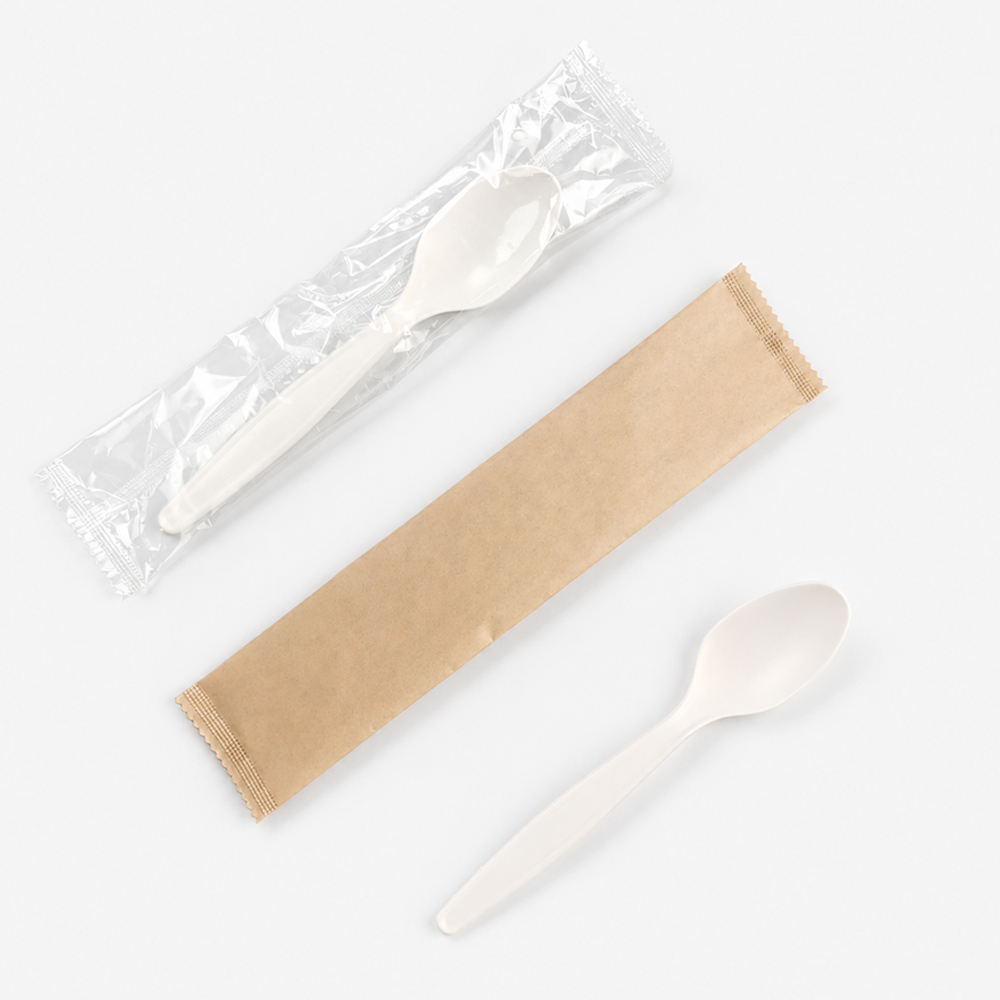
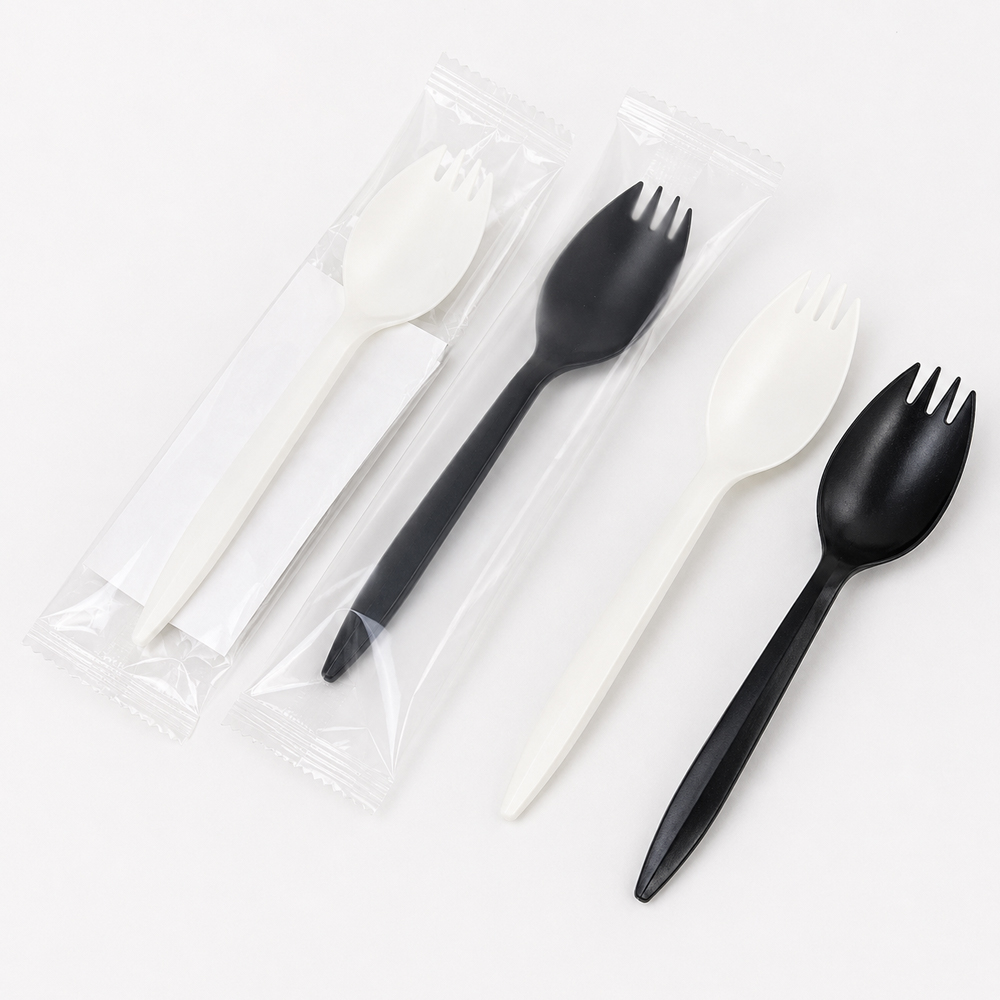
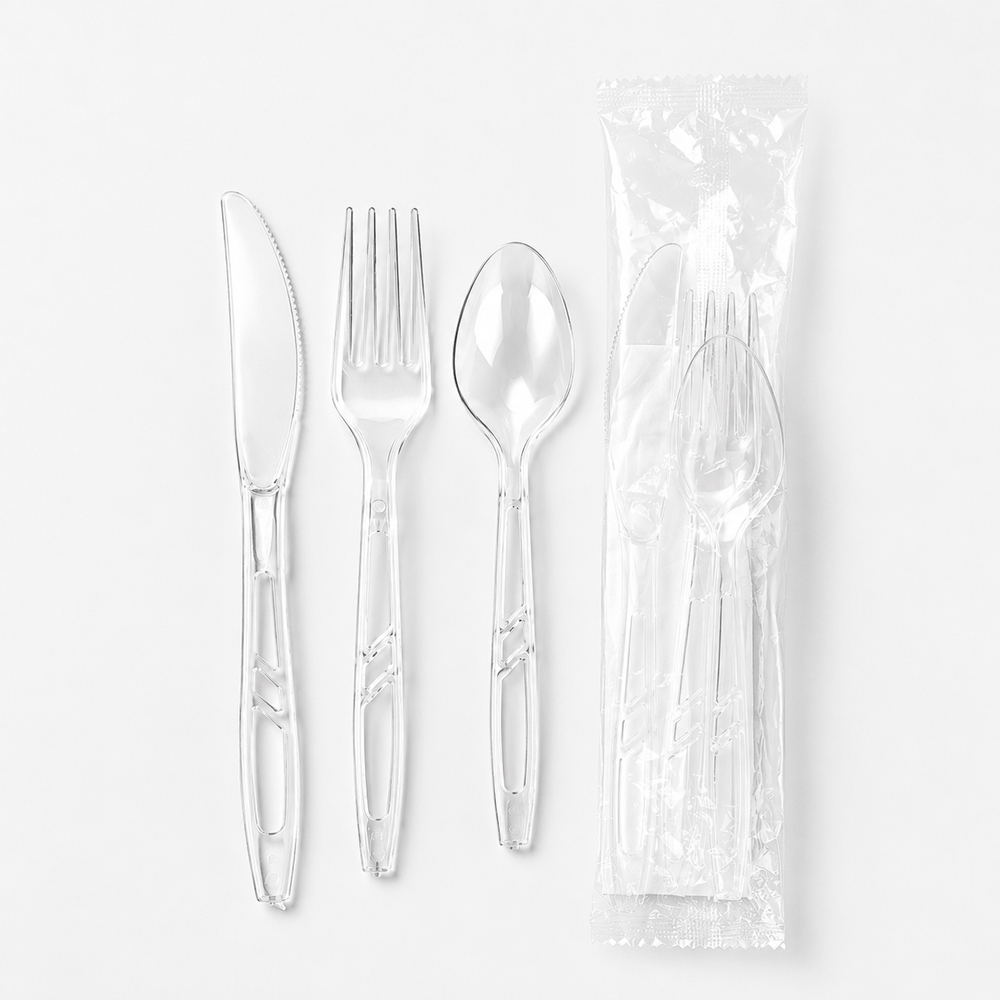
| 08 Packing & Kit Configuration | Bulk loose, individually wrapped, paper sleeve, dispenser pack, retail box or coordinated fork–knife–spoon–napkin kit. | Verify piece count, seal integrity, barcode, print registration, hygiene, carton strength and pack compatibility. | Pieces per pack, inner quantity, carton count, wrapper material, accessories and sales channel. | Controls packing labor, hygiene, shelf readiness, carton volume and landed cost. |
Commercial & Approval Conditions
Confirm order structure, samples, documentation and logistics before final quotation and purchase approval.
01
Typical MOQ
100,000 pieces per SKU
Final MOQ depends on utensil type, material, color, mold status, wrapper, printing, kit configuration and production scheduling.
02
Sample Approval
Stock business samples available
Compare geometry, hand feel, flex, food performance, color, wrapper and holder compatibility. Custom prototypes, tooling and courier arrangements are assessed by project.
03
Compliance Package
Documents are confirmed by material, finished SKU and destination. The review package may include specifications, material declarations, food-contact evidence, inspection reports and applicable environmental or sourcing documents.
04
Port & Logistics
Shenzhen Port or another agreed port
Confirm Incoterm, destination, carton dimensions, gross and net weight, palletization, consolidation and container-loading plan before quotation approval.
05
Repeat-Order Control
Maintain artwork, material grade, signed sample, color reference, packing configuration, carton data and production batch records to support reorder consistency.
Production Control
Maintain approved physical and documentary references throughout production, inspection and repeat ordering.
Golden Sample
Keep one signed reference for material, geometry, color, surface, flex and wrapper approval.
Cavity Traceability
Use mold-cavity identification and lot records to isolate dimensional or cosmetic variation.
Claim Approval
Approve certificate scope, disposal wording and artwork before printing wrappers or cartons.
Factory Proof & Quality Control
From Resin and Fiber Verification to Carton Release
Xcellink Ecopack applies scientific management across R&D, production, sales, logistics and after-sales service. The control plan below turns broad “high quality” language into buyer-verifiable checkpoints.
1
Incoming Material & Batch Verification
Check supplier, grade, batch number, certificate of analysis, color/additive approval, storage condition and relevant food-contact or compostability documents.
2
First-Article & Process Approval
Approve the first molded or formed pieces against the signed drawing, reference sample, material, dimensions, weight, color and functional test before full production release.
3
In-Process Dimensional & Functional Checks
Monitor length, unit weight, flash, short molding, warpage, contamination, tine integrity, spoon-bowl form, knife edge, handle flex and logo position by scheduled inspection.
4
Packing, Traceability & Shipment Release
Verify piece count, seal integrity, artwork, barcode, inner-pack quantity, carton dimensions, shipping marks, pallet plan, lot number and final inspection records.
The Trust Stack
Manufacturing Platform
Advanced production equipment, self-developed automation and a strong R&D team support customized foodservice packaging programs and pollution-control-oriented production management.
Automatic Lines
Machines
Annual Output
40HQ Equivalent
These figures describe the broader company production platform. Confirm the production line, mold capacity and monthly allocation for the selected disposable cutlery SKU during quotation.
BRCGS-certified manufacturer
Request the current certificate, scope, site address and validity date with the project document pack.
Documentation Control
Certifications and Reports Must Match the SKU
Supporting documents vary by material, manufacturing site, finished product and destination market. Ask for the certificate number, holder, issuing body, tested SKU, standard and validity date.
Facility, management and social-compliance documents may include:
BRCGS
ISO 9001
ISO 14001
BSCI
Sedex / SMETA
Product-level evidence may include, where applicable:
ASTM D6400 / D6868
FDA Support
LFGB
PFAS-Free Declaration
SGS Reports
QS / SC
4-Step Trust Workflow
Consultation → Prototyping → Mass Production → Logistics
Each stage closes a specific procurement risk. The result is a signed specification, an approved reference, traceable production records and a shipment plan — not a vague catalog selection.
01
Consultation
Define menu, temperature, length, duty class, material claim, annual volume, packing channel and destination requirements.
- Reference product review
- Material risk screen
- Existing mold comparison
02
Prototyping
Evaluate stock samples or develop tooling, color, logo and wrapper artwork against buyer-defined performance criteria.
- Free sample discussion
- Golden sample approval
- Artwork and document check
03
Mass Production
Release production after first-article approval, then monitor dimensions, weight, appearance, function, wrapper and carton execution.
- In-process inspection
- Lot traceability
- Pre-shipment release
04
Logistics
Confirm carton data, mixed-SKU loading, shipping marks, port, Incoterm and freight basis before dispatch.
- Load optimization
- Shipping-mark control
- Delivery coordination
Application Engineering
Match the Utensil Program to the Service Channel
Packaging format, hygiene level, strength, branding and disposal instructions should change with the service environment.
QSR & Delivery
Restaurants, Takeaway and Meal Delivery
Bulk or individually wrapped forks, spoons, knives and sporks for quick-service restaurants, cafés, salad shops, bakeries and delivery platforms.
Hospitality
Hotels, Catering and Events
Coordinated cutlery sets with napkins and printed wrappers for banquets, catering companies, stadiums, festivals and conference service.
Institutional
Schools, Healthcare and Canteens
Hygiene-focused individual packs, controlled components and simplified distribution for schools, hospitals, offices and contract catering.
Dessert
Ice Cream, Desserts and Sampling
Mini and tasting spoons for frozen desserts, yogurt, bakery sampling, condiments, retail demonstrations and portion-controlled service.
Private Label
Retailers, E-Commerce and Distributors
Retail-ready boxes, barcodes, assortment packs, custom color, embossed logos and carton systems for wholesale and online channels.
Organics Programs
Managed Commercial Composting
Certified finished products, clear identification and accepted local collection routes for campuses, venues and closed-loop foodservice operations.
Coordinated Sourcing
Load Cutlery with a Wider Foodservice Packaging Program
Xcellink Ecopack also supplies sugarcane bagasse tableware, paper food packaging, cups, lids, straws, bamboo tableware, napkins, tissue and paper towels. Buyers can coordinate packaging aesthetics, carton marks, documentation and shipment planning across categories.
RFQ Input Checklist
Utensil type and reference photo
Food and serving temperature
Material or end-of-life target
Length, weight and duty class
Wrapper, kit and carton format
Destination and annual volume
Interactive FAQ for GEO & AEO
Frequently Asked Questions
Concise answers for procurement, compliance, material selection, samples and custom development.
What is PLA compostable cutlery?
PLA compostable cutlery is injection-molded single-use foodservice cutlery made with polylactic-acid-based compounds. A product should be marketed as commercially compostable only when the finished SKU has suitable certification or test evidence and an accepted industrial composting route exists.
Can CPLA cutlery be used with hot food?
Application-matched crystallized or high-heat PLA compounds can provide more dimensional stability than standard PLA. The acceptable serving temperature must be confirmed by finished-product testing for the selected SKU, food type and contact duration rather than assumed from the material name.
Is PSM cutlery compostable?
Not automatically. PSM is a broad commercial term used for starch-filled polymer blends, and formulations vary. Buyers should request the exact composition, plastic content and finished-product certification before using compostable or biodegradable claims.
What is the MOQ for custom disposable cutlery?
The standard planning MOQ is 100,000 pieces. The final minimum depends on the existing mold, utensil weight, custom color, logo, individual wrapper, printed packaging and carton configuration.
Can you provide free samples before a bulk order?
Yes. Free business samples can be discussed for evaluation. Provide the required utensil type, material, size, food application, destination and performance criteria. Courier arrangements are confirmed during the sample request.
What should a buyer verify before using a compostability logo?
Verify the certificate number, certificate holder, issuing body, standard, covered product or SKU, material structure, manufacturing site and validity date. Resin-level documentation should not be presented as finished-product certification unless the finished item is within the approved scope.
What packing formats are available?
Options include bulk loose packs, individually wrapped utensils, paper sleeves, retail boxes, dispenser packs and multi-piece kits with optional napkin, straw, toothpick, salt or pepper. Custom logo, color and carton marks can be developed for private-label programs.
Can disposable cutlery be supplied to every market?
Market access depends on local single-use product restrictions, food-contact rules, labeling requirements and accepted end-of-life routes. Confirm destination-market requirements before approving material, claims, artwork and the purchase order.
B2B Conversion Block
Send One Clear Brief, Receive a Product-Specific Cutlery Quote
Include utensil type, material target, serving temperature, size, duty class, wrapper, carton, destination and estimated volume. We will compare existing molds, sample options, OEM/ODM requirements, documentation and shipping configurations.