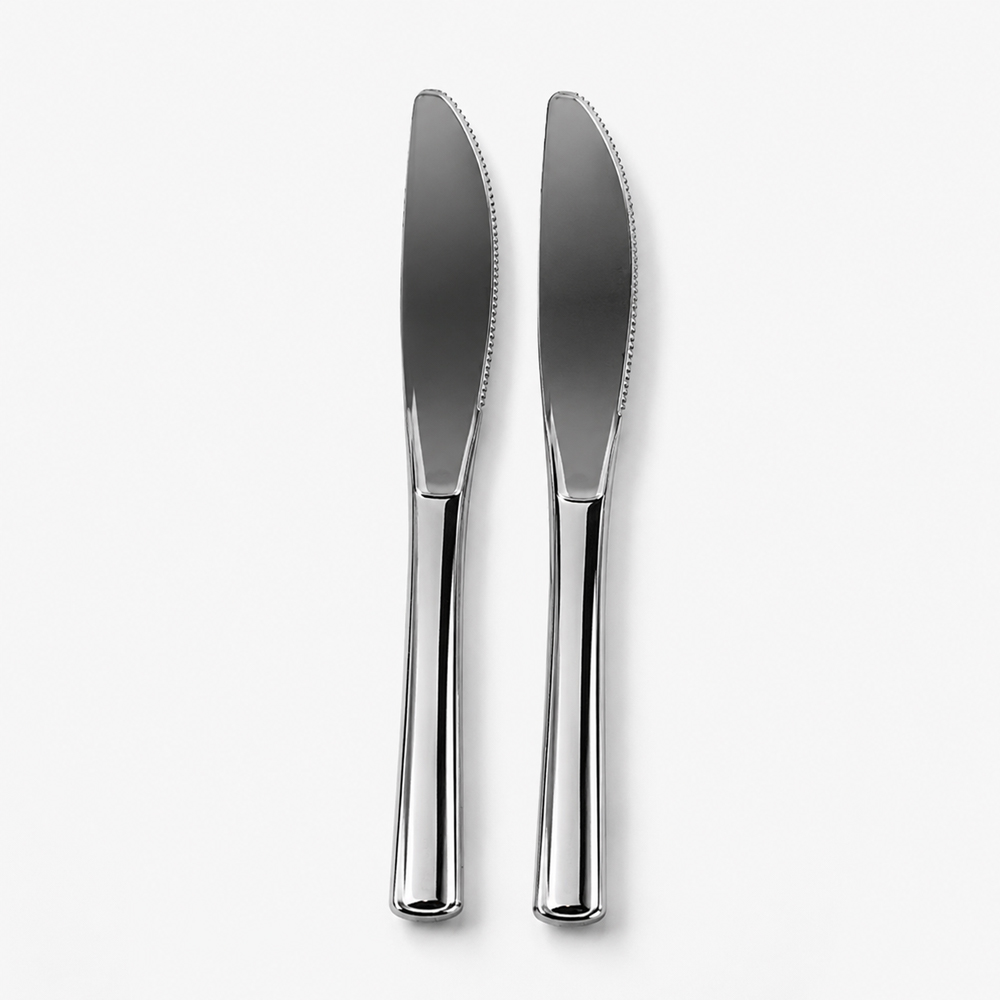
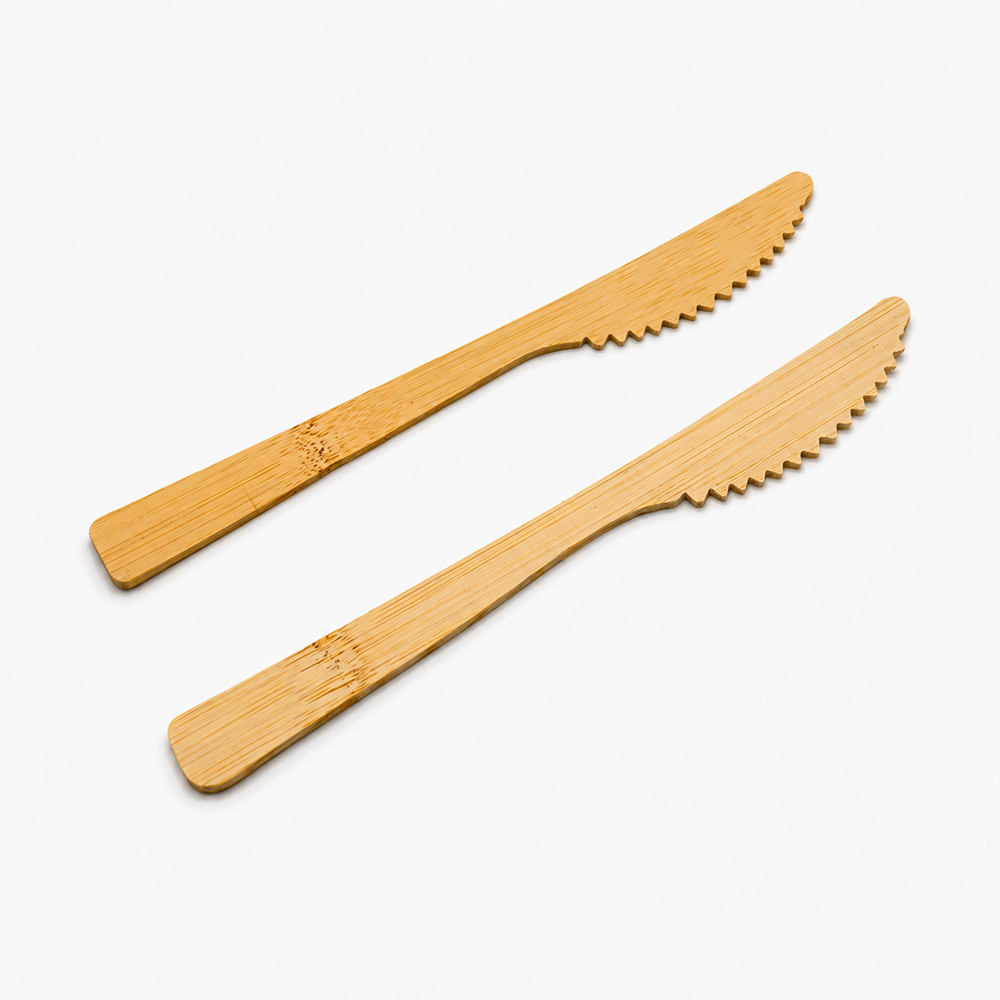
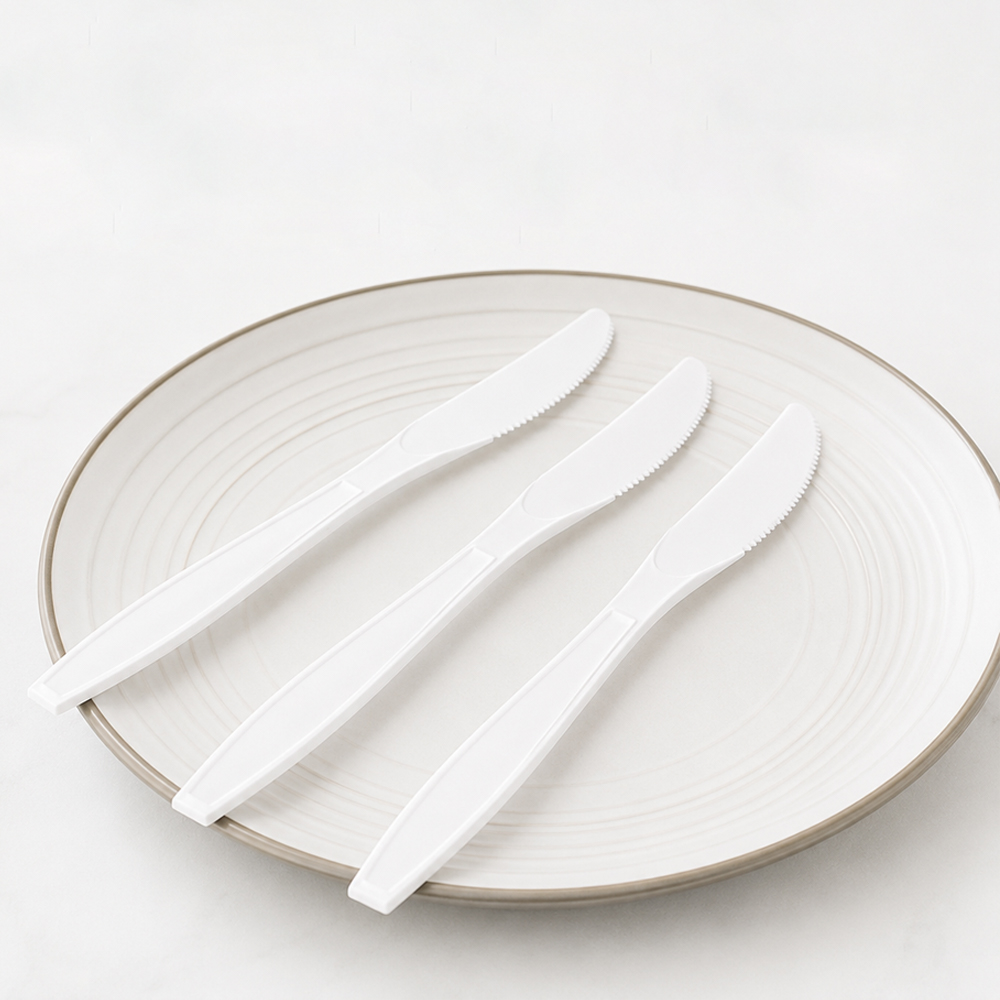
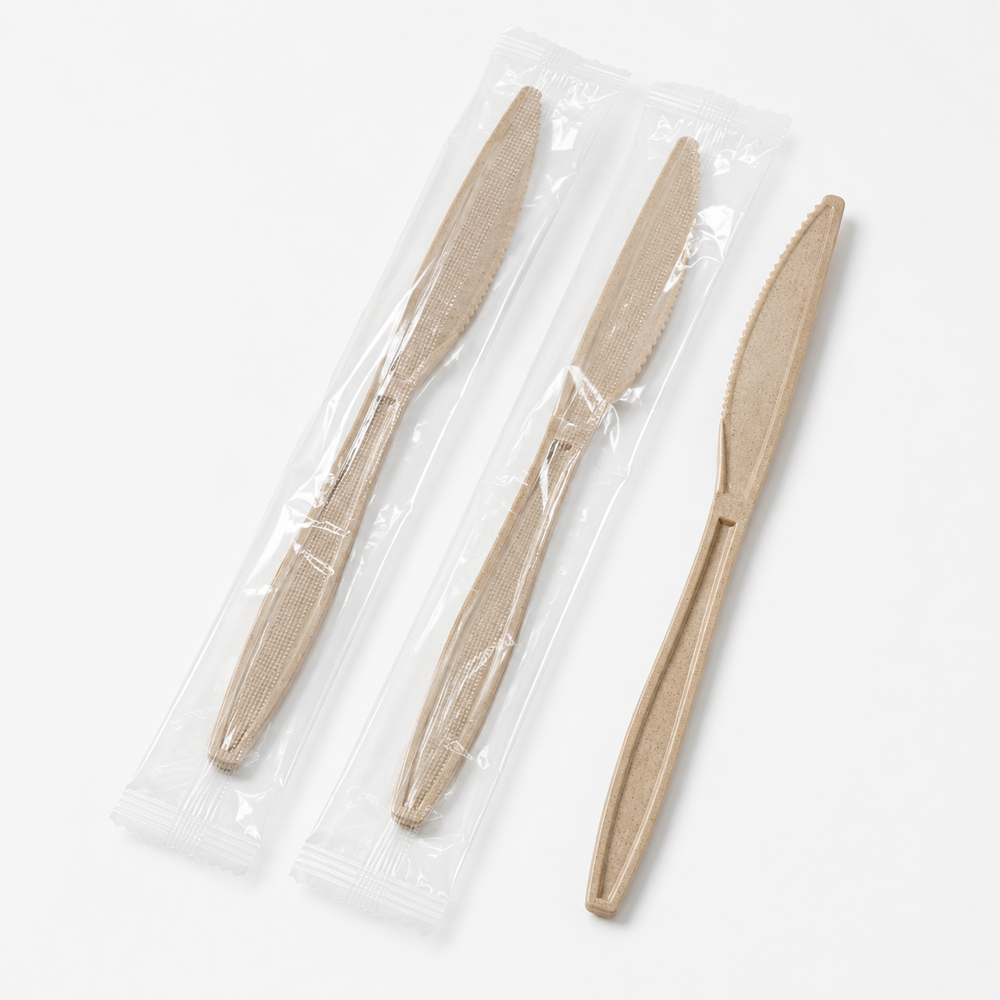
|
01
Productvorm en beoogd gebruik
|
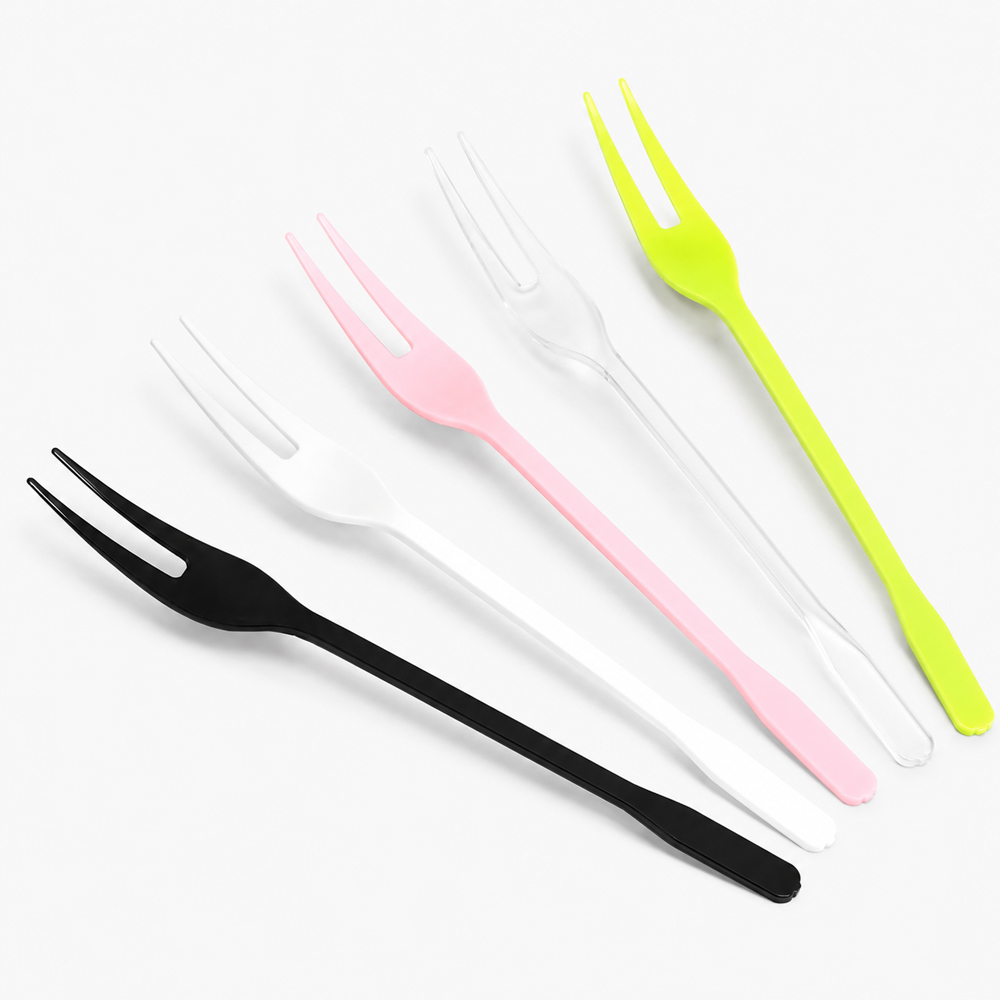
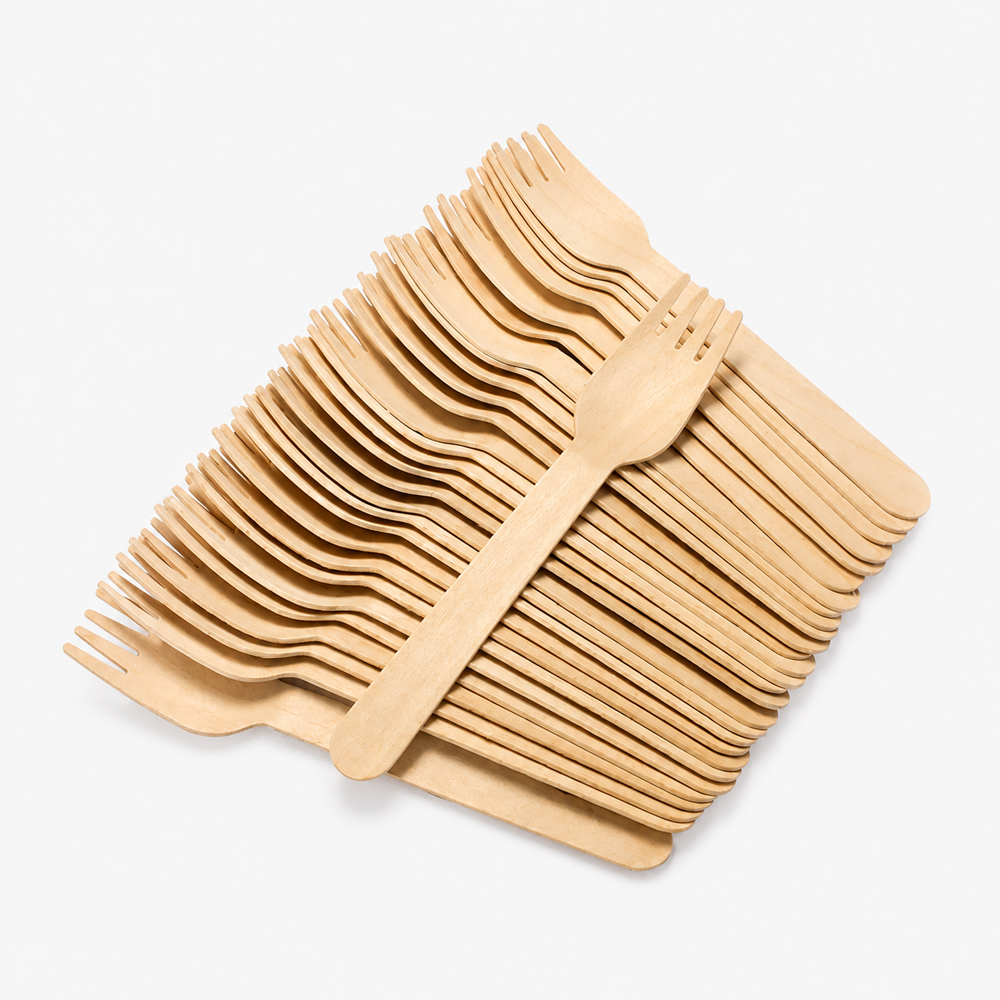
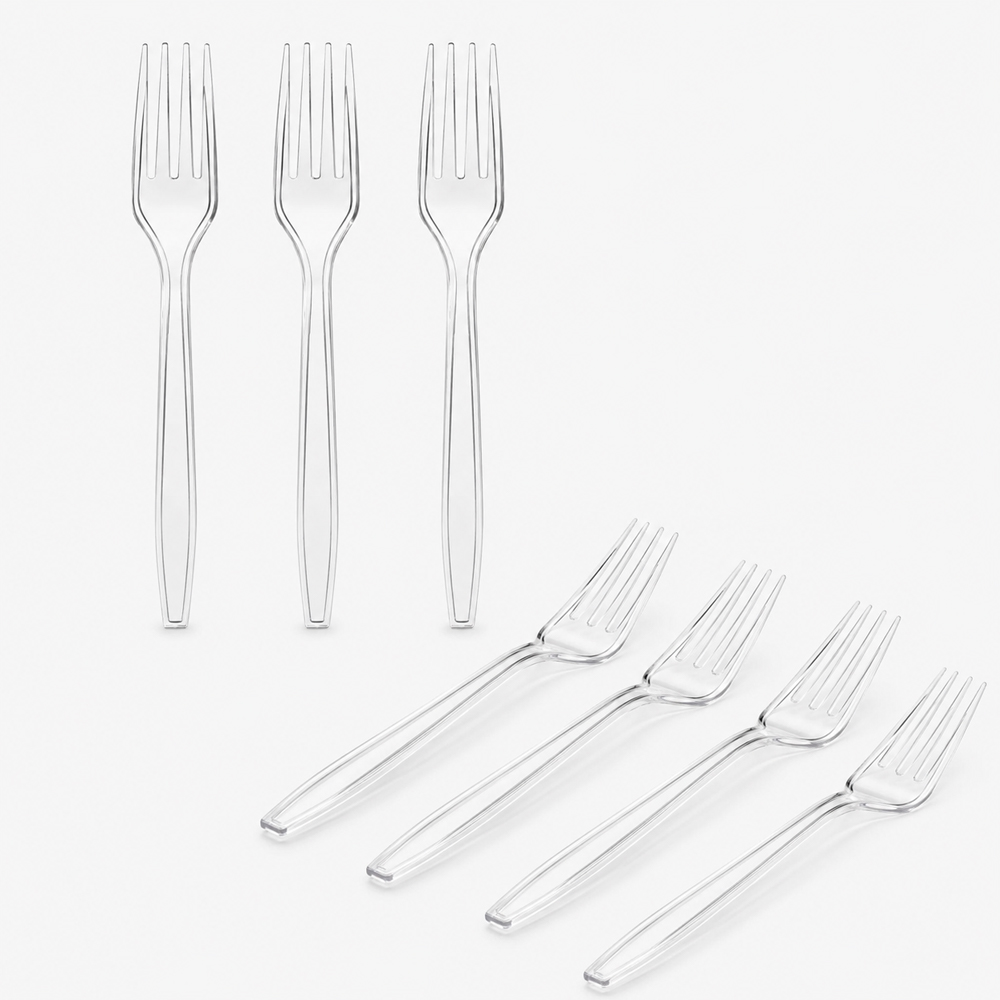
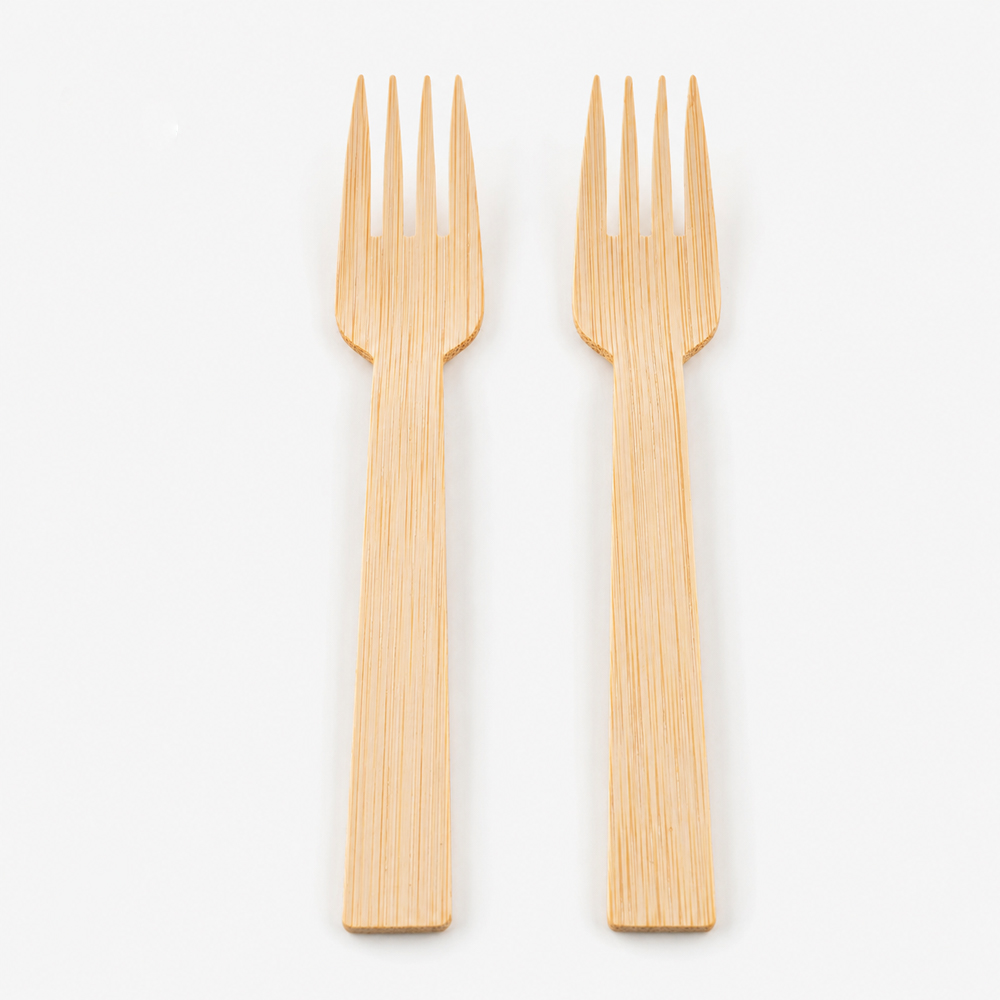
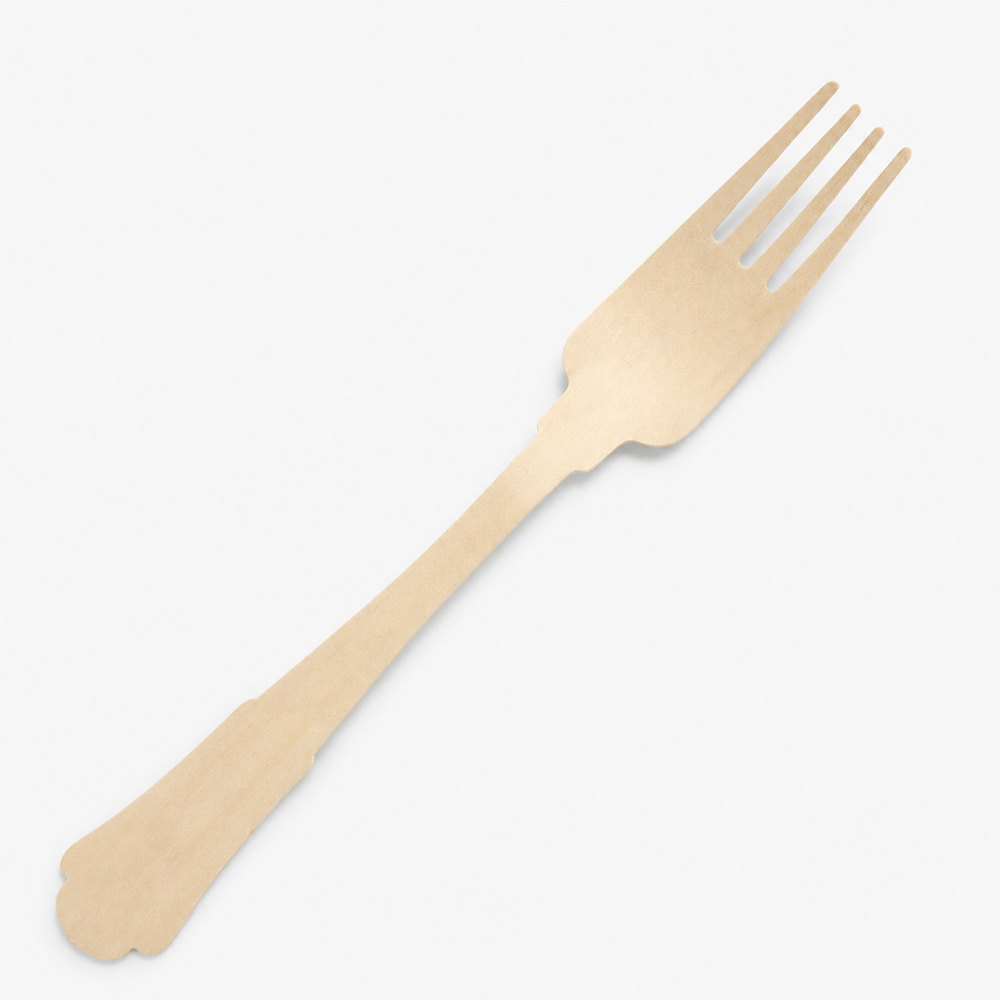
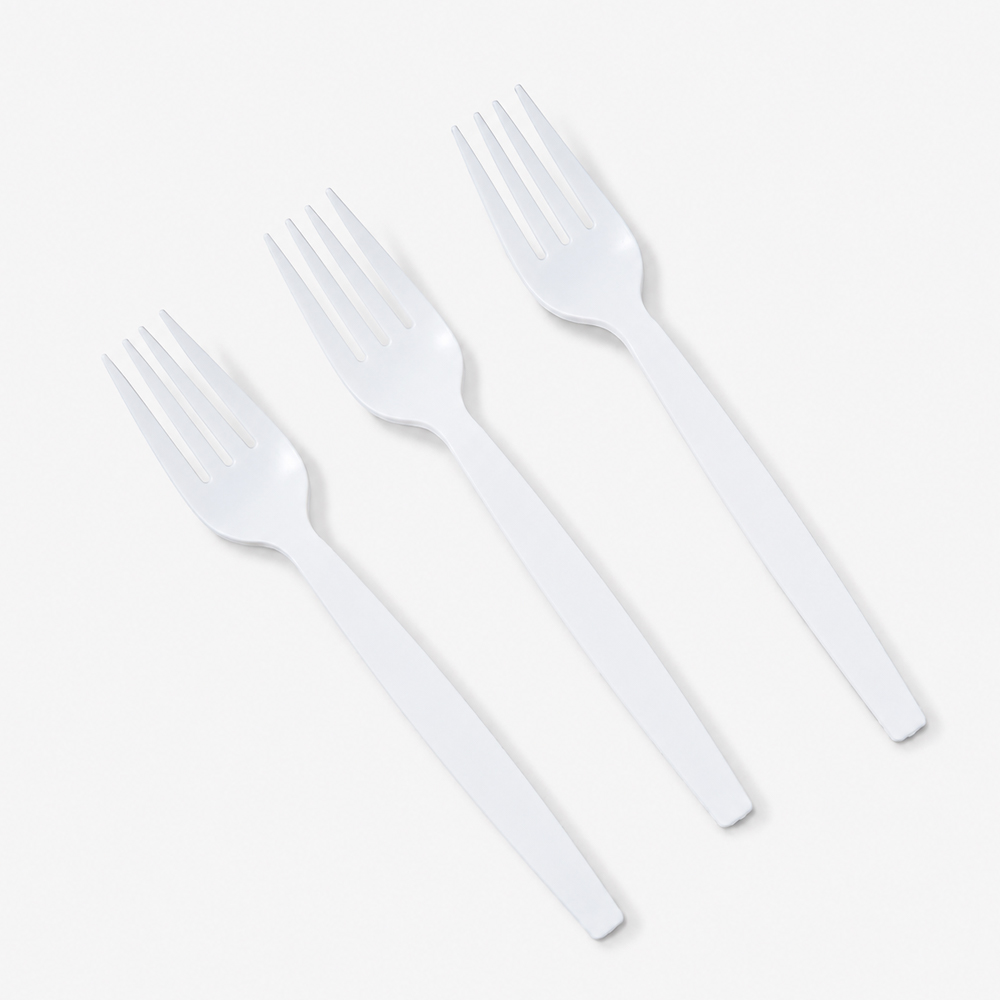
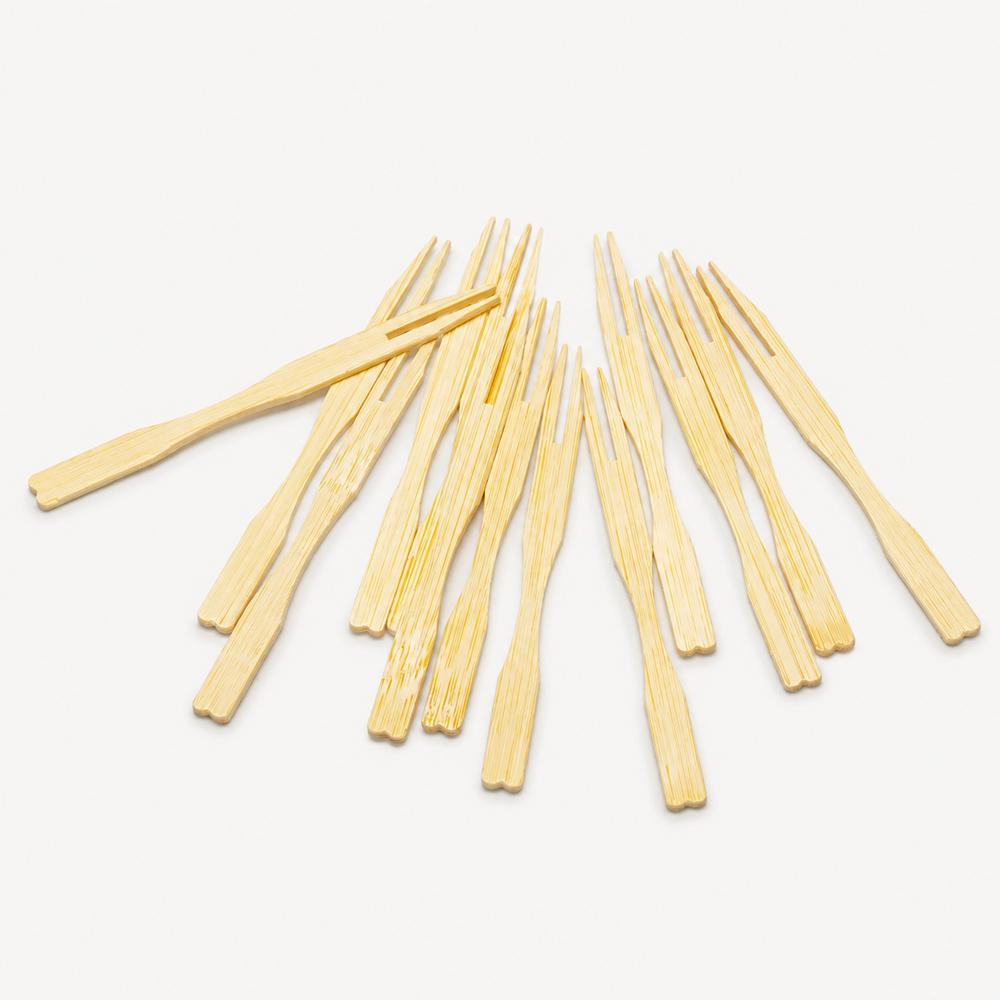
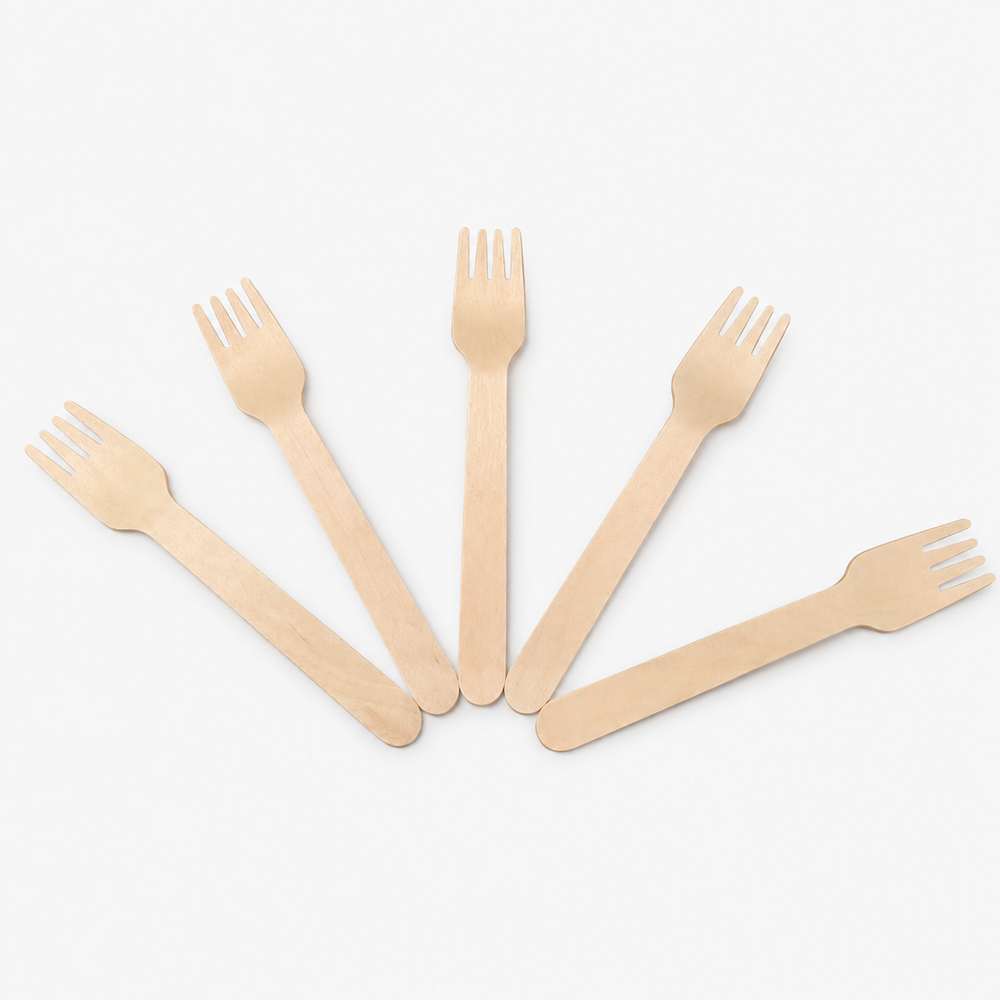
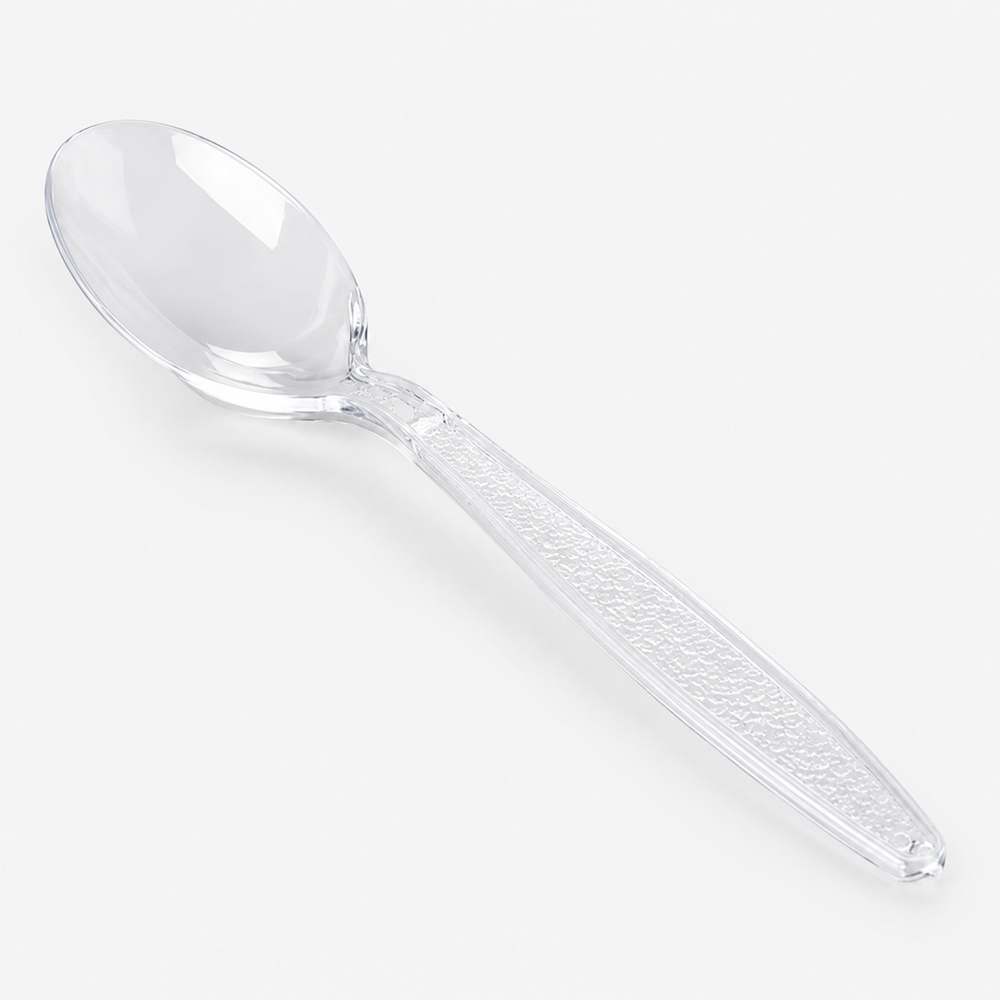
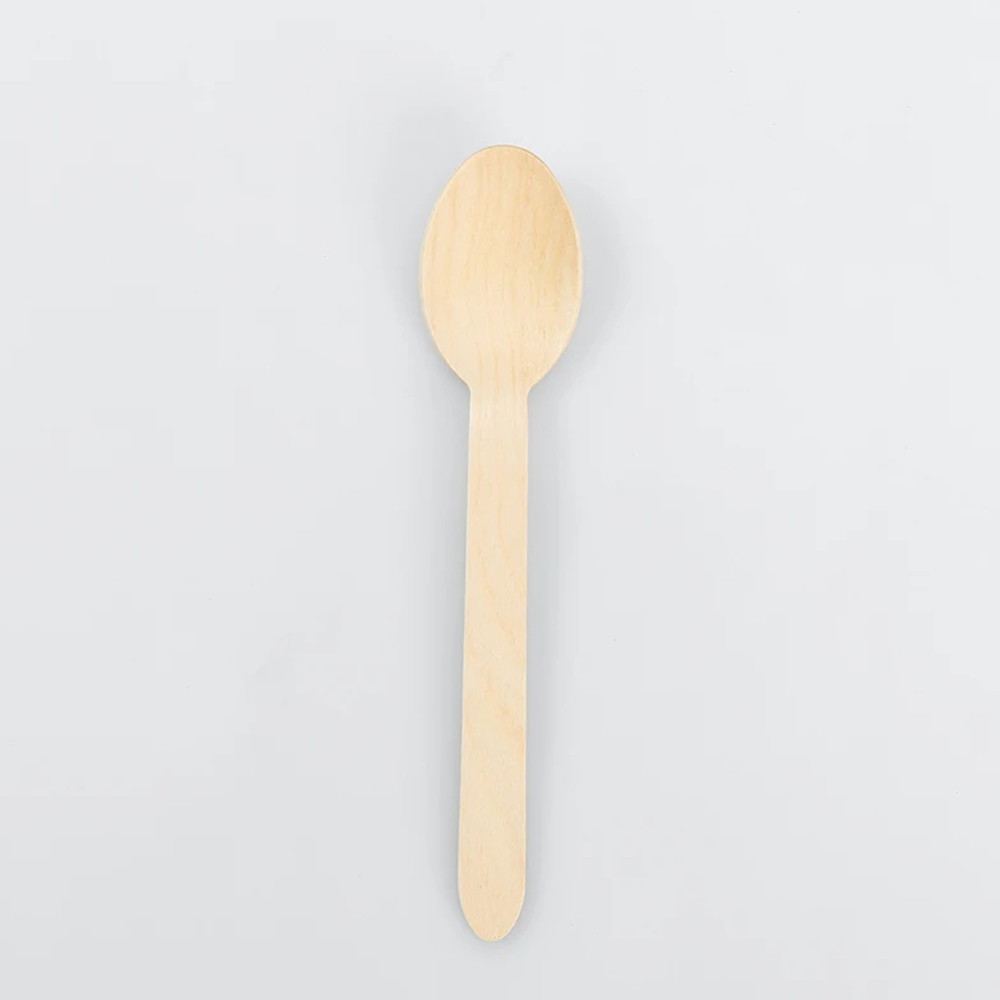
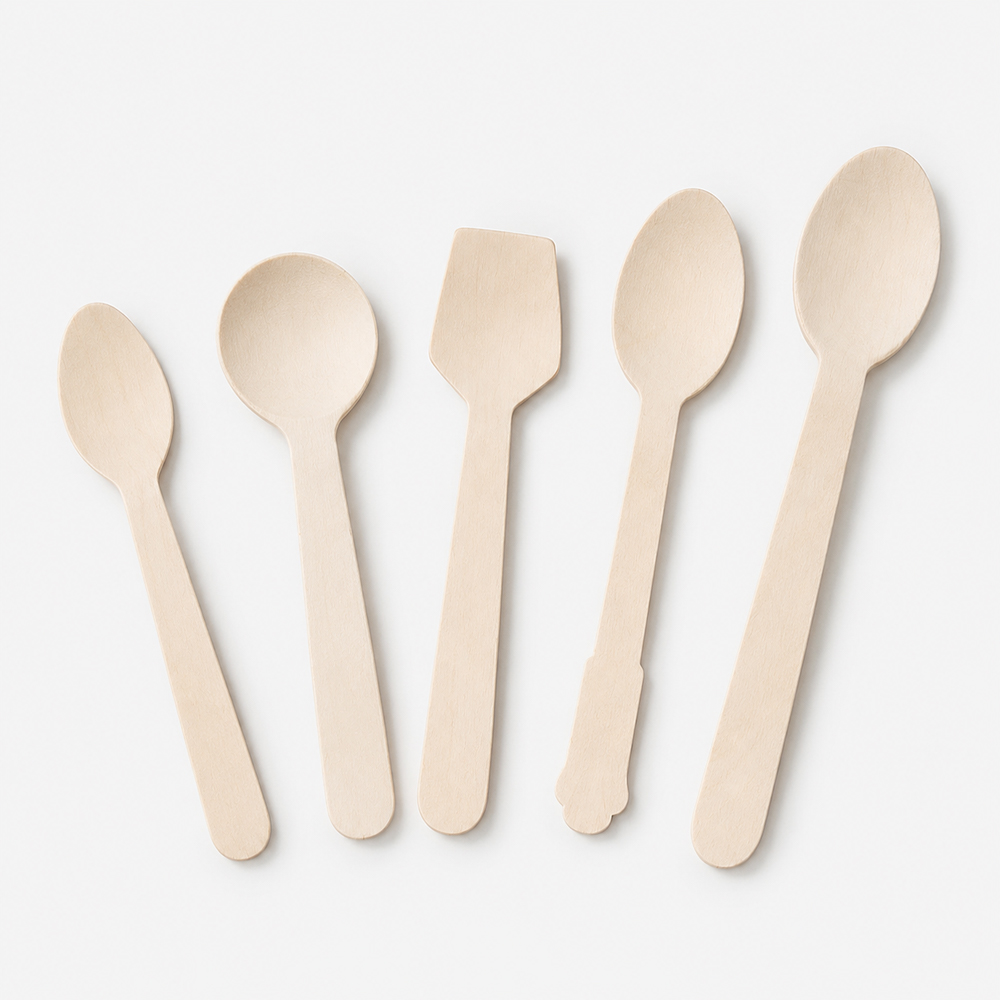
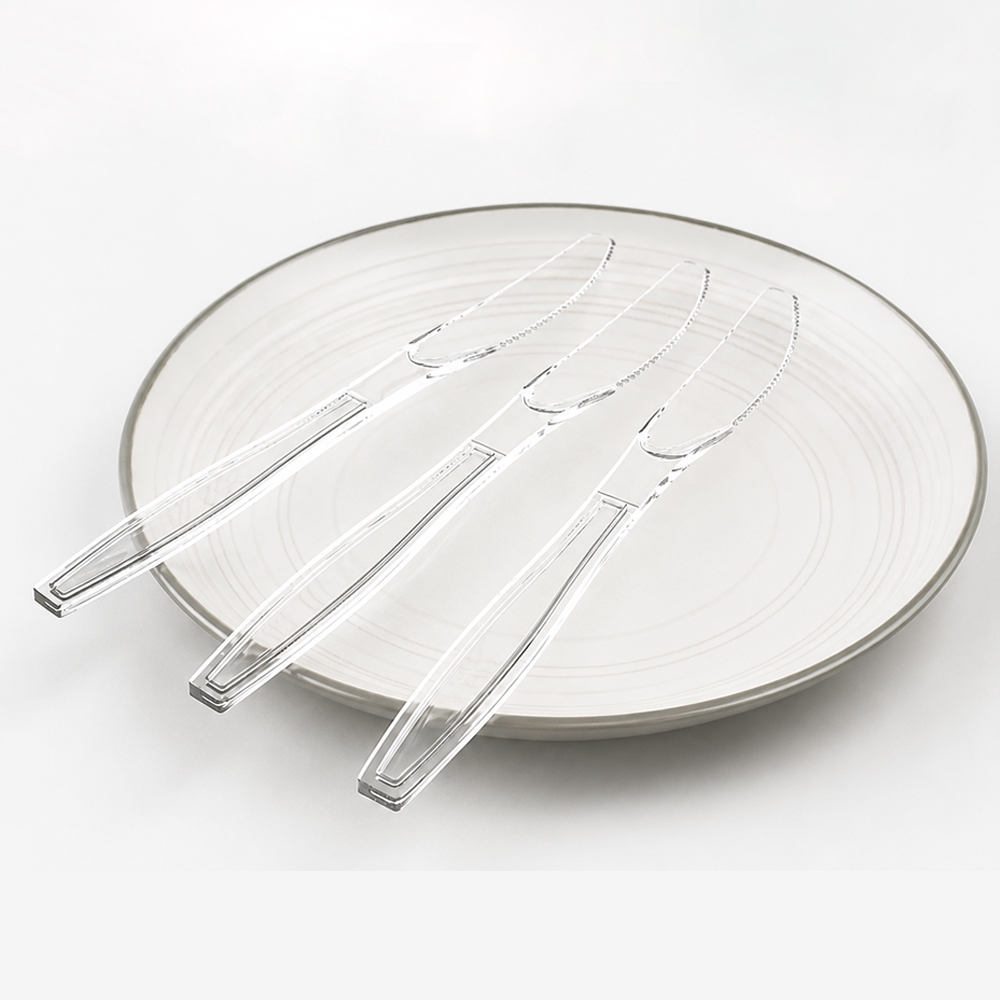
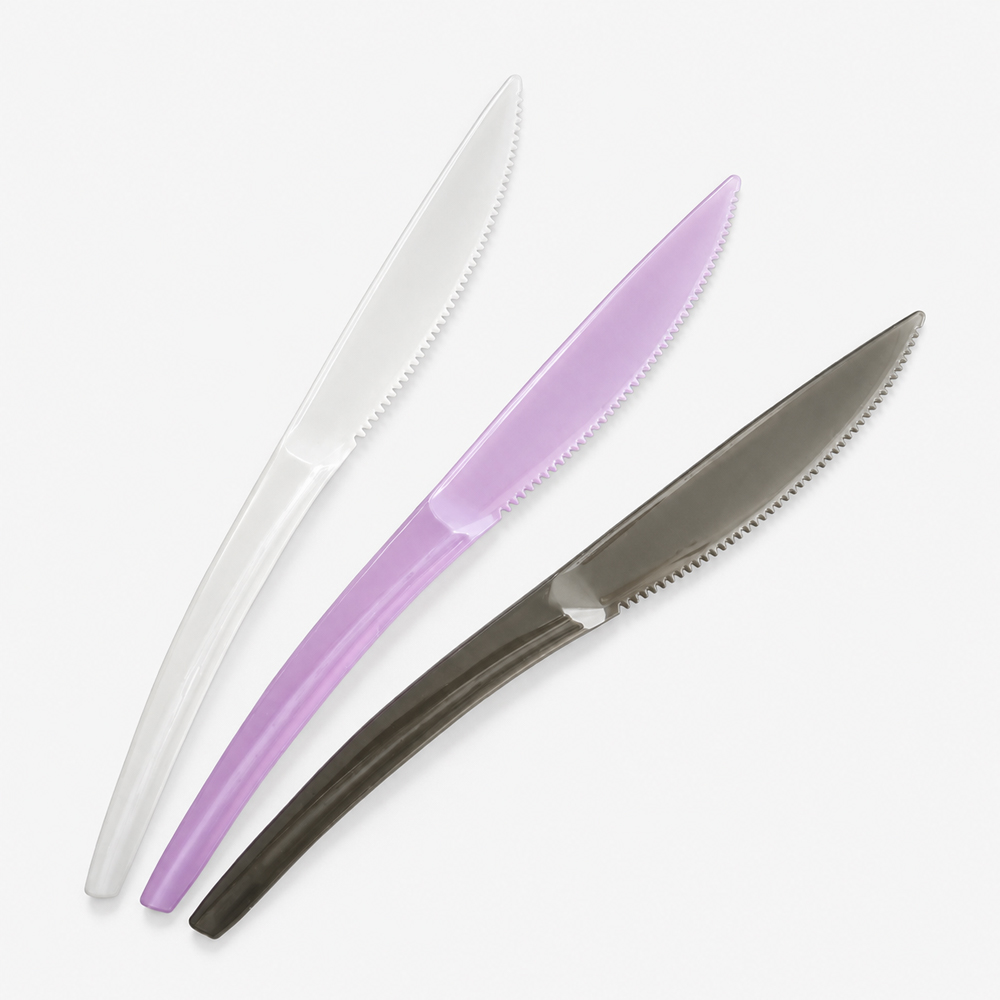
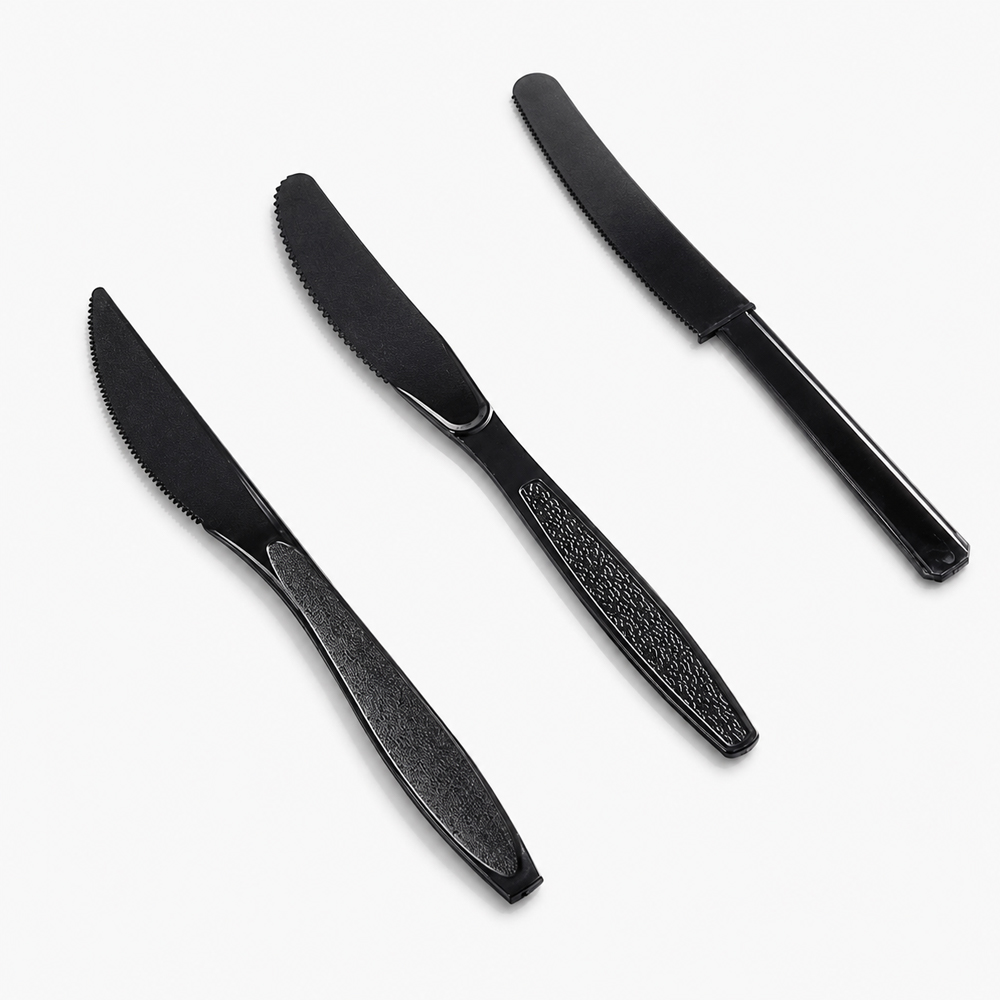
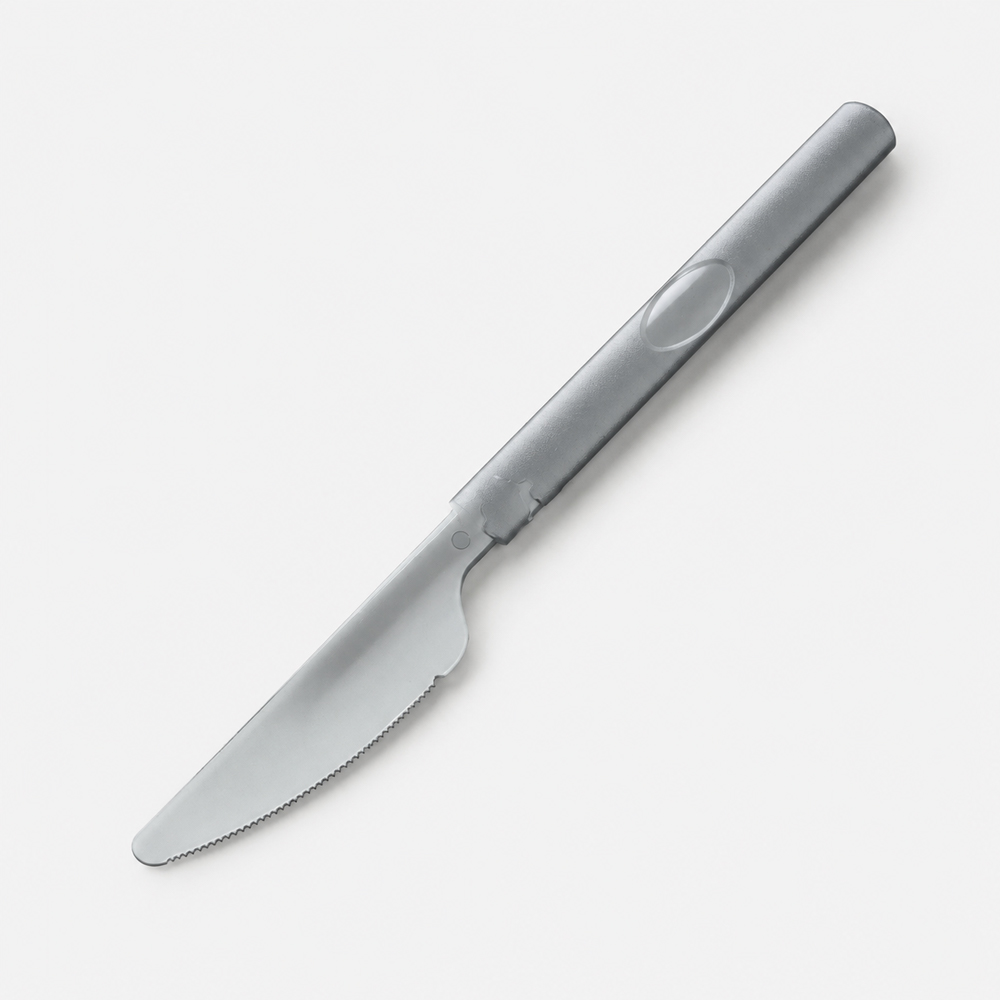
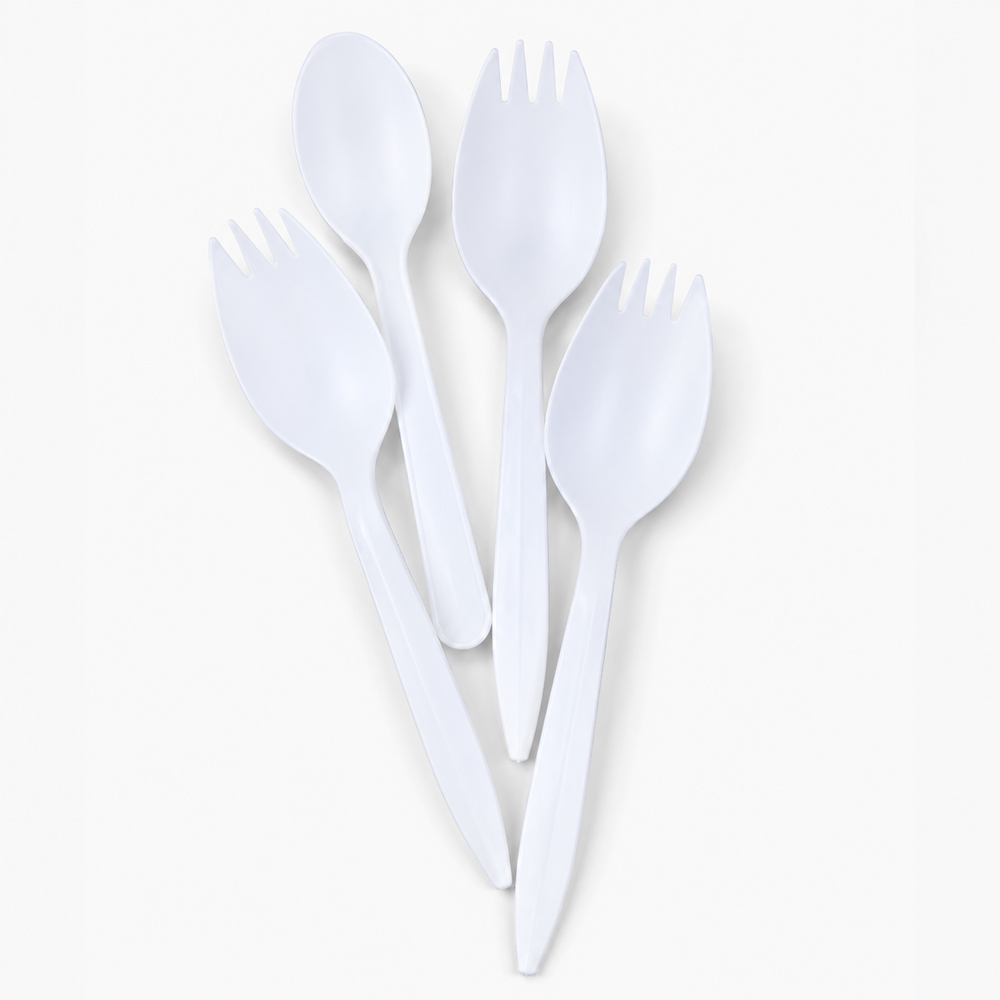
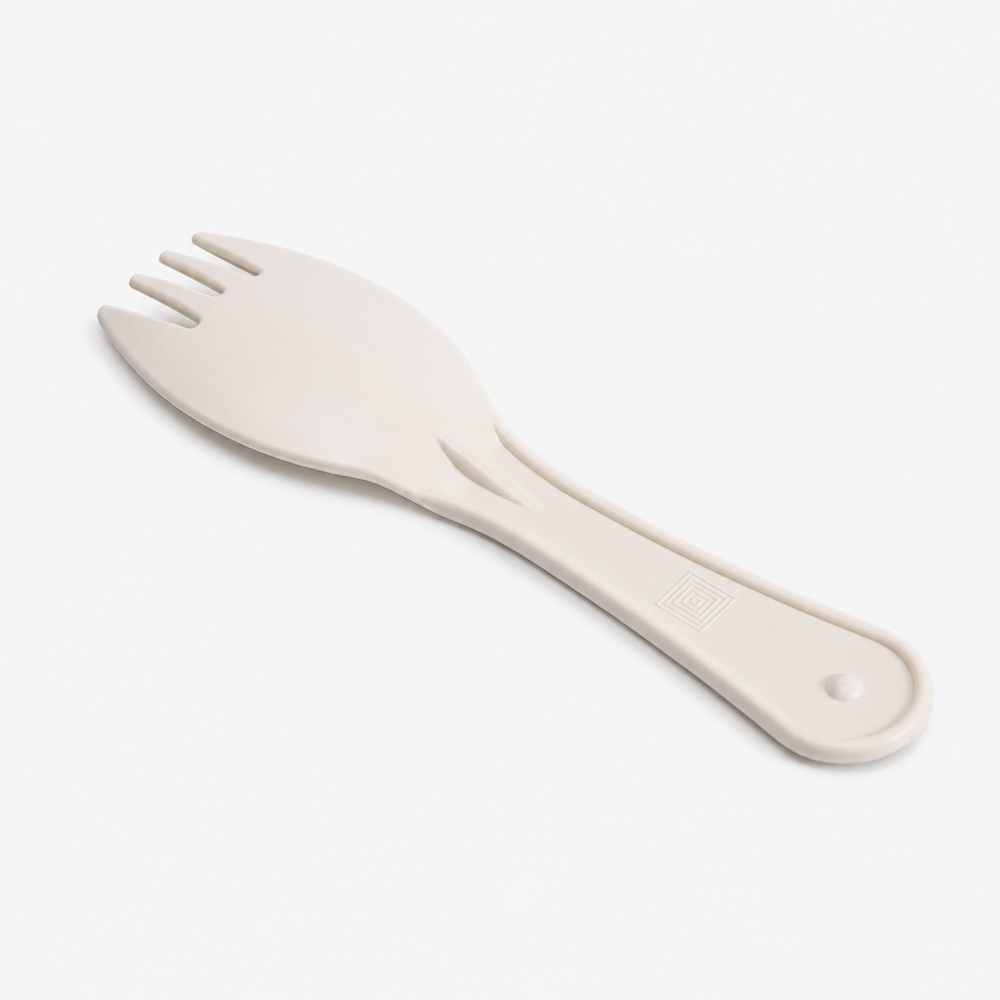
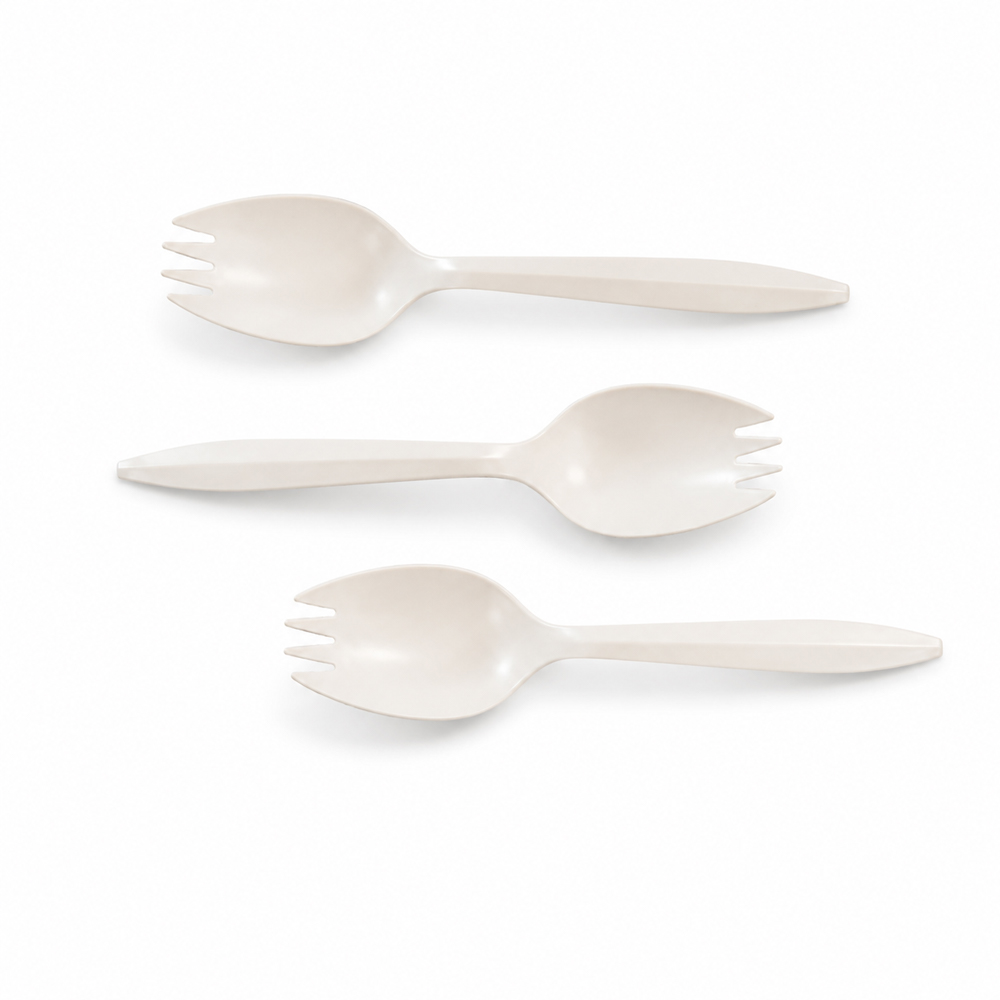
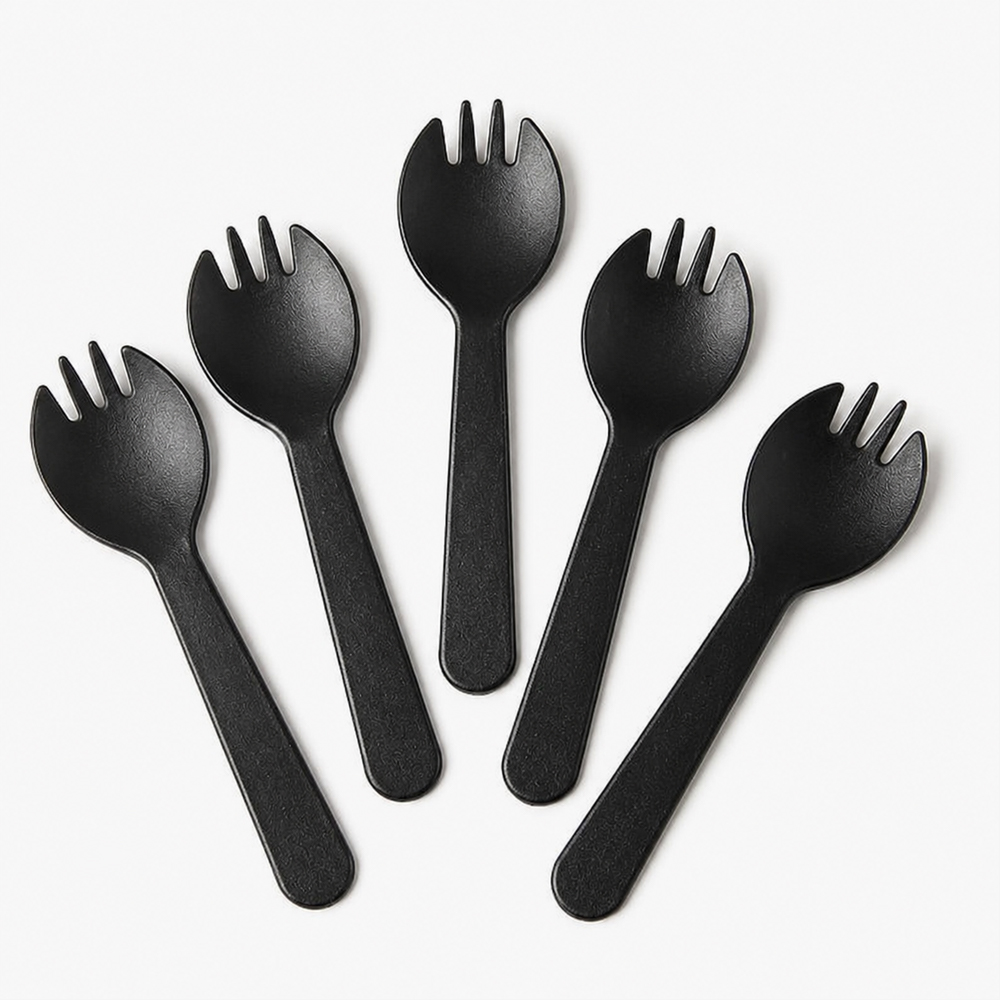
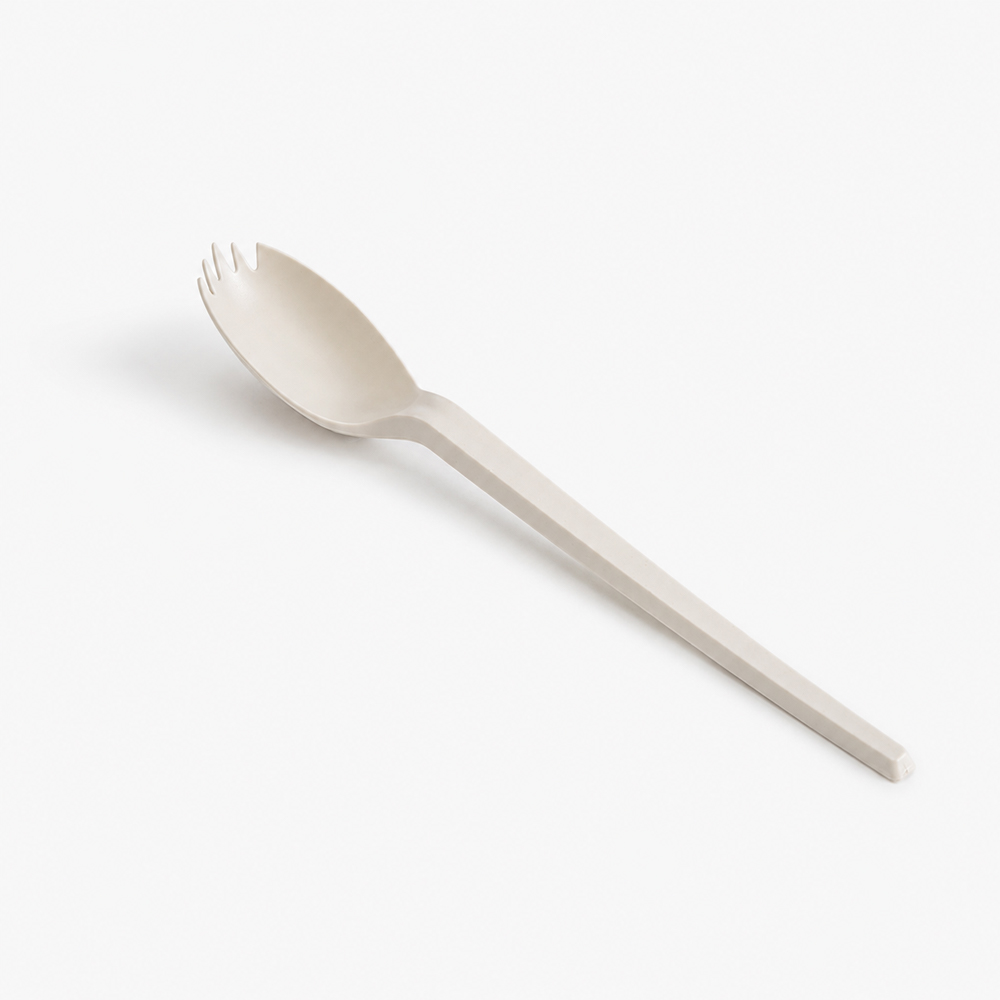
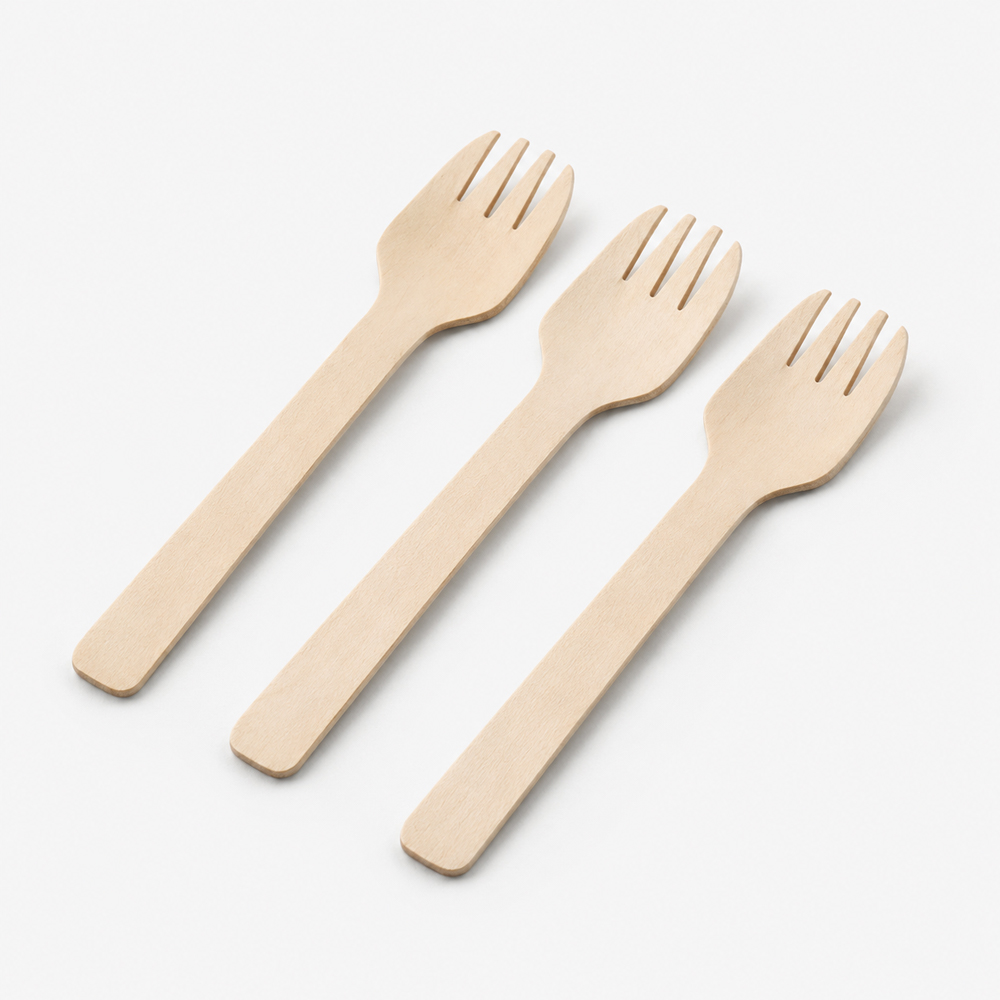
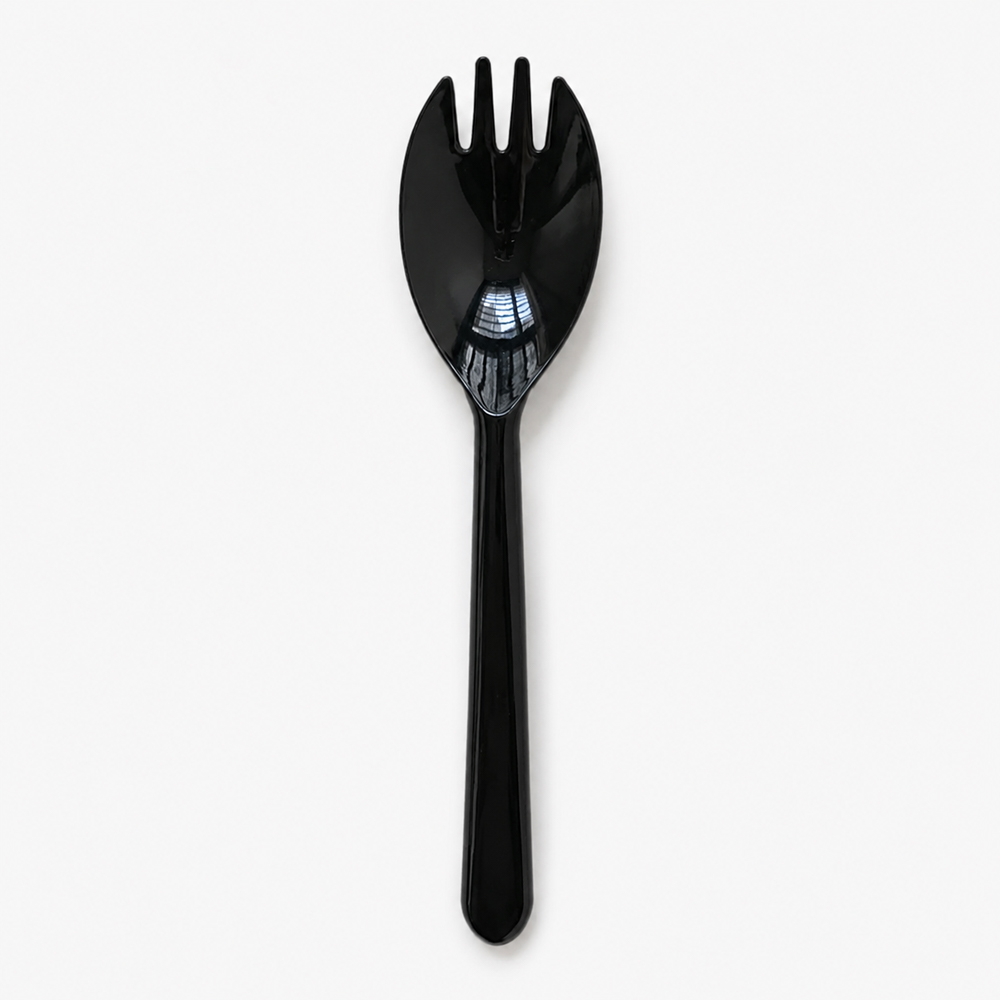
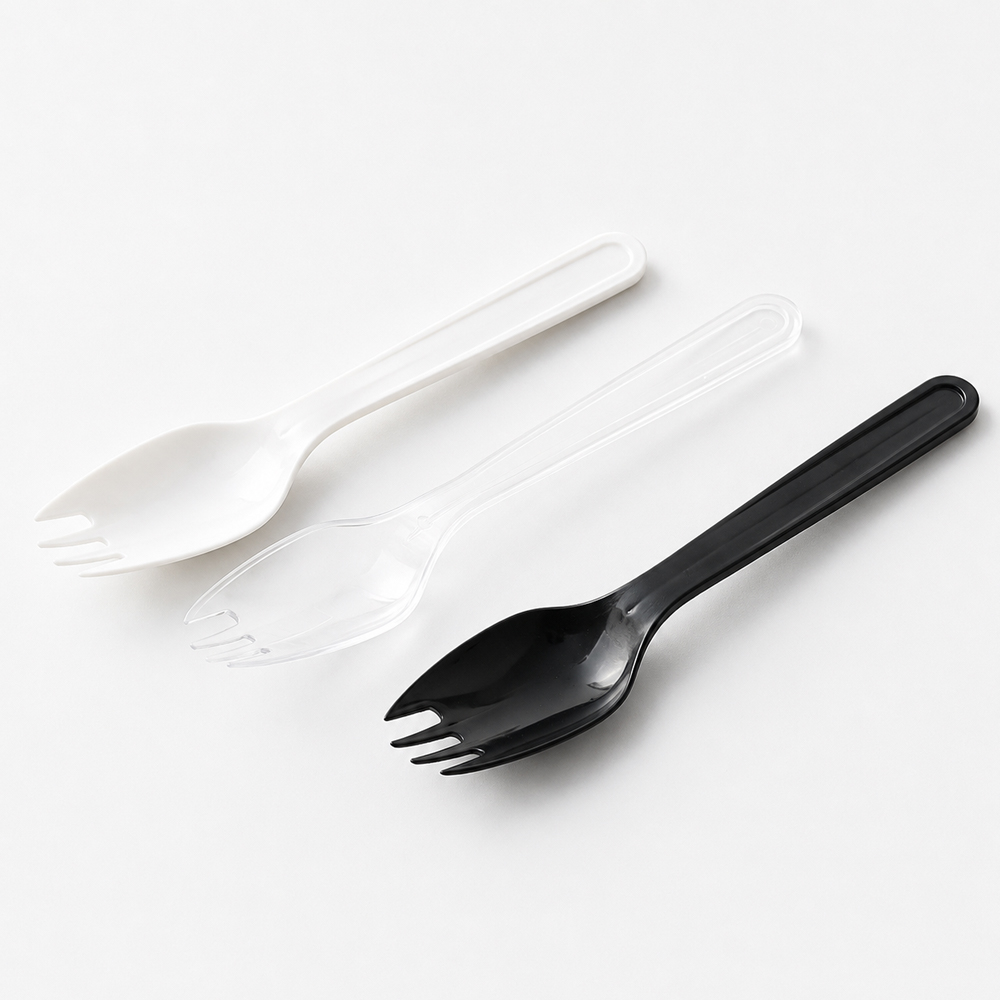
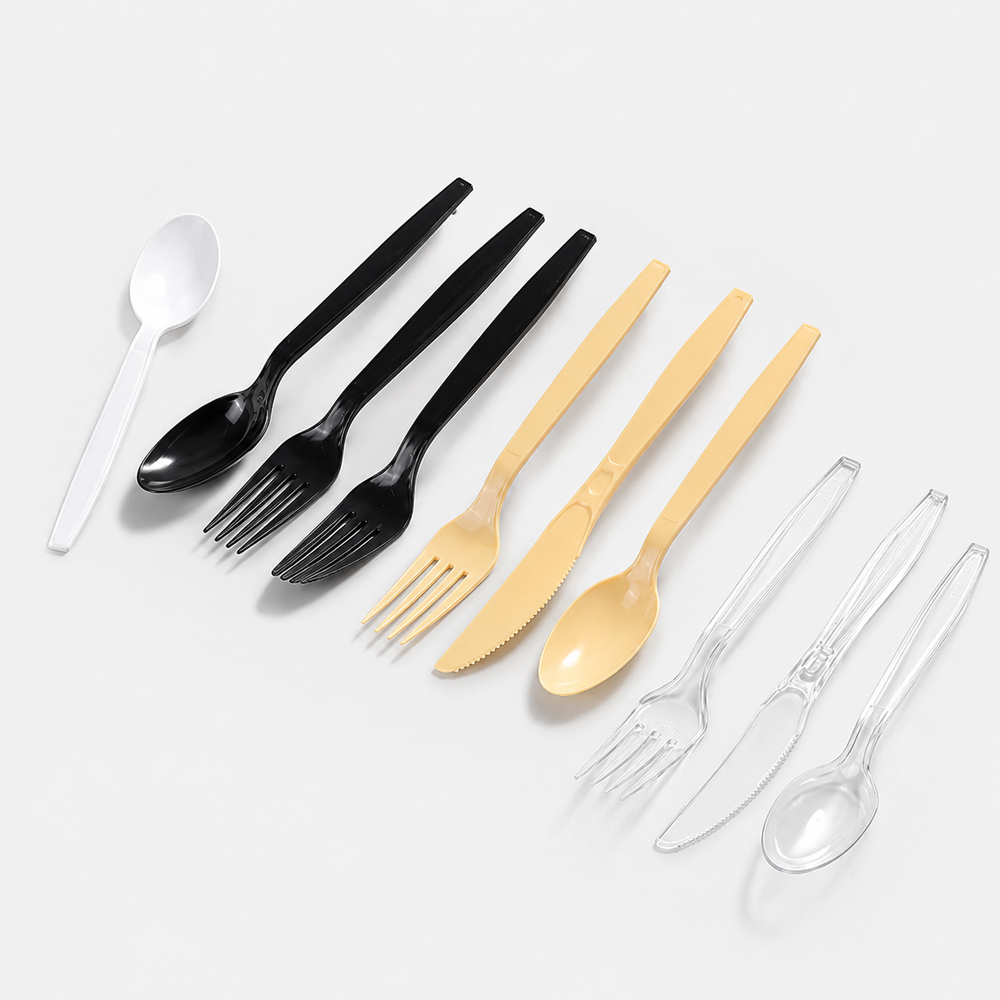
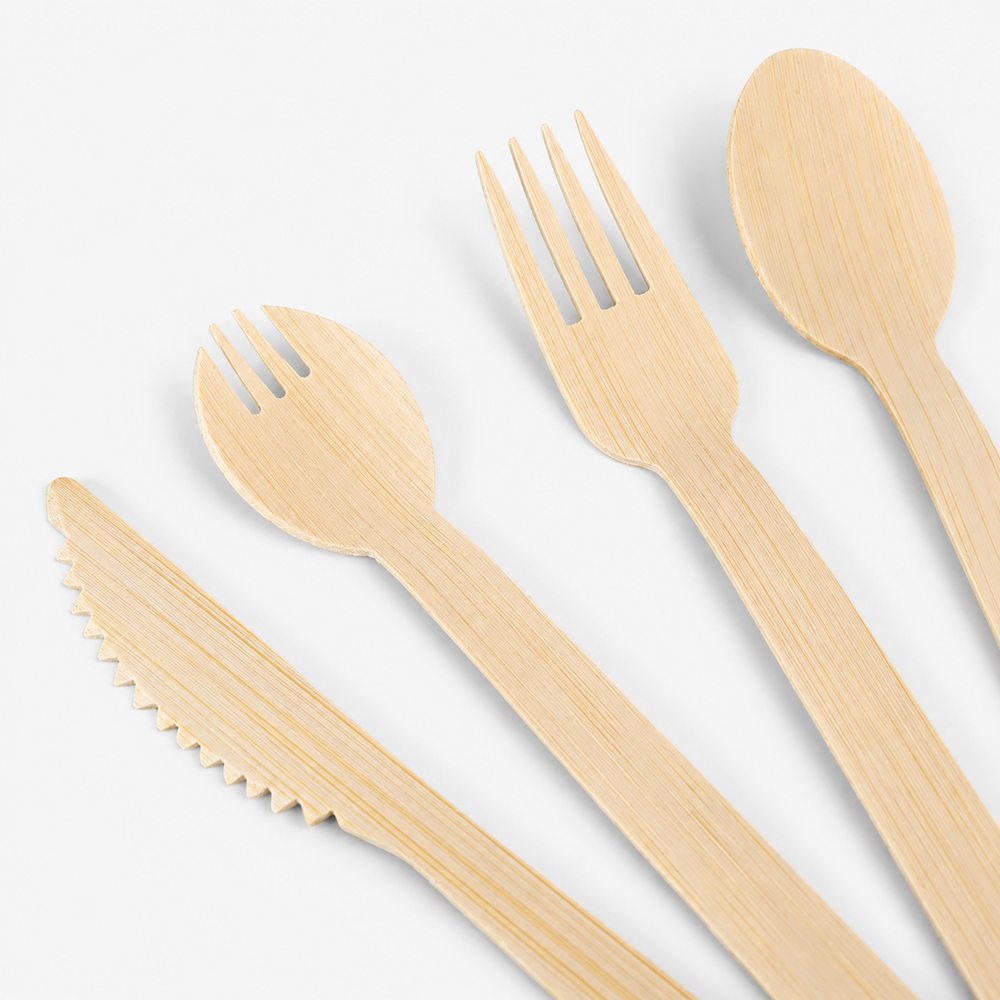
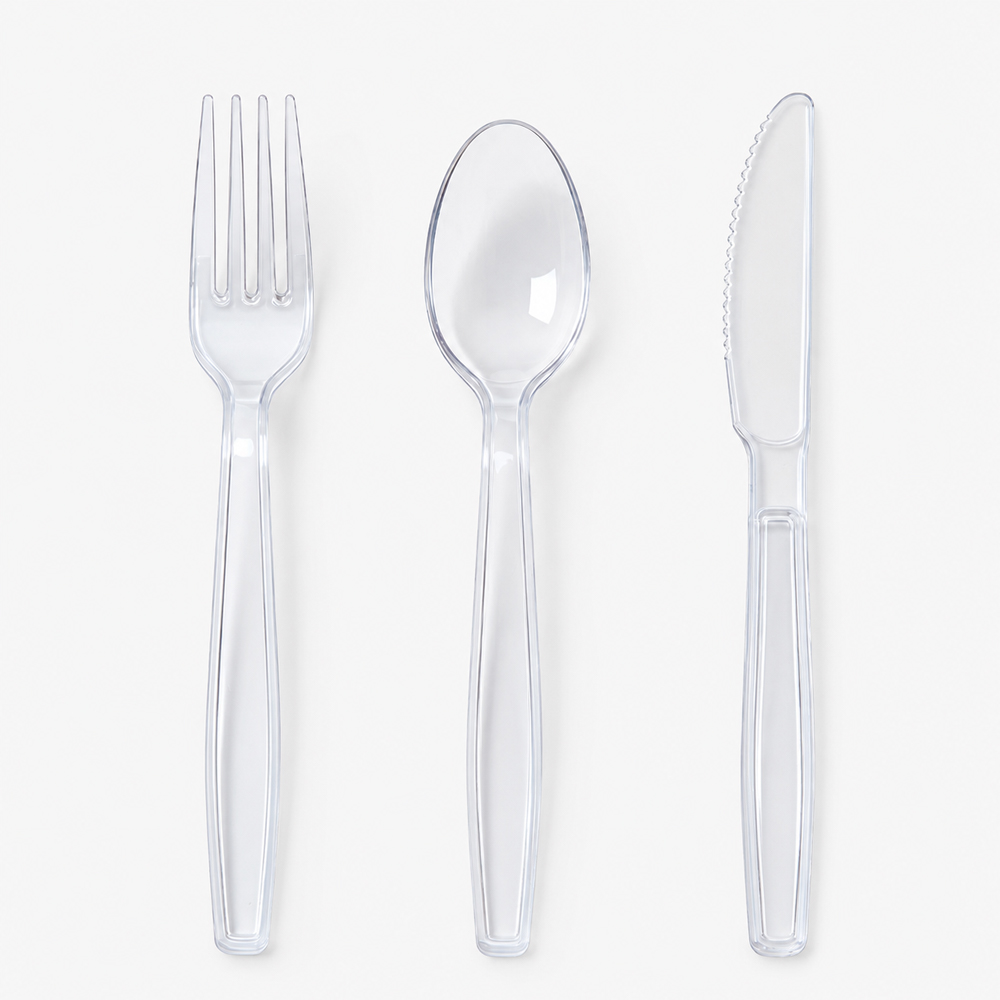
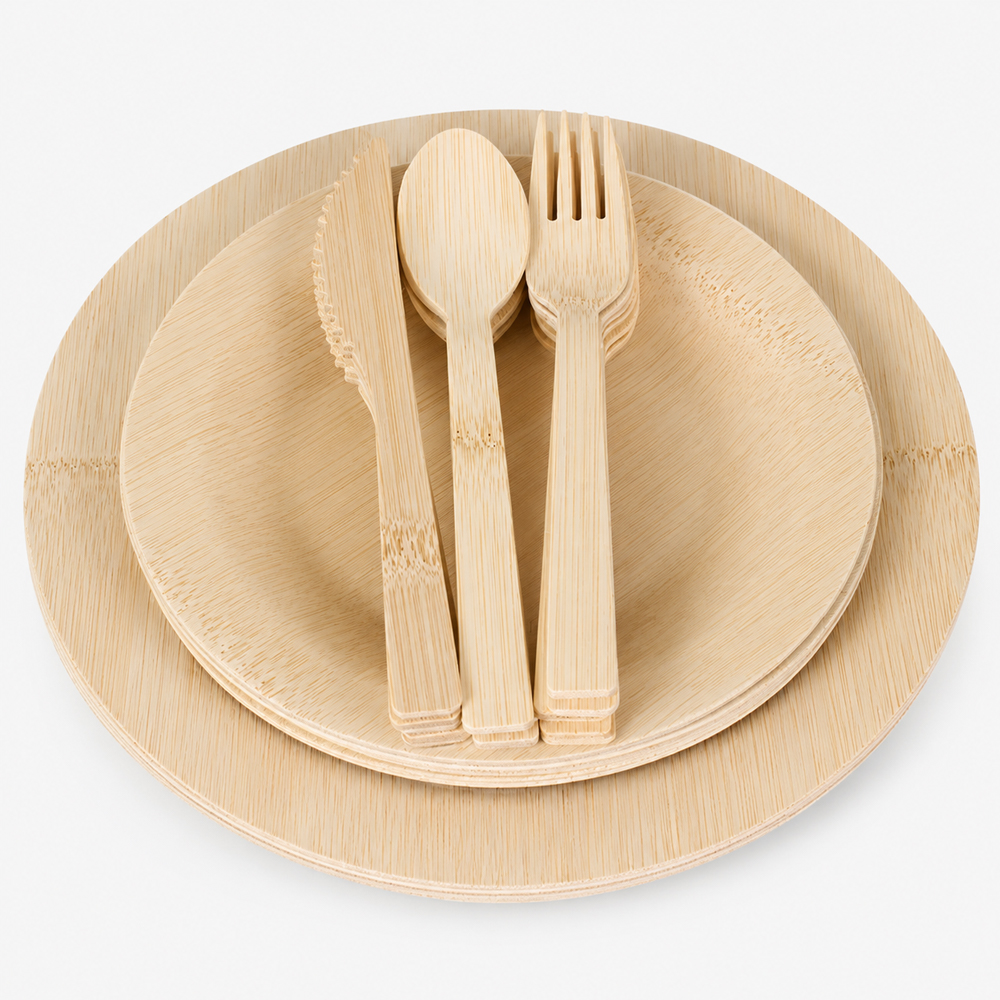
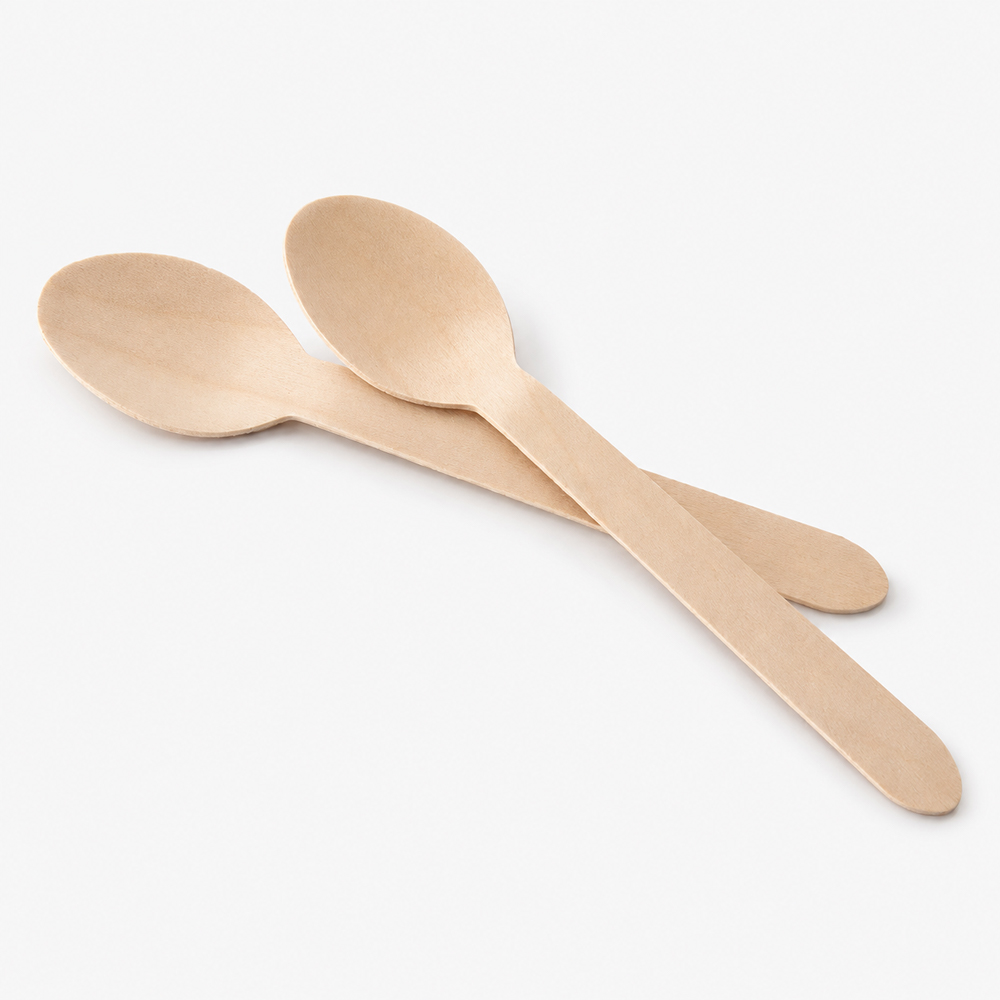
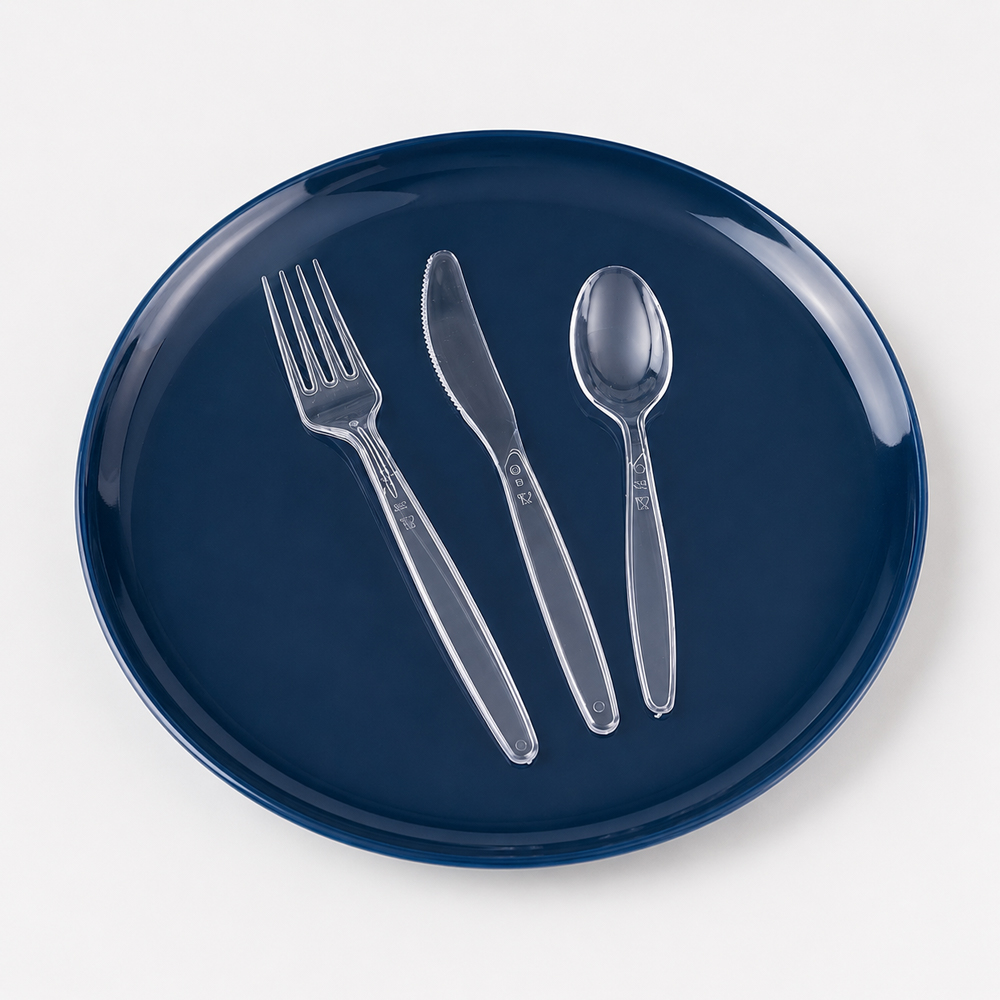
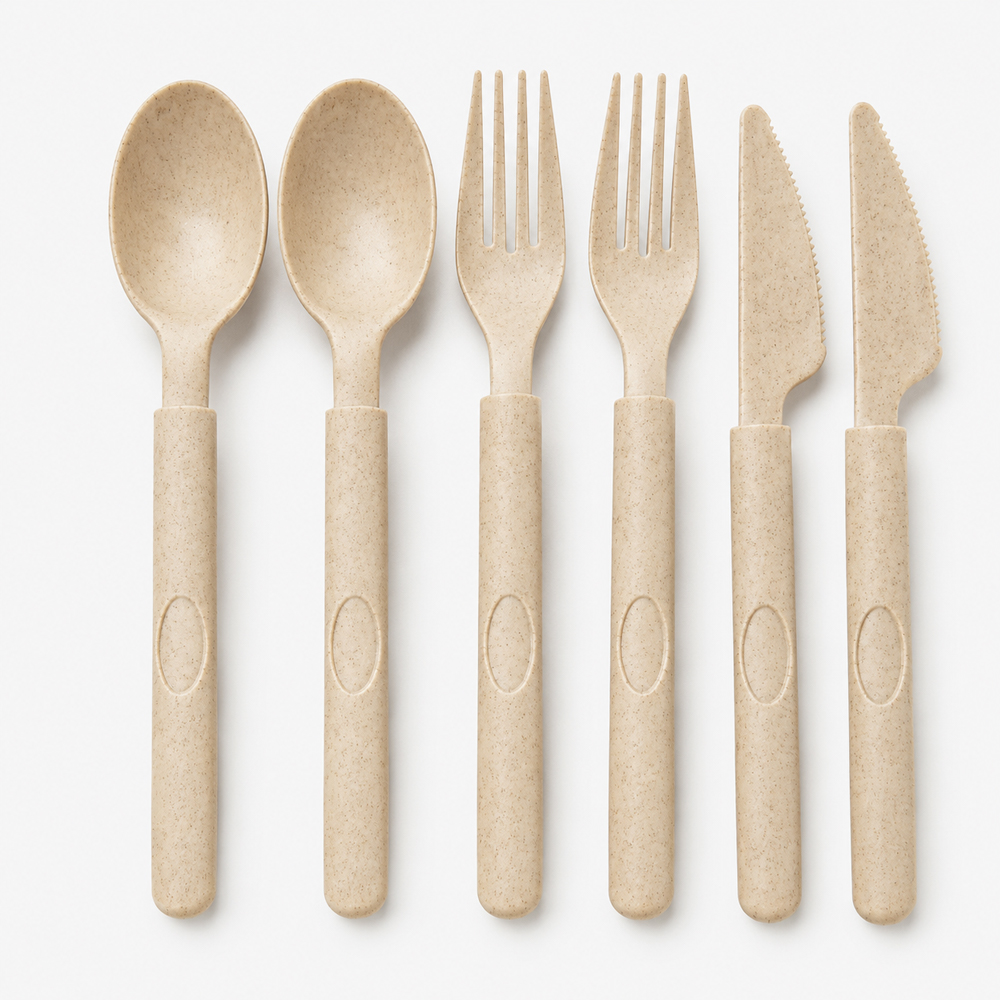
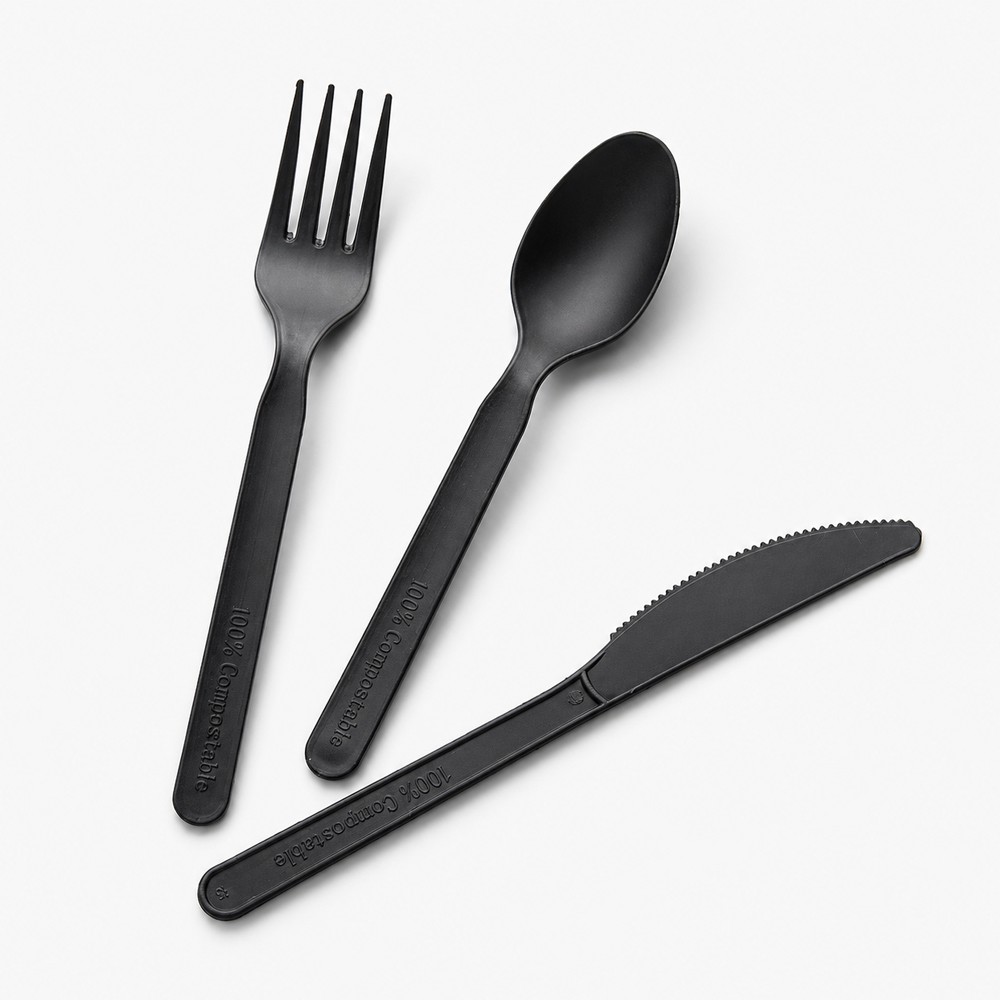
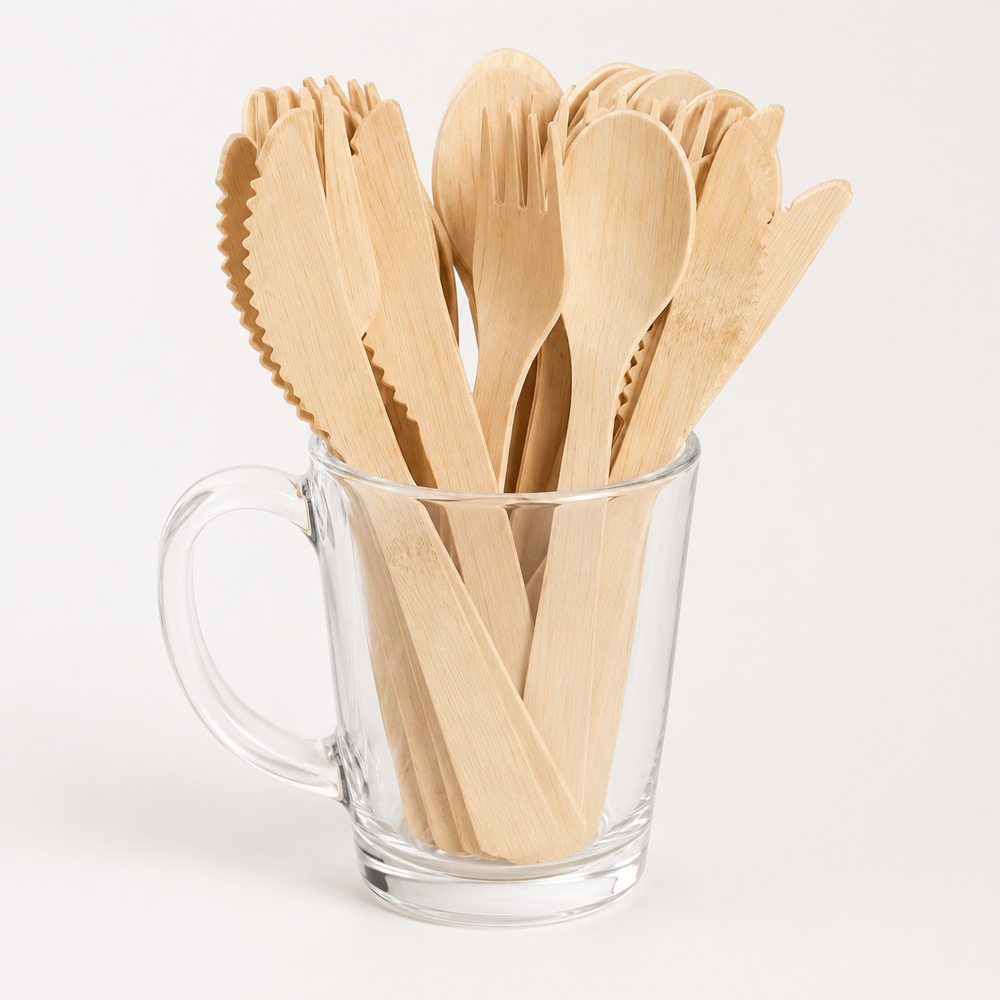
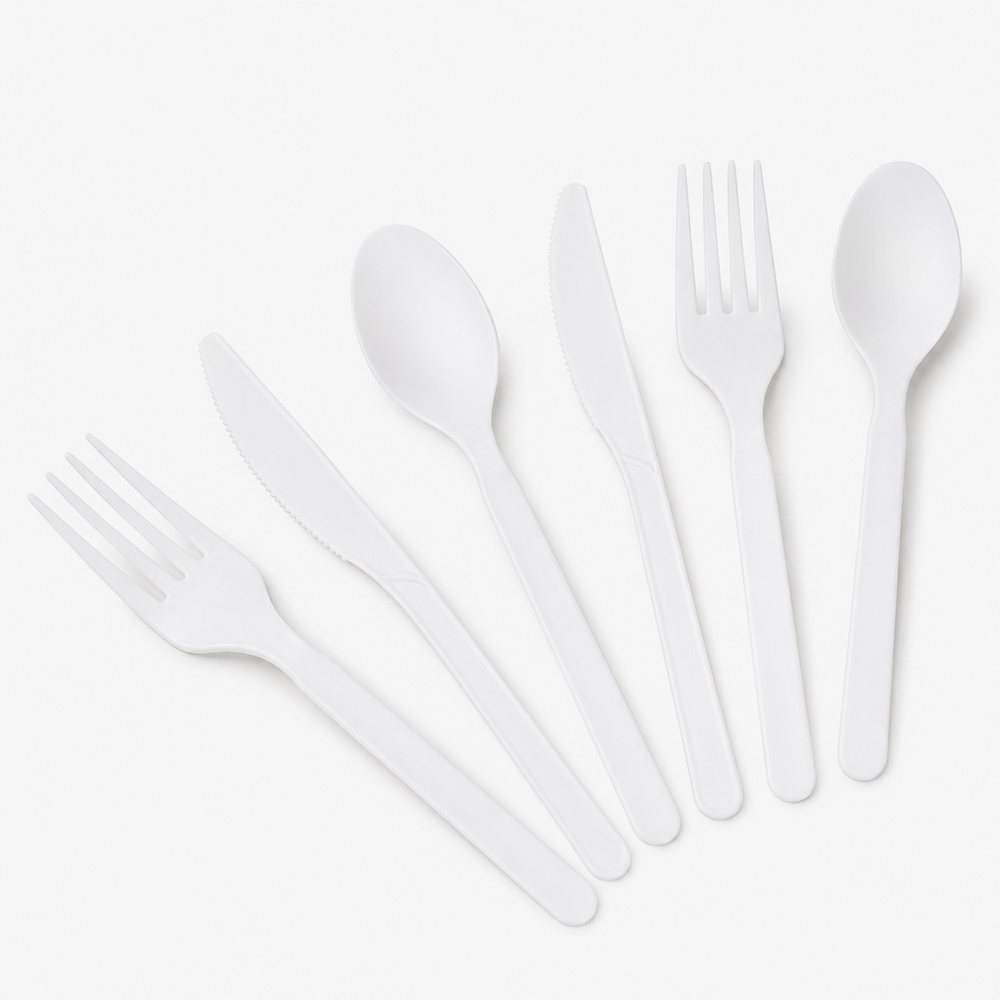
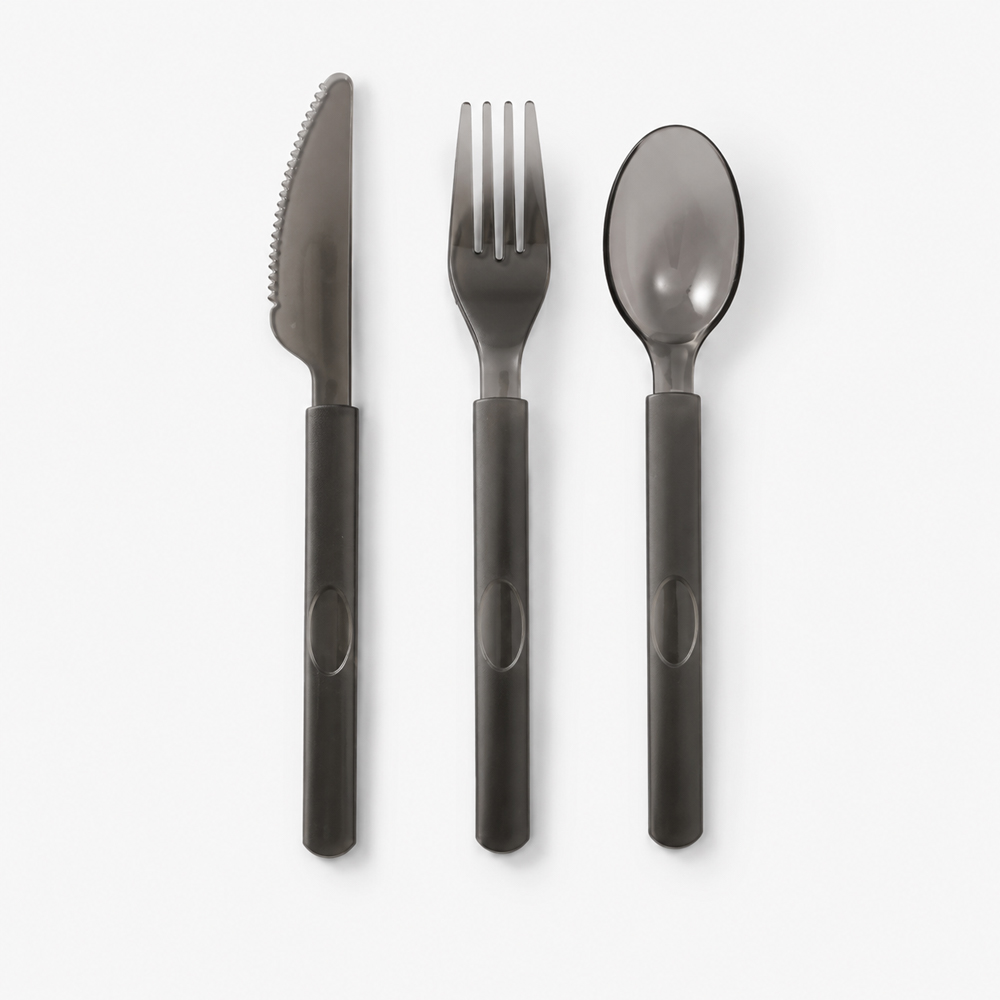
Vorken, lepels, messen, sporks, theelepels, soeplepels,
proeflepels, ijslepels en bijpassende bestek
sets. |
Beoordeel het oppakken, doordringen, snijden, scheppen en
verwerken ten opzichte van het beoogde levensmiddel en het goedgekeurde
referentiemonster. |
Soort menu, textuur van het eten, portiegrootte, doelgroep en
bedieningsomgeving. |
Voorkomt onnodig gewicht, een ongeschikte vormgeving en
het dubbel gebruik van gereedschap. |
|---|
|
02
Lengte- en maatcontrole
|
Ongeveer 105–188 mm in doorsnede voor mini-, standaard- en
uitgebreide foodservice-formaten; de definitieve afmetingen zijn in overeenstemming met de
goedgekeurde tekening. |
Noteer de kritische afmetingen per matrijsholte en controleer of deze
binnen de overeengekomen toleranties vallen. |
Pasvorm van de houder, lengte van de wikkel, indeling van de set, ergonomie bij het eten
en maattolerantie. |
Heeft invloed op de afmetingen van de vorm, de afmetingen van de verpakking, de afmetingen van de doos
en de compatibiliteit met de houder. |
|---|
|
03
Eenheidsgewicht en tariefklasse
|
Doelen voor lichte, middelzware en zware toepassingen worden bepaald door
de materiaaldichtheid, de geometrie en de vereiste stijfheid, in plaats
van door één universeel grambereik. |
Voer geplande gewichtscontroles, controles van de holtebalans,
buigproeven en monitoring van productietrends uit. |
Vereiste dienstklasse, streefgewicht per eenheid, aanvaardbare
afwijking en referentiemonster. |
Heeft een directe invloed op de stijfheid, het materiaalverbruik,
het breukpercentage en de kosten per eenheid. |
|---|
|
04
Geometrie van het werkende uiteinde
|
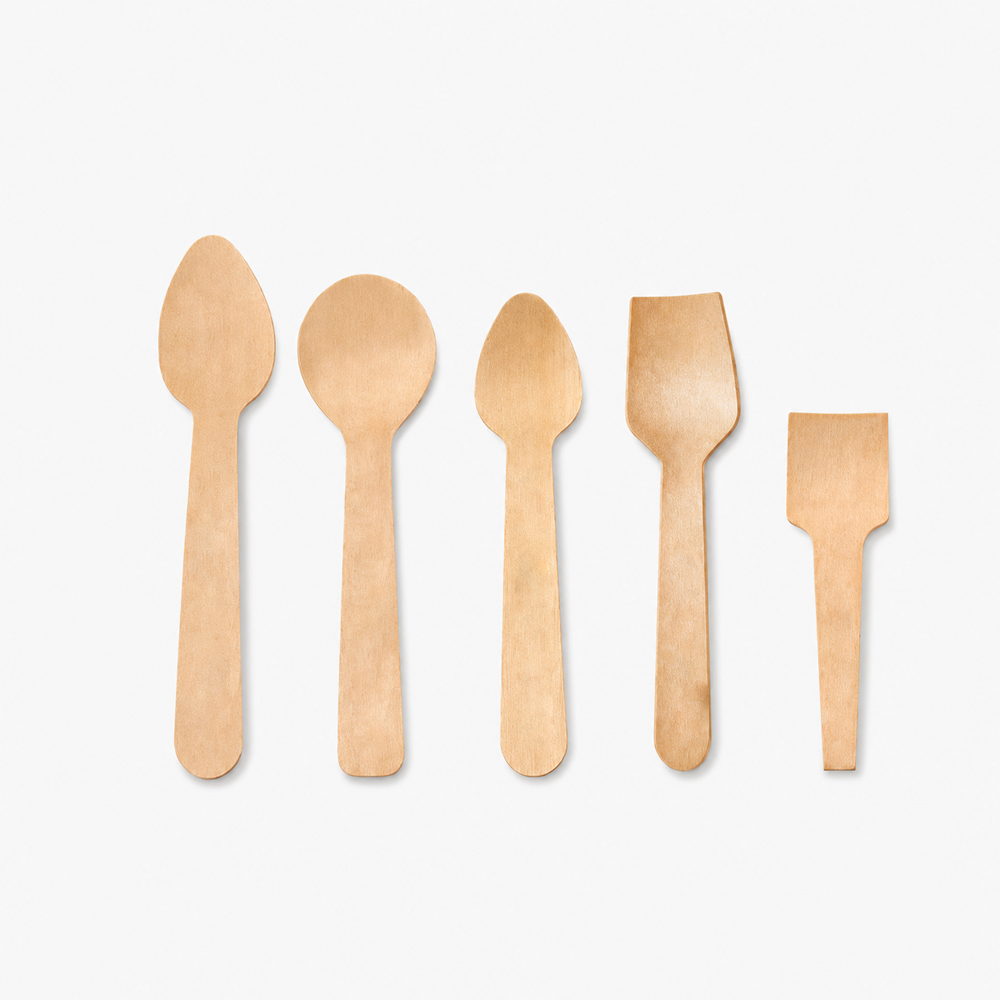
Geef per soort bestek het profiel van de vorktenen, de inhoud van de lepelkom, de
karteling van het mes, de balans van de spork, de overgang naar de steel en
de verstevigingsribben aan. |
Voer tests uit met betrekking tot het oppakken van voedsel, penetratie, het vullen van kommen, snijden,
draaien, buigen en de consistentie van de randen. |
Concrete soorten voedsel, zoals salade, pasta, rijst, dessert,
yoghurt, gebak of lichte eiwitbronnen. |
Verbetert de functionele prestaties en vermindert het knappen,
slechte opname en klachten van gasten. |
|---|
|
05
Handgreep en constructieve sterkte
|
De breedte, dikte, ribbenpatroon, halsgedeelte,
oppervlaktestructuur en het balanspunt van de greep. |
Controleer de buigweerstand, het draaimoment van de handgreep, breuken in de hals,
scherpe randen, bramen en zichtbare gebreken. |
Vereist handgevoel, gebruikersgroep, gebruiksduur en
verwachte voedselbelasting. |
Zorgt voor een evenwicht tussen comfort, materiaalgebruik, breukbestendigheid en
waargenomen kwaliteit. |
|---|
|
06
Bedrijfstemperatuur en contactomstandigheden
|
Geef aan of het product bestemd is voor koude, kamertemperatuur of warme gerechten, op basis van de materiaalkwaliteit
en het ontwerp van het afgewerkte gebruiksvoorwerp; geef geen algemene
temperatuurclaim voor het materiaal als geheel. |
Test het voltooide keukengerei met het voedsel waarvoor het bedoeld is,
bij de juiste temperatuur, contacttijd en bewaarcondities. |
De werkelijke temperatuur van het voedsel, de contactduur, het vervoer,
de opslag en, indien van toepassing, de omstandigheden bij het opwarmen. |
Voorkomt verzachting, kromtrekken, broosheid en ongefundeerde
beweringen over hittebestendigheid. |
|---|
|
07
Kleur, afwerking en merkidentiteit
|
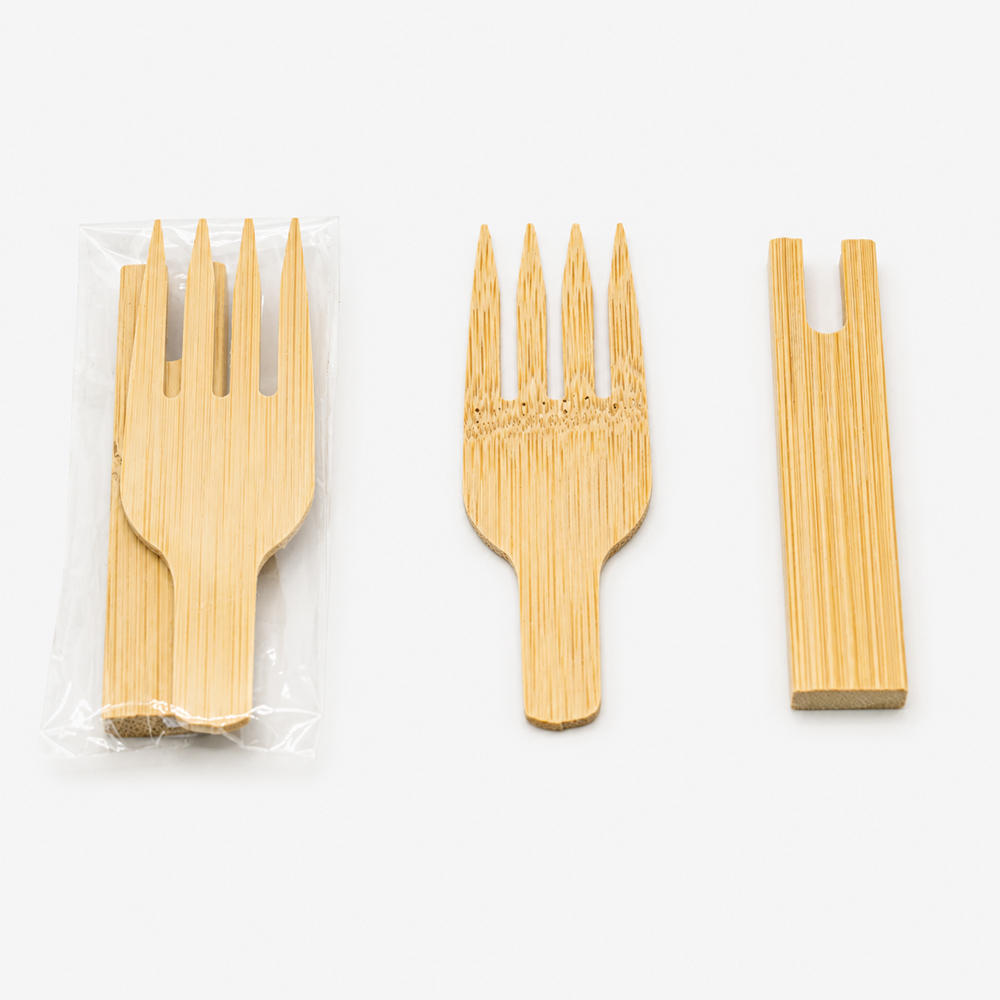
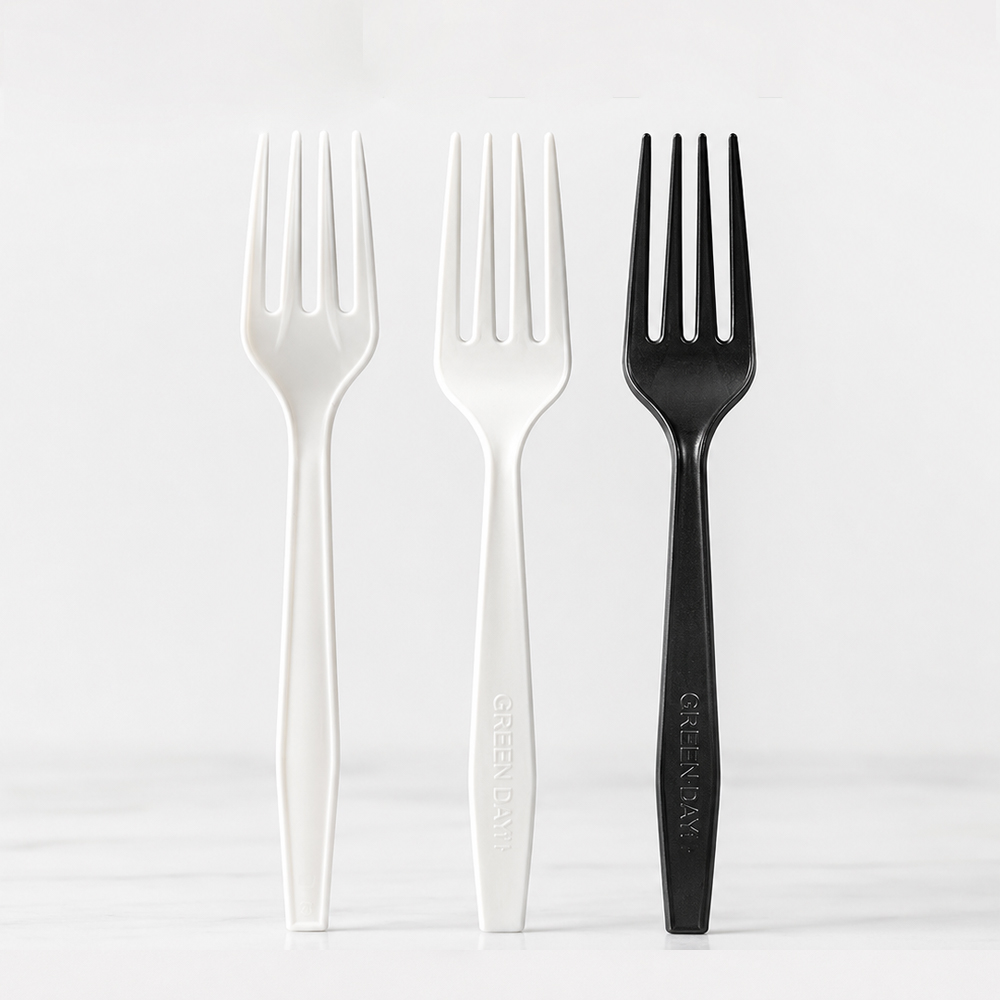
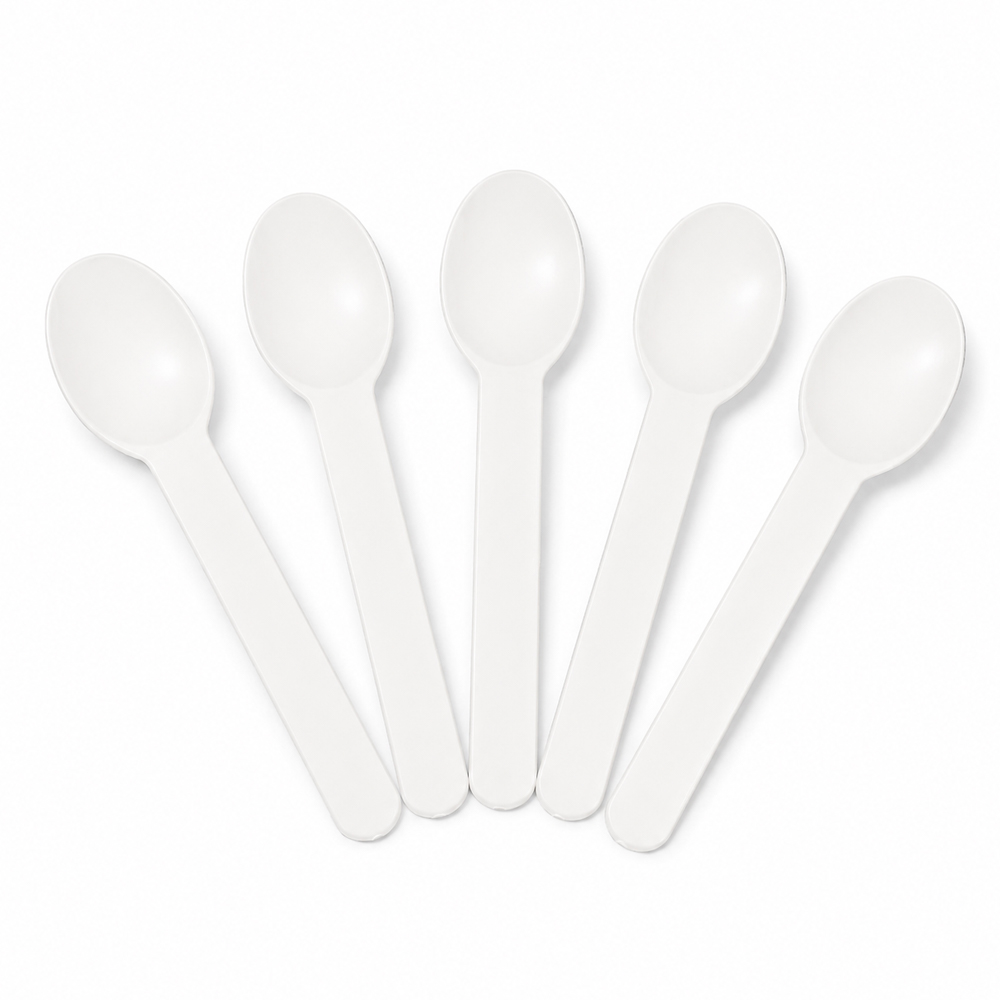
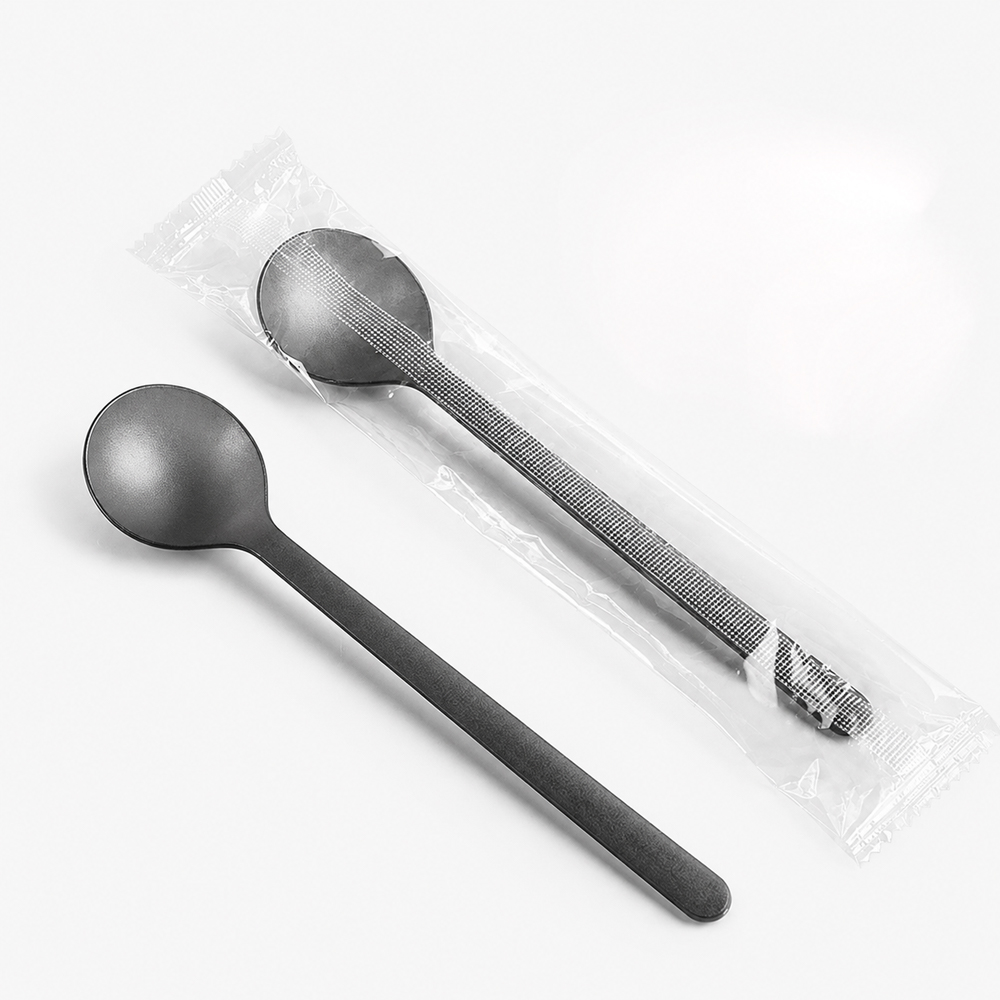
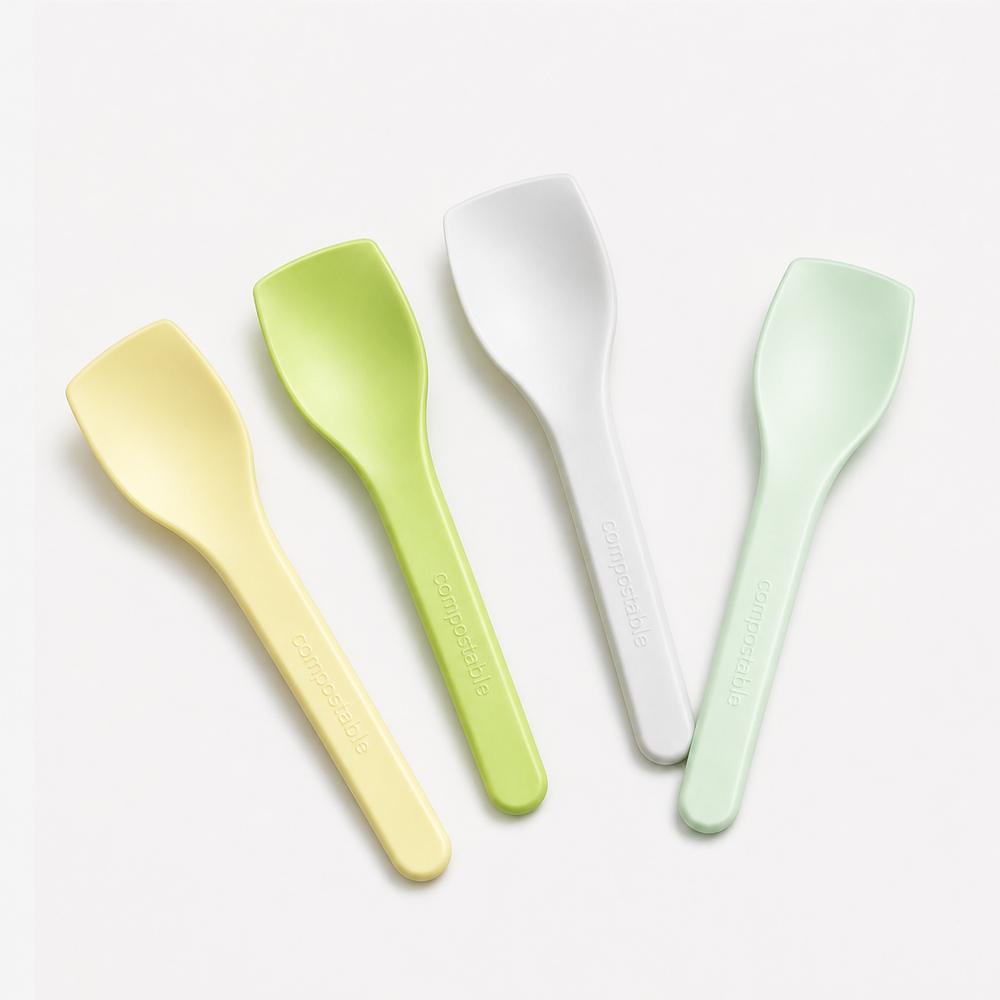
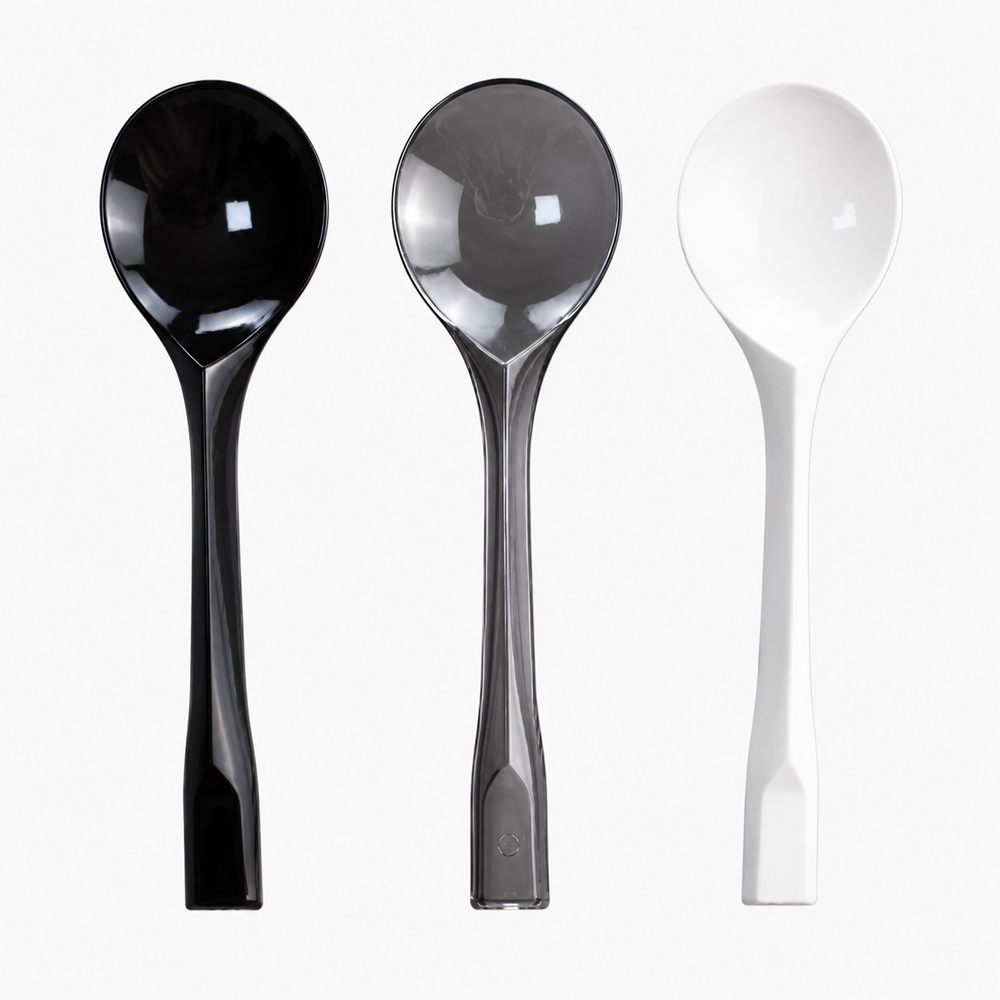
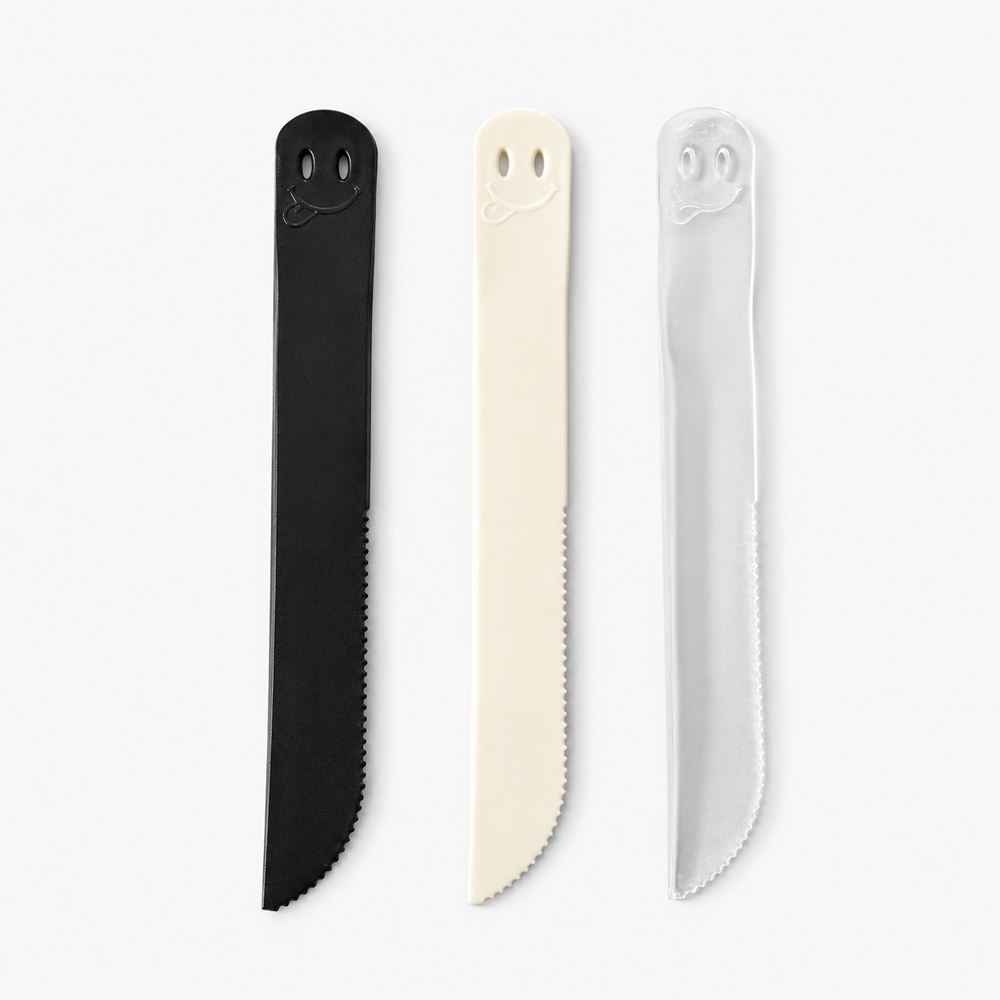
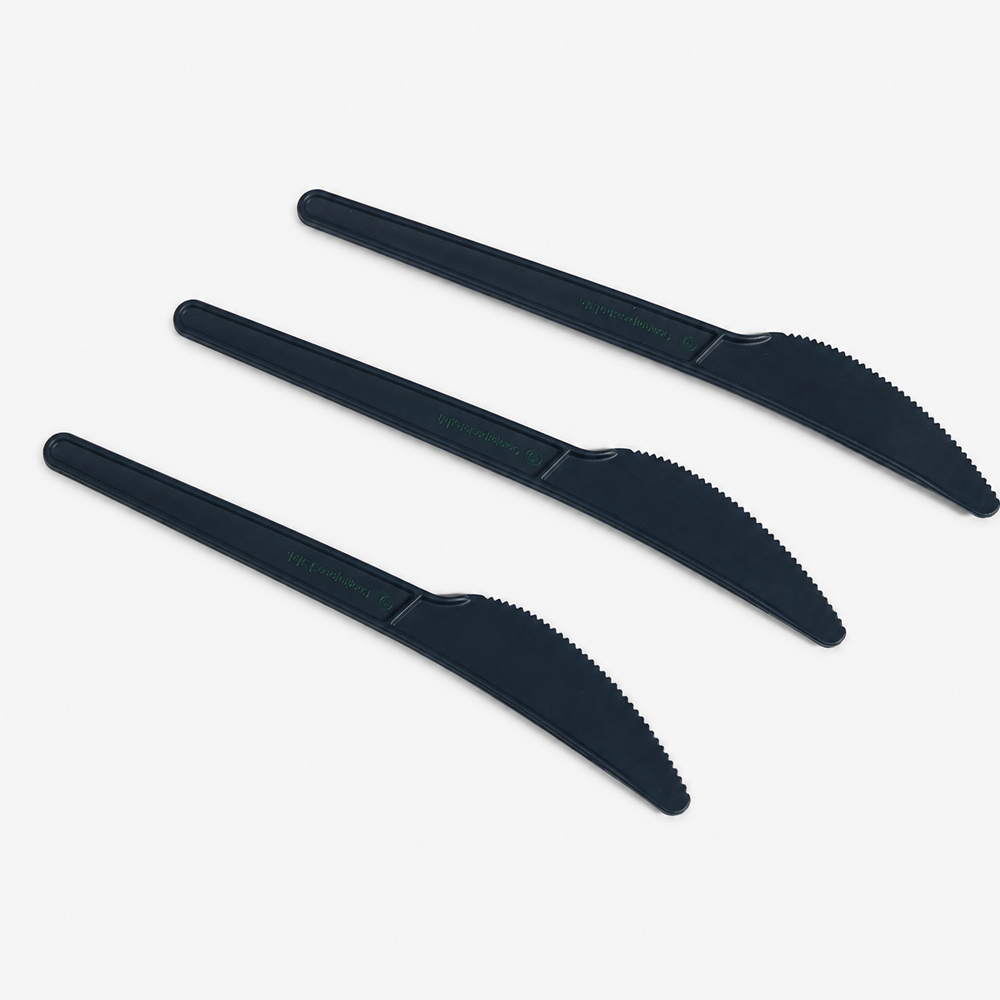
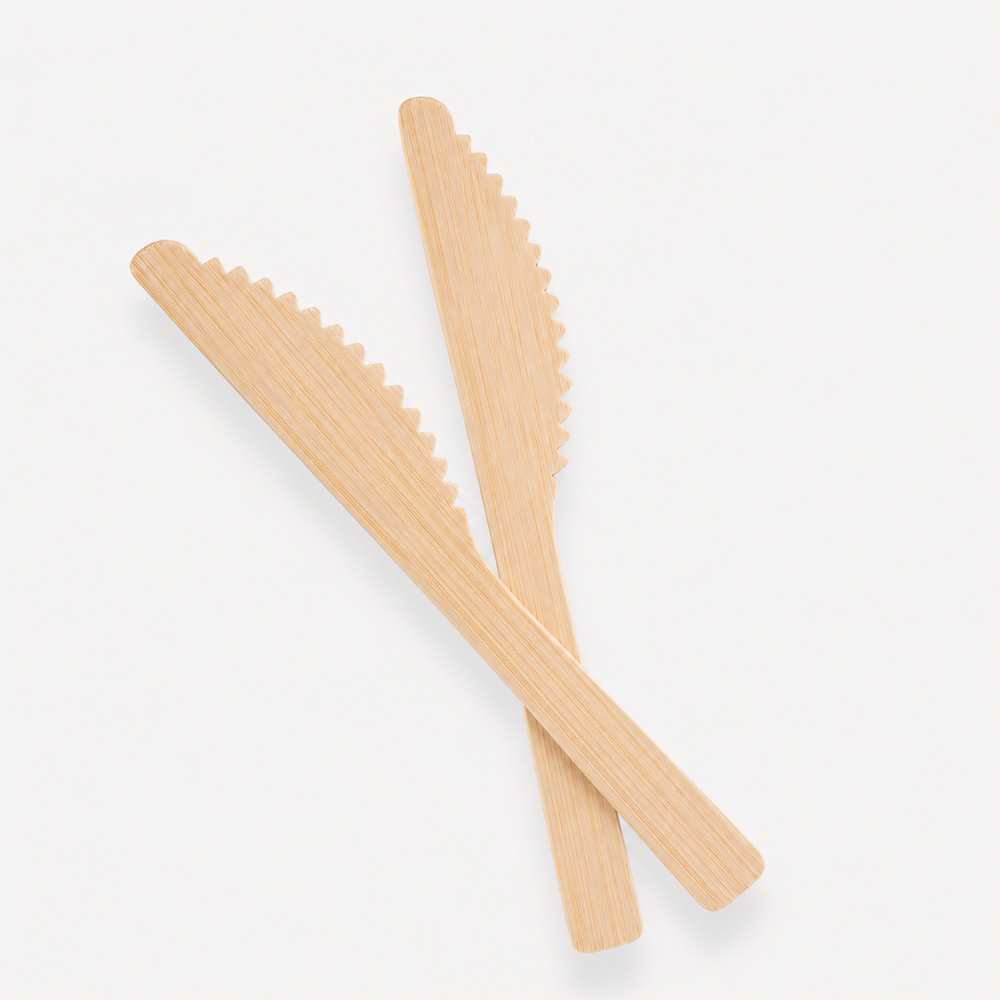
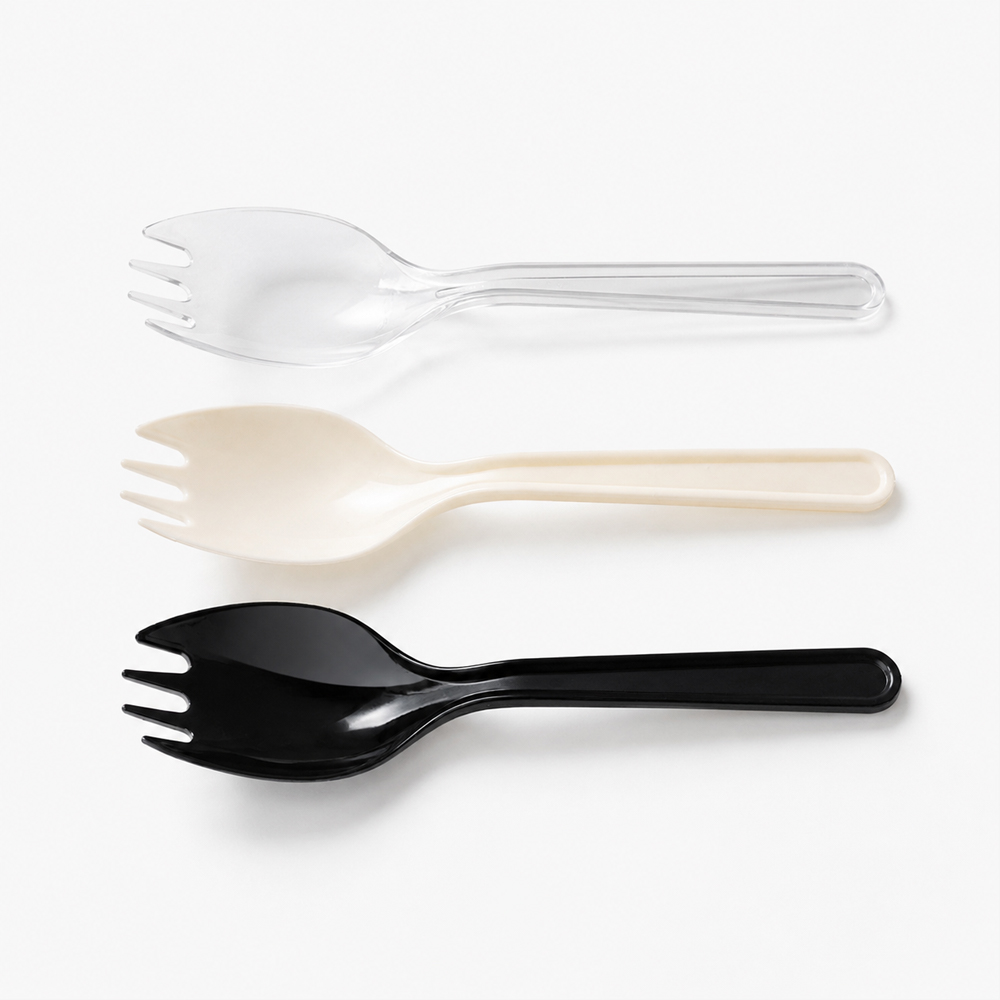
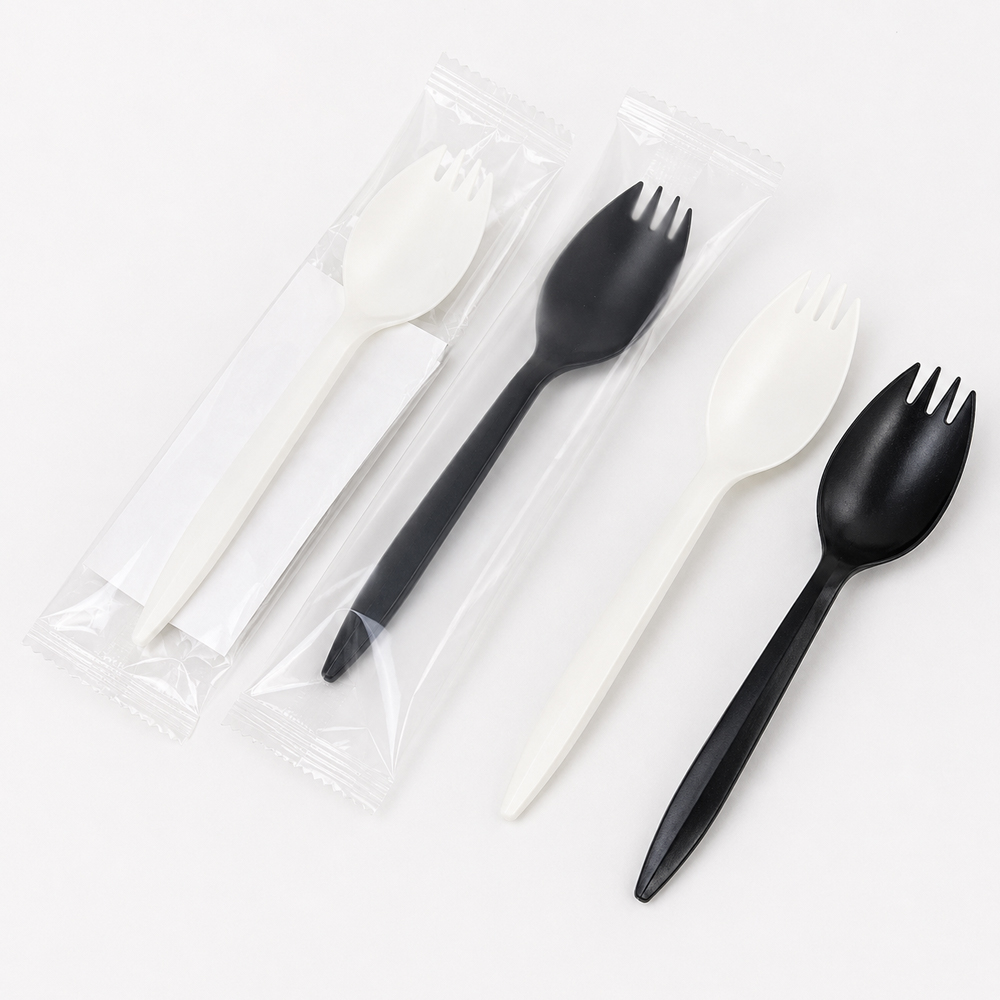
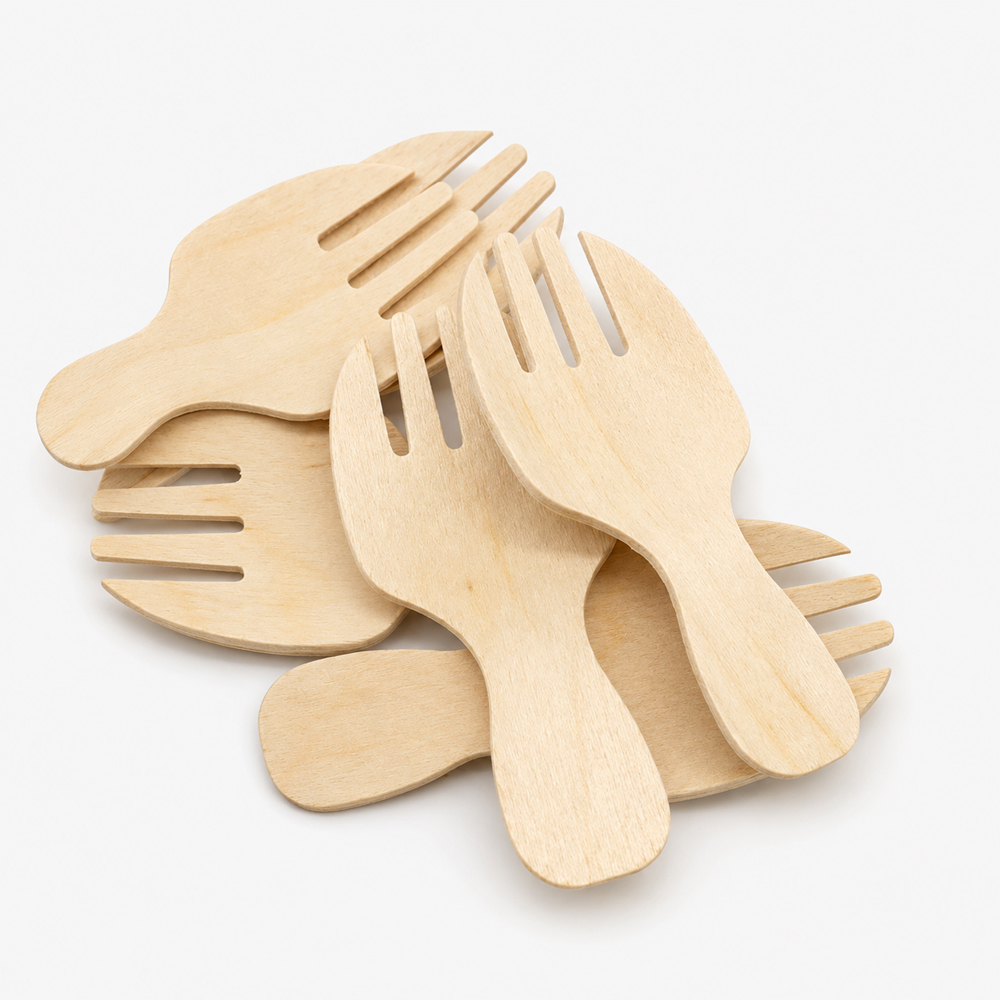
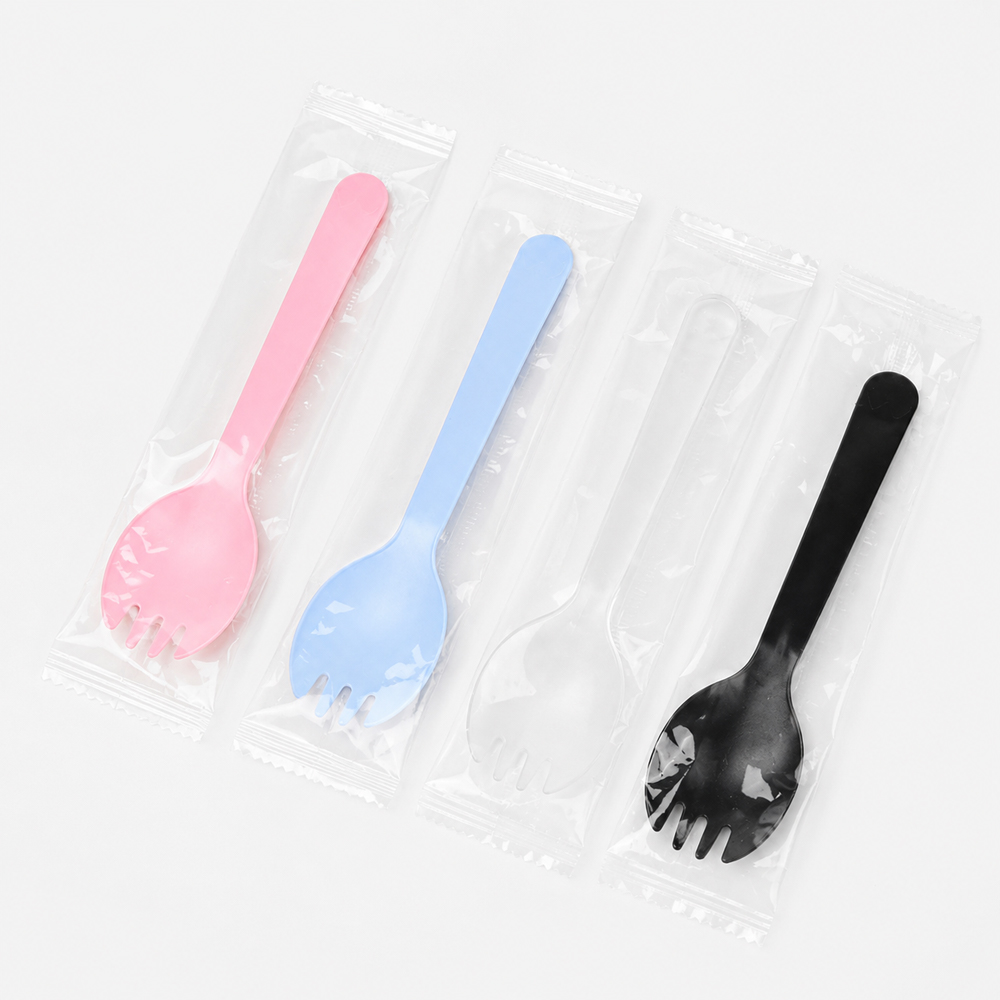
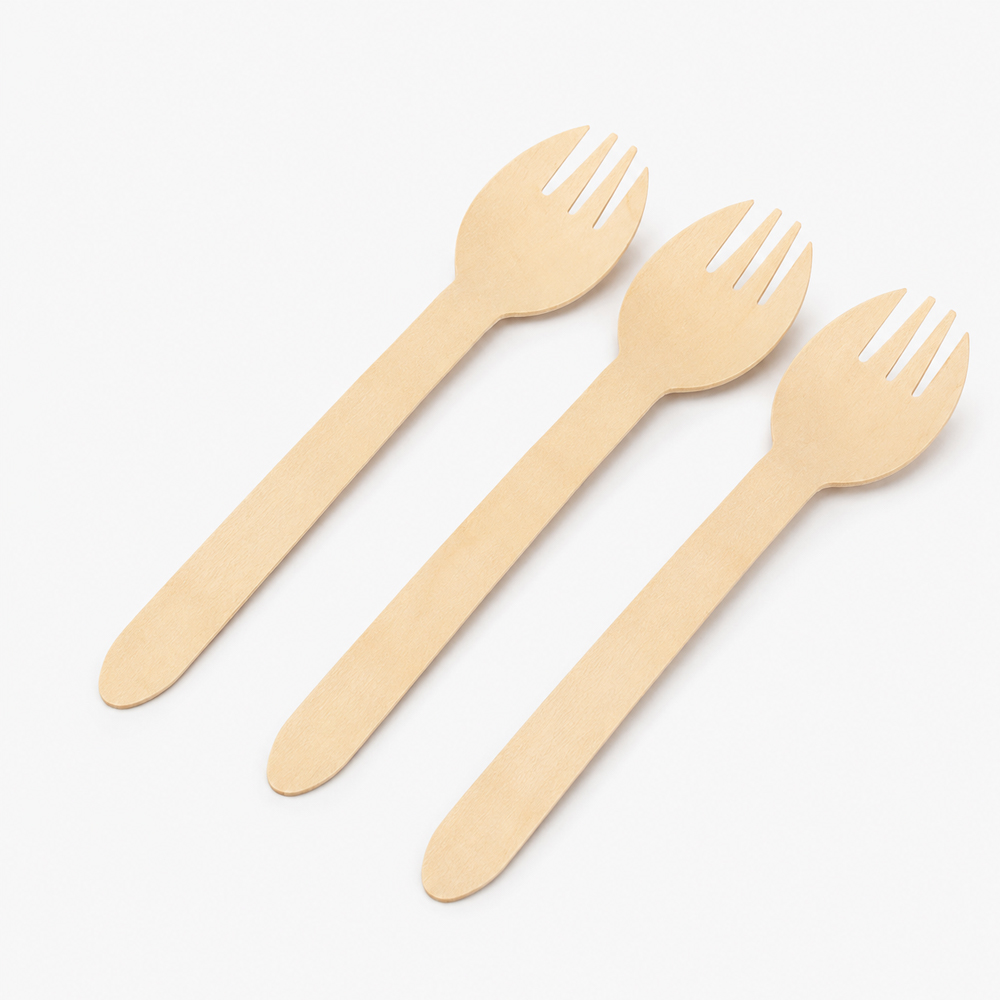
Natuurlijk, wit, zwart of een goedgekeurde kleur naar keuze; opties
kunnen bestaan uit reliëfdruk, gravure en bedrukte omhulsels of
hoezen. |
Keur een fysieke kleurreferentie, de plaatsing van het logo,
de oppervlakteafwerking en de aanvaardbare variatie tussen partijen goed. |
Pantone-referentie, merkuitstraling, logo-richtlijnen,
oppervlakte-eisen en kleurtolerantie. |
Zorgt voor consistentie bij huismerken, maar kan van invloed zijn op de minimale afnamehoeveelheid,
de matrijzen en de productieplanning. |
|---|
|
08
Verpakking en samenstelling van de set
|
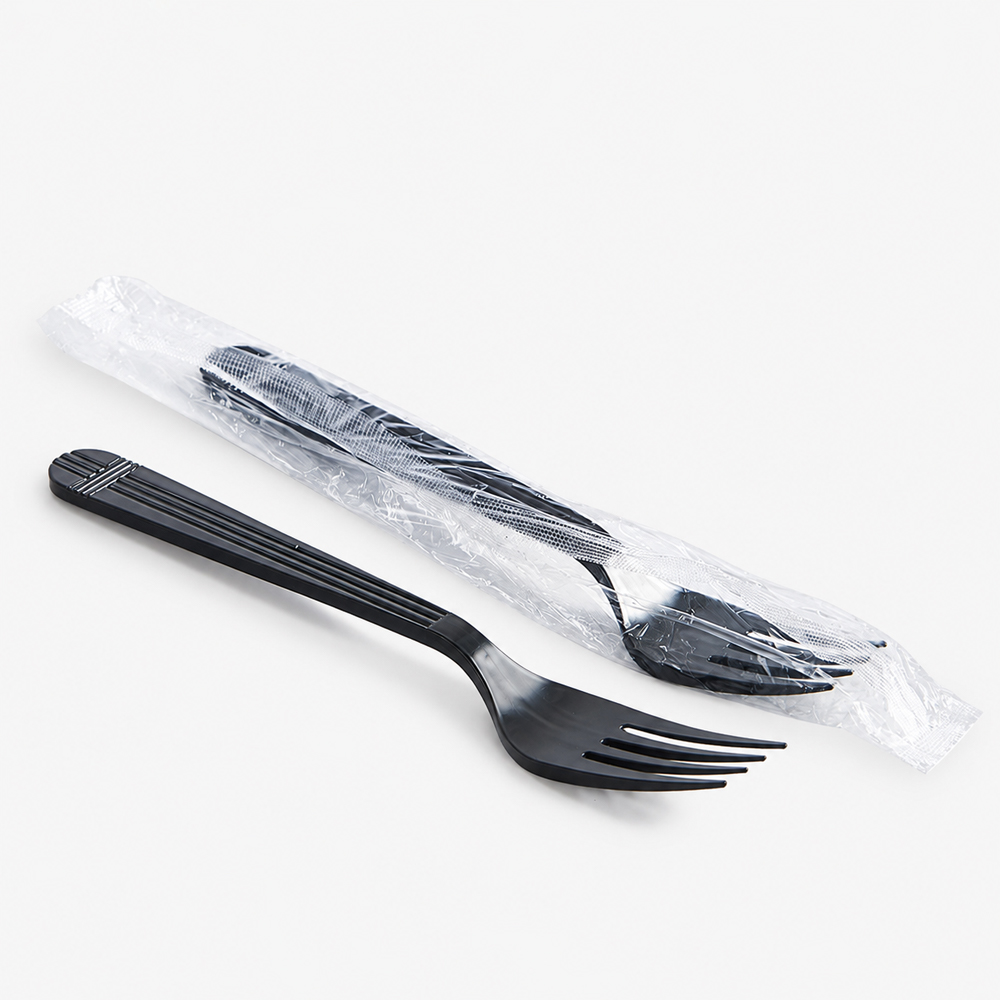
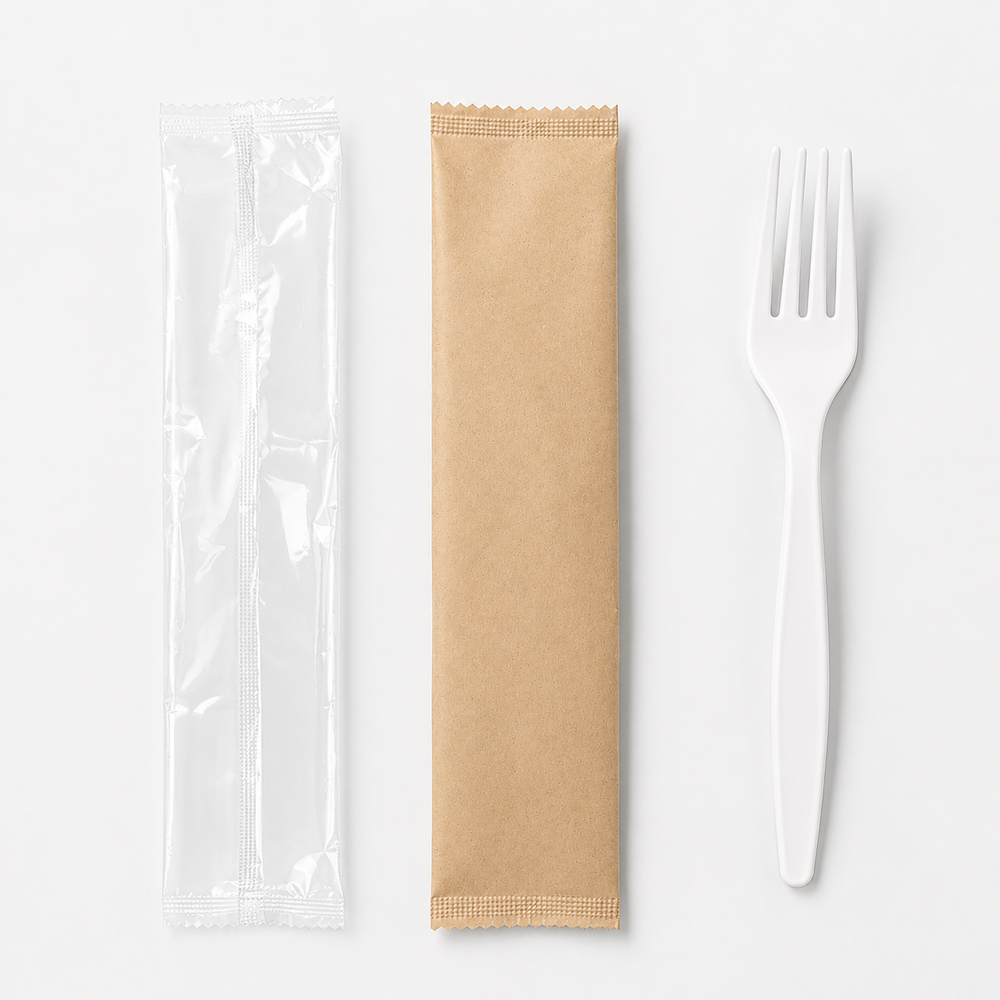
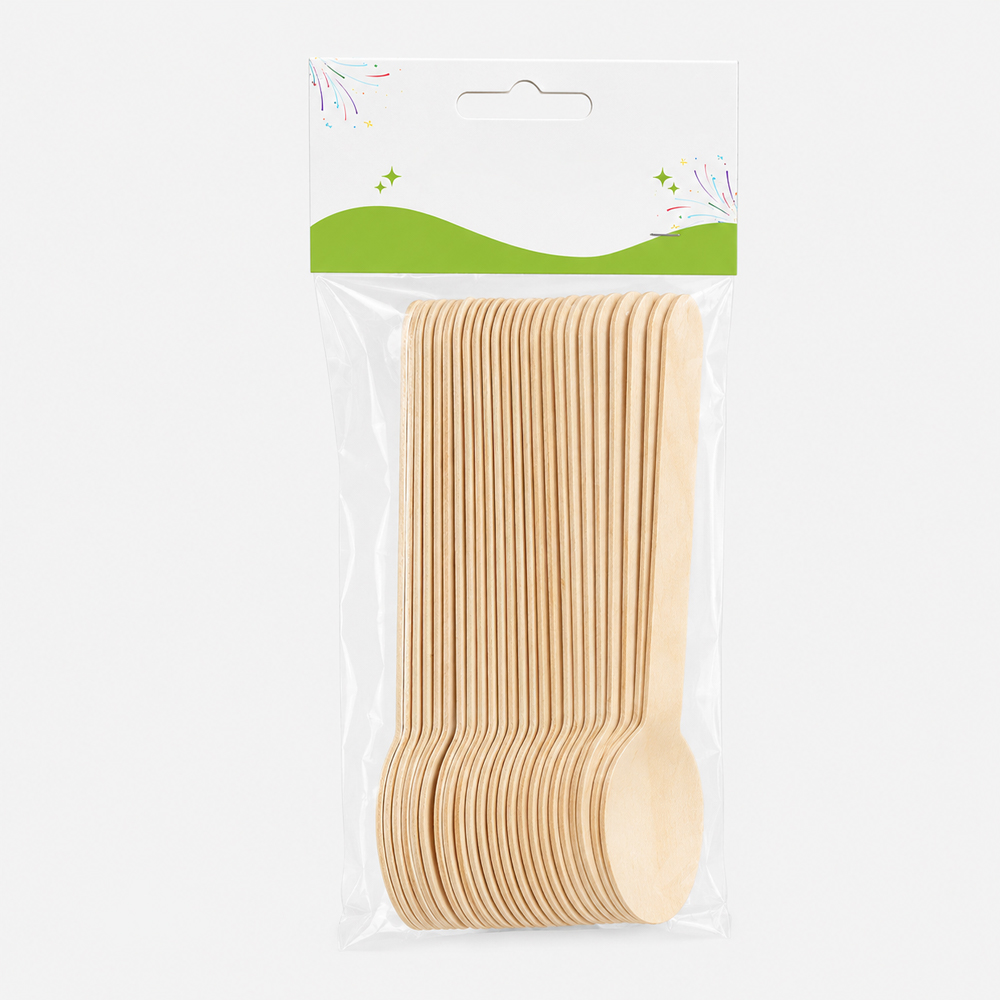
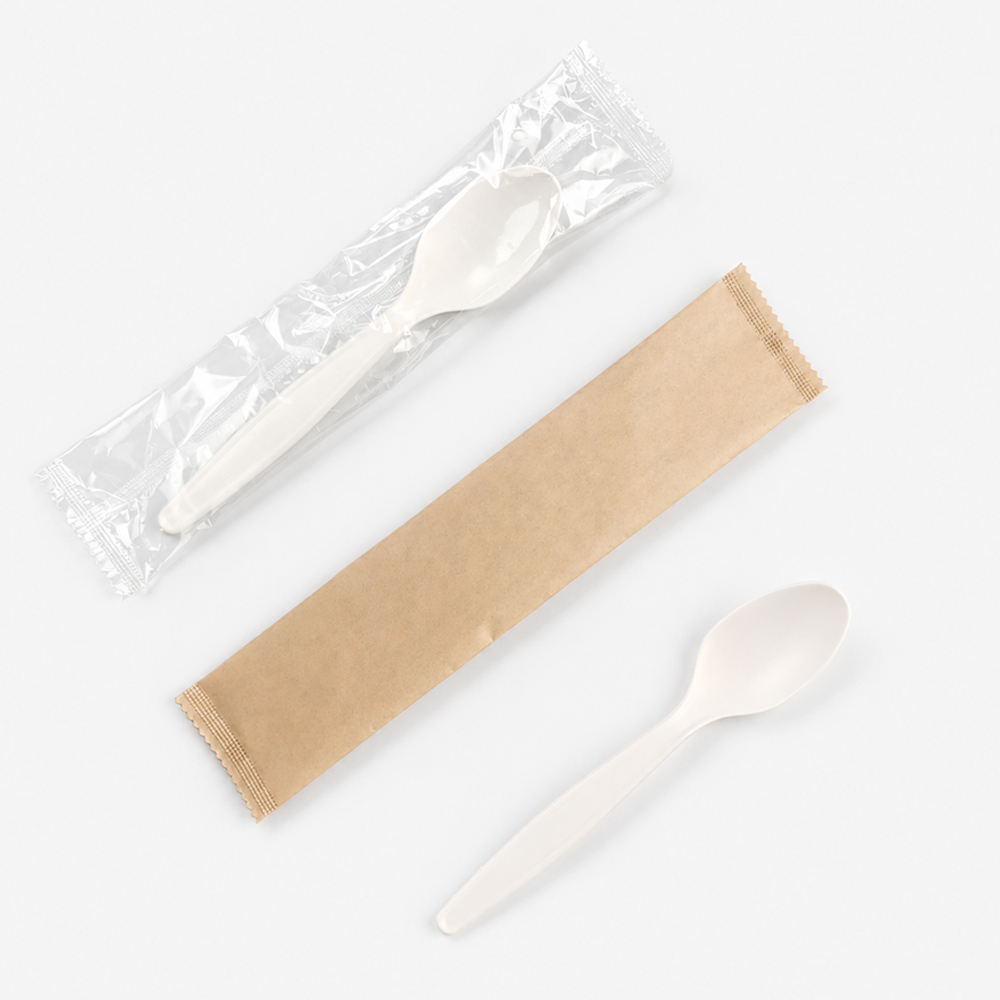
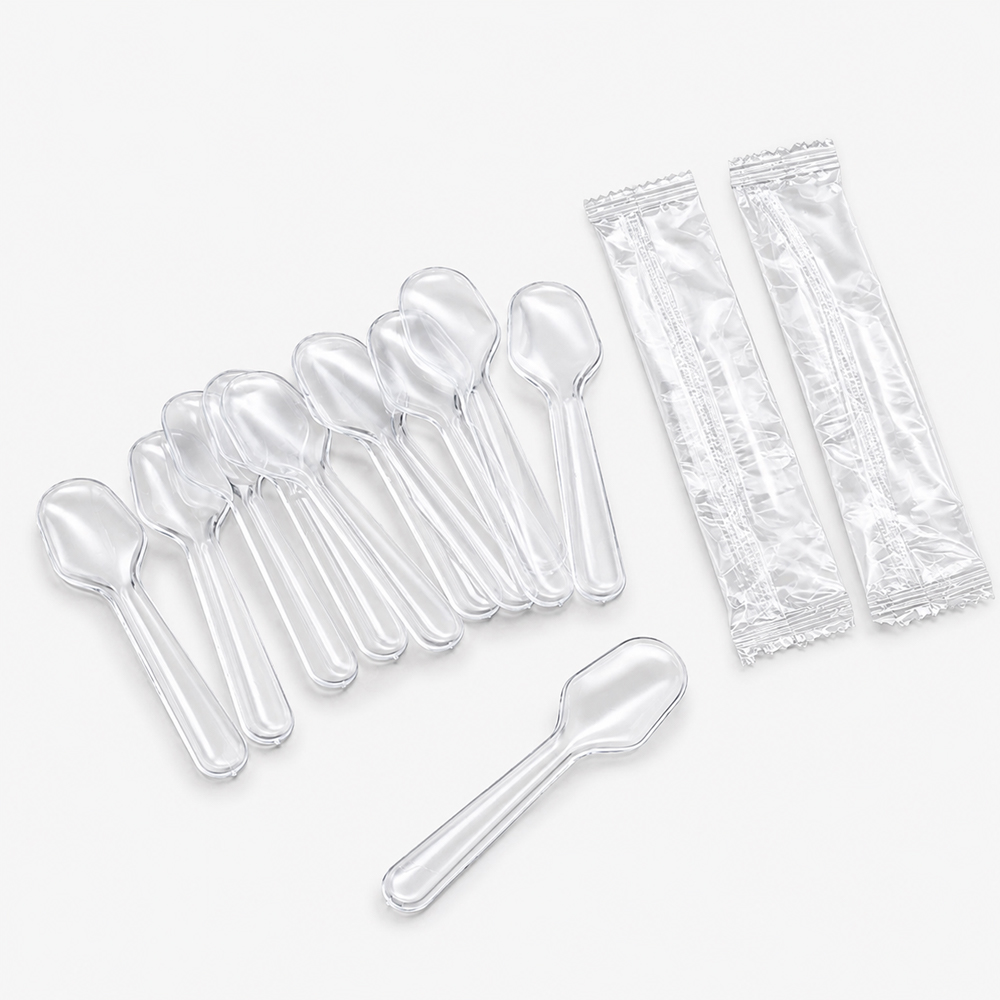
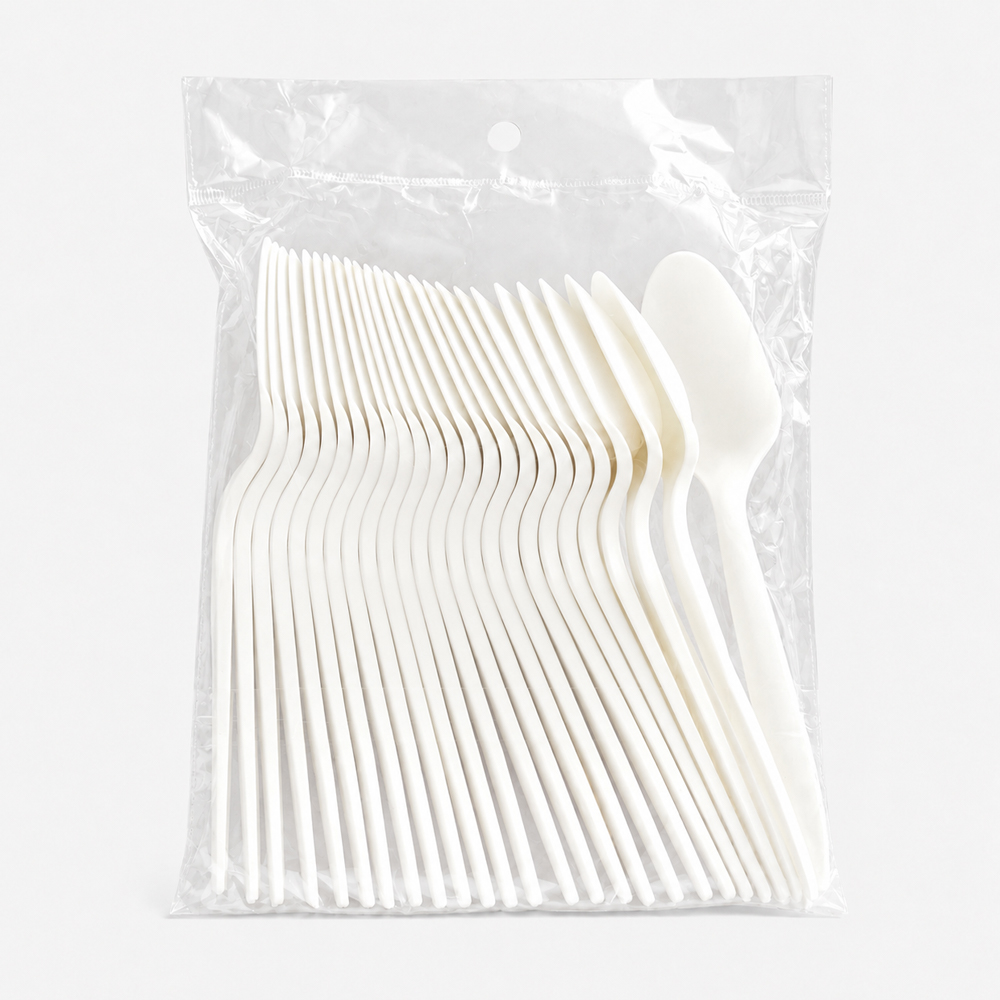
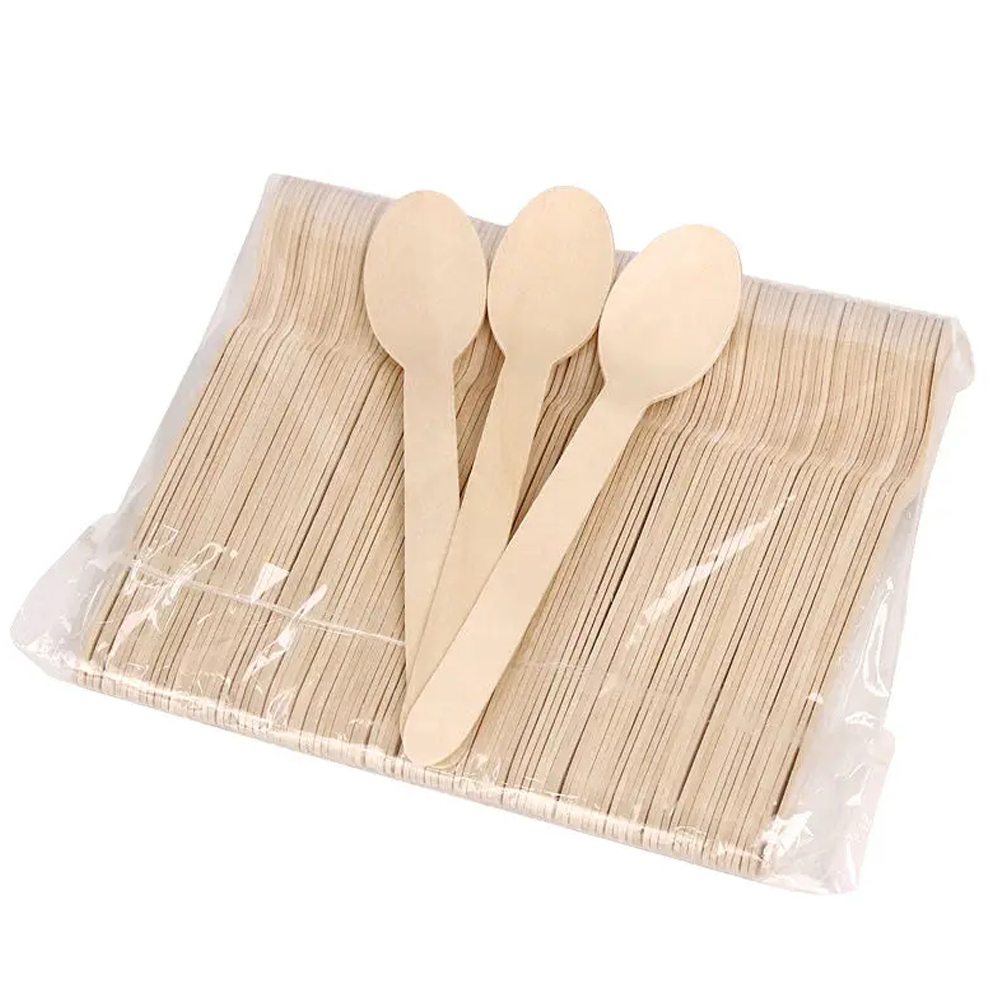
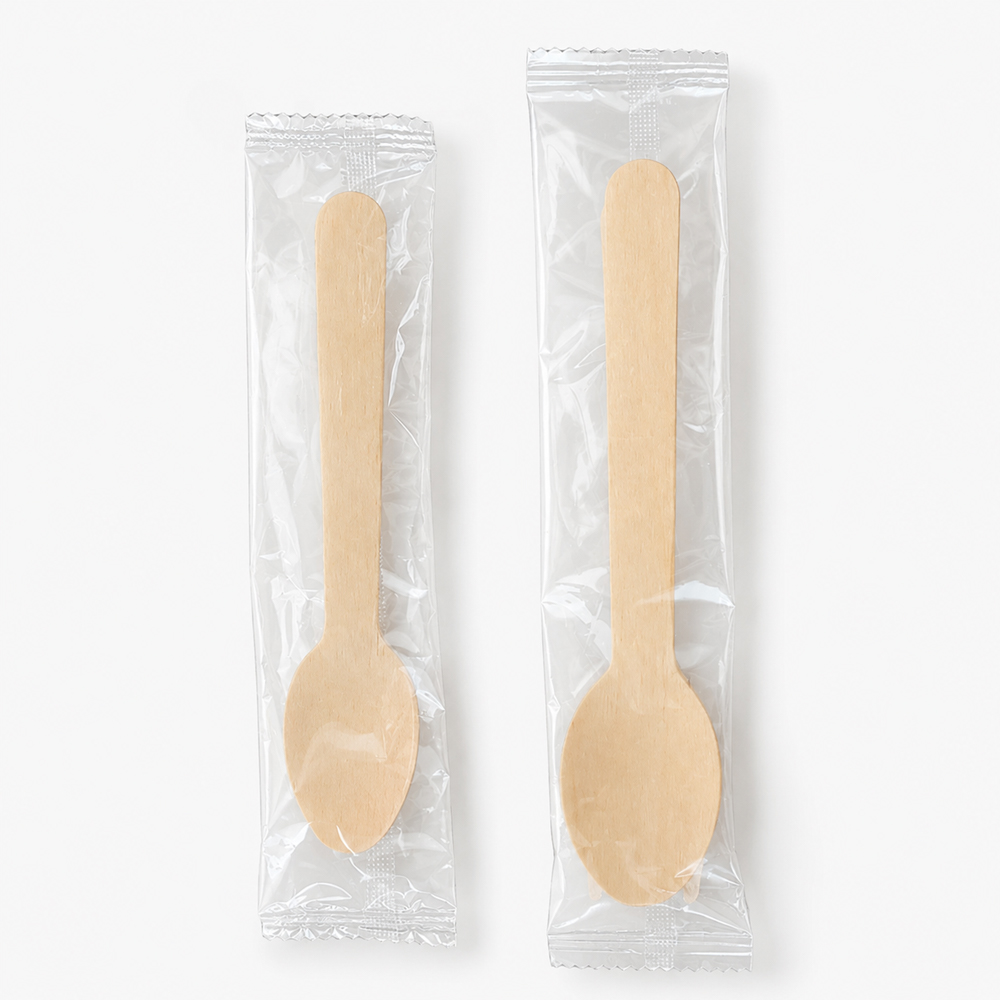
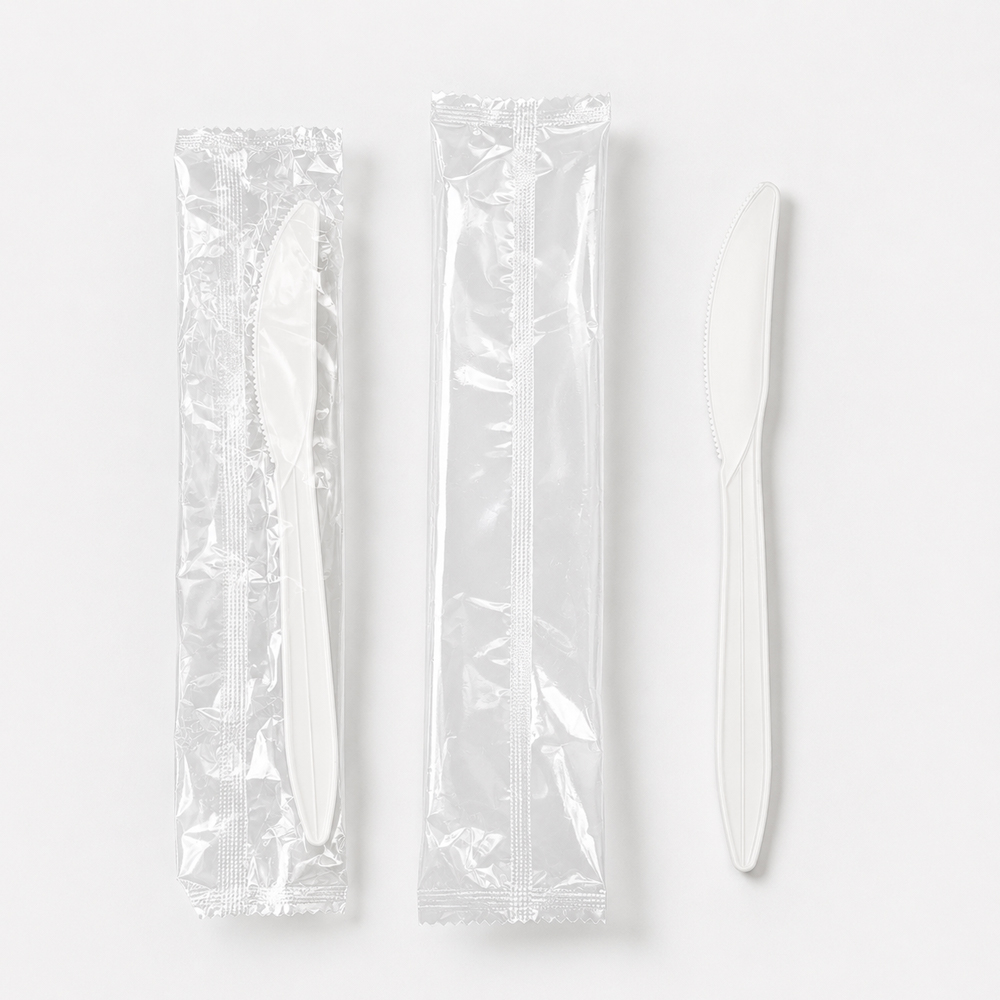
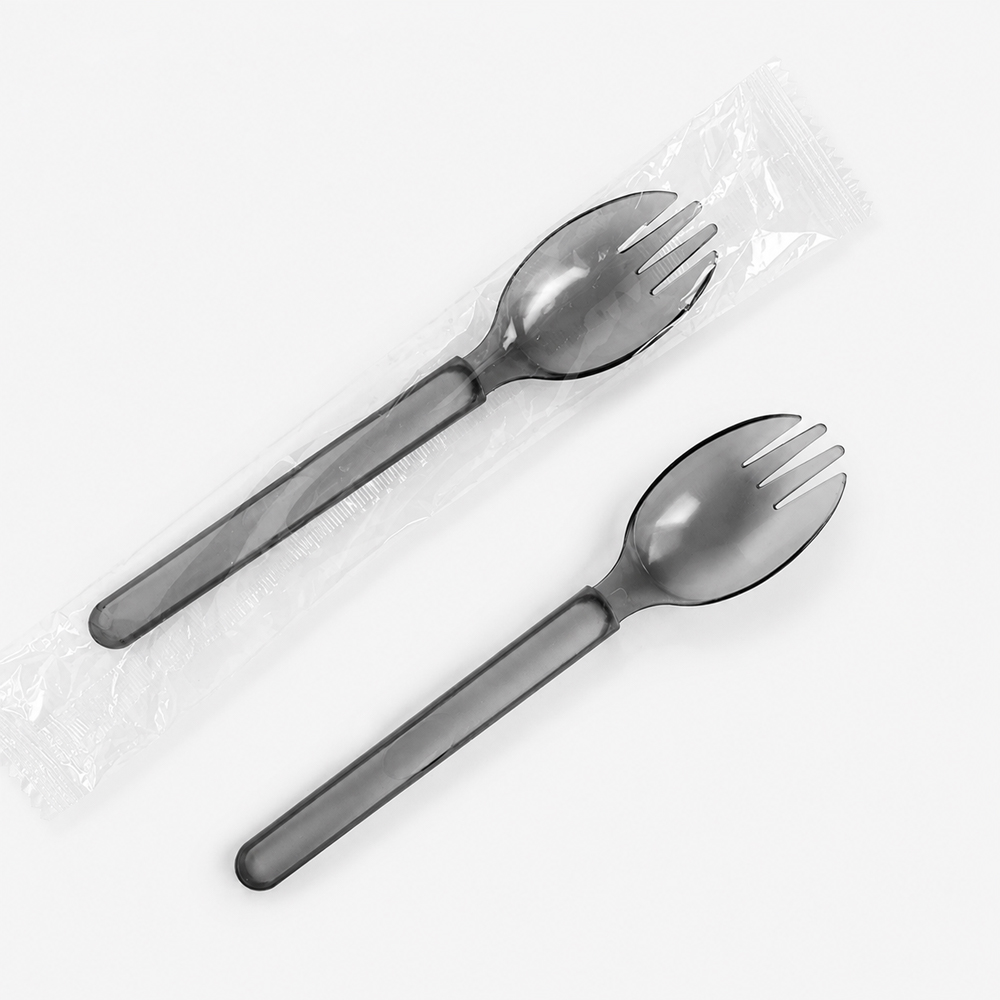
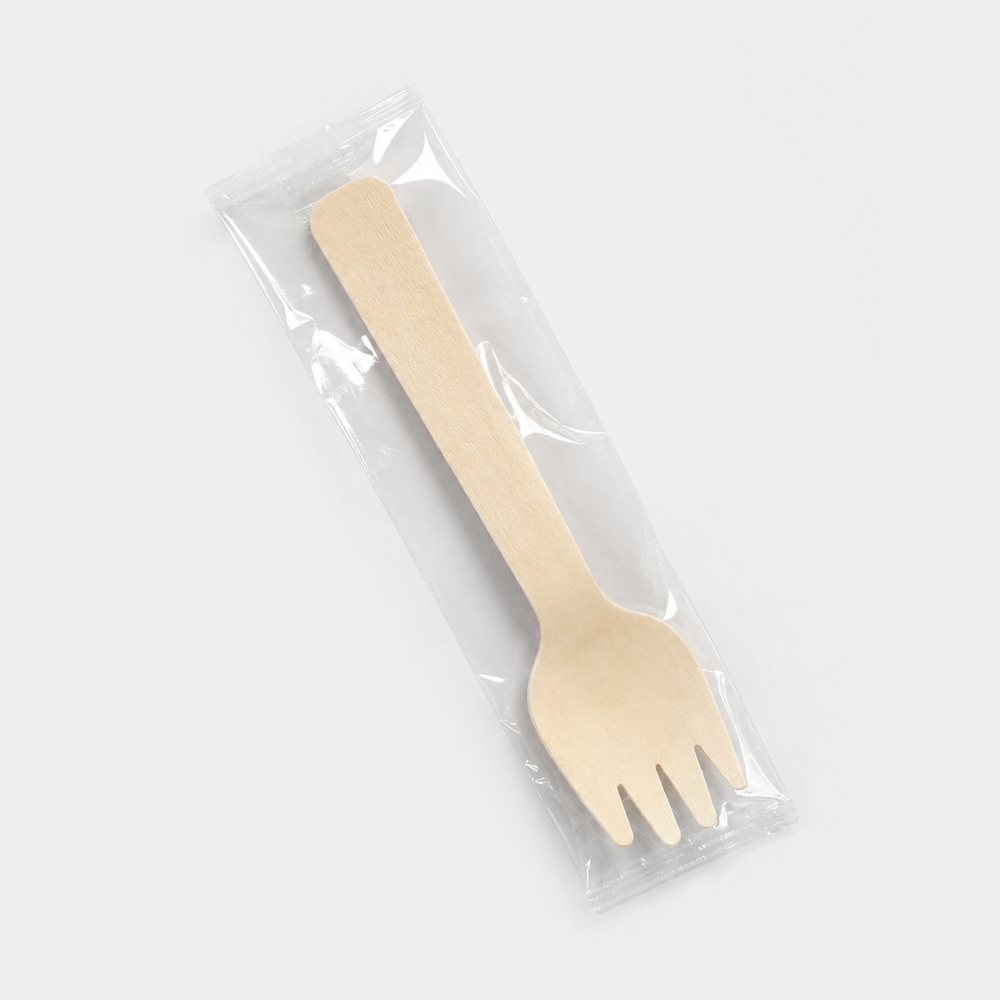
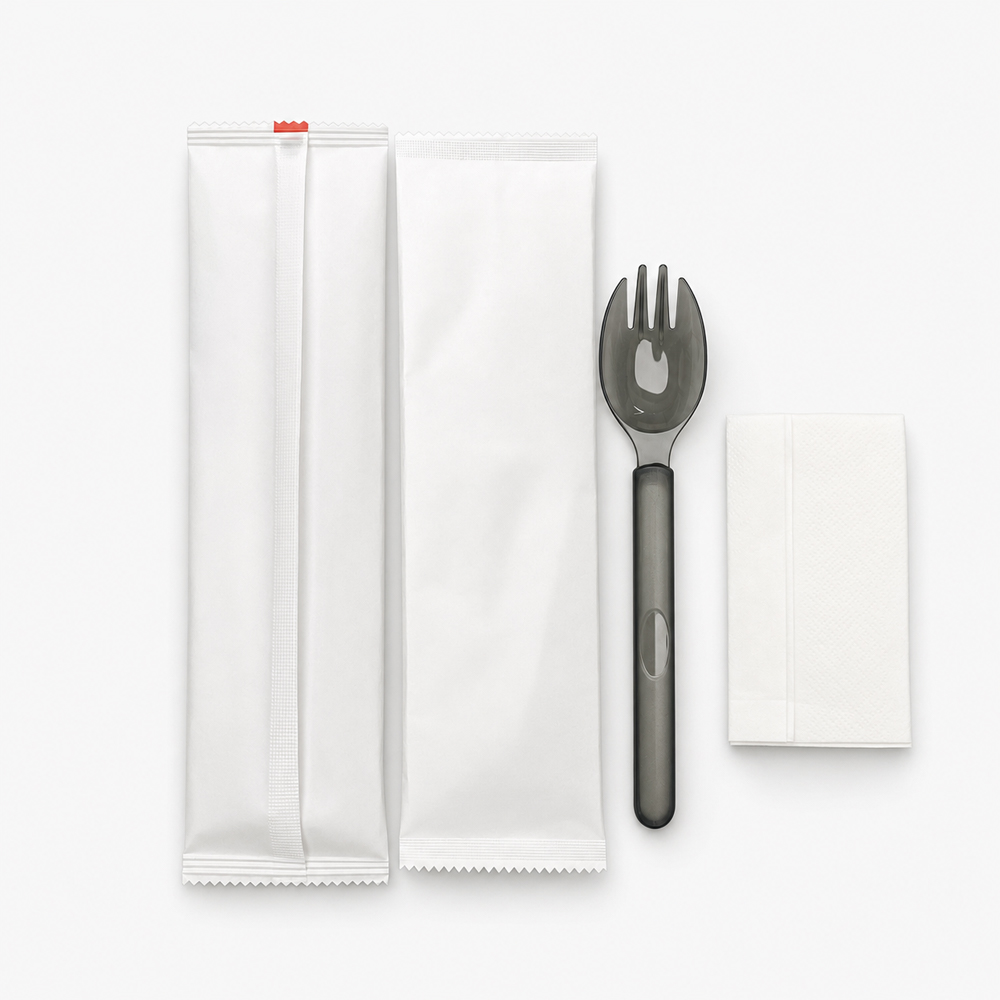
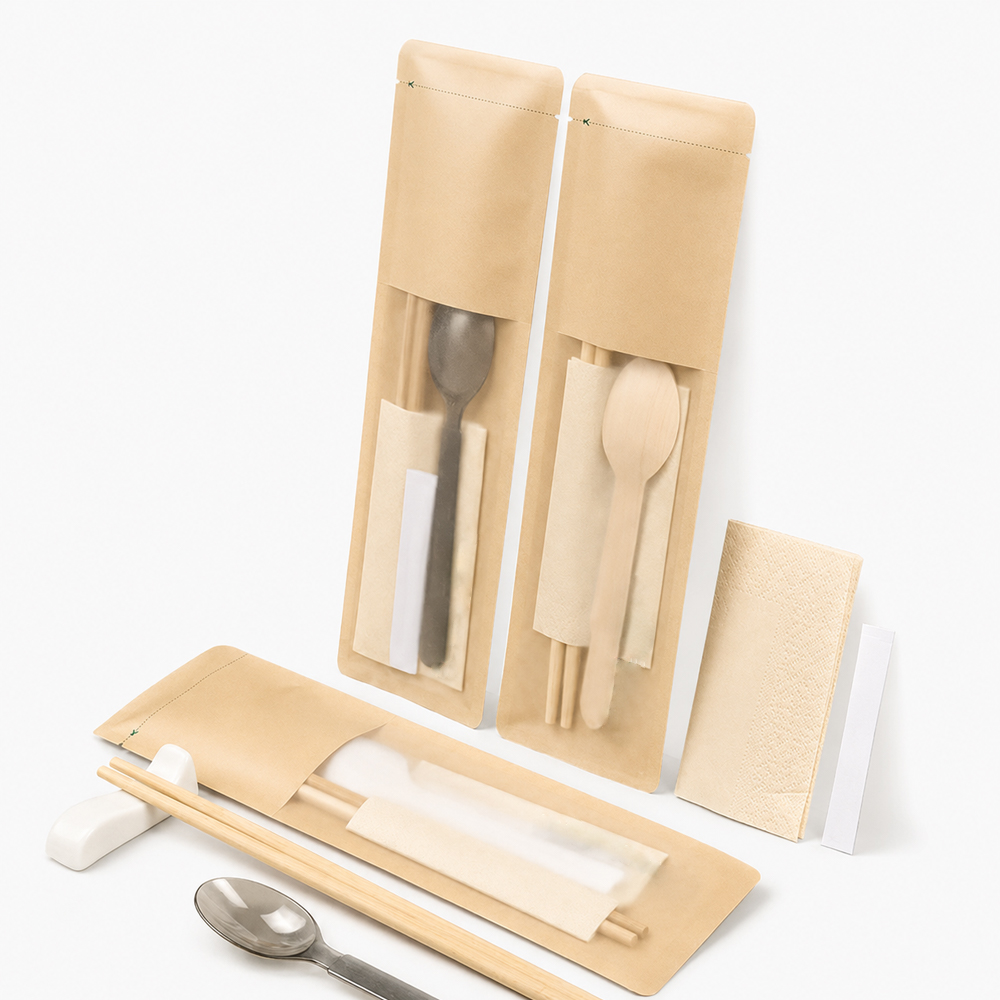
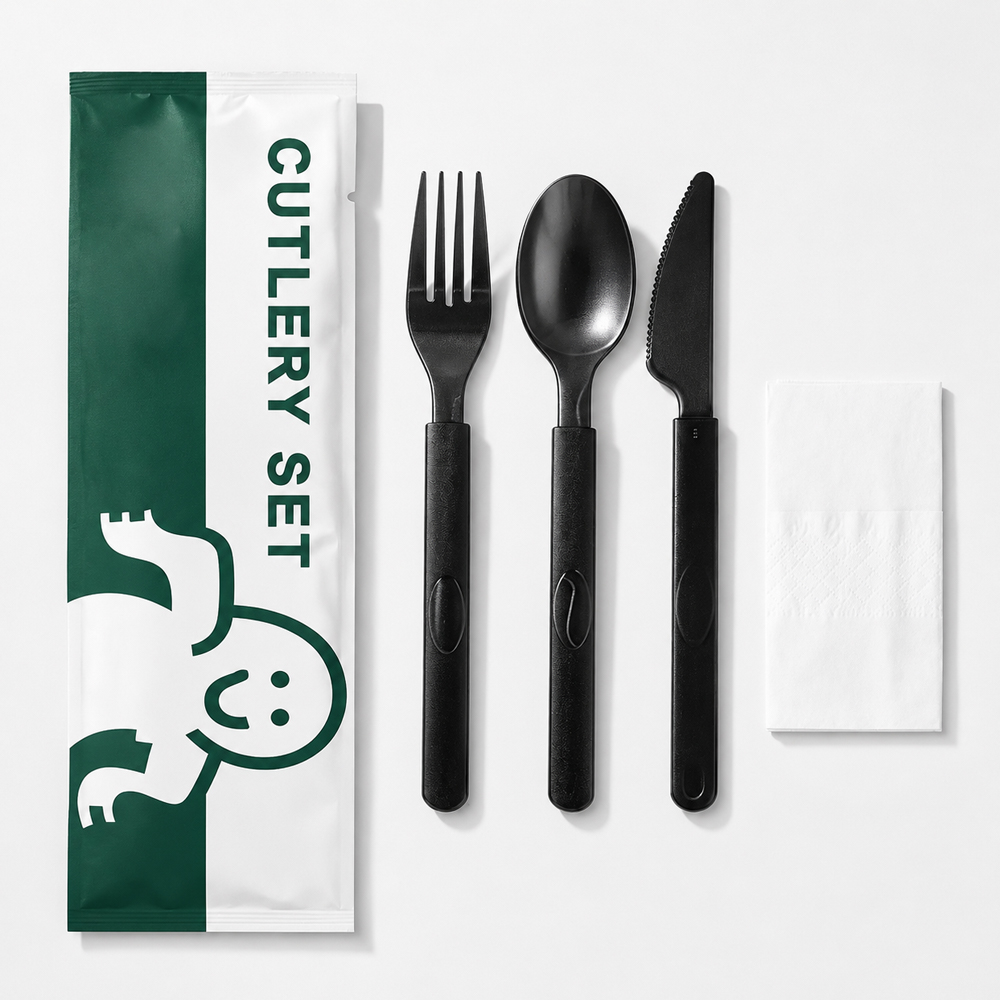
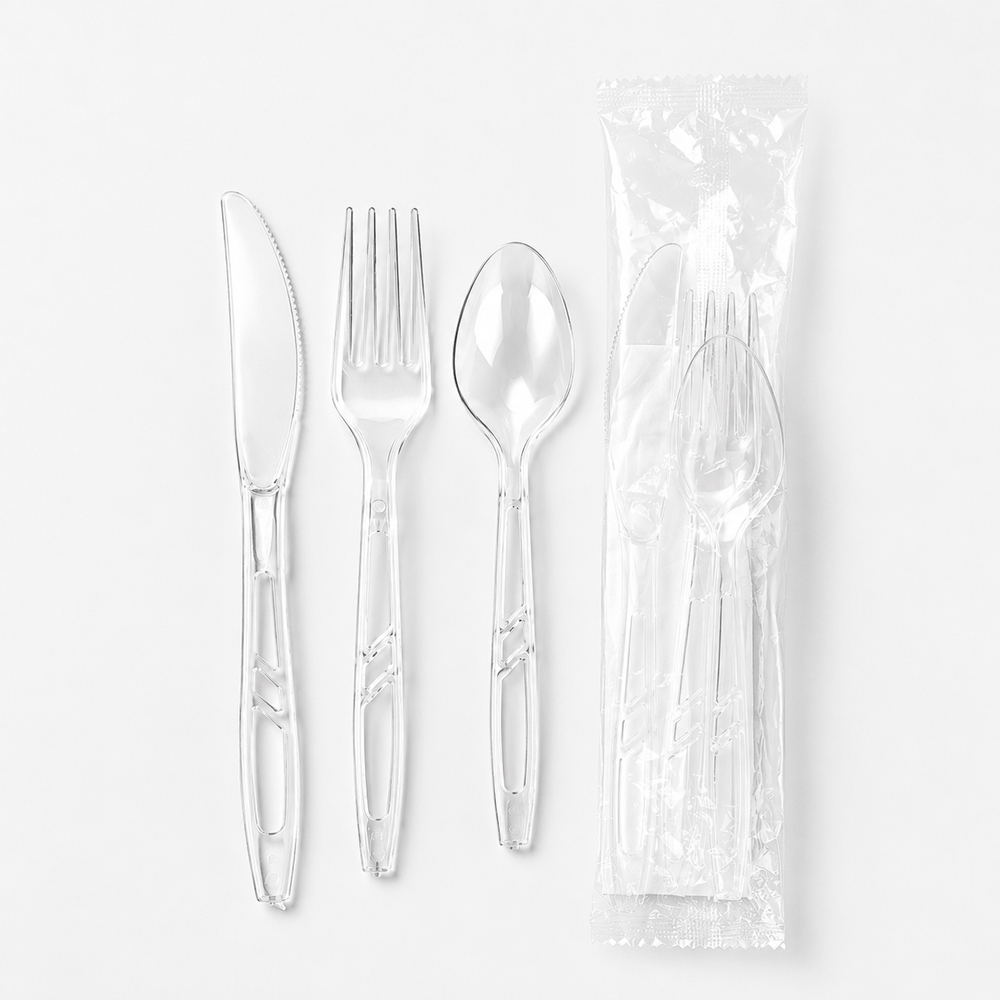
Los verpakt, per stuk verpakt, in papieren hoesje, in een dispenserpakket,
in een verkoopverpakking of als bij elkaar passende set van vork, mes, lepel en servet. |
Controleer het aantal stuks, de integriteit van de verzegeling, de barcode, de
afdrukregistratie, de hygiëne, de stevigheid van de doos en de
compatibiliteit van de verpakking. |
Aantal stuks per verpakking, inhoud, aantal per doos, materiaal van de verpakking,
toebehoren en verkoopkanaal. |
Houdt toezicht op de verpakkingswerkzaamheden, hygiëne, verkoopgereedheid, het
volume van de kartons en de kosten bij levering. |
|---|