







Disposable Fork and Plastic Cutlery Supplier for Foodservice Utensil Programs

Disposable fork and utensil supply for restaurants, foodservice distributors, supermarkets, and private label programs. Buyers can compare material choices, wrapped formats, carton packing, OEM support, and documentation needs before confirming samples, pricing, or repeat orders.

Disposable Forks and Utensils for Takeout, Events, and Dine-In Meal Service

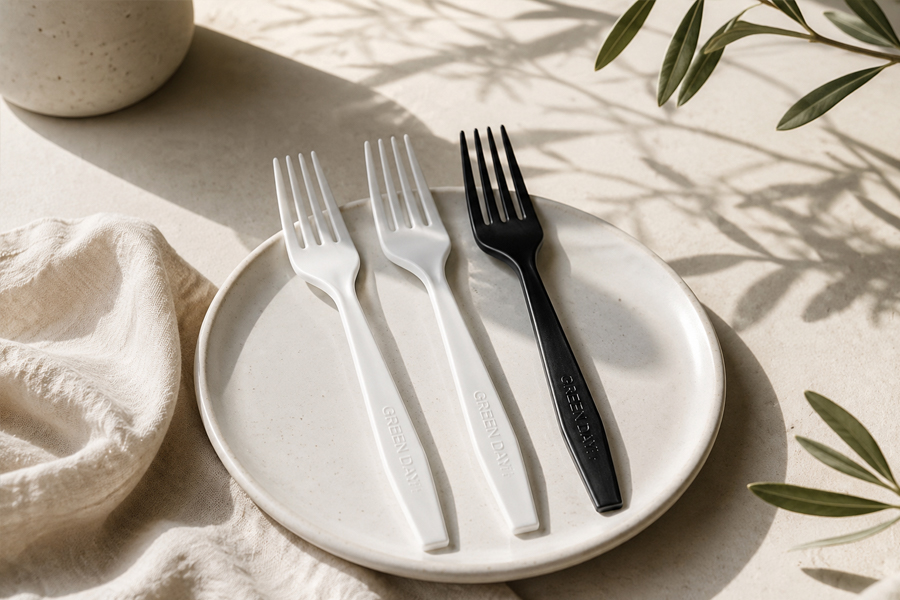
These forks are used for takeout meals, salad bars, buffet lines, office catering, dessert stations, outdoor events, school lunch programs, supermarket prepared food counters, and dine-in meal service where washing reusable flatware is not practical.

For procurement teams, the right fork is not only about price. Buyers need to check weight, length, handle shape, tine strength, mouthfeel, carton size, and whether the utensil matches the actual menu. A plastic fork for light dessert service may not be the same choice as a stronger fork for an entree with meat, rice, or pasta.

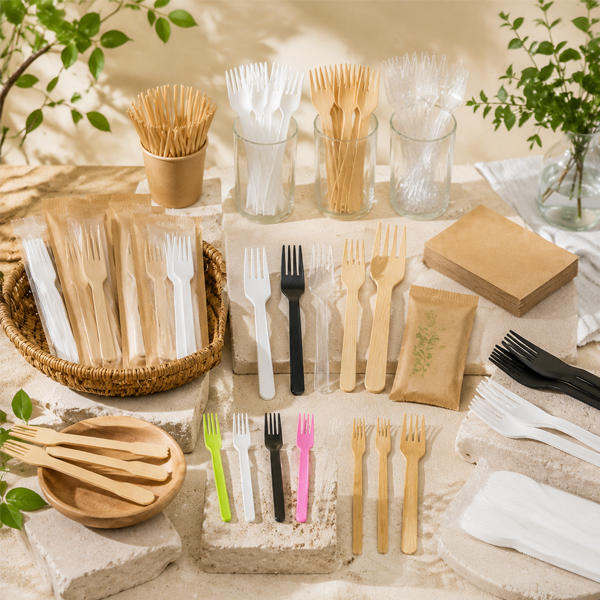
Plastic Fork and Disposable Utensil Product Showcase

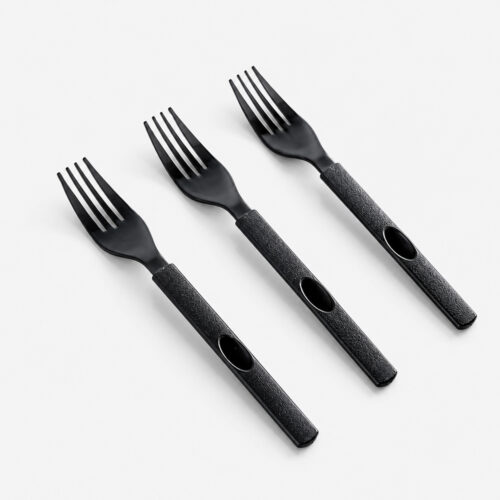
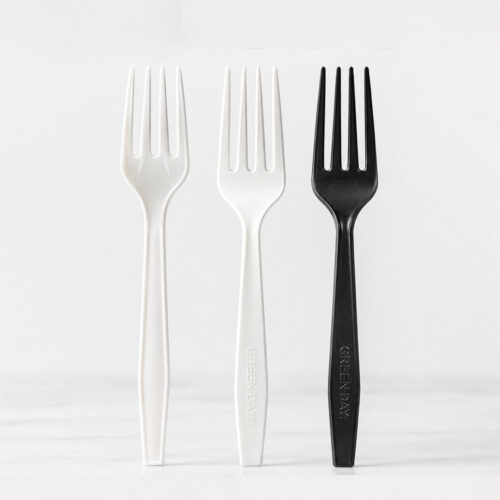
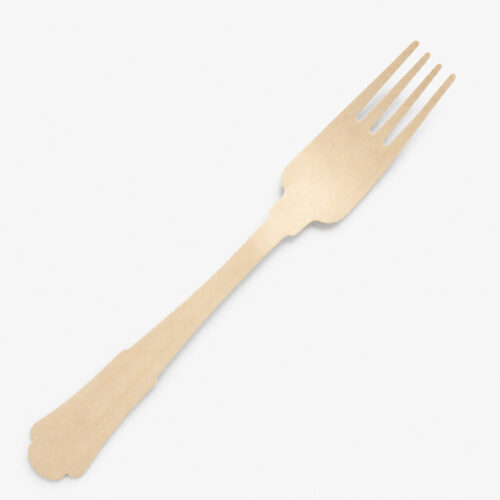
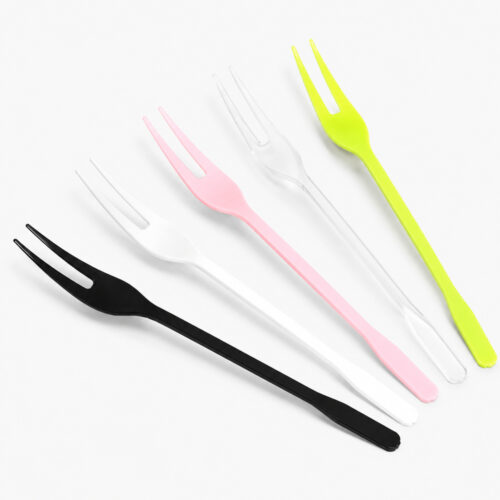
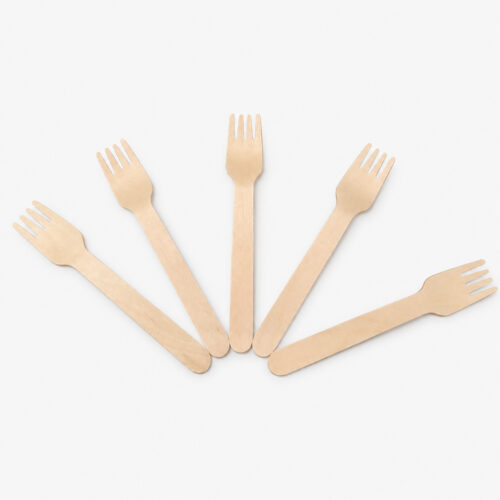
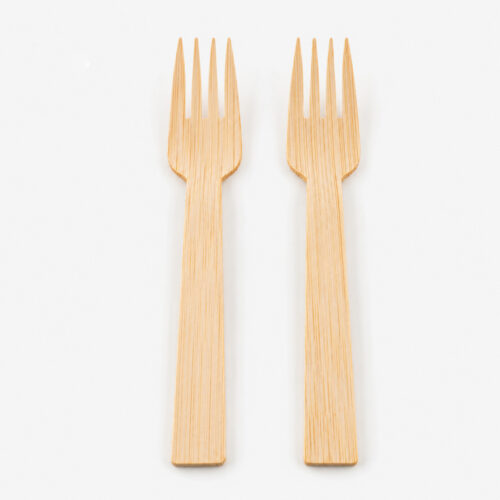
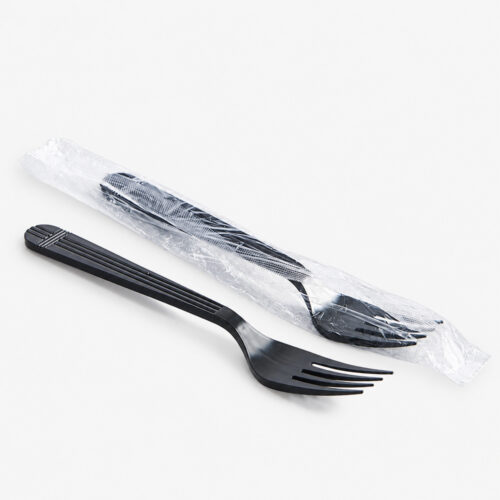
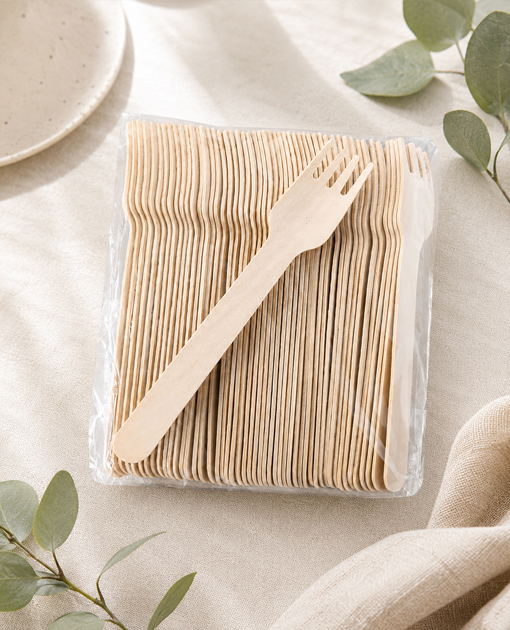
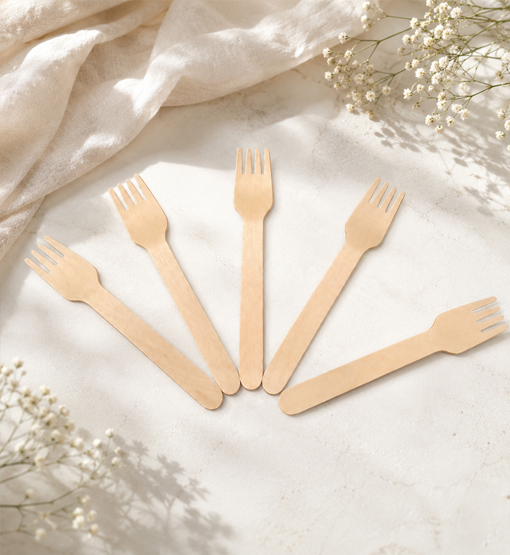
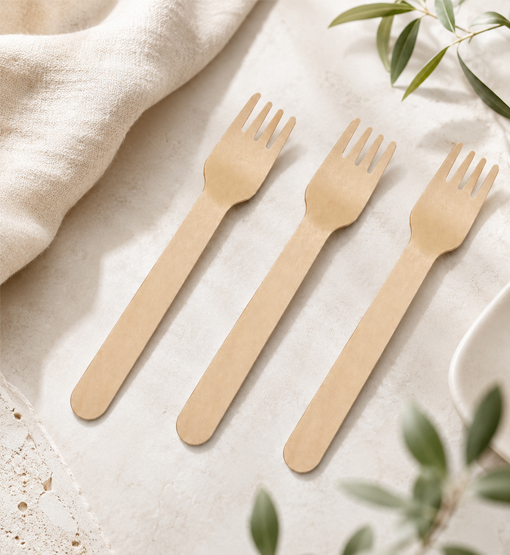
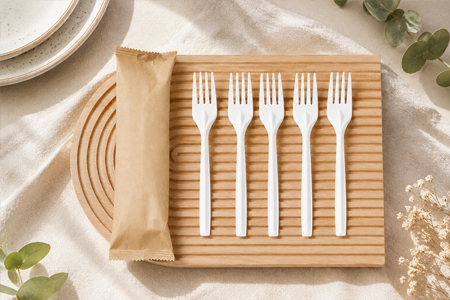
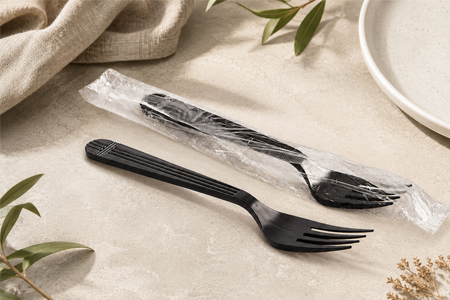
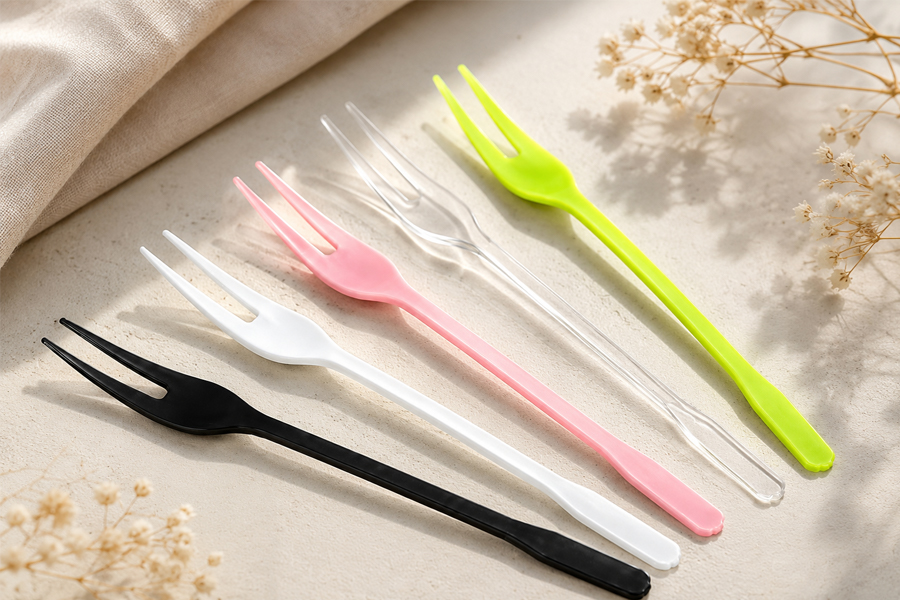
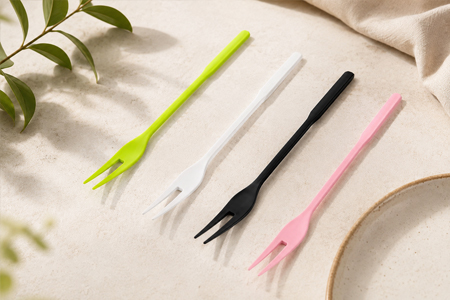
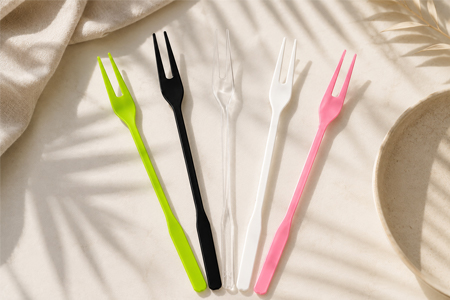
Browse the main disposable fork options for restaurants, foodservice distributors, supermarkets, meal service operators, and private label programs. Buyers can compare material, size, weight, color, wrapped format, carton packing, and matching cutlery set options before requesting samples, specifications, or a quotation for regular supply.

Rectangular bagasse cups for sauce, dip, sampling, and side servings

Disposable Plastic, CPLA, Bamboo, and Compostable Cutlery Material Options

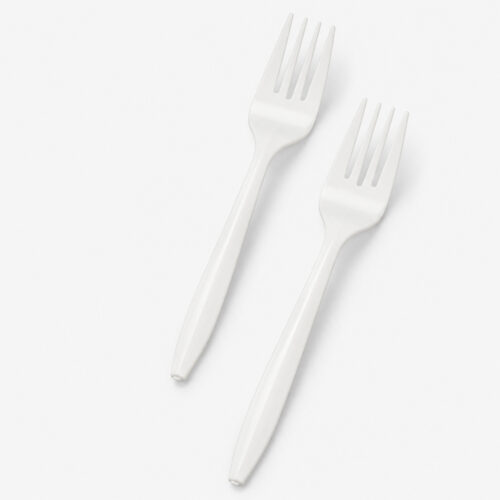
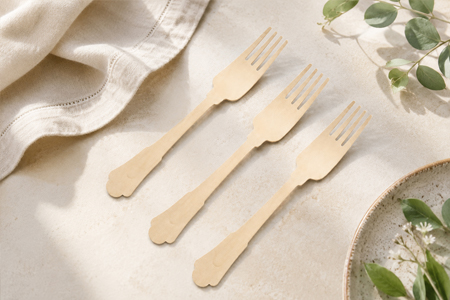
Standard plastic cutlery is usually selected for stable supply, familiar use, and broad menu compatibility. Polypropylene can offer flexibility for everyday service needs, while polystyrene is often chosen when buyers want a rigid feel. A high-quality plastic program should still be checked against food contact requirements, temperature use, and local market rules.

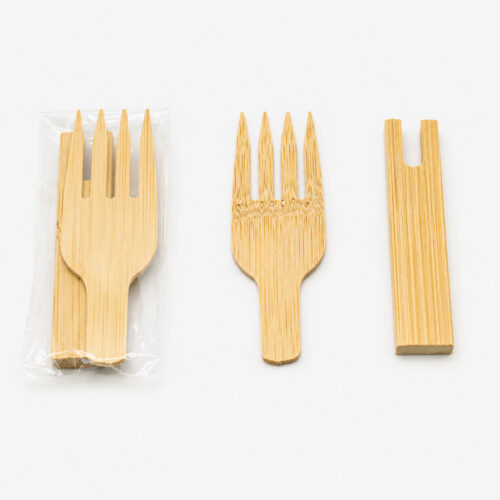
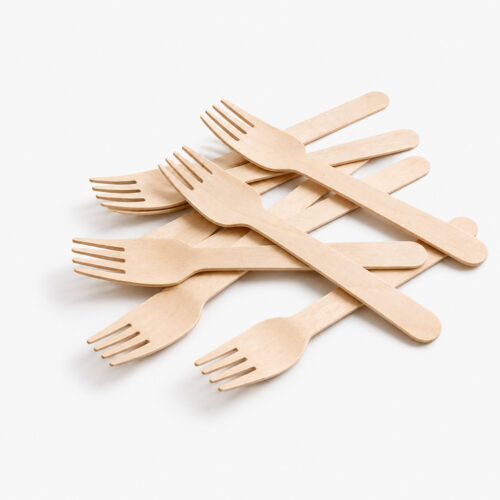
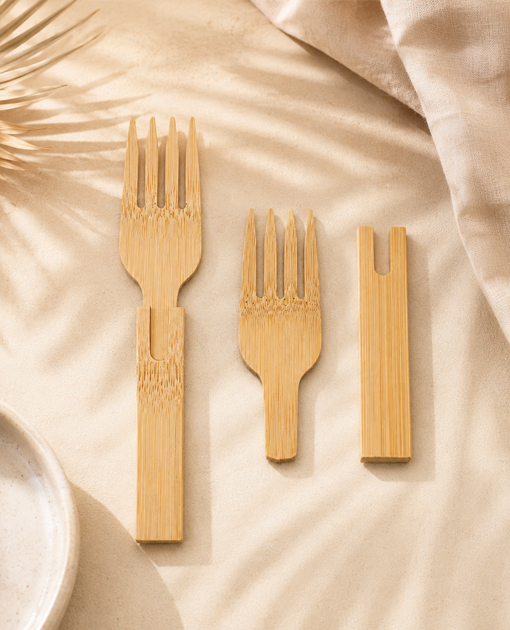
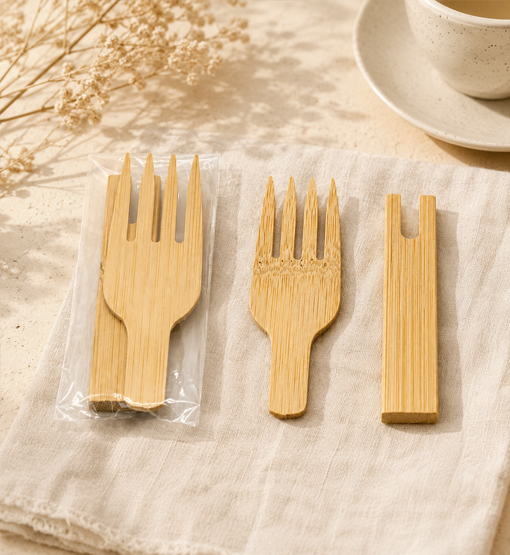
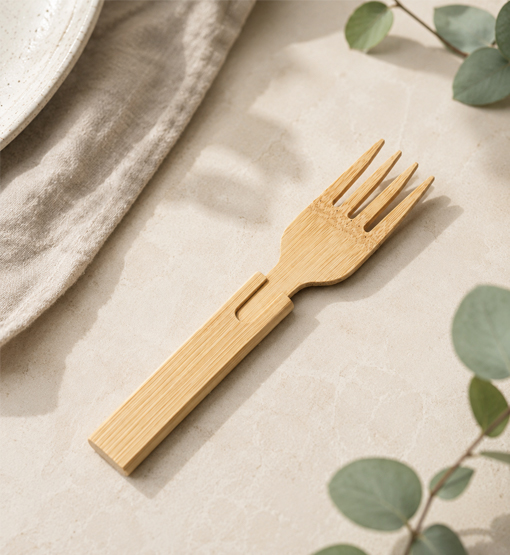
For buyers comparing eco-friendly fork alternatives, options may include CPLA, bamboo, or other verified plant-based materials. Biodegradable or compostable claims should be supported by current documents and matched to the correct disposal route, including commercial composting where required. Recyclable claims also need local waste management confirmation.

Fork, Spoon, Knife, Napkin, and Cutlery Sets for Every Meal

A complete disposable cutlery range normally includes fork, spoon, knife, plastic cutlery set options, cutlery sets with a white napkin, and pre-rolled formats for faster service. Individually wrapped pieces help protect each item during storage, delivery, and self-service pickup, especially for healthcare, education, airline-style meals, and grab-and-go counters.

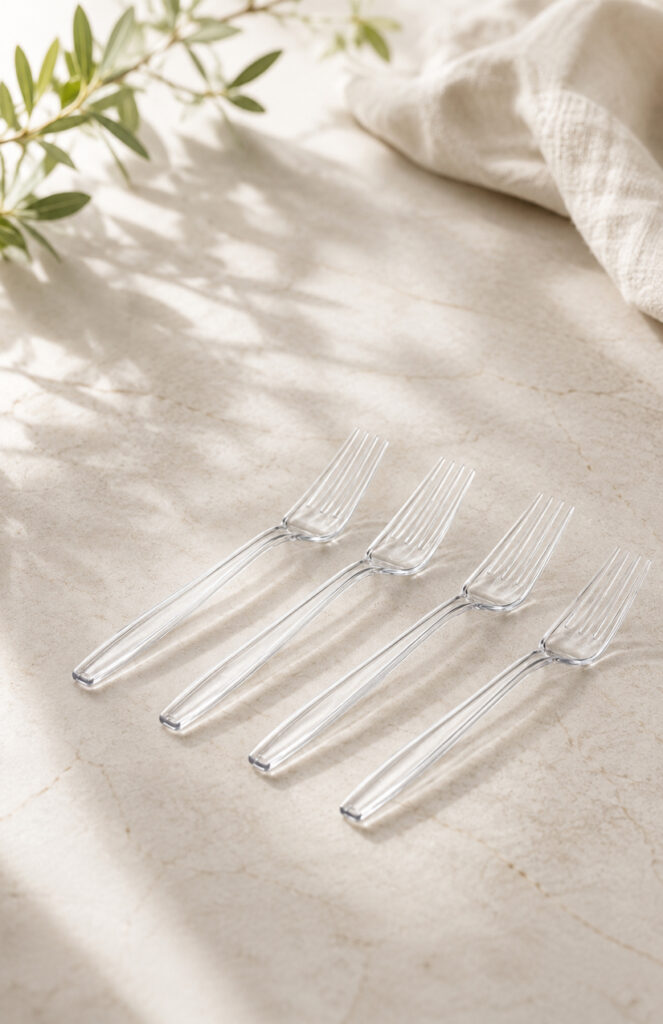
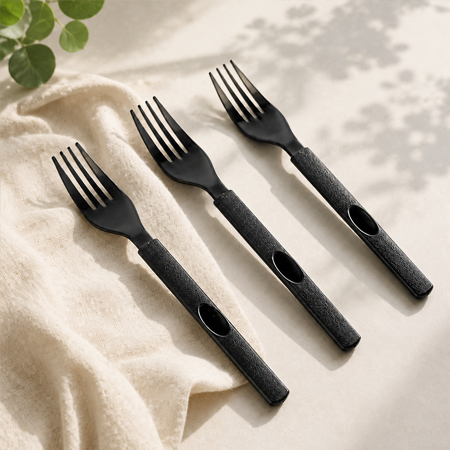
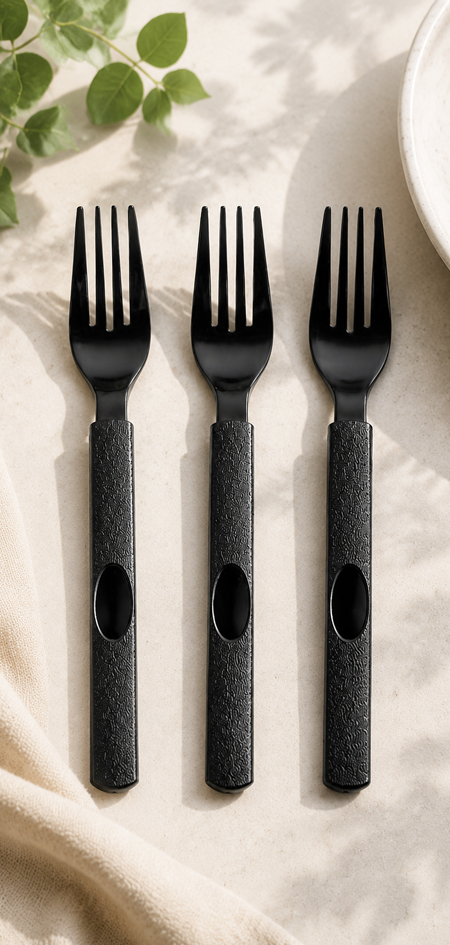
Private label buyers may request plastic silverware in black, white, clear, silver plastic, or metallic finishes. A sleek and elegant look can elevate the dining experience for a wedding, cocktail reception, or premium disposable event line, while simple mid-weight items may be better for everyday use and cost control.

Stackable bagasse sauce cups with lids for transport and storage

How to Choose a Plastic Fork, Plastic Cutlery, and Plastic Silverware by Menu Type

Menu testing is the most reliable way to choose a plastic fork. Fruit, cake, salad, noodles, rice bowls, grilled items, and hot side dishes all create different pressure on the fork head and handle. For soup, buyers usually pair spoons with the same product family so the overall dinnerware presentation stays consistent.

A sturdy fork is essential when the customer experience depends on smooth handling. Light snacks can use a lighter utensil, while dense food needs a durable feel and enough tine strength. For every meal, test the sample with real food, sauces, heat exposure, and the actual container or disposable plates used by your establishment.

Sugarcane bagasse cups with lids for small portion food service use

Bulk Plastic Cutlery Packing, Shipping, and Warehouse Planning

Volume cutlery supply should be planned around order frequency, carton dimensions, pallet loading, warehouse space, and delivery schedules. Distributors often need repeat supply with stable carton configuration, barcode support, mixed container planning, and clear lead time communication, not only a low unit price.

Before confirming orders, buyers should review inner bag quantity, master carton count, gross weight, pallet height, and whether the goods can move through receiving without repacking. For wholesale programs, stable carton markings and repeat SKU information help reduce errors.

Convenient Disposable Cutlery for Dessert, Soup, Entree, Picnic, and Catering

Disposable cutlery is used when operators need fast setup, portion-ready service, and easier cleanup after events, deliveries, or high-volume meal service. Event operators may need wrapped cutlery and utensils for boxed lunches, while a supermarket buyer may need loose plastic utensils near prepared food counters. Picnic kits and event packs are often built around convenience.

For every occasion, the same product line may not work. An outdoor barbecue needs stronger forks and knives than a tasting station. Retail-facing packs may use terms such as “perfect for parties,” but buyers should still confirm strength, food type, service occasion, and final packaging format before approval.

Sugarcane bagasse cups with lids for small portion food service use

OEM Cutlery and Utensils, White Napkin Packs, and Private Label Formats

OEM and private label disposable products often require more than a standard item. Buyers may need a custom plastic cutlery set, printed outer bags, printed cartons, bilingual labels, barcode placement, retail-ready 100 count packs, or foodservice cartons for back-of-house use. White napkin matching and paper napkins can keep the service presentation consistent.

For private label projects, buyers may compare retail-style terms such as Dixie, free shipping, or store-brand plastic silverware during market research. Final artwork, claims, carton marks, and delivery terms should still be confirmed by project, not copied from retail listings.

Professional Buyer Questions About Plastic Cutlery and Alternative Materials

Buyers comparing eco friendly disposable fork options should confirm material, certification, and disposal route before using environmental claims on packaging.

Conventional plastic forks are usually made from resins such as polypropylene or polystyrene. Plant-based alternatives may use CPLA or similar blends, but any compostable claim should be supported by documents and accepted by the relevant composting or waste management system before buyers decide how to dispose of the product.

Yes. Many buyers request cutlery sets for meal kits, catering boxes, airline-style trays, and supermarket prepared food. The format can be loose, individually wrapped, or pre-rolled depending on hygiene, labor, and service needs.

Match the weight to the menu. Mid-weight items can work for salads, cake, and light meals. Stronger items are better for main meals, rice dishes, grilled food, or applications where the fork and knife need more pressure resistance.

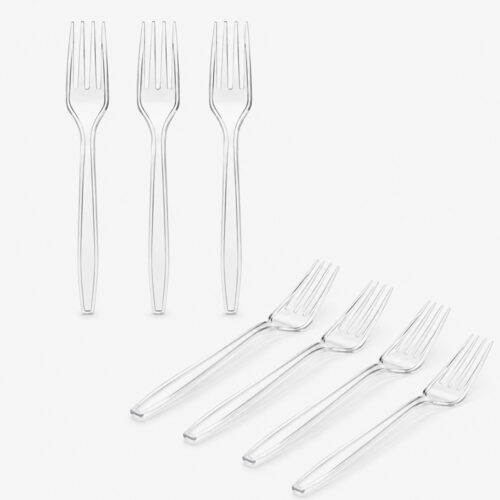
Common color options include black, white, clear, and silver plastic, depending on the material and MOQ. For a more premium look, buyers can also review metallic-style finishes, but samples should be checked under real lighting and with the final carton or bag.

Request food contact declarations, material specifications, test reports, certifications for compostable claims where applicable, and carton details. Documentation should match the exact SKU, material, food type, and temperature use.

Yes, but the formats are different. Retail packs may use display-ready bags, while foodservice cartons focus on case quantity, speed of use, and storage efficiency. The same fork design can sometimes be prepared in both formats.

Yes. Retail-style packs can be developed for private label programs, but brand names such as Dixie are used only for market comparison. Packing, count, artwork, carton details, and delivery terms should be confirmed before quotation.

Bagasse portion cups with matching lids for foodservice packaging

Ordering Guidance for Versatile Disposable Forks, Dinnerware, and Plastic Utensils

Before sending an inquiry, confirm these points so the quotation matches your real use:

Fork, spoon, and knife size, weight, color, and material
Loose, wrapped, or pre-rolled cutlery set packaging
Menu use for dessert, soup, entree, takeout, picnic, or catering
Napkin choice, carton marks, barcode, and label details
Food contact papers, compostability certificates, and market documents
Carton quantity, pallet plan, warehouse limits, and delivery destination
Sample testing for strength, mouthfeel, heat use, and customer handling
Repeat order schedule, OEM artwork, and private label approval process
Call To Action