¿Estás planeando un programa de embalaje? Habla con Nuestro equipo directivo
Indícanos cuáles son tus necesidades en cuanto al producto, la cantidad y el mercado de destino. Analizaremos tus requisitos y te ayudaremos a determinar las opciones adecuadas, la cantidad mínima de pedido (MOQ), las posibilidades de personalización y los siguientes pasos a seguir.
Comenta tu programa de embalaje con nuestro equipo directivo
Nuestro equipo directivo
¿No estás seguro de qué material, tamaño o formato de producto se adapta mejor a tu aplicación? Indícanos el uso que le vas a dar al producto, la cantidad estimada, el mercado de destino, los requisitos de marca y de documentación. Nuestro equipo te recomendará las opciones más adecuadas y te ayudará a confirmar la cantidad mínima de pedido (MOQ), las muestras, el plazo de entrega, el embalaje y los documentos de conformidad disponibles.
Asistencia para tu consulta
Compatibilidad de productos y materiales
Planificación anual del volumen y la capacidad
Desarrollo de una gama de productos de marca propia
Gobernanza de la calidad, el cumplimiento normativo y la entrega
¿Necesitas un presupuesto rápido? Habla con Nuestro equipo de ventas
Indícanos cuáles son tus necesidades en cuanto al producto, la cantidad y el mercado de destino. Te ayudaremos a confirmar las opciones adecuadas, la cantidad mínima de pedido (MOQ), los precios y los siguientes pasos a seguir.
¿Necesitas un presupuesto rápido o ayuda para encontrar el producto adecuado?
Nuestro equipo de atención al cliente y apoyo a la exportación
Indíquenos el tipo de producto, las dimensiones, la cantidad estimada, el mercado de destino y los requisitos de personalización. Nuestro equipo comercial le ayudará a identificar las opciones adecuadas y le confirmará los precios, la cantidad mínima de pedido (MOQ), las muestras, el plazo de entrega, el embalaje y los documentos de conformidad disponibles.
Asistencia para tu consulta
Compatibilidad de productos y materiales
Cantidad mínima de pedido, muestras y plazo de entrega
Opciones de impresión y embalaje OEM
Documentación para los mercados de destino
¿Estás planeando un programa de embalaje? Habla con Nuestro equipo directivo
Indícanos cuáles son tus necesidades en cuanto al producto, la cantidad y el mercado de destino. Analizaremos tus requisitos y te ayudaremos a determinar las opciones adecuadas, la cantidad mínima de pedido (MOQ), las posibilidades de personalización y los siguientes pasos a seguir.
Comenta tu programa de embalaje con nuestro equipo directivo
Nuestro equipo directivo
¿No estás seguro de qué material, tamaño o formato de producto se adapta mejor a tu aplicación? Indícanos el uso que le vas a dar al producto, la cantidad estimada, el mercado de destino, los requisitos de marca y de documentación. Nuestro equipo te recomendará las opciones más adecuadas y te ayudará a confirmar la cantidad mínima de pedido (MOQ), las muestras, el plazo de entrega, el embalaje y los documentos de conformidad disponibles.
Asistencia para tu consulta
Compatibilidad de productos y materiales
Cantidad mínima de pedido, muestras y plazo de entrega
Guía para la eliminación de vajilla de bagazo: ¿compostaje, reciclaje o vertedero?
Permíteme empezar por la parte que la mayoría de los proveedores se saltan. Un plato de bagazo es tan “ecológico” como el contenedor en el que acaba. Si compras el plato de caña de azúcar mejor certificado, libre de PFAS y con el mejor diseño del mercado, pero lo tiras en el contenedor equivocado, básicamente habrás comprado un costoso residuo destinado al vertedero.
Esa es la incómoda realidad que se esconde tras la gestión de los residuos de vajilla de bagazo. El material es realmente compostable. Sin embargo, en la mayoría de los lugares, el sistema no está preparado para ello. Y es en esa brecha entre ambos hechos donde las buenas intenciones mueren en silencio.
Así pues, esta guía responde a la verdadera pregunta —¿compostaje, reciclaje o vertedero?— sin el barniz publicitario. Analizaremos cada opción una por una, con cifras reales.
Qué es el bagazo y por qué su eliminación resulta complicada
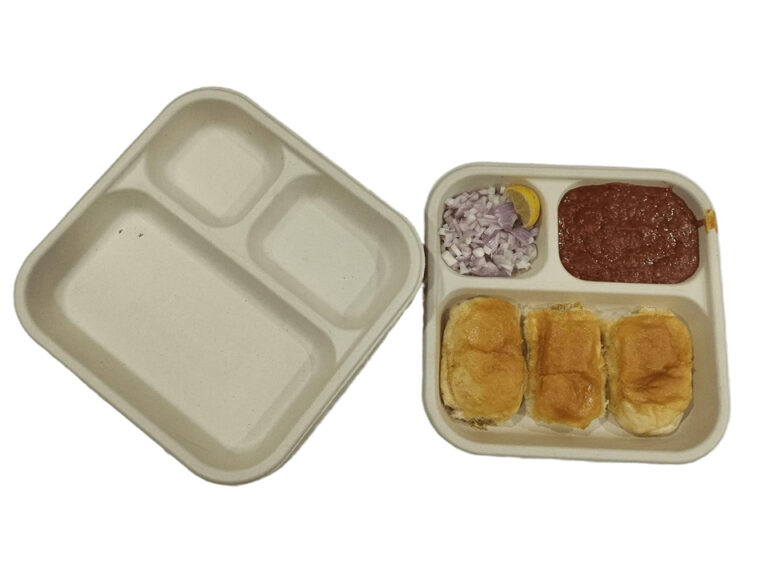
Un breve repaso sobre qué es exactamente. Cuando se tritura la caña de azúcar para extraer su jugo, lo que queda es una pulpa húmeda y fibrosa: eso es el bagazo. Antes se consideraba un residuo y, a menudo, simplemente se quemaba. Ahora, en cambio, hay quien lo moldea para convertirlo en un plato, un cuenco o una caja con tapa. Un residuo al que se le ha dado una segunda vida. Esa es la parte que realmente me gusta de todo esto.
Pero “fabricado a partir de una planta” y “desaparece como una planta” no son lo mismo. Un plato de fibra moldeada se comporta de forma diferente a una cáscara de plátano. Necesita condiciones específicas —calor, humedad, microbios, tiempo— para descomponerse. Si no se dan esas condiciones, simplemente se queda ahí, poco a poco, como todo lo demás en un vertedero.
Por eso, la eliminación no es una única solución. Son tres, por orden de importancia.
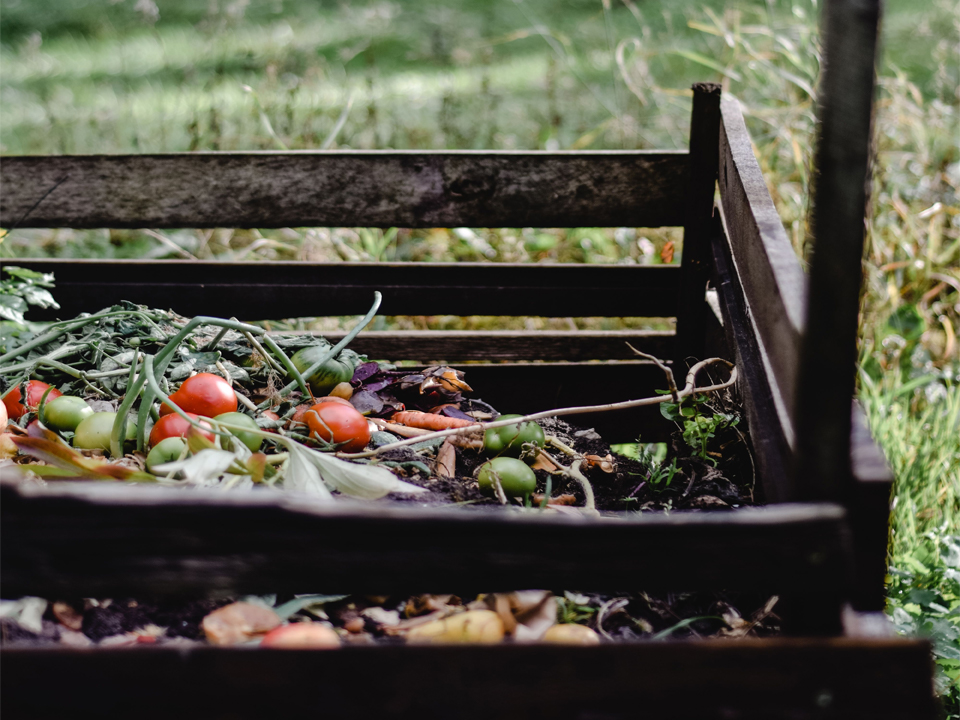
El compost: el lugar al que realmente pertenece el bagazo
El compostaje es el lugar adecuado para la vajilla de bagazo usada. Y punto. Es ahí donde el material cumple la función para la que fue diseñado.
Pero aquí hay una encrucijada, y es más importante de lo que casi nadie reconoce.
El compostaje industrial es el verdadero destino
La mayoría de los productos de bagazo certificados están diseñados para el compostaje industrial, no para el jardín de casa. Entonces, ¿qué significa realmente “certificado”? En EE. UU. se trata de las normas ASTM D6400 y D6868; en Europa, la norma EN 13432. Si lees la letra pequeña de cualquiera de ellas, verás que describen el mismo tipo de lugar: una instalación municipal o industrial lo suficientemente caliente como para alcanzar condiciones termófilas de alta temperatura. Si sometes un plato certificado a ese entorno, desaparecerá en unos 180 días. Si lo dejas en la encimera de tu cocina, no pasará nada. Busca también el logotipo de BPI o una marca equivalente de terceros, porque la palabra “compostable” impresa en una caja por sí sola no significa gran cosa.
¿El problema? Necesitas tener acceso a un establecimiento que realmente acepte utensilios de cocina. Hablaremos más sobre ese inconveniente en un momento.
Compostaje doméstico: lee la nota con asterisco
¿Se puede compostar un plato de bagazo en la pila de compost del jardín? A veces. Poco a poco. Pero no siempre.
Esta es la verdad: no existe una norma estadounidense de compostaje doméstico para estos productos, y una pila en el jardín rara vez alcanza las temperaturas sostenidas que se dan en una instalación industrial. Por lo tanto, un plato certificado como compostable industrialmente puede tardar mucho más en descomponerse en tu jardín —o puede que solo se descomponga a medias, dejando restos fibrosos—. Los artículos limpios, sin recubrimiento y con pocos restos de comida (un plato seco partido en trozos) se descomponen mejor que una bandeja con tapa empapada de grasa. Ajusta tus expectativas en consecuencia.
¿Se pueden reciclar los platos y cubiertos de bagazo? En resumen: no
Esto confunde constantemente a los compradores bienintencionados. Parece papel, por lo que el instinto es tirarlo al contenedor de papel para reciclar. No lo hagas.
Hay dos razones. En primer lugar, cuando acabas de usarlo, suele estar manchado de comida, y la contaminación alimentaria es precisamente lo que las plantas de reciclaje se esfuerzan por mantener fuera del flujo de papel. En segundo lugar, la vajilla de fibra moldeada nunca se diseñó para ser reprocesada en pulpa como se hace con el papel de oficina. Si echas un cuenco de bagazo grasiento en tu contenedor azul, corres el riesgo de estropear todo el lote que lo rodea. Es un material de compostaje disfrazado de papel.
Vertedero: la opción por defecto que triunfa sin hacer ruido
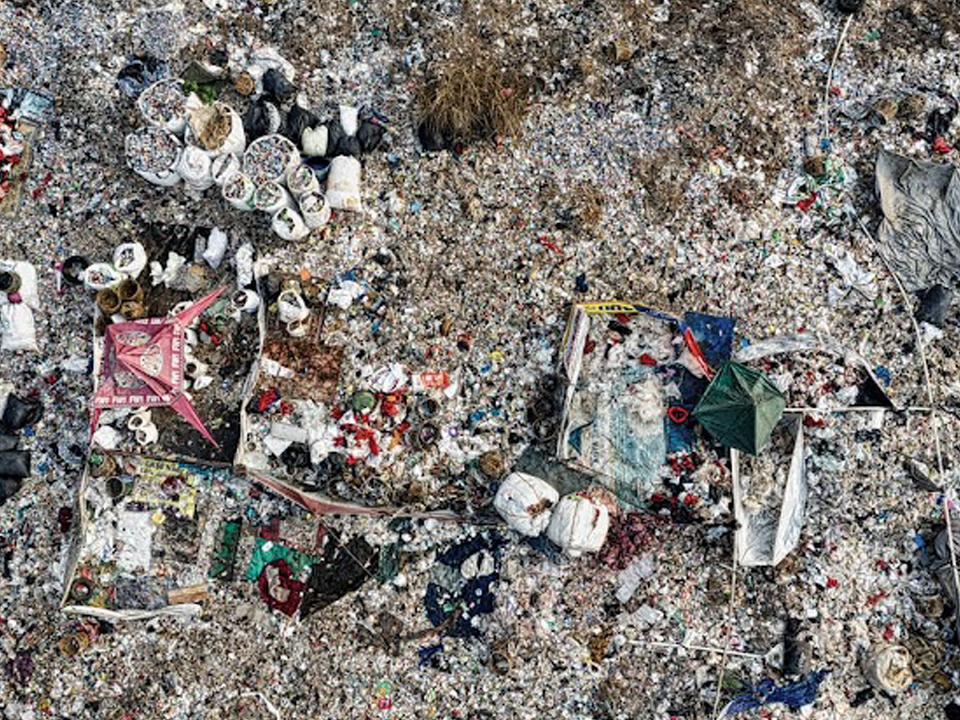
Esta es la consecuencia de la que nadie quiere hablar. Para la mayor parte de la vajilla de bagazo que se vende hoy en día, el vertedero es el destino más probable… y es el peor de todos.
¿Y ese plato “compostable” que has tirado a la basura? No es neutro en carbono. Está generando metano en silencio mientras se hace pasar por ecológico. Y eso debería sentar mal a cualquiera que defienda con sinceridad la causa ecológica.
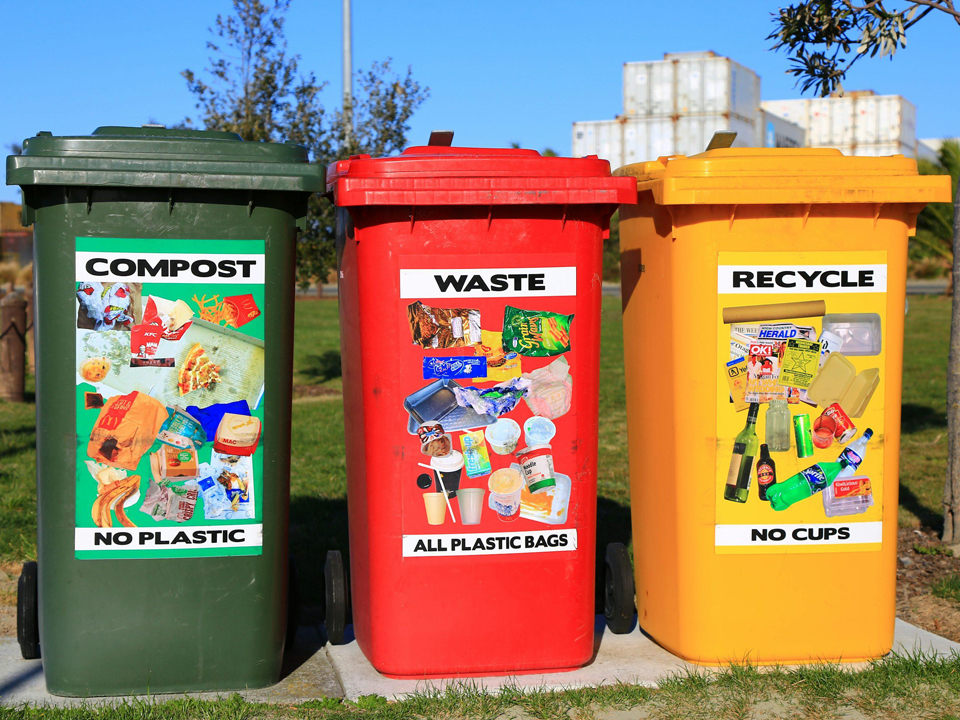
¿Qué contenedor sale ganando? Comparativa de las rutas
Aquí tienes la resolución completa en un lenguaje sencillo, ya que gran parte de ella depende de una infraestructura sobre la que quizá no tengas control.
El compostaje industrial o comercial es la vía para la que se diseñó el bagazo —siempre que el producto cuente con la certificación ASTM D6400/D6868 o EN 13432 y se pueda acceder realmente a una instalación que acepte vajilla de uso alimentario. Muchas siguen sin hacerlo. El contenedor verde de residuos orgánicos de la acera funciona a veces, pero solo cuando el programa municipal permite explícitamente la vajilla compostable, y esas normas varían enormemente de una ciudad a otra; algunas lo prohíben rotundamente. El compostaje doméstico es, en el mejor de los casos, parcial y lento: no existe una norma estadounidense para el compostaje doméstico, y una pila de jardín rara vez alcanza la temperatura suficiente para completar el proceso. El reciclaje de papel es un «no» rotundo, ya que la fibra manchada de comida solo contamina el flujo de reciclaje. Y el vertedero es el último recurso, donde el material se descompone sin oxígeno y emite metano de forma constante. La mejor opción está en la parte superior, la peor en la inferior —y fíjate en que la opción superior depende por completo de que exista un sistema para recogerlo.
La cruda realidad: “compostable” solo cuenta si el sistema lo aprueba
Ahora mi opinión controvertida, y la mantengo. La mayor parte del marketing de la vajilla compostable consiste en vender un producto que el sistema de gestión de residuos aún no puede gestionar. La certificación es real. El destino, para la mayoría de los compradores, es imaginario.
He observado el proceso de clasificación en las plantas de compostaje y el patrón se repite: los vasos y platos compostables se retiran de la cadena de montaje a mano y se tiran a la basura, porque en una planta con mucho trabajo no es fácil distinguir un producto certificado de un plástico de aspecto similar, y un solo lote defectuoso echa a perder todo el compost. No se trata de una queja aislada. El El Departamento de Ecología del Estado de Washington afirma claramente que muchos proveedores de servicios e instalaciones de compostaje no aceptan productos compostables., y que, cuando esos artículos llegan a un centro que no los acepta, se separan del resto y acaban en el vertedero de todos modos.
Entonces, ¿quién lo está haciendo bien? Fíjate en dónde la ley obliga a cerrar el círculo. Proyecto de ley SB 1383 de California Está en vigor desde principios de 2022 y no deja otra opción a los residentes ni a las empresas: los restos de comida y el papel manchado de comida deben separarse de la basura, ya que el Estado persigue una reducción del 75% en la eliminación de residuos orgánicos para 2025. Allí donde una norma como esa se aplica realmente —con contenedores verdes, capacidad real de compostaje e instrucciones claras—, el bagazo cumple por fin lo que prometía la caja. Donde no es así, se vuelve a caer en la ingeniería ilusoria.
Por eso les digo a los compradores sin rodeos: no vendáis productos “compostables” a un mercado que no puede compostarlos. Vended el material adecuado para la realidad de la gestión de residuos sobre el terreno.
Cómo desechar correctamente la vajilla de bagazo
Basta ya de teoría. Aquí tienes la guía práctica, empezando por la mejor opción.
Consulta tu programa local antes de comprar al por mayor. Una simple llamada a tu empresa de recogida de residuos o a tu centro de compostaje te dará respuesta a la única pregunta que importa: ¿aceptan vajilla alimentaria certificada como compostable? Si la respuesta es sí, ya estás listo: ya sea el contenedor verde o la recogida comercial de residuos orgánicos.
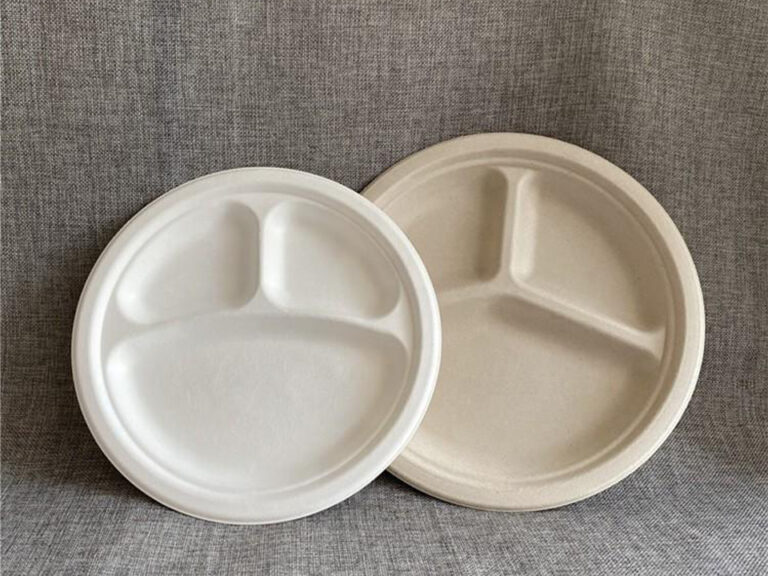
Elige el producto adecuado para cada uso. La comida grasienta y con salsa nunca vuelve a ser un plato ligero, así que la fibra es la mejor opción en este caso. Un producto resistente Plato de bagazo de tres compartimentos para el sector de la restauración mantiene separados los restos de comida y se lleva directamente al compost, donde se aceptan. Para eventos y bufés, platos redondos de bagazo para uso en catering gestionar el volumen sin generar residuos plásticos. Incluso las cosas pequeñas cuentan: un Vaso de bagazo con tapa para condimentos para llevar mantiene todo el pedido en un único flujo de residuos compostables, en lugar de mezclarlo con un vasito de plástico que complica la clasificación.
Limpia con una espátula, no enjuagues. Vierte los restos de comida en el contenedor de residuos orgánicos o en la basura, y luego destina el recipiente al compost. No malgastes agua intentando dejarlo impecable: para el compost no hace falta que esté limpio.
Si realmente no existe la posibilidad de hacer compostaje, deséchalo en el vertedero y adapta tus hábitos de compra. Esa es la alternativa más sensata. Pero si el vertedero es tu única opción real, tómatelo como una señal para presionar a tu proveedor y a tu ayuntamiento para que ofrezcan mejores opciones, no como una prueba de que el contenedor verde existe.
Preguntas frecuentes
¿Cómo se desechan los platos de bagazo? Si puedes, haz compost con ellos —lo ideal es mediante compostaje industrial o comercial, donde el calor se encarga de todo y un plato certificado se descompone en unos 180 días—. Retira primero los restos de comida y, a continuación, deposítalos en el contenedor de residuos orgánicos o en un servicio comercial de recogida de compost. La verdadera dificultad radica en si tu programa local acepta vajilla compostable, ya que muchos no lo hacen. Si no hay ningún servicio de compostaje cerca de ti, acabará en la basura, y ese es, sinceramente, el peor de los casos.
¿Se pueden reciclar los artículos de mesa fabricados con bagazo? Respuesta breve: no. Parece papel, pero no debe tirarse con el papel para reciclar. Cuando ya no lo necesitas, suele estar manchado de comida, y la contaminación por alimentos es precisamente lo que las plantas de reciclaje se esfuerzan más por mantener fuera del flujo de papel. La fibra de caña de azúcar moldeada está pensada para el compostaje, no para ser transformada en pasta de papel como un documento de oficina. El contenedor al que debes echarlo es el de compost, no el azul.
¿Se pueden compostar en el jardín los platos de bagazo? En la mayoría de los casos no, o al menos no de forma fiable. Las certificaciones que llevan estos platos están pensadas para el compostaje industrial, donde las pilas alcanzan y mantienen altas temperaturas, algo que no suele ocurrir en un montón de jardín. Tampoco existe ninguna norma estadounidense de compostaje doméstico para ellas. Un plato limpio, seco y troceado podría descomponerse lentamente en una pila de jardín bien gestionada, pero uno empapado de grasa a menudo simplemente no se descompone del todo. No confíes en la pila que hay junto a la valla.
¿Cuánto tiempo tardan en descomponerse los cuencos de bagazo? Unos 180 días en una instalación industrial adecuada: esa es la cifra que se desprende de las normas ASTM D6400 y D6868, donde el calor constante, la humedad y los microbios hambrientos aceleran todo el proceso. Pero el término “aproximadamente” cobra aquí todo su sentido. El tiempo real varía en función de la instalación, del recubrimiento del cuenco y de la cantidad de comida que aún quede adherida a él. En un montón en el jardín, sin esas condiciones, el proceso puede prolongarse durante años o incluso no completarse nunca del todo.
¿Es mejor la vajilla de bagazo que la de plástico si al final acaba en el vertedero? Una vez que llega al vertedero, la mayor parte de esa ventaja se esfuma. La descomposición de la materia orgánica sin oxígeno genera metano, y el metano es un gas de efecto invernadero muy perjudicial. El bagazo sigue evitando el plástico de origen fósil y los PFAS que contienen algunos envases —así que no es un fracaso total—, pero la verdadera ventaja solo se aprecia si el plato llega a un compostador. Si acaba en el vertedero, no es más que una fuente de metano más silenciosa de lo que cabría esperar.
Tus próximos pasos
Si estás buscando vajilla de bagazo para un restaurante, una empresa de catering o un programa de distribución, no te conformes con que “sea compostable”. Hazte la siguiente pregunta: ¿dónde se puede compostar y quién lo va a aceptar?
Indícanos tu mercado, tu tipo de servicio y tu volumen, y te ayudaremos a elegir los formatos de bagazo adecuados —platos, cuencos, vasitos para salsas y bandejas de catering— que se adapten a la realidad de la gestión de residuos a la que se enfrentan realmente tus clientes. Materiales certificados, asesoramiento sincero y una gama diseñada para descomponerse donde debe, no solo en la etiqueta. Materiales certificados, asesoramiento sincero y una gama diseñada para descomponerse donde debe, no solo en la etiqueta.