






Bagasse Sauce Cups with Lids | 1oz 2oz 4oz Sugarcane Bagasse Portion Cups

Our sugarcane bagasse portion cup range is designed for restaurants, catering suppliers, supermarkets, meal prep brands, takeaway operators, and foodservice distributors that need reliable small-portion serving. Buyers use these cups for sauce, dip, dressing, condiment, sampling, and controlled side servings where a neat cup and matching cover help daily operations run smoothly.

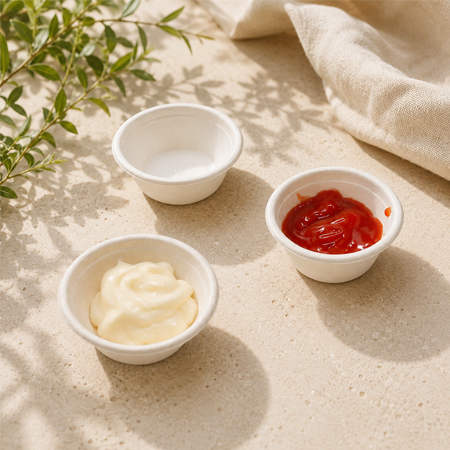
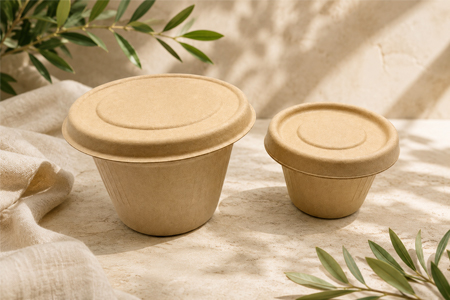
Compostable sugarcane sauce cups for restaurant and deli counters

What Are Bagasse Sauce Cups for Foodservice Buyers?

A bagasse sauce cup is a small molded pulp serving format made from sugarcane bagasse, the fibrous byproduct left after sugarcane juice extraction. It is commonly selected for portion control, tasting service, salad dressing, takeaway sides, and small prepared-food items where conventional single-use plastic may not match the buyer’s material policy or brand presentation.

For procurement teams, the product value is not only about material. It is also about stacking, storage, transport, carton efficiency, cover matching, and clear documents before placing a repeat order. A well-specified bagasse cup can support restaurant back-of-house use, central kitchen packing, supermarket deli counters, and food service distribution programs.

Bagasse Portion Cups with Lids: 1oz, 2oz, 3oz, and 4oz Options

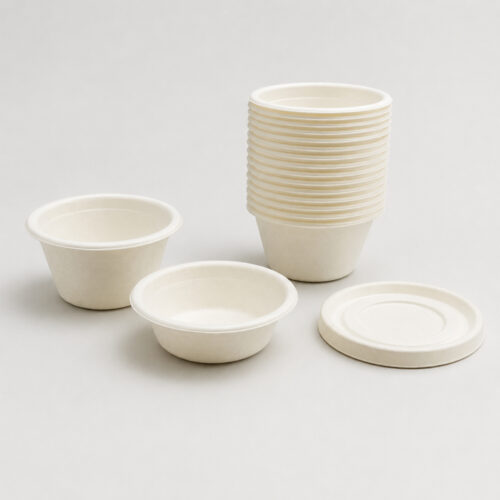
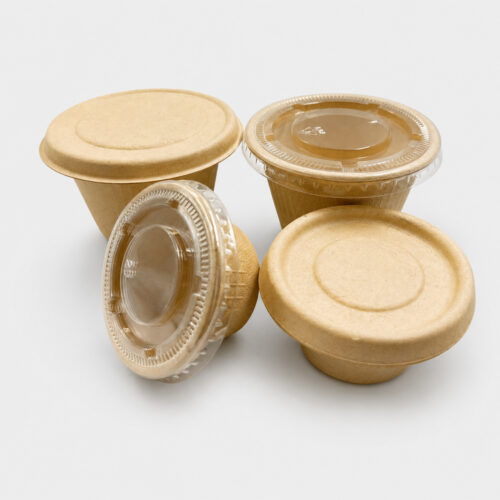
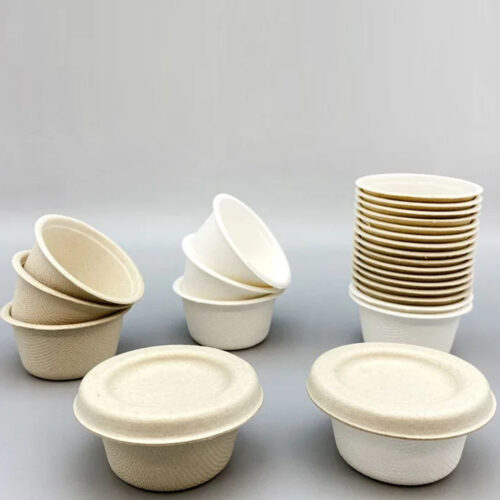
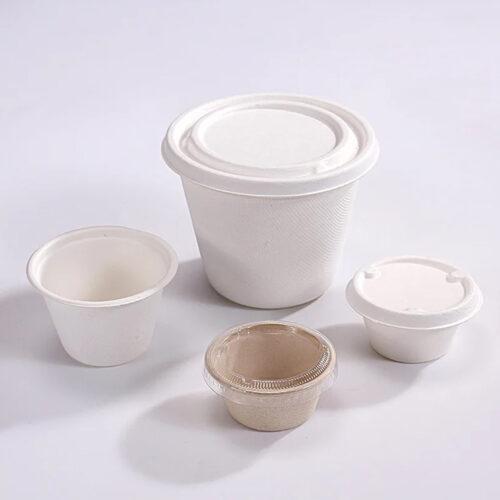
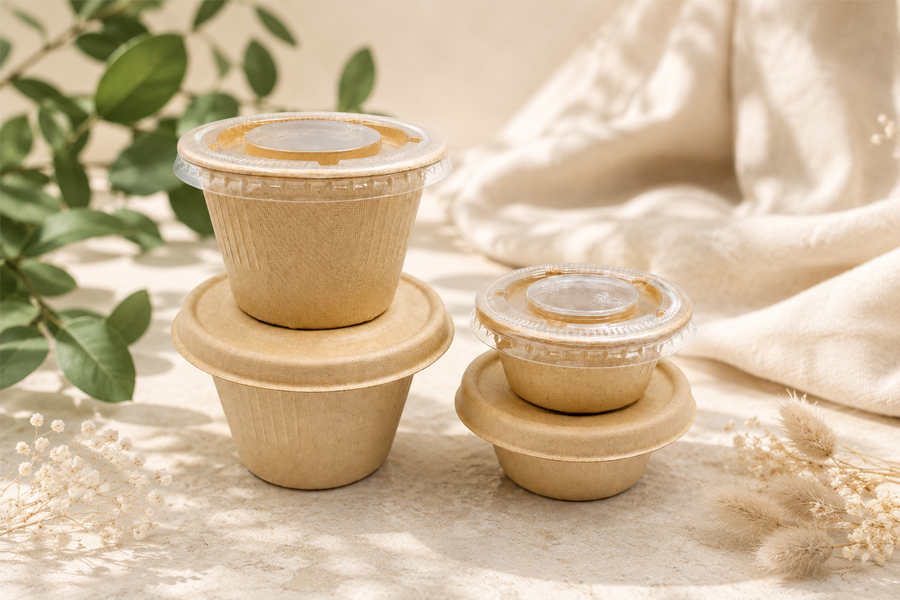
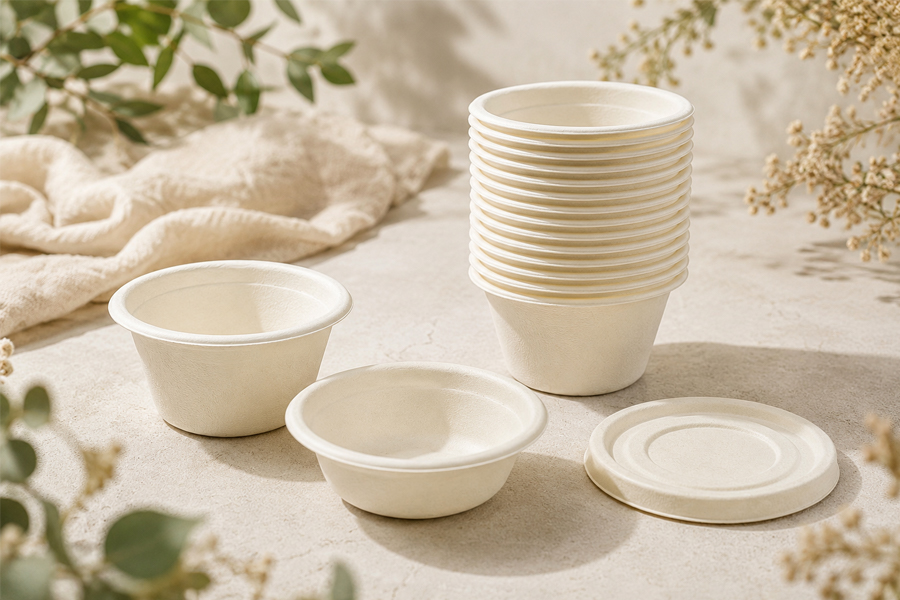
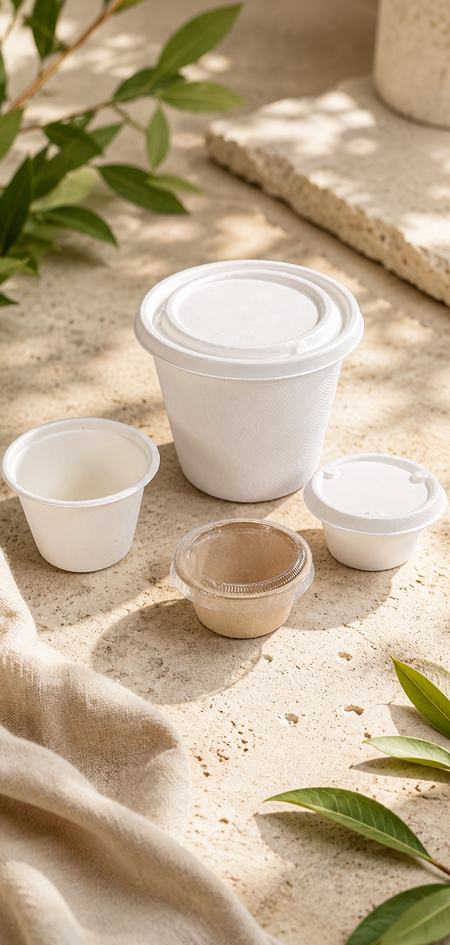
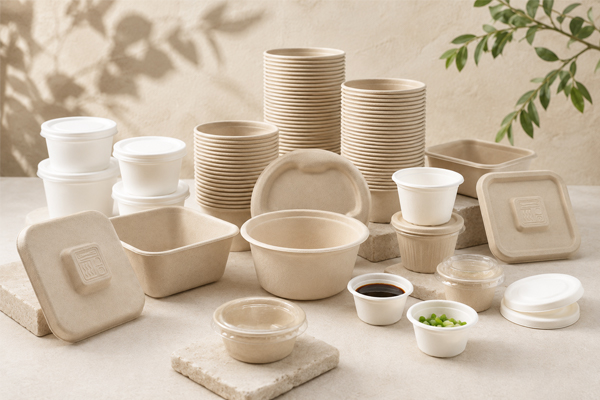
This product showcase section is for compact bagasse portion cups designed for controlled serving and clean takeaway packing. The range can include common oz options such as 1oz, 2oz, 3oz, and 4oz, with compatible lids depending on the selected size and buyer requirements. These cups with lids are suitable for sauces, dips, dressings, tasting portions, and small side servings in B2B food packaging programs.

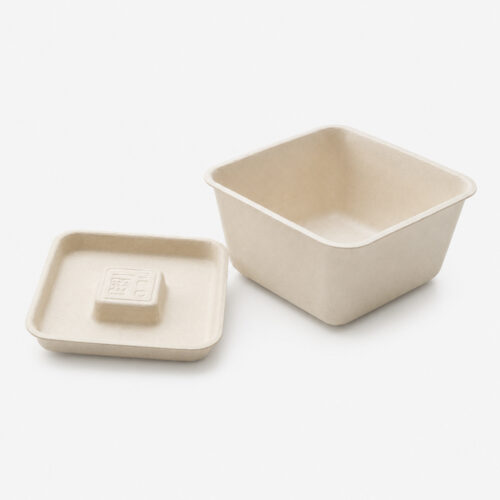
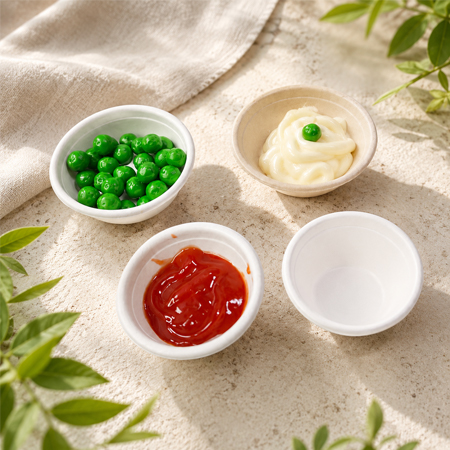
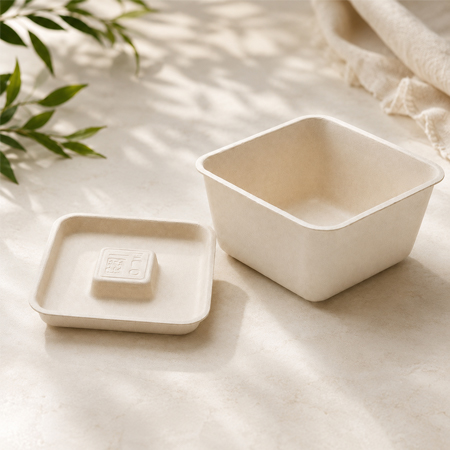
Rectangular bagasse cups for sauce, dip, sampling, and side servings
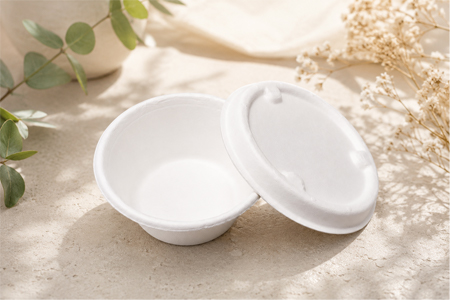
Disposable bagasse sauce cups with lids for wholesale foodservice supply

Sugarcane Bagasse Pulp Material for Eco-Friendly Tableware

Sugarcane bagasse is pressed into a molded pulp structure with a natural matte appearance. For buyers building an eco-friendly tableware range, this material can provide a different look from clear plastic portion containers while still keeping the familiar small-cup serving format used in restaurants and takeaway operations.

Molded Pulp and Fiber Structure for Bagasse Tableware

The pulp and fiber structure gives the cup a simple, natural feel that works well with broader bagasse tableware programs. Buyers often choose this type of product alongside plates, bowls, trays, or clamshells when they want a more consistent sustainable food service presentation across multiple categories.

Compostable Sugarcane Material Claims to Confirm

A compostable sugarcane product may support a more sustainable purchasing direction, but end-of-life claims should be checked before use in catalogs, cartons, or product pages. If terms such as compostable, biodegradable, or compostable and biodegradable are required, confirm the exact documents, test scope, and local disposal context with your supplier.

Choosing the Right Size, Lid, and Diameter for Portion Programs

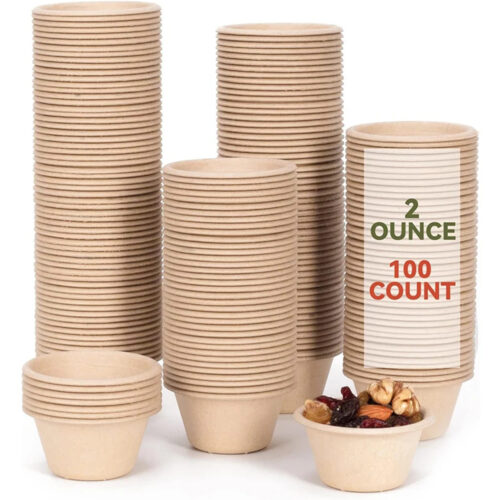
Small portion programs usually begin with capacity planning. A 1oz format is often used for samples or light servings, while 2oz is a common choice for dipping portions, salsa, and standard takeaway sides. A 2 oz label may also be used in catalogs when buyers prefer spaced capacity formatting.

For larger servings, 3oz and 4oz options can support thicker dips, deli-style sides, tasting portions, or premium meal kits. When selecting a 2oz bagasse sauce cup, buyers should confirm rim fit, cover style, stack height, carton quantity, and diameter so the SKU works with existing packing lines and storage shelves.

Oz Capacity Planning for 1oz, 2oz, 3oz, and 4oz

The right size depends on menu habits and cost control. A restaurant chain may prefer smaller portions for consistency, while a catering supplier may need larger servings for buffet, event, or sample tray use.

Lid Fit, Stacking, and Carton Storage

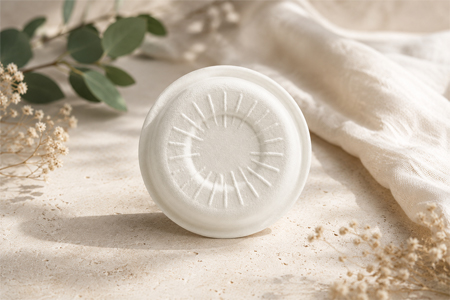
Cover fit should be checked with real samples before full purchase. Ask for sample sets, inner pack details, carton dimensions, and loading information so your warehouse, QA, and purchasing teams can review the product before approval.

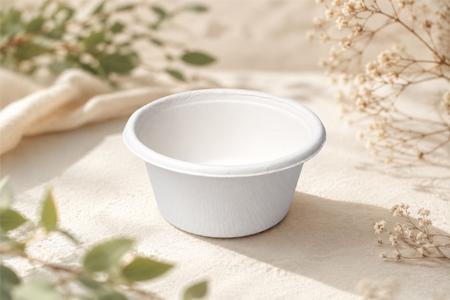
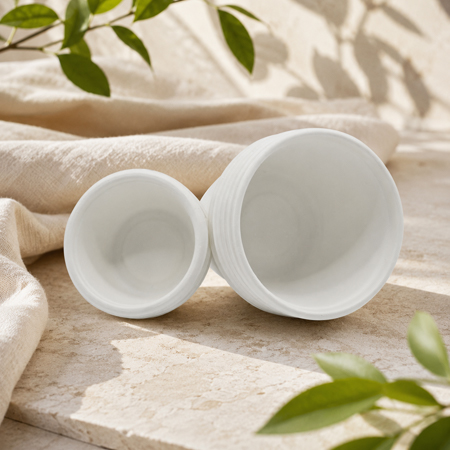
Eco-friendly molded pulp sauce cups made from sugarcane bagasse

2oz Bagasse Sauce Cup Applications for Dip, Dressing, and Condiment Service

A 2oz bagasse sauce cup is often selected for dip, dressing, tasting portions, and controlled side servings in takeaway, catering, and supermarket deli programs. It gives operators a familiar small-portion format while supporting buyers that want natural sugarcane fiber tableware options.

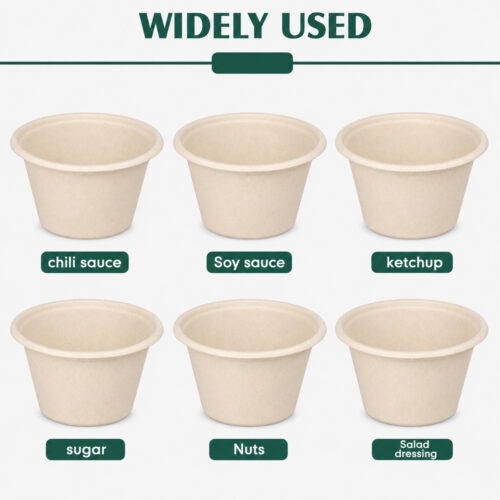
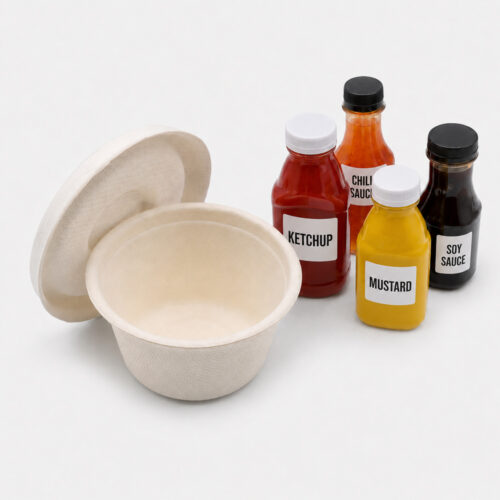
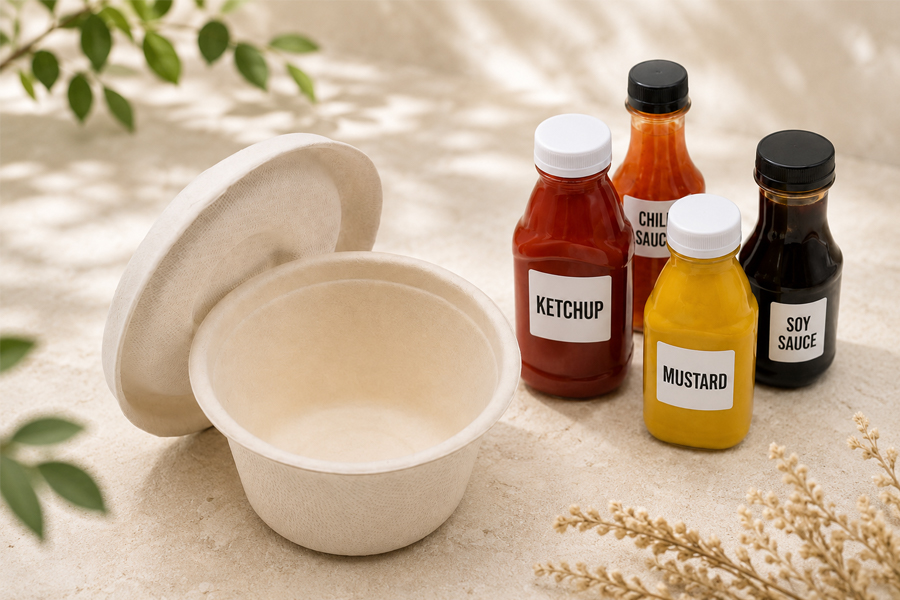
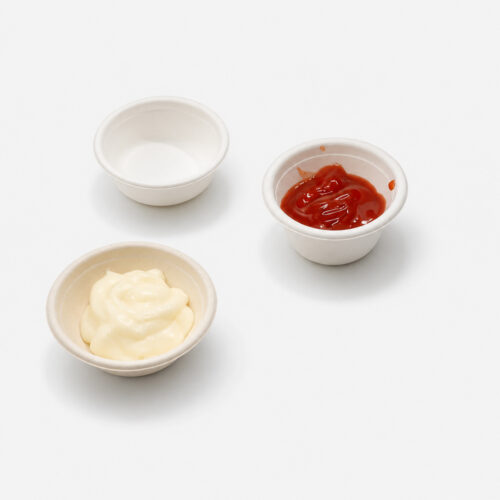
These cups can be used for ketchup, aioli, soy-based dips, barbecue portions, chutney, salad dressing, and sample tasting. Because different foods vary in oil, salt, acidity, and thickness, buyers should test the actual menu item before approving full commercial use.

Disposable Bagasse Cups for Takeout, Catering, and Food Service

Disposable bagasse portion cups can help restaurants and distributors serve small items neatly without changing the basic workflow of filling, covering, packing, and transporting. For takeout meals, side portions can be packed separately to help maintain presentation and reduce mixing during delivery.

For food service distributors, the product should be easy to explain to buyers: available capacities, matching covers, carton quantity, storage needs, and sample availability. Clear SKU information is especially important when one customer needs small tasting cups and another needs larger side-serving formats.

When buyers compare this format with single-use plastic, the decision should include material preference, application fit, documentation, price target, and local disposal options. This avoids exaggerated environmentally friendly claims and keeps the sales conversation practical.

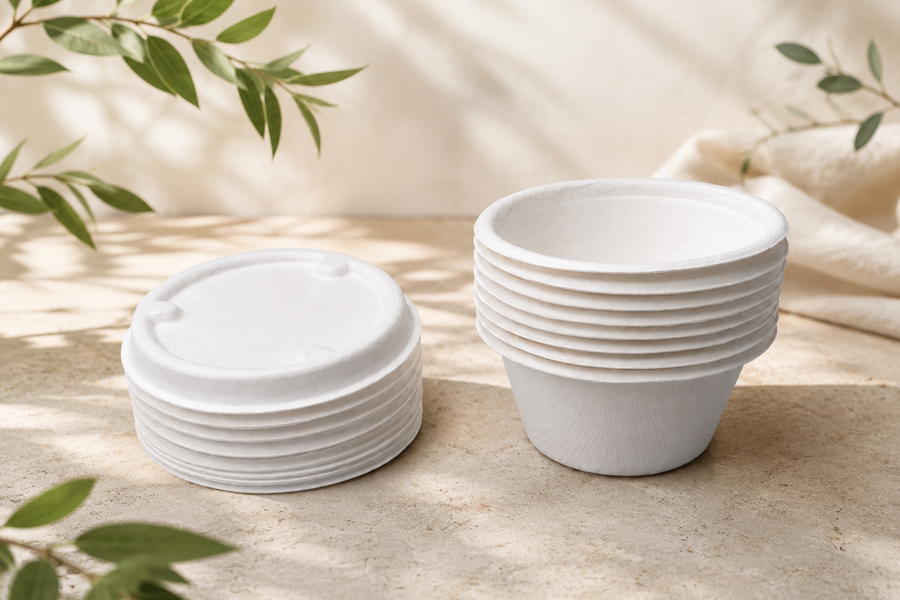
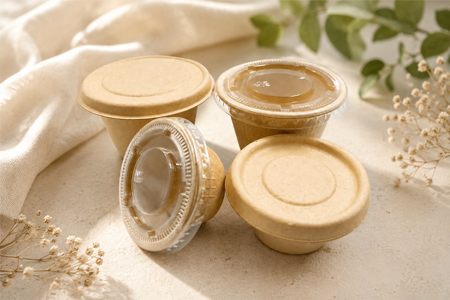
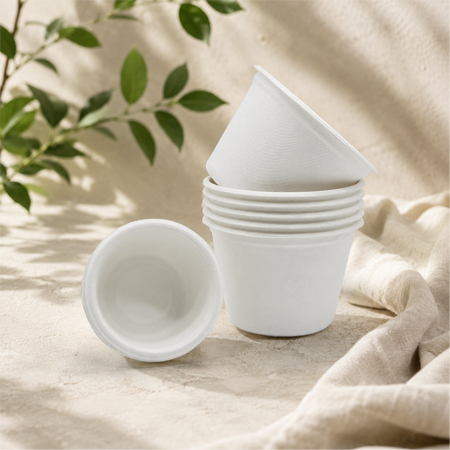
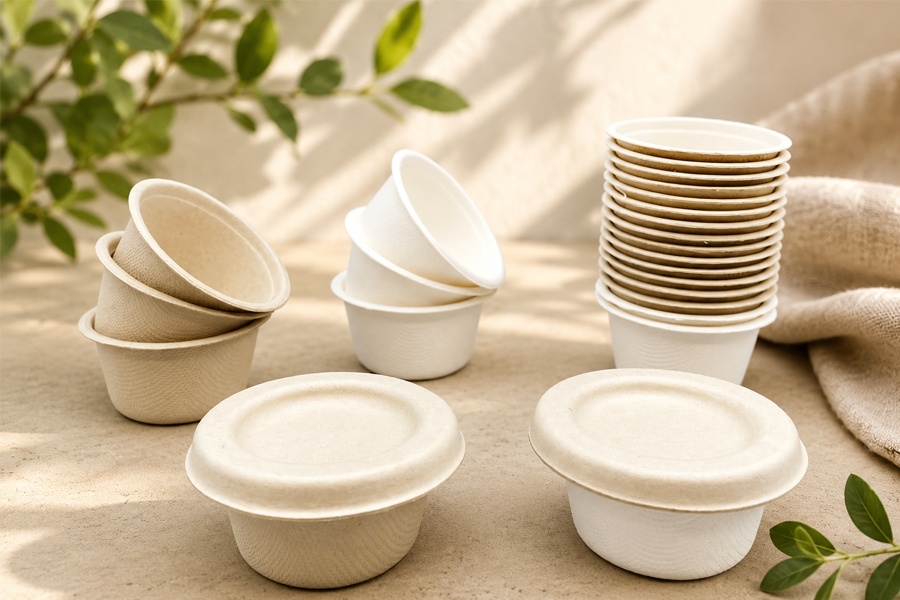
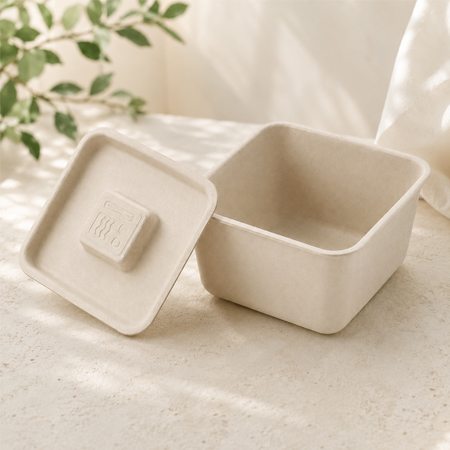
Stackable bagasse sauce cups with lids for transport and storage
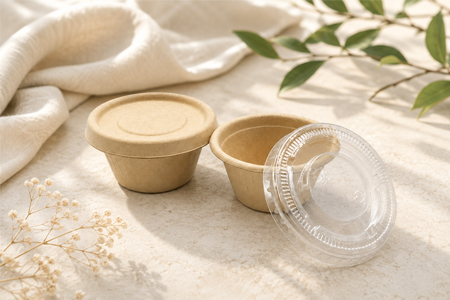
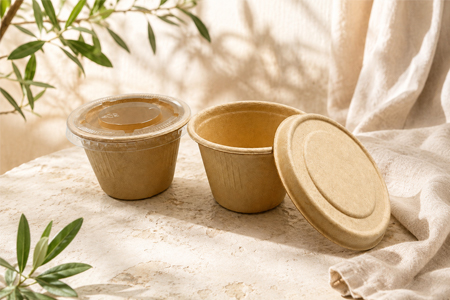
Sugarcane bagasse cups with lids for small portion food service use

Wholesale Supply, Carton Planning, and Repeat Purchase Support

For wholesale buyers, the lowest unit price is only one part of the decision. A stable supply program should consider carton size, pallet loading, mixed SKU availability, cover compatibility, labeling needs, and whether the supplier can support repeat purchasing without changing product specifications unexpectedly.

Before confirming supply, ask for capacity details, packing photos, carton labels, sample approval, and clear item codes. This makes it easier for procurement, warehouse, QA, and sales teams to identify the correct cup when reordering or quoting to regional restaurant and distributor accounts.

For importers and private-label buyers, carton planning also affects storage and freight cost. Clear carton details, inner pack quantities, and loading photos help teams compare models more accurately than unit price alone.

OEM Printing and Private Label Support for Sugar Cane Packaging

For brand owners and distributors, oem support may include private label cartons, custom carton marks, barcode labels, and selected printing options where technically suitable. Because a molded fiber surface differs from plastic or coated paper, artwork expectations should be checked early.

If you need retail-ready packs or distributor-branded cartons, share your artwork, market language, and compliance wording before production. A practical supplier can help review whether terms such as compostable cups, compostable condiment cups, sugarcane cups, or disposable sauce cups should appear on the carton and what supporting files may be needed.

Private label discussion should also include SKU names, carton layout, outer label content, pallet requirements, and whether the buyer needs neutral export cartons or branded cartons for direct distribution.

Bagasse condiment cups for supermarkets, meal prep, and foodservice distributors
Natural sugarcane fiber sauce cups for catering and takeaway meals

Sustainable and Biodegradable Claims: Certify Documents Buyers Should Check

Environmental and food-contact wording must be handled carefully. Do not treat claims such as certified compostable, food-grade, non-toxic, bpa-free, or microwave use as default statements. Ask which reports, declarations, or certificates are available for review, and confirm whether they apply to the exact product and target market.

If your sales channel requires biodegradable or sustainable packaging language, review the claim, certification scope, disposal route, and customer-facing wording before publishing. Certification programs, local compost rules, and certify requirements may vary, so it is safer to approve claims only after documentation review.

A reliable supplier should be able to support buyer checks with product specifications, material descriptions, available test documents, carton information, and sample approval. This is especially important for United States and European buyers selling through supermarkets, foodservice distributors, and private-label channels.

FAQ About Compostable Bagasse Sauce Cups

They can be considered for many small-portion applications, but testing is recommended with the actual food, fill time, storage condition, and cover combination before commercial approval.

Yes, matching cover options can usually be discussed by capacity. Buyers should approve samples to confirm fit, stacking, and transport performance.

Common options include 1oz, 2oz, 3oz, and 4oz. Exact dimensions, rim design, carton packing, and lid compatibility should be confirmed before purchasing.

They can be used as an alternative for many takeaway and catering programs, especially when buyers want natural sugarcane presentation. Suitability depends on food type, handling, cost target, and disposal requirements.

Yes, private label carton marks and selected branding support can be discussed, including product codes, outer carton text, barcode labels, and distributor-specific requirements.

Yes. Matching cover options can usually be reviewed by capacity, but buyers should confirm fit, stacking, packing, and transport performance with samples before placing a bulk order.

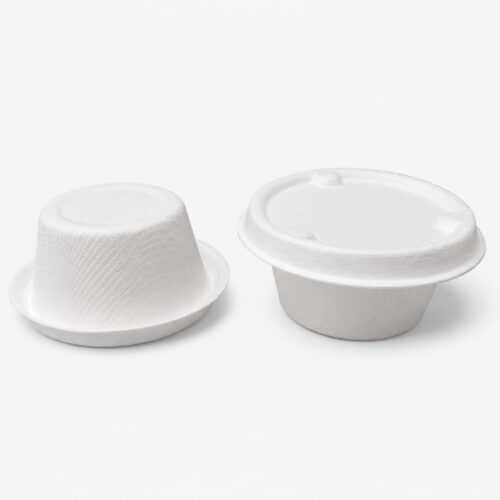
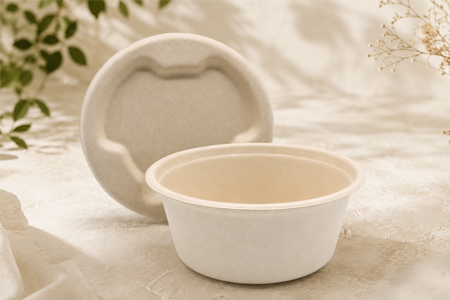
Bagasse portion cups with matching lids for foodservice packaging

Request Bagasse Sauce Cup Samples and a Wholesale Quotation

Compostable bagasse sauce cups are a practical choice for buyers who need small-portion serving, natural material presentation, matching cover options, and commercial supply support. They help organize dip, dressing, sampling, takeout, and catering programs while giving buyers a molded pulp alternative to conventional plastic portion formats.

Send your required capacity, lid option, target market, carton needs, sample request, and expected purchase volume. We can help review available models, carton details, documentation, OEM support, and a wholesale quotation for your next sustainable food packaging project.

Call To Action