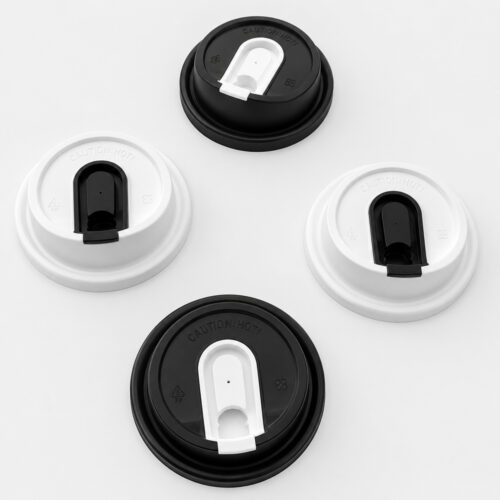





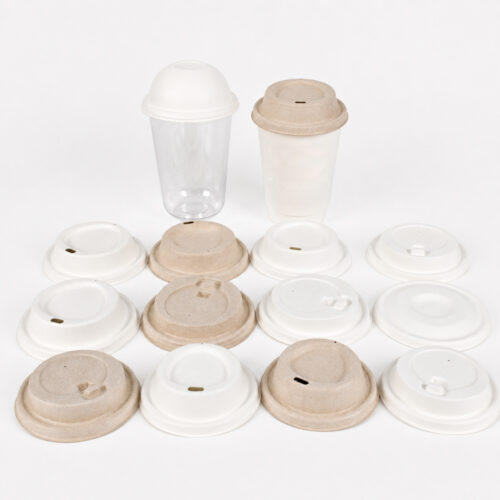
Cup Lids Supplier for Hot and Cold Beverage Cups

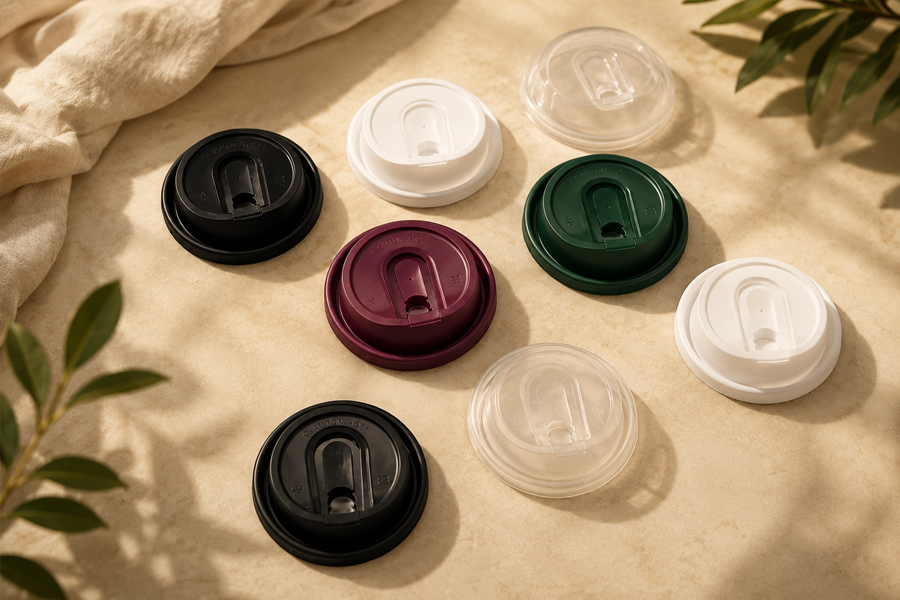
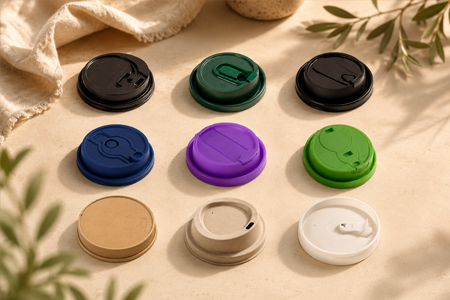
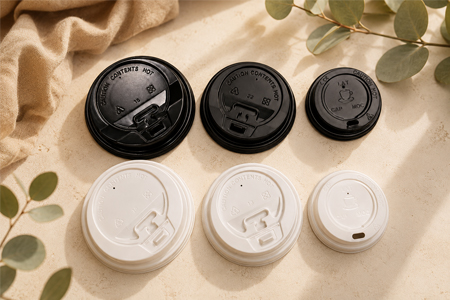
We supply cup lid options for paper cups, plastic cups, coffee service, cold beverages, and other disposable cup formats, including disposable cup lids for different foodservice applications. Buyers can compare flat, dome, direct-drink, straw-slot, and molded-fiber designs, along with material, color, branding, carton packing, and matching cup options. Fit depends on rim diameter, cup profile, closure geometry, filling temperature, and intended use. Each lid should be matched to the exact cup specification rather than capacity alone.

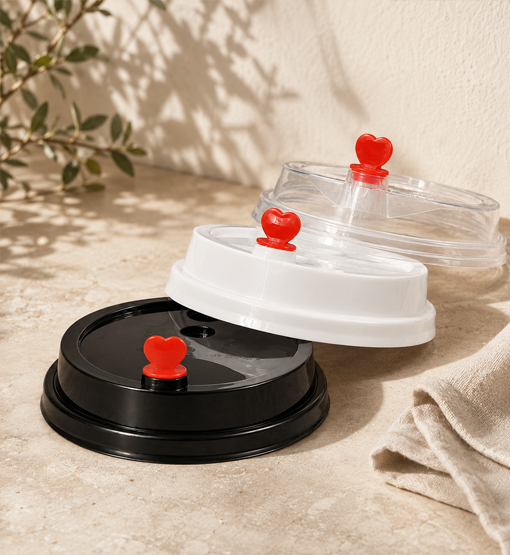
Bulk cup lids packed for foodservice distributors

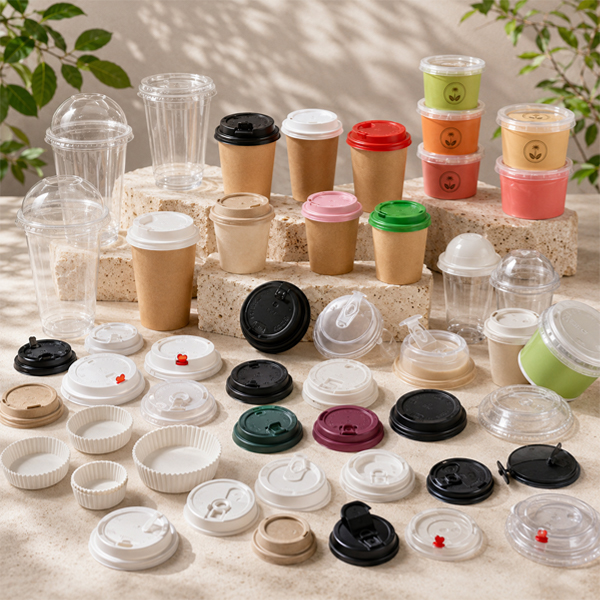
Cup Lid Types for Hot and Cold Beverage Service

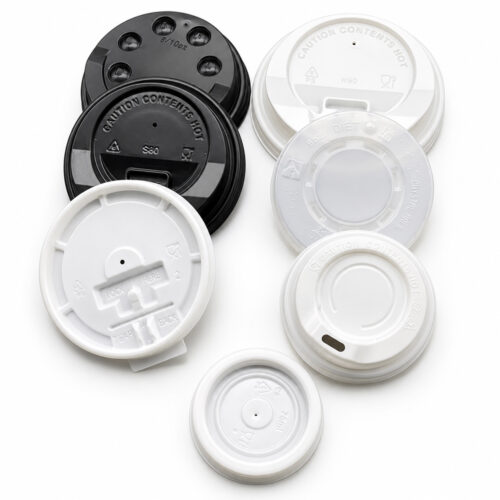
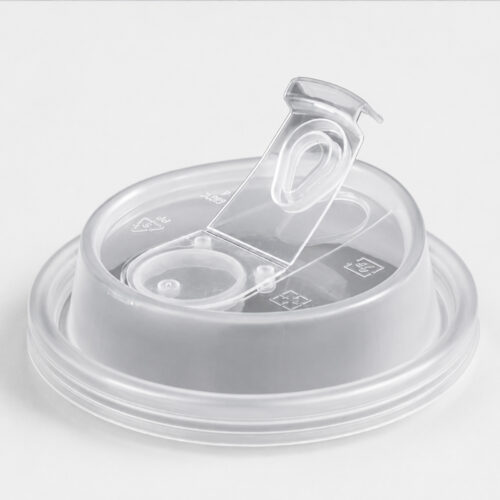
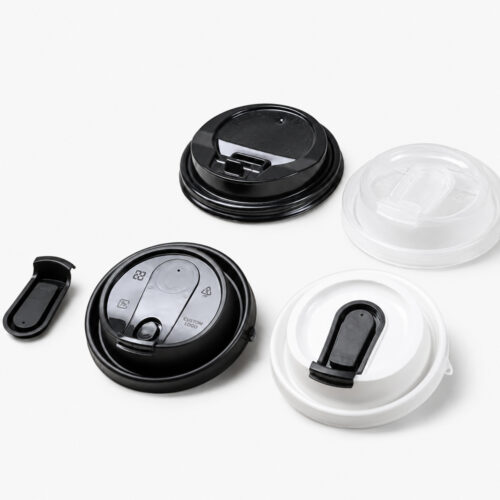
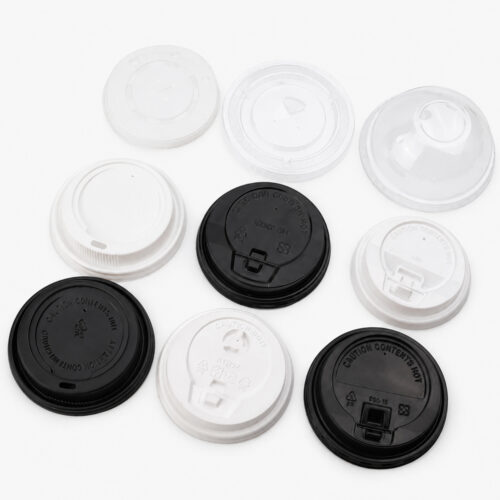
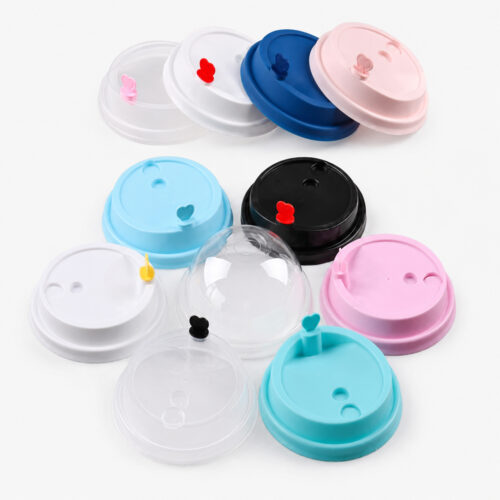
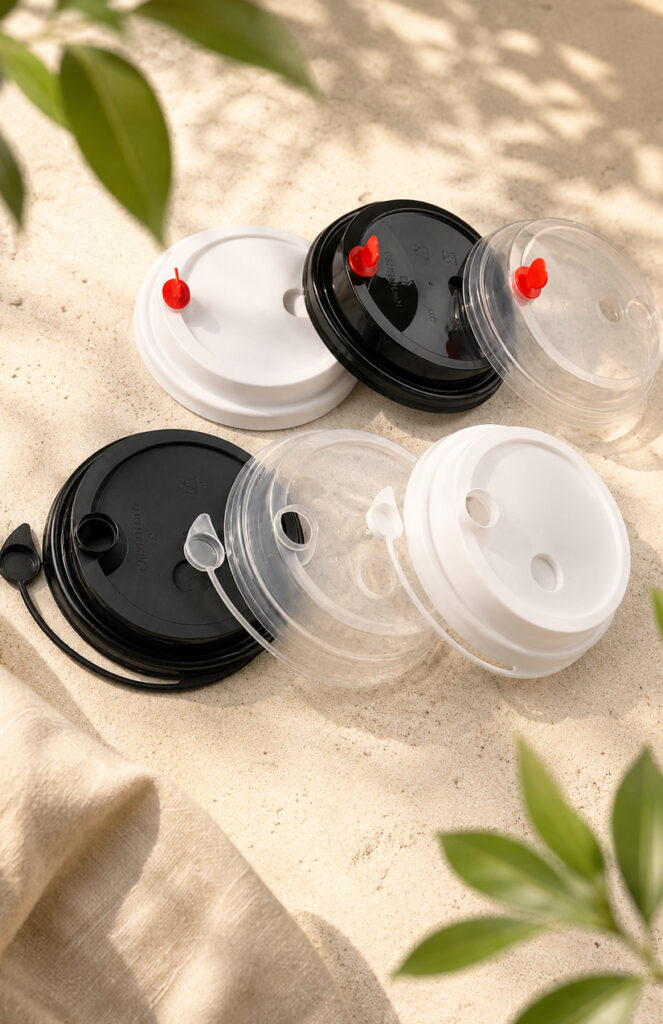
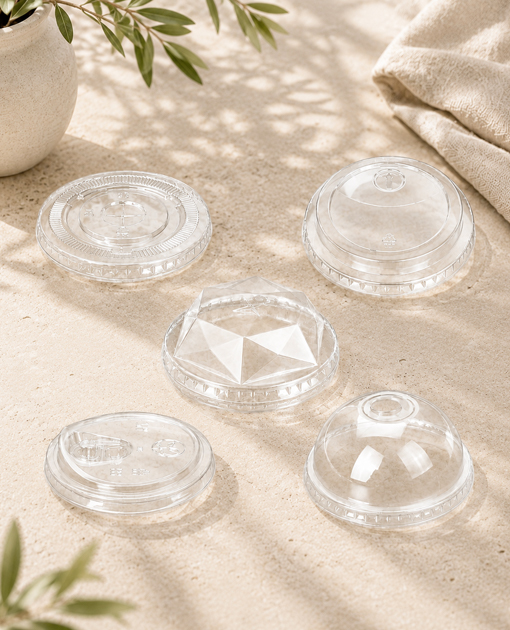
Lids come in various profiles. Flat closures keep the finished package compact for cold drinks, while dome lids provide headspace for foam, whipped toppings, smoothies, or blended beverages. A straw slot accommodates a drinking straw, while a sip opening supports direct drinking. Other formats include vented, reclosable, snap-on, tear-back, and no-hole designs.

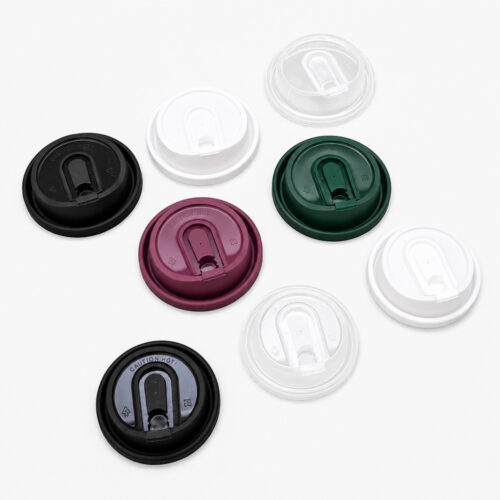
Hot cup lids and cold cup lids should be reviewed separately unless the product specification supports both. Coffee cup lids may require venting or space for latte foam, while cold formats may prioritize clarity, topping room, or wider accessory access.

Cup Lid Product Showcase for Paper and Plastic Cups

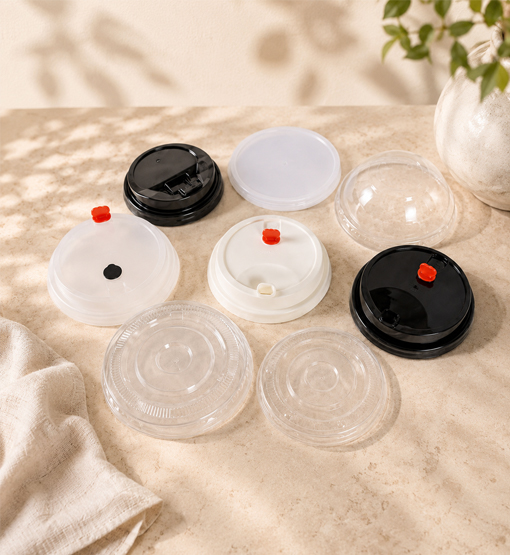
Use the product display below to compare lid styles, rim sizes, materials, colors, closure formats, and matching cup options. Buyers can review flat and raised profiles, direct-drink openings, straw-access designs, and available cup pairings before requesting specifications, samples, or a quotation.

Plastic cup lid supplier options for beverage distributors
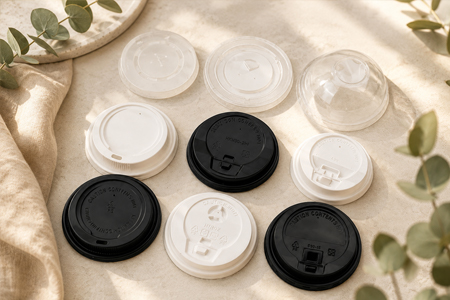
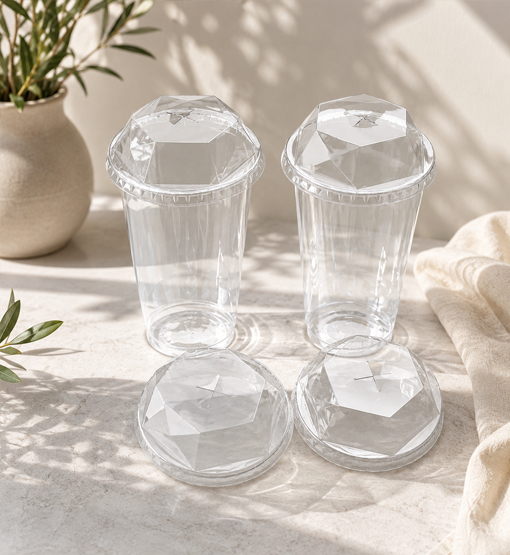
Wholesale plastic cup lids prepared for carton packing

How Do You Match a Lid to the Right Cup?

Fit depends on the rim profile and the closure’s locking structure. Provide the outside rim diameter, cup drawing, current product code, or a physical sample. A stated capacity such as 8 oz, 12 oz, 16 oz, or 20 oz does not guarantee compatibility because products with the same volume may use different rim geometries.

Measurements such as 90mm or 98mm narrow the selection, but wall angle, material stiffness, skirt depth, and locking-ring design also matter. Some systems use one closure across capacities, while others require different items. Compatibility should therefore be confirmed at SKU level.

Test the assembled cup-and-lid set with the intended beverage, filling temperature, storage method, and takeaway conditions. Even durable lids can perform poorly when the rim geometry is incompatible. A secure seal can help prevent spills during normal service, but no product should be described as completely spill-free without product-specific validation.

Coffee Cup Lids for Latte Foam and To-Go Service

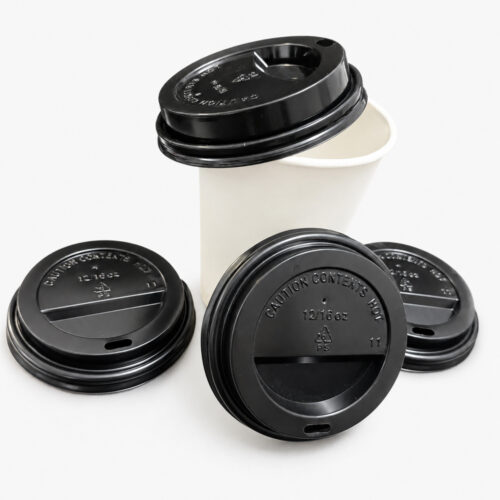
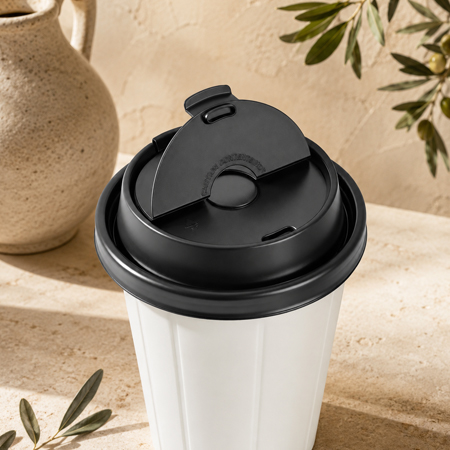
For coffee, latte, tea, and other hot drink applications, buyers should compare the sip opening, vent position, lid height, and fit with single-wall, double-wall, or insulated paper cups. Paper sleeves may still be needed depending on cup construction and filling temperature. Busy coffee shops should also consider how quickly staff can apply the lid, how the closures nest, and how much counter storage they require.

A raised sip area can improve the drinking experience by keeping the mouth away from the main top surface and helping manage airflow. The lid design may also affect how customers perceive temperature and flavor. Buyers should test each package under normal service conditions instead of assuming every coffee lid fits every paper cup format.

Paper cup lids may be available in plastic or molded-fiber formats, depending on the selected product range. For an independent cafe or a group of cafés, standardized and clearly labeled cup-and-lid pairings can reduce selection errors between sizes and locations.

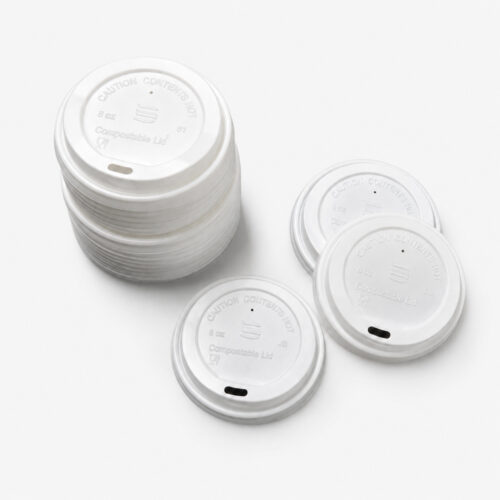
Cup lids packed in sleeves for wholesale distribution

Dome Lids and Straw Slot Lids for Cold Drink Cups

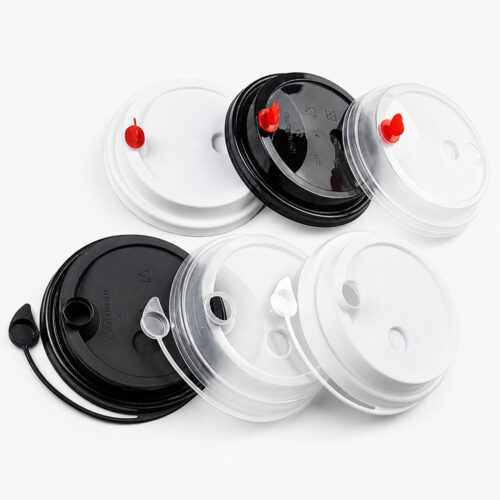
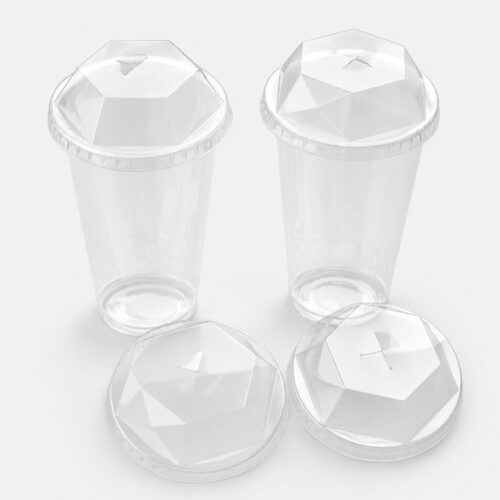
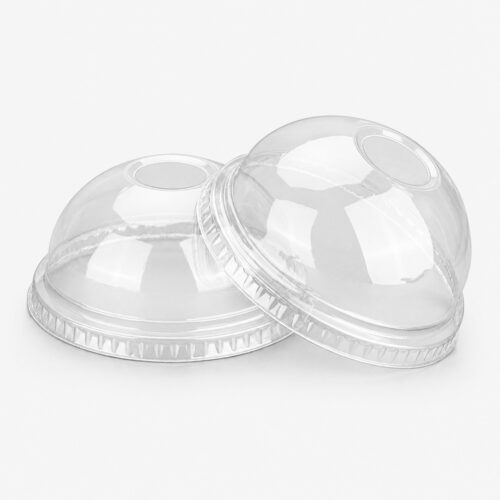
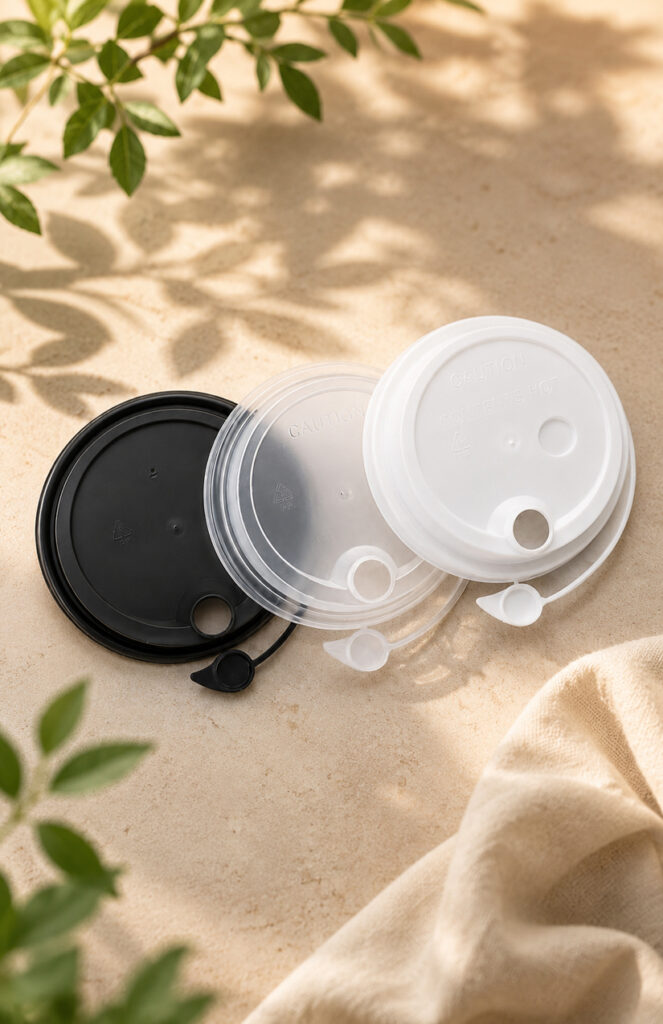
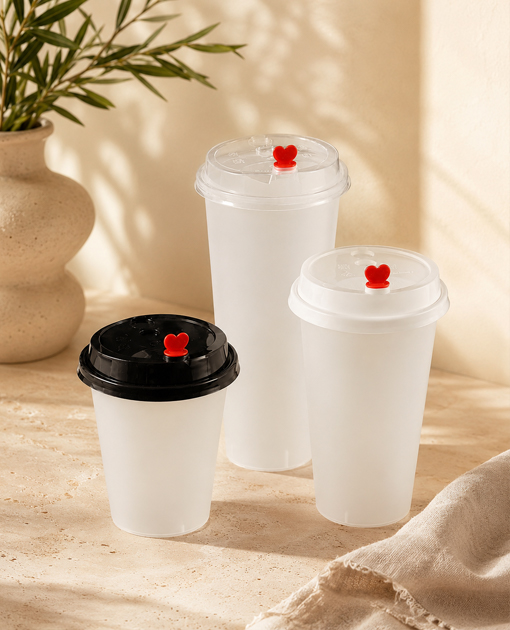
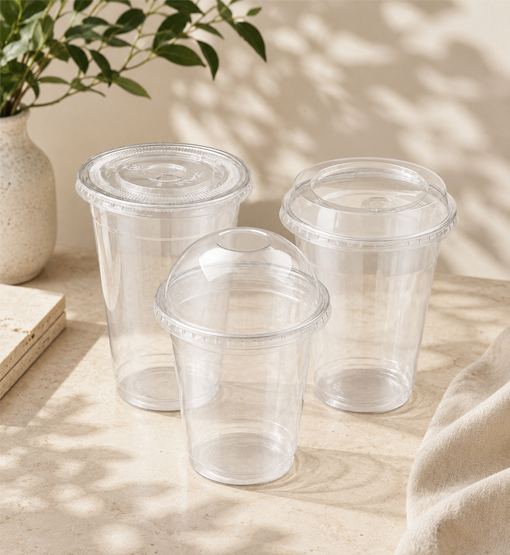
Cold drink cups may use flat or dome lids for iced coffee, juice, smoothies, milk tea, and other to-go beverages. A raised profile adds room for toppings, while a flat format reduces package height. Clear closures may also help staff see the drink and topping level.

For straw service, confirm the opening shape, position, and supported straw diameter. A narrow opening may not suit wide smoothie or boba straws. For on-the-go use in different service environments, rim fit, opening design, and handling method influence splash control and customer satisfaction.

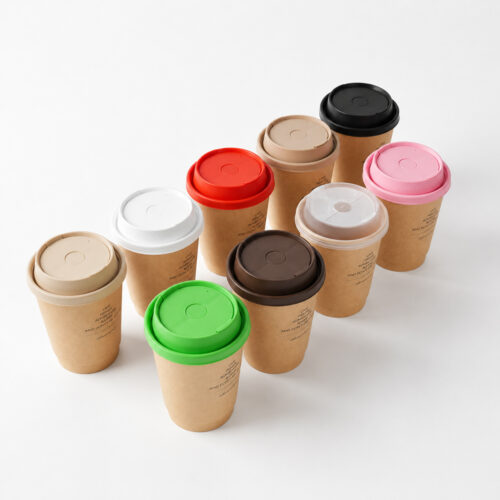
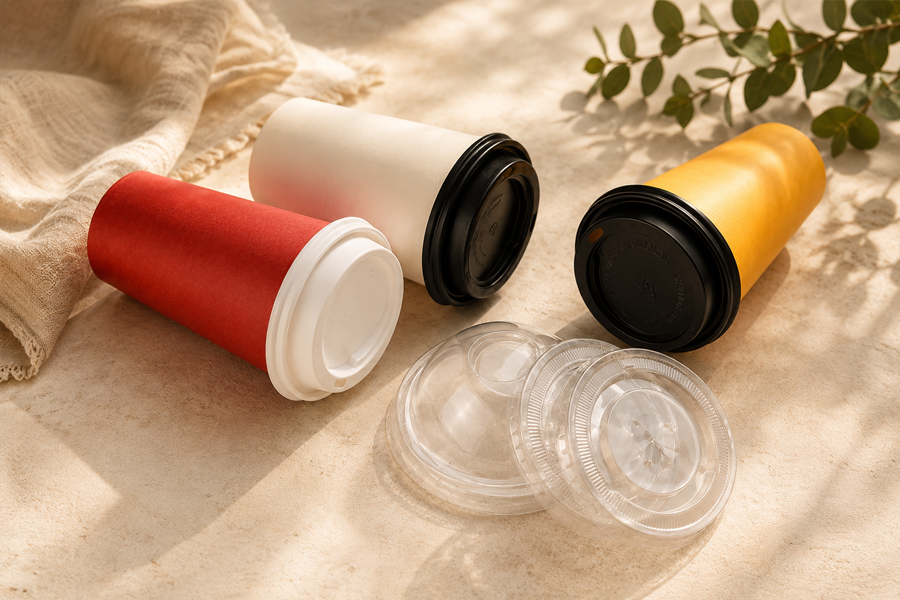
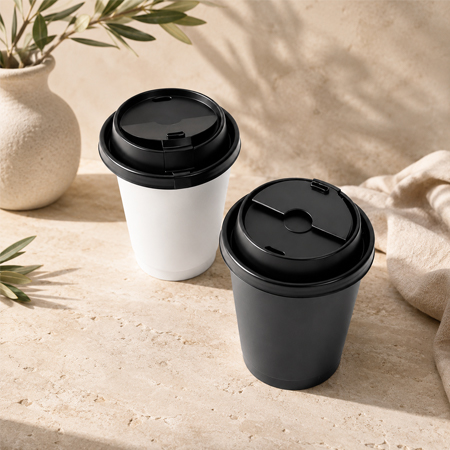
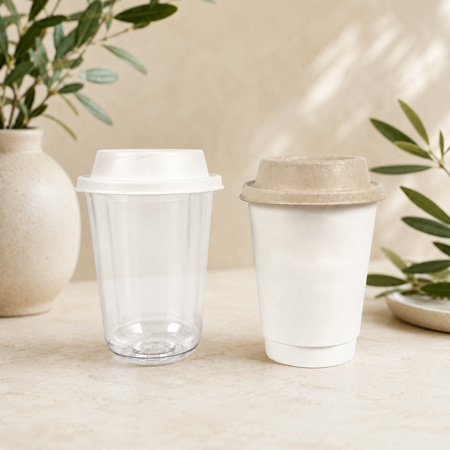
Coffee cup and lid set for to-go beverage service

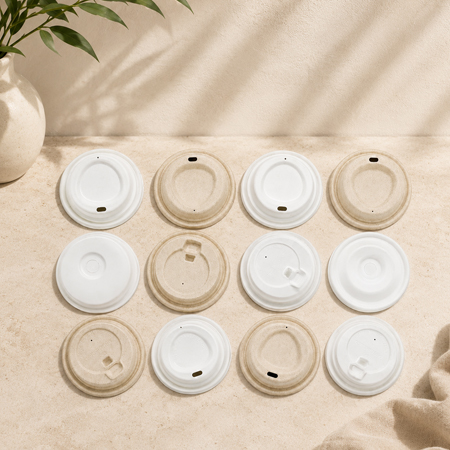
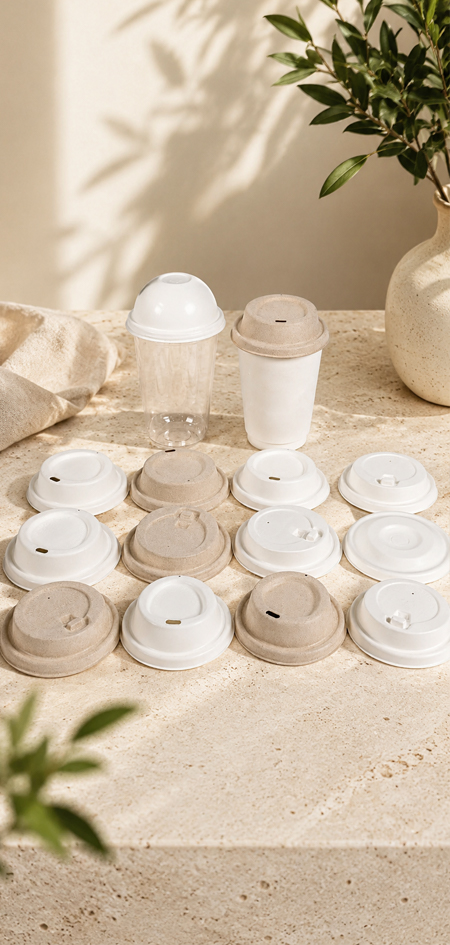
PP, PLA, Bagasse, and White Sugarcane Fiber Cup Lid Options

Material selection depends on the drink, temperature, performance requirements, waste-management goals, and destination market. Plastic options may include PP or other polymers, subject to specification. PLA may be available for selected formats, while molded fiber, sugarcane, bagasse, or other plant-based materials may be offered for certain designs.

Environmental documentation should be reviewed at product level. Compostable or recyclable claims may depend on material composition, certification, collection systems, and access to suitable processing. Buyers comparing recyclable materials should request supporting information for the exact item and confirm local acceptance. Broad descriptions such as eco-friendly should be used only when the supporting basis is clear.

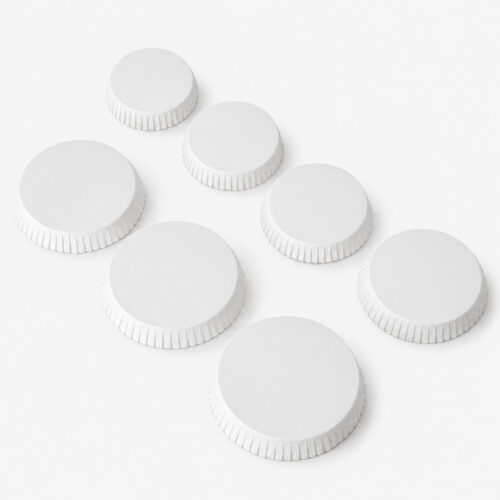
White sugarcane fiber and natural bagasse finishes differ from clear plastic, although similar-looking products may still use different coatings or structures. For sustainability reviews, buyers should compare the available evidence for the selected product rather than relying on appearance alone. The environmental footprint cannot be determined from color or material name by itself.

Custom Plastic Cup Lids, Samples, and High-Volume Ordering

Customization may include color, embossed details, logo placement, carton marks, inner packing, or private-label packaging where available. Some OEM projects require custom molding. Tooling feasibility, ownership, tolerances, approval stages, and quantity should be discussed before sampling.

Branding must not interfere with the drinking opening, vent, accessory access, locking ring, or functional features. Clear carton labels and product codes help cafe groups and food service distributors avoid mixing similar-looking lid sizes.

Samples may be requested before bulk ordering, subject to availability and shipping arrangements. High-volume buyers should confirm sleeve quantities, carton dimensions, minimum order quantity, lead time, pallet requirements, warehouse storage, and delivery planning.

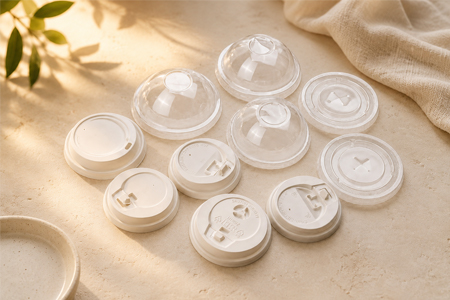
Wholesale hot and cold cup lids for commercial use
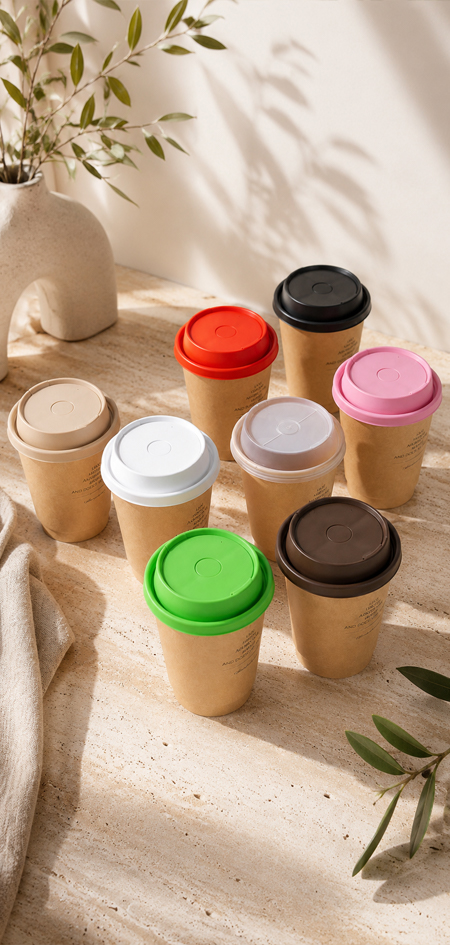
Cup lids matched with paper and plastic drink cups

Cup Lid Specification Checklist for 8 oz to 24 oz Cups

An accurate recommendation starts with the cup. Send its material, capacity, rim diameter, wall profile, drawing or sample, and current SKU or product code. Add the required closure style, color, dome height, sip or straw requirements, beverage application, and intended filling temperature.

Also provide quantity, branding, carton packing, destination market, delivery target, and required documentation. For a nominal diameter, include the measurement method and tolerance where known. This reduces the risk of selecting a lid that does not lock onto the rim properly.

For multi-location drink programs, confirm whether one item can be standardized across several capacities. Any standardization must be based on verified compatibility, not appearance or a generic high-quality claim. Distributors that cater to multi-location operators should document each approved cup-and-lid pairing.

Frequently Asked Questions About Cup Lids

Send the rim diameter, material, capacity, drawing, product code, or physical sample. Review the locking geometry, then sample-test it with the intended drink and handling process.

Only when the specification supports both applications. Material, venting, closure design, and temperature suitability may differ, so buyers should confirm the exact item.

No. A nominal diameter identifies a possible family, but rim shape, tolerance, wall profile, and locking design still determine fit. Confirm with samples or drawings before ordering.

Availability varies by rim diameter, dome height, material, and opening design. Share the required straw diameter and beverage type, especially for smoothies, milk tea, or drinks with larger inclusions.

Selected products may have environmental documentation. Environmentally conscious buyers should still review the evidence for each item. Confirm material composition, certification, local collection or composting access, and the wording permitted in the destination market.

Custom color, embossing, carton printing, labels, or private-label packing may be available, depending on design, quantity, production method, artwork, and tooling.

Samples may be requested where available. Test them with the production cup, drink, filling temperature, drinking method, storage, and normal takeaway handling.

Provide the cup specification, required style, rim diameter, quantity, color, branding, packing requirements, destination, delivery target, and requested documents. A sample or technical drawing improves accuracy.

Cup lid specifications reviewed for wholesale purchasing
Call To Action

Request a Cup Lid Recommendation and Quotation

Send your cup material, capacity, rim diameter, drawing, specification, or physical sample, together with the required lid style, accessory or direct-drink needs, beverage application, expected order quantity, branding, carton packing, destination market, and documentation requirements. We can review matching options and discuss samples, specifications, and quotation details, subject to availability and technical confirmation.

This information helps us narrow the compatible options, arrange relevant samples where available, and prepare a more accurate quotation.