Planning a Packaging Program? Talk to Our Management Team
Share your product needs, quantity and destination market. We’ll review your requirements and help confirm suitable options, MOQ, customization and next steps.
Discuss Your Packaging Program with Our Management Team
Our Leadership Team
Not sure which material, size or product format fits your application? Share your product use, estimated quantity, destination market, branding and documentation requirements. Our team will recommend suitable options and help confirm MOQ, samples, lead time, packing and available compliance documents.
Support for Your Enquiry
Product and material matching
Annual volume and capacity planning
Private-label portfolio development
Quality, compliance and delivery governance
Need a Quick Quote? Talk to Our Sales Team
Share your product needs, quantity and destination market. We’ll help confirm suitable options, MOQ, pricing and next steps.
Need a Quick Quote or Help Matching the Right Product?
Our Product & Export Support Team
Share your product type, dimensions, estimated quantity, destination market and customization requirements. Our sales team will help identify suitable options and confirm pricing, MOQ, samples, lead time, packing and available compliance documents.
Support for Your Enquiry
Product and material matching
MOQ, samples and lead time
OEM printing and packing options
Documentation for destination markets
Planning a Packaging Program? Talk to Our Management Team
Share your product needs, quantity and destination market. We’ll review your requirements and help confirm suitable options, MOQ, customization and next steps.
Discuss Your Packaging Program with Our Management Team
Our Leadership Team
Not sure which material, size or product format fits your application? Share your product use, estimated quantity, destination market, branding and documentation requirements. Our team will recommend suitable options and help confirm MOQ, samples, lead time, packing and available compliance documents.
FDA Food-Contact Compliance for Bagasse Packaging Purchasers Overview
A customer when sent me a supposed “FDA certificate” for a molded fiber lunch tray.
One page.
Huge logo design.
No examination conditions.
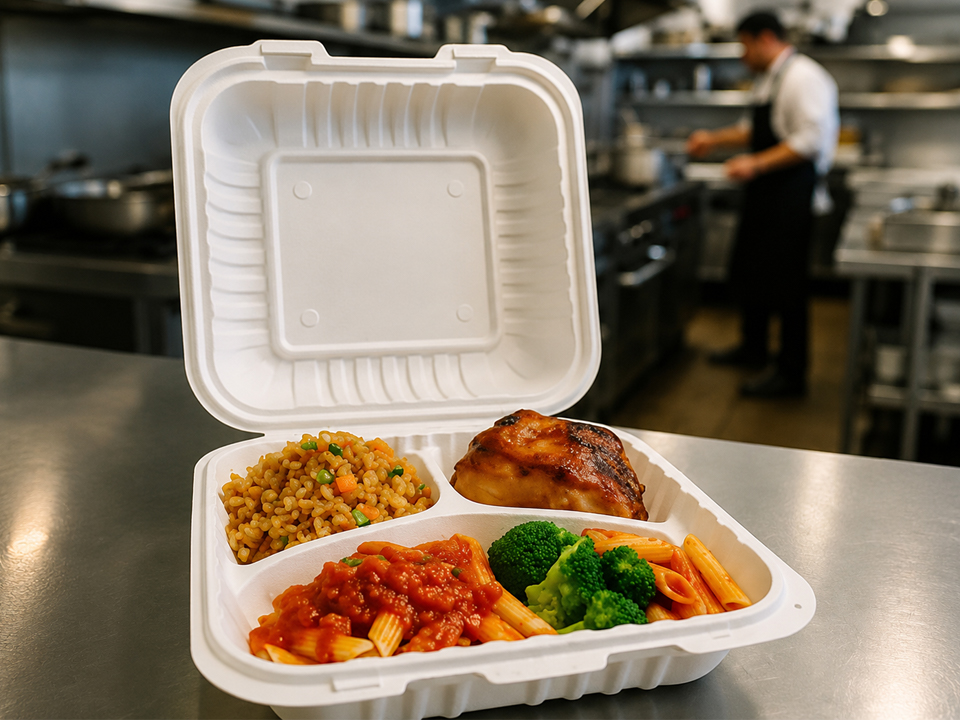
And the amusing part– not amusing if you’re the importer, clearly– was that this tray wasn’t going to hold completely dry biscuits in some clean lab dream; it was entering into united state takeout solution, with warm rice, oily hen, chili sauce, heavy steam under the cover, perhaps 45 mins in a delivery bag, possibly longer if the driver got stuck someplace.
Would certainly you accept that documents?
I would not.
Right here’s the hideous reality: a lot of “FDA certified food packaging” insurance claims in the bagasse market aren’t specifically phony. They’re just slim. Also slim. Thin sufficient to pass a casual sourcing check, however not solid sufficient for a major U.S. importer, chain buyer, QA supervisor, or merchant compliance group.
That’s where individuals obtain melted.
“FDA Compliant” Is Not a Magic Stamp
Yet allow’s clear up one thing initially. FDA compliant food packaging does not mean the FDA walked through the factory, inspected every bagasse plate, validated every bowl, and provided the vendor a gold sticker label.
That’s not the video game.
FDA claims a food get in touch with material is something that enters into contact with food and isn’t intended to have a technological impact in the food itself. That consists of packaging, packaging elements, adhesives, colorants, specific antimicrobials, anti-oxidants, refining surface areas, and cookware. The FDA clarifies it below: FDA food packaging and materials that speak to food.
So when a vendor claims, “Yes, our bagasse packaging is FDA compliant,” the next question should not be, “Can you send out the certificate?”
Too soft.
Ask this instead: “Certified for what food, what temperature level, what contact time, what surface area treatment, and what governing basis?”
That’s the conversation serious purchasers have.
Bagasse fiber is only the beginning factor. The finished short article might consist of sizing agents, wet-end chemistry, oil-barrier treatment, anti-wicking additives, mold-release residues, colorants, covers, coverings, or glue in secondary frameworks. Outsiders call it “plant fiber.” Factory individuals know better. It’s a shaped fiber system, and systems need compliance reasoning.
The Component Buyers Typically Skip
From my experience, the weakest part of a bagasse product packaging compliance file is hardly ever the lab logo.
It’s the use-condition match.
A vendor sends out a record. The report states “Pass.” Everybody unwinds. Then you read the fine print and observe the test does not match the real food program in all. Room temperature. Brief contact. Maybe liquid food only. No fatty food insurance coverage. No acidic sauce. No lid-condensation circumstance. Absolutely nothing about reheating.
Looks clean.
Means much less.
For example, a bagasse 4-compartment meal tray with cover for takeout is not a simple dry-food plate. It may touch rice, meat, sauce, heavy steam, oil, and starch in various zones at the same time. That’s a nasty little conformity mix, since each compartment can behave differently as soon as the lid is closed and warm food begins sweating.
A two-compartment bagasse food container with lid has the exact same problem. One side could hold deep-fried food. The various other might hold tomato sauce, curry, dressing, or sauce. The customer sees “eco container.” The chemistry sees heat, fat, acid, dampness, and time.
FDA Appreciates Intended Usage– Purchasers Should Too
Below’s where the sourcing group has to decrease.
FDA maintains a stock important accredited in Title 21 of the Code of Federal Regulations for food-contact uses. That database includes compound identities, listed policies, intended usages, and use-condition restrictions. You can examine the main source right here: Stock of Food Call Compounds Detailed in 21 CFR.
Check out that once more: intended usages and usage problems.
Not vibes.
Not “food quality.”
Not “many clients in America acquire this.”
There’s likewise the Food Call Notification route. FDA’s FCN stock checklists reliable alerts for food get in touch with compounds, including the notifier, maker, planned use, constraints, specs, reliable day, and ecological choice. FDA’s very own inventory is below: Inventory of Efficient Food Get In Touch With Material Notifications.
And there’s a catch numerous importers miss out on: an FCN is not a public discount coupon any individual can swing about. It’s linked to the determined producer or provider and its covered consumers. If your supplier transforms the oil-resistant additive distributor, layer system, or manufacturing chemistry, yesterday’s cool compliance tale can start leaking.
Documents leak first.
After that actual danger.
Hot Food Is Where Pretty Certificates Go to Die
Ask any kind of packaging QA person who has actually managed takeout insurance claims: warm food makes tiny problems louder.
Heavy steam softens points. Oil spends time. Acidic sauce discovers weak points. Shipment time stretches. Somebody reheats the meal even when the carton was never suggested for reheating– because consumers do customer things.
FDA’s chemistry advice for food contact entries speaks about movement screening around use problems such as temperature level, time, and food-contact scenario. For room-temperature applications, FDA support discusses 40 ° C, or 104 ° F, for 10 days as an accelerated screening procedure. For cooled or iced up applications, it discusses 20 ° C, or 68 ° F. The guidance is below : FDA Chemistry Recommendations for Food Contact Substances.
Currently bring that back to bagasse.
A chilly salad bowl isn’t the same as a hot stew bowl. A completely dry bread tray isn’t the same as an oily fried-chicken tray. A sauce cup sitting chilly in a refrigerator isn’t the like a lidded fiber container holding warm curry in a delivery bag.
I frankly believe this is where many importers are under-checking their distributors. They ask for the record, but they do not cross-check the misuse problem. That’s like examining a tire certification and disregarding whether the vehicle is driving with snow, desert warm, or a building and construction site.
Wrong test, wrong comfort.
Conformity Risk Matrix for Bagasse Product Packaging Buyers
Real Use Scenario
Conformity Threat
What the Purchaser Should Request for
Warning
Dry bakeshop, crackers, bread
Reduced to medium
Material make-up and food-contact statement for dry food usage
Record only states “paper item” without item picture or SKU
Cold salad, fruit, chilled meals
Medium
Test basis covering aqueous and refrigerated contact
No temperature level or contact-time information
Warm rice, noodles, soup sides
Tool to high
Hot-fill or elevated-temperature call evidence
Only room-temperature test shown
Fried poultry, burgers, oily dishes
High
Fatty food or grease/oil resistance conformity assistance
Oil-resistant case yet no coating/additive disclosure
Tomato sauce, vinegar dressing, curry
High
Acidic food call protection
Examination record disregards acidic problems
Cold and thawing
Tool
Frozen or refrigerated storage scenario
“Microwave secure” case utilized as alternative
Reheating in container
High
Certain reheating-use verification and ideal test problems
Vendor says “clients do it” but has no record
Lengthy distribution holding time under lid
High
Contact-time reasoning tied to actual use
Test time is much shorter than real-world holding time
PFAS Made the Old Grease-Proofing Playbook Look Risky
For several years, grease resistance was the quiet corner of shaped fiber product packaging.
Nobody wanted to discuss it too much.
Buyers wanted compostable fiber packs that can manage deep-fried chicken, hamburgers, noodles, barbecue, salad clothing, and sauce-heavy meals. Vendors wished to hit performance targets. The marketplace desired “eco,” “oil-proof,” and cheap in the same sentence. That pressure developed some very hassle-free chemistry.
After that PFAS became difficult to disregard.
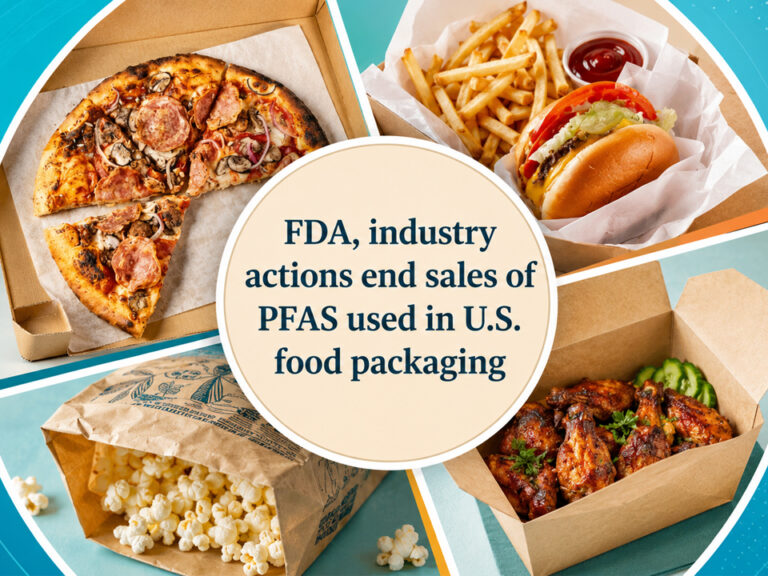
On February 28, 2024, FDA announced that grease-proofing compounds consisting of PFAS were no longer being marketed by manufacturers for food-contact use in the united state market. FDA said those materials had been used on food product packaging paper and paperboard, consisting of fast-food wrappers, microwave snacks bags, takeout paperboard containers, and pet dog food bags. The FDA update is here: FDA PFAS grease-proofing agents upgrade.
That transformed the buyer conversation.
A PFAS-free statement serves. Sure. But it’s not the whole compliance documents. If PFAS chemistry was gotten rid of, what changed it? Is the brand-new barrier chemistry cleared for the designated food-contact usage? Was the finished bagasse SKU retested after the formula change? Did the vendor update the inner BOM, or are they just attaching the same old record from 3 years earlier?
That’s not nitpicking.
That’s sourcing hygiene.
Reuters additionally reported on the EPA’s PFAS coverage regulation, keeping in mind a May 8, 2025 compliance deadline and prospective civil fines up to $48,512 per day for non-compliance. Here’s the Reuters item: EPA PFAS reporting required for manufacturers and importers.
So no, PFAS isn’t simply a laboratory issue any longer. It’s import risk, brand name risk, legal risk, and customer trust fund risk loaded into one awful phrase.
The 3,601-Chemical Number Must Make Purchasers Much Less Lazy
A 2024 study released in the Journal of Exposure Scientific Research & & Environmental Epidemiology mapped evidence of human exposure to 3,601 food contact chemicals. The paper also pointed to well-known threat homes and information spaces around chemicals discovered in food contact materials and foods. You can review it below: Proof for widespread human exposure to food call chemicals.
Does that indicate every bagasse tray threatens?
No.
That would certainly slouch fear-mongering.
However it does mean food-contact products should have grown-up supervision. Product packaging isn’t just a box that holds food. It’s a possible exposure pathway. Warm, fat, acidity, surface, and time can all transform the migration story. And when purchasers make believe the word “all-natural” addresses that, they’re not being lasting– they’re being sloppy.
From my experience, the purchaser that asks five frustrating technical inquiries upfront generally saves ten larger troubles later on.
Ask the bothersome inquiries.
What a Real Bagasse Tableware Examination Record Need To Show
A correct bagasse tableware test record should not seem like a random PDF pulled from an old Alibaba folder.
It should identify the real write-up. Product name. SKU. Image. Material description. Call side. Any kind of layer or oil barrier. Examination approach. Food simulant or removal tool. Temperature level. Time. Result values. Laboratory name. Certification. Record number. Concern date.
Fundamental stuff.
Yet you would certainly be surprised exactly how typically it’s missing out on.
The report must additionally make good sense against the item. If you’re purchasing a lidded compartment meal tray, do not approve a common flat plate report without a technological description. If the record covers liquid food just, don’t think it supports oily food. If it’s for room-temperature get in touch with, do not extend it right into hot-fill usage because the vendor claims, “Several clients utilize it in this manner.”
That line– “many customers use it this way”– is not conformity.
It’s chatter with a specialty sheet affixed.
The Customer’s Document Heap
Prior to I would certainly approve a container order of FDA certified food product packaging, I ‘d desire the vendor to send out a file that consists of these products.
FDA Food Contact Declaration
This need to define the desired usage. Dry food, liquid food, fatty food, acidic food, warm fill, cooled storage space, freezing, reheating, single-use– spell it out. The expression “food grade” is too unclear to be beneficial on its own.
Bagasse Tableware Test Report
The report must match the final product or a practically defensible depictive sample. Agent testing can be practical in shaped fiber, yet only if the vendor can describe the grouping reasoning: exact same furnish, exact same surface chemistry, very same density range, exact same food-contact side, same desired usage.
Material and Additive Disclosure
No, you most likely will not get the complete secret formula. Yet you do need sufficient information to understand the compliance route for the food-contact surface area. That includes oil obstacle, wet-strength chemistry, colorant, covering, adhesive, or lid material.
PFAS Statement with Test Support
A declaration is the flooring. Testing is better. Evaluating tied to the existing formula and production website is much better again. If the provider altered the grease barrier after the FDA’s 2024 PFAS activity, ask for updated assistance.
Change-Control Dedication
This one is boring.
It additionally conserves people.
Your purchase arrangement should require written notice prior to the vendor changes fiber resource, ingredients, grease-resistant therapy, layer supplier, mold-release chemistry, production site, outsourced processing, or cover material. A tiny formula change can turn last year’s tidy documents into a historic keepsake.
Where Importers Obtain Tricked
The trick generally isn’t dramatic.
It’s peaceful.
A distributor sends one FDA report for “bagasse tableware.” The customer uses it across plates, bowls, trays, clamshells, sauce cups, and lidded containers. After that the buyer sells into several food programs: chilly salad, hot rice, oily noodles, acidic sauce, icy dishes, reheating. No one maps the difference.
That’s just how threat spreads.
The SKU checklist grows, yet the compliance documents doesn’t.
And when somebody ultimately requests evidence– a distributor QA group, a national account, a store, a foodservice chain, perhaps even a lawyer after an issue– the importer realizes the “FDA documents” is truly simply one old report doing the job of twenty.
I have actually seen this pattern too many times to be respectful concerning it.
How to Validate FDA Compliant Bagasse Product Packaging Without Losing Everybody’s Time
Start with the menu.
Not the item.
That appears backwards to some sourcing groups, yet it’s the only manner in which works. If the last use is warm fried food with sauce, compose that down initially. If it’s chilly salad, write that down. If the item might be iced up, thawed, or reheated, don’t hide from it. Purchasers like claiming consumers follow instructions. Customers do not.
Then map the packaging.
Plate, dish, tray, clamshell, lidded container, sauce cup, compartment tray. Open or shut. Brief get in touch with or long shipment hold. Dry surface area or damp sauce. Steam or no heavy steam. The item geometry matters.
Then request the report.
Inspect item identity. Inspect test conditions. Inspect the regulative basis. Examine whether the food simulant makes sense. Inspect whether the temperature and time are sensible. Inspect whether the provider’s affirmation limits use in a way your sales team might mistakenly ignore.
Then secure the formula.
That’s the part many people miss since they’re currently bargaining price, MOQ, lead time, container marks, pallet elevation, and exclusive tag printing. Yet formula control is not optional. If the food-contact surface area changes, the documents requires evaluation.
Basic guideline: no quiet chemistry changes.
What “FDA Compliant Food Packaging” Need To Mean in Real Purchaser Language
Below’s my plain-English version.
FDA certified food product packaging must suggest the food-contact materials, ingredients, coverings, oil-resistance therapy, and related components are suitable under U.S. FDA needs for the desired food-contact use, and the evidence matches the actual food type, temperature level, contact time, and handling problems.
That’s it.
Not a logo design.
Not a rather certification.
Not “our various other American clients accept it.”
If you’re importing bagasse plates, bowls, trays, or containers into the U.S., your file needs to endure a cynical read. Not a friendly read. A hesitant one. The kind where someone checks the SKU, the examination problem, the surface area chemistry, the intended use, and the day.
Due to the fact that the risk doesn’t arrive when the supplier sends the invoice.
It gets here later on– when the food goes in.
FAQs
What does FDA certified food product packaging indicate?
FDA compliant food packaging implies the product packaging’s food-contact substances are licensed, removed, or otherwise ideal for the desired united state food-contact use, including food type, temperature level, get in touch with time, and handling problems such as freezing or reheating. For bagasse packaging, purchasers need to examine the whole write-up, not just the sugarcane fiber.
That includes finishings, oil-barrier chemistry, colorants, wet-strength representatives, covers, and any kind of various other component that may get in touch with food. A dry-food plate and a warm oily dish tray are not the very same conformity situation, even if both are made from shaped fiber.
Are bagasse plates instantly FDA certified because they’re made from sugarcane fiber?
Bagasse plates are not immediately FDA certified since FDA conformity relies on the complete finished article, consisting of additives, coatings, refining help, oil-resistance therapy, and meant usage conditions. Sugarcane fiber might appear clean, but “plant-based” doesn’t change regulatory clearance, migration logic, or test evidence.
A simple molded fiber plate for dry pastry shop use may be a lower-risk item. A grease-resistant plate utilized for bbq, fried food, or acidic sauce requires extra careful documents. The surface area chemistry is where purchasers must pay attention.
Exactly how can buyers validate FDA compliant bagasse packaging?
Buyers can confirm FDA compliant bagasse packaging by matching the vendor’s food-contact declaration, examination record, regulative basis, material info, PFAS support, and change-control dedication to the real use case. The file should cover real food conditions such as warm dishes, oily food, acidic sauces, freezing, reheating, and long shipment contact.
Don’t stop at “Pass.” Examine what passed. Check the evaluated item, the examination medium, the temperature, the time, the laboratory, the report day, and whether the record puts on the actual SKU you’re acquiring.
What should a bagasse tableware examination record include?
A bagasse tableware test report ought to consist of item recognition, SKU or example description, product details, food-contact side, test approach, food simulant or removal tool, temperature level, contact time, result worths, laboratory name, report number, and problem day. A major report must link to the actual product and intended usage.
If the record has no item picture, no problems, no result worths, or no clear web link to the completed write-up, treat it as incomplete. It may still serve, however it should not be the whole compliance documents.
Is PFAS-free the like FDA certified?
PFAS-free is not the like FDA certified because PFAS screening only attends to one group of chemicals, while FDA food-contact compliance covers the broader suitability of all food-contact materials for the intended usage. A PFAS-free bagasse tray can still have concerns around substitute oil barriers, finishes, ingredients, or lids.
After FDA’s 2024 PFAS grease-proofing upgrade, buyers need to ask what oil-resistance chemistry is being used now. Removing PFAS is great. Replacing it with undocumented chemistry is unsatisfactory.
Can bagasse containers be used for hot, oily, or acidic foods?
Bagasse containers can be utilized for hot, oily, or acidic foods only when the product design, surface area therapy, and compliance proof support those specific conditions. Purchasers ought to examine whether the test record covers elevated temperature, fatty food, acidic food, steam, contact time, and any type of lidded-container problems.
This is where several weak files fail. Warm rice, fried chicken, tomato sauce, curry, vinegar clothing, and oily burgers placed more stress and anxiety on product packaging than chilly completely dry foods. The conformity file ought to show that.
Do united state importers need FDA registration for bagasse packaging?
United state importers typically need to make sure that food-contact packaging products are authorized for their designated U.S. use, also if the ended up vacant product packaging is not managed like a food registration. The functional worry is due persistance: statements, examination records, regulatory basis papers, PFAS assistance, and supplier change-control records.
Don’t frame the concern only as “enrollment.” Mount it as proof. If a united state client asks why the thing appropriates for food contact, your answer should be document-based, not sales-language-based.
Why do examination conditions matter for FDA migration test food product packaging?
Examination problems matter for FDA migration test food packaging because chemical migration can alter with heat, fat, level of acidity, moisture, area, and call time. A room-temperature or dry-food outcome might not sustain hot oily meals, acidic sauces, reheating, cold, or long delivery holding.
An examination report is just as strong as its suit to genuine use. If the item will hold hot, oily, saucy food, the test reasoning must not look like it was made for room-temperature completely dry treats.
Your Following Steps
Don’t ask your distributor, “Do you have FDA?”
That inquiry is as well very easy to address badly.
Ask this:
“Please send the FDA food-contact statement, bagasse tableware examination report, regulative basis for all food-contact compounds, PFAS-free support, and confirmation that the examination conditions cover warm, oily, acidic, frozen, reheated, and long-contact use where suitable.”
That single demand changes the mood.
It informs the vendor you’re not buying a slogan. You’re examining a compliance data.
If your project involves U.S. representatives, restaurant chains, personal label programs, grocery prepared-food departments, or foodservice buyers with real QA teams, construct the documents prior to you construct the container load. Begin with the menu. Match the test record. Lock the formula. Put modification control in composing.
Then quote.
That’s just how bagasse product packaging sourcing buckles down.