هل تخطط لإنشاء برنامج للتغليف؟ تحدث إلى فريق الإدارة لدينا
يرجى إطلاعنا على احتياجاتك من المنتجات والكمية والسوق المستهدفة. سنقوم بمراجعة متطلباتك ومساعدتك في تحديد الخيارات المناسبة والحد الأدنى للطلب والتخصيص والخطوات التالية.
ناقش برنامج التغليف الخاص بك مع فريق الإدارة لدينا
فريق الإدارة لدينا
هل أنت غير متأكد من المادة أو الحجم أو شكل المنتج الذي يناسب تطبيقك؟ يرجى إطلاعنا على الغرض من استخدام المنتج، والكمية التقديرية، والسوق المستهدفة، ومتطلبات العلامة التجارية، ومتطلبات التوثيق. سيقوم فريقنا بتقديم توصيات بشأن الخيارات المناسبة، ومساعدتك في تحديد الحد الأدنى للطلب (MOQ)، والعينات، ومدة التسليم، والتعبئة، ووثائق الامتثال المتاحة.
الدعم المتعلق باستفسارك
توافق المنتجات والمواد
التخطيط السنوي للحجم والسعة
تطوير محفظة العلامات التجارية الخاصة
حوكمة الجودة والامتثال والتسليم
هل تحتاج إلى عرض أسعار سريع؟ تواصل مع فريق المبيعات لدينا
يرجى إطلاعنا على احتياجاتك من المنتجات والكمية والسوق المستهدفة. وسنساعدك في تحديد الخيارات المناسبة والحد الأدنى للطلب والأسعار والخطوات التالية.
هل تحتاج إلى عرض أسعار سريع أو مساعدة في اختيار المنتج المناسب؟
فريق دعم المنتجات والتصدير لدينا
يرجى إطلاعنا على نوع المنتج وأبعاده والكمية التقديرية والسوق المستهدفة ومتطلبات التخصيص. وسيقوم فريق المبيعات لدينا بمساعدتك في تحديد الخيارات المناسبة والتأكيد على الأسعار والحد الأدنى للطلب والعينات ومدة التسليم والتعبئة ووثائق الامتثال المتاحة.
الدعم المتعلق باستفسارك
توافق المنتجات والمواد
الحد الأدنى للطلب، والعينات، ومدة التسليم
خيارات الطباعة والتعبئة وفقًا لمعايير المصنع الأصلي (OEM)
الوثائق الخاصة بالأسواق المستهدفة
هل تخطط لإنشاء برنامج للتغليف؟ تحدث إلى فريق الإدارة لدينا
يرجى إطلاعنا على احتياجاتك من المنتجات والكمية والسوق المستهدفة. سنقوم بمراجعة متطلباتك ومساعدتك في تحديد الخيارات المناسبة والحد الأدنى للطلب والتخصيص والخطوات التالية.
ناقش برنامج التغليف الخاص بك مع فريق الإدارة لدينا
فريق الإدارة لدينا
هل أنت غير متأكد من المادة أو الحجم أو شكل المنتج الذي يناسب تطبيقك؟ يرجى إطلاعنا على الغرض من استخدام المنتج، والكمية التقديرية، والسوق المستهدفة، ومتطلبات العلامة التجارية، ومتطلبات التوثيق. سيقوم فريقنا بتقديم توصيات بشأن الخيارات المناسبة، ومساعدتك في تحديد الحد الأدنى للطلب (MOQ)، والعينات، ومدة التسليم، والتعبئة، ووثائق الامتثال المتاحة.
الدعم المتعلق باستفسارك
توافق المنتجات والمواد
الحد الأدنى للطلب، والعينات، ومدة التسليم
خيارات الطباعة والتعبئة وفقًا لمعايير المصنع الأصلي (OEM)
تغليف الأغذية الدائري باستخدام كمية محدودة من البلاستيك المعاد تدويره المخصص للاستخدام الغذائي؟
لقد حضرت هذا الاجتماع مرات لا حصر لها.
يرغب فريق العلامة التجارية في استخدام عبوات غذائية قائمة على الاقتصاد الدائري. وتشير عرض الشرائح الخاص بمعايير ESG إلى “زيادة نسبة المحتوى المعاد تدويره”، ويوافق قسم المشتريات على ذلك، ويقوم أحد موظفي قسم التسويق بالفعل بصياغة العبارة الدعائية الموجزة التي ستُدرج على الملصق. ثم يطرح أحد موظفي قسم التوريد على المورد السؤال الذي يهم حقًّا: هل يمكنك توفير بلاستيك معاد تدويره مخصص للاستخدام الغذائي مع إمدادات مستقرة، وموافقة إدارة الغذاء والدواء الأمريكية (FDA) على ملامسته للأغذية، ورائحة مقبولة، ولون لائق، وسعر لا يقضي على هامش الربح؟
غرفة هادئة. في كل مرة.
هذا الصمت هو الجزء الذي لا يذكره أحد في تقرير الاستدامة. وهو السبب الوحيد الذي دفعني إلى كتابة هذا المقال. لأن التغليف الغذائي الدائري من السهل الوعد به، لكن شرائه أمر مؤلم حقًا، خاصةً عندما يتعين أن تلامس المادة طعامًا حقيقيًّا — ليس الشامبو، ولا المنظفات، ولا الكرتون الخارجي، بل المعكرونة الساخنة، والبرغر الدهني، والصلصة الحمضية، ومنتجات الألبان، والصلصات، والدجاج المقلي الذي يُلقى في صندوق في الساعة 9:40 من إحدى ليالي الأسبوع.
الخطأ الأول هو نفسه تقريبًا في كل الأحوال. يحدد المشترون نسبة المحتوى المعاد تدويره قبل أن يفهموا مسار ملامسة الأغذية. يطلبون “30% PCR” بنفس الطريقة التي يطلبون بها إعادة طلب ورق المكتب. لكن الامتثال لمعايير إدارة الغذاء والدواء (FDA) الخاصة بتغليف الأغذية البلاستيكي المعاد تدويره لا يعتمد على الطموح. بل يعتمد على مخاطر التلوث، ومراقبة المصدر، والمعالجة، والاستخدام المقصود، والقيود.
لذا، قبل أن تنبهر بنسبة مئوية ما، اقرأ القواعد.
ما الذي تتحقق منه إدارة الغذاء والدواء (FDA) فعليًّا
في الولايات المتحدة، لا يزال يتعين على البلاستيك المعاد تدويره الذي يتلامس مع الأغذية أن يستوفي متطلبات «القانون الفيدرالي للأغذية والأدوية ومستحضرات التجميل» والباب 21 من «القانون الفيدرالي للوائح» (CFR)، تمامًا مثل الراتنج البكر. علاوة على ذلك، تنشر إدارة الغذاء والدواء (FDA) إرشادات للصناعة: استخدام البلاستيك المعاد تدويره في تغليف المواد الغذائية (الاعتبارات الكيميائية), ، والذي يحدد الكيفية التي يجب أن تثبت بها شركة إعادة التدوير أن عمليتها تزيل الملوثات بشكل كافٍ بحيث تسمح بالتلامس مع الأغذية. والمعيار الذي يستند إليه هذا المعيار صارم في بساطته: يجب أن يظل انتقال الملوثات أقل من حوالي 0.5 جزء في المليار في النظام الغذائي. نصف جزء في المليار. هذا هو المعيار الذي يجب أن يستوفيه مسار إعادة التدوير باستخدام تقنية PCR.
تقوم الوكالة بمراجعة العملية، وإذا كانت راضية، تصدر “خطاب عدم ممانعة” — يُعرف اختصارًا بـ NOL، ويُطلق عليه أحيانًا في الأوساط التجارية اسم LNO. وحتى سبتمبر 2022، لم يكن هناك سوى 271 خطاب عدم ممانعة في قاعدة البيانات القابلة للبحث التابعة لإدارة الغذاء والدواء الأمريكية (FDA). اقرأ ذلك مرة أخرى. مائتان وواحد وسبعون. هذا الرقم وحده يوضح لك لماذا تُعد «عبوات البلاستيك المعاد تدويره المخصصة للأغذية» عقبةً وليس مجرد خانة يمكن تحديدها.
وهنا تكمن النقطة المهمة التي يغفلها معظم المشترين: إن شهادة NOL محددة. فهي تشمل بوليمرًا محددًا، وعملية محددة، ونوعًا محددًا من الأغذية، ونطاقًا محددًا لدرجات الحرارة، ومدة تلامس محددة. ولا يعني إصدار رأي إيجابي بشأن أحد الشروط الموافقة على كل الاستخدامات الأخرى. التعبئة الساخنة تختلف عن التعبئة المبردة. والأطعمة الدهنية تختلف عن الأطعمة الجافة. وقد صيغت هذه الوثيقة بشكل ضيق عن قصد.
تتحدث العلامات التجارية الكبرى كثيرًا عن الاقتصاد الدائري، وبعض ما تقوله يستحق القراءة. نظام التغليف الدائري لشركة دانون إنها مبادرة أحترمها فعلاً، لأنها ترفض التظاهر بأن مادة واحدة كفيلة بحل كل المشاكل — فالحد من الاستهلاك، وجمع النفايات، وإعادة الاستخدام، وإعادة التدوير، والمحتوى المعاد تدويره، كلها عناصر تتضمنها الخطة نفسها. شكواي ليست موجهة إلى «دانون»، بل إلى العلامات التجارية الأصغر التي تقلد الصياغة اللغوية وتتجاهل الانضباط الكامن وراءها.
النسخة المختصرة التي يحتاجها المشترون فعليًّا
إذن، ما الذي تعنيه كلمة “دائري” حقًّا في هذا السياق؟ إذا تخلصنا من المصطلحات المتخصصة، فإن الأمر يتلخص في الآتي: الحفاظ على تدفق المواد — سواء تم تقليلها، أو إعادة استخدامها، أو إعادة تدويرها، أو تحويلها إلى سماد، أو تصنيعها من مواد معاد تدويرها يمكنك إثبات مصدرها فعليًّا — مع الحرص دائمًا على عدم التهاون في سلامة الأغذية أو القواعد المحلية أثناء القيام بذلك. كلا الأمرين في آن واحد. هذه هي المهمة برمتها.
وماذا لو نفدت المواد المعاد تدويرها المخصصة للاستخدام الغذائي؟ إن الإسراع في إدخال تقنية PCR في كل وحدة تخزين (SKU) هو رد فعل خاطئ. الخيار الأفضل هو اتباع نهج مختلط: استخدام مادة واحدة حيثما أمكن ذلك، وإعادة الاستخدام حيثما تكون الدورة مغلقة بالفعل، واستخدام الألياف حيثما يجعل الطعام عملية إعادة التدوير غير واقعية، مع توثيق كل ذلك. هذا الخيار أقل إثارة، لكنه أكثر احتمالاً بكثير للنجاح في اجتياز أي تدقيق.
لماذا لا يزال البلاستيك المعاد تدويره المخصص للاستخدام الغذائي نادرًا
يمكنك إعادة تدوير كمية هائلة من البلاستيك. لكن لا يجوز قانونًا إعادة استخدامها كلها في تغليف المواد الغذائية.
تتطلب تقنية تفاعل البوليميراز المتسلسل (PCR) الخاصة بالمواد الملامسة للأغذية معايير أكثر صرامة، لأن تاريخ المواد الخام له أهمية كبيرة. فهل كانت الراتنجات في الأصل مخصصة للاستخدام مع الأغذية، أم أنها ربما امتصت مواد كيميائية منزلية أو أحبارًا أو مواد لاصقة أو بعض البقايا المجهولة المصدر من عملية جمع غير دقيقة؟ وهل تم التحقق من صحة عملية التنظيف؟ ما هي الأغذية التي تلامسه، وعند أي درجة حرارة، ولمدة كم من الوقت؟ لا شيء من ذلك مجرد نظرية أكاديمية. فهذا يحدد ما إذا كانت العبوة صالحة للاستخدام أم لا.
لذا، عندما يقول أحد الموردين: “نعم، لدينا بلاستيك معاد تدويره”، عليك أن تصر على معرفة التفاصيل. من ماذا تم إعادة تدويره؟ وكيف تمت معالجته؟ وما هو البوليمر المعتمد لاستخدامه، وتحت أي شروط، وهل يُسمح به للتلامس المباشر أم خلف حاجز وظيفي؟ هل يقتصر استخدامه على الأطعمة الجافة فقط، أم يشمل الأطعمة الدهنية أيضًا؟
الأسئلة العامة تحصل على إجابات نمطية. جرب هذا السؤال بدلاً من ذلك: هل يمكنك تقديم الأساس الذي يبرر ملامسة المواد الغذائية لمسار المحتوى المعاد تدويره — نوع الراتينج، ونسبة PCR، وعملية إعادة التدوير، ومرجع NOL الخاص بإدارة الغذاء والدواء (FDA) أو ما يعادله من دعم، وشروط الاستخدام، ودرجة الحرارة، ونوع الطعام، ومدة التلامس؟ إنه سؤال طويل. كما أنه يميز الموردين الجادين عن البقية في غضون عشر ثوانٍ تقريبًا.
تتطور اللوائح التنظيمية بوتيرة أسرع من العرض
الضغط هنا ليس مجرد مسألة نظرية. فالأرقام متاحة للجميع، وهي ليست مبشرة.
اسحب أرقام يوروستات والأرقام صادمة. في عام 2023، تخلص الاتحاد الأوروبي من 79.7 مليون طن من نفايات التغليف — أي ما يعادل 177.8 كيلوغرامًا لكل شخص في القارة. وبلغت حصة البلاستيك من هذا المجموع 35.3 كيلوغرامًا للفرد. أما الكمية المعاد تدويرها؟ فلم تتجاوز 14.8 كيلوغرامًا فقط. وعلى مستوى جميع مواد التغليف البلاستيكية، لم يتجاوز معدل إعادة التدوير 42.1%. صحيح أن هذا أفضل مما كان عليه الحال قبل أكثر من عقد من الزمن، لكن هذا بعيد كل البعد عن الهدف الذي يفرضه القانون على الجميع.
ثم هناك PPWR — اللائحة (الاتحاد الأوروبي) 2025/40، إذا كنت تريد رقم الملف. دخلت حيز التنفيذ في 11 فبراير 2025، وستُطبق فعليًّا اعتبارًا من 12 أغسطس 2026. ما الذي تنص عليه بالضبط؟ أن تكون جميع مواد التغليف في سوق الاتحاد الأوروبي قابلة لإعادة التدوير بحلول عام 2030. يجب إعادة تدوير ما لا يقل عن 70% من نفايات التغليف بالوزن قبل نهاية تلك السنة. بل إنها تنظم حتى المساحة الفارغة — حيث لا يجوز أن تزيد المساحة الفارغة في طرد التجارة الإلكترونية عن 40%، اعتبارًا من أغسطس 2026. ويخضع قطاع الوجبات الجاهزة لضغوطه الخاصة، حيث يُسمح للعملاء بإحضار أوعيةهم الخاصة اعتبارًا من عام 2027، مع توفير خيارات إعادة الاستخدام بحلول عام 2028.
هذه هي الفجوة. فالجهات التنظيمية ترغب في تطبيق مبدأ الاقتصاد الدائري بوتيرة أسرع مما تستطيع سلسلة توريد البلاستيك المعاد تدويره المخصص للاستخدام الغذائي توفيره بسهولة. وهذا أمر مزعج إذا كنت تعمل في مجال التوريد، لكنه يمثل فرصة إذا كنت مستعدًا لها.
الاستراتيجية 1: التوقف عن الإفراط في تعقيد الحزمة
أعتقد أن تصميم عبوات الأغذية المصنوعة من مادة واحدة يُستخف به بشكل كبير، ويرجع ذلك في الغالب إلى أنه لا يبدو أمراً بطولياً. فلا يوجد إطلاق مثير، ولا ملصق مكتوب عليه “مصنوع من مادة ما كانت في طريقها إلى المحيط”. إنه مجرد هيكل أبسط يمكن لأنظمة الفرز التعرف عليه فعليًّا. وهذا الافتقار إلى الإثارة هو بيت القصيد بالضبط.
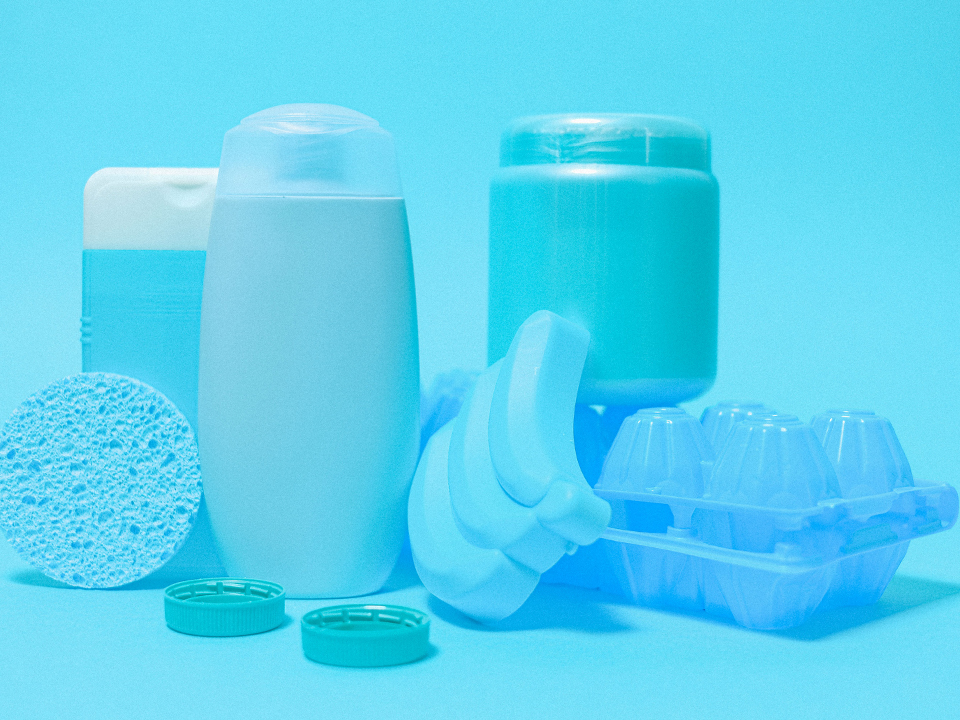
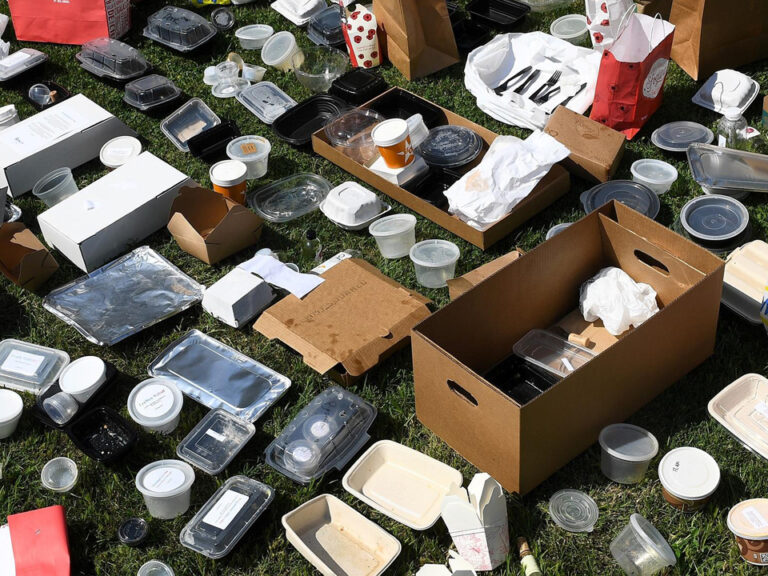
تخيل صينية ذات غطاء مصنوع من بوليمر مختلف، وملصق صعب الإزالة، ومادة لاصقة رديئة، وصبغة أسود الكربون، وطبقة حاجزة لا يرغب أحد في مراحل الإنتاج اللاحقة في التعامل معها. هذا يُعرف تقنيًّا بأنه «تغليف». لكنه ليس «أصلًا دائريًّا». نسميها «رقم SKU فرانكشتاين» — تبدو ذكية للوهلة الأولى، لكن استردادها أمر صعب للغاية. على صعيد البلاستيك، تعني الدورية عادةً الاعتماد على مواد مثل البولي إيثيلين تيريفثالات (PET) أو البولي بروبيلين (PP) أو البولي إيثيلين عالي الكثافة (HDPE)، وهي المواد التي تتوفر لها مسارات استرداد حقيقية. أما على صعيد الألياف، فمن الأفضل أن تفهم طبيعة الطلاء، وحاجز الشحوم، والتركيب الكيميائي الذي يضمن المتانة في حالة البلل، قبل أن يطبع أي شخص أي ادعاء على الصندوق.
غالبًا ما يتفوق البساطة على الذكاء أكثر مما يُظهره سطح اللعب.
الاستراتيجية 2: إعادة الاستخدام، ولكن فقط عندما تكون الحلقة مغلقة
إعادة الاستخدام يمكن أن تنجح. أنا لست ضدها. لكنني أعترض على «مسرحية» التغليف القابل لإعادة الاستخدام.
تُعد الأماكن ذات الدورة المغلقة هي المكان الذي يُظهر فيه إعادة الاستخدام فعاليته الحقيقية — مثل الجامعات، والملاعب الرياضية، ومجمعات المكاتب، وقاعات الطعام، والمستشفيات، والمطارات، ومقاصف الموظفين. فهي الأماكن التي تُعاد فيها الحاويات لأن النظام يفرض إرجاعها، أو على الأقل يجعل ذلك أسهل من التخلص منها في سلة المهملات. أما خدمة الوجبات الجاهزة ذات الدورة المفتوحة فهي قصة مختلفة تمامًا. فما أن يغادر الوعاء مع العميل ويختفي داخل سيارة أو شقة أو درج مكتب، حتى يتحول نموذج إعادة الاستخدام الخاص بك بهدوء إلى نموذج قائم على الأمل والدعاء.
إذا كنت تدير مشروعًا تجريبيًّا لاستخدام الأواني القابلة لإعادة الاستخدام، فاطرح الأسئلة التشغيلية «الصعبة» في مرحلة مبكرة. معدل الفاقد. تكلفة الغسيل. العمالة. اللوجستيات العكسية. مستوى الودائع. إجراءات التشغيل القياسية الخاصة بالنظافة. والسؤال الذي يتجاهله الجميع: من المسؤول عن الصندوق المتسخ بعد انتهاء وجبة الغداء؟ فالإجابة على هذا السؤال هي التي تحدد نجاح المشروع أو فشله.
الاستراتيجية 3: استخدام الألياف القابلة للتحلل في الحالات التي يكون فيها تدفق النفايات مناسبًا
تلعب عبوات الأغذية المصنوعة من الألياف القابلة للتحلل دورًا حقيقيًّا. لكن ليس في كل مكان.
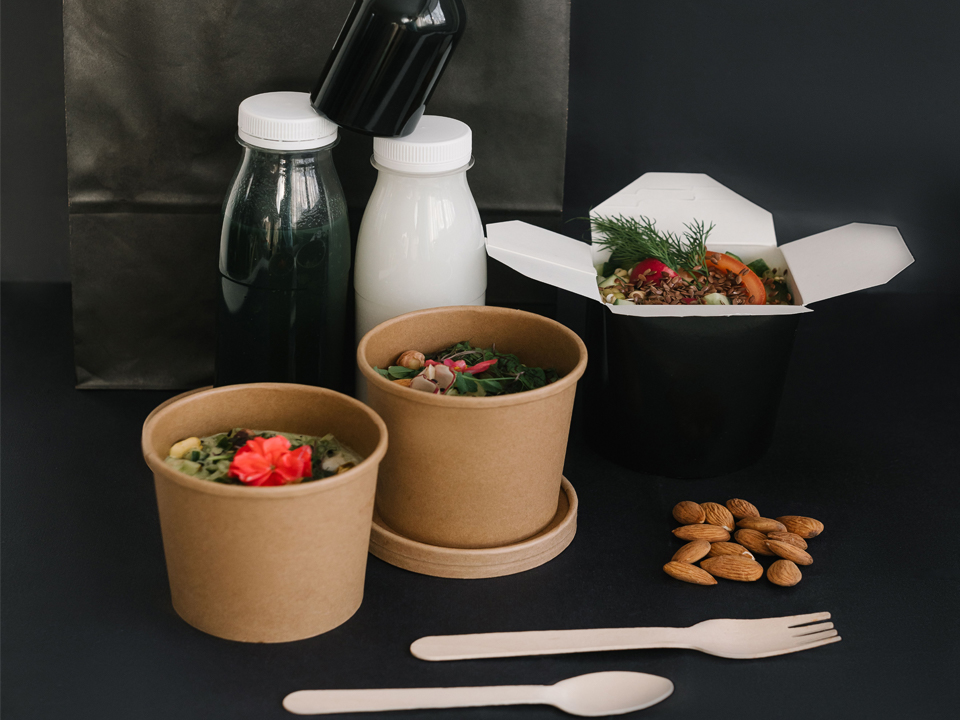
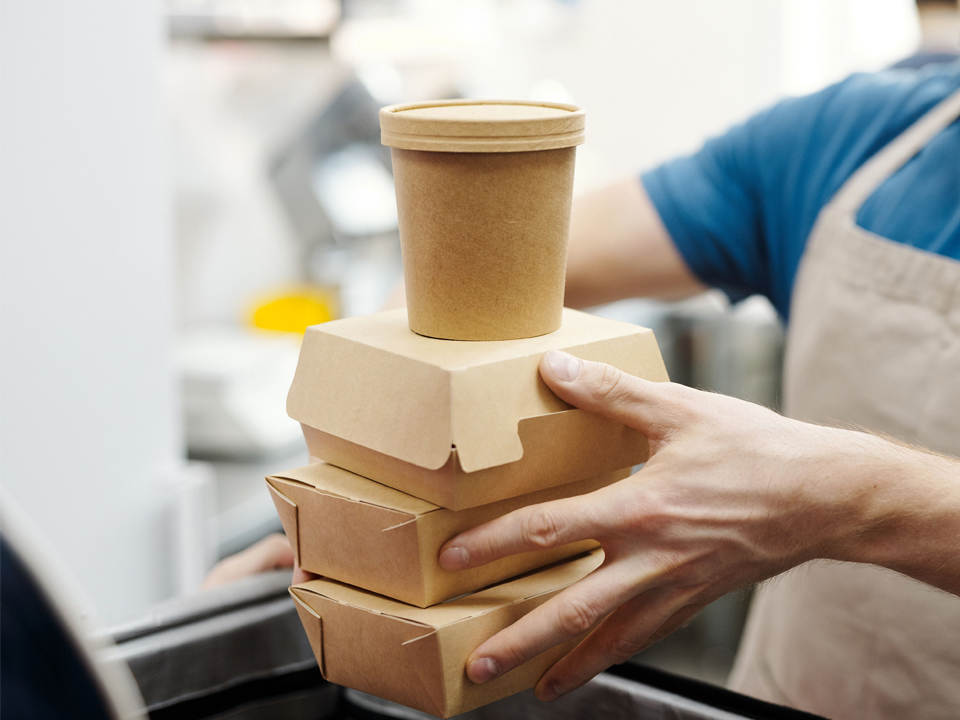
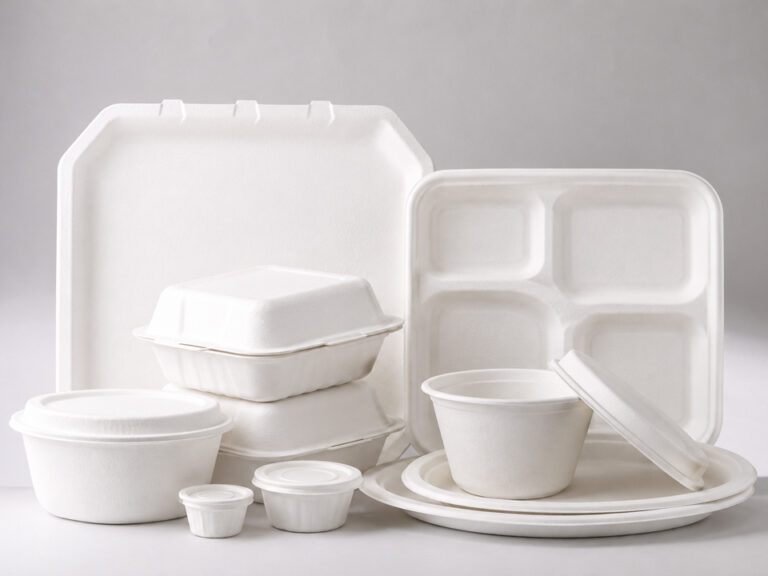
في قطاع خدمات الطعام، تثبت الألياف المقولبة جدواها عندما يكون من شبه المؤكد أن تعود العبوة مغطاة بالدهون والصلصات والزيوت والنشا وبقايا الطعام. فغلاف البرغر لن يدخل في مسار إعادة تدوير البلاستيك النظيف بعد الاستخدام — ومن يدعي خلاف ذلك لم يلقِ نظرة داخل سلة مهملات المطعم عند الإغلاق. وهنا تبرز أهمية تفل قصب السكر، ليس لأنها مادة سحرية، بل لأنها تتناسب مع هذه الفوضى. أ صندوق تغليف على شكل صدفة من بقايا قصب السكر يُعد خيارًا مناسبًا لوجبات الأرز والأطباق الجانبية وحصص تقديم الطعام التي يتطلب فيها الفصل بين المكونات. أ علبة من قشور قصب السكر مصممة لتغليف البرغر يُعد هذا خيارًا سهلًا لمشغلي مطاعم الوجبات السريعة الذين يرغبون في تقليل استخدام البلاستيك دون الحاجة إلى إعادة صياغة قائمة الطعام. كما أن نطاقه أوسع عبوات تغليف الأغذية المصنوعة من تفل قصب السكر ذات الغطاء المزدوج يضمن هذا النطاق أن تظل منطقية رموز SKU بسيطة بما يكفي ليتمكن الموزعون من تخزينها.
لكن لا تبالغ في الترويج. ألا توجد بنية تحتية للتسميد في السوق؟ فقل ذلك. هل المنتج قابل للتسميد تجاريًّا فقط؟ فلا توحي بأنه يمكن التسميد في كومة في الفناء الخلفي. إذا كان الطلاء يغير من دورة حياة المنتج، فاذكر ذلك. وإذا لم تُضاف مركبات PFAS عن قصد، فقم بتوثيق ذلك. وإذا أراد المشتري الحصول على شهادات EN 13432 أو BPI أو TÜV Austria مكتوبة، فكن محددًا وسريعًا. الألياف هي أداة، وليست عذرًا.
الاستراتيجية 4: جعل التوثيق بمثابة مرشح
هل تريد أن تعرف ما إذا كان المورد يفهم حقًّا مفهوم التغليف الغذائي الدائري؟ اطلب وثائق — لا ملف PDF عليه أوراق خضراء على الغلاف، بل مستندات ورقية فعلية. بلاستيك معاد تدويره؟ أريد رقم تعريف الراتينج، ونسبة PCR، وحالة ملاءمة التلامس مع الأغذية، ومرجع NOL، وشروط الاستخدام، ومراقبة المصدر، وملخص الاختبار، والقيود الموضحة بالتفصيل. ألياف مقولبة؟ تقارير ملامسة الأغذية، وبيانات PFAS، وشهادة قابلية التحويل إلى سماد، وتفاصيل الطلاء، والمنطق الكامن وراء اختبار الانتقال. عبوة قابلة لإعادة التدوير مصنوعة من مادة واحدة؟ أرني كل شيء — الغطاء، والملصق، والمادة اللاصقة، والحبر، واللون، وليس الصينية فقط. الأجزاء الصغيرة المزعجة. فهناك عادةً ما تتلاشى قابلية إعادة التدوير بهدوء.
مقارنة بين استراتيجيات التغليف الدائري للأغذية
الاستراتيجية
أفضل حالة استخدام
الميزة الرئيسية للمشتري
الخطر الرئيسي
المستندات المطلوبة
البلاستيك المعاد تدويره المخصص للاستخدام الغذائي
الزجاجات، والصواني، والأغطية في الحالات التي تتوفر فيها مستلزمات PCR معتمدة
تحقيق أهداف المحتوى المعاد تدويره دون تغيير طريقة استخدام المستهلكين
ندرة المعروض من NOL، ومخاطر التلوث، وتقلبات الأسعار
الحد الأقصى المسموح به (NOL) الذي حددته إدارة الغذاء والدواء الأمريكية (FDA) أو ما يعادله، ومصدر الراتينج، وشروط الاستخدام، وبيانات الانتقال
تصميم من مادة واحدة
عبوات بلاستيكية أو مصنوعة من الألياف مع إمكانية إعادة تدوير حقيقية
قدرة أفضل على الفرز وقيمة استرداد أعلى
حدوث خلل في الحاجز أو فقدان مدة الصلاحية في حالة سوء التصميم
مواصفات المواد، إرشادات إعادة التدوير، التوافق بين الملصقات والمواد اللاصقة
الطيارون القابلون لإعادة الاستخدام
الأماكن ذات الدائرة المغلقة، والحرم الجامعي، والفعاليات، والمكاتب
يقلل من حجم المنتجات ذات الاستخدام الواحد ومن الإنفاق عليها بمرور الوقت
معدل الخسارة، تكلفة الغسيل، فشل اللوجستيات العكسية
بروتوكول النظافة الصحية، بيانات معدل الإرجاع، نموذج الوديعة
ألياف قابلة للتحلل
الوجبات الجاهزة الدهنية، ومطاعم الخدمة السريعة، وخدمات تقديم الطعام في الأماكن التي تتوفر فيها مرافق التسميد
يقلل من الاعتماد على البلاستيك المعاد تدويره المخصص للاستخدام الغذائي
ادعاء باطل في حالة عدم وجود مسار للتسميد
تقارير التلامس مع الأغذية، شهادة قابلية التحلل في السماد، بيان PFAS، تفاصيل الطلاء
تخفيف الوزن
وحدات التخزين المعبأة بشكل زائد، والتسليم، والتغليف الثانوي
تخفيض فوري في تكلفة المواد وانخفاض تكاليف الشحن
تلف المنتج في حالة الإفراط في استخدامه
نتائج اختبار السقوط، واختبار الضغط، واختبار النقل
الطريق الذي لا ينهار
ابدأ بالطعام. قد يبدو هذا أمراً بديهياً، لكن العديد من الفرق تبدأ بالادعاء ثم تسعى جاهدةً بعد ذلك لتبريره. “نريد 25% PCR”. مقابل أي نوع من الطعام؟ عند أي درجة حرارة؟ ولمدة كم؟ في الطبقة الملامسة للطعام أم خارجها؟ التفاصيل أولاً، والادعاء أخيراً.
تبدو الخطوات المترابطة في هذه العملية تقريبًا كما يلي: تحديد نوع الغذاء، ثم مدة التلامس ودرجة الحرارة، ثم السوق المستهدفة، ثم بنية المادة. تحقق مما إذا كان البولي كربونات (PCR) المخصص للاستخدام الغذائي موجودًا أصلاً لهذا الاستخدام المحدد. تأكد من الحصول على دعم إدارة الغذاء والدواء الأمريكية (FDA) أو الاتحاد الأوروبي أو الجهات المحلية. احصل على وثائق المورد قبل الموافقة على أي شيء. ثم قرر بصدق ما إذا كان المحتوى المعاد تدويره ينتمي إلى الطبقة الملامسة مباشرةً، أم الطبقة غير الملامسة، أم العبوة الثانوية، أم لا ينتمي إلى أي منها على الإطلاق.
أحيانًا تكون الإجابة محرجة. ربما لا تتحمل الصينية إجراء اختبار تفاعل البوليميراز المتسلسل (PCR) بأمان، لكن الكرتون الخارجي يتحمله. ربما ينبغي أن يصنع الكوب من مادة واحدة. ربما يتحول الغلاف المزدوج الدهني إلى ألياف مقولبة. هذا ليس تناقضًا. هذه هي حقيقة التغليف.
رأيي الذي لا يحظى بالتأييد
معظم الادعاءات المتعلقة بالاقتصاد الدائري تبدو “نظيفة” أكثر من اللازم. فقد أصبحت العبارة ضعيفة، وهذا الضعف يتيح للعلامات التجارية أن تبدو تقدمية بينما تتجنب الأسئلة الصعبة. ما هو معدل الجمع، في الواقع؟ أين ينتهي المطاف بهذا المنتج فعليًّا؟ هل هذا الراتينج «المعاد تدويره» صالح للاستخدام الغذائي، أم أنه مجرد منتج «شبه صالح للاستخدام الغذائي»؟ و—السؤال الذي يقوض معظم الادعاءات—إلى أي درجة يجب أن يتصرف الغريب بشكل مثالي حتى تصح أي من هذه الادعاءات؟ هذا السؤال الأخير هو القاتل. إذا كانت استراتيجيتك لا تنجح إلا عندما يقوم الناس بالشطف والفرز والإرجاع والتخلص بشكل مثالي، فأنا لا أسمي ذلك «اقتصادًا دائريًّا». بل أسميه «هندسة تمني».
النهج الصادق هو الأكثر مللاً والأكثر استدامة: قلل ما يمكنك تقليله، وبسّط ما تبقى، وتحقق من مسارات المحتوى المعاد تدويره، واعتمد على الألياف في الحالات التي يؤدي فيها التلوث إلى إفشال عملية إعادة التدوير، ولا تجرِ تجارب إعادة الاستخدام إلا في الحالات التي يمكن فيها قياس العائد اللوجستي. لا حاجة إلى «راتنج الأبطال». مجرد عملية توريد ناضجة.
الأسئلة الشائعة
ما هي عبوات الأغذية ذات الدورة الكاملة؟ الإجابة المختصرة: التغليف هو ما يحافظ على استمرار استخدام المادة — سواء تم تقليلها أو إعادة استخدامها أو إعادة تدويرها أو تحويلها إلى سماد، أو كانت مصنوعة من مواد معاد تدويرها يمكنك إثبات مصدرها — دون الإخلال بسلامة الأغذية أو القواعد المحلية. المظهر “الصديق للبيئة” لا يعني الكثير. يجب أن تكون هذه الطريقة فعالة فعليًّا، بالنسبة للأغذية وصناديق النفايات والجهات التنظيمية، وإلا فإنها مجرد ملصق.
لماذا يصعب جدًّا الحصول على البلاستيك المعاد تدويره المخصص للاستخدام الغذائي؟ ذلك لأن هذه المادة يجب أن تمر بسلسلة من الاختبارات الصارمة أولاً. حيث يتم جمعها وفرزها وتنظيفها ومعالجتها، ثم التحقق من سلامتها للتلامس مع الأغذية قبل أن يُسمح لها حتى بالاقتراب من وجبة غدائك. فمخاطر التلوث تقلل من الكمية المتاحة، والمواد الخام غير متسقة، كما أن الموافقات التنظيمية لا تزال نادرة — ففي سبتمبر 2022، لم تحتوِ قاعدة بيانات إدارة الغذاء والدواء الأمريكية (FDA) سوى على 271 خطابًا بعدم الاعتراض. وهذا الرقم وحده يلخص كل العقبات التي تعترض الطريق.
هل يمكن للألياف القابلة للتحلل أن تحل محل عبوات الأغذية البلاستيكية المعاد تدويرها؟ في بعض الأحيان، وفي بعض الأحيان فقط. عندما يكون من المؤكد أن العبوة ستصبح دهنية في النهاية على أي حال، وعندما تتوفر إمكانية التسميد أو طريقة التخلص المعتمدة، فإن استخدام الألياف يُعد بديلاً جيداً — مثل الوجبات الجاهزة قصيرة العمر، وخدمات تقديم الطعام، ووجبات مطاعم الوجبات السريعة. ولا ينطبق ذلك على المنتجات ذات الحواجز العالية أو ذات العمر التخزيني الطويل. ولا يزال عليك إنجاز الواجبات المطلوبة: اختبارات ملامسة الأغذية، وشهادات قابلية التحويل إلى سماد، وبيانات PFAS، وتفاصيل الطلاء.
ما هو تصميم عبوات الأغذية المصنوعة من مادة واحدة؟ وهذا يعني تصنيع العبوة من فئة واحدة من المواد، بشكل عام، حتى لا تتعطل خطوط الفرز ومرافق إعادة التدوير بسببها. لا توجد بوليمرات مختلطة غير متوقعة، ولا طبقات ثقيلة، ولا مواد لاصقة غير متوافقة، ولا أصباغ داكنة، ولا ملصقات تقلل من قيمة البالة. بالنسبة للعديد من وحدات التخزين (SKUs)، يُعد هذا أرخص مسار نحو الاقتصاد الدائري — وبصراحة، فإن المواصفات الأنظف تتفوق في أغلب الأحيان على البحث عن المواد المعاد تدويرها (PCR) النادرة والمناسبة للاستخدام الغذائي.
كيف يمكن جعل تغليف المواد الغذائية قابلاً لإعادة التدوير بشكل دائري في ظل محدودية البلاستيك المعاد تدويره؟ توقف عن البحث عن حل واحد. قم بدمج الحلول: قلل من المواد، واعتمد المواد أحادية النوع، واستخدم المحتوى المعاد تدويره المتوافق مع المعايير حيثما كان ذلك ممكناً فعلياً، وابدأ مشاريع تجريبية لإعادة الاستخدام، واستخدم الألياف القابلة للتحلل حيثما تدعم البنية التحتية ذلك. اختر المسار الأكثر مبررًا لكل منتج على حدة بدلاً من فرض استخدام المواد المعاد تدويرها (PCR) في جميع المنتجات. قد يكون استخدام ريبت (rPET) مناسبًا للمشروبات الباردة. أما العبوات ذات الغطاء القابل للفتح التي تحتوي على مواد دهنية، فمن الأفضل استخدام الألياف المقولبة. وقد تحتاج علب الشحن فقط إلى تخفيف وزنها.
دعونا نضع مواصفات يمكن الاعتماد عليها
إذا كنت تبحث عن عبوات غذائية قابلة لإعادة التدوير للمطاعم أو الموزعين أو شركات تقديم الطعام أو مطاعم الوجبات السريعة أو خدمات الطعام ذات العلامات التجارية الخاصة، فلا تبدأ بعبارة “صديقة للبيئة”. ابدأ بالطعام أولاً، ثم السوق، ثم مسار التخلص من النفايات، ثم الوثائق.
يمكننا مساعدتك في تقييم الخيارات المصنوعة من تفل قصب السكر والألياف لاستخدامها في عبوات الوجبات الجاهزة، وتغليف البرغر، والوجبات المقسمة إلى أقسام، وبرامج خدمات الطعام التي يكون فيها استخدام البلاستيك المعاد تدويره المخصص للأغذية محدودًا أو غير عملي. أرسل إلينا معلومات عن السوق المستهدف، ونوع الطعام، وحجم العبوة، والكمية التقديرية للطلب، ومتطلبات الامتثال، وسنساعدك في وضع مواصفات تغليف دائرية قادرة على الصمود أمام أي تدقيق.