|
01
Product Format & Intended Use
|
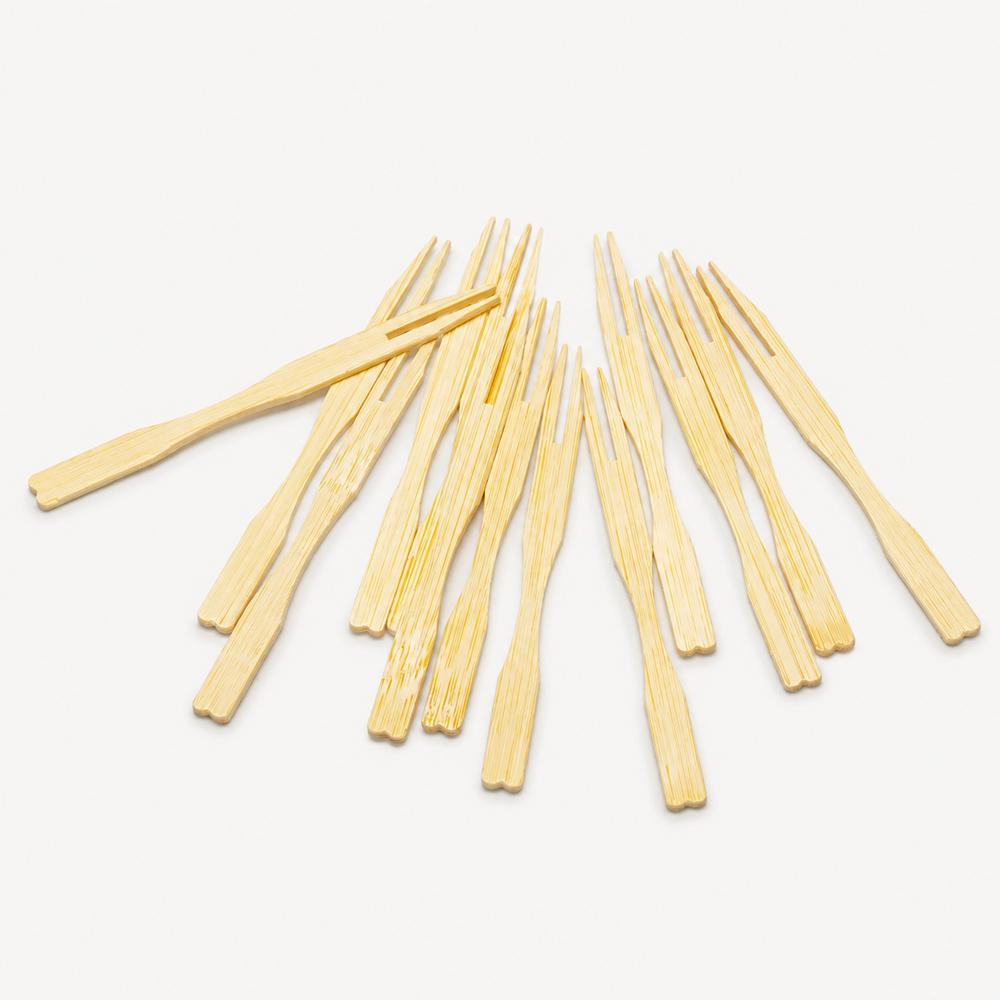
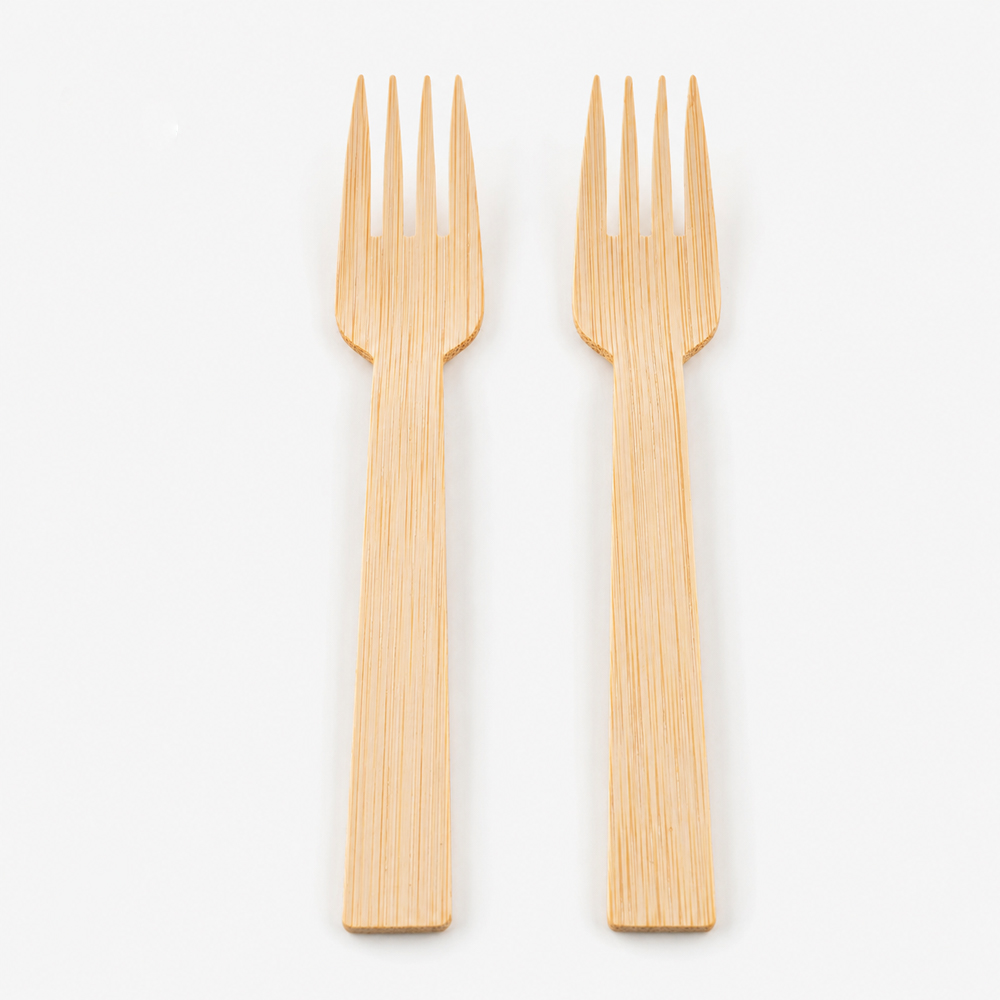
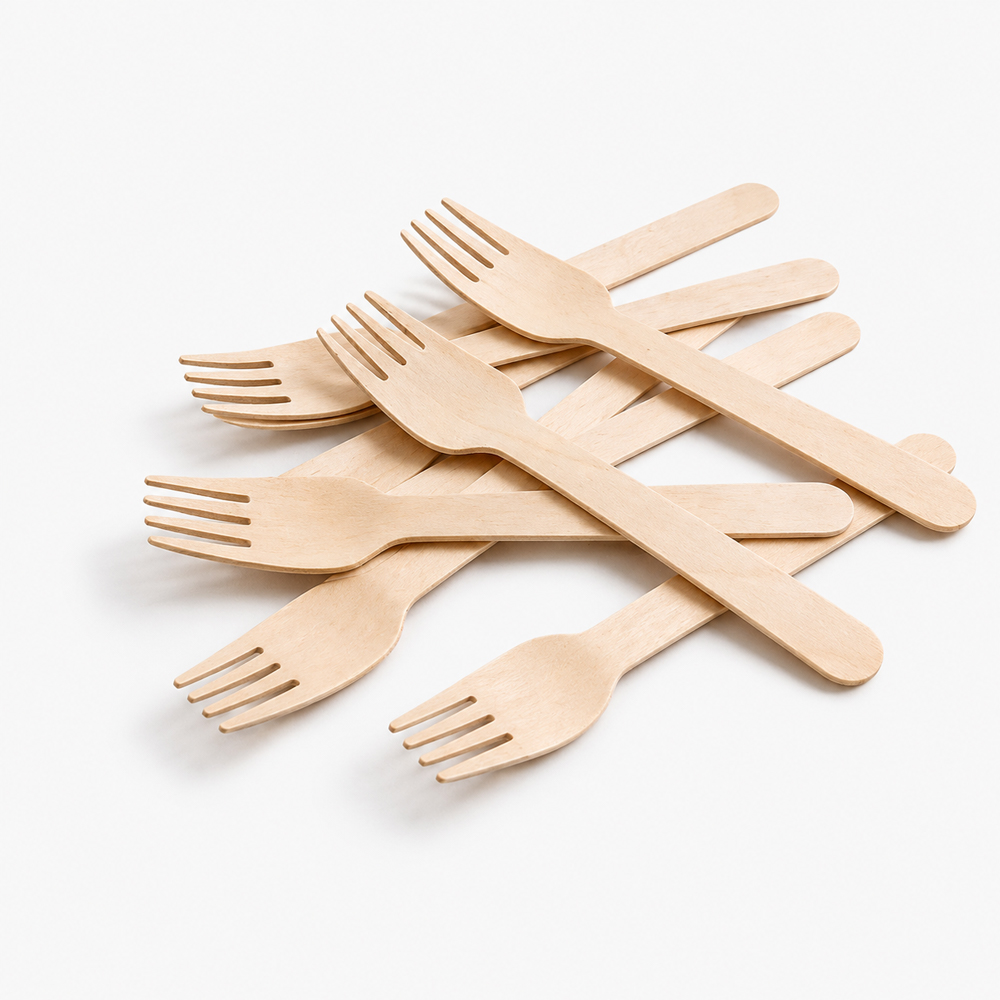
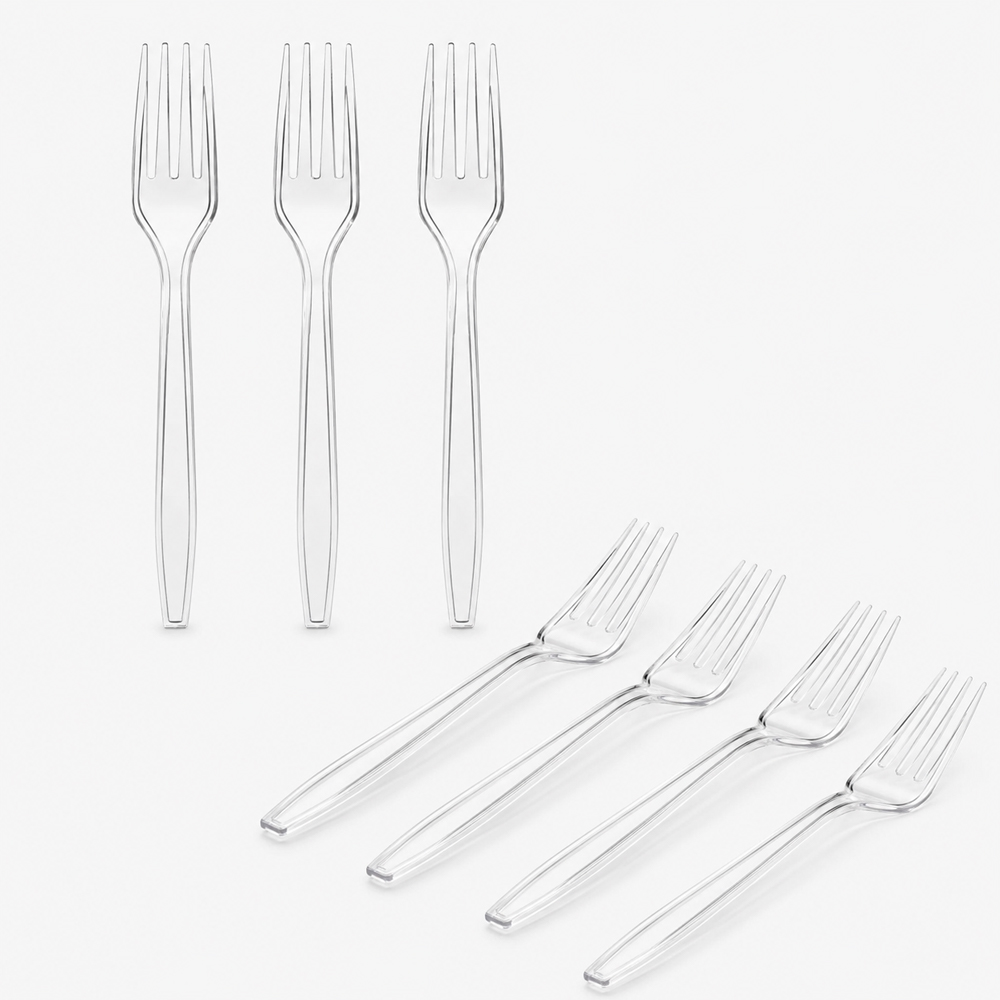
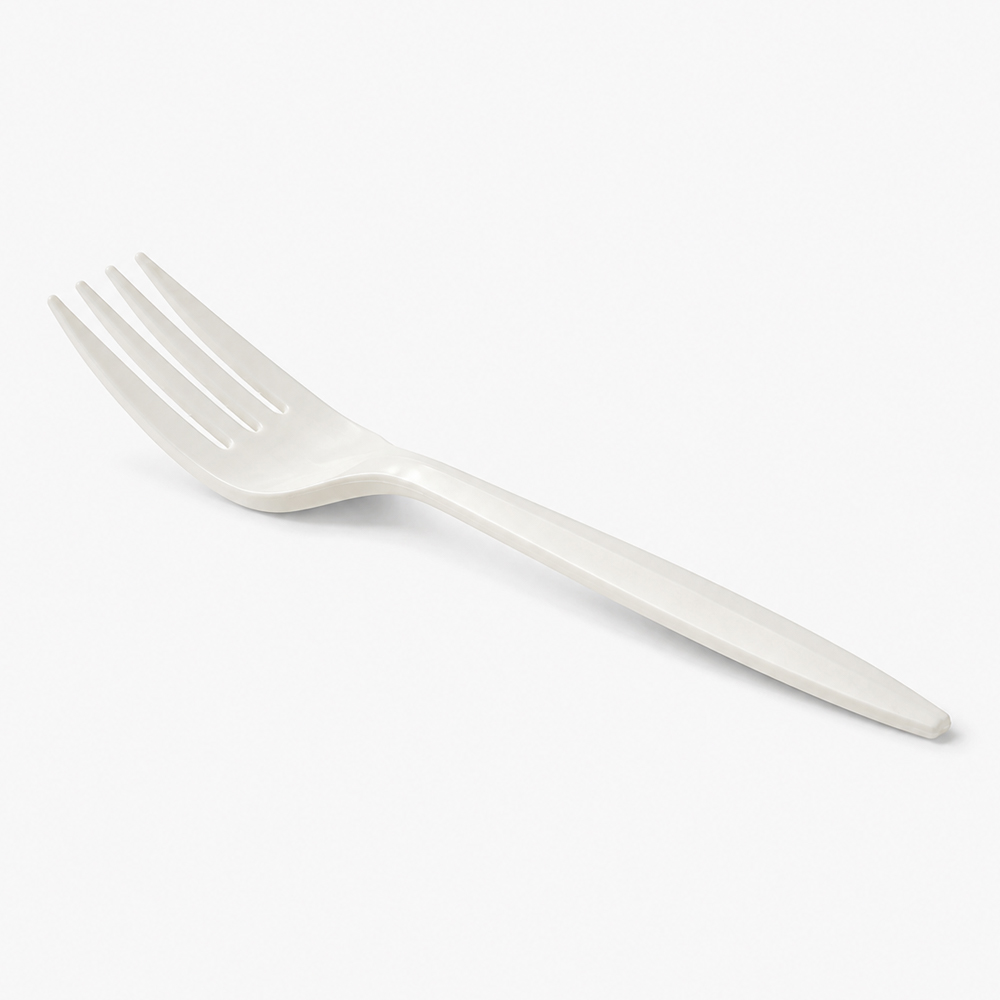
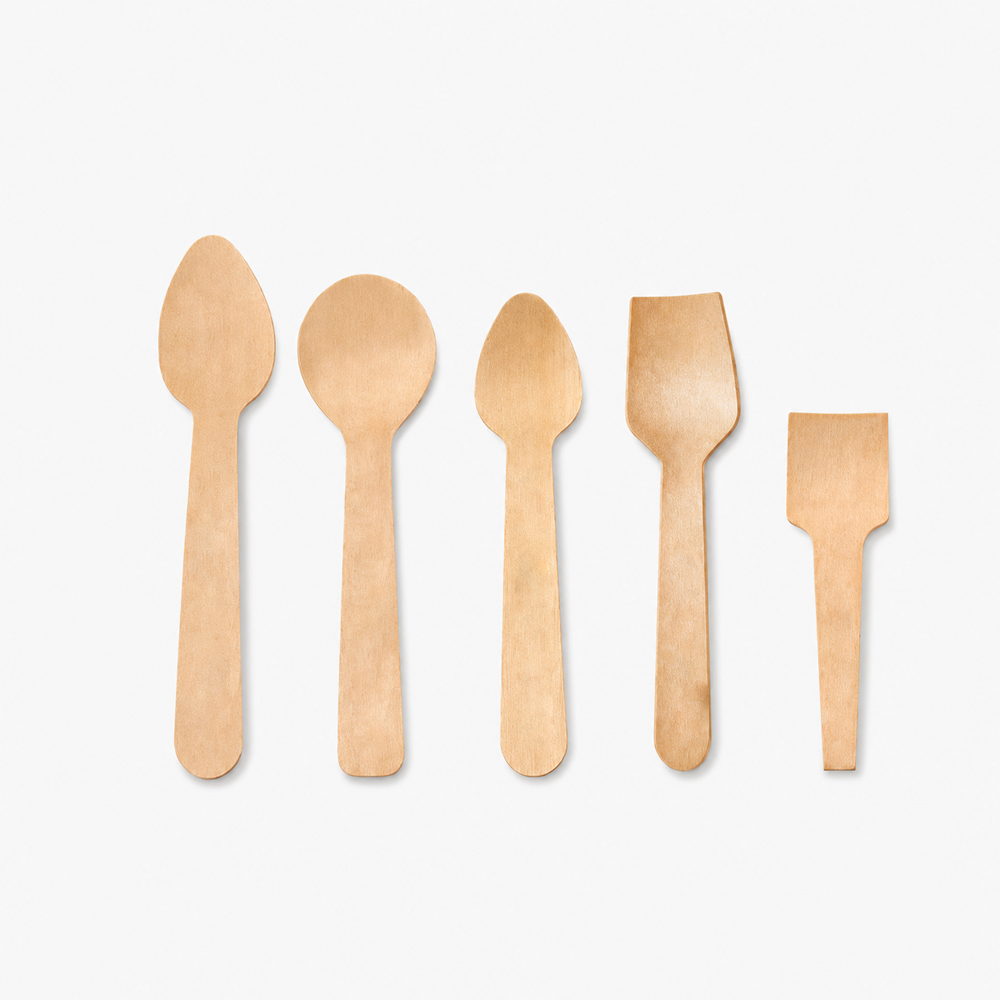
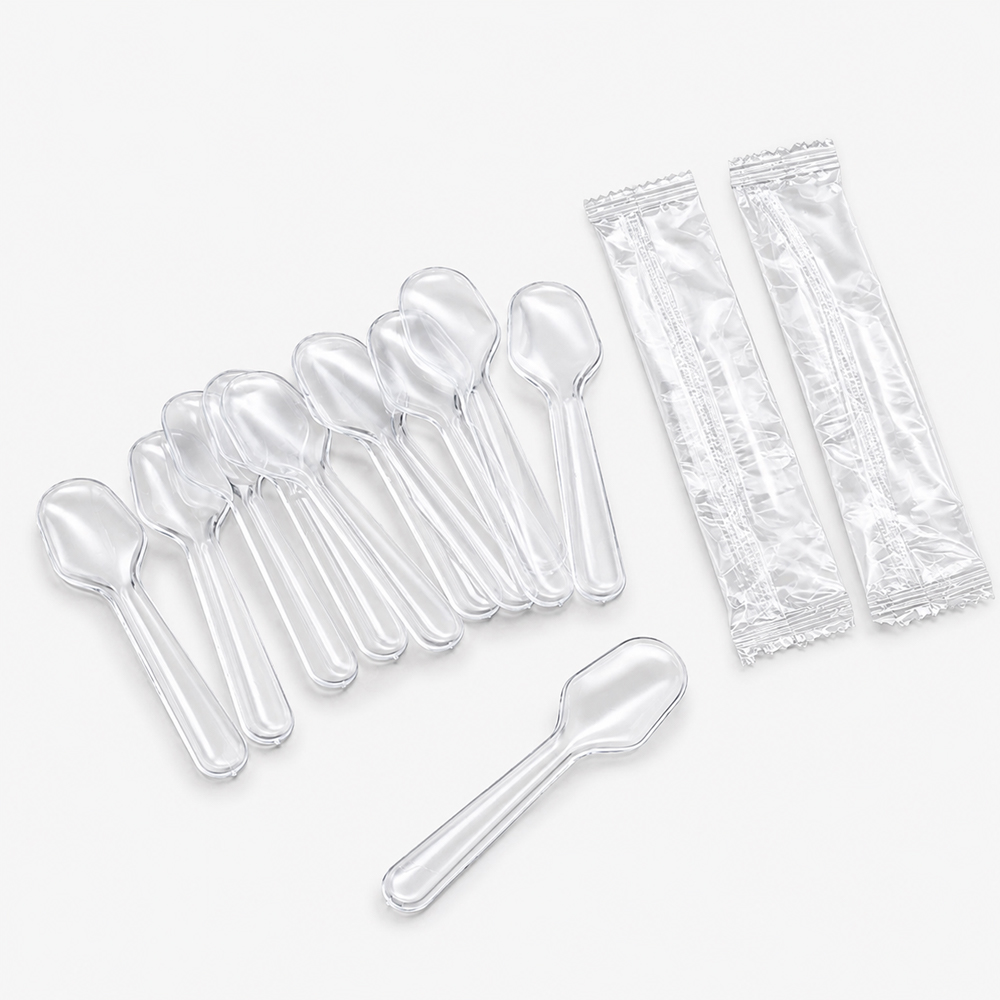
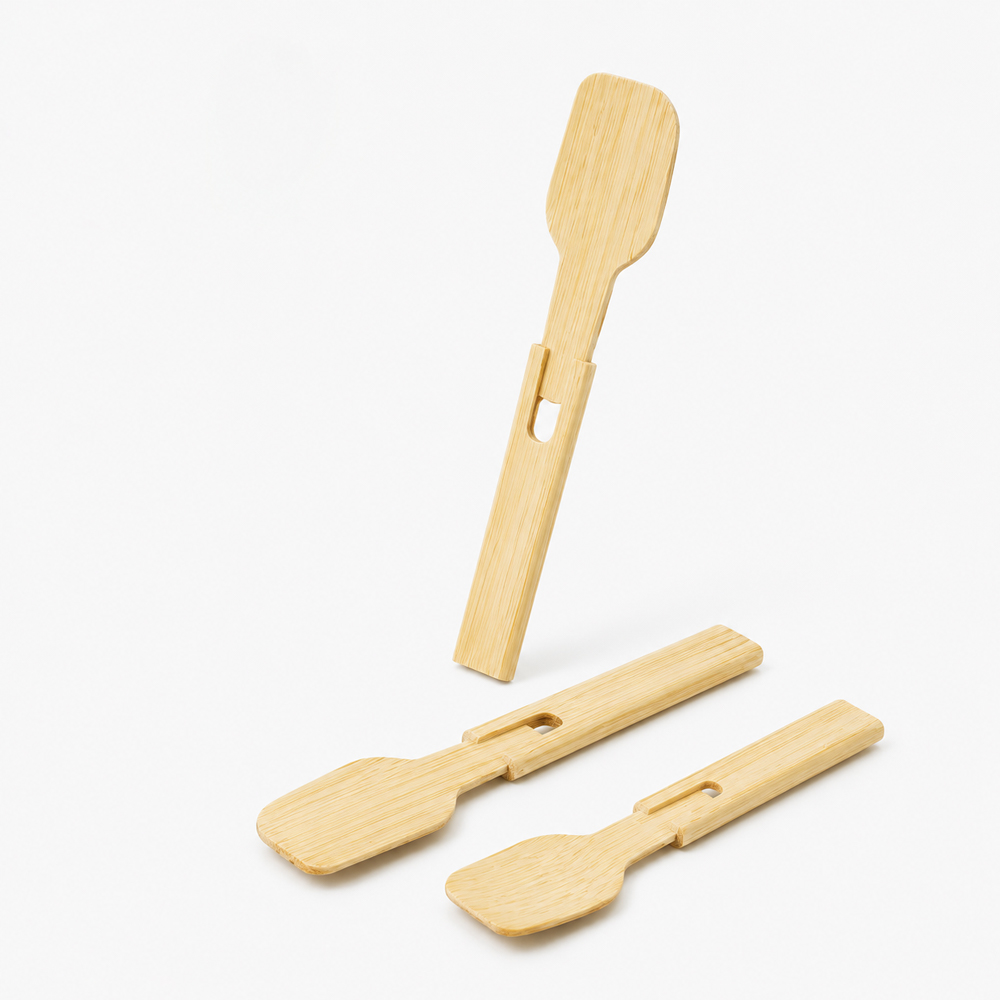
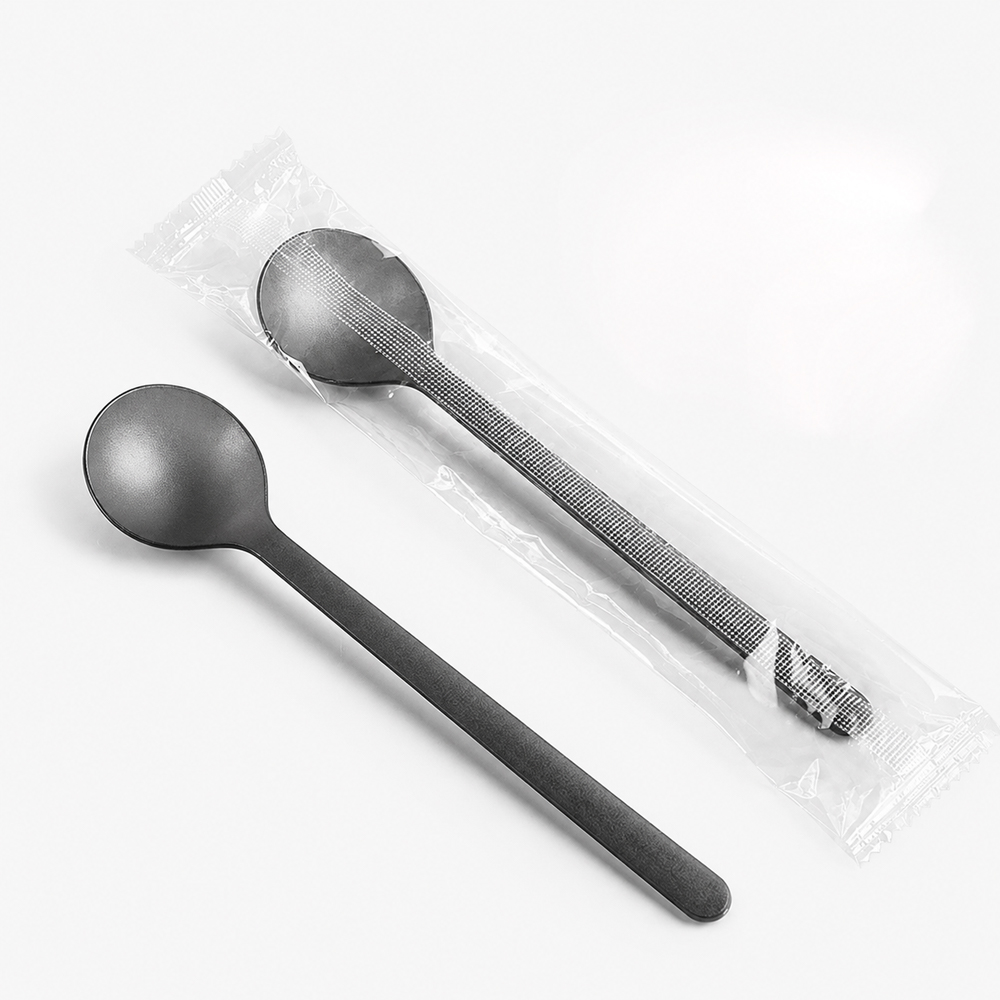
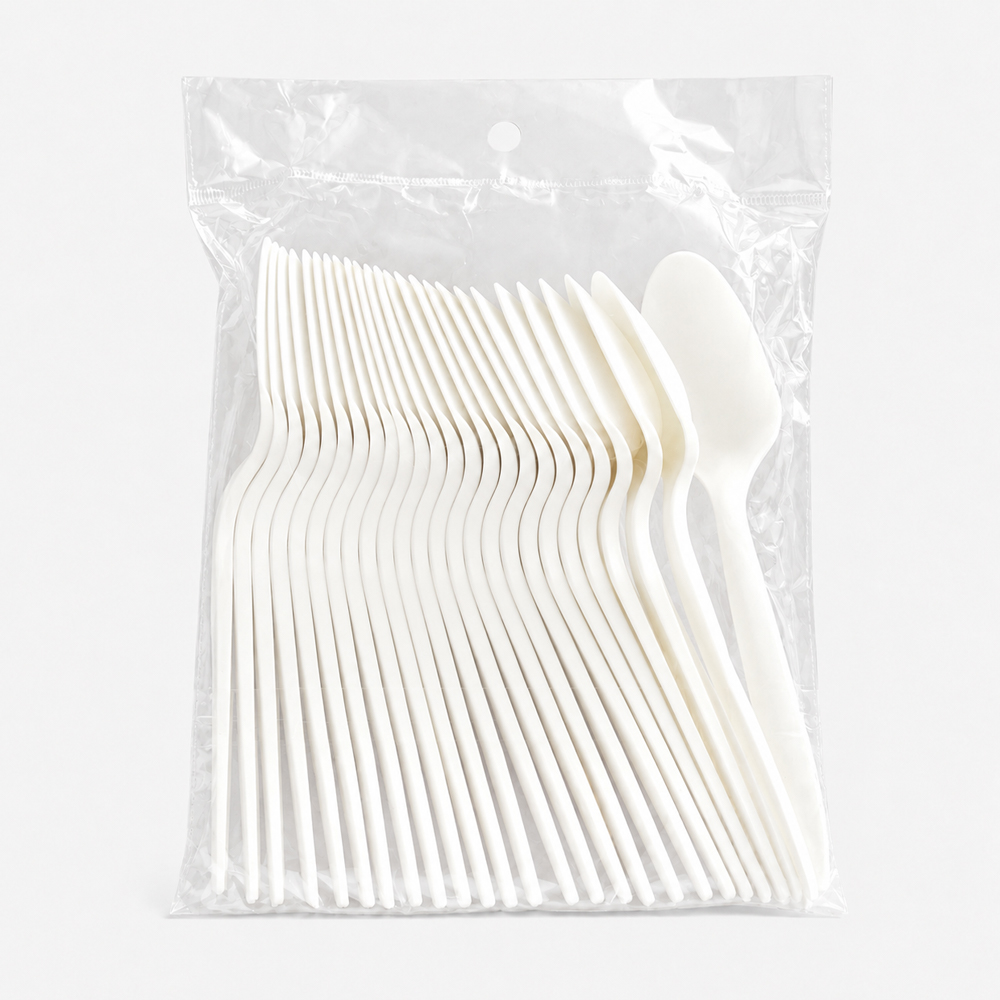
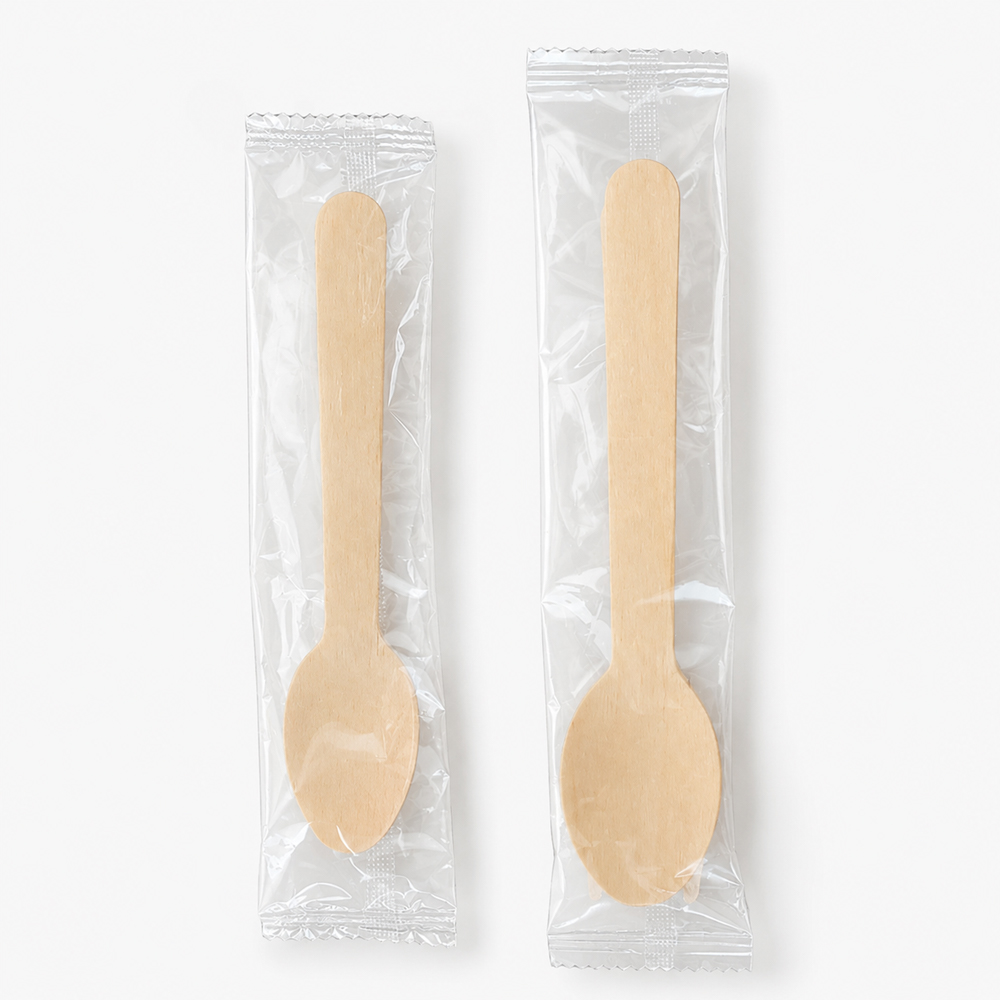
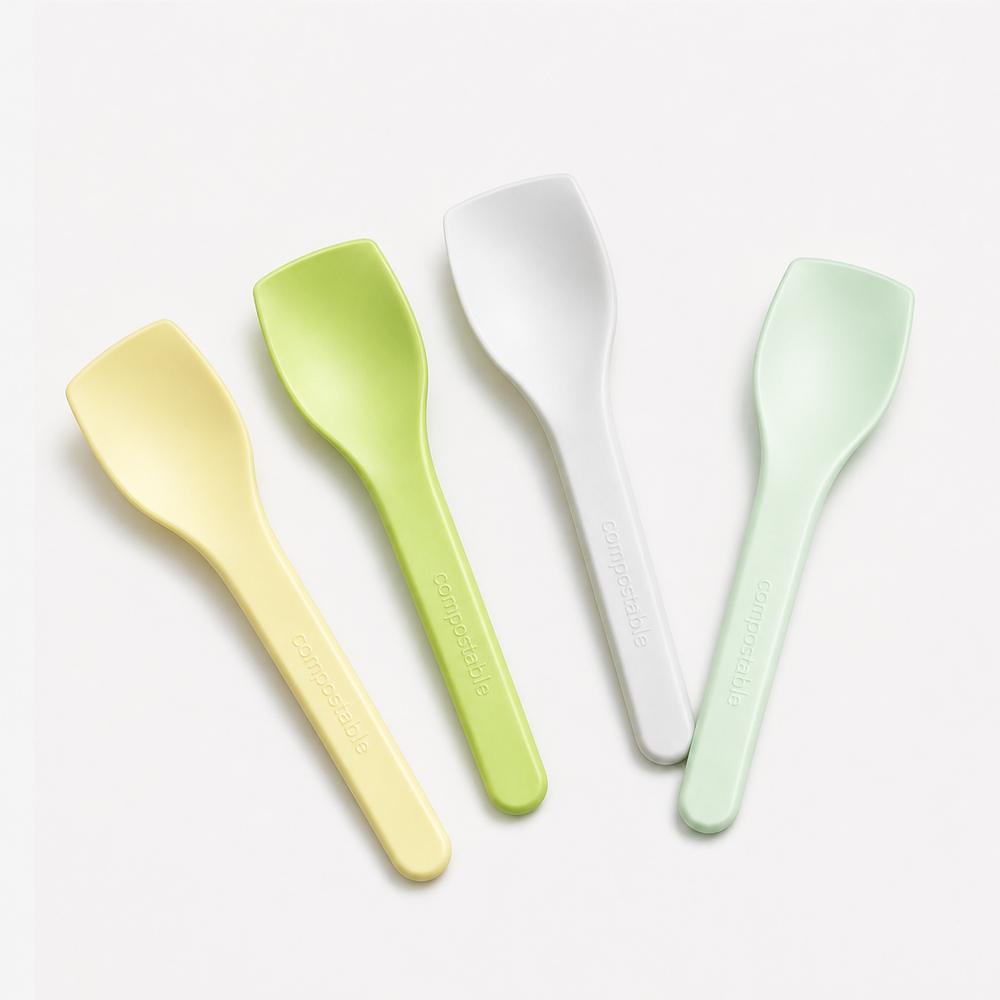
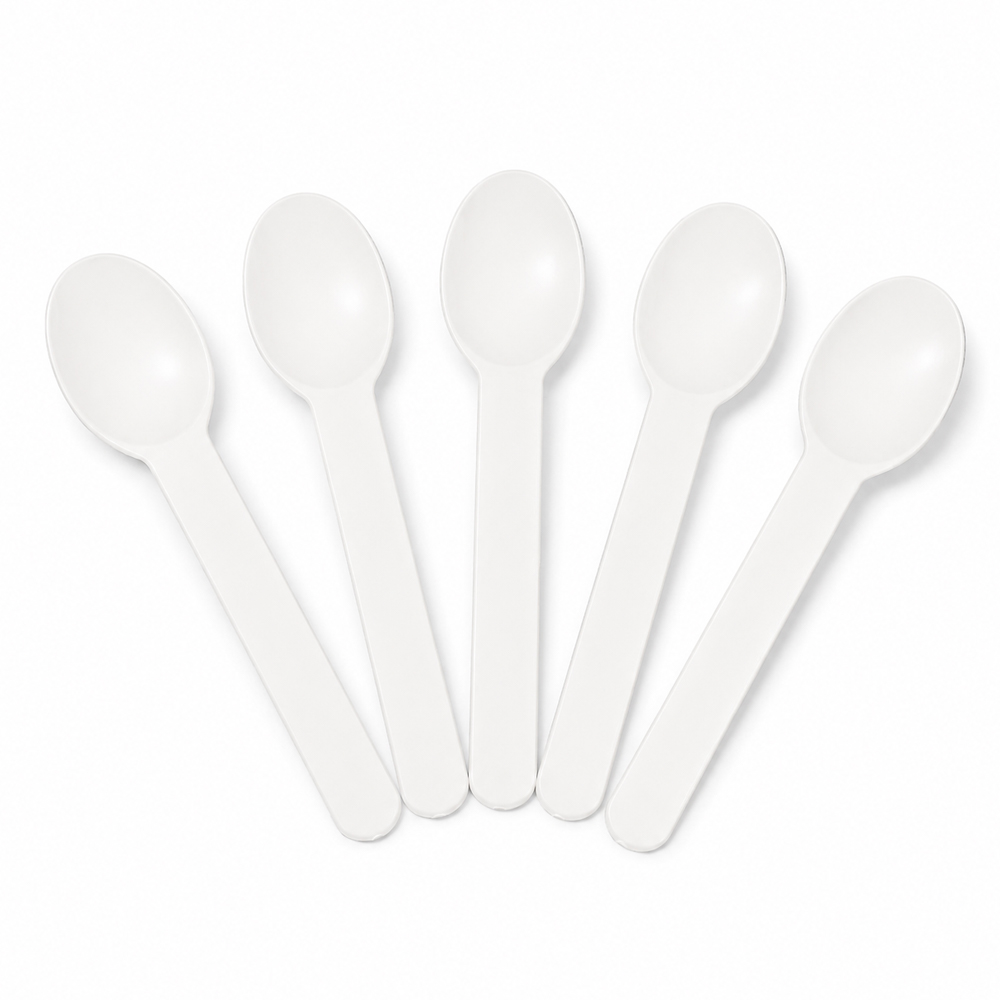
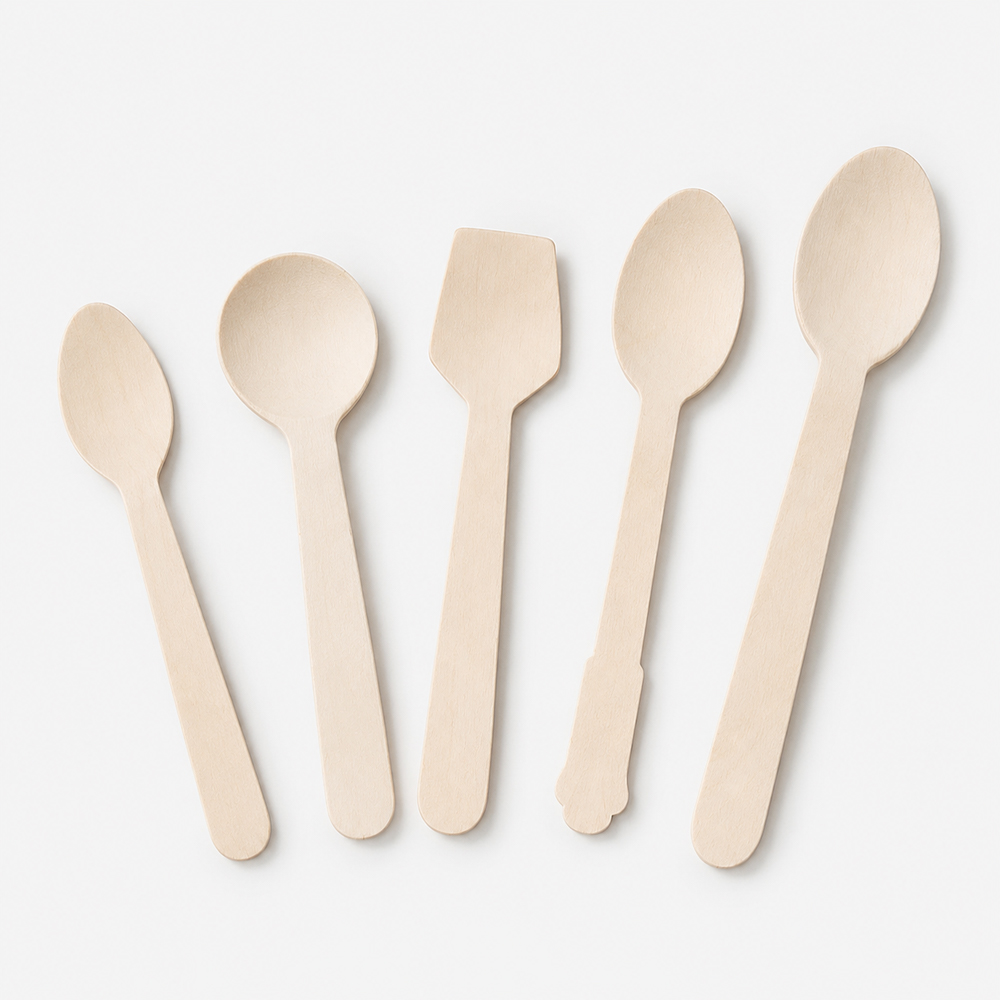
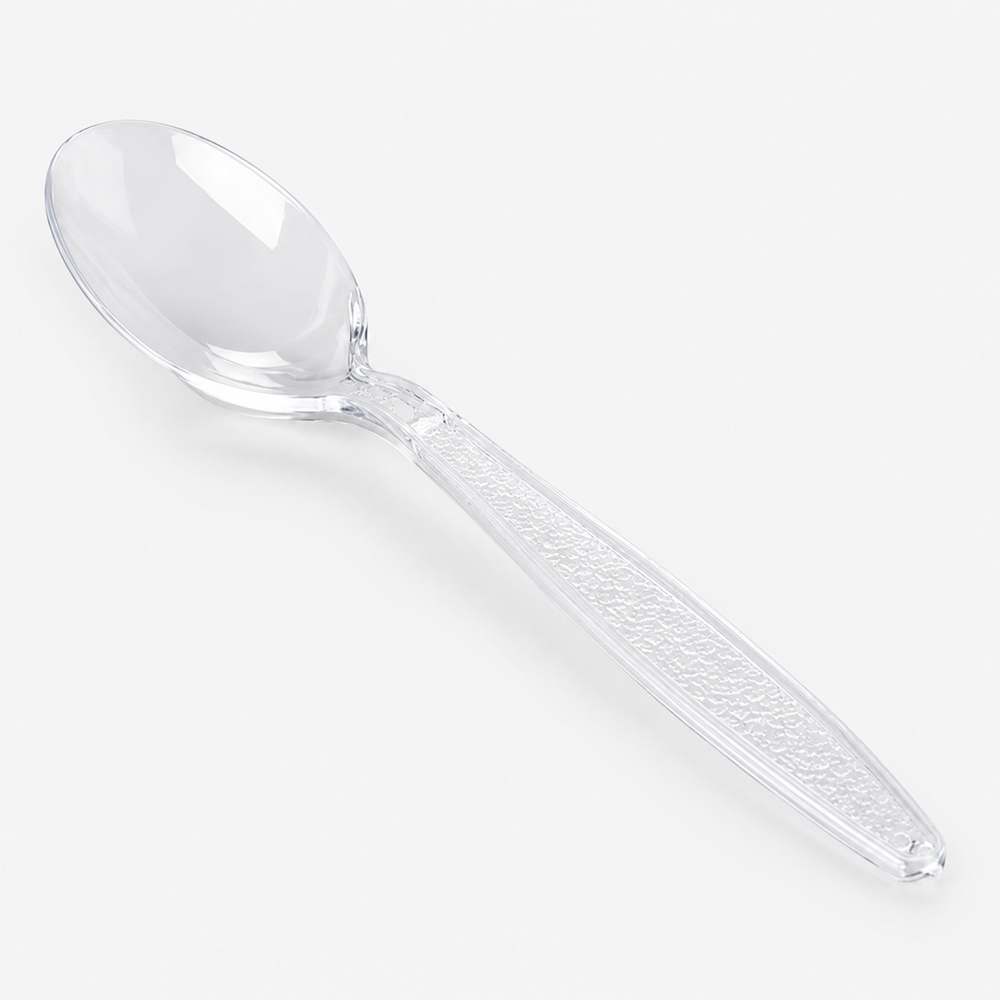
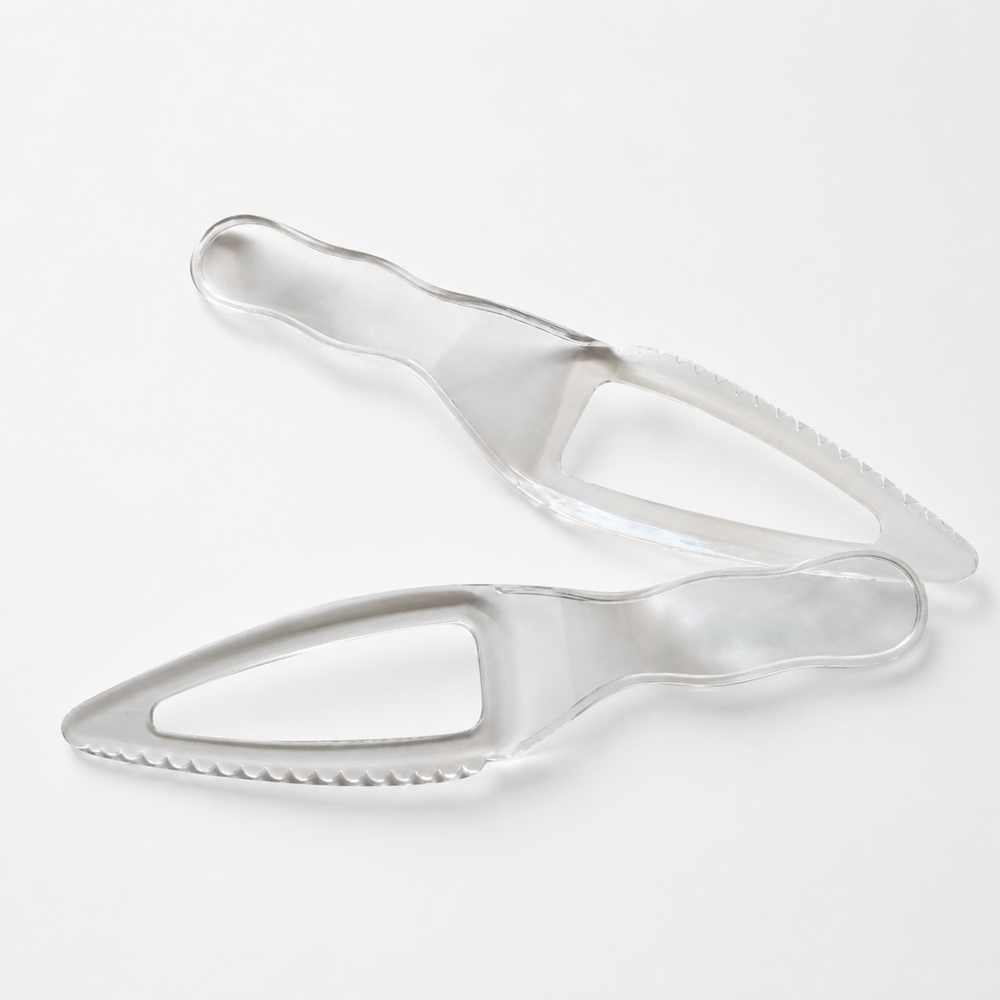
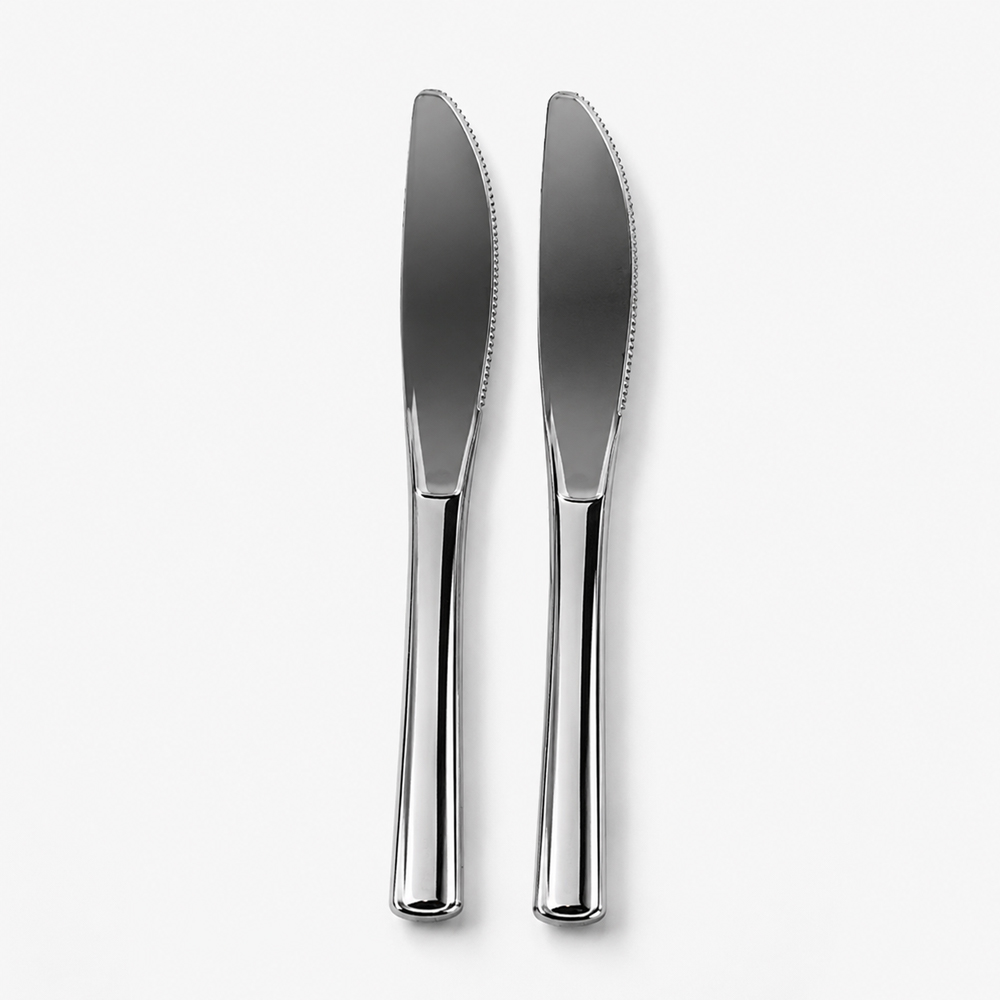
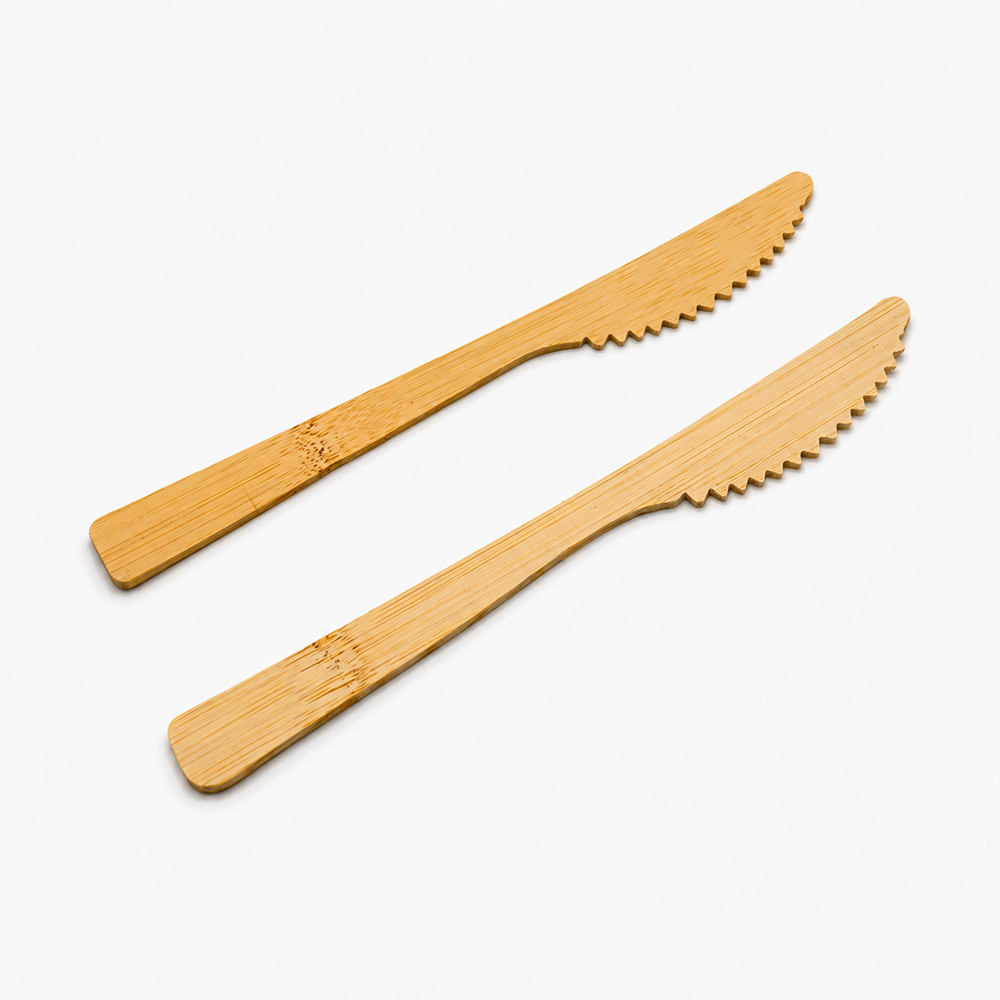
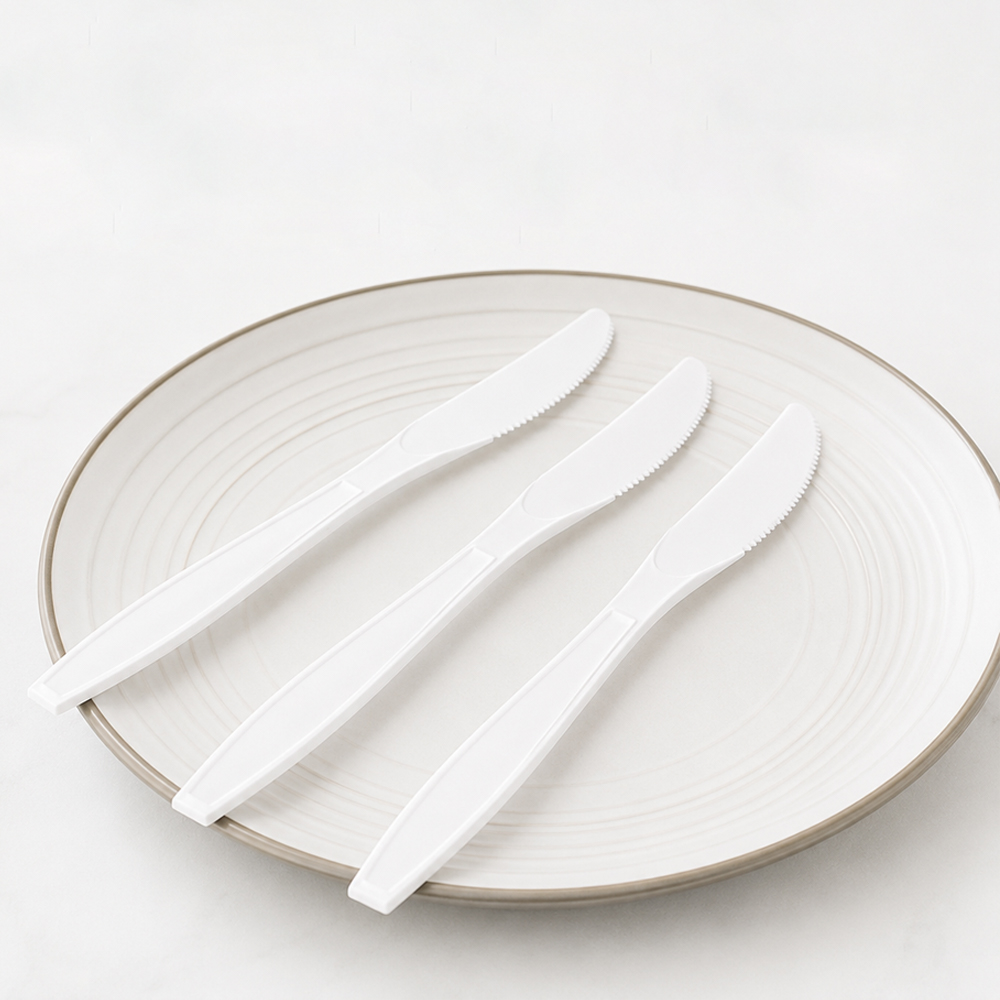
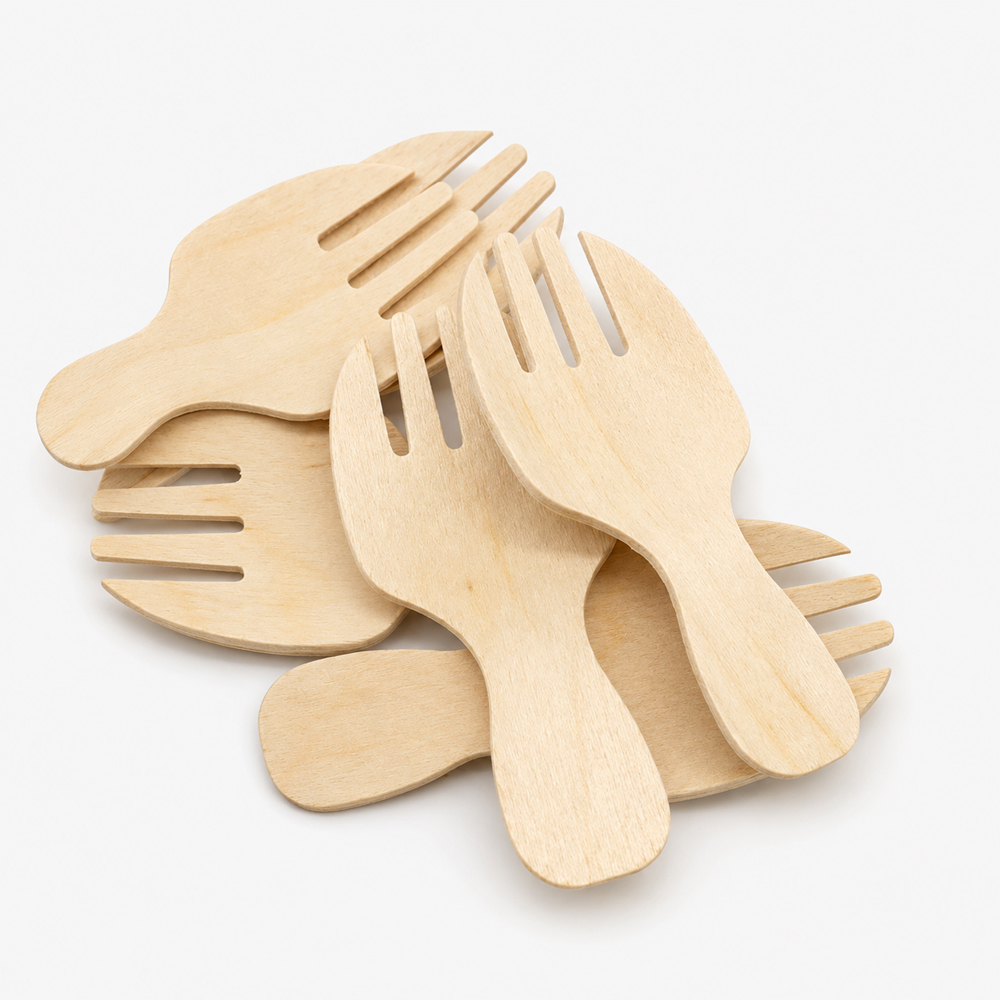
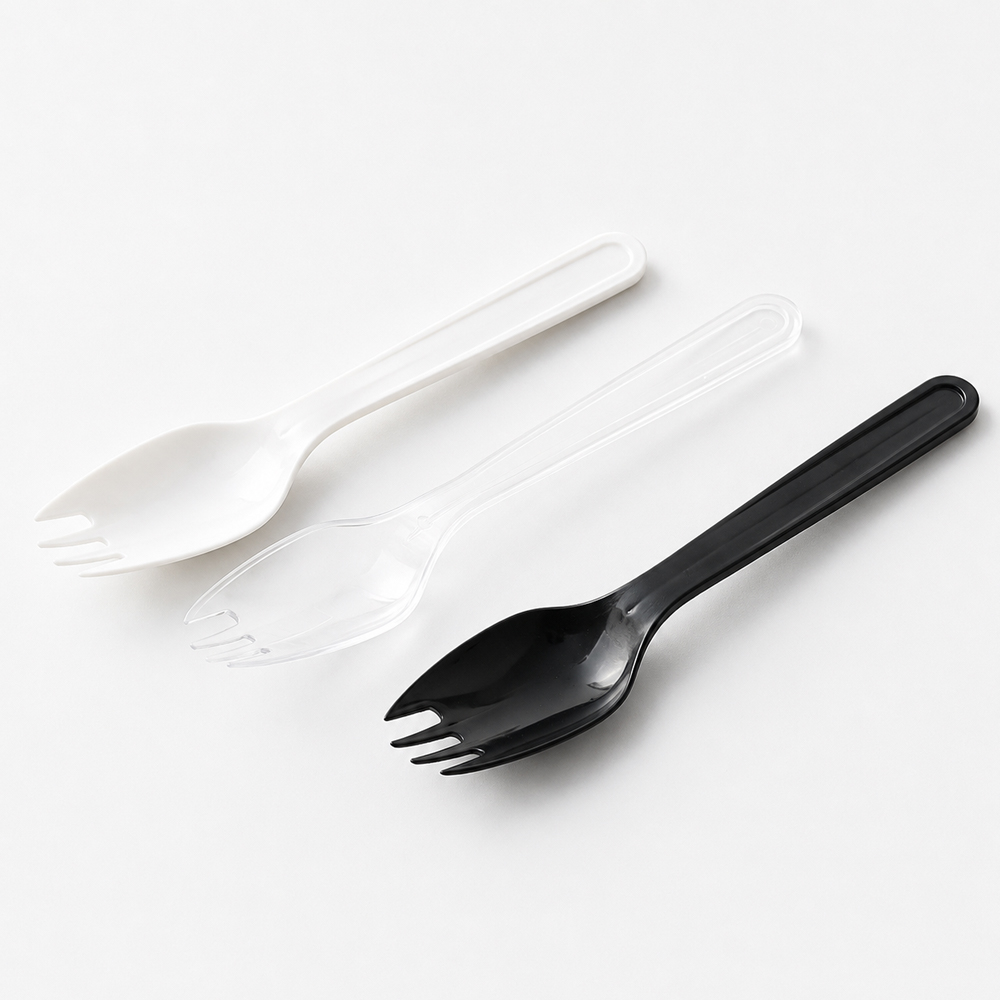
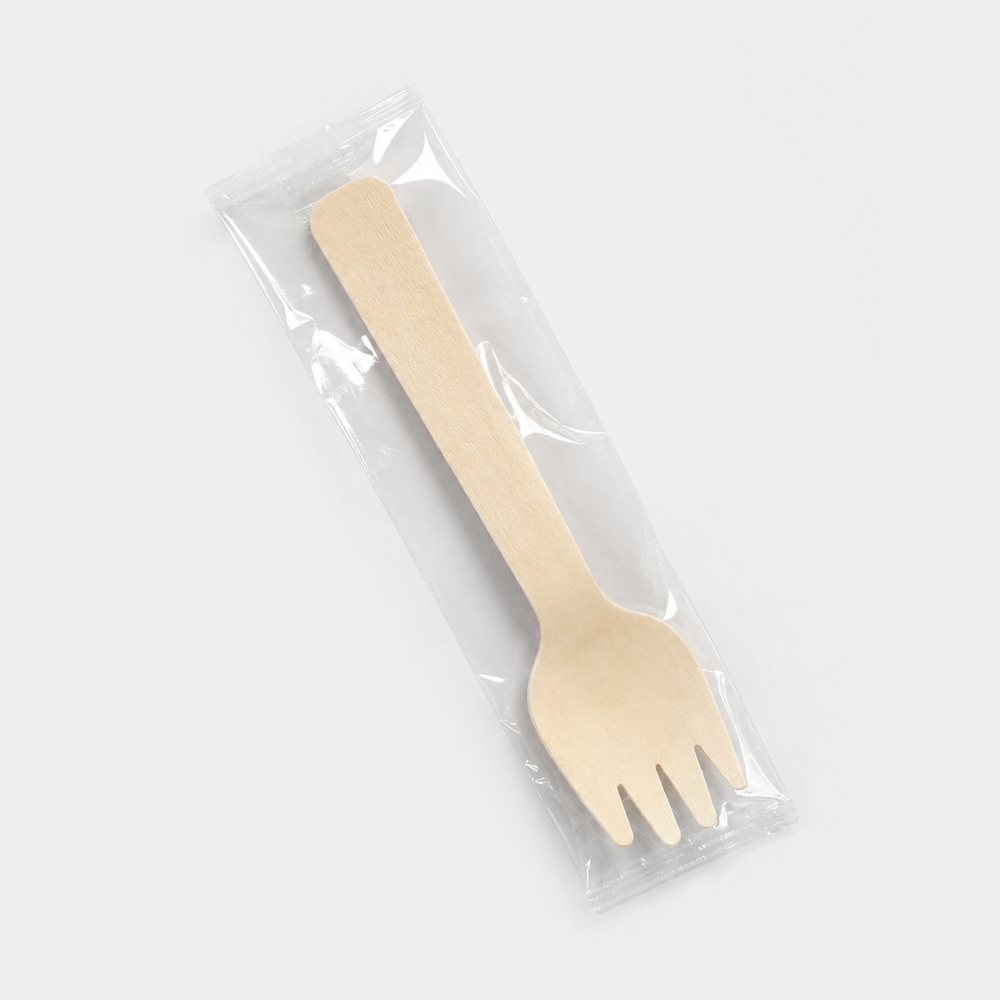
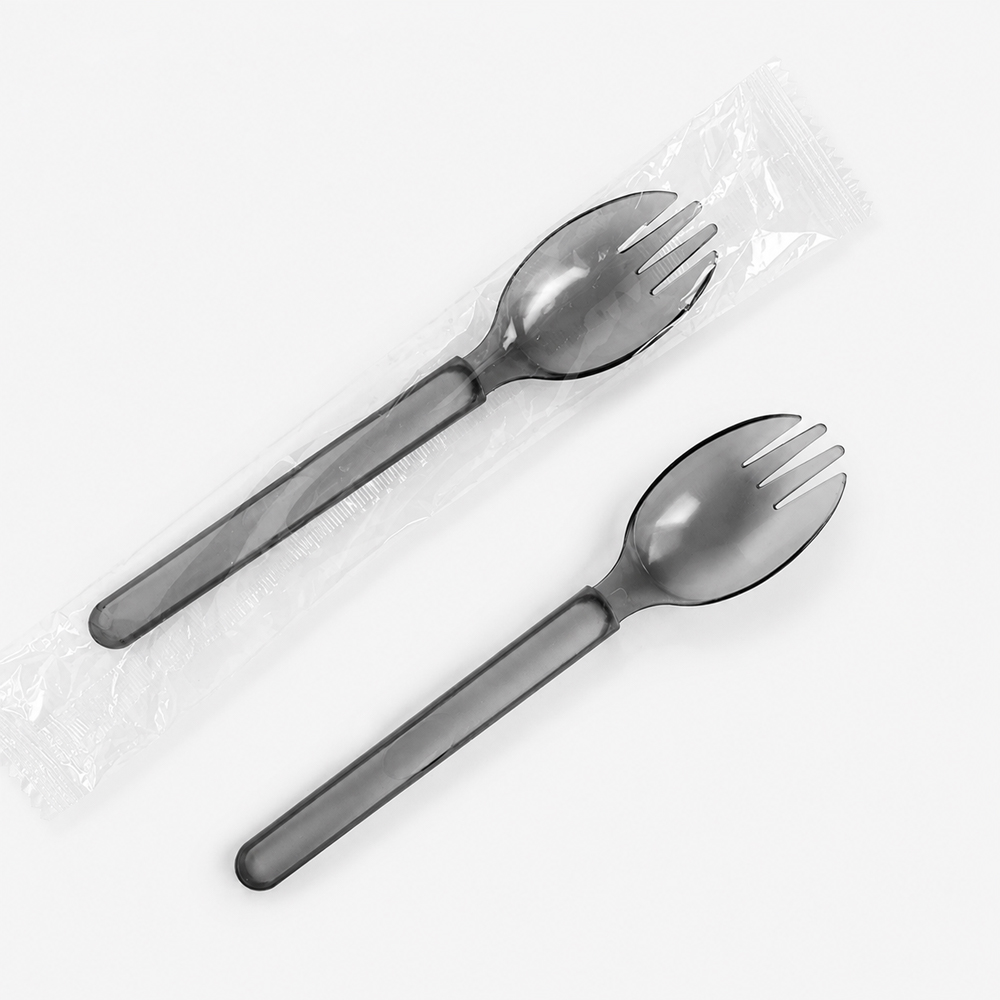
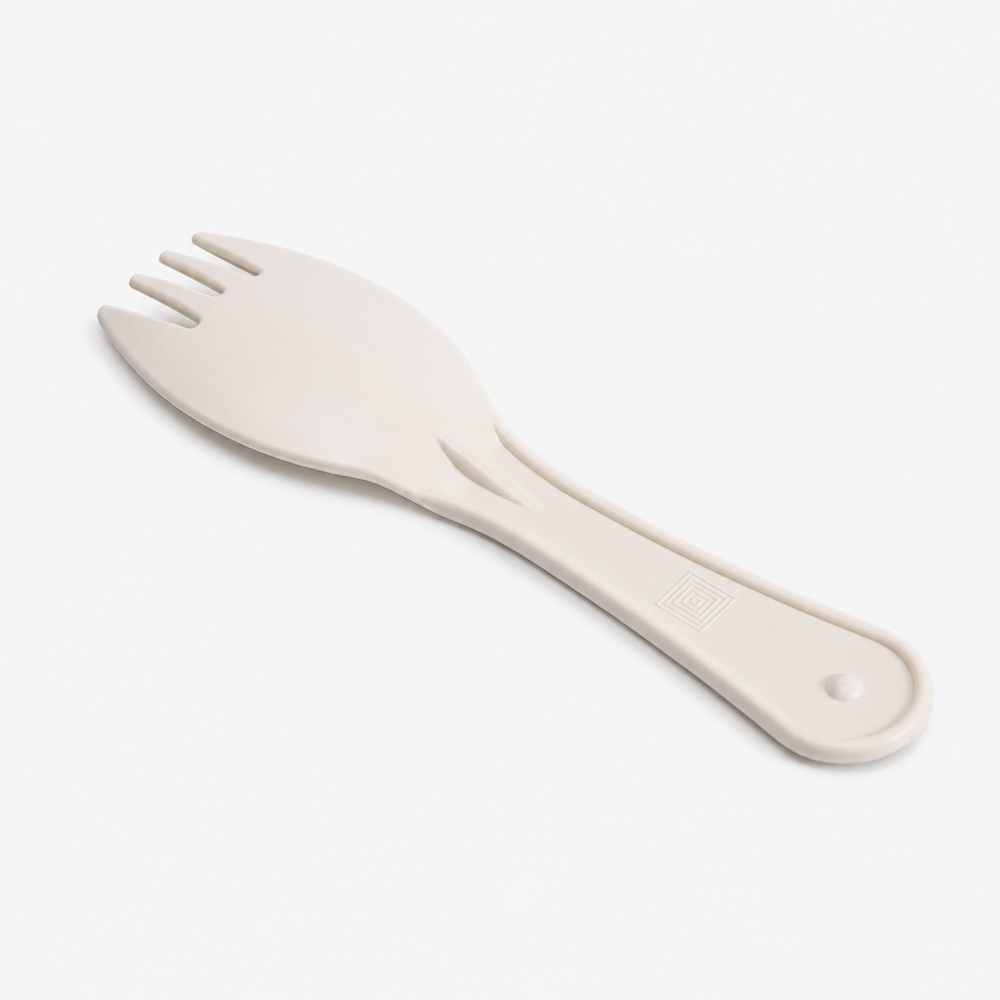
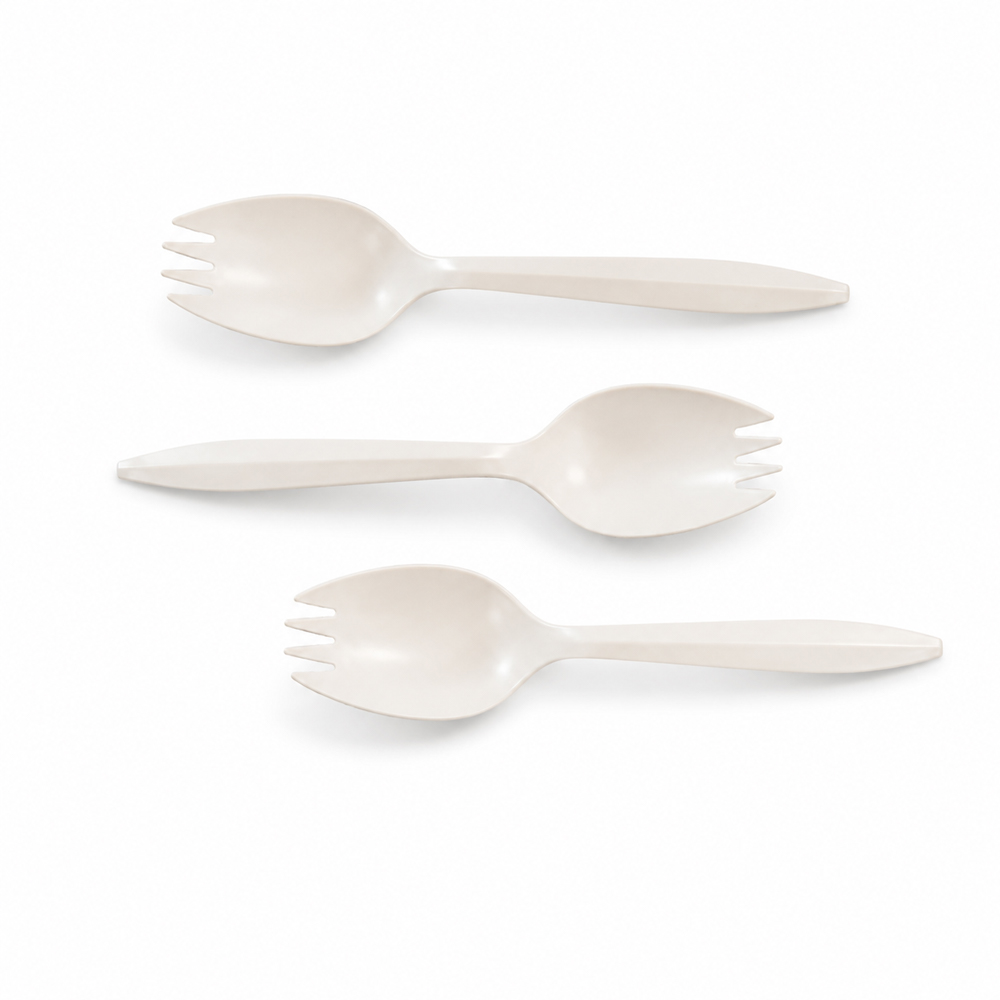
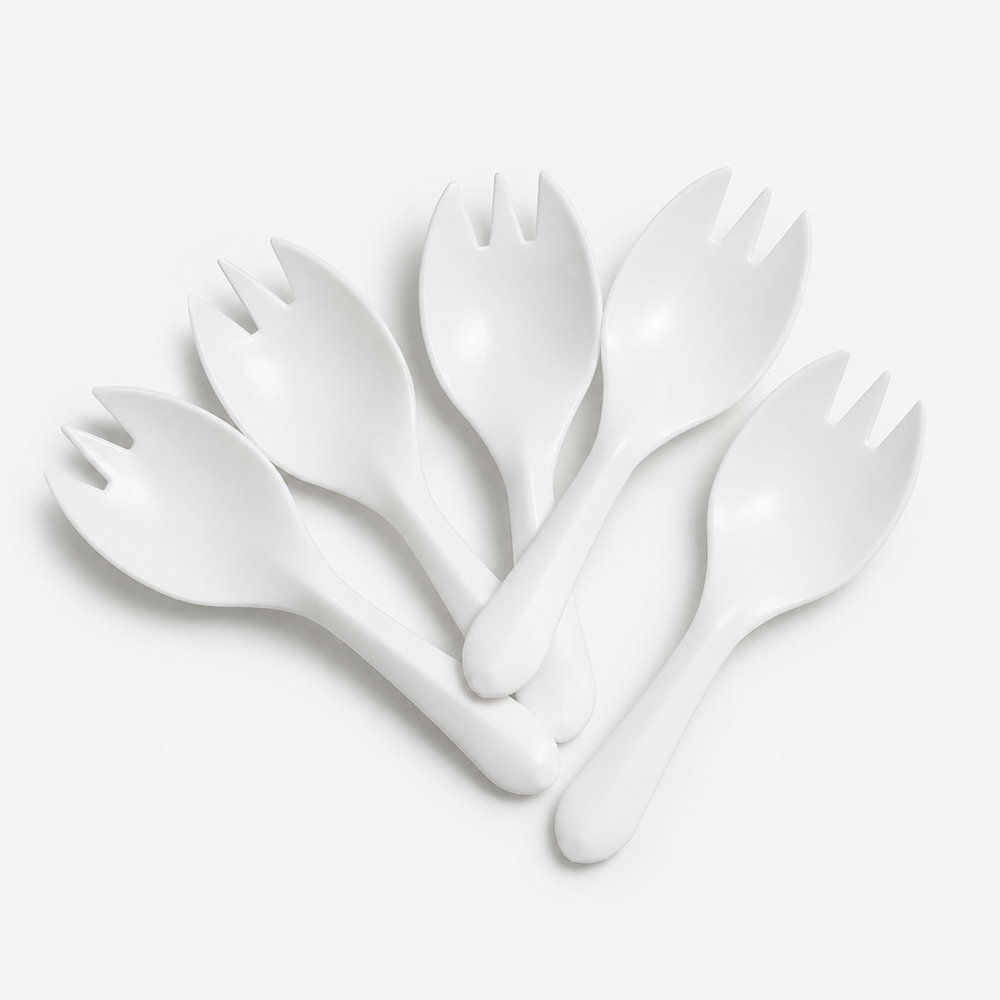
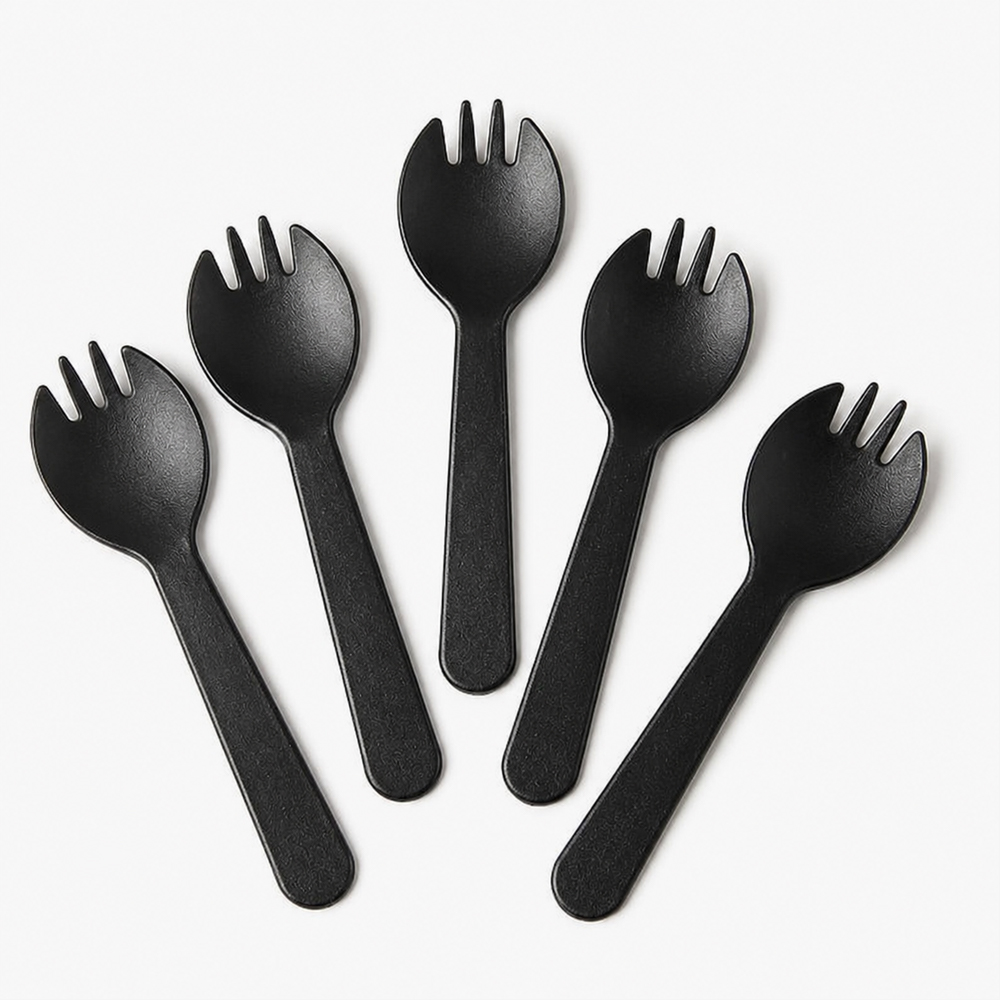
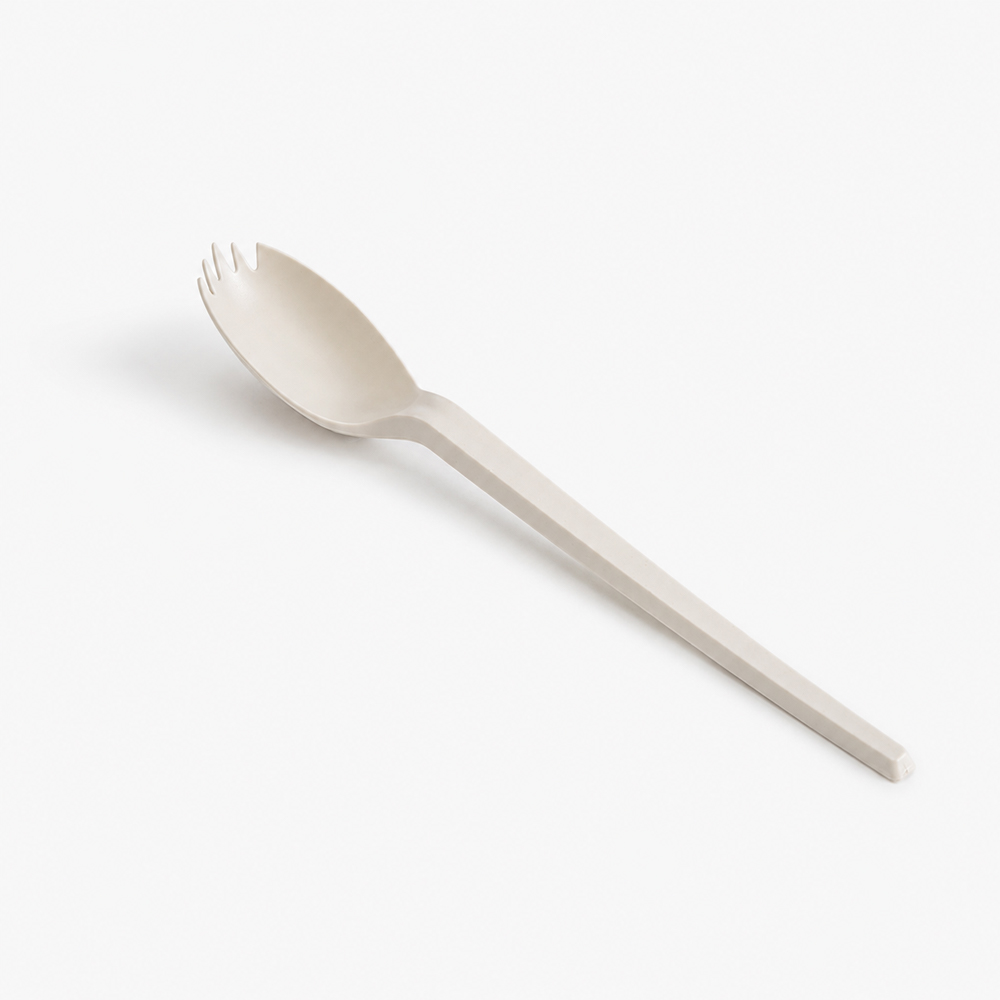
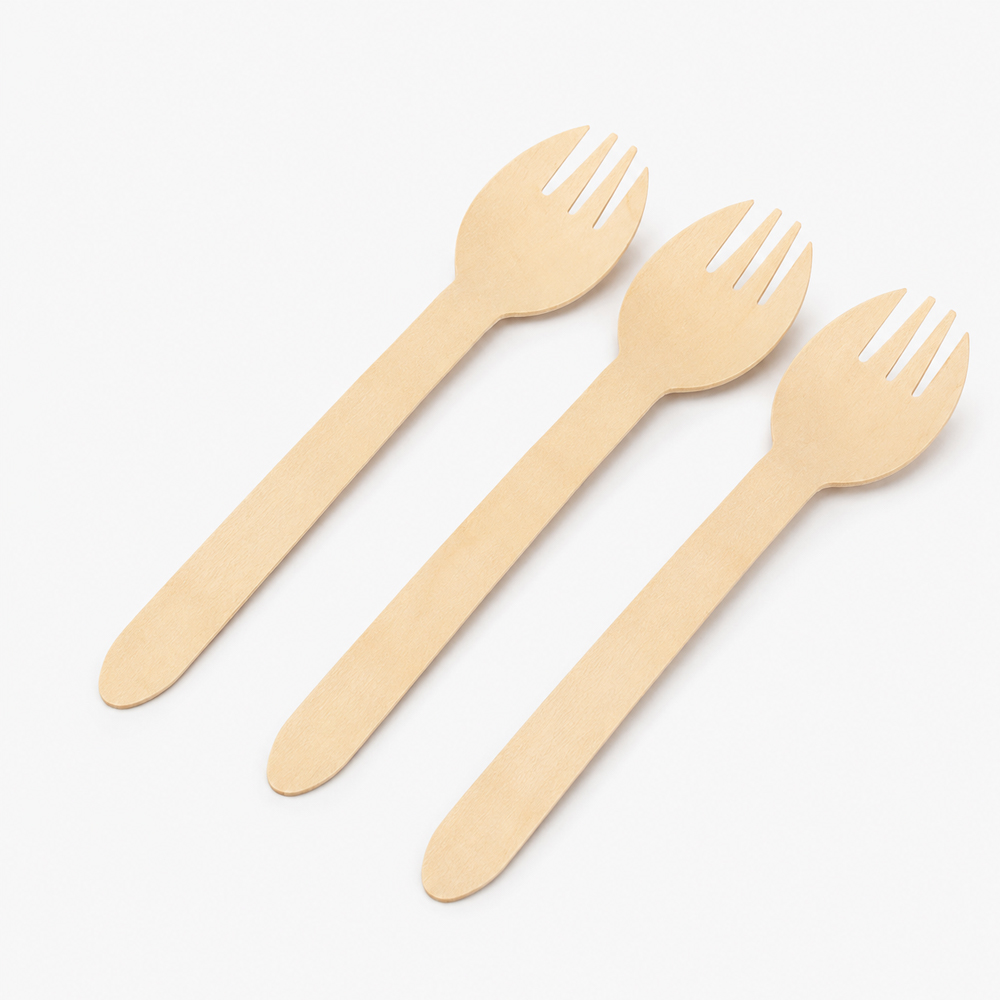
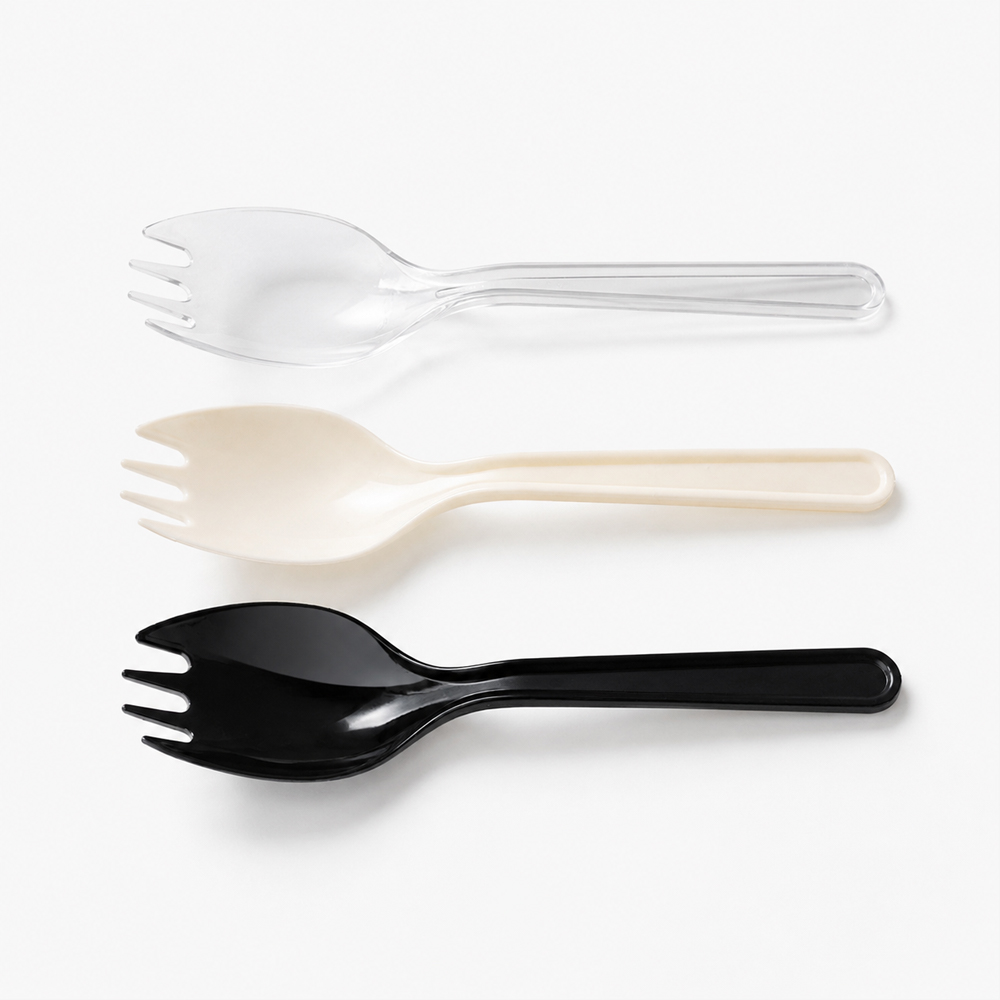
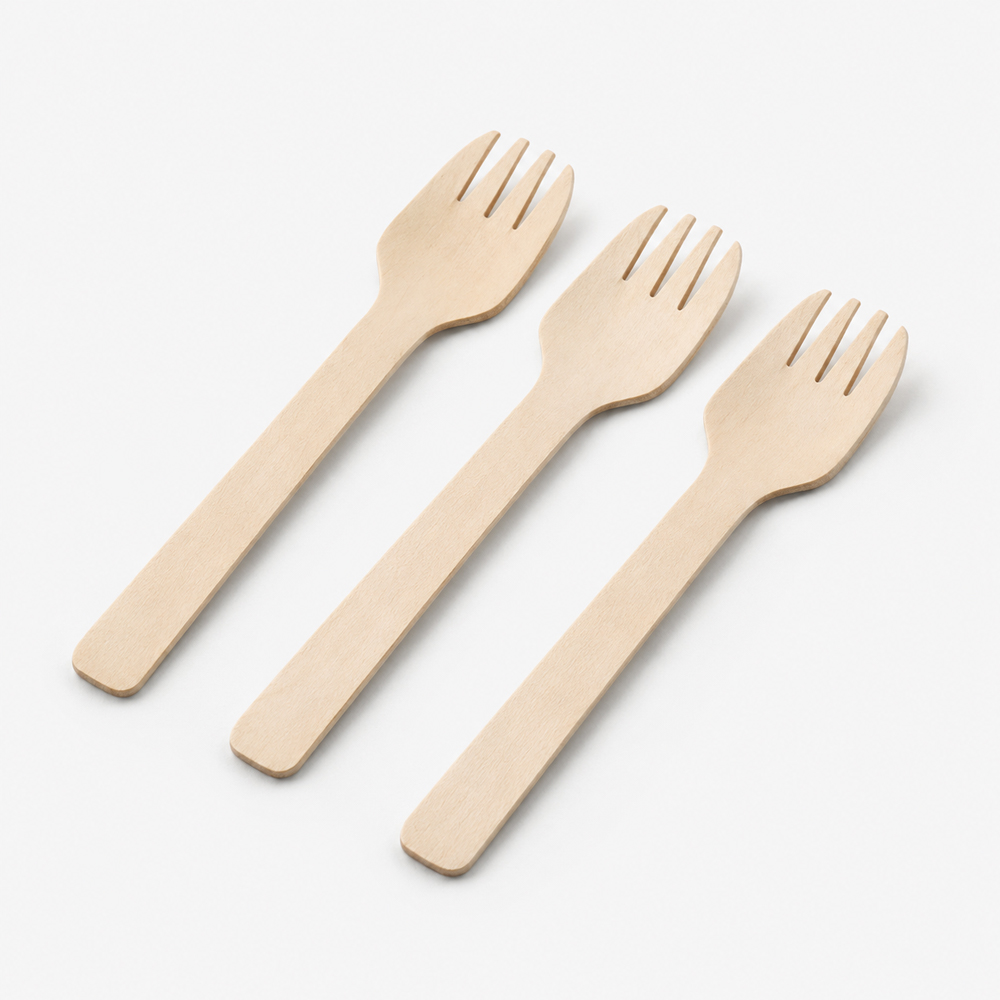
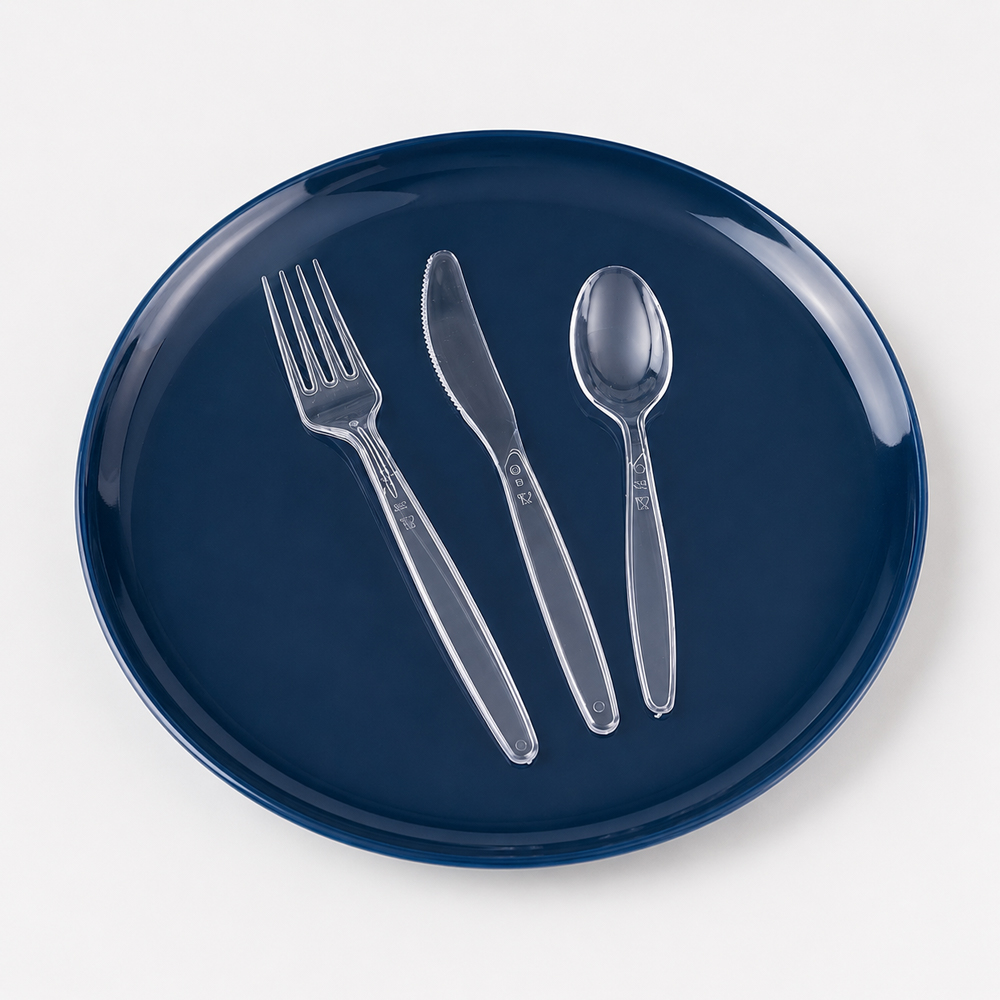
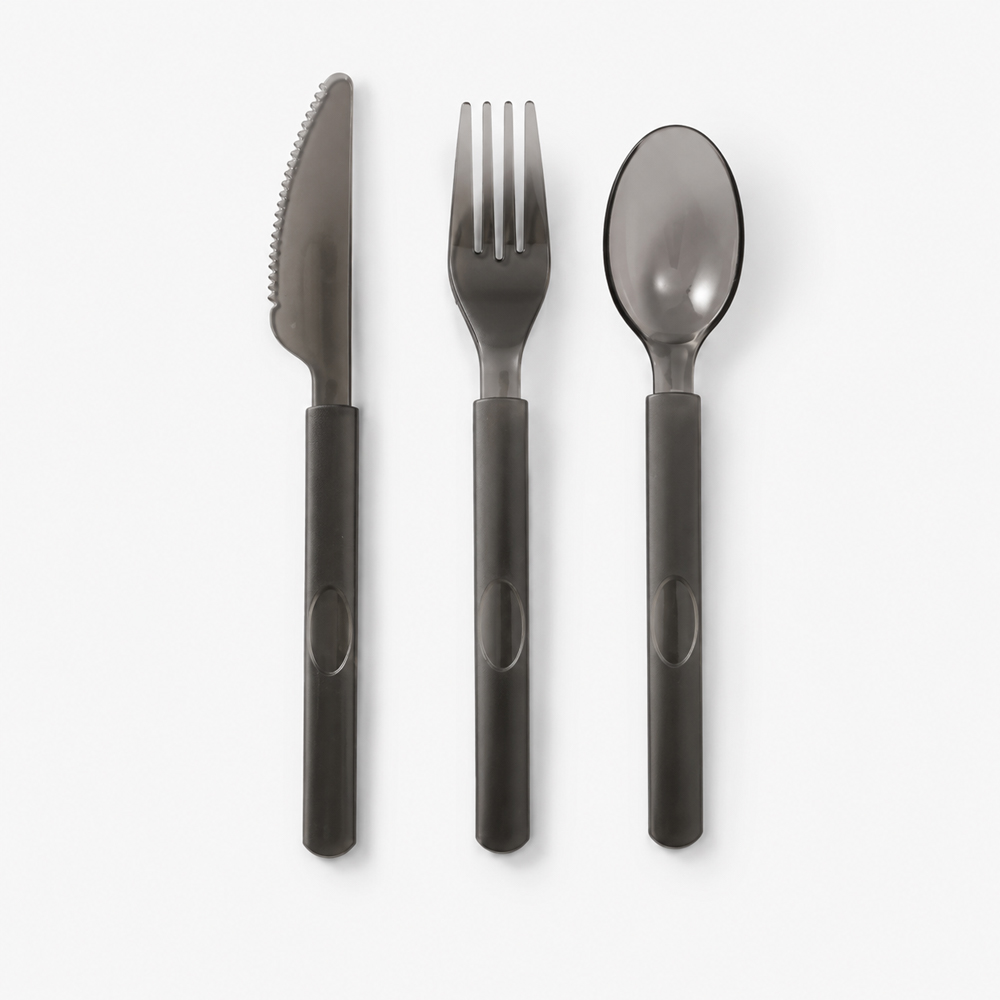
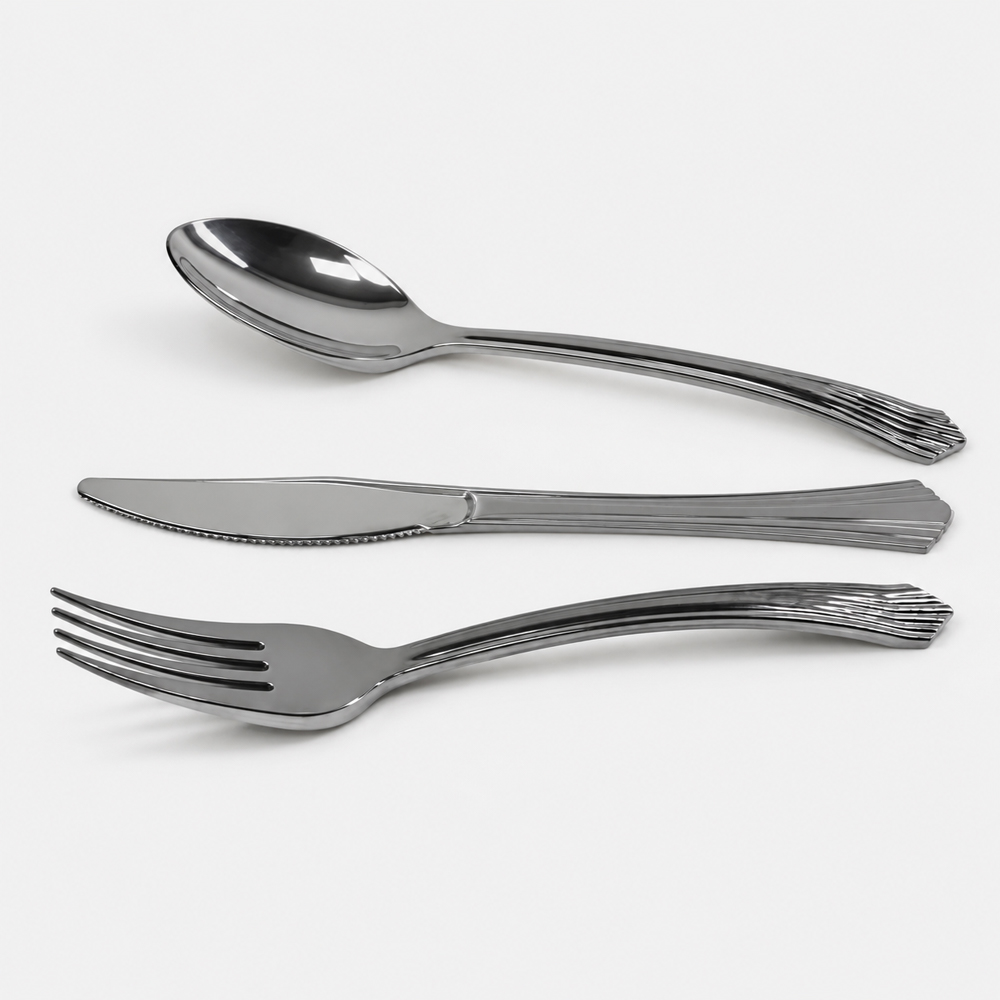
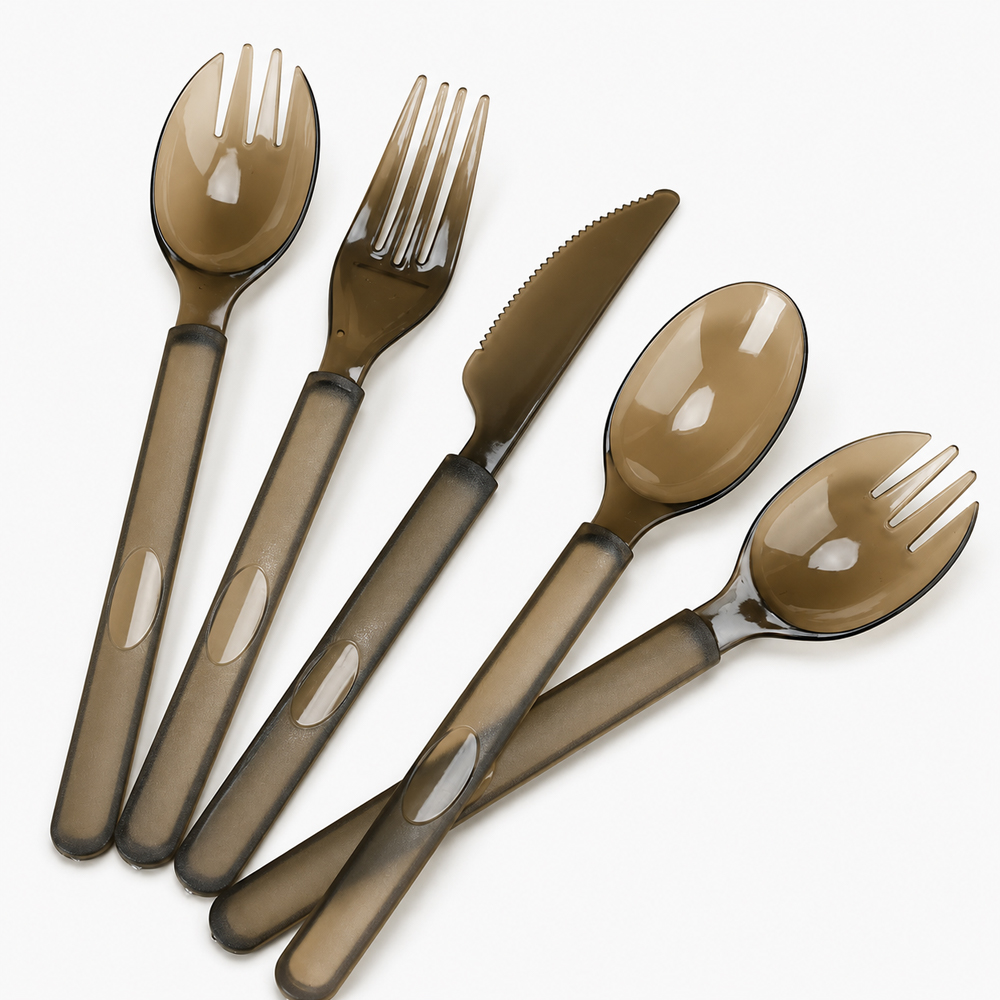
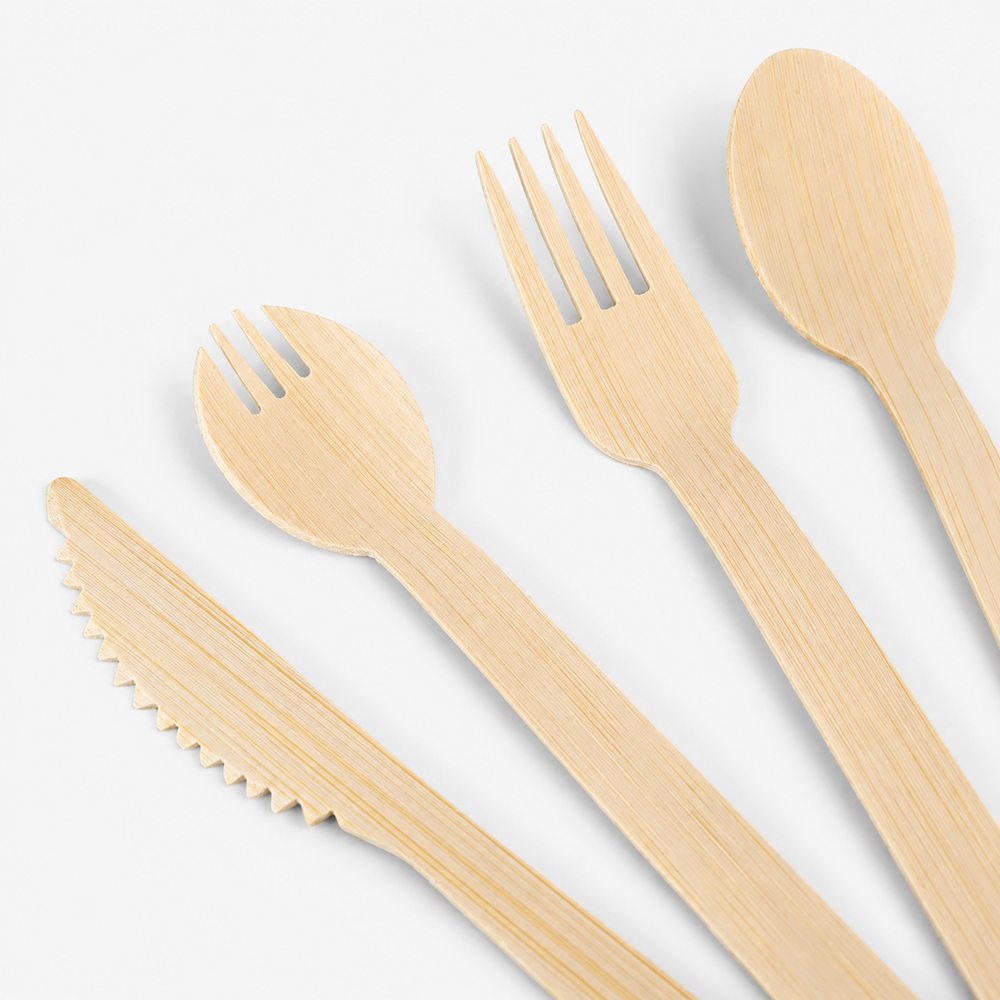
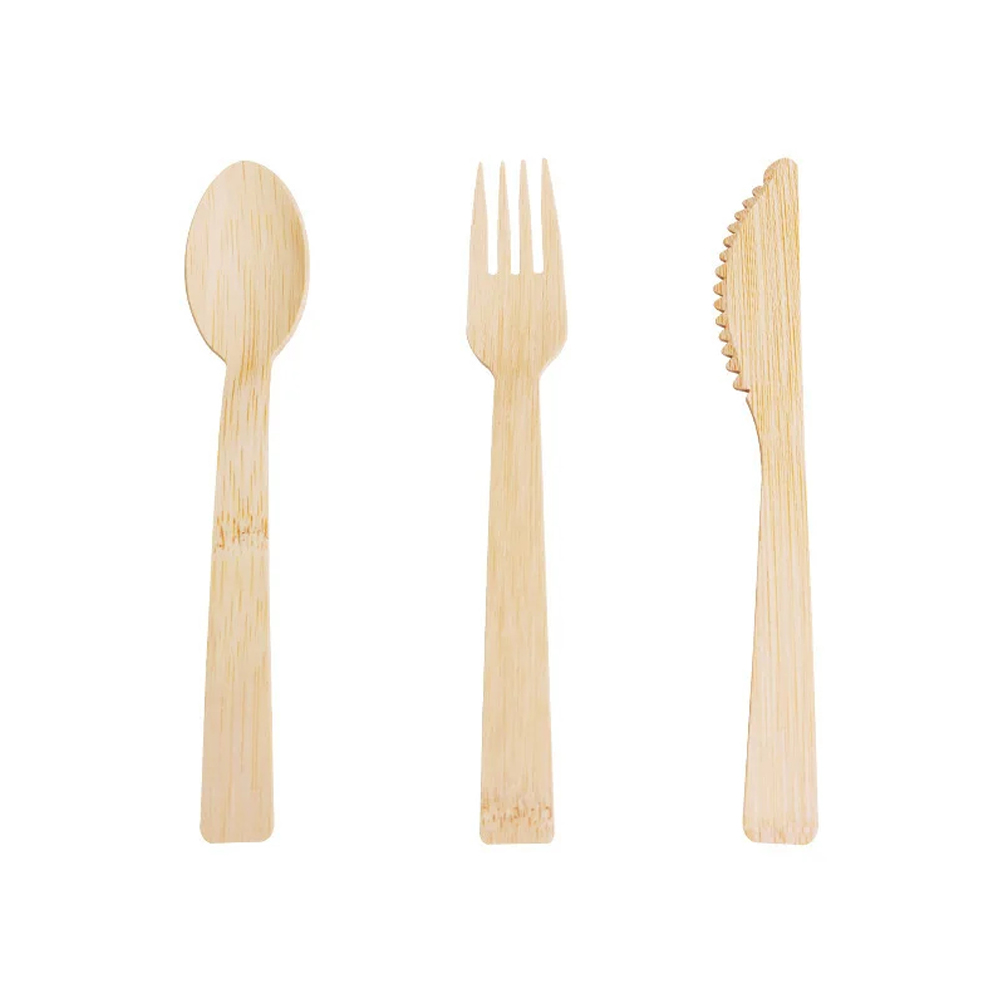
Forks, spoons, knives, sporks, teaspoons, soup spoons,
tasting spoons, ice-cream spoons and coordinated cutlery
sets. |
Evaluate pickup, penetration, cutting, scooping and
handling against the intended food and approved reference
sample. |
Menu type, food texture, portion size, user group and
service environment. |
Prevents unnecessary weight, unsuitable geometry and
duplicated utensil use. |
|---|
|
02
Length & Dimensional Control
|
Approximately 105–188 mm across mini, standard and
extended foodservice formats; final dimensions follow the
approved drawing. |
Record critical dimensions by mold cavity and verify them
against agreed tolerances. |
Holder fit, wrapper length, kit layout, eating ergonomics
and dimensional tolerance. |
Affects mold size, wrapper dimensions, carton footprint
and holder compatibility. |
|---|
|
03
Unit Weight & Duty Class
|
Light-, medium- and heavy-duty targets are defined by
material density, geometry and required rigidity rather
than by one universal gram range. |
Conduct scheduled weight checks, cavity-balance review,
flex testing and production-trend monitoring. |
Required duty class, target unit weight, acceptable
variance and benchmark sample. |
Directly influences rigidity, material consumption,
breakage rate and unit cost. |
|---|
|
04
Working-End Geometry
|
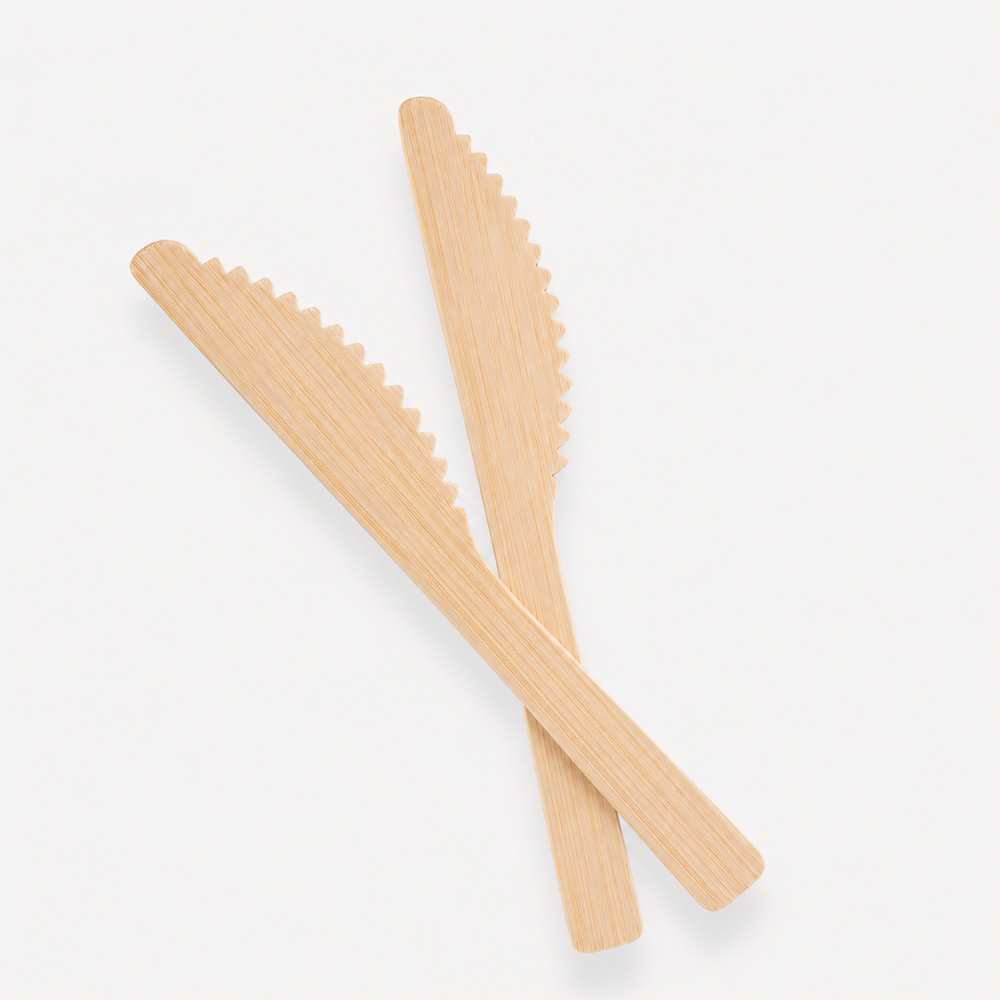
Specify fork tine profile, spoon-bowl capacity, knife
serration, spork balance, neck transition and
reinforcement ribs by utensil type. |
Perform food pickup, penetration, bowl-loading, cut,
twist, flex and edge-consistency tests. |
Actual food types such as salad, pasta, rice, dessert,
yogurt, pastry or light protein. |
Improves functional performance and reduces snapping,
poor pickup and guest complaints. |
|---|
|
05
Handle & Structural Strength
|
Control handle width, thickness, rib structure, neck
section, surface texture and balance point. |
Check bending resistance, handle torque, neck failure,
sharp edges, flash and visual defects. |
Required hand feel, user group, service duration and
expected food load. |
Balances comfort, material use, break resistance and
perceived quality. |
|---|
|
06
Service Temperature & Contact Conditions
|
Define cold, ambient or hot-food use by material grade
and finished-utensil design; do not apply a material-wide
temperature claim. |
Test the finished utensil using the intended food
temperature, contact time and storage conditions. |
Actual food temperature, contact duration, transport,
storage and reheating conditions where applicable. |
Prevents softening, warping, brittleness and unsupported
heat-resistance claims. |
|---|
|
07
Color, Finish & Branding
|
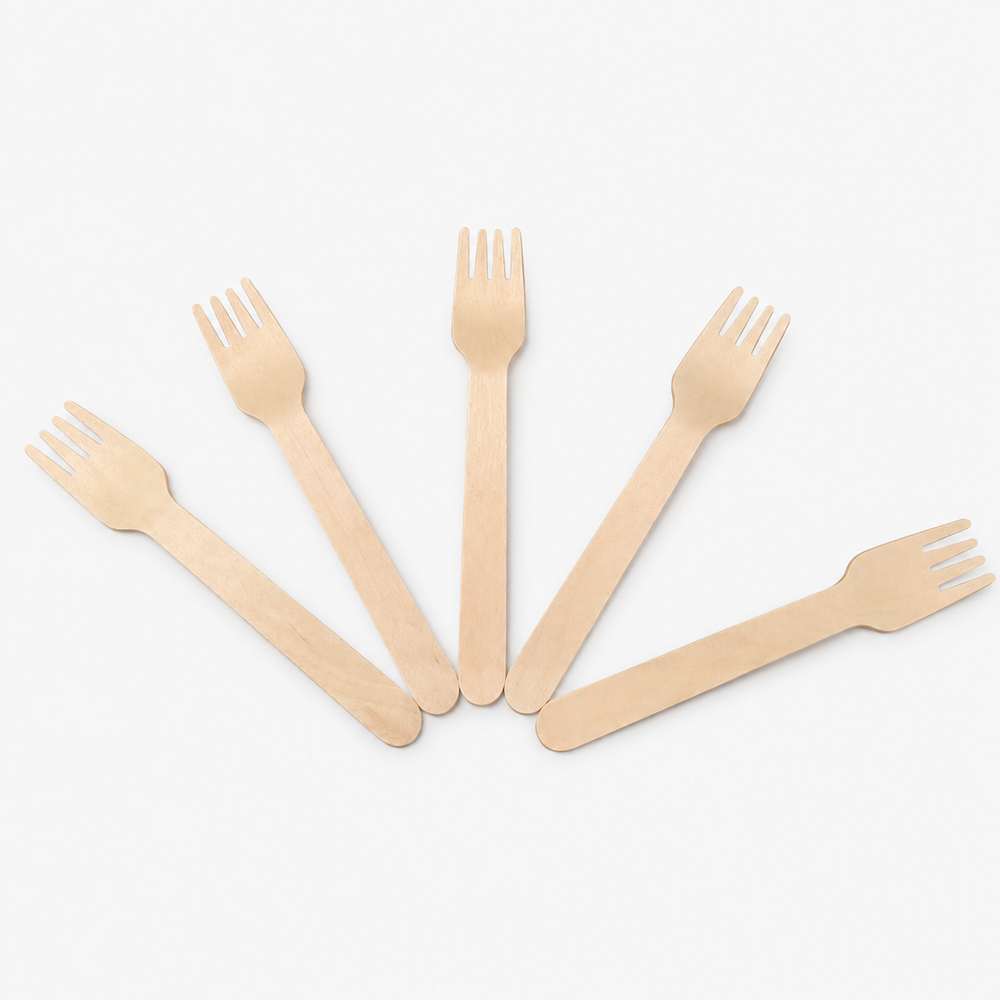
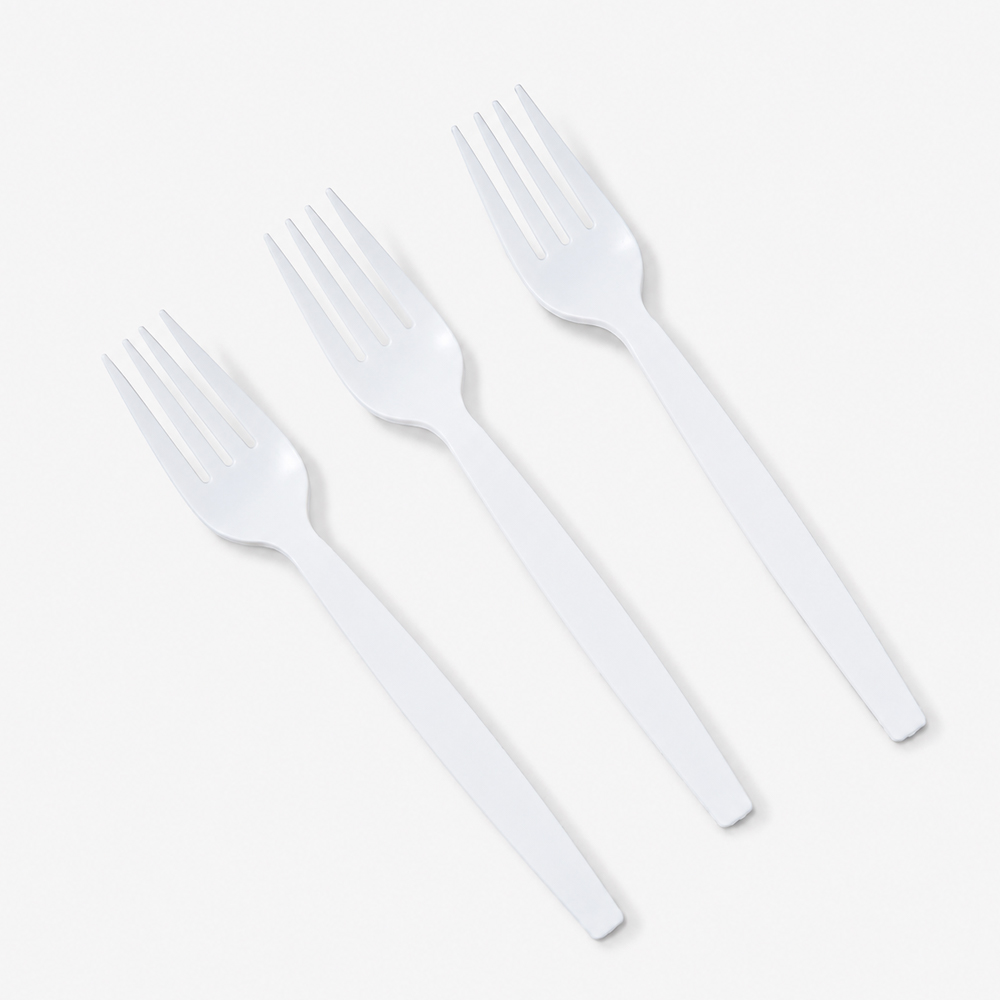
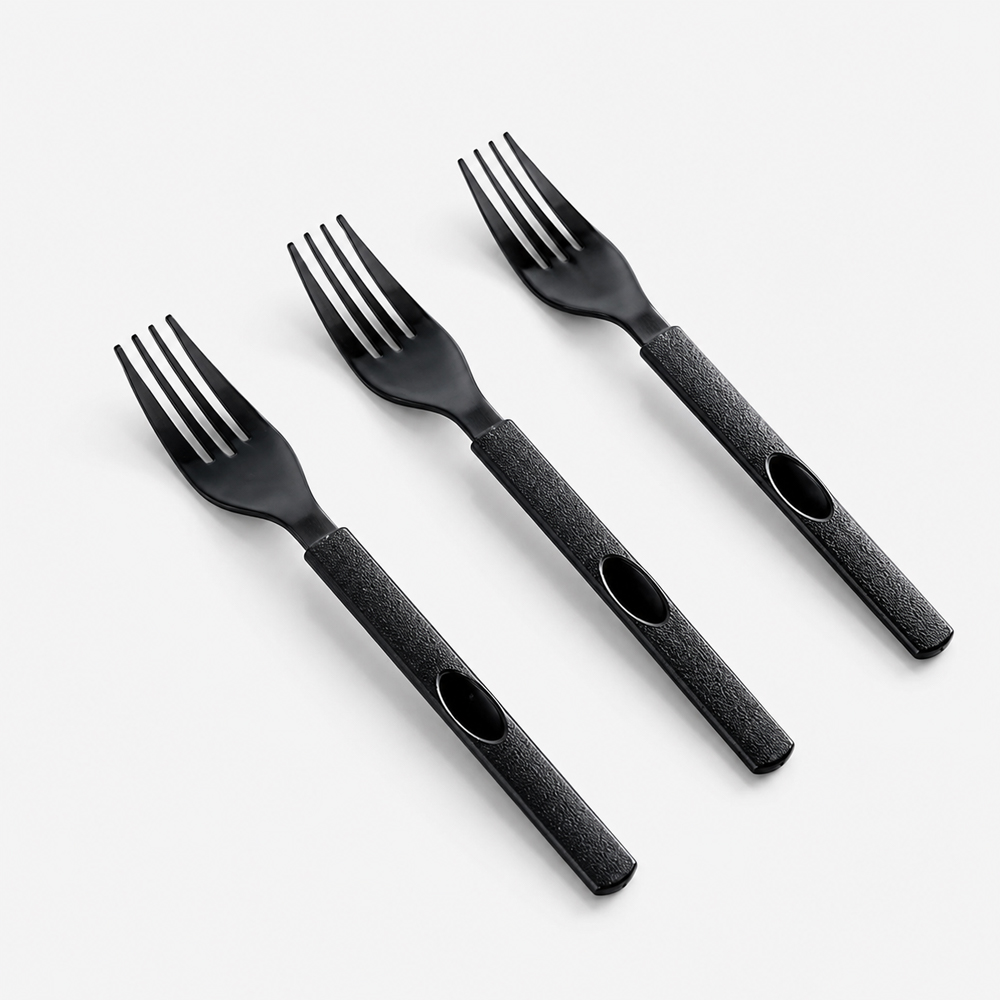
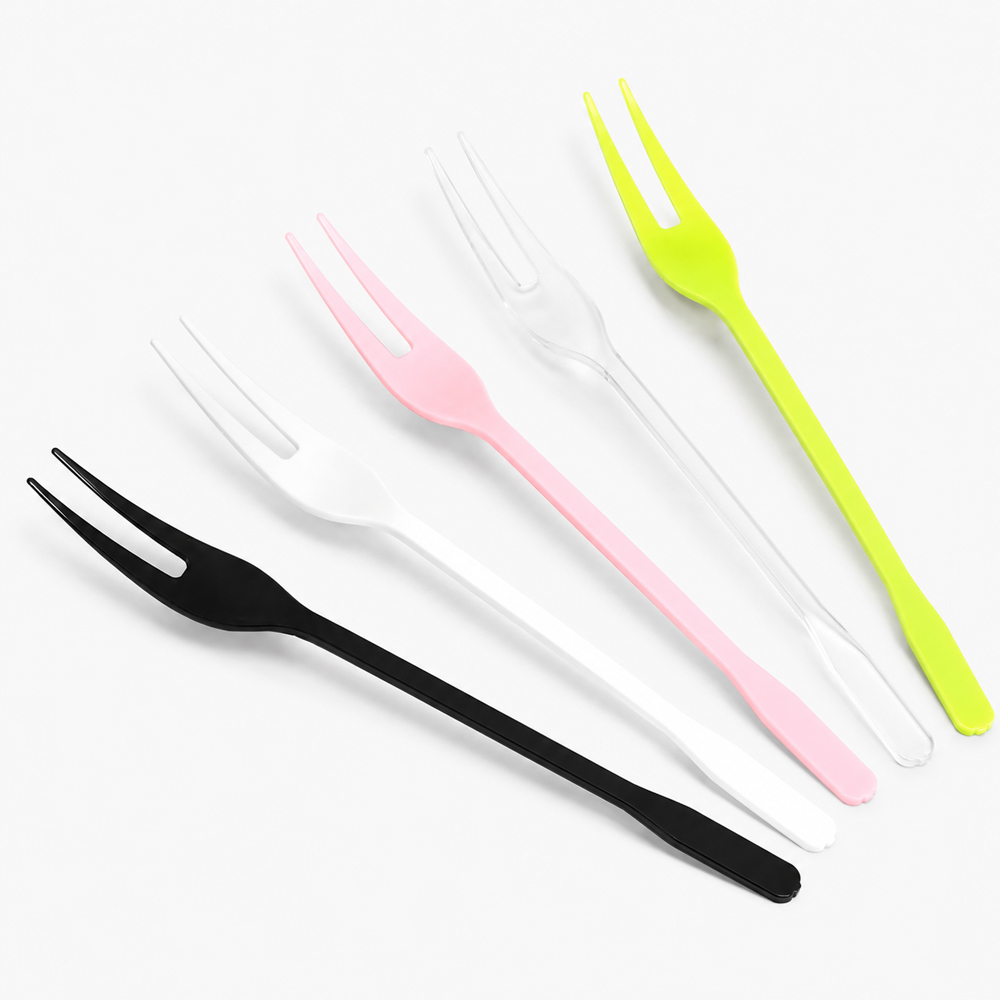
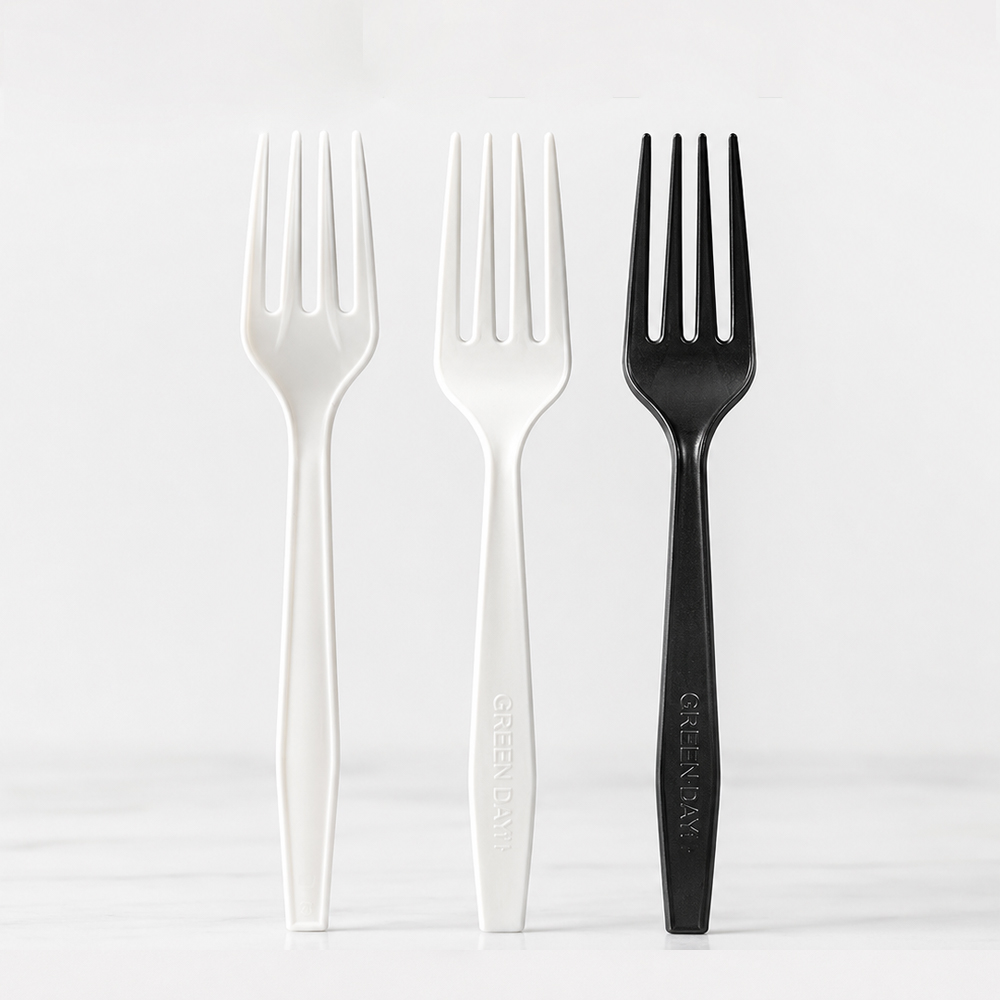
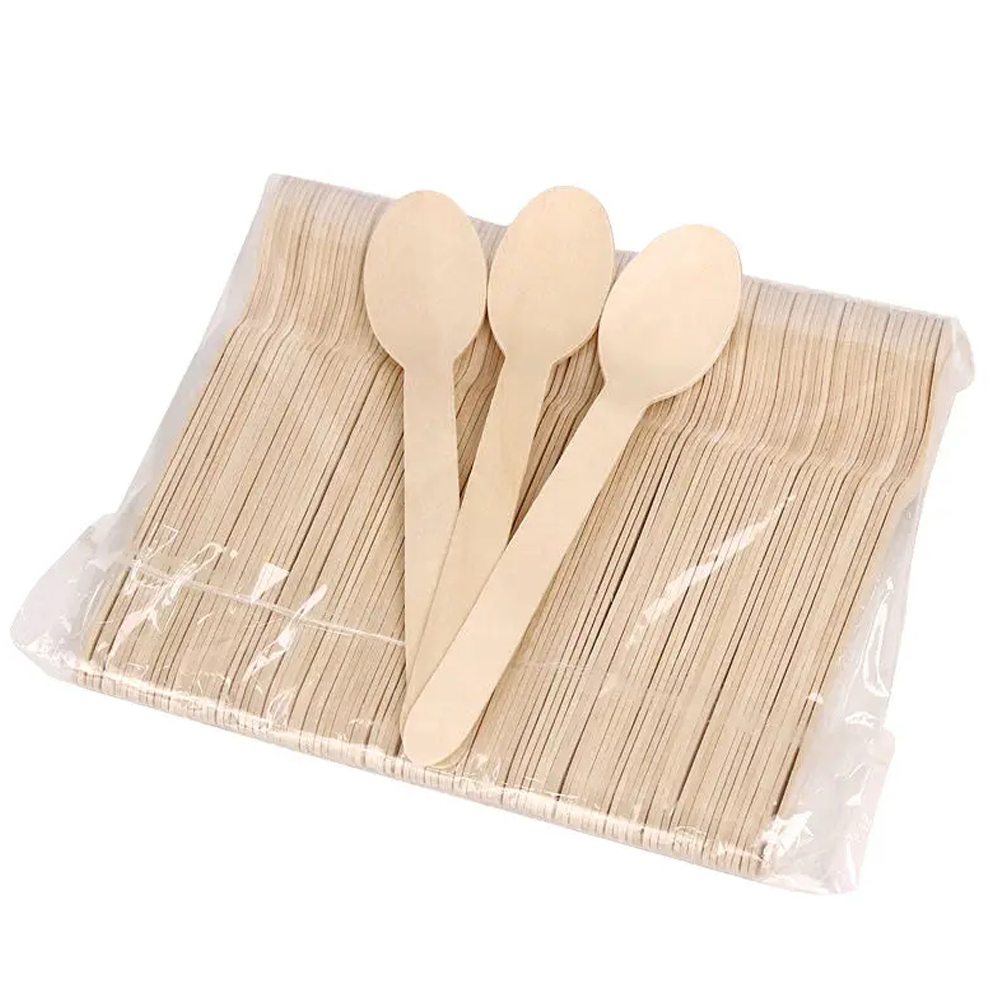
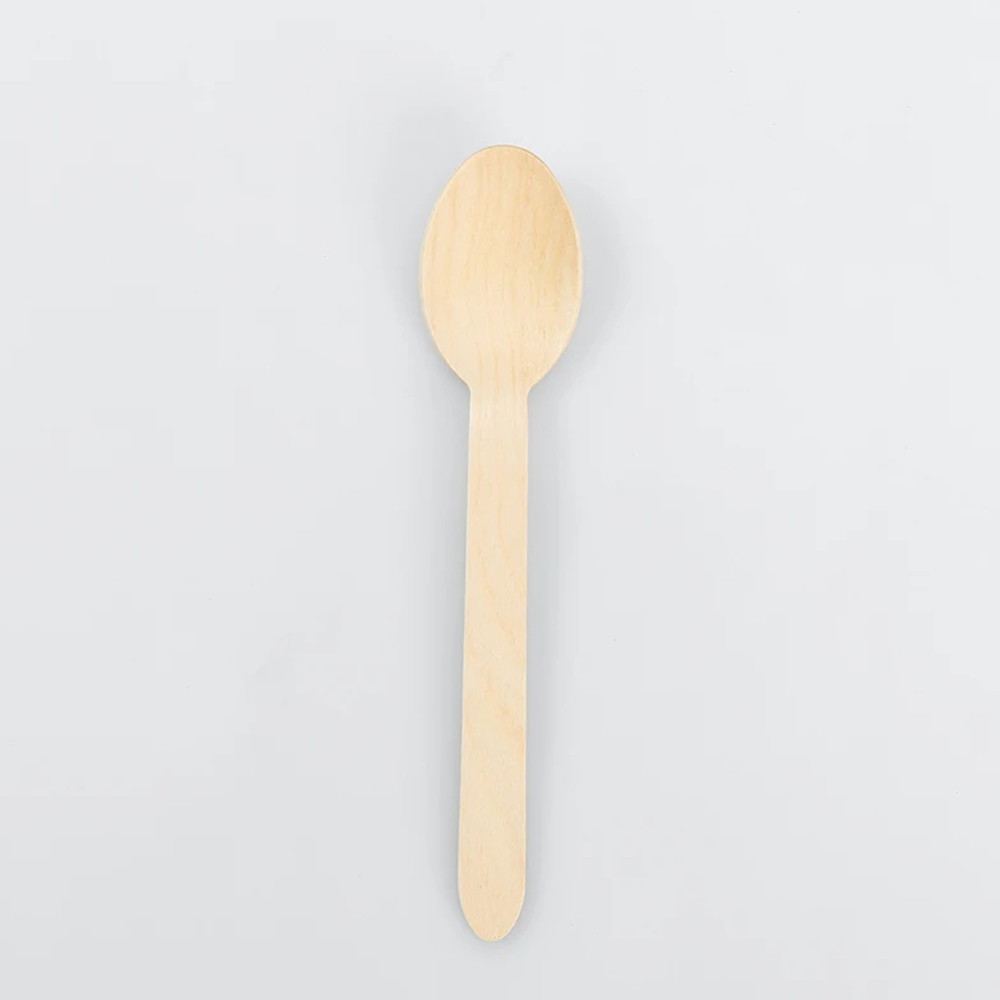
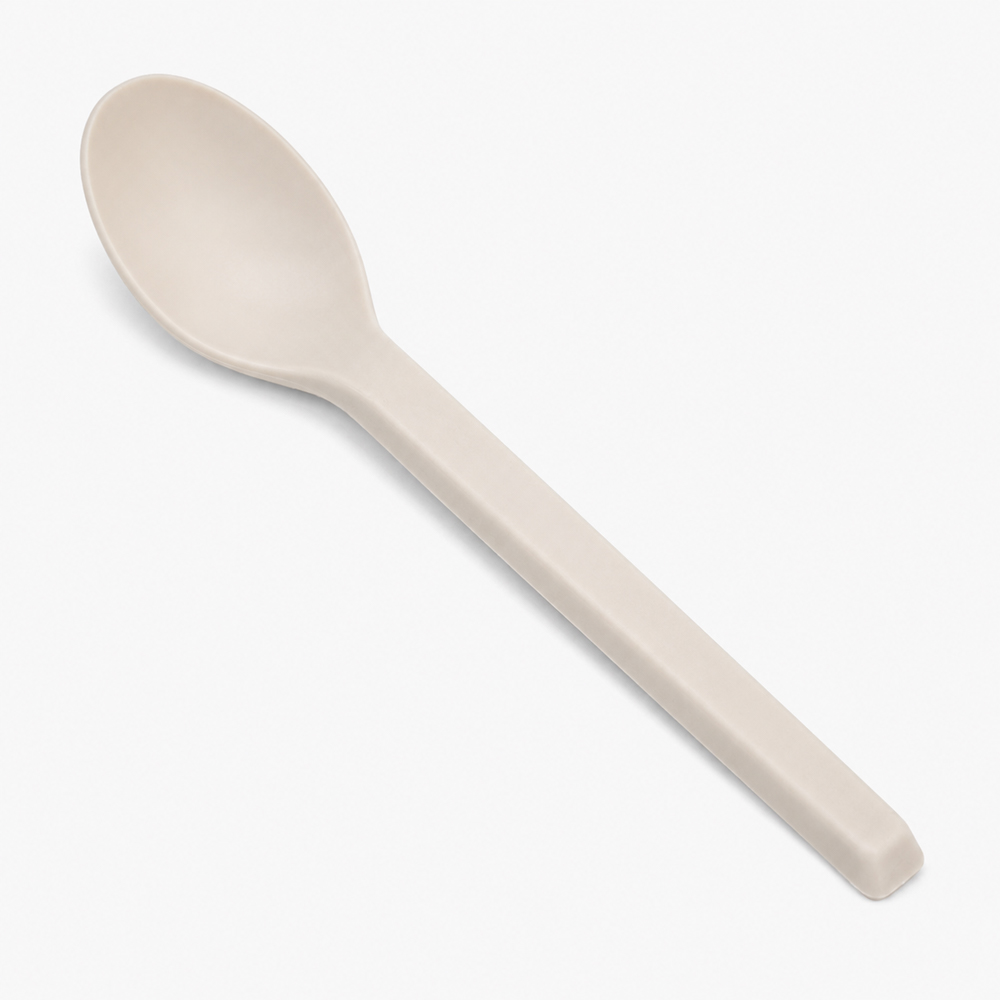
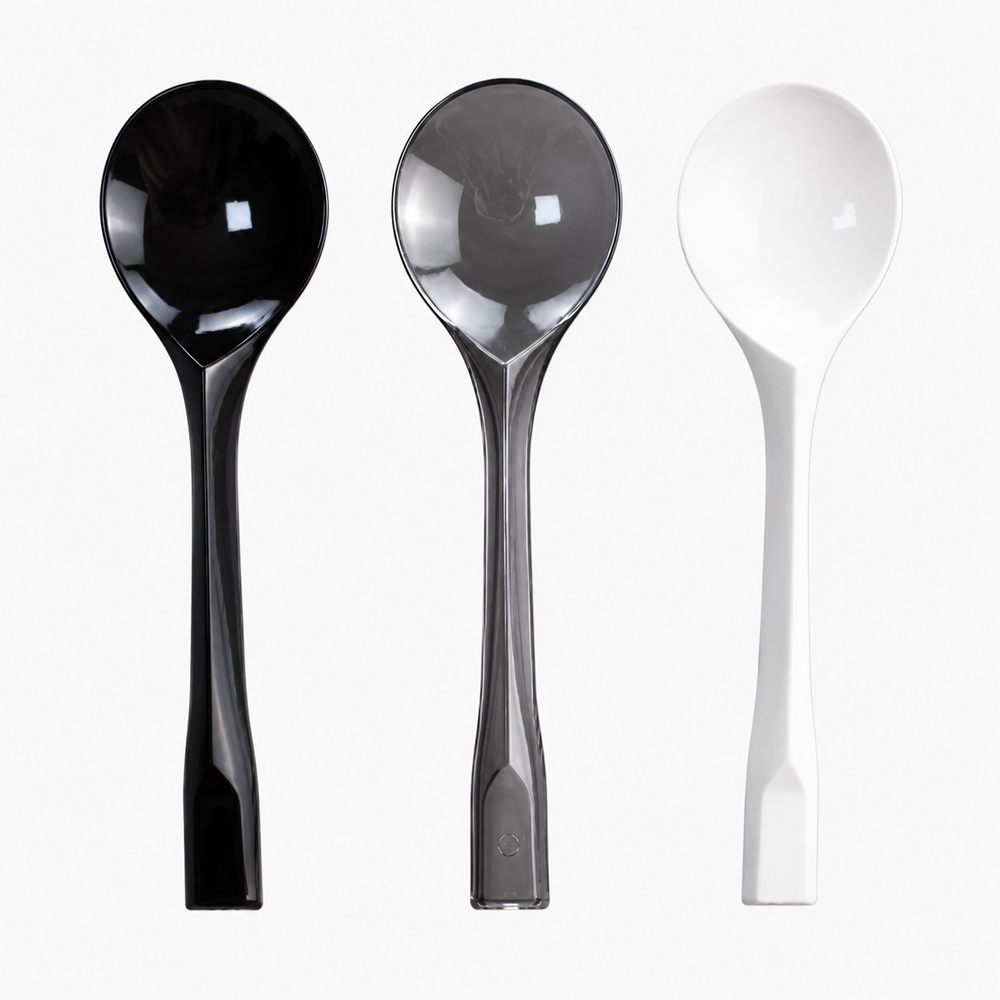
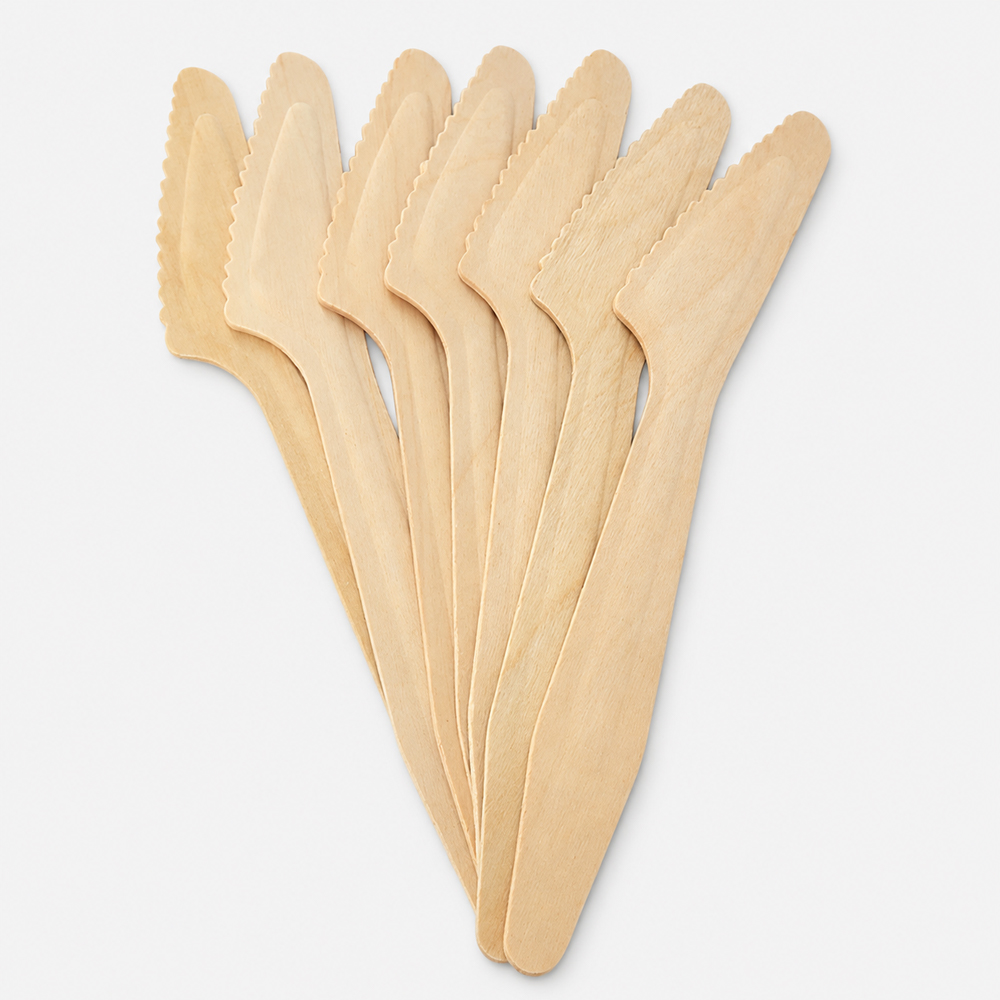
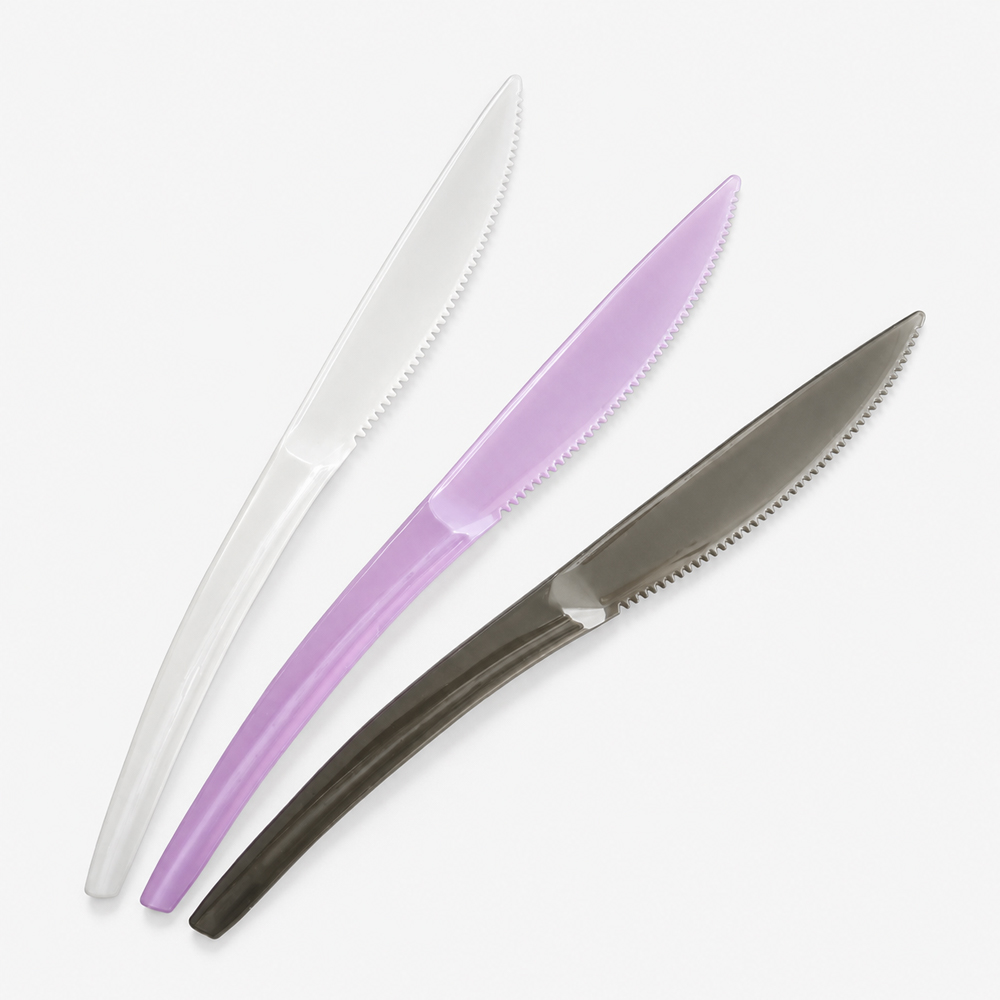
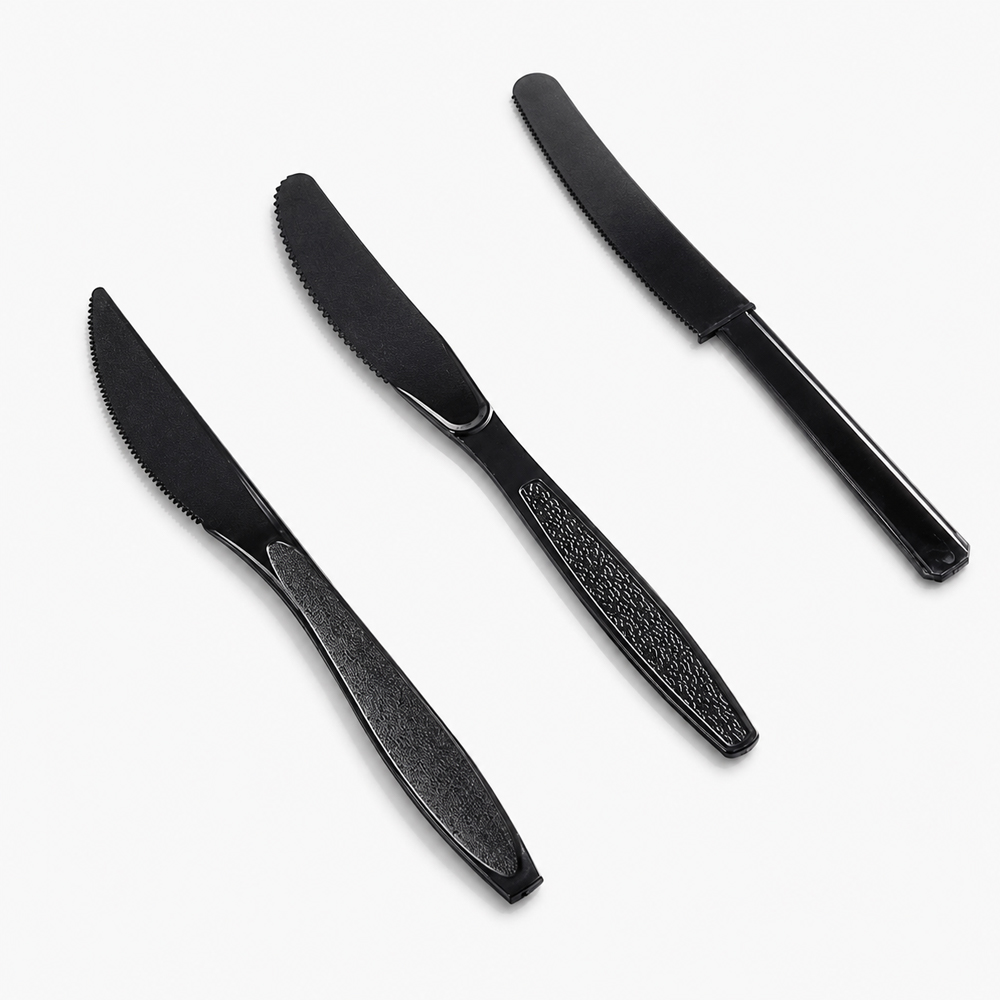
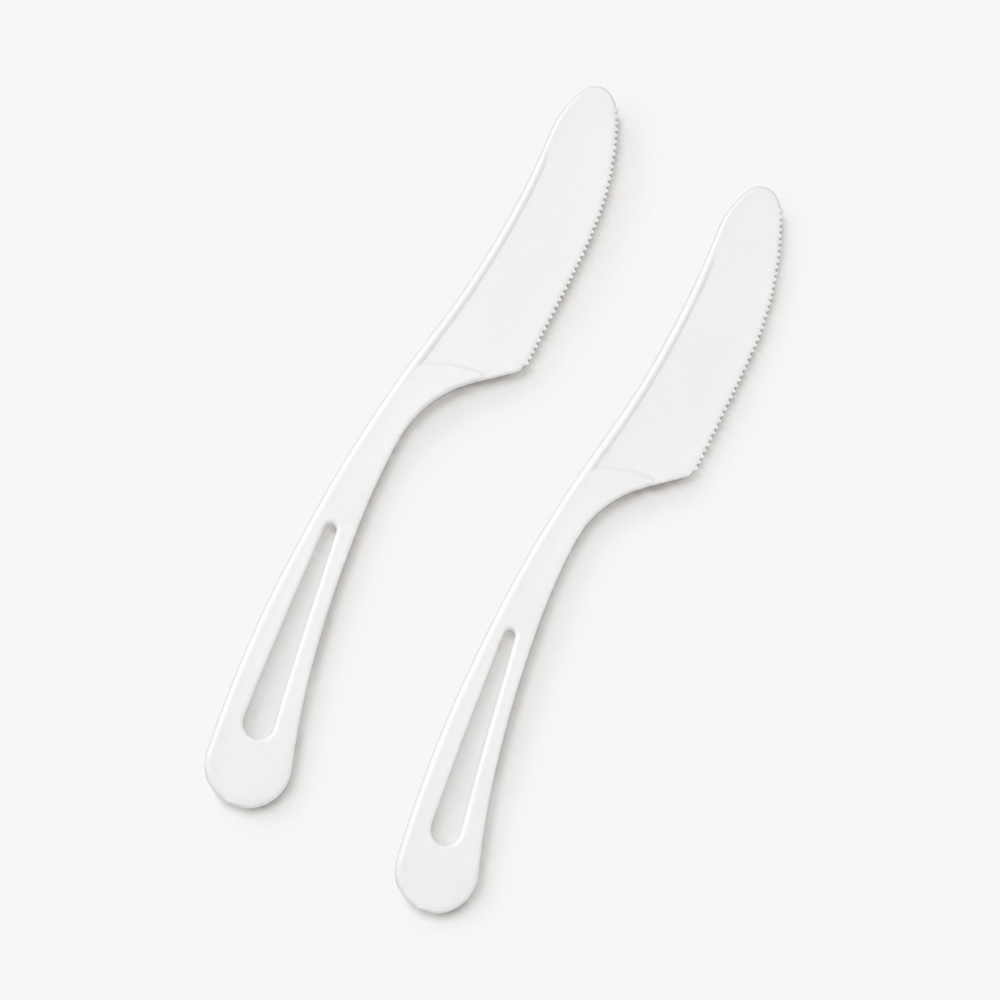
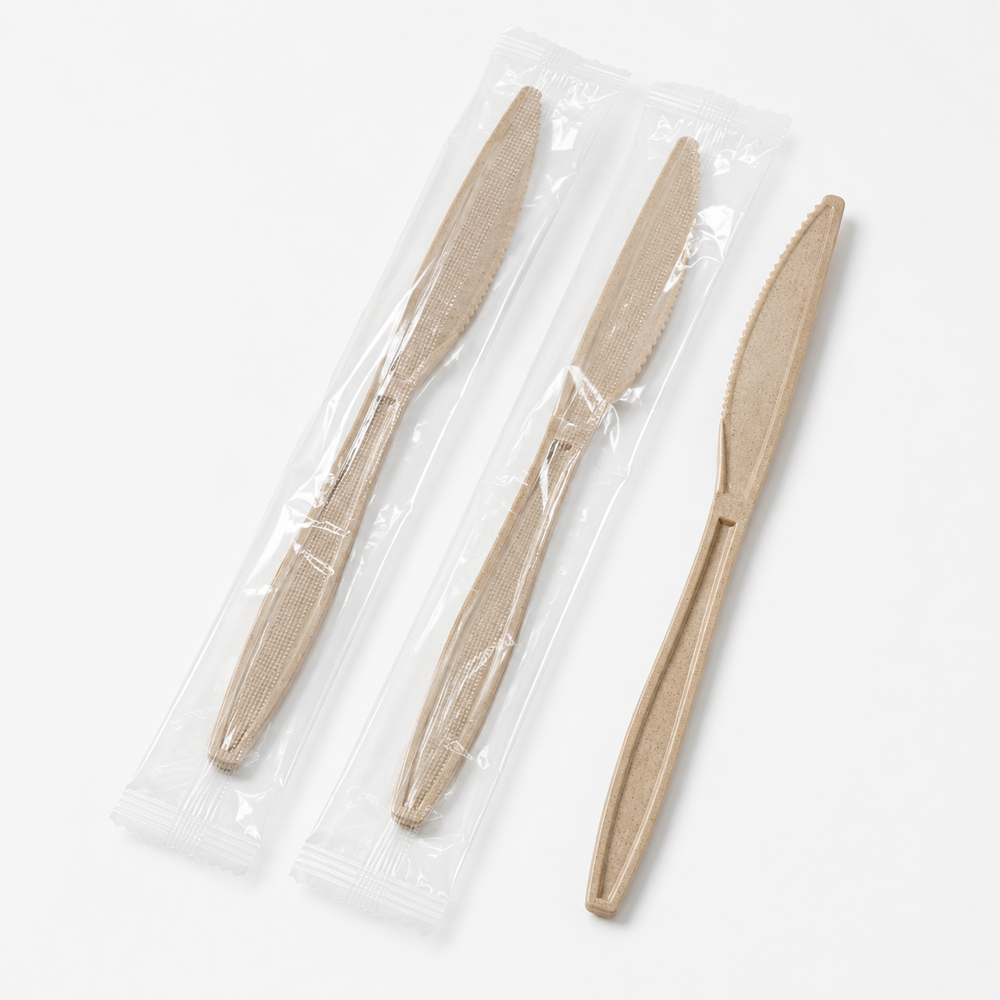
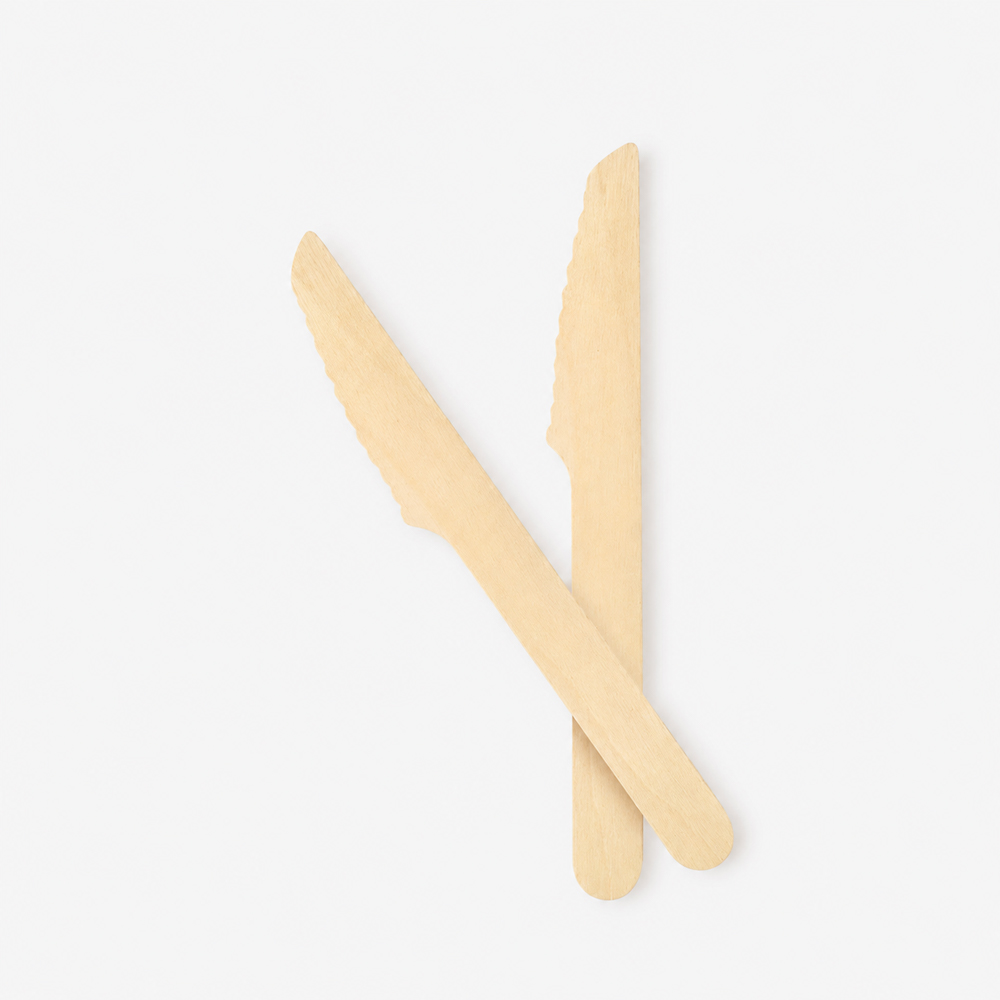
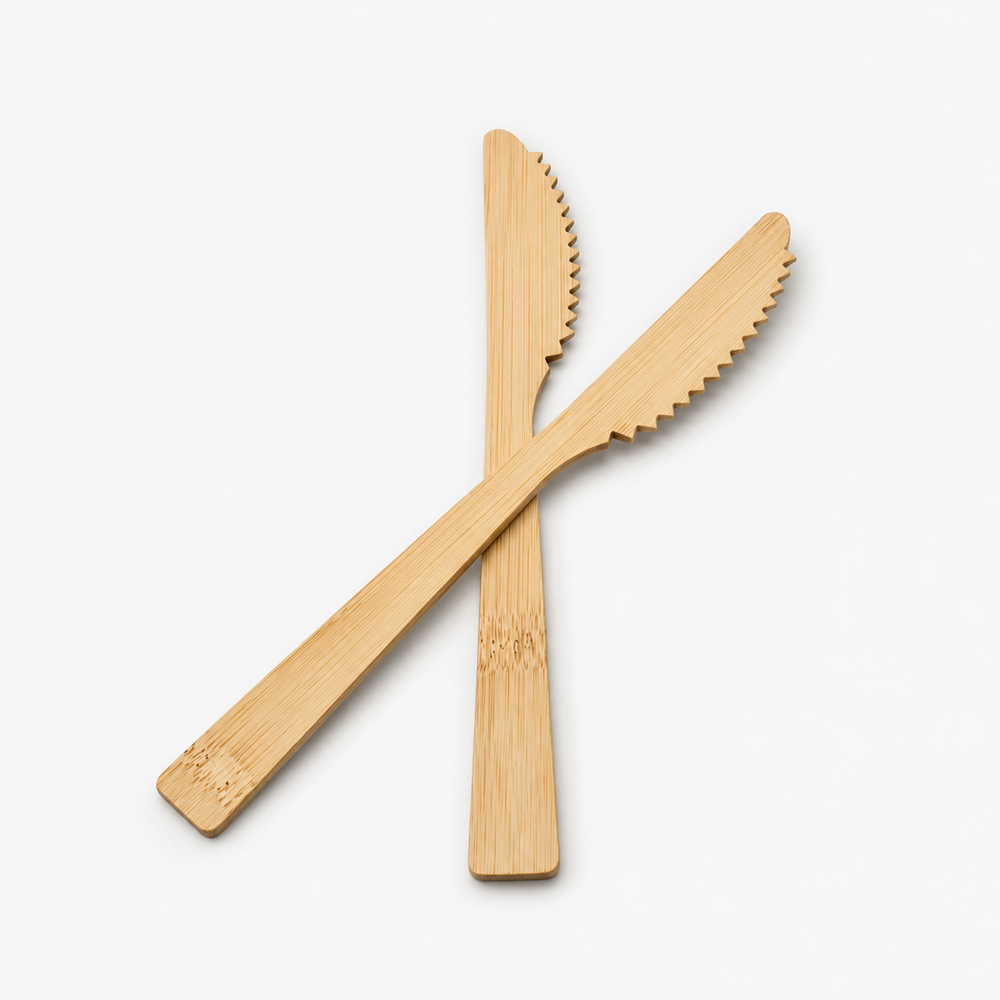
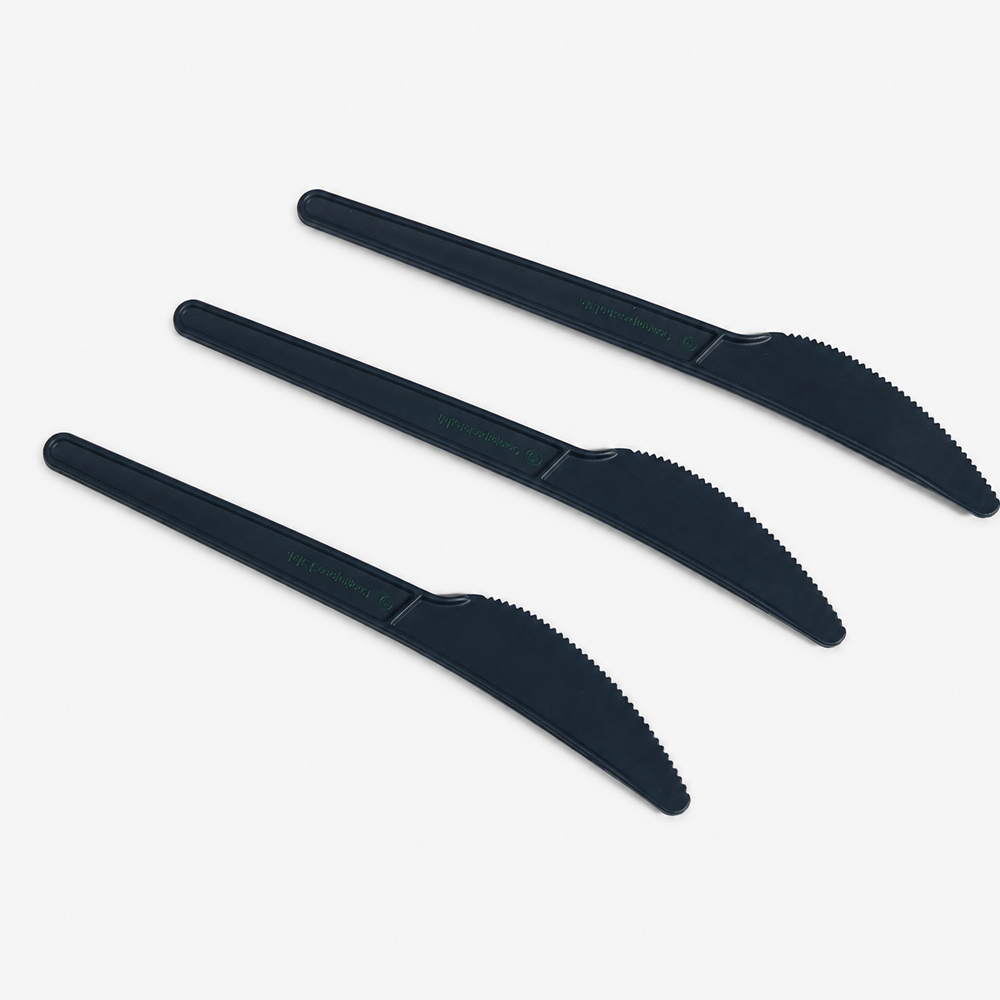
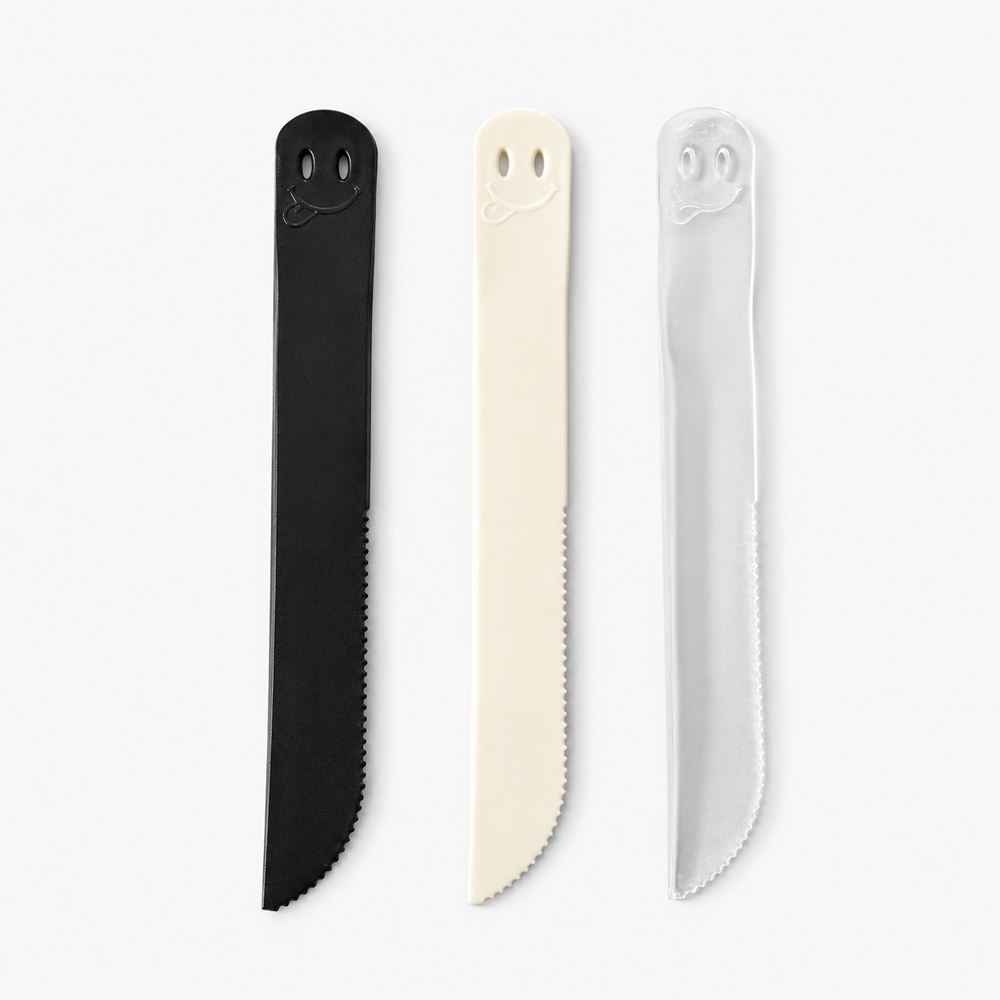
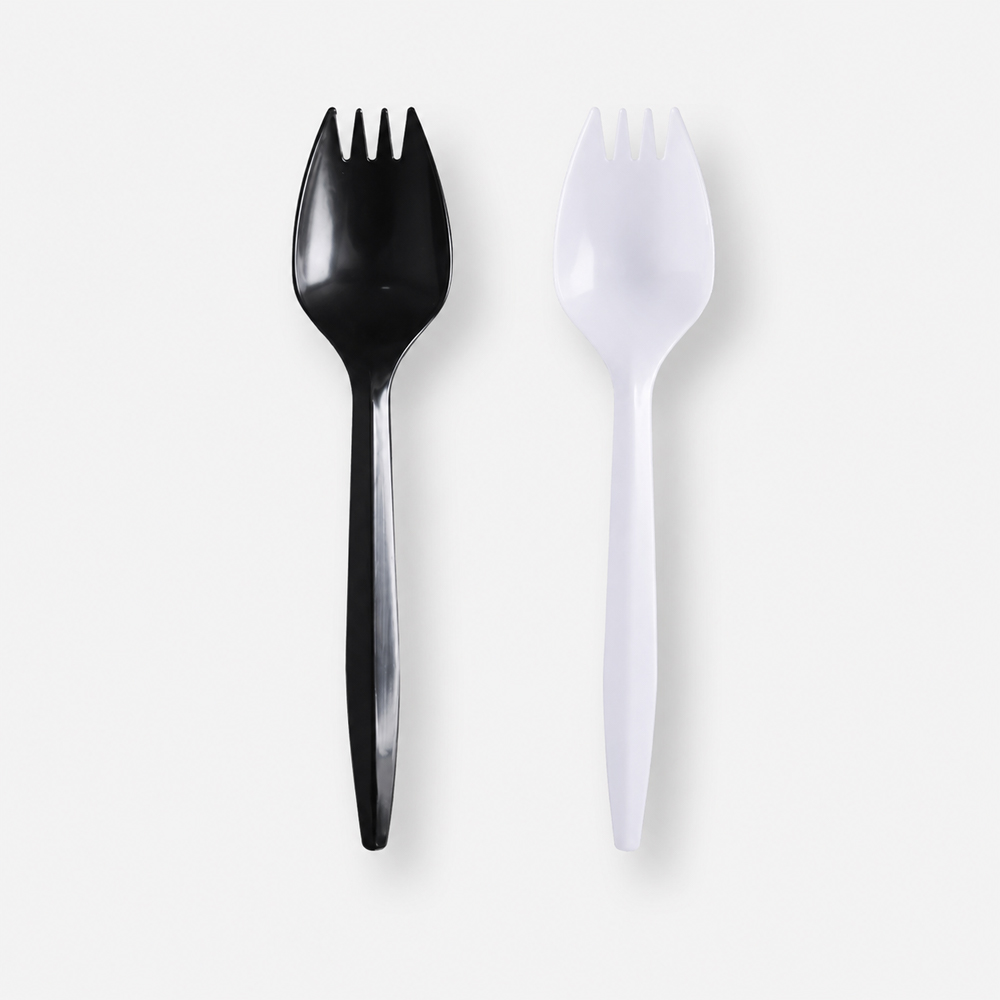
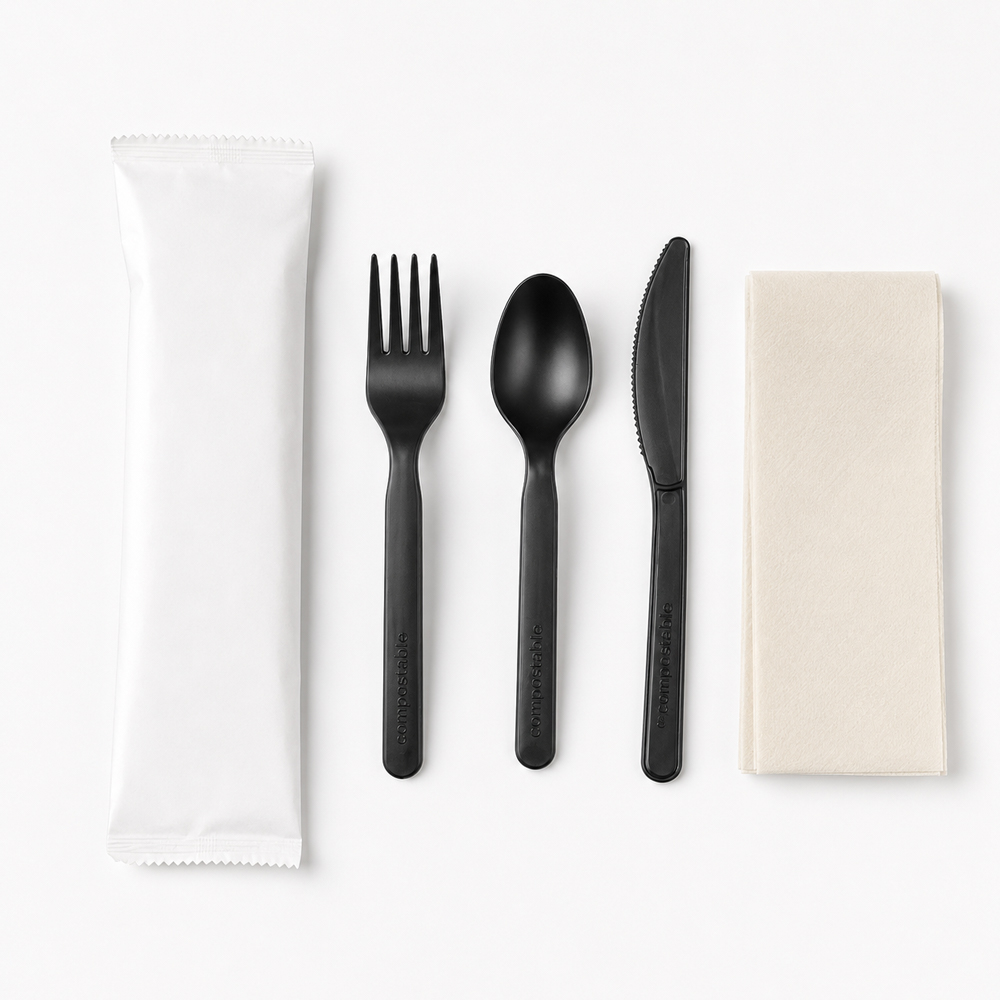
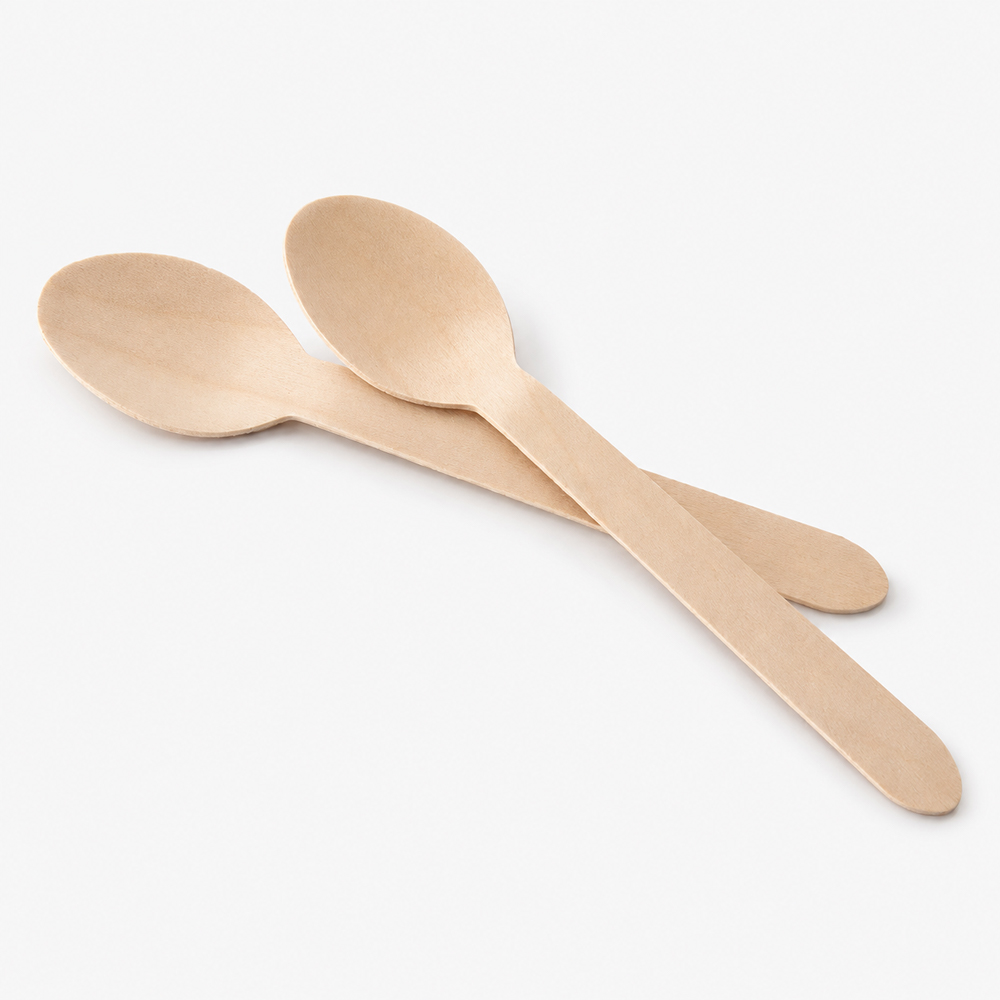
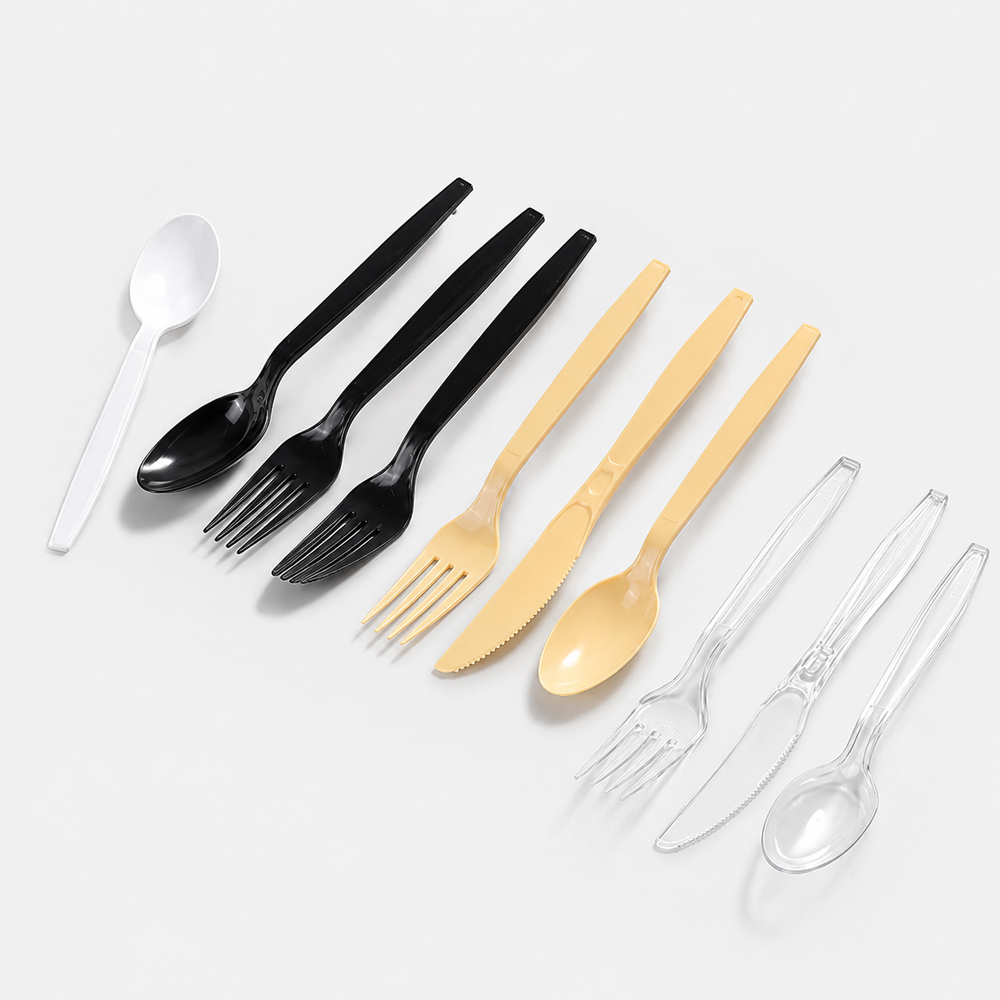
Natural, white, black or approved custom color; options
may include embossing, engraving and printed wrappers or
sleeves. |
Approve a physical color reference, logo location,
surface finish and acceptable lot-to-lot variation. |
Pantone reference, brand artwork, logo method, surface
requirement and color tolerance. |
Supports private-label consistency but may affect MOQ,
tooling and production scheduling. |
|---|
|
08
Packing & Kit Configuration
|
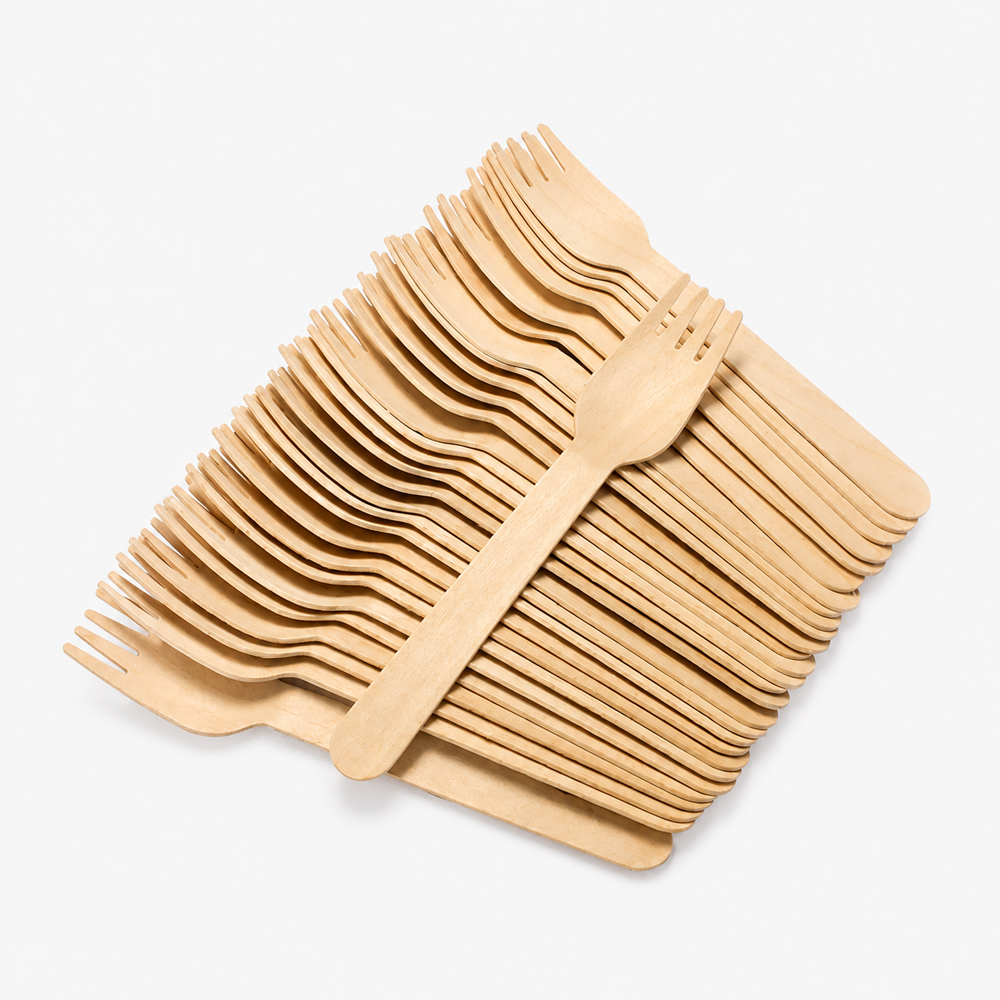
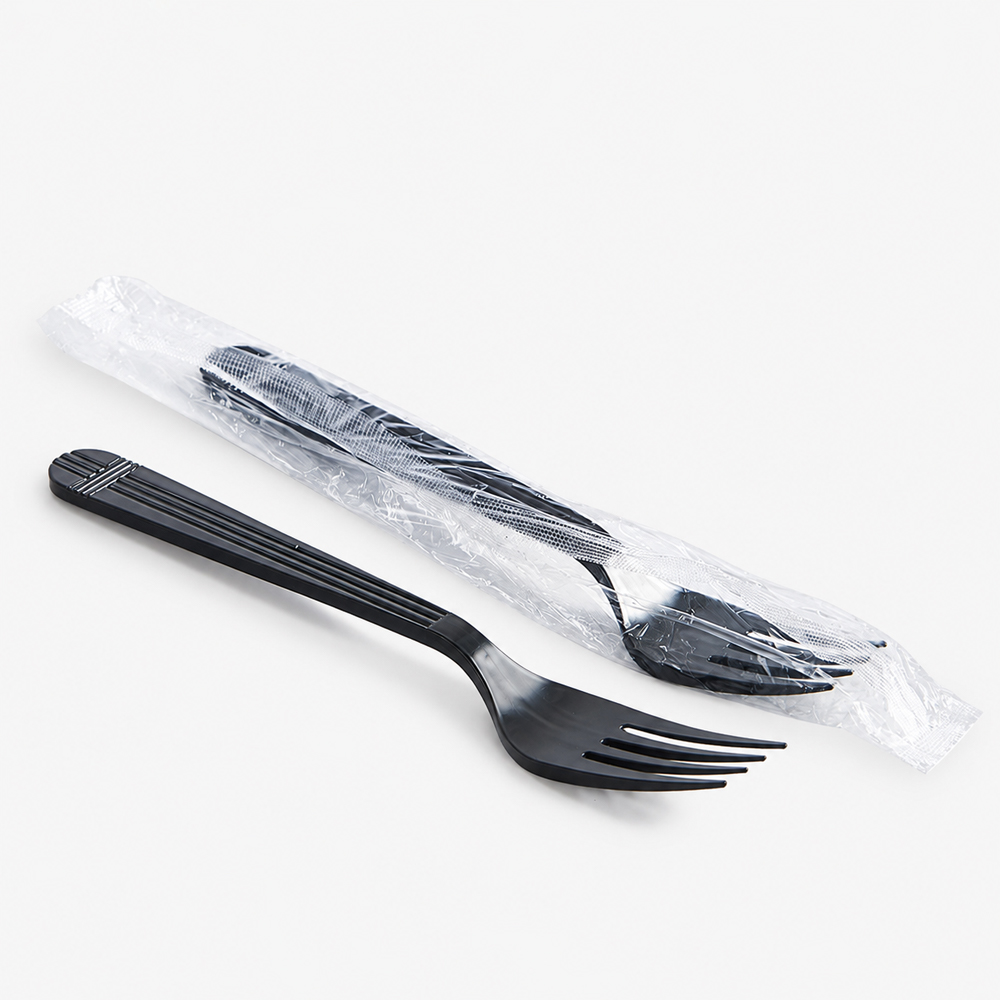
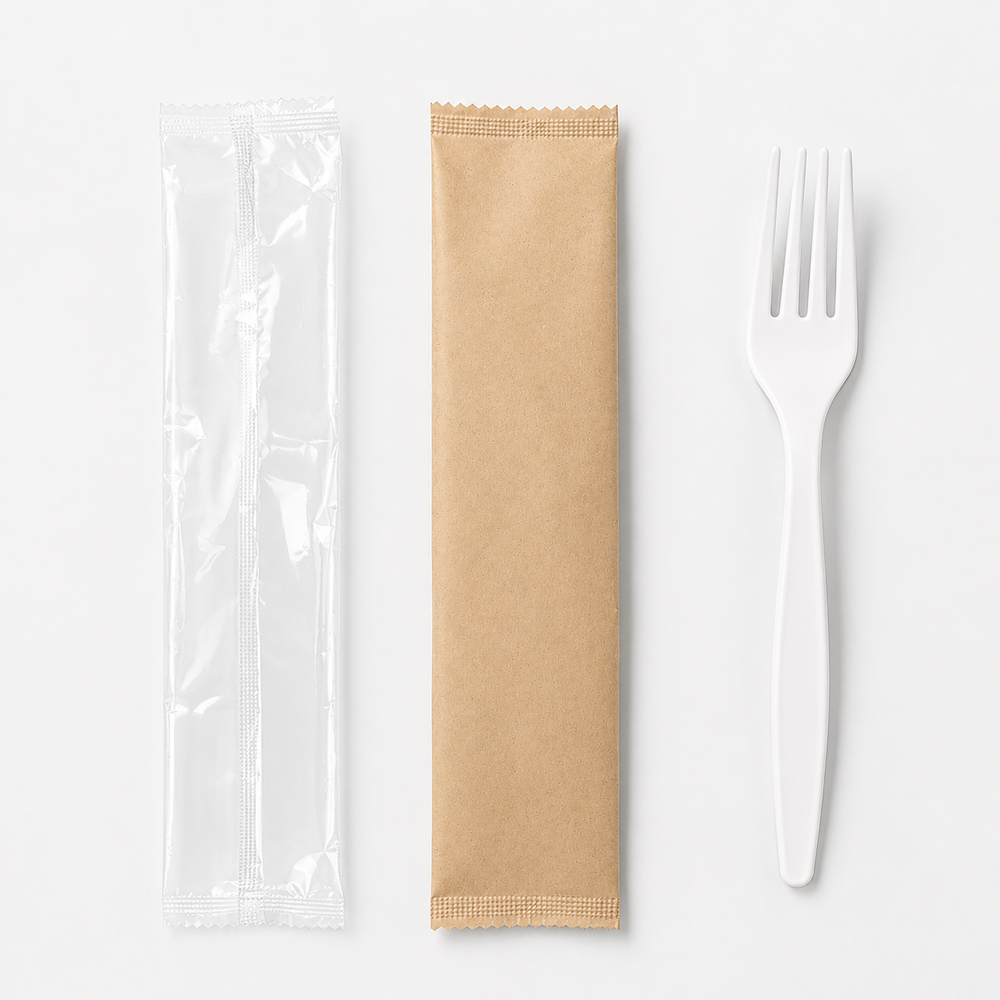
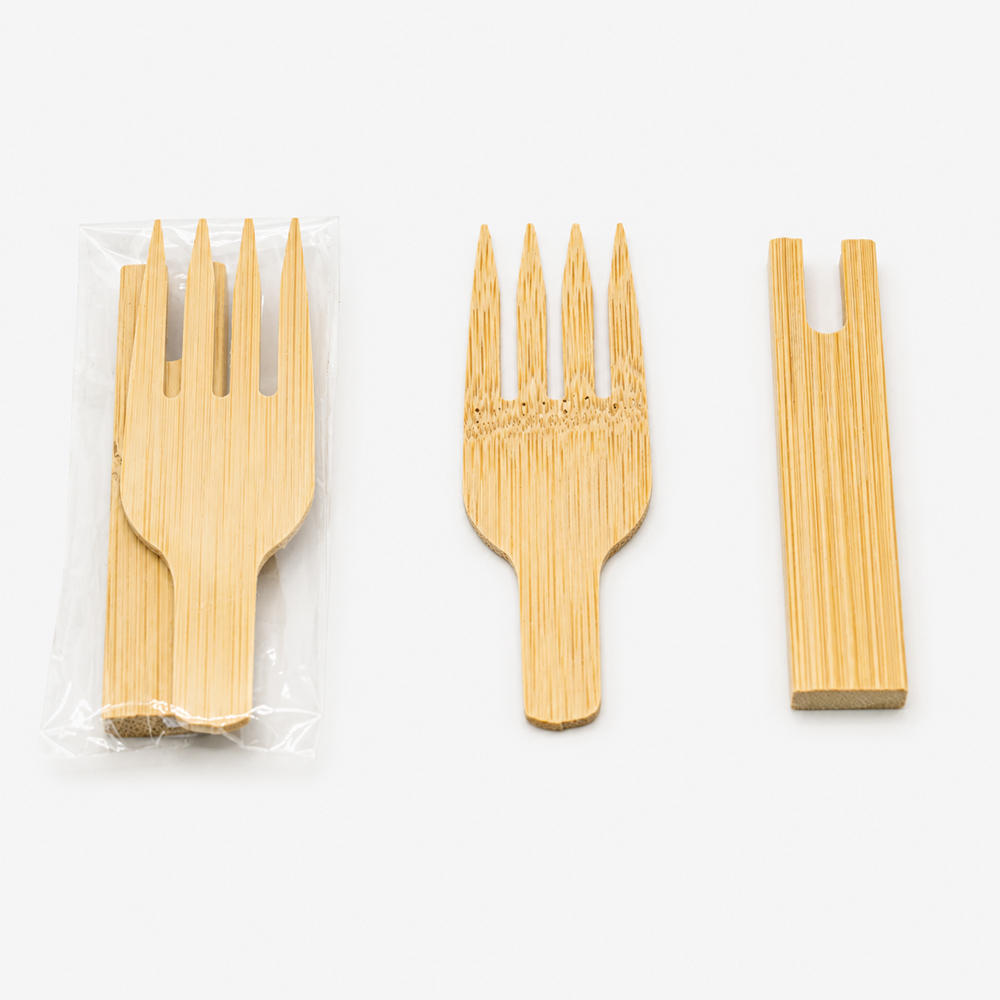
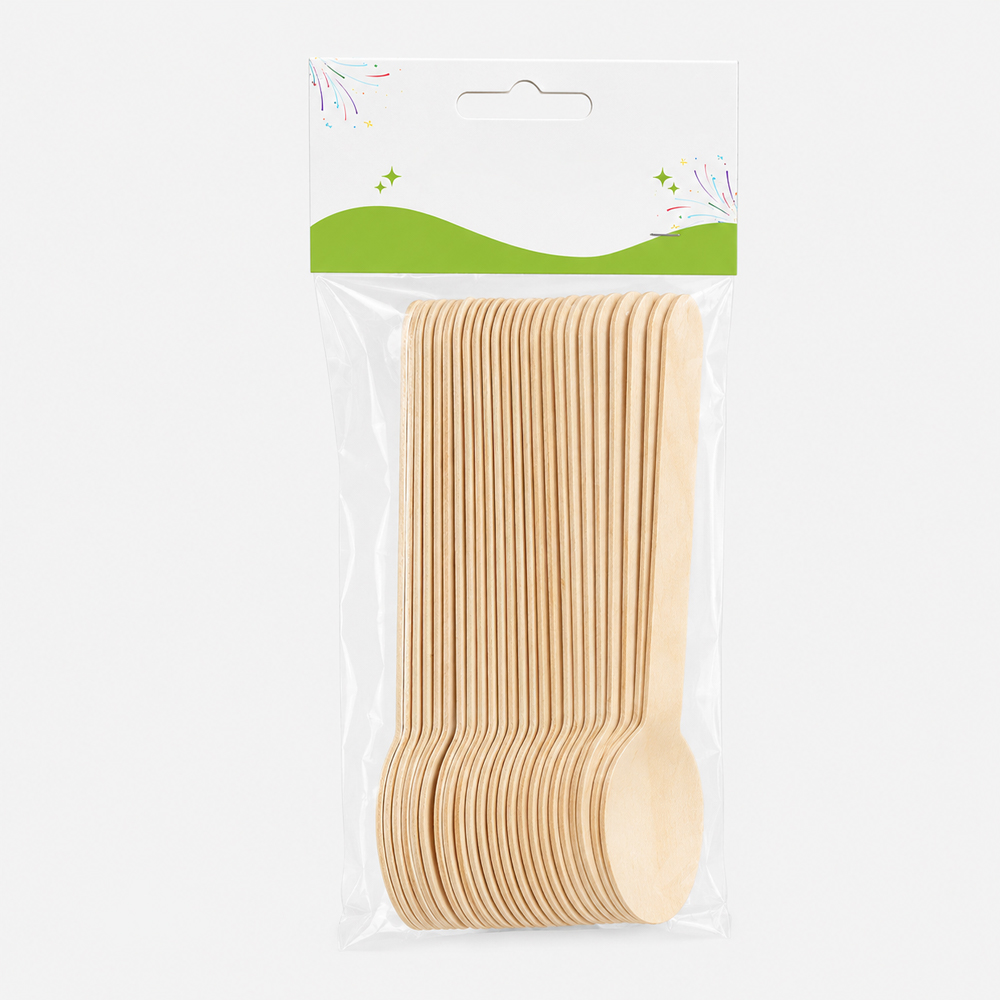
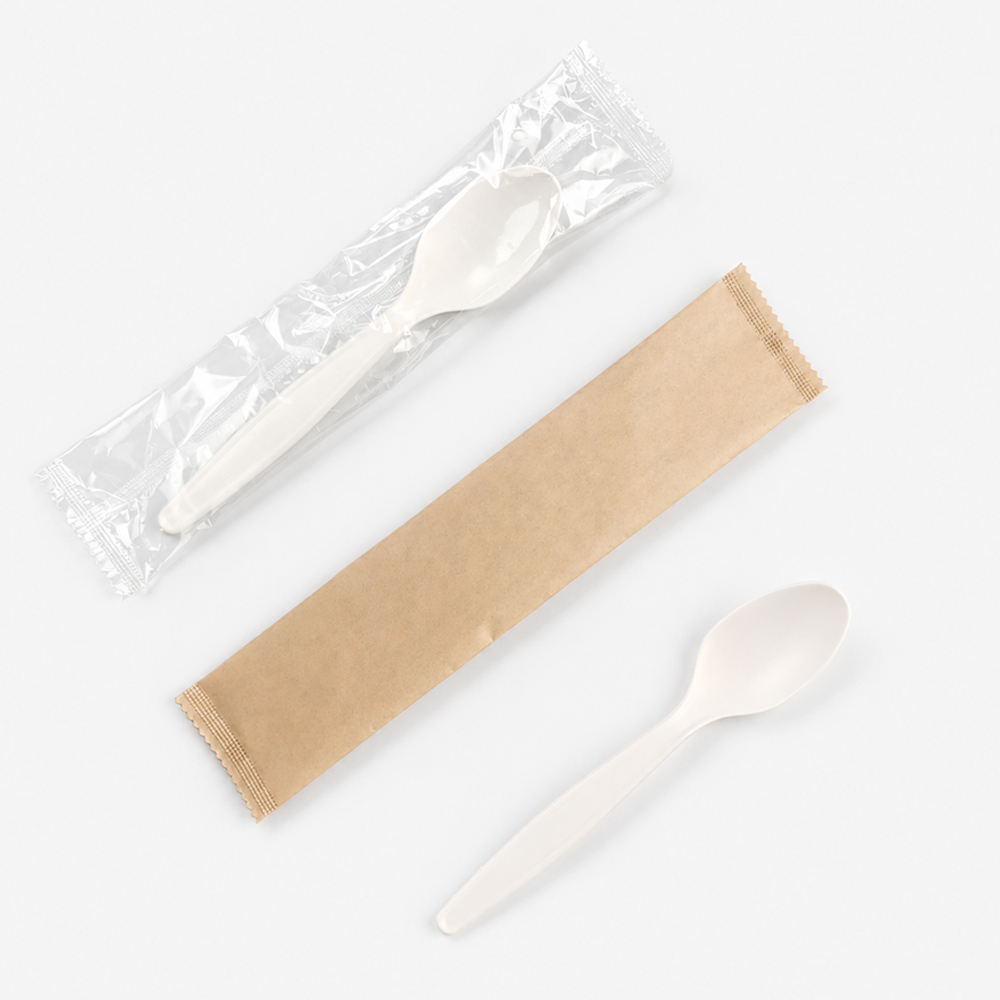
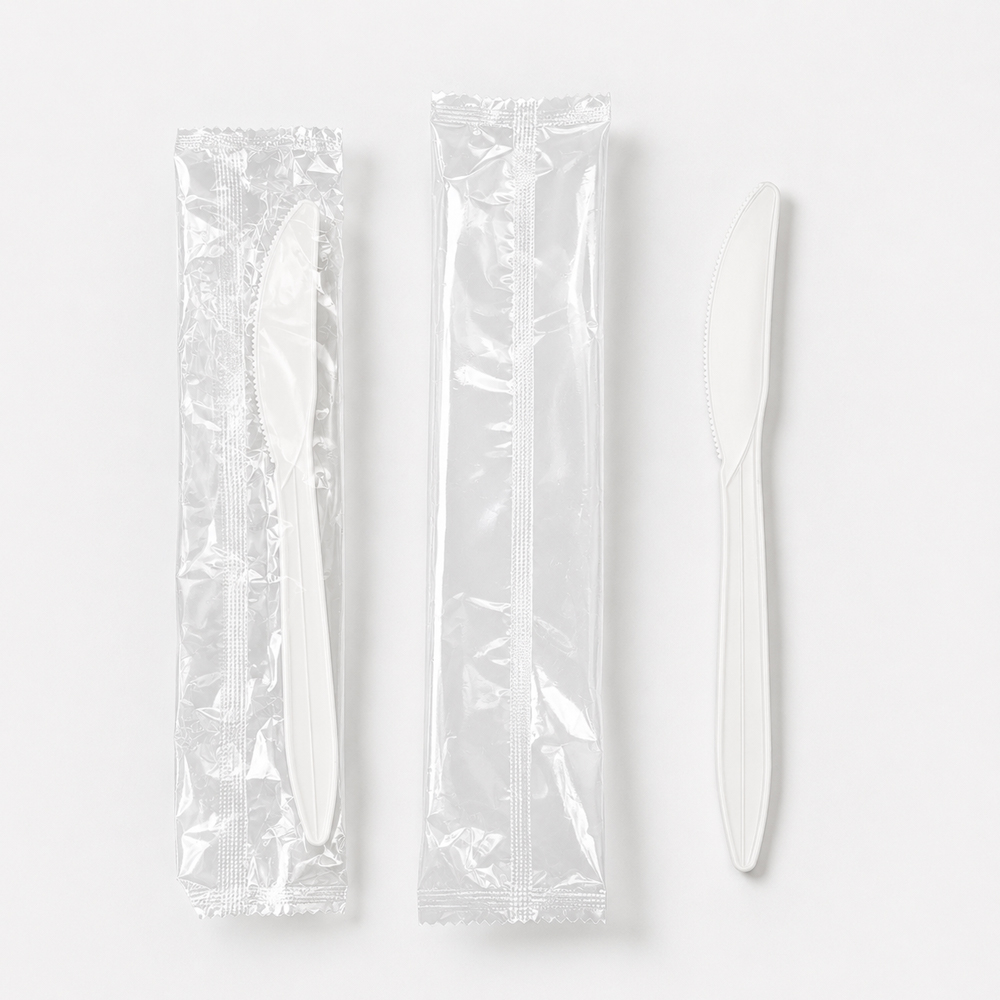
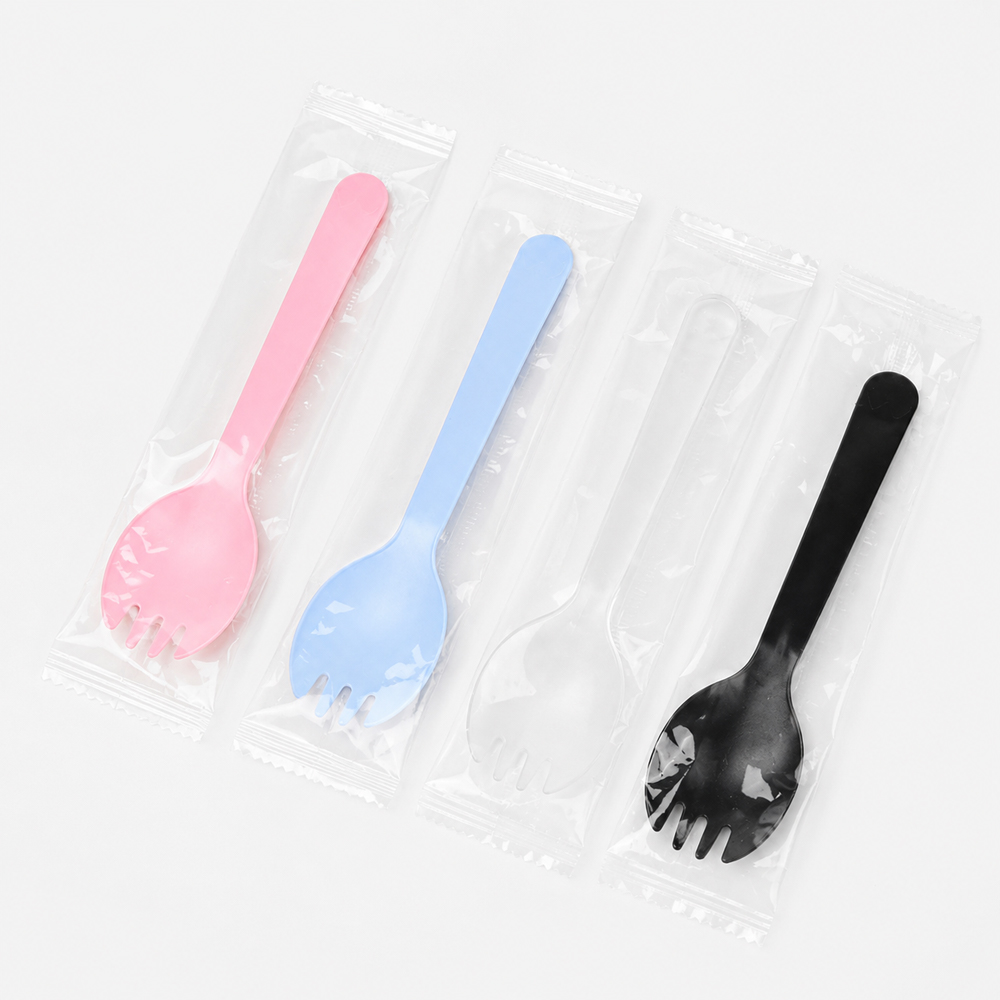
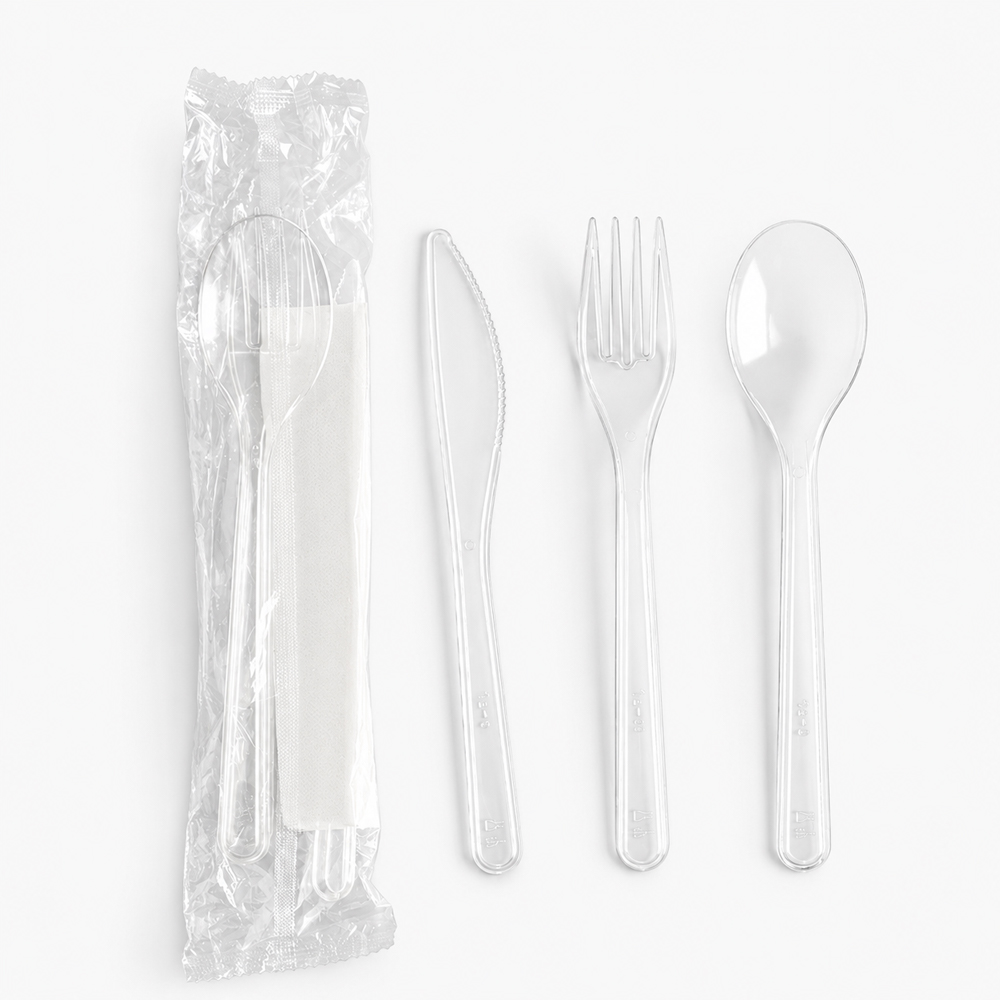
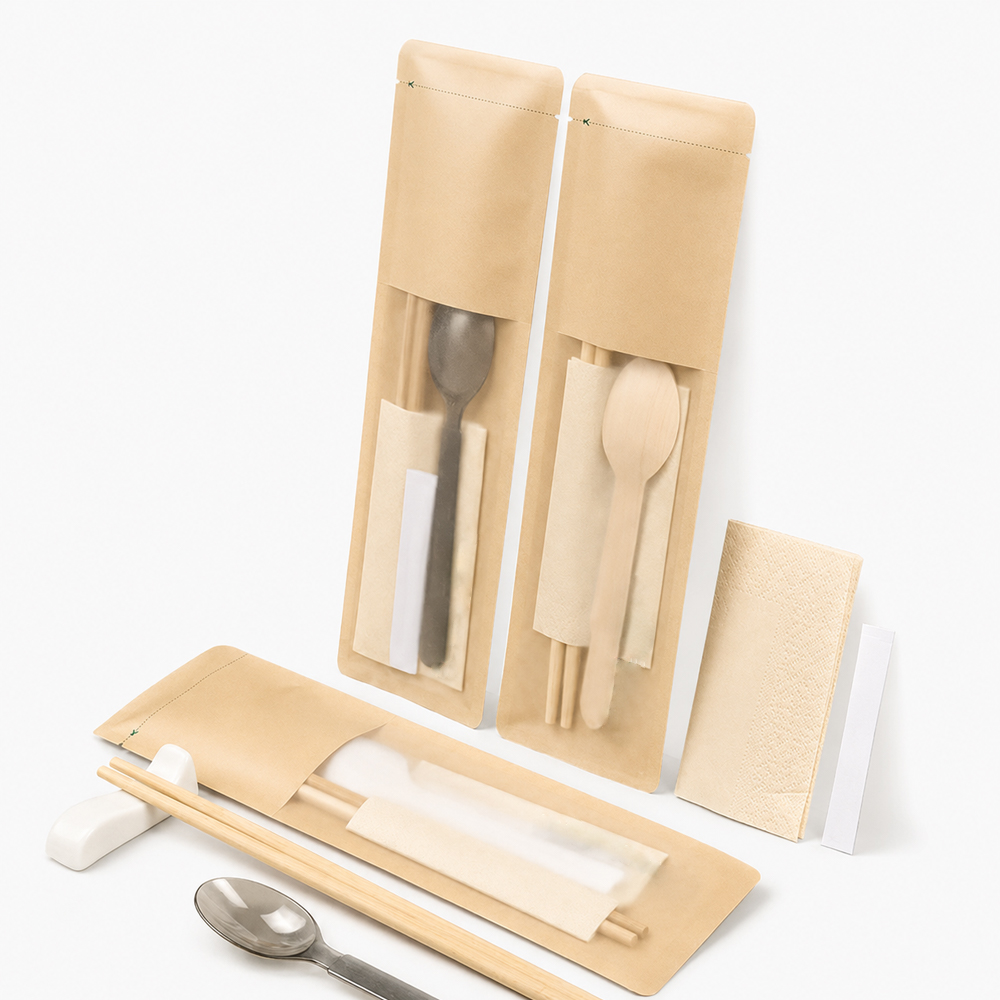
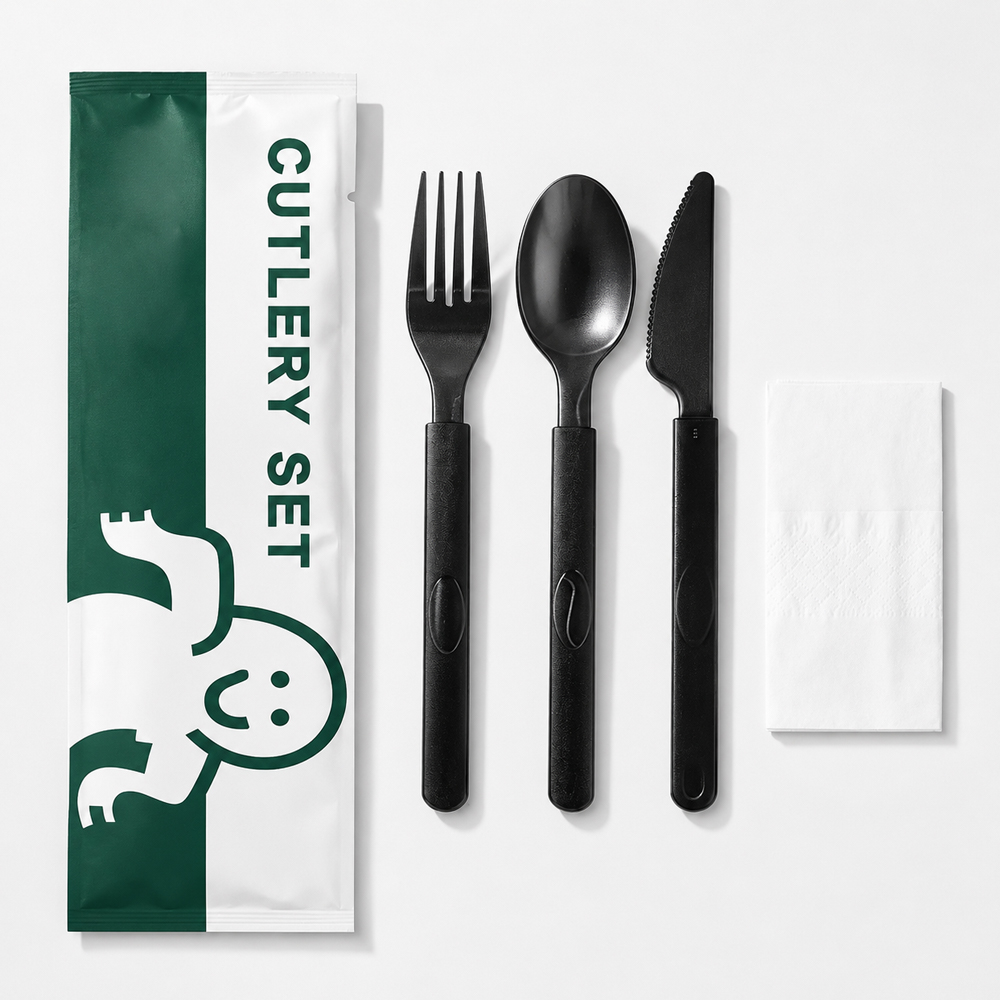
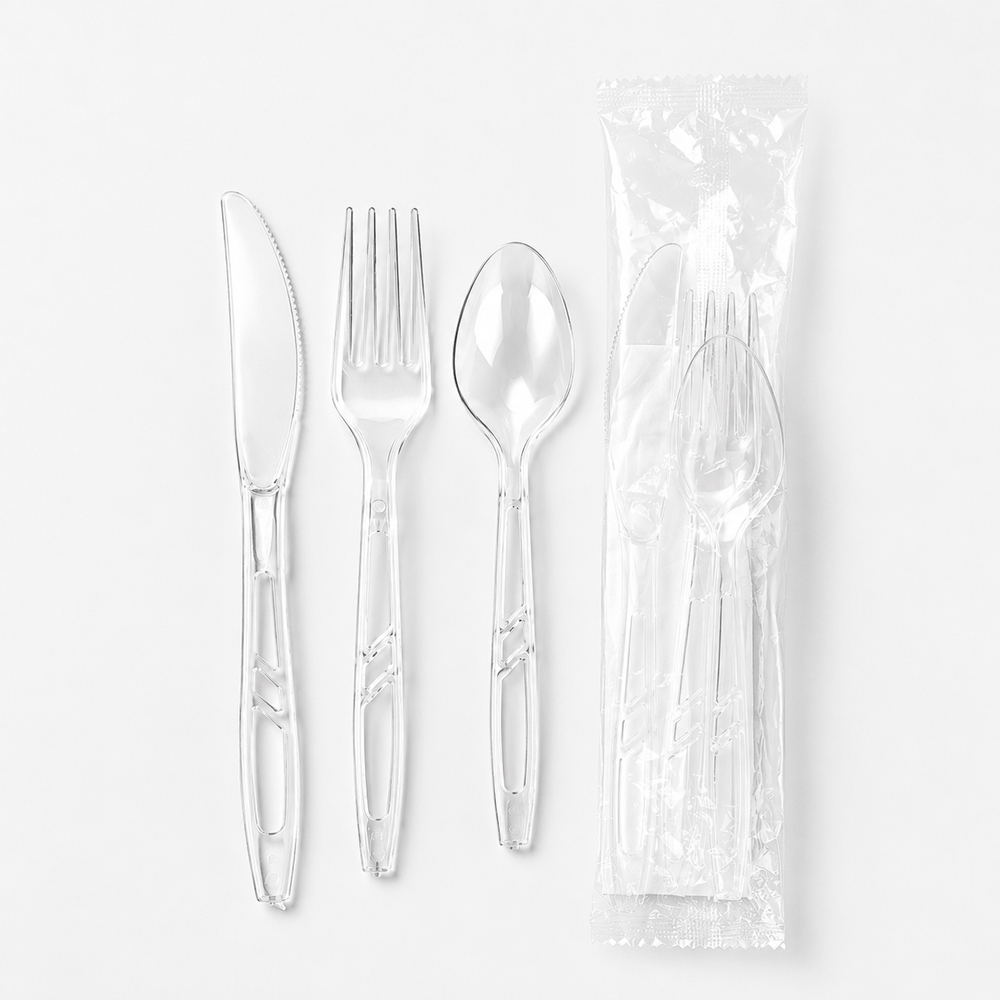
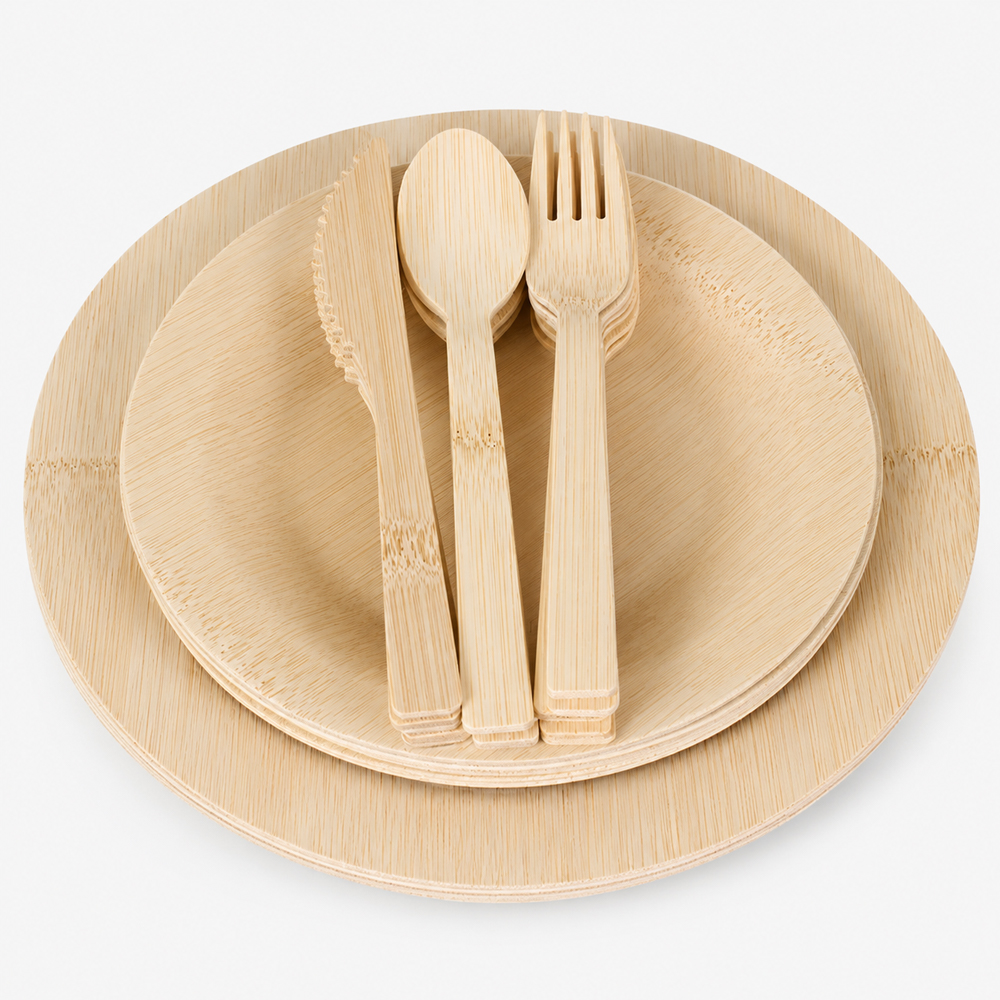
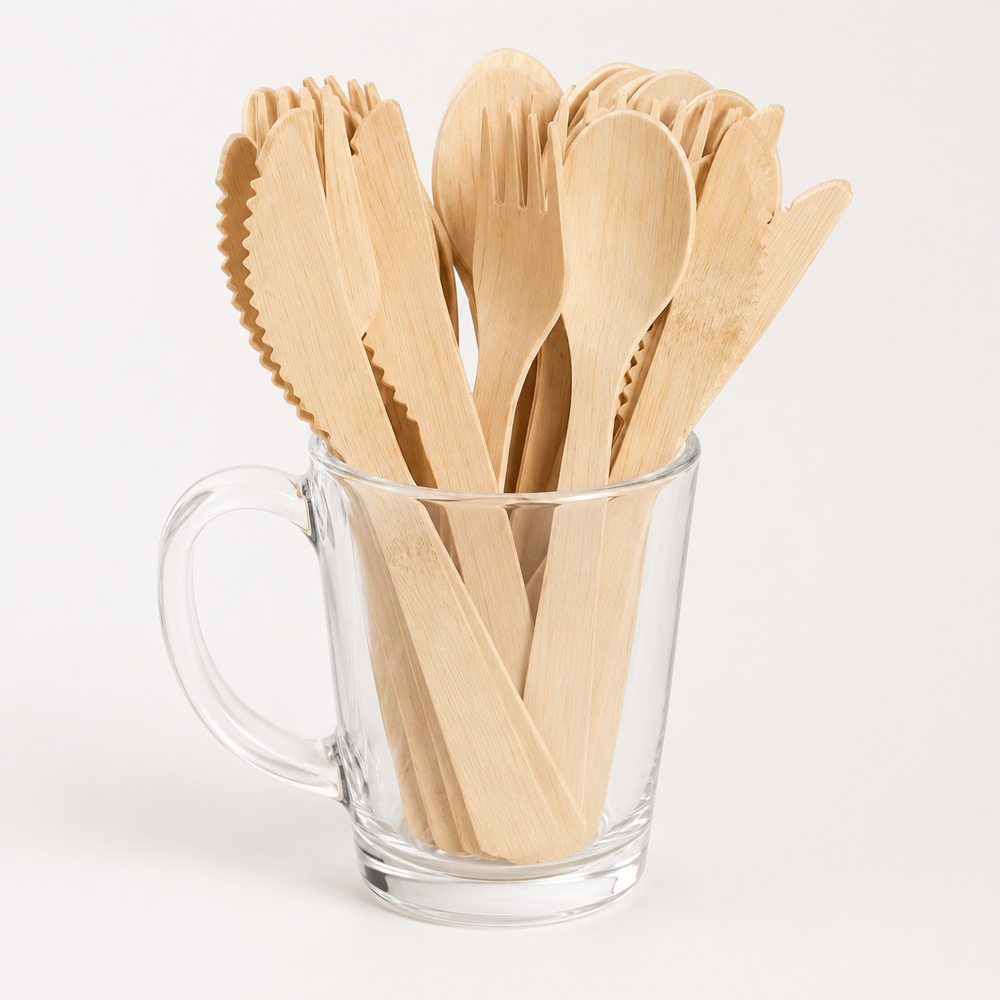
Bulk loose, individually wrapped, paper sleeve, dispenser
pack, retail box or coordinated fork–knife–spoon–napkin
kit. |
Verify piece count, seal integrity, barcode, print
registration, hygiene, carton strength and pack
compatibility. |
Pieces per pack, inner quantity, carton count, wrapper
material, accessories and sales channel. |
Controls packing labor, hygiene, shelf readiness, carton
volume and landed cost. |
|---|