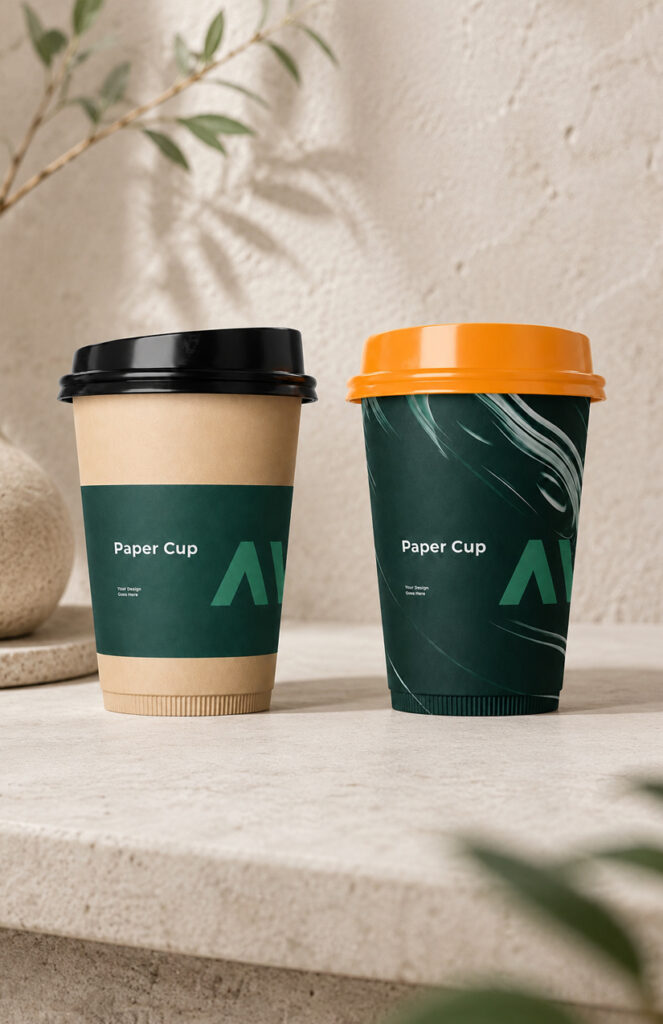
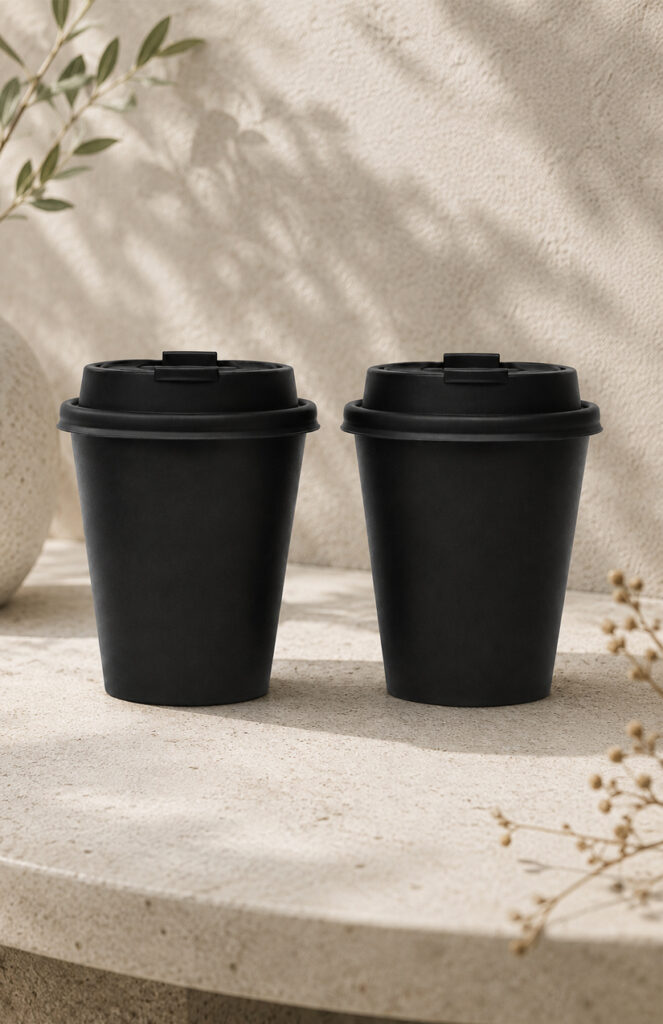
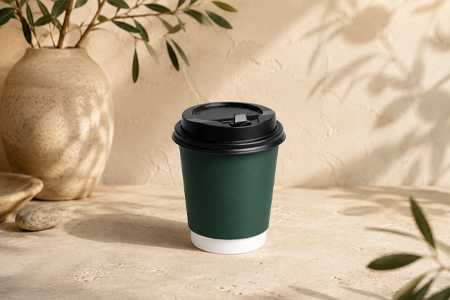
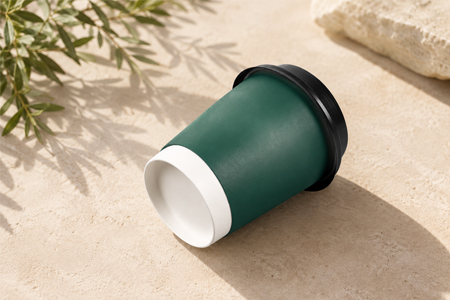
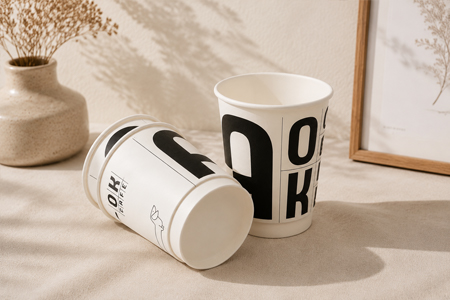
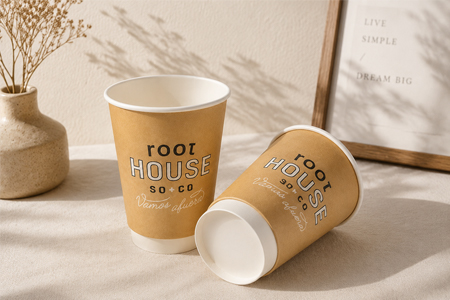
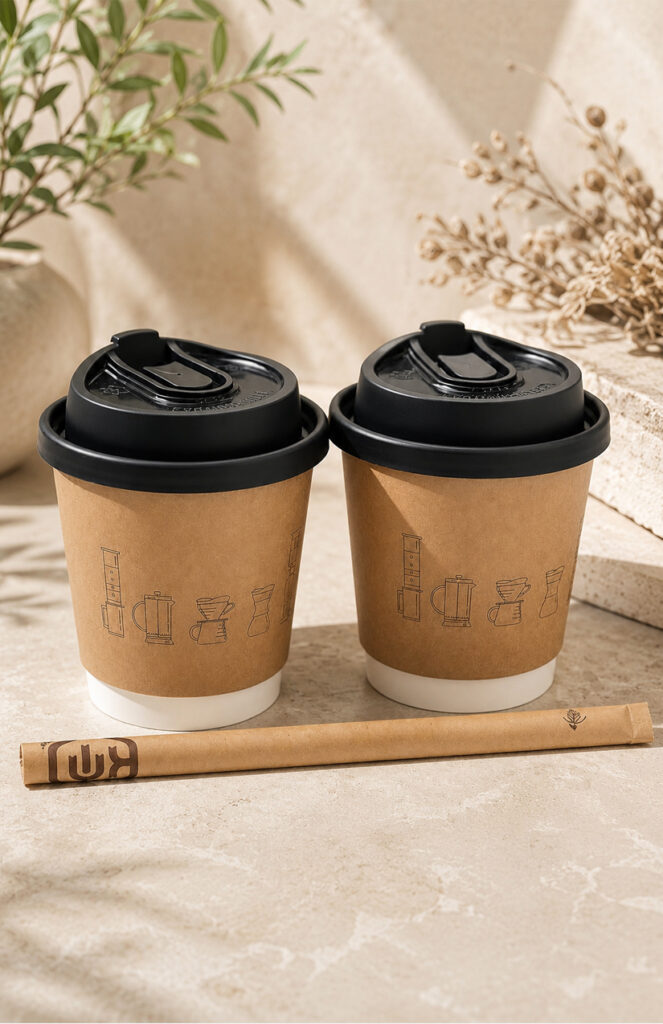
Paper Cups Wholesale for Disposable Coffee Cup and Lid Programs

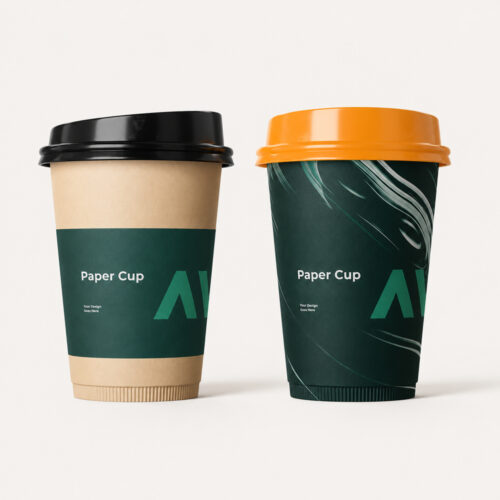
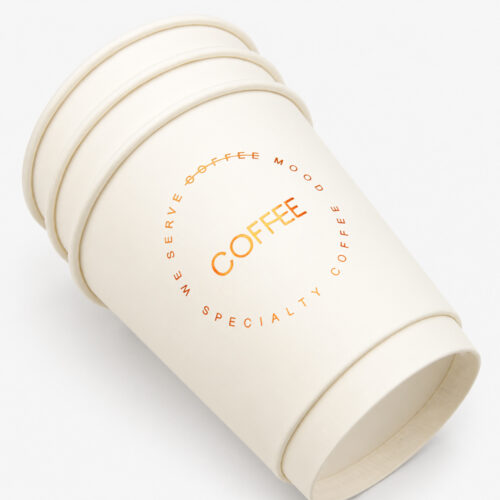
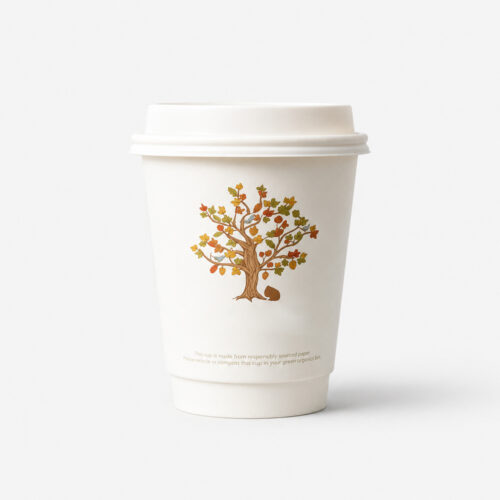
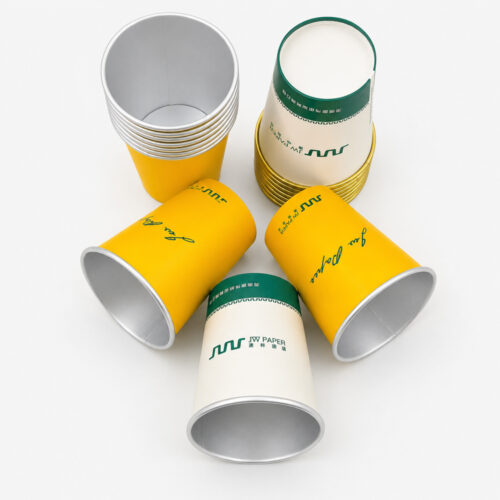
Paper cup supply for coffee shops, distributors, restaurant groups, catering companies, supermarkets, and private label buyers. Compare hot cup and cold cup formats, oz sizes, matching covers, compostable lining, carton packing, pricing, and related service items before requesting samples, specifications, or volume orders.
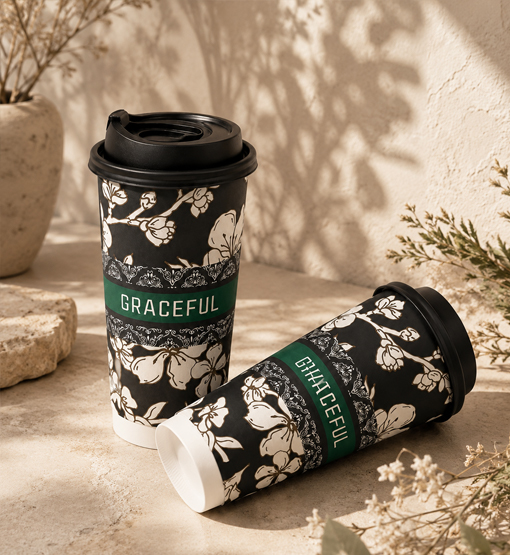
What Paper Cup Options Help Buyers Serve Drinks for Coffee and To-Go Service?

A paper cup is used across coffee shops, bakeries, office catering, convenience stores, supermarkets, and food service counters where fast service is part of daily operations. Buyers may need formats for coffee, tea, hot chocolate, water, juice, iced coffee, and seasonal menu items.

For procurement teams, the right coffee cup depends on temperature, oz size, rim fit, storage space, carton quantity, and customer handling. A disposable coffee cup for hot service needs different performance from paper cold cups used with ice, chill conditions, and cold beverages.
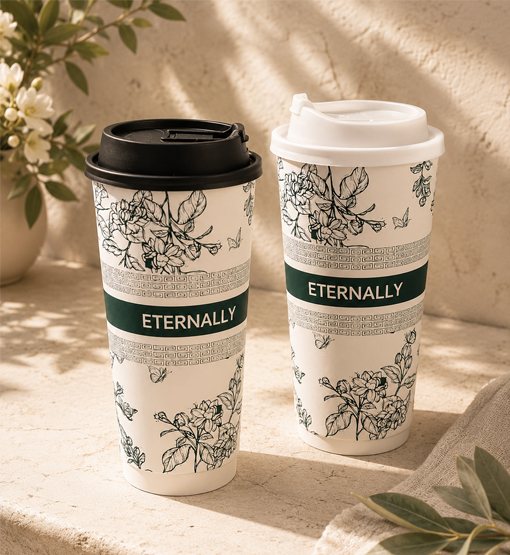
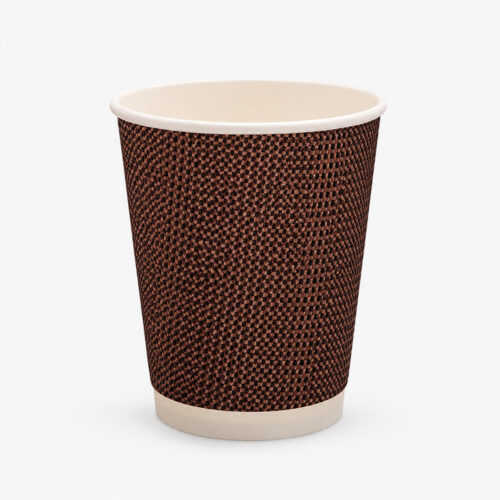
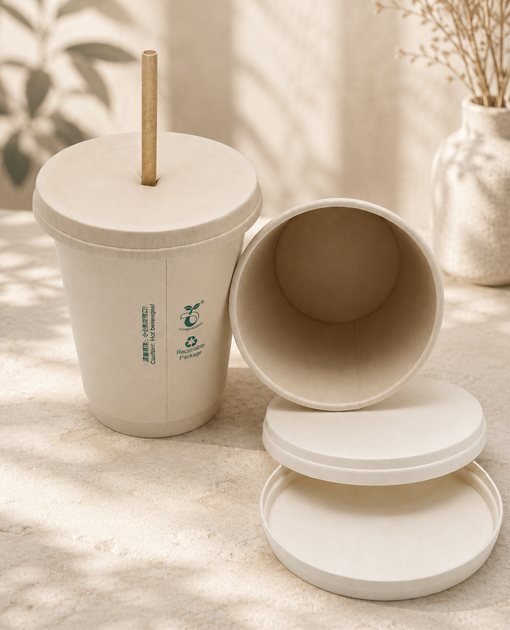
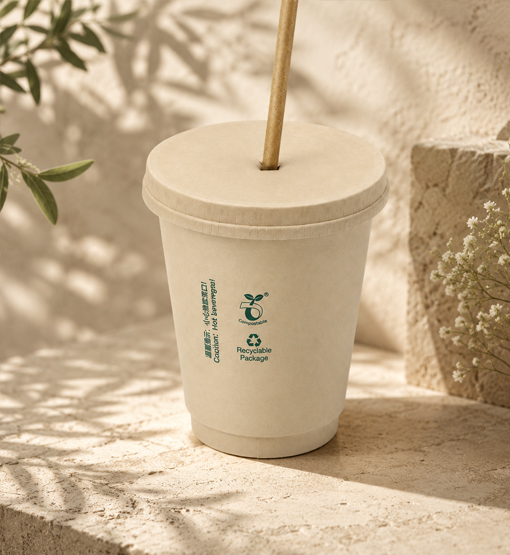
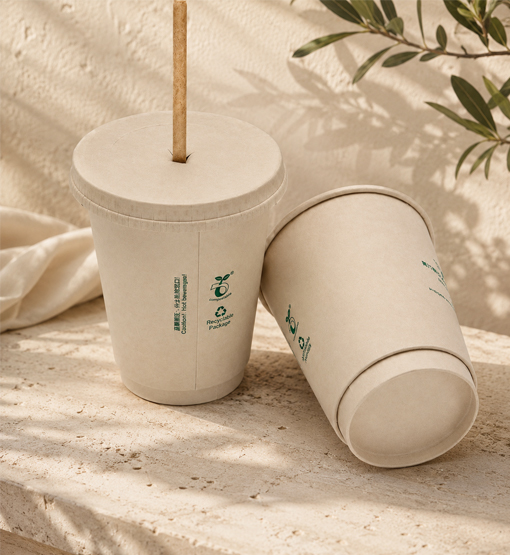
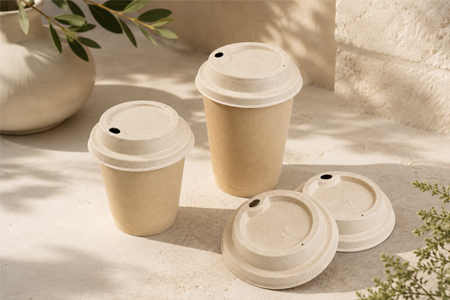
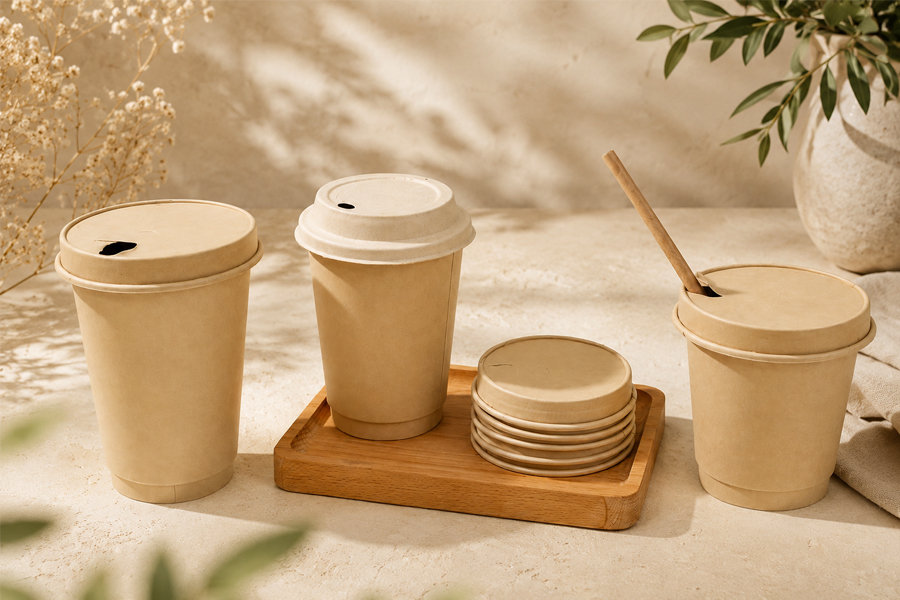
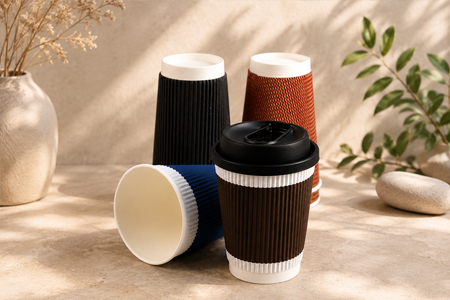
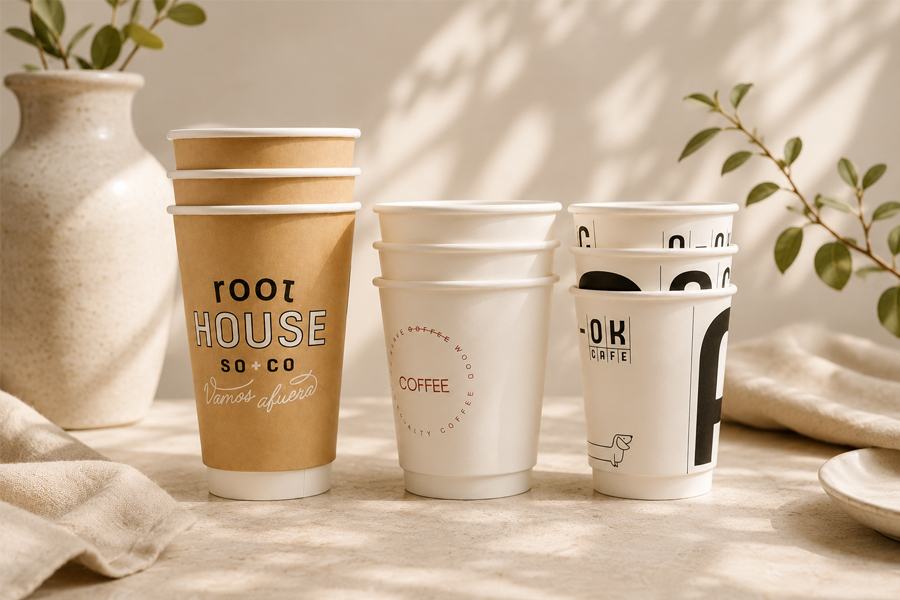
Paper Cup Product Showcase for Disposable Paper Cups, Cups With Lids, and Straw Accessory Options

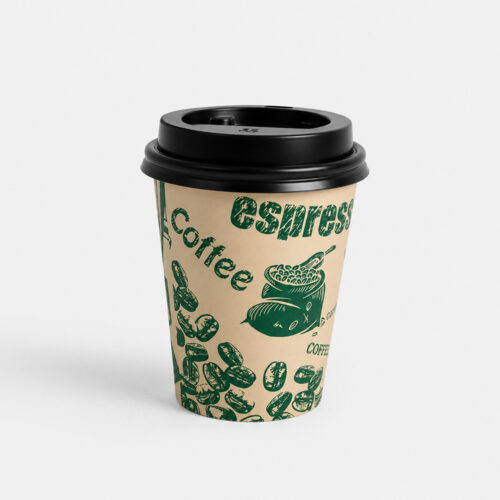
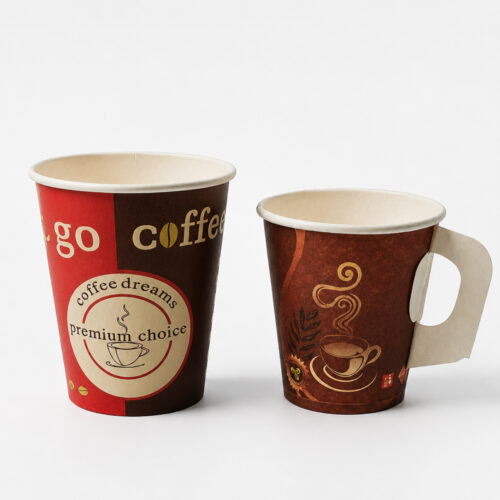
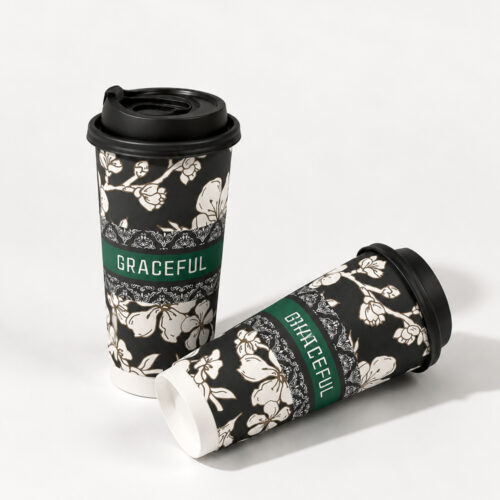
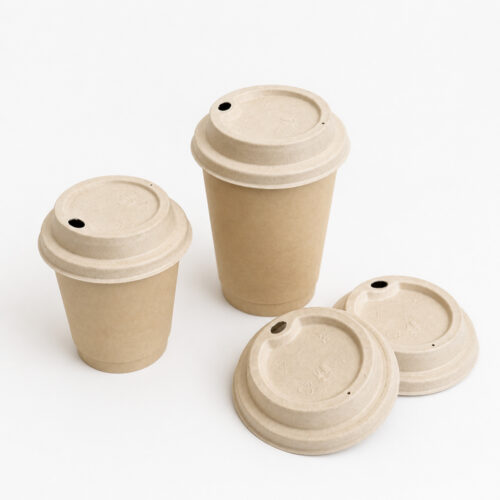
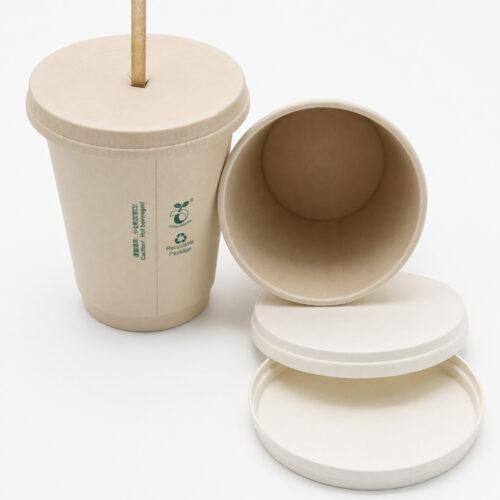
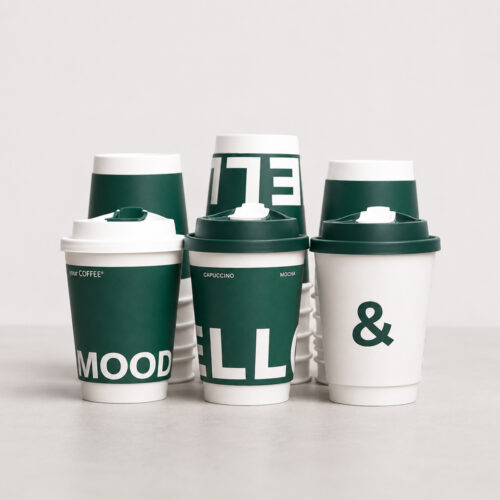
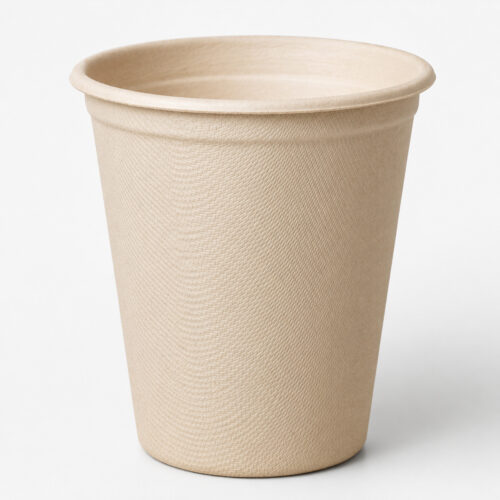
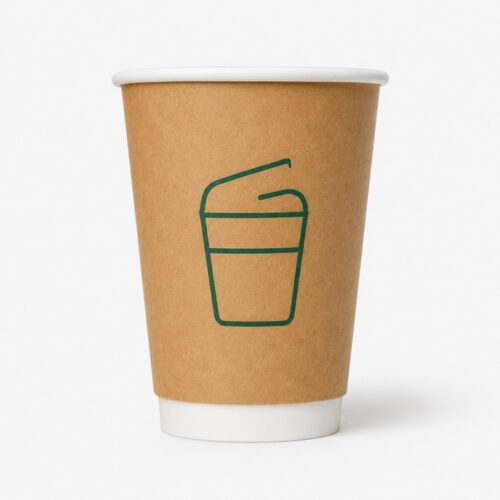
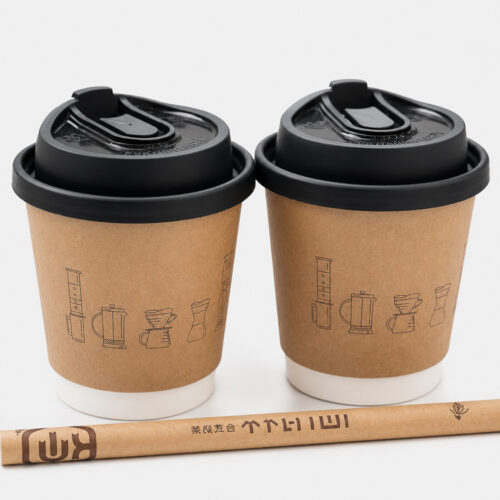
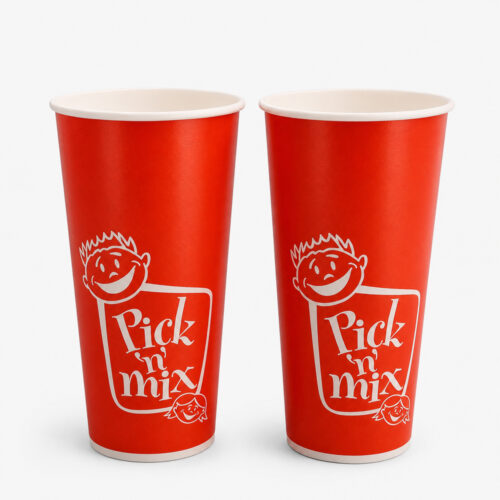
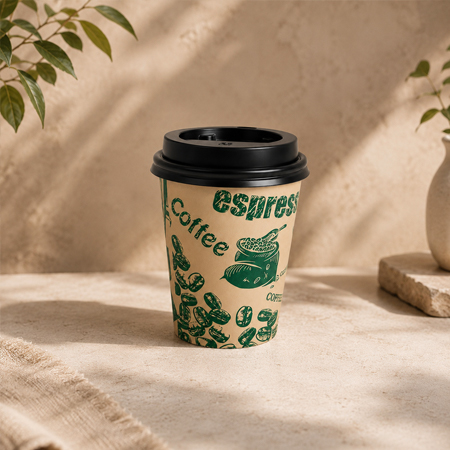
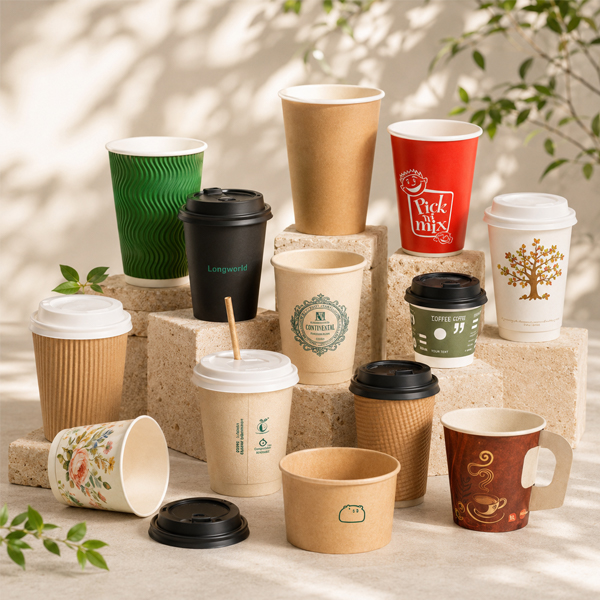
Use this section to display your main disposable paper cups, paper hot cup options, paper cold cups, cups with lids, matching cover styles, straw choices, sleeves, and related accessory items. Buyers can compare sizes, materials, lining options, carton packing, and private label support before choosing samples or confirming orders.

Rectangular bagasse cups for sauce, dip, sampling, and side servings

Paper Cup Size Selection for 12 oz Paper Cup, 16 oz, and Bulk Programs

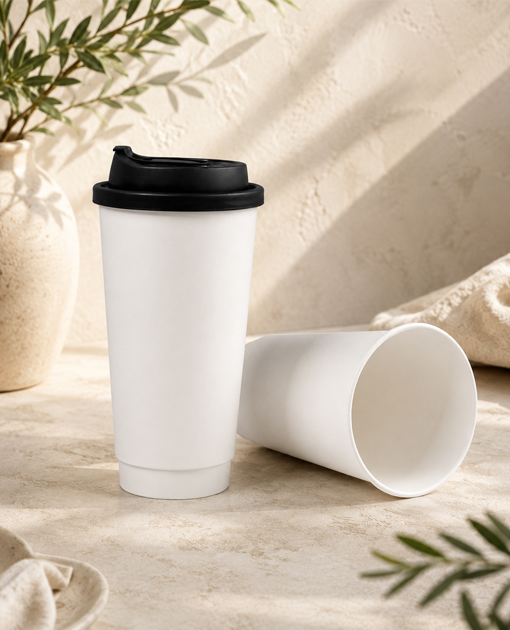
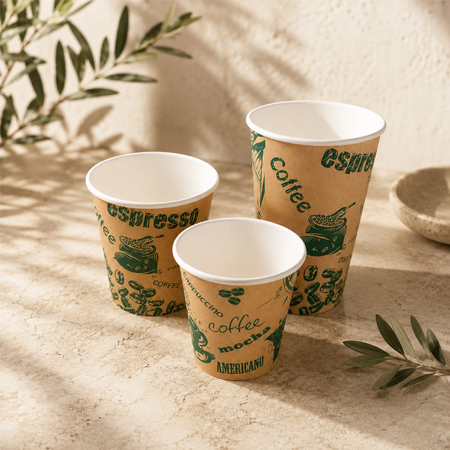
Cup selection often starts with oz capacity. Common formats include small tasting cups, 8 oz, 10 oz, 12 oz, 16 oz, and larger sizes for takeaway menus. A 12 oz paper cup is widely used for regular coffee, while 16 oz is often chosen for larger coffee, tea, or specialty menus.

A clear selection of paper cups helps chains, distributors, and catering teams cover small, regular, and large formats without creating too many SKUs. A wide selection also gives buyers more flexibility when planning volume orders for regional accounts, store groups, or seasonal promotions.

Paper Hot Cup Choices for Hot Beverages, Hot Drinks, and Hot Chocolate

A paper hot cup is used when operators need practical service for coffee, tea, hot chocolate, and similar menu items. These cups are suitable for cafés, bakery counters, staff canteens, hotel breakfast areas, and event stations where washing reusable cups is not practical.

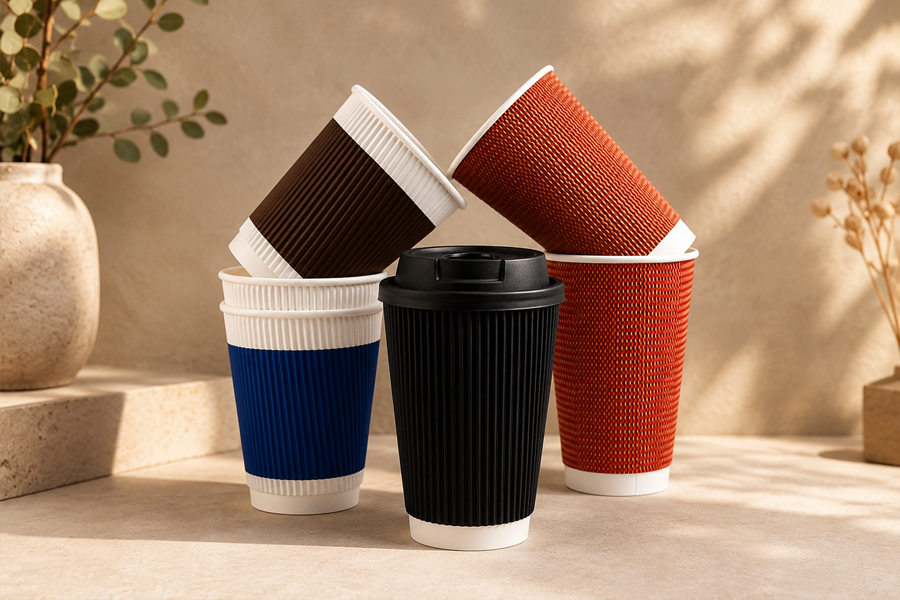
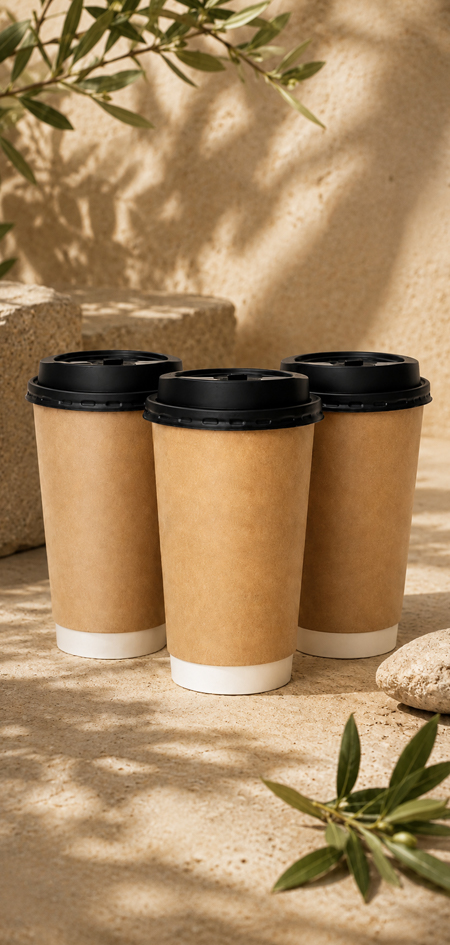
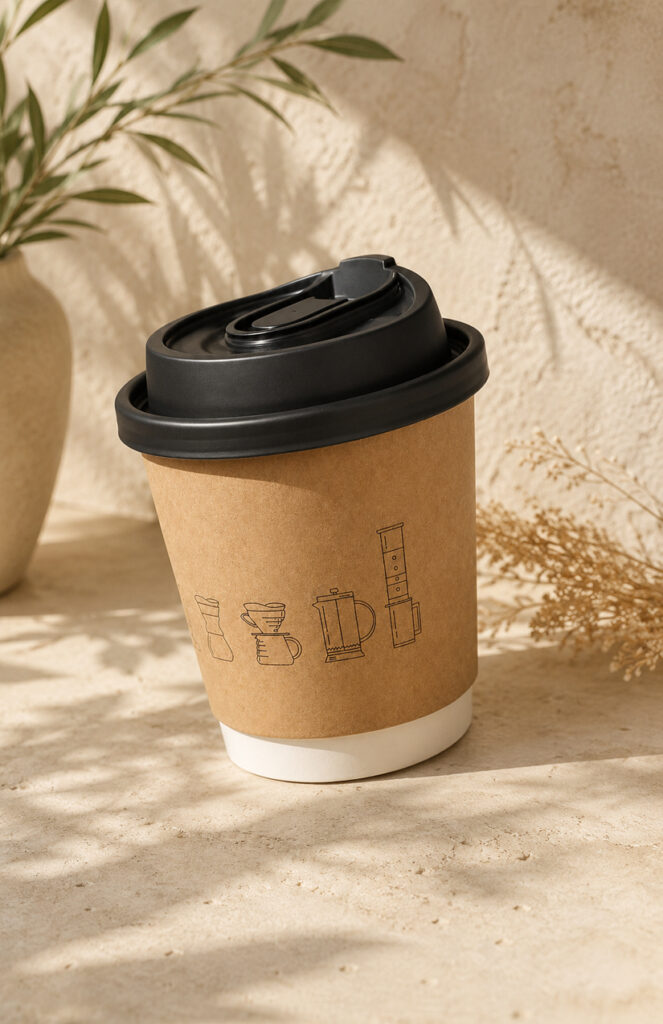
Single-wall paper cups can work when cost control matters or when sleeves are added. Double-wall formats improve insulation and make handling easier during busy service. Buyers should test rim strength, cover fit, and hand comfort before confirming a repeat order.

Stackable bagasse sauce cups with lids for transport and storage

Paper Cold Cups for Cold Beverages, Cold Drinks, Iced Coffee, and Chill Service

Paper cold cups are designed for iced coffee, juice, soda, smoothies, and other cold drinks. They should be tested with ice, syrup, milk foam, and holding time because cold liquid and condensation create different performance requirements from hot cup use.

For cold menus, buyers often compare paper cold cups with plastic cups. Paper formats can support an eco-friendly tableware range, while clear plastic cups may show layered products better. The final choice should consider branding space, function, disposal route, customer expectations, and pricing.

Sugarcane bagasse cups with lids for small portion food service use

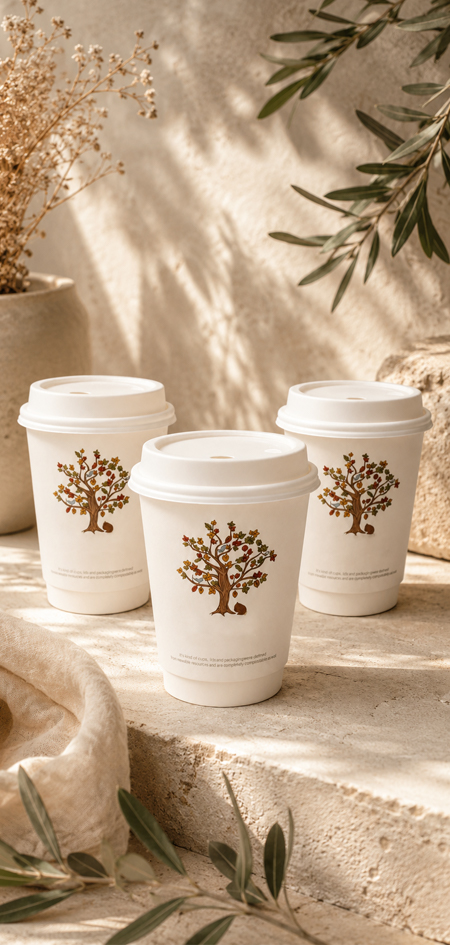
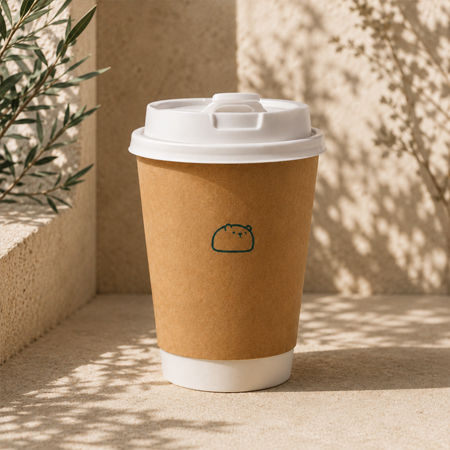
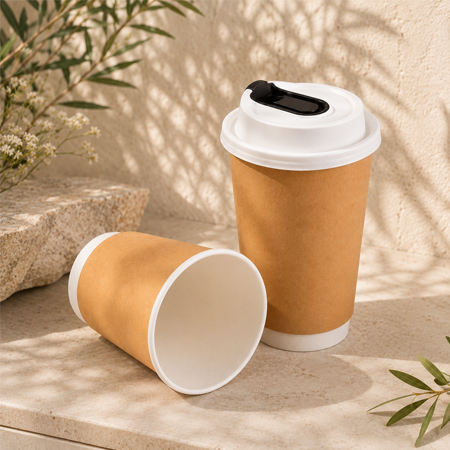
Cups With Lids and Paper Cups With Lids for Takeaway Convenience

Cups with lids are important for takeaway counters, delivery bags, catering trays, drive-through service, and convenience store programs. The cover must match the rim diameter and cup structure correctly. Poor fit can increase spill risk, slow down staff, and create customer complaints.

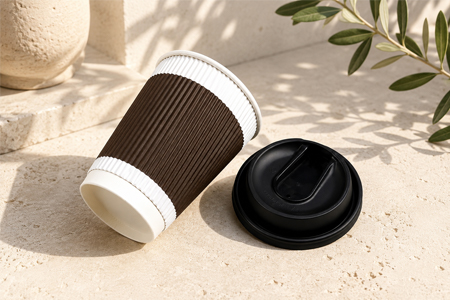
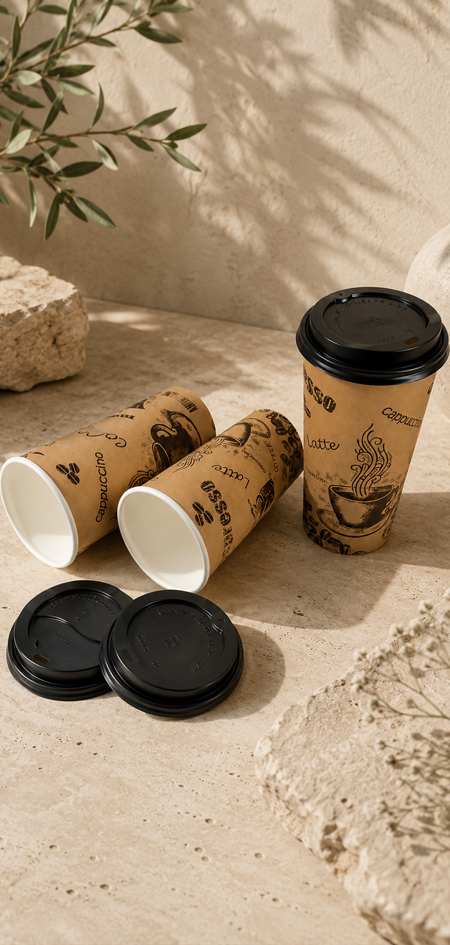
Paper cups with lids should be checked as a complete setup, not as separate items only. Buyers should confirm whether covers are packed in matching cartons, supplied separately, or combined with sleeves and carriers. A better drinking experience often comes from rim finish, comfortable sipping, and stable handling.

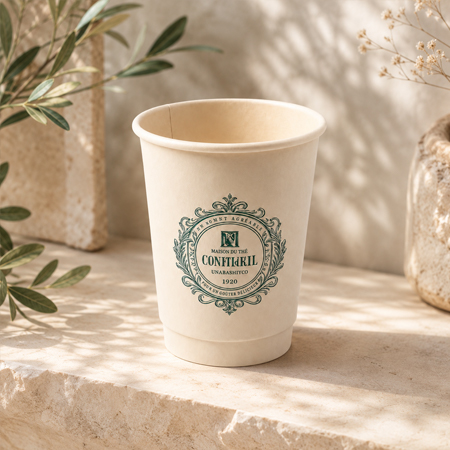
Single-Wall and Double-Wall Paper Cups for Better Insulation

Single-wall paper cups are often selected for cost-sensitive programs, sampling, office use, or service where sleeves are already planned. They are simple, space-saving, and practical for high-volume counters.

Double-wall cups offer better insulation and a more comfortable hand feel. Buyers should compare carton space, user comfort, heat level, and total program cost before deciding between single-wall, double-wall, and sleeve-supported formats.

Sugarcane bagasse cups with lids for small portion food service use

Insulated Paper Hot Cup Options for Coffee and Hot Beverage Service

An insulated paper hot cup can help insulate coffee, tea, and similar hot items during takeaway service. This format is useful when operators want a more comfortable hand feel without always relying on a separate sleeve.

For beverage service buyers, the choice should be based on temperature, holding time, staff workflow, and carton storage. A cup that feels comfortable in a sample room should still be tested in real service conditions before larger purchasing decisions are made.

Compostable, PLA, Recyclable, and Sustainability Claims for Eco-Friendly Cups

Some cup formats use PE lining, water-based coating, or pla lining. Compostable options can be useful when the target market has suitable compost collection and supporting documents. Claims such as compostable, biodegradable, recyclable, or sustainable should be confirmed by exact SKU, not only by product category.

Sustainability language should stay accurate. Buyers should ask for food contact documents, material details, test reports, and certification where required. This is especially important for supermarkets, restaurant groups, and private label buyers that need environmentally responsible packaging claims.

Stackable bagasse sauce cups with lids for transport and storage

Bulk Paper Cup Pricing and Distributor Order Planning

Paper cup pricing depends on size, paper weight, lining, print design, carton quantity, cover choice, and shipping terms. A plain white cup, kraft cup, printed coffee cup, or compostable cup may have different costs even when the oz size is the same.

For cups in bulk, buyers should compare total landed cost rather than only unit price. Carton dimensions, loading quantity, artwork fees, mixed-size orders, and reorder stability all affect the final purchasing decision. A reliable supplier should provide clear specifications before production approval.

Bagasse condiment cups for supermarkets, meal prep, and foodservice distributors

Plastic Cups Comparison: When Disposable Plastic or Paper Cups Offer Better Fit

Plastic cups are often used when product visibility matters, such as iced coffee, smoothies, juice, or layered cold menus. A disposable plastic option may show the contents clearly, while paper cups offer more printable surface for branding and a different customer feel.

Paper cups are great for café counters, office pantry programs, catering stations, and many to-go menus. However, buyers should compare actual use case, storage, rim system, local disposal rules, and customer expectations before changing from plastic cups to paper formats.

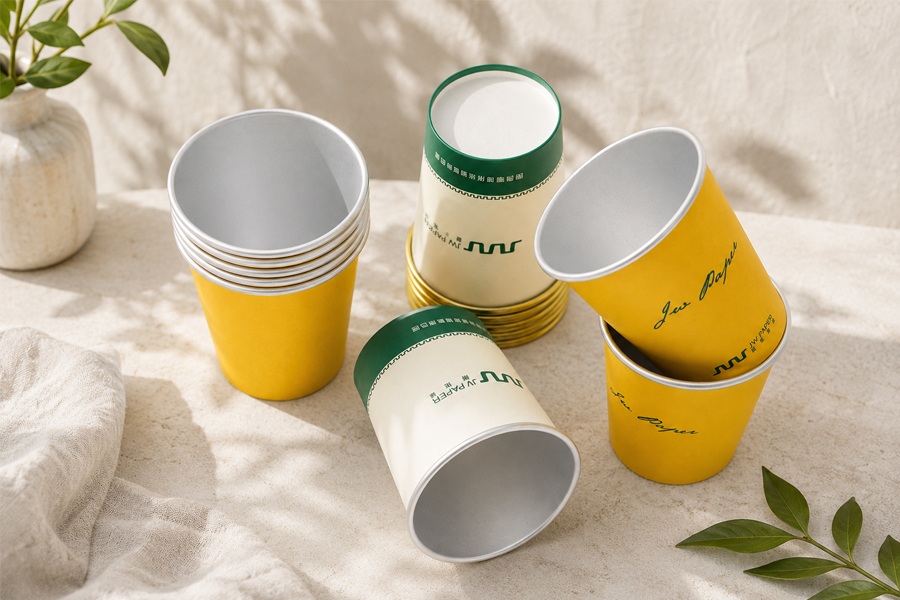
Private Label Paper Coffee Cups, Dixie-Style Cups, and 50 Count Pack Options

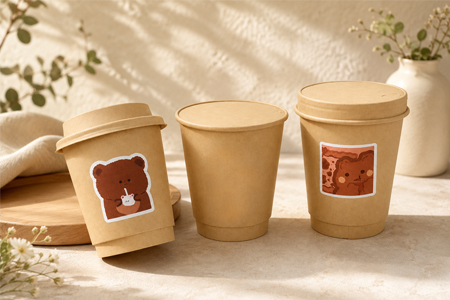
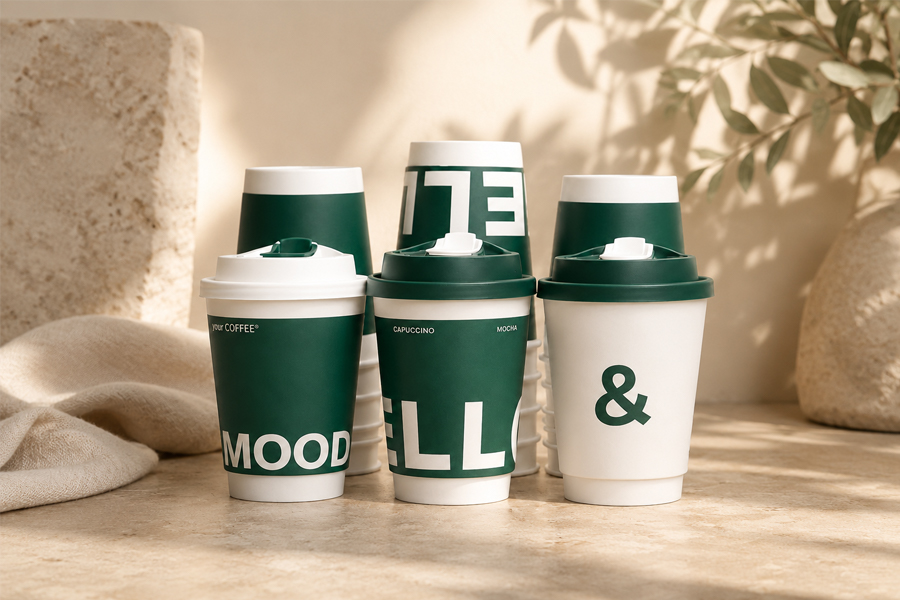
Paper coffee cups can support private label programs for cafés, supermarkets, distributors, and restaurant groups. Buyers who opt for our paper cup range should confirm artwork format, print colors, MOQ, barcode needs, carton marks, and whether one design can be applied across several oz sizes.

A small retail pack or dixie-style cup may work for resale, office pantry, or trial programs. Commercial buyers usually need full cartons, stronger case packing, consistent printing, and stable repeat supply rather than only small-pack convenience.

Bagasse condiment cups for supermarkets, meal prep, and foodservice distributors
Sugarcane bagasse cups with lids for small portion food service use

Wide Selection of Sleeves, Carriers, and Matching Items for Beverage Service Setup

A cup program works better when matching items are planned together. Sleeves, carriers, stirrers, napkins, and tableware can complement the cup line and create a more consistent beverage service setup for end users.

For iced menus, the sipping opening and cold-service items should match cup height and serving style. For hot service, sleeve fit and cover comfort affect practicality during rush hours. A wide range of cups and related items gives buyers flexibility while keeping procurement simple.

Buyer FAQ About Disposable Cups, Coffee Cups, and Paper Cup Supply

Paper cups are perfect for a program only when the size, material, lining, cover, and service time match the real menu. Buyers should test samples with actual coffee, tea, iced products, and takeaway handling before approving large orders.

The 12 oz size is common for regular coffee and many takeaway menus. However, 8 oz, 10 oz, 12 oz, and 16 oz may all be needed depending on shop positioning, menu structure, and customer order habits.

Some cups can be used for hot or cold service, but this should be confirmed by structure and lining. Hot and cold use creates different demands, especially with ice, condensation, heat, and rim performance.

No. Compostable cups need suitable collection and processing conditions. Buyers should confirm local acceptance, certification, and exact material documents before making public claims.

Some paper cups can be recycled where local programs, paper mills, and recovery systems accept them. Buyers should confirm local rules and avoid making broad recycle claims without market support.

A dixie-style cup can be convenient for small use, office pantry supply, or simple sampling. Commercial buyers usually need stronger carton packing, volume pricing, custom print options, and consistent supply for repeat orders.

A 50 count pack may be useful for retail shelves, sample packs, office pantry programs, or small account testing. For distributor and operator supply, full carton packing is usually more practical for storage, shipping, and repeat order planning.

Buyers who shop paper cups should prepare target oz sizes, cup type, cover needs, lining preference, carton quantity, destination market, and private label requirements. This improves quote accuracy and sample selection.

Practicality comes from matching size, rim fit, packing, storage, and staff workflow. A versatile range helps operators serve drinks quickly while keeping purchasing and inventory easier to manage.

Bagasse portion cups with matching lids for foodservice packaging

Final Buyer Summary for Paper Cup Purchasing

Match each paper cup to real menu use, temperature, oz size, and service channel.
Check compostable, biodegradable, recyclable, and eco-friendly claims by SKU.
Use small size formats according to actual customer demand.
Review pricing, carton packing, MOQ, artwork needs, and lead time.
Compare single-wall, double-wall, and insulated options before approval.
Confirm rim fit, sleeve need, sipping cover choice, and carrier compatibility.
Choose a supplier that supports samples, documents, private label work, and repeat orders.

Request an RFQ for Paper Cups, Lids, and Beverage Accessories

Send your RFQ with target cup size, oz capacity, hot or cold use, lid requirement, lining preference, carton quantity, destination market, and private label needs. The sales team can prepare samples, specifications, pricing, packing details, and accessory recommendations for coffee shops, distributors, supermarkets, catering companies, and foodservice operators.

Call To Action