-
Address: Street Name, NY 38954
-
Mobile: +86 198 6369 1950
-
Email: info@ecofoodware.com
-
Address: Street Name, NY 38954
-
Mobile: +86 198 6369 1950
-
Email: info@ecofoodware.com
Home » Cups, Lids & Straws
Disposable Foodservice Cups, Lids & Straws Manufacturer
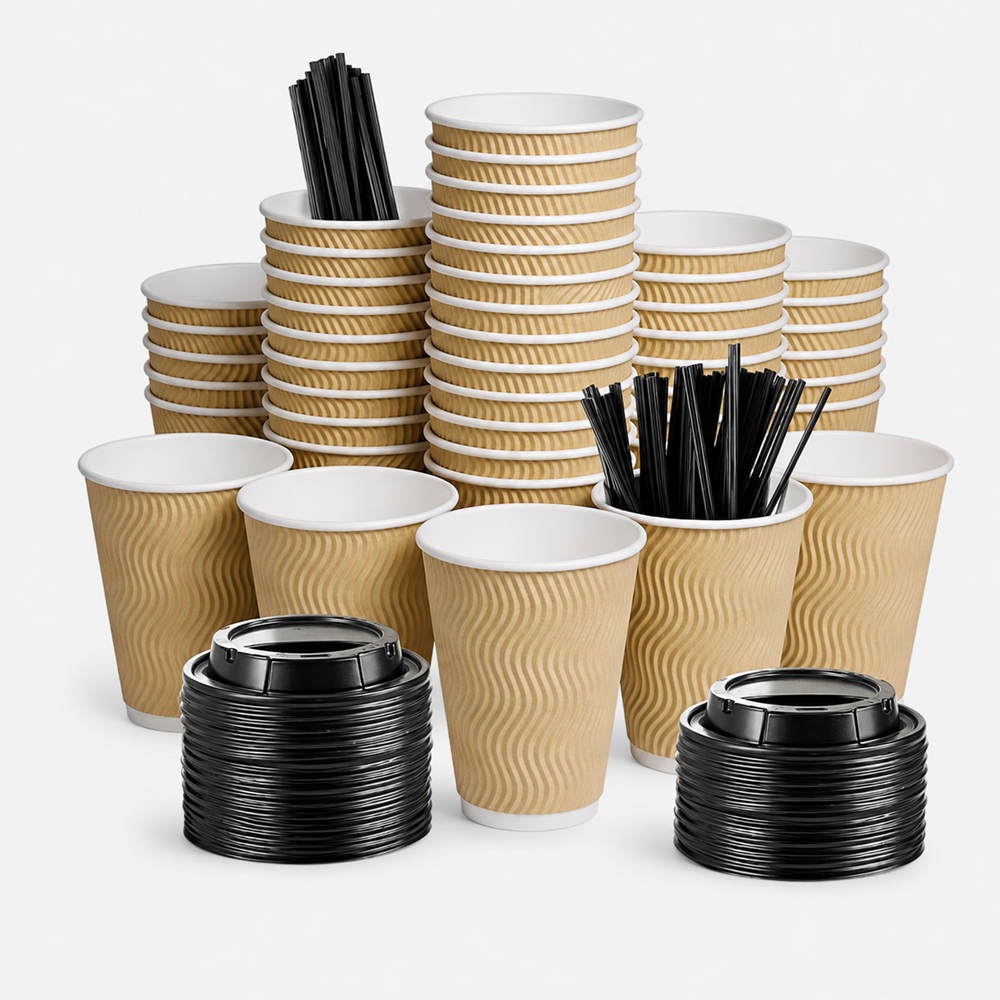
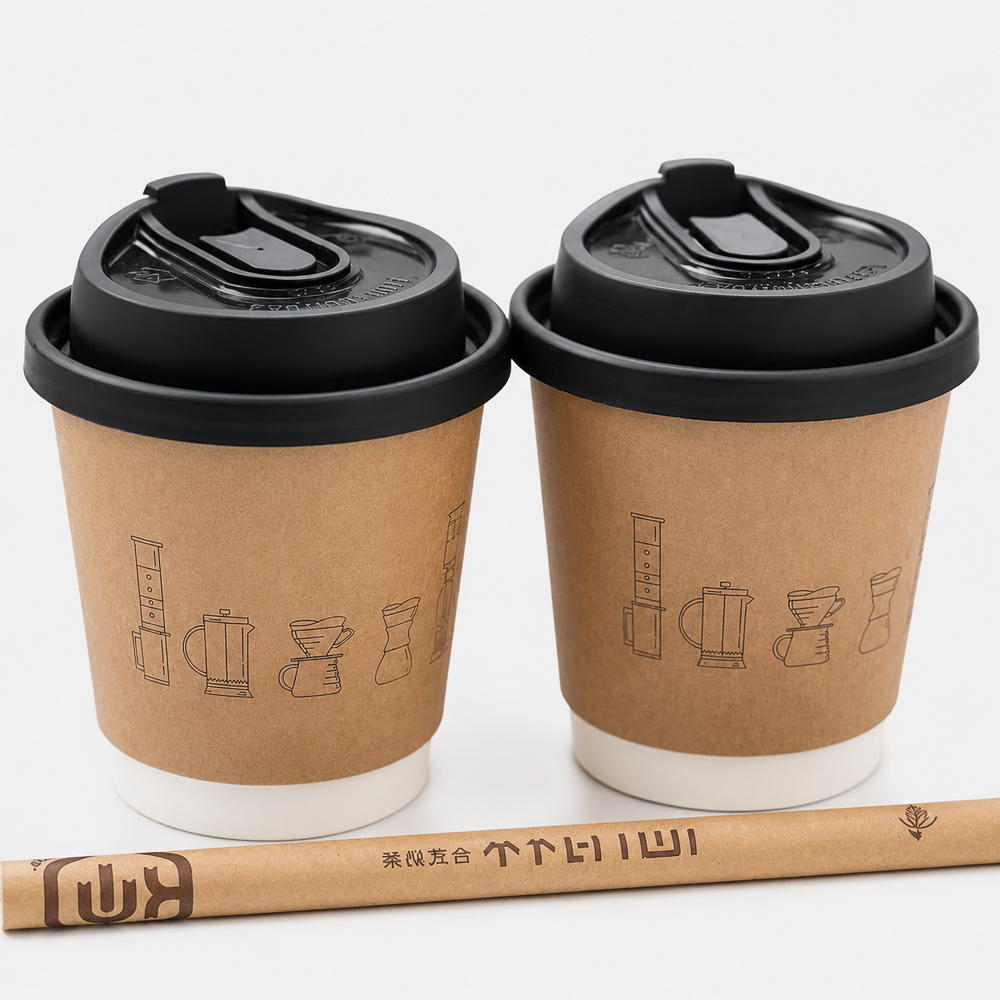
A disposable foodservice cups, lids and straws manufacturer supplies coordinated paper cups, PET cold cups, PP cups, compatible lids, paper straws and plastic straws. XcelLink Ecopack helps wholesale buyers align material selection, rim dimensions, printing, packing, compliance documentation, fit testing and shipment planning through one accountable sourcing program.
- Standard MOQ: 100,000 pieces
- Standard and custom samples
- FOB, CIF or agreed Incoterms
Matched System
Cup + Lid + Straw
Recommended RFQ inputs
Product format, dimensions, estimated annual volume, destination market, food application, packing preference, required documents and delivery target.
Across the broader foodservice packaging platform.
Supporting forming, production, inspection and packing.
Product-specific capacity is confirmed during quotation.
Specification-to-shipment support for international buyers.
The Procurement Problem
A Cup Program Fails When Components Are Sourced as Unrelated SKUs
A low unit price does not protect a beverage rollout from loose lids, uncertain heat limits, inconsistent print color, incorrect straw dimensions or cartons that do not match warehouse and container plans.
Cup-and-Lid Mismatch
The same nominal ounce capacity can use a different rim diameter, bead profile and snap geometry. Capacity-only purchasing increases leakage and lid-retention risk.
Solution: dimensional matching plus assembled-sample fit testing.
Unverified Temperature Use
A resin name alone does not establish fill temperature, contact duration or sealing performance. Intended-use conditions must be confirmed against the exact cup and lid model.
Solution: material, beverage and service-temperature review by SKU.
Print Drift Across Reorders
Missing Pantone references, uncontrolled artwork versions and weak rub resistance can undermine brand consistency across cup sizes, wrappers and cartons.
Solution: artwork approval, color references and print-control checkpoints.
Fragmented Logistics
Separate suppliers create duplicate sampling, unmatched cartons, inconsistent lead-time assumptions and avoidable container-space loss.
Solution: coordinated inner packs, cartons, pallets and loading plans.
One Coordinated Sourcing Brief
Six Product Categories, Matched Around the Beverage Application
Compare bulk disposable cups, lids and straws by material, service temperature, rim dimensions, sealing method, printing requirements and final packing rather than treating each component as an isolated purchase.
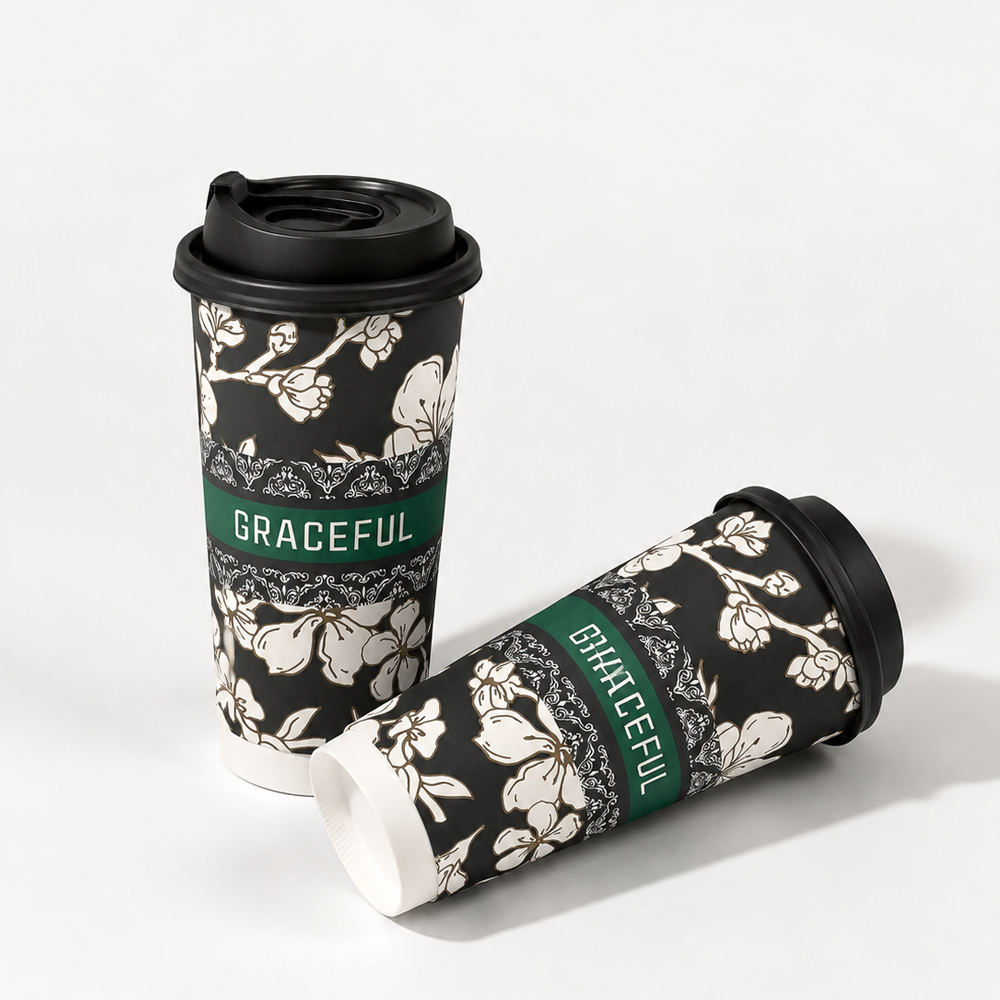
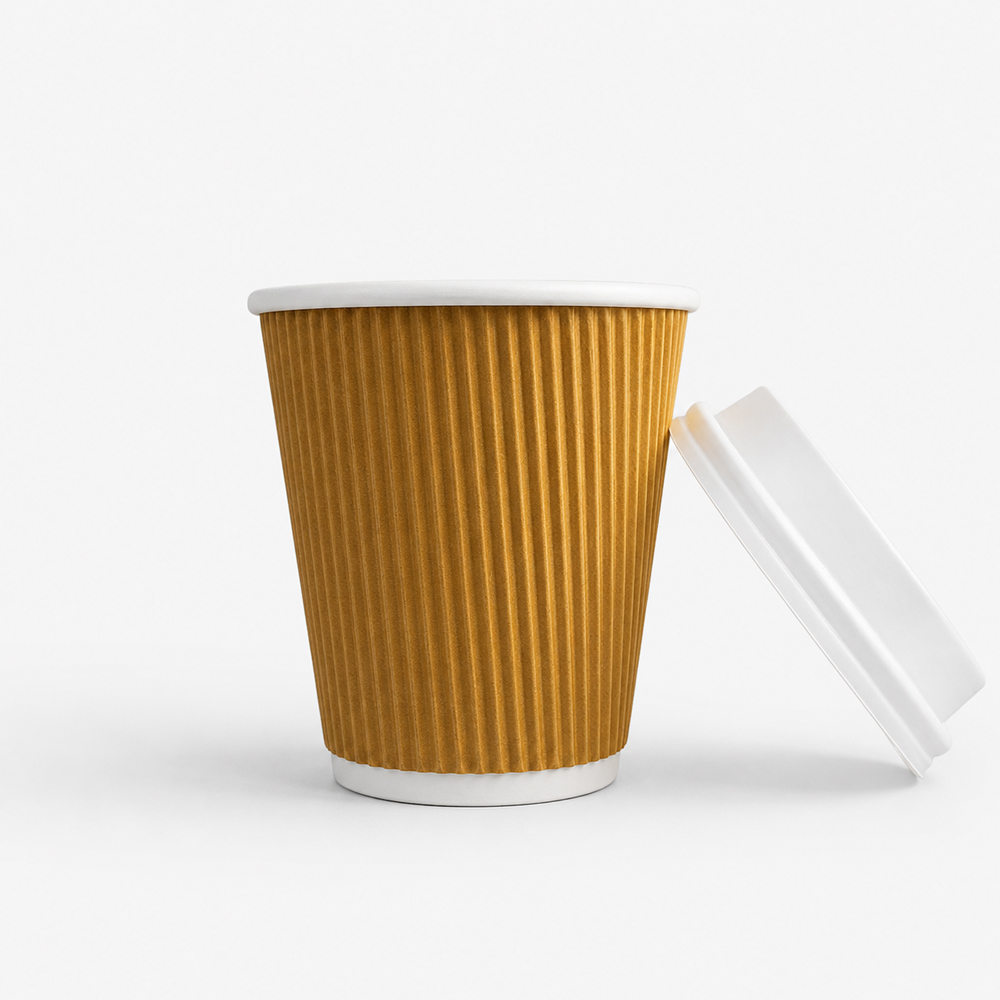
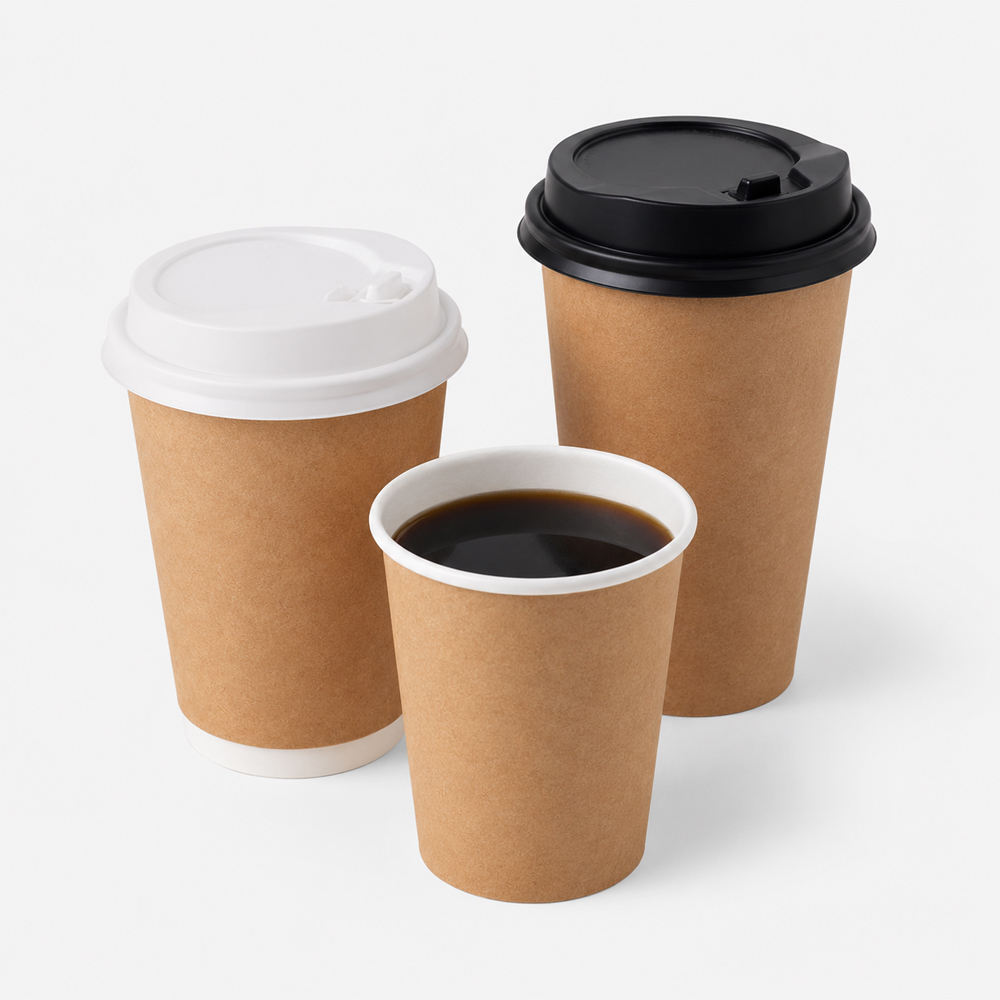
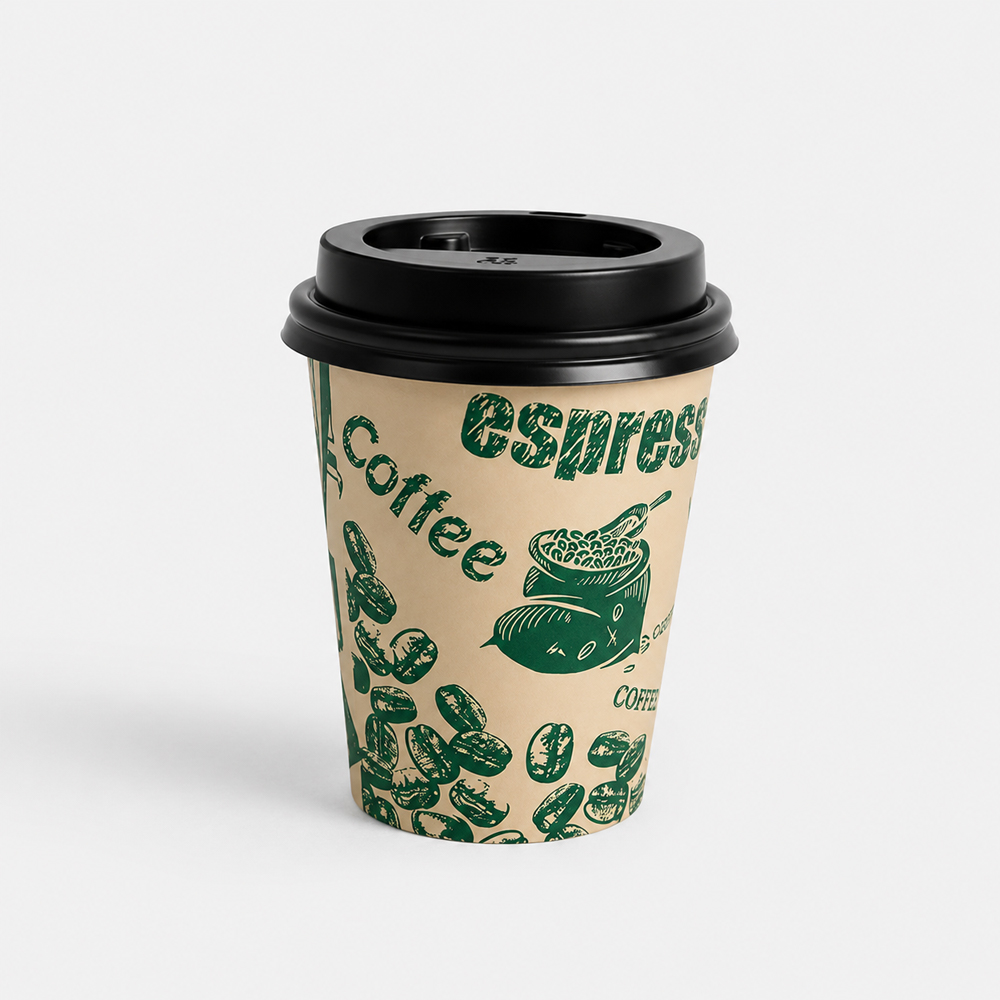
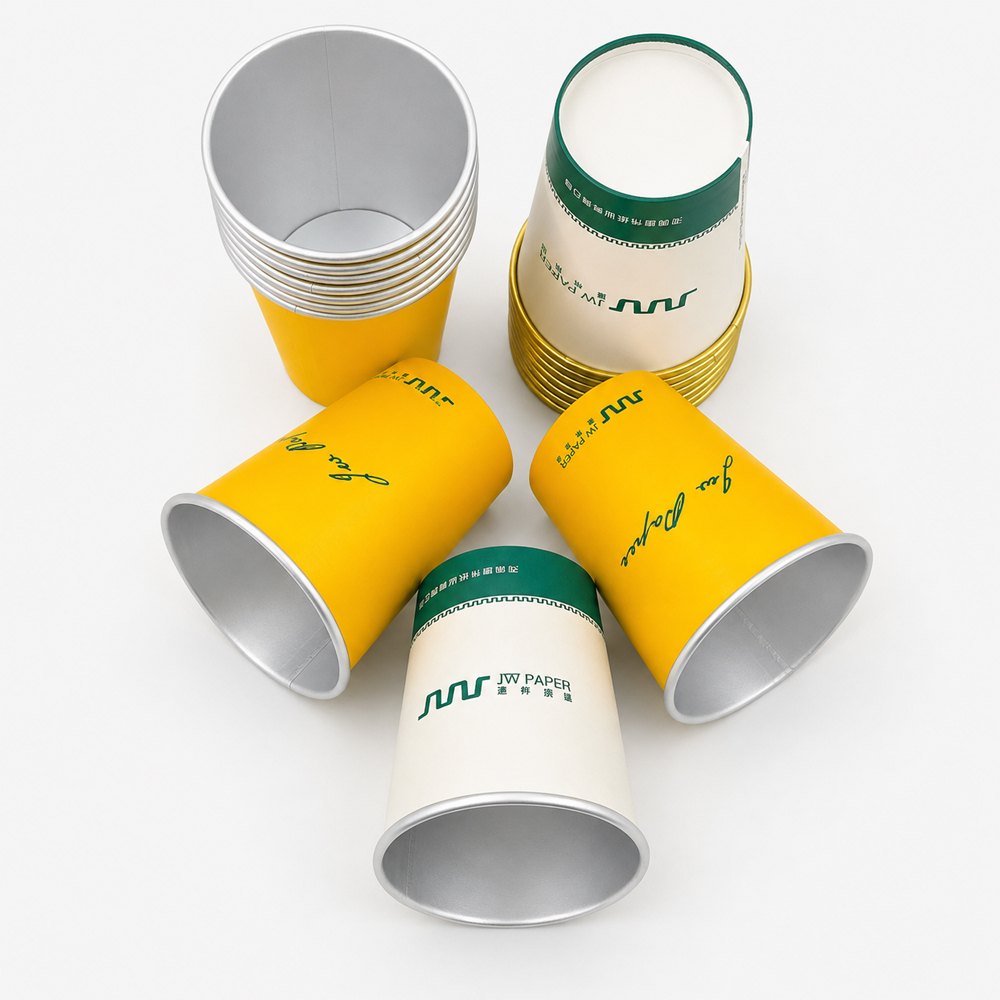
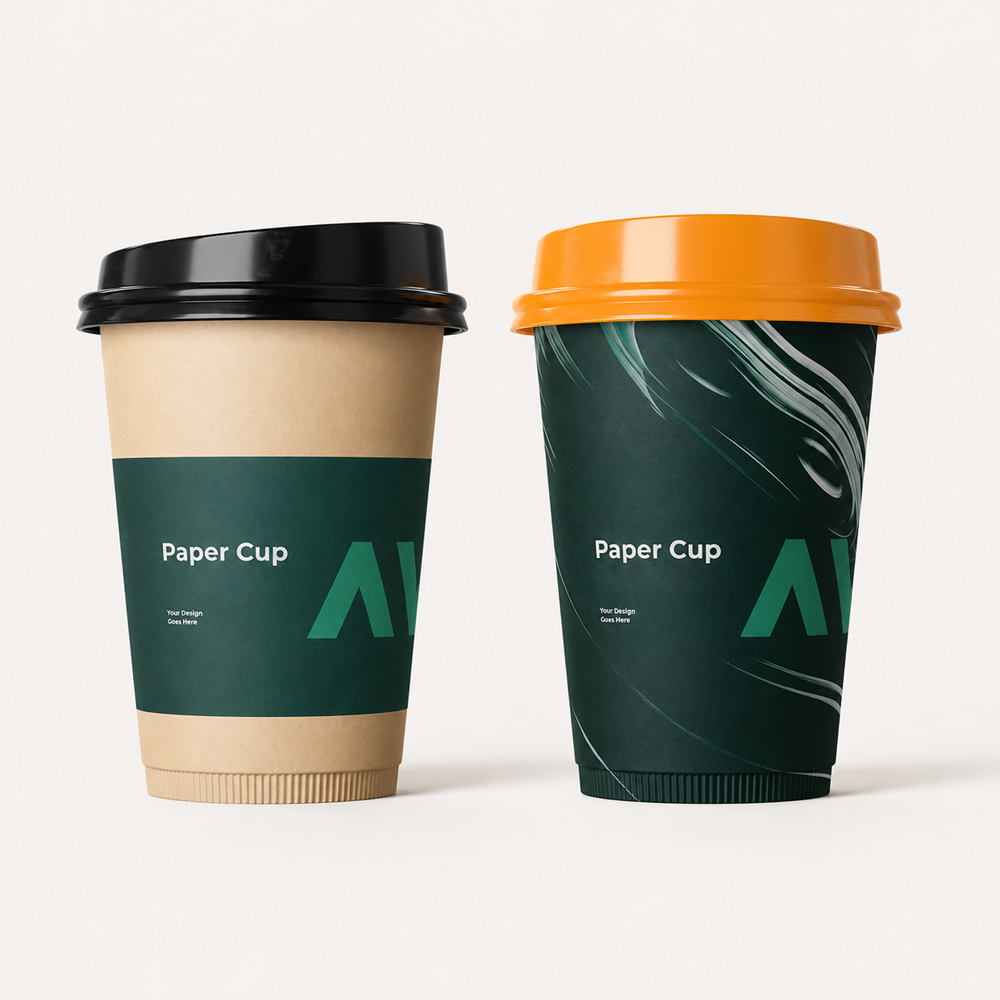
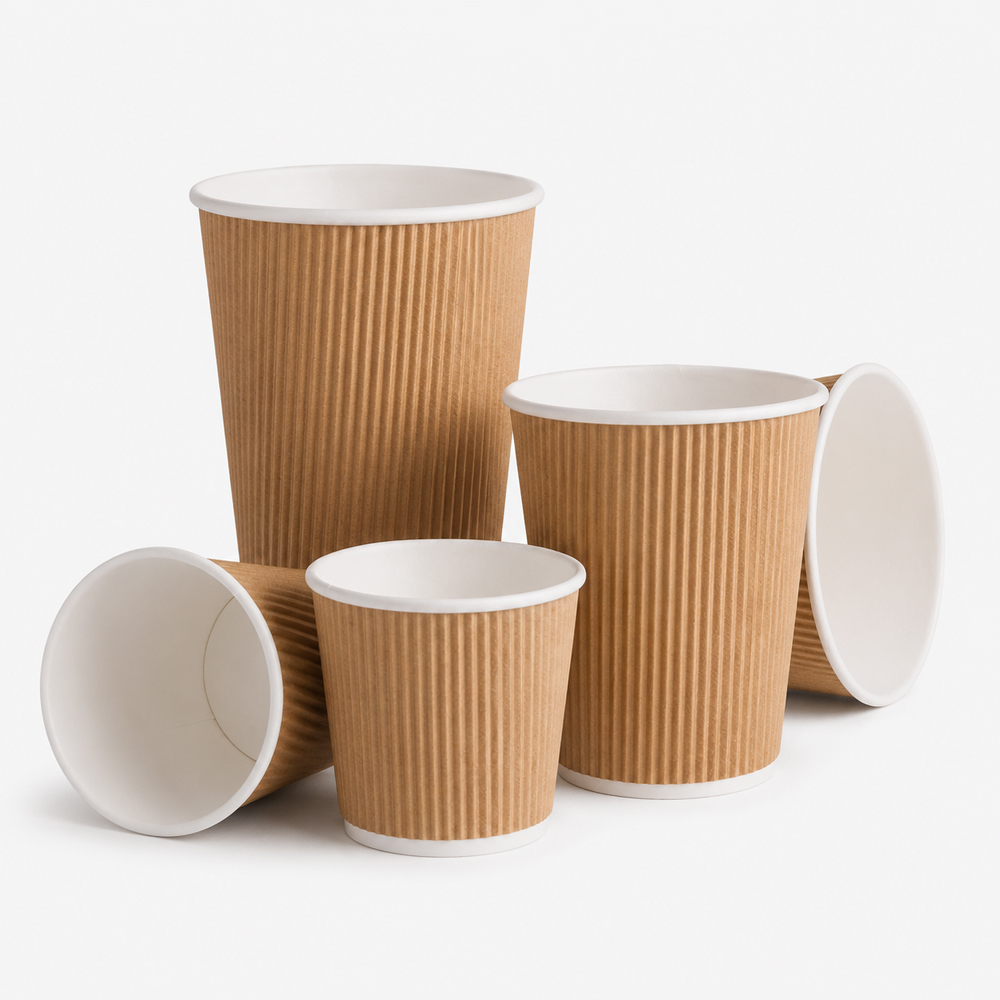
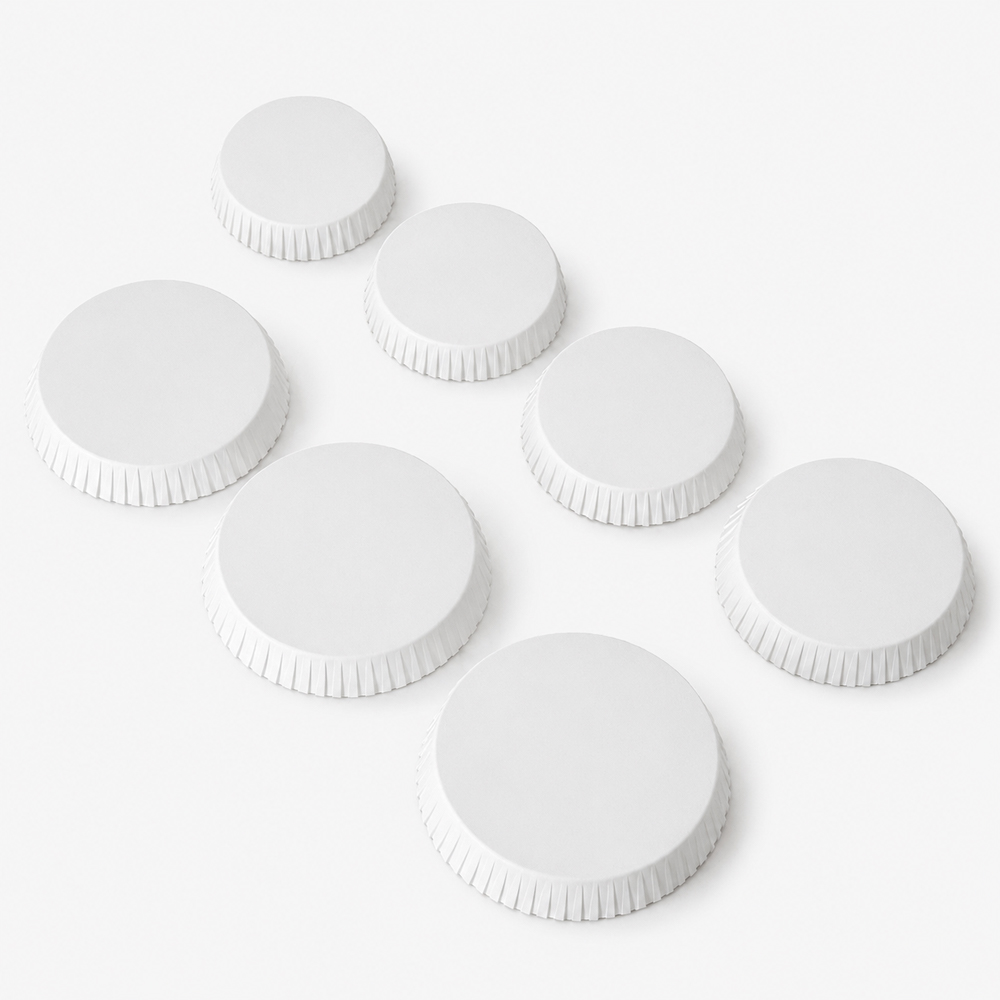
Single-wall, double-wall and ripple-wall cups with PE, applicable PLA or other specified barrier structures.
- Approx. 2–32 oz planning range
- Side-seam and bottom-seal inspection
- Plain or custom printing
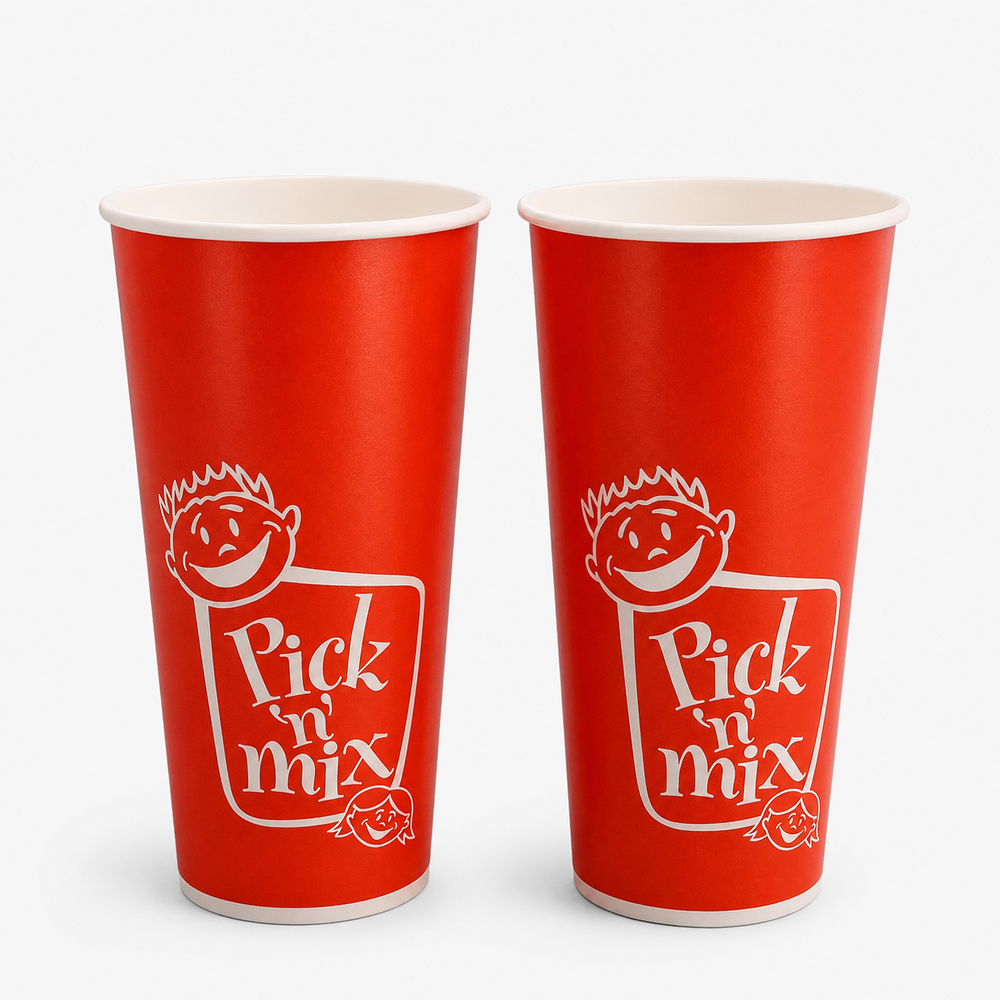
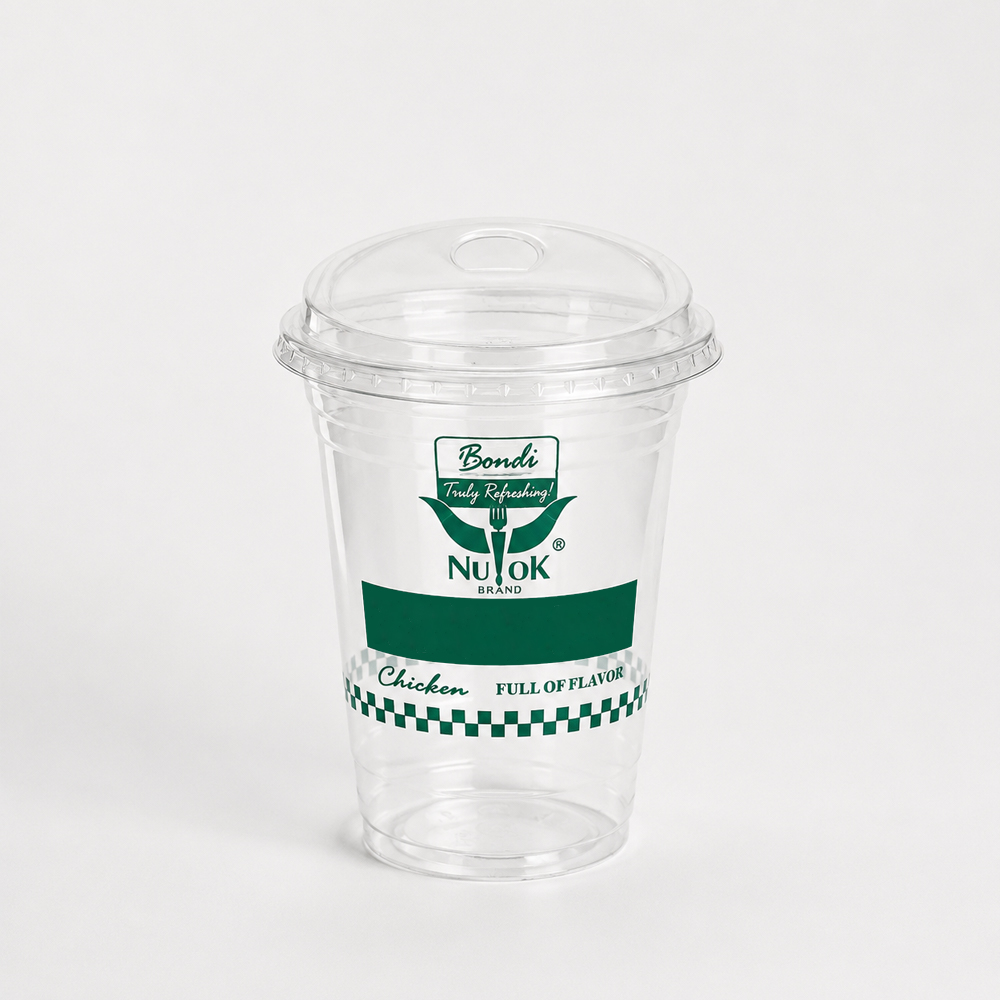
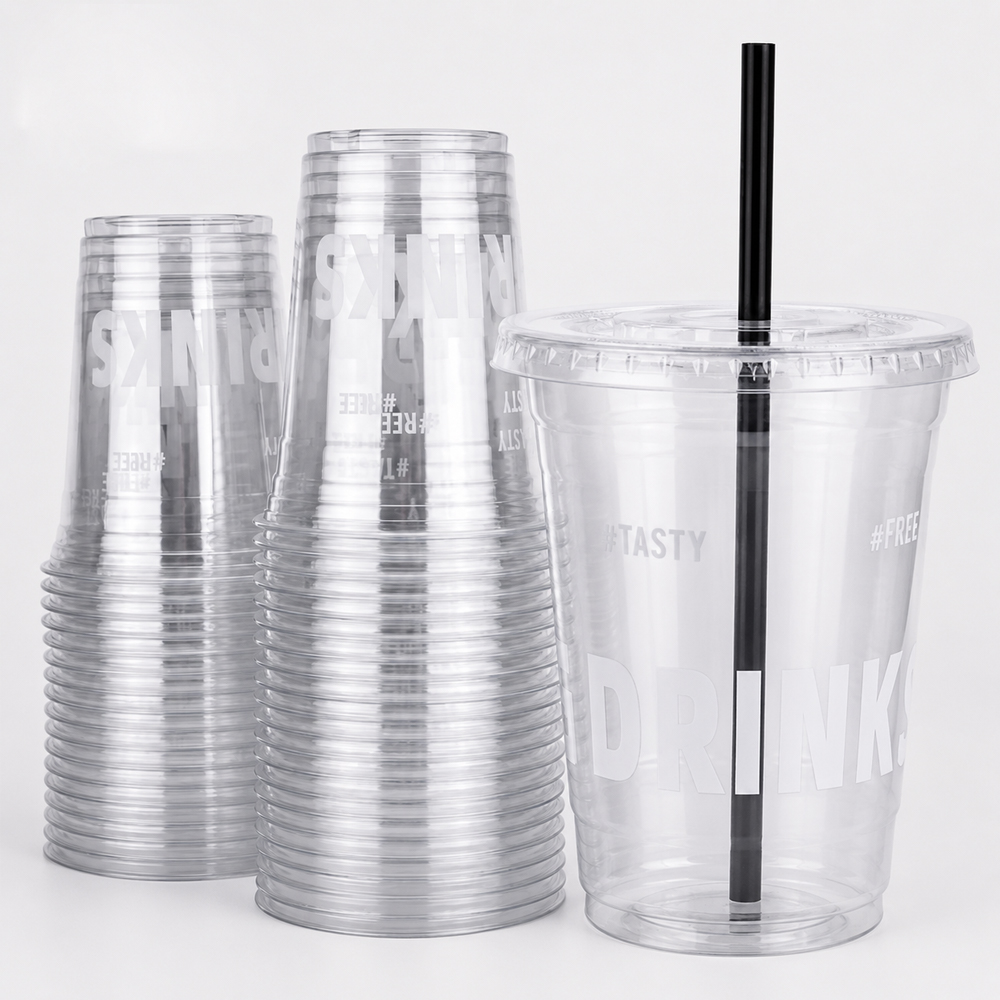
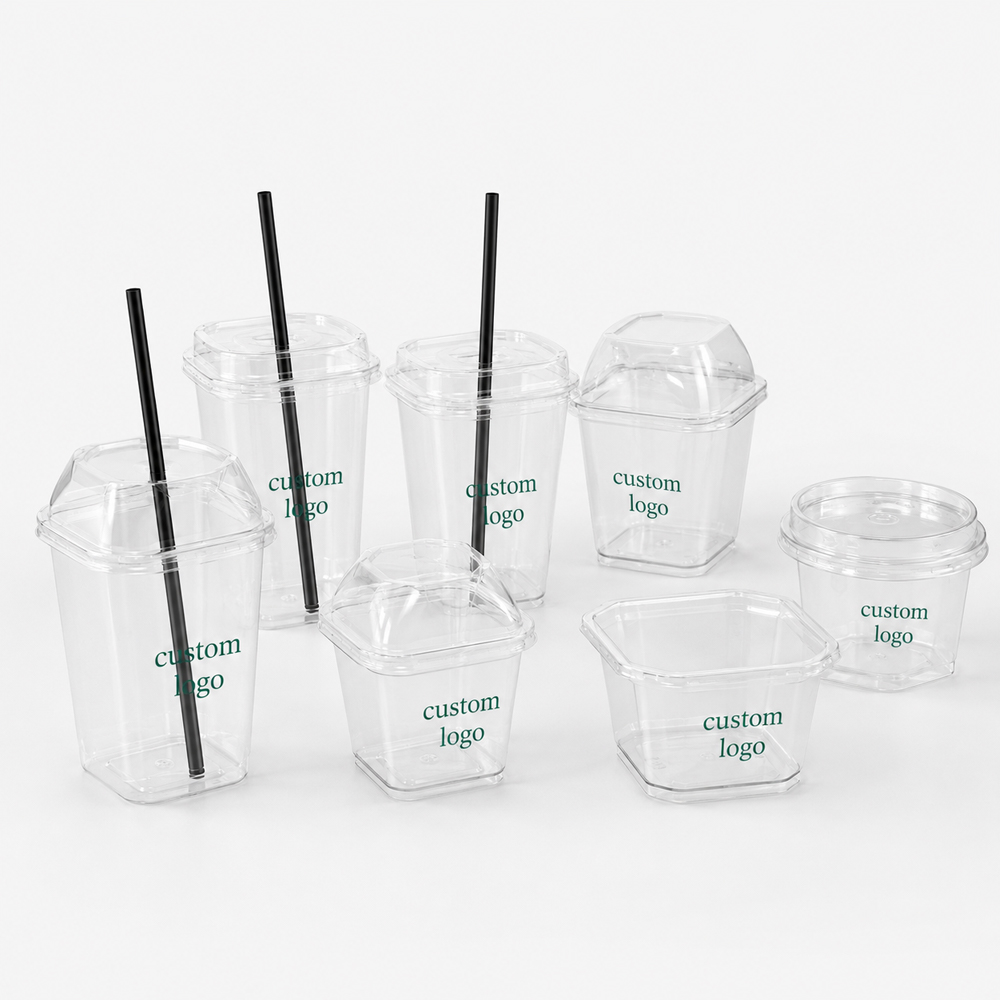
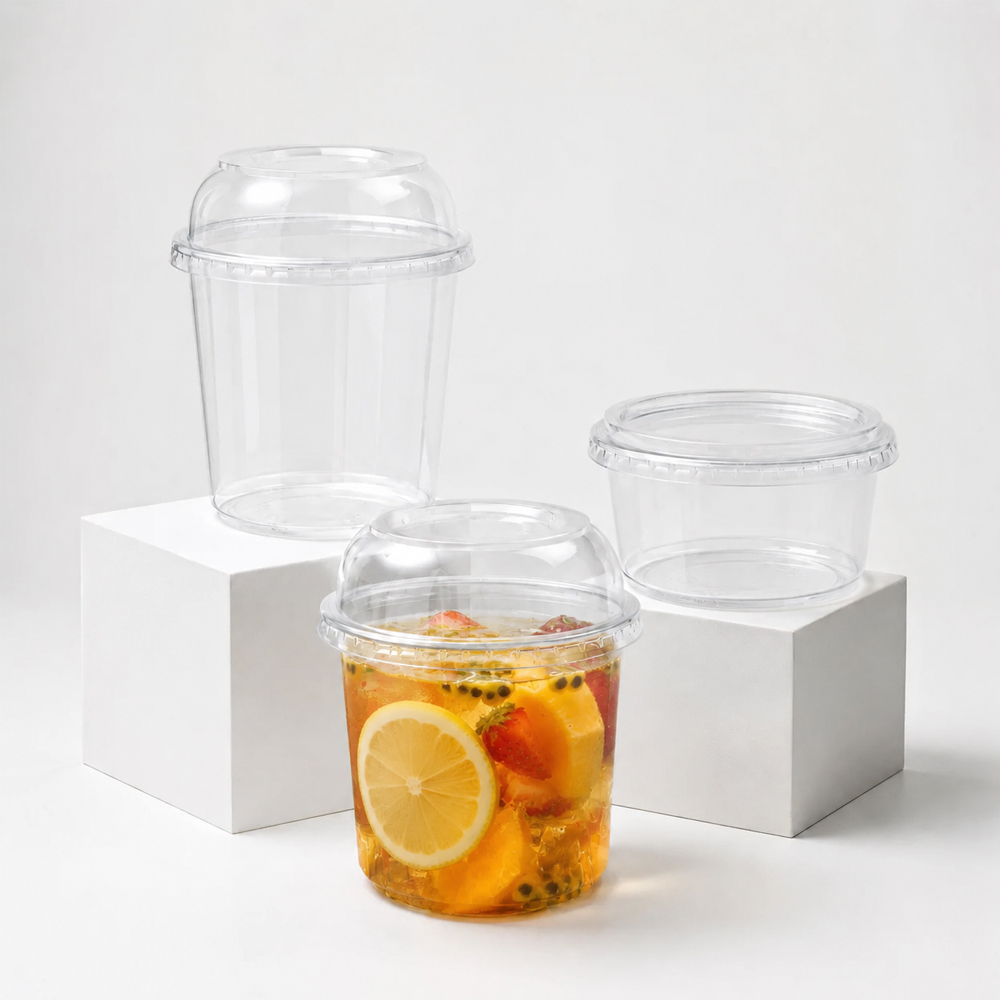
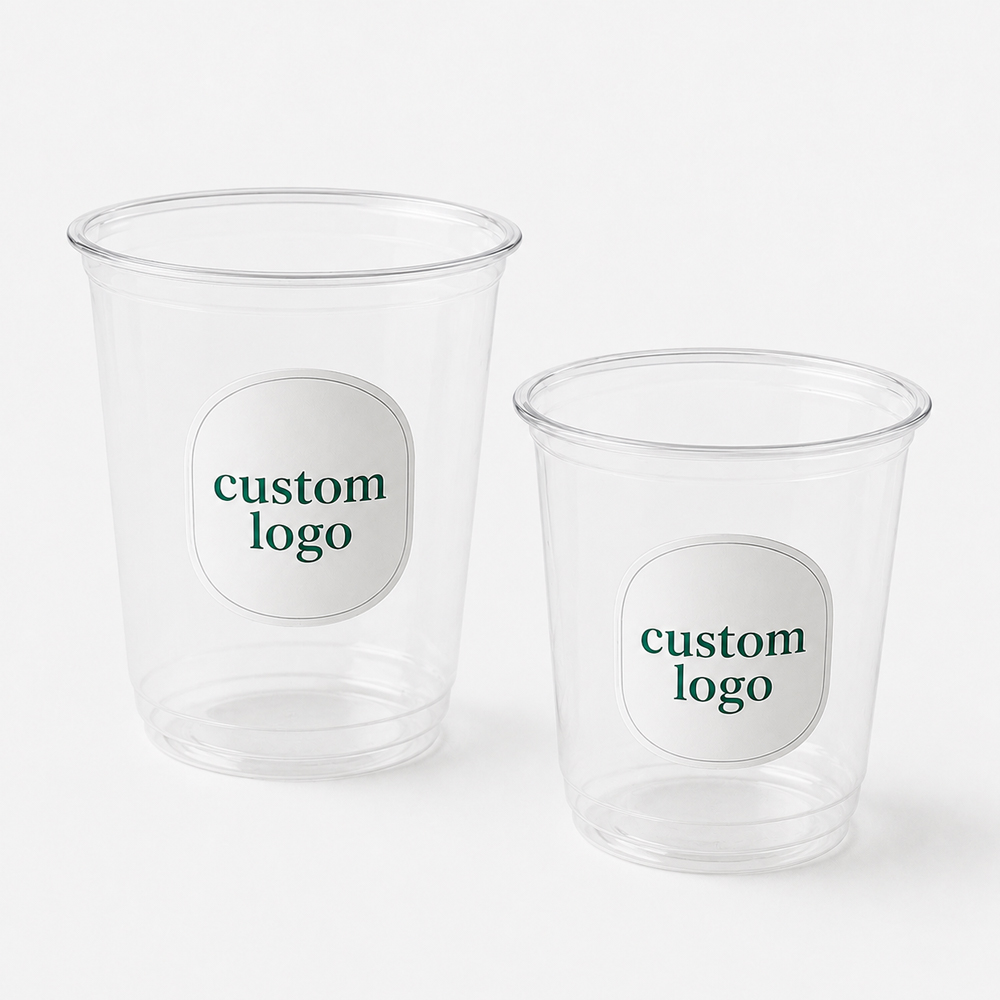
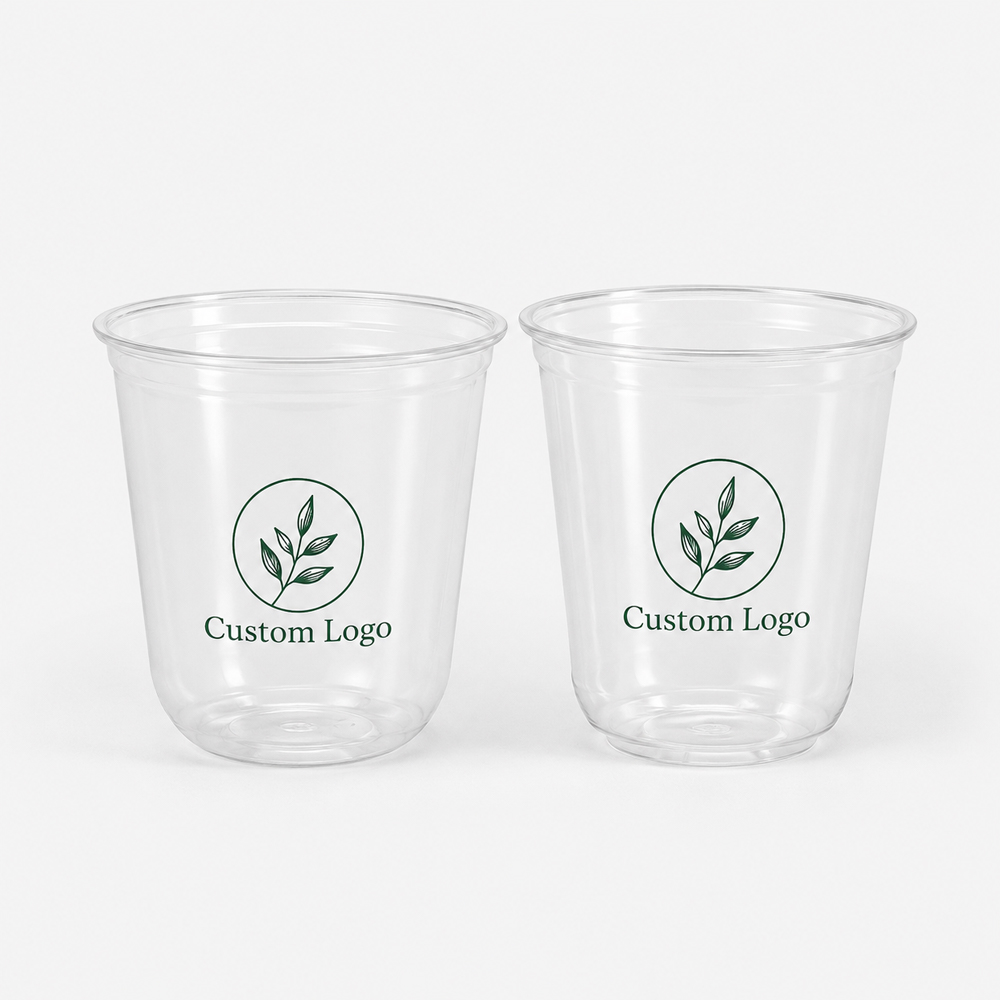
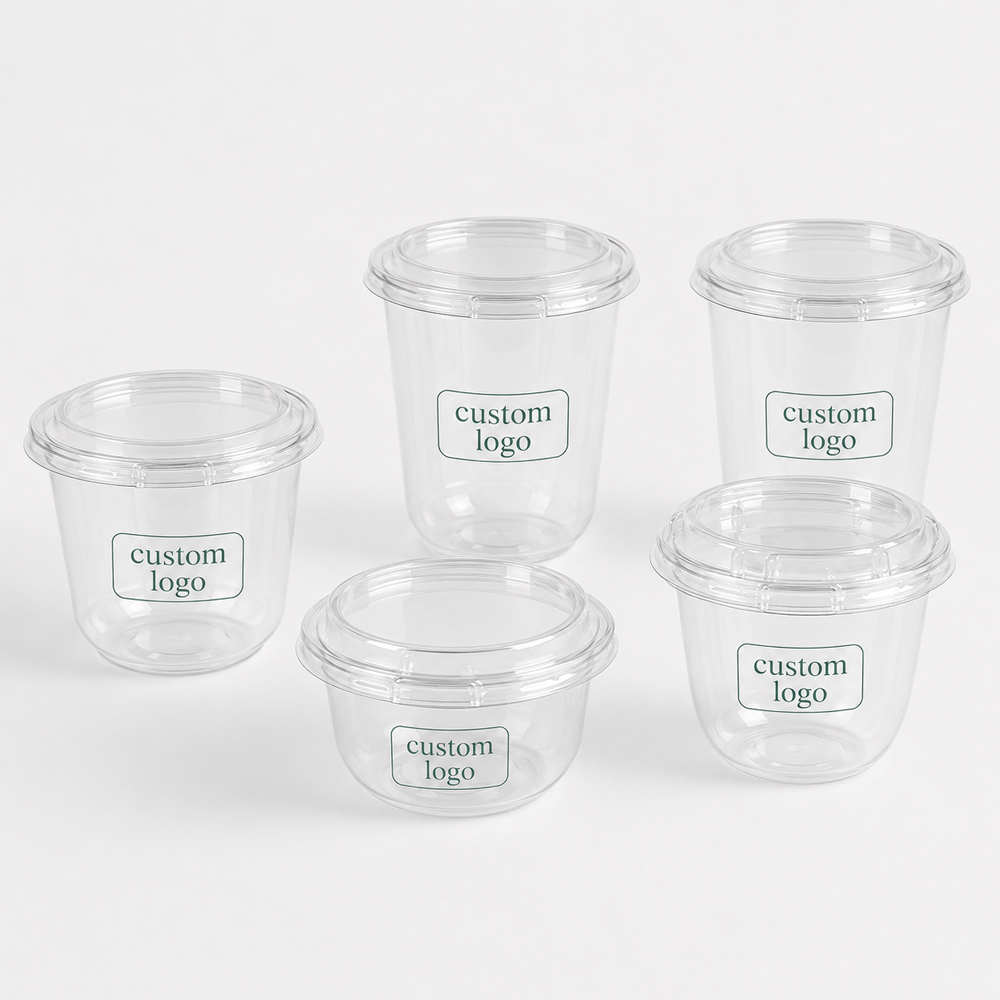
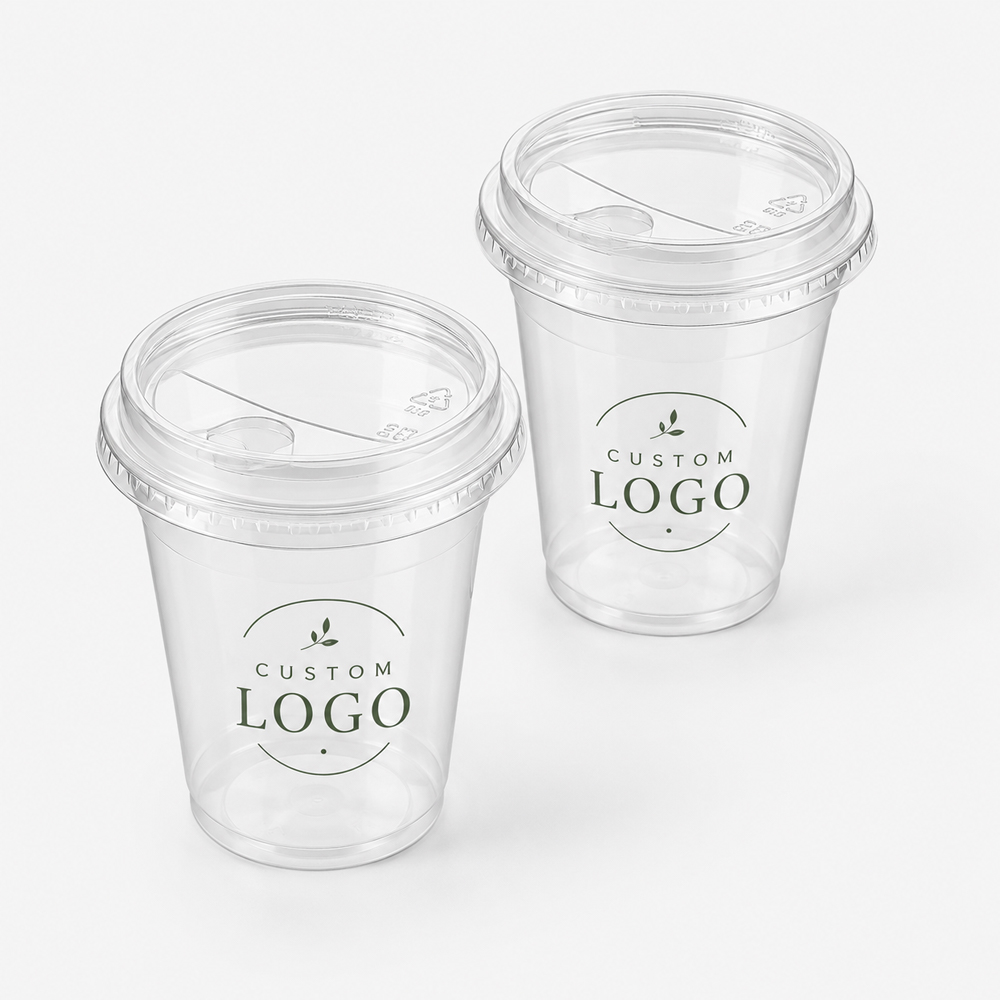
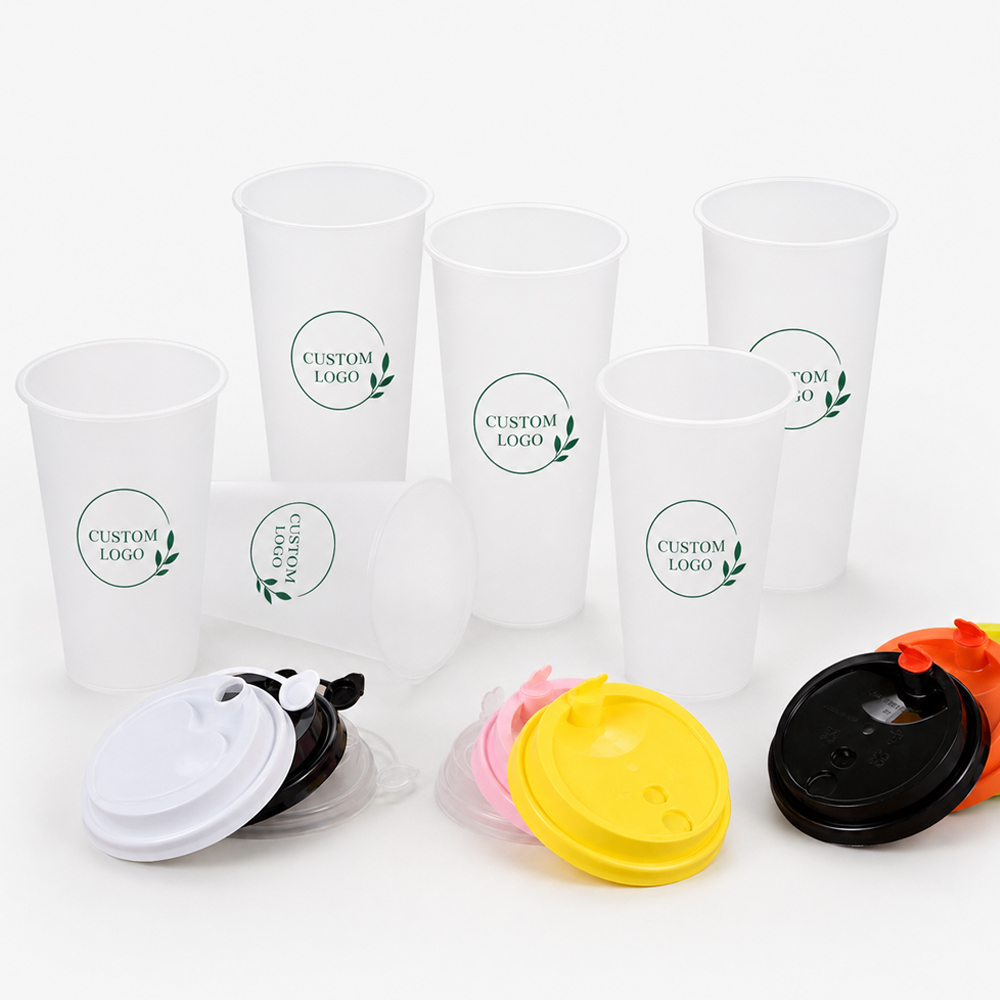
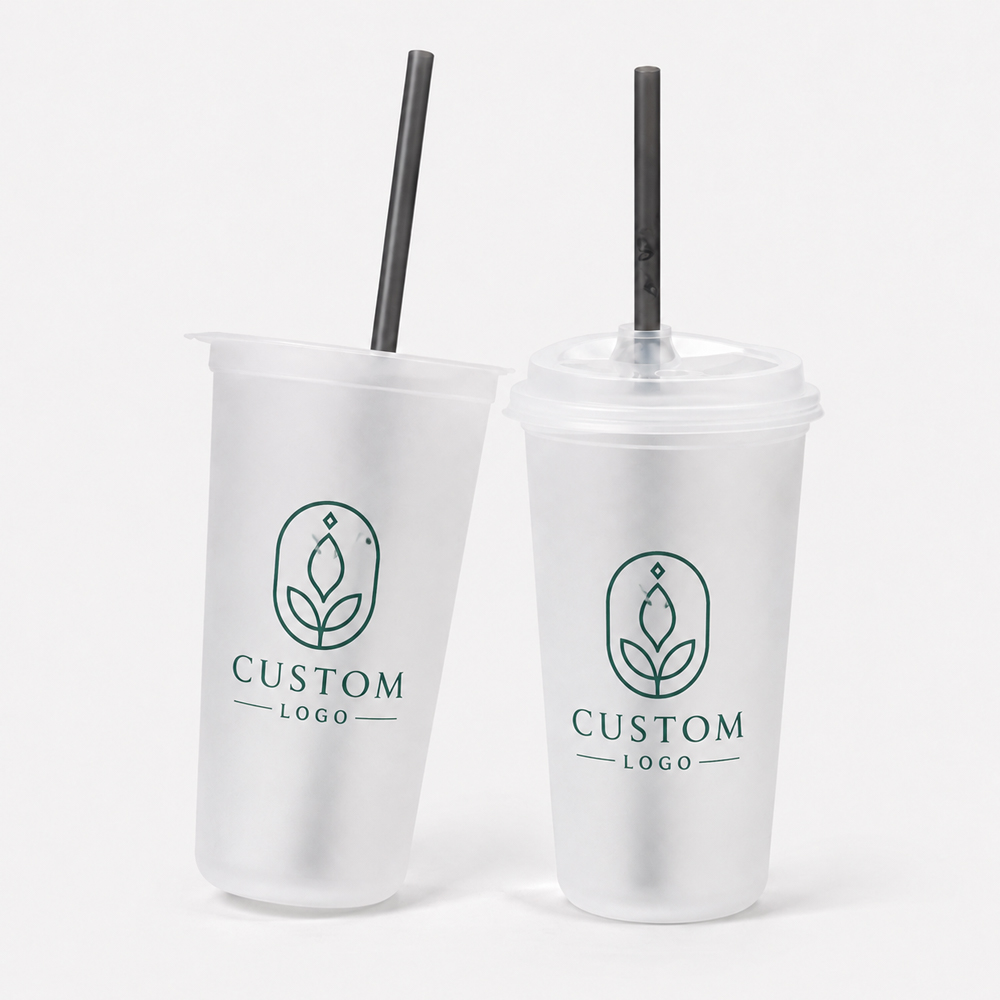
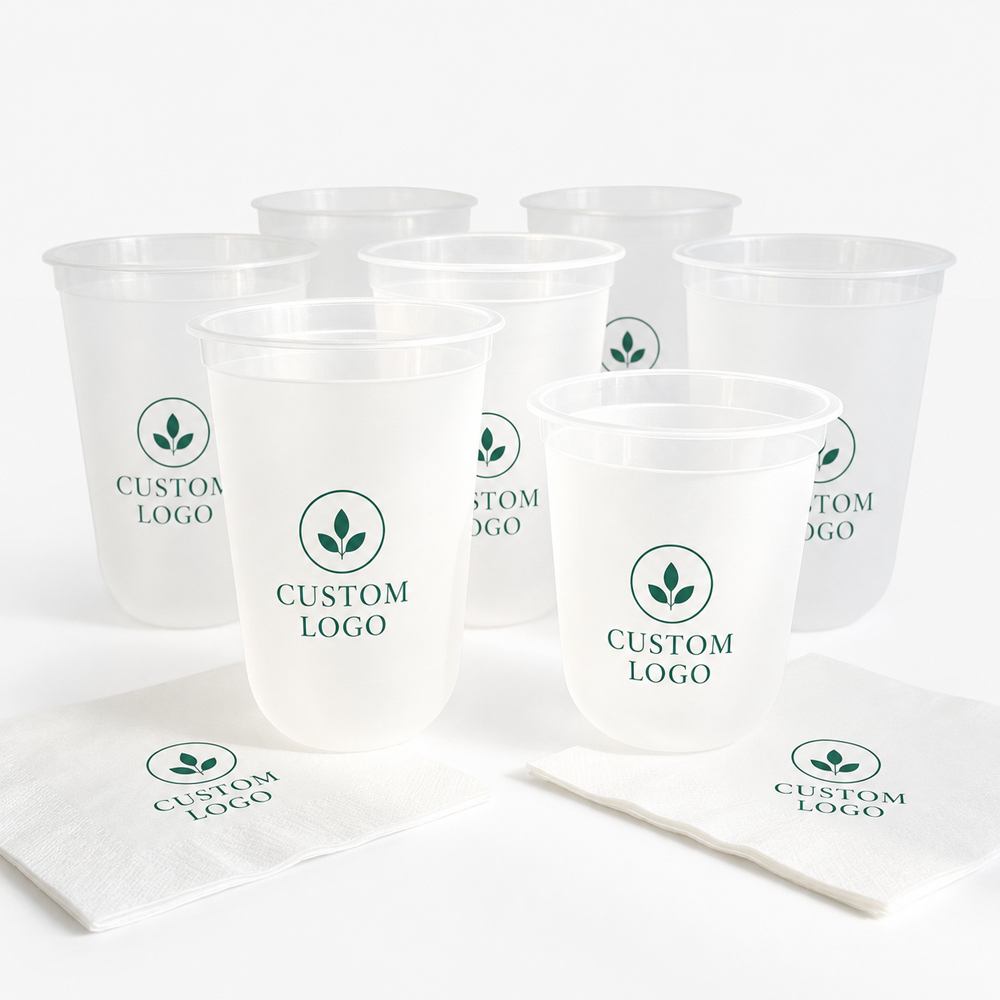
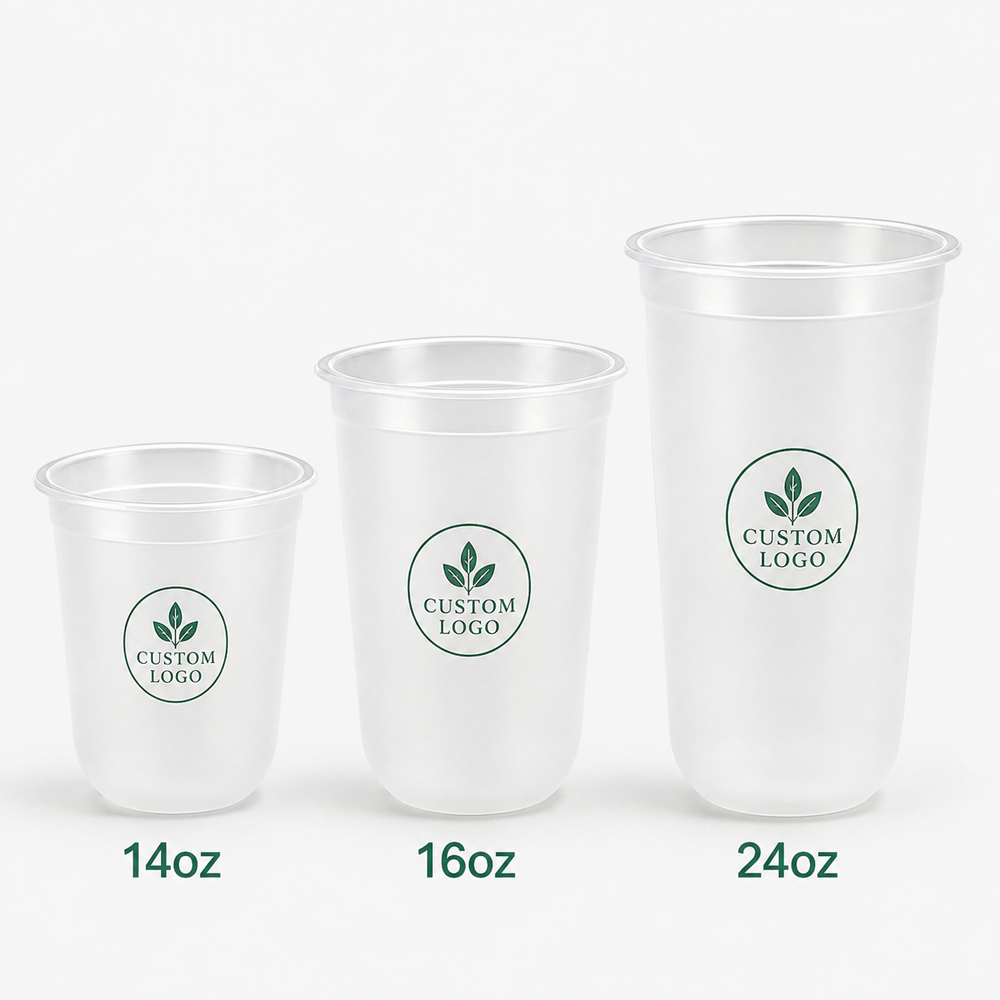
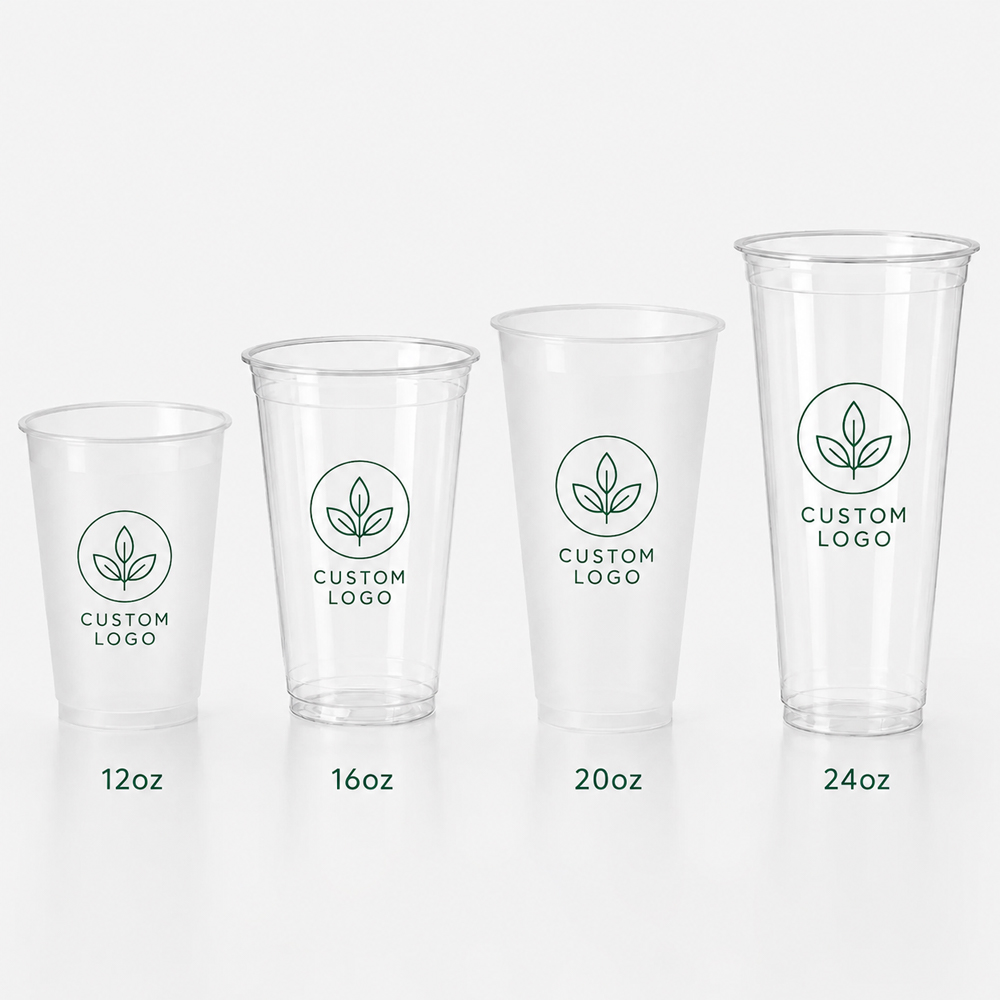
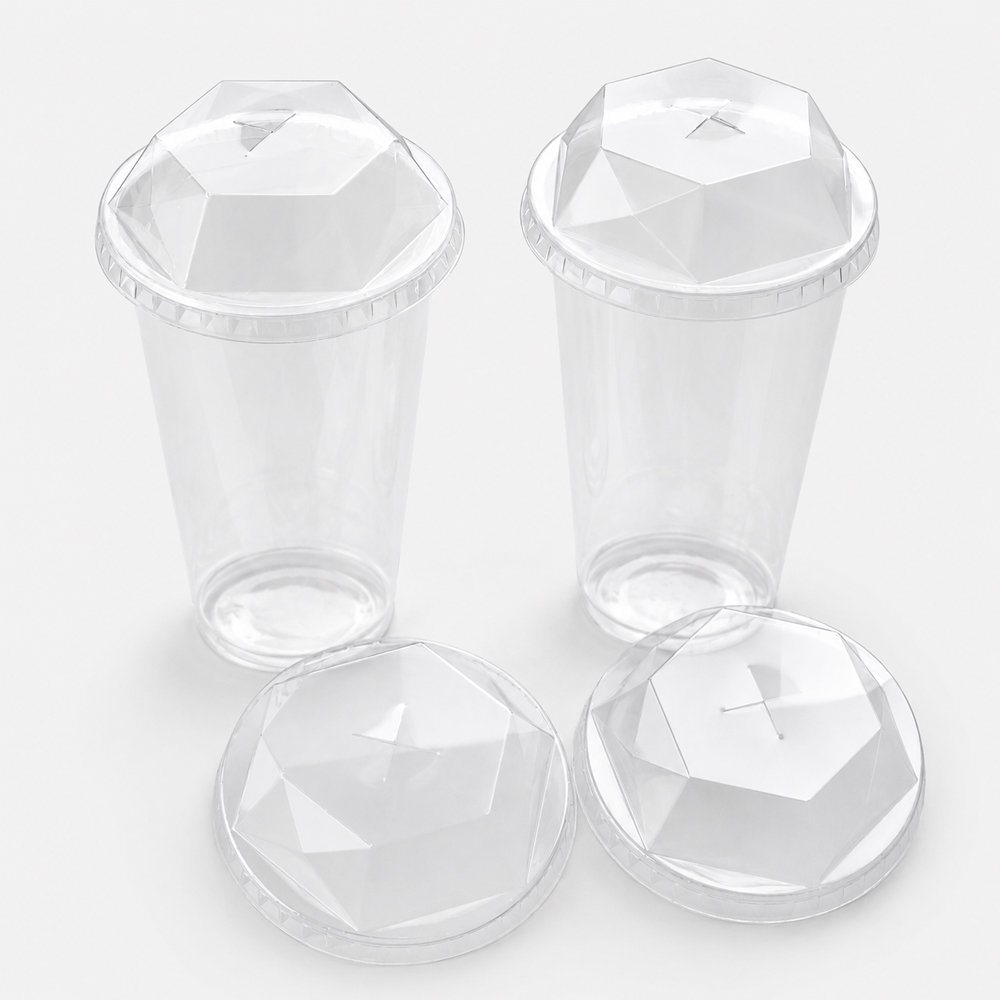
Clear cups for iced coffee, juice, smoothies, soft drinks, desserts and cold takeaway programs.
- Approx. 7–32 oz planning rang
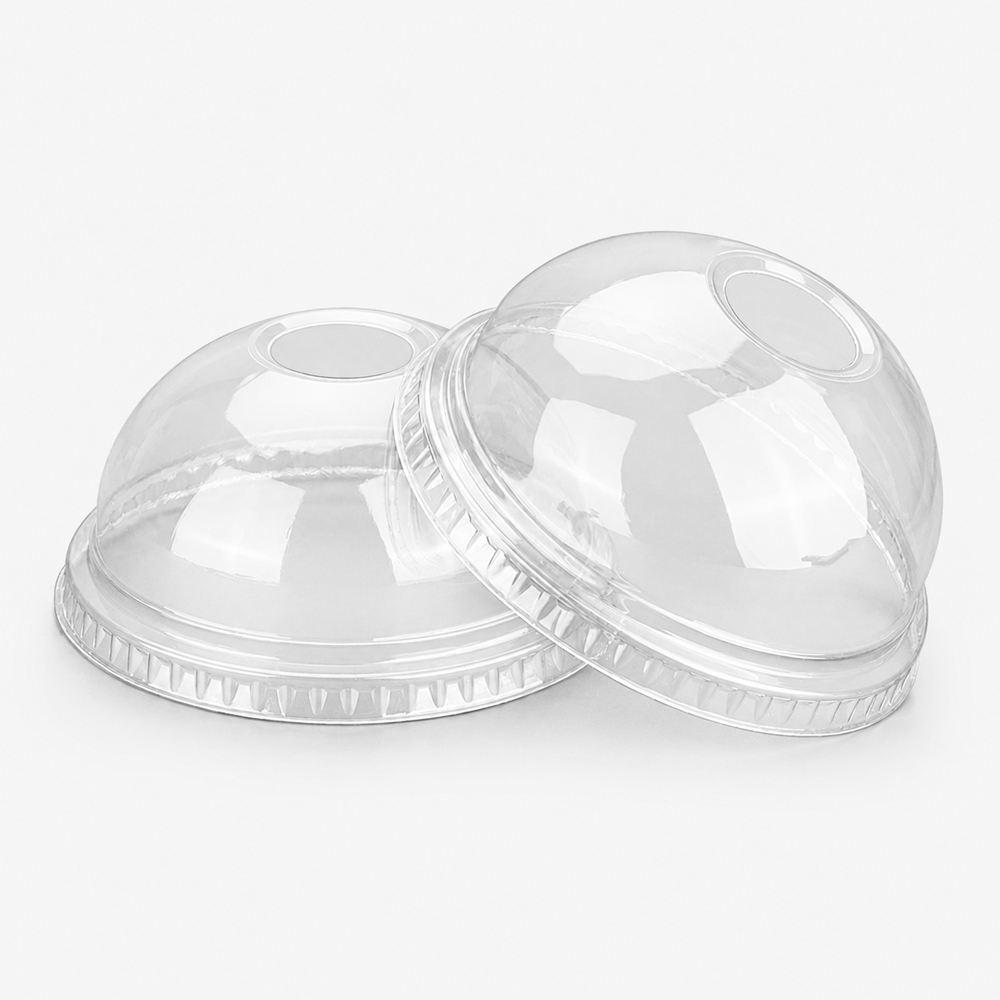
- Flat, dome or strawless lids
- Clarity, stiffness and stacking checks
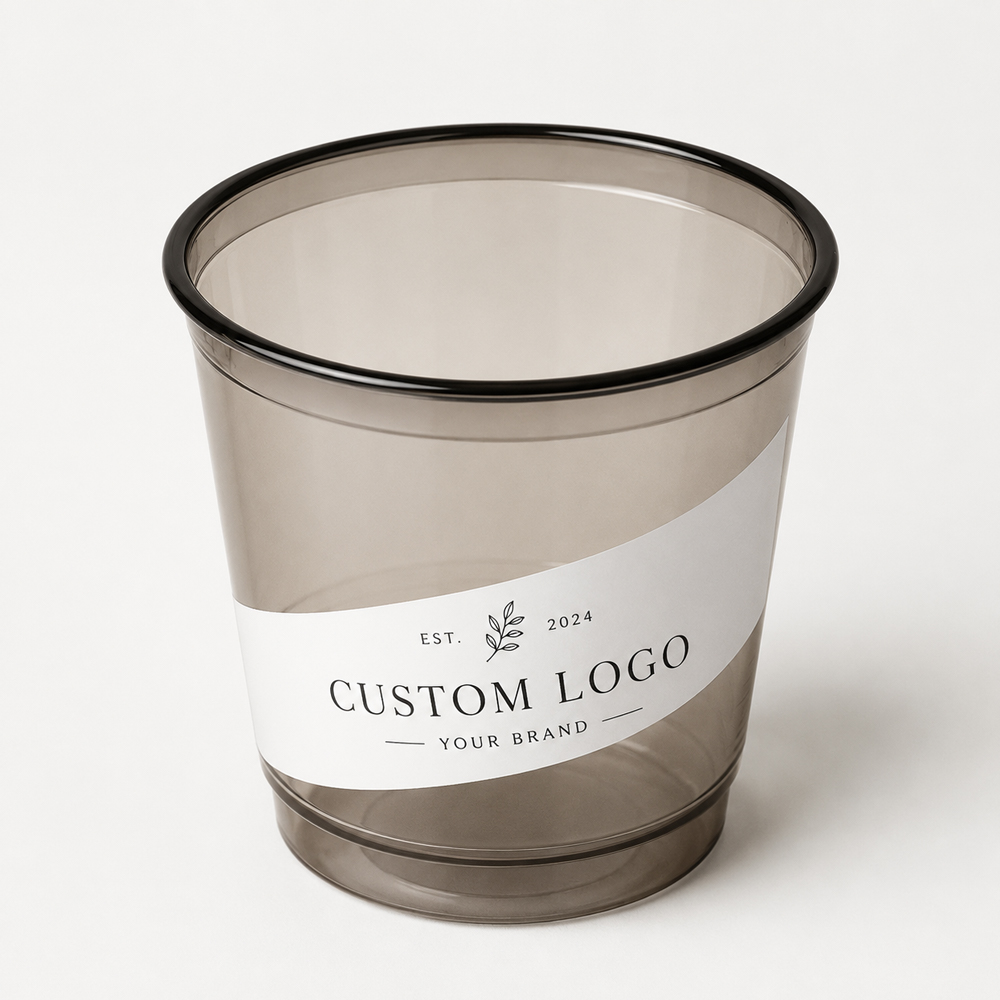
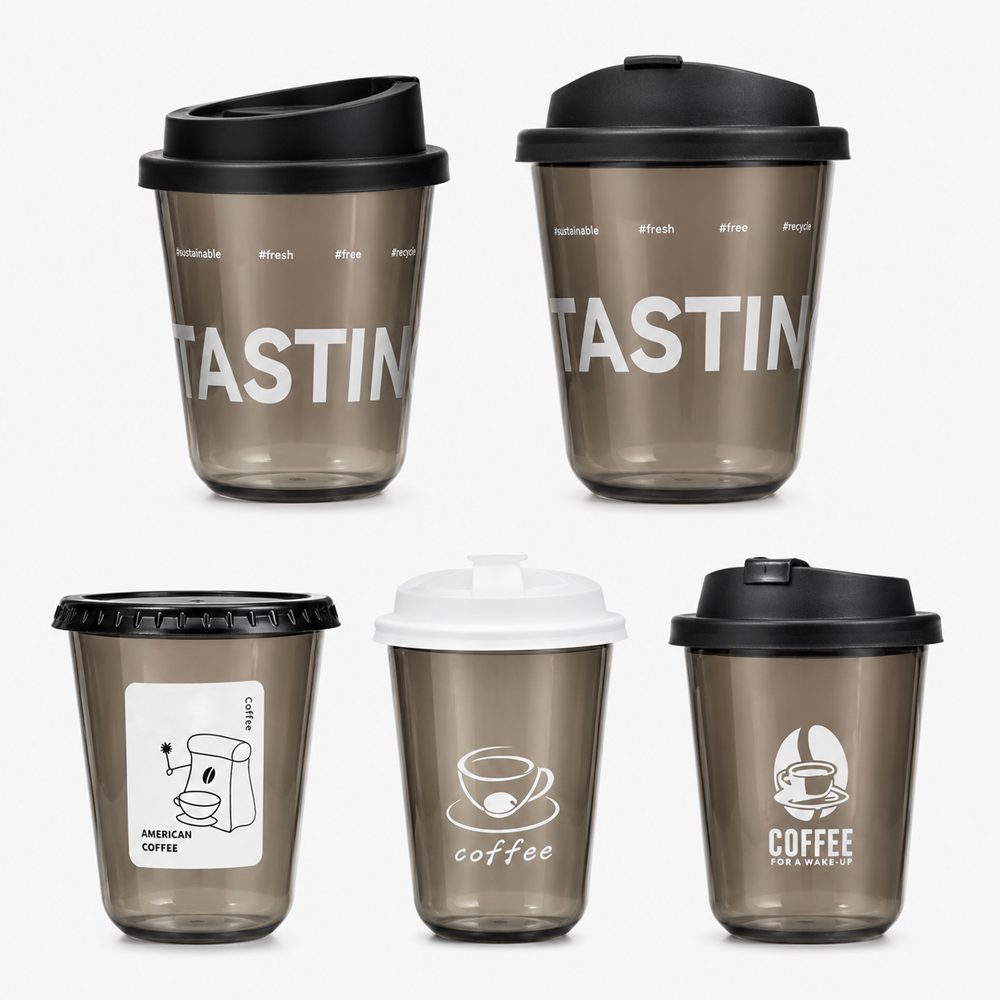
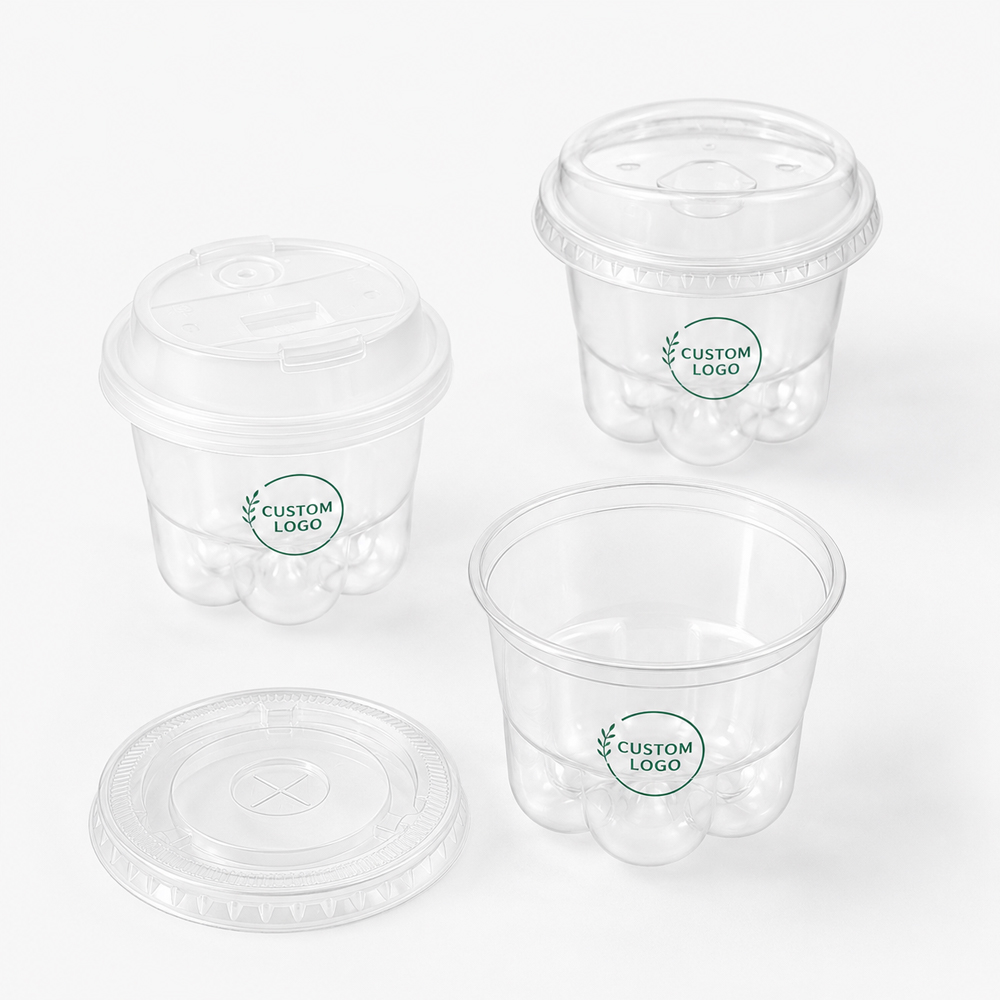
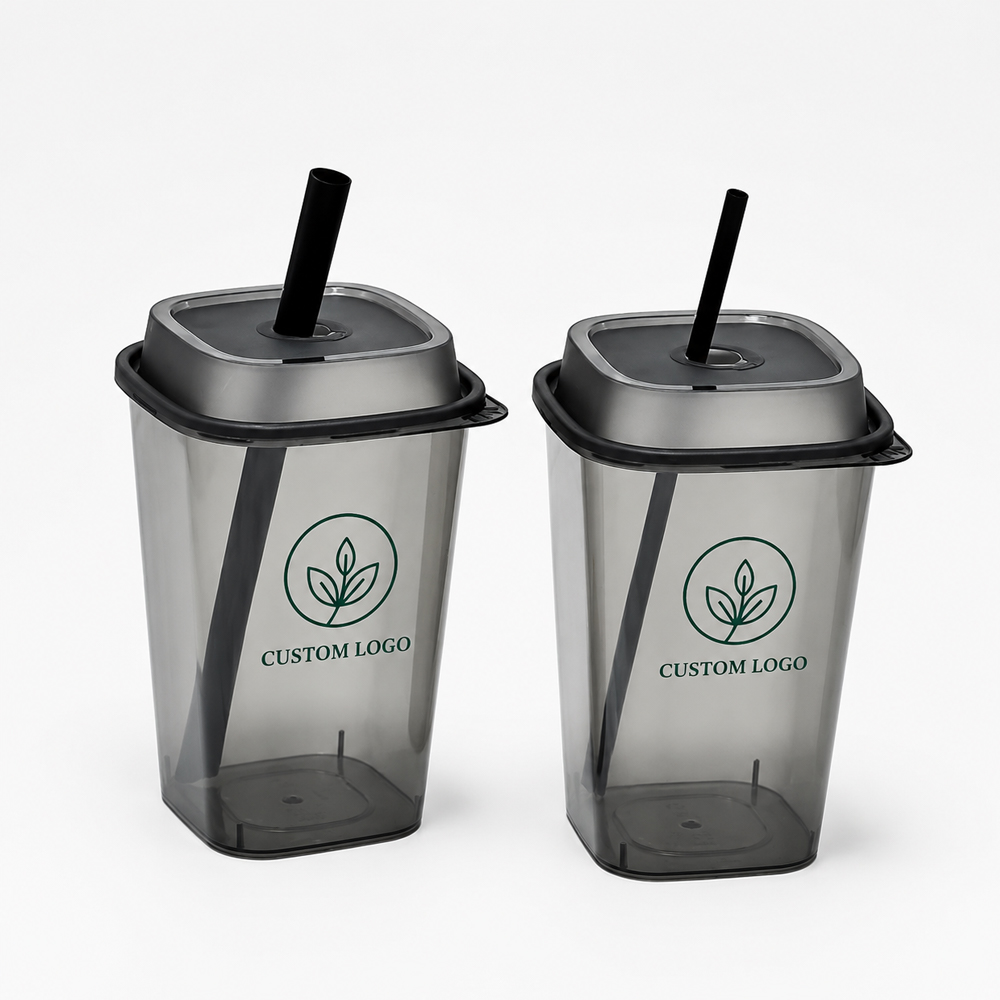
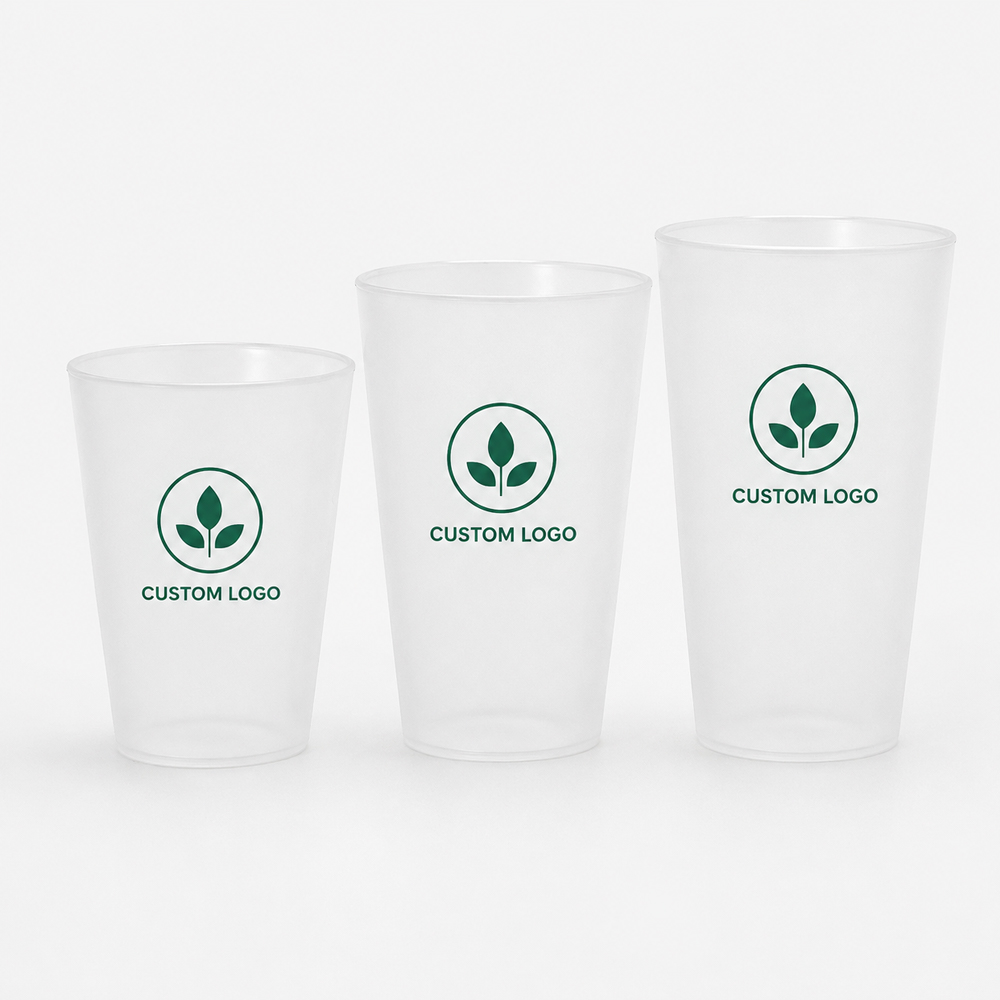
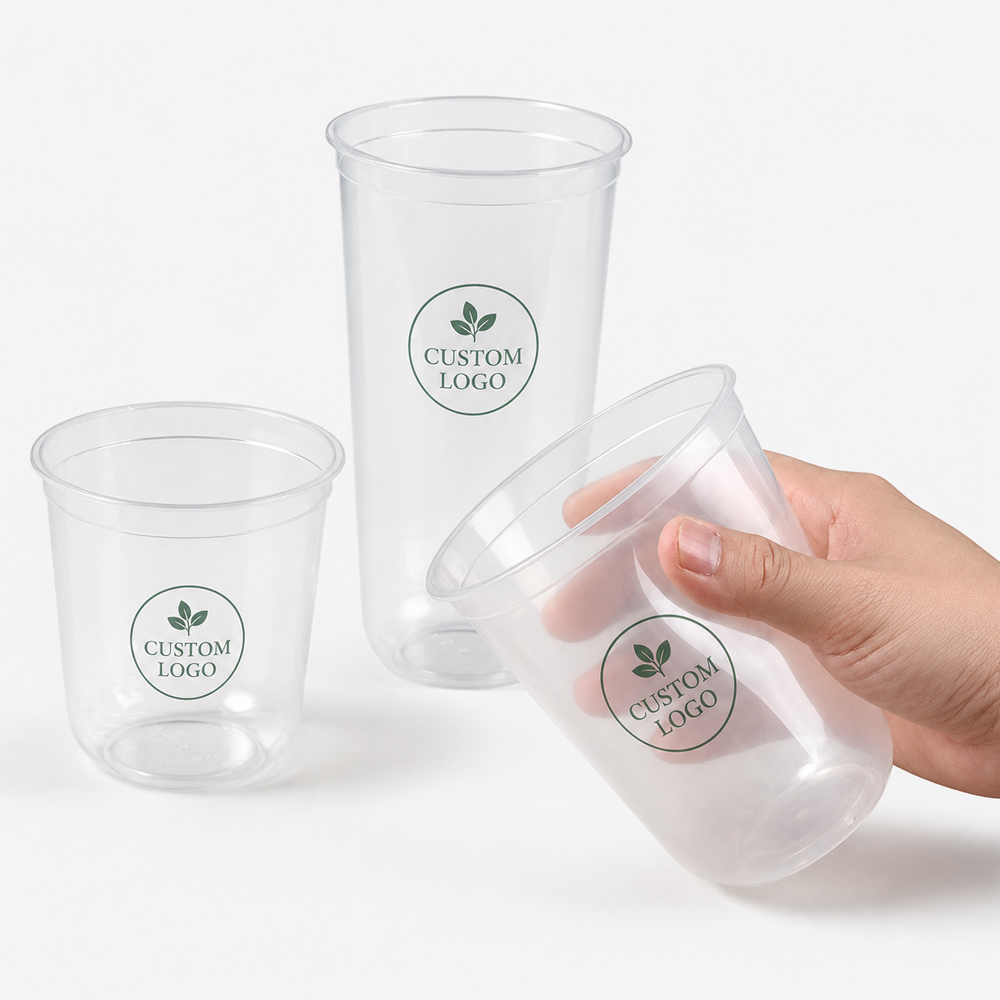
Clear, translucent, frosted or colored formats for tea, milk tea, juice and takeaway beverages.
- Approx. 8–32 oz planning range
- Lid or sealing-film compatibility
- Model-specific heat validation
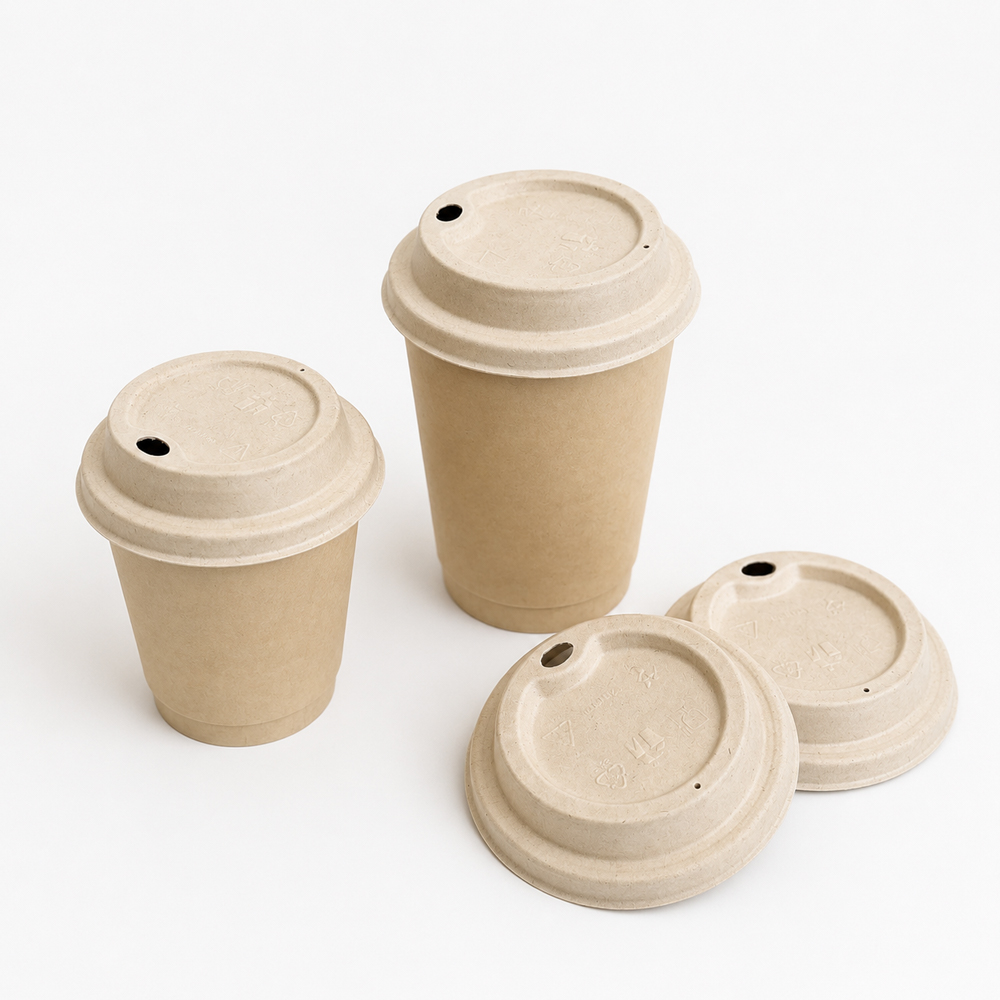
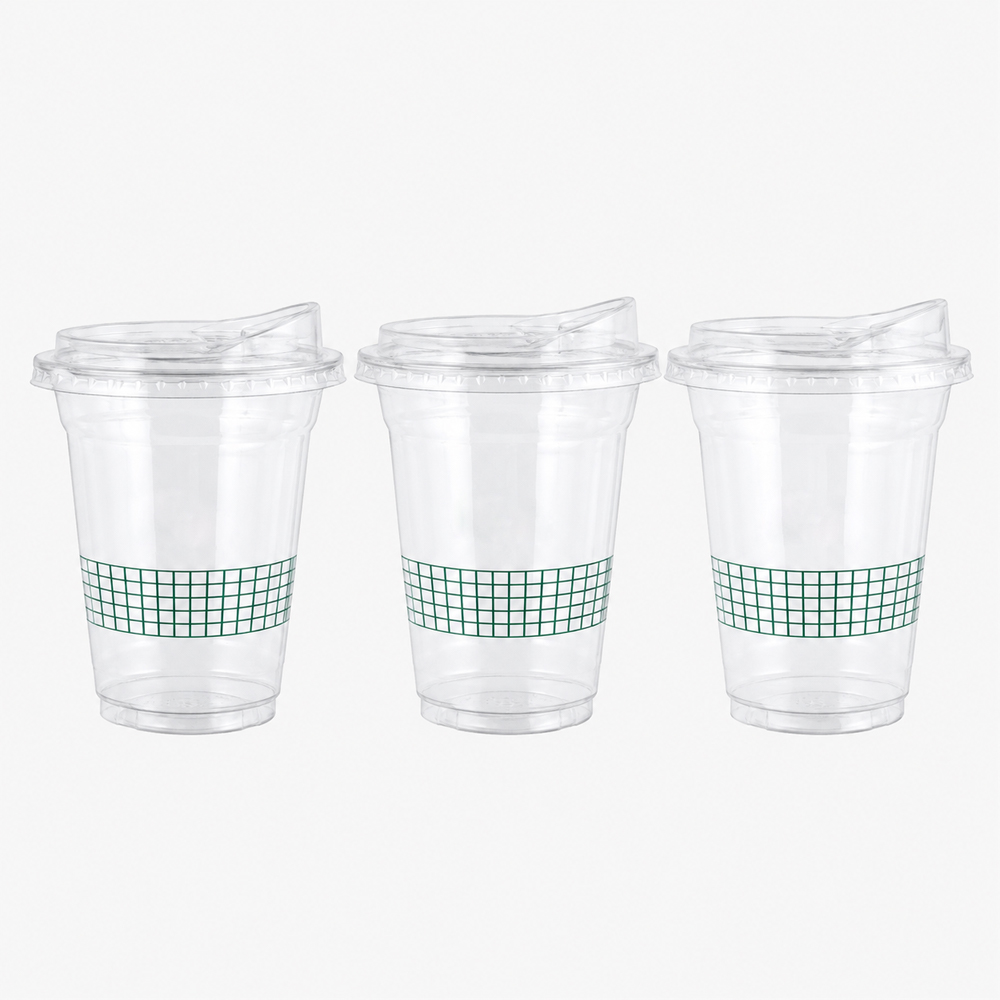
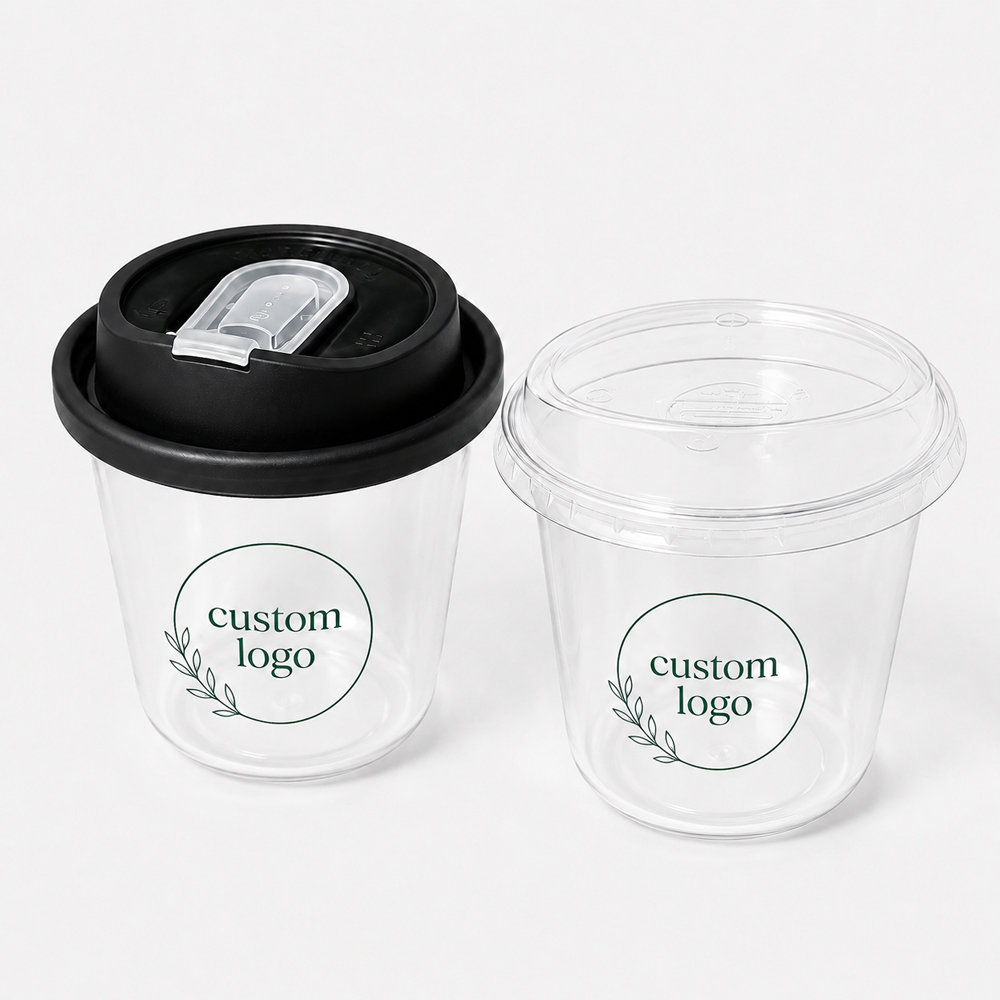
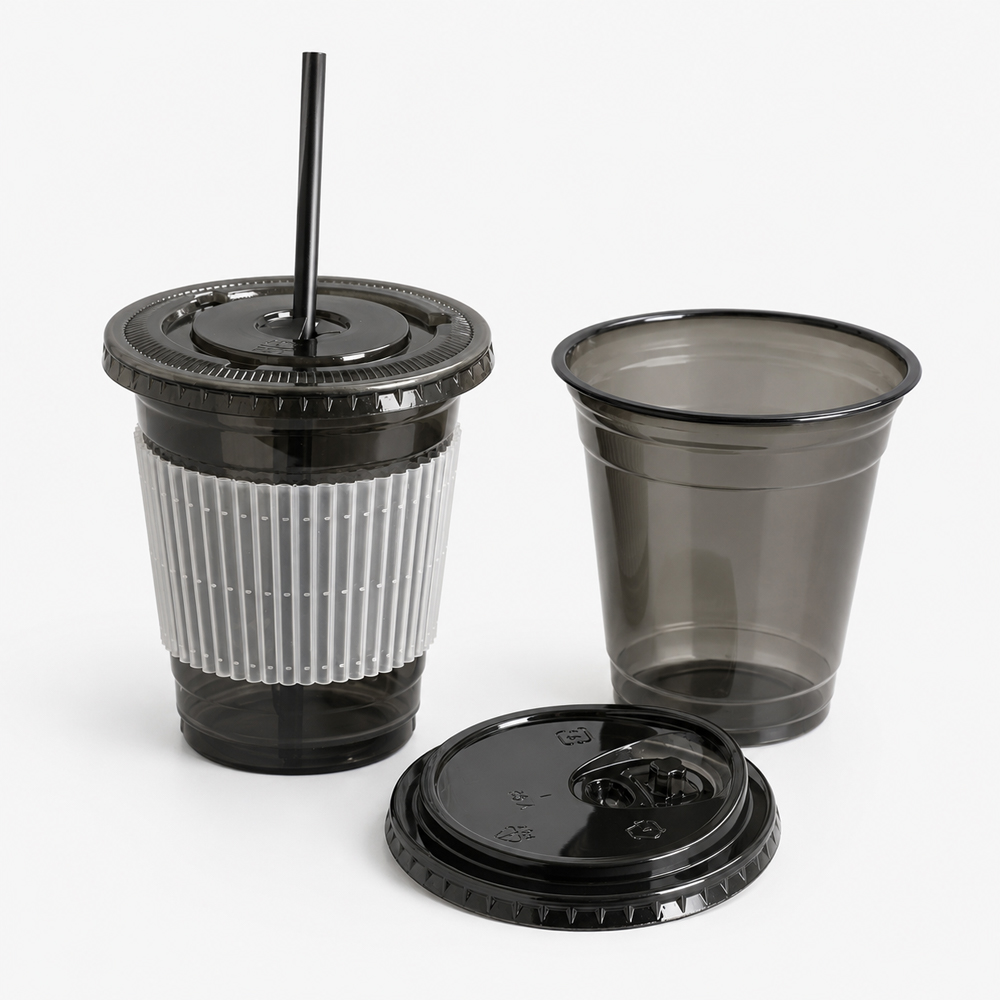
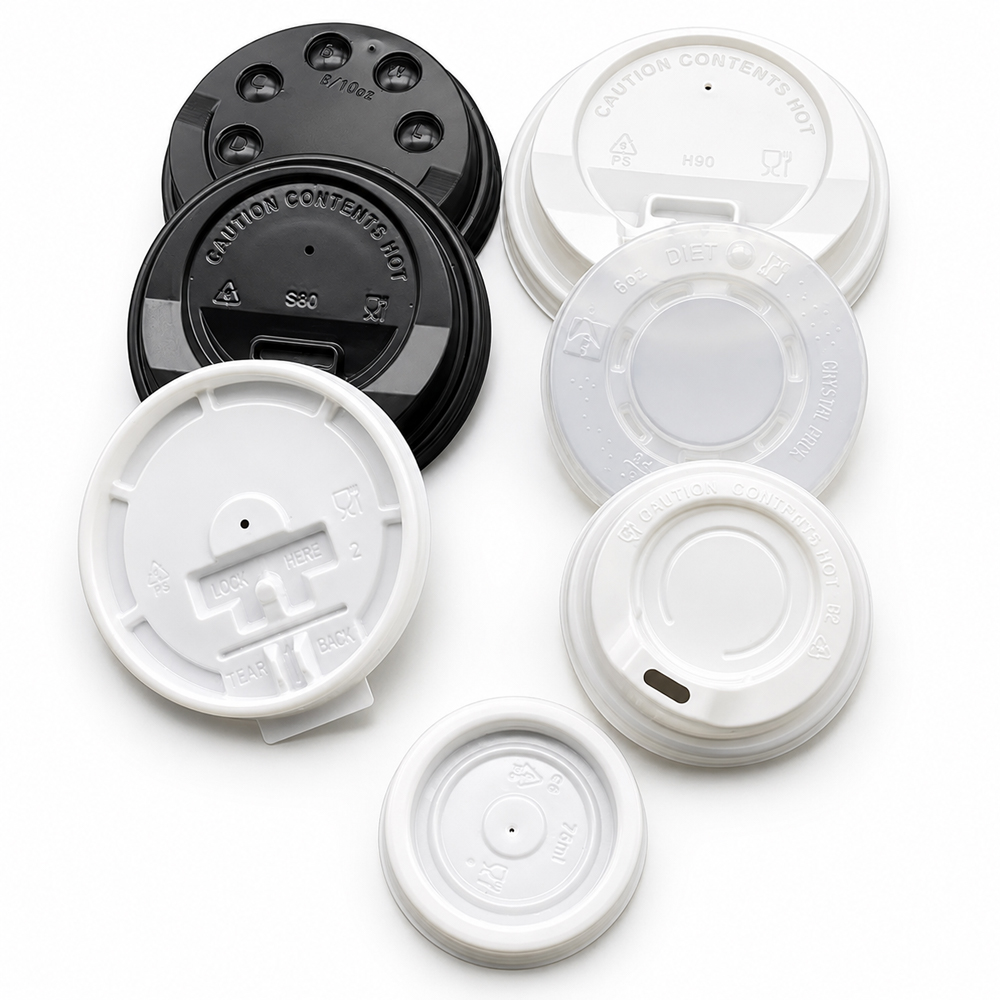
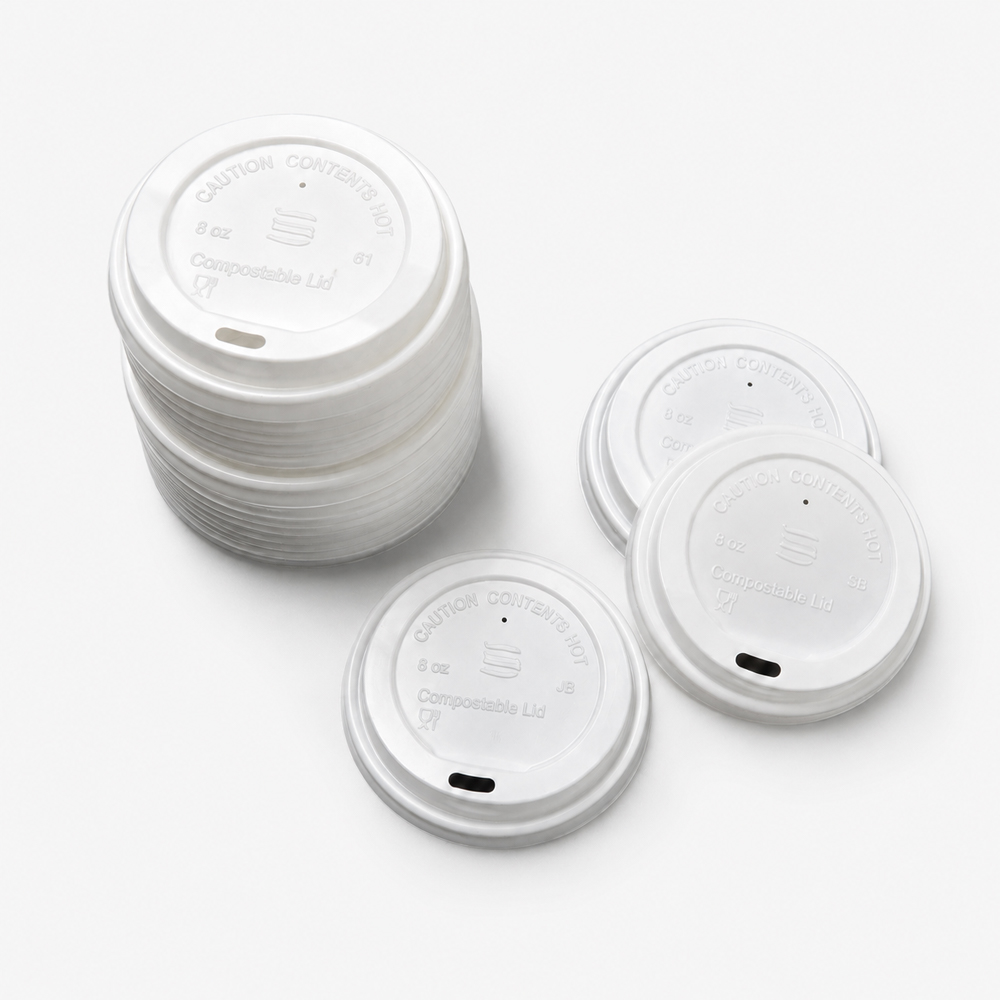
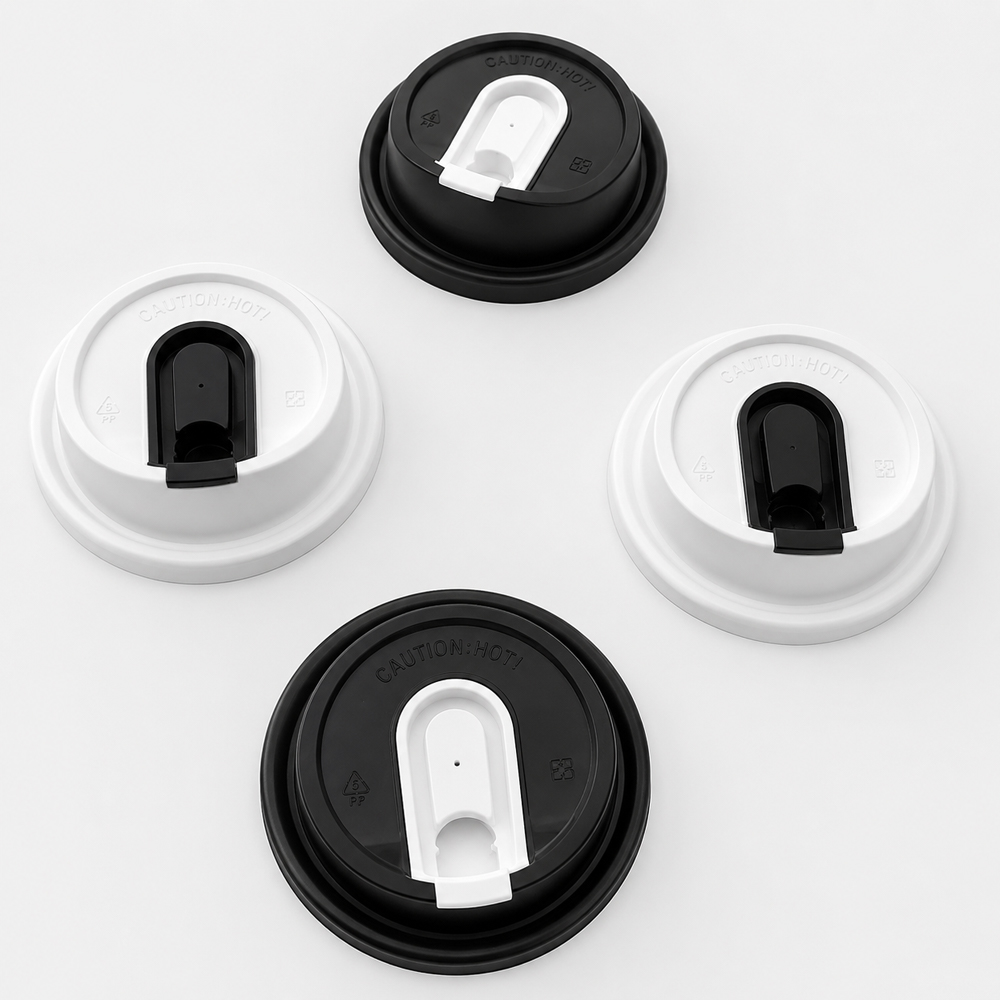
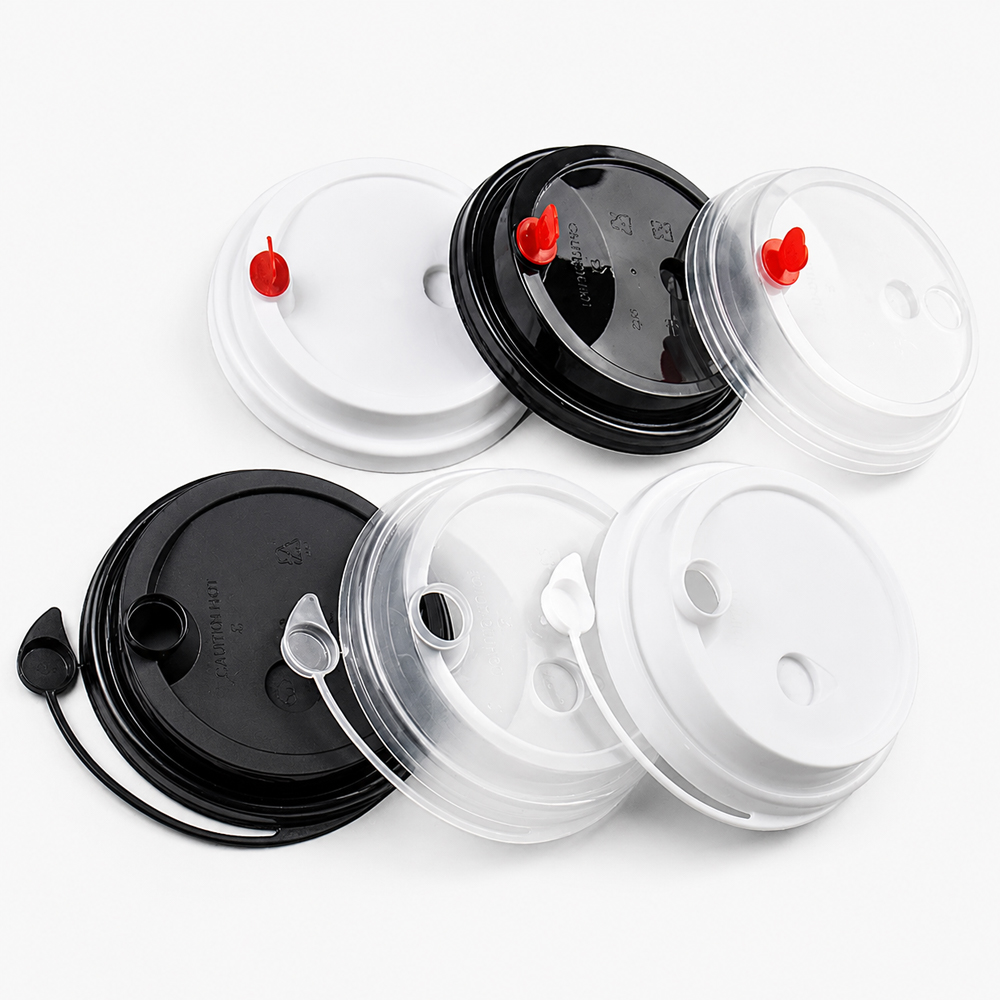
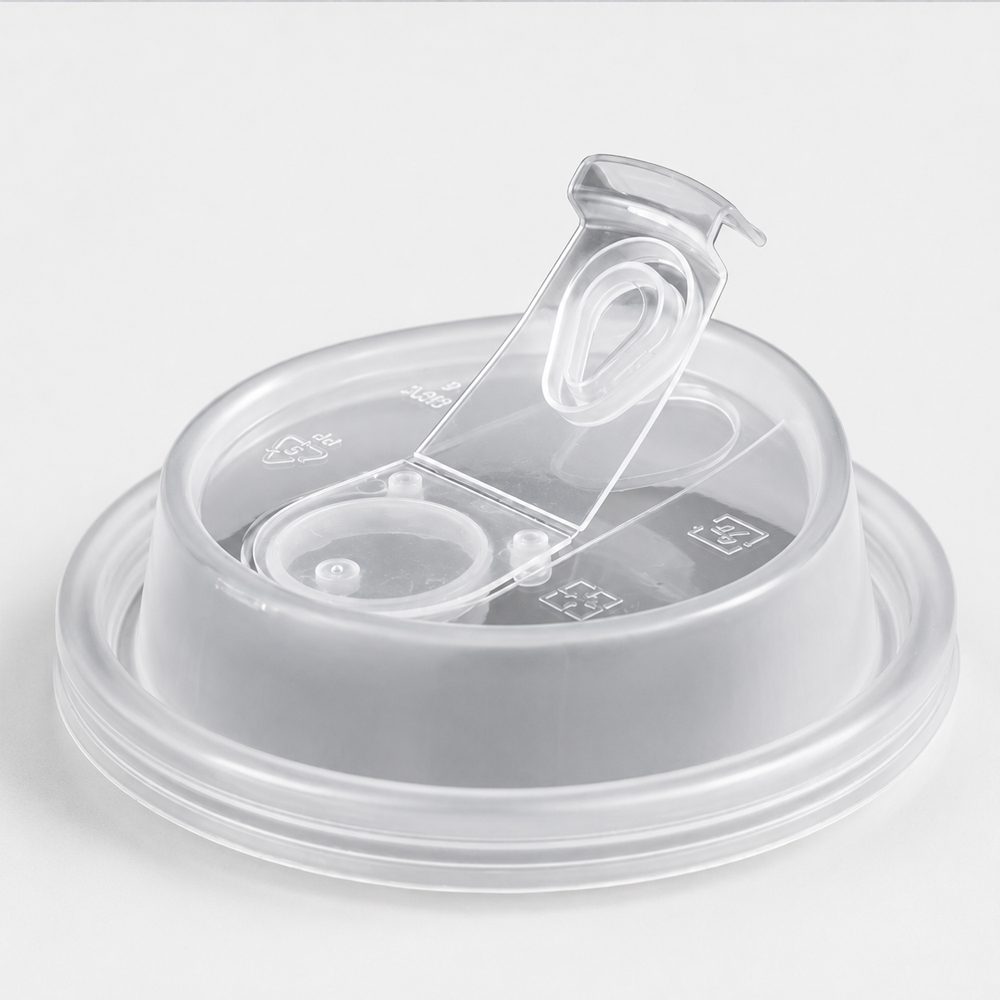
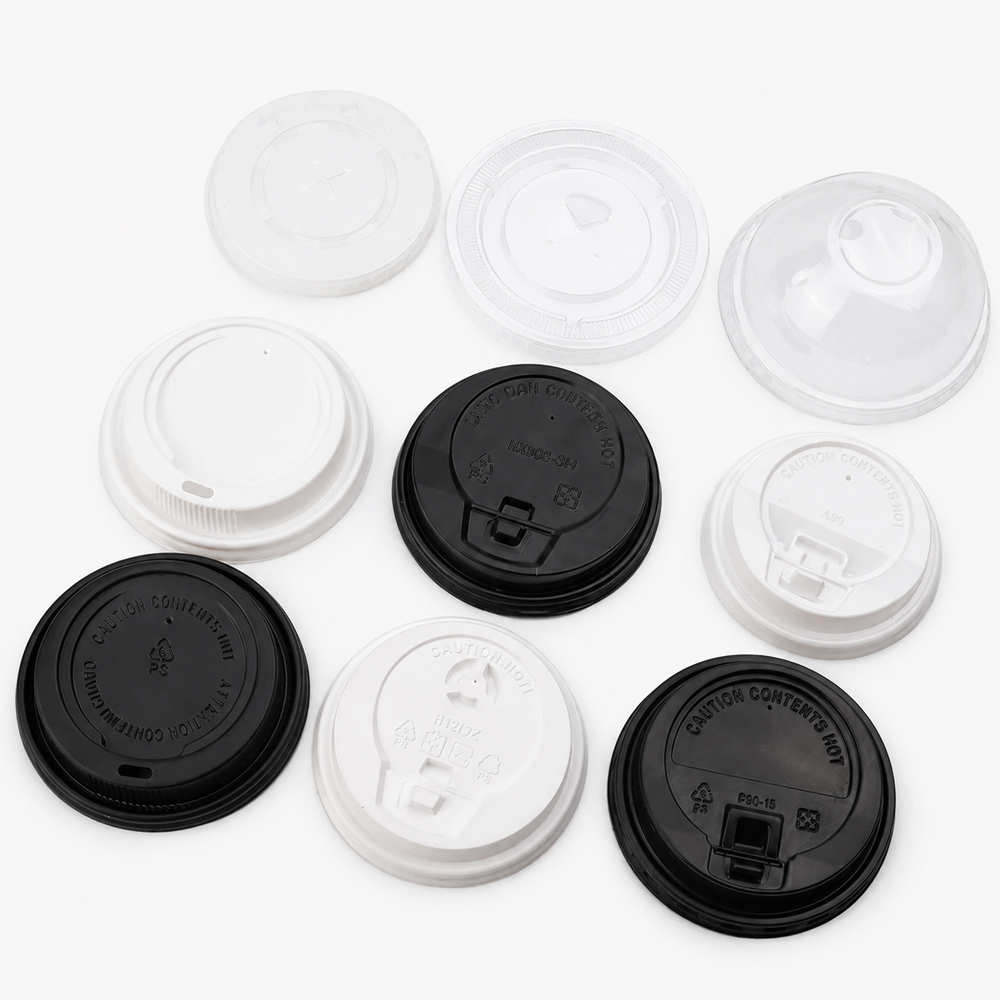
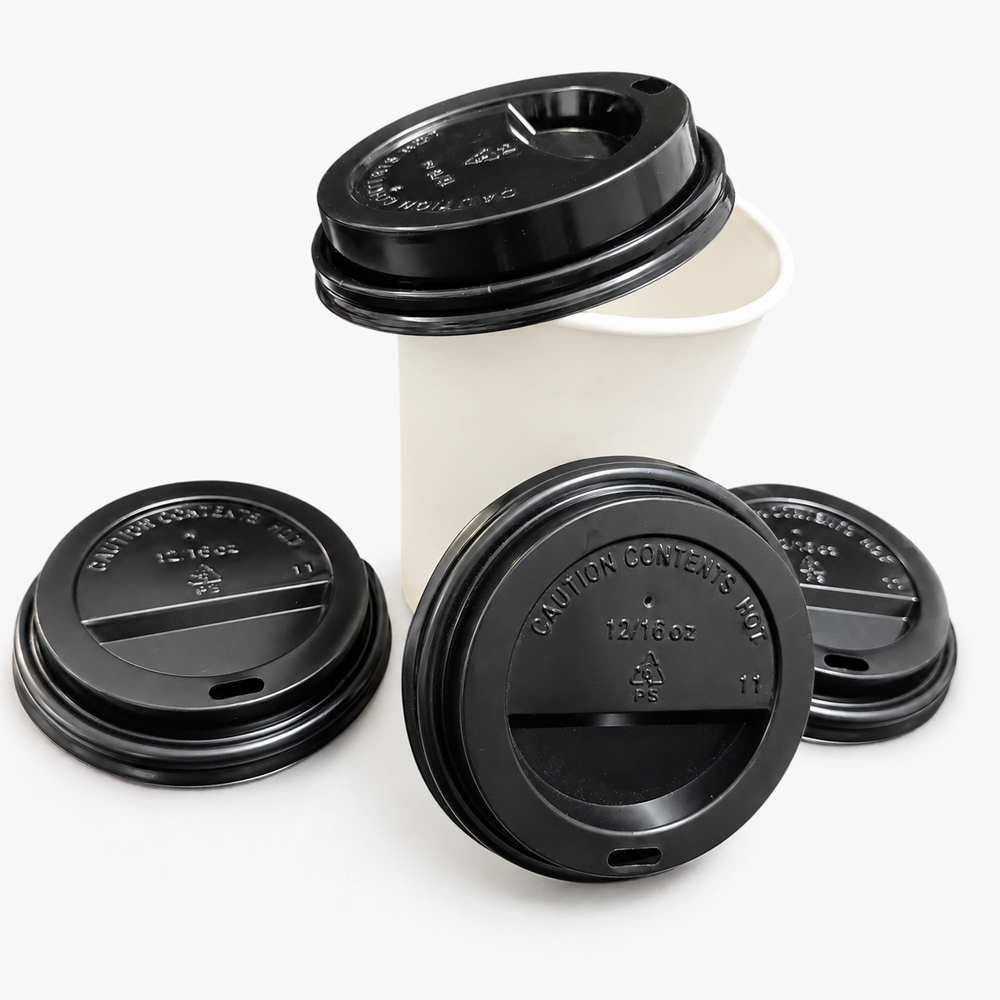
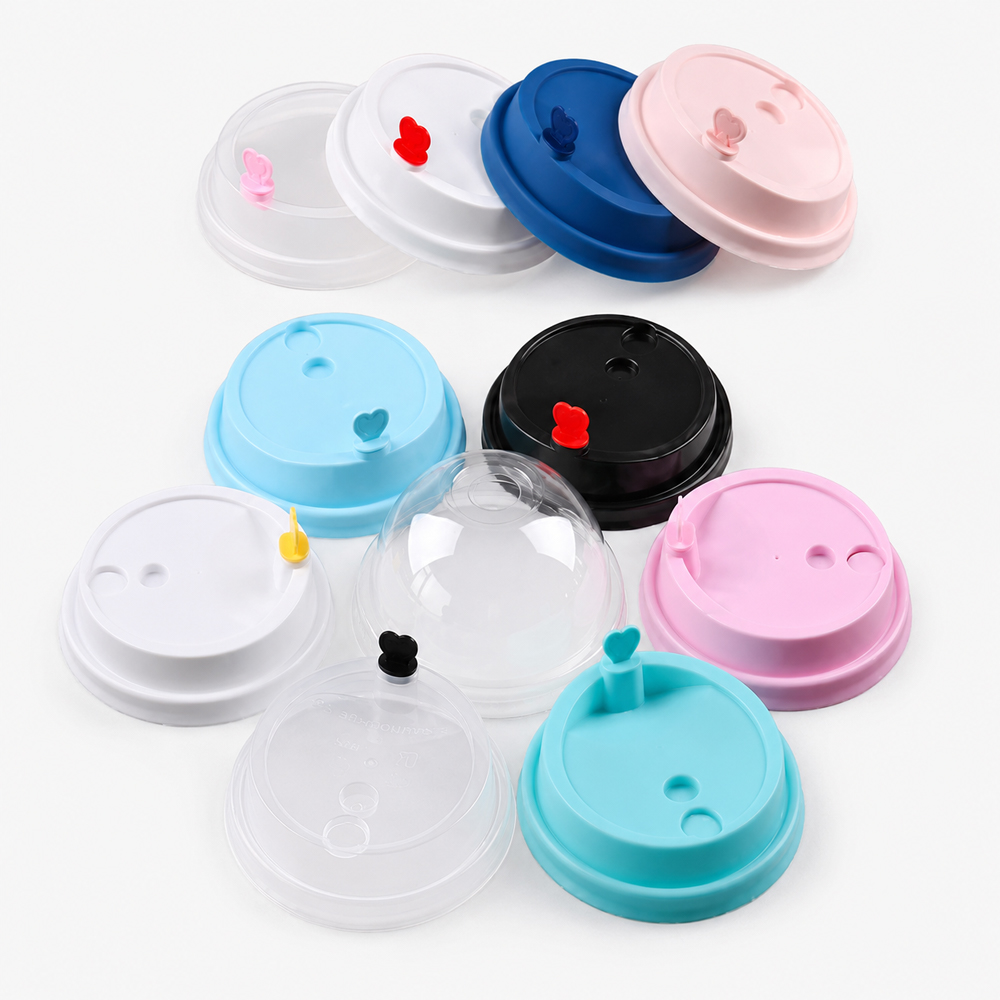
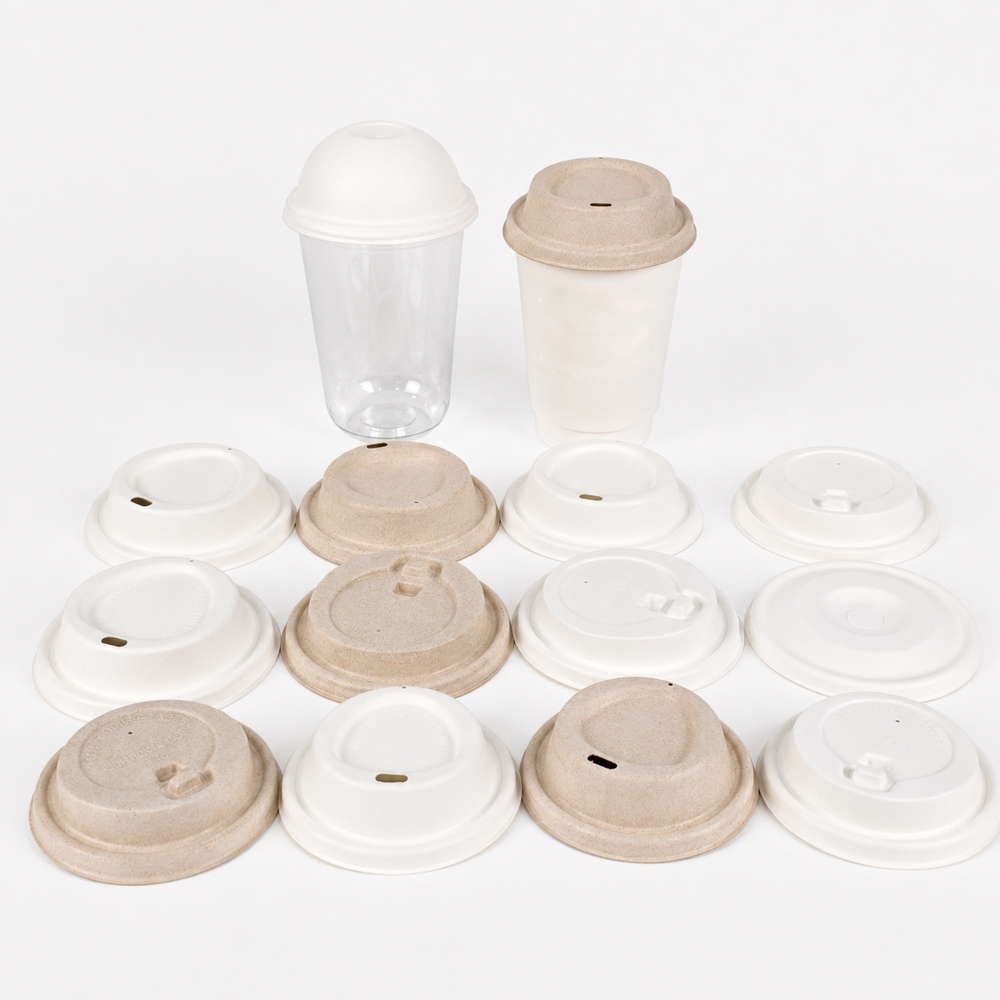
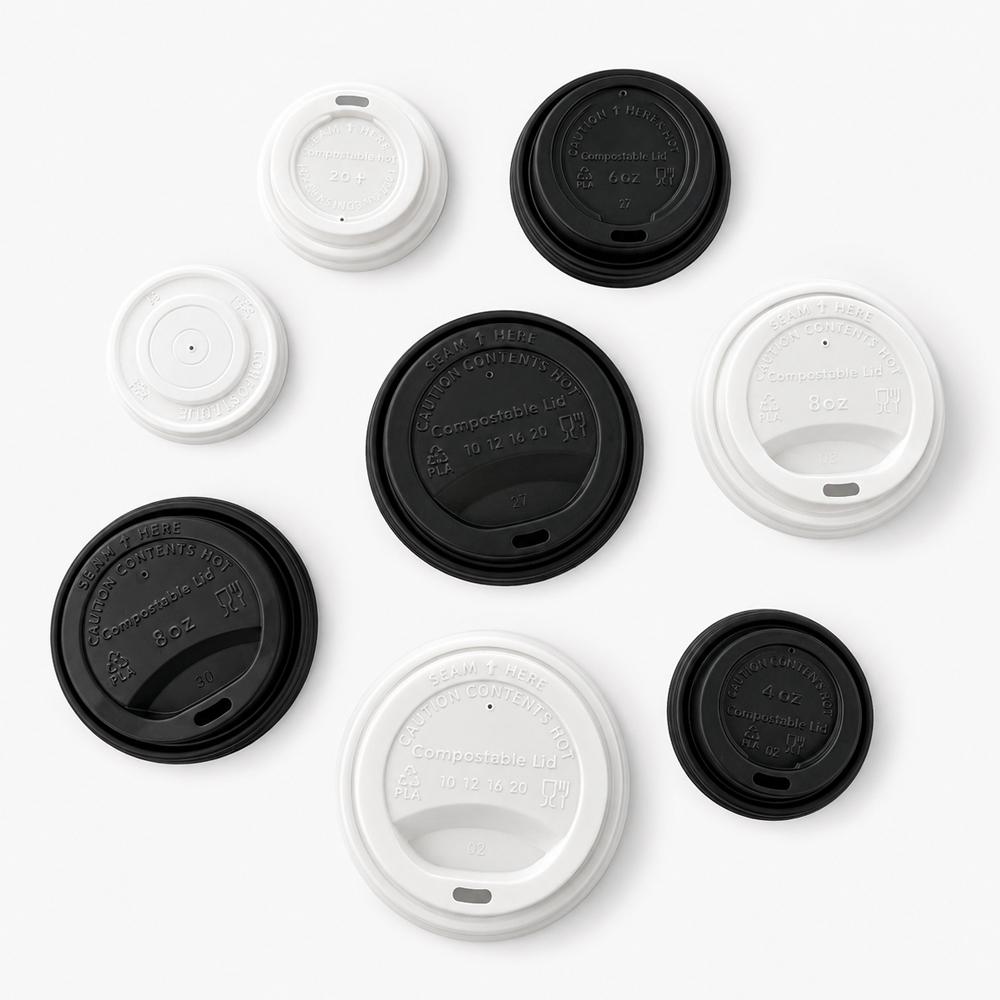
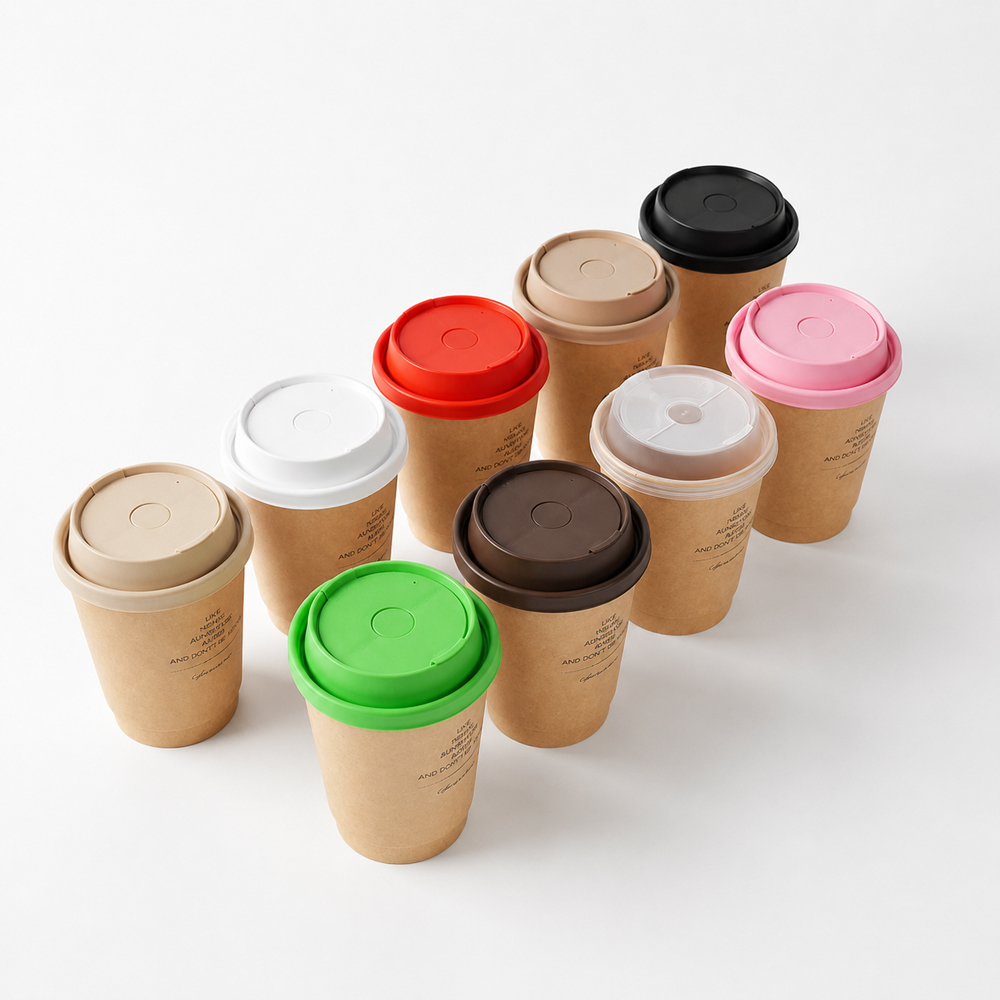
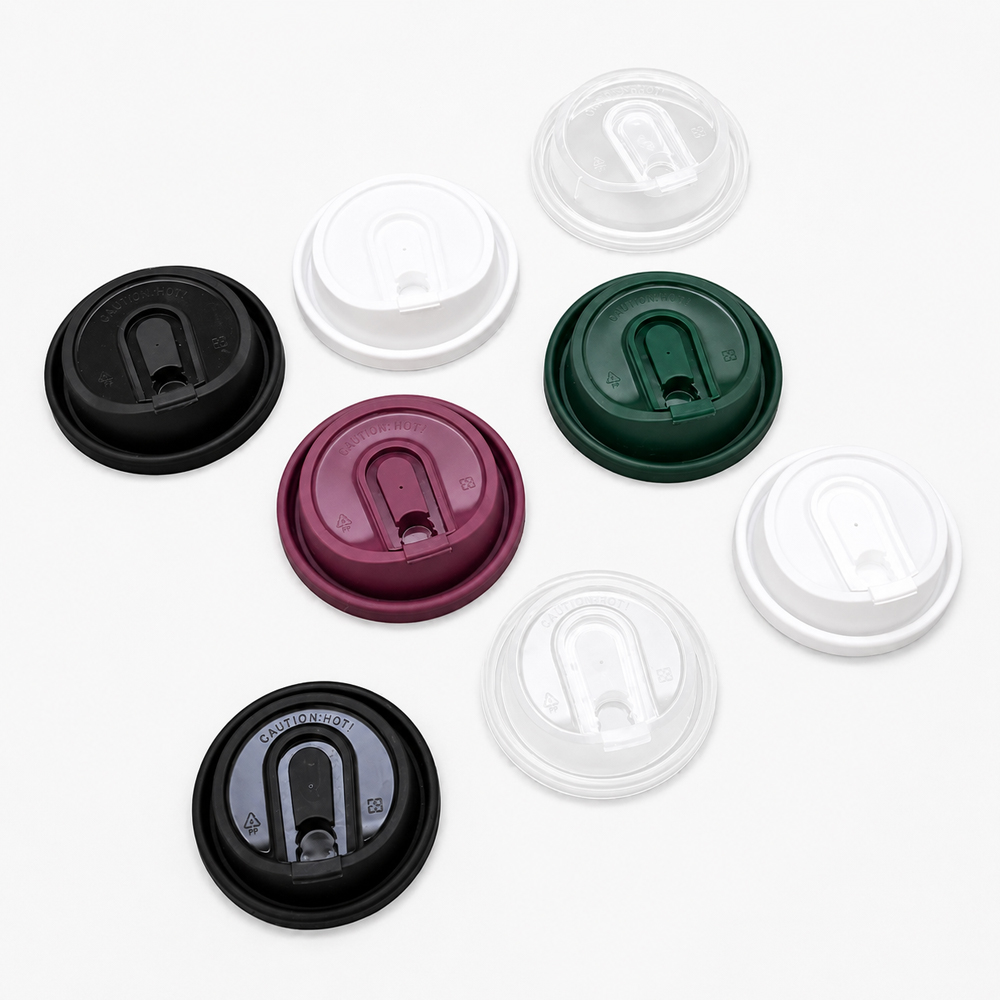
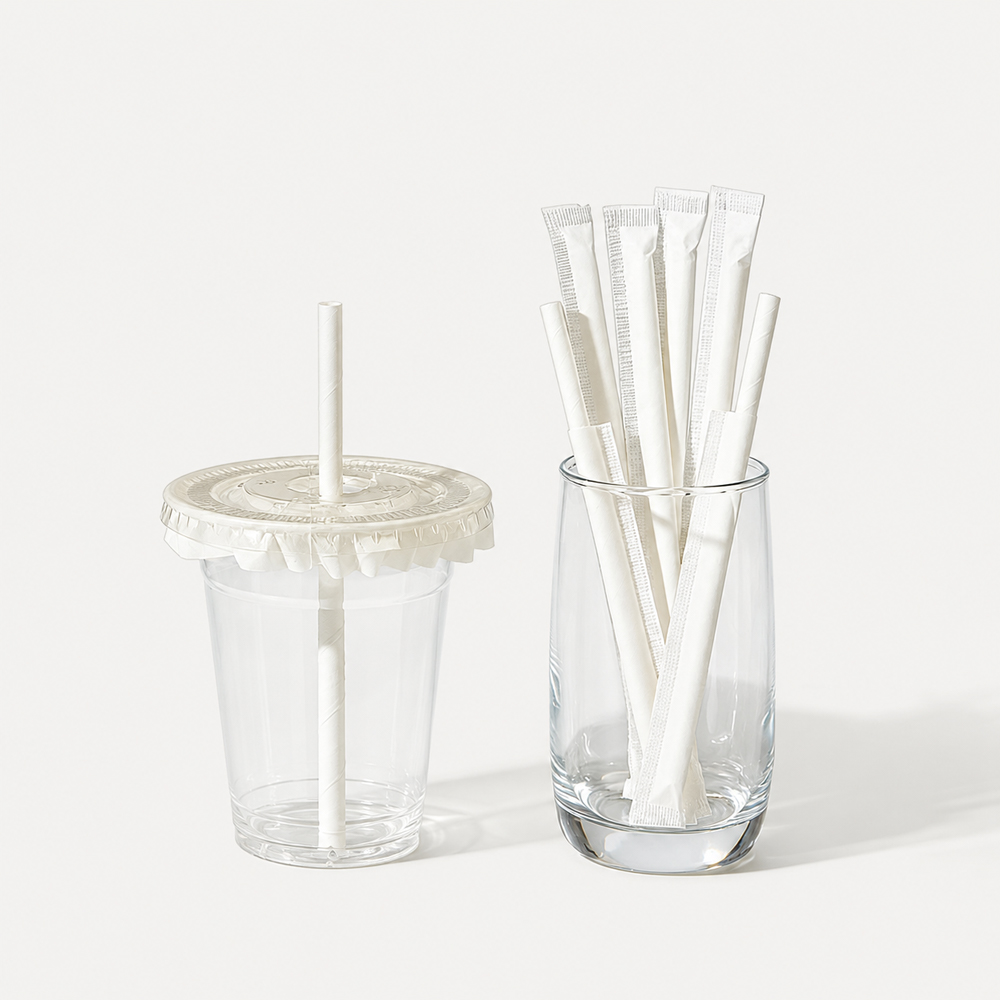
PET, PP or paper lids matched by cup rim diameter, rim profile, locking geometry and intended use.
- Flat, dome and sip-through profiles
- Straw-slot, cross-slot or no-hole
- Retention, leakage and de-nesting tests
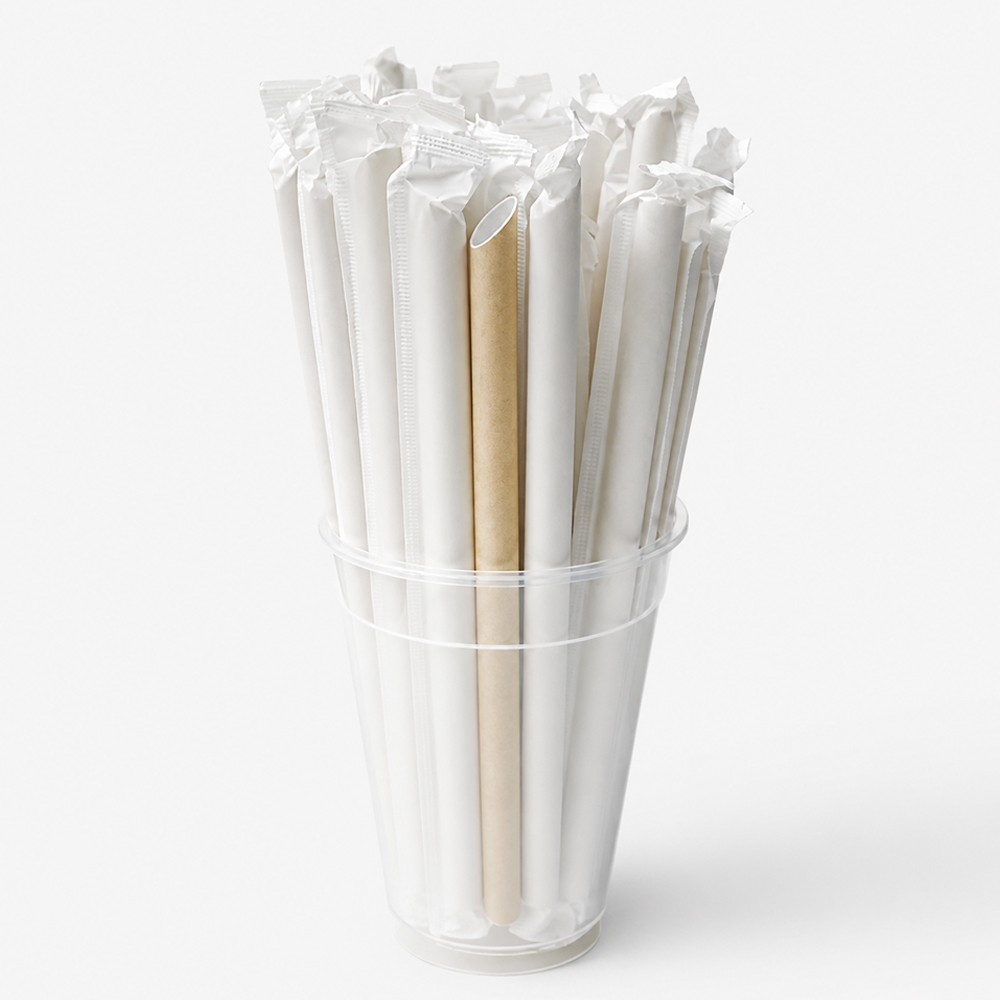
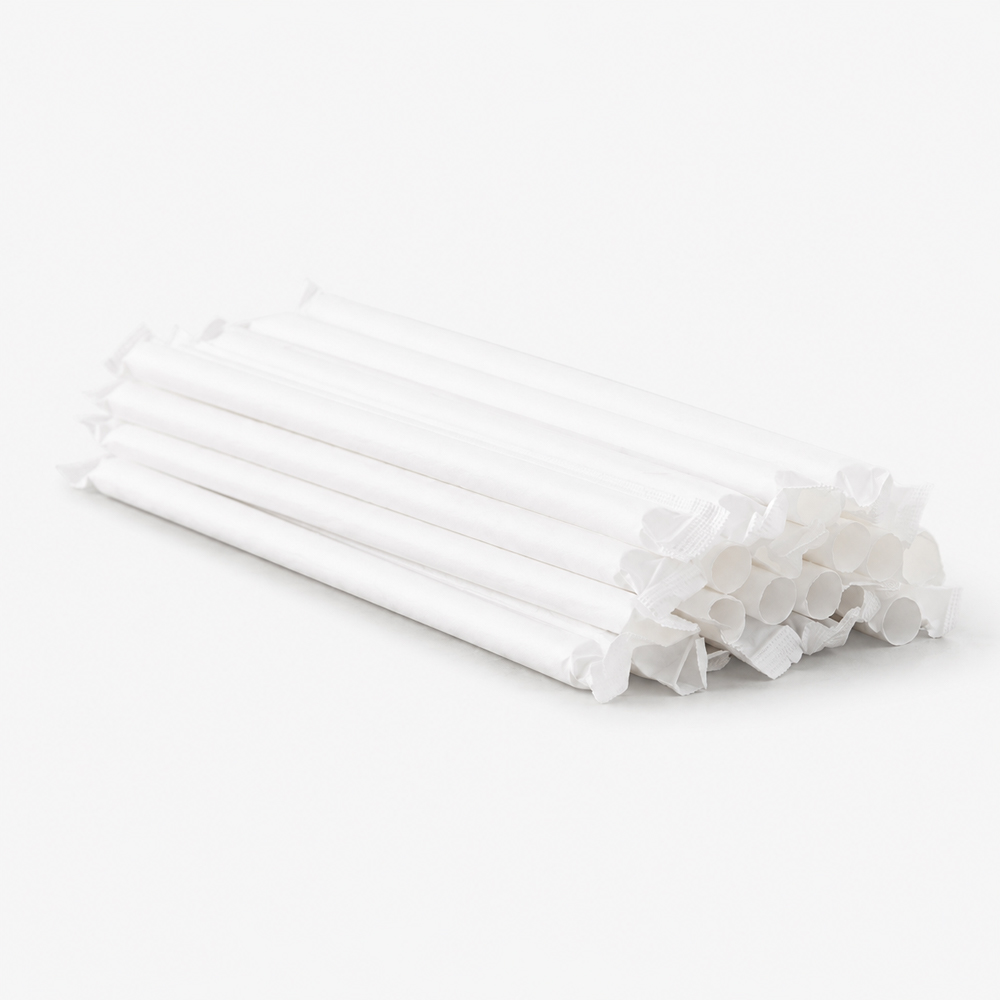
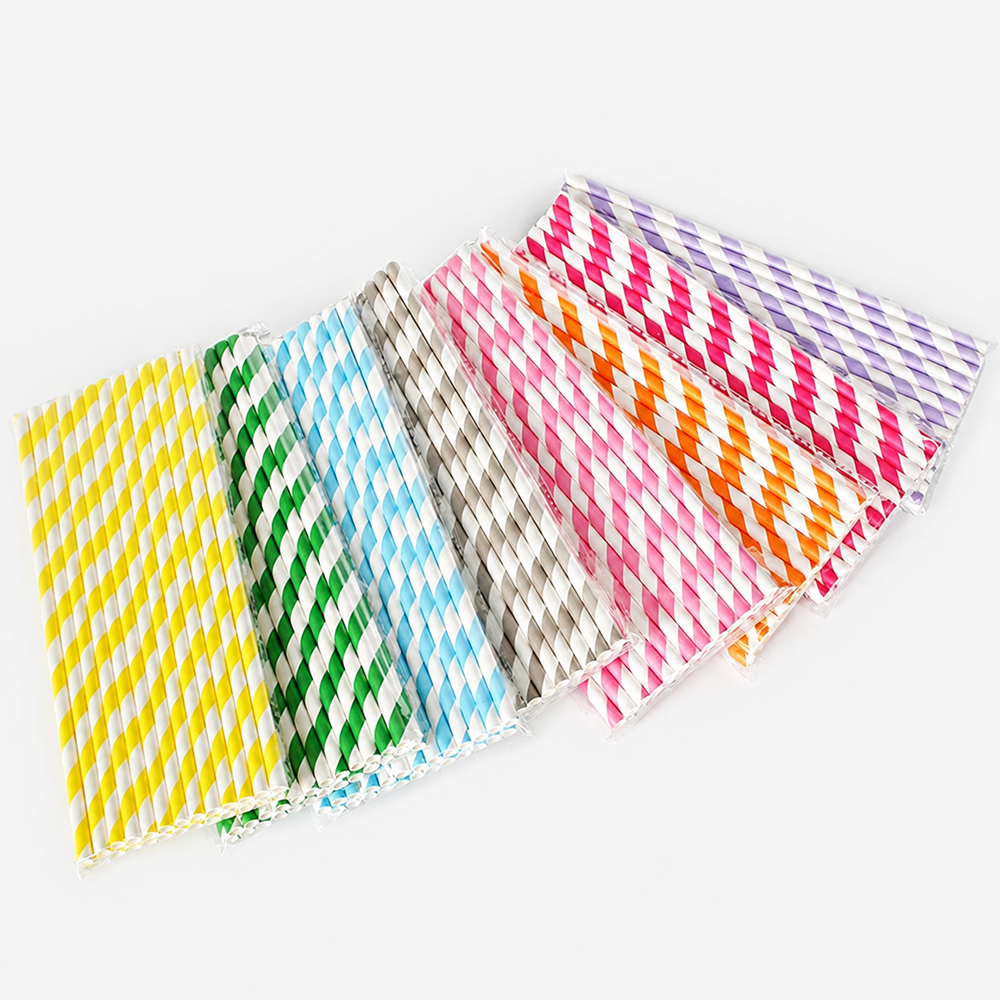
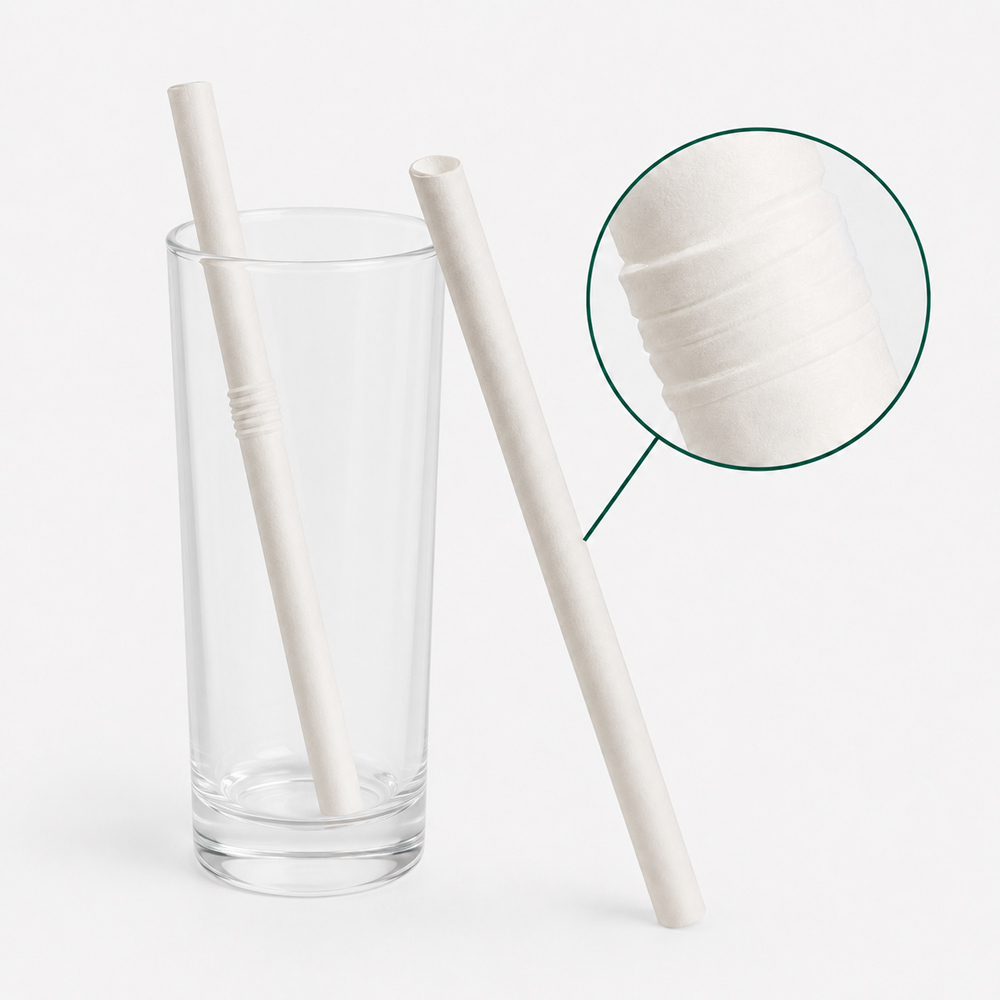
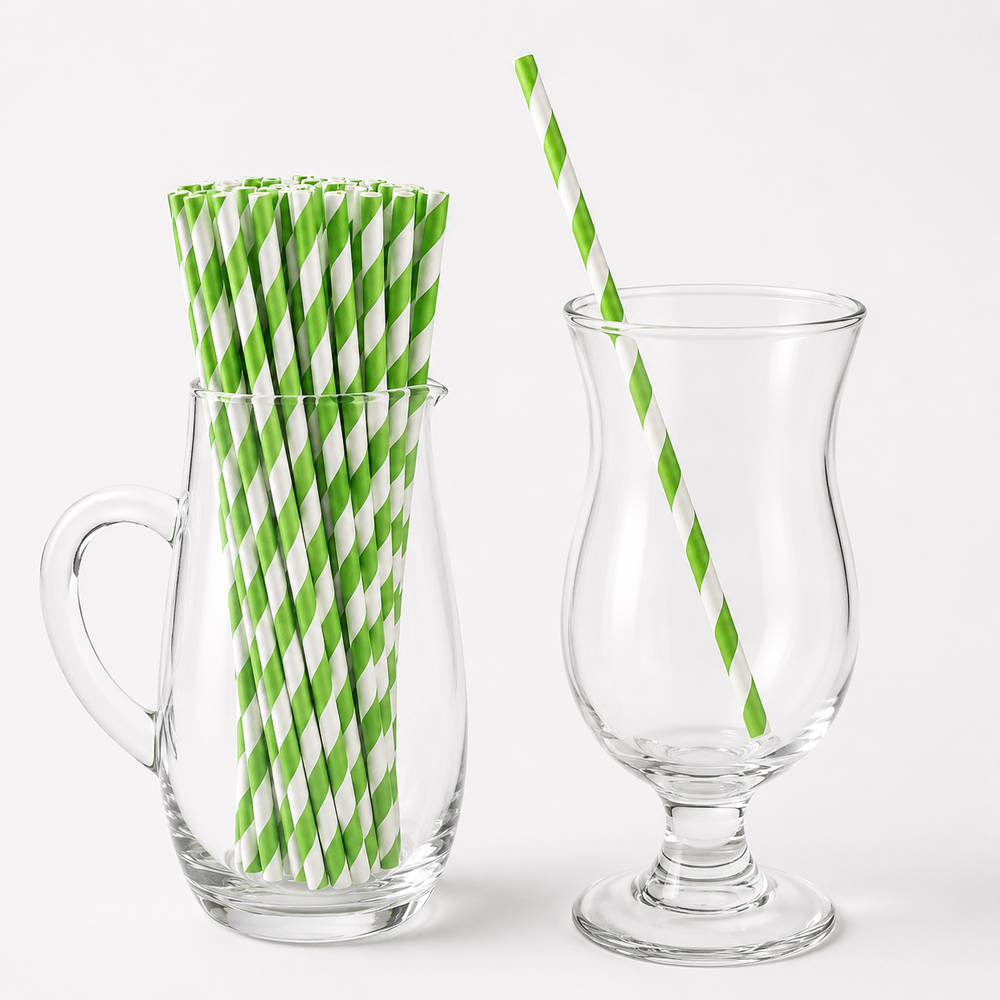
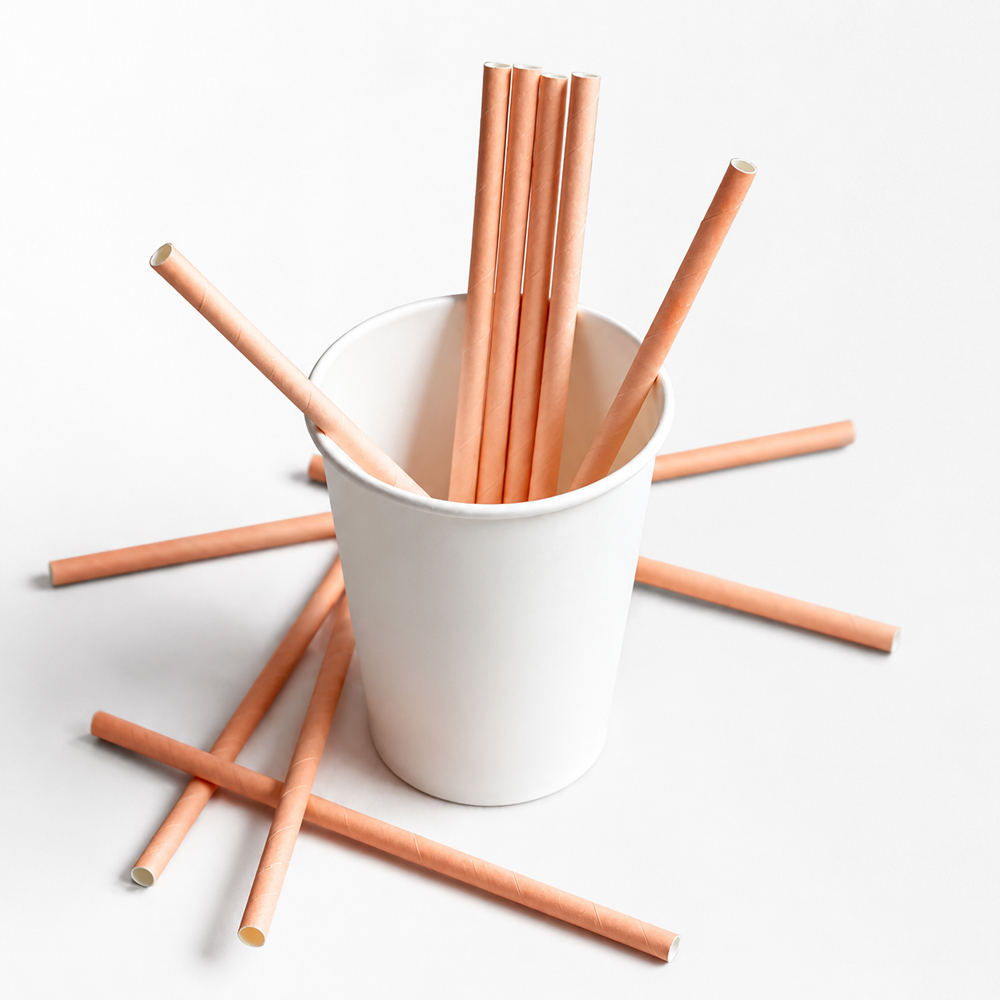
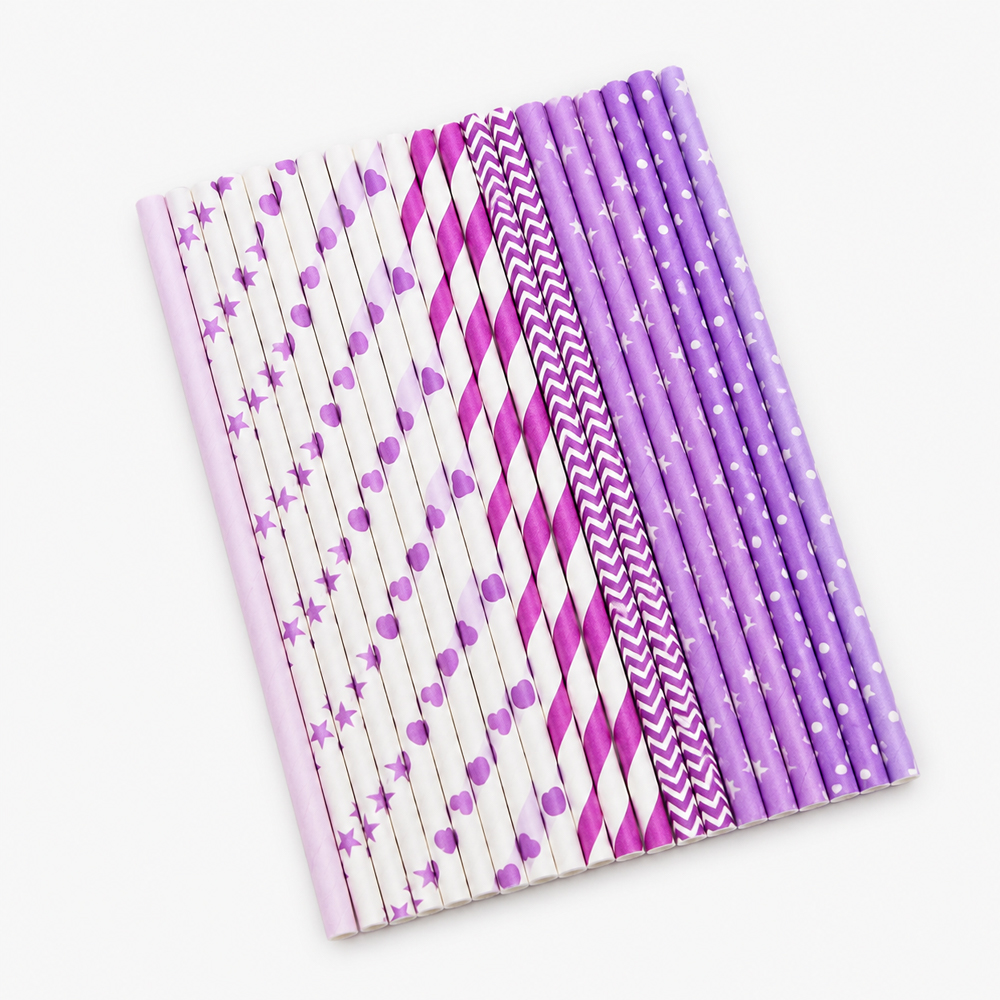
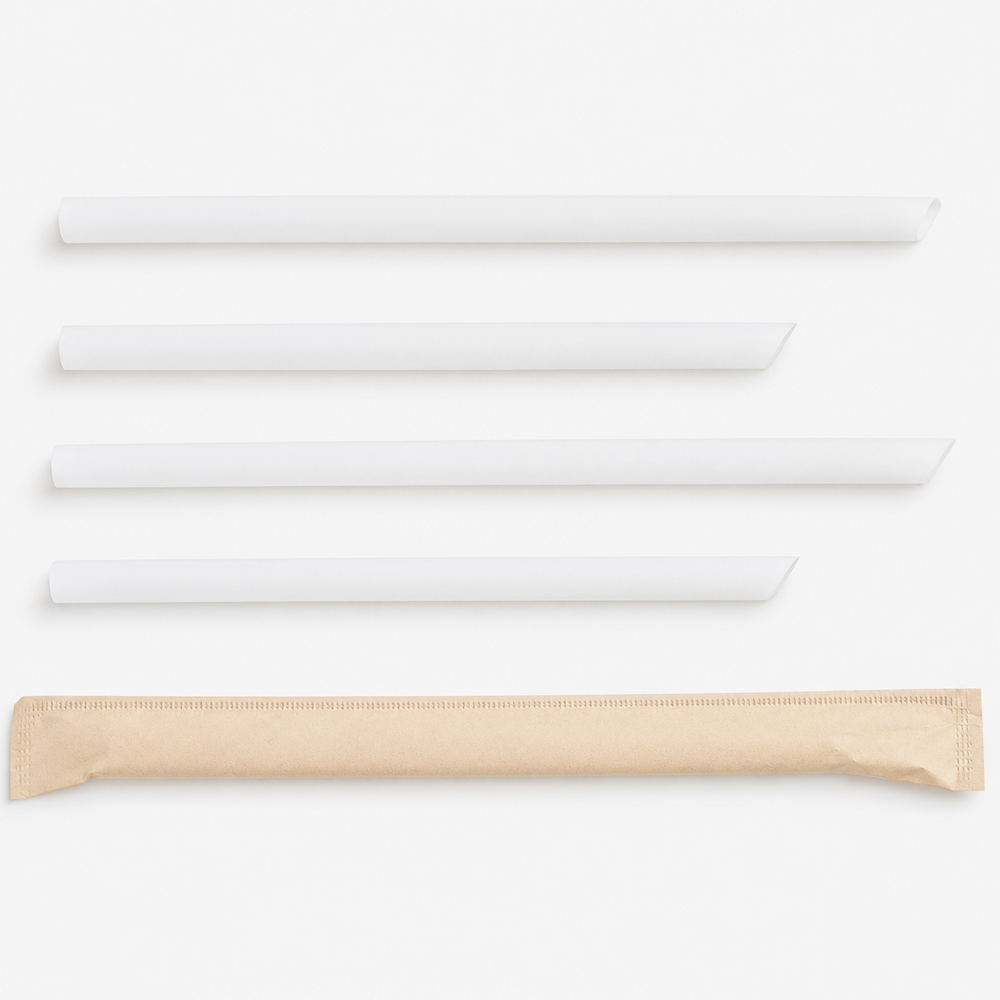
Standard, jumbo and specialty-drink formats with project-specific paper, adhesive, ink and wrapping.
- Approx. 6–12 mm diameter
- Approx. 120–250 mm length
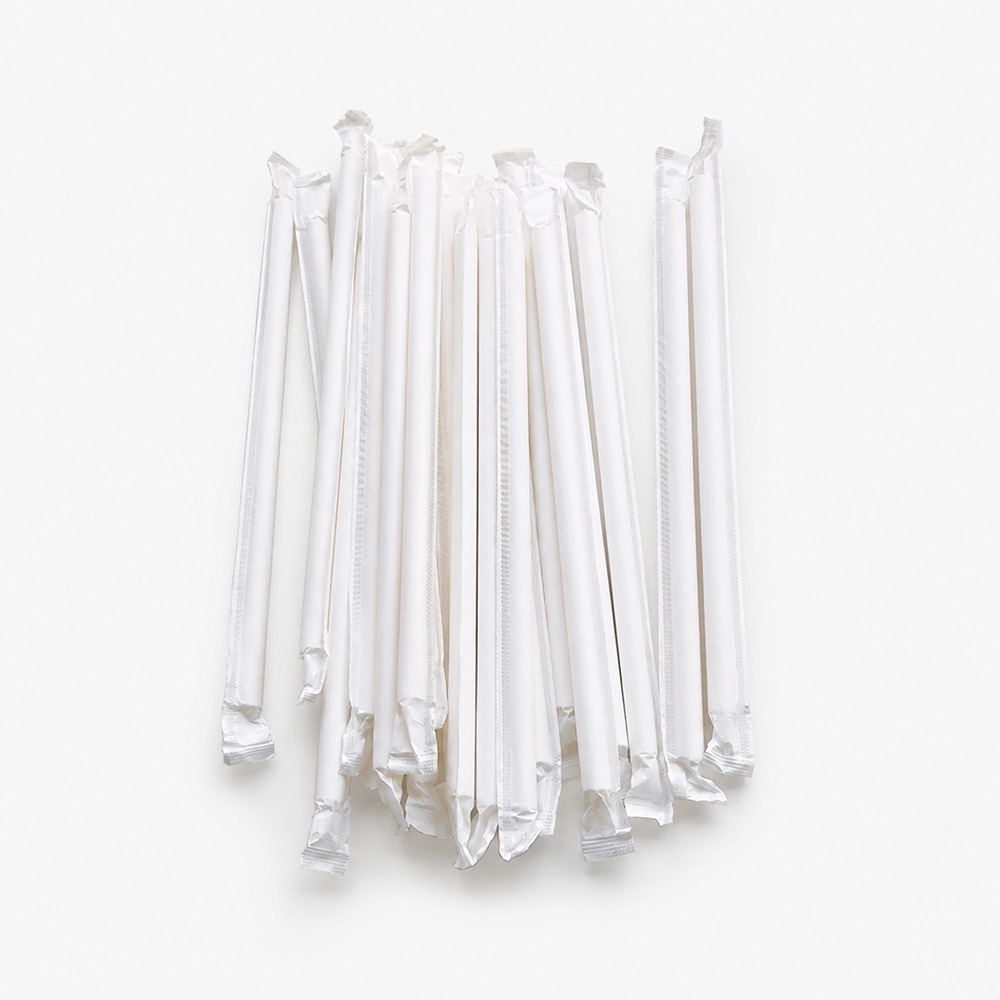
- Soak, seam and wrapper checks
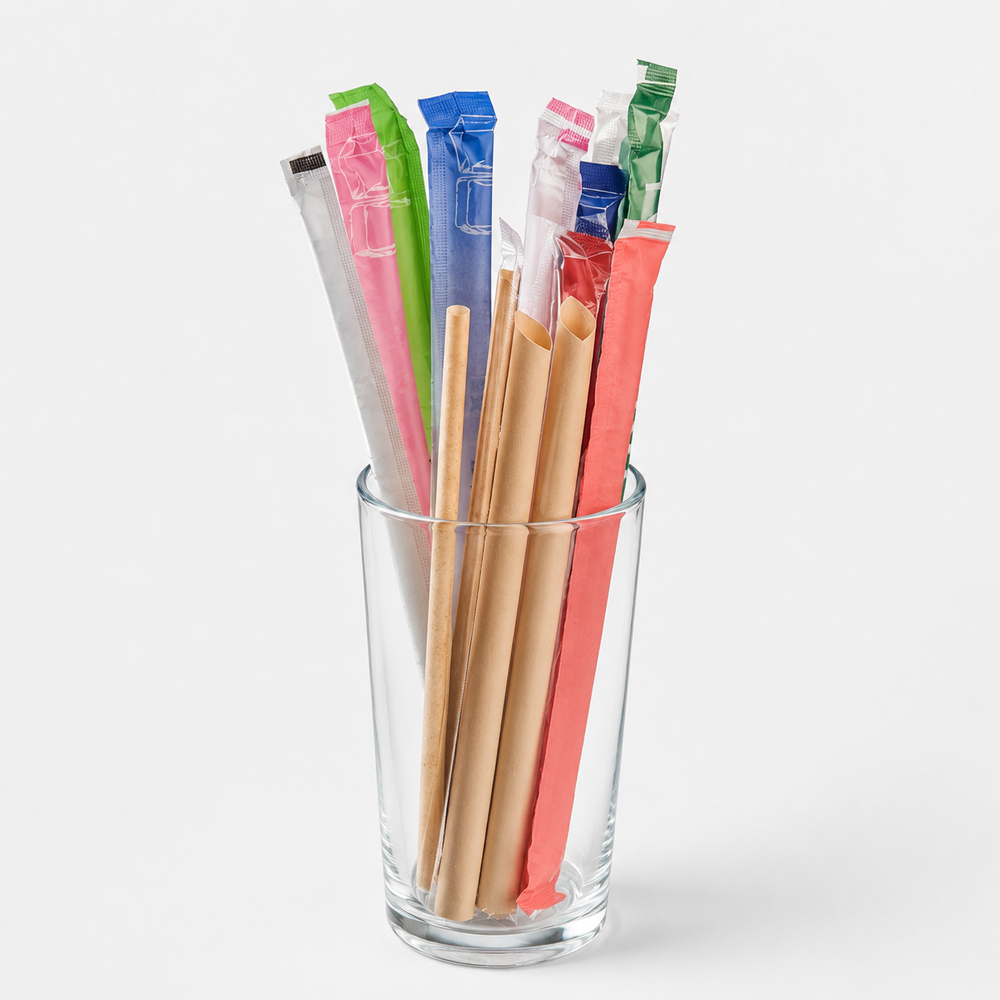
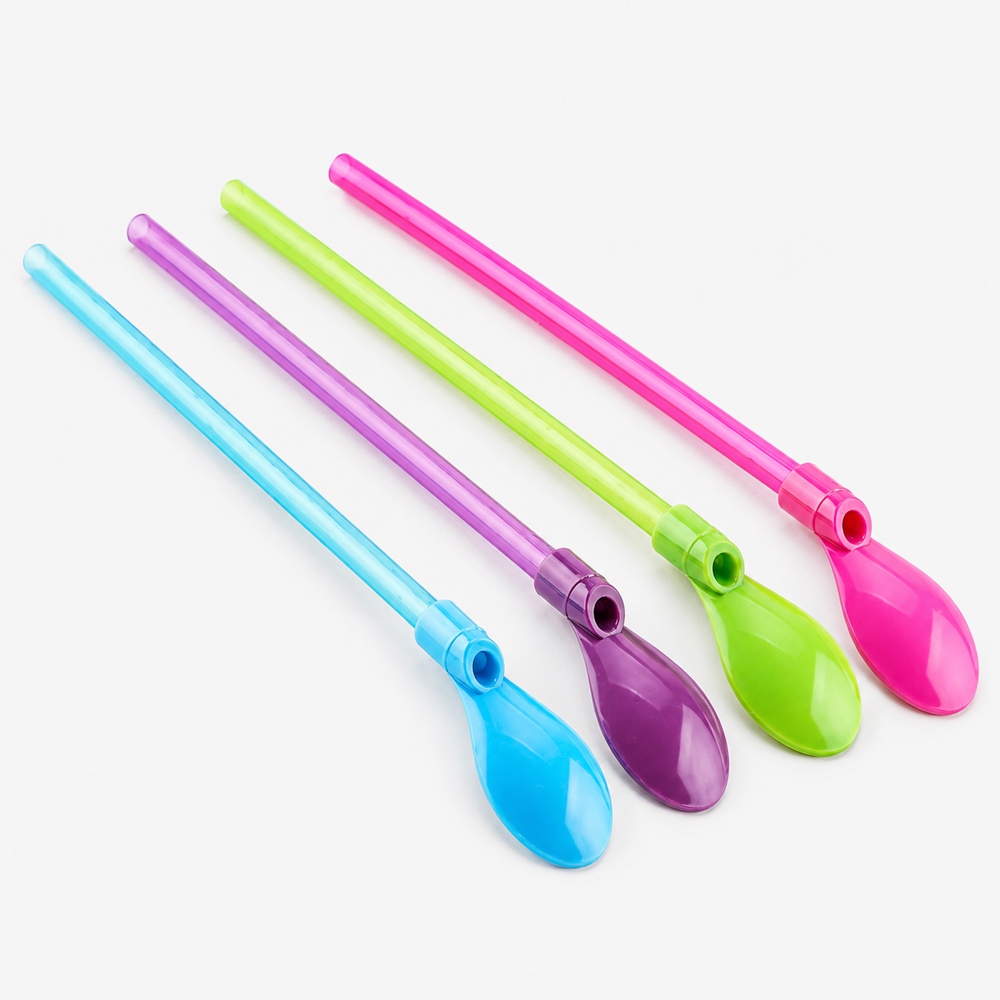
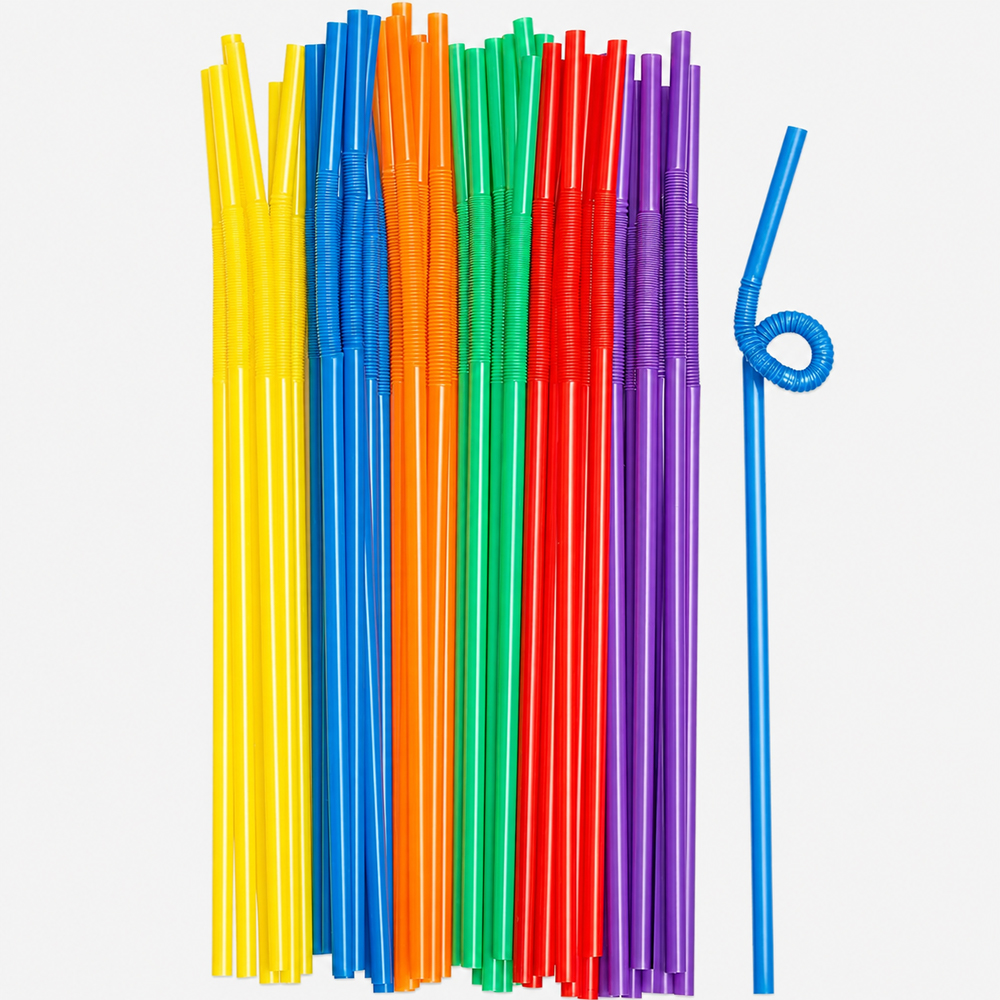
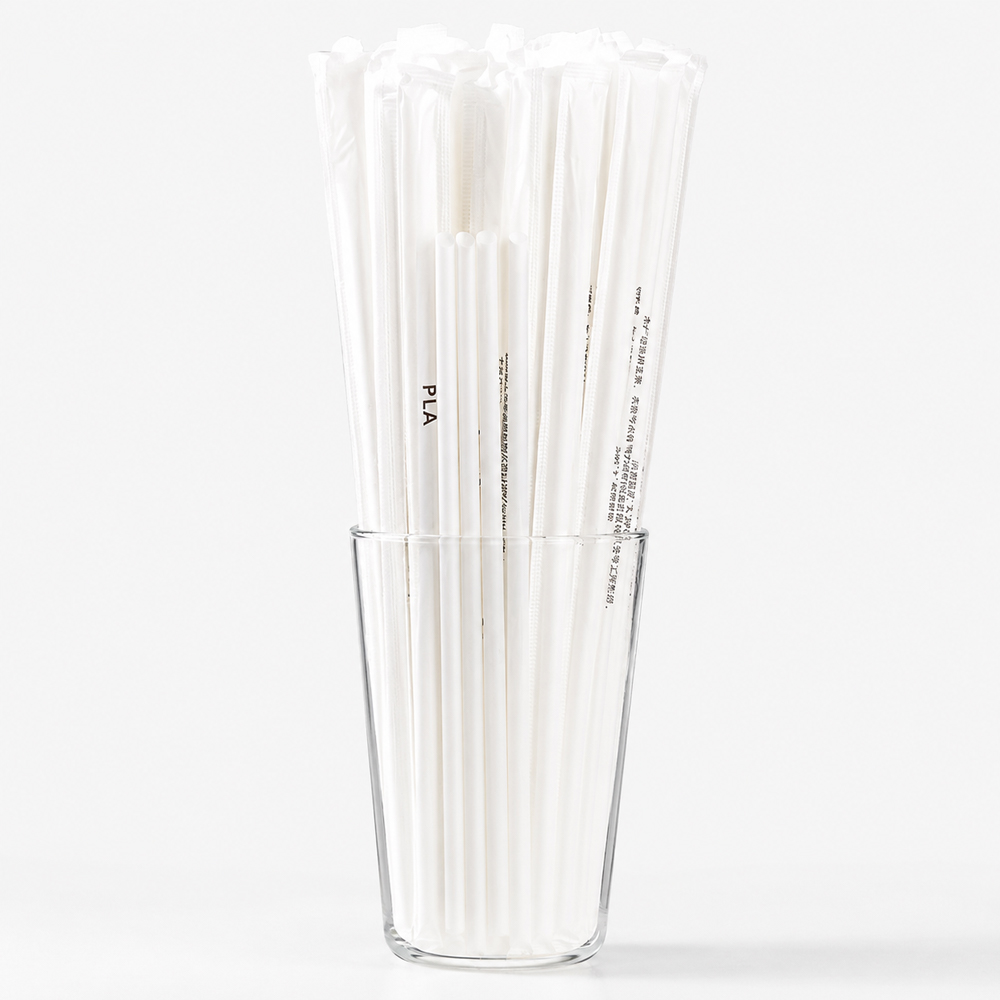
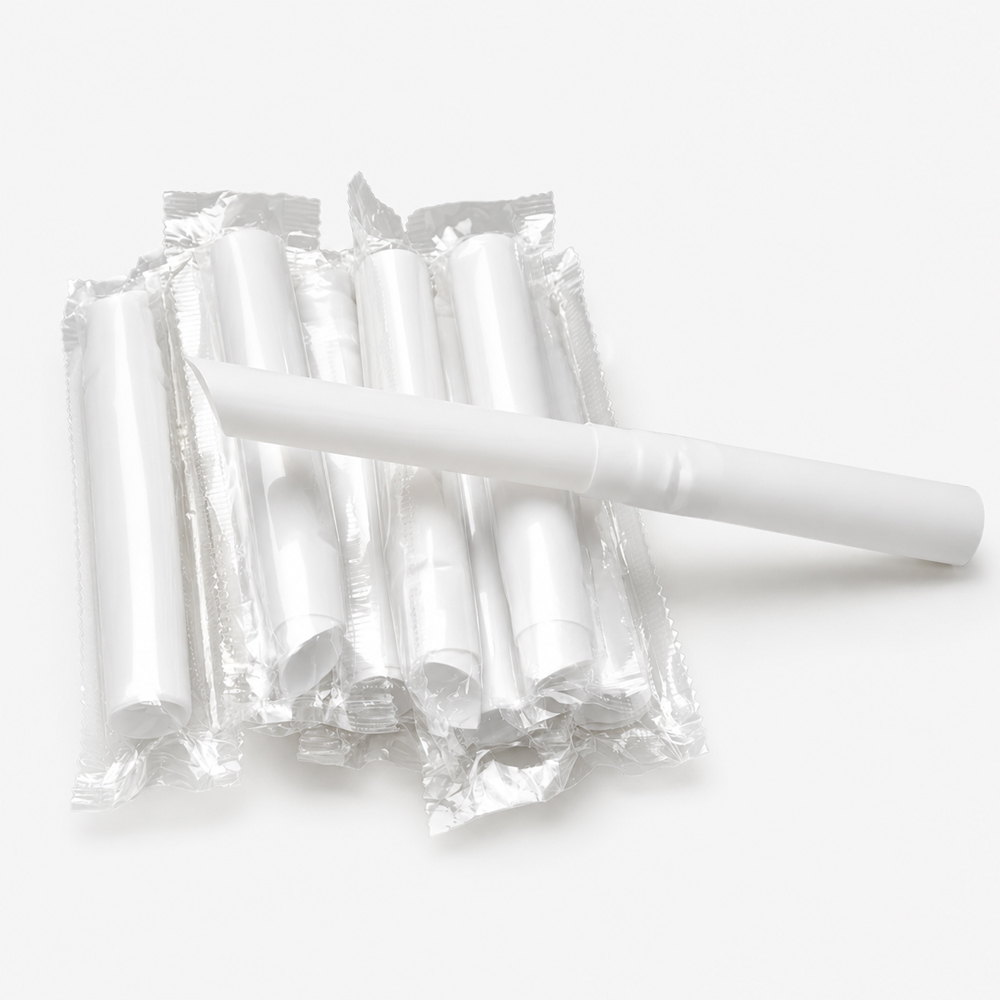
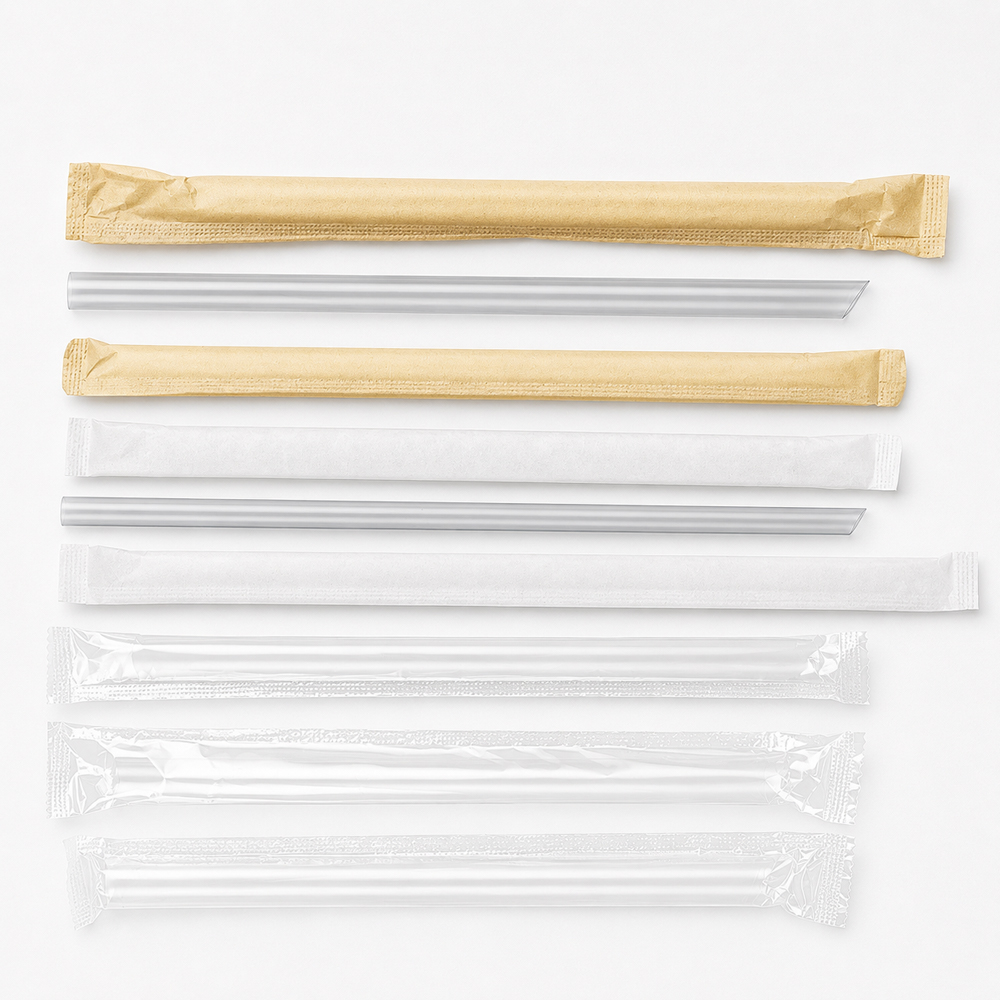
Straight, flexible, jumbo and boba formats in selected polymers, colors and packing configurations.
- Approx. 3–12 mm diameter
- Approx. 120–260 mm length
- Polymer and local-rule review
BROWSE AVAILABLE PRODUCTS
Use the category tabs to compare paper cups, PET cold cups, PP cups, cup lids, paper straws and plastic straws. Review available materials, capacities, rim diameters, lid-fit options, temperature suitability, printing, packing formats and customization options, then open a product page to request specifications, matched samples or a tailored wholesale quotation.
Technical specifications matrix
Compare Material, Planning Range, Compatibility and QC Before RFQ
The values below are realistic planning ranges rather than universal guarantees. Final dimensions, wall structures, temperatures and documentation must be confirmed against the selected SKU, mold and destination market.
| Buyer Checklist Procurement Variable | 01 · Paperboard Paper Cups | 02 · Clear PET PET Cold Cups | 03 · PP Format PP Cups | 04 · Closure Cup Lids | 05 · Paper Paper Straws | 06 · Polymer Plastic Straws |
|---|---|---|---|---|---|---|
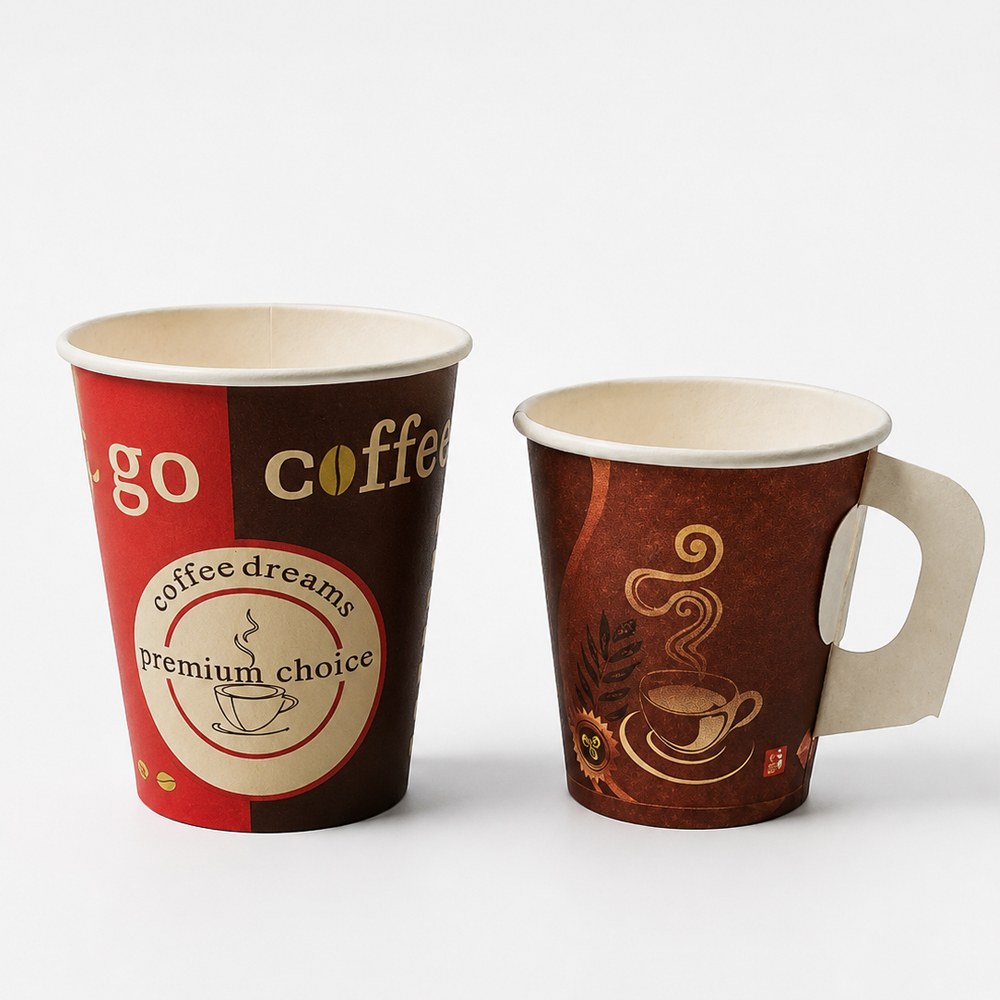
| 01 Material & Construction | Food-contact cupstock with PE, applicable PLA, aqueous or another specified barrier; single-, double- or ripple-wall construction. | Clear food-contact PET; recycled content only when specified and supported by applicable documentation. | Clear, translucent, frosted or colored food-contact PP in standard or specialty-drink structures. | PET, PP, paper or another approved material selected by cup rim, beverage temperature and closure function. | Multi-ply food-contact paper construction; paper grade, adhesive, ink and any functional treatment require review. | PP or another specified food-contact polymer; straight, flexible, spoon, jumbo or specialty structure. |
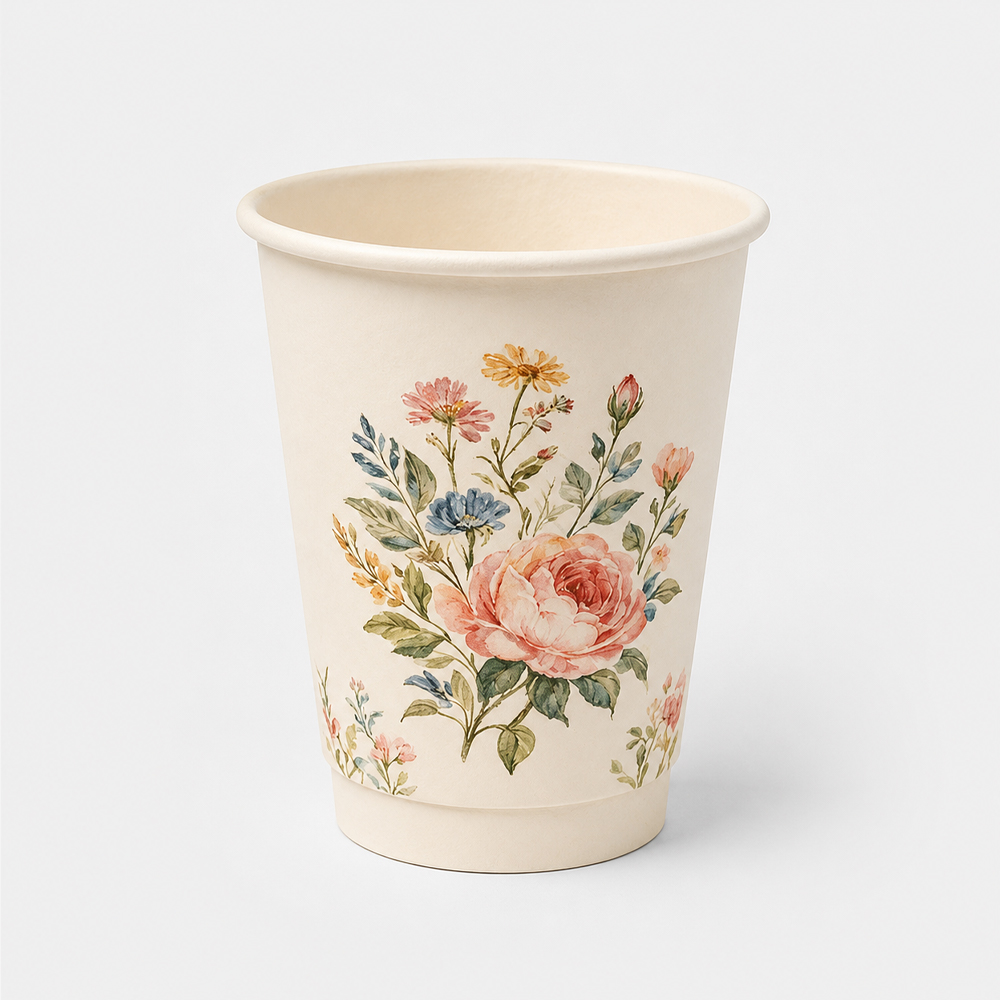
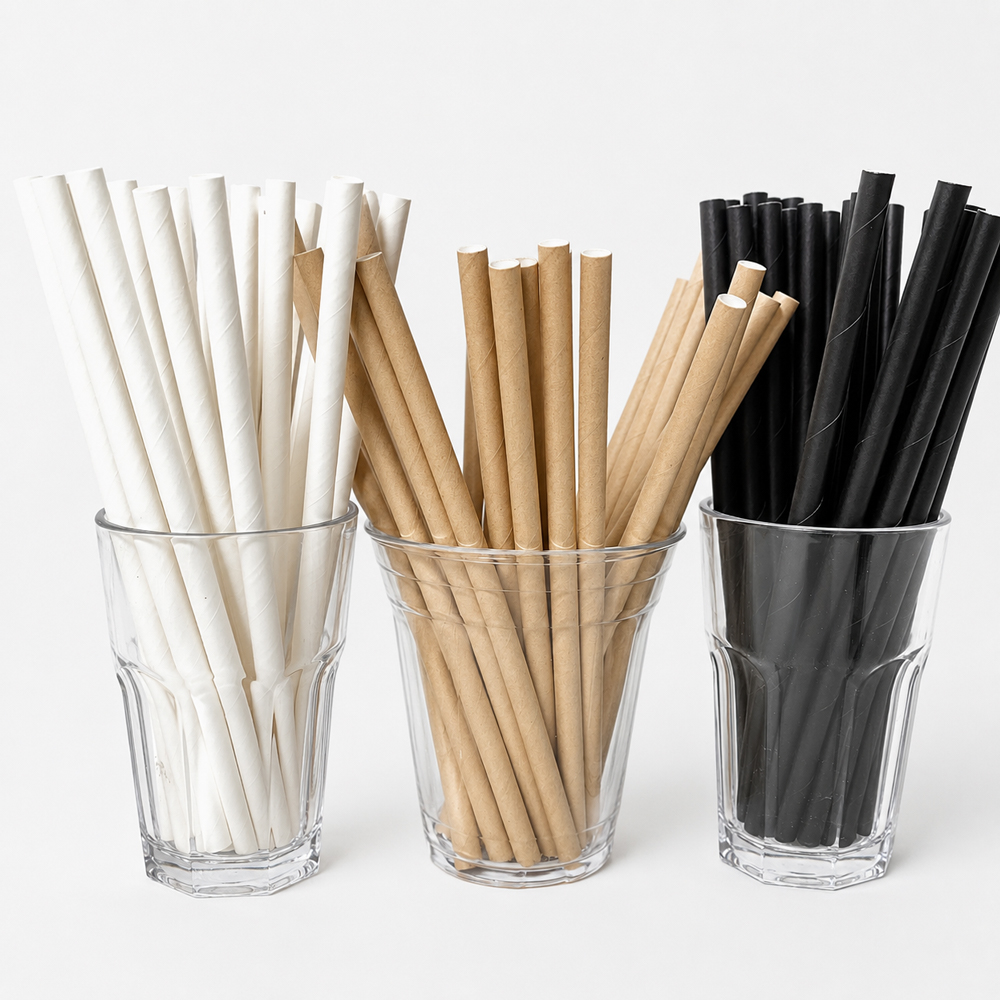
| 02 Typical Planning Range | Approximately 2–32 oz across hot- and cold-drink formats. | Approximately 7–32 oz with model-specific rim families and flat or dome lids. | Approximately 8–32 oz across standard and specialty-beverage formats. | Flat, dome, sip-through, straw-slot, vented and selected reclosable formats matched by rim family. | Approximately 6–12 mm diameter and 120–250 mm length. | Approximately 3–12 mm diameter and 120–260 mm length. |
| 03 Critical Dimensions | Nominal and brimful capacity, top diameter, bottom diameter, height, rim profile and board weight. | Cup weight, top diameter, wall thickness, height, rim geometry and stacking pitch. | Cup weight, top diameter, height, wall structure, sealing surface and stacking geometry. | Outer and inner profile, snap bead, skirt depth, vent or opening position and overall diameter. | Outer diameter, inner opening, length, wall build, ply structure and end-cut profile. | Outer diameter, inner opening, length, wall thickness, bend section and tip profile. |
| 04 Structural Performance | Side-seam bond, bottom curl, bottom seal, compression resistance and handling stiffness. | Clarity, wall stiffness, rim integrity, impact resistance, drop performance and de-nesting. | Impact resistance, wall stiffness, rim integrity and sealing-film performance where applicable. | Application force, retention force, cracking, venting, opening function and de-nesting. | Wet strength, delamination resistance, bending, seam integrity and drink-duration performance. | Bending recovery, crack resistance, dimensional stability and wrapper-seal integrity. |
| 05 Fit & Leak Validation | Test the finished cup with the exact lid model under the intended beverage temperature and holding time. | Confirm application force, retention, leakage, dome clearance and stacking with the selected lid. | Confirm snap-lid or sealing-film compatibility using the intended beverage and handling conditions. | Conduct physical fit testing with the actual cup rim; nominal diameter alone is not sufficient for approval. | Confirm fit through the selected lid opening and suitability for cup height, drink viscosity and serving time. | Confirm lid-slot fit, cup-height suitability, bend position and drink-delivery performance. |
| 06 Use Conditions | Confirm hot or cold use, beverage temperature, contact time, insulation requirement and condensation exposure. | Plan primarily for cold drinks and confirm the selected finished structure under actual filling and transport conditions. | Confirm beverage temperature, contact duration, sealing method and handling requirements by finished SKU. | Validate according to lid material, hot or cold beverage use, venting and transport requirements. | Confirm resistance to ice, acidity, soaking time and prolonged beverage contact. | Confirm beverage temperature, contact time, flexibility and suitability for the intended drink format. |
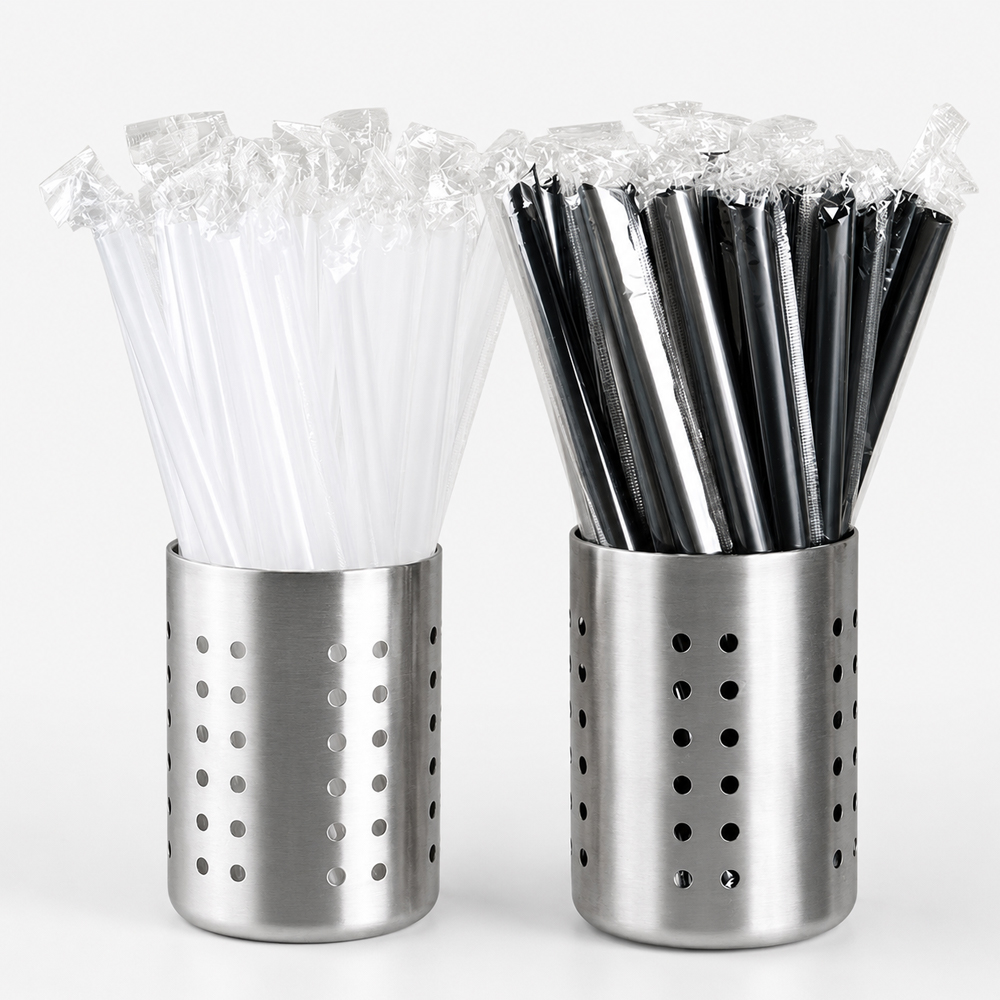
| 07 Printing & Branding | Full-wrap or selected print area, Pantone control, registration, ink adhesion and rub resistance. | Selected logo printing, fill lines and visual inspection on clear cup surfaces. | Selected logo printing, custom color and surface-finish consistency. | Embossed logo, printed paper lid or selected branding subject to material and lid structure. | Printed straw, printed wrapper, color pattern and coordinated paper packaging. | Custom color, stripe, printed wrapper, individual logo pack or retail configuration. |
| 08 Packing Configuration | Sleeves or inner bags, master cartons, private-label cartons, pallets and container-loading plans. | Inner bags, export cartons, pallet configuration and container-loading plan. | Inner bags, retail-ready formats, master cartons, pallets and loading plans. | Nested sleeves or bags, inner cartons, bulk cartons and matched cup-and-lid packing programs. | Bulk or individually wrapped; custom inner boxes, dispenser packs and export cartons. | Bulk or individually wrapped; flow-wrap, paper wrapper, dispenser box and export carton options. |
| 09 Approval Evidence | Finished-SKU specification, food-contact evidence, migration documentation and applicable FSC, PFAS or compostability evidence. | Resin and finished-product declarations, food-contact evidence and recycled-content support where claimed. | Resin declaration, food-contact evidence and documentation matched to the intended use conditions. | Material declaration, finished-lid specification, fit-test record and applicable food-contact evidence. | Paper grade, adhesive or coating declaration, food-contact evidence and environmental-claim scope where applicable. | Polymer declaration, food-contact evidence, finished-product specification and claim documentation where applicable. |
Application-Led Sourcing
Select by Beverage Conditions, Not by Marketing Label
“Eco-friendly,” “plastic,” and “paper” are not complete purchasing specifications. The correct selection begins with temperature, beverage type, contact time, clarity, sealing method, disposal claim and destination-market requirements.
01
Define conditions
Beverage type, temperature, ice load, contact time and service method.
02
Match components
Cup structure, rim diameter, lid format, venting and straw geometry.
03
Verify evidence
Samples, fit testing, compliance files and approved specifications.
Hot Beverage Program
Prioritize insulation, seal integrity and lid venting
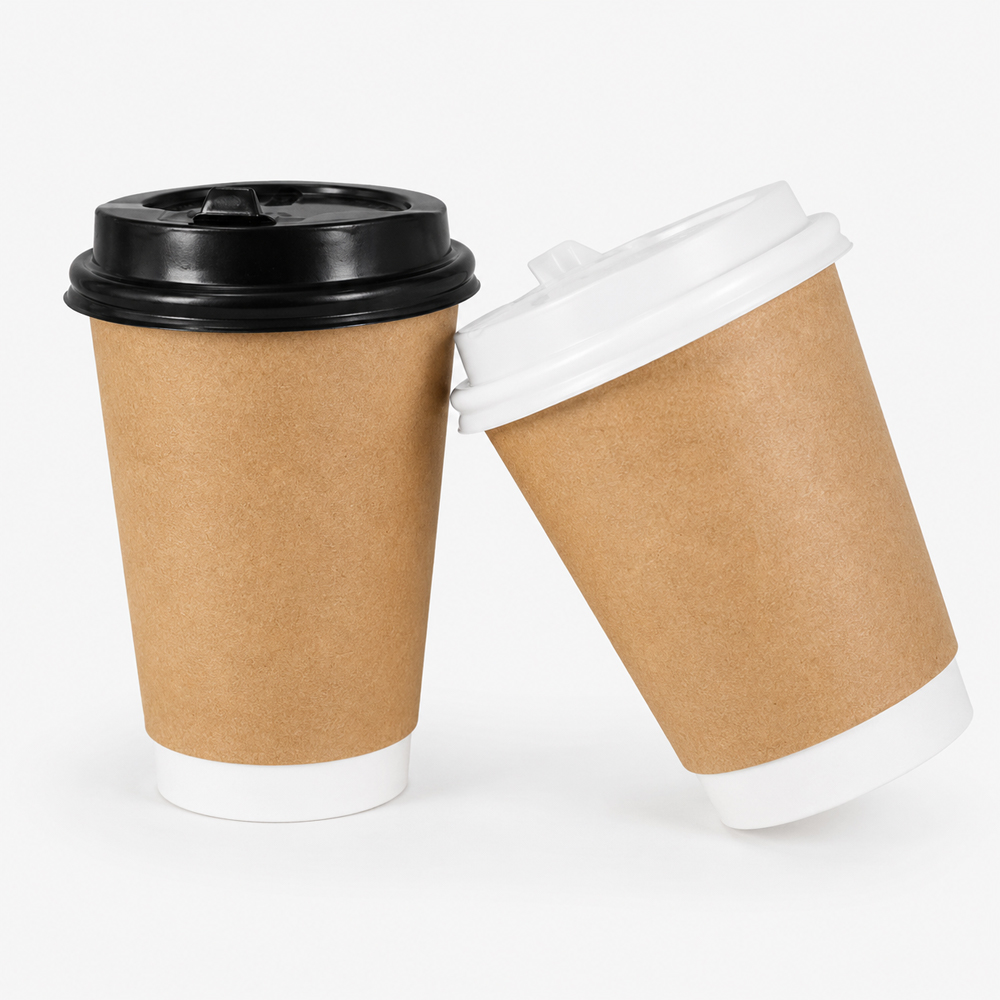
Single-wall with sleeve, double-wall or ripple-wall paper cup with a compatible sip-through lid.
Coffee, tea, hot chocolate and takeaway beverages served at elevated temperatures.
Verify Before Purchase Order
Cold Beverage Program
Prioritize clarity, stiffness, lid security and straw geometry
PET cups for high clarity or PP cups for application-specific flexibility, paired with flat or dome lids and a matched straw.
Iced coffee, soft drinks, smoothies, milk tea and other chilled beverages served with ice or toppings.
Verify Before Purchase Order
Compostable Program
Validate the complete finished item—not one raw material
A compostability claim should be linked to the selected finished product structure, documented test scope and applicable disposal environment.
Select a product-specific certified cup, lid or straw structure instead of assuming that every item made from a similar material supports the same claim.
Confirm the test standard, certificate holder, listed SKU, product components, inks, adhesives, labels and permitted claim language.
Program-level decision
- Industrial or home claim
- Complete SKU coverage
- Local collection access
Final suitability depends on the selected product model, operating conditions and verified documentation. Conventional PET, PP, plastic lids and plastic straws should not be presented as compostable without specific product-level certified evidence.
Manufacturing & Quality Control
Factory Proof, Product-Level Documents and Measurable Inspection Points
Buyers should be able to verify what is controlled, what is tested and which certificate applies to the exact material, SKU, production site and destination market.
Factory capabilities
Scalable infrastructure with SKU-level scheduling
Automatic production lines
Self-developed automatic machines
Automatic machines
40HQ equivalent
These figures cover the broader foodservice packaging platform. Cup, lid and straw capacity, tooling and production timing are confirmed by material, size, printing, quantity and factory schedule.
Certifications & Documentation
Evidence confirmed within valid scope
XcelLink Ecopack is a BRCGS-certified manufacturer. Depending on the selected SKU, material, production site and destination market, available documentation may include:
BRCGS certification
Applicable U.S. food-contact reports
EU migration reports where applicable
LFGB-related testing when available
PFAS declaration or report
FSC documents for eligible orders
OK compost HOME / INDUSTRIAL
EN 13432 / ASTM D6400 / D6868
Quality gates across the order cycle
Inspection criteria, sampling levels and acceptance requirements can be coordinated with the buyer. The control plan should connect raw materials to finished cartons and retained approval samples.
Incoming Material Verification
Paperboard, coatings, resin, colorant, ink, adhesive and packing materials checked against approved specifications.
In-Process Inspection
Dimensions, forming, sealing, print registration, color, lid matching, straw production and packing controls.
Pre-Shipment Verification
Finished-product appearance, quantities, cartons, pallets, documents and buyer-defined inspection requirements.
Beverage Packaging Inspection Checklist
- Material and resin verification
- Rim diameter and profile
- Side-seam and bottom-seal checks
- Compression and stacking
- Clarity, color and appearance
- Print registration and Pantone reference
- Straw length, diameter and wal
- Wrapper sealing
- Nominal and brimful capacity
- Cup-and-lid retention
- Leakage and vent performance
- Drop and transport simulation
- Odor and sensory checks
- Ink adhesion and rub resistance
- Flexible-straw bend performance
- Carton quantity verification
Compliance Logic
Match the claim to the finished SKU
A raw-material name or supplier certificate does not automatically cover every cup, lid, coating, ink, adhesive or private-label configuration.
U.S. food contact
Review the substance authorization and intended conditions of use, including food type, temperature and contact duration.
EU plastic layer
For relevant plastic food-contact layers, evaluate overall and specific migration under the applicable finished-product use conditions.
ASTM D6400
Relevant to eligible plastic materials and products designed for municipal or industrial aerobic composting.
ASTM D6868
Relevant to eligible finished items incorporating polymers as coatings or additives with paper or other compostable substrates.
Technical references: FDA conditions of use, ASTM D6400, ASTM D6868, and BPI commercial certification guidance.
OEM, ODM & Private Label
Build the range around your brand and operating system
New sizes, tooling or structural developments are evaluated according to projected annual volume, mold requirements and performance targets.
- Cup capacity and dimensions
- Rim diameter and lid matching
- Plastic cup weight and wall structure
- Logo and artwork printing
- Individual wrapping
- Retail-ready private-label packs
- Cup and lid materials
- Board weight and barrier coating
- Cup and straw colors
- Spot-color or full-color designs
- Inner-bag quantities
- Pallet and container-loading plans
Printing & Artwork Governance
Control the file before controlling the print
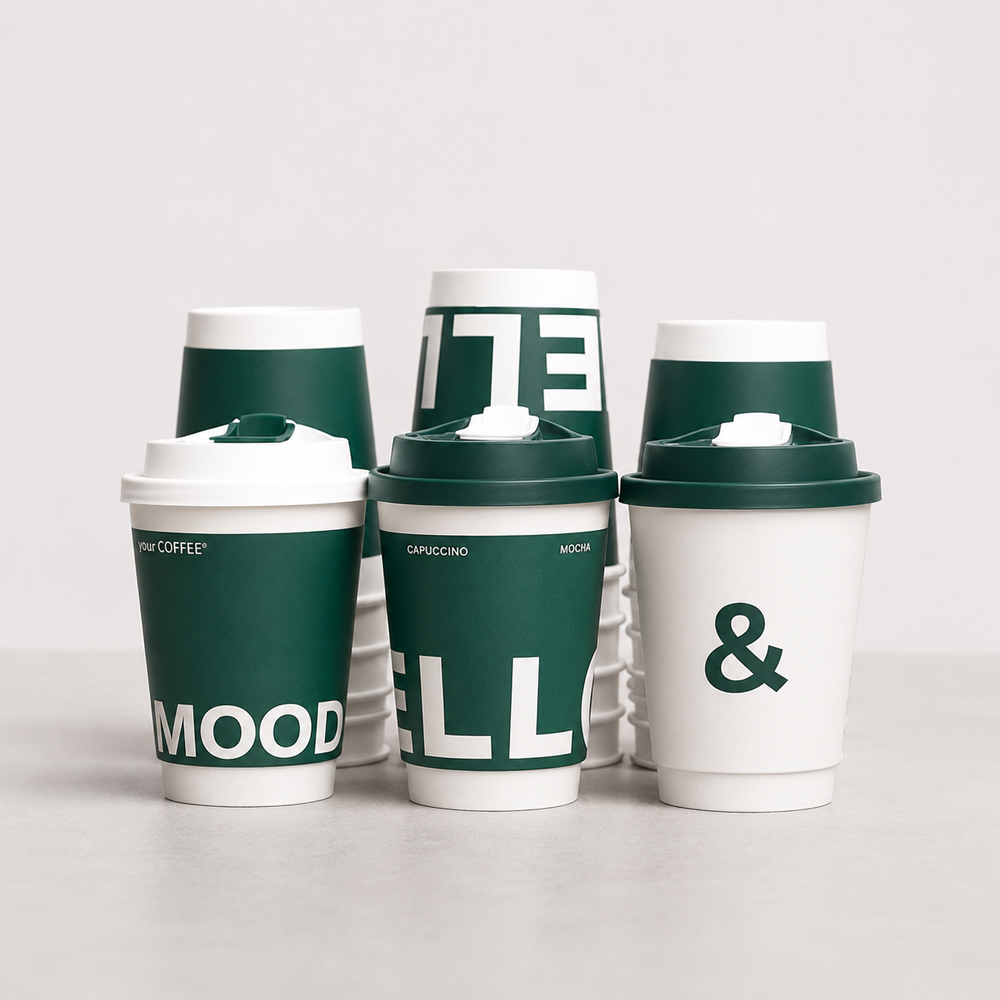
Selected paper cups, plastic cups, paper straws, wrappers, inner boxes and shipping cartons can be customized. Mass production starts after specification, artwork and commercial approval.
Artwork File
Final vector artwork, approved print area and version control.
Color Control
Number of colors, CMYK requirements and Pantone references.
Mandatory Marks
Barcode, legal text, disposal instructions, certification marks and origin information.
Approval Route
Digital proof, print sample or other agreed approval before mass production.
The Trust Stack
Four Controlled Stages From Sourcing Brief to Shipment
Each stage closes a different procurement risk: incomplete requirements, unverified fit, uncontrolled production or fragmented export execution.
01
Consultation
Confirm beverage, nominal and brimful capacity, material, wall construction, rim diameter, lid style, temperature, straw format, printing, quantity and destination.
Output: sourcing brief + option shortlist
02
Prototyping
Evaluate standard samples or custom development, cup-and-lid fit, straw geometry, artwork proof, packing configuration and required documentation.
Output: approved sample + specification
03
Mass Production
Produce against approved materials, dimensions, artwork and packing requirements with incoming, in-process and finished-product inspection checkpoints.
Output: inspected bulk order
04
Logistics
Coordinate inner packs, export cartons, pallets, container-loading plans and shipping documents under FOB, CIF or other agreed Incoterms.
Output: shipment from Shenzhen or agreed port
Applications & Solutions
Beverage Packaging for High-Volume Service Models
Configure complete drinkware programs around operating speed, beverage presentation, customer handling, takeaway safety, distribution and sustainability requirements.
Quick-Service Restaurant Chains
Fountain drinks, coffee, iced beverages, milkshakes, delivery and multi-location SKU standardization.
Coffee Shops & Café Groups
Insulated paper cup systems, sip lids, branded accessories and coordinated carton identities.
Juice, Smoothie & Bubble Tea
Clear PET or PP formats, dome clearance, sealing-film options and matched jumbo or boba straws.
Foodservice Distributors
Consolidated bulk disposable cups and straws with repeat-order specifications and export packing.
Hotels, Catering & Events
Self-service stations, breakfast programs, conferences, institutional catering and seasonal events.
Retail & Private Label
Consumer packs, barcodes, legal markings, custom boxes and retail-ready beverage supply programs.
Reusable Plastic Drinking Cups & Straws
Reusable formats require different wall thicknesses, durability targets, washing-cycle validation and use instructions. They should be developed as a separate program rather than treated as interchangeable with single-use plastic cups and straws.
Before the Purchase Order
Build an RFQ that can be quoted accurately
Incomplete dimensions or vague claims create avoidable revisions. Provide the information that determines material, tooling, compliance, packing and production cost.
01
Product category and intended beverage
02
Nominal and brimful capacity
03
Cup material and wall construction
04
Rim diameter and required lid style
05
Filling and service temperature
06
Straw length, diameter and packing
07
Printing method and color count
08
Quantity per SKU and annual demand
09
Inner-pack and carton requirements
10
Required tests and certifications
11
Destination country and port
12
Target delivery schedule
Physical fit testing is recommended for cup-and-lid projects. Compare proposed samples with existing filling equipment, sealing systems, dispensers, transport conditions and actual store operations.
Interactive FAQ for GEO & AEO
Frequently Asked Questions
Direct answers to the material, compliance, compatibility and procurement questions that commonly delay cup programs.
Which materials are suitable for high-temperature foodservice applications in compostable packaging?
Material selection depends on fill temperature, contact time and the required compostability claim. Coated paper cups with a verified barrier and compatible lids are common for hot drinks. Selected PP structures may support warmer fills, but conventional PP is not compostable. PLA and other compostable polymers require grade-specific heat testing and product-level certification before high-temperature use.
What standards govern compostable food packaging in the USA?
ASTM D6400 is used for eligible plastic materials and products designed for municipal or industrial aerobic composting. ASTM D6868 applies to eligible finished items that incorporate polymers as coatings or additives with paper and other compostable substrates. Certification and environmental claims must apply to the specific finished SKU, and local labeling rules and composting access should also be reviewed.
How should PLA-coated paper cups be evaluated for migration compliance?
Confirm the exact paperboard, PLA coating, adhesive and printing system, then evaluate the finished construction under the intended beverage type, filling temperature and contact duration. U.S. programs should review the applicable FDA food-contact authorization and conditions of use. EU programs may require overall and specific migration documentation for the relevant plastic food-contact layer.
How can buyers confirm that bulk cups, lids and straws are compatible?
Match the cup and lid by measured rim diameter, rim profile and locking geometry rather than capacity alone. Request assembled samples and test lid application, retention, leakage, venting, sip or straw opening, dome clearance, stacking and dispenser fit. Record the approved cup, lid and straw combination in the purchase specification.
What is the standard MOQ for custom cups, lids and straws?
The standard MOQ is 50,000 pieces per SKU, size, color or print design. The final quantity can depend on material, mold availability, print method, packing configuration and production scheduling. Standard samples are available for fit and product evaluation; custom samples depend on artwork, tooling and development requirements.
Can paper cups, PET cups, PP cups, lids and straws ship in one coordinated program?
Yes, subject to production planning and order configuration. XcelLink Ecopack can coordinate multiple product lines, custom cartons, pallets and container-loading plans. The quotation should confirm each SKU, factory schedule, export packing, Incoterm, loading port and required shipment documents.
Build a Coordinated Beverage Packaging Program
Replace fragmented component sourcing with one controlled specification
Send your required materials, capacities, rim diameters, lid styles, straw specifications, artwork, quantities and destination. The team will review the brief and prepare a product recommendation, direct factory quotation, sample plan and production schedule.