Планируете разработать программу по упаковке? Обратитесь к Наша управленческая команда
Сообщите нам о своих потребностях в продукции, необходимом количестве и целевом рынке. Мы рассмотрим ваши требования и поможем определить подходящие варианты, минимальный объем заказа (MOQ), возможности индивидуальной настройки и дальнейшие шаги.
Обсудите вашу программу по упаковке с нашей руководящей командой
Наша руководящая команда
Не уверены, какой материал, размер или формат продукции подходит для ваших целей? Сообщите нам о назначении продукции, предполагаемом объеме заказа, целевом рынке, требованиях к брендингу и документации. Наша команда порекомендует подходящие варианты и поможет уточнить минимальный объем заказа (MOQ), вопросы, связанные с образцами, сроками изготовления, упаковкой и имеющимися документами о соответствии требованиям.
Помощь по вашему запросу
Совместимость продуктов и материалов
Ежегодное планирование объемов и производственных мощностей
Разработка ассортимента продукции под собственной торговой маркой
Управление качеством, соблюдением нормативных требований и поставками
Хотите получить быстрое ценовое предложение? Обратитесь к Наша команда по продажам
Сообщите нам о своих требованиях к продукции, необходимом количестве и целевом рынке. Мы поможем определить подходящие варианты, минимальный объем заказа (MOQ), цены и дальнейшие шаги.
Нужен быстрый расчет стоимости или помощь в подборе подходящего товара?
Наша служба поддержки по продукции и экспорту
Сообщите нам тип вашей продукции, размеры, ориентировочный объем заказа, целевой рынок и требования к индивидуализации. Наша команда по продажам поможет подобрать подходящие варианты и уточнить цены, минимальный объем заказа (MOQ), возможность предоставления образцов, сроки изготовления, условия упаковки и наличие необходимых сертификатов соответствия.
Помощь по вашему запросу
Совместимость продуктов и материалов
Минимальный объем заказа, образцы и сроки изготовления
Варианты печати и упаковки по стандартам OEM
Документация для целевых рынков
Планируете разработать программу по упаковке? Обратитесь к Наша управленческая команда
Сообщите нам о своих потребностях в продукции, необходимом количестве и целевом рынке. Мы рассмотрим ваши требования и поможем определить подходящие варианты, минимальный объем заказа (MOQ), возможности индивидуальной настройки и дальнейшие шаги.
Обсудите вашу программу по упаковке с нашей руководящей командой
Наша руководящая команда
Не уверены, какой материал, размер или формат продукции подходит для ваших целей? Сообщите нам о назначении продукции, предполагаемом объеме заказа, целевом рынке, требованиях к брендингу и документации. Наша команда порекомендует подходящие варианты и поможет уточнить минимальный объем заказа (MOQ), вопросы, связанные с образцами, сроками изготовления, упаковкой и имеющимися документами о соответствии требованиям.
Помощь по вашему запросу
Совместимость продуктов и материалов
Минимальный объем заказа, образцы и сроки изготовления
Скрытые затраты при оптовых заказах посуды из багассы: руководство по расходам для покупателей
Однажды покупатель прислал мне коммерческое предложение на упаковку из багассы и сказал, почти с гордостью: “У этого поставщика цена на $0,012 за штуку ниже”.”
Выглядит неплохо.
Затем я открыл упаковочный лист, проверил размеры картонной коробки, поинтересовался поддонами, спросил о минимальном объеме заказа (MOQ) для картонной упаковки под собственной торговой маркой, уточнил, соответствует ли отчет о безопасности при контакте с пищевыми продуктами именно данному артикулу (SKU), и вся эта “дешевая” цена начала шататься, как мокрая картонная коробка на плохом складе.
Вот эту часть никто не хочет оценивать.
Посуда из багассы, продаваемая оптом, не является дорогой, поскольку поддоны из формованного волокна обходятся слишком дорого. Стоимость возрастает из-за того, что покупатель упускает из виду “невидимые” факторы: плотность груза, внутренние мешки, технические характеристики картонной тары, смешанную загрузку по артикулам, задержки в порту, нереализуемые запасы, пробелы в тестировании, аренду склада и все мелкие «не включенные в стоимость» расходы, которые появляются после внесения залога.
Вот неприятная правда: многие предложения по оптовой продаже посуды из багассы не являются полными предложениями.
Это вакансии.
Проблемы обычно начинаются именно с цены FOB
Заводская цитата ясна, потому что в ней нет лишних деталей.
“9-дюймовые тарелки из багассы с тремя отделениями, 50 000 шт., FOB Нинбо”.”
Хорошо. Но что на самом деле говорит вам термин «FOB»? Он не говорит вам, выдержит ли картонная коробка укладку в два яруса. Он не говорит вам, упаковал ли поставщик по 50 шт. в каждый внутренний пакет, тогда как ваш дистрибьютор требует 25. Он не говорит вам, требуется ли для картонных коробок с печатью отдельный минимальный объём заказа (MOQ). Он не говорит вам, заблокирует ли один медленно продаваемый SKU весь контейнер из-за загруженности цеха литьевых форм.
И уж точно не рассказывает, что происходит, когда в одну и ту же неделю таможня, дальнобойщик, терминал и склад вдруг решают работать в замедленном темпе.
Я искренне считаю, что покупателям не стоит так рано задавать вопрос: “Какова ваша лучшая цена?”.
Сначала попросите рассчитать стоимость в картонной упаковке.
Когда импортеры закупают Оптовая поставка тарелок из багассы с тремя отделениями для предприятий общественного питания, я бы не стал слишком долго пристально вглядываться в цену на ценнике. Эта цифра — лишь вершина айсберга. Настоящая стоимость скрывается в скучном документе, который никто не читает достаточно внимательно: высота укладки, объем картонной коробки, количество единиц в упаковке, риск влажности, документы о контакте с пищевыми продуктами, а также вопрос о том, будет ли этот SKU действительно продаваться после поступления на склад.
Звучит скучно.
Вот где деньги.
Грузоперевозчикам плевать на вашу таблицу
Можно три недели вести жесткие переговоры, а потом потерять всю экономию из-за одного изменения стоимости перевозки.
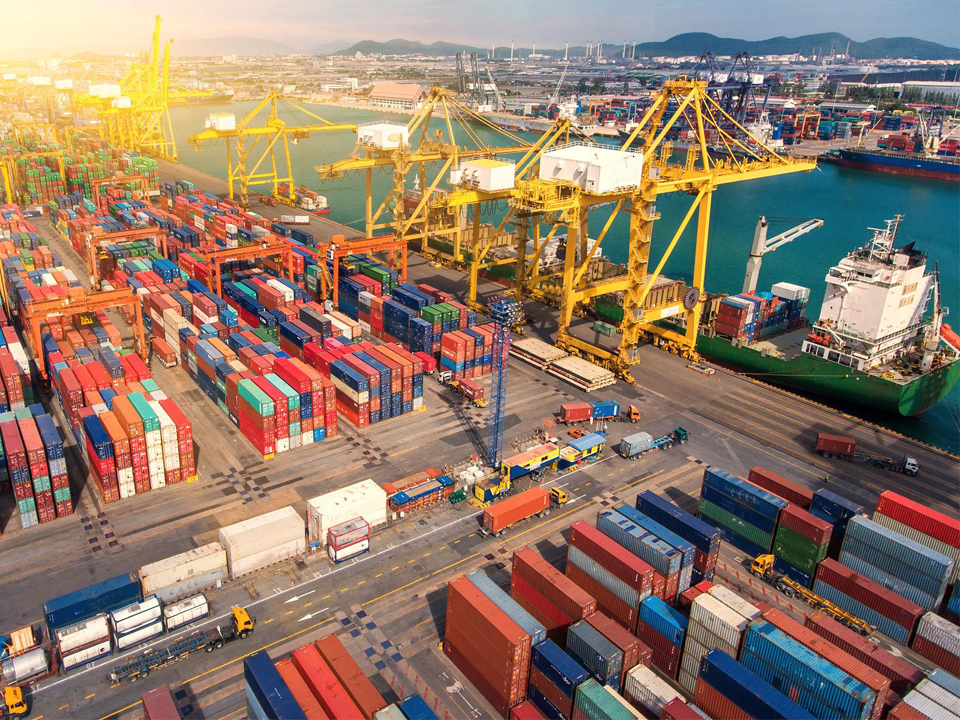
Стоимость доставки может сделать покупателя умным в понедельник, а к пятнице — глупцом. В мае 2024 года, Как сообщает агентство Reuters что спотовые ставки на перевозки из Китая на восточное побережье США выросли до $6 061 за 40-футовый контейнер по сравнению с $2 772 1 мая. На эту ситуацию повлияли перенаправление грузов через Красное море, заторы в портах и нехватка транспортных средств. Затем это повторилось в иной форме: в июне 2025 года, Как сообщает агентство Reuters Ставки на перевозку из Шанхая в Лос-Анджелес за неделю подскочили на 57% и достигли $5,876 за FEU, что более чем вдвое превышает уровень начала мая. Вот почему я не доверяю старым прогнозам по фрахту. Особенно когда речь идет о громоздких изделиях из прессованного волокна.
Багасса — легкий материал. Но при этом она занимает много места.
В этом и заключается проблема грузоперевозок. Контейнер с пищевой упаковкой из прессованного волокна, как правило, заполняется по объёму раньше, чем по весу, а это означает, что ваши реальные затраты определяются не только ценой за единицу продукции. Решающим фактором является стоимость одного места в контейнере. Плохо уложенный коробка для еды на вынос из прессованного волокна с откидной крышкой может незаметно занять больше места, чем ожидал покупатель, и никто этого не заметит, пока экспедитор не пришлет план погрузки.
Затем финансовый директор спрашивает, почему изменилась маржа.
Забавный разговор.
Не спрашивайте: “Сколько стоит один контейнер?”. Спросите лучше вот что
Сколько товарных единиц помещается в один контейнер 40HQ с учетом фактических размеров картонных коробок, потерь при укладке на поддоны, смешанной укладки товаров разных артикулов, ограничений по сжатию коробок и правил приемки на складе назначения?
Вот это и есть взрослый вопрос.
И нет, “около 1 200 коробок” — это не то, что нужно. Мне нужны все эти утомительные расчёты по каждому SKU: размер коробки, количество штук в коробке, вес брутто, объём в кубических метрах, количество, укладываемое на пол, количество на поддоне, потери при укладке на поддоны, а также указание, рассчитывалось ли количество с учётом обычных коробок или коробок под собственной торговой маркой. Без этого план погрузки — всего лишь догадка, замаскированная под таблицу в Excel.
Номер груза имеет смысл только после того, как будет точно указан номер упаковки.
Карта скрытых затрат, которую покупатели должны держать под рукой наряду с каждым ценовым предложением
Большинство слабых покупателей сравнивают цену за единицу.
Хорошие команды сравнивают показатели наносимого урона.
Область скрытых затрат
Где это проявляется
Почему покупатели упускают это из виду
Что нужно уточнить перед оформлением заказа
Укладка на поддоны
План погрузки, прием товара на складе, соблюдение дистрибьютором требований
Поставщик сначала указывает цены на картонные коробки без упаковки
Требуются ли поддоны? Каковы высота поддона, тип поддона и потери при погрузке?
Внутренние пакеты
Упаковки для розничной торговли, упаковки для предприятий общественного питания, санитарные требования
“Стандартная упаковка” — звучит безобидно
Сколько штук в каждом внутреннем пакете? Пакет с принтом, однотонный, запечатанный или с застежкой?
Картонные коробки под собственной торговой маркой
Фирменные картонные коробки, этикетки со штрих-кодом, прочность картонных коробок
Стоимость разработки графики кажется небольшой, пока не начинаются доработки
Каков минимальный объем заказа (MOQ) на картонные коробки с печатью по каждому SKU? Кто оплачивает расходы на изготовление печатных форм и настройку оборудования?
Обработка смешанных SKU
Консолидация, планирование производства, погрузка
Один контейнер может содержать от 5 до 20 SKU
Что такое комиссия за обработку смешанных SKU и программа разделения картонных коробок?
Лабораторные испытания
FDA, ЕС, ПФАС, компостируемость, отчеты о миграции
Старые отчеты используются повторно слишком бесконтрольно
Соответствует ли протокол испытаний именно данному материалу, покрытию, артикулу и условиям использования в пищевой промышленности?
Независимый осмотр
Контроль по AQL, надзор за погрузкой
Покупатели полагают, что контроль качества входит в стоимость
Кто оплачивает расходы на поездки инспектора, повторную проверку и задержку, связанную с неудачным прохождением проверки?
Фумигация / Соблюдение требований WPM
Деревянные поддоны, прокладки, ящики
“Поддоны” рассматриваются как элемент логистики, а не как вопрос соблюдения нормативных требований
Имеют ли все древесные материалы маркировку в соответствии со стандартом МСФЗ № 15 и соответствуют ли они требованиям страны назначения?
Задержка на таможне
Экзамены, пробелы в документации, вопросы по кодам HS
Стоимость задержки не указана в заказе на поставку
Кто готовит документы и что происходит, если груз задерживается?
Складское хозяйство
Хранение излишков, логистические услуги 3PL, постепенная реализация
Покупатели заказывают полный контейнер, но продают только часть груза
Какова ежемесячная стоимость хранения одного поддона после его поступления?
Нереализованные запасы
Неходовые размеры, неверное количество в упаковке
Минимальный объем заказа (MOQ) выглядит эффективным, но спрос неравномерный
На какие артикулы имеется подтвержденный спрос на покупку, а не просто каталожный спрос?
При ознакомлении с предложениями поставщиков держите эту таблицу открытой.
Серьёзно.
Ведь предложение, которое на первый взгляд кажется дешевле на 4%, может оказаться дороже на 9%, как только в модель будут включены реальные затраты на перевозку, упаковку, контроль качества и хранение.
“Стандартная упаковка” — это обманчивая фраза
Я ненавижу эту фразу.
“Стандартная экспортная коробка”.”
Стандарт для кого? Для завода? Для экспедитора? Для американского дистрибьютора продуктов питания? Для европейского оптовика? Для распределительного центра ресторанной сети, который требует штрих-коды GS1, этикетки на картонных коробках, обращенные наружу, и коробки, которые не деформируются после укладки двух слоев?
По моему опыту, “стандартная упаковка” обычно означает: “Мы ещё не обсудили, как именно вы будете принимать груз”.”
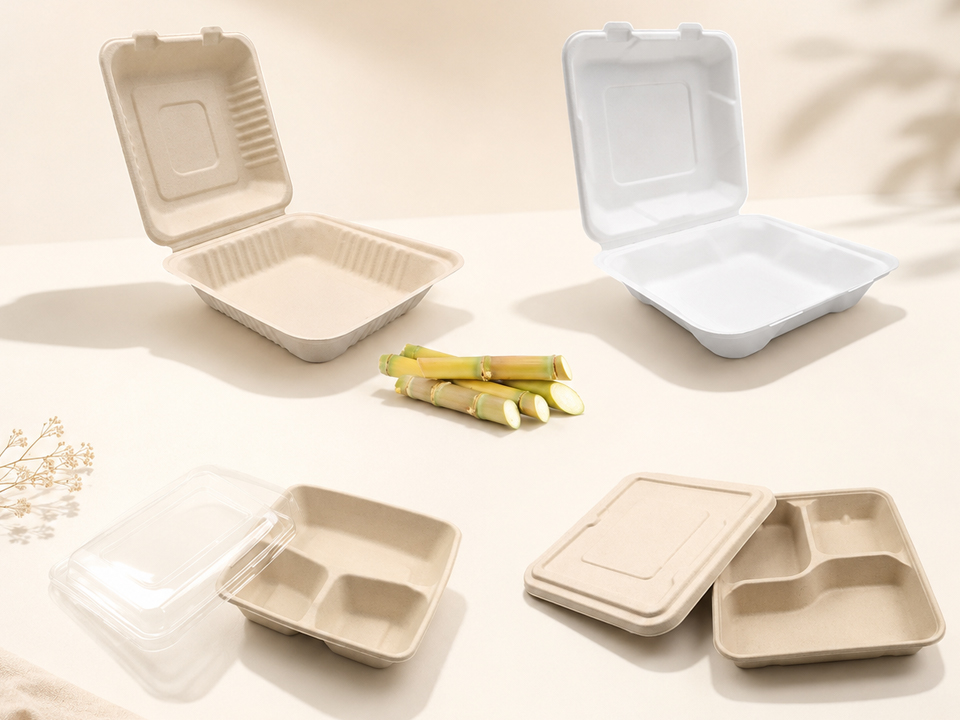
Если вы ищете 4-секционный поднос для еды «Bagasse» с крышкой для еды на вынос, при этом важно правильно сформировать комплект из основания и крышки. Если упаковывать их по отдельности, сотрудники склада могут допустить ошибку при подсчете. Если упаковывать их вместе, объем коробки может увеличиться. Если укладывать их слишком плотно, края крышки могут деформироваться. А если добавить коробки под собственной торговой маркой, то уже будут иметь значение сорт картона, расположение штрих-кода и минимальный объем заказа на печать.
Выявите проблему на раннем этапе.
Не обнаруживайте это уже после завершения производства.
Картонные упаковки под собственной торговой маркой — это не просто “напечатай мой логотип”
Упаковка под собственной торговой маркой кажется делом простым, пока не поступают реальные файлы.
Логотип. Штрих-код. Маркировка на коробке. Название продукта. Информация о составе. Страна происхождения. Количество в упаковке. Двуязычный текст. Инструкции по переработке или компостированию. Артикул розничного продавца. Возможно, QR-код. Возможно, SKU дистрибьютора. Возможно, предупреждающая строка, которую юридический отдел настаивает на добавлении в 23:00.
Затем поставщик сообщает, что минимальный объем заказа (MOQ) для картонной упаковки с печатью превышает минимальный объем заказа (MOQ) для самой продукции.
Отлично.
Производство картонных коробок для столовых приборов из багассы под собственной торговой маркой может быть выгодным решением, но только в том случае, если покупатель учитывает стоимость всего производственного цикла. Проверка макетов, изготовление пробных образцов коробок, проверка штрих-кодов, оплата печатных форм, использование более прочного картона и длительный процесс согласования — все это требует затрат. Иногда — финансовых. Иногда — временных. Обычно — и тех, и других.
Расходы на тестирование больше не являются второстепенным вопросом
Раньше документацию, касающуюся продуктов питания, рассматривали как набор файлов в формате PDF.
Отправить сертификат. Готово.
Теперь уже нет.
В базе данных Управления по контролю за продуктами и лекарствами США (FDA) по уведомлениям о материалах, контактирующих с пищевыми продуктами, поясняется, что уведомления связаны с назначением, ограничениями, техническими характеристиками и производителем. Европейская комиссия также отмечает, что Регламент (ЕС) № 1935/2004 устанавливает принципы безопасности и инертности для материалов, контактирующих с пищевыми продуктами, поставляемых на рынок ЕС.
Пояснение для покупателей: общего заявления о “соответствии требованиям FDA” недостаточно.
Отчет по тарелке для сухой пищи не распространяется автоматически на горячую, промасленную и покрытую соусом упаковку типа «кламшелл», используемую для доставки. Отчет о материалах от 2022 года может не охватывать сегодняшнее производство, если поставщик изменил химический состав покрытия, обработку для обеспечения маслостойкости, состав целлюлозной смеси или систему добавок. Отчет о миске может не охватывать контейнер с откидной крышкой. Звучит придирчиво? Так и есть.
Это и есть работа по обеспечению соблюдения нормативных требований.
А если ваш клиент — крупный импортер, розничный торговец или закупщик из торговой сети, он тоже будет задавать придирчивые вопросы.
PFAS усложнили производство формованного волокна
На протяжении многих лет в отрасли переработки багассы существовал «открытый секрет»: устойчивость к воздействию масла зачастую объяснялась химическими процессами, которые покупатели не до конца понимали.
Теперь это волнует регулирующие органы.
Закон штата Калифорния AB 1200 запрещает с 1 января 2023 года продажу или распространение пищевой упаковки, содержащей PFAS, подпадающих под регулирование. Департамент по безопасности и контролю за токсичными веществами штата Калифорния (DTSC) поясняет, что данное правило распространяется на пищевую упаковку, в состав которой намеренно добавлены PFAS, либо содержание PFAS в которой составляет 100 частей на миллион общего органического фтора или превышает этот показатель.
Это напрямую затрагивает упаковку из растительных волокон.
Тарелки из багассы. Миски. Подносы. Контейнеры с откидной крышкой. Контейнеры для еды на вынос.
Если ваш поставщик заявляет, что продукция “не содержит ПФАС”, не спешите радоваться. Попросите предоставить отчет. Затем проверьте название образца, дату испытаний, метод испытаний, описание продукта и убедитесь, что он соответствует именно тому SKU, который вы покупаете. Не “похожий лоток”. Не “из той же группы материалов”. Именно этот SKU.
Один отчет может стать решающим фактором, который определит, пройдет ли отгрузка гладко или приведет к неприятному звонку от клиента.
Профилактический осмотр обходится дешево только до тех пор, пока он вам не понадобится
Никто не любит платить за техосмотр.
Пока контейнер не прибудет с ошибкой.
Тогда каждый становится экспертом по качеству.
При проверке посуды из багассы, поставляемой оптом, следует оценивать не только внешний вид. Необходимо проверить прочность шарниров, плотность прилегания крышки, качество обрезки краев, соответствие заявленным показателям маслостойкости, влажность, количество штук, количество внутренних пакетов, маркировку на картонной коробке, расположение штрих-кода, степень сжатия коробки, количество смешанных артикулов и состояние укладки.
Показатель AQL — полезный инструмент. Важность контроля загрузки недооценивается.
Я уже видел такую картину. Поставщик винит склад. Склад винит экспедитора. Экспедитор винит “погрузочно-разгрузочную службу”. Покупатель требует компенсации. Все присылают фотографии. Никто не выигрывает.
Определите стоимость осмотра.
Иди дальше.
Плата за простой и задержку — это не редкие мелкие неприятности
Импортеры говорят о сборах D&D так, будто это какая-то необычная погода.
Это не так.
В окончательном постановлении Федеральной морской комиссии США от 2024 года, касающемся начисления сборов за просрочку разгрузки и задержку судна, указано, что в период с 2020 по 2022 год девять крупнейших перевозчиков, обслуживающих линейные маршруты США, выставили счета на сумму около $8,9 млрд за простой и задержку и получили около $6,9 млрд. Кроме того, по оценкам ФМК, ежегодно счета за простой и задержку выставляются на 5%–10% контейнеров, перевозимых в рамках торговли между США и другими странами.
Это должно напугать любого покупателя, перевозящего полные контейнеры.
Отсутствующий документ. Задержка с ответом таможни. Проблема с назначением времени в терминале. Задержка со стороны дальнобойщика. Склад, который не может принять поддоны в пятницу. Достаточно даже одной из этих проблем. А если их накопится две или три, то ваши “дешевые” расходы на импорт посуды из багассы начнут уходить в никуда прямо в порту.
Правило FMC способствует решению этой проблемы, устанавливая требования к более четкому указанию информации в счетах-фактурах и срокам выставления счетов.
Хорошо.
Но реформа документооборота не разгрузит ваш контейнер.
Деревянные поддоны могут привести к задержке отгрузки
Это просто до боли скучно.
Это тоже правда.
Вот та проблема с поддонами, о которой люди предпочитают не вспоминать. По данным APHIS Деревянные упаковочные материалы, ввозимые в Соединенные Штаты или проходящие через их территорию транзитом, должны быть свободны от вредителей, очищены от коры, подвергнуты термической обработке или фумигации, а также иметь маркировку в виде логотипа ISPM 15. Несоблюдение этих требований может привести к отказу во ввозе груза. Так что да, даже деревянные подставки под вашей “экологичной” посудой могут стать причиной проблем на таможне.
Если ваш поставщик использует деревянные поддоны, прокладки, опорные бруски или ящики, уточните это перед погрузкой. Если экспедитор перегружает груз на другие поддоны, уточните это еще раз. Если груз переходит из одного склада в другой до отправления, уточните это еще раз.
Раздражает? Конечно.
Все равно дешевле, чем хранение.
Склад — это место, где «мертвые» SKU начинают «кровоточить»
Полный контейнер создает впечатление эффективности при ведении переговоров.
Совсем другое дело, когда поступает 38 поддонов, а половина артикулов продаётся вяло.
В своём исследовании по рынку промышленных объектов большого формата в Северной Америке за 2024 год компания CBRE сообщила, что уровень прямой вакантности удвоился и к концу года составил 6,6%, в то время как арендные ставки по заключённым договорам всё же выросли до $8,08 за квадратный фут в год. Что касается округа Лос-Анджелес, расположенного вблизи портов Лос-Анджелеса и Лонг-Бич, CBRE сообщила о средней арендной ставке в размере $19,67 за квадратный фут в год.
А теперь представьте, что в эту среду попадают громоздкие картонные коробки из прессованного волокна.
Посуда из багассы весит не много, но занимает много места. Медленно реализуемый лоток с 5 отсеками может занимать столько же места на складе, сколько быстро реализуемая упаковка типа «кламшелл» размером 8×8. Картонная упаковка под собственной торговой маркой с неправильным количеством единиц в упаковке может просто простаивать, пока отдел продаж выясняет отношения с отделом закупок. Сезонный SKU, заказанный в слишком большом количестве, превращается в незаметную ежемесячную нагрузку.
Непроданный товар не кричит.
Оно просто стоит там и взимает арендную плату.
Контейнеры со смешанными артикулами выглядят привлекательно, пока не начнется производство
Покупателям нравятся смешанные контейнеры, потому что каталог выглядит более насыщенным.
В одном контейнере могут находиться 9-дюймовые тарелки, контейнеры типа «кламшелл» размером 8×8, контейнеры типа «кламшелл» размером 9×9, лотки с 4 отсеками и крышками, стаканчики для соуса, картонные коробки с собственной торговой маркой для двух SKU и простые картонные коробки для остальных товаров. В таблице всё аккуратно. На заводе — не так уж и аккуратно.
Различные формы. Различное время сушки. Различные размеры картонных коробок. Различные протоколы испытаний. Различные файлы этикеток. Различные производственные слоты.
И если даже один артикул не будет отгружен, весь контейнер может не успеть к крайнему сроку погрузки на судно.
Тогда кто-то спрашивает: “Можно ли сначала отправить готовую продукцию?”
Возможно. Но теперь вам придется нести расходы на разделенную отправку, оформлять дополнительные документы, столкнуться с возможной задержкой на складе и еще одной головной болью, связанной с перевозкой груза.
Именно поэтому для работы со смешанными SKU необходимы четкие цены и четкий план действий.
Ни малейшего пожимания плечами.
Формула расчета стоимости с учетом доставки, которой я действительно доверяю
Вот формула, которую я использую при проверке предложения по оптовой продаже посуды из багассы:
Фактическая стоимость с доставкой за единицу = себестоимость продукции + затраты на улучшение упаковки + стоимость картонной упаковки под собственной торговой маркой + испытания + независимый контроль качества + внутренние перевозки + морской фрахт + страхование + таможенное оформление + пошлины/тарифы + портовые сборы + резерв на риск задержки/простоя + складирование + резерв на нереализуемые запасы
Большинство покупателей включают в свой заказ первые пять товаров.
Возможно.
Пропавшие вещи никуда не деваются. Просто появляются позже, в самый неподходящий момент.
Улучшенный чек-лист для предзаказа
Прежде чем вносить залог, обязательно попросите представителя компании ответить на следующие вопросы:
Точный вес одного изделия
Точное количество коробок и их размеры
Брутто-вес и нетто-вес картонной коробки
Количество штук в упаковках по 20GP, 40GP и 40HQ
Количество на поддонах по сравнению с количеством, размещенным непосредственно на полу
Размеры поддонов, материал, из которого они изготовлены, и соответствие стандарту МСФЗ № 15
Количество внутренних пакетов и способ запечатывания
Минимальный объем заказа (MOQ) и затраты на настройку производства картонной упаковки под собственной торговой маркой
Ответственность за штрих-код, маркировку картонной упаковки и этикетку
Объем лабораторного отчета, дата, название образца и условия испытаний
Стандарт проведения инспекций третьими сторонами и правила повторной инспекции
Последовательность производства и погрузки товаров с различными артикулами
Предположение о коде HS и проверка ставки пошлины
Правила приема грузов в порту назначения и на складе
План постепенного вывода SKU из ассортимента
Это не слишком?
Нет.
Это минимальный объем, если вы закупаете товары партиями в контейнерах.
Проблема нереализованных запасов, о которой никто не упоминает в цитате
Дистрибьютор может каждую неделю распродавать контейнеры типа «кламшелл» размером 8×8, а лотки с 5 отсеками — практически не трогать. Ресторанная сеть может протестировать тарелку под собственной торговой маркой и отложить её внедрение. Заказчик может заказать слишком много различных размеров, поскольку каталог выглядит привлекательнее при более широком ассортименте.
Нереализованные запасы — это не только непроданная продукция.
Это заблокированные денежные средства, арендная плата за складские помещения, поврежденные картонные коробки, складские операции, предоставление скидок и отвлечение внимания руководства. Хуже того, это затрудняет следующую закупку, поскольку денежные средства покупателя уже вложены в неправильный SKU.
Мое правило простое: не стоит гнаться за самой низкой ценой, рассчитанной на основе минимального объема заказа (MOQ), если у данного артикула нет подтвержденной динамики продаж.
Небольшой заказ первого заказа, который быстро распродается, лучше, чем более дешевая партия товара, которая пролежит на складе девять месяцев.
Каждый раз.
Надежные поставщики сокращают расходы еще до того, как груз будет отправлен
Лучшие поставщики багассы не ограничиваются лишь предоставлением ценовых предложений.
Они позволяют избежать ненужных затрат.
Они помогают в оптимизации упаковки, консолидации SKU, составлении планов погрузки, сопоставлении протоколов испытаний, планировании упаковки под собственную торговую марку, подготовке к проверкам и составлении реалистичных графиков производства. Они не прикрываются понятием “стандартной упаковки”, когда у покупателя четко прописаны правила приемки, установленные дистрибьютором.
И да, я скажу то, что не всем понравится: самый дешёвый поставщик зачастую оказывается самым дорогим, если он заставляет покупателя самостоятельно разбираться со всеми скрытыми расходами.
Это не поиск поставщиков.
Это и есть присмотр за детьми.
Часто задаваемые вопросы
Какие скрытые расходы могут возникнуть при оптовых заказах посуды из багассы?
Скрытые затраты при оптовых заказах посуды из багассы — это расходы, которые не входят в заводскую цену за единицу, но тем не менее негативно сказываются на реальной марже импортера: колебания стоимости фрахта, потери поддонов, внутренние мешки, картонные коробки с печатью, испытания, проверки, задержки на таможне, задержание груза, аренда склада и медленно реализуемые запасы.
Самое неприятное — это выбор момента. Эти расходы обычно возникают уже после того, как покупатель чувствует себя связанным обязательствами — внесен залог, утверждены макеты, дано обещание о продаже. На этом этапе отказываться от каждой “небольшой дополнительной опции” становится гораздо сложнее.
Как рассчитать стоимость с доставкой при заказе посуды из багассы оптом?
Стоимость с доставкой для оптовых заказов посуды из багассы рассчитывается путем сложения стоимости продукции, затрат на улучшение упаковки, испытаний, контроля качества, внутренних автоперевозок, морского фрахта, страхования, таможенного оформления, пошлин, портовых сборов, риска задержки судна, складских расходов и резерва на нереализуемые запасы, а затем деления полученной суммы на количество единиц товара, готового к продаже.
Используйте товар, пригодный для продажи, а не отгруженный товар. Если картонные коробки поступают помятыми, крышки не совпадают с основаниями или товар под собственной торговой маркой плохо расходится, реальная экономическая себестоимость одной пригодной к использованию единицы товара возрастает.
Почему транспортные расходы так сильно сказываются на оптовых ценах на посуду из багассы?
Стоимость перевозки существенно влияет на оптовые цены на посуду из багассы, поскольку формованное волокно занимает много места, но не имеет большого веса, в результате чего объем контейнера заполняется раньше, чем достигается его максимальный вес. Размеры картонных коробок, глубина вложения, правила погрузки на поддоны и смешанная портировка товаров могут повлиять на стоимость перевозки за единицу в большей степени, чем ожидают покупатели.
Именно поэтому для меня важнее показатель “количество единиц на 40-футовый контейнер типа HQ”, чем просто привлекательная цена на условиях FOB. Поставщик, который более рационально расставляет груз в контейнере и использует более продуманные картонные коробки, может предложить более выгодные условия, чем тот, чье предложение кажется дешевле на бумаге, когда дело доходит до фактической загрузки контейнера.
Дорогие ли картонные коробки для столовой посуды из багассы под собственной торговой маркой?
Картонные коробки для столовых приборов из багассы под частной торговой маркой могут обойтись дорого, если покупателям требуются коробки с печатью, этикетки со штрих-кодами, картон более высокой прочности, внесение изменений в макет, печать небольшими партиями, многоязычные надписи или отдельные дизайны коробок для нескольких артикулов в одной партии.
Стоимость печати может показаться не столь значительной. Настоящий риск заключается в задержках, необходимости доработки, отказе в приеме, несоответствии штрих-кодов, а также повреждении картонных коробок во время хранения или дистрибуции.
Должны ли покупатели оплачивать проверку, проводимую сторонней организацией?
При заказе посуды из багассы в оптовых партиях покупателям следует оплатить проведение независимой проверки, поскольку такая проверка позволяет выявить дефекты, неверные маркировки на картонных коробках, неверное количество изделий в упаковке, слабые петли, деформированные крышки, проблемы с влажностью и сложности при погрузке до того, как груз покинет зону контроля поставщика.
Отказ от проверки позволяет сэкономить деньги только в том случае, если всё пойдёт гладко. В реальной практике закупок, особенно при заказах под собственной торговой маркой или у дистрибьюторов, это не стратегия. Это просто надежда.
В чём заключается самая большая ошибка при расчёте затрат на импорт посуды из багассы?
Самая большая ошибка при расчете себестоимости импорта посуды из багассы заключается в том, что цену за единицу на условиях FOB считают окончательной стоимостью закупки. Но это не так. Объем коробки, колебания стоимости фрахта, правила погрузки на поддоны, объем испытаний, сборы за инспекцию, портовые сборы, хранение и нереализуемые запасы — все это может превратить самое дешевое предложение в самое дорогое.
Выгодная цена на уровне завода имеет смысл только в том случае, если она сохраняется после учета стоимости доставки. Серьезные покупатели сравнивают контролируемую стоимость с учетом доставки, а не самую привлекательную цифру, указанную в предложении.
Ваши следующие шаги
Прежде чем разместить следующий оптовый заказ на посуду из багассы, не ограничивайтесь запросом только прайс-листа.
Попросите предложение, которое вы сможете реализовать, а не просто предложение, которым можно восхищаться.
Сообщите поставщику информацию о рынке сбыта, целевых SKU, объеме заказа, требованиях к продукции под собственной торговой маркой, правилах упаковки в картонные коробки, требованиях к тестированию, предпочтениях в отношении паллет и ограничениях по приемке на склад. Затем уточните все мельчайшие детали: точные размеры картонных коробок, количество единиц в упаковке, данные о размещении товара на паллетах или непосредственно на полу, объем отчета о контакте с пищевыми продуктами и варианты проверки.
Если поставщик не может дать чёткого ответа, не стоит считать это выгодным предложением.