Планируете разработать программу по упаковке? Обратитесь к Наша управленческая команда
Сообщите нам о своих потребностях в продукции, необходимом количестве и целевом рынке. Мы рассмотрим ваши требования и поможем определить подходящие варианты, минимальный объем заказа (MOQ), возможности индивидуальной настройки и дальнейшие шаги.
Обсудите вашу программу по упаковке с нашей руководящей командой
Наша руководящая команда
Не уверены, какой материал, размер или формат продукции подходит для ваших целей? Сообщите нам о назначении продукции, предполагаемом объеме заказа, целевом рынке, требованиях к брендингу и документации. Наша команда порекомендует подходящие варианты и поможет уточнить минимальный объем заказа (MOQ), вопросы, связанные с образцами, сроками изготовления, упаковкой и имеющимися документами о соответствии требованиям.
Помощь по вашему запросу
Совместимость продуктов и материалов
Ежегодное планирование объемов и производственных мощностей
Разработка ассортимента продукции под собственной торговой маркой
Управление качеством, соблюдением нормативных требований и поставками
Хотите получить быстрое ценовое предложение? Обратитесь к Наша команда по продажам
Сообщите нам о своих требованиях к продукции, необходимом количестве и целевом рынке. Мы поможем определить подходящие варианты, минимальный объем заказа (MOQ), цены и дальнейшие шаги.
Нужен быстрый расчет стоимости или помощь в подборе подходящего товара?
Наша служба поддержки по продукции и экспорту
Сообщите нам тип вашей продукции, размеры, ориентировочный объем заказа, целевой рынок и требования к индивидуализации. Наша команда по продажам поможет подобрать подходящие варианты и уточнить цены, минимальный объем заказа (MOQ), возможность предоставления образцов, сроки изготовления, условия упаковки и наличие необходимых сертификатов соответствия.
Помощь по вашему запросу
Совместимость продуктов и материалов
Минимальный объем заказа, образцы и сроки изготовления
Варианты печати и упаковки по стандартам OEM
Документация для целевых рынков
Планируете разработать программу по упаковке? Обратитесь к Наша управленческая команда
Сообщите нам о своих потребностях в продукции, необходимом количестве и целевом рынке. Мы рассмотрим ваши требования и поможем определить подходящие варианты, минимальный объем заказа (MOQ), возможности индивидуальной настройки и дальнейшие шаги.
Обсудите вашу программу по упаковке с нашей руководящей командой
Наша руководящая команда
Не уверены, какой материал, размер или формат продукции подходит для ваших целей? Сообщите нам о назначении продукции, предполагаемом объеме заказа, целевом рынке, требованиях к брендингу и документации. Наша команда порекомендует подходящие варианты и поможет уточнить минимальный объем заказа (MOQ), вопросы, связанные с образцами, сроками изготовления, упаковкой и имеющимися документами о соответствии требованиям.
Помощь по вашему запросу
Совместимость продуктов и материалов
Минимальный объем заказа, образцы и сроки изготовления
Проверка поставщиков на отсутствие ПФАС: вопросы для предприятий по экспорту багассы
Однажды покупатель прислал мне сертификат “без ПФАС” на коробку для еды на вынос, изготовленную из багассы.
Одна страница.
Хороший логотип. Большой штамп. Четкая верстка. Честно говоря, почти слишком четкая.
Потом я присмотрелся повнимательнее — и вот тут-то дело и стало выглядеть подозрительно, ведь в отчете не было указано, какой именно SKU тестировался, не был указан предел обнаружения (LOQ), не была названа система покрытия, не было пояснено, был ли образец взят из реального серийного производства или представлял собой какой-то «отполированный» лабораторный образец, и почему-то поставщик рассчитывал, что одного красивого PDF-файла будет достаточно для полного контейнерного заказа контейнеров для горячей пищи.
Вы бы с этим согласились?
Я бы не стал.
Вот горькая правда: многие заявления поставщиков пищевой упаковки о том, что их продукция не содержит ПФАС, не являются откровенной ложью. В этом и не проблема. На самом деле проблема гораздо серьезнее. Их аргументы слабы. Достаточно слабы, чтобы пройти поверхностную проверку поставщиков, но недостаточно убедительны для американского дистрибьютора, импортера из ЕС, закупщика ресторанной сети или менеджера по контролю качества частной торговой марки, которому через шесть месяцев придется отстаивать это решение.
А когда покупатель оказывается в затруднительном положении, на заводе обычно отвечают одно и то же.
“Мы уже выдали сертификат”.”
Конечно. Но на что именно выдается сертификат?
Сертификат — это не система управления
Большинство отделов по поиску поставщиков по-прежнему рассматривают требование об отсутствии ПФАС как запрос на предоставление документации.
Плохая привычка.
Поиск поставщиков продукции без ПФАС — это вопрос организации системы контроля, а не просто сбор документов в формате PDF. Серьёзный поставщик посуды из багассы, не содержащей ПФАС, должен быть в состоянии объяснить, что именно тестировалось, где проводились испытания, какой лабораторный метод использовался, каков был предел обнаружения (LOQ), какой поставщик покрытий задействован, при каких условиях проводится повторное тестирование и что происходит в случае несоответствия партии. Если торговый представитель не может ответить на эти вопросы, не исчезнув на три дня, вы кое-что узнали.
Возможно, с заводом всё в порядке.
Возможно, нет.
Но у вас недостаточно доказательств, чтобы это одобрить.
Рынок США уже резко отреагировал на эту новость. 28 февраля 2024 года Управление по контролю за продуктами и лекарствами (FDA) объявило, что материалы с жироотталкивающим покрытием, содержащие ПФАС, больше не будут продаваться для использования в пищевой упаковке в США, включая упаковку для фаст-фуда, пакеты для попкорна для микроволновых печей, картонные контейнеры для еды на вынос и пакеты для корма для домашних животных, согласно его заявлению от ПФАС, используемые в упаковке пищевых продуктов в США.
В Европе к этому вопросу подходят ещё более строго с точки зрения количественных показателей. В соответствии с Регламентом (ЕС) 2025/40, упаковка, контактирующая с пищевыми продуктами и поставляемая на рынок ЕС, должна соответствовать предельным значениям концентрации ПФАС: 25 ppb для любого отдельного ПФАС, 250 ppb для суммы всех указанных ПФАС и 50 ppm для ПФАС, включая полимерные ПФАС; данное Регламент вступает в силу 12 августа 2026 года в соответствии с Регламент (ЕС) № 2025/40.
Поэтому, когда производитель заявляет, что продукт “не содержит ПФАС”, я хочу увидеть цифры.
Не атмосфера.
Почему багасса относится к особой категории риска
«Багасса» — звучит безобидно.
Волокно сахарного тростника. Формованная целлюлоза. Материал, пригодный для компостирования. Естественный коричневатый вид. Очень привлекательно выглядит в каталоге.
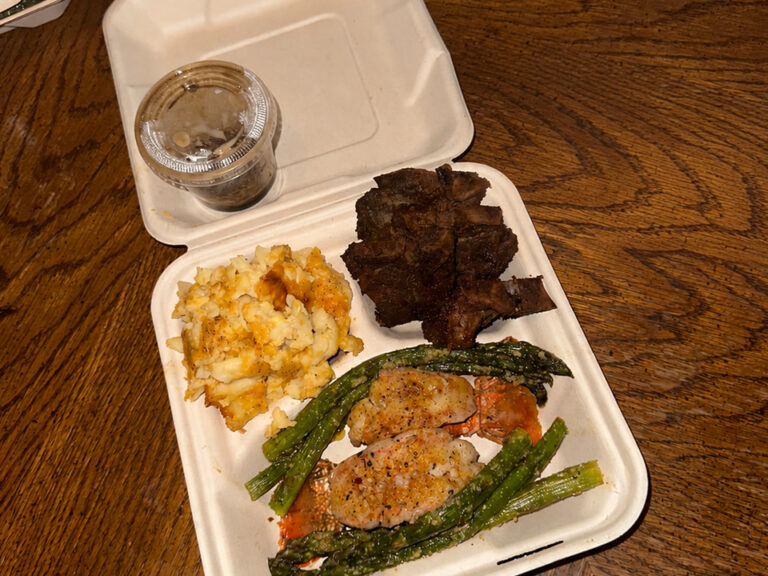
Но сфера общественного питания — это не просто каталог. Это горячий рис, жирная курица, перечное масло, соус карри, овощи, приготовленные на пару, конденсат под крышкой и курьер, который оставляет заказ в сумке для доставки на 42 минуты из-за пробок. Вот это и есть реальный сценарий использования.
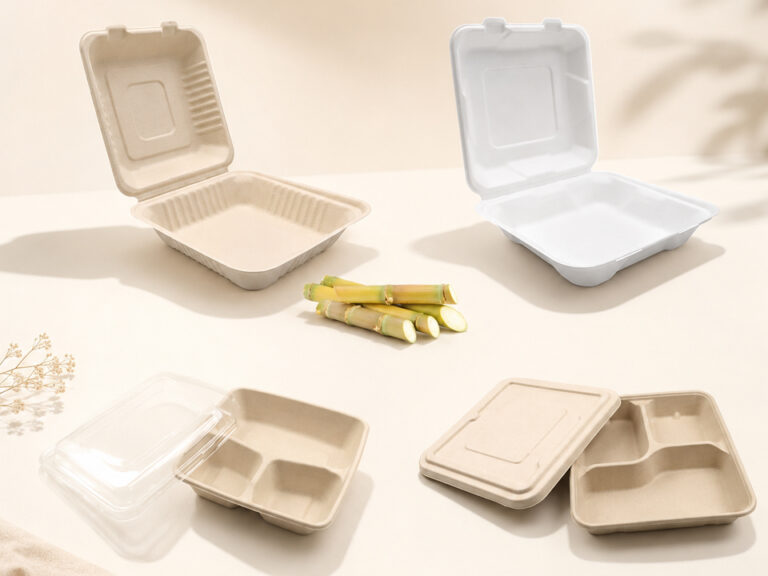
Если продукт представляет собой 4-секционный поднос для еды «Bagasse» с крышкой для еды на вынос, не проверяйте его так, как будто это поднос с сухими закусками. Поднос для еды с крышкой позволяет удерживать пар, имеет несколько зон для продуктов, обеспечивает более длительное время нахождения пищи в нем и, как правило, более длительный контакт с маслом. Это должно быть отражено в документации, подтверждающей отсутствие ПФАС.
Одно и то же семейство материалов. Различные уровни риска.
Это различие имеет большее значение, чем признают большинство покупателей.
Мое спорное мнение: большинство файлов, заявленных как «без ПФАС», — это просто рекламный трюк
Я скажу то, о чём обычно молчат.
Большинство файлов без содержания ПФАС, которые я вижу от экспортных фабрик, созданы для того, чтобы удовлетворить требования контрольного списка, присланного покупателем по электронной почте, а не для того, чтобы выдержать проверку на соответствие нормативным требованиям в реальных условиях.
У них есть один отчет. Одно заявление. Возможно, обрезанный сертификат. В описании образца содержится нечто расплывчатое вроде “посуда из багассы”. Дата отчёта давно прошла. Отсутствует страница с описанием лабораторного метода. Предел определения (LOQ) нигде не указан. Поставщик покрытия не назван. И каким-то образом этот поставщик распространяет свои заявления как на миски, тарелки, подносы, контейнеры с откидной крышкой, крышки, так и на печатные рукава, а также на индивидуальные версии под частной торговой маркой.
Это не соответствие требованиям.
Это и есть поиск источников методом «копировать-вставить».
Отчет, подготовленный для одной простой тарелки, не распространяется автоматически на коробку с покрытием. Отчет, подготовленный для одного размера, не распространяется автоматически на всю серию изделий. Отчет, подготовленный для предсерийного образца, не распространяется автоматически на партию продукции. Отчет, подготовленный для контакта с сухими продуктами, не распространяется автоматически на горячие, жирные или влажные продукты. И нет, “один и тот же материал” — это не «волшебный зонтик».
Если вы ищете коробка для еды на вынос из прессованного волокна с откидной крышкой, в отчете должны быть указаны тип изделия, его сторона, контактирующая с пищевыми продуктами, состояние покрытия, а также предполагаемые условия контакта с пищевыми продуктами. В противном случае это просто бумажная волокита с красивой обложкой.
Анкета для поставщика должна заставить завод немного попотеть
Хорошие поставщики не впадают в панику, когда вы задаете им сложные вопросы.
Им, возможно, понадобится время. Это понятно. Возможно, им нужно будет проконсультироваться с отделом контроля качества, лабораторией или поставщиком покрытий. Это тоже понятно.
Но на настоящем заводе должны быть документальные подтверждения. Если на каждый вопрос отвечают: “Дорогой друг, не волнуйся, наша продукция очень безопасна”, — я начинаю беспокоиться ещё больше.
Используйте эту таблицу в качестве первого фильтра.
Зона проверки
Вопрос, который следует задать производителю
Доказательства, которые необходимо запросить
Красный флаг
Испытательная лаборатория
Какая независимая лаборатория проводила анализ на наличие ПФАС?
Полный отчет с указанием названия лаборатории, данных об аккредитации, даты, метода и описания образца
Поставщик присылает только скриншот или обрезанную копию сертификата
Пороговое значение LOQ
Каков предел определения (LOQ) для каждого аналита из группы ПФАС?
Страница с методом, на которой указан предел количественного определения по каждому соединению
“ND” указано без сведений о пределе определения (LOQ)
Декларация
Предоставляете ли вы декларацию об отсутствии намеренно добавленных ПФАС?
Подписанная декларация поставщика, привязанная к SKU, материалу и покрытию
Общее утверждение, не связанное с областью применения продукта
Контроль нанесения покрытия
Кто поставляет покрытие или смазочный барьер?
Декларация поставщика покрытий и протокол контроля изменений
Завод отказывается раскрыть источник поставки покрытия даже при наличии соглашения о неразглашении
Область применения
Какие SKU охватывает данный отчет?
Список артикулов, размеры, цвет, покрытие, тип крышки, сторона, контактирующая с пищевыми продуктами
Один отчет, используемый для составления полного каталога
Периодичность повторного тестирования
Как часто вы проводите повторную проверку активных SKU?
Политика проведения ежегодных или периодических повторных тестирований
“Мы провели тестирование один раз”
Изменения в формуле
Что происходит, если изменяются характеристики целлюлозы, покрытия, краски, клея или разделительного средства?
Письменная стандартная операционная процедура по контролю изменений
Отсутствие формальной процедуры утверждения
Ошибка при обработке пакета
Что произойдет, если уровень ПФАС превысит согласованный порог?
Карантин, выявление первопричины, уведомление клиента, повторное тестирование, план утилизации
“Такого никогда не бывает”
Опыт работы на рынке
Отправляли ли вы упаковку из багассы, не содержащую ПФАС, клиентам в США или ЕС?
Записи об экспорте, категории клиентов, история аудитов, примеры документов по обеспечению соответствия
Отсутствие опыта работы за пределами страны в сфере продаж с минимальным пакетом документов
Это не академический контрольный список.
Это инструмент, помогающий покупателю выжить.
Начните с описания образца, а не с результата
Результат теста имеет смысл только в том случае, если описание образца достаточно точное.
Звучит скучно. Но это не так.
Я видел отчеты, в которых результат выглядел нормально, но описание образца было настолько расплывчатым, что покупатель не мог доказать, что отчет относится именно к заказанному товару. “Контейнер из формованной целлюлозы”. Отлично. Но какой именно? Обычный или с покрытием? С крышкой или без? Белый или натурального цвета? С печатью или без? Производственный образец или выставочный? С той же производственной линии или с другого завода?
Именно здесь и возникает риск.
Для Трехсекционная тарелка из багассы для общественного питания, в файле должны быть указаны SKU, размеры, материал, цвет, форма отсеков, сторона, контактирующая с пищевыми продуктами, а также информация о том, применялась ли обработка для обеспечения жиростойкости. Если тарелка предназначена для жирных горячих блюд, укажите это. Если испытания проводились только с сухими продуктами, также укажите это.
Хороший файл выглядит скучно конкретным.
Неисправные файлы кажутся исправными.
“ND” без указания предельного уровня определения (LOQ) — этого недостаточно
«Не обнаружено» — это звучит обнадеживающе.
Слишком утешительно.
“ND” означает лишь то, что лаборатория не обнаружила целевое соединение в концентрации, превышающей заявленный предел обнаружения или количественного определения. Если предел количественного определения (LOQ) установлен на низком уровне — или отсутствует вовсе — заказчик не может точно понять, что именно подтверждает данный отчет. Он все же может оказаться полезным. А может оказаться и пустышкой.
Задайте на заводе именно этот вопрос:
“Каков предел обнаружения (LOQ) или предел отчетности для каждого аналита из группы ПФАС?”
Тогда посмотрите, что будет дальше.
Если они снова пришлют тот же самый сертификат, то, скорее всего, они не поняли суть отчета. А вот если они пришлют полную страницу с описанием лабораторных методов, перечень анализируемых веществ и пределы отчетности, то тогда вы имеете дело с серьезными людьми.
Для упаковки, контактирующей с пищевыми продуктами и предназначенной для рынков ЕС, важны показатели PPWR: 25 ppb для любого отдельного PFAS, 250 ppb для суммы целевых PFAS и 50 ppm для PFAS, включая полимерные PFAS. Однако эти пороговые значения имеют значение только в том случае, если ваш лабораторный метод действительно позволяет обеспечить соответствие стандарту закупки. Одной лишь красивой фразы “прошел проверку” без подробного описания метода недостаточно.
Я бы хотел увидеть:
Метод испытания
Целевой перечень аналитов ПФАС
LOQ или предел определения по аналиту
Рекомендации по подготовке проб
Результаты по аналиту
Название лаборатории и аккредитация
Дата тестирования
Объем поставки
Номер партии продукции или образца
Нет предела определения (LOQ)?
Никакого утешения.
“Фраза ”Без намеренно добавленных ПФАС» полезна, но не стоит придавать ей чрезмерного значения
Заявление об отсутствии намеренно добавленных ПФАС не является синонимом отрицательного результата анализа на ПФАС.
Совсем другое животное.
В декларации указано, что, по утверждению поставщика, ПФАС не добавлялись намеренно ни в целлюлозу, ни в покрытие, ни в краску, ни в клей, ни в пигмент, ни в технологические добавки. Хорошо. Вам это нужно. Но это не исключает автоматически возможность загрязнения, попадания химикатов из предыдущих этапов производства, проблем с вторичным сырьем, загрязнения воды или каких-то загадочных технологических добавок, лежащих где-то в углу завода.
Так что мне нужно две вещи, а не одна.
Подписанная декларация об отсутствии намеренного добавления ПФАС.
А также текущие испытания, проводимые сторонними организациями.
Декларация отражает намерения. Лабораторный отчет проверяет фактическое положение дел. И то, и другое имеет значение, поскольку заводы — это не изолированные «химические островки»; они встроены в сложную цепочку поставок, включающую поставщиков покрытий, добавок и целлюлозы, субподрядчиков, а также альтернативные материалы, используемые для снижения затрат, о которых никто не упоминает в презентациях для клиентов.
Статья в журнале «Nature», посвящённая воздействие на человека химических веществ, вступающих в контакт с пищевыми продуктами обнаружили в организме человека следы 3 601 химического вещества, контактирующего с пищевыми продуктами, в том числе 80 веществ, обладающих свойствами, вызывающими серьезную озабоченность. Это не означает, что ваш поднос из багассы автоматически представляет опасность. Не стоит преувеличивать. Но это означает, что к химическому составу материалов, контактирующих с пищевыми продуктами, следует относиться с большим вниманием, чем к однострочному заявлению о “экологичности”.
Именно с поставщиком покрытий история начинает запутываться
Вот тот момент, который отделы закупок часто упускают из виду.
Возможно, завод по переработке багассы не владеет патентами на химический состав жиробарьера.
Возможно, речь идет о покупке покрытия. Или добавки. Или разделительного средства для форм. Или средства для обработки поверхности. Возможно, поставщик покрытия изменил рецептуру. Возможно, завод сменил поставщика из-за сокращения сроков поставки. Возможно, отдел закупок одобрил замену, чтобы сократить расходы. Возможно, отдел контроля качества узнал об этом слишком поздно.
Об этом сообщают покупателю?
Вот и вся суть дела.
Спросите:
Кто поставляет покрытие или смазочный барьер?
Зафиксирован ли поставщик покрытия по коду материала?
Предоставляет ли поставщик покрытий декларацию об отсутствии намеренно добавленных ПФАС?
Может ли завод сменить поставщика покрытий без согласия заказчика?
Можно ли отследить связь между партиями покрытий и готовой продукцией?
Есть ли номер версии формулы покрытия?
Можно ли раскрывать конфиденциальную химическую информацию в рамках соглашения о неразглашении (NDA) испытательной лаборатории покупателя?
Если на заводе говорят: “Это секрет”, — я понимаю.
Если на заводе говорят: “Мы не можем это контролировать, потому что это зависит от поставщика”, — я ухожу.
Повторное тестирование должно проводиться с учетом степени риска, а не исходя из календарных соображений
Ежегодные проверки — это нормально.
Тестирование на основе событий — лучший вариант.
В анкете для поставщиков, касающейся отсутствия ПФАС, следует задать вопрос о том, что является поводом для повторного тестирования. Не просто “как часто”. Если завод меняет источник поставки целлюлозы, поставщика покрытия, рецептуру покрытия, пигмент, краску, клей, разделительную смазку, производственную площадку, процесс сушки или конструкцию, контактирующую с пищевыми продуктами, это должно стать поводом для пересмотра. Возможно, потребуется повторное тестирование. Возможно, потребуется одобрение заказчика. Всё зависит от характера изменения. Но правило должно быть.
Для Коробка для еды на вынос типа «кламшелл» с тремя отделениями, выполненная в стиле «багасса», я бы приложил больше усилий, чем обычно. Контейнер типа «ракушка» — это не просто лоток на петлях. Он удерживает пар. В нём перевозят горячую еду. В нём могут находиться соусы. Он может оставаться закрытым в течение длительного времени при доставке. Это не «мягкий» вариант использования.
Мой предпочтительный вариант формулировки повторного теста выглядел бы следующим образом:
Проводить повторную проверку активных SKU каждые 12 месяцев
Проведите повторное тестирование после любой смены покрытия или жиробарьера
Повторное тестирование после смены источника пульпы
Проведите повторное тестирование при переносе производства на новый объект или линию
Провести повторное испытание после изменения пигмента, чернил, клея или технологических добавок
Провести повторные испытания после поступления жалоб от клиентов на маслостойкость, запах, образование пятен или поведение материала на поверхности
Храните отборные пробы и соответствующую документацию не менее пяти лет
Пять лет могут показаться долгим сроком. Но это не так.
Процесс внедрения правила EPA по отчетности в соответствии с разделом 8(a)(7) закона TSCA продолжается, и именно поэтому покупателям не следует составлять неаккуратные документы и надеяться, что позже никто не задаст вопросов. На собственной странице EPA поясняется, что требование о представлении отчетности распространяется на производителей и импортеров ПФАС или изделий, содержащих ПФАС, за любой год, начиная с 1 января 2011 года, и с тех пор агентство обновляет сроки, одновременно рассматривая изменения в сфере применения правила. Агентство Reuters также предупредило в своём анализе, что отчетность по ПФАС распространяется на производителей и импортеров во всех сферах коммерческого использования, включая изделия, смеси и побочные продукты, в своём анализе Требование Агентства по охране окружающей среды США (EPA) о представлении отчетности по ПФАС.
Перевод для покупателей?
Ведите документацию более тщательно.
Обработка неудачных партий показывает, с кем вы на самом деле имеете дело
Спросите у поставщика, что происходит в случае обнаружения ПФАС.
Тогда заткнись.
Пусть они ответят.
Ненадежные поставщики говорят: “Такого не бывает”. Надежные поставщики говорят: “Наша продукция безопасна”. Настоящие поставщики говорят не так красиво, но более конструктивно: они изолируют партию, проверяют сохраненные образцы, отслеживают партии сырья, анализируют записи о нанесении покрытия, приостанавливают отгрузку, при необходимости уведомляют затронутых клиентов, проводят анализ первопричин и выпускают товар только после утверждения мер по устранению проблемы.
Этот ответ не выглядит впечатляющим.
Это именно то, что вам нужно.
По моему опыту, поставщик, у которого в прошлом был один хорошо устраненный сбой, зачастую вызывает больше доверия, чем тот, кто делает вид, будто у него никогда не было никаких проблем. «Идеальные» заводы, как правило, обладают избирательной памятью.
Попросите предоставить стандартную операционную процедуру (SOP) для неудачных партий.
Спросите, кто его подписывает.
Спросите, может ли отдел продаж пойти вразрез с требованиями отдела контроля качества.
Узнайте, получает ли клиент уведомление перед отправкой.
Уточните, может ли завод отследить соответствующую дату производства, поддон, картонную коробку, партию сырья и сохраненный образец.
Если они не могут отследить это, то и контролировать не смогут.
Как выглядит готовый к предоставлению покупателю пакет документов, подтверждающий соответствие требованиям по отсутствию ПФАС
Не позволяйте этому файлу превратиться в «ящик для всякой ерунды».
Полный файл поставщика столовой посуды из багассы, не содержащей ПФАС, должен включать:
Полный отчет о результатах независимых испытаний на содержание ПФАС
Метод испытаний и перечень анализируемых веществ
LOQ или предел определения по аналиту
Точный список артикулов и ассортимента продукции
Описание поверхностей, контактирующих с пищевыми продуктами
Декларация об отсутствии намеренно добавленных ПФАС
Декларация поставщика покрытий
Декларация о составе материала
Стандартная операционная процедура по контролю изменений
Правила повторного тестирования
Стандартная операционная процедура по работе с бракованными партиями
Журнал отслеживания производства
Краткий обзор опыта работы на экспортных рынках
Порядок уведомления клиентов
Дата выпуска документа и номер версии
Номер версии. Да, действительно.
Если поставщик продолжает присылать файл с названием “PFAS Declaration 2023 final final updated latest.pdf”, я уже знаю, на что можно рассчитывать в плане качества. Возможно, это и не научный подход, но, как правило, он оправдывается.
Покупатели из США и ЕС не должны задавать одни и те же банальные вопросы
Американские закупщики обычно ведут борьбу сразу по нескольким фронтам: требования FDA к материалам, контактирующим с пищевыми продуктами, запреты на уровне штатов, аудиты сетевых клиентов, порталы розничных сетей и те положения контрактов, которые кажутся безобидными, пока их не прочитает команда по контролю качества. У закупщиков из ЕС свои проблемы. Сроки подачи отчетов PPWR. Пороговые значения PFAS. Импортные пошлины. Документация по контакту с пищевыми продуктами должна выдерживать рыночные проверки, а не просто аккуратно лежать в папке Dropbox.
Одно и то же семейство химических соединений.
Совершенно иная бюрократическая тяжба.
Тип покупателя
Основной риск
Вопрос, требующий приоритетного рассмотрения
Убедительный ответ
Дистрибьютор в США
Отказ клиента, государственные ограничения, аудит счетов сети
Можете ли вы предоставить протоколы испытаний на содержание ПФАС на уровне SKU и декларации об отсутствии намеренного добавления?
Да, по SKU, с лабораторными отчетами, пределом обнаружения (LOQ) и годовым планом повторных испытаний
импортер из ЕС
Соответствие требованиям PPWR с 12 августа 2026 года
Соответствует ли ваша упаковка, предназначенная для контакта с пищевыми продуктами, предельным значениям содержания ПФАС на уровне 25 ppb, 250 ppb и 50 ppm?
Да, с методами испытаний, соответствующими требованиям заказчика
Закупщик для сети ресторанов
Риск, связанный с брендом, и стабильность поставок
Что предотвращает изменение состава покрытия?
Письменное оформление контроля изменений и получение одобрения заказчика перед внесением изменений
Покупатель продукции под собственной торговой маркой
Ответственность за качество продукции и пробелы в документации
Включает ли отчет именно мой фирменный SKU?
Объем отчета зависит от конкретного товара, размера, цвета и покрытия
Оптовый покупатель
Риск, связанный с каталогом, содержащим товары с разными артикулами
Проходят ли испытания все перечисленные изделия или только репрезентативные образцы?
Логика семейства продуктов с обоснованием проведения репрезентативных испытаний
Будьте осторожны с использованием слова “представительный”.”
Это может быть вполне законно. Но это также может превратиться в гигантский «зонтик», скрывающий непроверенные продукты.
Если в одном отчете рассматривается несколько позиций, предприятие должно объяснить причину. Одинаковая целлюлоза? Одинаковое покрытие? Одинаковый цвет? Одинаковая поверхность, контактирующая с пищевыми продуктами? Одинаковая производственная площадка? Одинаковые технологические добавки? Одинаковый процесс формования и сушки?
Если нет, то термин “семейный” — это в основном маркетинговый ход.
12 вопросов, которые я задаю перед размещением любого крупного заказа
Скопируйте их в письмо поставщику.
И не позволяйте торговому представителю отвечать: “Да, друг”.”
Какие именно артикулы вы заявляете как не содержащие ПФАС — тарелки, подносы, миски, контейнеры с откидной крышкой, крышки или всю линейку?
Не могли бы вы прислать полный отчет о лабораторных исследованиях PFAS, включая страницу с описанием методологии, а не только одностраничное резюме?
На наличие каких именно соединений PFAS проводился скрининг в лаборатории?
Какой предел определения (LOQ) или предел отчетности указан для каждого аналита?
Связано ли ваше заявление об отсутствии намеренно добавленных ПФАС именно с этим SKU и версией материала?
Охватывает ли данное заявление целлюлозу, покрытие, краску, клей, пигмент и антиадгезивы — или только корпус из формованного волокна?
Кто поставляет покрытие, предотвращающее проникновение смазки, и закреплен ли этот поставщик за кодом материала?
Какие факторы вызывают необходимость повторного тестирования: поставщик покрытия, источник целлюлозы, краска, клей, разделительный агент или производственная линия?
Вы проводите повторную проверку только раз в год или также после внесения существенных изменений?
Если уровень ПФАС превысит согласованный предел, кто заблокирует партию — отдел контроля качества или отдел продаж?
Вы уже поставляли упаковку из багассы, не содержащую ПФАС, в рамках программ общественного питания в США или ЕС?
Можно ли отследить одну партию товара до даты производства, партии сырья, партии покрытия, объема испытаний и сохраненного образца?
Серьёзному производителю такие вопросы не понравятся.
Хорошо.
Вы покупаете не комплименты, а контролируемое производство.
Моя методика оценки завода по экспорту багассы
Я не одобряю поставщиков, руководствуясь инстинктом.
Я их оцениваю.
Не потому, что оценочная таблица идеальна — она таковой не является, — а потому, что она заставляет покупателя перестать поддаваться очарованию красивых образцов, быстрых ответов и обещаний типа “специальная цена для вас”.
Зона подсчёта очков
Вес
Надлежащее поведение поставщика
Ненадлежащее поведение поставщика
Независимое тестирование
25%
Полный отчет, текущая дата, соответствие SKU, очистить LOQ
Обрезанный сертификат, старый отчет, нечеткий образец
Качество декларации
15%
Заявление об отсутствии намеренно добавленных ПФАС, связанное с рецептурой
Общее утверждение о “экологичности”
Контроль изменений
20%
Письменное согласование перед нанесением покрытия или заменой материала
Незаметные замены
Повторная проверка дисциплины
15%
Ежегодное и периодическое повторное тестирование в связи с конкретными событиями
Только однократное тестирование
Прослеживаемость
15%
Партия, серия, дата производства, контрольные образцы
Не удается связать отгрузку с записями
Опыт работы в сфере экспорта
10%
Знание клиентских досье США и ЕС и опыт проведения аудитов
Только устные заявления
Моя линия прохода?
80 из 100 — для счетов сетевых магазинов или запусков под собственной торговой маркой.
Если показатель ниже 70, я бы не стал заниматься серийным производством. При показателе от 70 до 80 — возможно, заказ образцов, возможно, пробная поставка, возможно, SKU с низким уровнем риска. Но не запуск под собственным брендом. Не крупный клиент. Не тот клиент, который может наказать вас за некачественную документацию.
Настоящее испытание: сможет ли поставщик изложить вам всю историю своими словами?
Вот один простой трюк.
Попросите завод объяснить свой процесс контроля отсутствия ПФАС простым и понятным языком.
Не с сертификатом.
Словами.
Хороший поставщик должен уметь сказать что-то вроде этого:
“В наших упаковках из багассы используется данный источник целлюлозы, данная группа покрытий, данная поверхность, контактирующая с пищевыми продуктами, данный метод испытаний, проводимый независимой лабораторией, данный диапазон предельного уровня определения (LOQ), данная декларация об отсутствии намеренно добавленных веществ, данный график повторных испытаний и данное правило контроля изменений. В случае изменения покрытия, целлюлозы, краски, клея или технологических добавок отдел контроля качества проводит проверку, и перед отгрузкой может потребоваться повторное тестирование”.”
Звучит скучно.
Именно.
В сфере соблюдения нормативных требований лаконичные ответы зачастую являются самыми безопасными.
Если поставщик может сказать лишь: “Мы — экологически чистый завод, а наша продукция прошла сертификацию FDA”, — это еще не все. Вы только-только начали.
Часто задаваемые вопросы
Что такое проверка поставщиков на отсутствие ПФАС?
Проверка поставщиков на отсутствие ПФАС, с точки зрения покупателя, означает проверку того, может ли завод по производству упаковки подтвердить своё заявление об “отсутствии ПФАС” посредством тестирования на уровне SKU, деклараций об отсутствии намеренного добавления, контроля покрытий, отслеживаемости производства, правил повторного тестирования, а также наличия реального плана действий в случае бракованных партий — и все это до утверждения любого крупного заказа.
Похоже, это более тщательная проверка, чем обычная проверка поставщика.
Должно быть так.
Для заводов, занимающихся экспортом багассы, слабым местом редко является фотография образца. Проблема заключается в документации по химическому составу, лежащей в основе образца: значениях пределов обнаружения (LOQ), документации поставщиков покрытий, сфере применения в контакте с пищевыми продуктами, утверждении изменений, сохраненных образцах, а также в том, сталкивался ли завод ранее с требованиями по соответствию стандартам США или ЕС.
Какие документы должен предоставить поставщик пищевой упаковки, не содержащей ПФАС?
Поставщик пищевой упаковки, не содержащей ПФАС, должен предоставить полный отчет об испытаниях на ПФАС, перечень анализируемых веществ, пределы обнаружения (LOQ) или пределы отчетности, декларацию об отсутствии намеренно добавленных ПФАС, сферу действия сертификата на уровне SKU, подтверждение от поставщика покрытия, документацию по контролю изменений, политику повторного тестирования, а также стандартную операционную процедуру (SOP) для партий, не прошедших испытания, привязанную к конкретному заказываемому продукту.
Не “продукт из багассы”.”
Не “экологичная посуда”.”
Документы должны соответствовать реальному товару: размеру, цвету, состоянию покрытия, конструкции крышки, поверхности, контактирующей с пищевыми продуктами, месту производства и номеру партии. Если завод не может соотнести PDF-файл с конкретной партией товара, этот файл, по сути, не несет никакой практической ценности.
Почему порог определения (LOQ) PFAS имеет значение при тестировании упаковки из багассы на содержание PFAS?
Пороговое значение LOQ для ПФАС имеет важное значение, поскольку оно указывает на минимальную концентрацию, которую лаборатория может достоверно определить, что позволяет покупателям понять, является ли результат “не обнаружено” достоверным или же он обусловлен ограниченной чувствительностью метода. Без подробной информации о LOQ результат, указывающий на отсутствие ПФАС, может выглядеть безотказным, но при этом оставлять слишком много неопределенности для принятия серьезных решений по выбору поставщиков.
Это особенно важно для заказов, предназначенных для рынков ЕС, поскольку покупателям может потребоваться сравнить результаты с конкретными пороговыми значениями PPWR. Одно лишь указание “ND” не является стратегией обеспечения соответствия требованиям. Запросите перечень аналитов и пределы отчетности.
Достаточно ли заявления об отсутствии намеренного добавления ПФАС?
Декларация об отсутствии намеренного добавления ПФАС является лишь одним из элементов доказательной базы, поскольку она отражает заявление поставщика о том, что он не добавлял эти вещества намеренно, но не исключает полностью возможность загрязнения, отклонений в рецептуре покрытия, изменений в составе химических веществ на предыдущих этапах производства или наличия измеримых количеств ПФАС в готовой продукции.
Я всё равно попросил бы об этом.
Но я бы не стал полагаться только на это.
Сопоставьте это заявление с результатами независимых испытаний на содержание ПФАС, данными о пределе определения (LOQ), документацией поставщиков покрытий, правилами контроля изменений и повторными испытаниями после внесения изменений в состав материала. Намерения — это хорошо. Доказательства по конкретной партии — лучше.
Как часто предприятия, занимающиеся экспортом багассы, должны проводить повторные испытания продукции на отсутствие ПФАС?
Предприятия, экспортирующие багассу, должны проводить повторные испытания продукции, не содержащей ПФАС, не реже одного раза в год для активных артикулов, а также при каждом изменении состава целлюлозы, покрытия, краски, клея, пигмента, разделительного средства, производственной площадки или конструкции, контактирующей с пищевыми продуктами. Повторные испытания, проводимые по мере возникновения определенных событий, зачастую более эффективны, чем испытания по календарному графику, поскольку химический риск обычно меняется при изменении исходных материалов или технологических процессов.
Что касается продукции с повышенным риском, такой как контейнеры с крышкой типа «кламшелл», подносы для горячих блюд и многосекционные коробки для еды на вынос, я бы уделил этому больше внимания. Горячее масло, пар и длительное время доставки — это далеко не щадящие условия эксплуатации.
Что означает «сфера действия сертификата» в отношении посуды из багассы, не содержащей ПФАС?
Под «объемом сертификата» понимаются точный артикул (SKU), размер, цвет, система покрытия, тип крышки, производственная площадка и поверхности, контактирующие с пищевыми продуктами, на которые распространяется протокол испытаний или декларация по ПФАС, чтобы поставщик не мог незаметно применять один «чистый» протокол ко всему ассортименту продукции из багассы.
Именно здесь многие покупатели попадают в ловушку.
Отчет по тарелке без покрытия не распространяется автоматически на тарелку с покрытием типа «кламшелл». Отчет по подносу натурального цвета не распространяется автоматически на белый поднос с печатью под частной торговой маркой. Одно и то же семейство волокон? Хорошо. Но это все равно не тот же файл соответствия.
Ваши следующие шаги
Не спрашивайте: “Ваш продукт не содержит ПФАС?”
Спросите: “Покажите, как вы управляете рисками, связанными с ПФАС”.”
Это означает наличие полных протоколов испытаний, значений пределов обнаружения (LOQ), перечень SKU, заявления об отсутствии намеренного добавления веществ, меры контроля со стороны поставщиков покрытий, условия для повторного тестирования, документацию по контролю изменений, стандартные операционные процедуры (SOP) для партий с несоответствиями, отслеживаемость поставок, а также реальный опыт работы в сфере экспорта.
Если завод даст чёткий ответ, продолжайте.
Если он скрывается за одним старым сертификатом, то ответ у вас уже есть.