Planen Sie ein Verpackungsprogramm? Sprechen Sie mit Unser Führungsteam
Teilen Sie uns Ihre Produktanforderungen, die gewünschte Menge und den Zielmarkt mit. Wir prüfen Ihre Anforderungen und helfen Ihnen dabei, geeignete Optionen, die Mindestbestellmenge, Anpassungsmöglichkeiten und die nächsten Schritte zu ermitteln.
Besprechen Sie Ihr Verpackungsprogramm mit unserem Managementteam
Unser Führungsteam
Sie sind sich nicht sicher, welches Material, welche Größe oder welches Produktformat für Ihre Anwendung geeignet ist? Teilen Sie uns bitte den Verwendungszweck Ihres Produkts, die voraussichtliche Menge, den Zielmarkt sowie Ihre Anforderungen hinsichtlich Branding und Dokumentation mit. Unser Team wird Ihnen geeignete Optionen vorschlagen und Sie bei der Klärung von Mindestbestellmengen, Mustern, Lieferzeiten, Verpackung und verfügbaren Konformitätsdokumenten unterstützen.
Hilfe bei Ihrer Anfrage
Produkt- und Materialabstimmung
Jährliche Mengen- und Kapazitätsplanung
Entwicklung eines Eigenmarken-Portfolios
Qualitäts-, Compliance- und Liefermanagement
Benötigen Sie ein schnelles Angebot? Sprechen Sie mit Unser Vertriebsteam
Teilen Sie uns Ihre Produktanforderungen, die gewünschte Menge und den Zielmarkt mit. Wir helfen Ihnen dabei, geeignete Optionen, die Mindestbestellmenge, die Preise und die nächsten Schritte zu klären.
Benötigen Sie ein schnelles Angebot oder Hilfe bei der Auswahl des richtigen Produkts?
Unser Produkt- und Export-Support-Team
Teilen Sie uns Ihren Produkttyp, die Abmessungen, die voraussichtliche Menge, den Zielmarkt und Ihre Anforderungen an die individuelle Anpassung mit. Unser Vertriebsteam hilft Ihnen dabei, geeignete Optionen zu finden, und klärt Fragen zu Preisen, Mindestbestellmengen, Mustern, Lieferzeiten, Verpackung und verfügbaren Konformitätsunterlagen.
Hilfe bei Ihrer Anfrage
Produkt- und Materialabstimmung
Mindestbestellmenge, Muster und Lieferzeit
OEM-Druck- und Verpackungsoptionen
Unterlagen für Zielmärkte
Planen Sie ein Verpackungsprogramm? Sprechen Sie mit Unser Führungsteam
Teilen Sie uns Ihre Produktanforderungen, die gewünschte Menge und den Zielmarkt mit. Wir prüfen Ihre Anforderungen und helfen Ihnen dabei, geeignete Optionen, die Mindestbestellmenge, Anpassungsmöglichkeiten und die nächsten Schritte zu ermitteln.
Besprechen Sie Ihr Verpackungsprogramm mit unserem Managementteam
Unser Führungsteam
Sie sind sich nicht sicher, welches Material, welche Größe oder welches Produktformat für Ihre Anwendung geeignet ist? Teilen Sie uns bitte den Verwendungszweck Ihres Produkts, die voraussichtliche Menge, den Zielmarkt sowie Ihre Anforderungen hinsichtlich Branding und Dokumentation mit. Unser Team wird Ihnen geeignete Optionen vorschlagen und Sie bei der Klärung von Mindestbestellmengen, Mustern, Lieferzeiten, Verpackung und verfügbaren Konformitätsdokumenten unterstützen.
Recycelbarkeit vs. Lebensmittelverschwendung: Wie wählt man die umweltfreundlichere Lebensmittelverpackung aus?
Ich sage das Unausgesprochene gleich vorweg: Viele Entscheidungen zum Thema “umweltfreundliche Verpackungen” werden von Leuten getroffen, die auf leere Behälter starren.
Eine schlechte Angewohnheit.
Gib heißes Curry in diese Schale. Staple zwanzig gefüllte Clamshell-Verpackungen. Schick sie auf eine Lieferroute mit Geschwindigkeitsbegrenzungen, Dampf, Kondenswasser, Soße, müden Fahrern und einem Kunden, der bereits erwartet, dass das Essen genauso aussieht wie auf dem Foto in der Speisekarte – dann können wir darüber reden, ob die Verpackung tatsächlich umweltfreundlicher ist.
Denn hier ist die bittere Wahrheit: Bei nachhaltigen Lebensmittelverpackungen geht es nicht nur darum, was nach der Entsorgung passiert. Es geht darum, ob die Lebensmittel lange genug haltbar bleiben, um verzehrt zu werden.
Das klingt eigentlich selbstverständlich. Irgendwie wird es in Angebotsanfragen dennoch oft übersehen.
Der UNEP-Index für Lebensmittelverschwendung 2024 berichtet 1,05 Milliarden Tonnen Lebensmittelabfälle im Jahr 2022, was etwa 132 kg pro Person, wobei die Gastronomie für 28% der gesamten Lebensmittelverschwendung. Das sind nicht einfach nur “ein paar Essensreste”. Das ist ein totaler Reinfall der globalen Lieferkette. Siehe den Veröffentlichung des UNEP-Lebensmittelverschwendungsindex 2024.
Und die US-Umweltschutzbehörde EPA drückt sich in ihrem Bericht von 2023 noch deutlicher aus Vom Feld in den Behälter Arbeit: mehr als Ein Drittel der Lebensmittel in den USA wird nie verzehrt, während Lebensmittelabfälle einen Anteil von 24% deponierter Siedlungsabfälle und 22% aus der Verbrennung von Siedlungsabfällen. Ihre Forschung zu Maßnahmen zur Bewältigung von Lebensmittelabfällen Im Grunde genommen besagt dies, was Beschaffungsteams eigentlich schon wissen sollten: Man sollte Verschwendung verhindern, bevor man darüber diskutiert, wohin sie fließt.
Einfach. Nervig. Wahr.
Die Recyclingfähigkeit wurde zur einfachen Antwort
Aber ich verstehe, warum Einkäufer auf recycelbare Lebensmittelverpackungen setzen. Das ist klar und eindeutig. Es lässt sich gut messen. In einer Nachhaltigkeitspräsentation macht es einen guten Eindruck. Ein Einkäufer kann “recycelbar” in ein Lastenheft schreiben und hat das Gefühl, die Arbeit sei schon halb erledigt.
Das ist es nicht.
Europa treibt diese Entwicklung natürlich mit Nachdruck voran. Die Europäische Kommission erklärt, ihre Verpackungsvorschriften zielten darauf ab, Alle Verpackungen auf dem EU-Markt sollen bis 2030 auf wirtschaftlich tragfähige Weise recycelbar sein, bei gleichzeitiger Reduzierung des Einsatzes von Neuware und einer Steigerung der Verwendung von sicherem Recyclingkunststoff. Ihre Seite zum Thema Vorschriften für Verpackungsabfälle ist lesenswert, wenn Sie an den EU-Gastronomie-, Einzelhandels- oder Eigenmarkensektor liefern.
Reuters berichtete im März 2024 zudem, dass sich die EU-Verhandlungsführer auf Ziele zur Reduzierung von Verpackungsmüll in Höhe von 5% bis 2030 und 15% bis 2040, wobei bis 2030 alle Verpackungen recycelbar sein sollen und Beschränkungen für PFAS in Verpackungen mit Lebensmittelkontakt gelten sollen. Die Europäer verursachen fast 190 kg Verpackungsabfall pro Person und Jahr, und genau solche Zahlen führen letztendlich zu einer Regulierung. Siehe dazu die Berichterstattung von Reuters über die EU-Vereinbarung über Verpackungsabfälle.
Also ja, die Recyclingfähigkeit spielt eine Rolle.
Aber nein, es kann nicht bei jeder Diskussion den Sieg davontragen.
Eine recycelbare Schale, die unter nassen Nudeln zusammenfällt, ist nicht umweltfreundlicher. Sie ist einfach nur ein recycelbarer Fehlschlag. Ein Papierdeckel, der sich auf einem Becher mit heißer Suppe verzieht, ist kein Fortschritt. Er ist ein Unfall, der nur darauf wartet, dass man eine Rückerstattung beantragen muss.
Den Film habe ich schon gesehen.
Das Essen muss an erster Stelle stehen
Stellen Sie die unbequeme Frage: Was schützen wir eigentlich?
Trockenes Gebäck? Na gut. Das ist ein anderes Thema.
Reisschüssel mit Soße? Heißes Eiweißgericht? Pasta mit Meeresfrüchten? Zutaten aus einem Kochbox-Set? Brathähnchen, das belüftet, aber nicht ausgetrocknet werden muss? Gekühlter Salat, bei dem das Dressing ausläuft? Bubble Tea mit PET-Bechern und hoher Deckeldichtheit? Jetzt sind wir in der realen Welt, nicht auf einer Katalogseite.
Eine Übersichtsarbeit aus dem Jahr 2024 in Das Internationale Journal für Lebenszyklusanalysen betrachtet 23 von Fachkollegen begutachtete LCA-Studien zu Lebensmittelverpackungen darunter auch verpackungsbedingte Lebensmittelabfälle. Das Wichtigste dabei: Die Verlängerung der Haltbarkeit war die am häufigsten bewertete Funktion von Verpackungen im Zusammenhang mit Lebensmittelabfällen, und die Reduzierung von Lebensmittelabfällen war oft ausschlaggebend für die Gesamtwirkung. Lesen Sie den Bericht unter Ökobilanzien von Lebensmittelverpackungen und verpackungsbedingte Lebensmittelabfälle.
Das ist der Punkt, um den manche Lieferanten einen großen Bogen machen.
Die Verpackung ist nicht nur “Abfall nach dem Gebrauch”. Vor dem Gebrauch ist sie eine Leistungskomponente. Steifigkeit der Schale, Deckelverriegelung, Fettbeständigkeit, Belüftungsdesign, Stapelkompression, Randtoleranz, Fachtiefe, Scharniergedächtnis – langweilige Kleinigkeiten. Dinge, die Außenstehende ignorieren.
Und genau diese langweiligen Dinge entscheiden darüber, ob das Essen gegessen wird.
Verpackungsmüll gegen Lebensmittelverschwendung – das ist kein Schlagwort-Streit
Ich bin ehrlich gesagt der Meinung, dass die meisten Nachhaltigkeitsteams aufhören sollten, als erste Frage zu fragen: “Ist das recycelbar?”.
Frage stattdessen: “Wird diese Verpackung die Gesamtabfallmenge in unserem tatsächlichen Betriebssystem reduzieren?”
Diese eine Frage macht viele schöne Behauptungen zunichte.
Denn plötzlich muss der Einkäufer sich Gedanken über die lokale MRF-Akzeptanz, Lebensmittelkontamination, Lieferzeiten, Temperaturverläufe, Leckageraten, Nacharbeitskosten, Kundenbeschwerden, die PFAS-Situation, Migrationsunterlagen, das Kartonvolumen, die Lagerung und darüber machen, ob die “bessere” Verpackung mehr Probleme verursacht, als sie löst.
Es lohnt sich, es auszuprobieren. Aber man sollte es nicht vergöttern.
Verehre niemals die Verpackung.
Der Feldvergleich, den Käufer tatsächlich durchführen sollten
Entscheidungsfaktor
Legen Sie Wert auf Recyclingfähigkeit, wenn…
Die Vermeidung von Lebensmittelabfällen sollte Vorrang haben, wenn…
Was die Beschaffungsabteilung fragen sollte
Art der Lebensmittel
Trockene, risikoarme Lebensmittel mit kurzer Haltbarkeit, wie Backwaren oder Snacks
Feuchte, fettige, mit Soße übergossene, warme, gekühlte oder hochwertige Fertiggerichte
“Wie hoch ist die Reklamations- bzw. Verderbnisquote pro Artikelnummer?”
Entsorgung nach Gebrauch
Die örtliche Wertstoffsammelstelle nimmt das Material mit einer realistischen Verunreinigungstoleranz an
Die Verpackung wird wahrscheinlich auf einer Deponie entsorgt, verbrannt oder ist zu stark verunreinigt, um recycelt zu werden.
“Ist das in der Stadt unseres Abnehmers tatsächlich recycelbar, nicht nur theoretisch?”
Nährwert
Die Auswirkungen der Verpackung sind im Vergleich zu den Auswirkungen der Lebensmittel groß
Die Auswirkungen von Lebensmitteln sind weitaus größer als die von Verpackungen
“Wie hoch sind der Kohlenstoffgehalt, die Kosten und der Arbeitsaufwand der weggeworfenen Mahlzeit?”
Performance-Risiko
Kein Auslaufen, kein Verziehen, kein Versagen des Deckels, keine Beeinträchtigung der Haltbarkeit
Verpackungsfehler führen zu Verderb, Nacharbeit, Rückerstattungen oder zurückgewiesenen Lieferungen
“Was passiert nach 20, 40 und 60 Minuten?”
Druck zur Einhaltung von Vorschriften
Ein Käufer aus der EU oder den USA verlangt ein recyclingfähiges Design, einen Anteil an Recyclingmaterial oder die Vorlage von EPR-Berichten
Lebensmittelsicherheit, Haltbarkeit und die Reduzierung von Betriebsabfällen stellen ein höheres Risiko dar
“Welche Anforderung birgt das größere Geschäftsrisiko?”
Beste Beweislage
Wiederverwendung von Zugangsdaten, Materialspezifikationen und Verunreinigungsvorschriften
Ökobilanz unter Einbeziehung von Lebensmittelverlusten, Abfallbilanz, Feldversuchsdaten
“Liegen uns gemessene Abfalldaten vor oder nur Angaben der Lieferanten?”
Beachte, wie wenig Romantik in dieser Tabelle steckt.
Gut.
Die Beschaffung sollte nicht romantisch sein. Sie sollte misstrauisch sein. Ein guter Einkäufer fragt nach dem Prüfbericht, erkundigt sich dann, wie die Prüfung durchgeführt wurde, und fragt schließlich, ob die Prüfung überhaupt etwas mit dem tatsächlich verpackten Lebensmittel zu tun hat.
Der Lieferant sagt, es sei “umweltfreundlich”? Na gut. Dann zeig mir mal die Fettbeständigkeit.
Der Lieferant sagt “recycelbar”? Gut. Auf welchem Markt, unter welcher Verunreinigungsgrenze und über welchen Verwertungsweg?
Der Hersteller sagt “kompostierbar”? Na gut. Für den industriellen oder den privaten Gebrauch? Wo zertifiziert? Von wem akzeptiert? Auch wenn es mit Soße und Öl verschmiert ist?
Hier fangen schwache Argumente an, ins Schwitzen zu kommen.
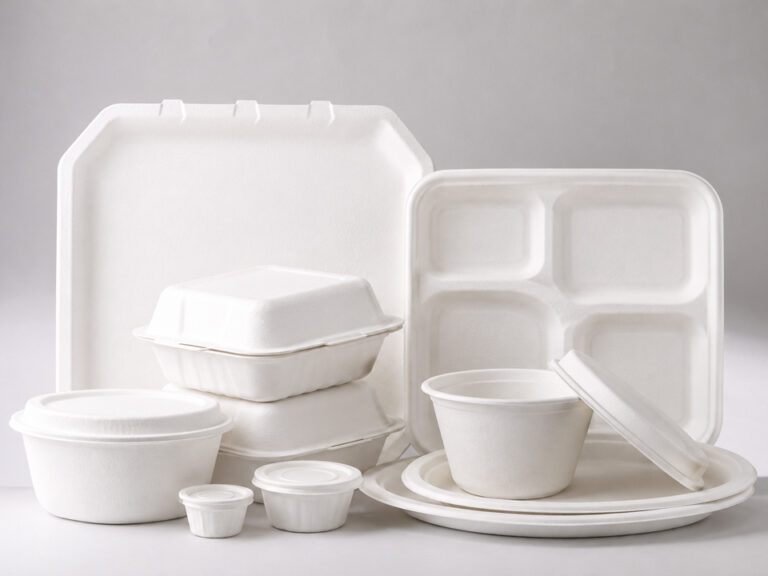
Schalen, Klappverpackungen, Becher, Deckel – ganz unterschiedliche Dinge
Bei Schalen geht es vor allem um die Stabilität. Wenn sich die Schale unter dem Gewicht der Lebensmittel durchbiegt, ist der Rest schon verloren.
Bei Clamshell-Verpackungen geht es um Verschluss, Scharnier, Belüftung und Geometrie. Die Leute machen sich den Kopf über das Material und vergessen dabei, wie der Deckel sitzt. Das ist echt amateurhaft.
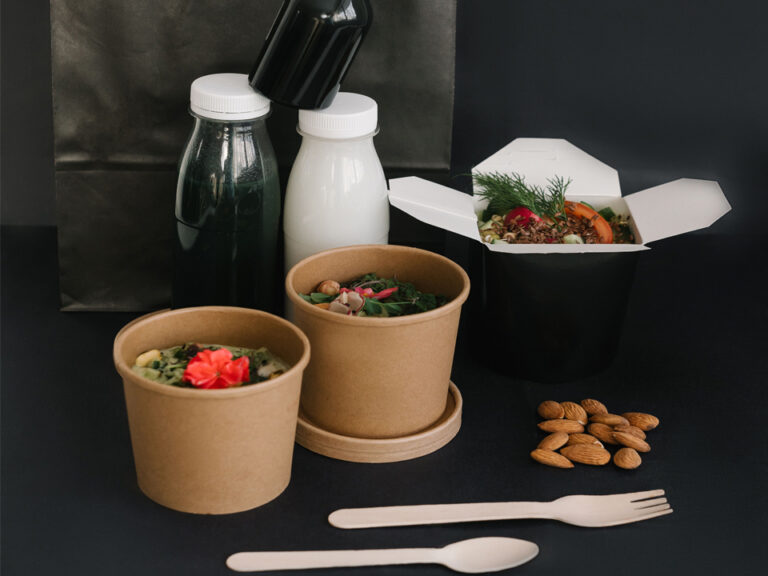
Bei Bechern geht es um Temperatur, Randtoleranz, Deckelkompatibilität, Transparenz, Rissbildung, Kondenswasserbildung und darum, ob der Deckel abspringt, wenn der Zusteller drei Getränke auf einmal in die Hand nimmt. PET-Kaltgetränkebecher, Papierbecher für Heißgetränke, mit PLA ausgekleidete Becher, PP-Deckel, Faserdeckel – sie verhalten sich nicht alle gleich. Tun Sie nicht so, als wäre das der Fall.
Deckel? Ich habe eine seltsame Leidenschaft für Deckel.
Ein schlechter Deckel ruiniert eine gute Schale. Ein guter Deckel rettet einen mittelmäßigen Behälter öfter, als Käufer zugeben. Undichtigkeiten, Wärmeverlust, Verunreinigungen der Beutel, verärgerte Kunden, Nachbestellungen – die Hälfte davon hat ihren Ursprung im Deckel.
Wenn also jemand nach dem die beste Verpackung zur Verringerung von Lebensmittelabfällen, ich antworte nicht mit “Bagasse”, “Papier”, “PET” oder “kompostierbar”.”
Ich frage: Welche Speisen, welche Temperatur, welche Soßenmenge, welche Lieferzeit, welche Stapelhöhe, welche Ausfallrate?
Dann können wir darüber reden.
Ein fundiertes Bewertungsmodell für umweltfreundlichere Lebensmittelverpackungen
Punktbereich
Gewicht
Was soll gemessen werden?
Leistung im Bereich Lebensmittelsicherheit
30
Leckagerate, Wärmespeicherung, Feuchtigkeitsregulierung, Einfluss auf die Haltbarkeit, Stapelschäden
Tatsächlicher Ablauf am Lebensende
20
Recyclingfähigkeit vor Ort, Kompostierbarkeit, Verunreinigungstoleranz, Entsorgungsweg
Wesentliche Auswirkungen
15
Neuware vs. Recyclinganteil, Faserquelle, Kunststofftyp, Beschichtungschemie, Flächengewicht
Lebensmittelsicherheit und Einhaltung gesetzlicher Vorschriften
15
Vorschriften zum Kontakt mit Lebensmitteln, PFAS-Status, Grenzwerte für Schwermetalle, Migrationsnachweise
Dieses 100-Punkte-Modell ist nicht besonders ausgefallen.
Genau darum geht es.
Ausgefallene Modelle werden ignoriert. Dieses hier zwingt die Beteiligten dazu, grundlegende Fragen zu klären. Schützt die Verpackung das Produkt? Kann der Käufer sie tatsächlich so entsorgen, wie es der Lieferant behauptet? Entspricht das Material den Vorschriften? Passt es in die Produktionslinie? Verursacht es einen übermäßigen Frachtraumverbrauch? Kann der Lieferant die Qualität Charge für Charge gewährleisten?
Meiner Erfahrung nach verliert das Argument der “umweltfreundlichsten” Verpackung oft an Überzeugungskraft, sobald die Betriebsabteilung in die Besprechung einbezogen wird.
Gut. Der operative Bereich sollte sich früher einbringen.
Wann recycelbare Lebensmittelverpackungen die Nase vorn haben sollten
Wenn der Schutz der Lebensmittel bereits gewährleistet ist, sollte die Recyclingfähigkeit Vorrang haben.
Trockenbackwaren. Fettarme Snacks. Einige gekühlte Produkte zum Mitnehmen. Getränketräger. Sekundärverpackungen. Bestimmte Papierkartons. Anwendungsbereiche, in denen das Risiko einer Lebensmittelkontamination gering ist und der lokale Recyclingkreislauf das Material tatsächlich verarbeiten kann.
In solchen Fällen sollten Sie sich verstärkt auf wiederverwertbare Lebensmittelverpackungen konzentrieren. Vereinfachen Sie die Materialstrukturen. Vermeiden Sie ungewöhnliche Laminierungen. Reduzieren Sie den Einsatz von Neuware. Achten Sie auf angemessene Beschichtungen. Formulieren Sie Entsorgungshinweise klar und deutlich. Unterstützen Sie die Berichterstattung im Rahmen der erweiterten Herstellerverantwortung (EPR).
Aber benutzen Sie das Wort “recycelbar” nicht wie einen Zauberspruch.
„Technisch recycelbar“ ist nicht dasselbe wie „weit verbreitet recycelt“. „Weit verbreitet recycelt“ ist nicht dasselbe wie „in der Stadt Ihres Abnehmers akzeptiert“. „In sauberem Zustand akzeptiert“ ist nicht dasselbe wie „nach Verunreinigung durch Lebensmittel akzeptiert“. Und Verpackungen aus dem Gastronomiebereich sind besonders anfällig für Verunreinigungen.
Fett ist keine Theorie.
Wann die Vermeidung von Lebensmittelverschwendung Vorrang haben sollte
Verpackungen zur Vermeidung von Lebensmittelabfällen sollten Vorrang haben, wenn die Mahlzeit eine hohe eingebettete Umweltbelastung oder ein hohes Ausfallrisiko aufweist.
Fertiggerichte. Fleischreiche Gerichte. Milchprodukte. Meeresfrüchte. Frisch geschnittenes Obst und Gemüse. Gerichte aus Großküchen. Bordverpflegung für Fluggesellschaften. Kochboxen. Fernlieferungen. Warme Mahlzeiten in Mehrfachbehältern. Alles, was feucht, ölig, leicht verderblich, teuer oder markenempfindlich ist oder bei mangelhafter Präsentation wahrscheinlich abgelehnt wird.
Das heißt aber nicht, dass man alles übermäßig einpacken soll.
Bitte werden Sie nicht zu einem solchen Käufer.
Schwere Verpackungen erhöhen die Frachtkosten. Überdimensionierte Verpackungen verschwenden Lagerplatz. Konstruktionen aus mehreren Materialien können die Entsorgungsmöglichkeiten einschränken. Überdimensionierte Spezifikationen mögen zwar “sicher” erscheinen, verschlechtern aber insgeheim die Gesamtleistung des Systems.
Der „Sweet Spot“ ist weniger spektakulär: das richtige Material, die richtige Barriere, der richtige Deckel, die richtige Fachgestaltung, die richtige Nachgiebigkeit, der richtige Entsorgungsweg.
Nicht mehr Verpackung. Bessere Verpackung.
Der Test, den ich vor dem Materialwechsel durchgeführt hatte
Vergleichen Sie die Proben nicht auf einem Schreibtisch. Bei Schreibtischprüfungen wirken schlechte Spezifikationen oft harmlos.
Befüllen Sie die Verpackung mit den tatsächlichen Menüartikeln. Verwenden Sie die tatsächlichen Füllgewichte. Testen Sie die Haltbarkeit nach 20, 40 und 60 Minuten. Stapeln Sie die Kartons. Simulieren Sie die Vibrationen beim Transport. Prüfen Sie, ob sich der Deckel löst. Wiegen Sie ausgelaufene Lebensmittel. Fotografieren Sie den Verlust an Präsentation. Erfassen Sie Kundenbeschwerden, falls es sich um einen Live-Pilotversuch handelt. Erfassen Sie das Verpackungsgewicht und das Gewicht der weggeworfenen Lebensmittel gemeinsam in Gramm.
Eine Klappverpackung, die für trockene Nudeln geeignet ist, eignet sich möglicherweise nicht für Curryreis. Eine Schüssel, in die Salat passt, eignet sich möglicherweise nicht für Suppe. Ein Deckel, der im Sommer funktioniert, kann bei der Kühlkette Risse bekommen. Eine Verpackung wird nicht automatisch “nachhaltig”, nur weil sie die einfachsten Lebensmittel problemlos verpackt hat.
Häufig gestellte Fragen
Sind recycelbare Verpackungen immer nachhaltiger als Verpackungen, die Lebensmittelverschwendung verhindern?
Recycelbare Verpackungen sind nicht immer nachhaltiger, da die Gesamtbelastung sowohl von der weggeworfenen Verpackung als auch von den darin verpackten Lebensmitteln abhängt; wenn eine recycelbare Verpackung zu Auslaufen, Verderb, Ausschuss, Nacharbeit oder einem Verlust an Haltbarkeit führt, können die ökologischen Kosten der Lebensmittelverschwendung den Nutzen des Recyclings überwiegen.
Bei trockenen Lebensmitteln mit geringem Risiko kann die Recyclingfähigkeit im Vordergrund stehen. Bei feuchten, heißen, öligen, gekühlten oder hochwertigen Lebensmitteln muss hingegen die Schutzwirkung an erster Stelle stehen. Die umweltfreundlichste Option ist diejenige, die den Gesamtabfall des Systems reduziert.
Was sind Verpackungen zur Vermeidung von Lebensmittelabfällen?
Verpackungen zur Vermeidung von Lebensmittelabfällen sind Verpackungen, die darauf ausgelegt sind, Lebensmittel verwendbar, sicher, verkaufsfähig und ansprechend zu halten, indem sie Verderb, Auslaufen, Quetschschäden, Verunreinigungen, das Auslaufen von Soßen, den Verlust an Haltbarkeit sowie Lieferausfälle während der Lagerung, Handhabung, des Transports, der Präsentation, der Mitnahme und des Verzehrs reduzieren.
Im Gastronomiebereich kann dies beispielsweise stabilere Tabletts, besser abdichtende Deckel, belüftete Klappverpackungen, Behälter mit Unterteilungen, fettbeständige Formfaser, isolierte Becher oder Verpackungsgrößen bedeuten, die auf das tatsächliche Essverhalten abgestimmt sind.
Wie sollte die Beschaffungsabteilung Verpackungsabfälle und Lebensmittelabfälle miteinander vergleichen?
Im Beschaffungswesen sollte ein Vergleich zwischen Verpackungsabfall und Lebensmittelabfall vorgenommen werden, indem die Gesamtverluste des Systems gemessen werden: Verpackungsgewicht, Entsorgungsweg, weggeworfene Lebensmittel, Auslaufquote, Nacharbeitquote, Reklamationsquote, Schwund während der Haltbarkeitsdauer, Verunreinigungsgrad, Compliance-Risiko, Auswirkungen auf die Lagerung sowie Logistikleistung unter realen Betriebsbedingungen.
Leere Testläufe reichen nicht aus. Füllen Sie die Verpackung. Belasten Sie sie. Versenden Sie sie. Behandeln Sie sie ein wenig grob. Zählen Sie dann, was kaputtgegangen ist.
Welche Rolle spielt die Ökobilanz von Lebensmittelverpackungen?
Bei der Ökobilanz von Lebensmittelverpackungen werden die Auswirkungen in den Bereichen Rohstoffe, Herstellung, Transport, Nutzung und Entsorgung ermittelt; eine besonders aussagekräftige Ökobilanz berücksichtigt jedoch auch, wie sich die Verpackung im realen Anwendungsfall auf Lebensmittelabfälle, Haltbarkeit, Verderb, Portionsverluste und das Verbraucherverhalten auswirkt.
Bei einer oberflächlichen Ökobilanz wird nur die Verpackung betrachtet. Eine fundiertere Ökobilanz berücksichtigt das gesamte Lebensmittelsystem. Dieser Unterschied ist besonders bei Fleisch, Milchprodukten, gekühlten Fertiggerichten, frischen Erzeugnissen und warmen Lieferformaten von entscheidender Bedeutung.
Wie wähle ich umweltfreundlichere Lebensmittelverpackungen für Gerichte zum Mitnehmen aus?
Entscheiden Sie sich für umweltfreundlichere Lebensmittelverpackungen für Speisen zum Mitnehmen, indem Sie zunächst die Verpackung auf die jeweiligen Risiken der jeweiligen Speise abstimmen – Hitze, Dampf, Öl, Soße, Gewicht, Standzeit, Stapelbarkeit, Erschütterungen beim Transport und Passgenauigkeit des Deckels – und anschließend die Recyclingfähigkeit, die Kompostierbarkeit, die Konformität mit den Vorschriften für den Kontakt mit Lebensmitteln, den PFAS-Status, die Kosten, das Frachtvolumen und die Lieferzuverlässigkeit prüfen.
Bei Verpackungen aus Formfaser für Speisen zum Mitnehmen sollten Sie die Fettbeständigkeit, das Feuchtigkeitsverhalten, die Scharnierfestigkeit, das Schließverhalten, die Stapelkompression, die Wärmespeicherung und das Erscheinungsbild nach 30–60 Minuten prüfen. Da zeigt sich erst, wie gut sie wirklich sind.
Abschließende Einschätzung
Die „Greener Food“-Verpackung ist nicht automatisch recycelbar.
Nicht automatisch kompostierbar.
Nicht automatisch auf Faserbasis.
Nicht automatisch plastikfrei.
Und schon gar nicht automatisch die Option mit dem schönsten Nachhaltigkeitssymbol.
Die umweltfreundlichere Lebensmittelverpackung ist diejenige, die insgesamt den geringsten Schaden verursacht, wenn man die Lebensmittel, die Verpackung, den Entsorgungsweg, das Compliance-Risiko, die tatsächlichen Lieferbedingungen und den betrieblichen Aufwand berücksichtigt – all das, was niemand im ESG-Bericht sehen möchte.
Fangen Sie also mit der Mahlzeit an. Unterziehen Sie die Verpackung einem Härtetest. Zählen Sie die Lebensmittelabfälle und den Verpackungsmüll zusammen. Schreiben Sie dann das Lastenheft.